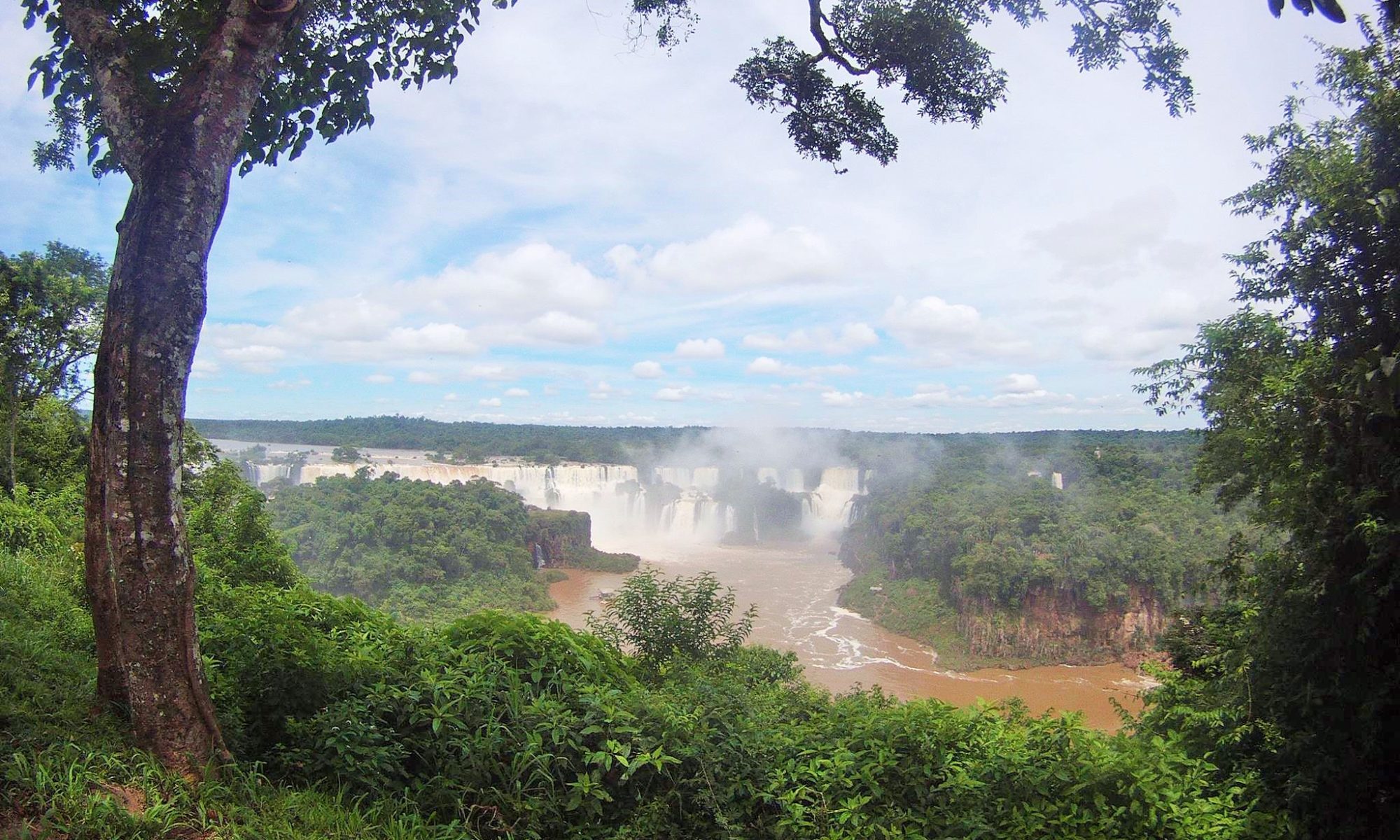
The Iguazú Falls (in Portuguese Cataratas do Iguaçu, in Spanish Cataratas del Iguazú) are the waterfalls of the Iguaçu or Iguazú River on the border between the Brazilian state of Paraná and the Argentine province of Misiones.
>>> READ MORE

…..on tour….
The Iguazú Falls (in Portuguese Cataratas do Iguaçu, in Spanish Cataratas del Iguazú) are the waterfalls of the Iguaçu or Iguazú River on the border between the Brazilian state of Paraná and the Argentine province of Misiones.
>>> READ MORE
In 1616, a church of Brother Pedro Buitriago was built on the site of Choroni. As a colonial village it was recognized in 1622 by the Spaniards. Initially, it was difficult to reach by land due to the lack of a road through the rainforest. Today, this rainforest forms the National Park Henri Pittier, named after the Swiss scientist Henri Pittier.
>>> READ MORE
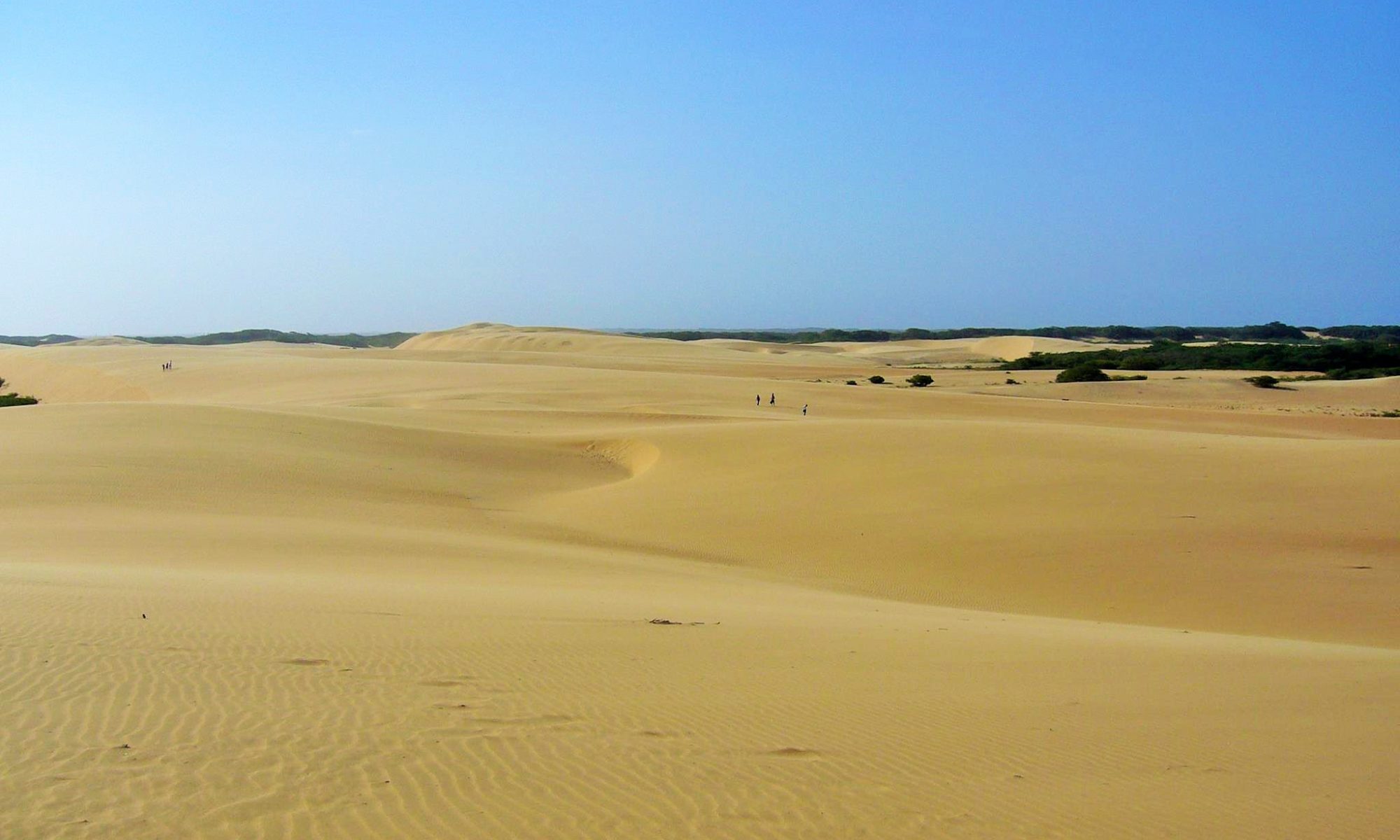
Coro, officially Santa Ana de Coro, is the capital of the Venezuelan state of Falcón with about 258,000 inhabitants and is located on the Caribbean Sea at the north coast of Venezuela. In the north you can reach the Paraguaná peninsula via the isthmus of Médanos. In the northwest, the Gulf of Coro extends as a marginal sea of ??the Gulf of Venezuela. Off the coast are the Netherlands Antilles: In the north is Aruba and in the northeast there is Curaçao. In the south begins after a few kilometers, the hills of the Sierra de Coro. The closest major cities are in the south Barquisimeto and in the southeast Valencia.
>>> READ MORE
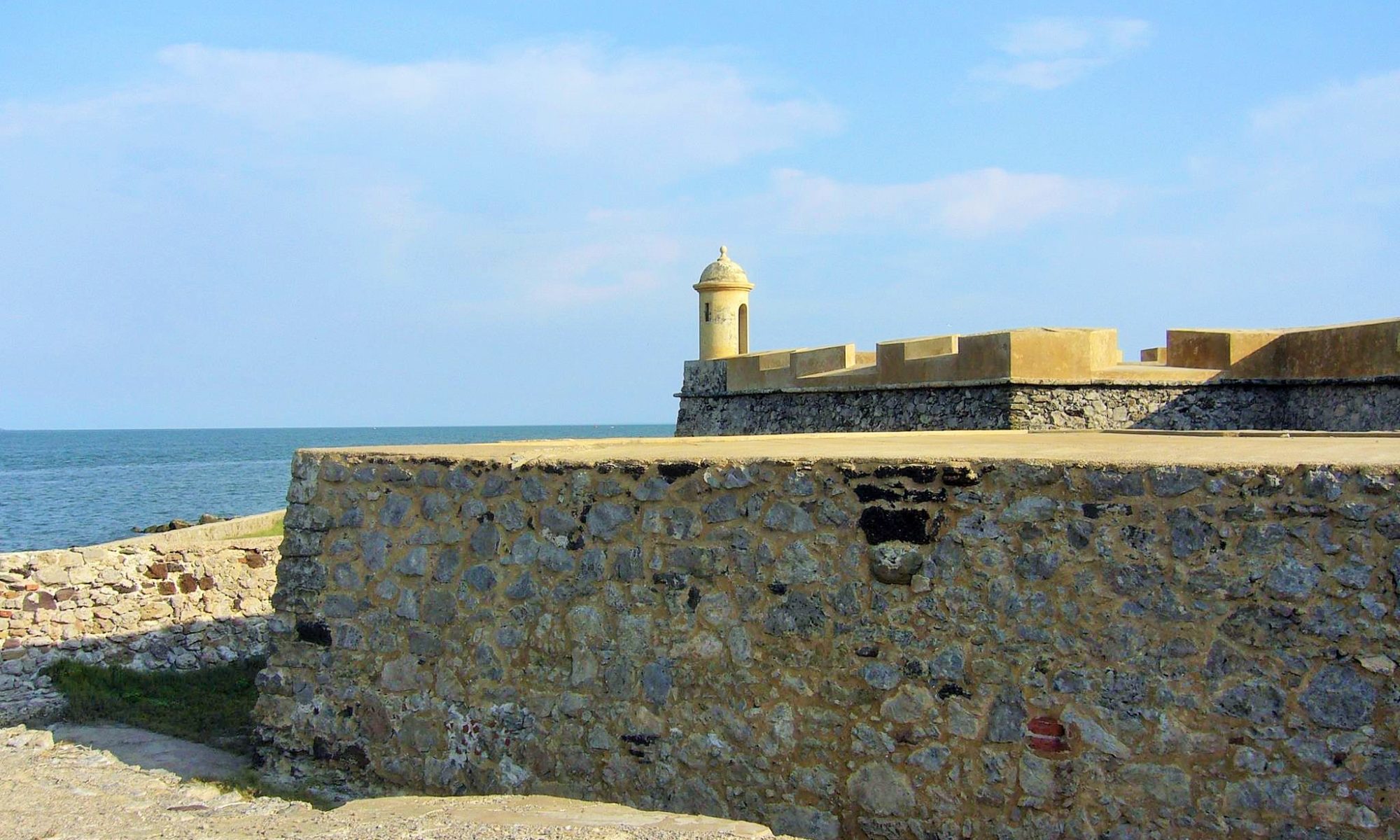
The castle of San Carlos de la Barra is a construction of colonial Spain, located on the San Carlos Peninsula, in the state Zulia. It was built in 1623 with limestone rocks, brought from Toas Island, at the entrance of the Maracaibo bar. The fortress was intended to protect the passage that connects Lake Maracaibo with the Gulf of Venezuela. At the time when Maracaibo was built it had been attacked and sacked several times by pirates and the construction of the castle was intended to have a true defense of the territory that would prevent pirates from entering the mainland.
>>> READ MORE
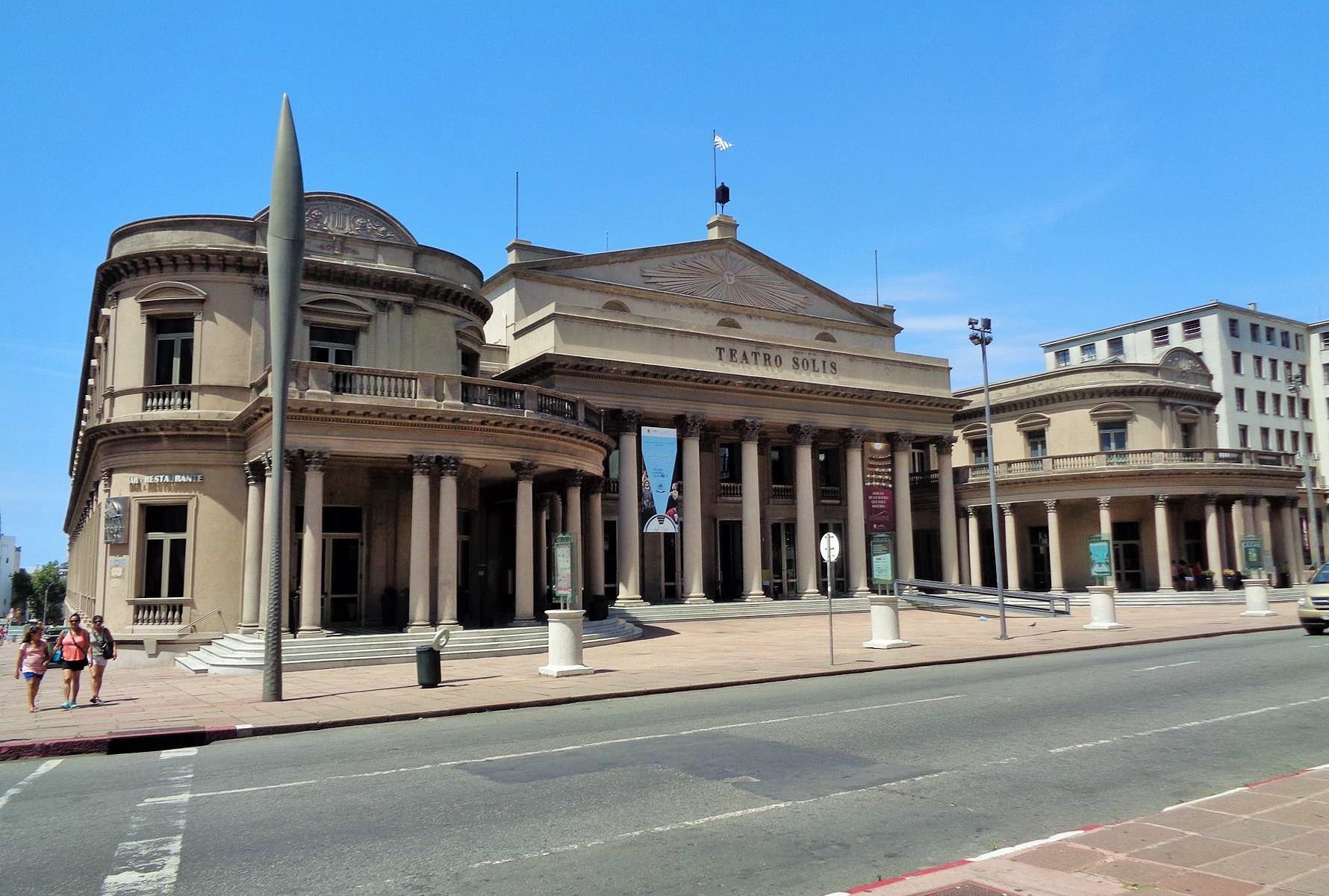
At this year’s South America Trip we also had a multi-day stop in the capital of Uruguay – Montevideo. The country is one of the smallest on the South American continent, but it has holiday opportunities fustdick behind the ears. The city is located at the mouth of the Río de la Plata and has about 1.3 million inhabitants. Buenos Aires in Argentina is on the other side of the river, actually only 213 kilometers as the crow flies. You can easily take ferries here, driving through countless boats. Incidentally, Montevideo celebrates the longest carnival in the world BEFORE Brazil and Rio. Maybe the one in Rio is bigger, but the one in Montevideo lasts longer … it goes on for a month …
>>> READ MORE
If you calculate the whole area together, then the city is not much bigger than Frankfurt in Germany. But therefore it has a habitation of about three million people. And if you count all the suburbs and connected districts as well you will be fast cross the ten million line. So many people and so many interessting stories. In Buenos Aires live a lot of different folks from all around Argentina and Southamerica, it´s the little New York of the South wth all its different styled quarters. Here we go now for the neighbourhood Palermo.
>>> READ MORE
The city of La Paz is the highest administrative capital in the world and is located in the Altiplano plateau of the Andes at more than 3.500 meters above sea level. More than 750.000 people live in the mountainious area and it is the third biggest city in the country. There are numerous thing we could tell you ab La Paz, but this page here is about graffiti and streetart from that place. Here is a collection with graffiti rom one of the highest cities in the world. Streetart on an ultimate altitude. We found some really nice pieces, combined with urban views. Indigenious traditions meet today customs combined with actual issues of the whole society.
>>> READ MORE
Germán Aczel loves football and is a passionate cartoonist. He has linked these two passions in his World Cup book. A detailed encyclopaedia of the individual football world championships, decorated with funny sketches and humorous cartoons. The multi-colored World Cup history brings together the most defining moments in football history from 1930-2014: Maradona’s hand of God, Zidane’s legendary headbutt, the German agony of Belo Horizonte, Suarez’s bite attack, the unforgettable moments of the 7-1 against Brazil or Gotze ‚S victory gate. Distinct caricatures of the most iconic players, the most spectacular goals and most moving World Cup scenes accompanied by thrilling background stories. Aczel has written colorful, rich in facts and entertaining, the ultimate comic-style World Cup primer as a world champion edition.
>>> READ MORE
On the first glance you could assume that the place is somewhere around the Baltic or at the Wadden Sea. The architecture doesn´t really look very South American. As well there is this huge but small white lighthouse, which reminds more on Denmark or the German Otto comedy movies. But the palms, the warm climate and the high waves will disabuse you. La Paloma is located at the southeastern coast of Uruguay and it´s covered with awesome paintings, fantastic streetart and hidden graffiti. We brought you nice photo material from our last trip to the little chillspot. It´s an insider tip for surfer, artists and mountainbiker.
>>> READ MORE
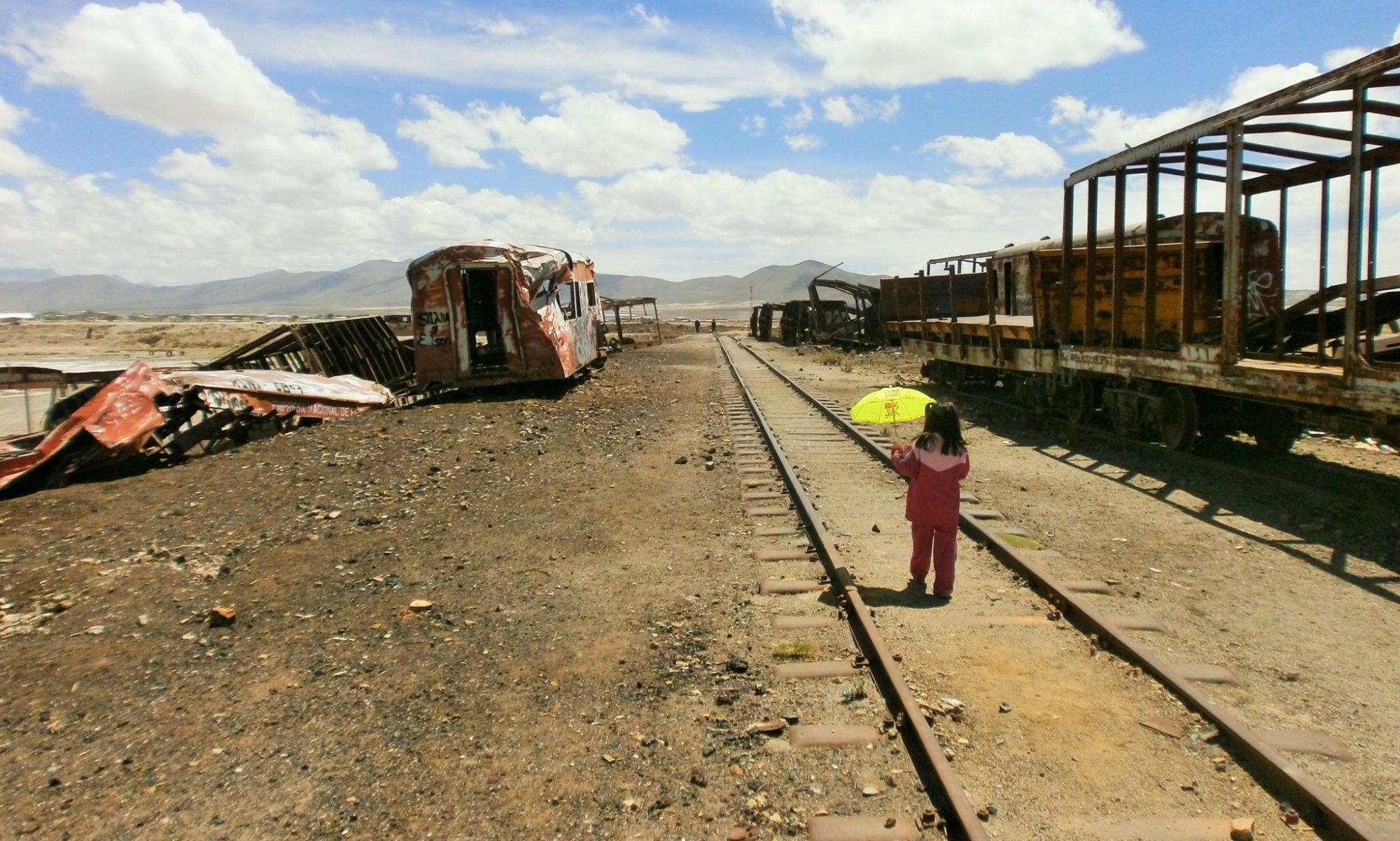
While we drove through the salt desert of Bolivia during our South America trip we made a little stop at an old train cementary. The „Cementerio de trenes“. The scene is just fantastic and a cinematic playground, the perfect place for a new Mad Max movie or a zombie apocalypse. The train cementary is located near the desert town Uyuni at around 3600 meters altitude. And you notice the height with every step for sure. In the big salt desert – the Salar de Uyuni – there is annually the famous Dakar Race on the route between Argentina over Chile to Bolivia with Uyuni as one of the main headquarters.
>>> READ MORE