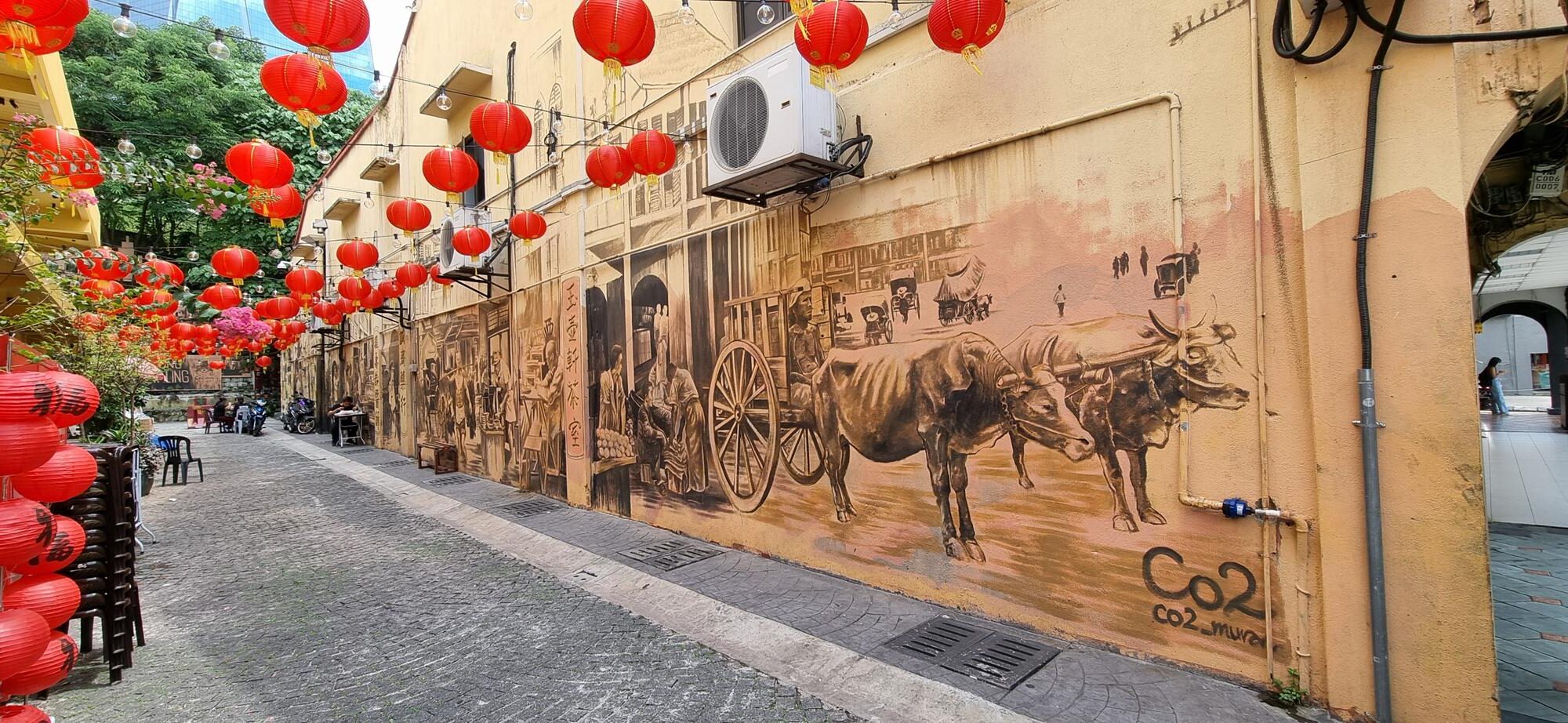
MALAYSIA: Streetart Kuala Lumpur – Chinatown – Kwai Chai Kok & Petaling Renewal Projects

Chinatown is a historic district in the center of Kuala Lumpur, centered around the well-known Petaling Street. The area’s origins date back to the 1860s and 1870s, when numerous Chinese immigrants arrived in Kuala Lumpur, primarily to work in the tin mining and trading sectors. Notable landmarks in the area include Petaling Street, the Hindu Sri Mahamariamman Temple from 1873, and the Taoist Guan Di Temple from 1888. Also you can find a lot of beautiful artworks around the streets.

>>> READ MORE
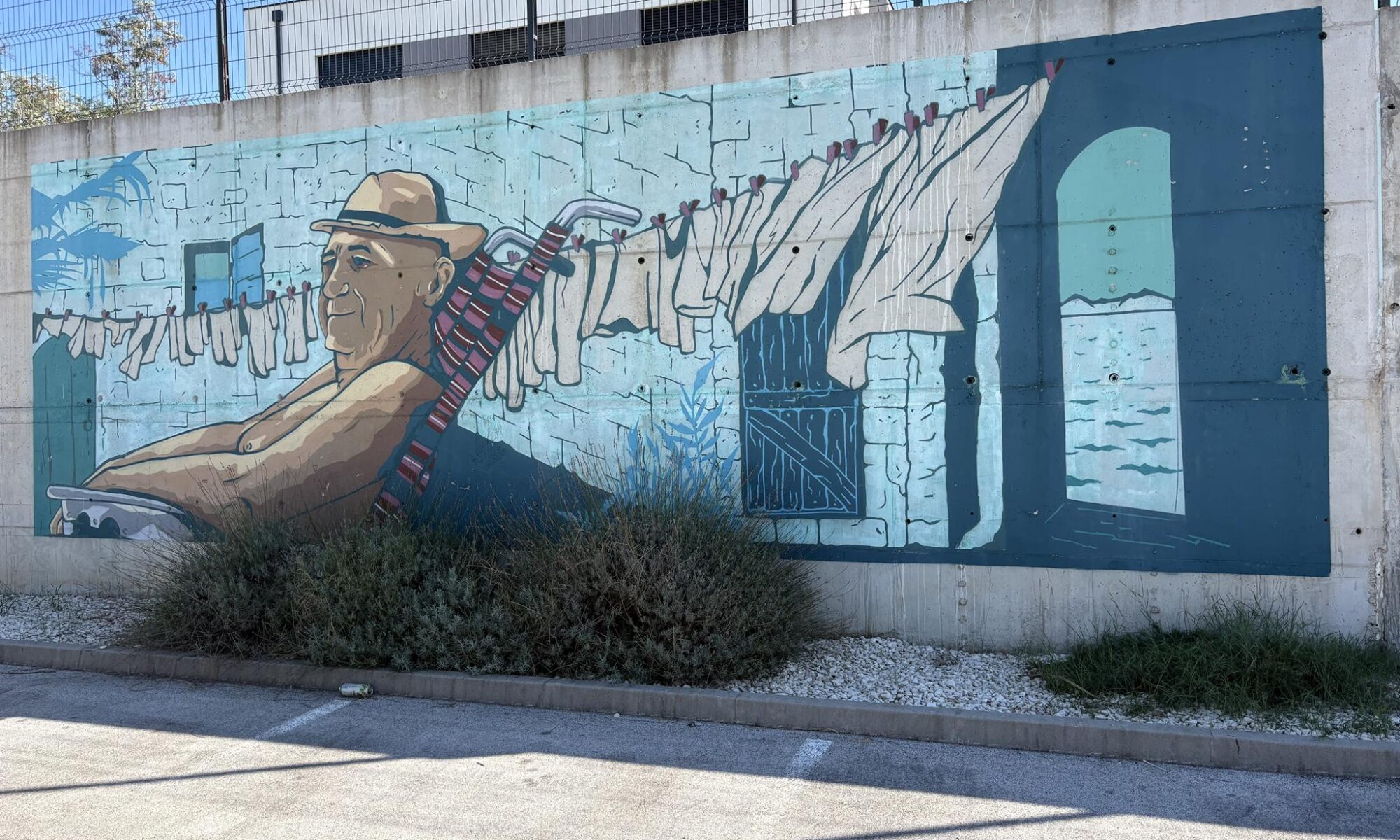
CROATIA: Streetart Rovinj – Istria Graffiti and Adriatic Urban Art

Rovinj is a beautiful coastal town on the western side of the Croatian peninsula of Istria, situated directly along the Adriatic coast. The town has a population of approximately 13.000 and is particularly well-known for its picturesque old town, characterized by narrow alleys, colorful houses, and Venetian-style architecture. The landmark of Rovinj is the Church of Saint Euphemia; other notable sights include the Balbi Arch, the famous Grisia Street known for its art galleries, and the Zlatni Rt forest park. Surely there are also colorful artworks around the streets.

>>> READ MORE
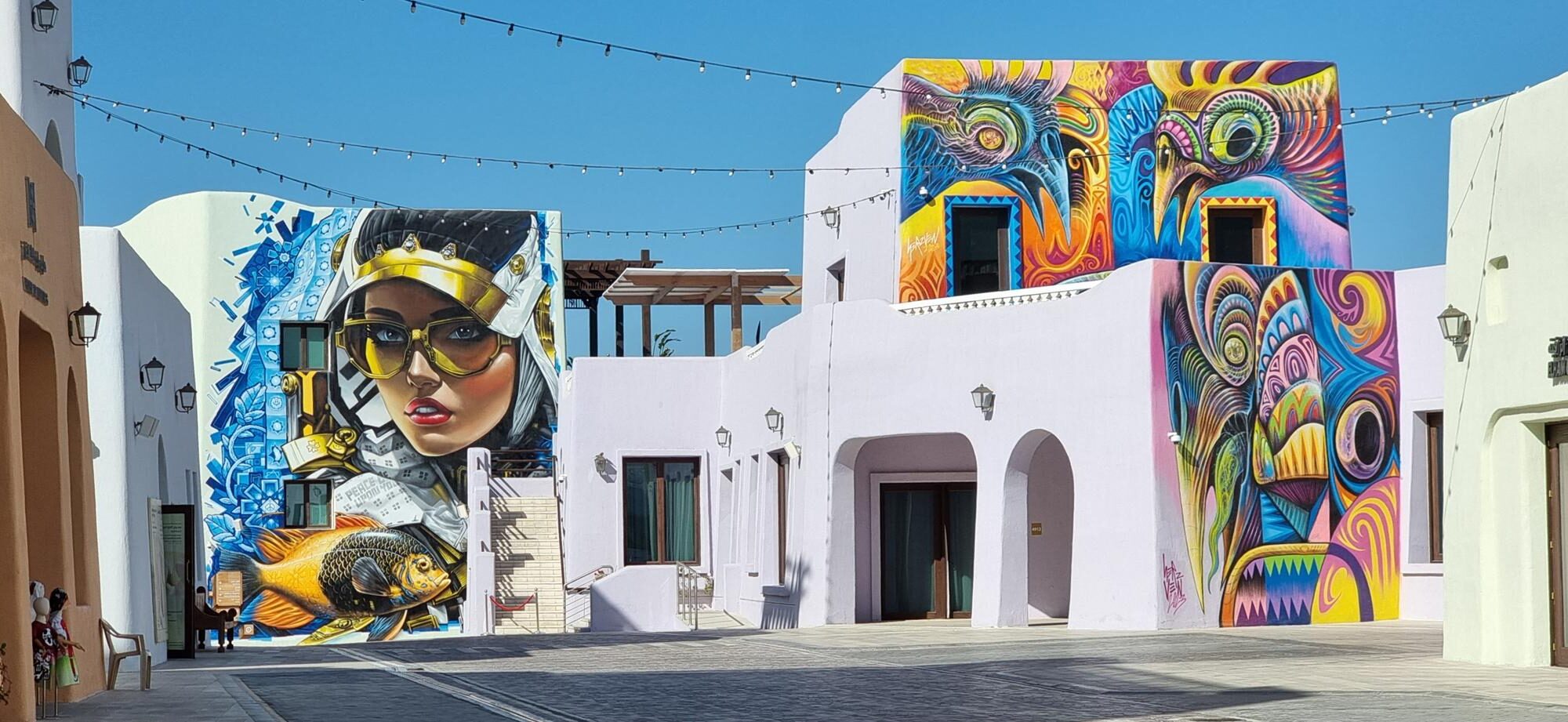
QATAR: Streetart Doha – World Wide Walls – Urban Art Event – 2023 Edition

From 26th November to 2nd December 2023 the vibrant streetart festival WORLD WIDE WALLS: DOHA transformed the picturesque waterfront of the Mina District at Old Doha Port into a bustling open-air gallery. Hosted for the second time in the Middle East and North Africa region by QATAR MUSEUM, following its debut in Doha in 2021, the free public event was organized in partnership with the global WORLD WIDE WALLS organization. Three Qatari artists alongside ten international creatives painted 13 fantastic murals.

>>> READ MORE

MONTENEGRO: Podgorica – Cathedral of the Resurrection of Christ – Monumental Fresco Gallery

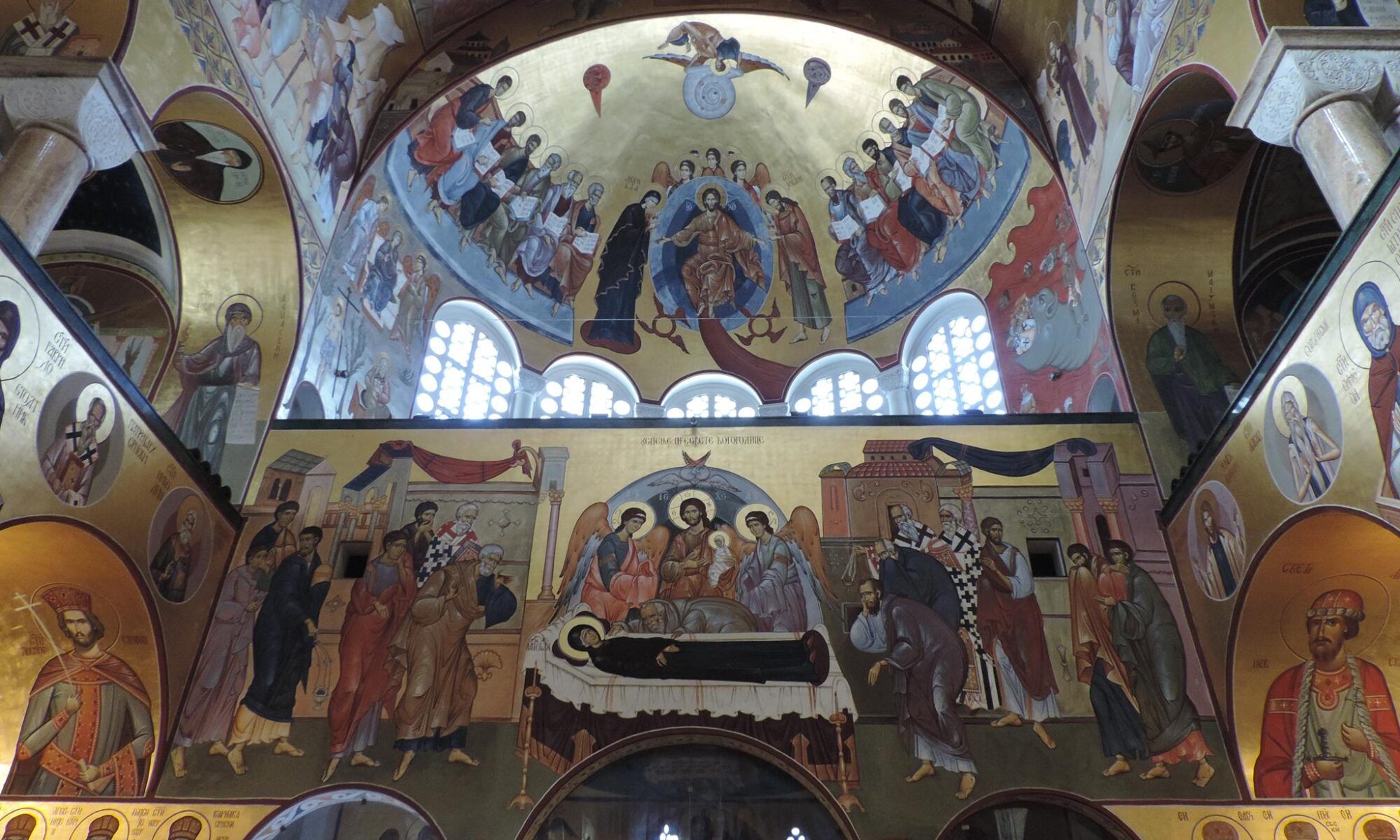
In the heart of Podgorica stands a impressive building that is far more than an Orthodox place of worship. The Cathedral of the Resurrection of Christ is a monumental work of art combining architecture, fresco painting, mosaics and stone sculpture. Its interior is particularly impressive, with an almost overwhelming visual world: golden backgrounds, depictions of saints, biblical narratives and historical figures cover the walls, columns, vaults and domes. From an artistic perspective, the cathedral is especially fascinating because it combines centuries-old Orthodox visual traditions with contemporary political and social statements.

>>> READ MORE

LEBANON: Streetart Beirut – Mighty Murals and High Scale Artworks – Art of Change

Murals in Beirut are an essential component of the Lebanese capital’s urban art and protest culture. Their evolution is closely linked to the country’s political history. A prominent artist from the early 2000s is YAZAN HALWANI, who gained recognition for his large-format portraits of well-known Arab figures. During the protest movement that began on 17th October 2019, walls throughout downtown Beirut once again became canvases for political expression. These murals addressed issues such as corruption, social inequality, women’s rights, and the desire for political change. Several of them were made as part of the ART OF CHANGE initiative.

>>> READ MORE

ITALY: Streetart Turin – Vallette – Via Andrea Sansovino – MurArte Masterpieces

The long wall in the Vallette neighborhood on Via Andrea Sansovino has been a canvas for graffiti for numerous years. In 2021, the location served as the venue for that year’s MURARTE JAM. The MAUA MUSEUM also participated with various projects. It’s a fantastic urban art gallery with a long history, and it continues with new pieces getting created all the time. Here’s an overview with a photo documentation from the past.

>>> READ MORE

GERMANY: Streetart Fürth – Graffiti and Urban Art Collection

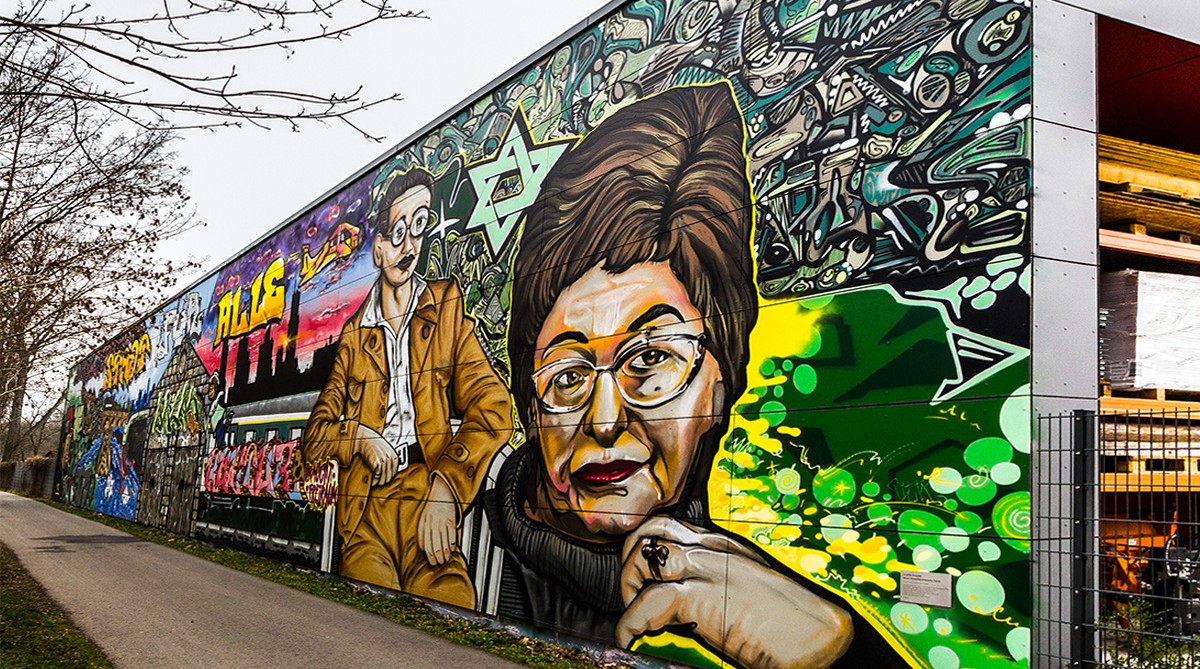
Fürth is an independent city with about 132.000 inhabitants in Middle Franconia. The city was first mentioned in historical records in 1007 and received city rights in 1808. In 1835, the first German railway, the “Adler”, began operating between Nuremberg and Fürth. The city is known for its historic town hall, Art Nouveau architecture, its traditional cloverleaf symbol and its football club, SpVgg Greuther Fürth, based on the city’s coat of arms with a green three-leaf clover. Check out the Collection and new Urban Art Map!

>>> READ MORE

SPAIN: Streetart Gran Canaria – Las Palmas de Gran Canaria – Urban Art on the Canary Islands

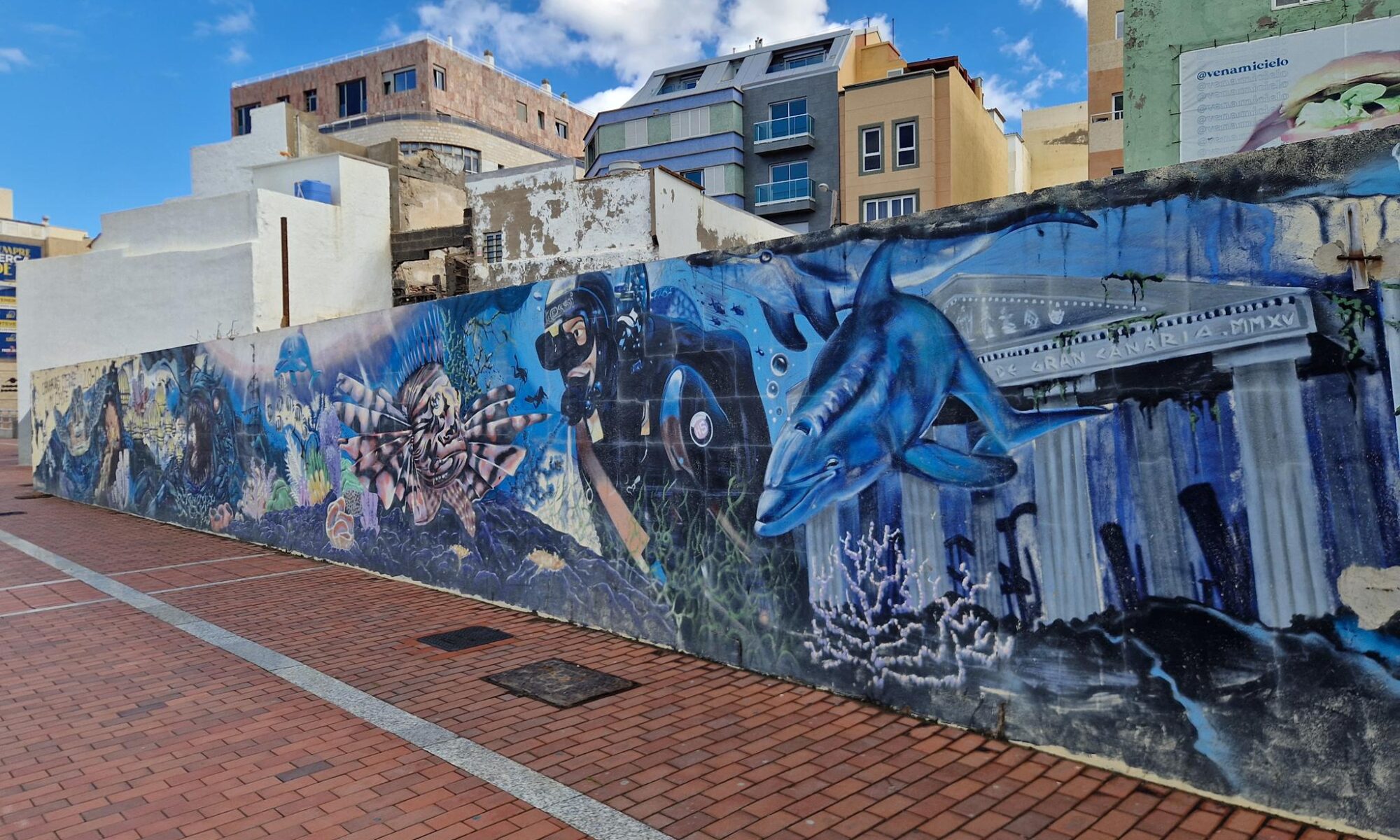
Las Palmas de Gran Canaria, with around 382.000 inhabitants, is the largest city in the Canary Islands. Highlights include the historic district of Vegueta, with the Catedral de Santa Ana and Casa de Colón, the elegant neighborhood of Triana, and the long sandy beach of Las Canteras. Beyond its colonial architecture and museums, contemporary art is an important part of the city’s identity. Colorful murals, streetart and graffiti can be found throughout the streets, especially in its older and more creative neighborhoods.

>>> READ MORE

MONTENEGRO: Streetart Podgorica – Club Haustor – Creative Café, Culture Bar & Art Space

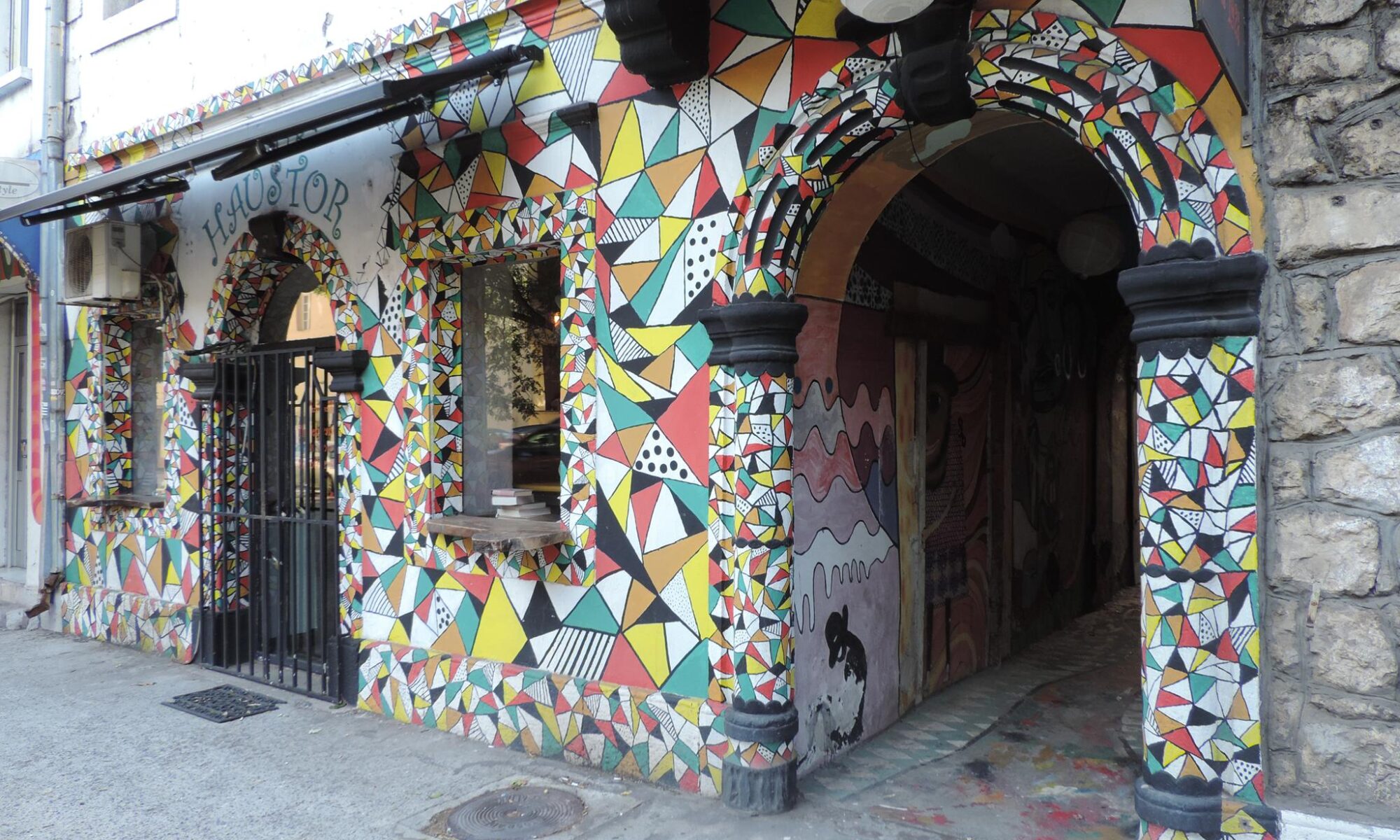
CLUB HAUSTOR is located in the centre of Podgorica and offers much more than an ordinary bar. It is a unique meeting place that brings together cafés, culture, music and urban art. The art space combines different aspects of the city’s alternative cultural scene and offers a glimpse into Podgorica’s creative side. The venue is an eye-catcher even from the outside. Particularly impressive is the colourful entrance, decorated with artistic mosaics and vibrant tiles, but also the many other urban artworks around the building and in the tunnel.

>>> READ MORE

BOSNIA-HERZEGOVINA: Streetart Sarajevo – Koševo – Zetra Graffiti Hall of Fame

Right next to the huge Zetra sports arena at it’s bigger parking lot, there is a large Graffiti Hall of Fame that turns the area into an open-air gallery for the local urban art scene, also because it is the main spray hall in the city. The Juan Antonio Samaranch Olympic Hall was built for the 1984 Winter Olympics and burned partially down during the siege of Sarajevo. After the war, the arena was rebuilt and reopened in 1999. The graffiti in the surrounding area thus adorns a place that, like few others, epitomizes Sarajevo’s turbulent history: Olympic glory, destruction, and reconstruction converge here with a modern urban art scene.

>>> READ MORE