SOUTH KOREA: Seoul – Gwanak-gu – Nambusunhwan Urban Art Alleys

The Nambusunhwan Urban Art Alley in Seoul’s Gwanak-gu district is a vibrant example of public urban art. Located at 1563 Nambusunhwan-ro, the alley features colorful murals, graffiti, and creative art installations that transform ordinary walls into an open-air gallery. Reflecting Seoul’s contemporary culture and artistic spirit, it offers visitors unique photo opportunities and an authentic glimpse into the city’s dynamic local art scene. Also in the little streets around you can find several more artworks.

>>> READ MORE

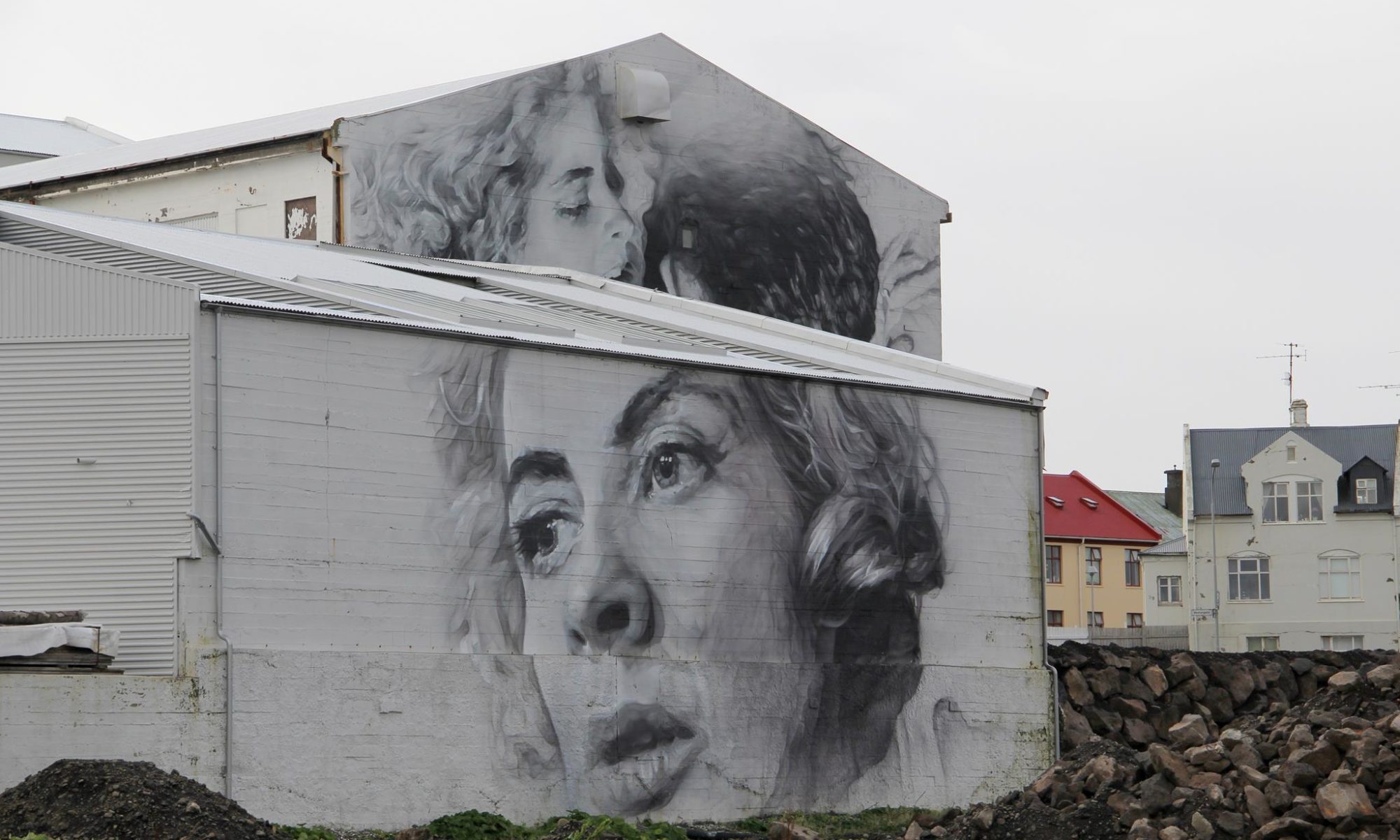
GERMANY: Fantastic Photographer & Urban Culture Documentarian – IRXNSCHMOIZ

The photographer IRXNSCHMOIZ provides fantastic images of urban art and as part of our Vagabundler collective we constructed maps for Hannover, Bremerhaven, Braunschweig, Dortmund and Hildesheim, but also individual pages to numerous other places in Germany. The process the pics go through take time, and he puts a lot of energy into it. That’s why the results are always a feast for the eyes. In this article he introduces himself and tells your readers some more about his story, the early years in Berlin, his fondness for unique architecture and industrial buildings, or even little plays of color behind a trash can.

>>> READ MORE

LEBANON: Streetart Beirut – Art of Change Project – United Nations Revolution Wall

ART OF CHANGE is a streetart initiative and urban art collective founded in Beirut in 2019. It was created by Lebanese activist and curator IMANE NASREDDINE ASSAF, who is also founder of the NGO Ahla Fawda, and British streetart organiser JASON CAMP. Both met through international streetart networks and developed the idea of transforming Beirut’s city walls into an open-air gallery. Based mainly in the Hamra district of Beirut, the initiative operates as a platform for both local and international artists. Its aim is to activate public space through large-scale murals, promote urban art in Lebanon, and use visual expression to highlight social and political issues.

>>> READ MORE

TAIWAN: Kaohsiung – Pier 2 Creative Harbor Quarter – Streetart & Graffiti

The PIER 2 art space around Dayong Warehouse District is one of Taiwan’s most famous cultural and creative quarters, located in the Kaohsiung harbor area. The former warehouse and industrial site was transformed into a modern art and cultural center in the early 2000s. Today, the site brings together contemporary art, design, exhibitions, cafés, shops, and public installations across several acres right on the waterfront. The space is particularly known for its large-scale streetart murals, rotating art exhibitions, and the blend of industrial architecture. On this page you will find especially the painted urban artworks.

>>> READ MORE

AUSTRALIA: Brisbane – Charged Urban Art – Electricity Boxes Series – ARTFORCE BRISBANE & URBAN SMART PROJECTS

The ARTFORCE BRISBANE project was launched by the City of Brisbane in 1999 and is now one of the most successful public art programs in Australia. From the outset, the initiative aimed to enhance the aesthetic appeal of unassuming and often overlooked infrastructure elements, such as electrical and traffic signal boxes. Since its launch over 1.200 boxes throughout the city have been painted, with more than 5.000 people participating in their design. Local artists can apply and around 80 objects are available each year.

>>> READ MORE

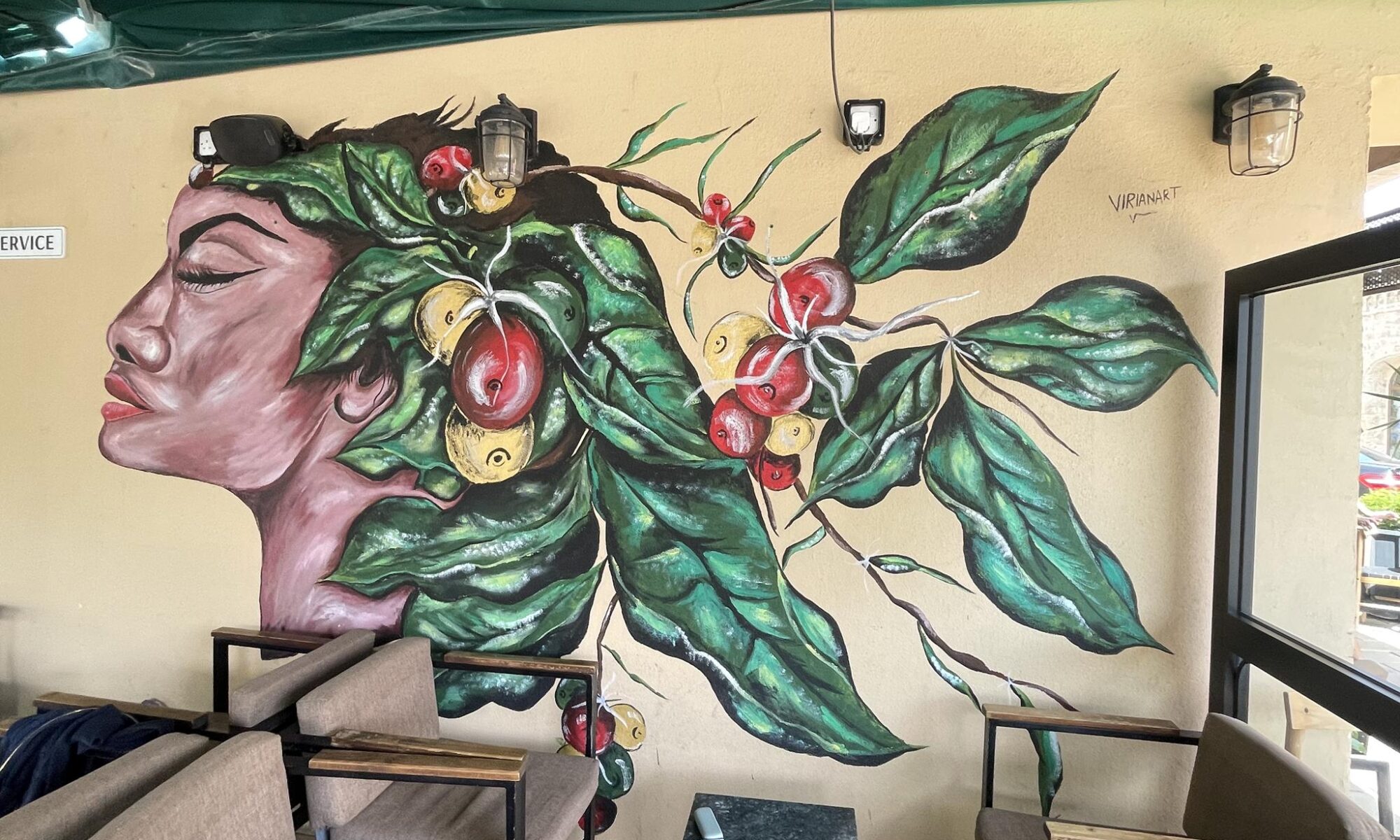
CHILE: Streetart Valparaíso – Artist Special – EDUARDO MENA

A self-taught painter, EDUARDO MENA, who lived from 1964 till 2021, was a prominent Chilean artist, especially renowned for capturing the essence, melancholy, and human and architectural landscape of Valparaíso, a city with which he had a deep and unbreakable bond. However he was born and raised in Santiago, but he entered university in Valparaíso to study architecture and settled permanently in the coastal city in 2001. His art, not just his graffiti, transports the elemental nature of his living surrounding.

>>> READ MORE

USA: Streetart Juneau – Alaska Capital – Urban Art in the Traditional Homeland of the Tlingit

Juneau is the capital of the U.S. state of Alaska and has a population of approximately 32.000 inhabitants. The city was founded in the late 19th century during a gold rush and named after the gold prospector Joe Juneau. Long before European settlers arrived in the region, the area was home to the Tlingit people, who continue to play an important role in the region’s culture and identity to this day. Their traditions, artwork, and stories shape Juneau’s cultural life and are featured in museums and cultural institutions. You’ll also find beautiful urban artworks in the streets.

>>> READ MORE

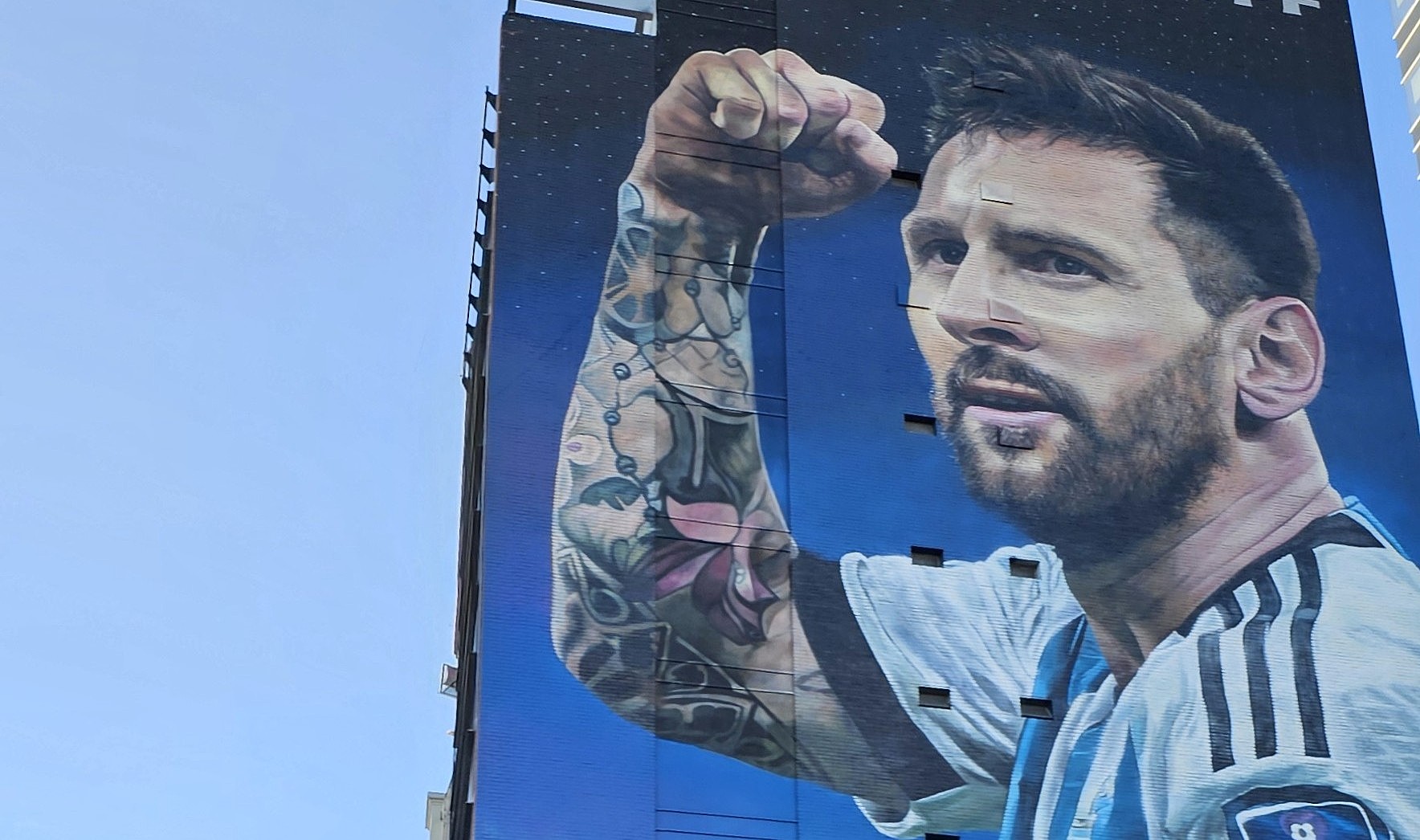
NEPAL: Kathmandu – Bhadrakaali – Dharahara Concept Mural Wall – ACADEMY OF FINE ARTS

In 2024 the KATHMANDU METROPOLITAN CITY launched an official mural program in collaboration with the NEPAL ACADEMY OF FINE ARTS. Artists were selected and commissioned by the city to paint these murals and a fantastic concept wall has also been created along Sundhara Road near the Dharahara Tower, featuring cultural motifs depicting the city’s people and historic landmarks. Additional works can be found at Saraswati Park or in the neighborhoods of Maitighar, Babar Mahal, Min Bhawan, Baneshwor and Lainchour.

>>> READ MORE

SOUTH KOREA: Streetart Daegu – Suseong – Muhak Mural Alleys

Suseong, or Suseong-gu, is a district in eastern Daegu and is considered one of the city’s most affluent and modern areas and is often referred to as the “Gangnam of Daegu”, with the Suseongmot Lake and the Suseong Valley. For art lovers, Suseong Artpia is highly recommended – a major center for the performing and visual arts. But you’ll also find plenty of urban art in the streets, including entire concept walls and extended open-air galleries. There’s especially much to discover around Muhak-ro Street, which runs through the neighborhoods of Dusan-dong and Jisan-dong.

>>> READ MORE

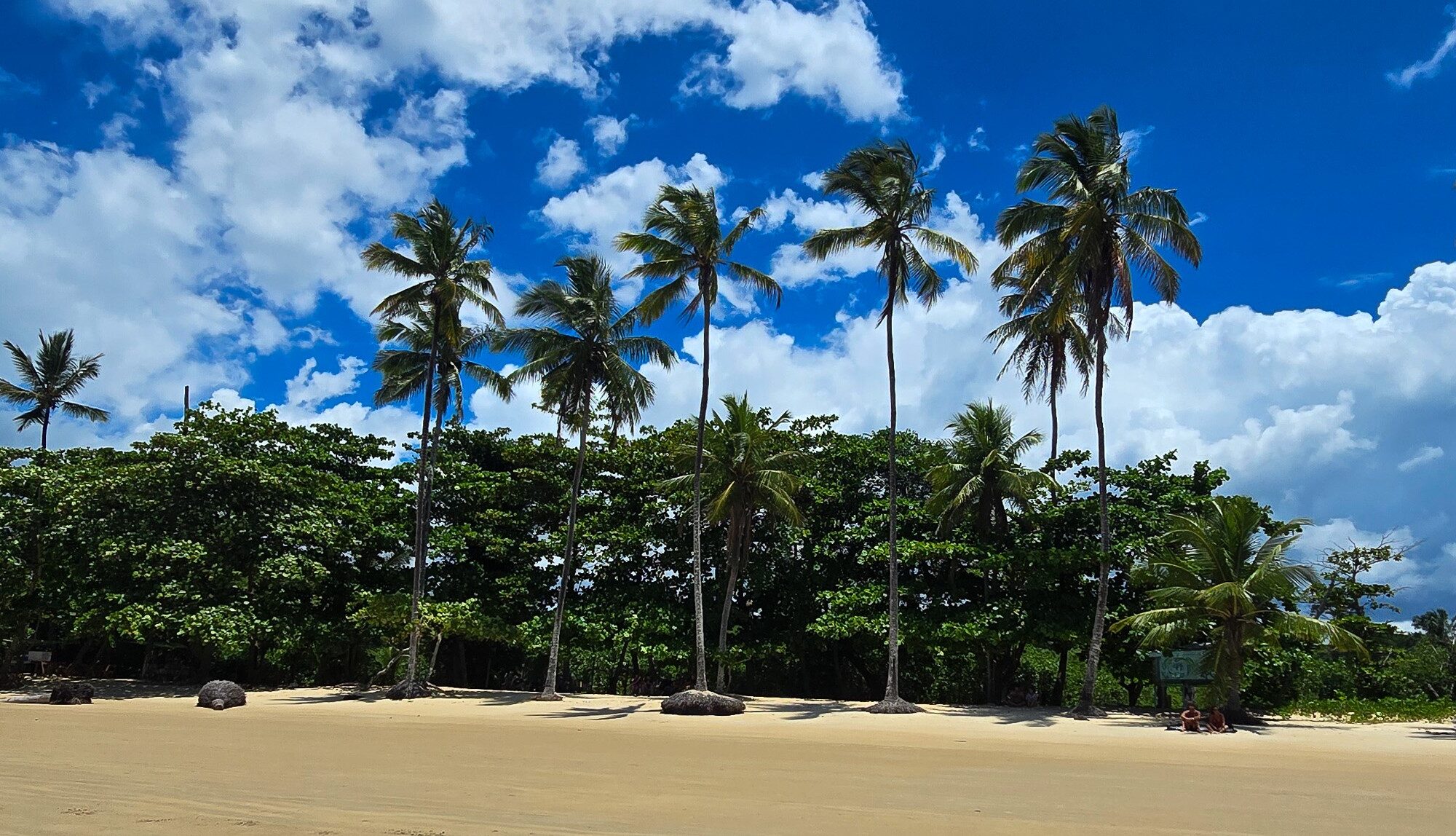
BRAZIL: Streetart Salvador de Bahia – Urban Art in São Salvador da Bahia de Todos os Santos

Salvador de Bahia was founded on 29th March 1549, and is now the sixth-largest city in the country with approximately 2.7 million inhabitants. The historical name of the coastal city, which was once the first capital, is „São Salvador da Bahia de Todos os Santos“, which means in English „Holy Savior of All Saints Bay“. Urban art can be found throughout the city, but especially in the Pelourinho district with colorful colonial buildings, part of the „Cidade Alta“, means in English „Upper Town“, which has been a UNESCO World Heritage Site since 1985.

>>> READ MORE