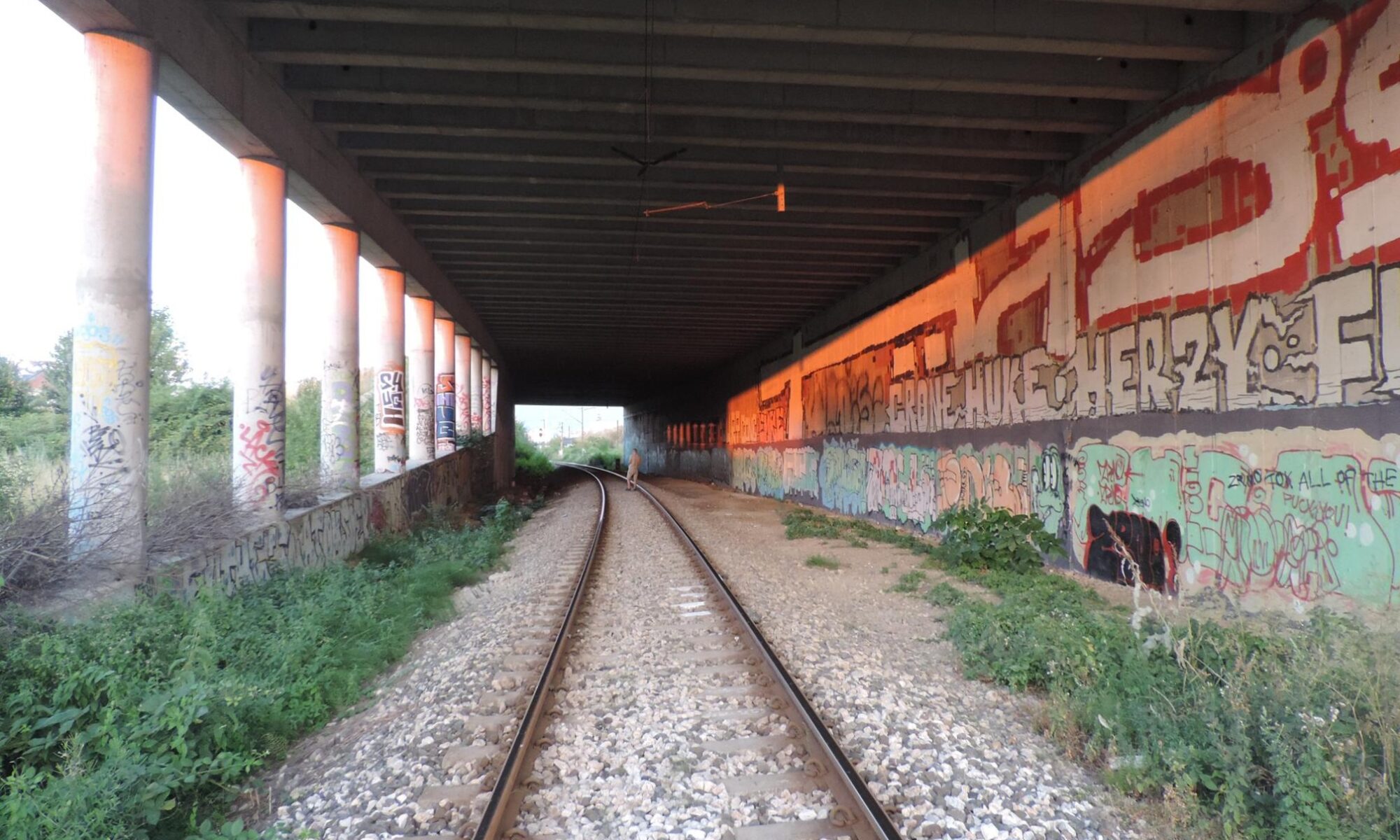
BOSNIA-HERZEGOVINA: Streetart Sarajevo – Latička Graffiti Hall – HADES‘ Second Living Room

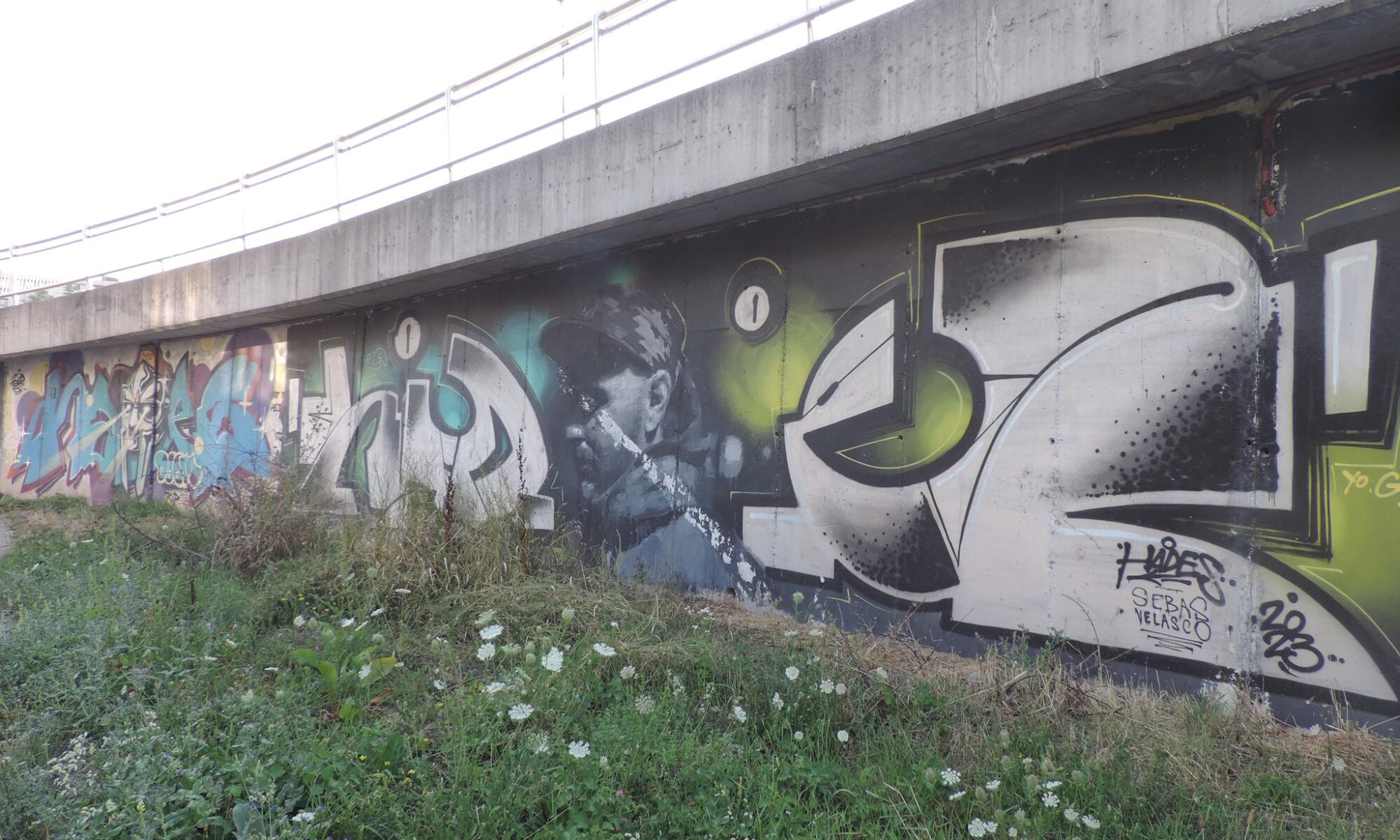
At the highway interchange in Sarajevo where the M17 (east-west) and M18 (south-north) meet, a small but awesome open-air gallery is located on the outer wall surfaces along the M18’s southeastern exit ramp. You could call it a „graffiti hall,“ though it is essentially the exclusive domain of HADES, who has covered almost the entire wall with numerous fantastic pieces. We’ve even jokingly dubbed the spot „HADES‚ second living room“. The styles are truly fantastic!

>>> READ MORE

BOSNIA-HERZEGOVINA: Sarajevo – Kovači Basketball Court Vijecnica – Graffiti Spray Space

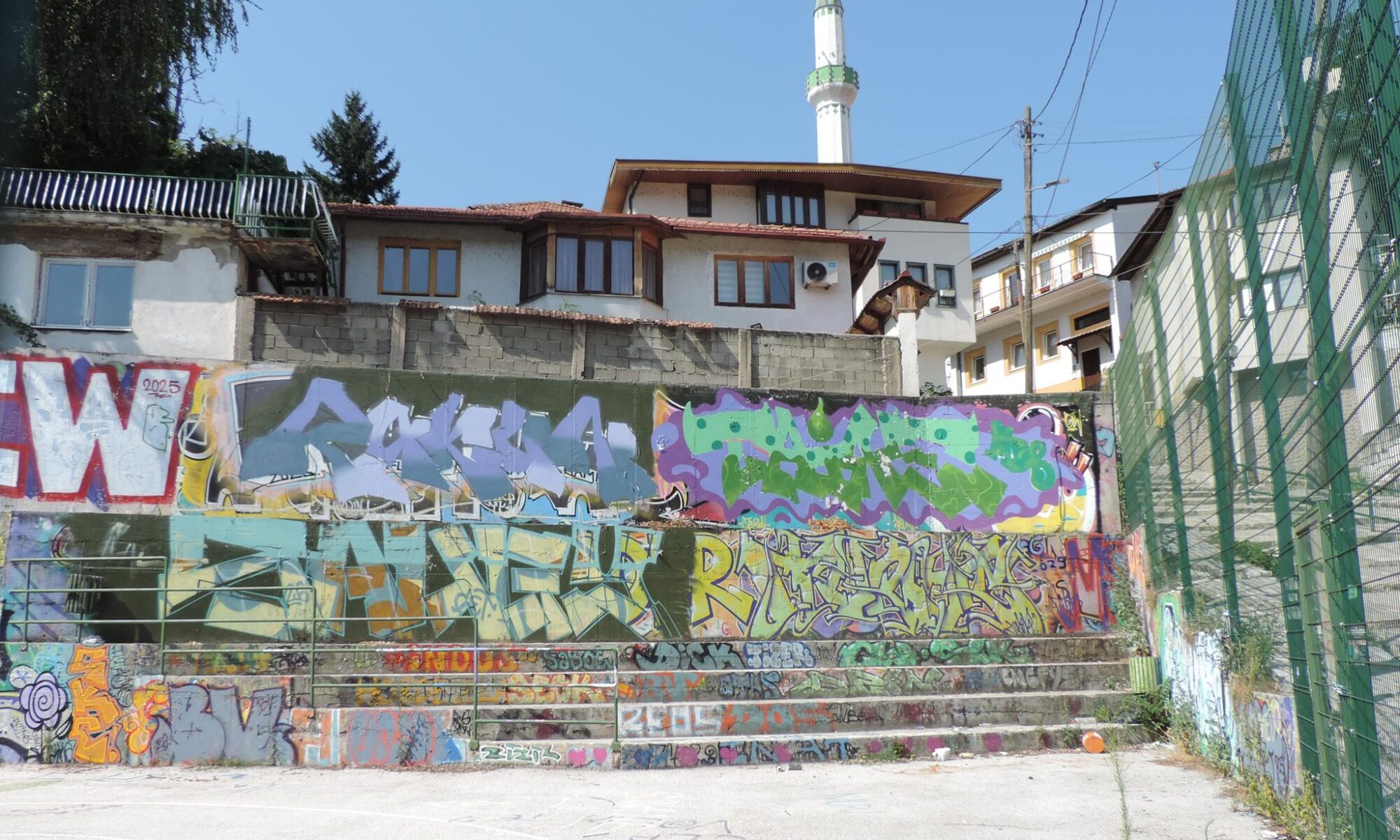
In the Kovači neighborhood of Sarajevo, at the southern end of Nadmlini Street on the way up the hill, there’s a basketball court. The space is enclosed by a large fence, and you can only play here with permission. But even when it’s closed, you can still check out the many graffiti pieces on the walls. There are quite a few high-quality works here, with bigger elaborated styles, and it’s likely that some jam sessions have taken place around the court as well.

>>> READ MORE

BOSNIA-HERZEGOVINA: Streetart Sarajevo – Academy of Film and Performing Arts – Spray Space

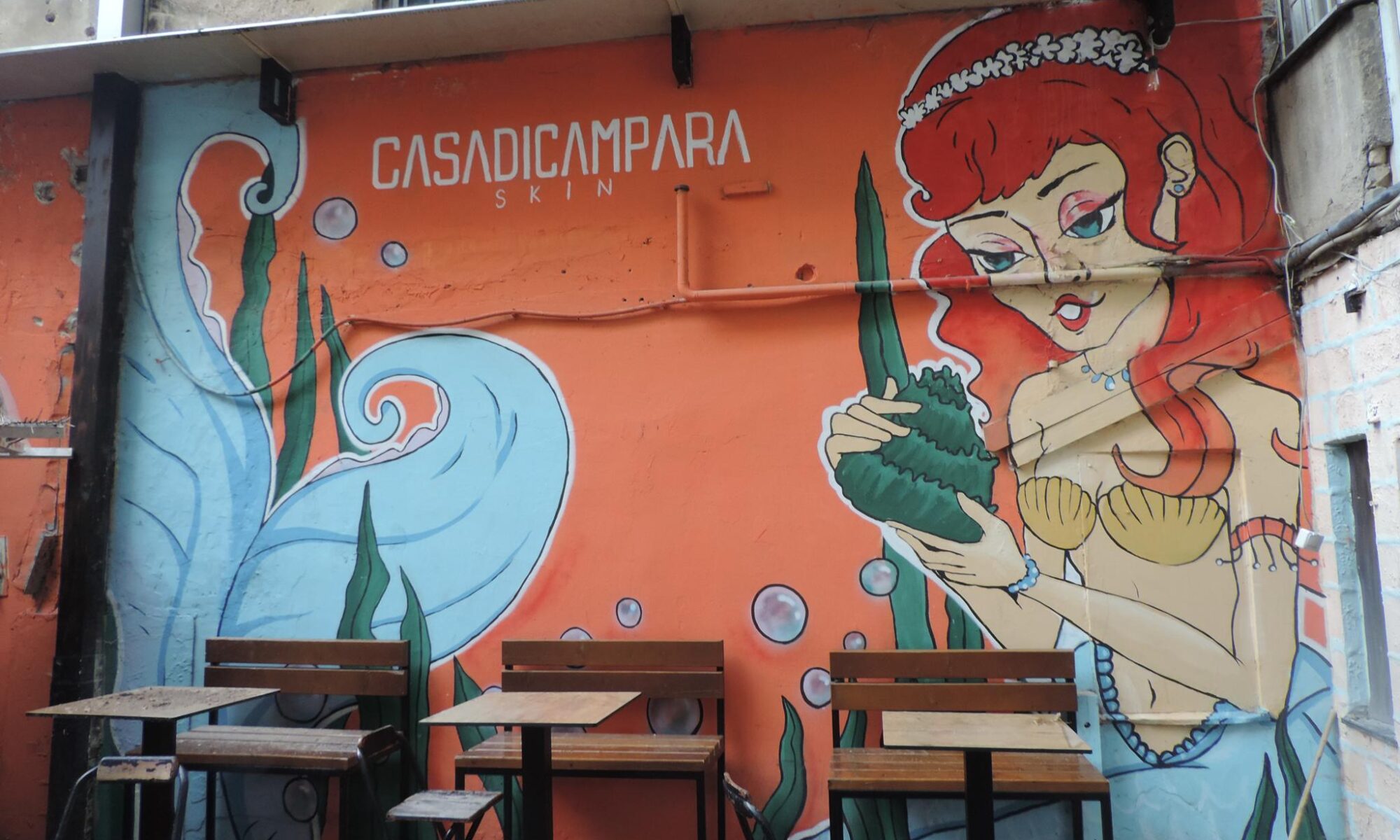
In the Bosnian capital Sarajevo the building at Obala Kulina Bana 11 is part of the University of Sarajevo. It primarily houses the Academy of Film, as well as the Faculties of Performing Arts and Educational Sciences. You can immediately tell that creative work is taking place here: the backyard is a small open-air gallery featuring various graffiti and streetart, and the front of the building is also completely covered with colorful pieces.

>>> READ MORE

BOSNIA-HERZEGOVINA: Streetart Sarajevo – Ice Rink HK Vukovi – KIDS FEST Graffiti Walls

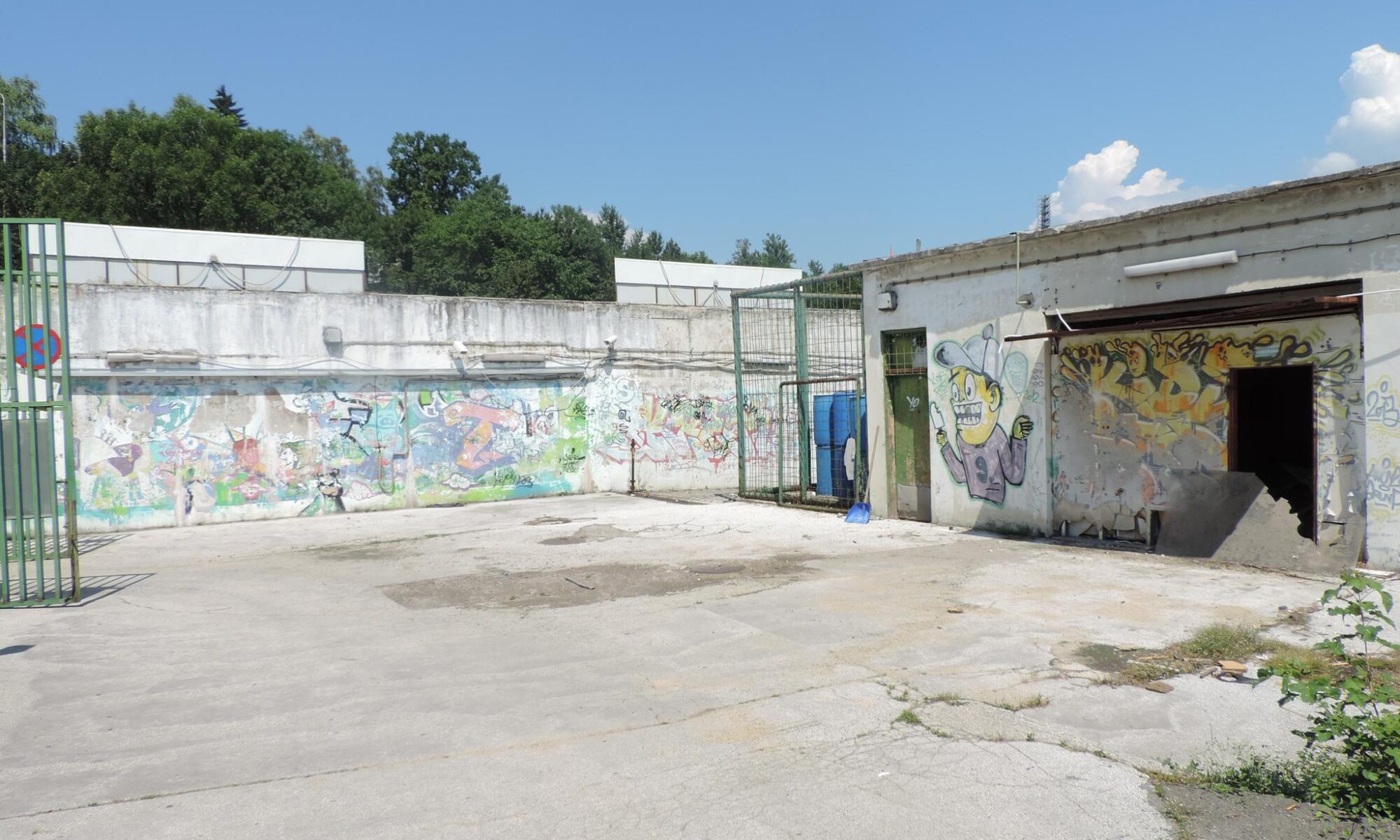
The HK Vukovi Ice Rink in Sarajevo is a popular ice rink located within the Zetra Olympic Sports Complex and is operated by the HK Vukovi ice hockey club. The modern, indoor facility offers both public skating and training opportunities for ice hockey and figure skating. To the north of it, there is now another soccer field. The area is surrounded on the west side by a wall covered with a variety of graffiti; there is also graffiti on the interior walls, where the KIDS FEST took place, featuring several colorful character pieces.

>>> READ MORE


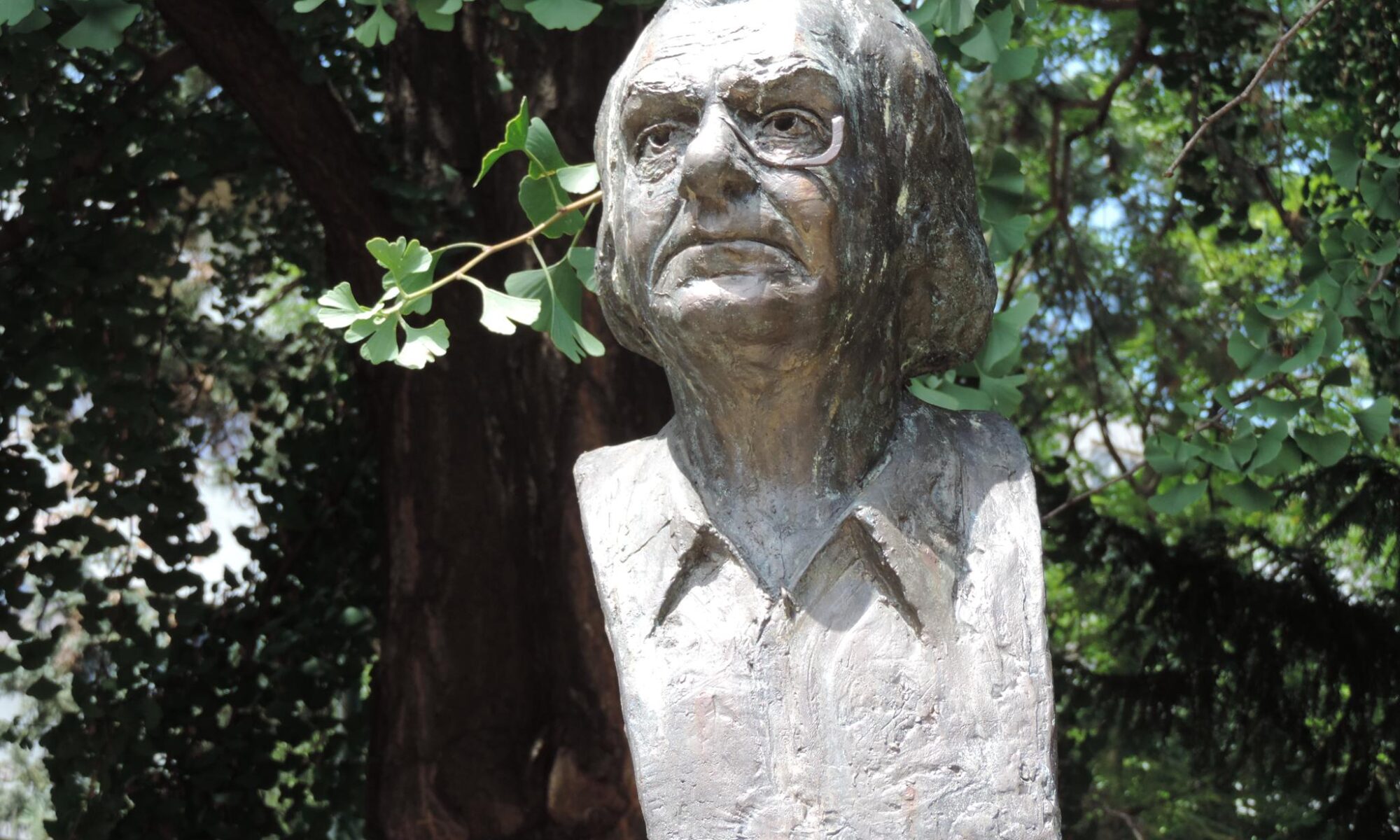
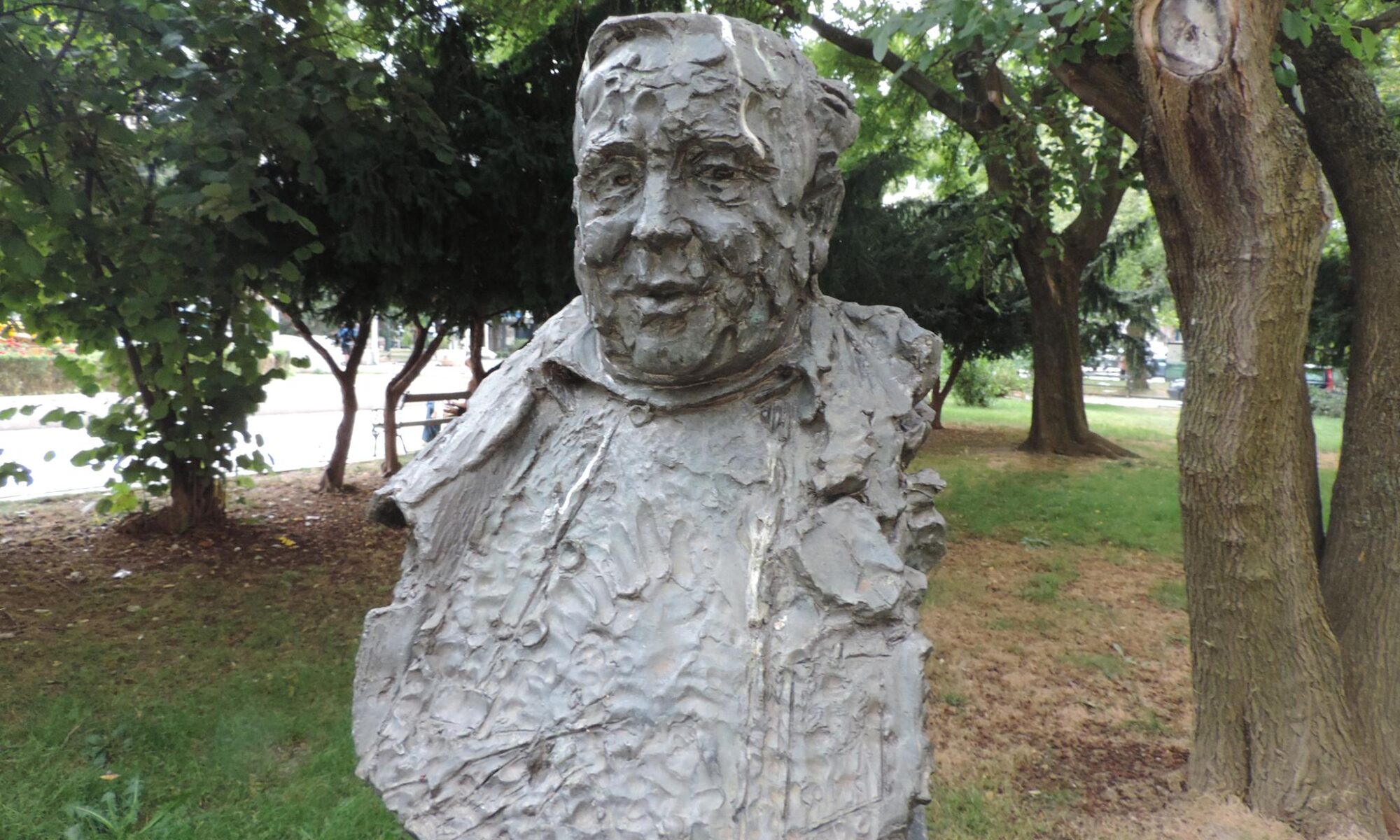
BOSNIA-HERZEGOVINA: Streetart Sarajevo – Mali Park – Poets and Writers Sculpture Series – ENES SIVAC & VOJIN BAKIĆ

With its monumental busts, the Mali Park in Sarajevo preserves a piece of the literary history of Bosnia and Herzegovina. The first portraits of writers were created as early as 1951, including works by the renowned sculptor VOJIN BAKIĆ. The series was expanded after the war: in 2011, sculptor ENES SIVAC created new busts of the poet Izet Sarajlić; after the busts of Derviš Sušić and Ćamil Sijarić were stolen, the artist also crafted replacements for them in 2013. Thus, several generations of Bosnian-Herzegovinian writers meet in Mali Park today, united in bronze and stone.

>>> READ MORE

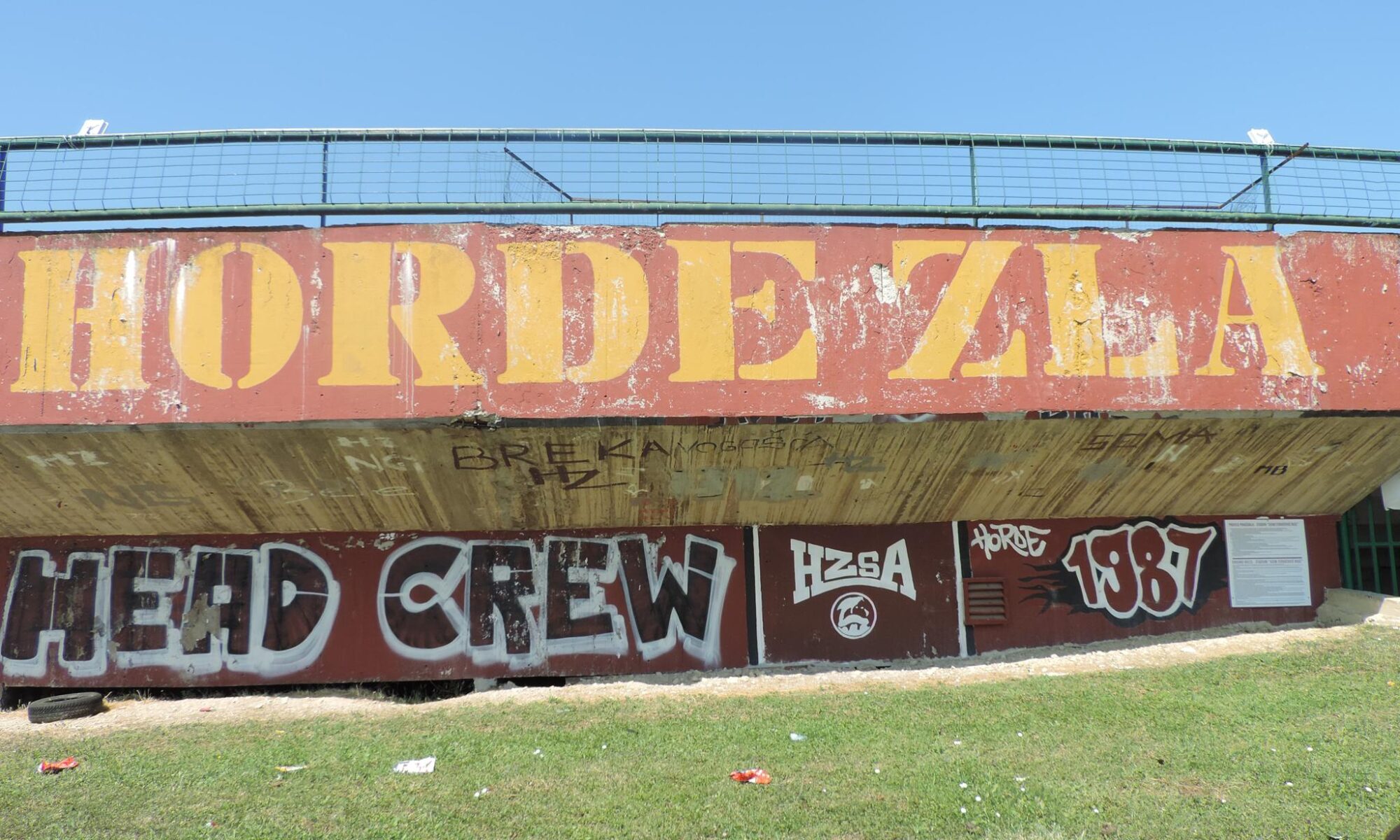
BOSNIA-HERZEGOVINA: Streetart Sarajevo – Koševo – Stadion Asim Ferhatović Hase – HORDE ZLA & UNFKS

The Asim Ferhatović Hase Stadium in Sarajevo is the largest soccer stadium in Bosnia and Herzegovina. It opened in 1950, features a natural grass playing field measuring 103 × 65 meters and has a seating capacity of 30,121 today. Since 2004, the stadium has been named after club legend Asim Ferhatović “Hase,” one of the country’s most prominent soccer players. Around the stadium, you’ll inevitably find countless soccer graffiti and tributes created by the local ultras, the HORDE ZLA, also named HZ or UNFKS for short.

>>> READ MORE

BOSNIA-HERZEGOVINA: Streetart Sarajevo – Liberation Square – Writers Sculpture Park

Around Trg Oslobođenja, or in English Liberation Square, busts of prominent national writers and poets serve as a reminder of the rich literary heritage of Bosnia and Herzegovina. The figures immortalized here have shaped the country’s culture through their novels, poems, and stories, while also telling the story of its diverse history. Metal busts are mounted on marble blocks and depict authors who embody the power of literature to preserve a society’s experiences, traditions, and identity.

>>> READ MORE