NORWAY: Streetart Bergen – Murals, Graffiti and Urban Art Collection

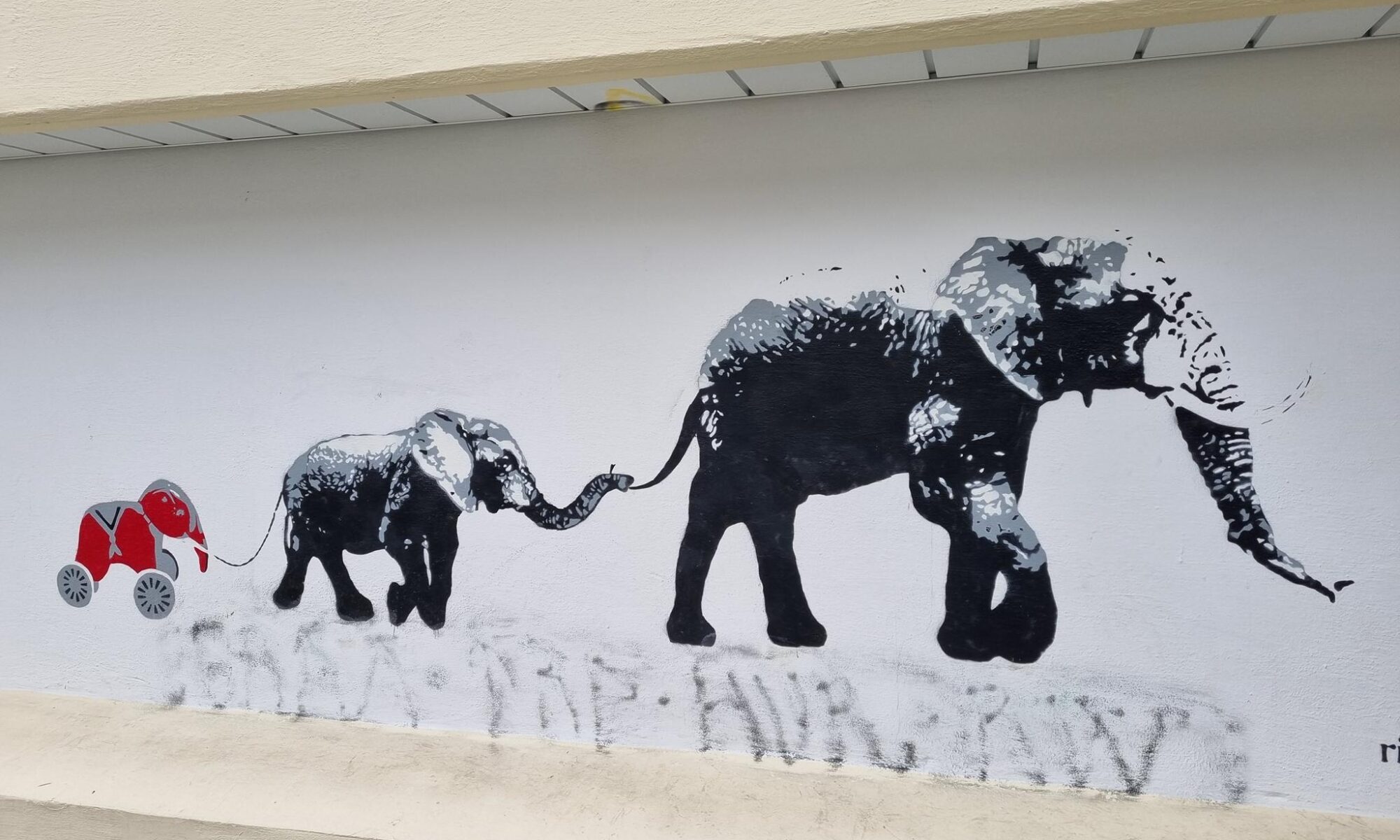
Bergen is with 290.000 inhabitants Norway’s second largest city and is located on the west coast of the country. The historic Hanseatic quarter of Bryggen with its colorful wooden houses, which is a UNESCO World Heritage Site, is particularly worth seeing, as well the lively fish market, the Bergenhus Fortress or the viewing platform on Fløyen with the Fløibanen funicular. The city has also established itself as a center for modern streetart in recent years, in strong contrast to many other cities in Norway, where there is a zero-tolerance policy towards graffiti. In Bergen, however, the streets are colorful and artists from all over the world came to paint.

>>> READ MORE

GERMANY: Urban Art Rüdersdorf – Old Phosphate Plant Coswig Rüdersdorf – Urbex Collection

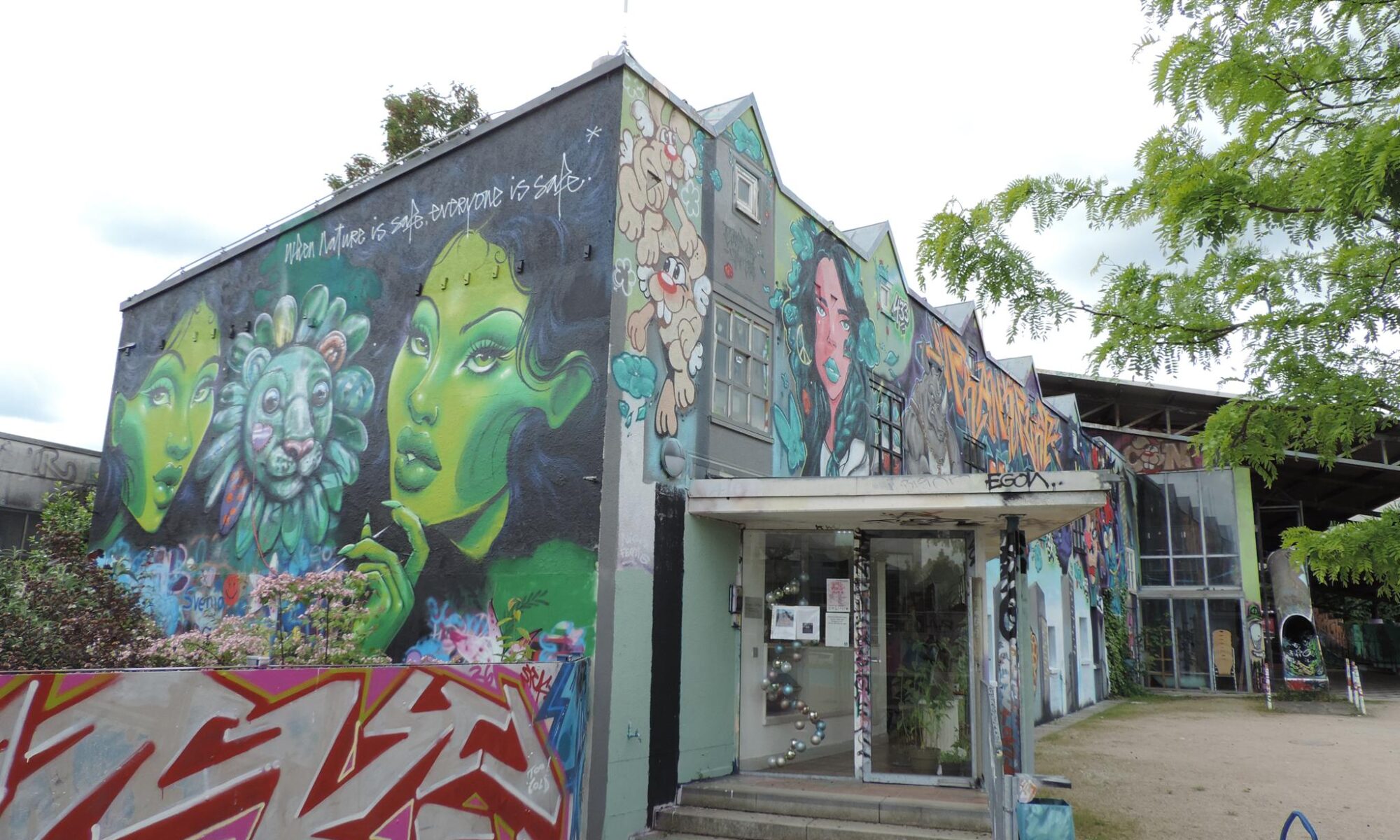
The old animal feed factory with the disused phosphate plant of the VEB Coswig Rüdersdorf company is an abandoned place that nature is reclaiming piece by piece. Filmmakers have also discovered this fantastic scenario and the area has already been the backdrop for some great movies, including „Manifesto“, „The Monuments Men“ or „Enemy at the Gates“. A perfect place for creative projects and of course interesting graffiti gets done here. We have some photos of the old chemical plant, who knows how long it will be around.

>>> READ MORE

NORTH MACEDONIA: Streetart Skopje – 11th October Wall – Residential Graffiti Spray Space

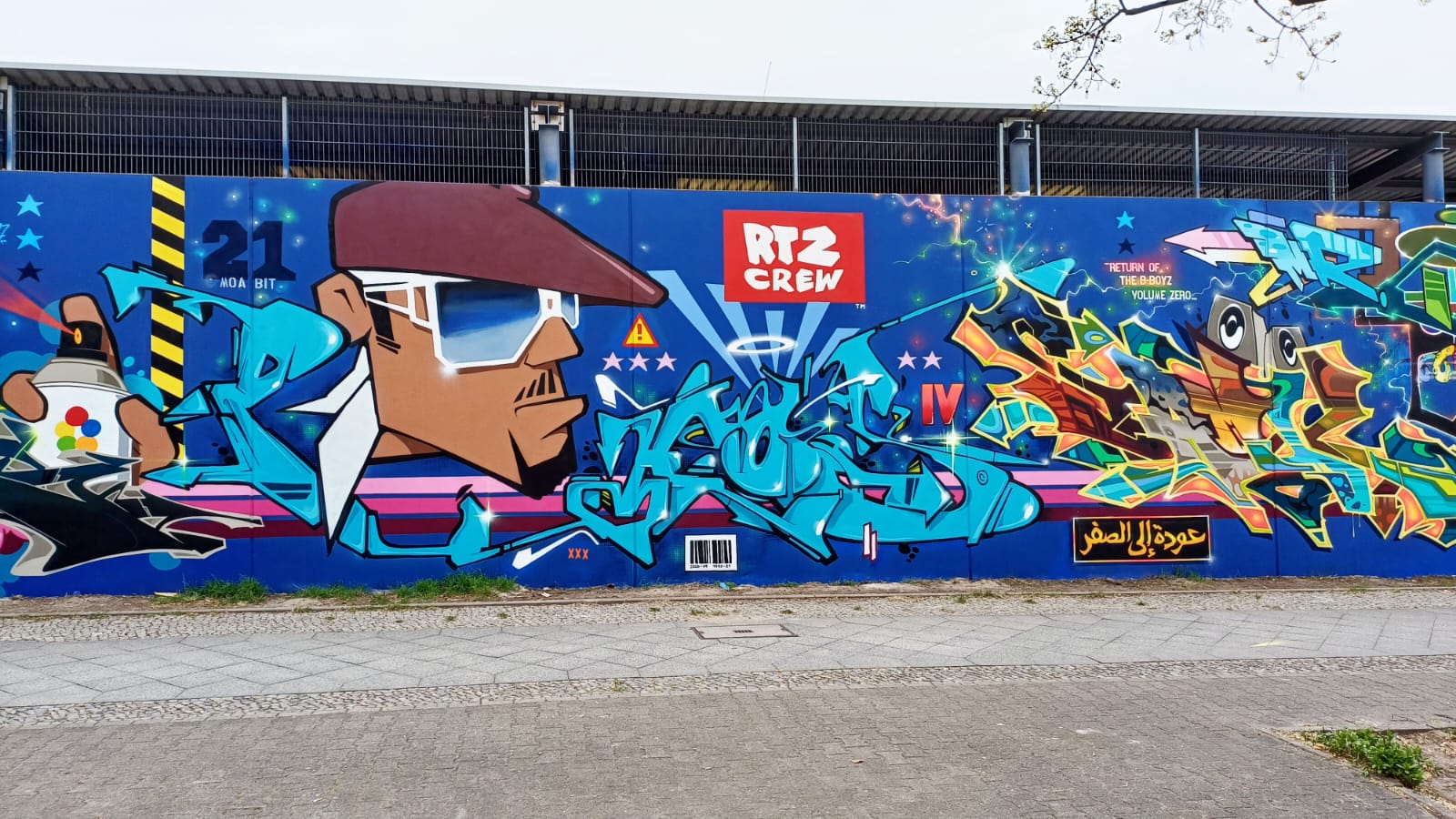
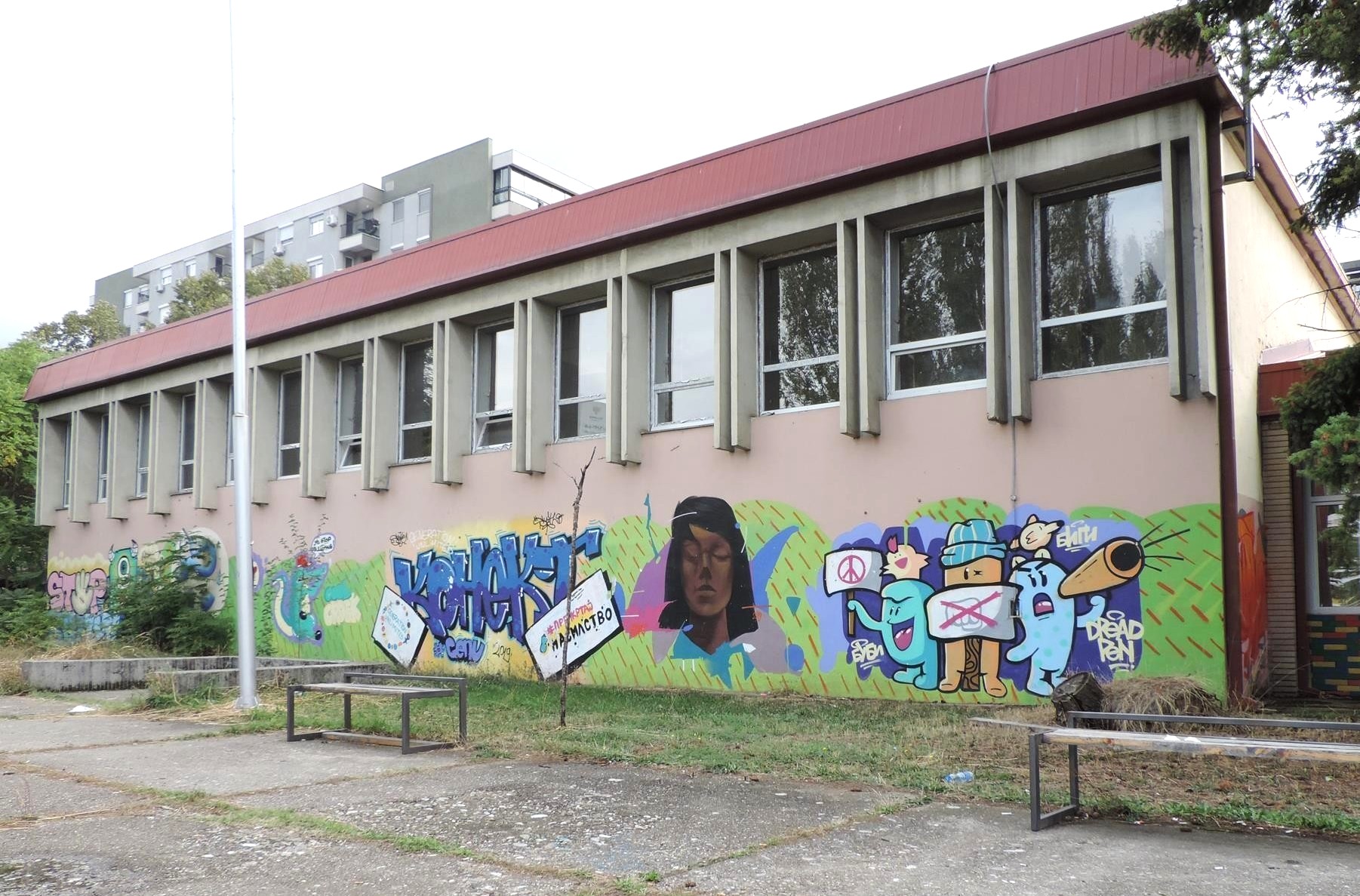
In the Centar district of Skopje along 11th October Street , between numbers 22 and 26, there is a long row of five-story apartment blocks. In front of them, there is a little space for some lawn and a few trees, quite narrow, but still the buildings are not directly on the street. The entire row of houses is covered in graffiti from start to finish, and not just scribbles, but also several really well-executed graffiti pieces.

>>> READ MORE

BRITAIN: Streetart Lerwick – Shetland Islands – Lerwick Public Art Trail & Shetland Arts

Lerwick is the capital of the Shetland Islands, which belong to Scotland, and with around 7,500 inhabitants it is the largest settlement in the archipelago. Urban art lovers can walk the LOCUS LERWICK PUBLIC ART TRAIL, a great project initiated by LIVING LERWICK in collaboration with SHETLAND ARTS. They also provide a free map with audio guide and run projects like the Mareel Arts Centre, the Bonhoga Gallery, and the Garrison Theatre. These institutions deliver an extensive year-round programme of music, dance, theatre, film, literature, visual arts and exhibitions.

>>> READ MORE

ICELAND: Streetart Seyðisfjörður – Gullabúið, Joystick and Rainbow Street

Seyðisfjörður is picturesquely situated in a fjord on the east coast of Iceland and has a population of around 700. The town is known for its colorful wooden houses, galleries, and artists‘ studios such as GULLABÚID or JOYSTICK. Sights include the striking blue church Bláa Kirkjan, the local art center, and nearby waterfalls. The small village is also the gateway for ferry connections to Europe and a popular starting point for exploring nature in Iceland’s eastern fjords. Small but beautiful, it is also home to great urban artworks and even murals that cover entire houses.

>>> READ MORE

ROMANIA: Timișoara Design – Triade Sculpture Park – Spotlight Heritage – Open Air Museum

The Triade Foundation initiated the „Sculpture Nursery“ project in 2003, wherein Romanian and international artists provided models of their works that were later produced in Timişoara for an outdoor exhibition. The Triade Park, located near the Interart Triade Foundation, where the Jecza Museum operates, houses more than 40 stone and metal sculptures. Some of these works were created by prominent Romanian sculptors.

>>> READ MORE

SWITZERLAND: Streetart Lugano – Graffiti and Urban Art in Ticino

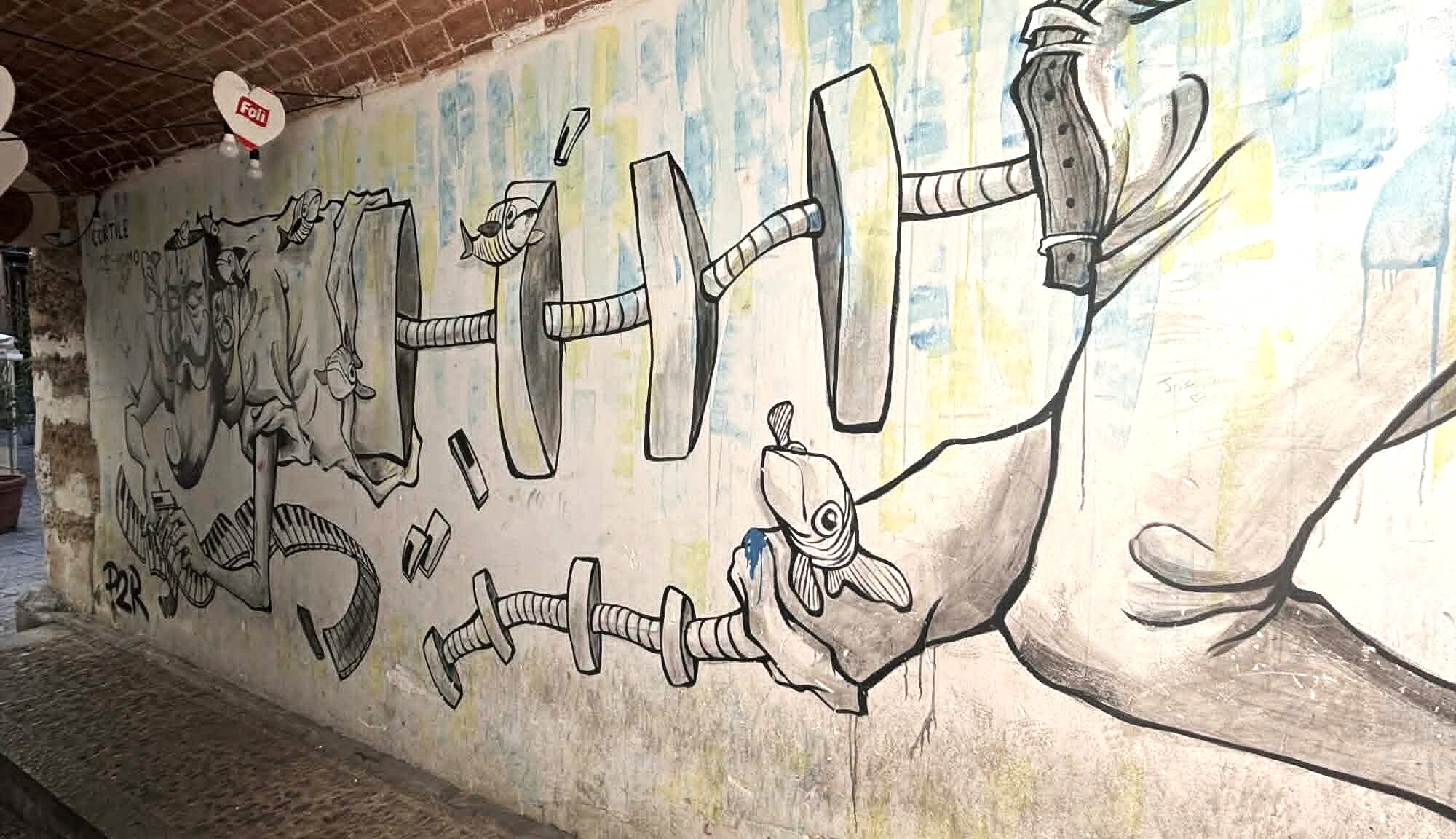
Lugano is a city in the canton of Ticino, Switzerland, on Lake Lugano. It has around 75.000 inhabitants and is the economic and cultural center of the region. Places of interest include the historic 9th-century Cathedral of San Lorenzo with its Renaissance façade, Parco Ciani on Lake Lugano, Monte Brè with its funicular railway and panoramic view of Lugano, and the Arte e Cultura (LAC) cultural center. The Lugano Estival Jazz festival also takes place here every year. Of course, the streets also have a lot to offer, and you can find great artwork on the walls and graffiti.

>>> READ MORE

GREECE: Urbex Nafplio – Old Abandoned Myloi Train Station – Lost Place Graffiti

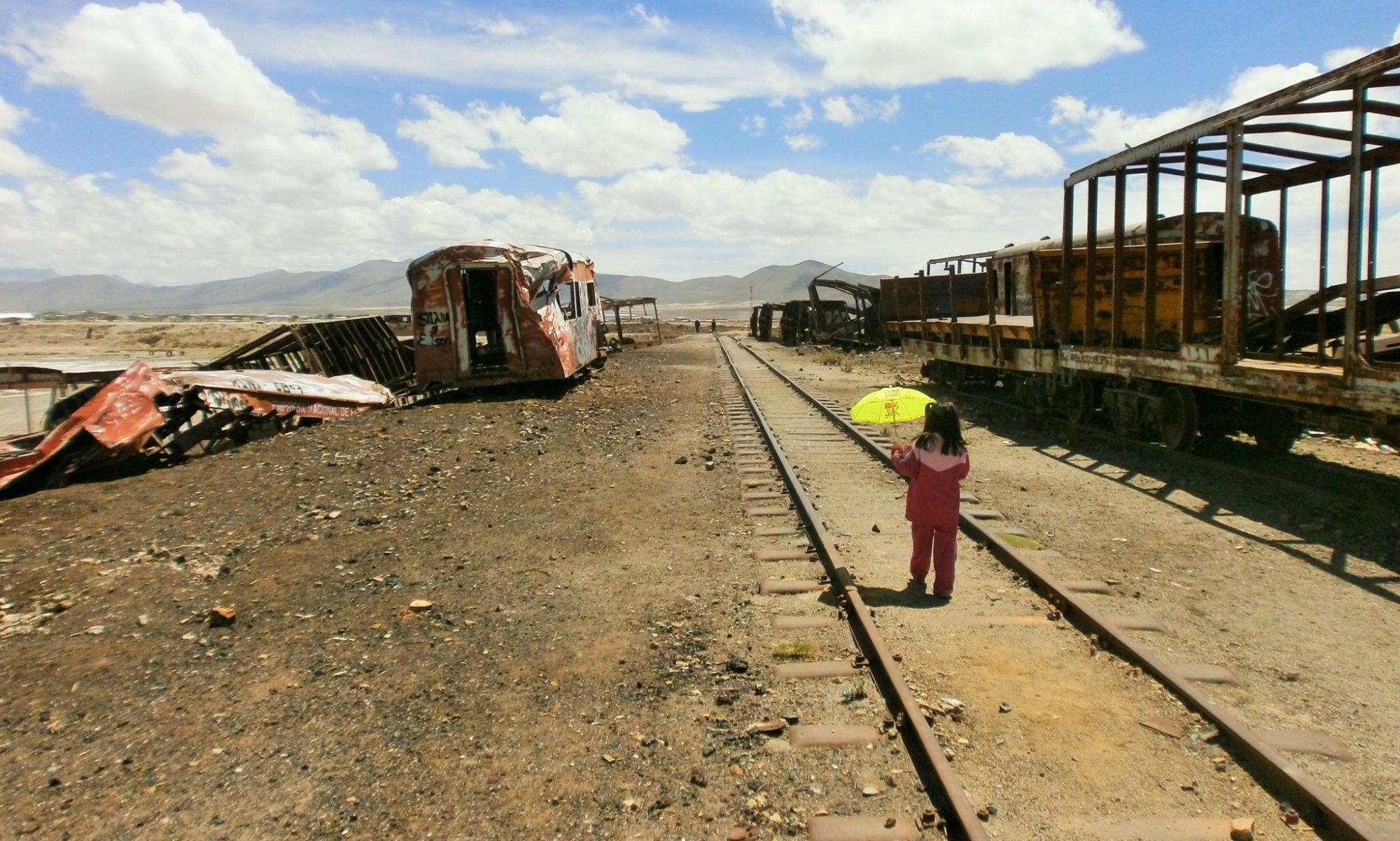
The abandoned Myloi train station is located in the Argolis region of the Peloponnese, not far from the city of Nafplio. It was opened around 1886 as part of the expansion of the Peloponnesian narrow-gauge railway network. With the progressive decline of regional rail traffic from the 1970s onwards, the station increasingly lost its importance and the operations were finally discontinued in the early 2000s. Since then, the site has been considered a “lost place”. Particularly striking are the stationary, partly heavily weathered carriages and locomotives that still stand on the tracks, also numerous graffiti cover the walls and parked vehicles.

>>> READ MORE

GERMANY: Urban Art Hildesheim – Rose Parkhaus Project – Hildesheimer Art – Spray Space Gallery

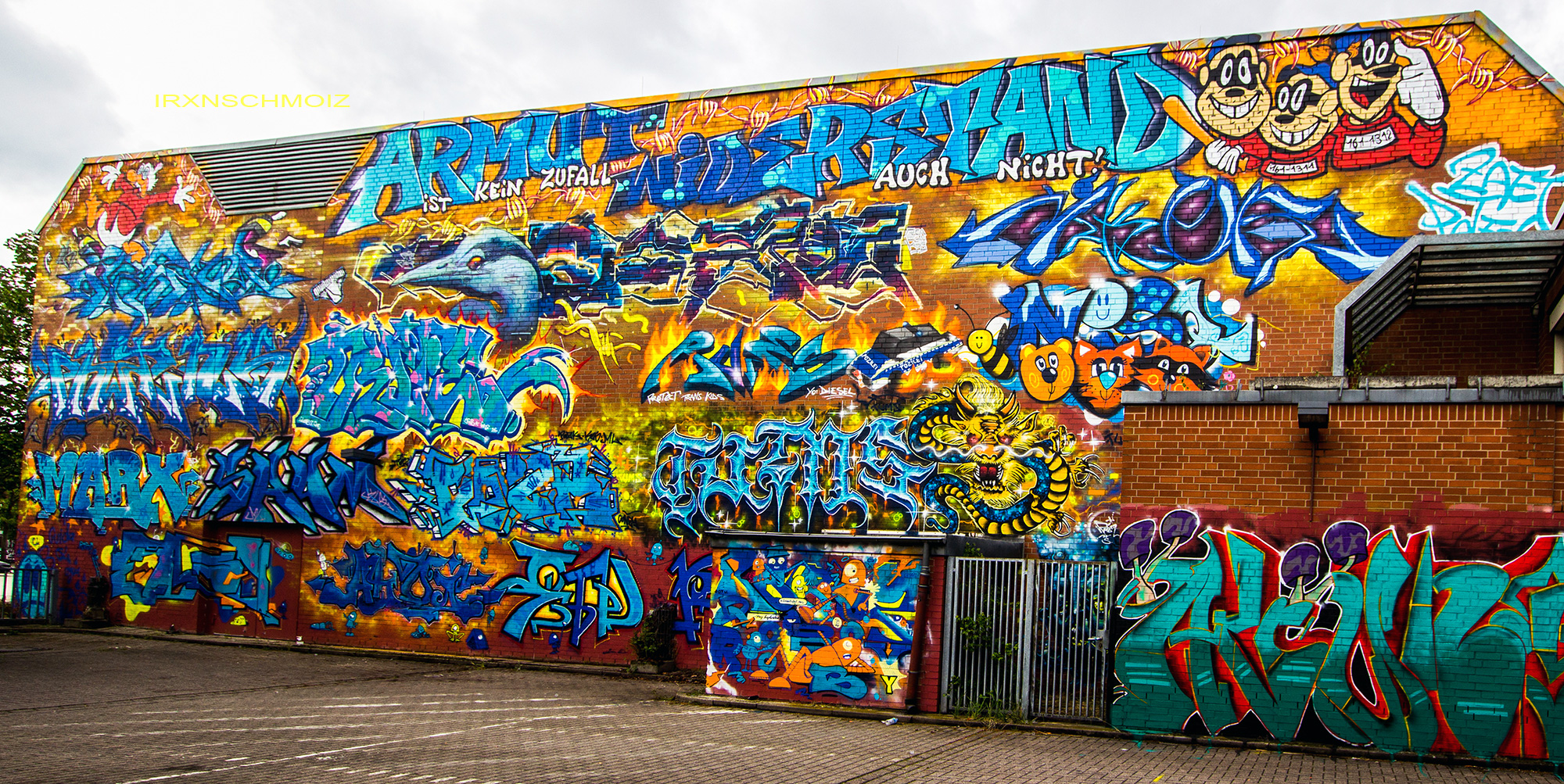
The huge parking garage ROSE PARKHAUS at Marie Wagenknecht Straße 24 was transformed into a fantastic art gallery of graffiti and streetart in the summer of 2025. Large murals and pieces on the ground level adorn from the outside, and inside the parking garage there are plenty more works in a wide variety of styles, created by more than 50 artists. This place used to be avoided and was considered a hotspot for drugs and crime, but now the colorful building attracts artists and art lovers from all around. The project was initiated by BJÖRN STEINSIEK as part of HILDESHEIMER ART.

>>> READ MORE

DENMARK: Streetart Tórshavn – Faroe Islands – Urban Art on Streymoy

Tórshavn is the capital of the Faroe Islands and with around 23.000 inhabitants the political, economic, and cultural center of the archipelago in the North Atlantic, which is partly autonomous but belongs to Denmark. The name means “Thor’s Harbor” and refers to the Norse god Thor, a nod to the city’s Viking origins whose settlers came here around the 9th century. Cultural attractions include the National Museum of the Faroe Islands and the modern Havnar Kirkja church. And there are several kinds of interesting urban art to be found on the streets.

>>> READ MORE