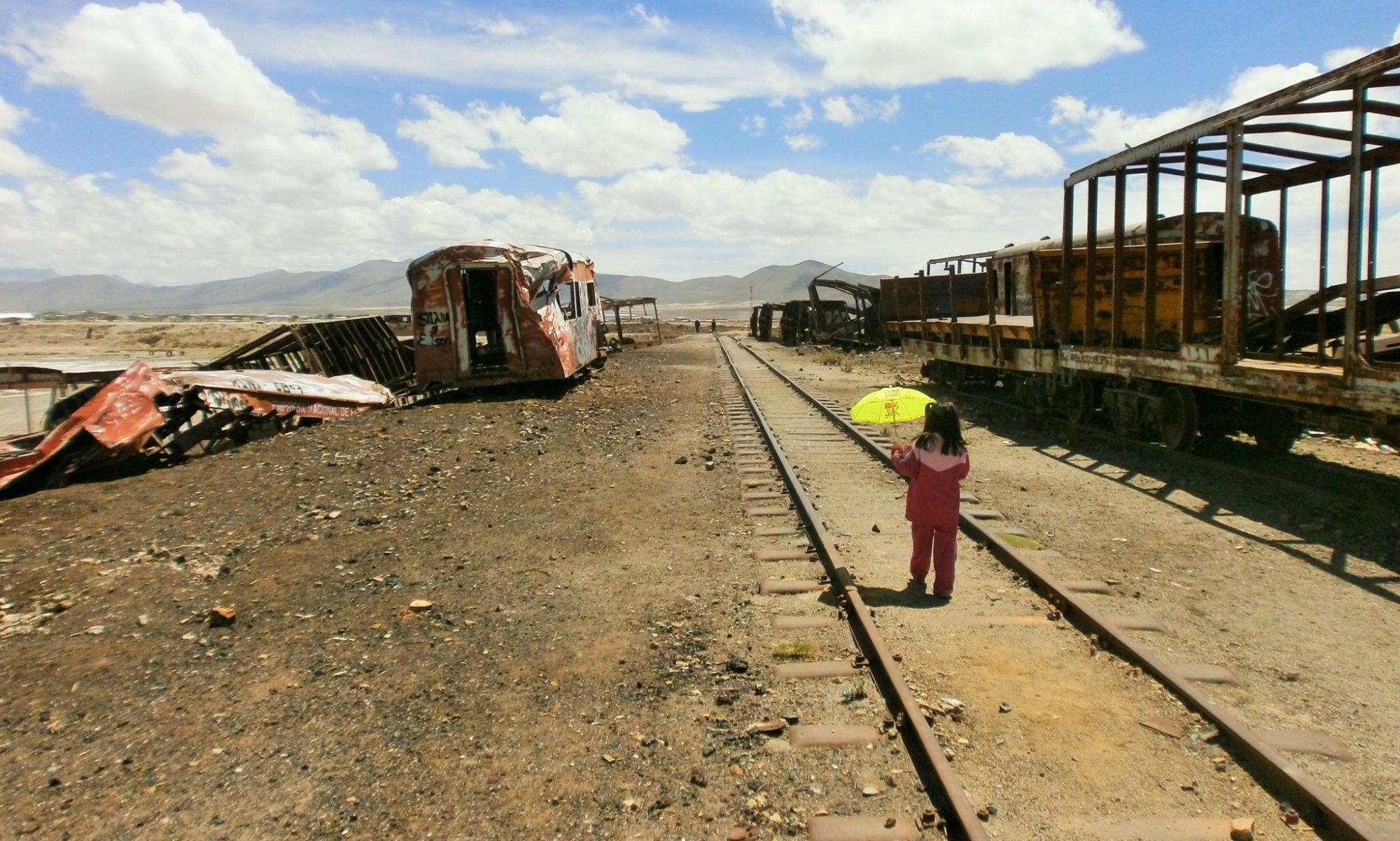
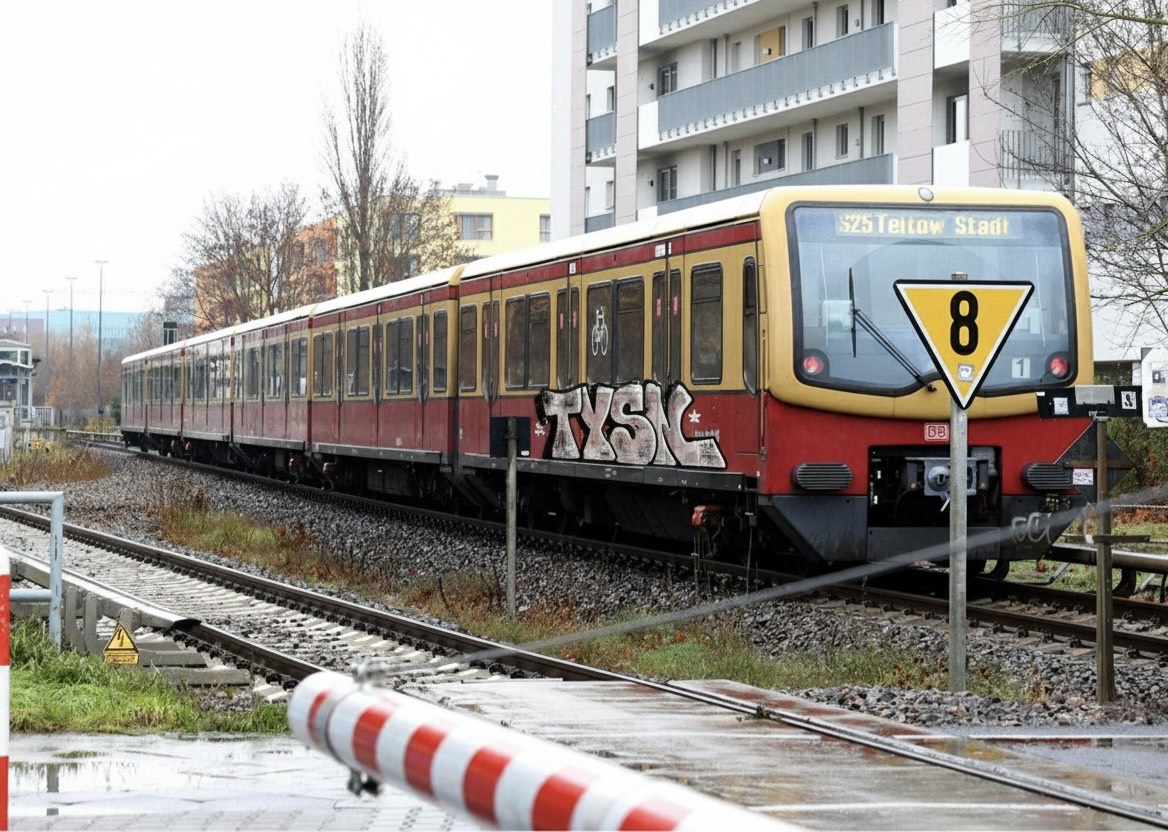
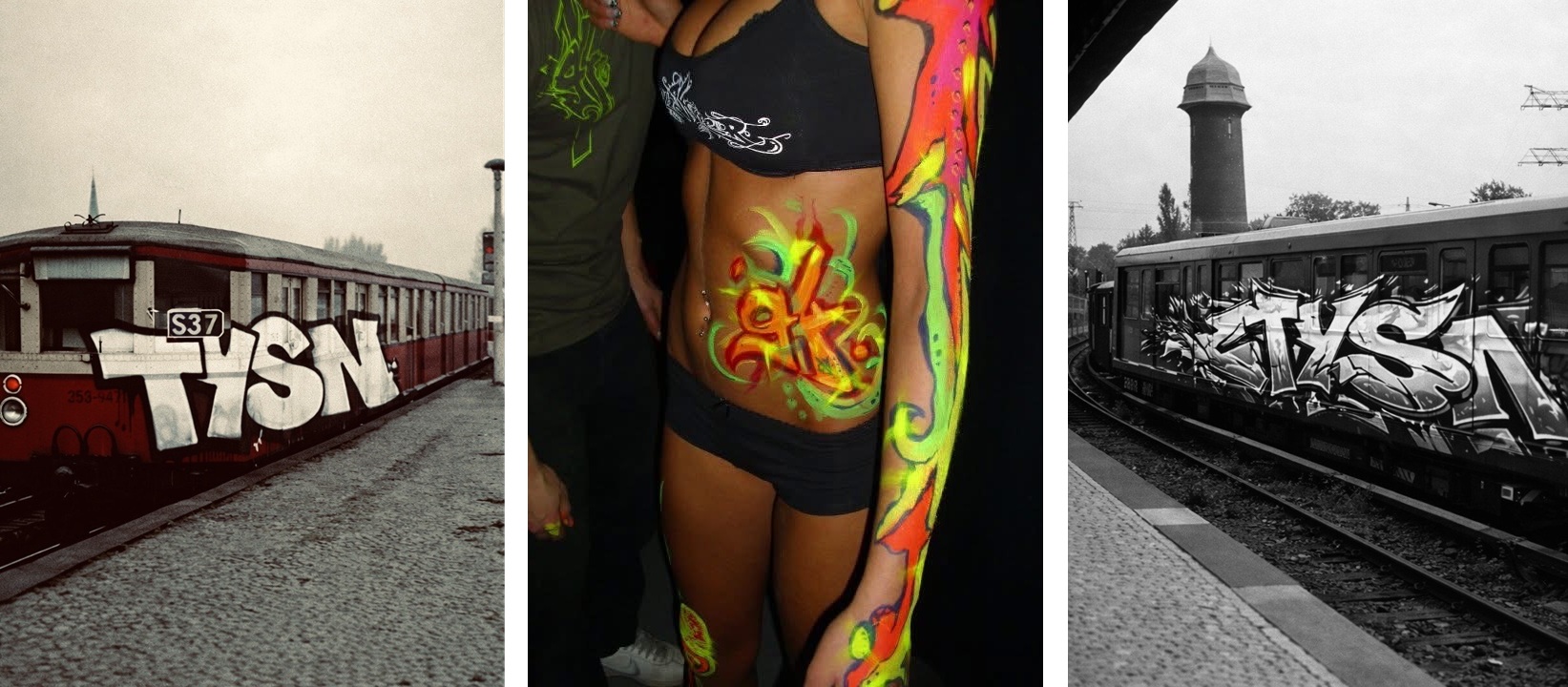
Graffiti, hip-hop, rap, and the sound of Harley-Davidsons on Berlin’s streets – TYSN lives right where street culture isn’t just an image, but everyday life. For over 25 years, he has been leaving his mark on walls, trains, and murals far beyond the city limits with his unmistakable West Berlin Wildstyle. Deeply rooted in the scene, shaped by crews, nights out and real consequences, his name stands for consistency, technique and attitude. This interview is not a retrospective from a safe distance, but an honest insight into a life between letters, beats and asphalt. We spoke with the artist, check it out!
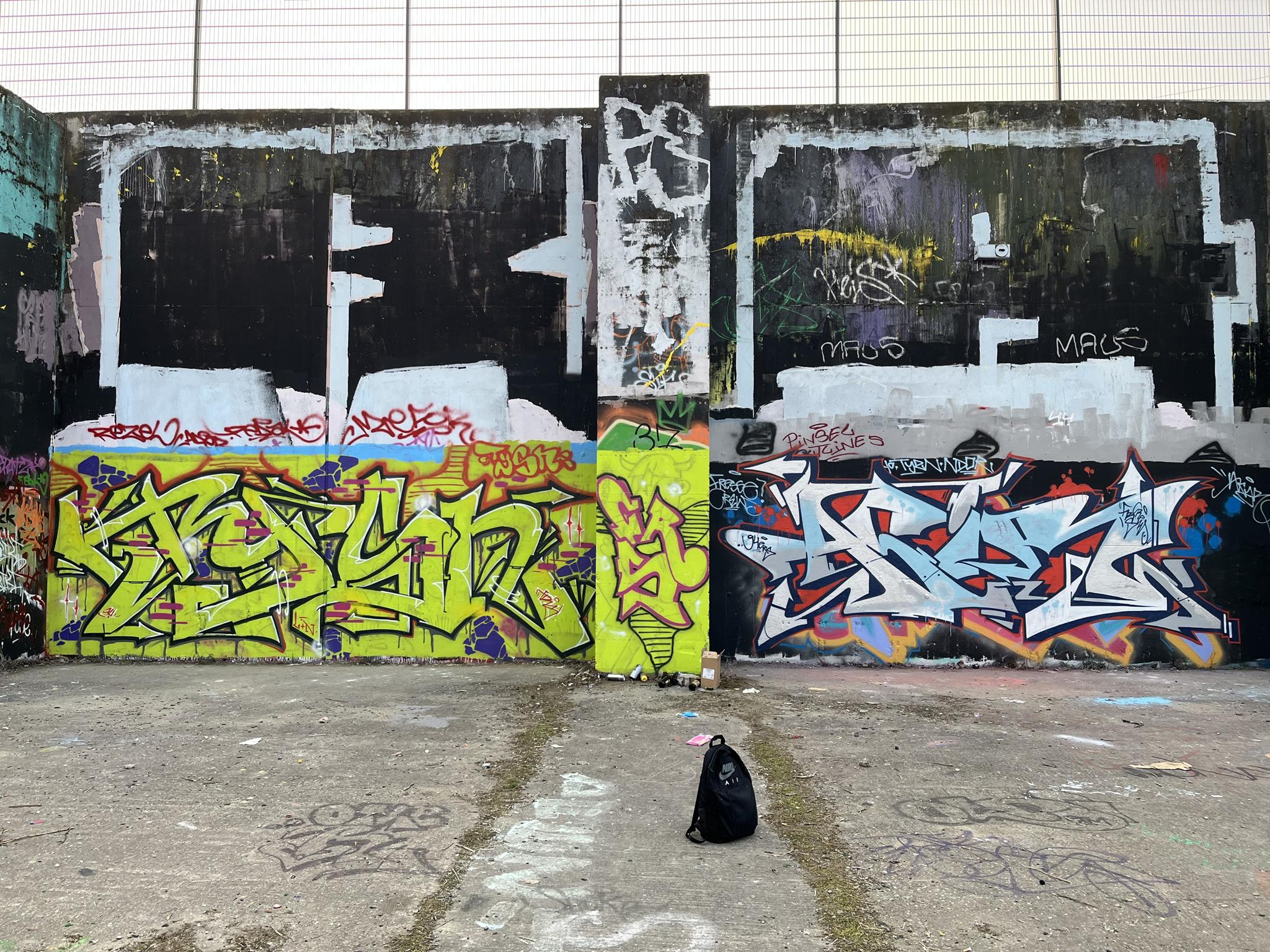
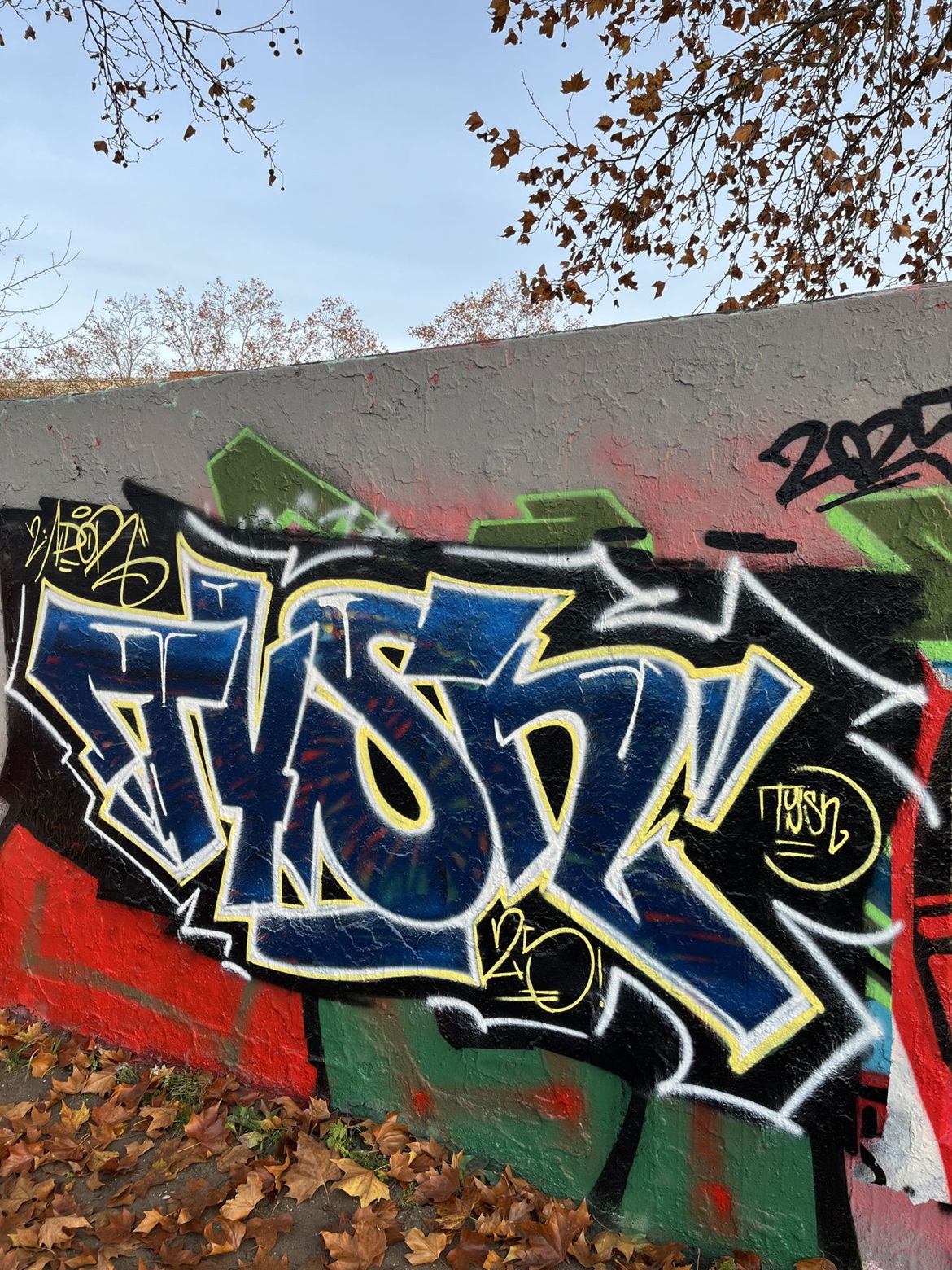
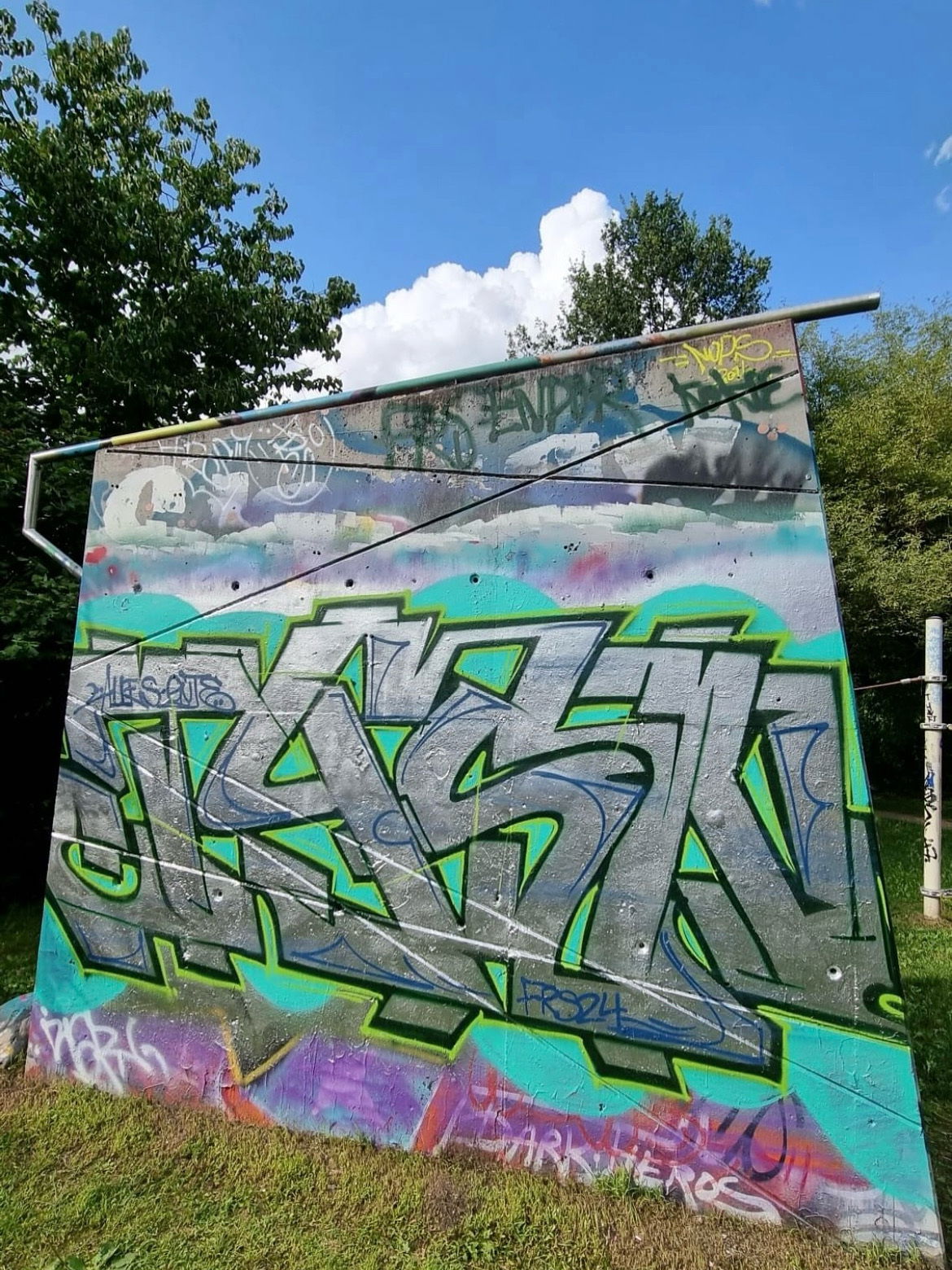
Hello TYSN, you’ve been active for over 25 years and come directly from West Berlin. How did it all start?
I was born in the 80s and grew up in West Berlin – concrete, backyards, subway tunnels. Graffiti was part of the basic culture. Hip-hop was everywhere: rap, beats, styles, crews. It wasn’t a trend, it was everyday life. That’s how I got into it – and that’s how I stayed.
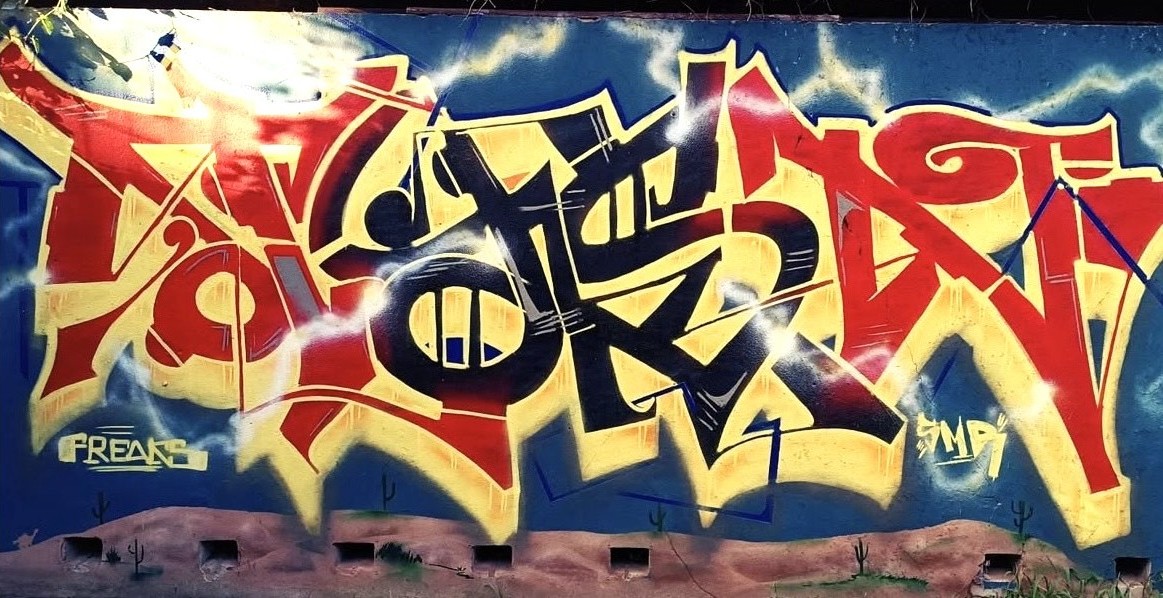
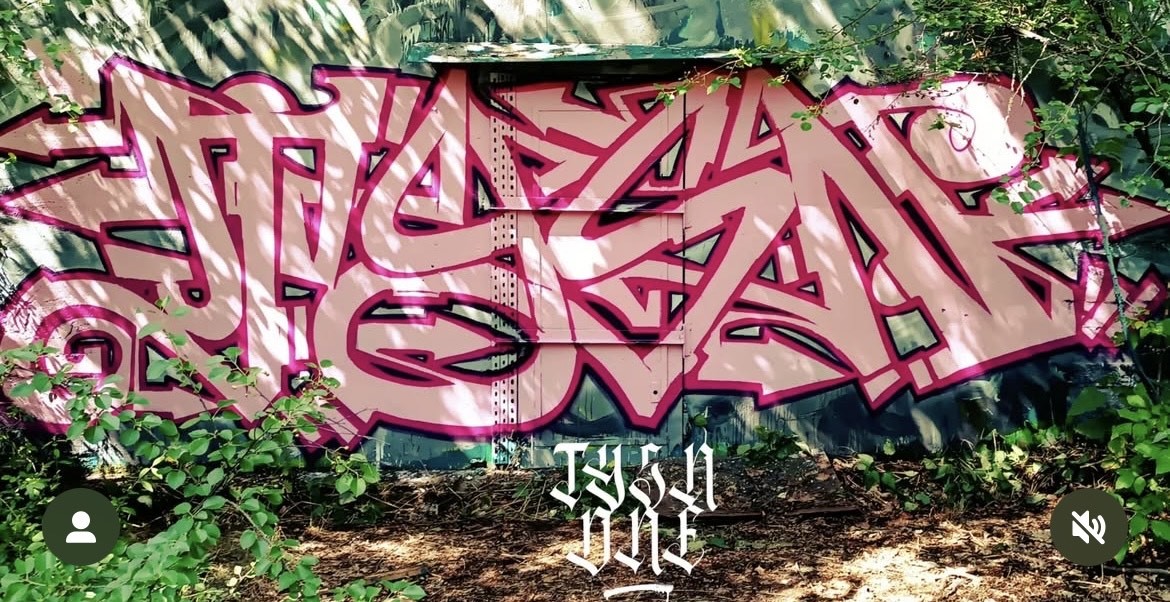
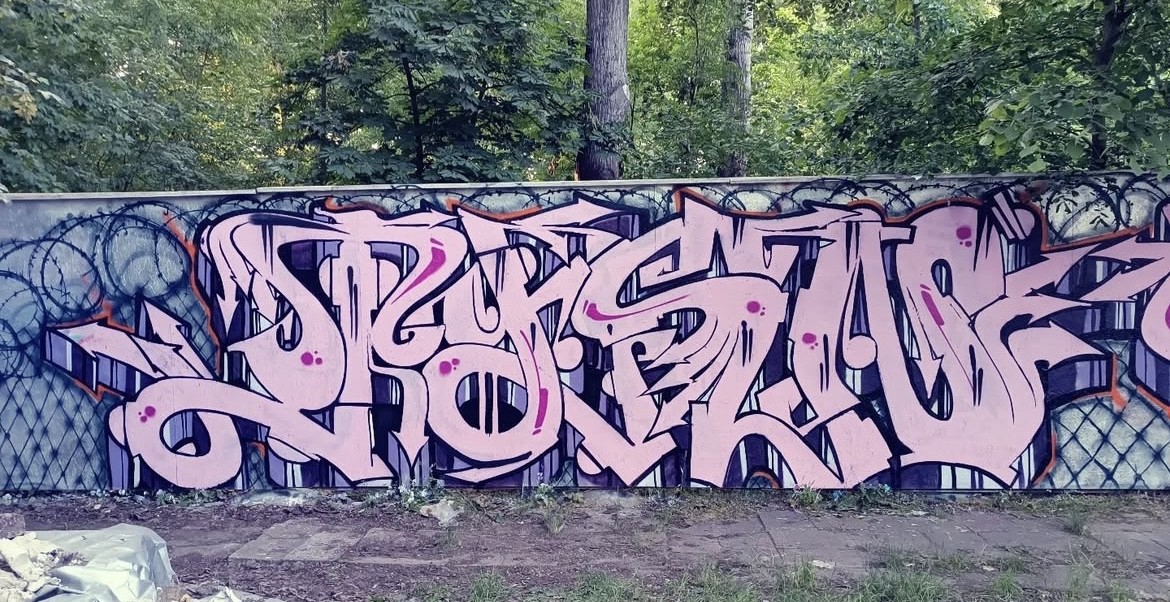
What were those early days like? It was already some time later, but was the movie „Wildstyle“ also important for you?
We used to be out every night. Painting was everything. We didn’t care about anything else – sleep, stress, consequences. The main thing was getting out there, the main thing was letters. It wasn’t a hobby, it was life. Also the legendary 1983 graffiti movie Wildstyle definitely made an impression on us, even though we didn’t start out until the 2000s. Copied onto VHS, passed around, watched together – it was a real eye-opener. The USA was naturally influential; magazines and photos were exchanged, styles adapted. For us, it wasn’t nostalgia, but inspiration for our own implementation in Berlin.
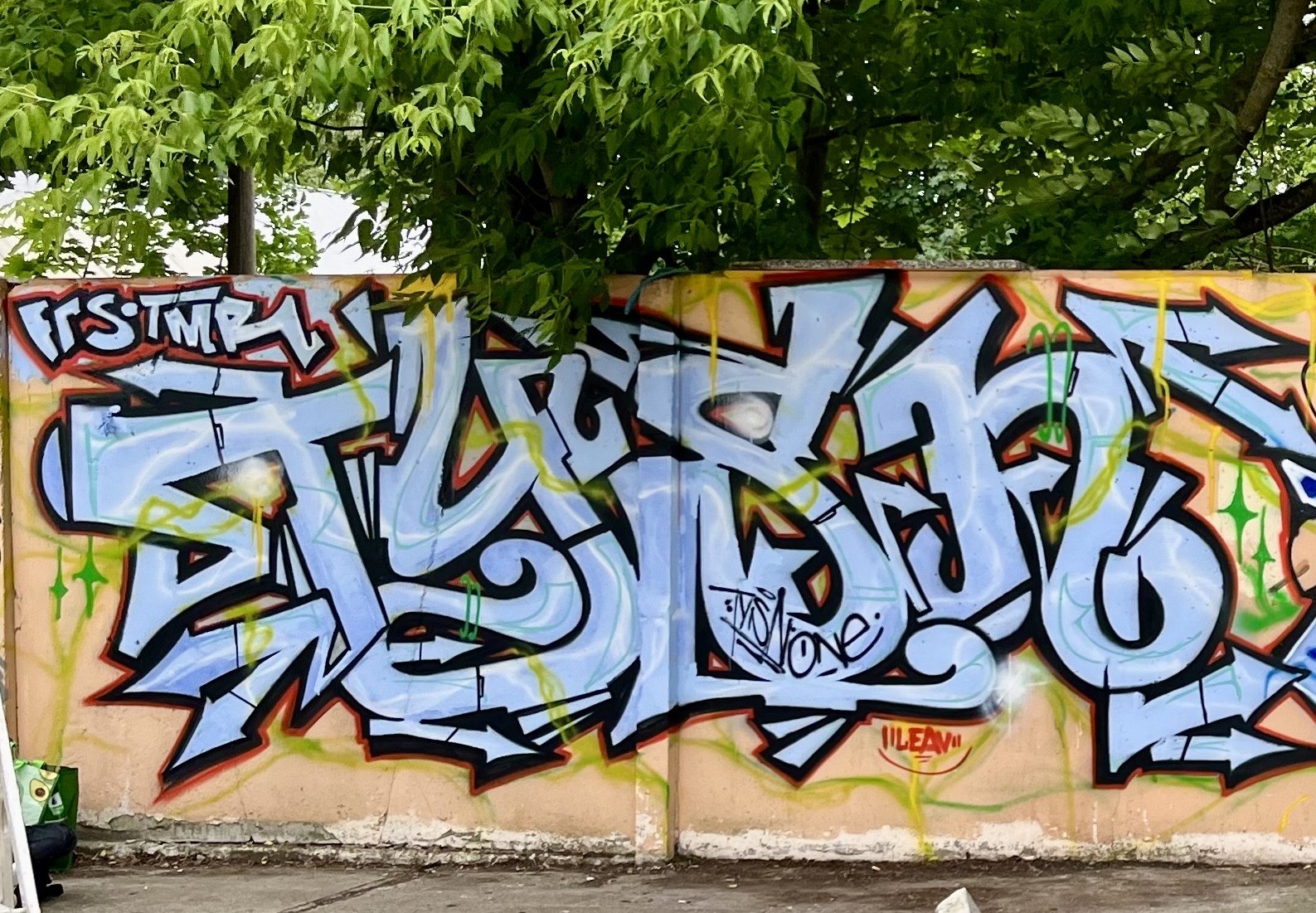
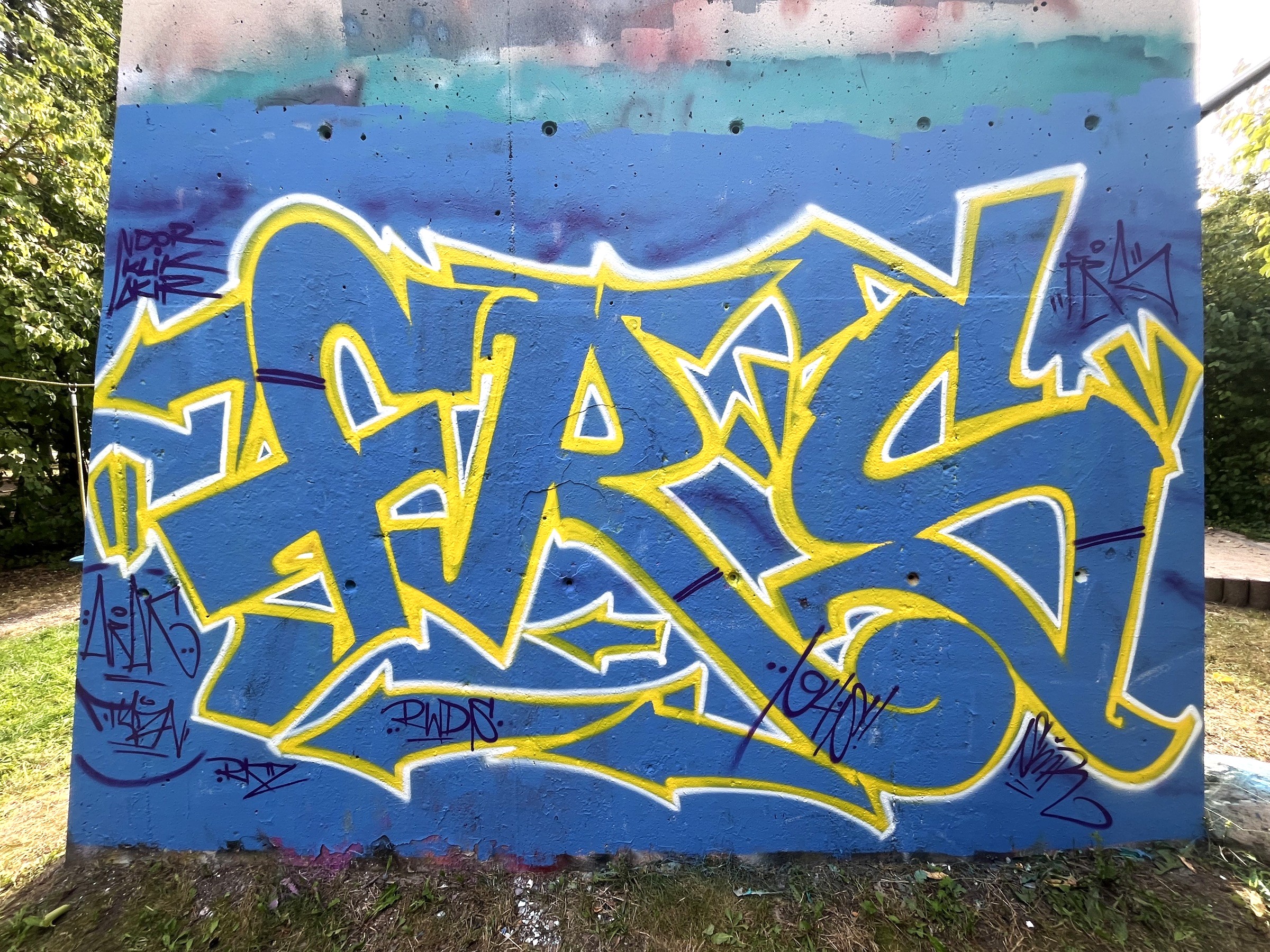
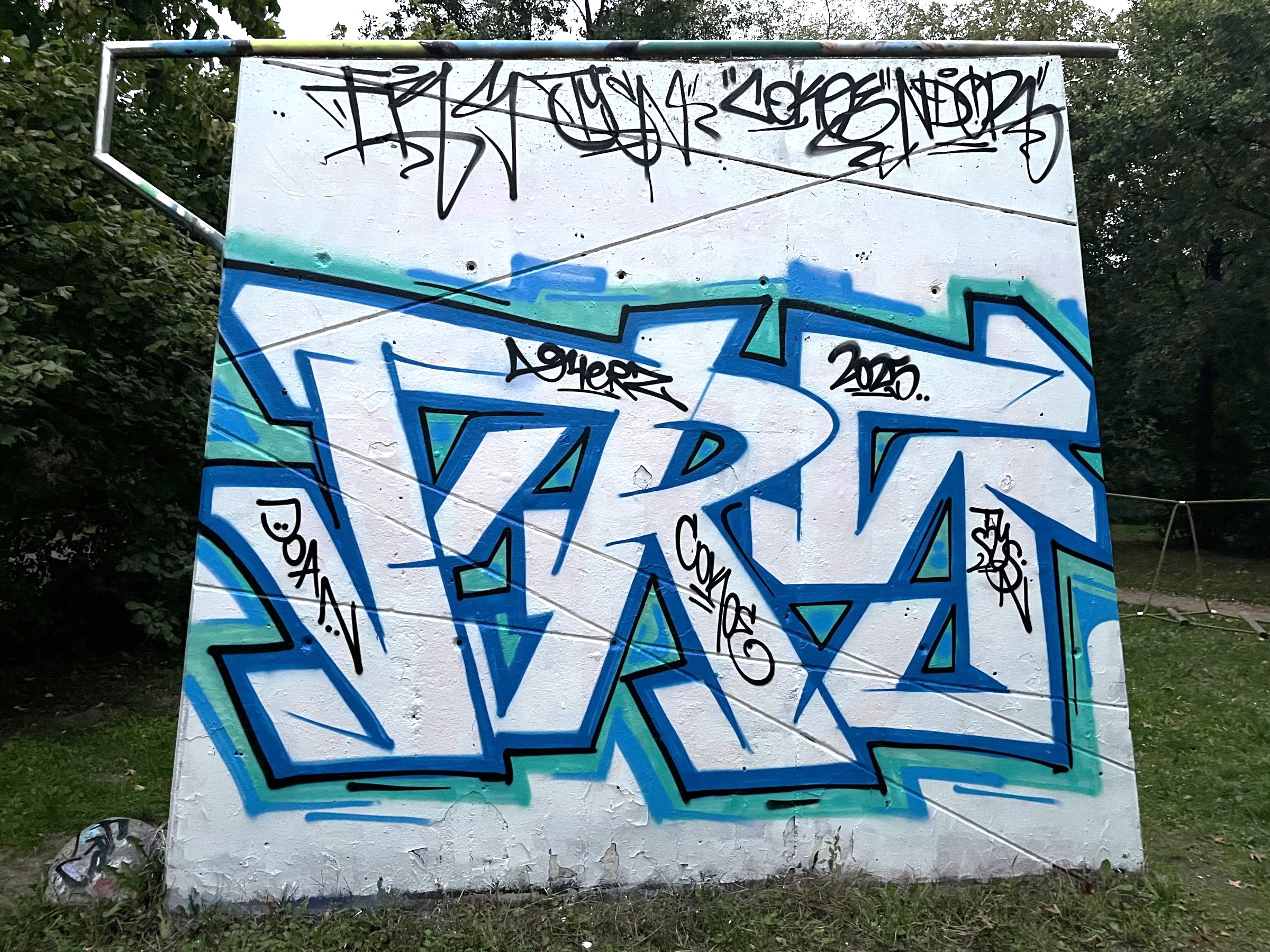
How was it about getting cans? Nowadays, every city has graffiti shops, and you can buy spray cans in countless other stores. Back then, it wasn’t quite as widespread. And above all, the spray cans weren’t like they are today, so sometimes you had to pimp them up a bit and be inventive.
Getting spray cans was a challenge back then. There weren’t graffiti shops on every corner. We went to hardware stores, auto paint shops, or specialty stores, and caps had to be swapped or modified. Often the spray can was unpredictable, so you had to improvise – that had a huge impact on developing your own style.
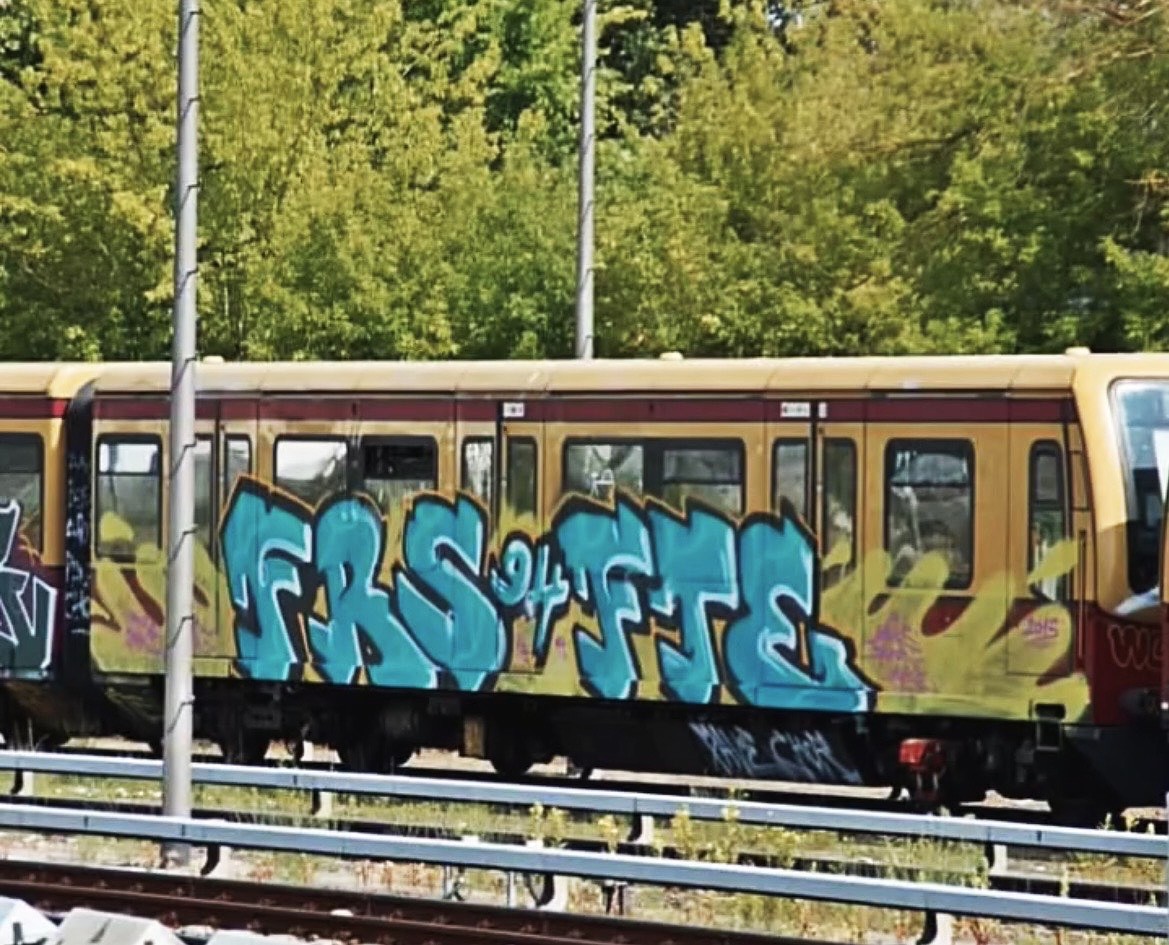
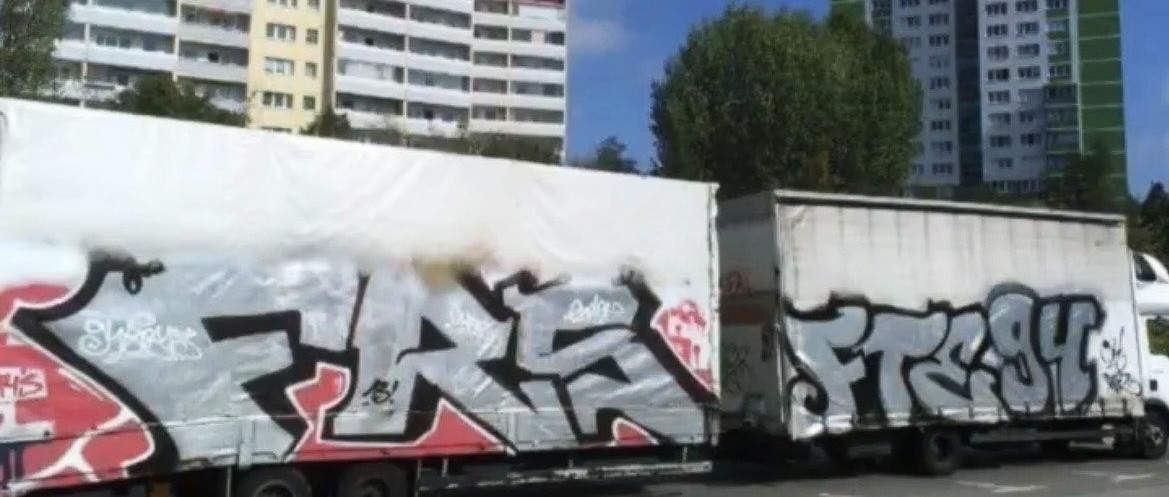
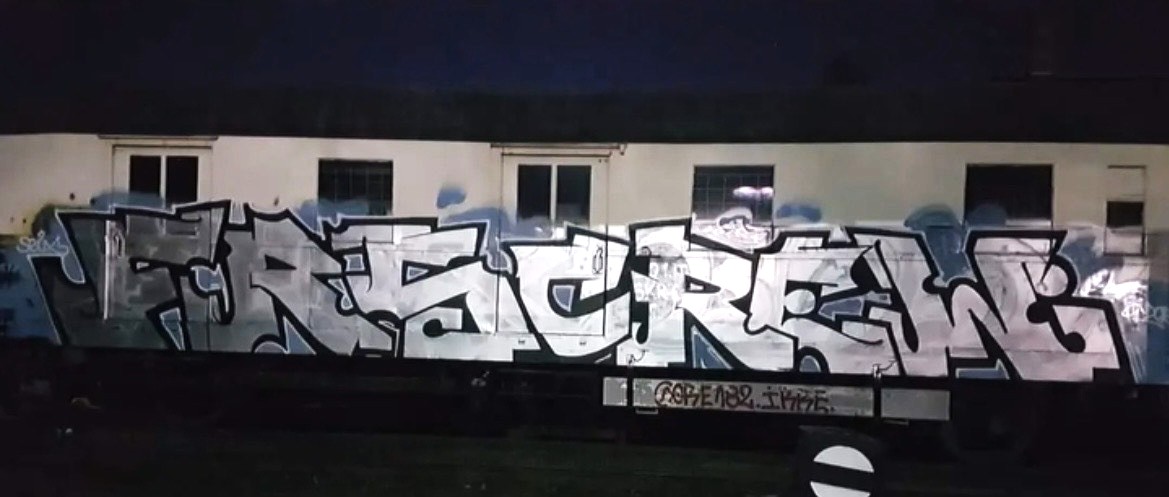
What was it like back then with the police and the prosecution of graffiti offenses? There weren’t as many sprayers back then, but now it’s grown enormously and an incredible number more people are spraying. There are many more legal areas and graffiti has become more accepted by the general public and is even used on TV and in advertising. Looking back, what was it like back then with the police and the penalties, and how has that changed compared to today? Or has it changed?
The police were much more direct back then. There was the GIB, which was sometimes really confrontational. Physical altercations were not uncommon. At the same time, there were places like yards, subway tracks, or tunnels where you could paint, hang out, and even party. Those were real free spaces – a feeling that hardly exists today. Nowadays, everything is much more monitored and technological.
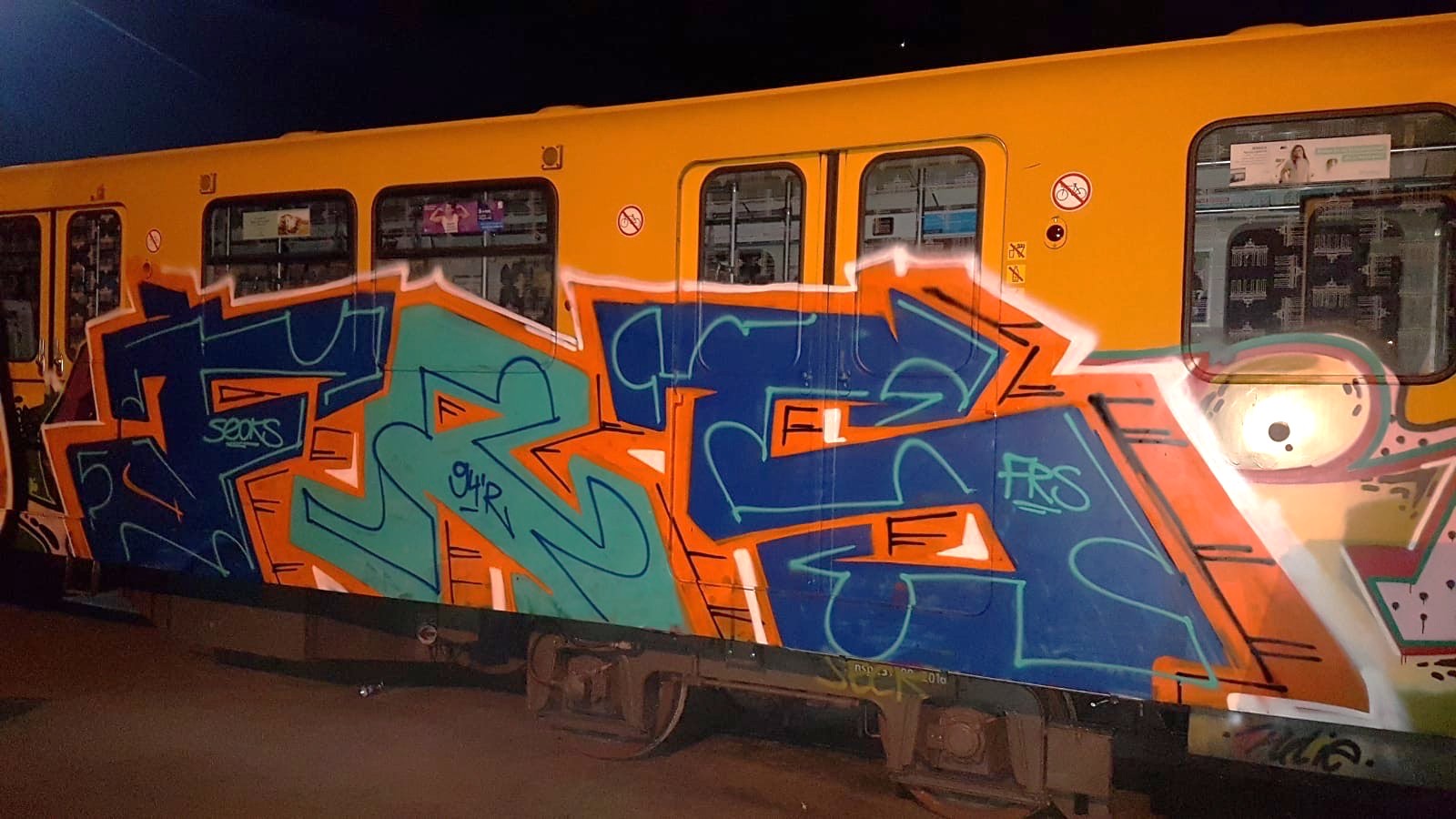
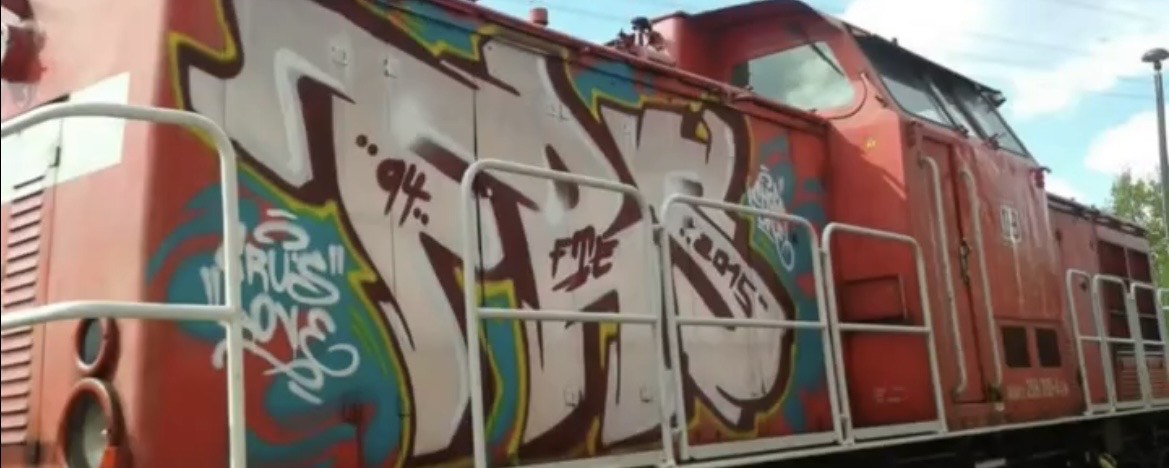
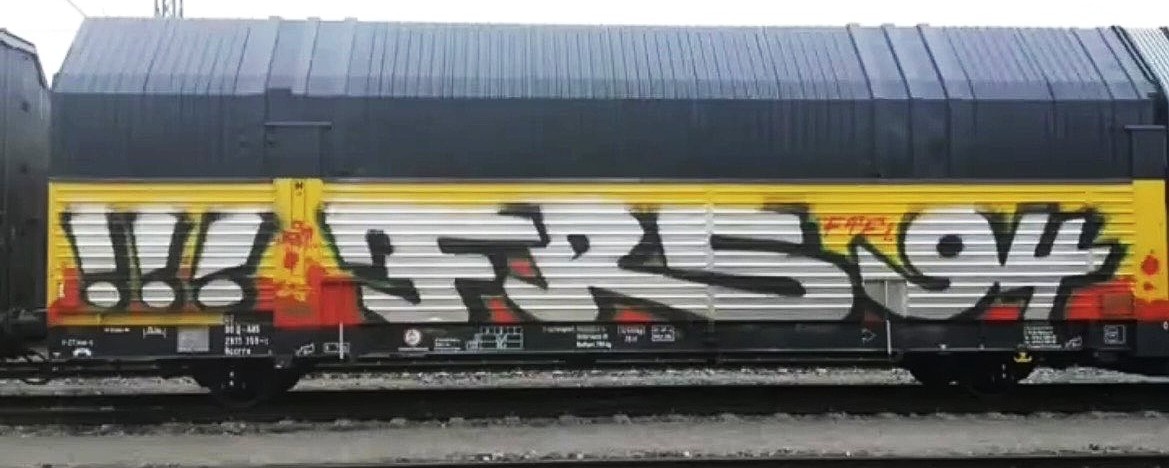
Hip-Hop plays a big role for you.
Definitely. Hip-hop was the foundation. With my SMR gang, we didn’t just paint, we also rapped a lot. Freestyles, cyphers, nights out – it was all one. Rap, graffiti, attitude. One couldn’t exist without the other. Hip hop was central. I listened to a lot of US rap, but also German underground hip hop, because I am friends with many rappers and have deep roots in that scene. This mix has shaped me musically and culturally and still accompanies me today, whether I’m painting, traveling to spots, or sketching.
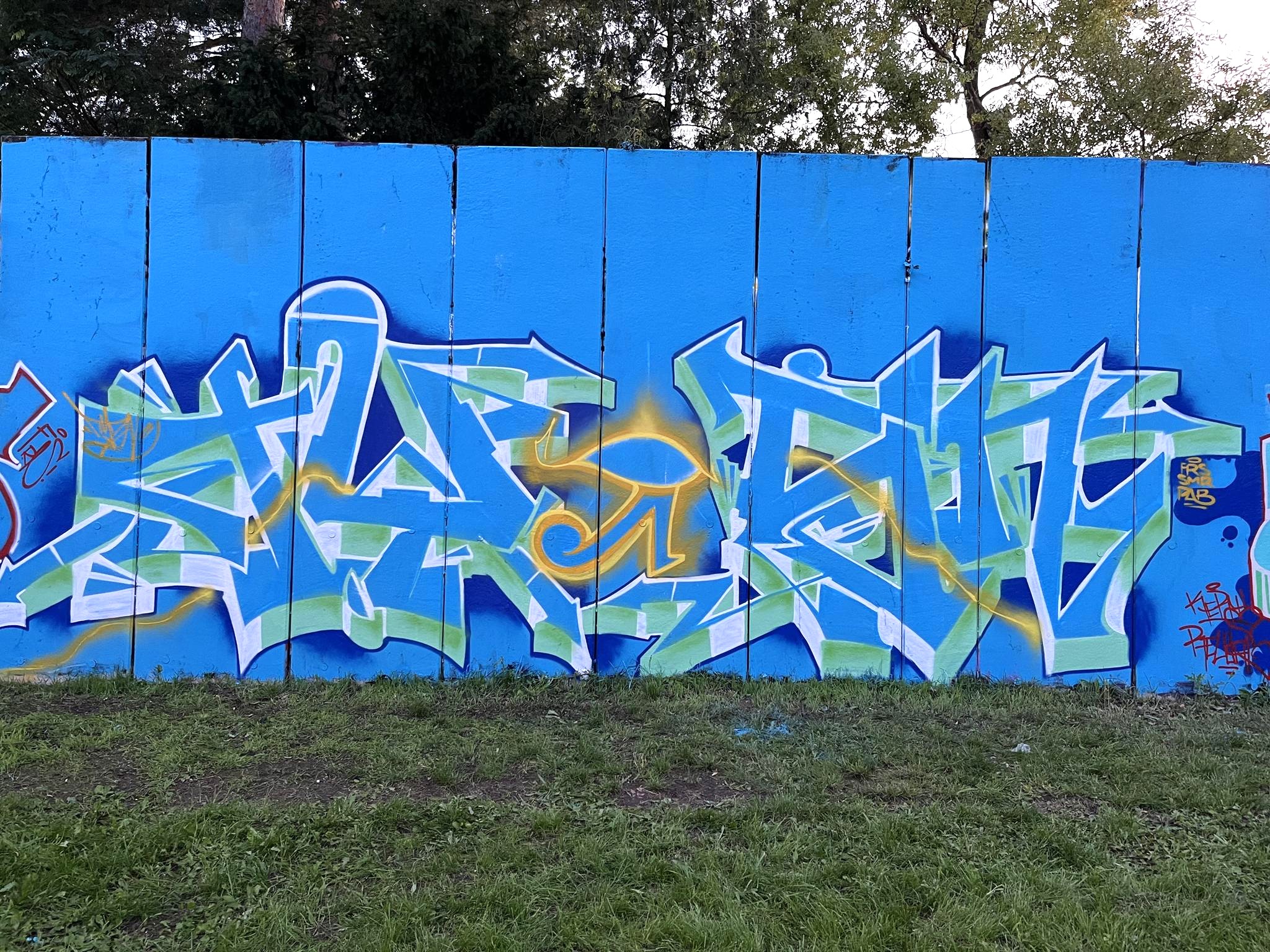
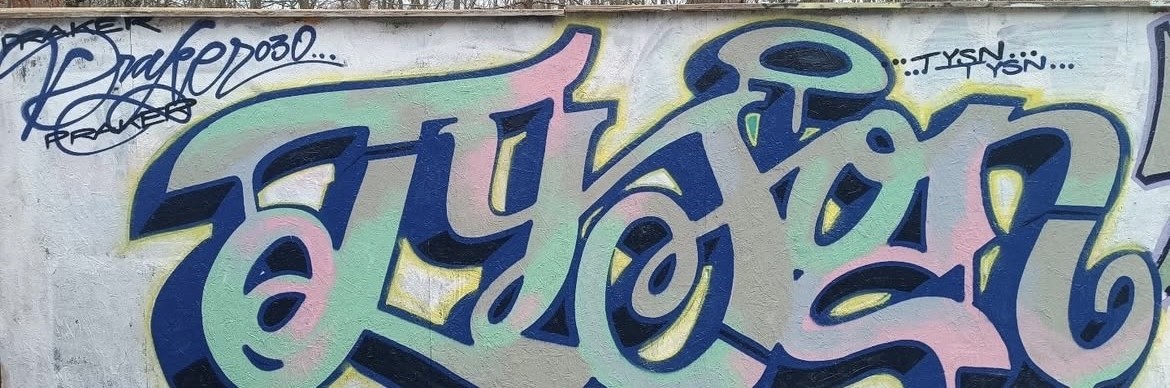
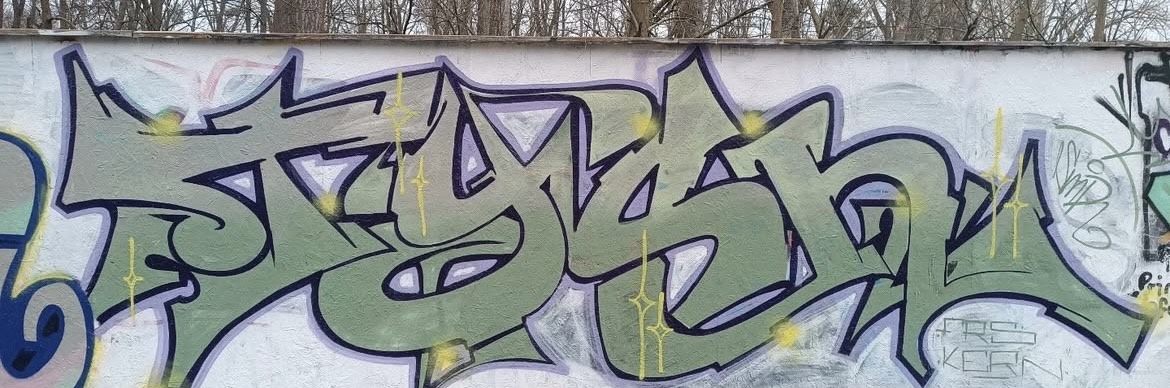
Your style is very recognizable. Where do your influences come from?
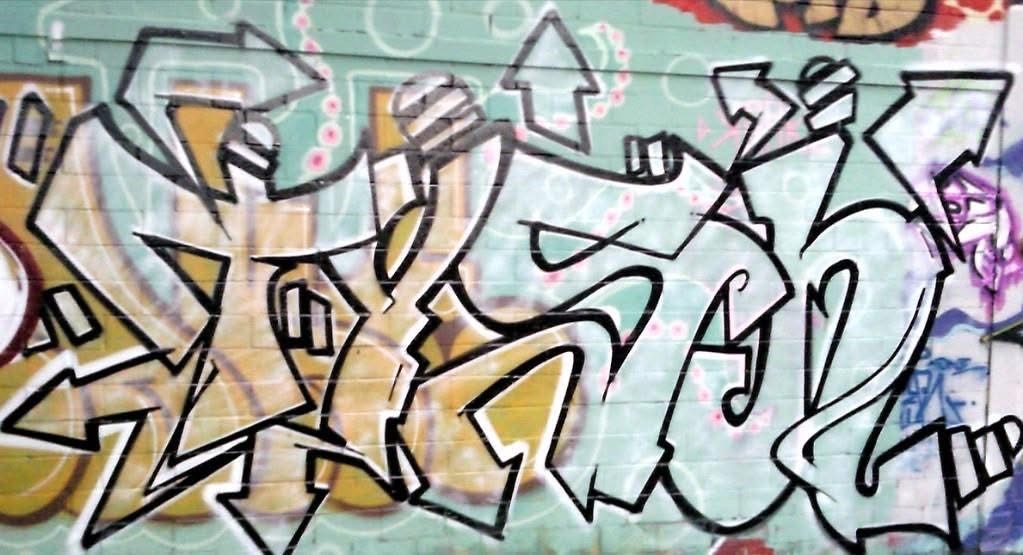
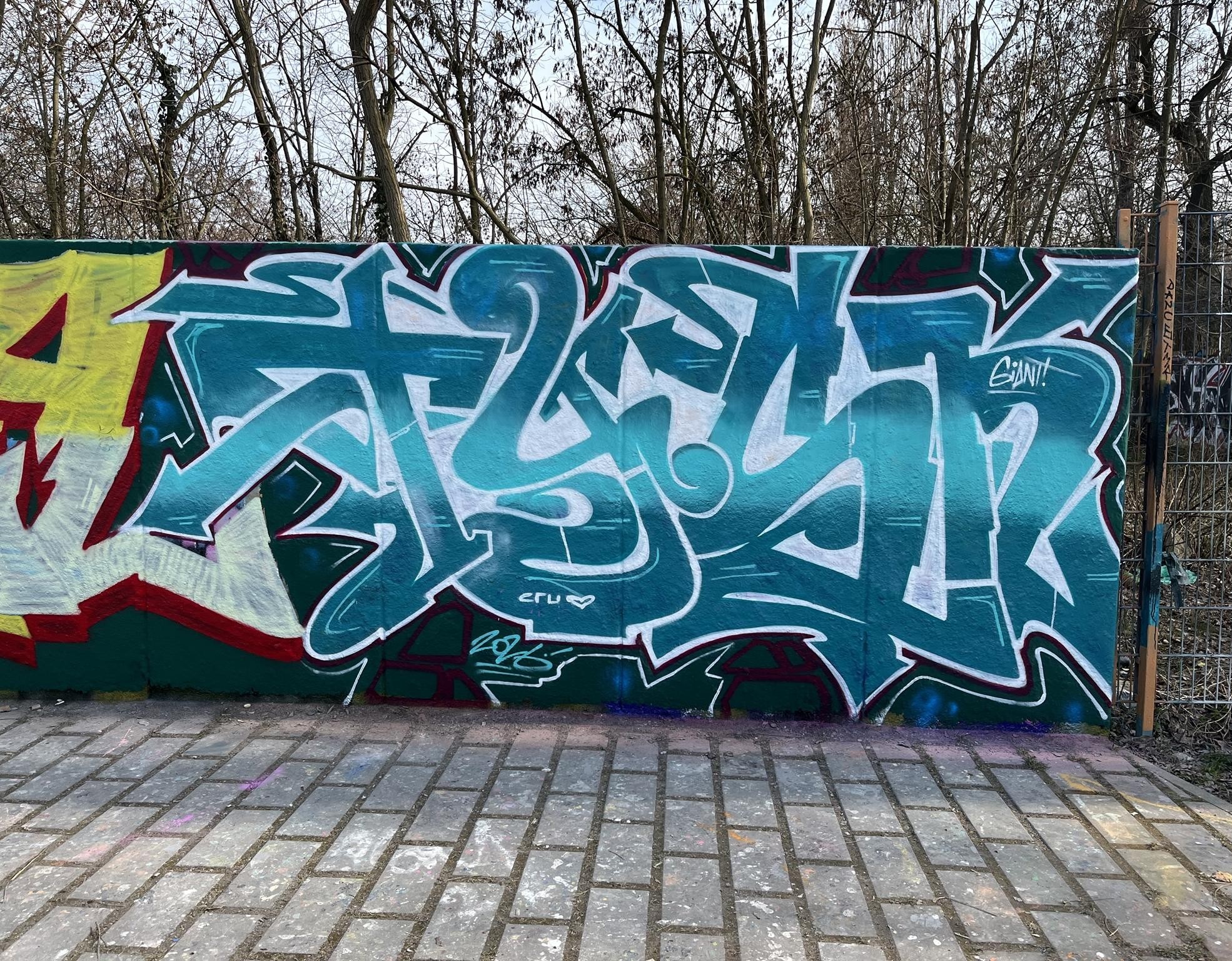
A lot came from America – the whole vibe, the letter aesthetics, the standards. At the same time, of course, Berlin: old-school legends like Odem, Phos, Level, Bisas, Skar. Anyone who grew up here can’t ignore them. It’s all in there. My focus is on letters because they represent the essence of graffiti – name, style, recognition, and the ability to be combined in endless new ways. I’ve also done a lot of characters, especially for commissions, backgrounds, exhibitions, or on canvases. They complement a piece without taking the focus away from the letters.
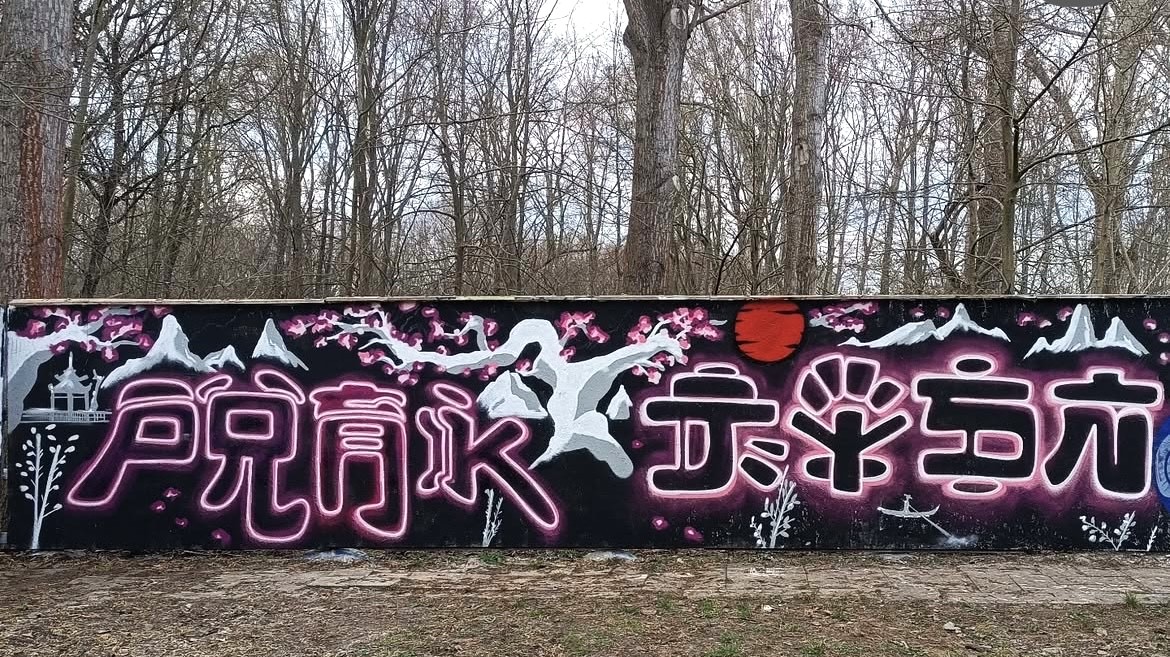
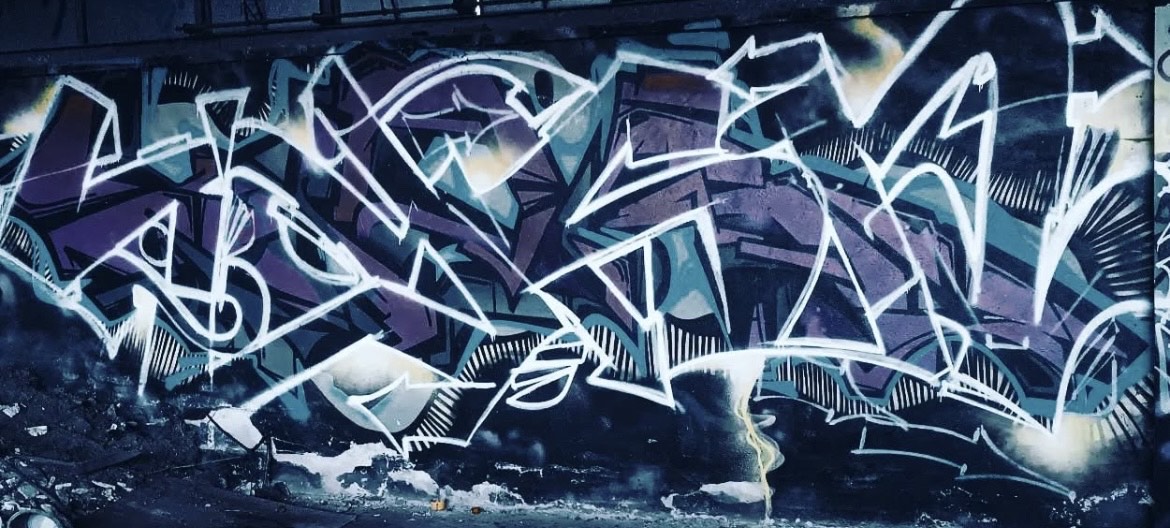
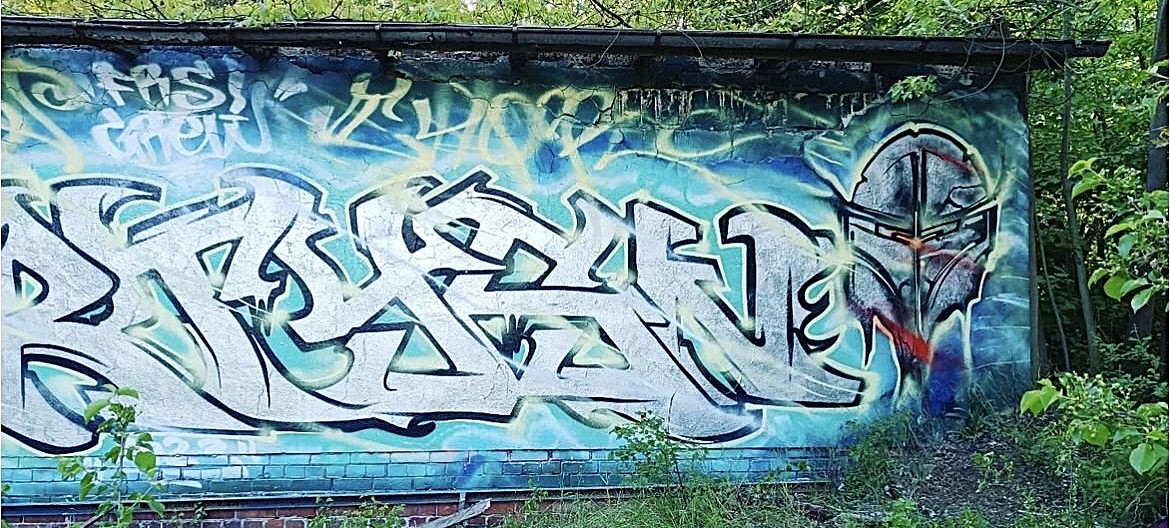
In June 2023, you and a few other artists spray-painted some awesome artworks on the train station in Neuenhagen. How did this project come about?
At the Neuenhagen S-Bahn station, we decorated the station with graffiti as part of an art project organized by the youth center Jugendwerkstatt Neuenhagen. The project was financed by the city of Neuenhagen and implemented as a non-profit initiative with the aim of enhancing public spaces and making the city more visually appealing. For me, it was an incredibly positive experience – it was a lot of fun and just felt really good to be part of something meaningful. There were many sprayers from different backgrounds on site, which made the exchange particularly exciting. Making contacts, inspiring each other, and coming together again – that’s what makes projects like this so special to me. We regularly carry out charitable work like this because we believe that graffiti and street art can make cities more vibrant and human.
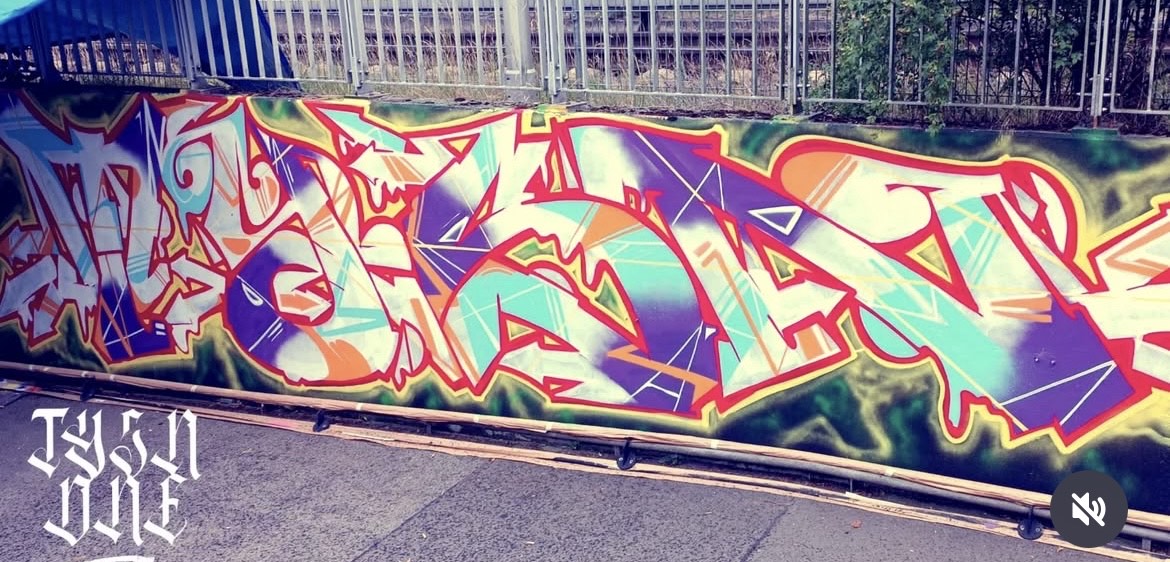
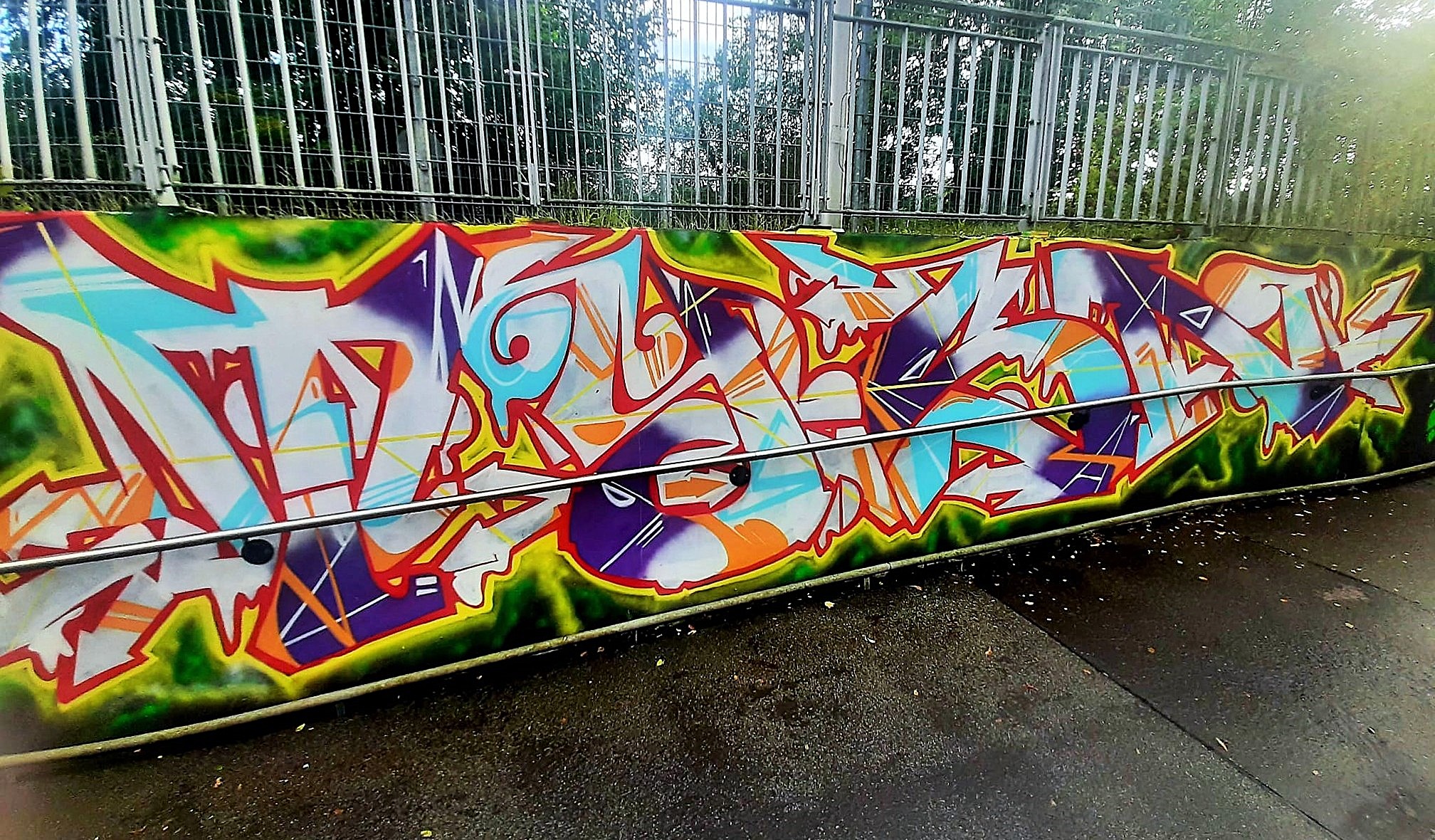
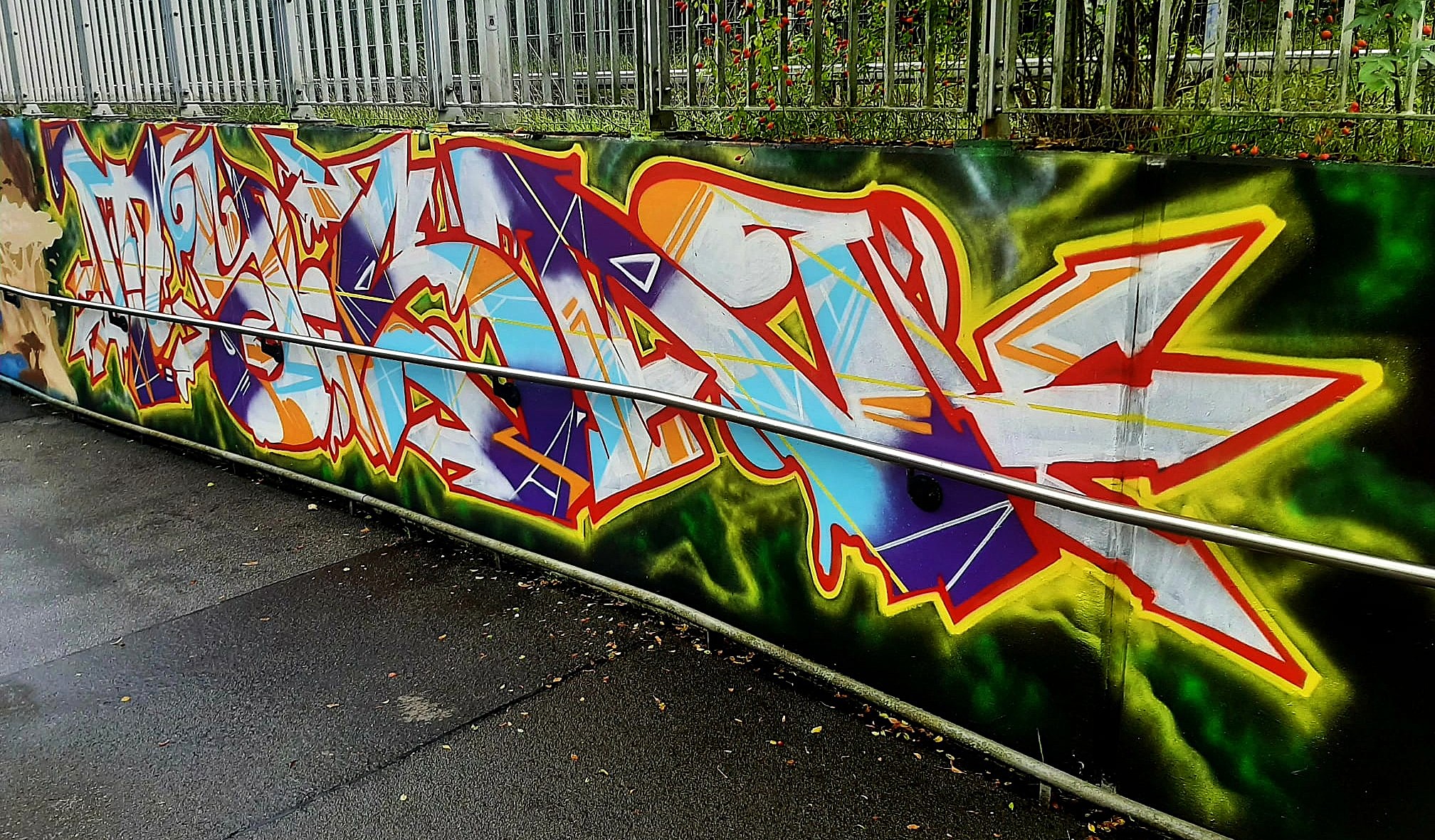
Since we started our documentary with Vagabundler, we have repeatedly seen new spray sites emerge and new legal halls being created. But at the same time, we have also seen old legendary halls disappear, being demolished and built over. In Berlin, for example, the Rummelsburg Hall, the Urban Art Hall in the old post office, and the spray space on Allee du Stade. Looking back, what were important graffiti locations for you in the past that unfortunately no longer exist today?
Many ruins and spots have disappeared, but back then we just painted everything – ruins, streets, whatever. The city was our playground. What was important was the time we were active there, not that everything would last forever. Graffiti is transient, and that’s exactly what makes it special to me.
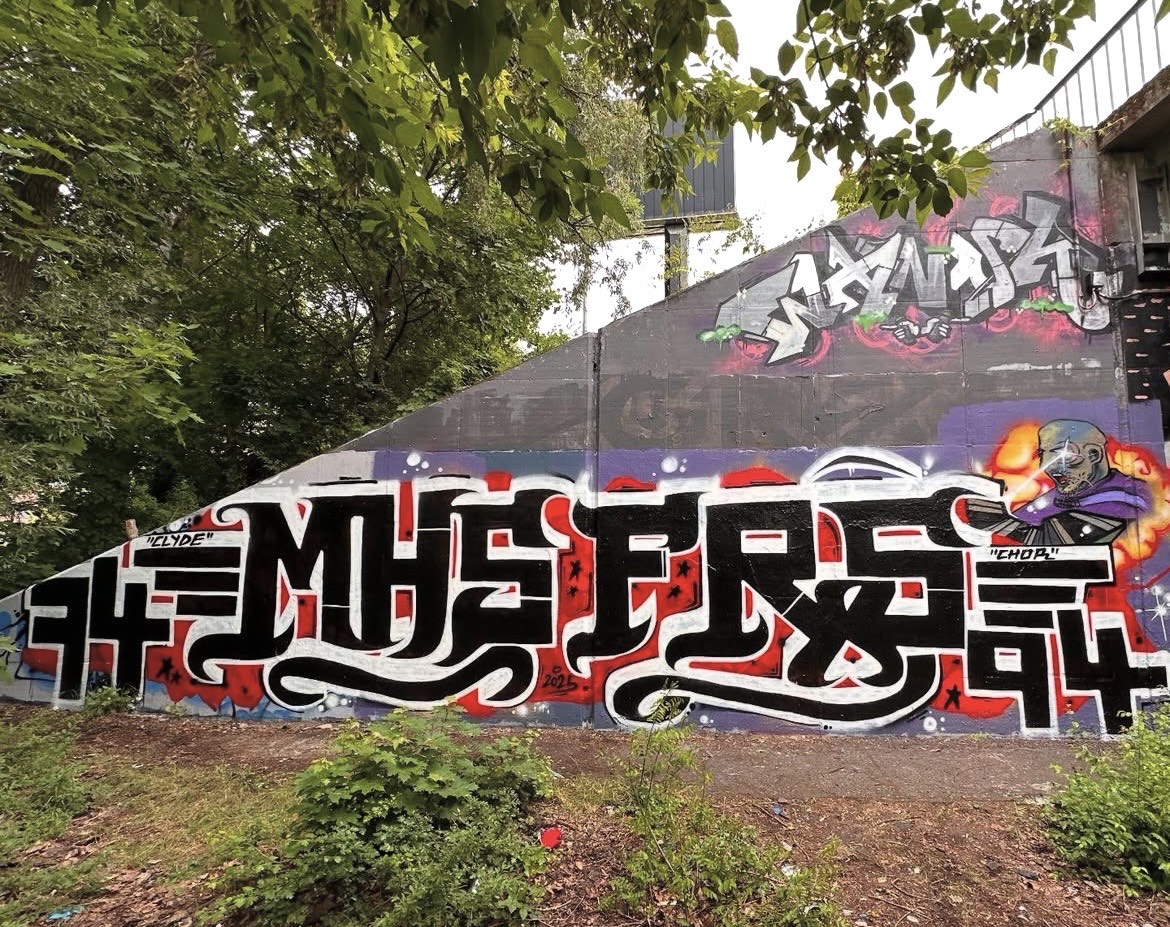

Your name stands for classic West Berlin wildstyle. Also your style seems very mature.
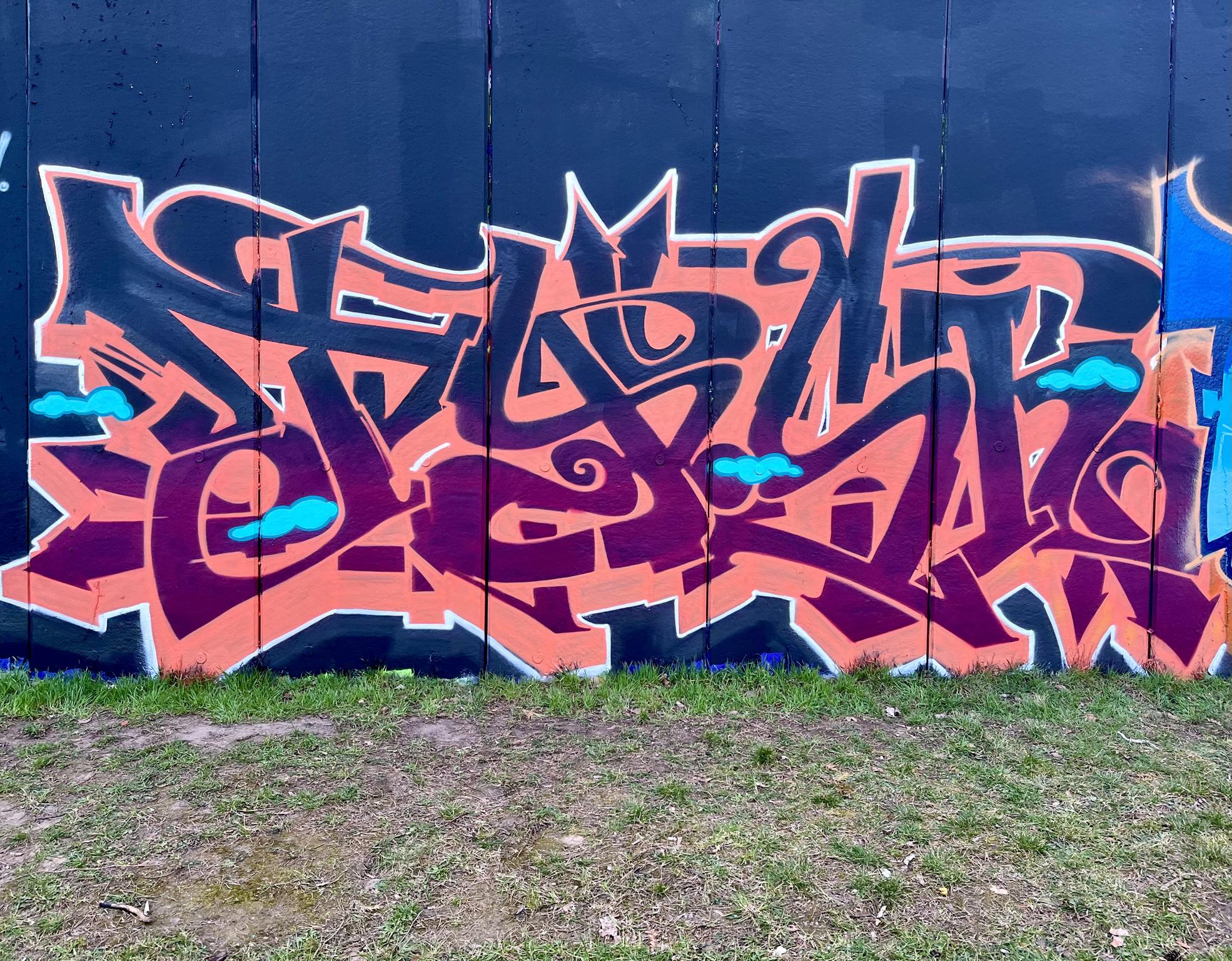
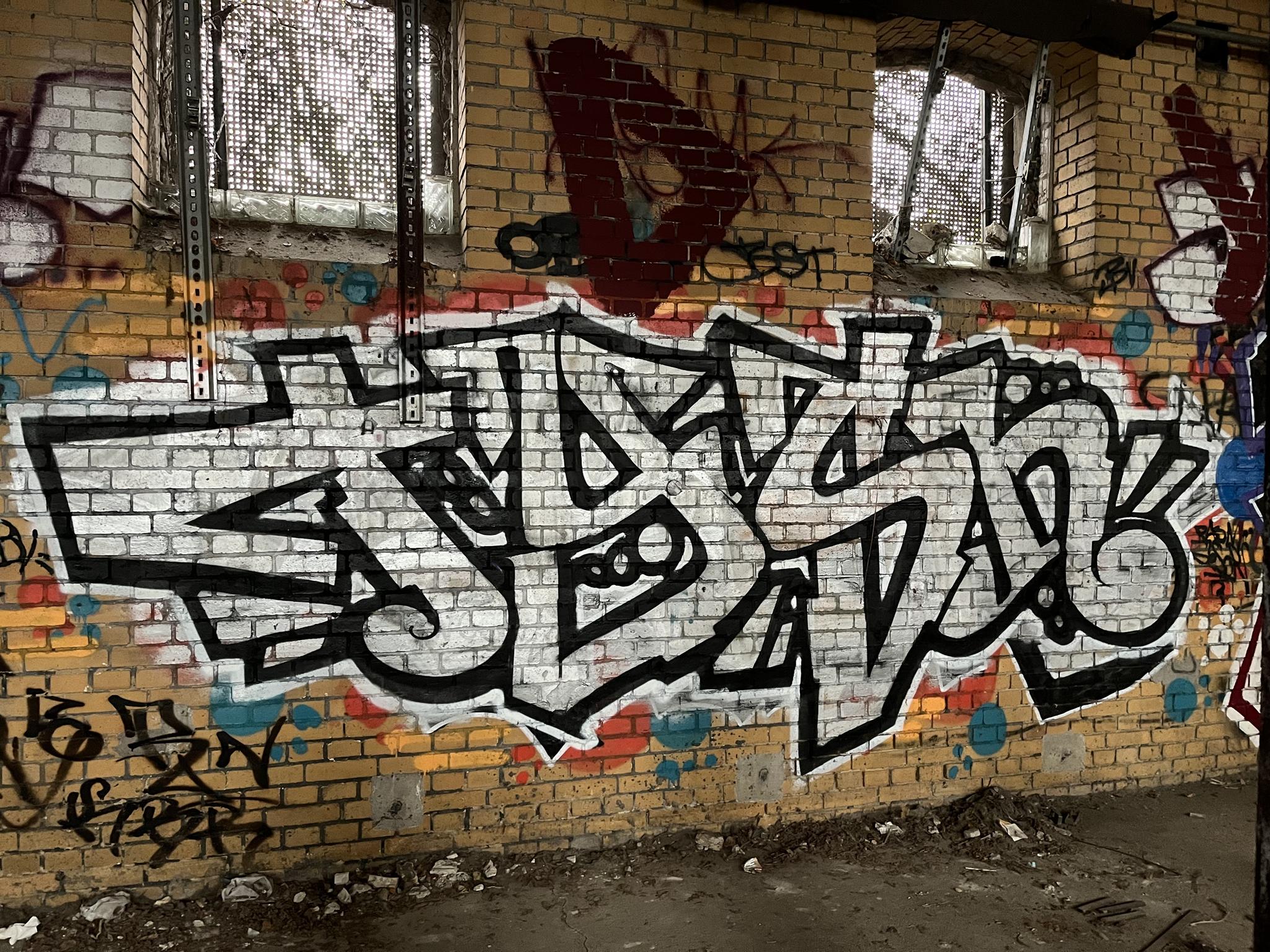
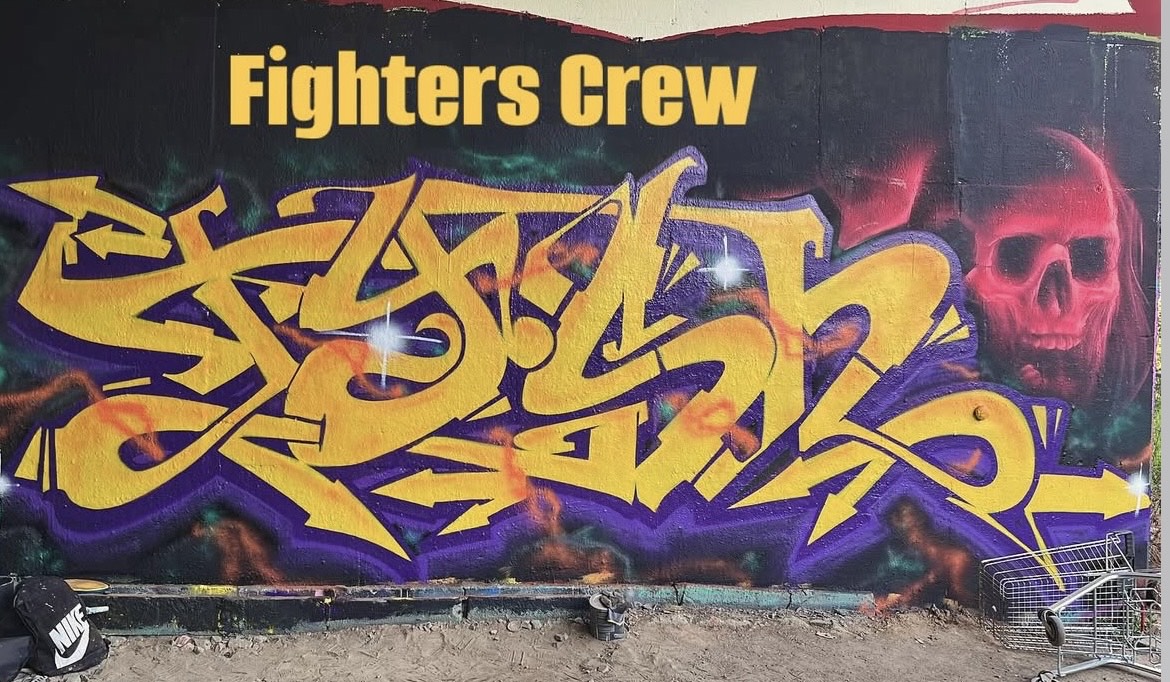
My style is wild, playful, complex – but controlled. Bending letters, pressing colors, yet maintaining structure. A lot of technique, a lot of feeling, a lot of time invested. The mature looking style, that only comes with years of experience. By being outside, by repeating, by making mistakes. My style is the result of decades on the street – nothing overnight.
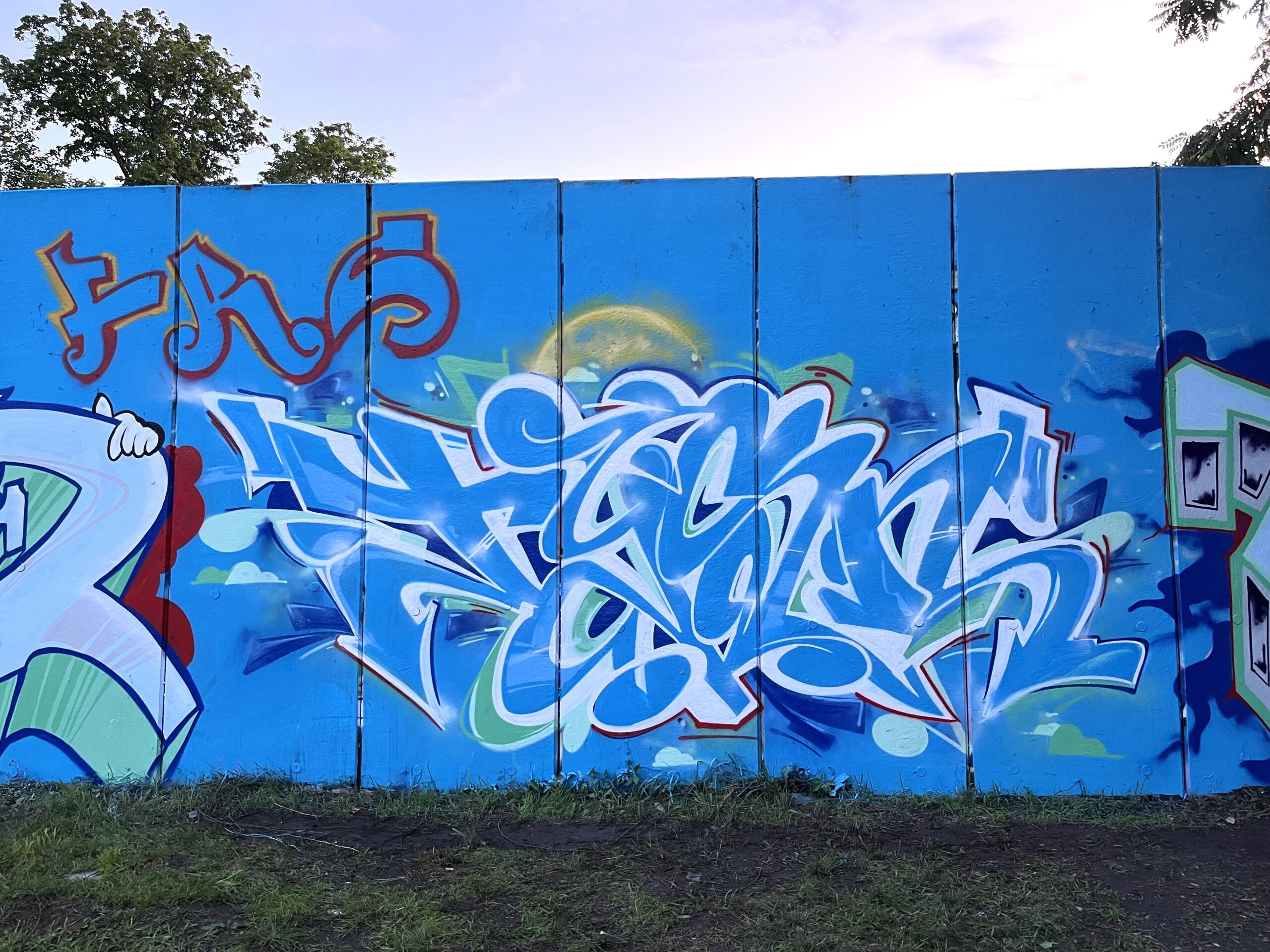
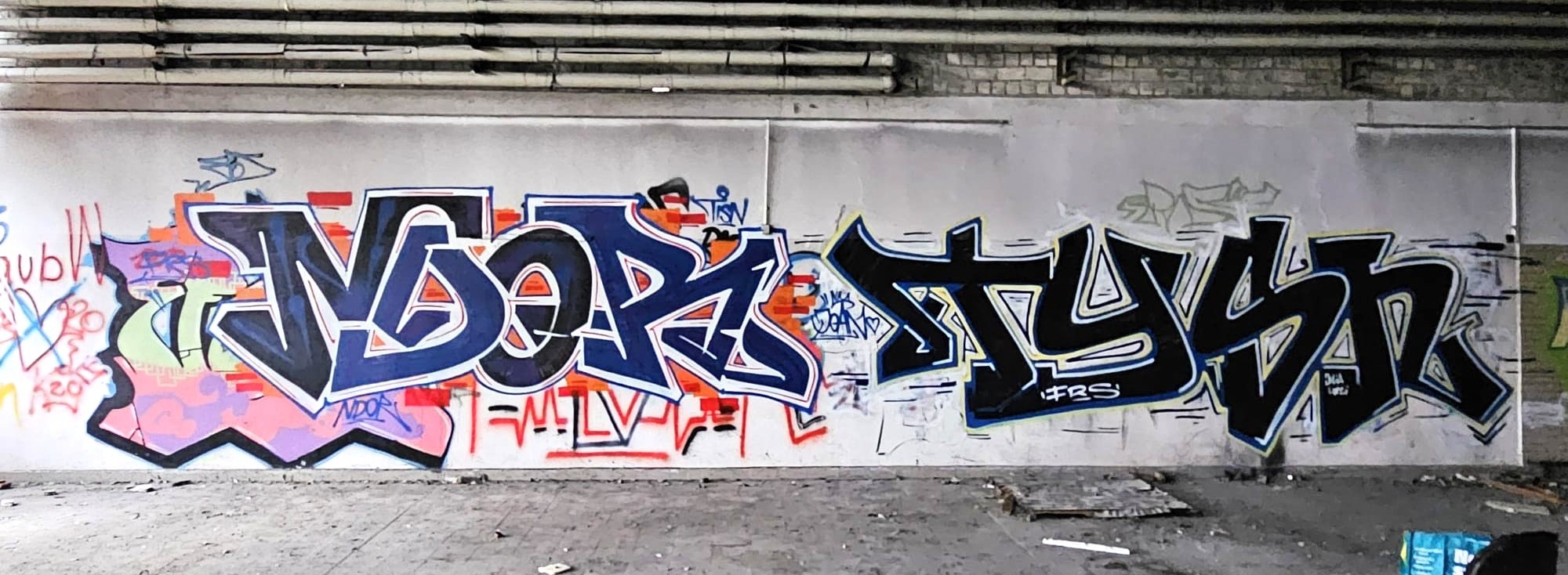
You were always deeply involved, even with consequences.
Yes. I’ve also been in jail for graffiti. That’s part of my history. It was never about image or playing around – it was serious. Anyone from that era knows what commitment means.
What role do crews play for you?
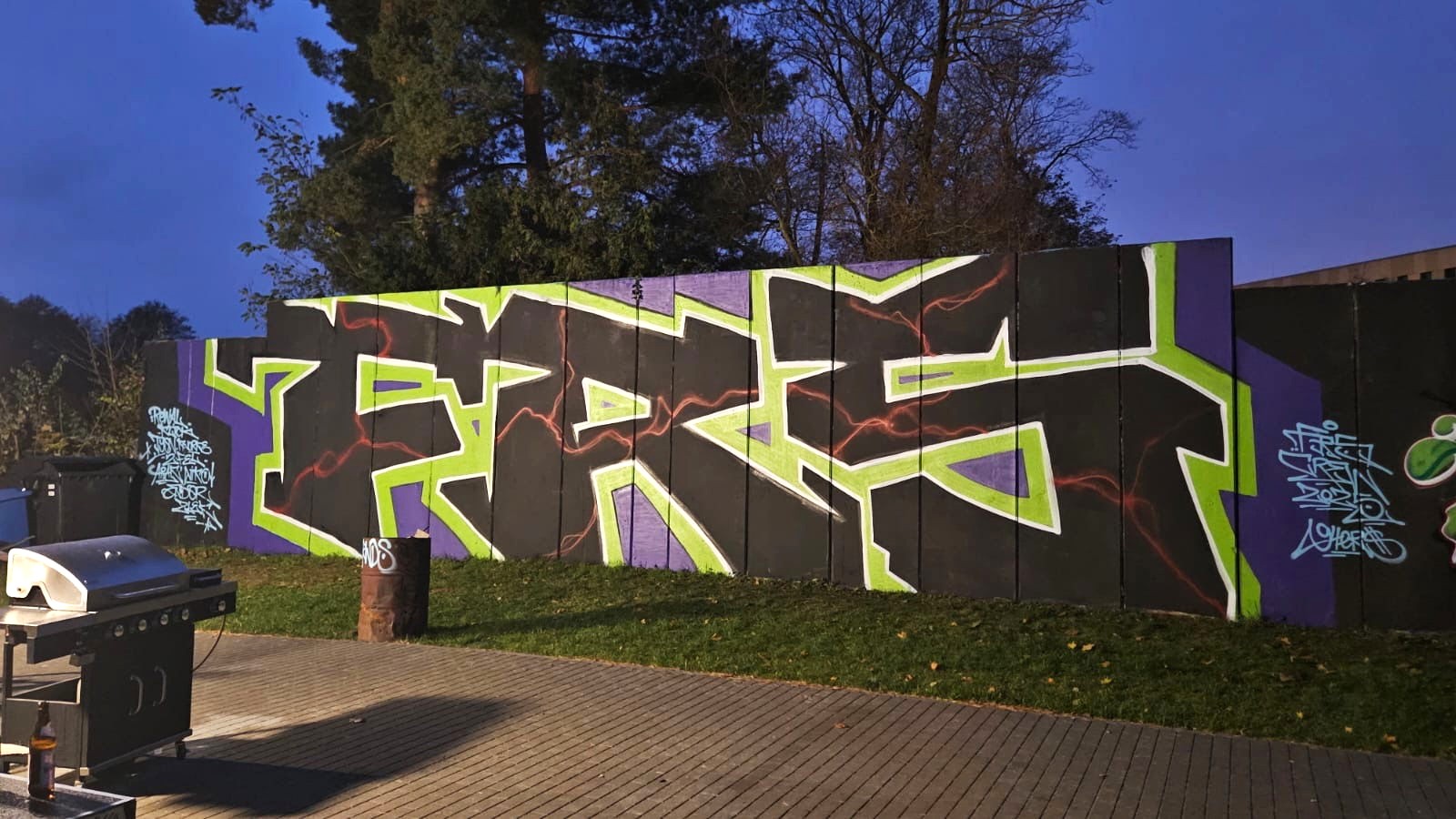
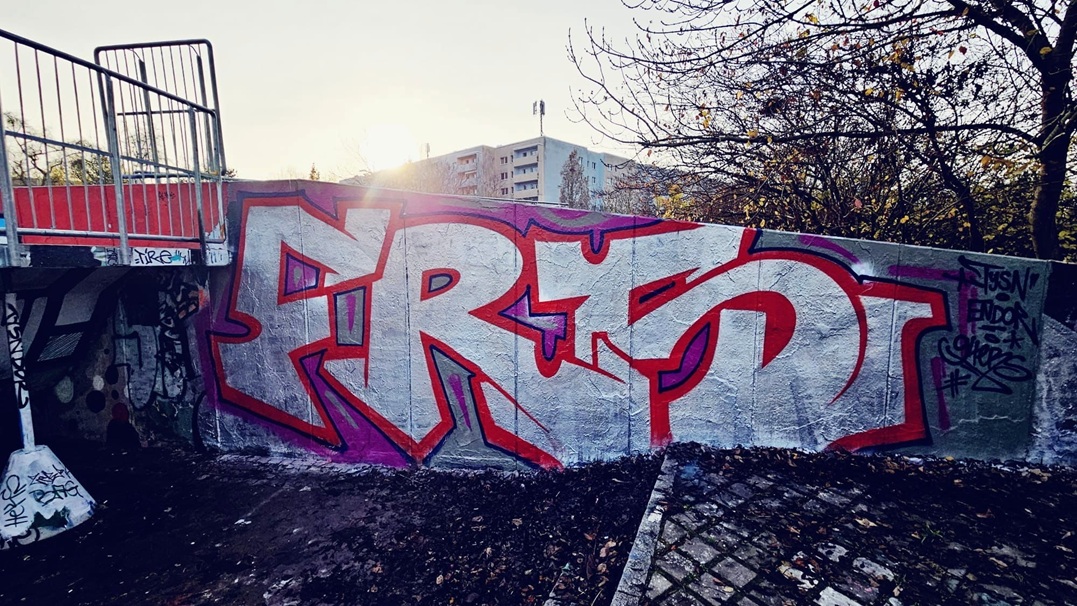
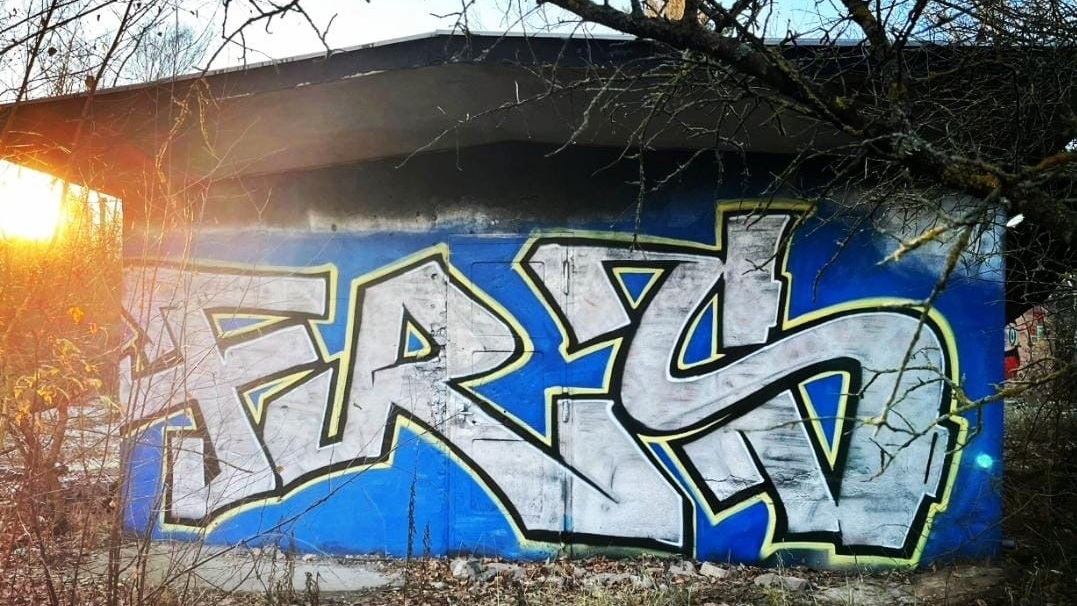
Crews are family. FRS and SMR stand for consistency, quality, and genuine solidarity. We’ve helped shape Berlin over the years – murals, pieces, tags. It’s not a fashion film, it’s life.
Are there people you’d like to thank in particular?
Definitely Endor and Raze. Both bros from the beginning. Lots of time outside, lots of nights, lots of building. Especially when it comes to crew structures, solidarity, and seeing things through, I owe a lot to both of them. Don’t talk much, just do it. And, of course, a few others who have been there over the years – support is never a given.
Your work can be seen not only in Berlin, but also at several places in Germany and in other countries.
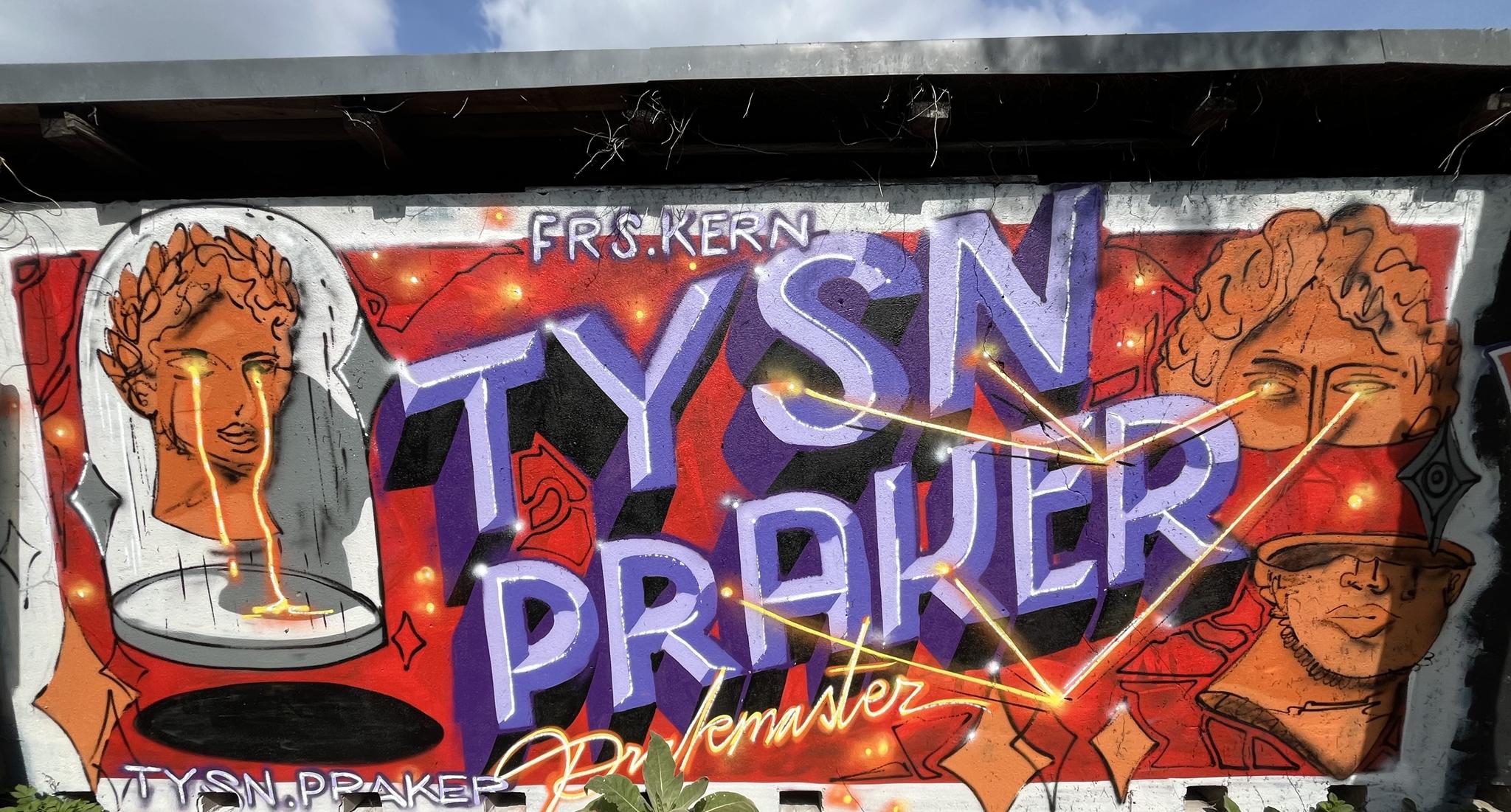
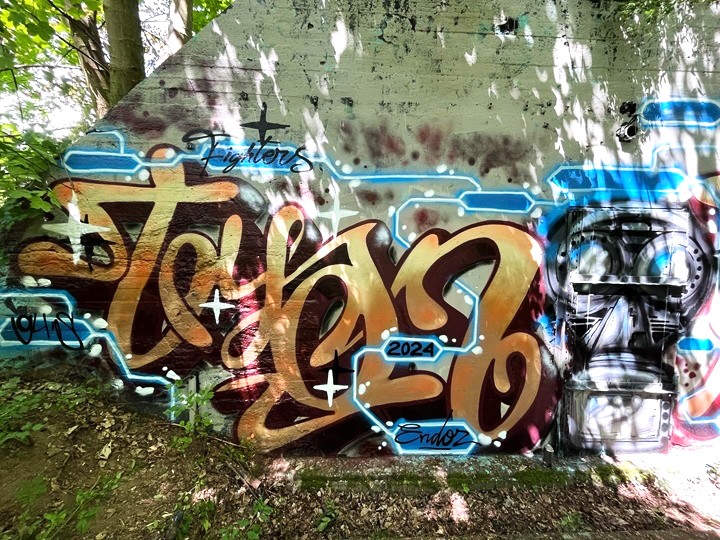
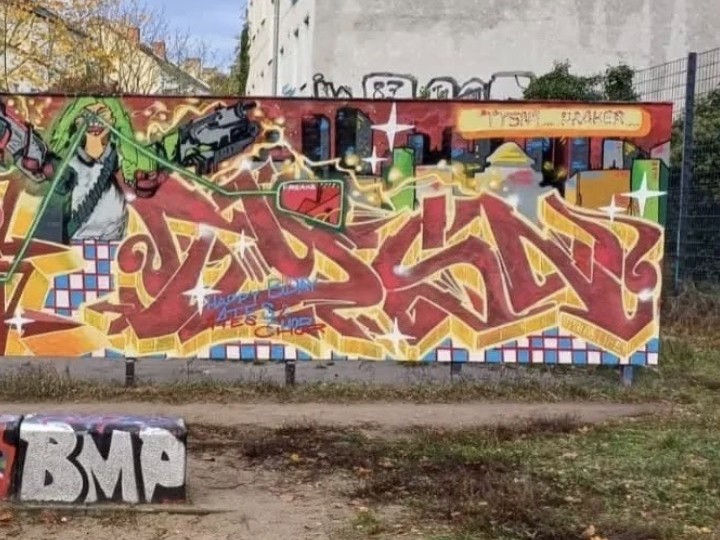
In addition to Berlin, Potsdam, and Brandenburg, I’ve also painted in Spain, Greece, the Netherlands, Poland, Russia, and Turkey. No matter where – my style remains my own. But other writers and crews from Berlin have done a thousand times more in the scene than we have. We’re actually more involved in illegal activities, so you really have to be careful what you say or share.
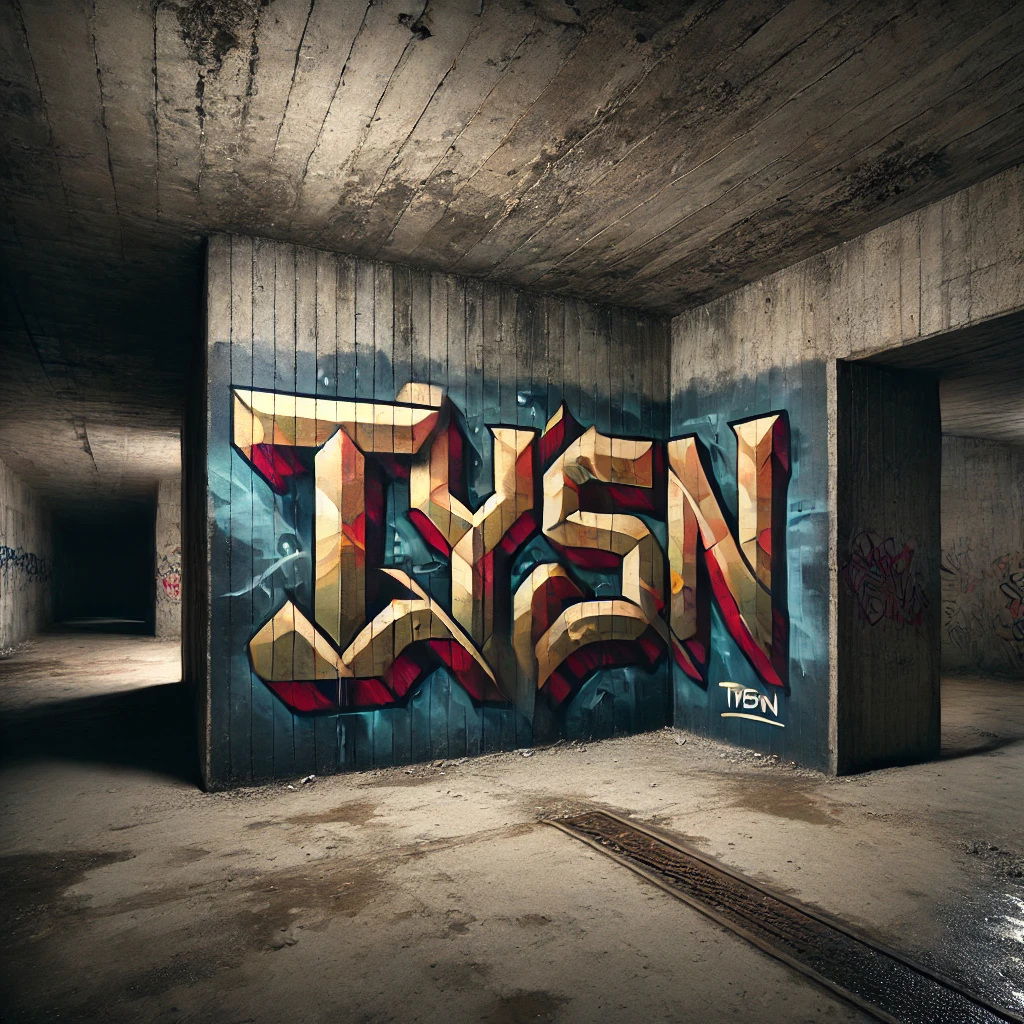
You have created some of your works in lost places, in abandoned buildings and somewhere in the middle of nowhere. What do you like about it and what makes it special? Just exploring and looking at those places is a little adventure in itself. How is it for you?
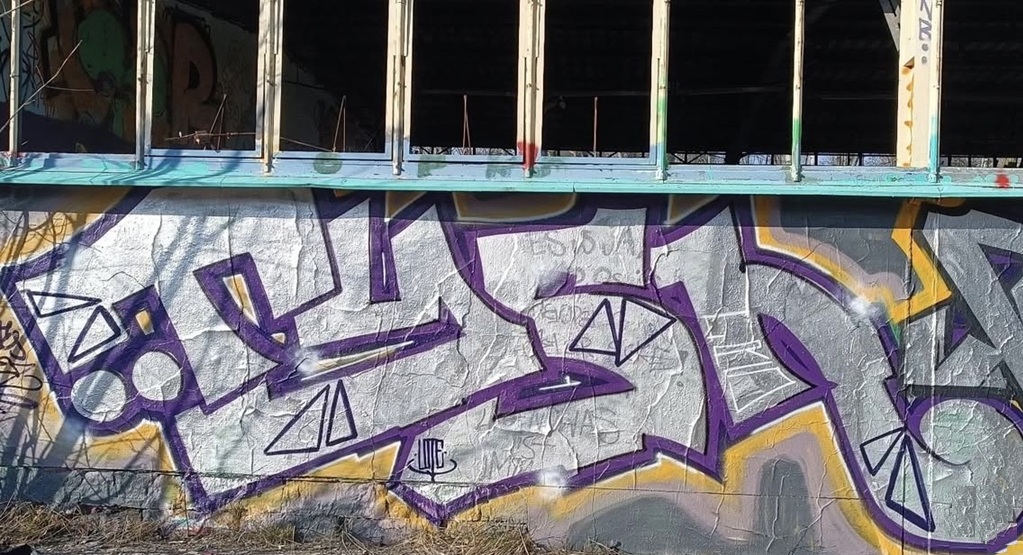
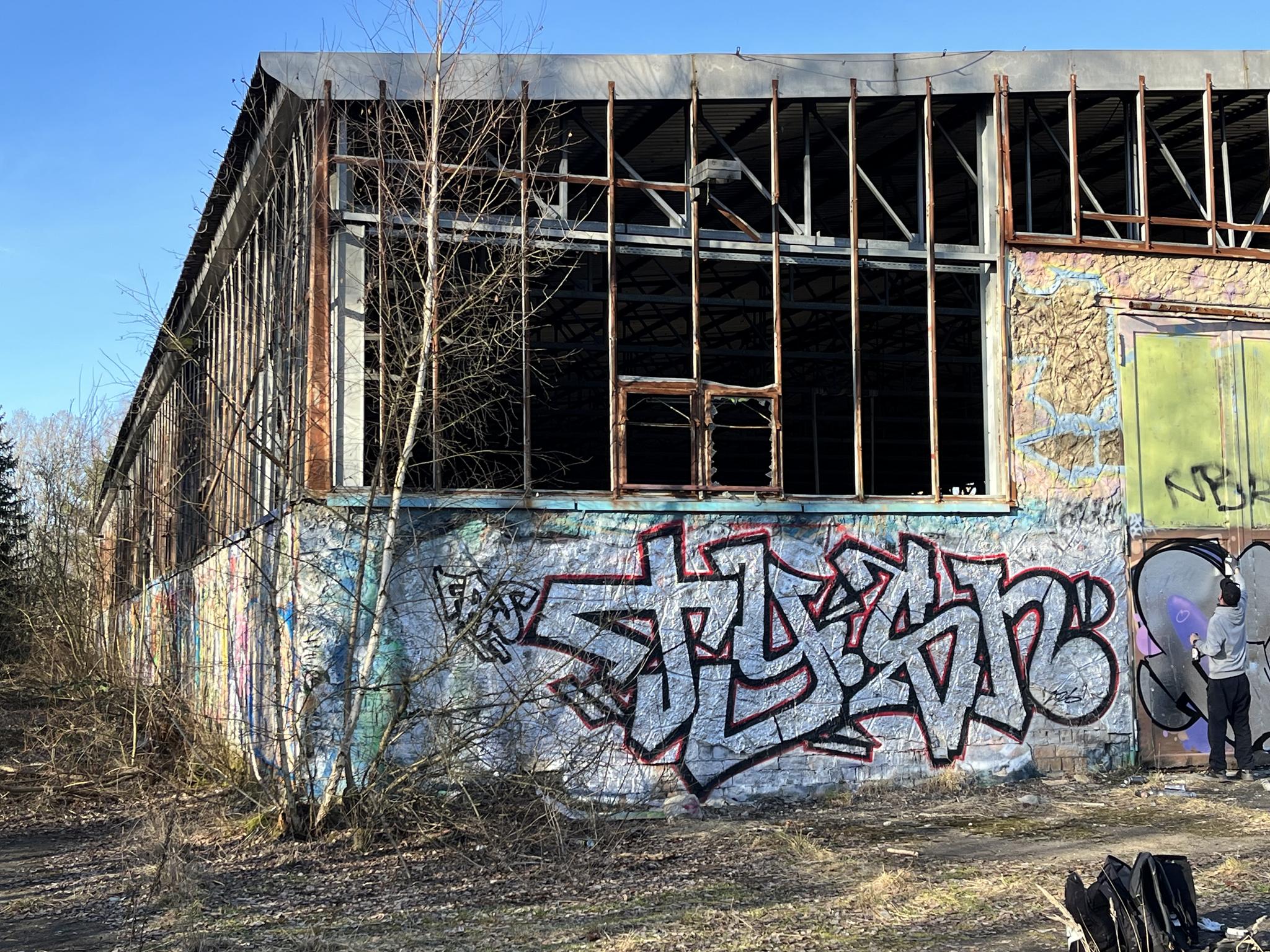
Abandoned places have a special atmosphere. Painting there is quieter, more intense, and involves a small adventure. Exploring these places is inspiring; you’re away from everyday life, away from the public eye and time pressure. Such places are honest and tell stories – just like graffiti itself.
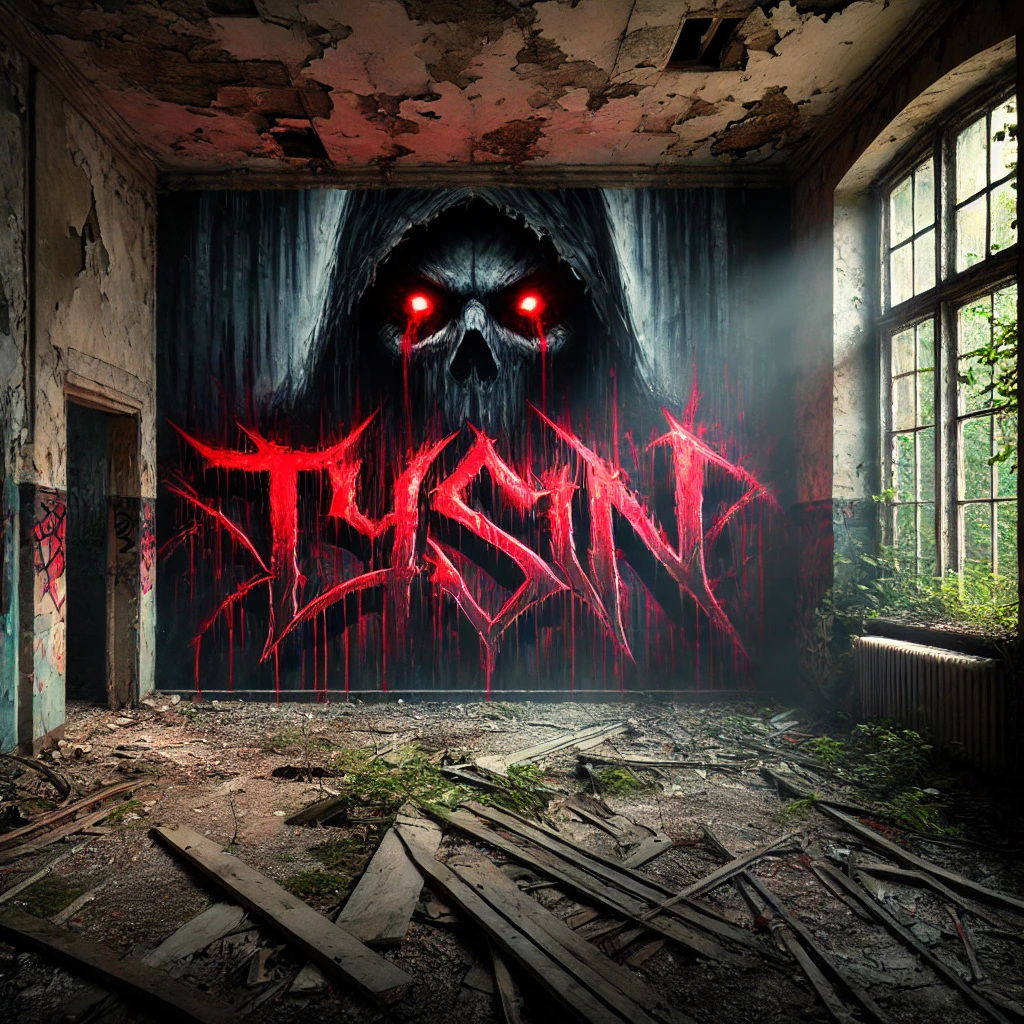
You are also represented in galleries and at festivals.
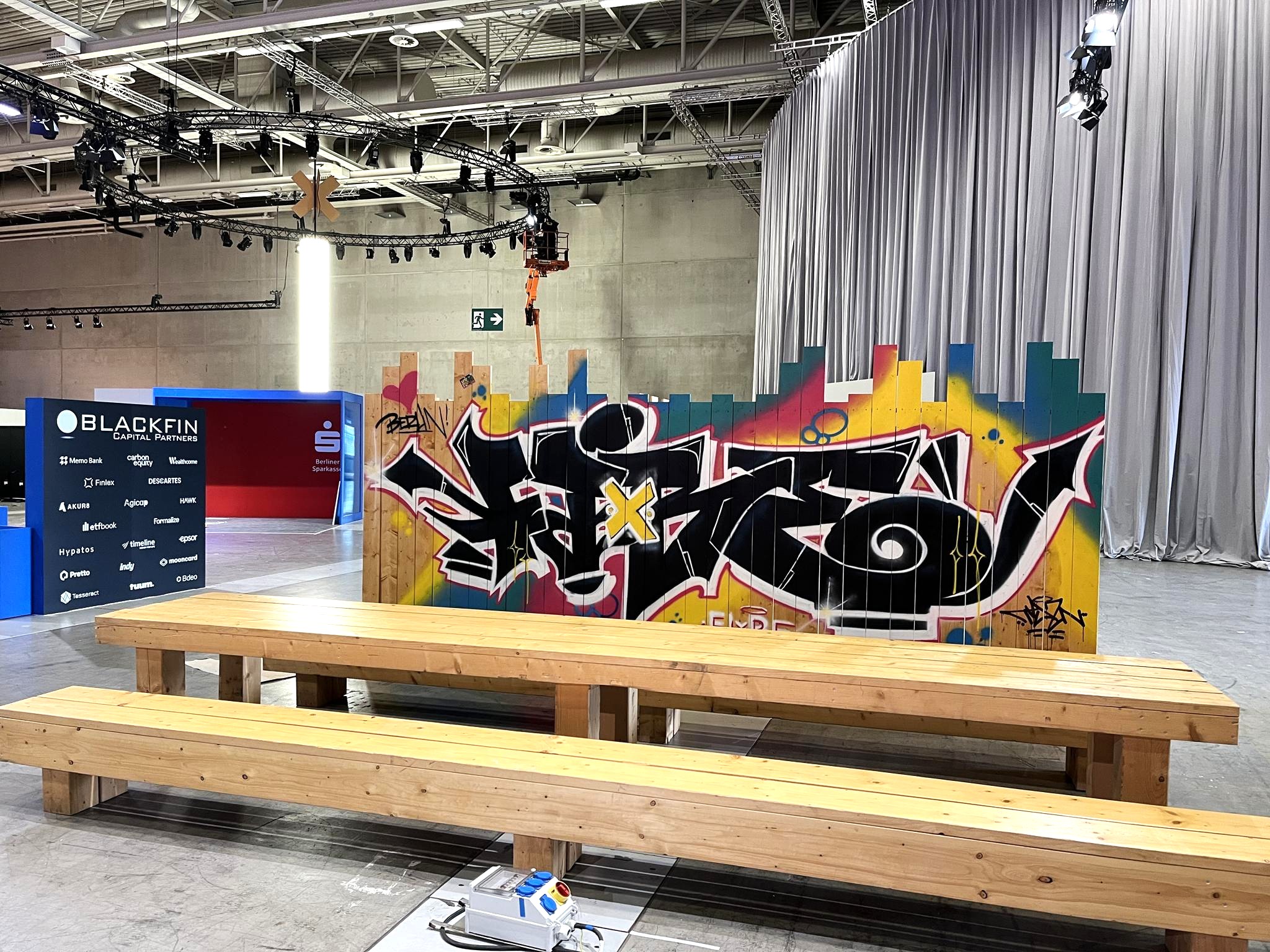
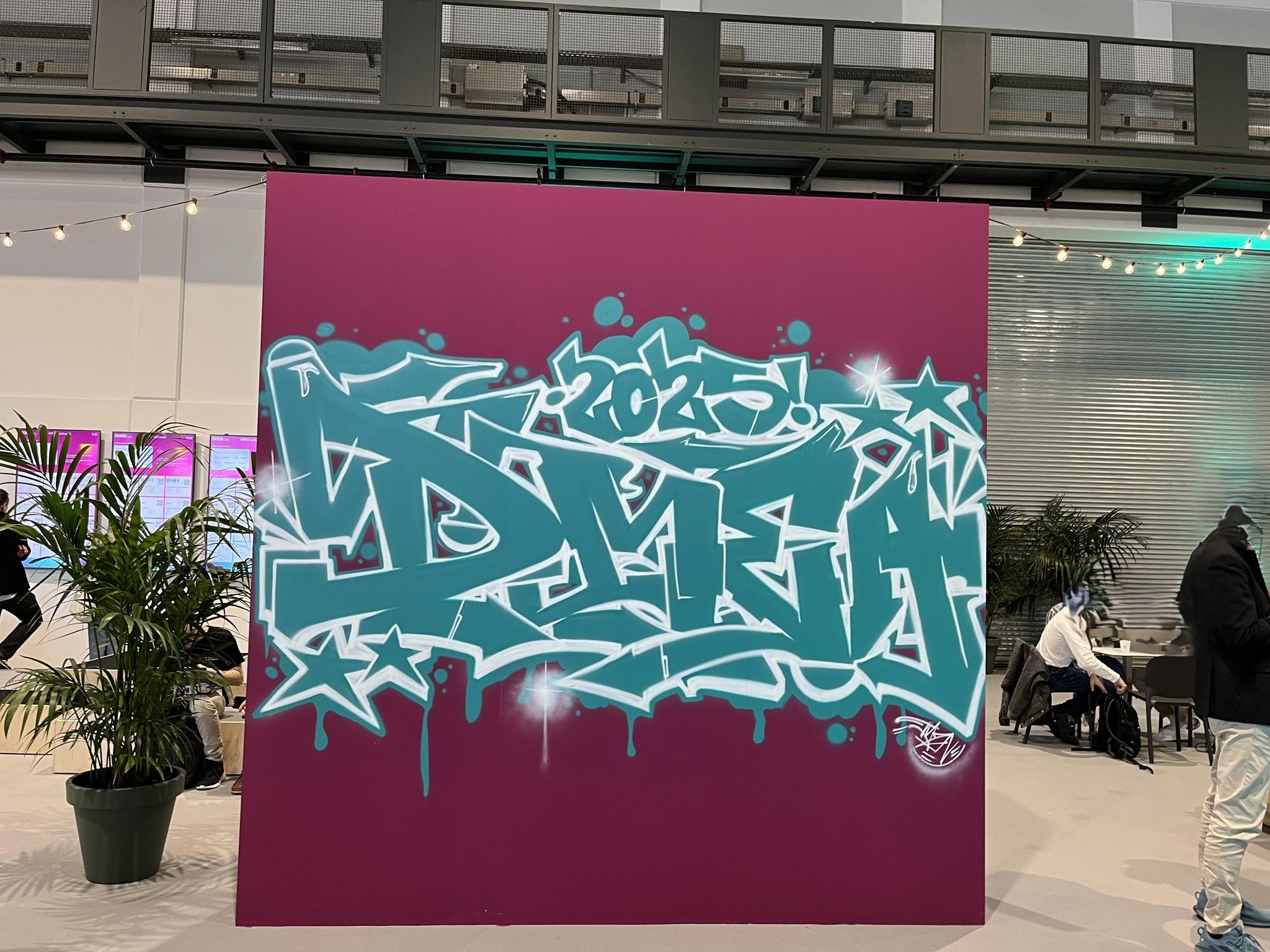
Graffiti comes from the street, period. But letters also work on canvas. But it’s important not to forget your roots and Hip-Hop remains an attitude. Events like the Art Lake Festival or the Burn Your Soul Festival were and are important meeting places for exchange, styles, and music. They shaped me because you experience the scene there in its raw energy. At trade fairs, on the other hand, I work on a commissioned basis. That has nothing to do with graffiti as a culture; it’s just a craft and a job. For me, graffiti energy still originates on the street, at jams, and on blank walls.
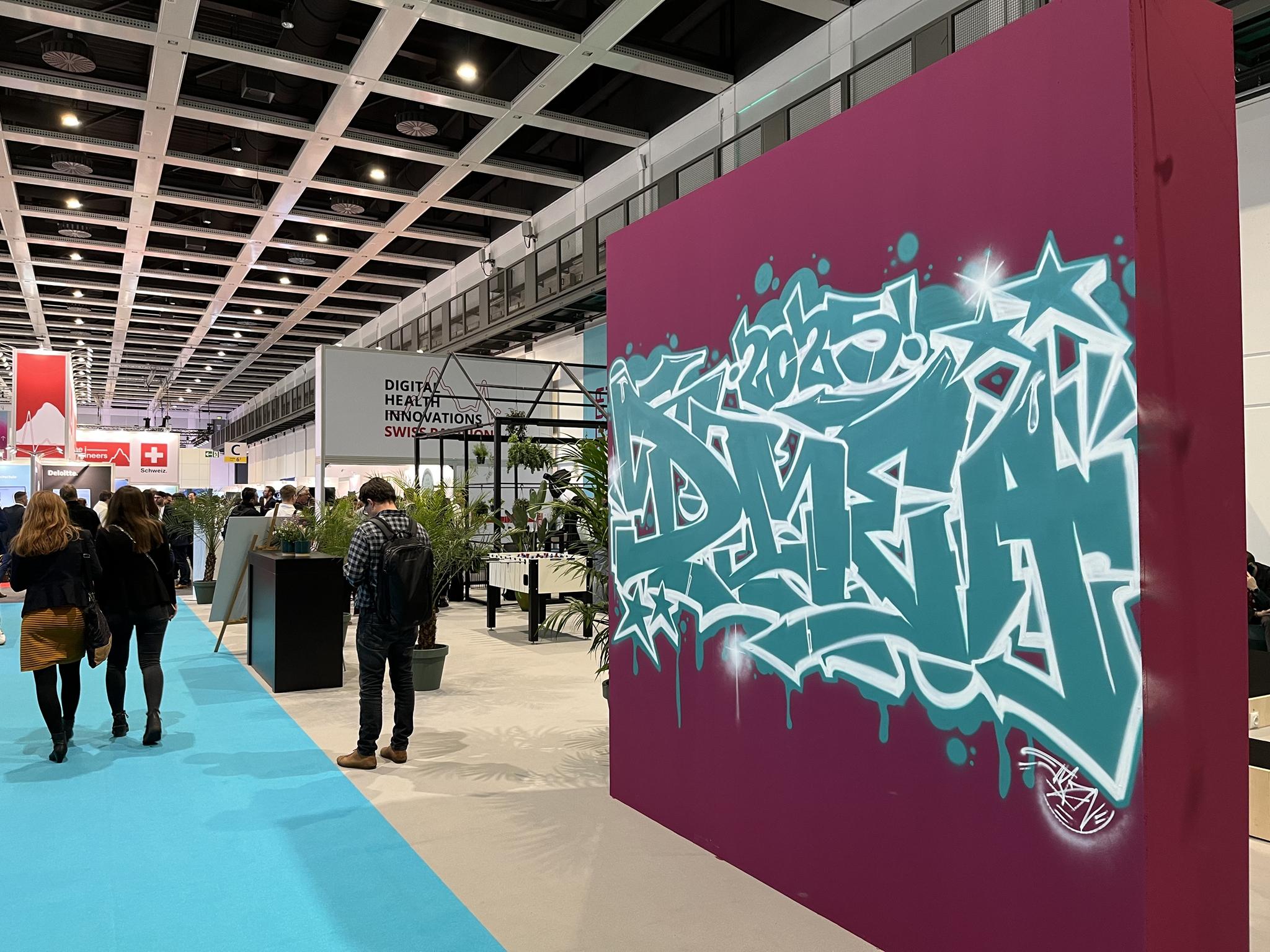
The world of “urban art” has expanded extensively in recent years. Not only are there more people pursuing it, but there are also many new styles and terms. From streetart to stencils, paste-ups, and glued-on figures and installations. What is your opinion on “streetart” and the new techniques? Is it part of graffiti or is it something separate? Some people ridicule streetart and say it’s not real, it’s not the real graffiti world, while others say it’s a different form of artistic expression on the street. What’s your view?
Streetart isn’t really my thing; I’m more old school. For me, graffiti is writing – letters, style, repetition, development over years. Streetart is its own form of expression and has its place, but for me, it’s not part of classic graffiti culture. My heart beats for graffiti as I learned and lived it.
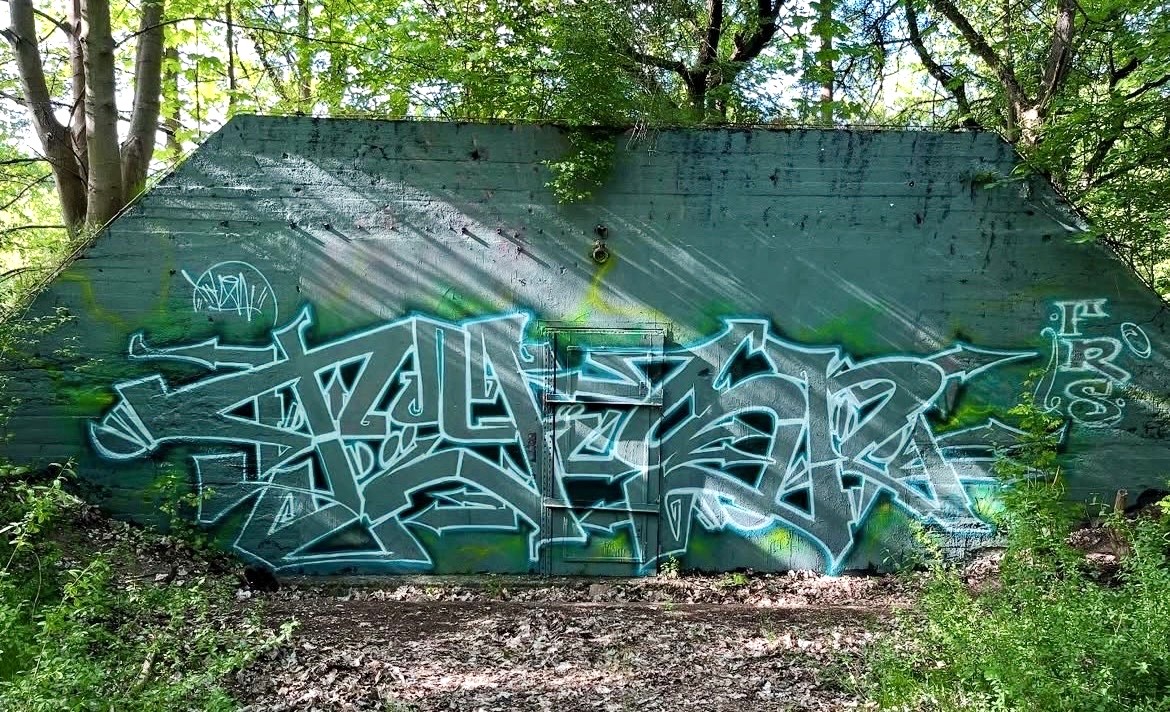
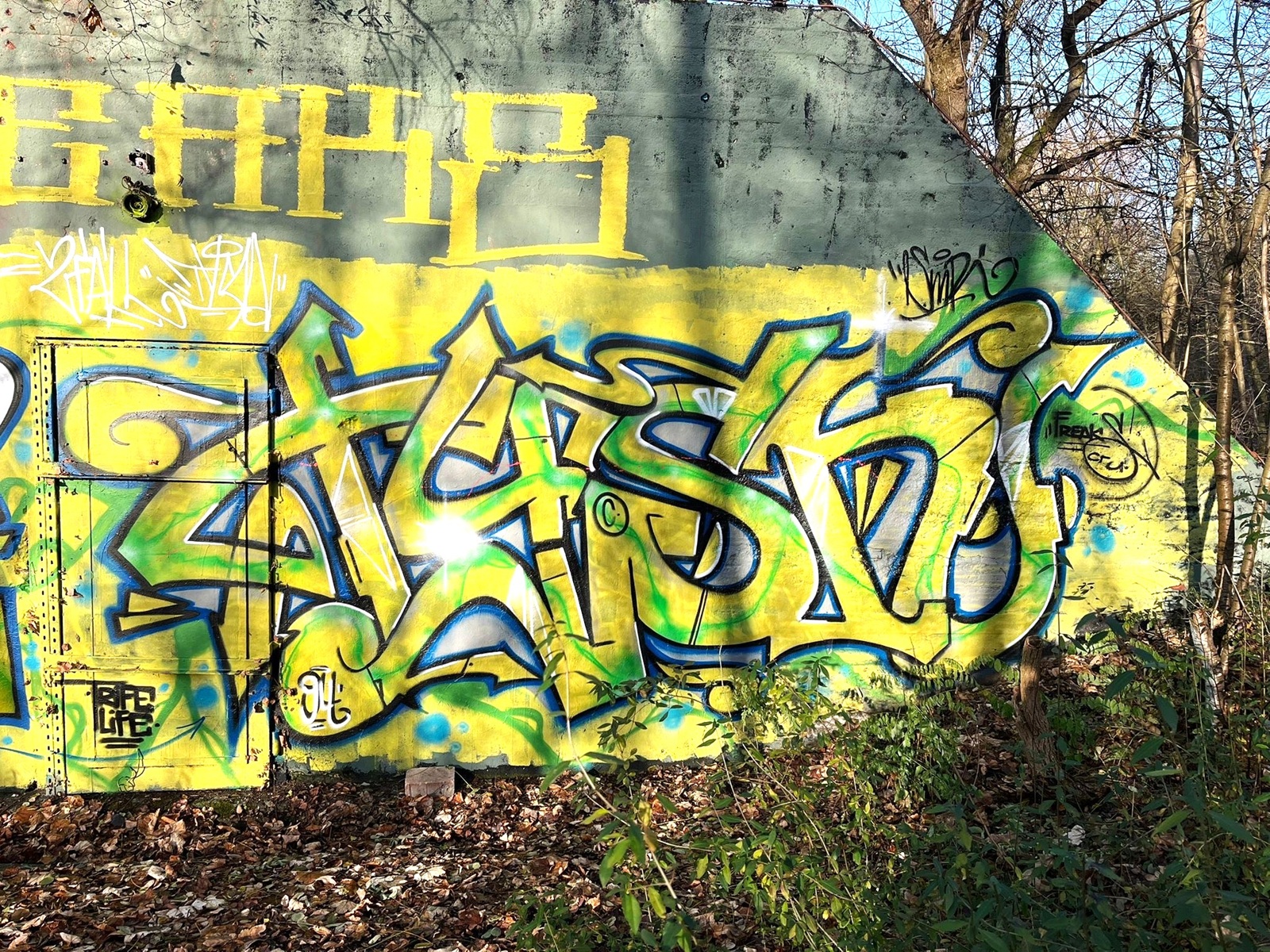
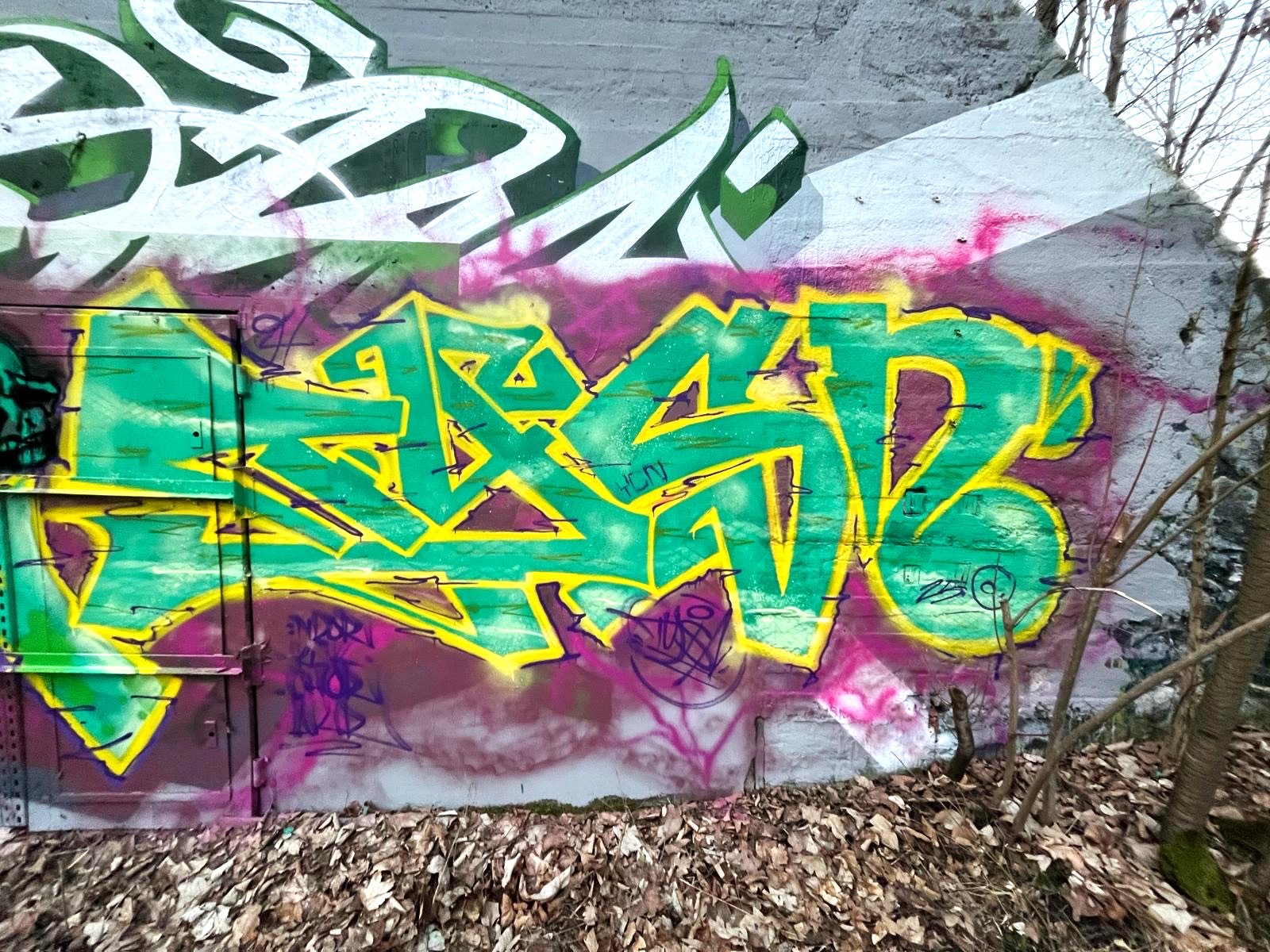
Finally, what does graffiti mean to you today?
Graffiti is my life. After more than 25 years, I’m still hungry. As long as letters breathe and the beat runs in my head, it’ll continue. West Berlin, baby!
INFOTHEK
 Artist: TYSN – TYSON
 Instagram: https://www.instagram.com/tysn666
 Tik Tok: https://www.tiktok.com/@tysn6664
 Streetpins: https://streetpins.com/members/Tysn
Crew: FRS94 – FREAKS 94 – FRS 94ers – FReakSNeunVier
Instagram: https://www.instagram.com/frs94ers
Crew: SMR
RECOMMENDABLE GRAFFITI SPOTS IN BERLIN
>>> Mauerpark Graffiti Zone <<<
>>> Urban Spree Gallery <<<
>>> Fabrik23 Gallery <<<
>>> Gleisdreieck Park <<<
>>> Haus Schwarzenberg <<<
>>> Kunstfabrik HB55 <<<
>>> Curator Urban Nation <<<
>>> Alte Poststation Spandau <<<
>>> Haus der Statistik <<<
>>> Teufelsberg <<<
>>> North Side Gallery <<<
>>> Arena Treptow <<<
>>> Köpenicker Backyard <<<
>>> Alte Feuerwache <<<
>>> Tabakfabrik <<<
>>> Allée du Stade <<<
>>> Pankow Graff Garages <<<
>>> Wiesenweg Art Yard <<<
>>> Elsenbrücke <<<
>>> Werdauer Iron Wall <<<
>>> Werdauer Graffiti Wall <<<
>>> Quader Spandau <<<
>>> Rosenthaler Spray Wall <<<
>>> Parkaue Art Space <<<
>>> Südgelände Naturpark <<<
>>> Rummelsburg Hall <<<
>>> Jungfernheide <<<
>>> Poststadion <<<
>>> Union Sports Hall <<<
>>> 21er Gallery <<<
>>> Märkische Allee Wall <<<
>>> Spandau Lagerweg <<<
>>> Yaam Club <<<
>>> Mariendorf Skatepark <<<
>>> Altes Gaswerk <<<
>>> Puschkinallee <<<
>>> Helsingforser Graffiti Wall <<<
>>> Club Gretchen – Gretl Wand <<<
>>> Old Distillery – Monopol <<<
>>> Dog Shit Spot <<<
>>> A-Fence Alexanderplatz <<<
>>> Grips Theater <<<
>>> Berlin Mural Fest <<<
>>> Urban Art Hall – Poststadion <<<
>>> Minimalistix Gallery <<<
>>> FKKB – Hotel Berlin, Berlin <<<
>>> Urban Canvas Parkhaus <<<
>>> Exhibitions <<<
>>> CREWS & COLLECTIVES <<<
MORE STREETART MAPS FROM GERMANY
>>> Streetart Map Berlin <<<
>>> Streetart Map Braunschweig <<<
>>> Streetart Map Bremerhaven <<<
>>> Streetart Map Dortmund <<<
>>> Streetart Map Dresden <<<
>>> Streetart Map Frankfurt <<<
>>> Streetart Map Hamburg <<<
>>> Streetart Map Insel Poel <<<
>>> Streetart Map Hannover <<<
>>> Streetart Map Heilbronn <<<
>>> Streetart Map Munich <<<
>>> Streetart Map Rheine <<<
>>> Streetart Map Wiesbaden <<<
MORE ARTICLES ABOUT GERMANY
>>> Graffiti Mag MAINSTYLE <<<
>>> Stencil Artist TONA <<<
>>> Das Dreckige Dutzend <<<
>>> Sculptor Pit Ruge <<<
>>> Dosenkunst – Jörg Rudolph <<<
>>> Kollektive Offensive <<<
>>> Urban Artist AUTARK <<<
>>> Sprayer CESAR ONE <<<
>>> Sprayer MIND 21 <<<
>>> Filmmaker Bernd Lützeler <<<
>>> Lupus Alpha – Calligraffiti <<<
>>> Firedancer Cassiopeia <<<
>>> Collagist DeePee <<<
>>> Sprayer ARTMOS4 <<<
>>> Painter Serkan Goeren <<<
>>> ElectroClassics – THE OHOHOHS <<<
>>> Painter Frau Fenster <<<
>>> Photographer Niko Neuwirth <<<
>>> Performance – Dirk Baumanns <<<
>>> Graffiti Artist RAWS <<<
>>> Hannover Glocksee <<<
>>> TO5Z <<<
>>> Andreas Weingärtner <<<
>>> Sprayer BERK <<<
>>> Nashi Young Cho Jazz <<<
>>> AnniMalisch Techno <<<
>>> Tula Trash’s Trashland <<<
>>> Performer Tamara Zippel <<<
>>> Painter Angelika Grünberg <<<
>>> Kreativnomade Sam Khayari <<<
>>> Toy of the Ape <<<
>>> Painter Jay Gnomenfrau <<<
>>> Photographer Tom Hoenig <<<
>>> Frankfurt – Pillar Paradise <<<
>>> Graffiti Weißwasser N3M <<<
>>> Bochum Kings Wall <<<
>>> Asylum Domjüch – Artbase <<<
>>> CD Kaserne Celle <<<
>>> Combo Karlsruhe <<<
>>> Hidden Treasure Festival Bremen <<<
>>> Urban Art Düsseldorf <<<
>>> Bergwerk Grube Wohlfahrt <<<
>>> Völklinger Hütte <<<
>>> Summa Madnezz <<<
>>> IBUG Flöha <<<
>>> Fritten Freddie <<<
>>> Dave the Chimp <<<
>>> AJZ Talschock Chemnitz <<<
>>> Abandoned N*Dorphinclub <<<
>>> Wolfsburg Graffiti Jam <<<
>>> Hola Utopia! Festival <<<
>>> Braunschweig Westbahnhof <<<
>>> Fürth – Europakanal <<<
>>> Hamburg – Heimfeld Hall <<<
>>> Dortmund – Speicher Hall <<<
>>> Neuenhagen Train Station <<<