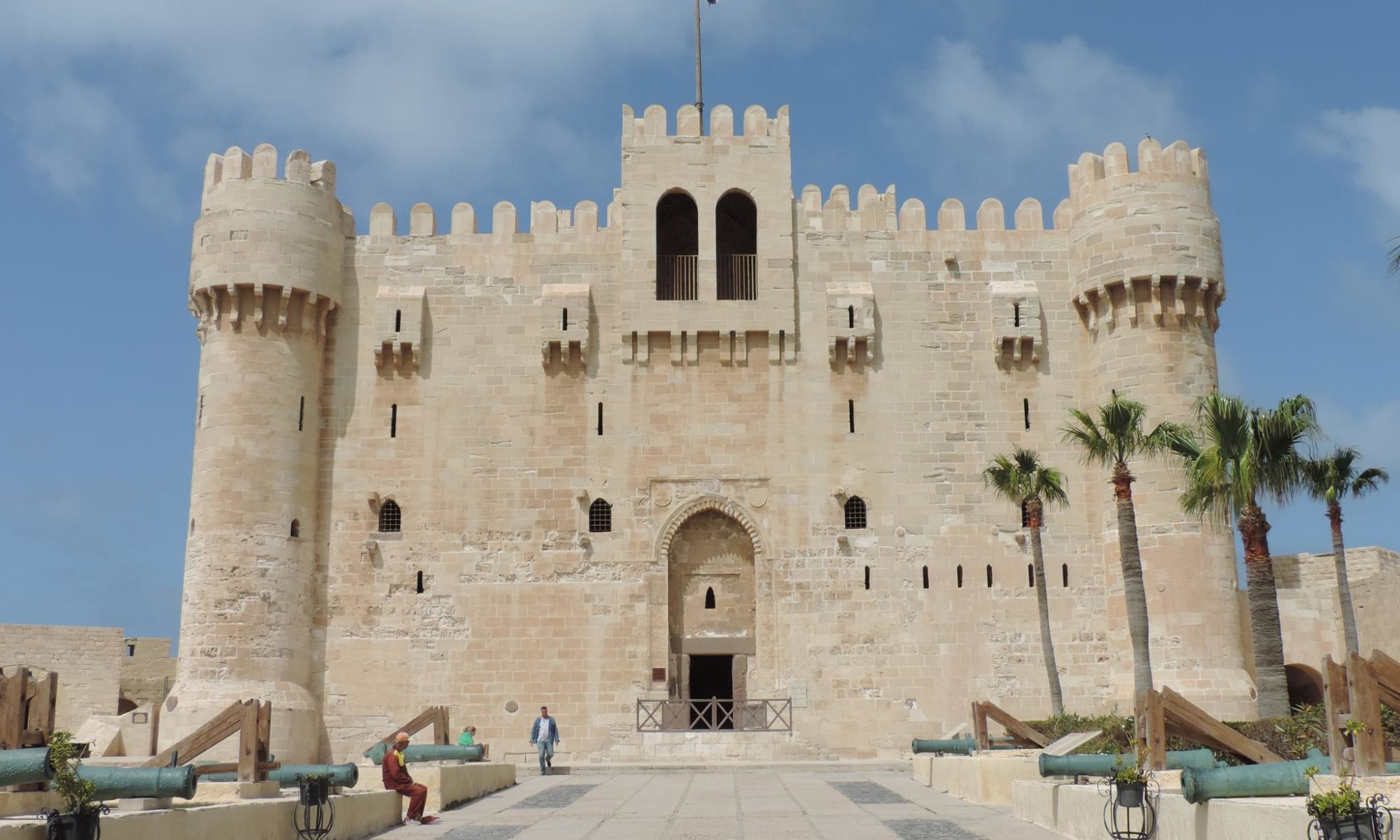
The Citadel of Q?itb?y is a one of the most important defensive fortress from older centuries located on the Mediterranean sea coast in Alexandria. It was built from 1477 to 1479 on the site of the famous Alexandria lighthouse.
>>> READ MORE

…..on tour….
The Citadel of Q?itb?y is a one of the most important defensive fortress from older centuries located on the Mediterranean sea coast in Alexandria. It was built from 1477 to 1479 on the site of the famous Alexandria lighthouse.
>>> READ MORE
Valletta or La Valleta is the capital of the island nation and Republic of Malta. According to the area and the number of inhabitants, the city is the smallest capital of the states of the European Union. Due to its cultural wealth, Valletta was inscribed on the UNESCO World Heritage List in 1980 as an overall monument.
>>> READ MORE
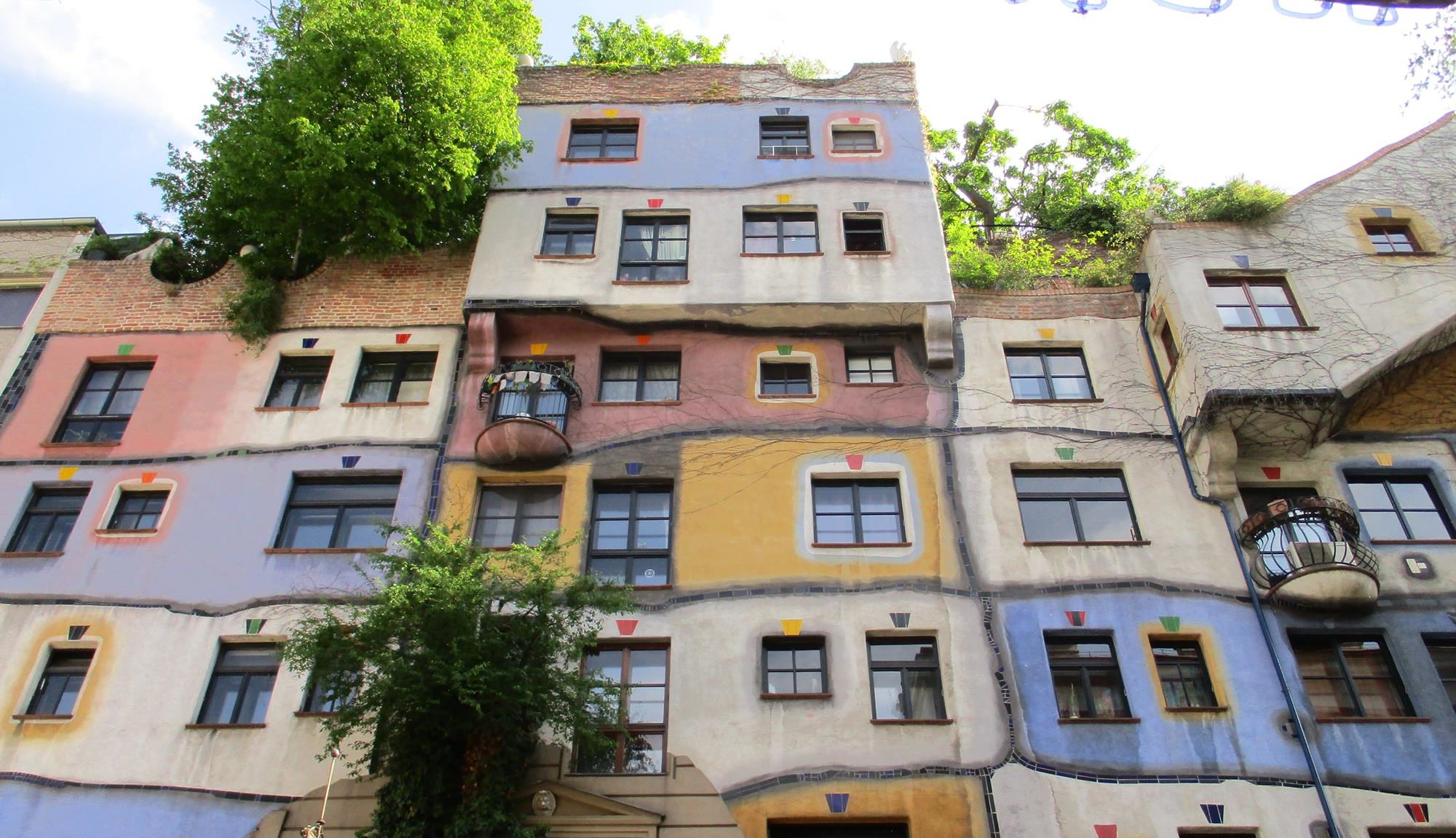
An architectural, artistic and historical highlight of the city that you should definitely have seen is the Hundertwasserhaus. The “somewhat different” building is a residential complex in Vienna built from 1983 to 1985 and was designed by the different-thinking artist and architect FRIEDRICH STOWASSER aka FRIENDENSREICH HUNDERTWASSER, who lived from 1928 to 2000.
>>> READ MORE
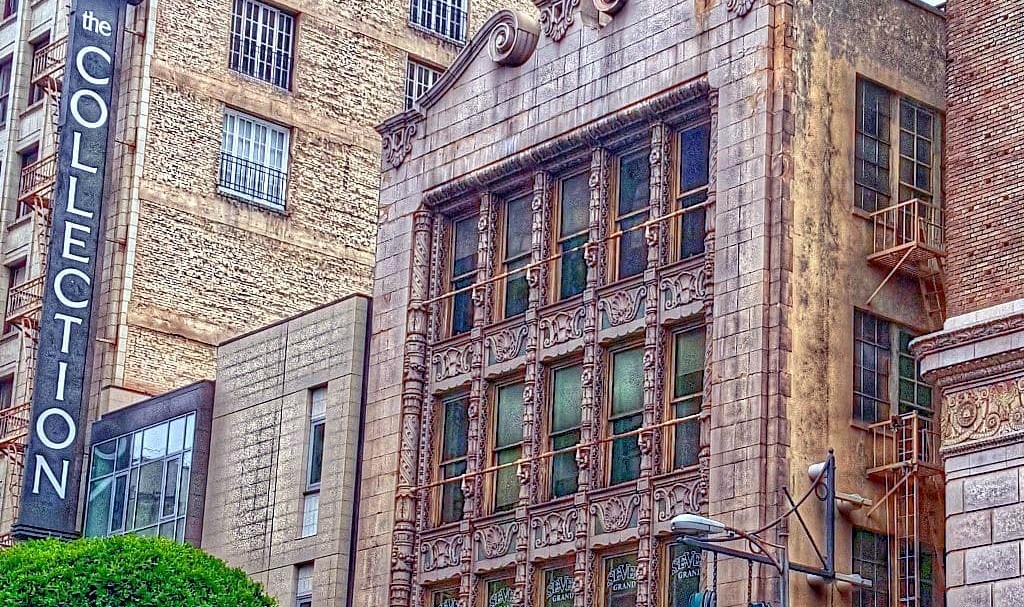
Today we offer you a collection of astonishing architecture and unique street life from Los Angeles. Photographer and street art hunter Caley Costley not only loves to take pictures of urban art, which you can find on the Street Art Map Los Angeles. She also has a penchant for buildings and fascinating structures.
>>> READ MORE
A walk through the streets of Victoria in the historic quarter is like walking through a museum. It is one of the best preserved urban-architectural ensembles and so far the only one in the province with a declaration in this category. The big colonial Spanish houses were constructed by the basque country immigrants. Its tourist attraction is to be in its unique architecture, characterized with an eclectic style between Italian and French buildings from the late nineteenth and early twentieth centuries.
>>> READ MORE
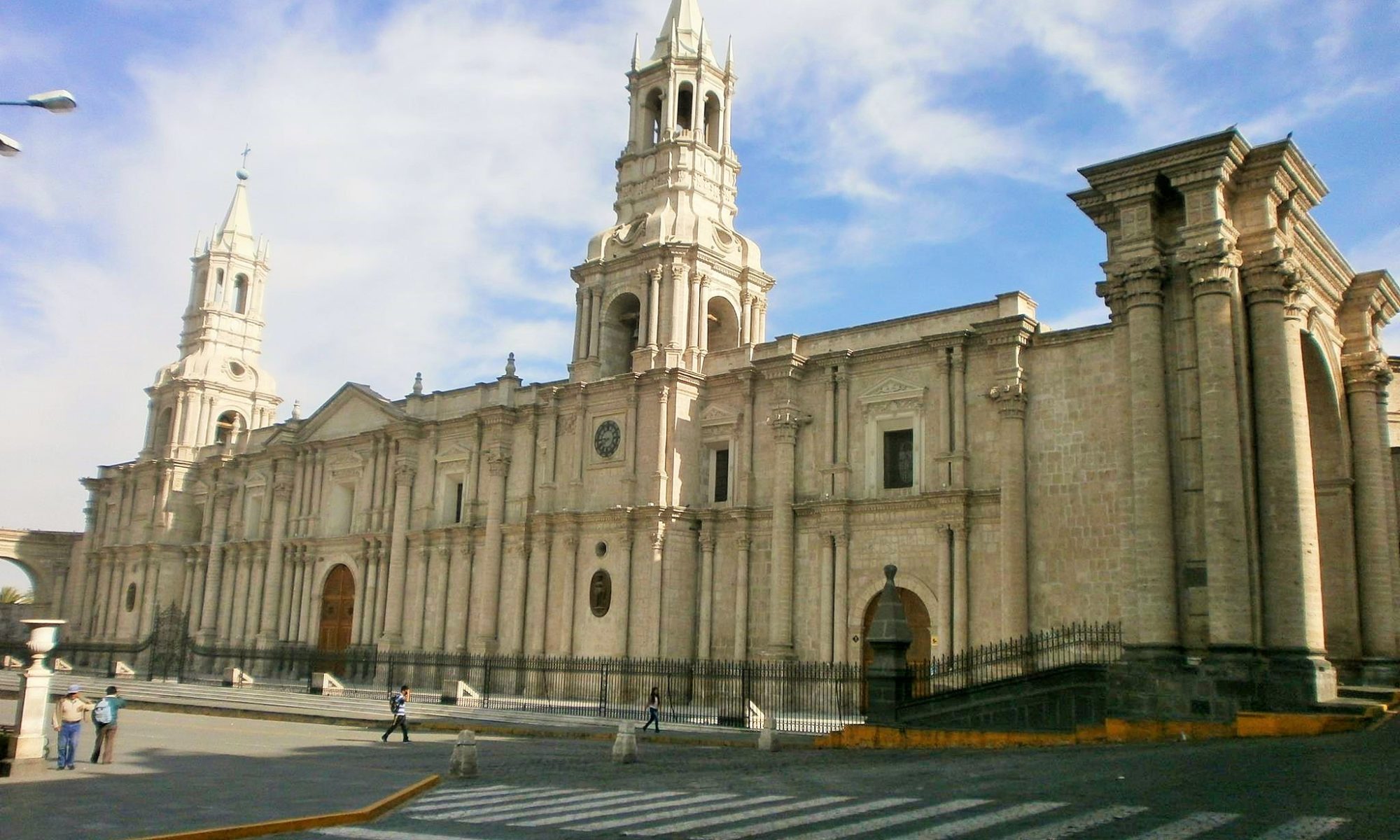
Arequipa has around one million habitants and is the capital of the eponymous region with the same name in the south of the South American Andean. The city represents the political, economic and cultural center of southern Peru, as well the city is the seat of an archbishopric. In 2000 UNESCO declared the city center of Arequipa a World Heritage Site.
>>> READ MORE
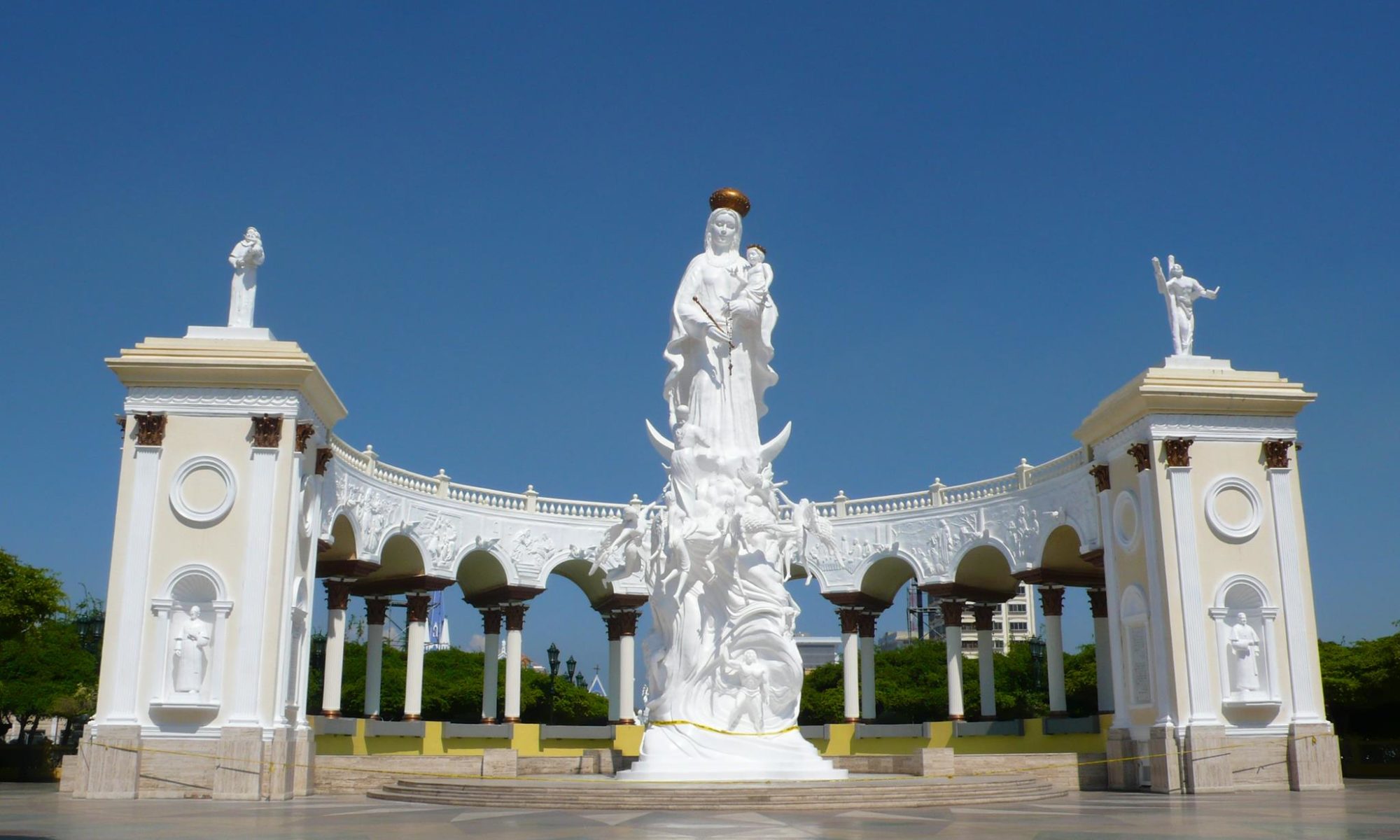
Maracaibo is a port city on the Lago de Maracaibo in the northwest of Venezuela. It is the capital of the state of Zulia, with more than two million inhabitants after Caracas, the second largest metropolitan area in the country and is one of the largest cities in the Caribbean. Besides the interesting lively city the nature around is also astonishing. Lake Maracaibo is the largest lake in South America and one of the oldest lakes in the world at over 30 million years old.
>>> READ MORE
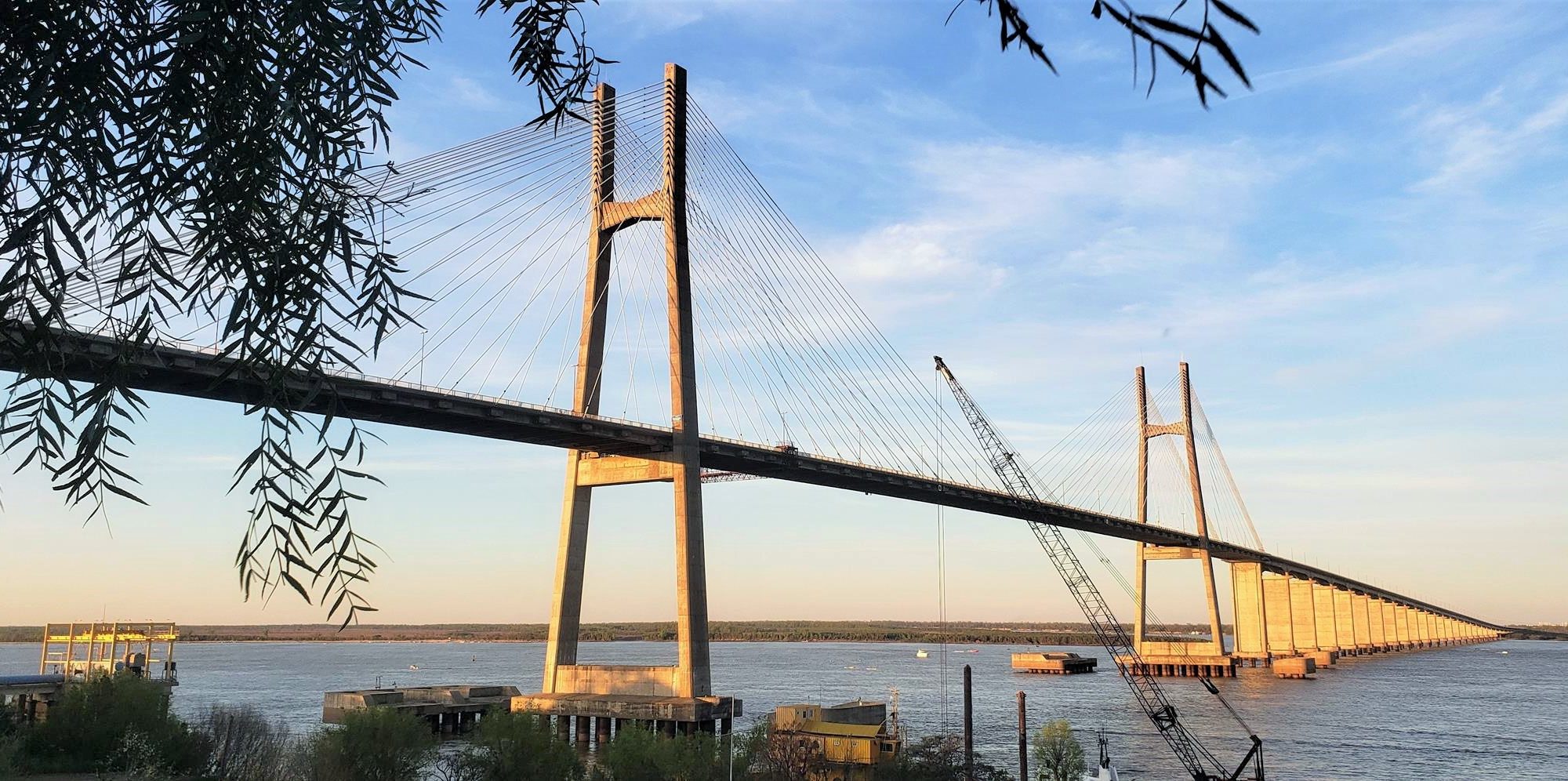
Itaipú is the name of a hydroelectric power plant and the associated Itaipú dam and the Itaipú reservoir on Paraná on the border between Paraguay and Brazil. Until the completion of the Three Gorges Dam in the People’s Republic of China in 2006, Itaipu was the world’s largest power plant in terms of output. Due to the high capacity utilization of turbines, Itaipu remains mostly in first place in terms of annual energy production even after 2006.
>>> READ MORE
The photographer Salvador Seda has been working on the Angol Streetart Map in Chile since quite a while and fills it with interesting stories and great photographs. His focus is often on the history of the urban art and the spot. In that case obviously it makes sense to explore abandoned places and Salvador is a big fan of Urbex. During an adventurous tour of discovery, the streetart hunter visited the Ilabaca Hospital, which had been out of order for decades. The dilapidated buildings and half-collapsed rooms have something eerie but at the same time also something attractive, which arouses curiosity. In such places you can usually find interesting graffiti art as well.
>>> READ MORE
The Catedral de Sal in Zipaquirá is a very special Catholic church located deep in the underground in the salt mine of Zipaquirá, located in the province of Cundinamarca in Colombia. It has no official status as a cathedral and is not subject to any bishop, but attracts thousands of visitors and pilgrims every week. The whole complex is part of the theme park Parque de la Sal and there are numerous religious artefacts and imposing artworks presented below the surface. The additional great light effects and lamp installations make a visit just unforgettable.
>>> READ MORE