
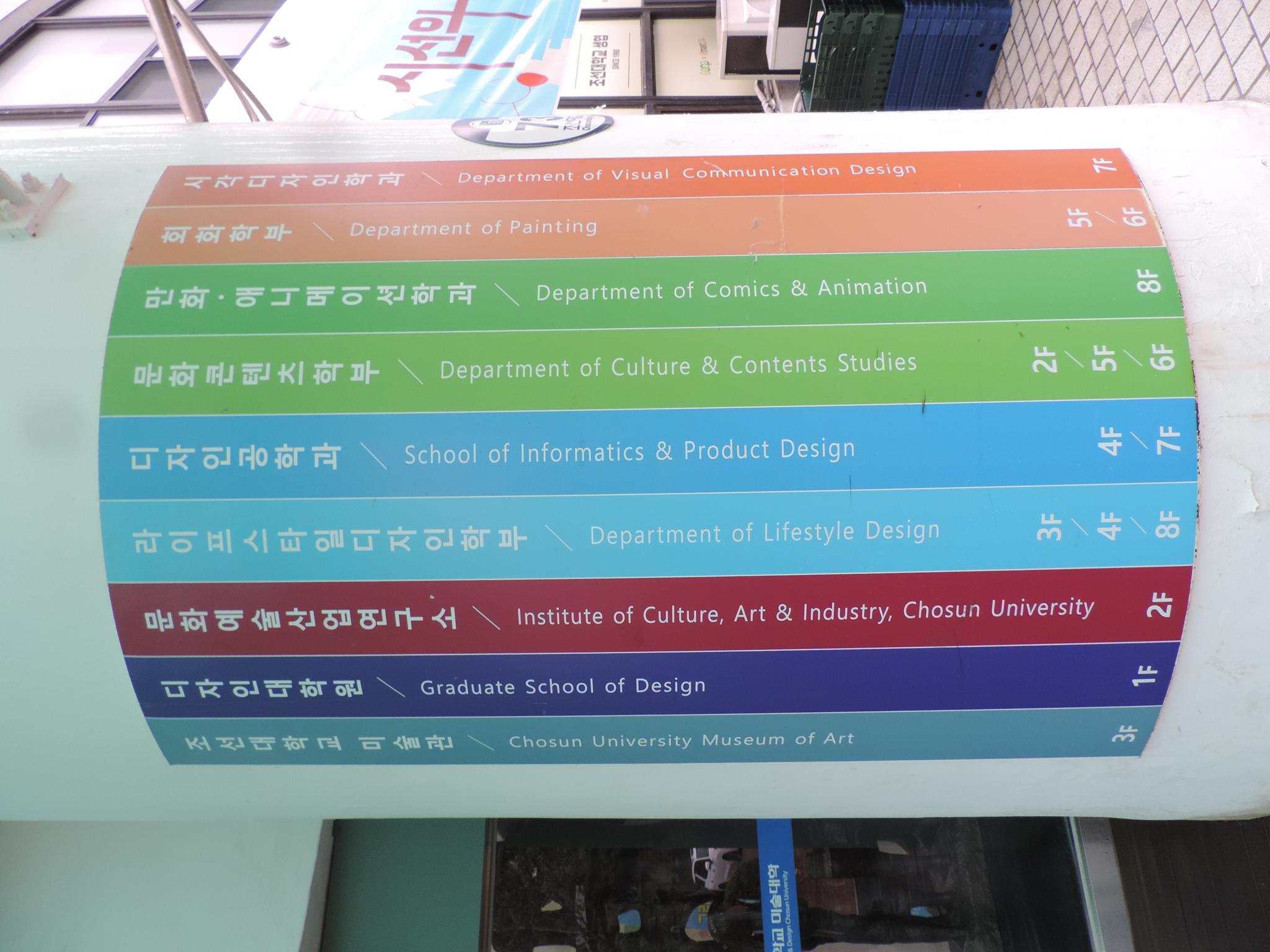
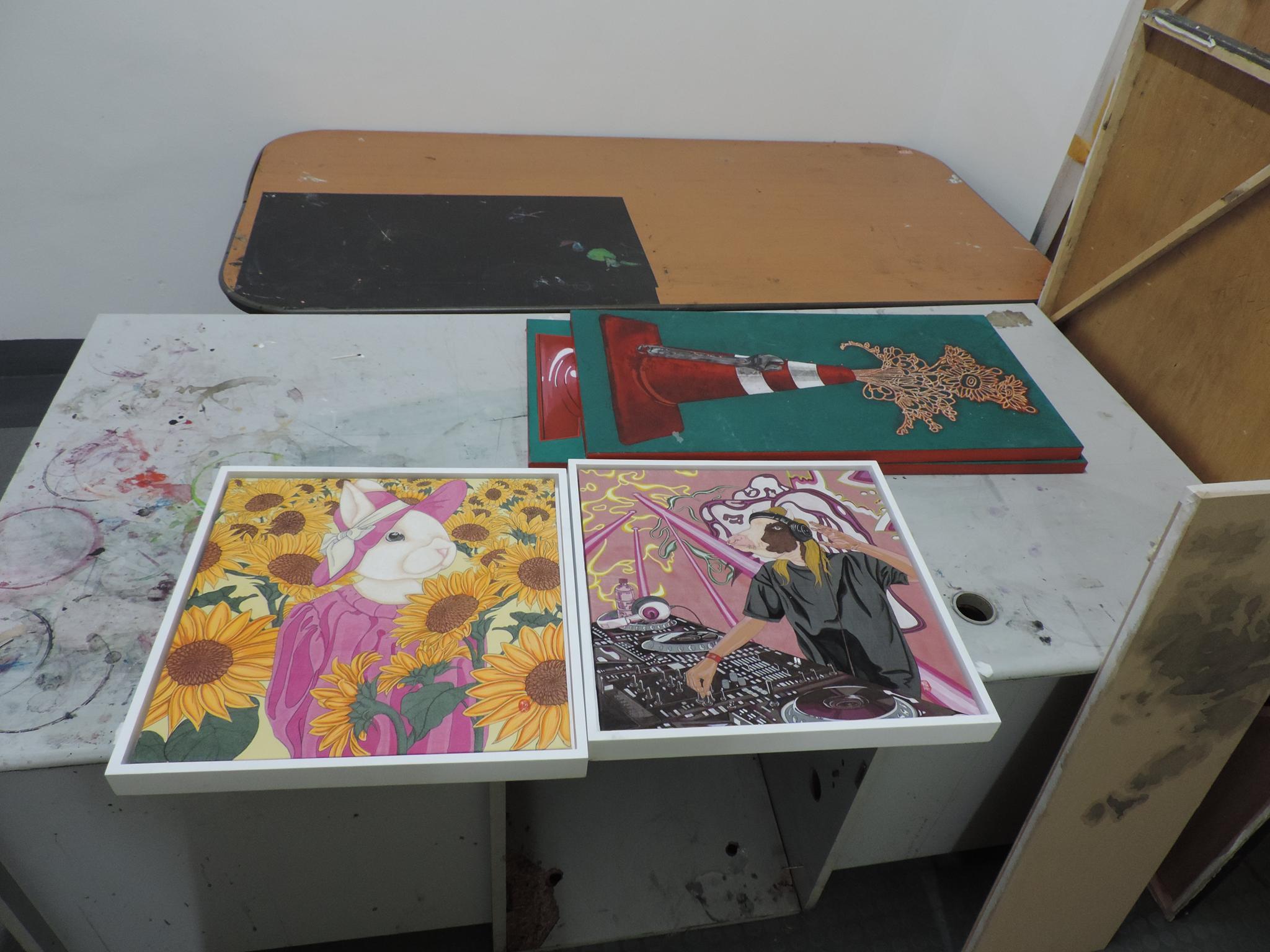
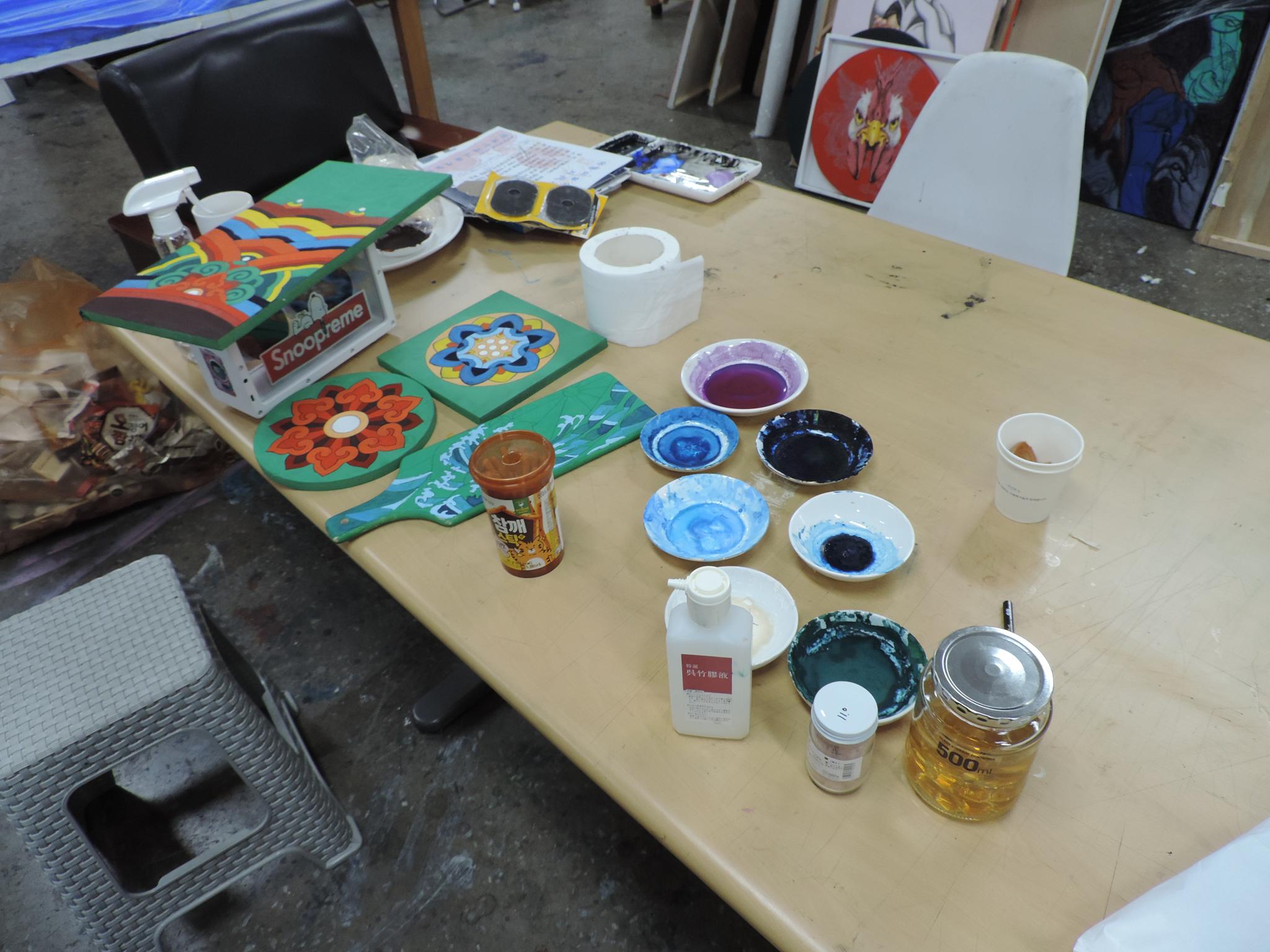
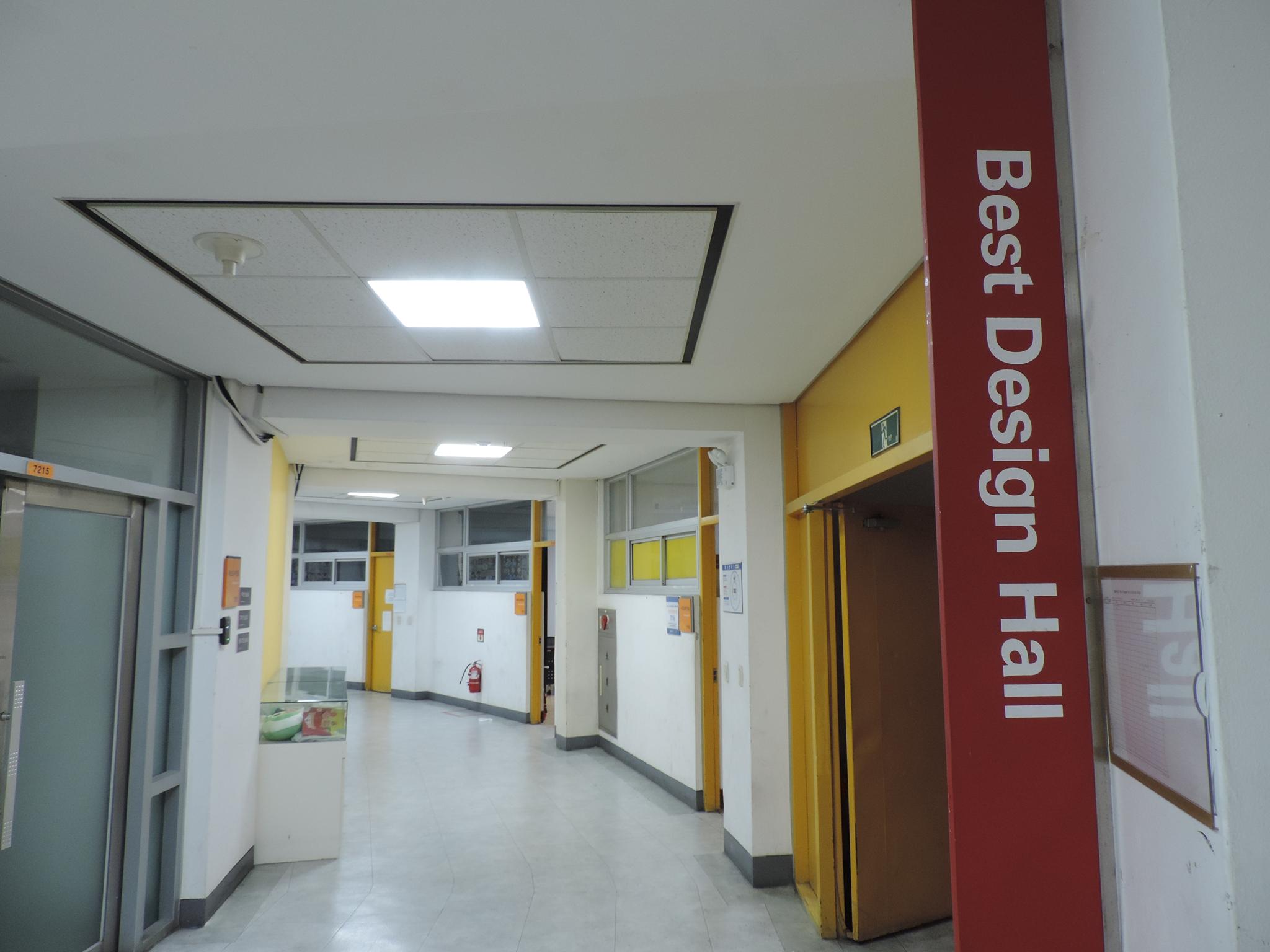
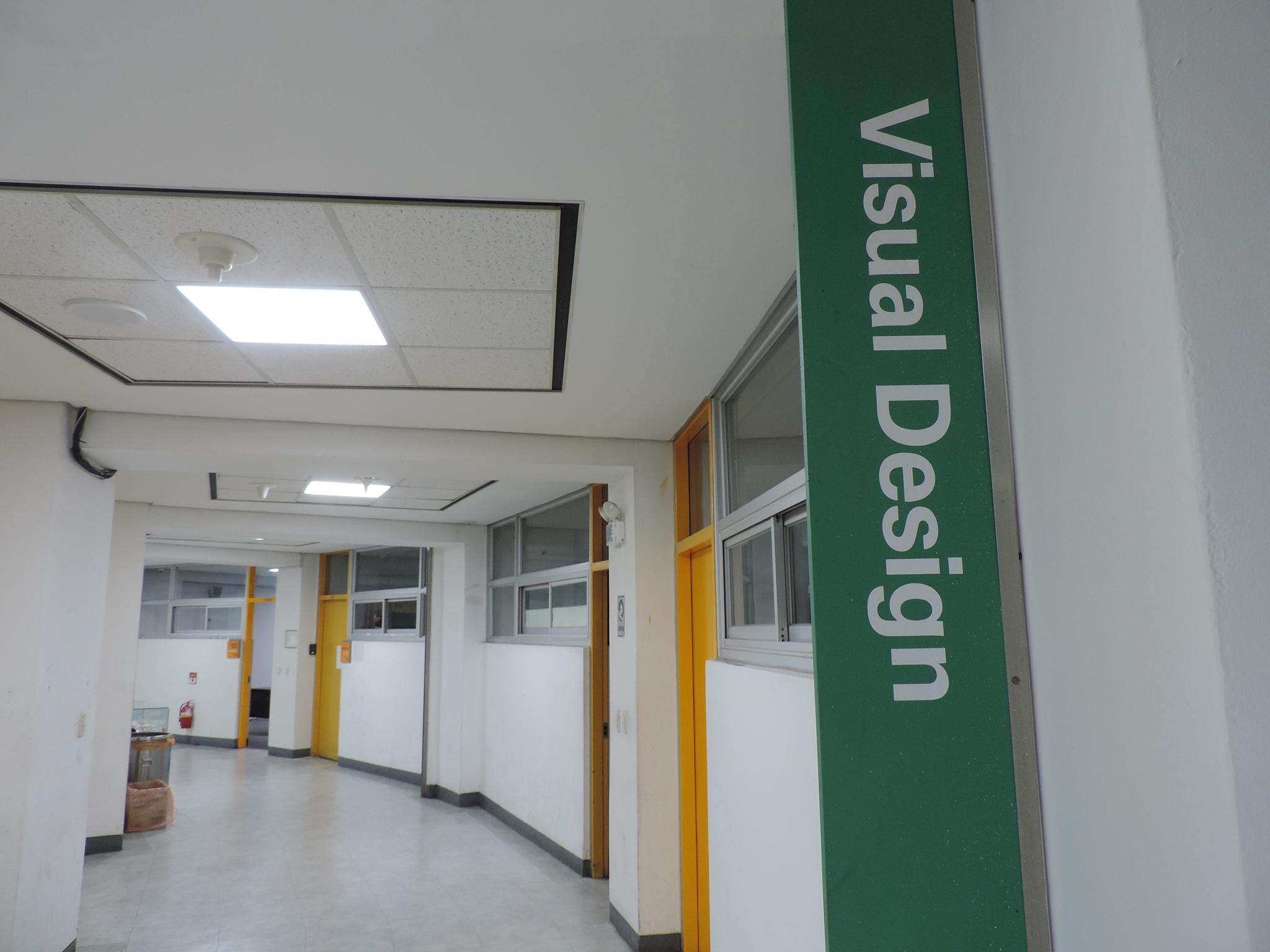
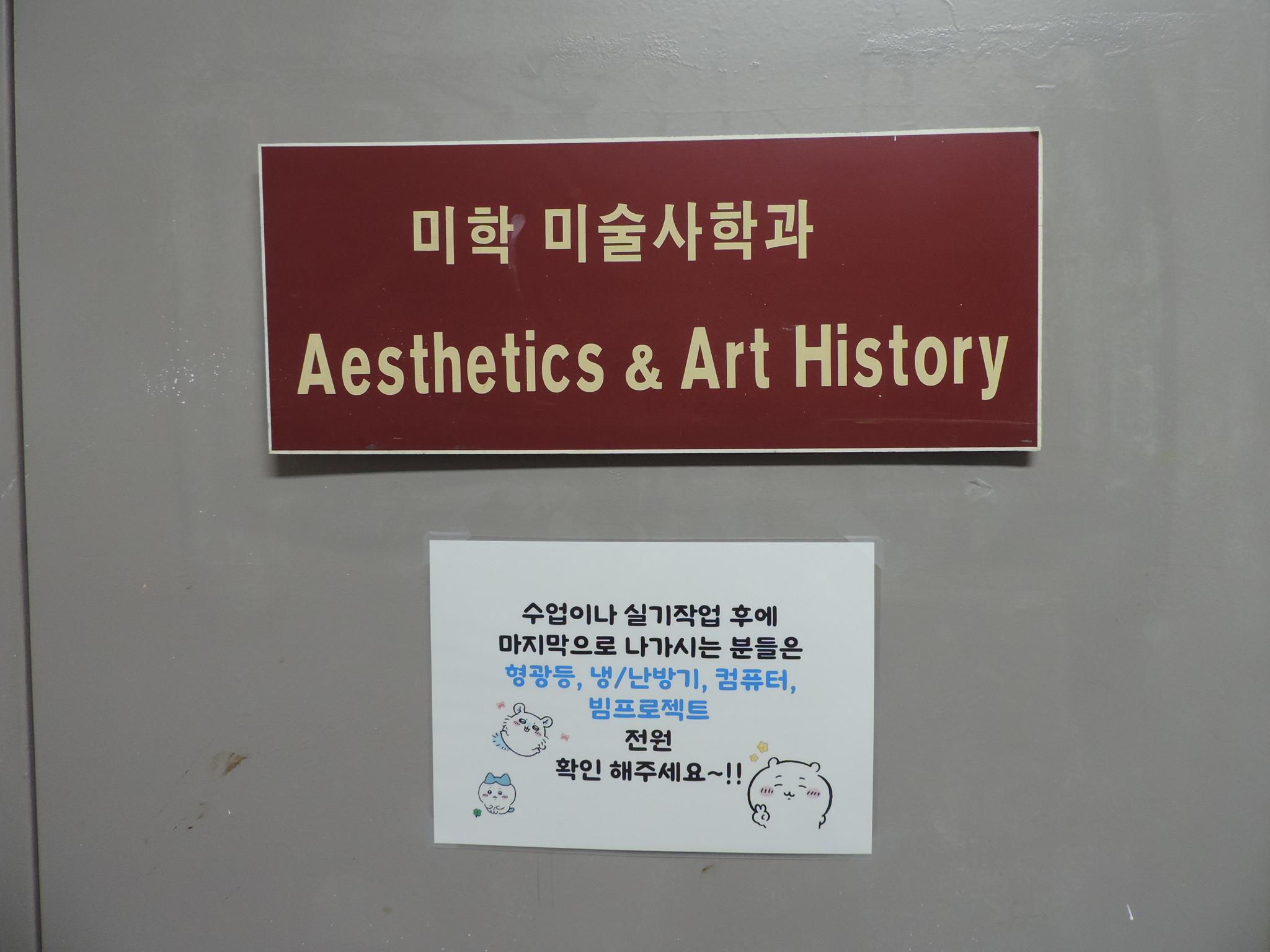
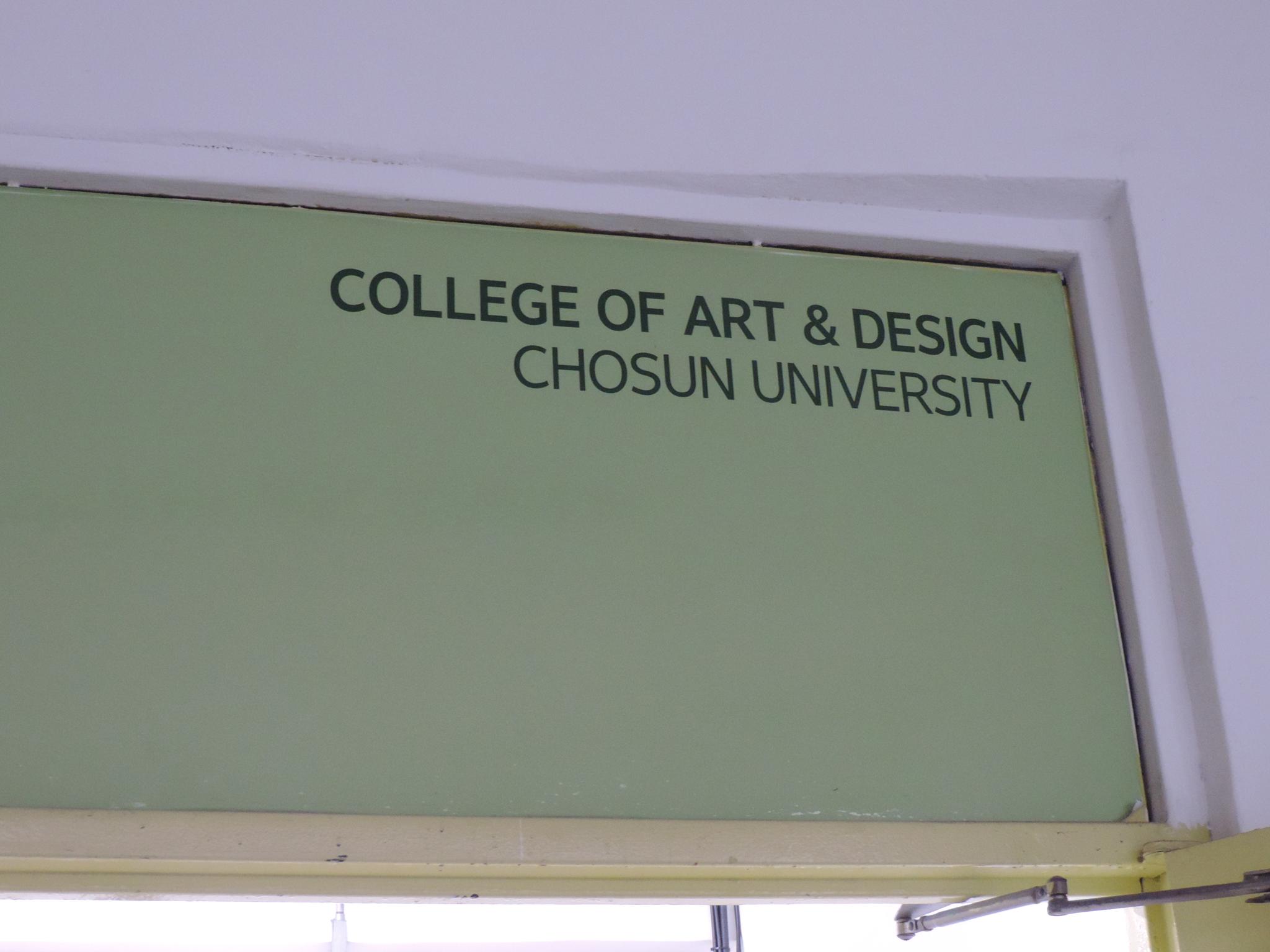
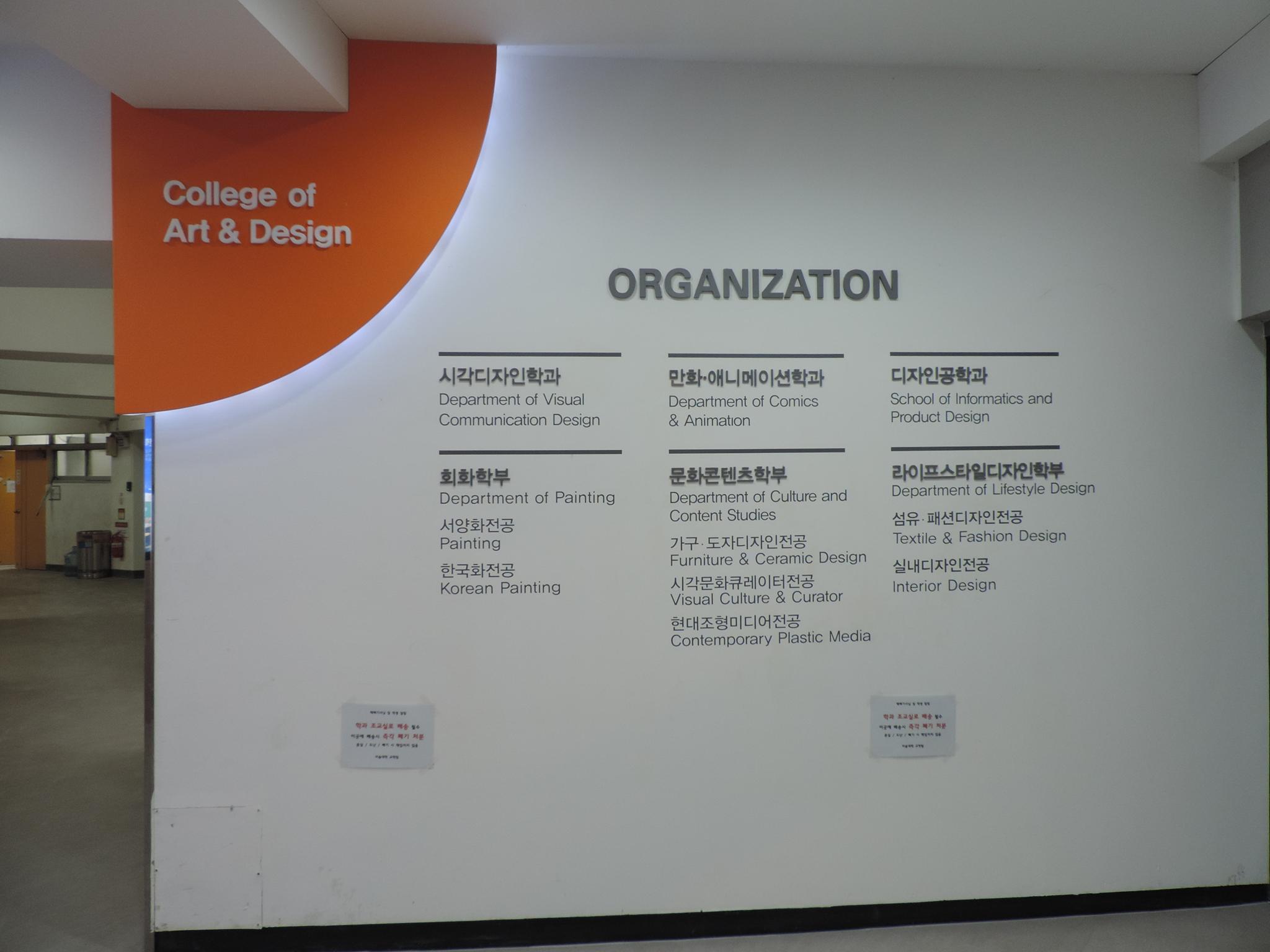
The Korean city of Gwangju is home to one of the country’s most important educational institutions, a center of knowledge for innovation and creativity. The Chosun University opened its doors in 1946 and has currently enrolled around 33.000 students. All of the faculties are certainly exciting, but we are particularly interested in the College of Art and Design. The architecture alone is fascinating, a circular building with different floors, each of which teaches different creative art genres. A spiral path leads step by step to the top, passing through all the areas. From painting and architecture to fashion, design and sculpting, then the world of film, comics and manga, and of course new technologies, AI and computer programming.
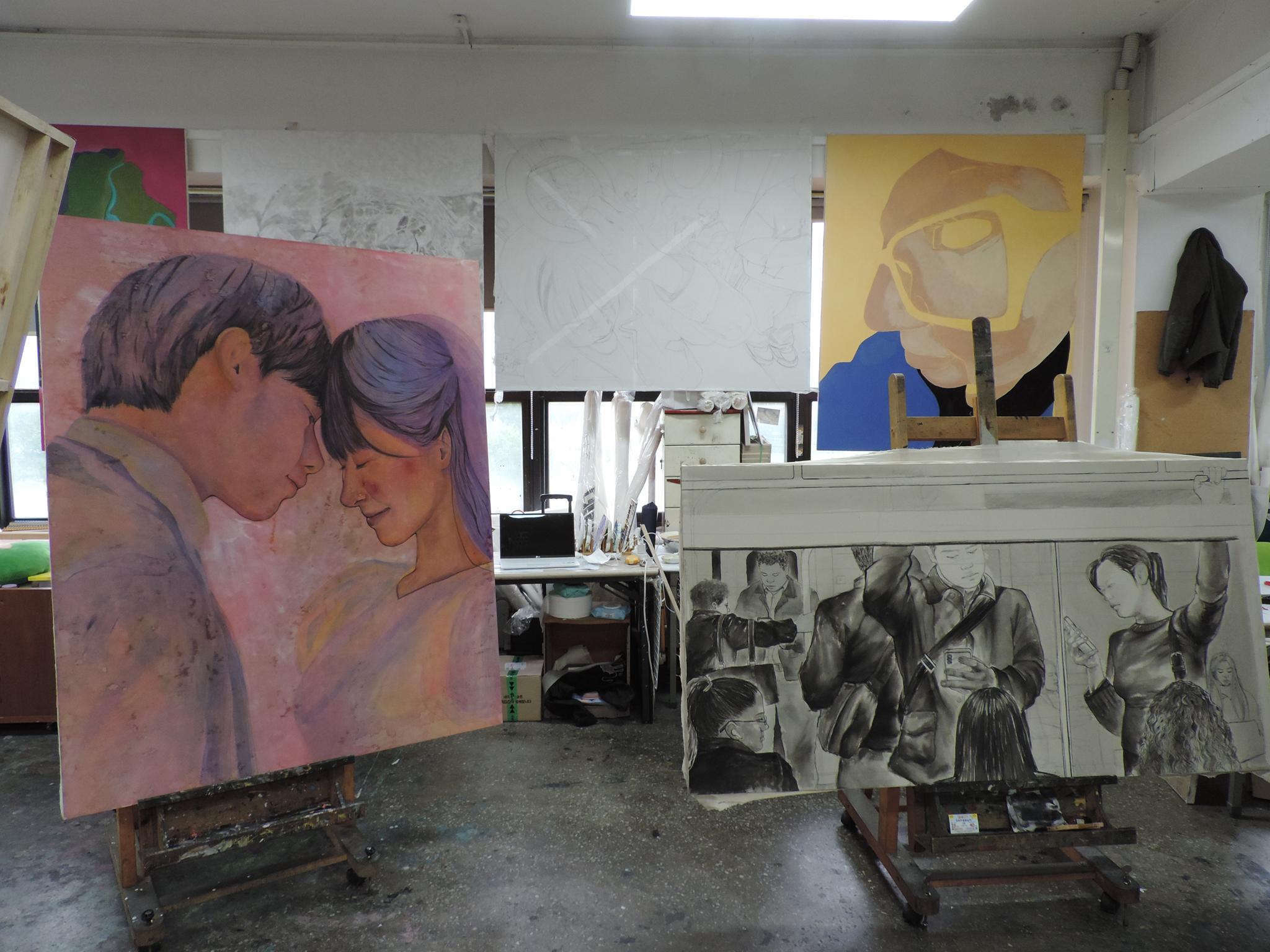
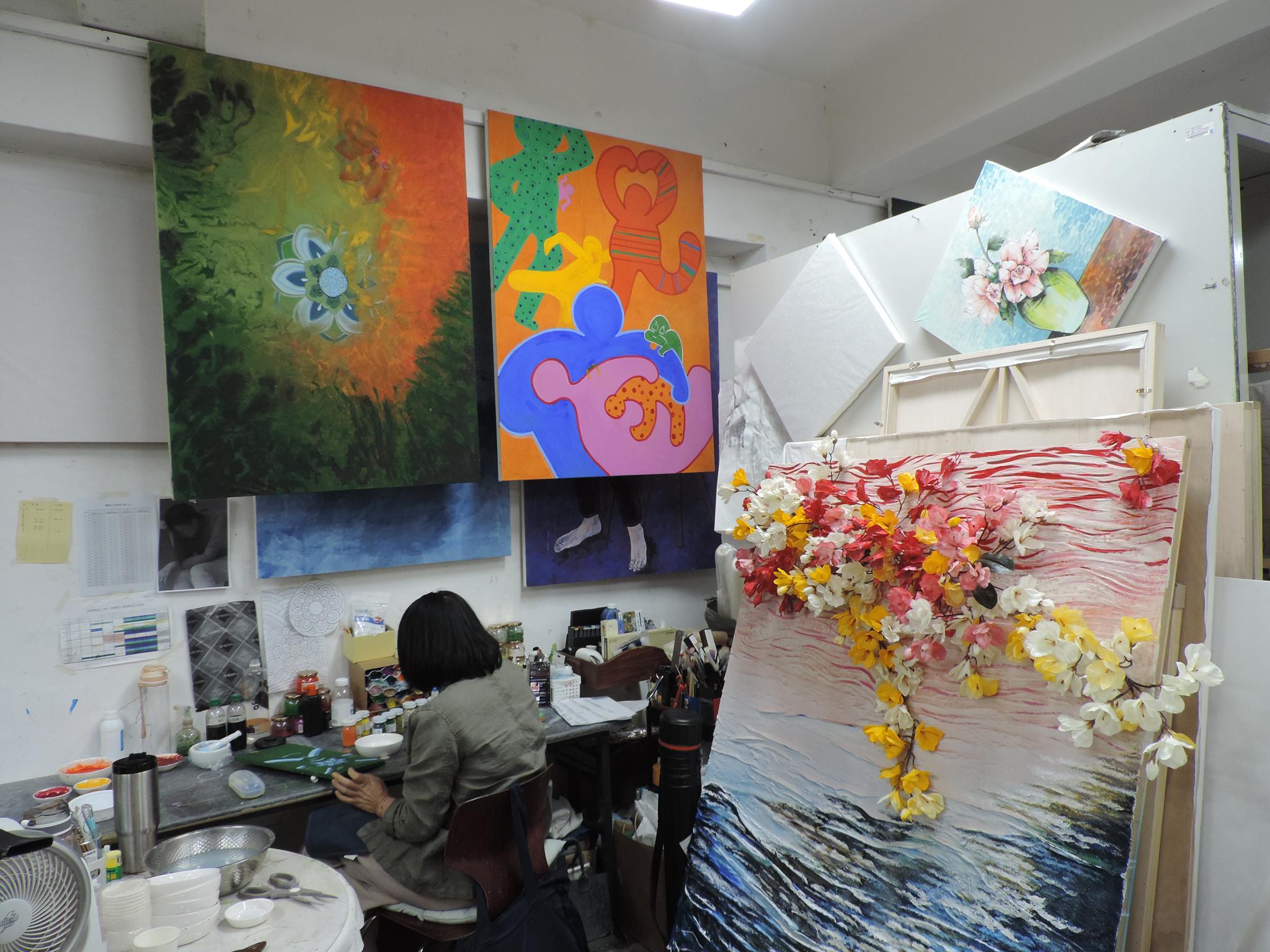
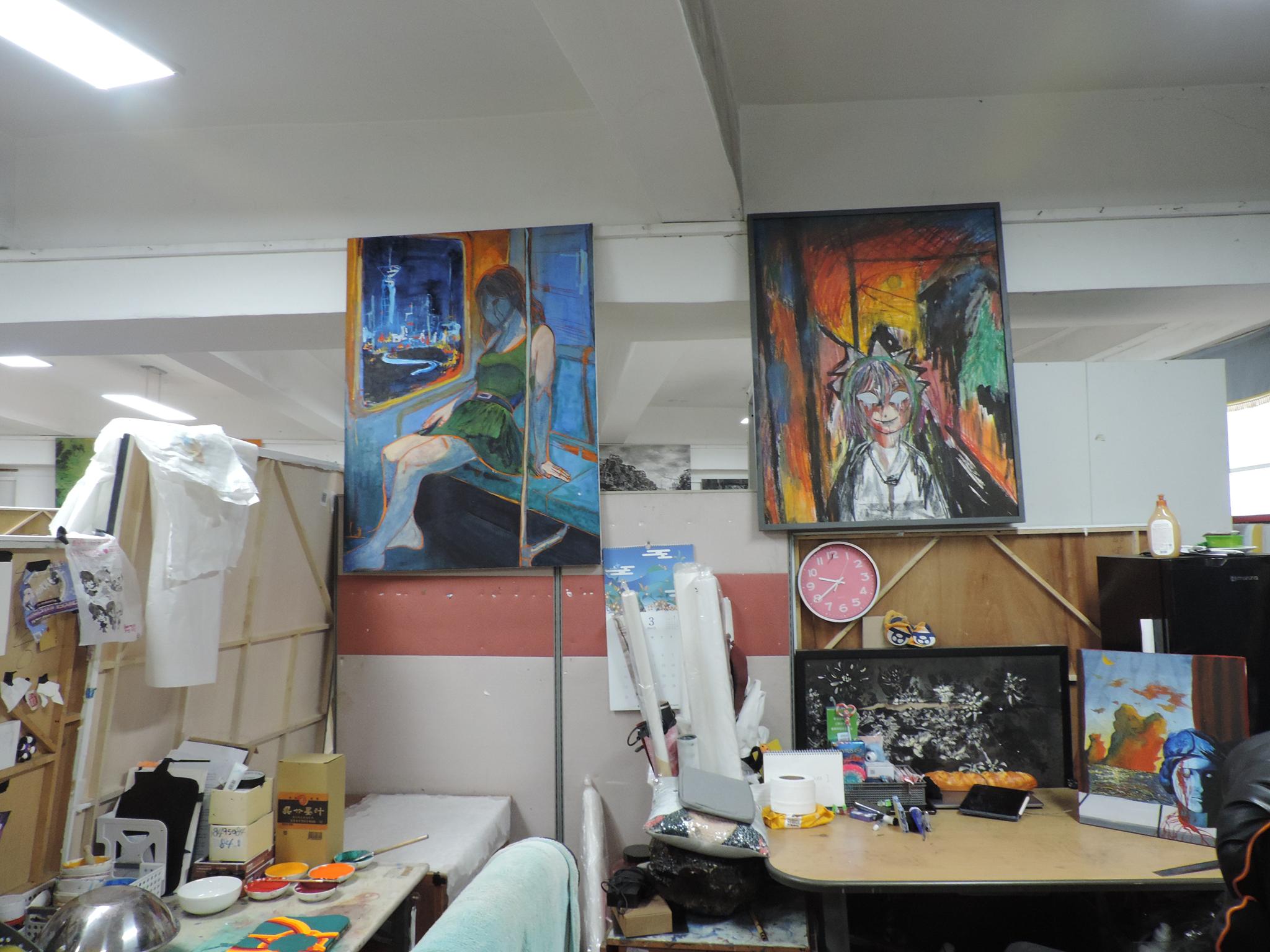
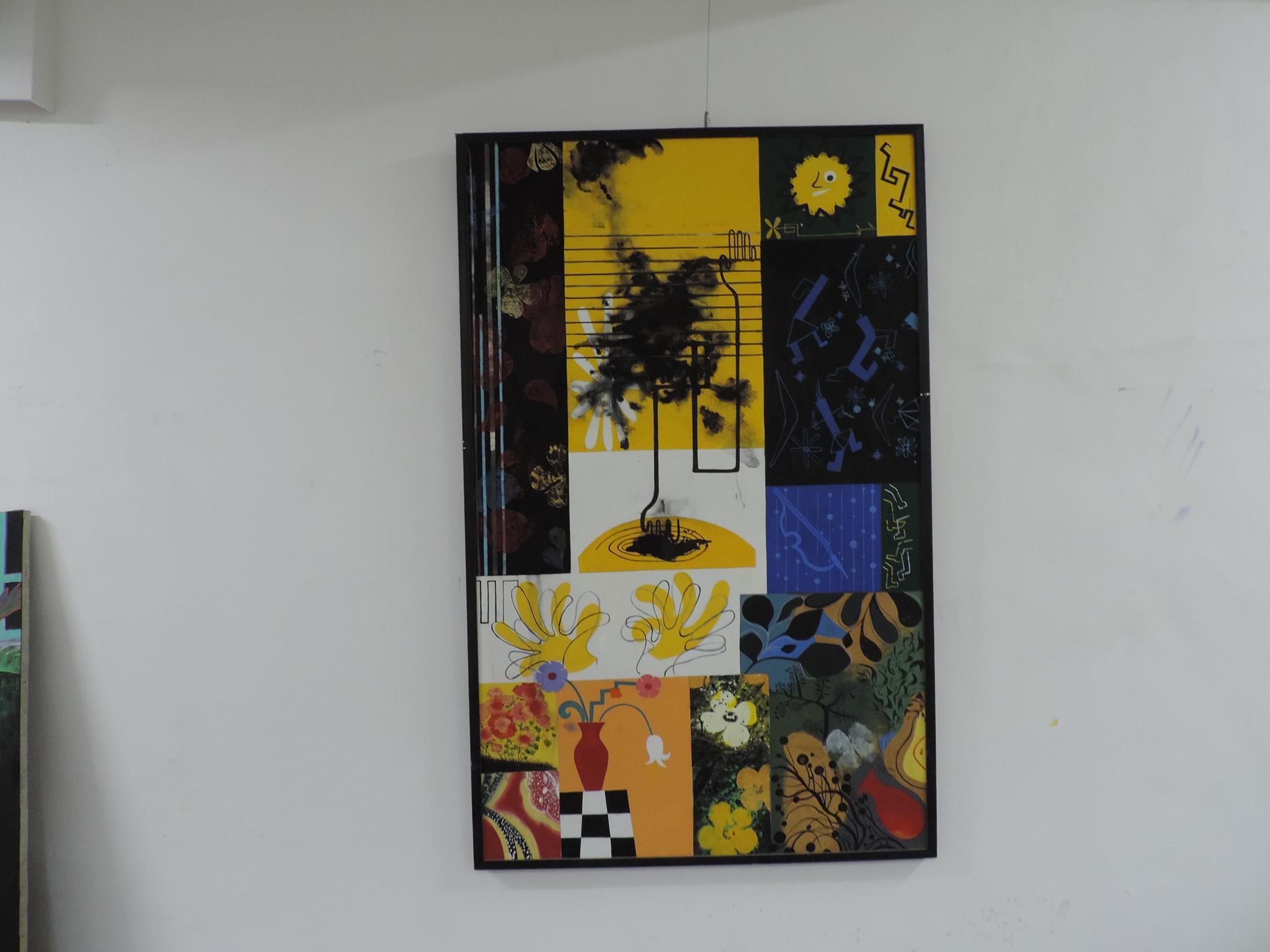
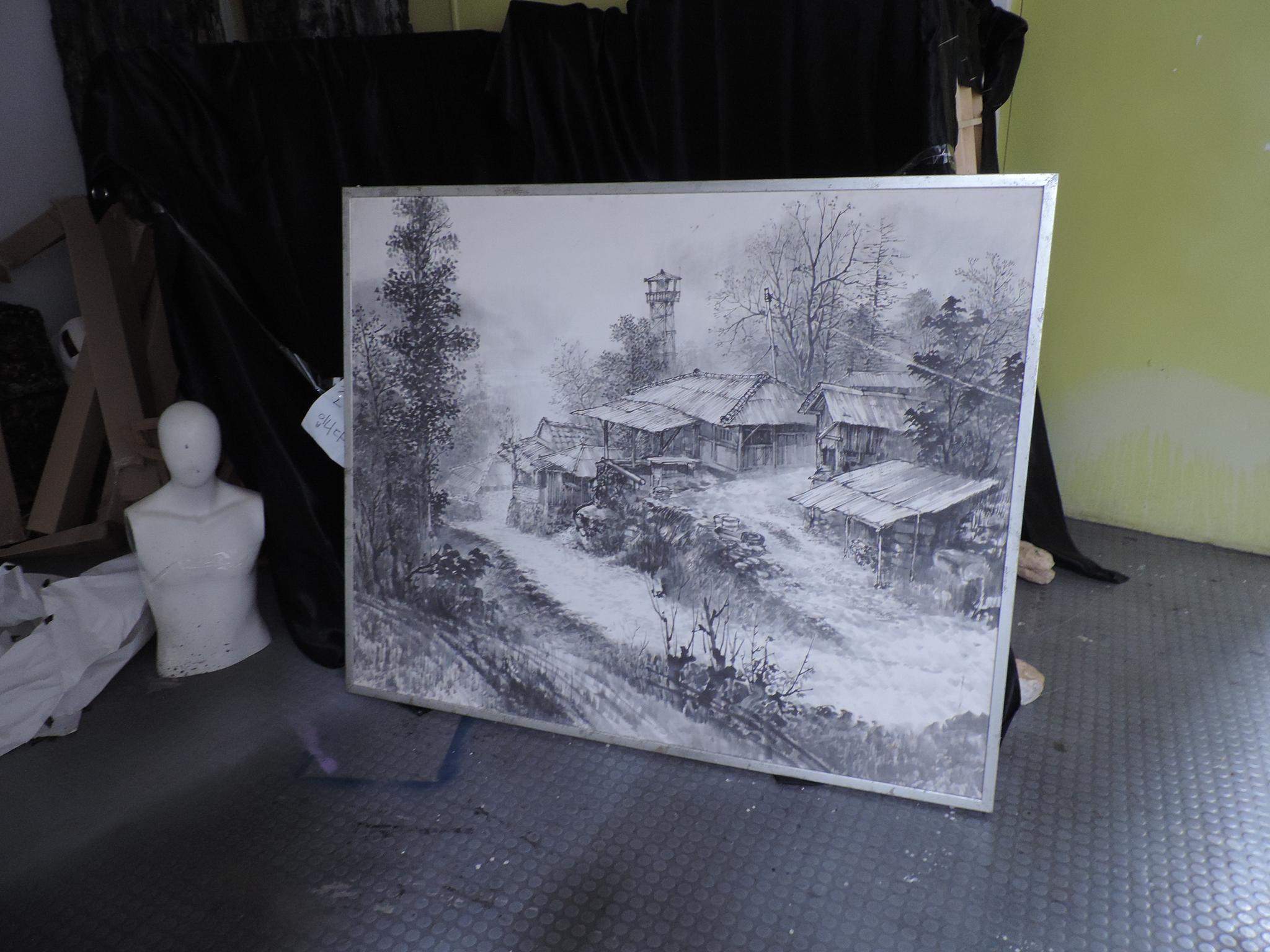
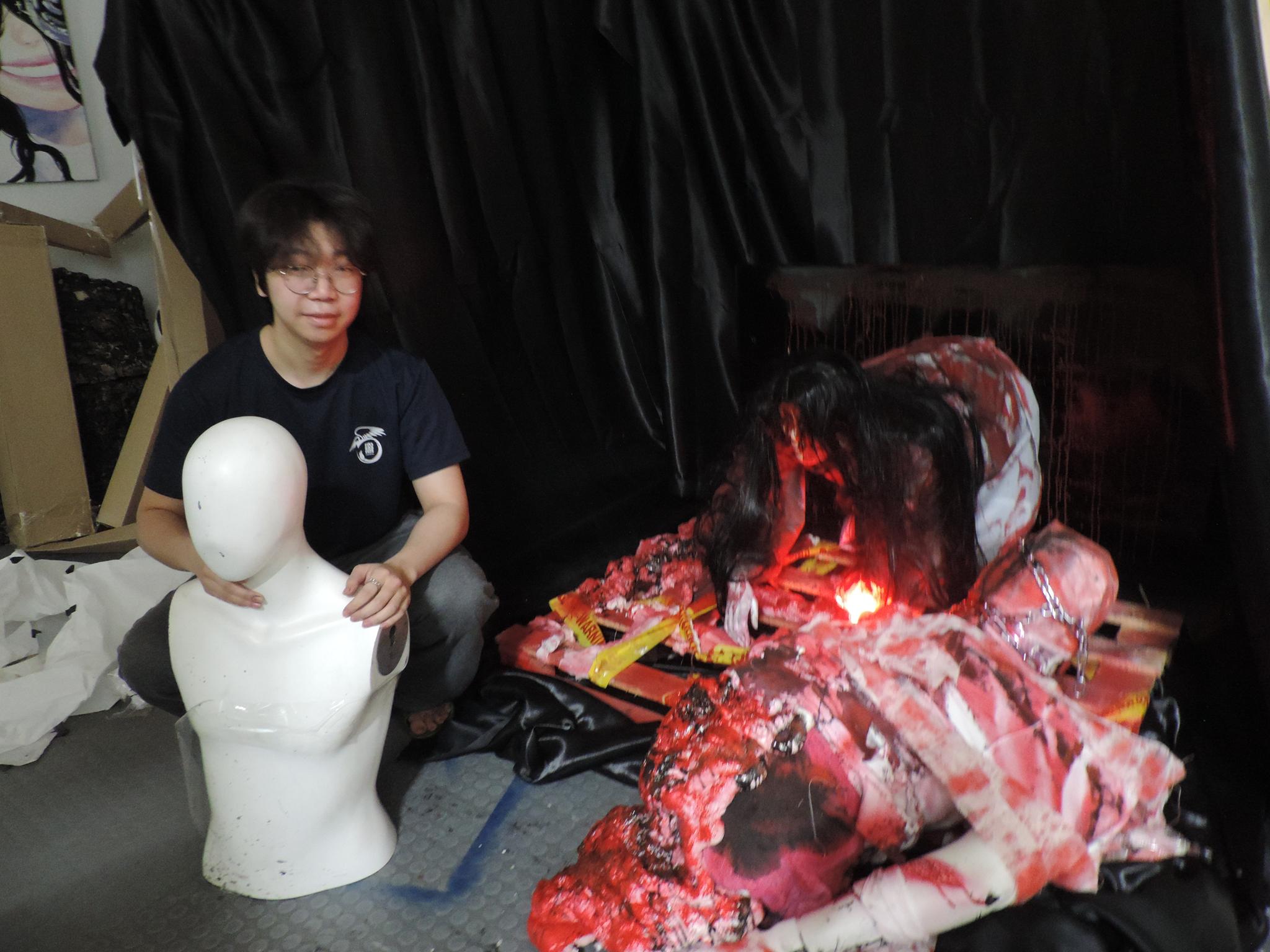
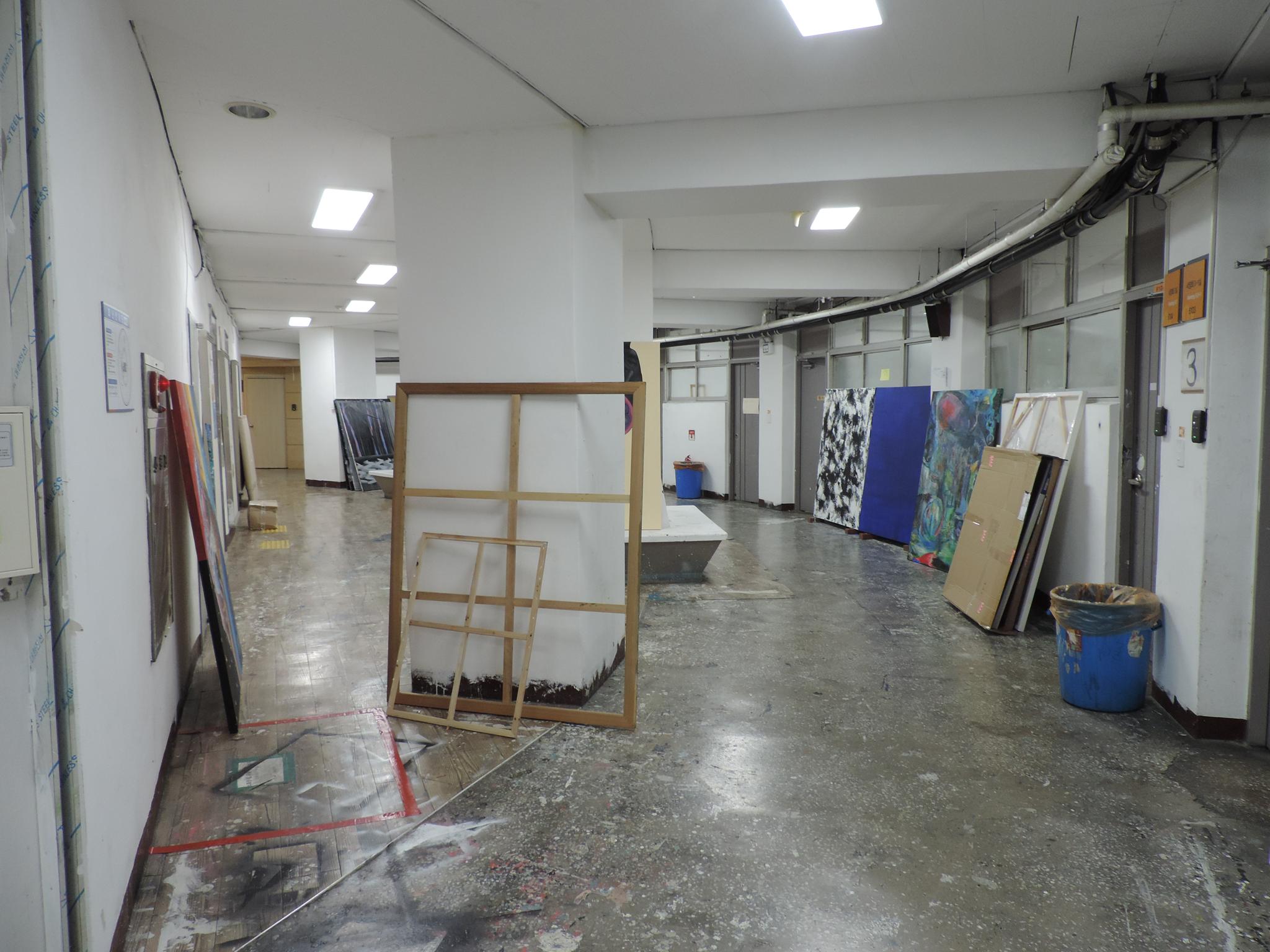
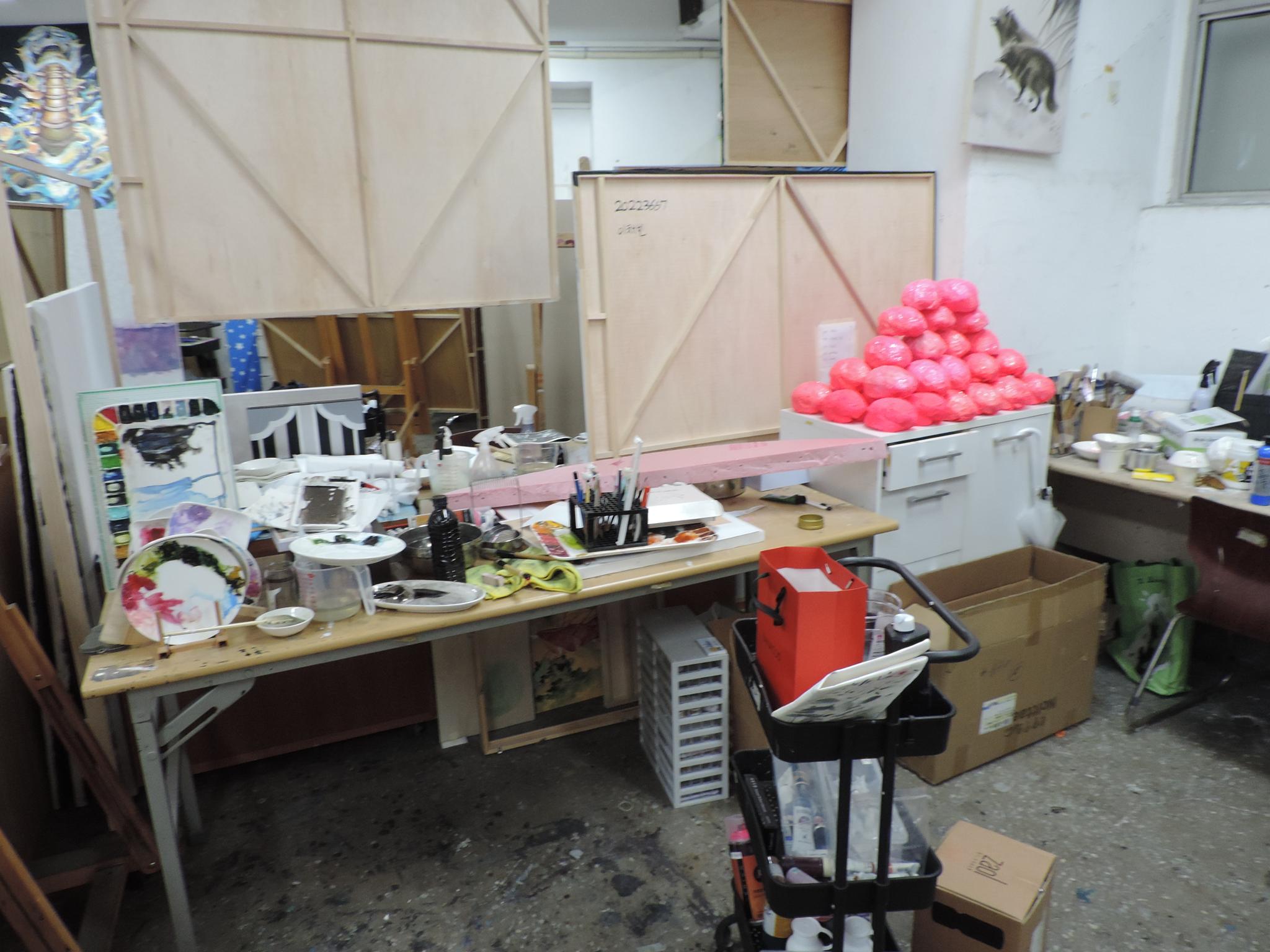
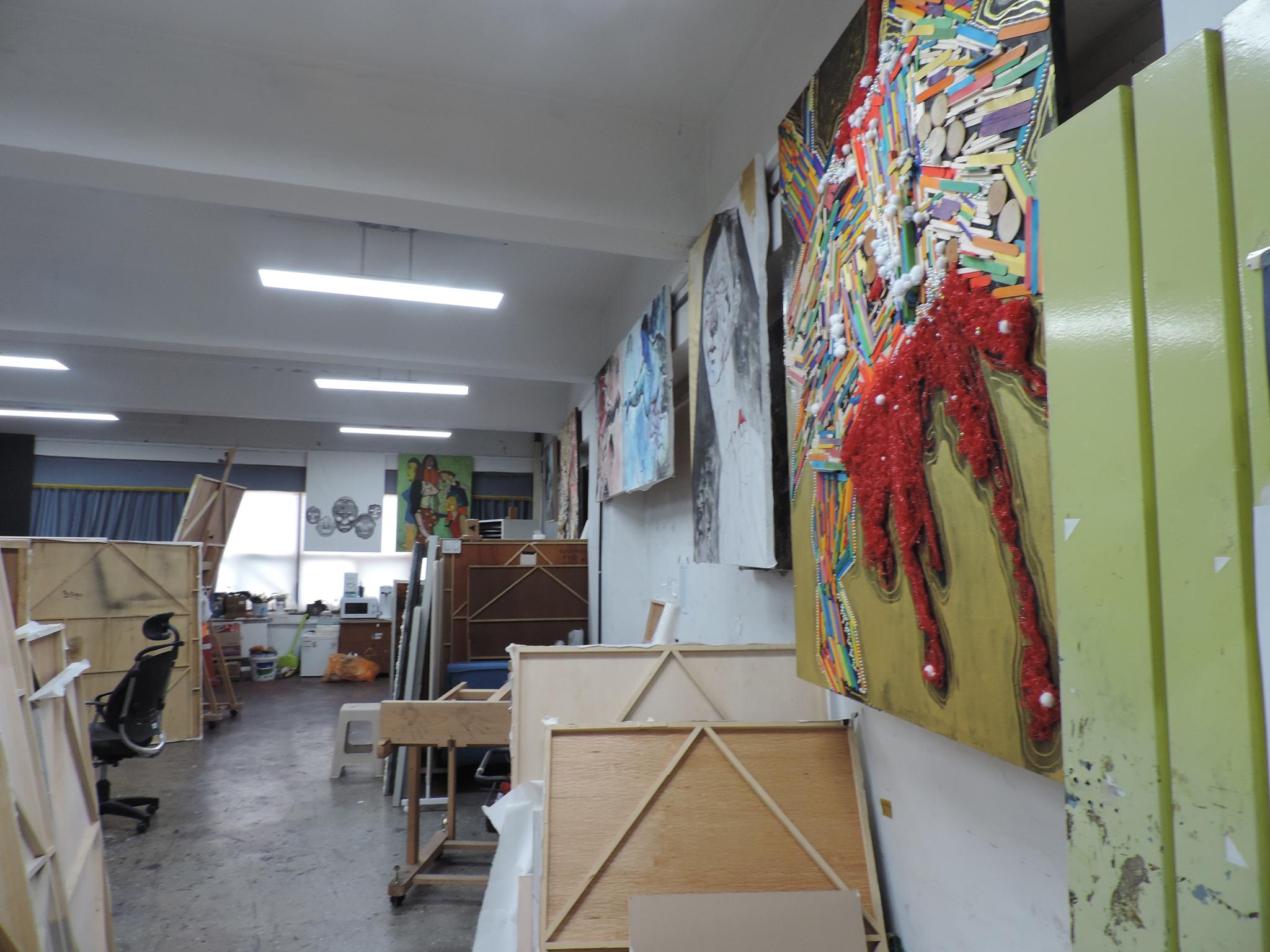
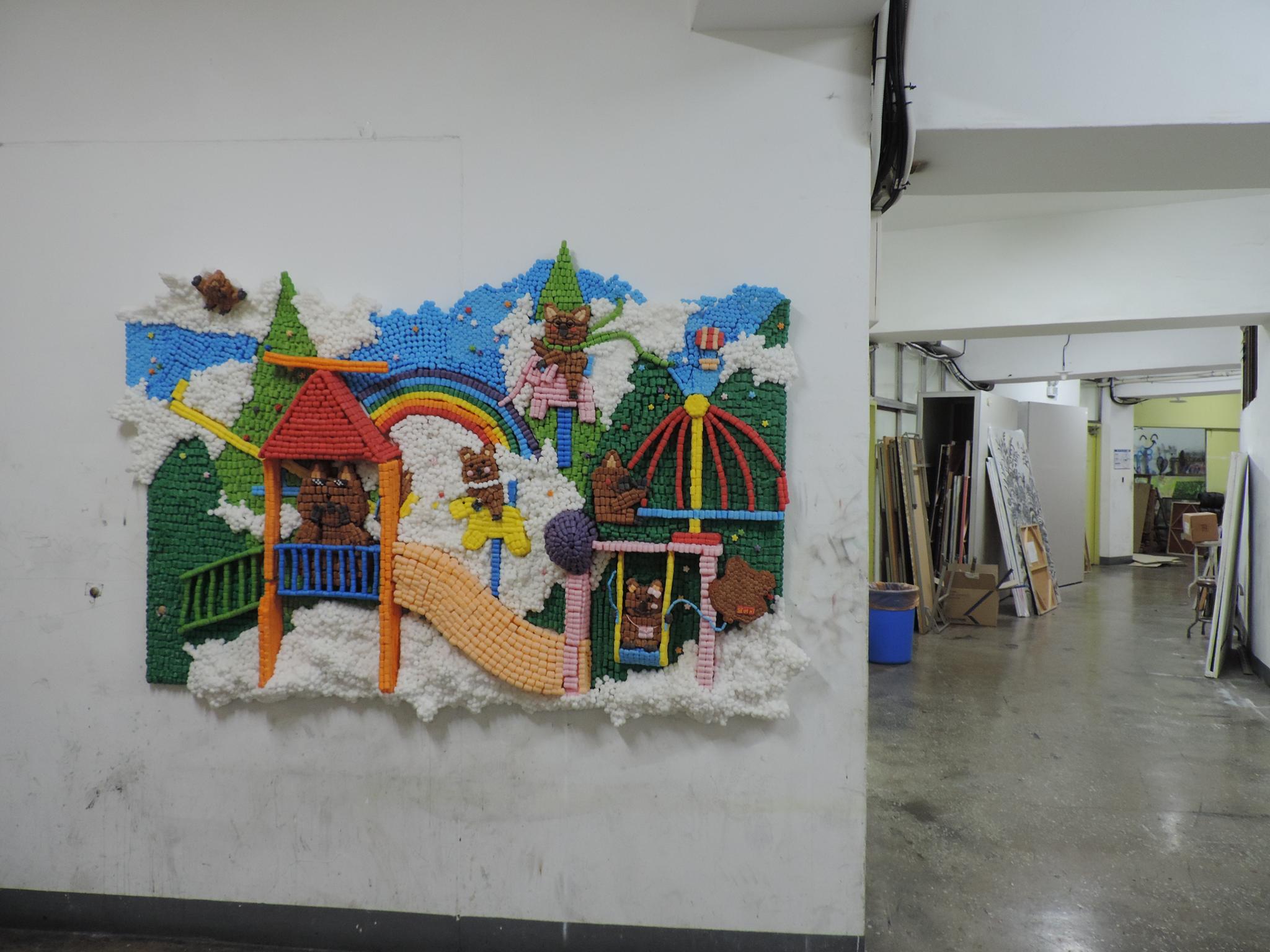
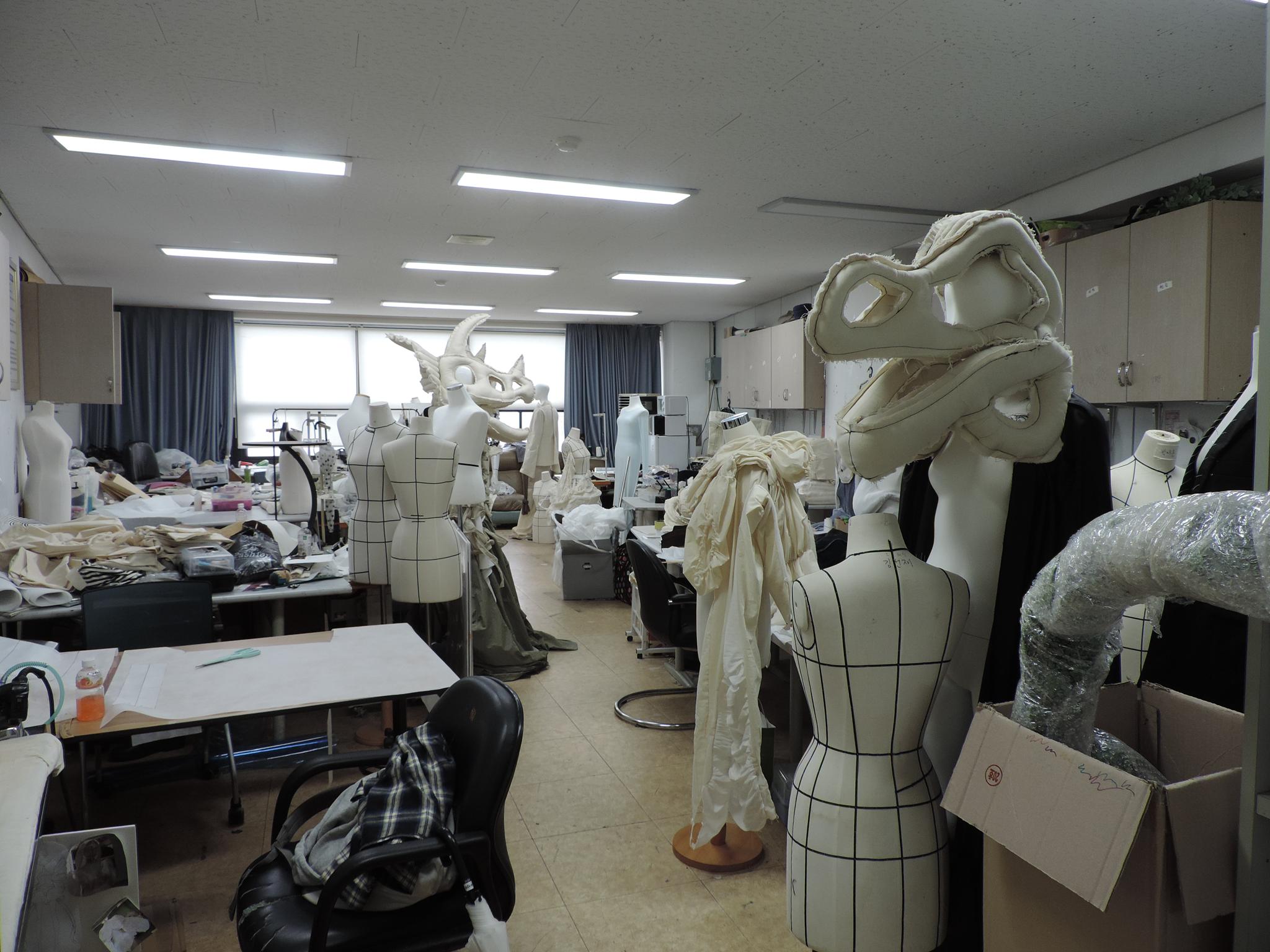
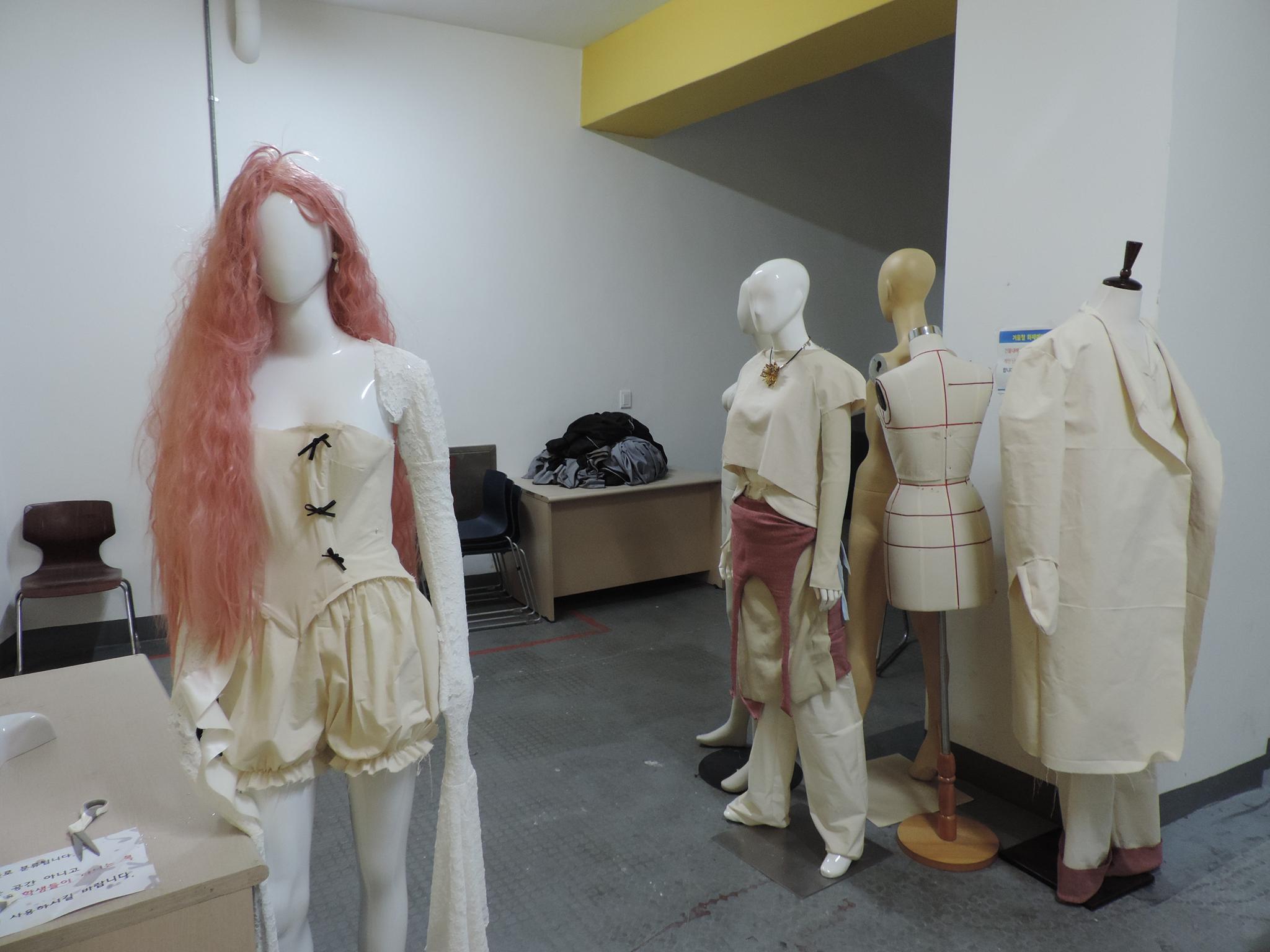
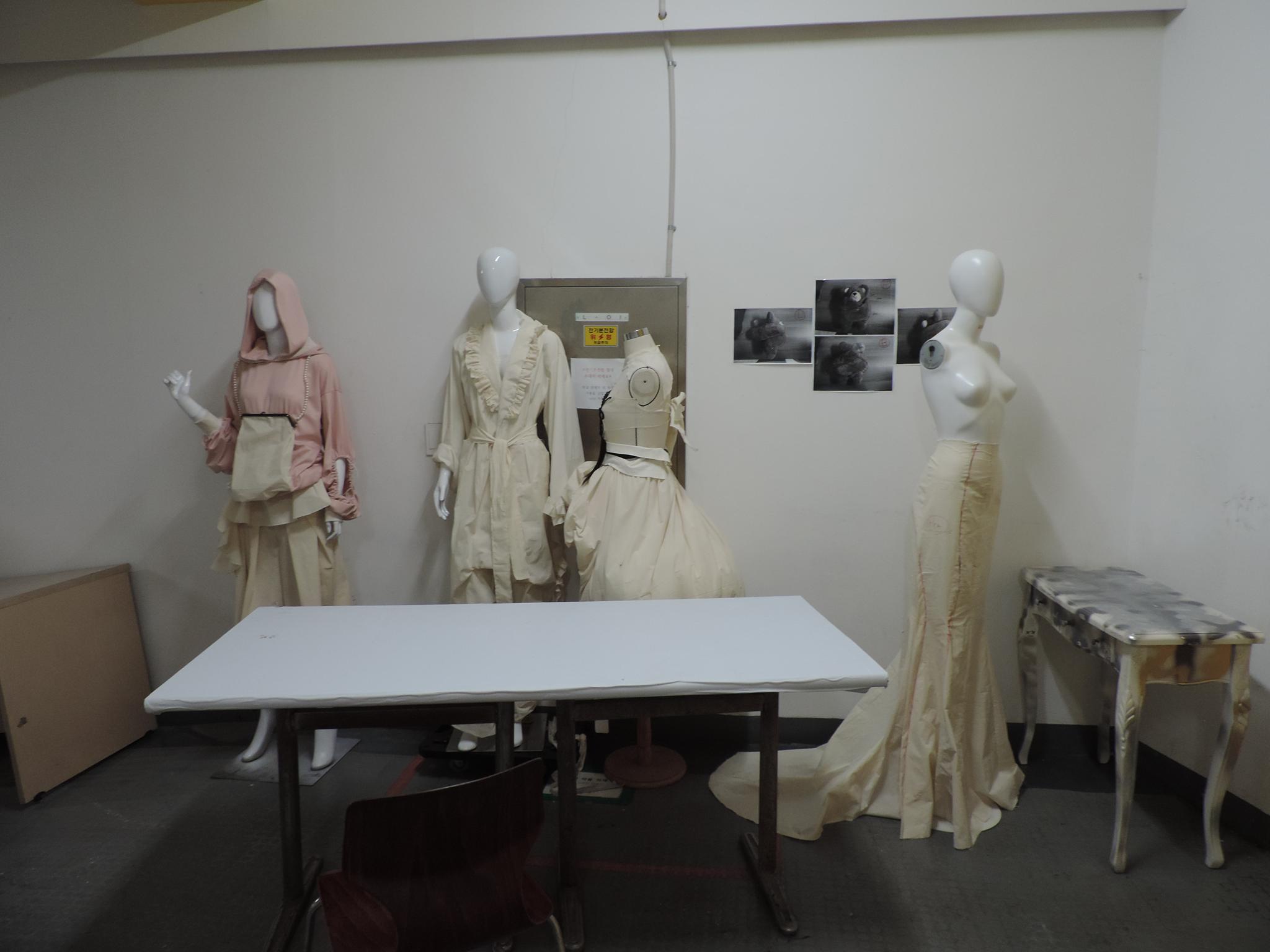
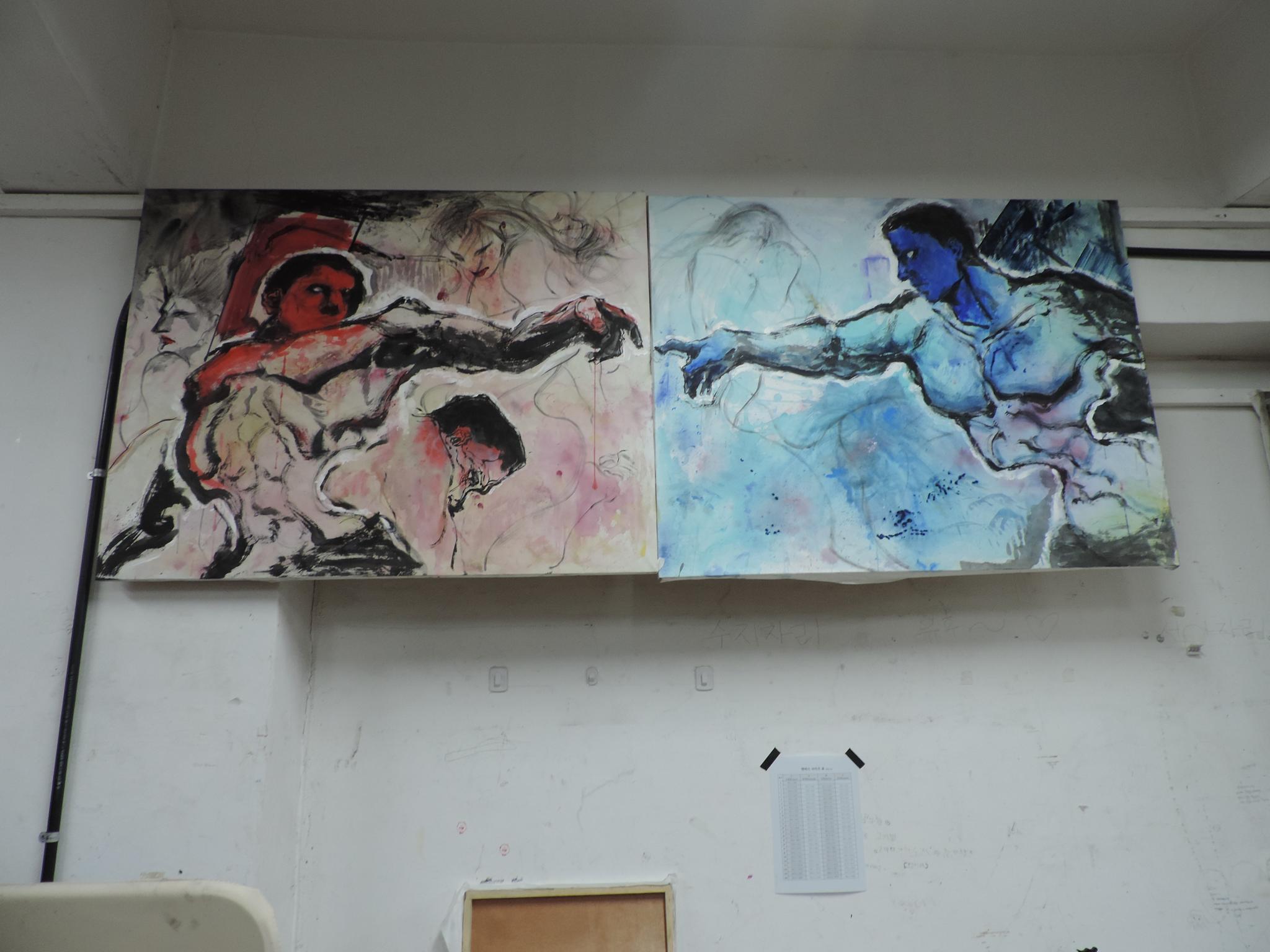
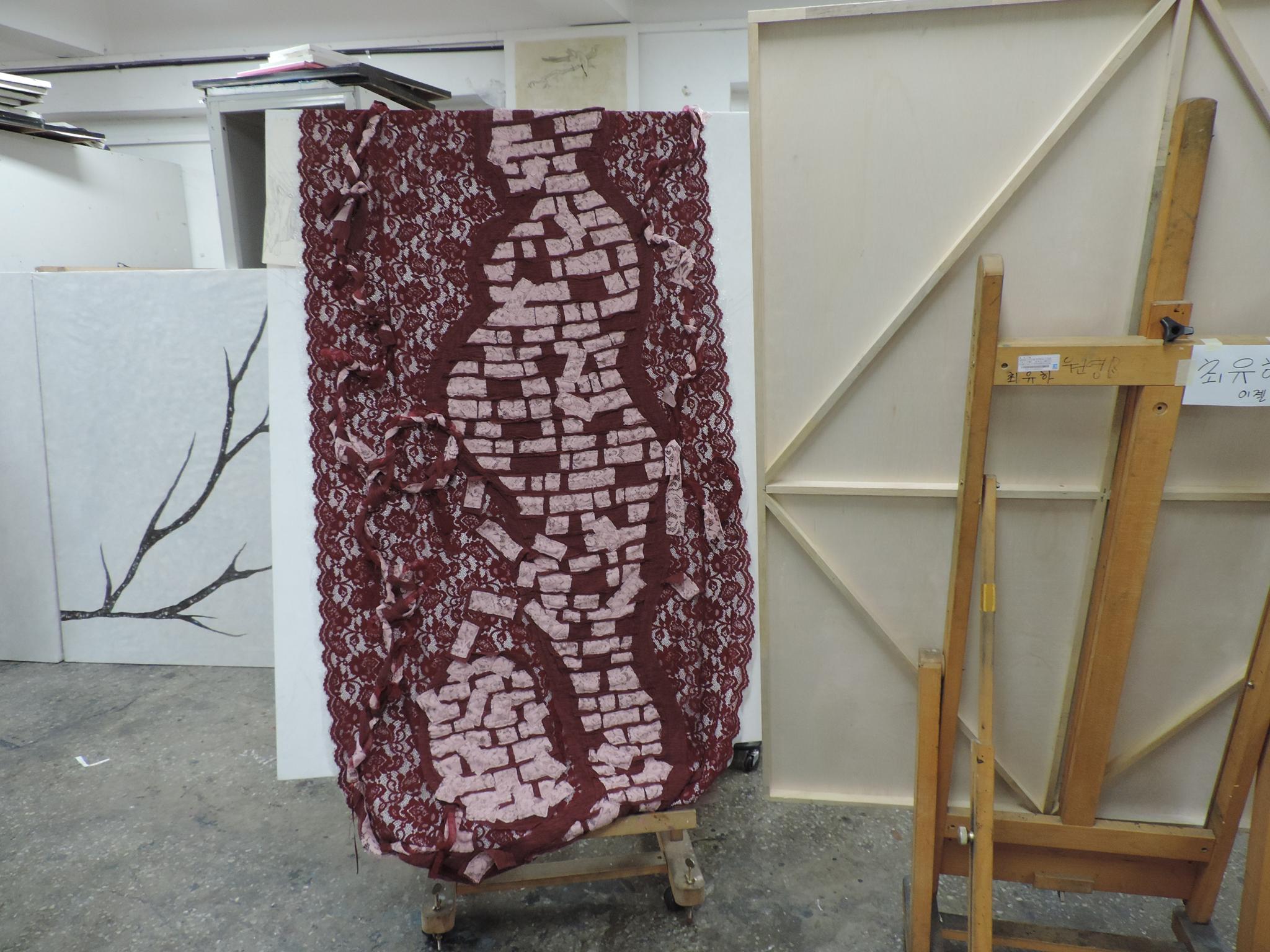
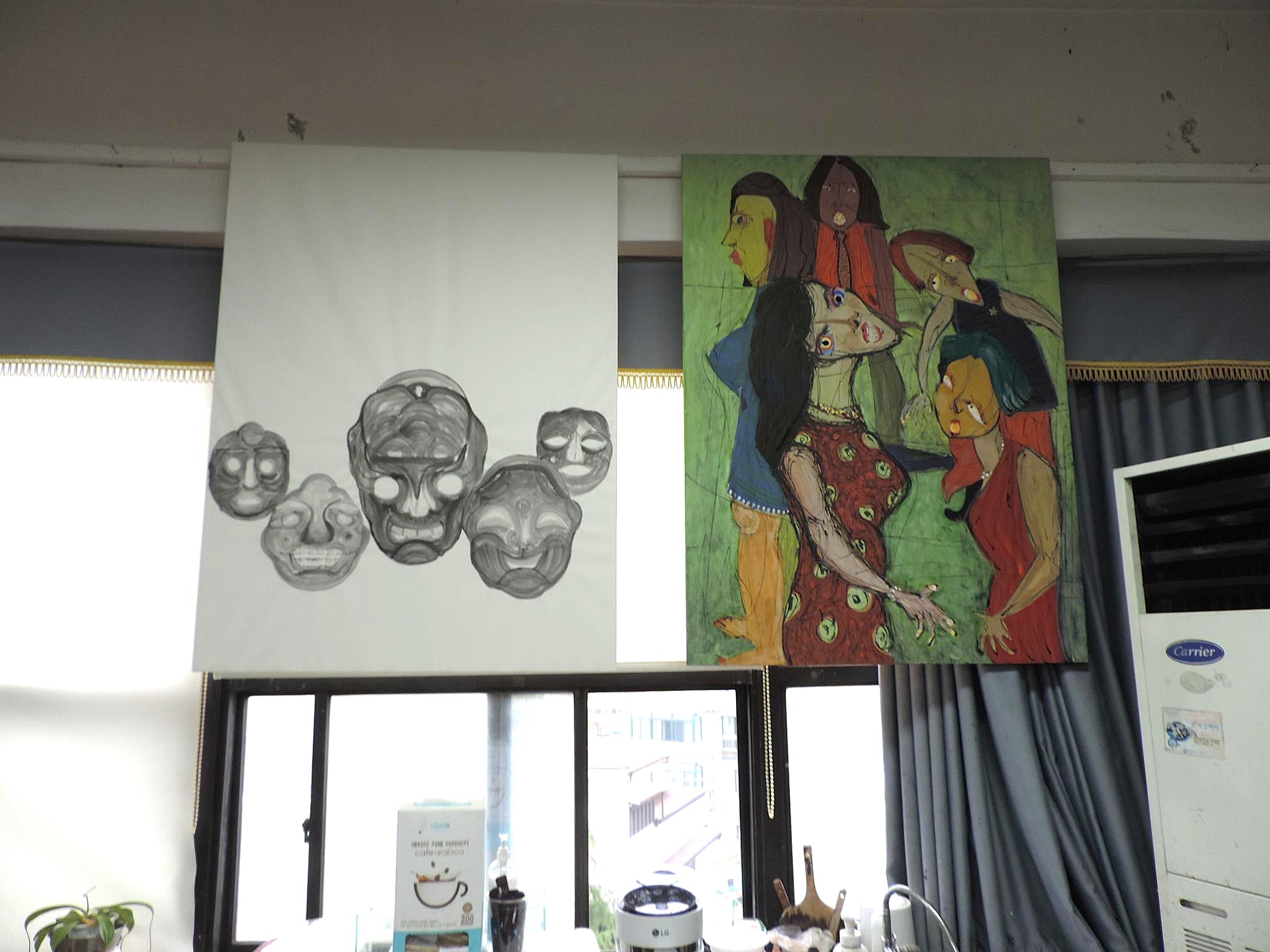
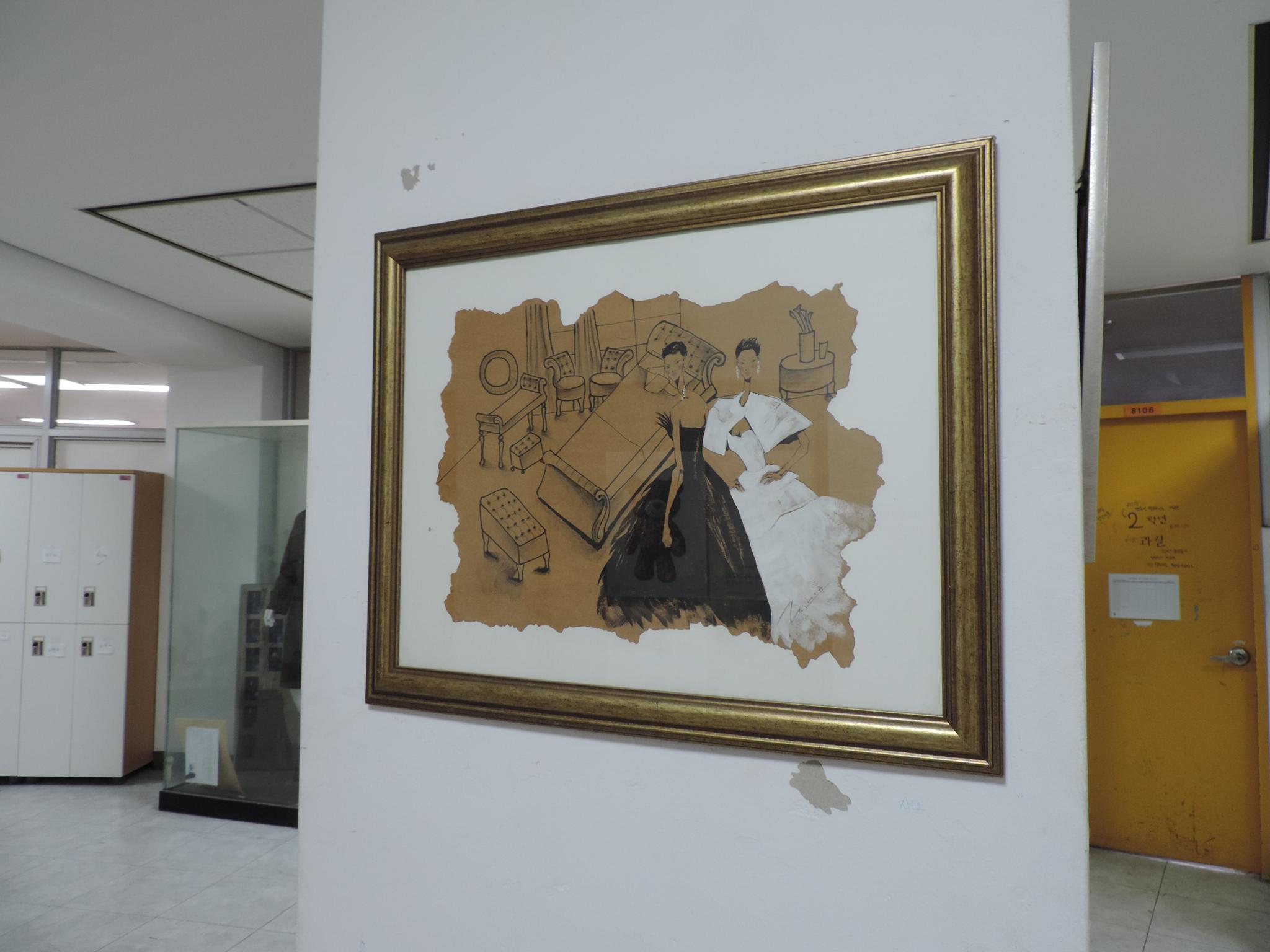
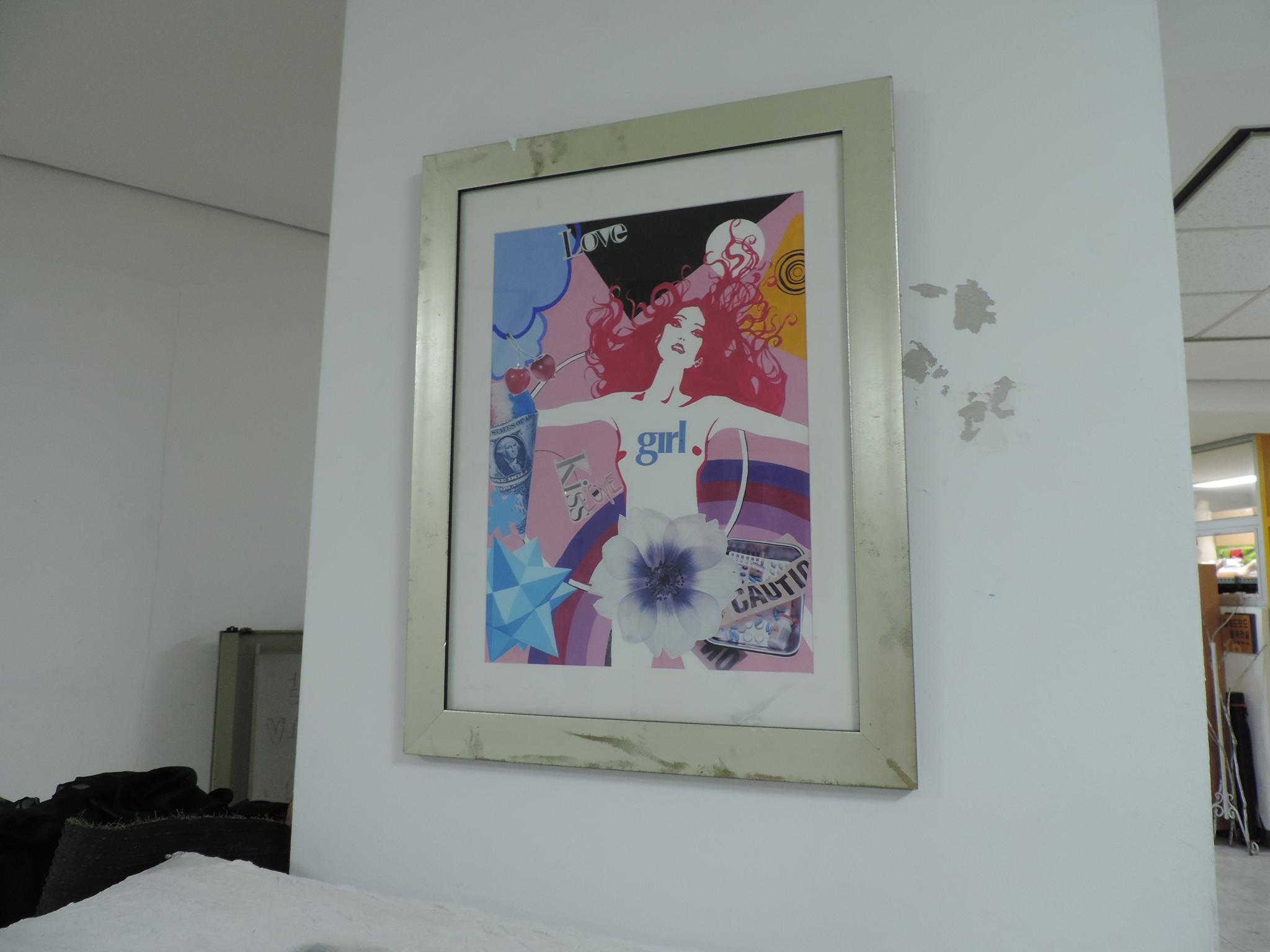
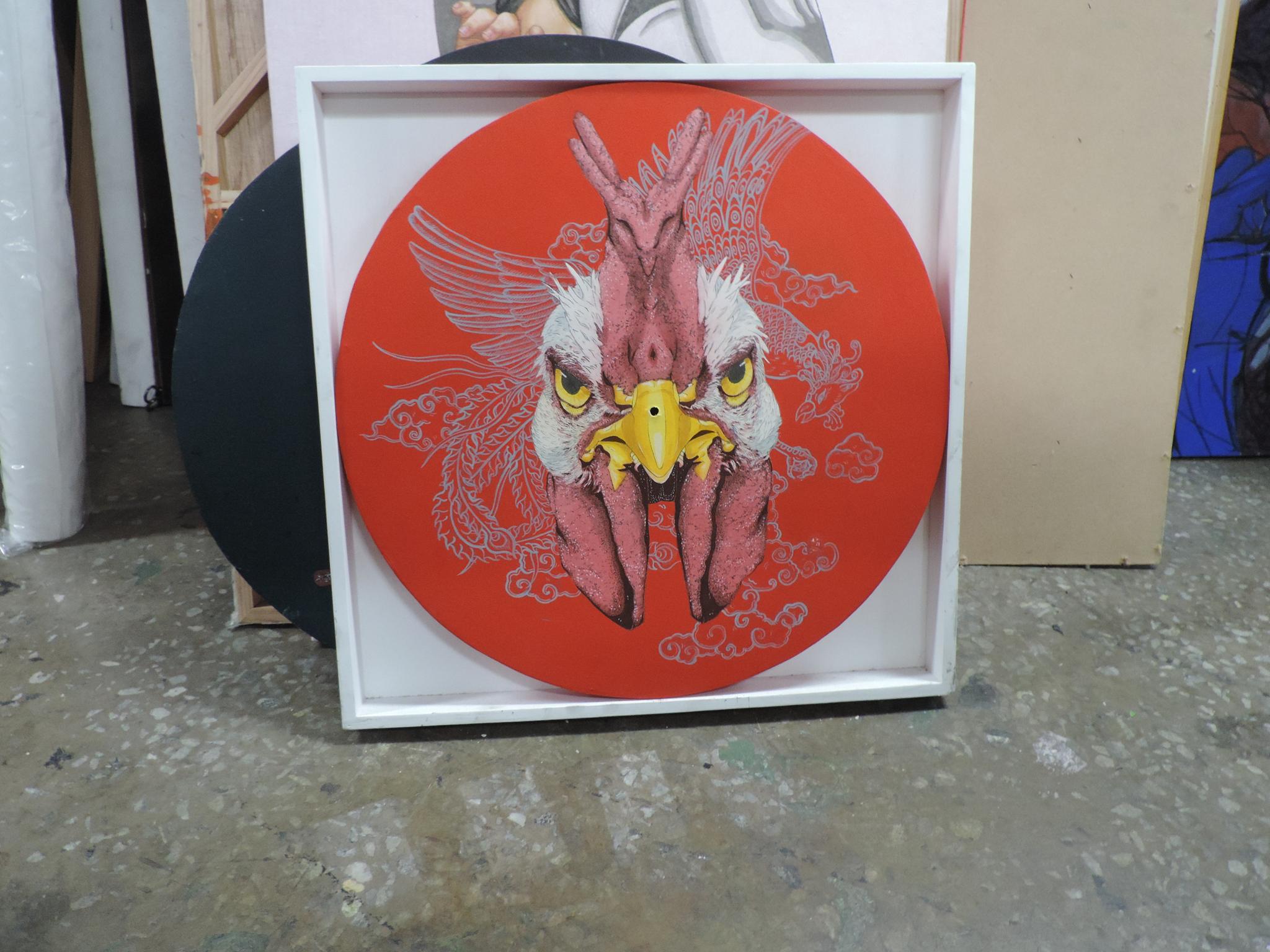
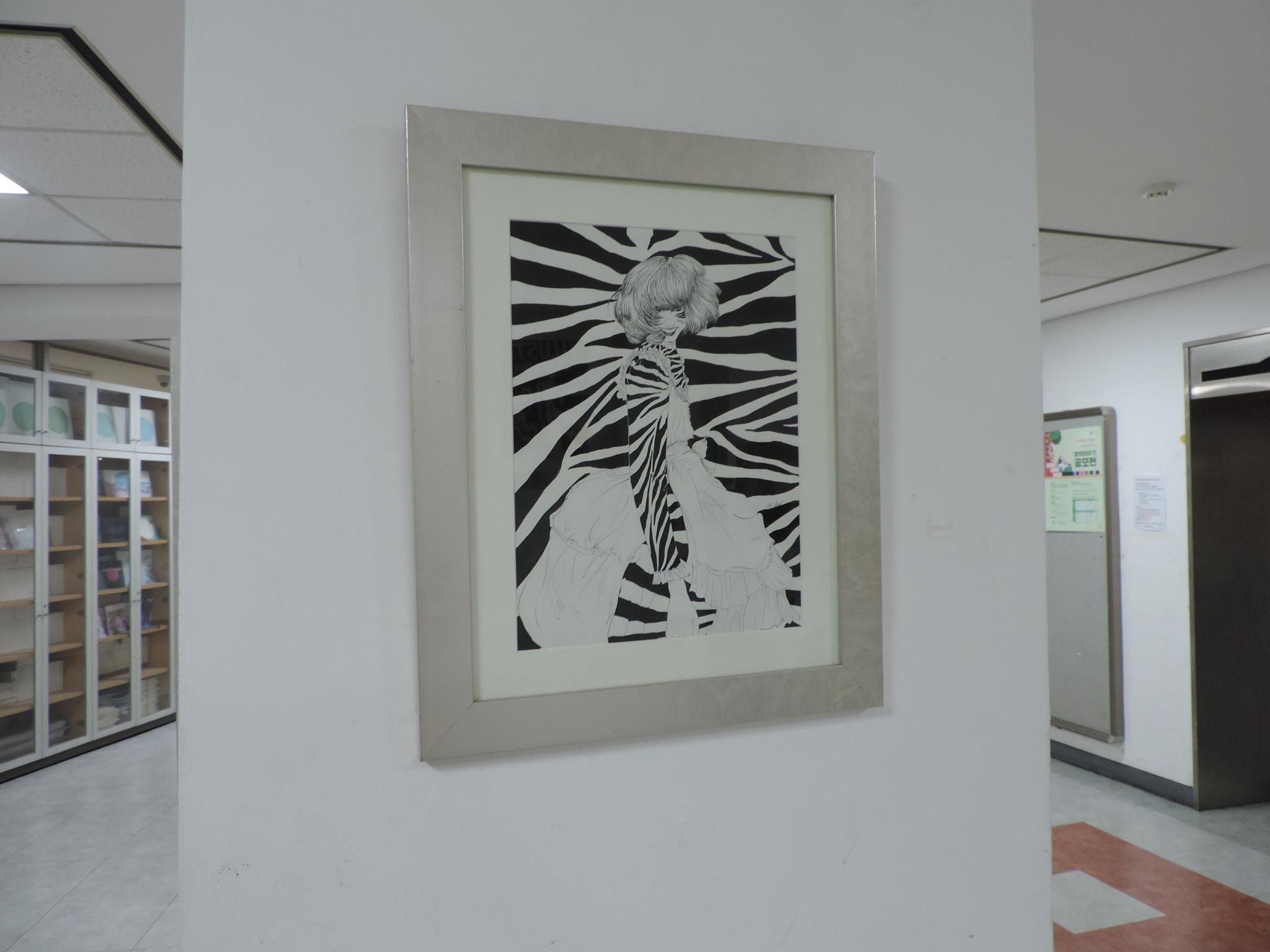
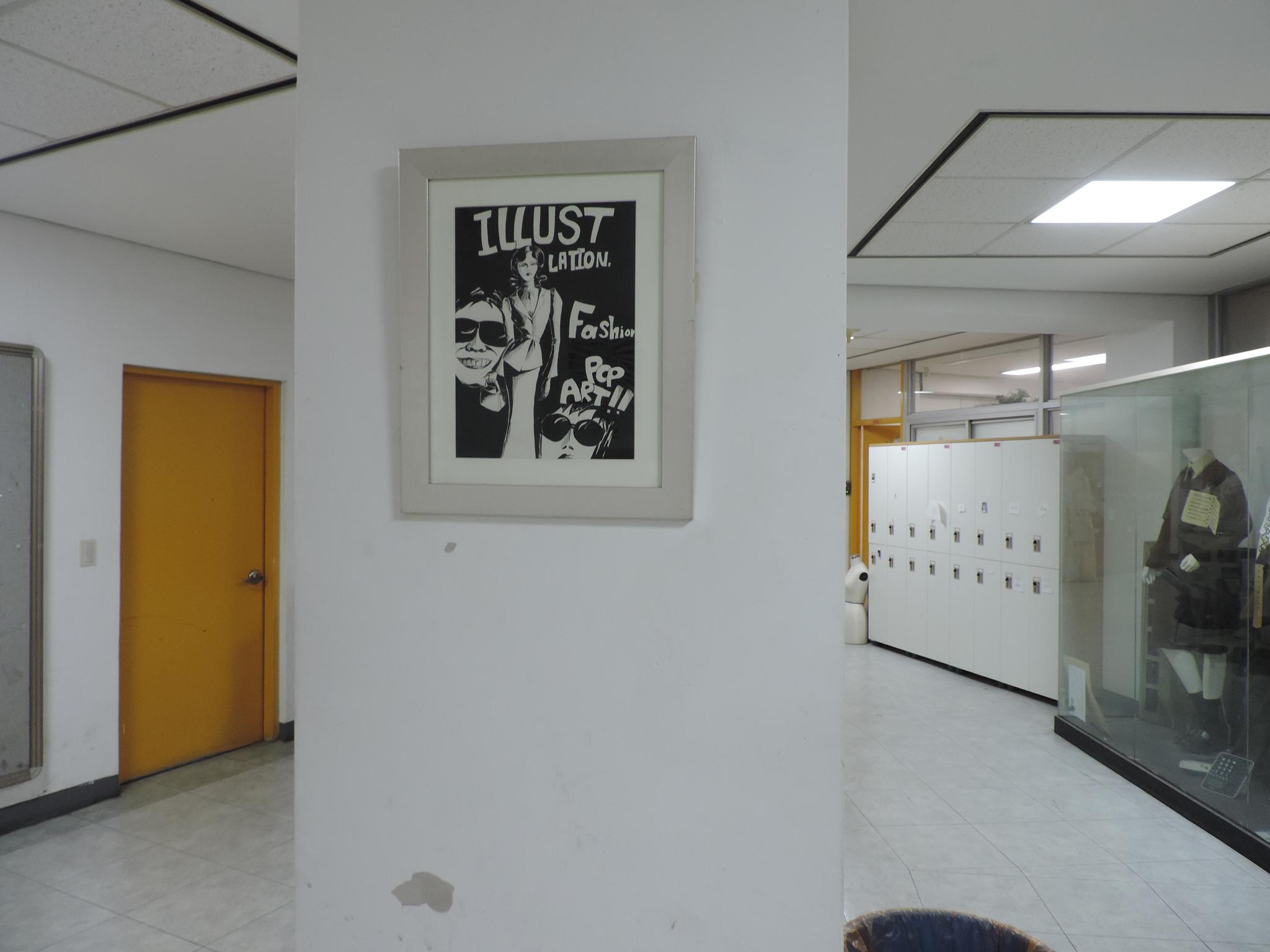
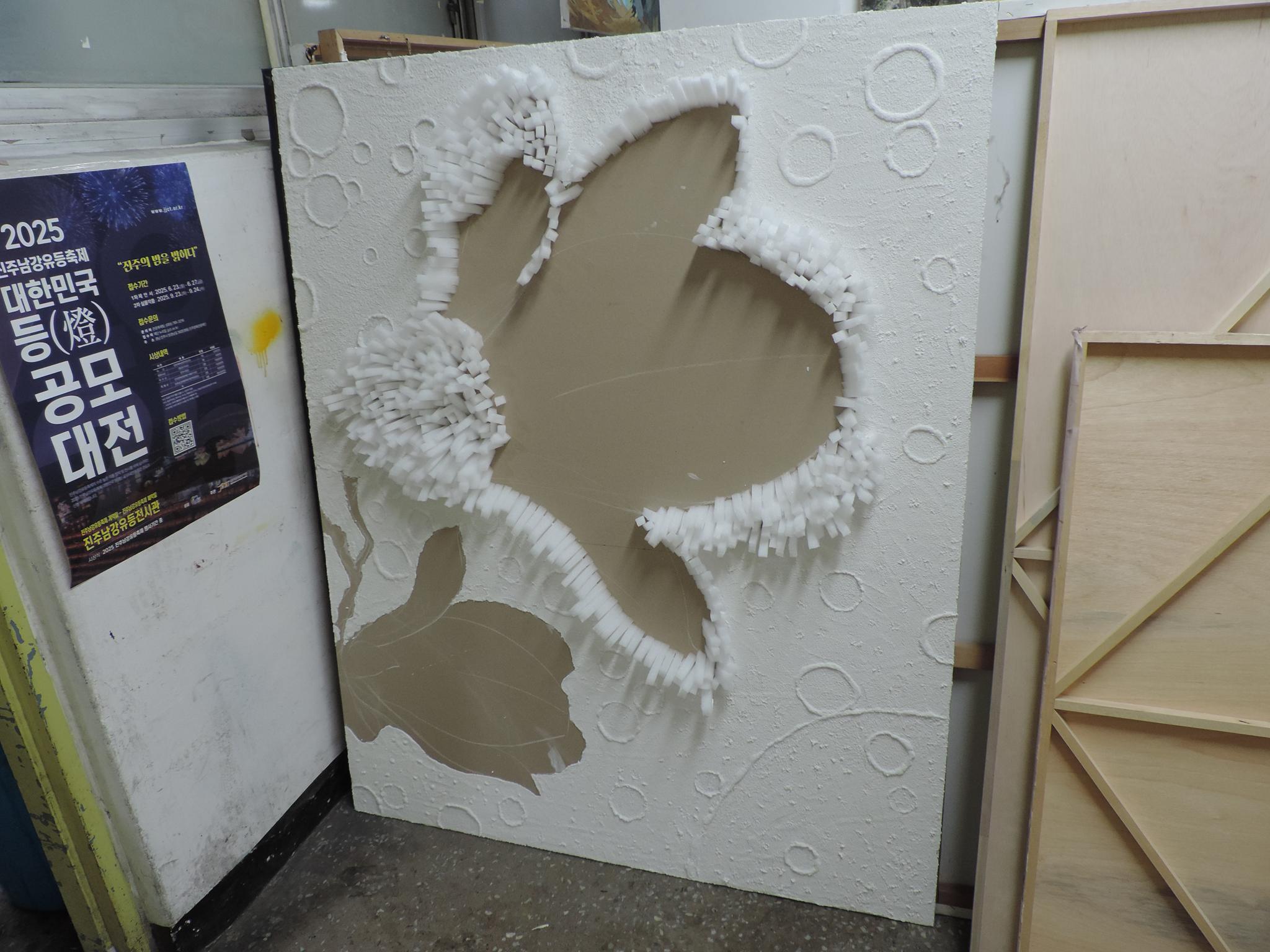
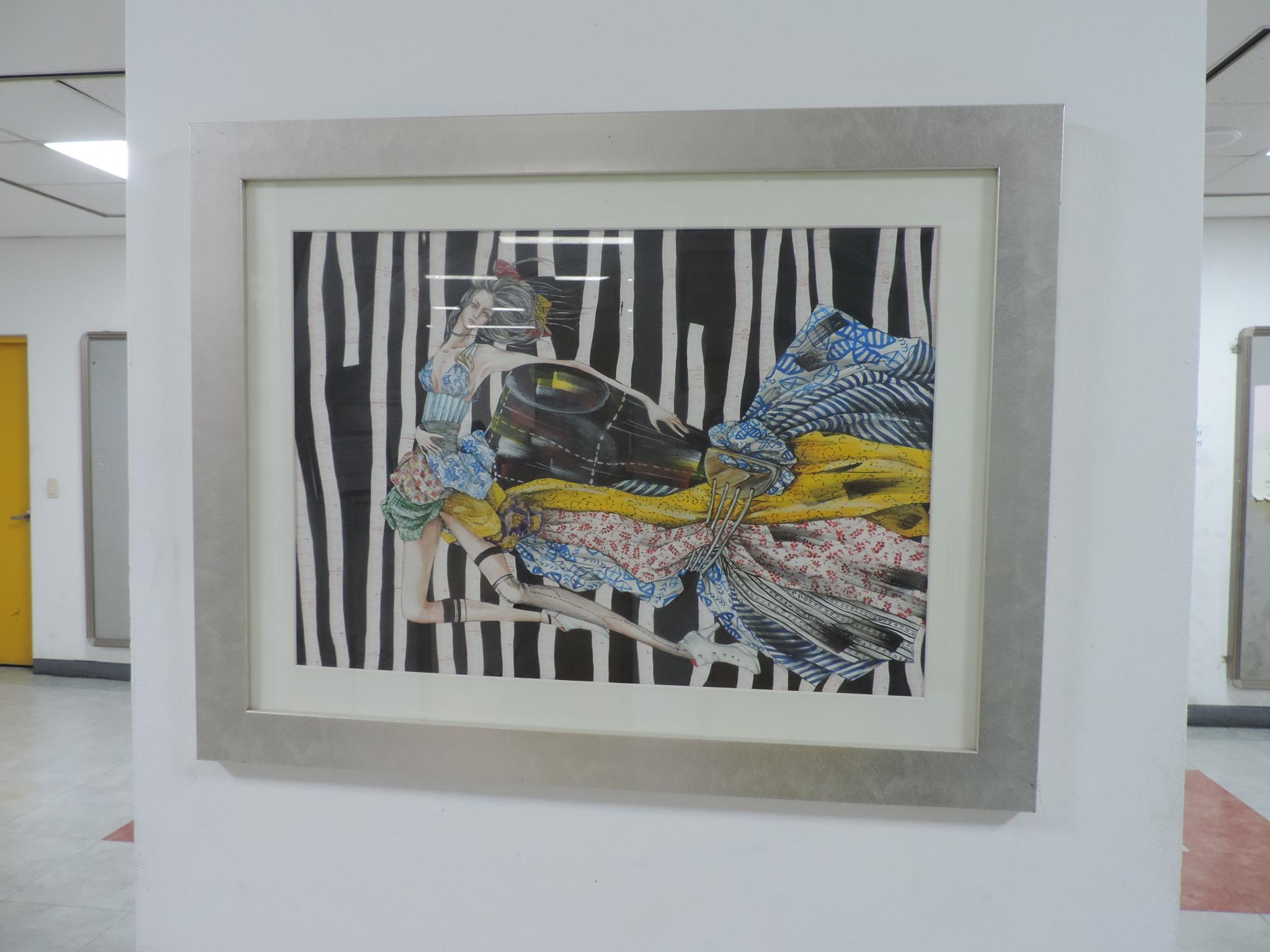
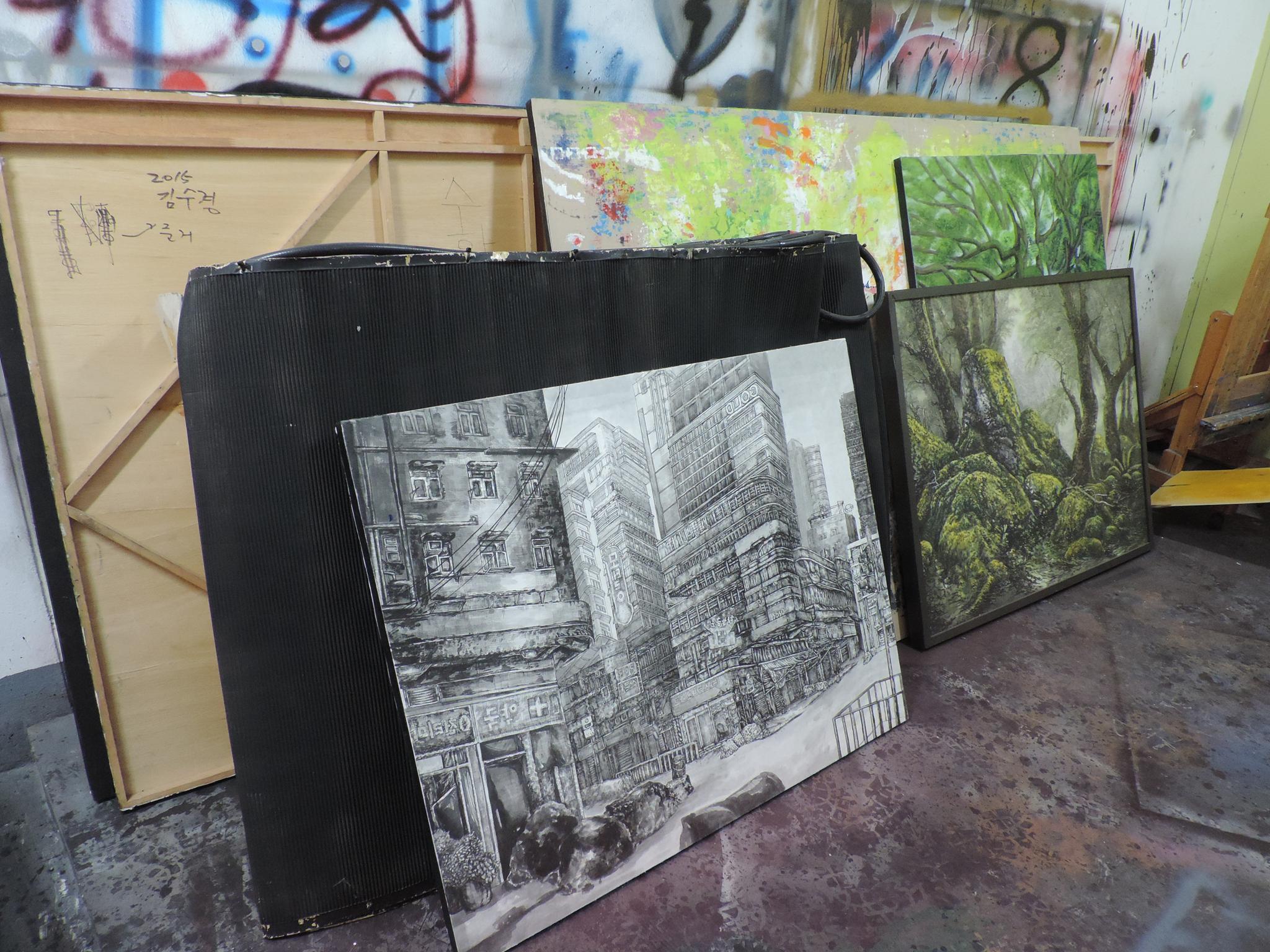
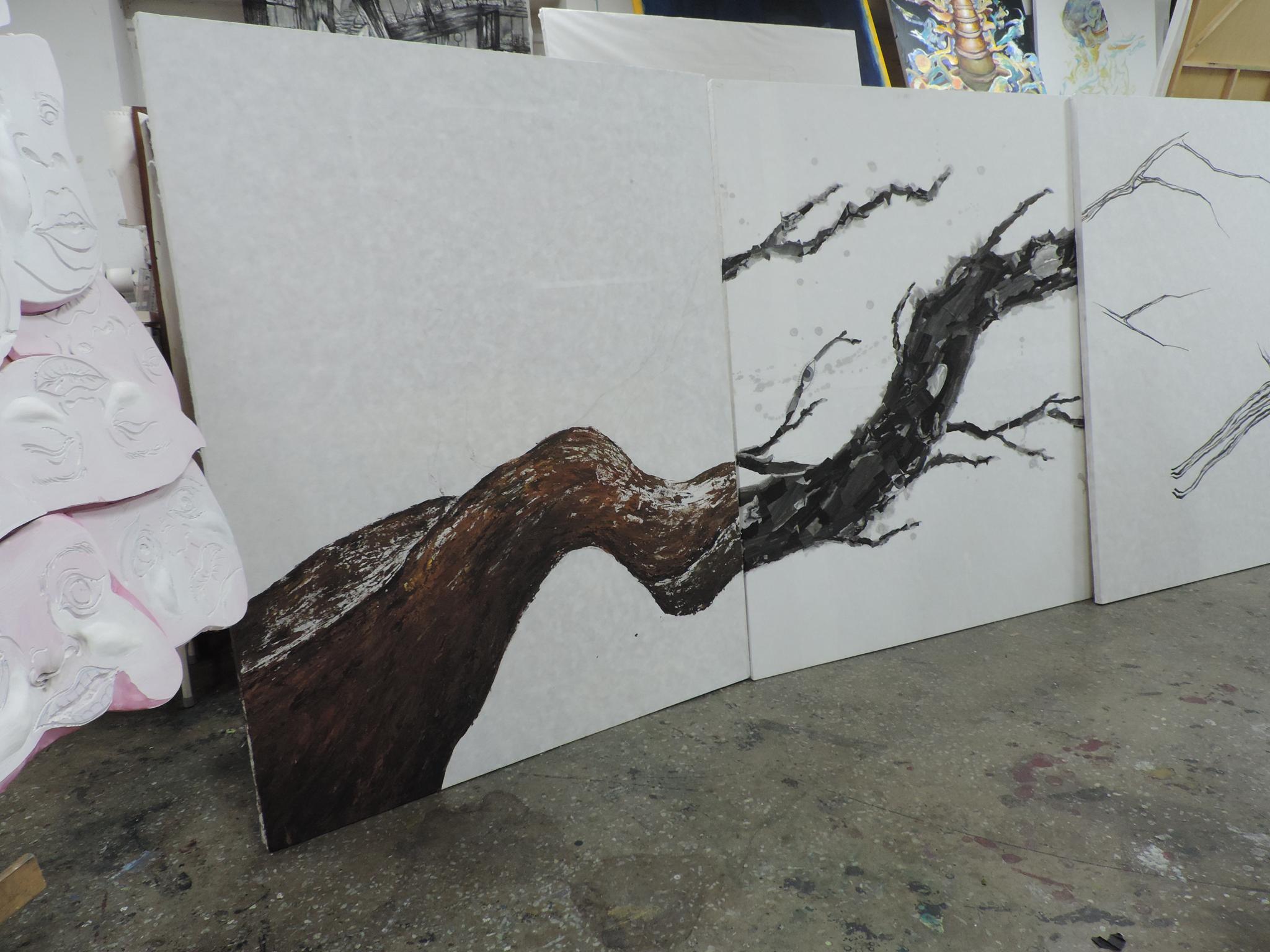
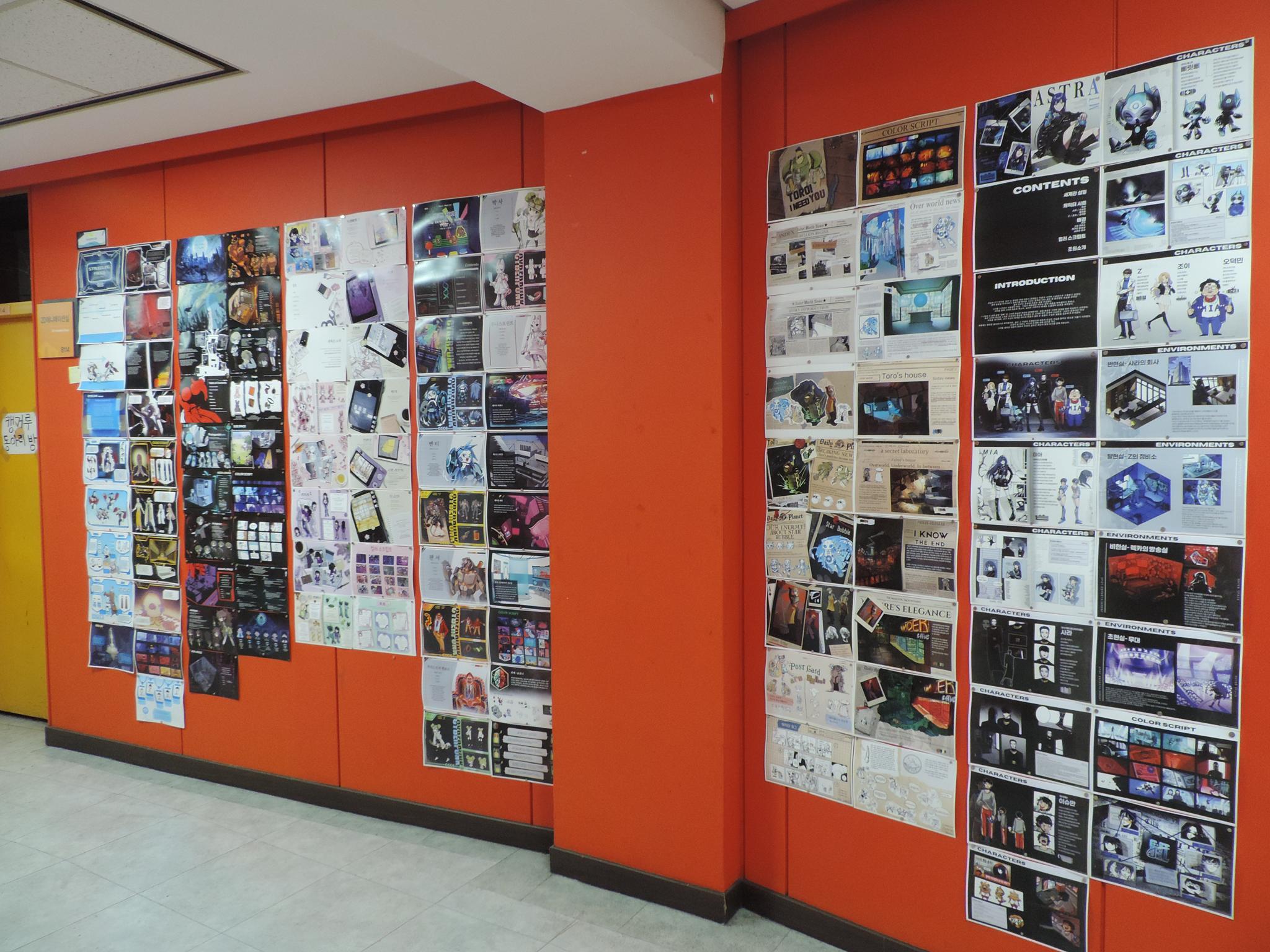
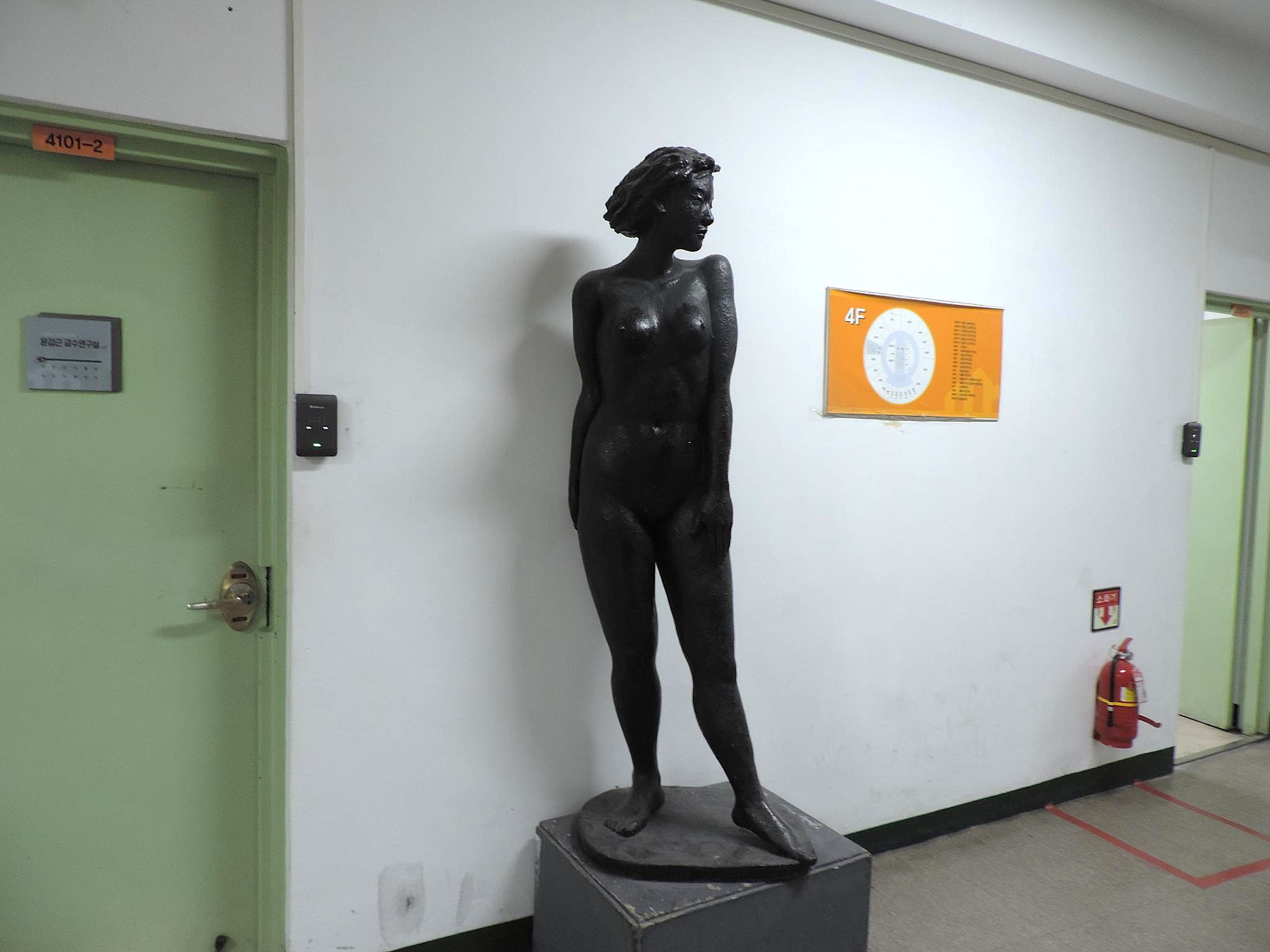
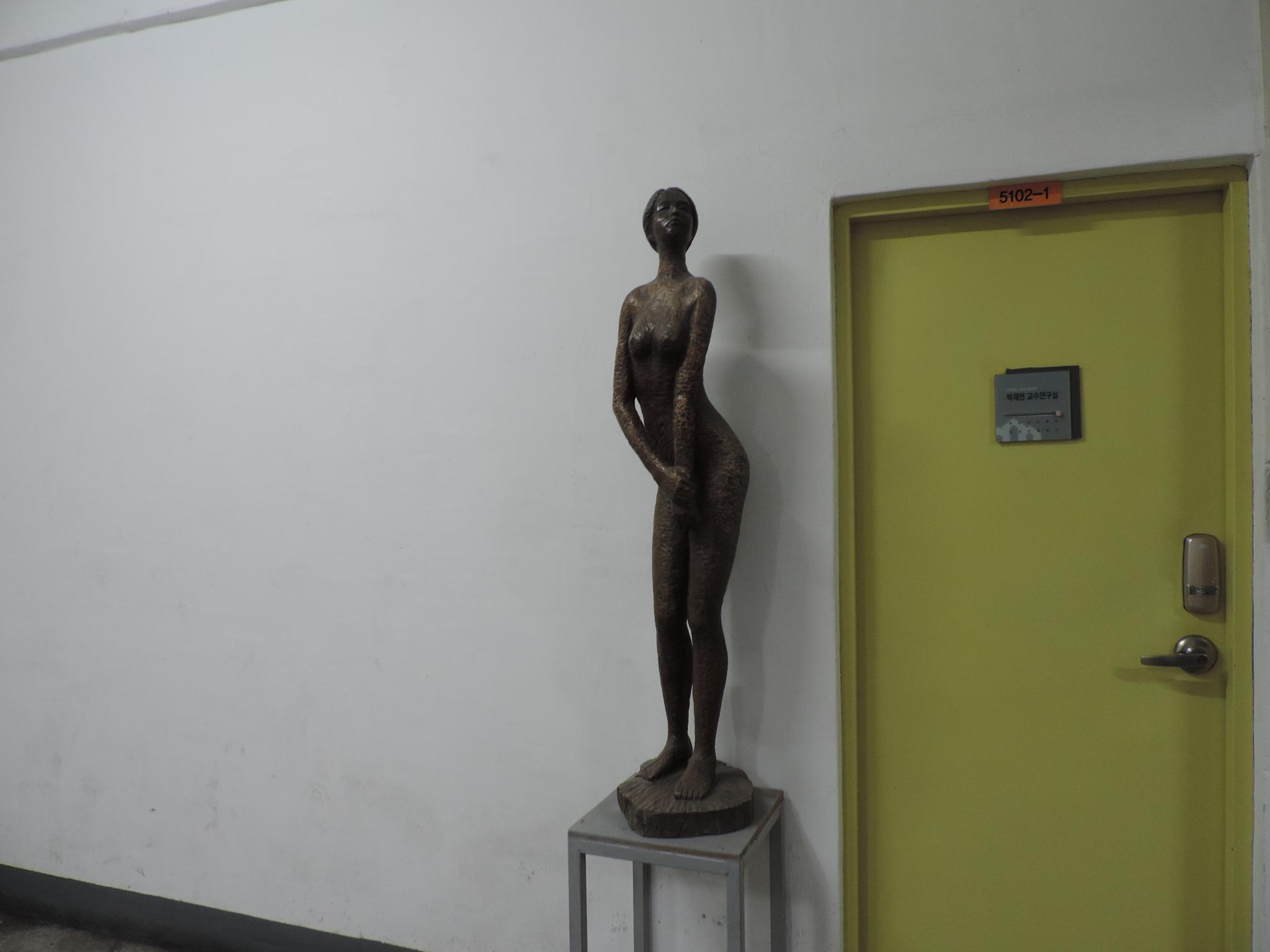
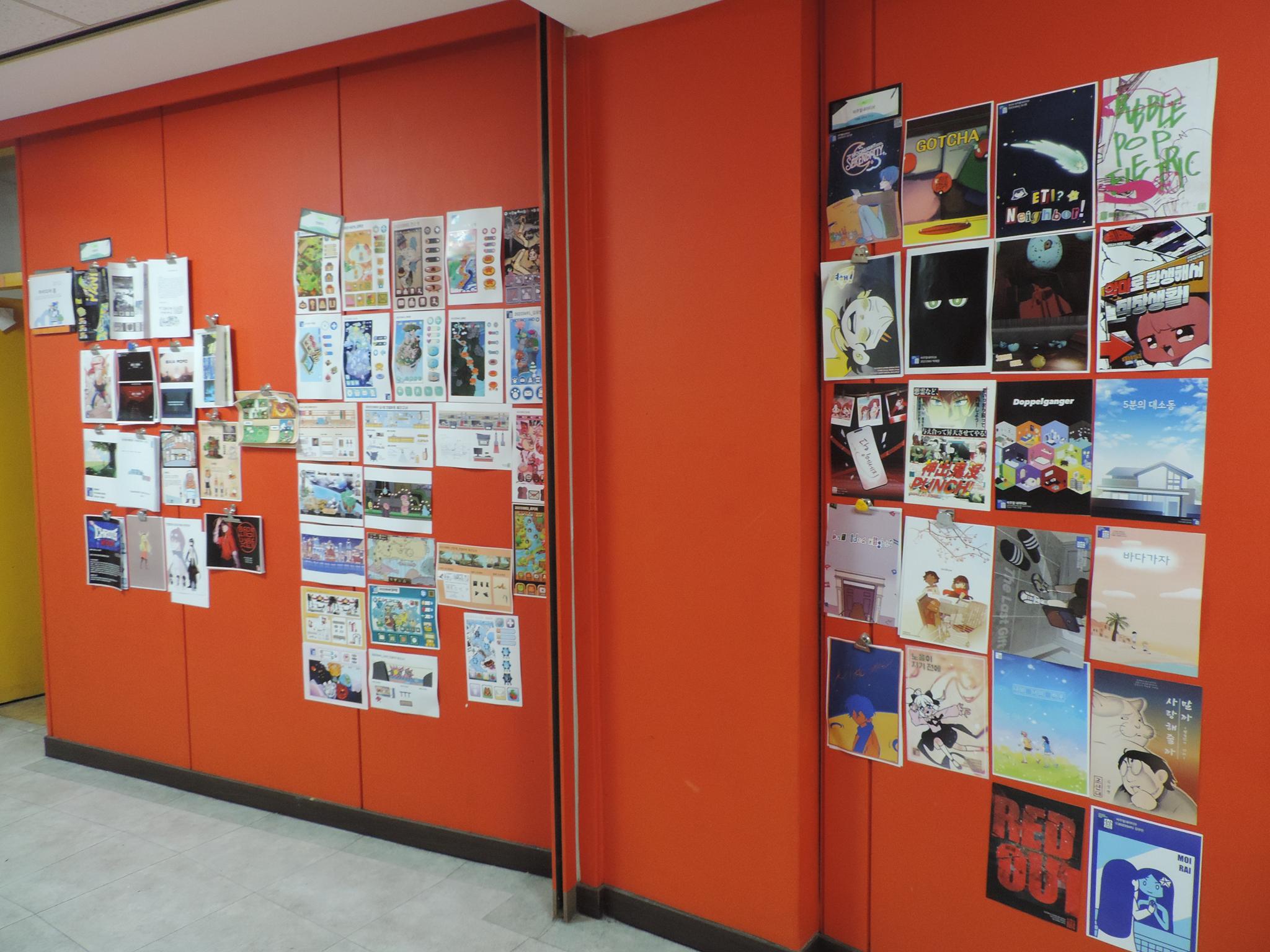
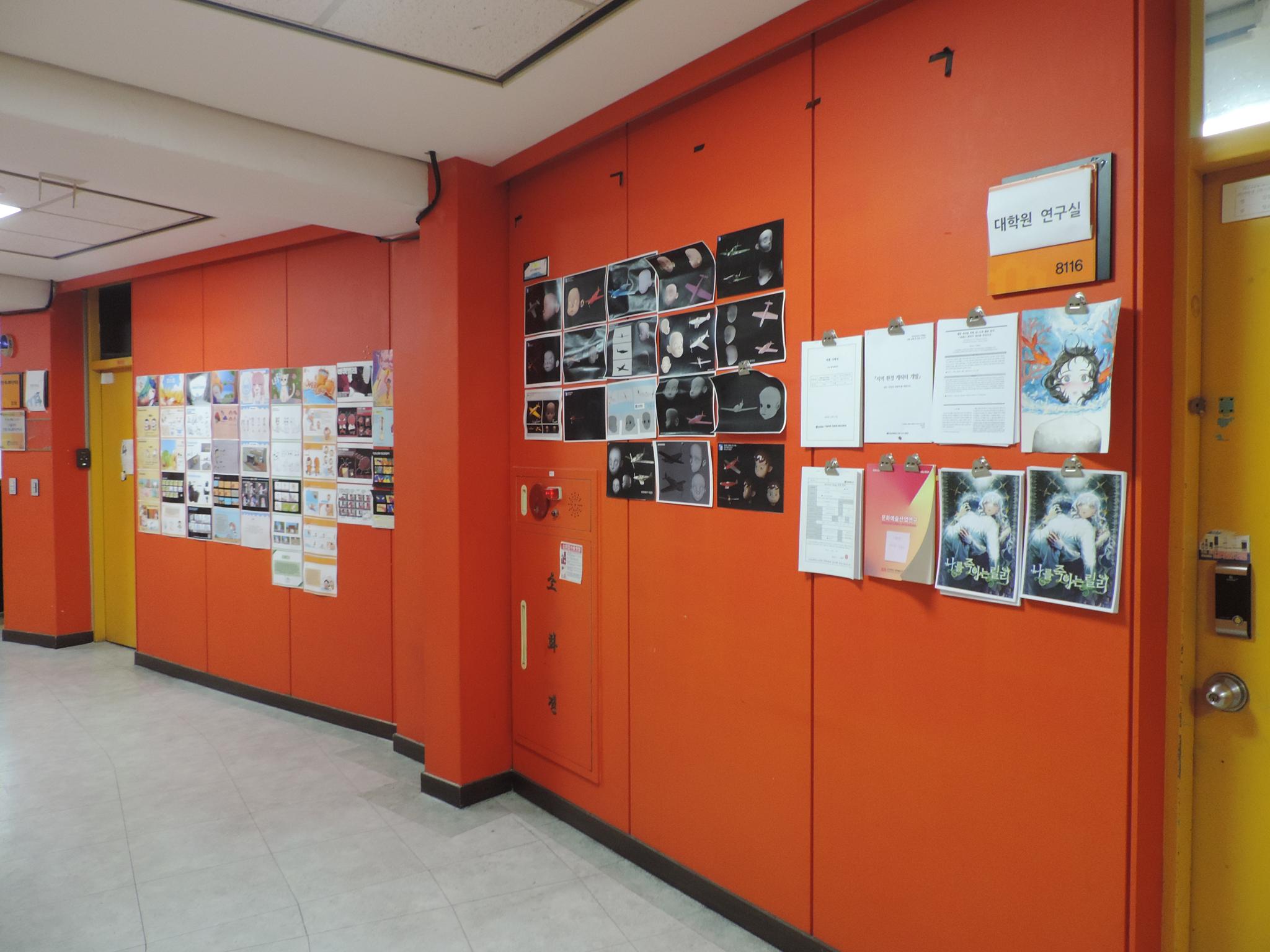
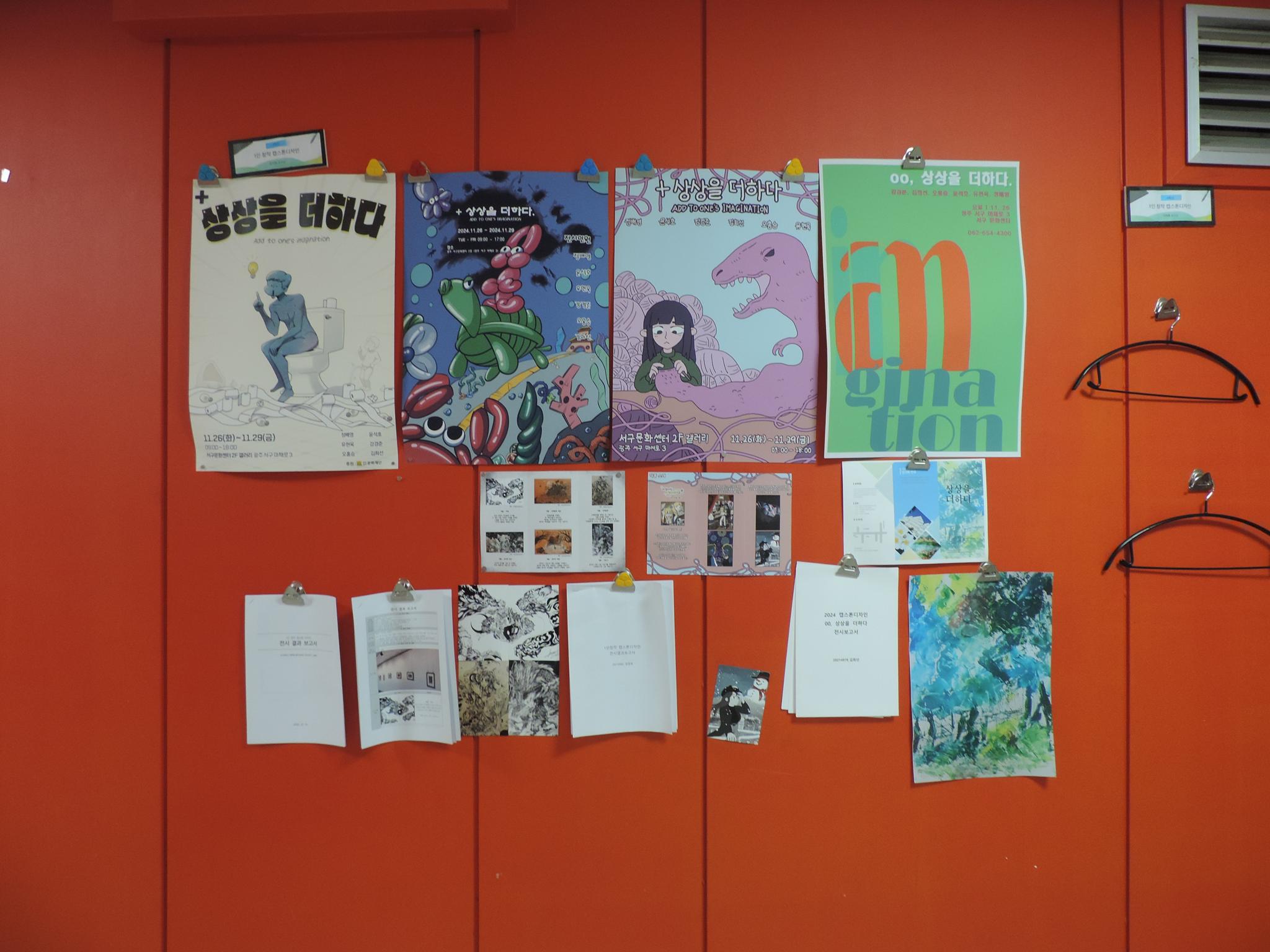
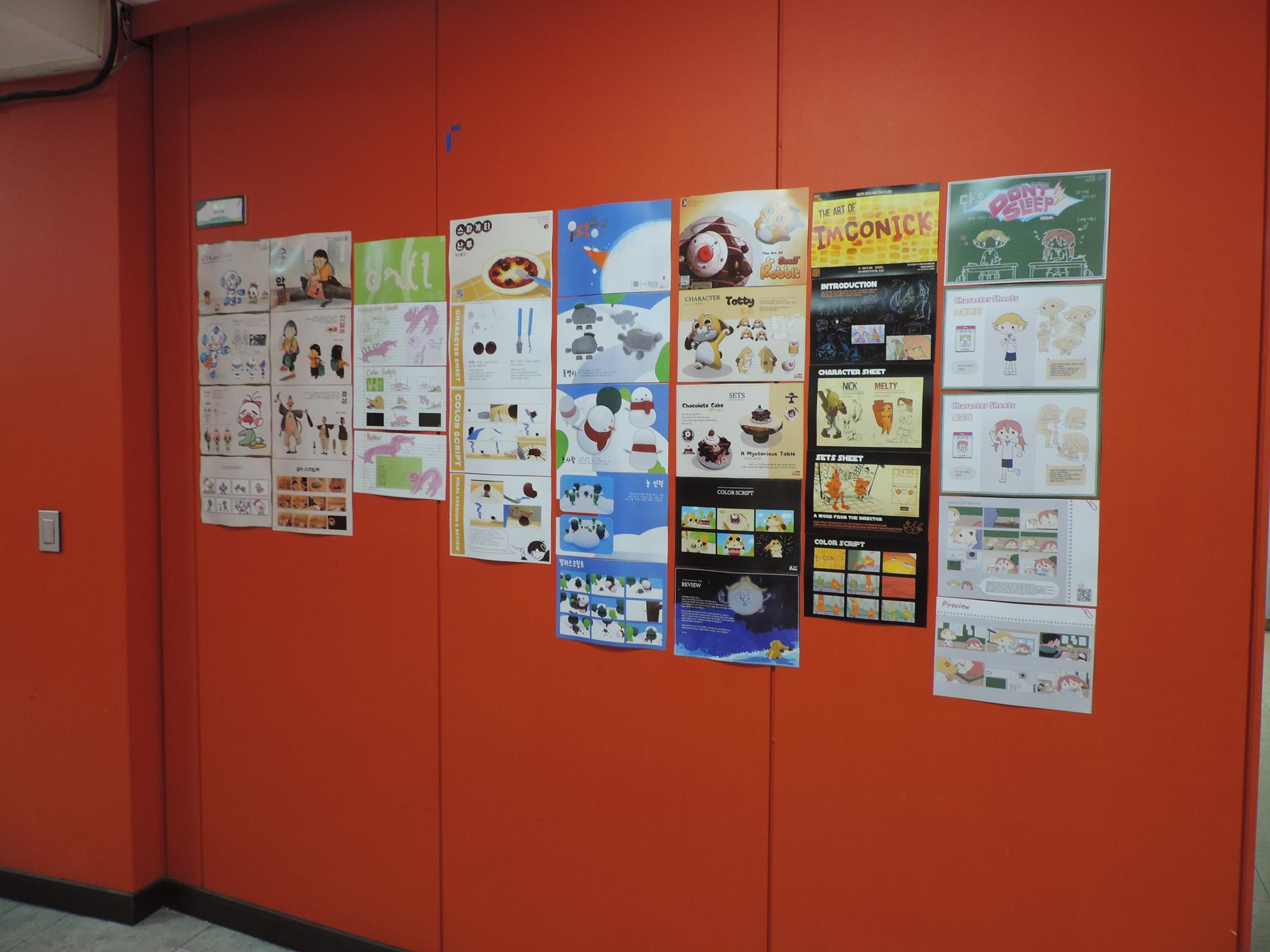
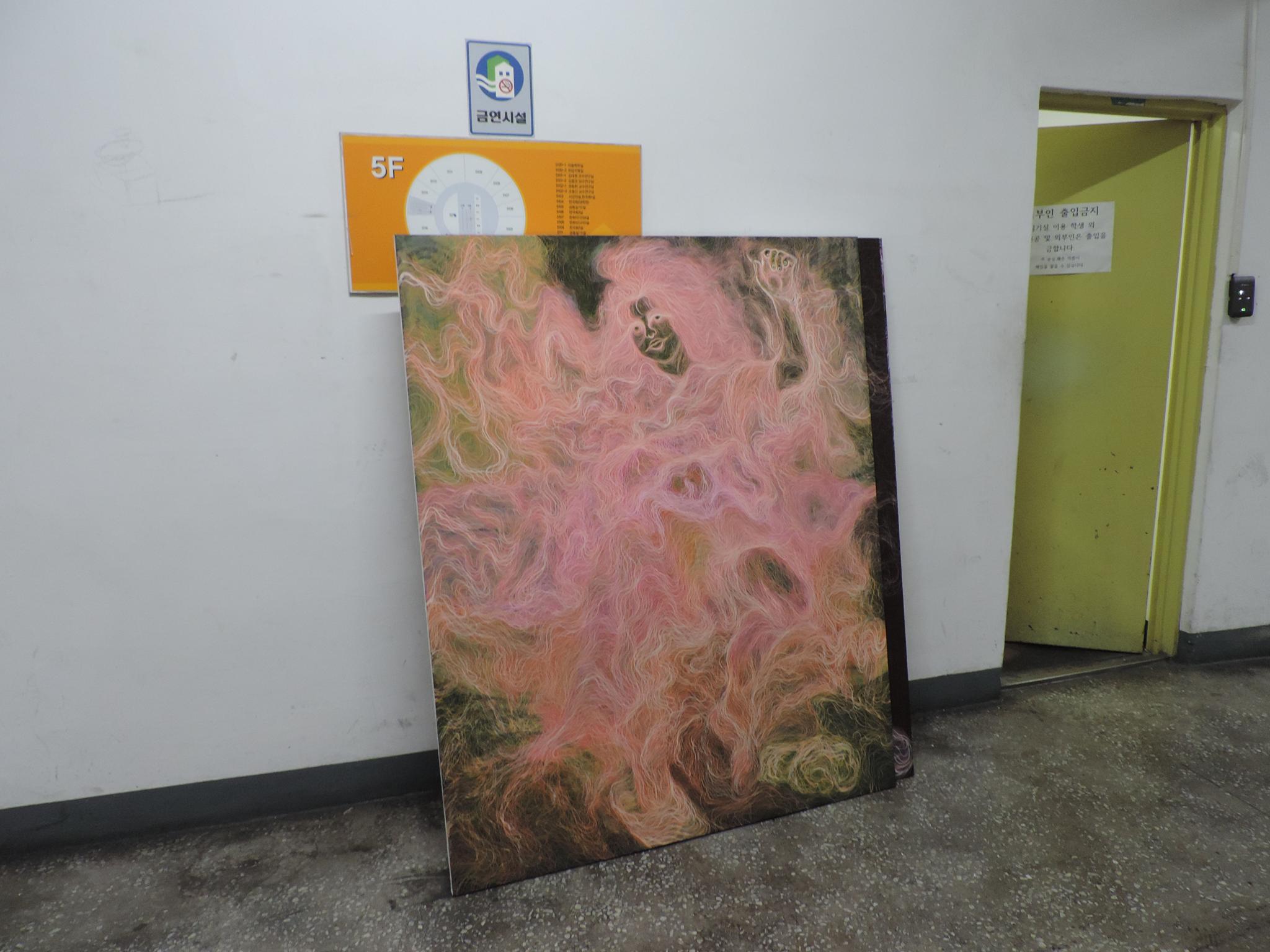
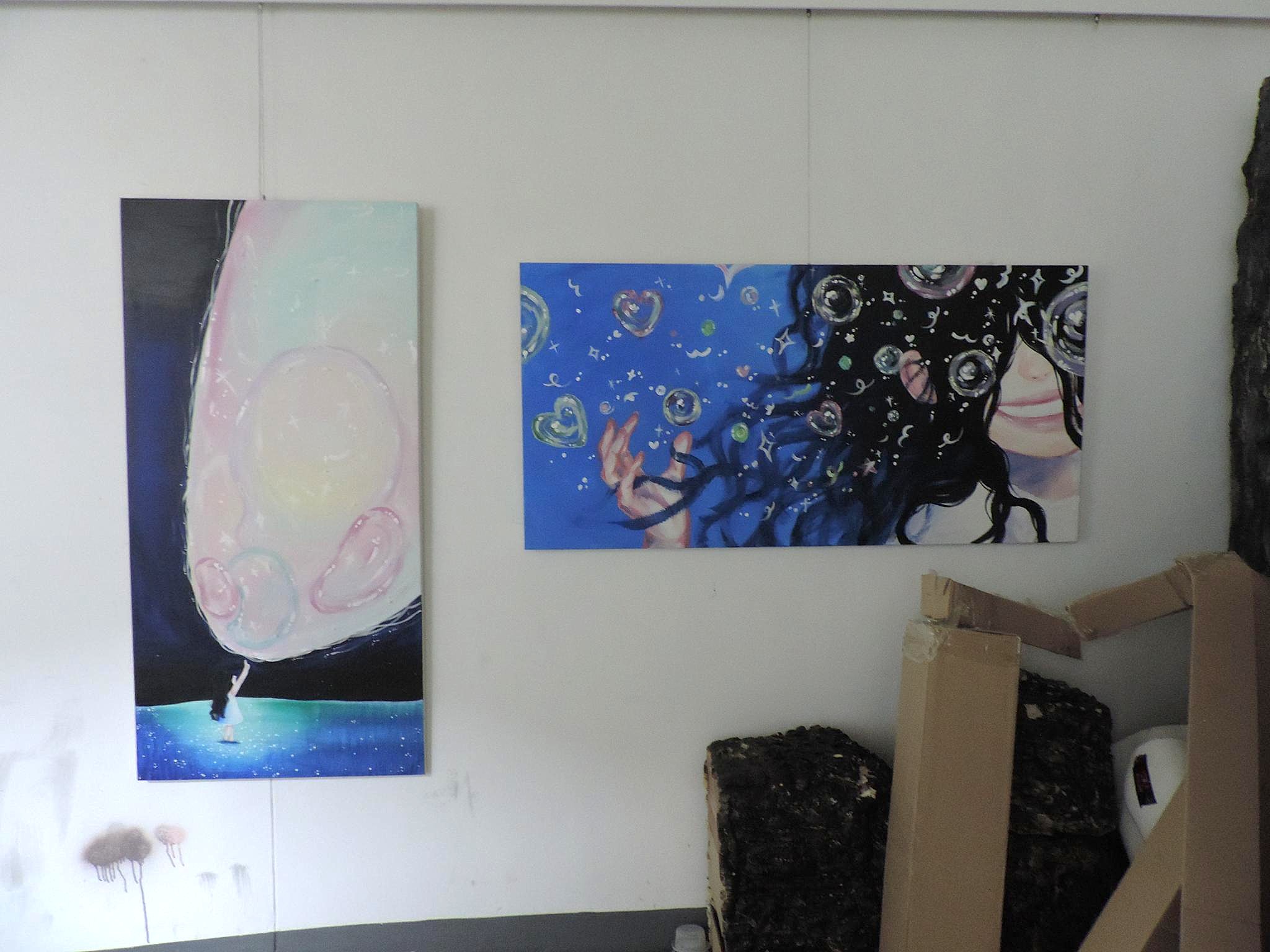
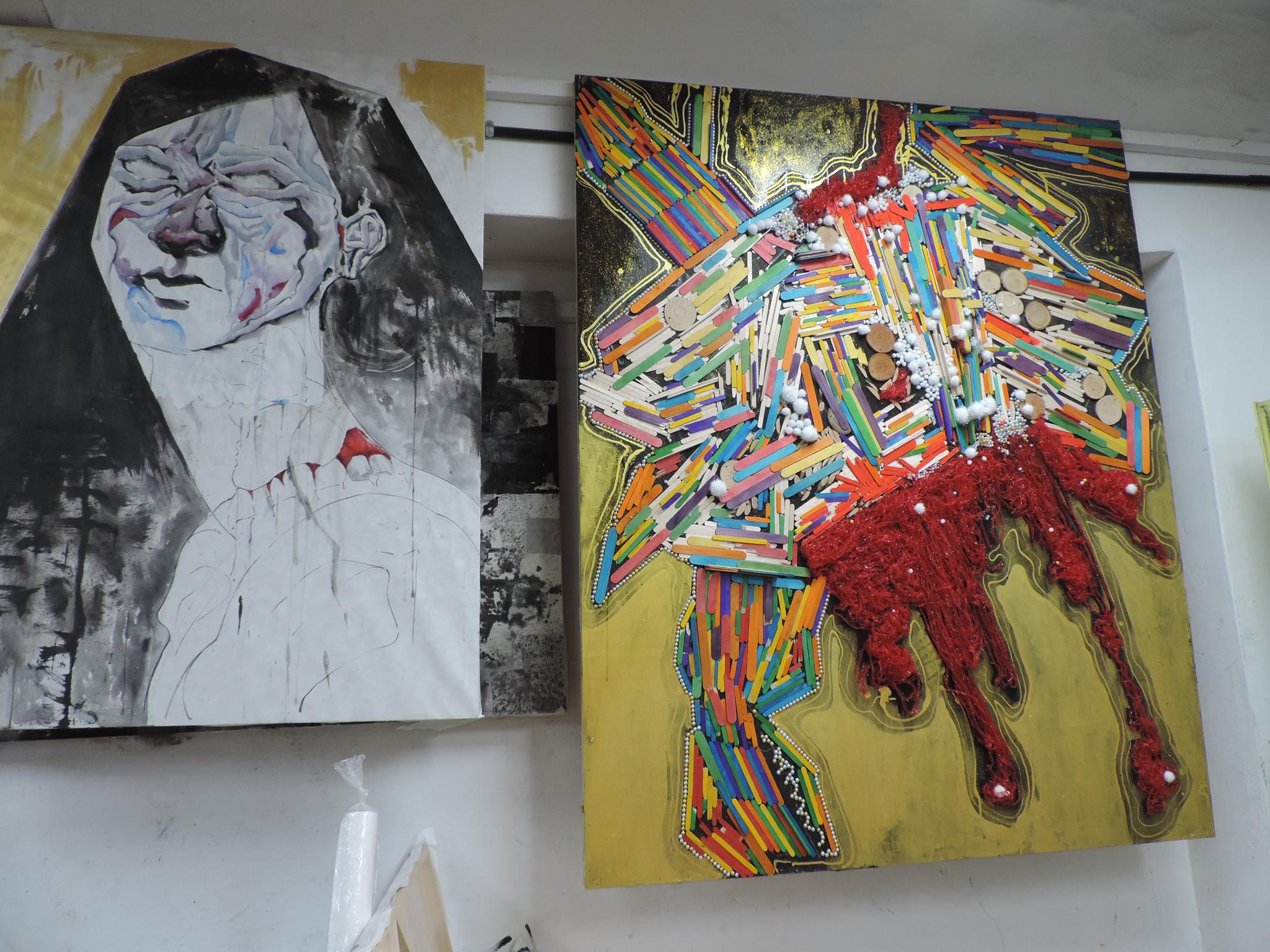
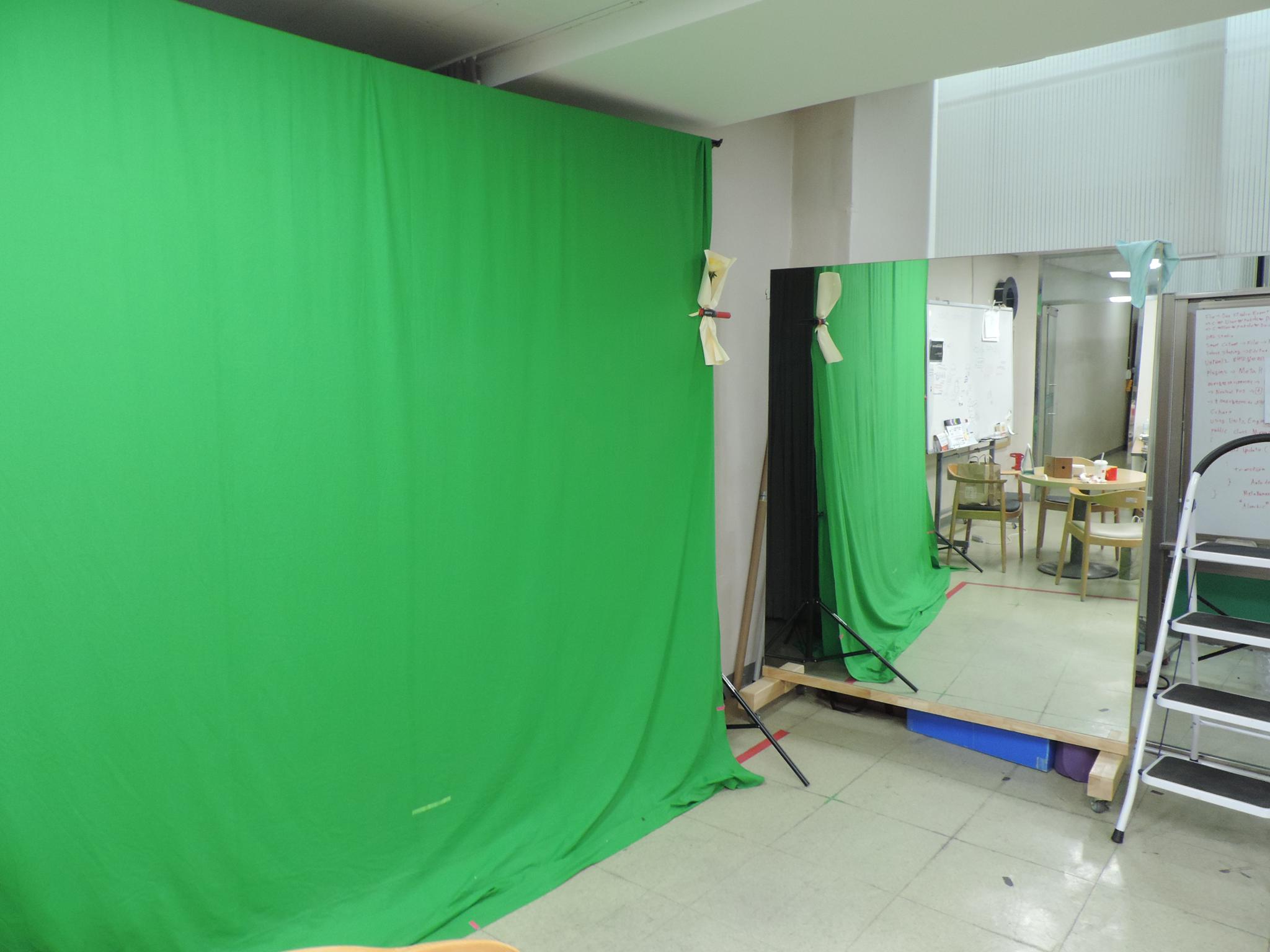
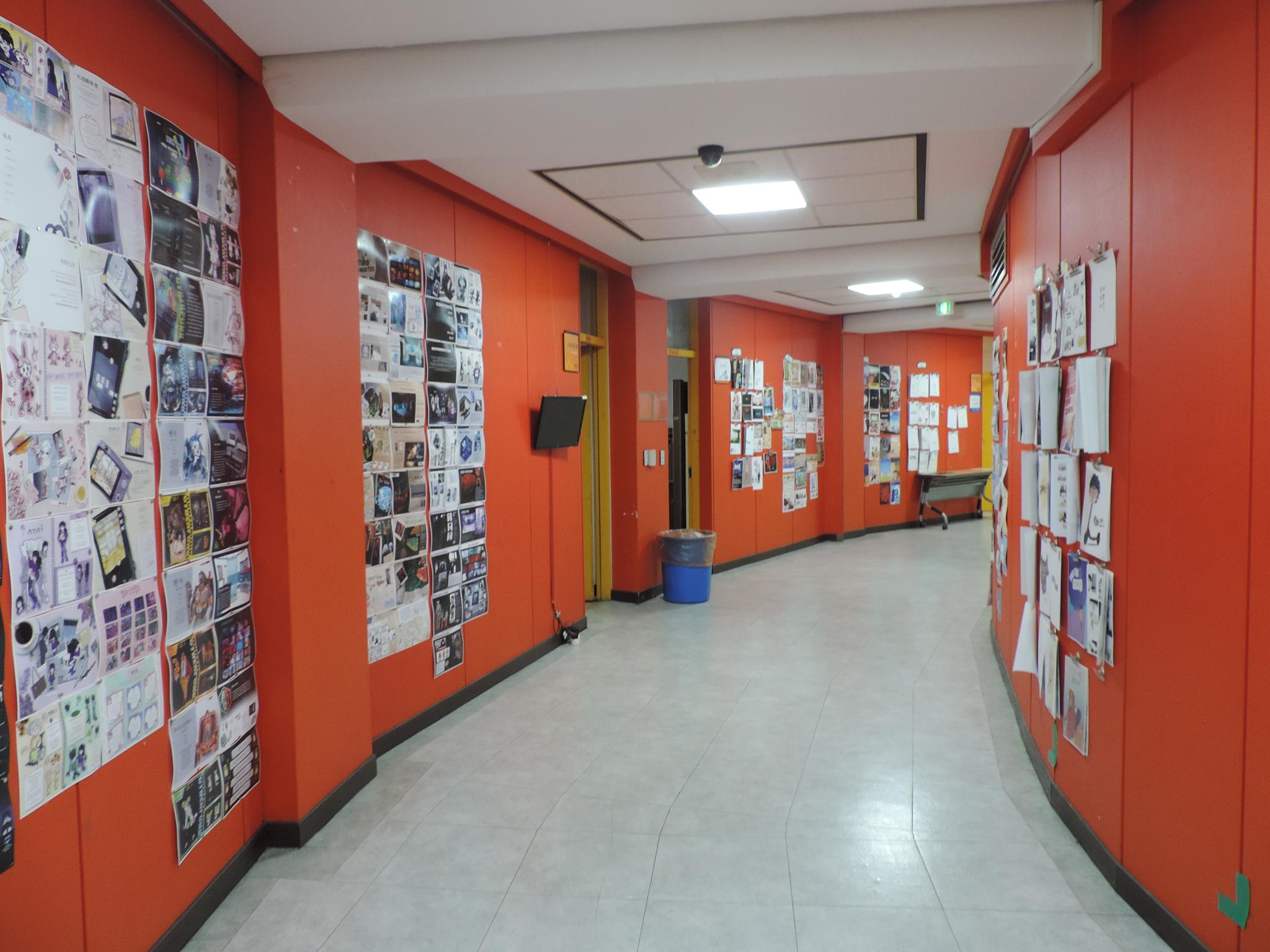
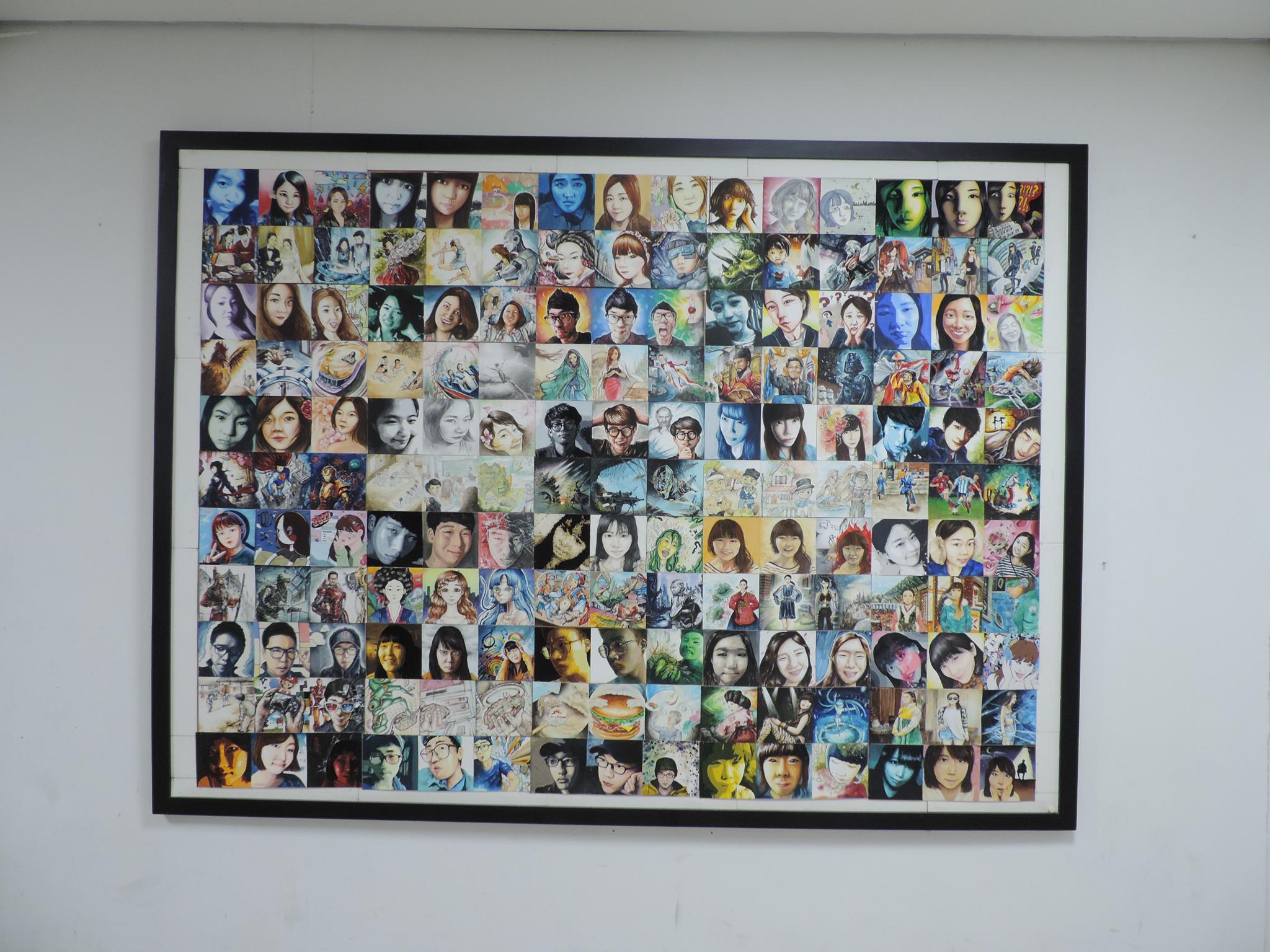
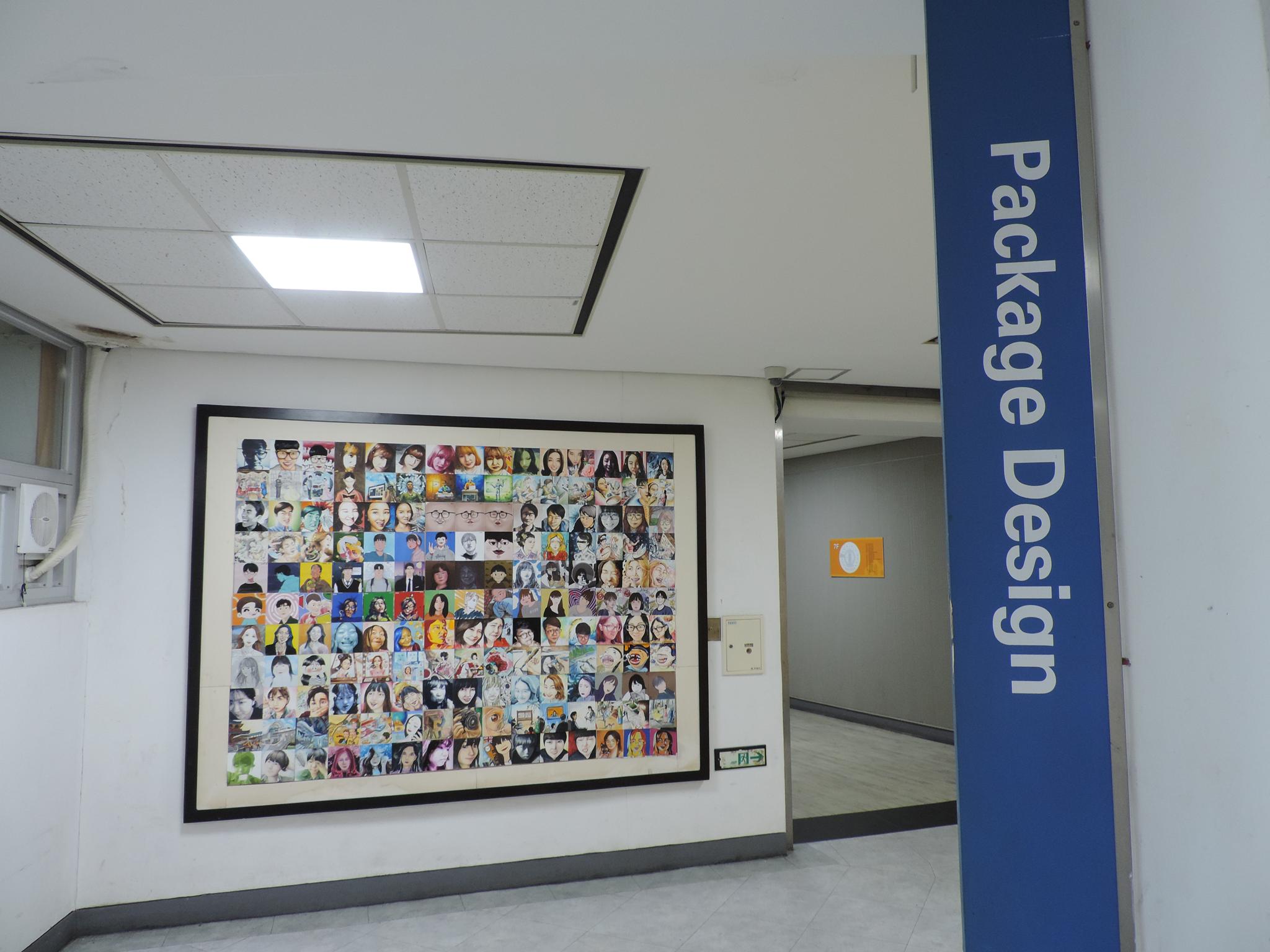
We visited the different themed levels and give you an insight into this interesting creative world, where different fantastic works are created on each floor. But it’s not just the rooms that are filled with great art, also the corridors and stairwells are too. We especially recommend the first floor, which has an exhibition space called Chosun University Museum of Art, or CUMA for short, where they organize changing presentations of the students‘ work.
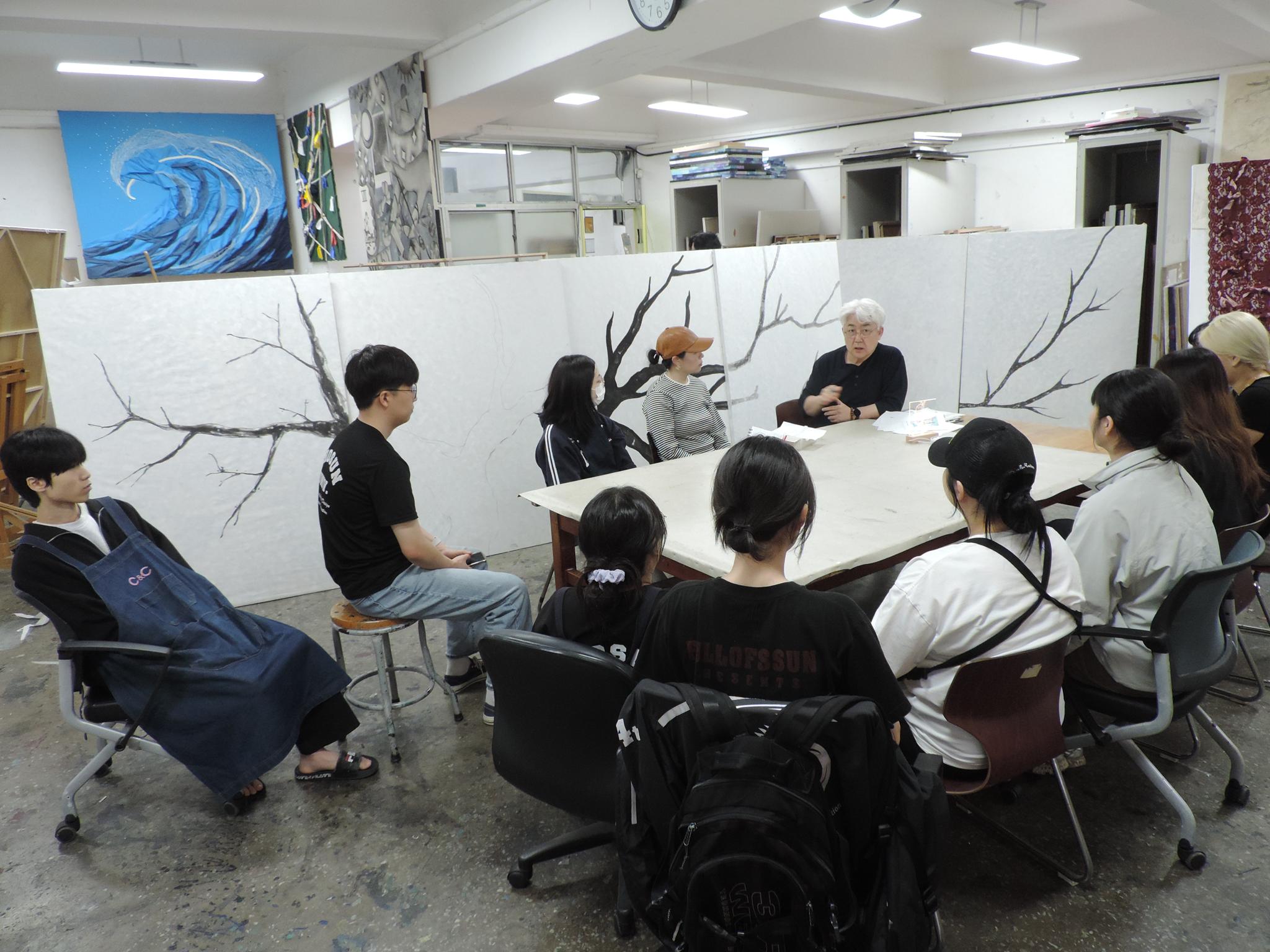
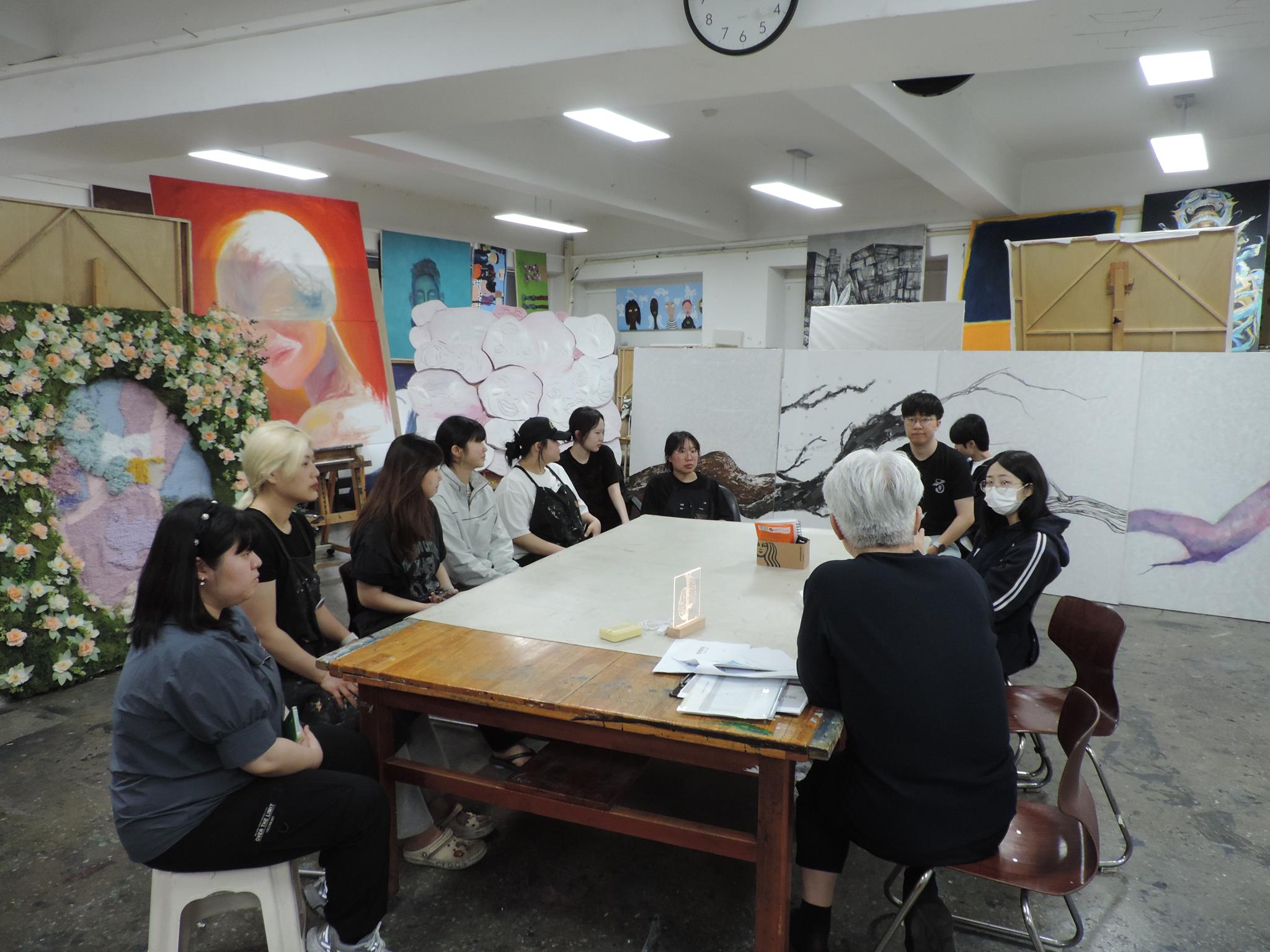
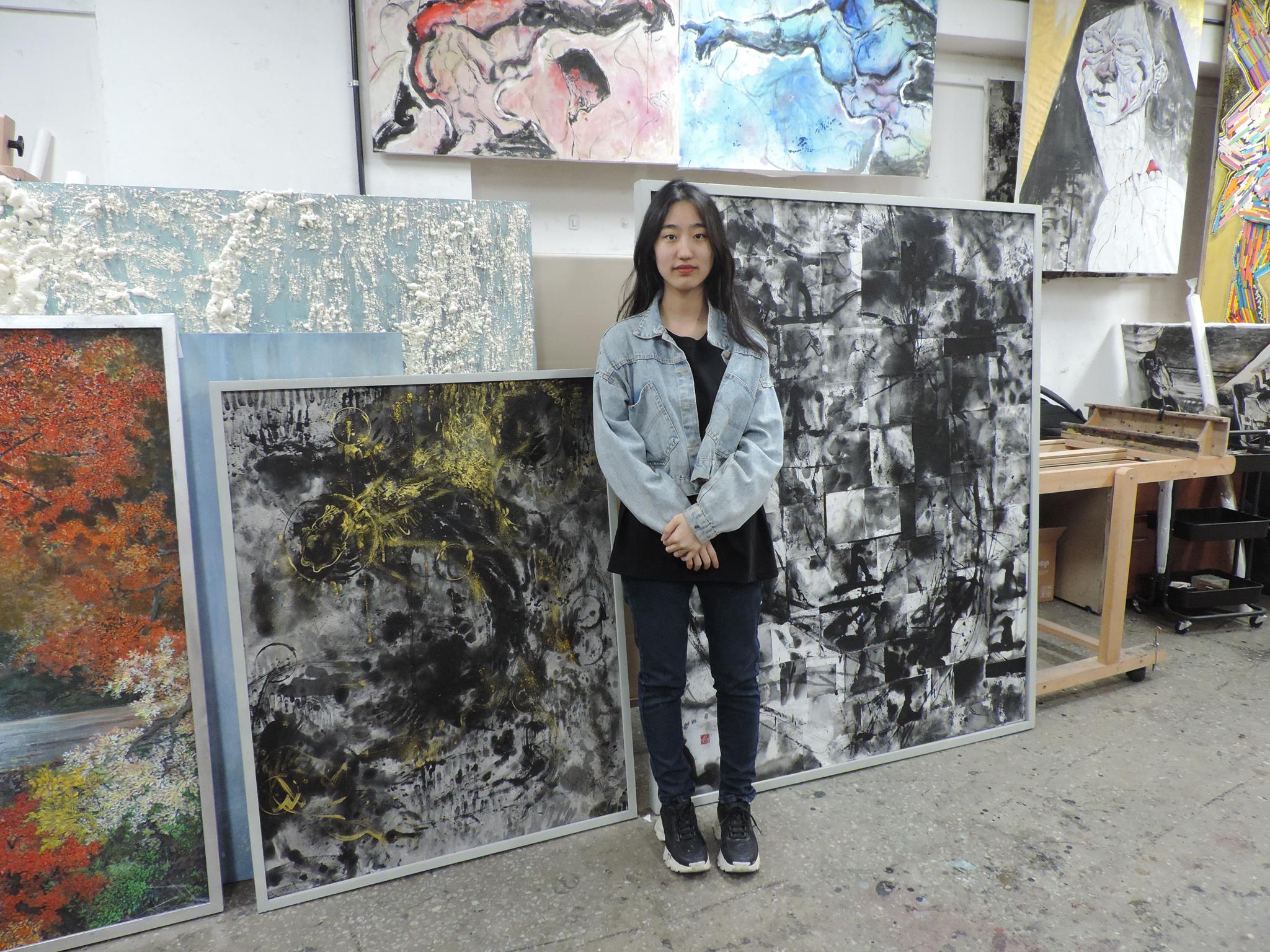
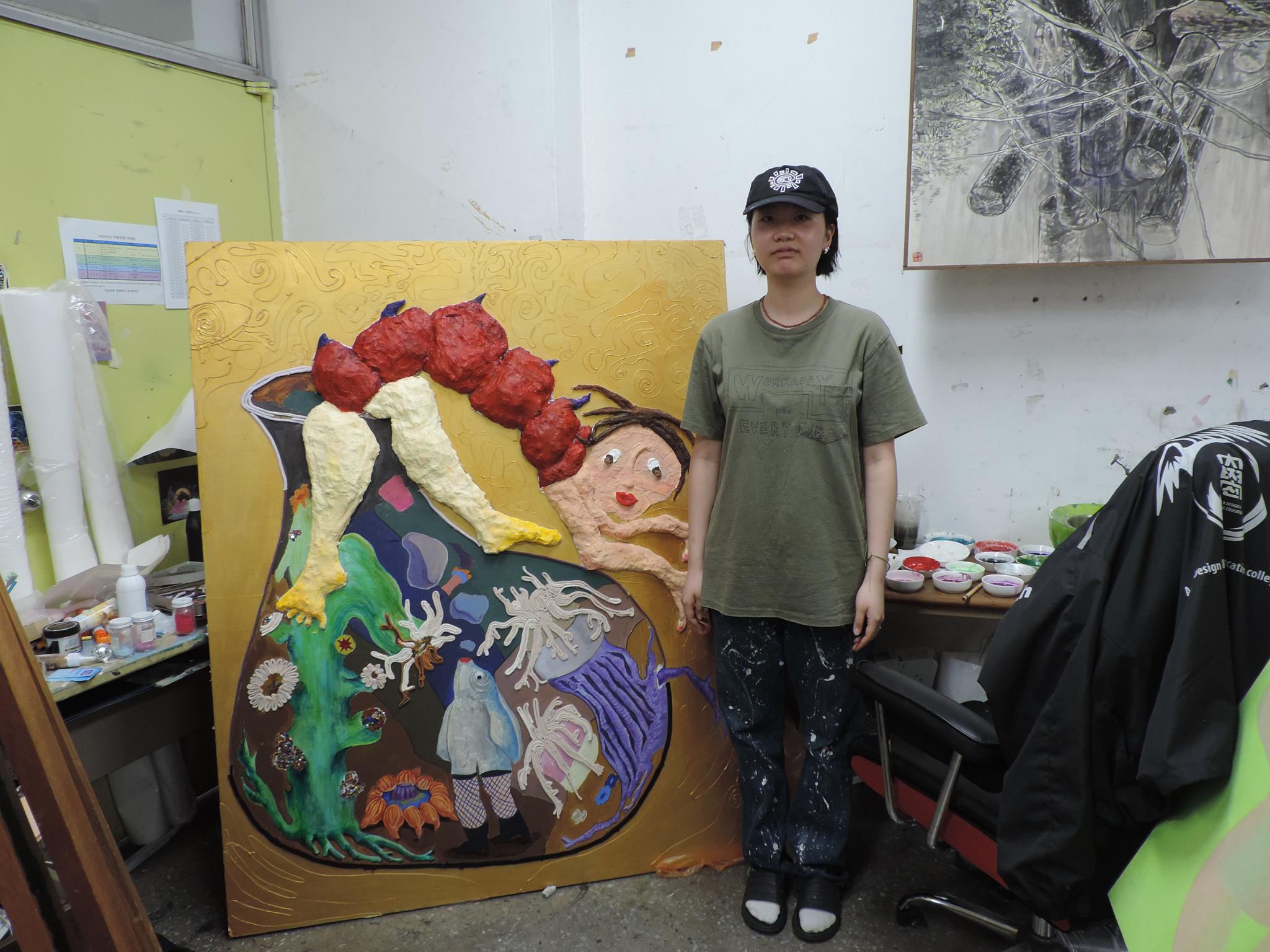
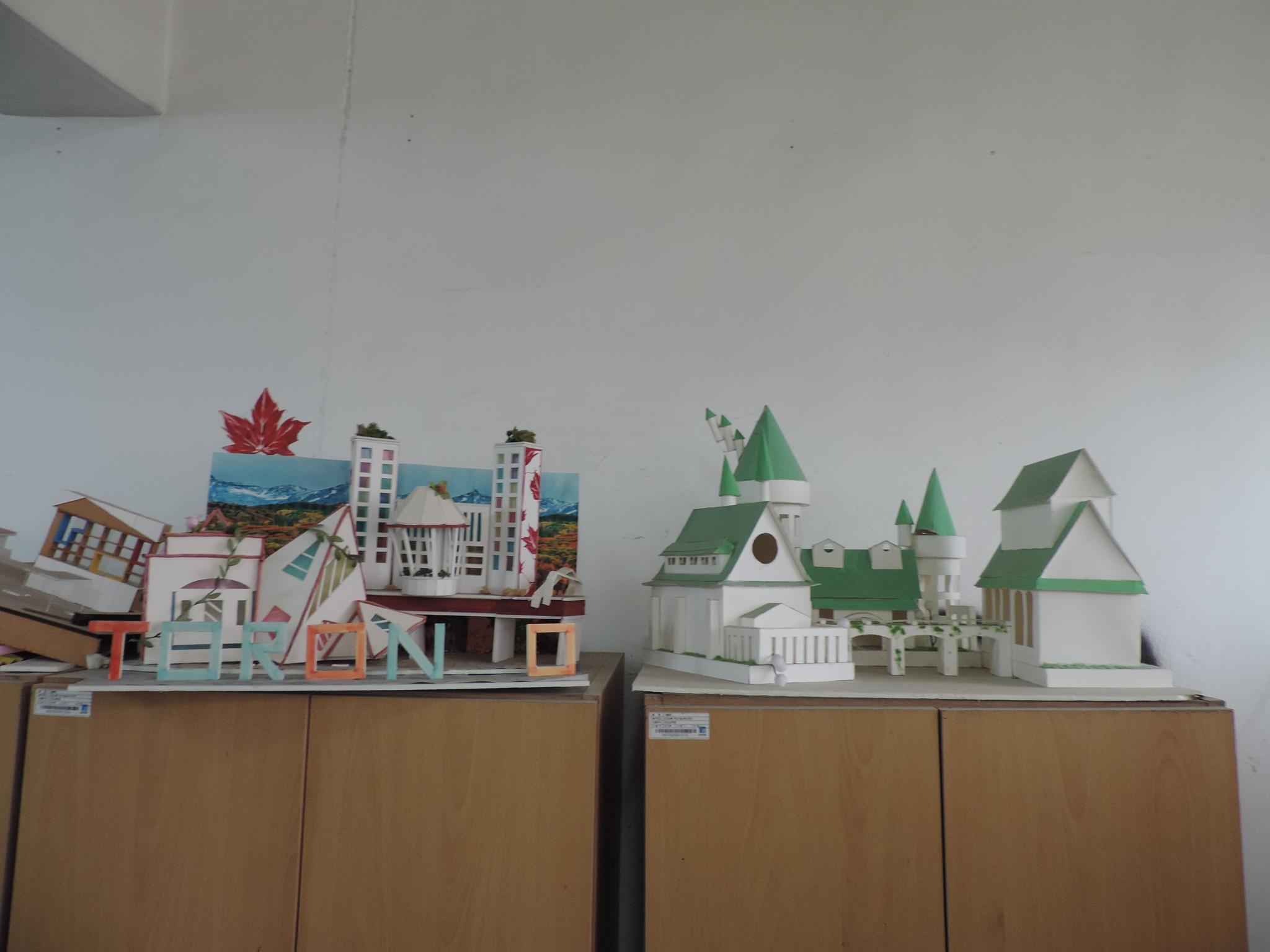
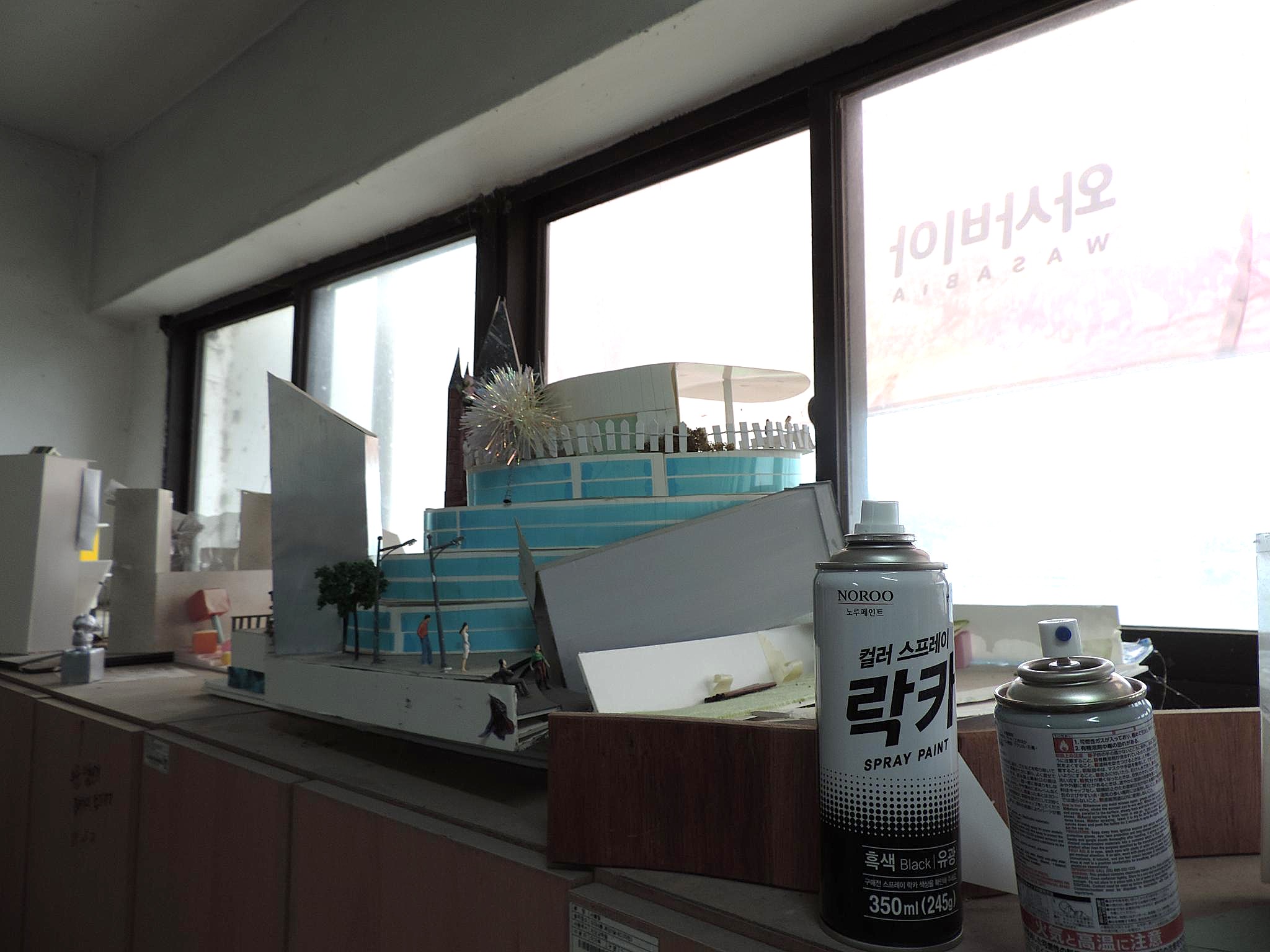
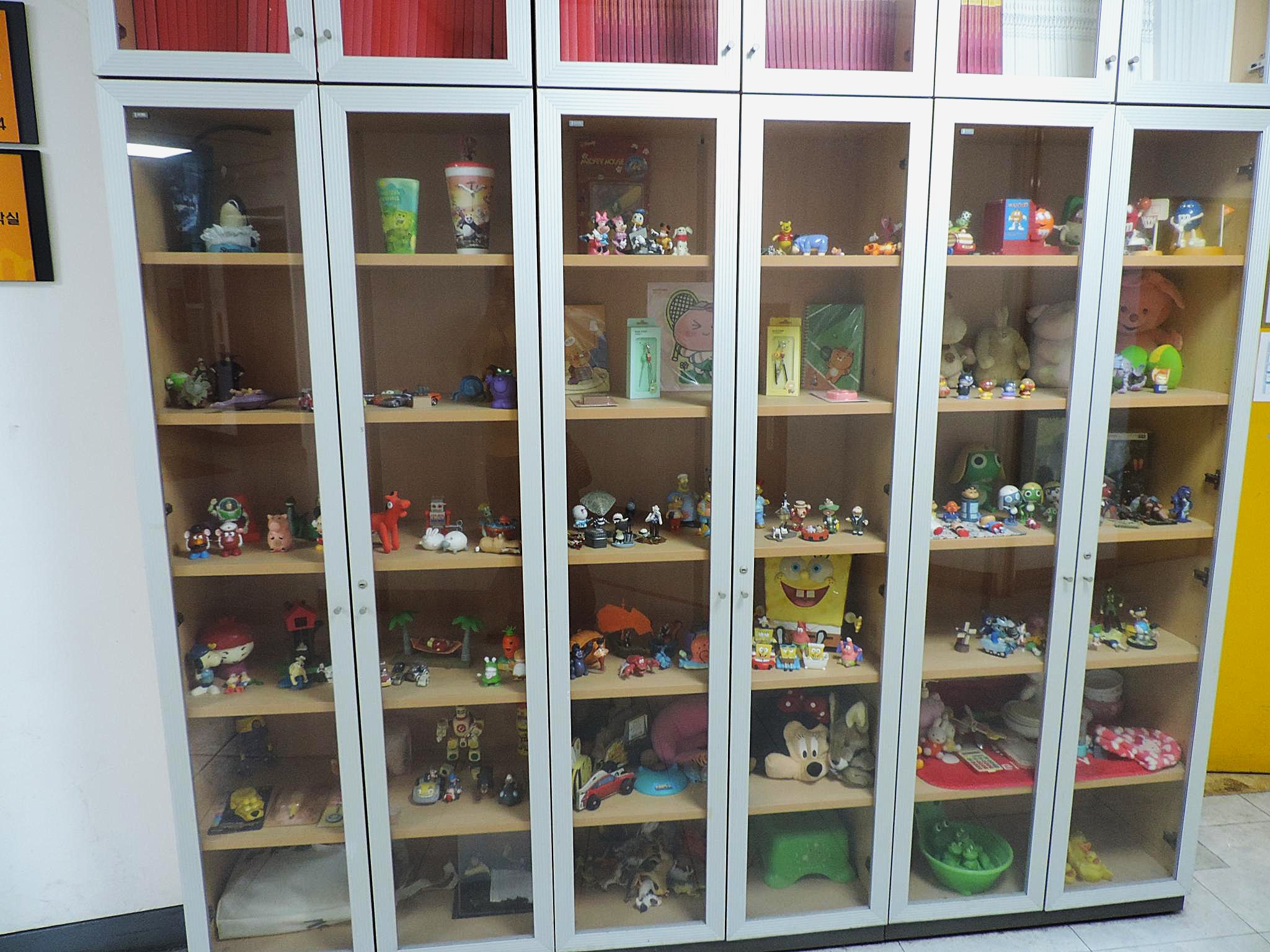
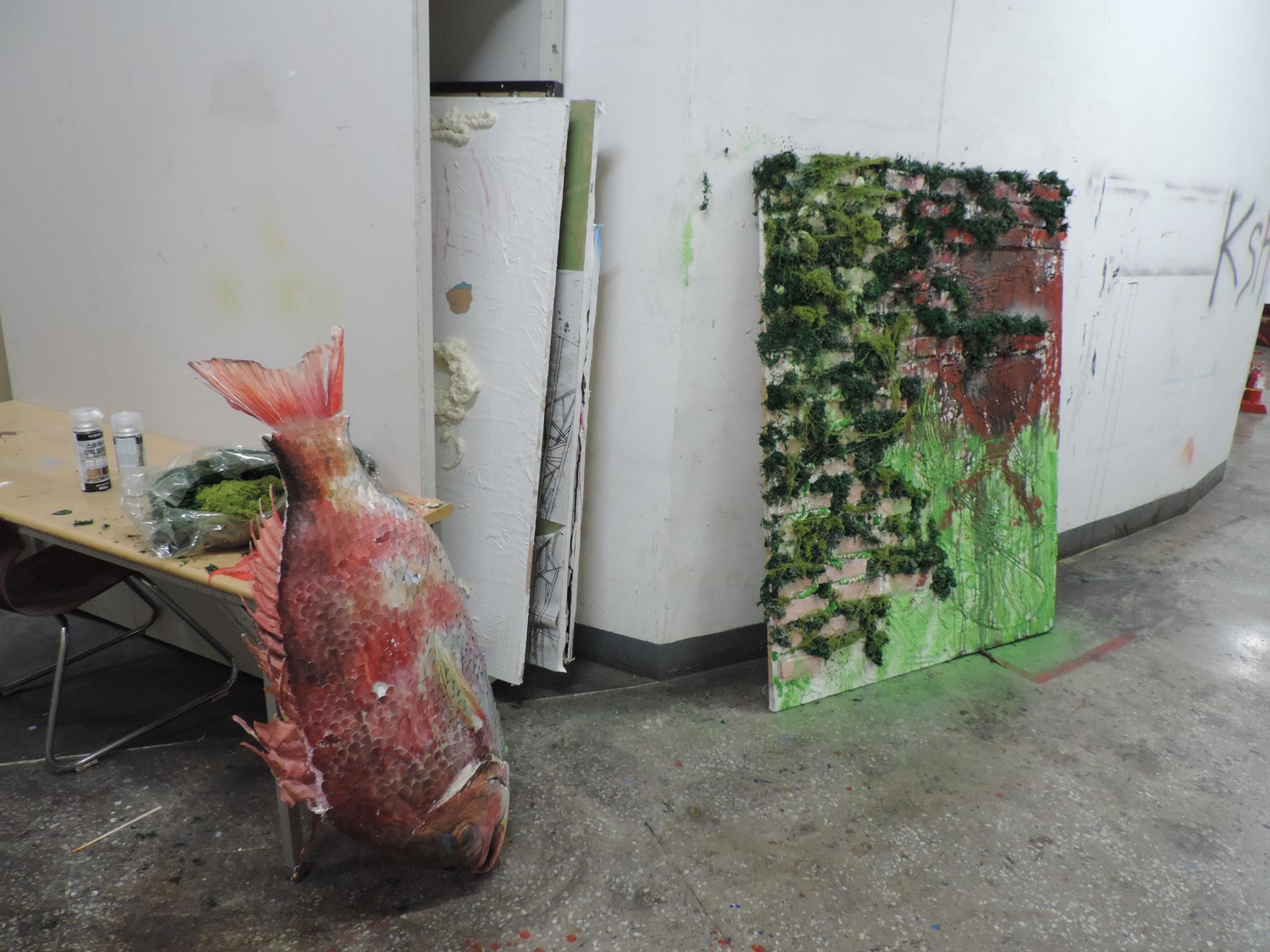
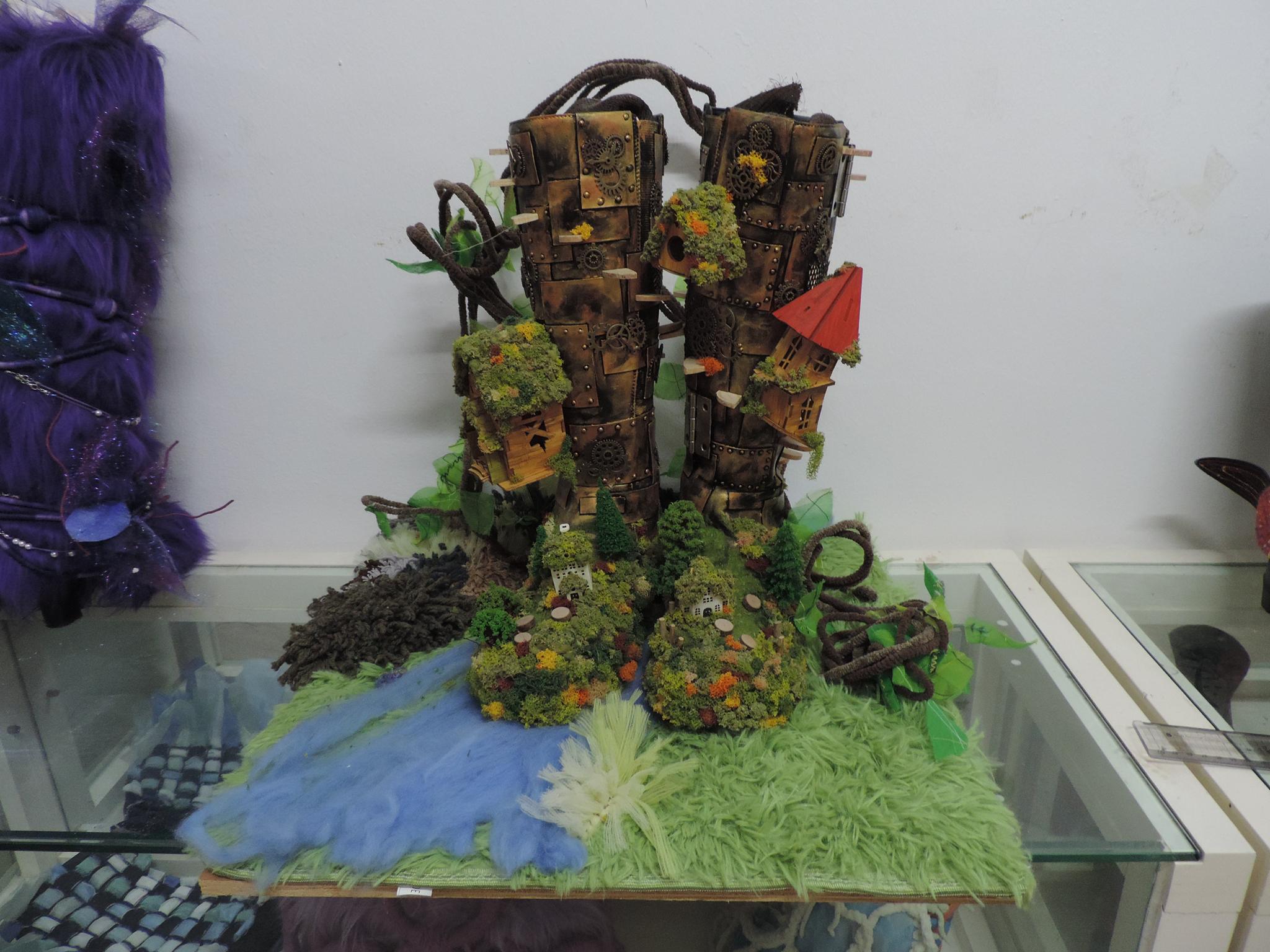
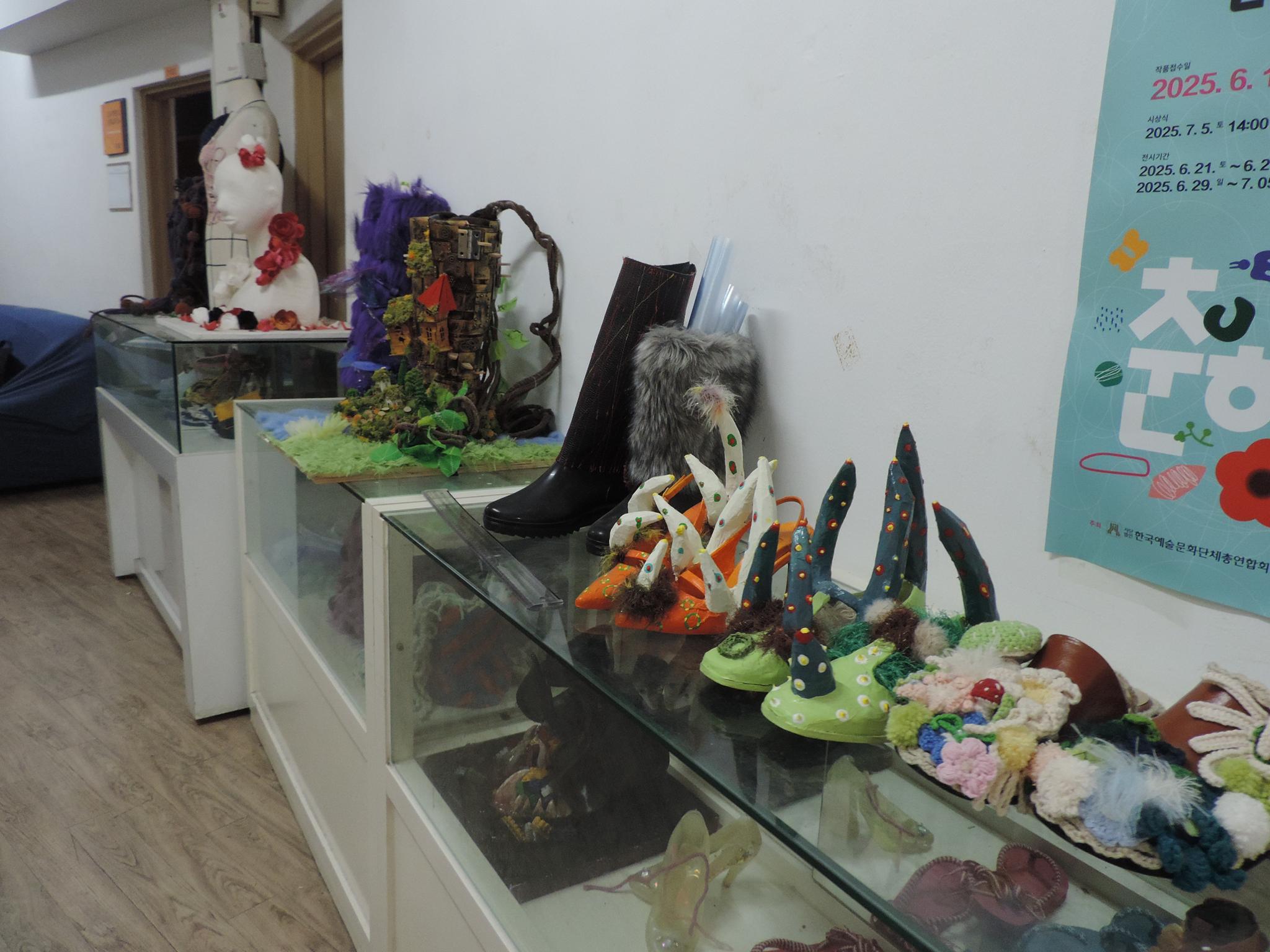
We spoke with professors from the college in two interviews. First with SEONG-MIN YUN, who teaches Korean painting and gave us more information about the university and art venues in the city. We were also allowed to visit one of his classes and could admire the fantastic works of his students. The second interview was with RYU BEOMEOL, a professor of animation and comics. Below is the audio to listen to and the transcribed conversation to read. In between, there are lots of photos of the college and the countless works of art.
At the moment we are sitting in Gwangju in the Chosun University, especially in the College of Art and Design, which is just a wonderful creative space. It’s a round architectural building with nine floors. And on each floor you have different subjects. It goes from painting to architecture to fashion to comic and animation. There’s a lot of creativity around and here are the Korean artists of tomorrow. Now I’m going to talk to the professor SEONG-MIN YUN who will tell me a bit more about the college. First tell us some words about the college. So what kind of subjects do you teach here at the college?
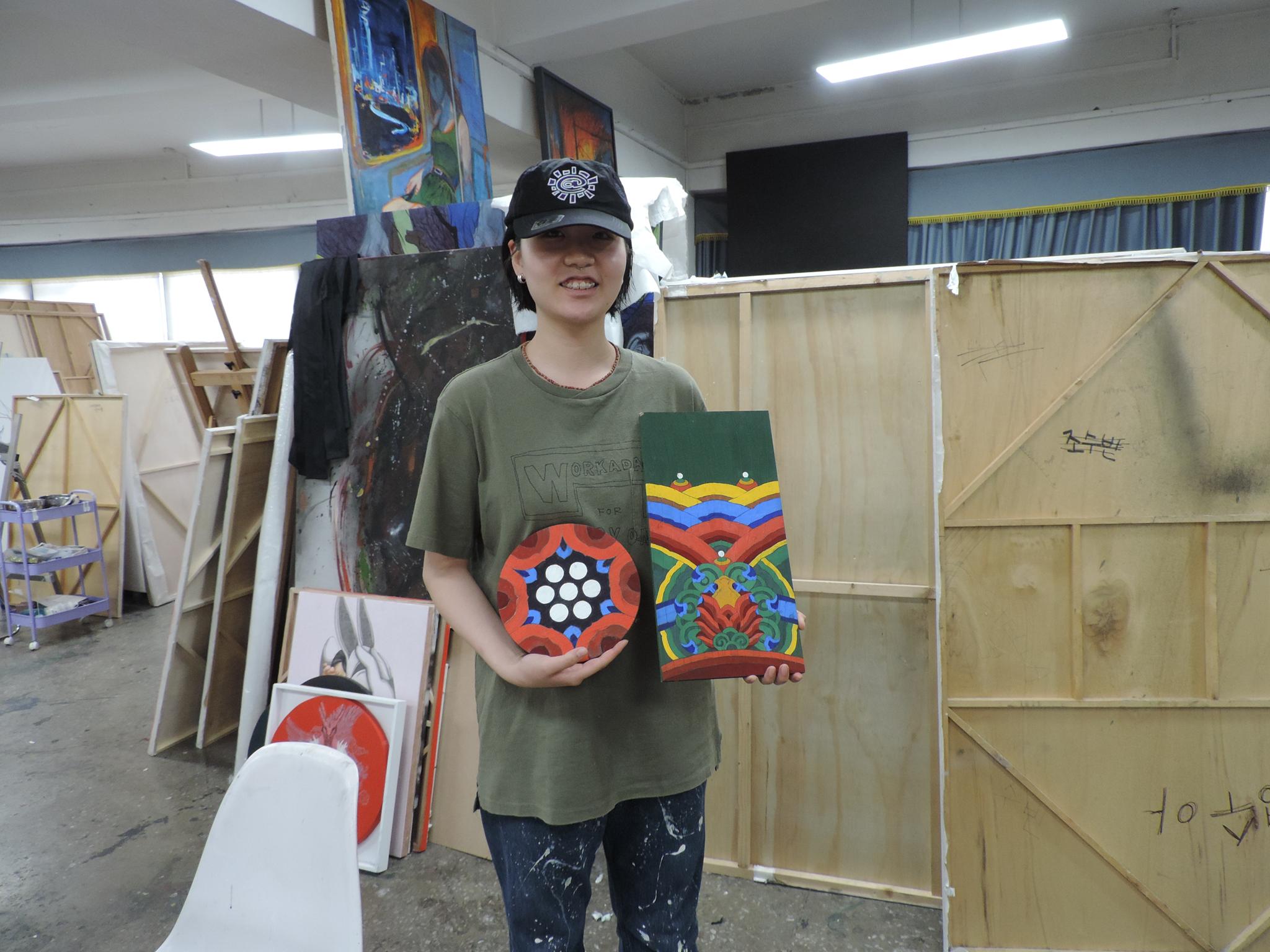
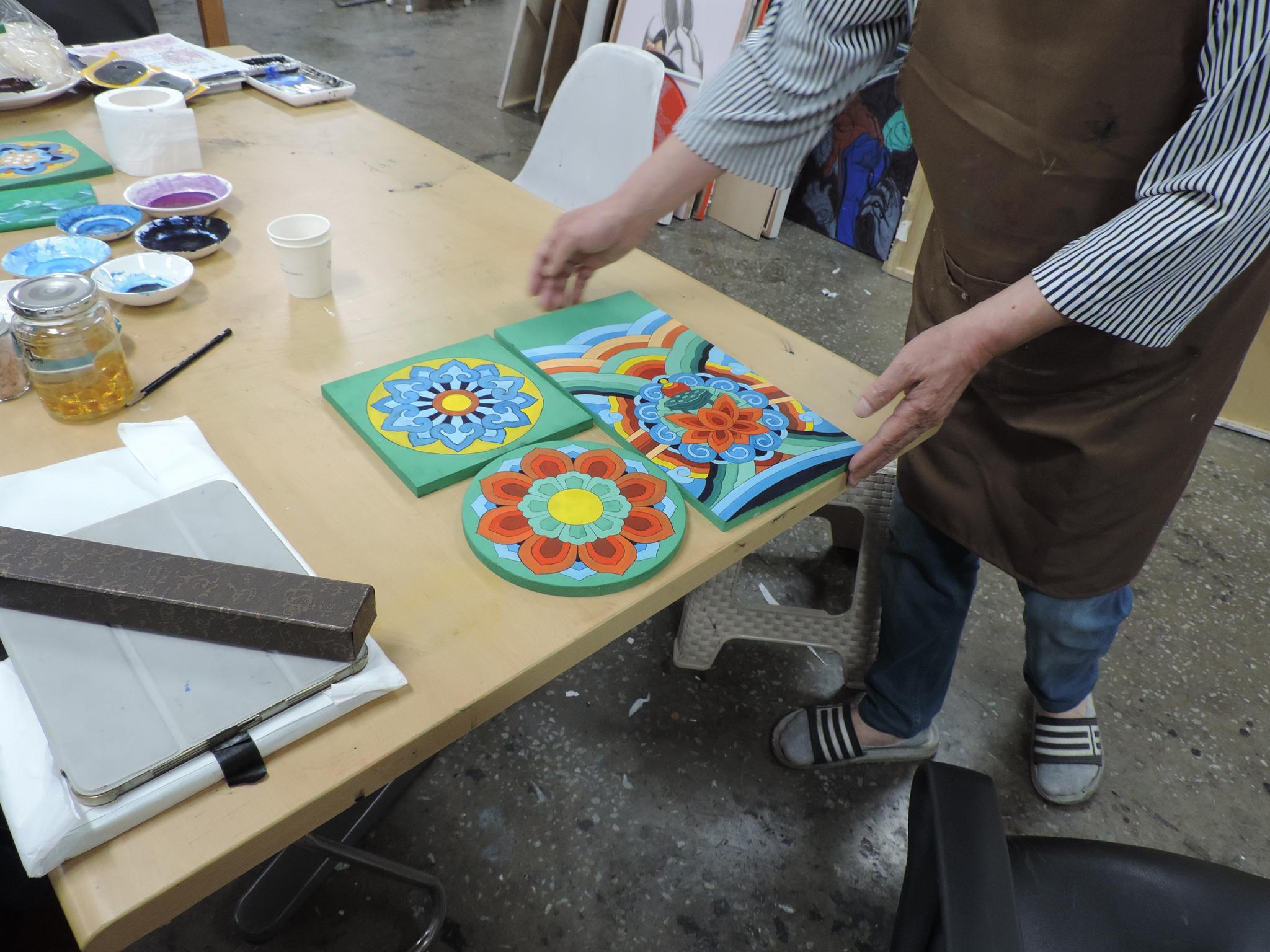
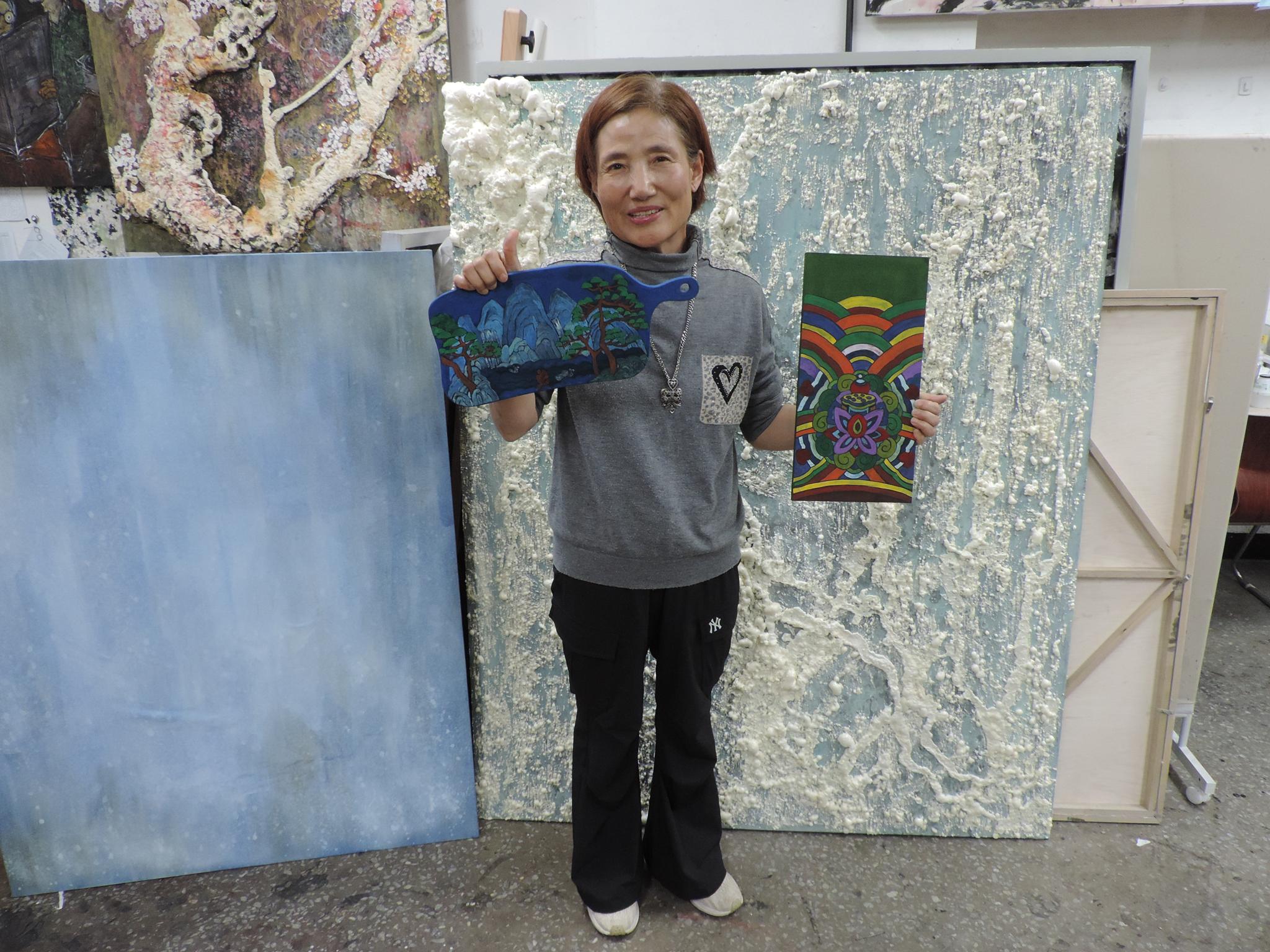
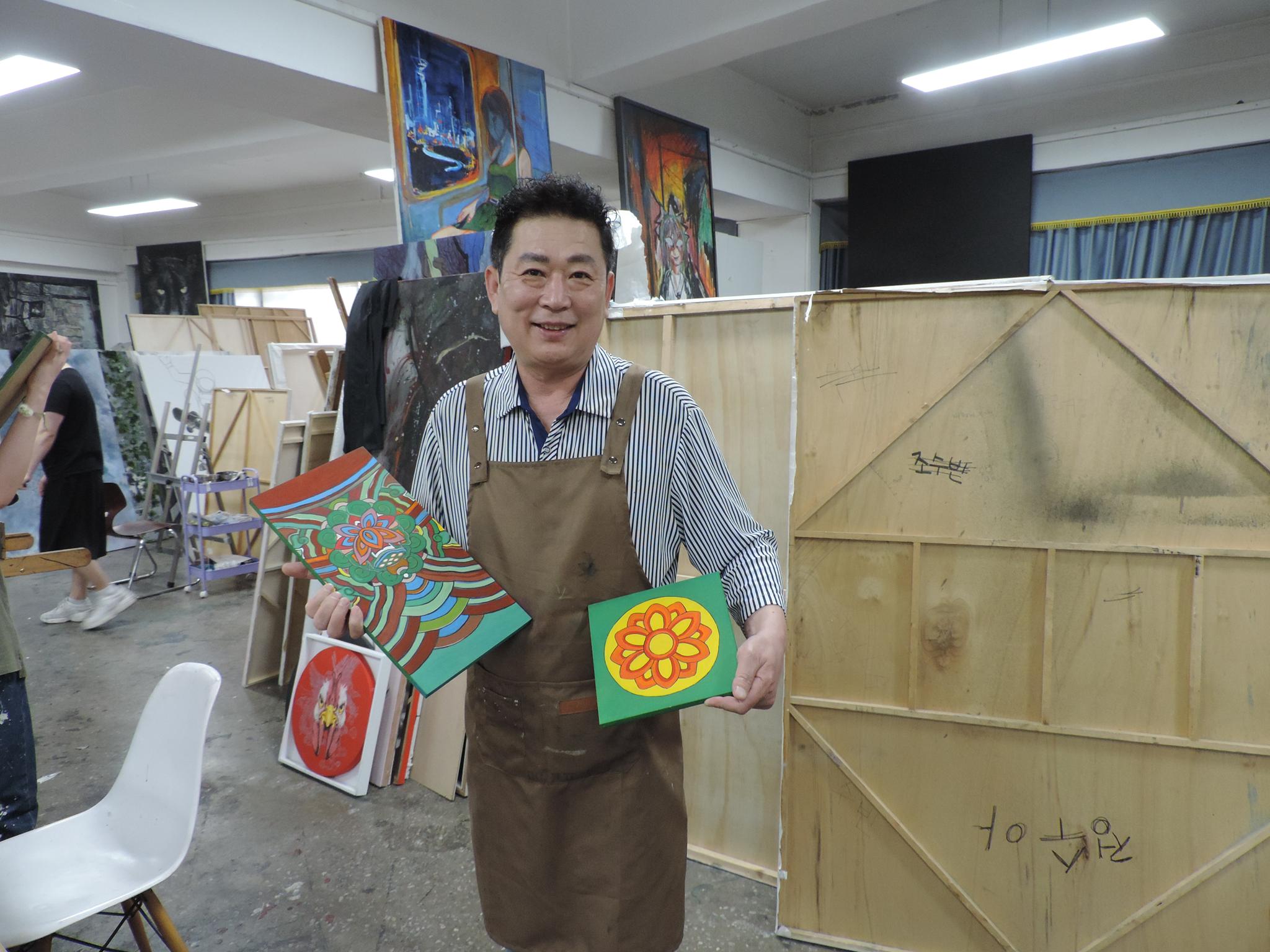
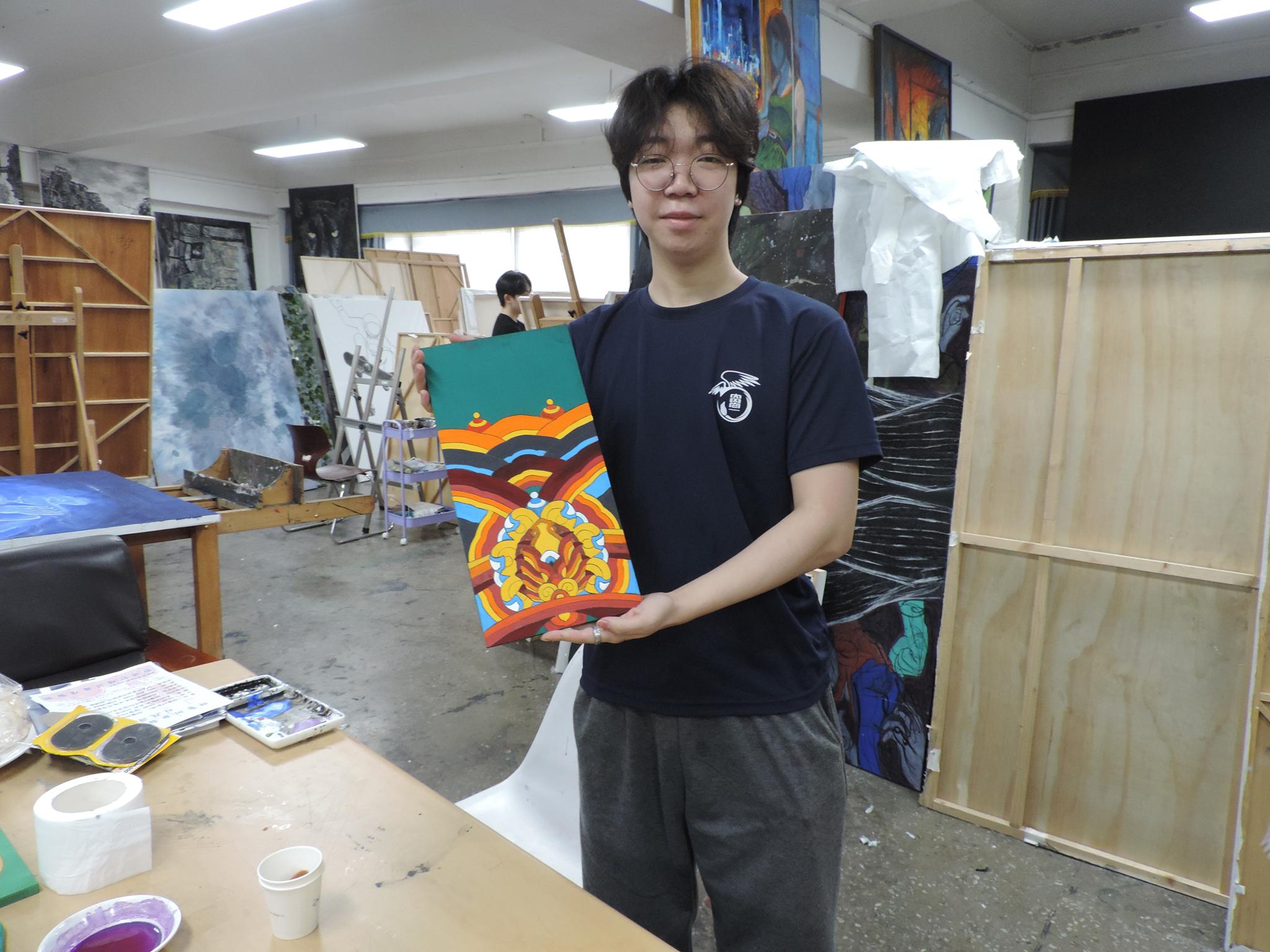
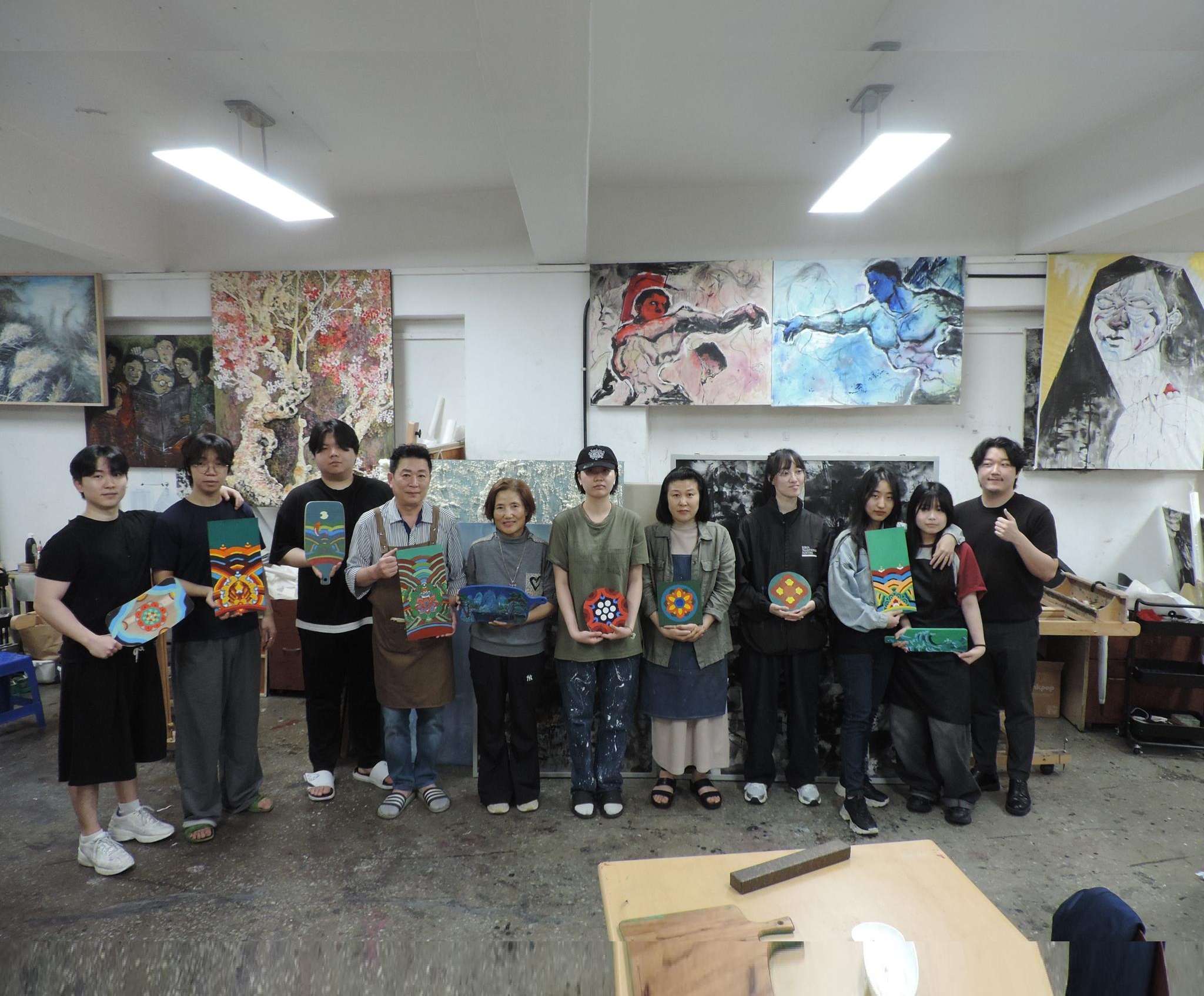
I’m teaching Korean Painting. Do you know Dancheong? In Korean old architecture you can see paintings on the buildings. I will show you some. This is called Dancheong. It’s very traditional in this country. In Korea, we have this Cultural Arts Educator Certificate. Our students have five classes and they can get this.
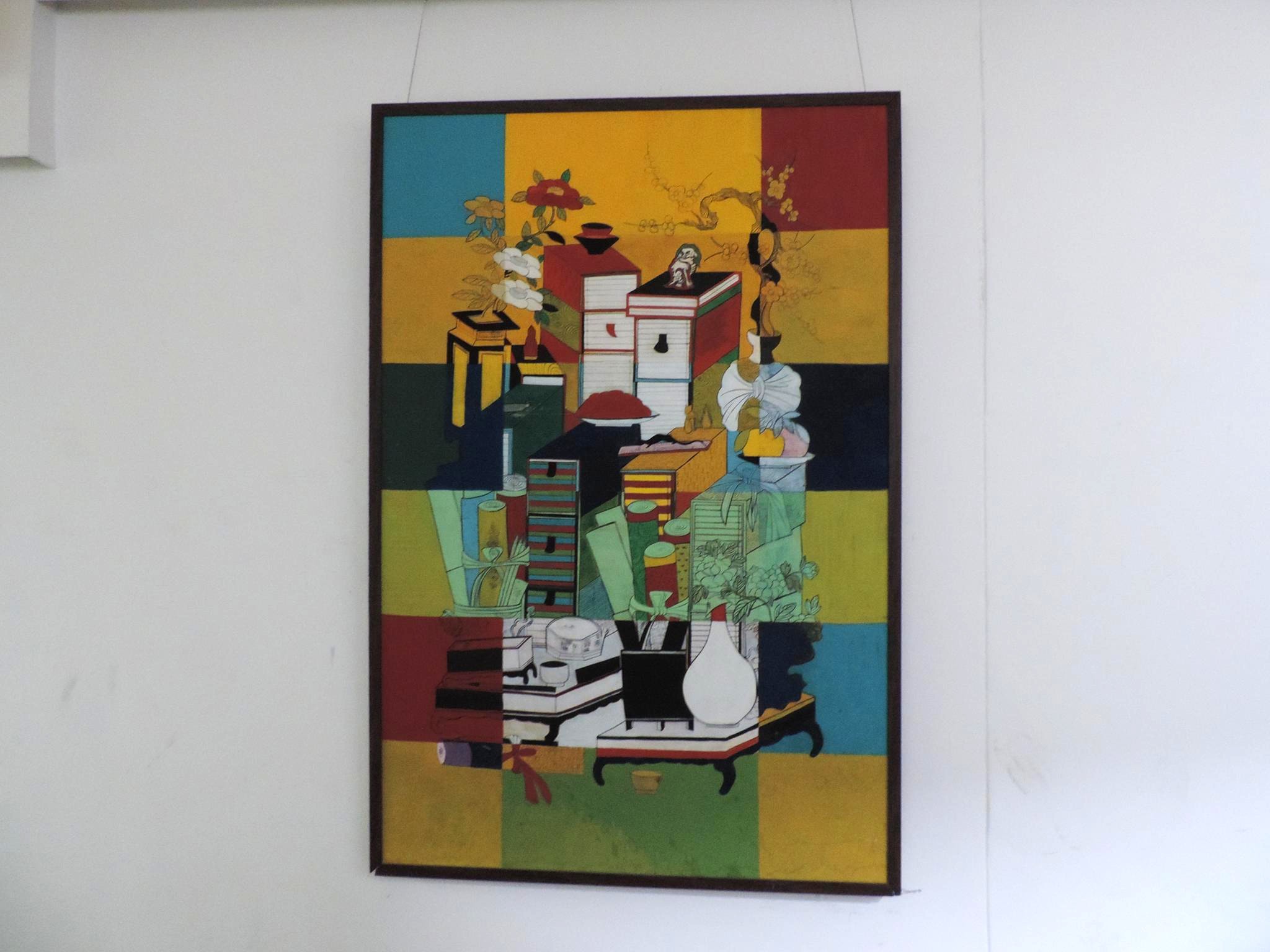
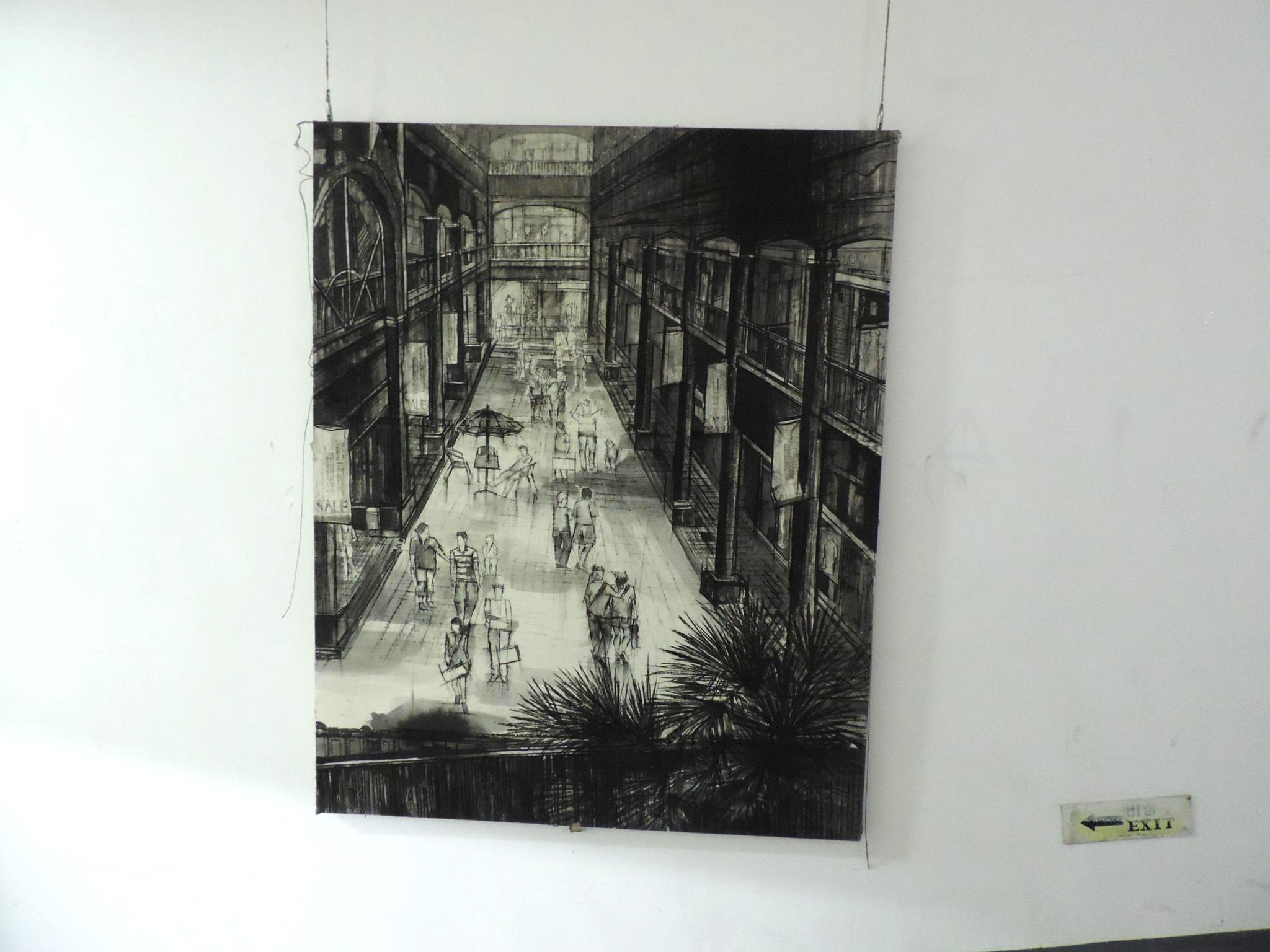
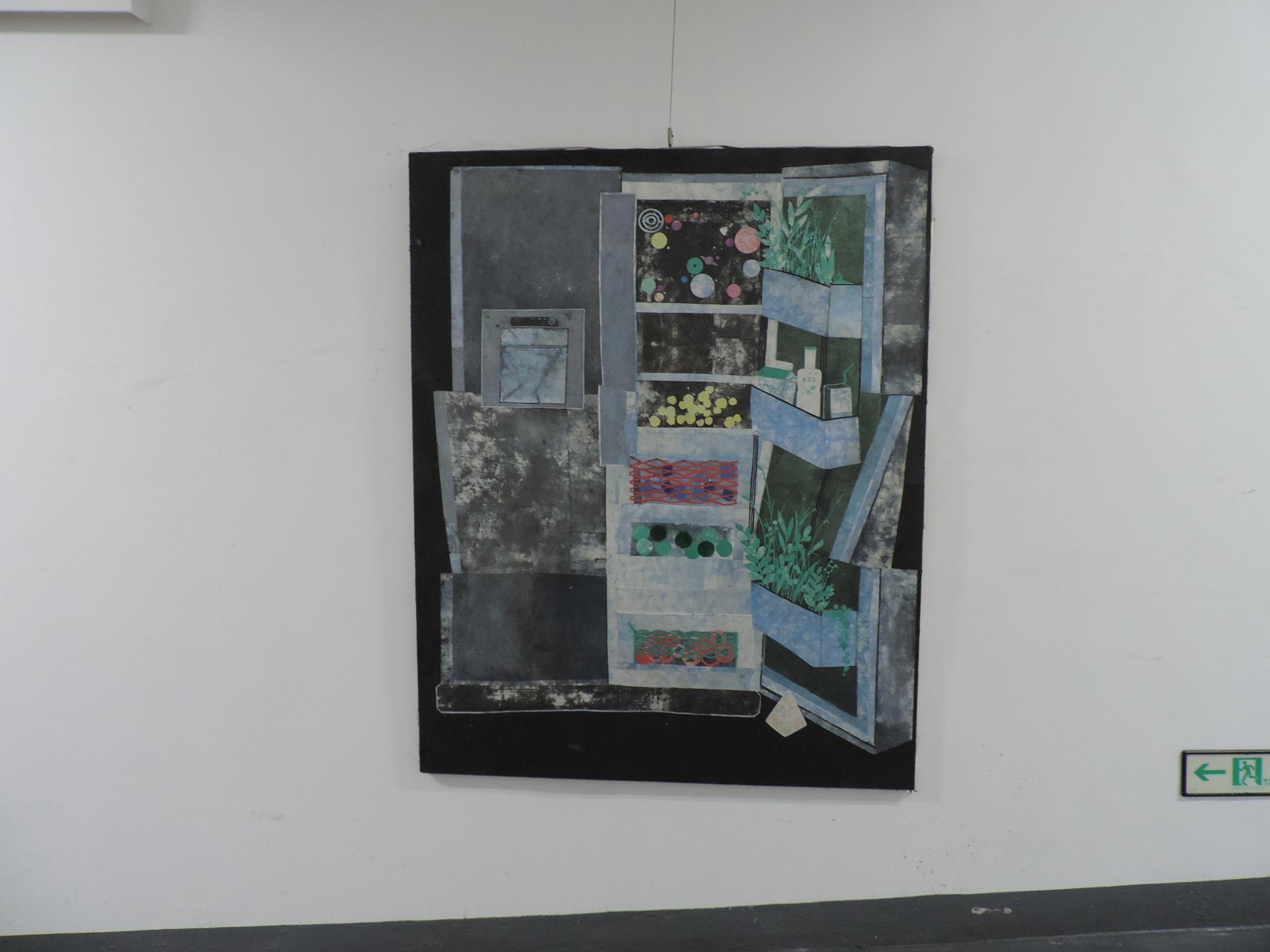
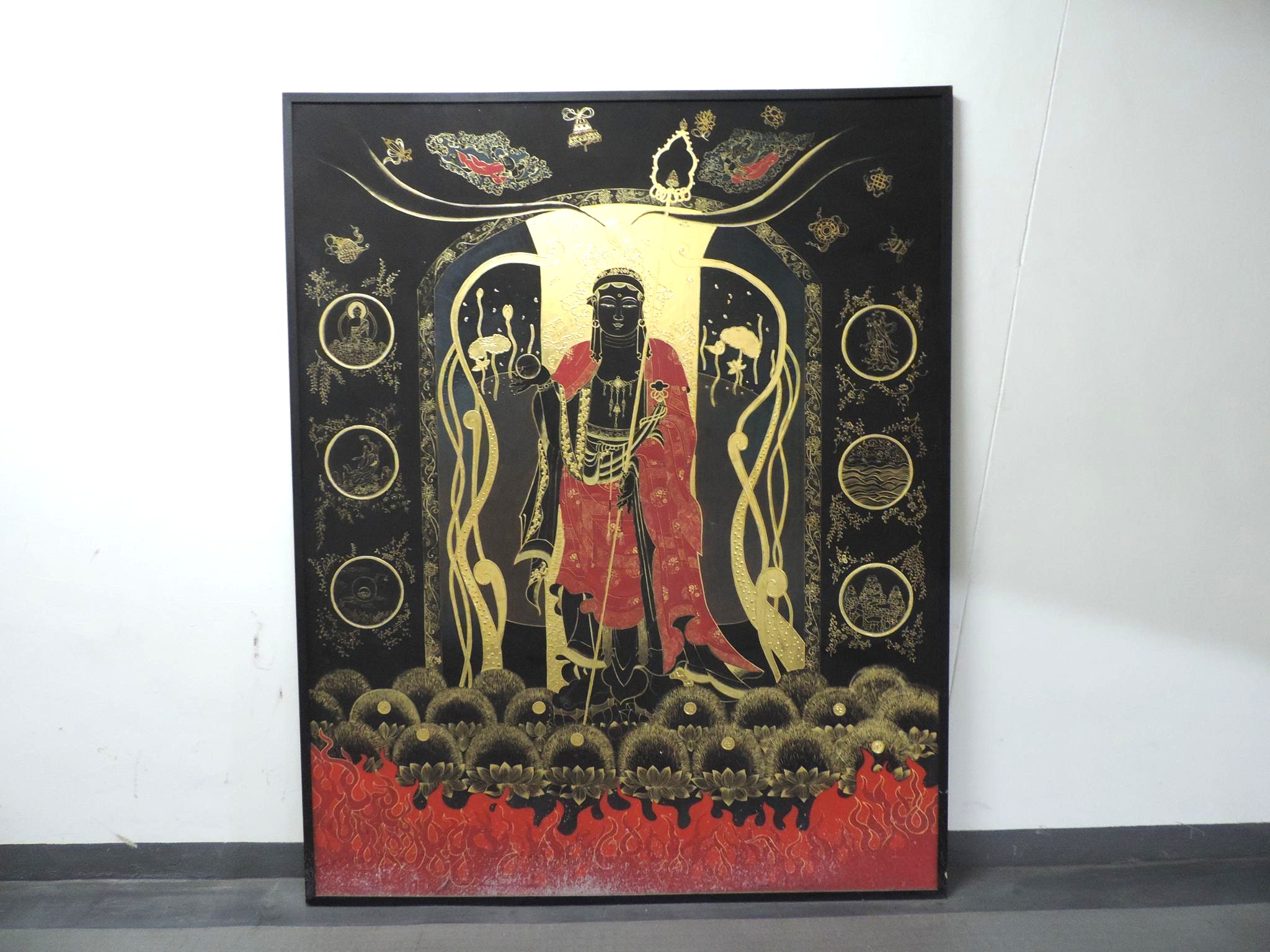
So you teach about the art, but also about history as well?
Yes, and it is also about Korean culture. So later the students when they are finished, they can teach the other people about the Korean culture and arts too. So we have rooms where they learn the theory, but we also have a lot of rooms where they do practical work. And there they create artworks.
How many students are at the arts college?
My subject is Korean painting but there are more subjects. There are maybe 100 to 150 students and we have four grades. And in this semester I have three classes with around 30 students altogether.
At 2 o’clock you have your next class, you said. But what are you teaching them? So they come and you teach them the theory or do you paint with them?
Yes, we do painting. The Korean traditional painting. They do it like old fashioned style on wood panels. Because in real life it’s also on wooden roofs and on the buildings. So they can’t paint the real wood.
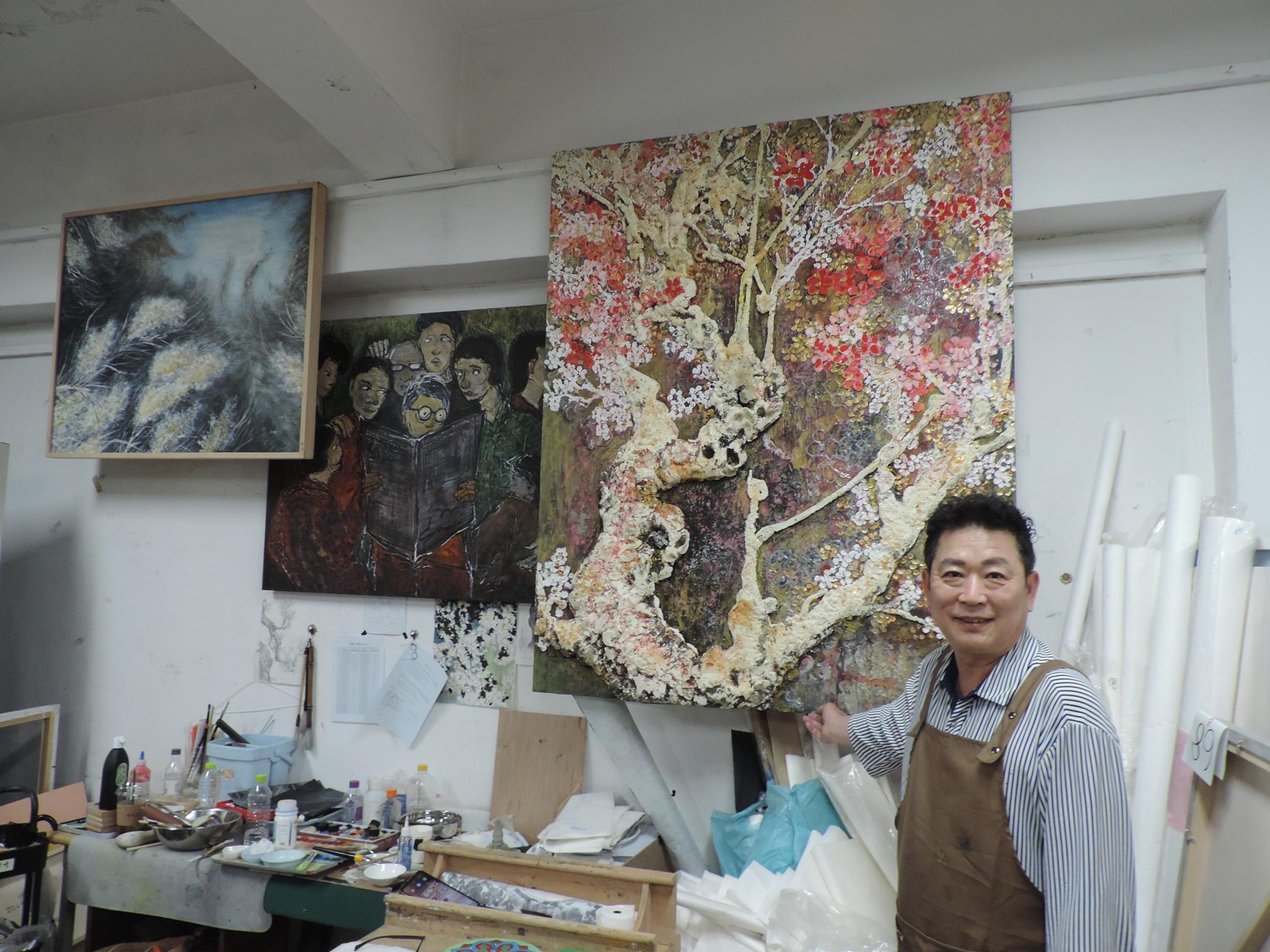
Okay, and when they finish, when they graduate, they can open an art shop and paint buildings outside?
Yes. Or in Korea, there are so many temples, you know, and temples always have Dancheong, and we repair the Dancheong. So it is for students who also like restoration, renovation and to repair. We are still teaching the old traditional skills and also the modern. We have four works in this class. Three works for old traditional painting and one work for modern painting. And with the modern Dancheong, they can use patterns to their own works.
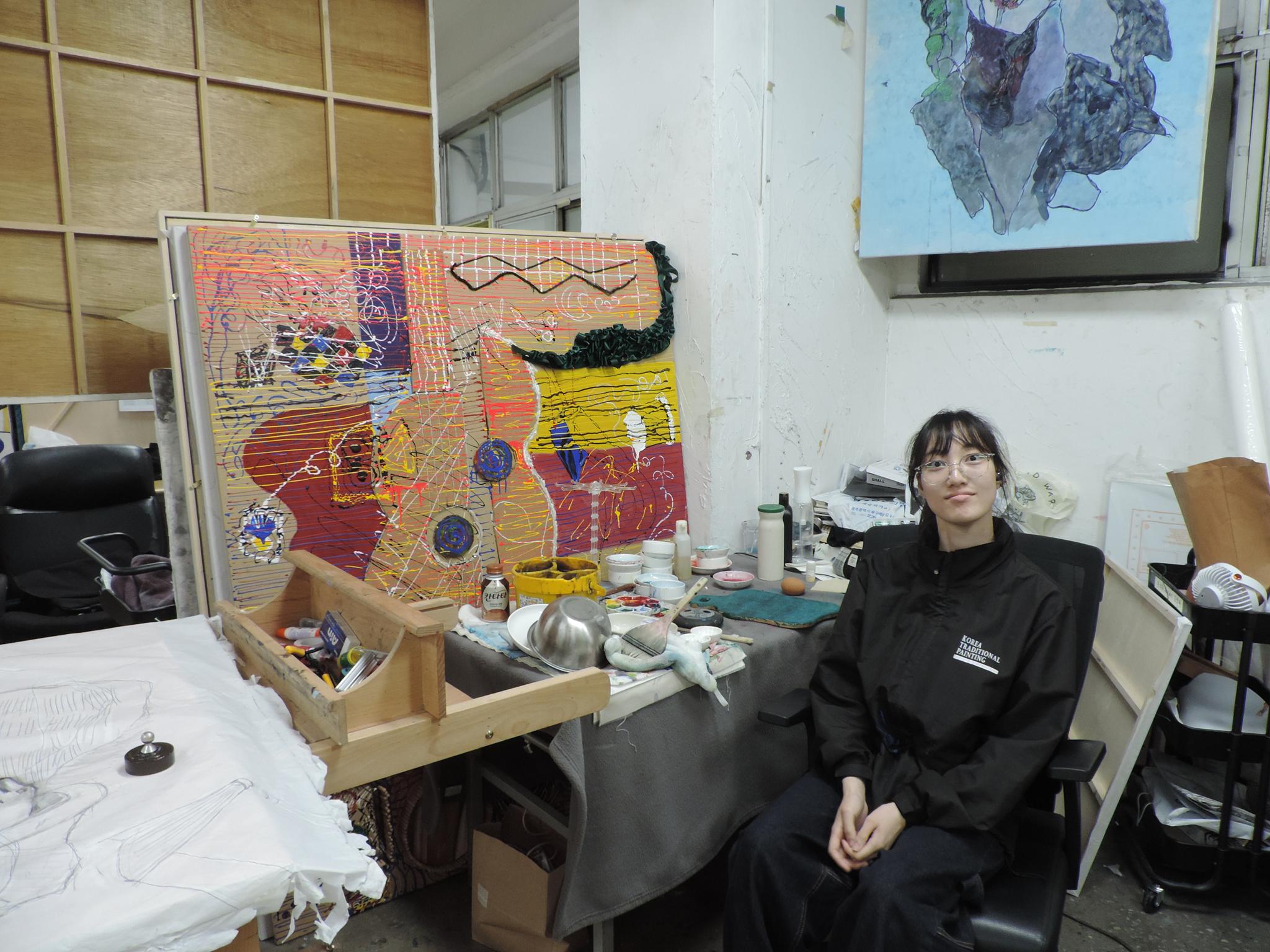
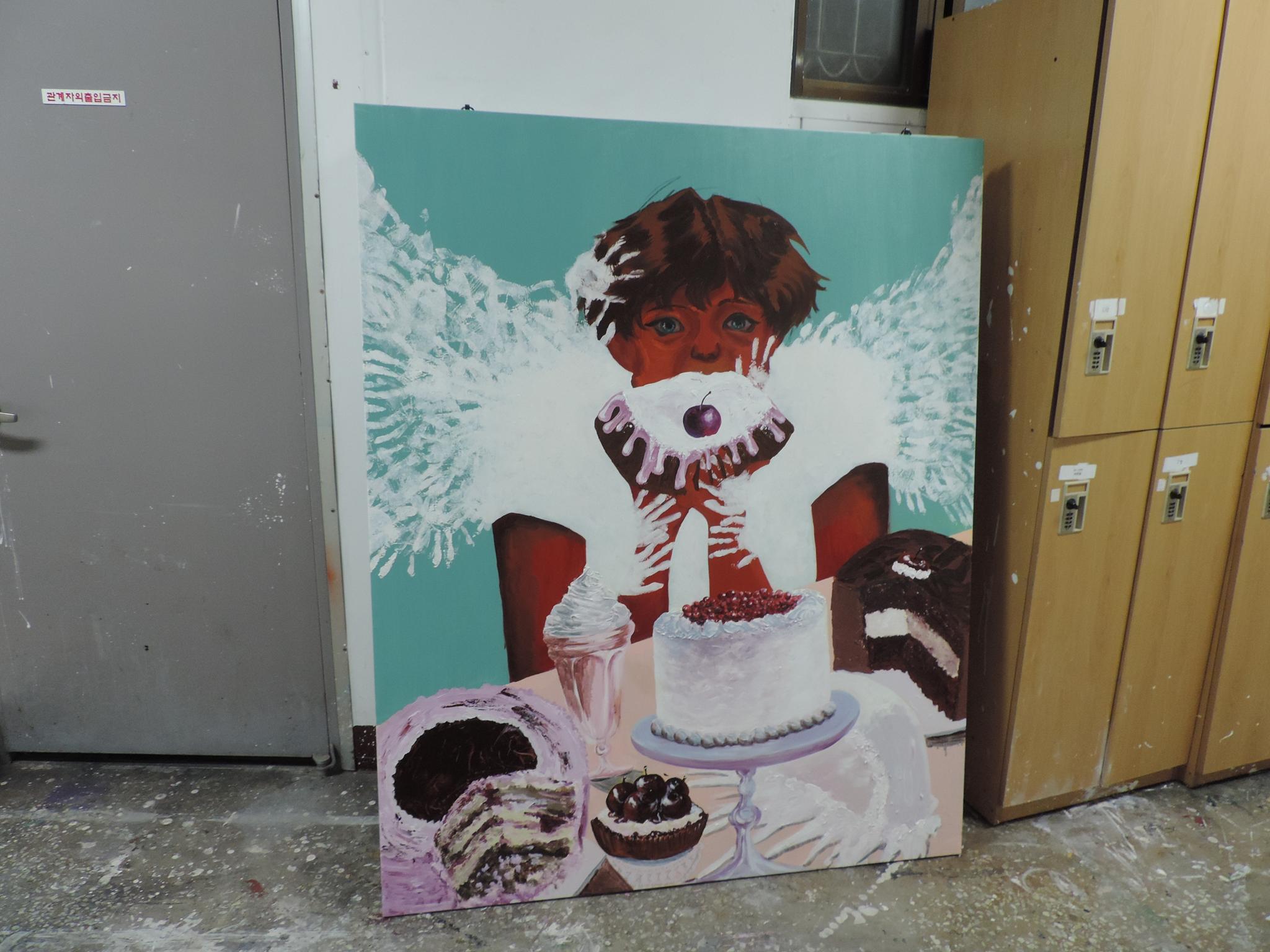
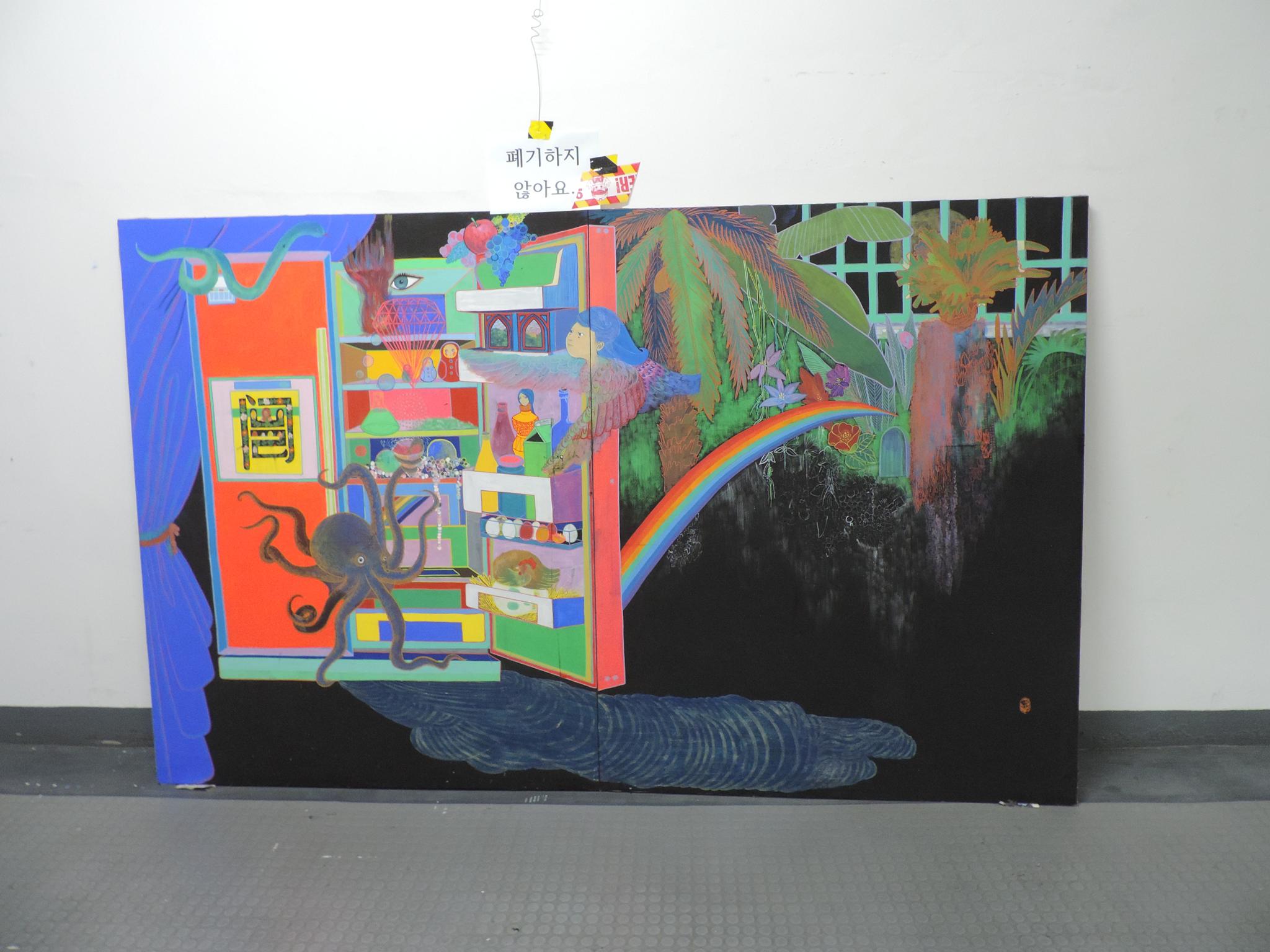
So you try to combine history, past and future. A combination in their works with the traditional patterns. Very nice. So those are your classes and your area, but how many students are in the whole building?
Maybe around 1.200 are at the whole arts college. The students have classes, but they also have a lot of workshop rooms. They can come here all day and work on their artworks. They all of them have their their own space and there they work on several artworks, also their own creations. Then the next year they move to another building level and another classroom. And there they also have their own space where they can practice other classwork. And also there they can do other private works. There are different classes and different topics with our Korean painting. Here we have five or six classes in a year.
Do you have students who combine the subjects? Maybe that they study animation and fine arts? Is this possible?
Yes, such combinations are possible. They can combine different art subjects. Compared to several other countries, I think it is expensive to go to university here. I think our art college is even more expensive, it’s maybe the third most expensive in the country.
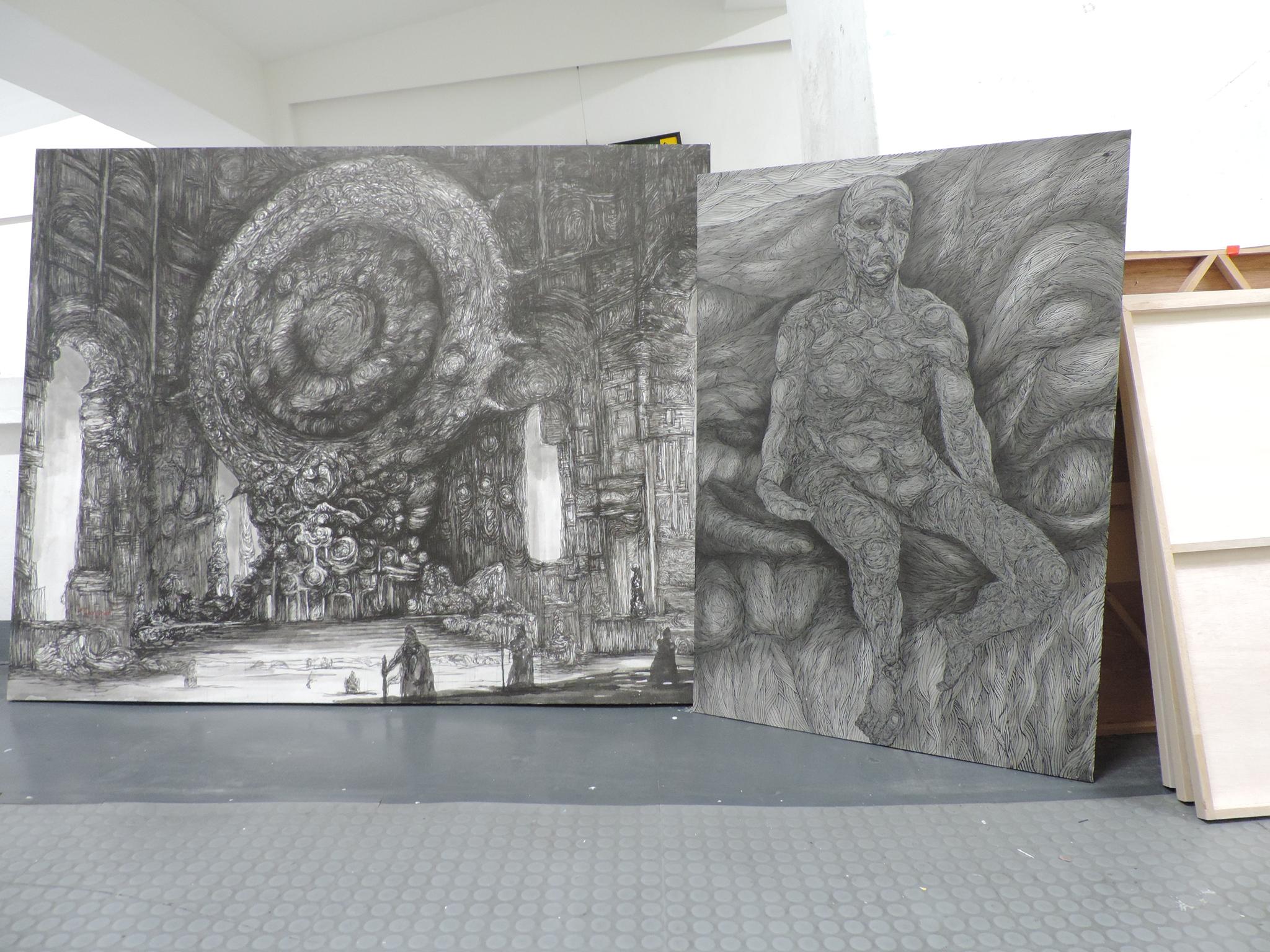
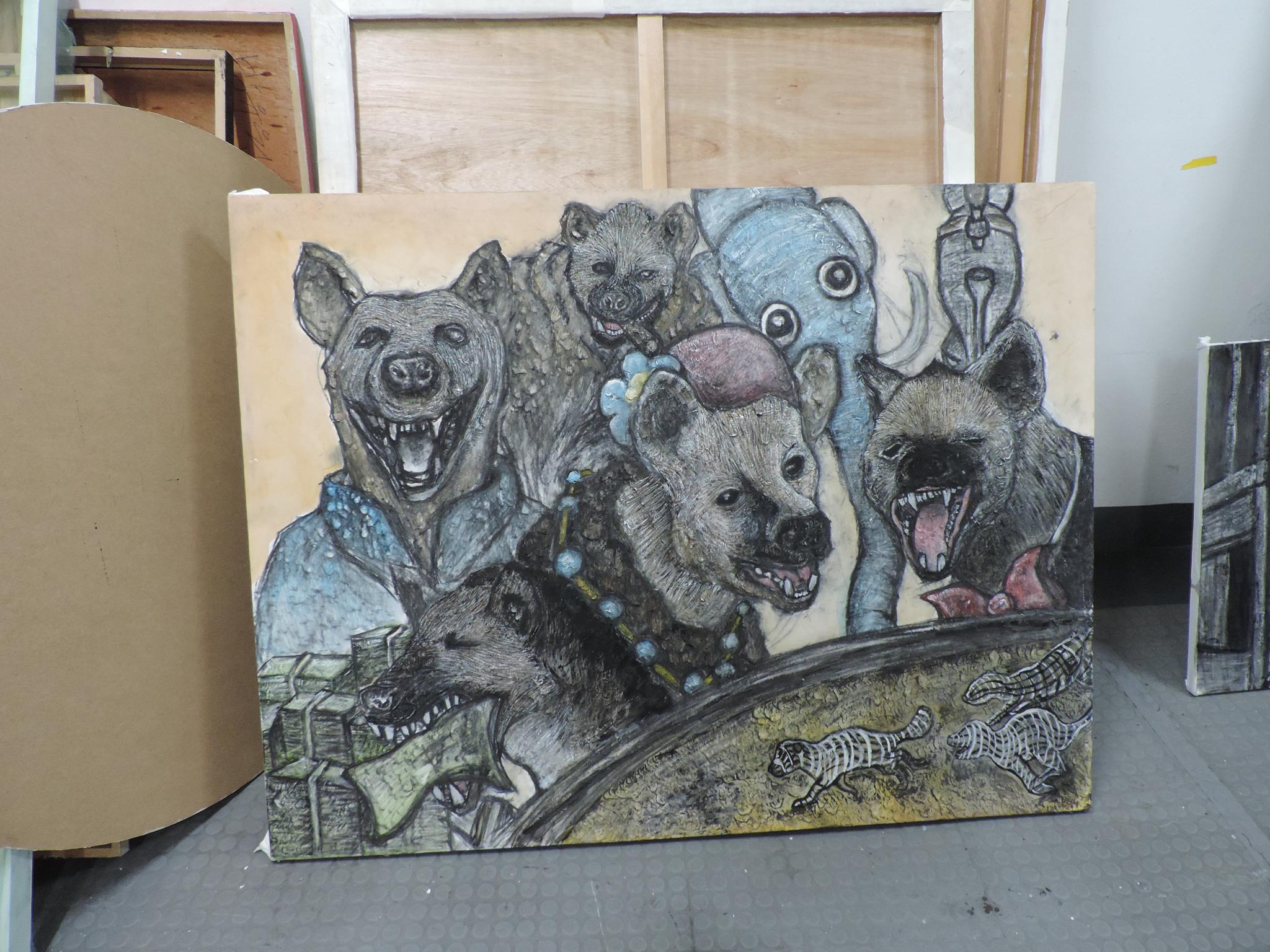
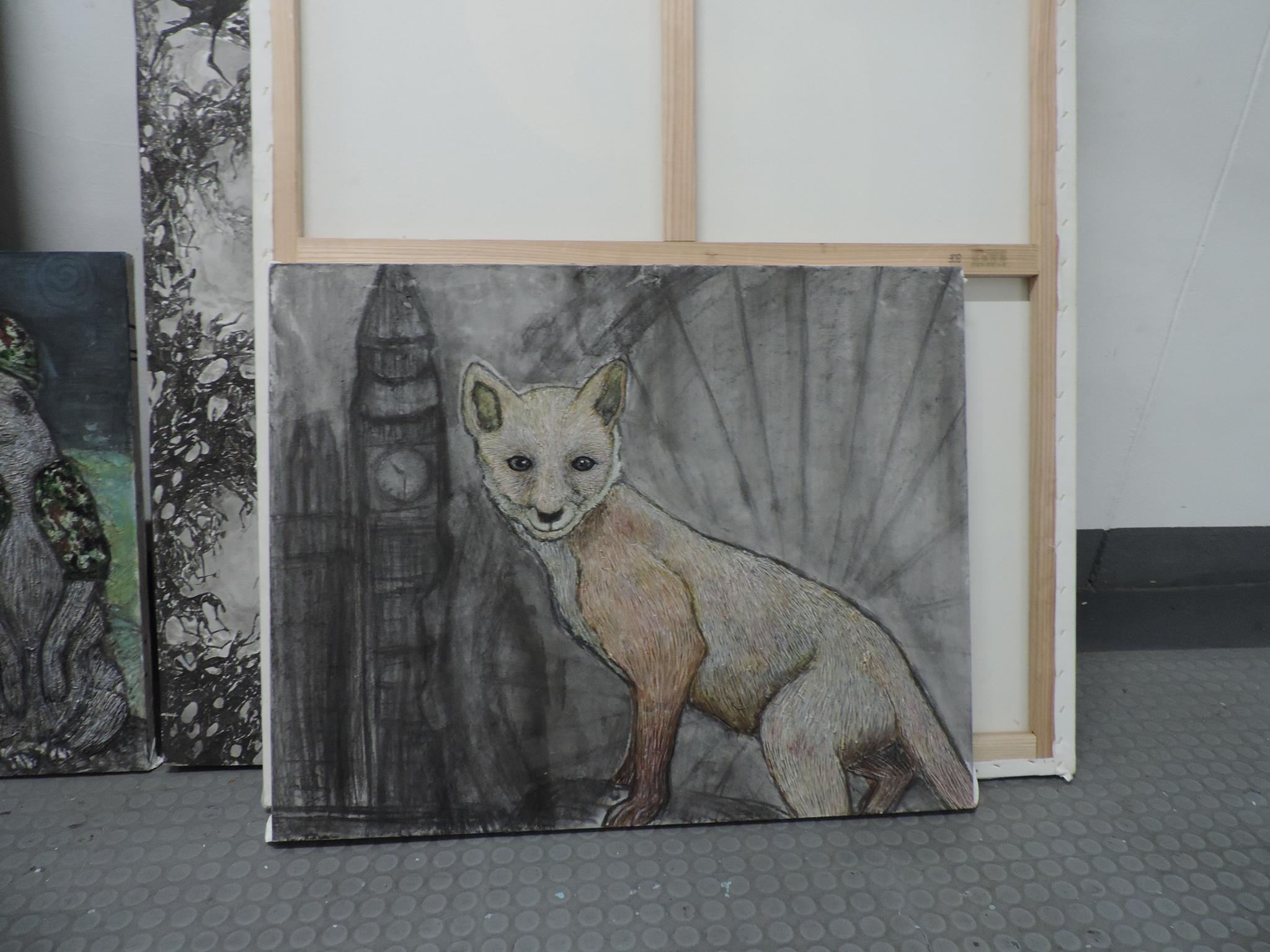
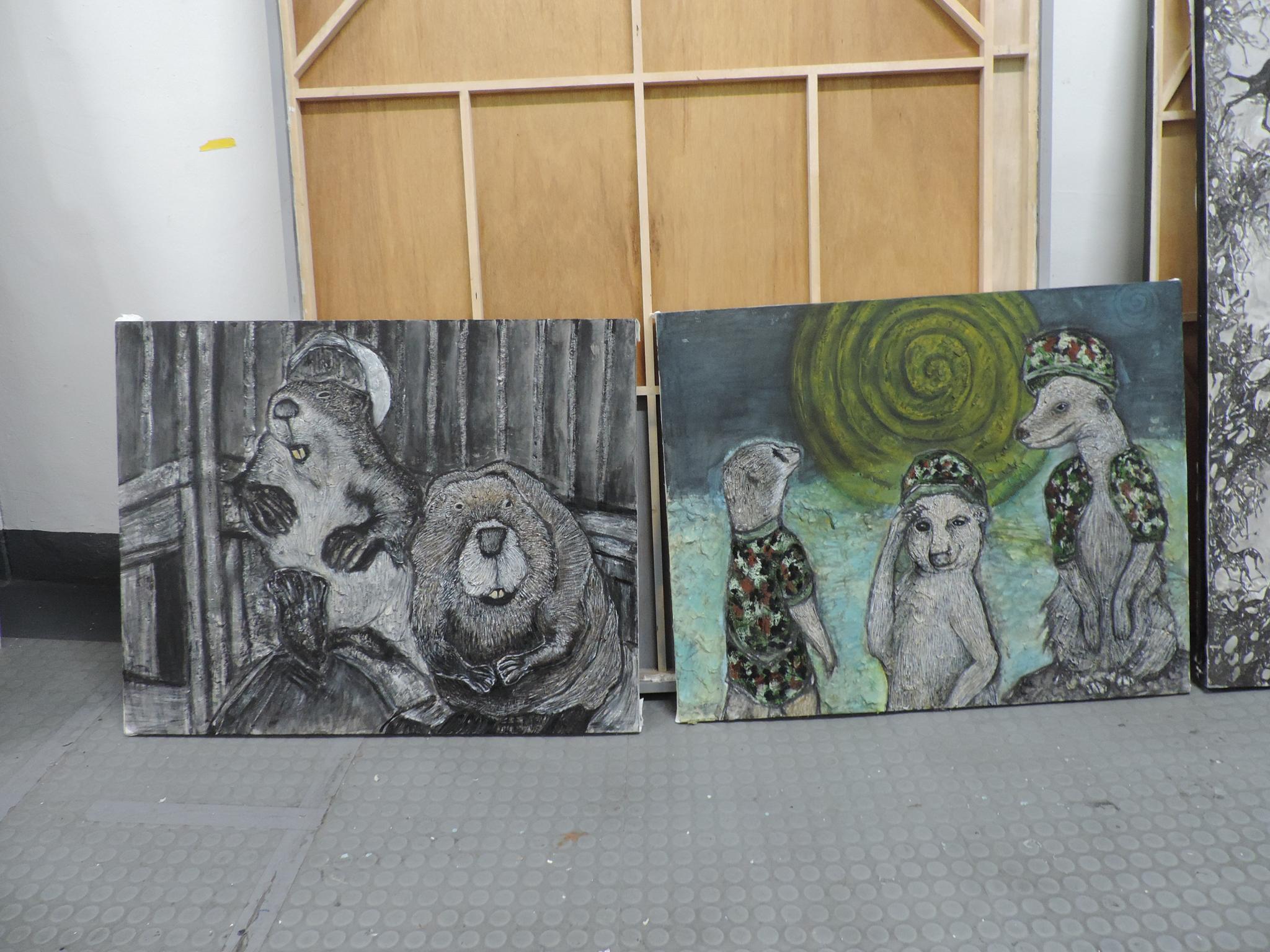
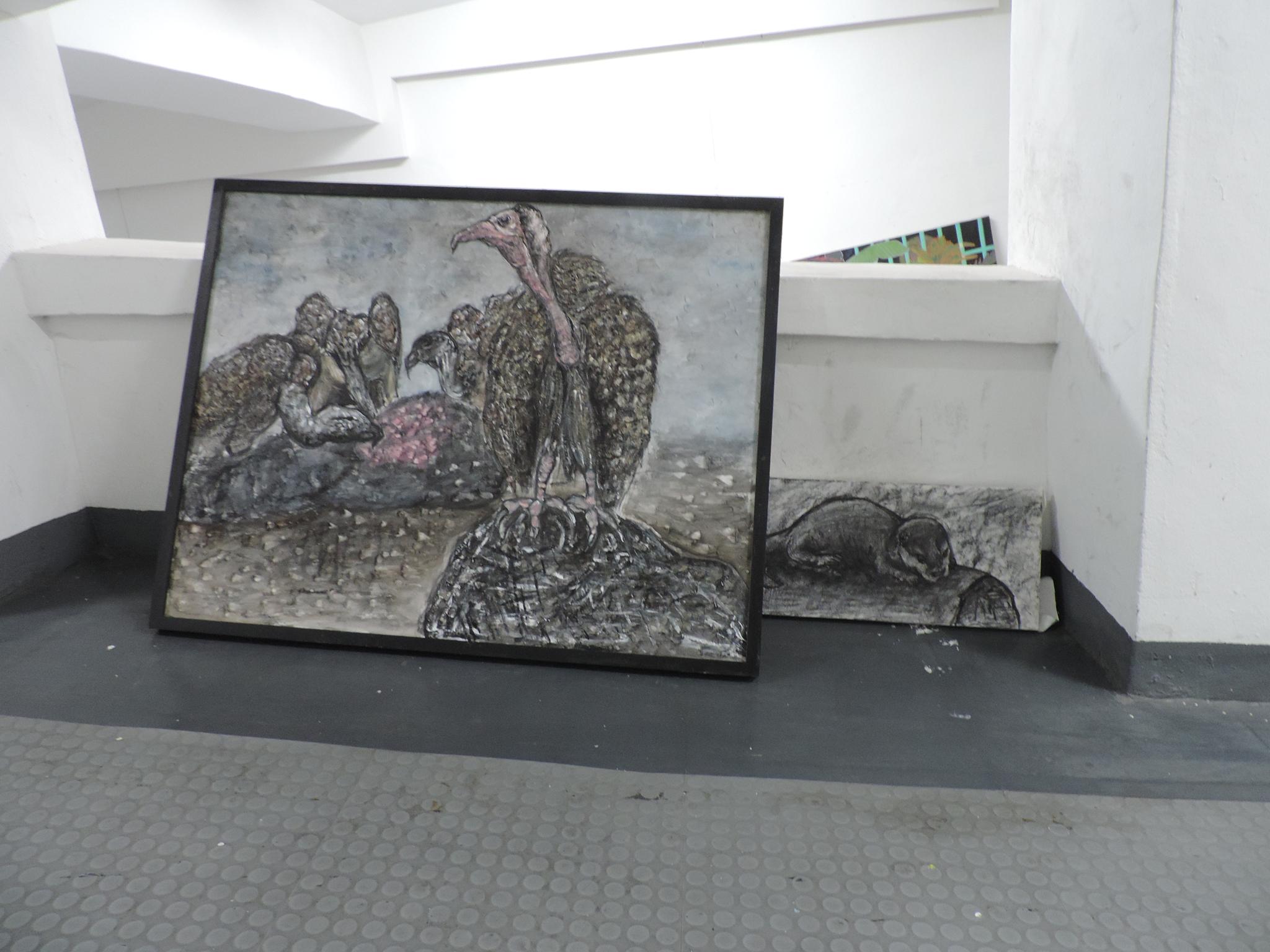
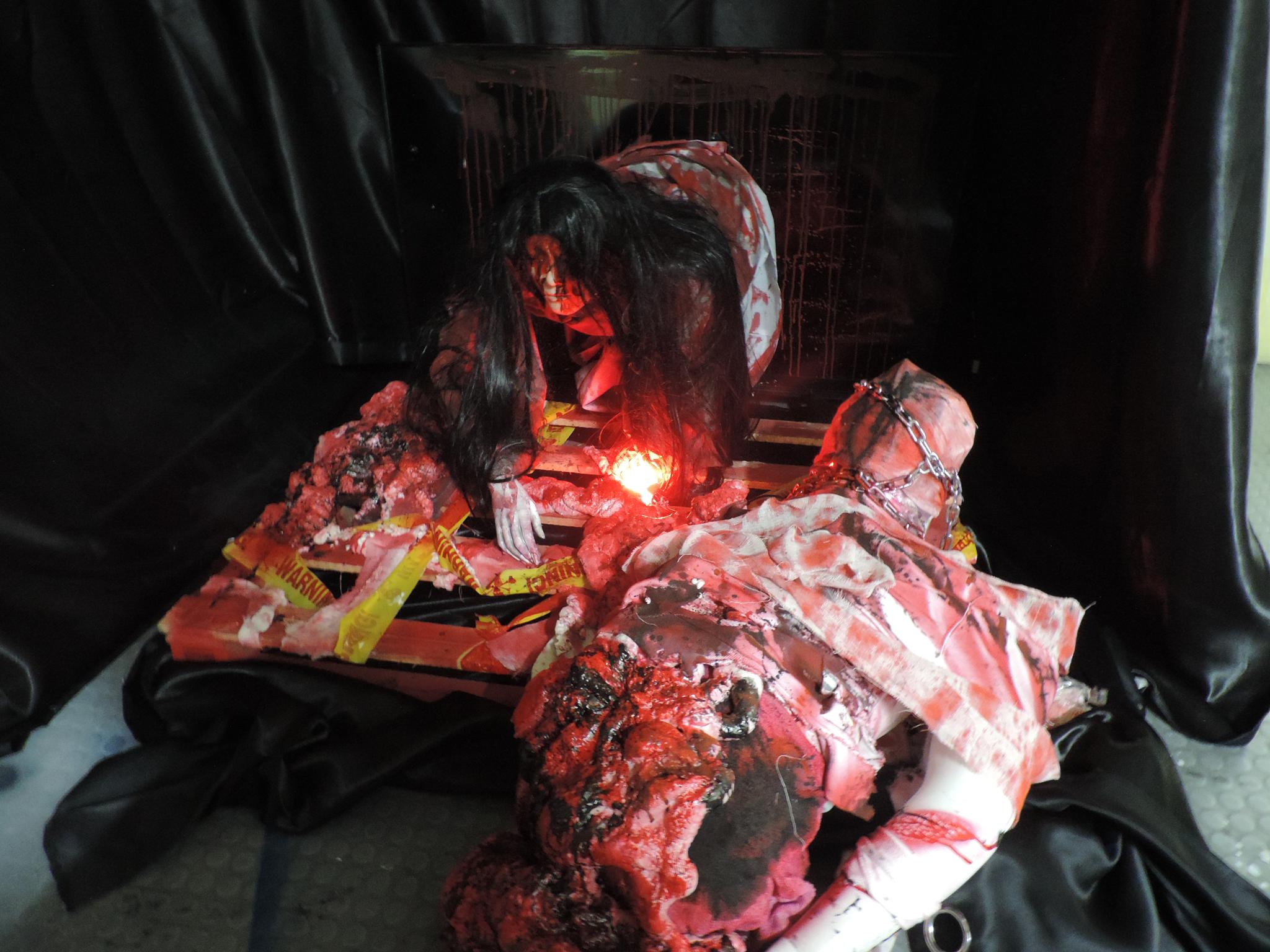
I was on the first floor, and there you have a museum. I think it’s really beautiful because there are artworks from the whole college. You have movies, you have sculptures, you have paintings. So there are artworks from all the students and the different field.
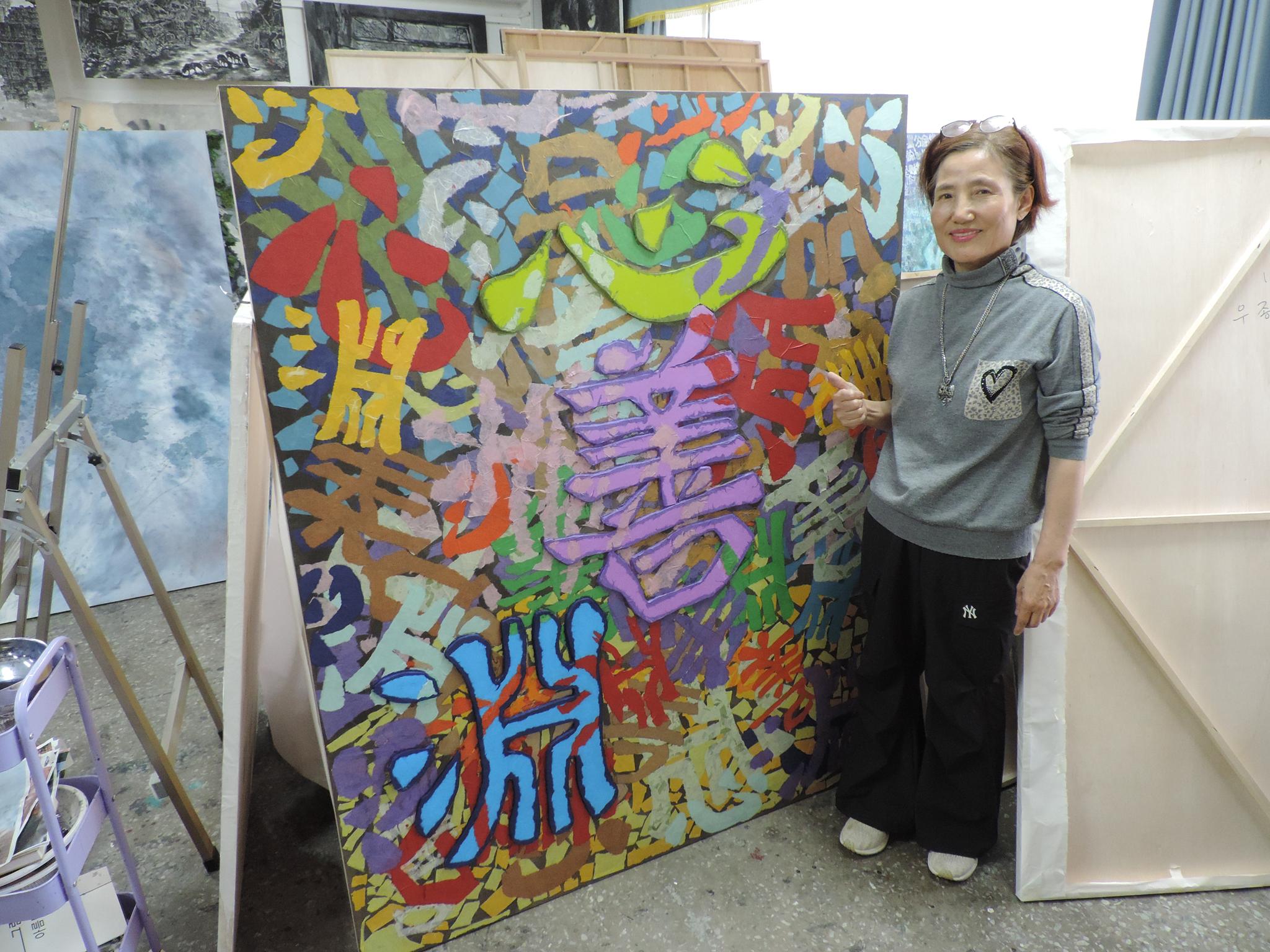
Oh, right, right. They’re all students. There are many different exhibitions and also in September, we have a graduation exhibition. This runs from September through December. At the moment the exhibition started a few days ago. There we show artworks from more than 50 students. It’s open for visitors and people can come and watch what the students are doing. Also the entrance is free. There are also artworks from our area. We have two painting classes. One, like me, Korean painting. Second, just painting. And they are all majoring in painting. But there are also video installations sculptures made with paper. We do our painting but also visual arts and we teach how do make videos or other media. So it is multi-disciplinary.
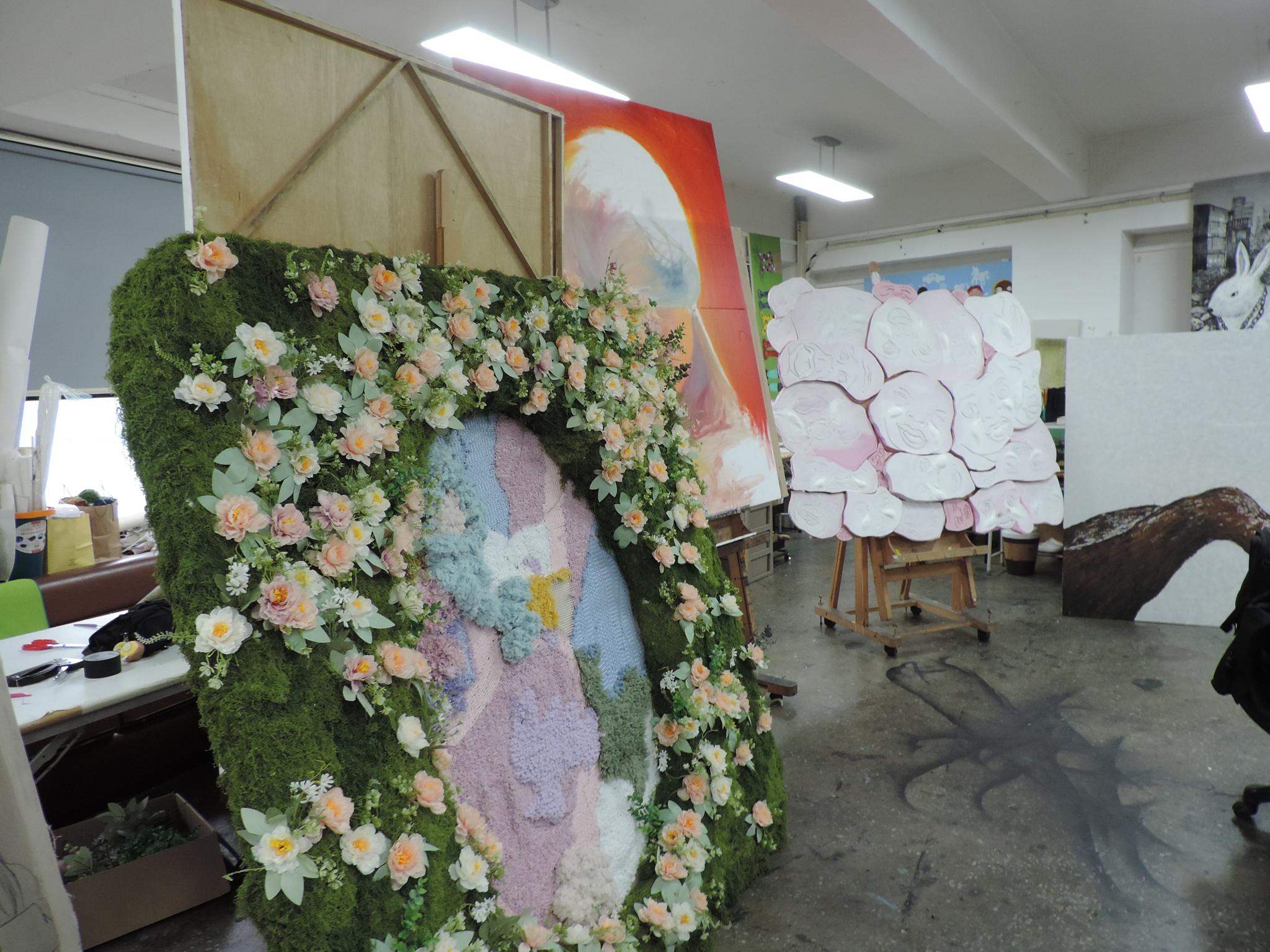
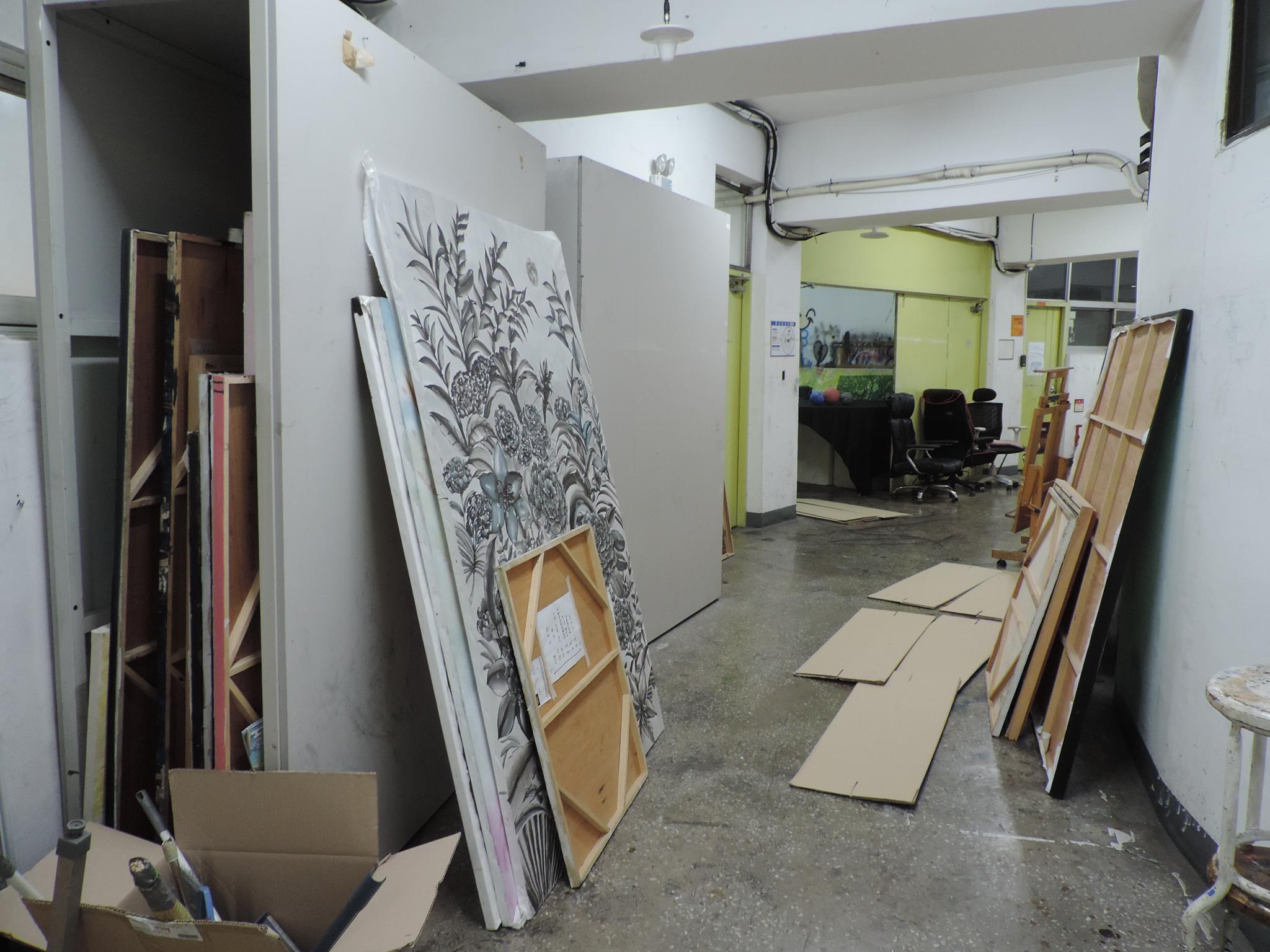
Do you also have students from other countries?
Yes, there are several students from China. Sometimes also from Europe. We also had exchange programs, but nowadays there are not many. The students are mostly from around South Korea. There is a very famous Korean artist now living in Berlin in Germany, and she graduated at our college. Her name is SEO SOO-KYOUNG or just SEO. She’s from our college and does Korean painting. After her study at our university she did another study at the UdK in Berlin. She does really beautiful paintings with watercolor mostly and as well with oil. Sometimes she comes back to Gwangju and meets our professors, maybe once a year.
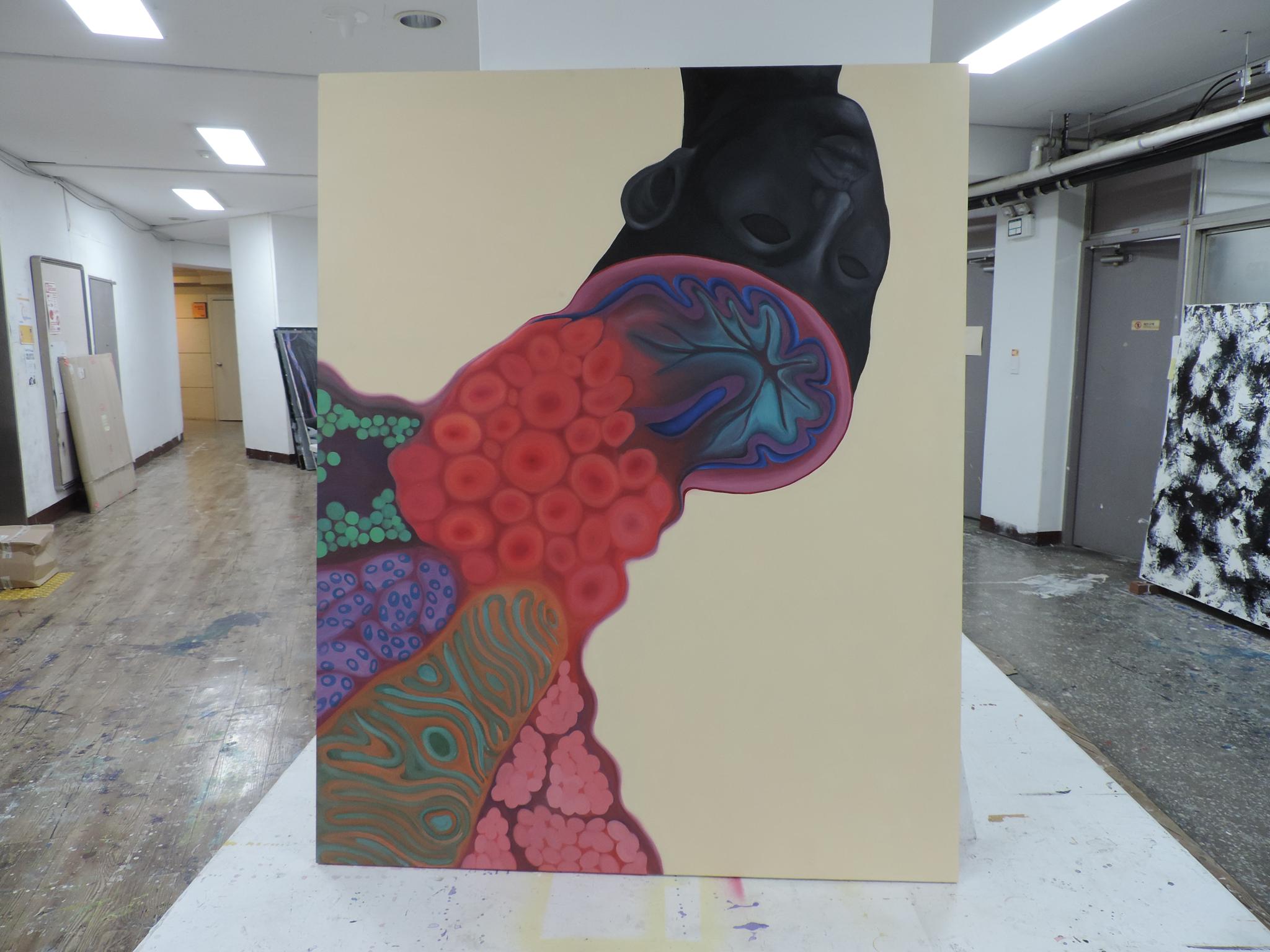
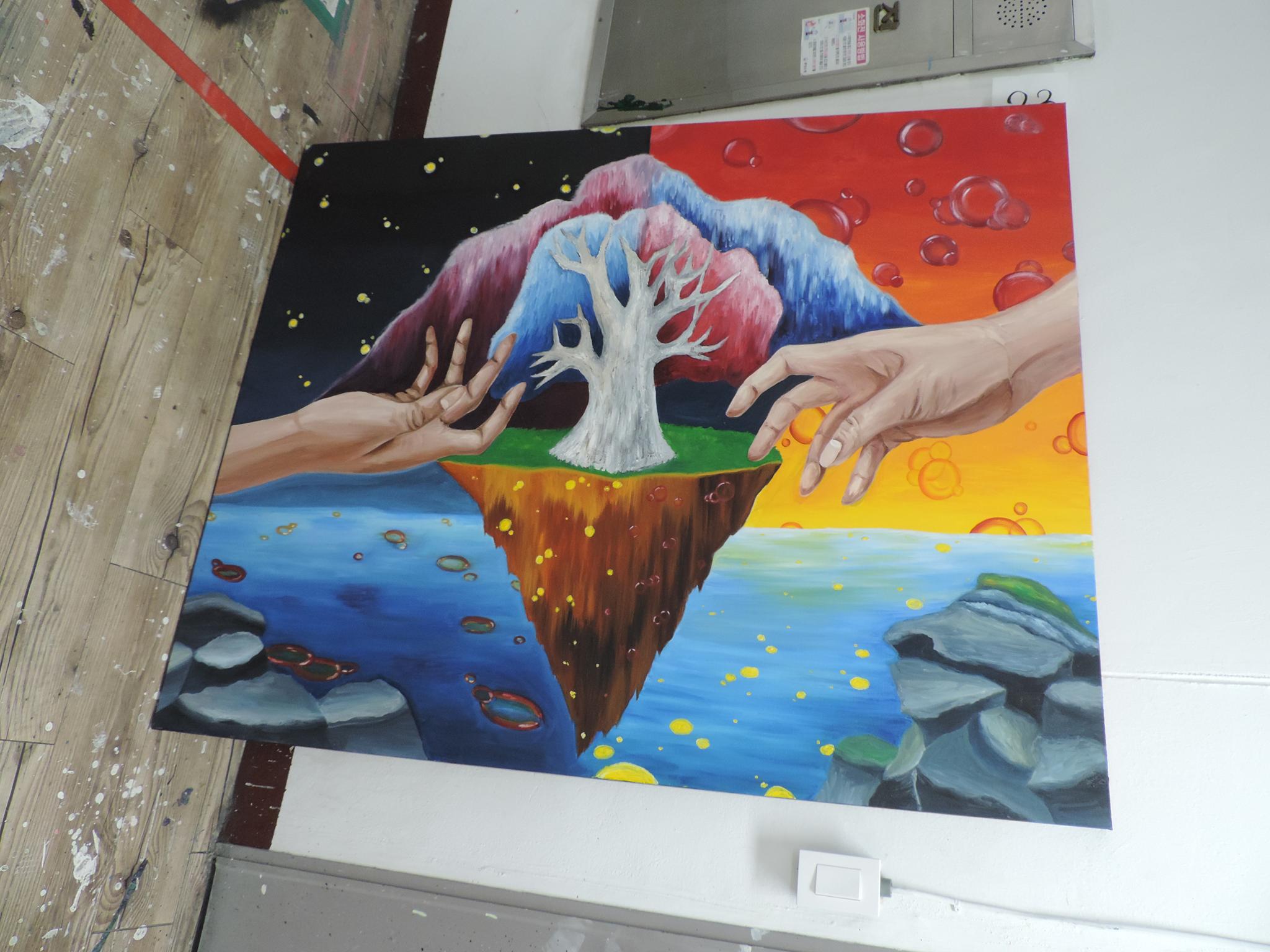
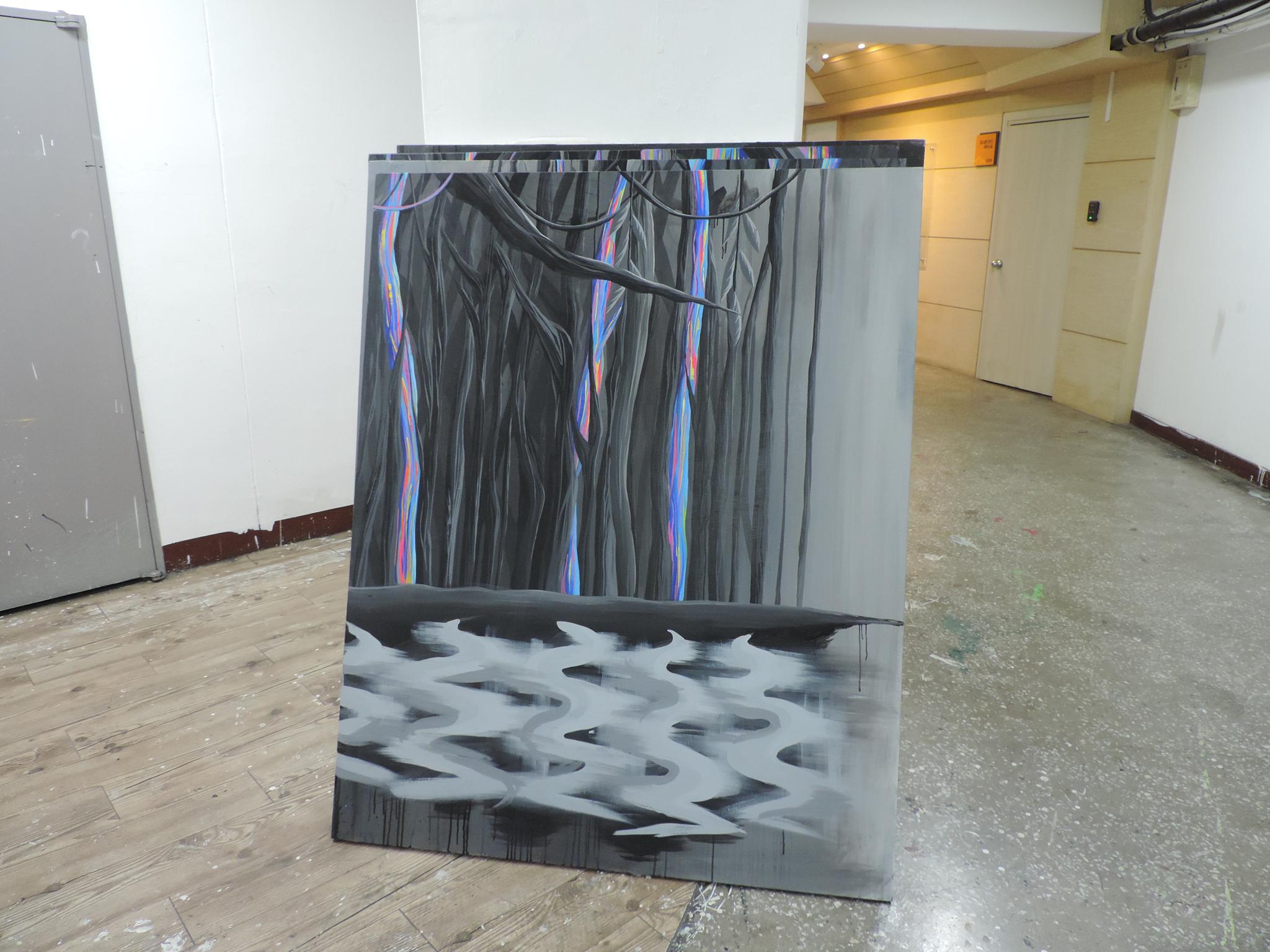
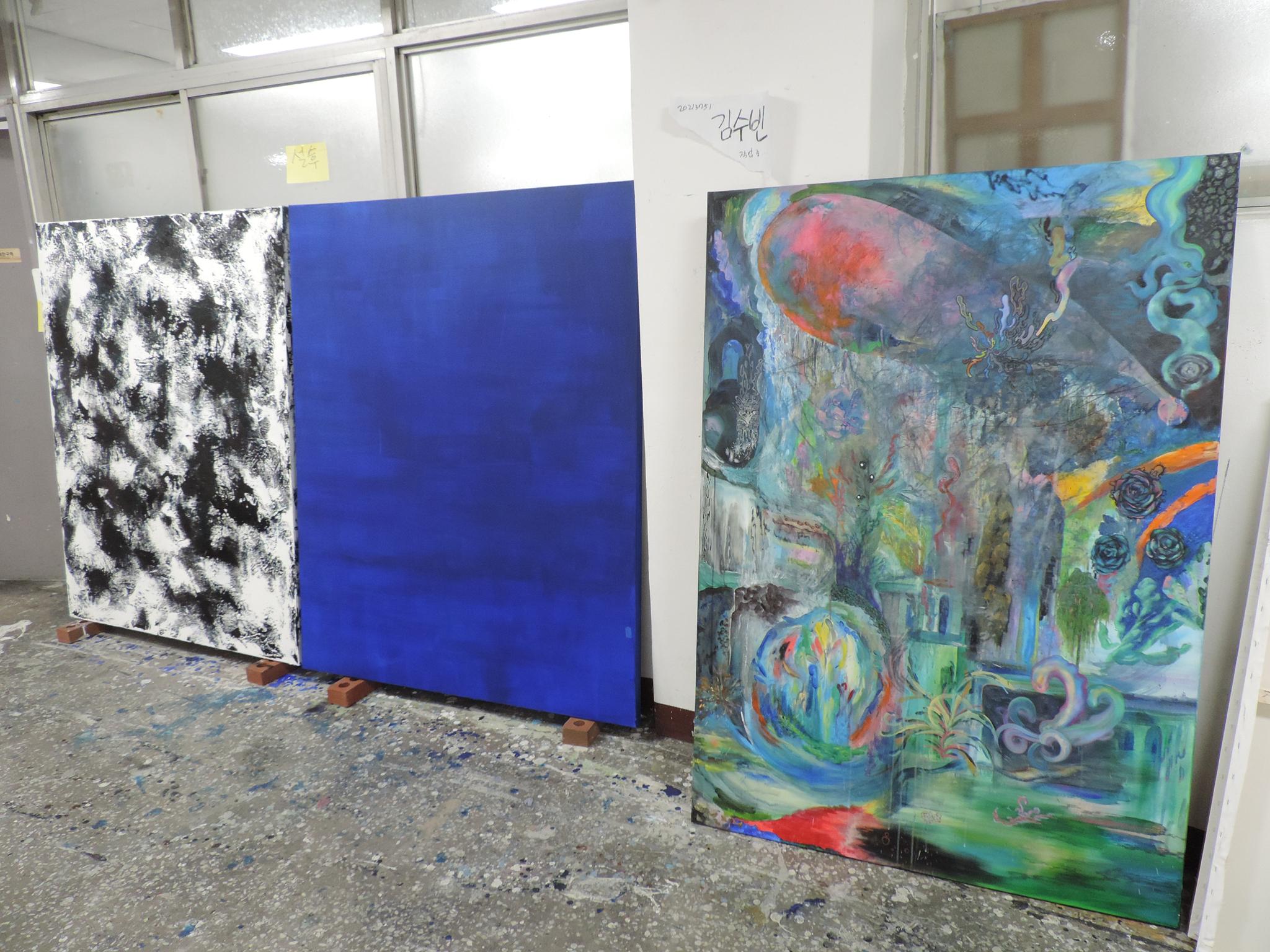
I’ve been to several cities in Korea, like Seoul, Daegu or Busan, but since I arrived here in Gwangju, I think it’s really like the art city of Korea. You have the art street and you have so many galleries, museums, and urban art on the streets. There is a lot of painting and creativity just everywhere around.
Yes, we have a lot of art places. There is the Gwangju City Museum and especially the National Asian Culture Center or ACC in short, which is very recommendable. Also there is the Penguin Village in Yangnim-Dong.
Yes, I have been to the Penguin Village. There are a lot of paintings and urban artworks, it’s a really cool place. And there are also a lot of schools around which are painted with big murals. Like the Girls Senior High School, all around there are wonderful artworks about the independence movement. Also you can find everywhere historical paintings. I felt that in this city you just have a lot more wall paintings than in other cities. At the Asian Culture Center, I’ve been there this morning. They had great exhibitions. I was very impressed by the landscape theater of LEE LEE NAM.
He is actually from our college. And his major is sculpture. But in that exhibition he shows more video art and visual installations. They have a room and you can sit there, then they make projections on all the walls and on the floor. I’ve been there two days ago. The Penguin Village is also very recommended. There you also have to go up the hill, there is a café and an observation platform and there are sculptures from LEE LEE NAM. And also some of his works are inside the café.
I have to go there later. At the ACC, there was a second exhibition called “Crossing the Line”. It was about dealing with people with disabilities and the different worlds and how difficult it is to understand others. This is a different topic but the exhibition was very interesting. And what I also liked was the exhibition about “Fan Letters”. I listened to old Korean music from the 70s and 60s. They had some interactive booths and trial stations, which was really cool. I think if tourists come to Gwangju, they definitely should go to the ACC.
Yes, it is a must go during a visit to our city. The Asian Culture Center was built in 2015, so around 10 years ago. It’s very modern and with a lot of interesting art and history about art from all around Asia. There are many artworks outside on the square and also inside. It’s a lot about Korean art and history, but not only Korea. Like the name says it Asian so there is also a lot of other countries. At the moment they have something about Myanmar. At the ACC it is about the study technology of the art and we also have the Guangzhou Museum in Namdong especially for painting. So we have two different centers or art museums in Gwangju. The ACC is the study for art technical knowledge, but the Gwangju Museum is for the painting or fine arts, so you should visit both.
Some more words about the Chosun University. Since when does it exist?
The Chosun University was built in 1946, so we have almost 80 years now. I think our college also started in 1946. So it’s a history of 80 years now. So it’s not that long compared to universities in Seoul or other cities. But still it became very important quite fast. I think our college is second most important in Korea after Seoul. On the whole university we have around 33.000 students.
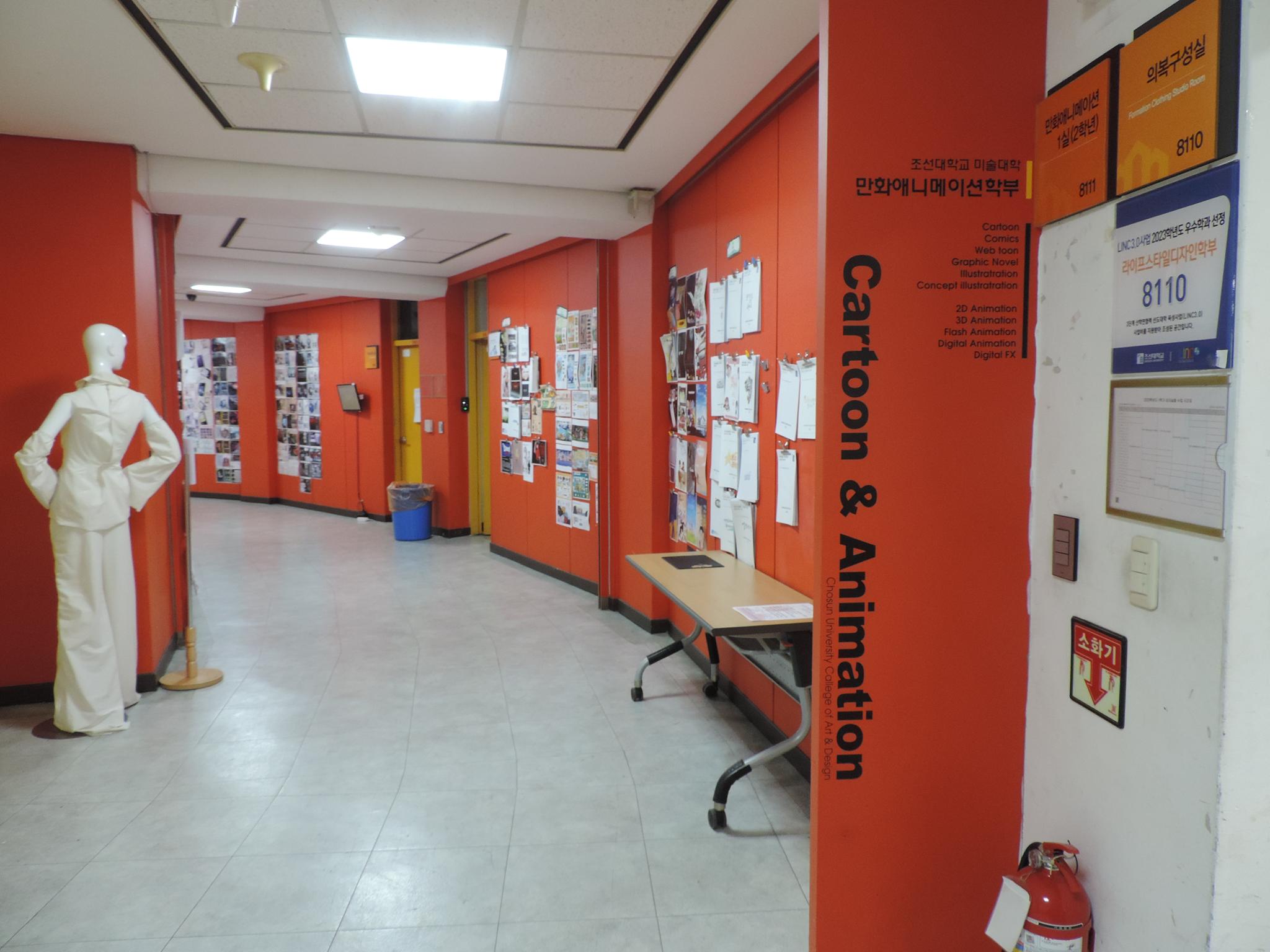
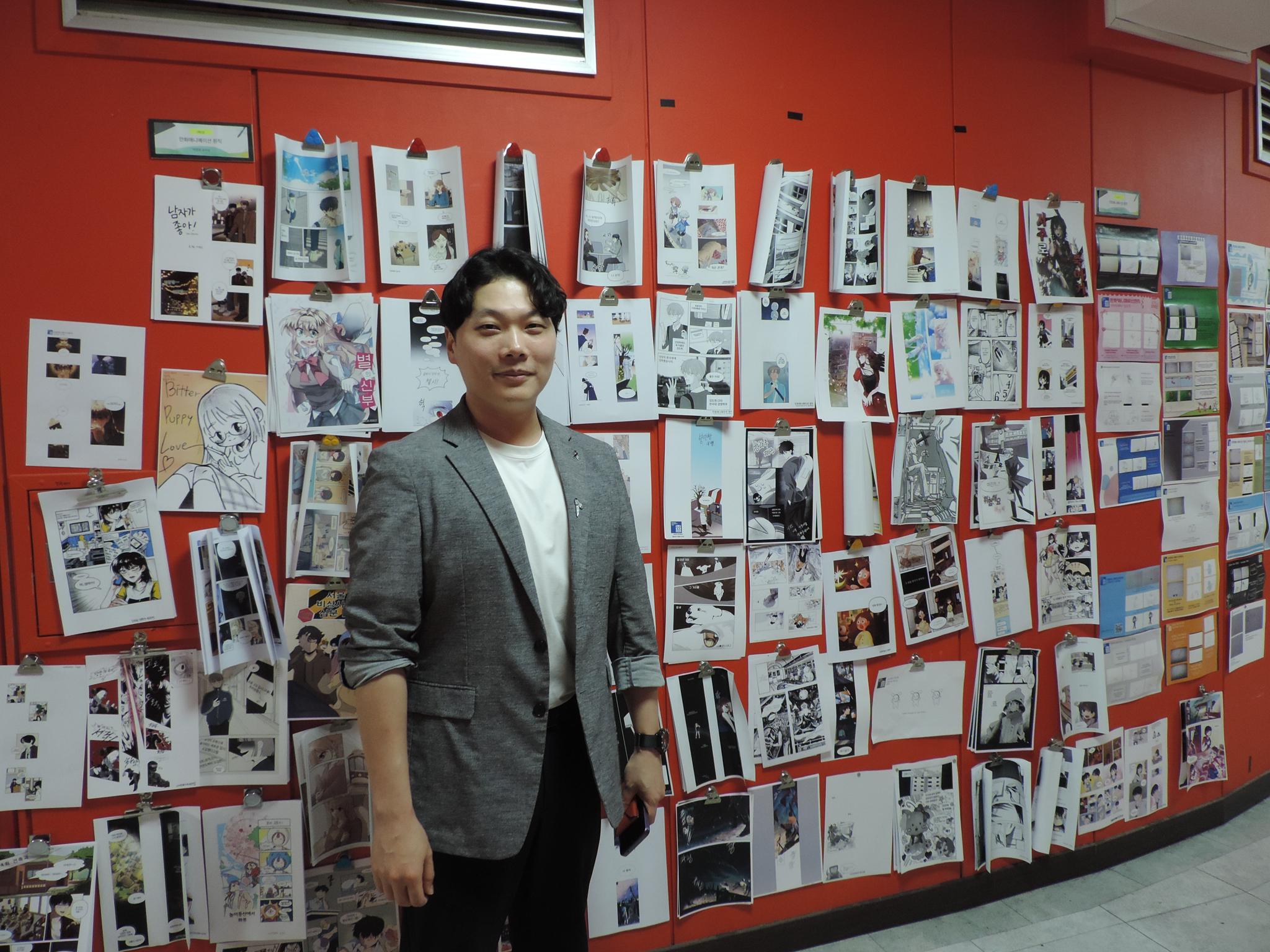
In another interview we talked to Professor RYU BEOMEOL, who teaches “Animation & Comics”. He tells us about new ways of AI usage in comic creation and also about the importance of body movement, self-trying and own creativity development. You can listen to the audio below or read the written conversation.
We are still at the Chosun University, this time on another floor level, especially in the department for comics and animation. And now I’m speaking to RYU BEOMEOL. He’s a professor for at the comics and animation department and he will tell us about the classes and his work.
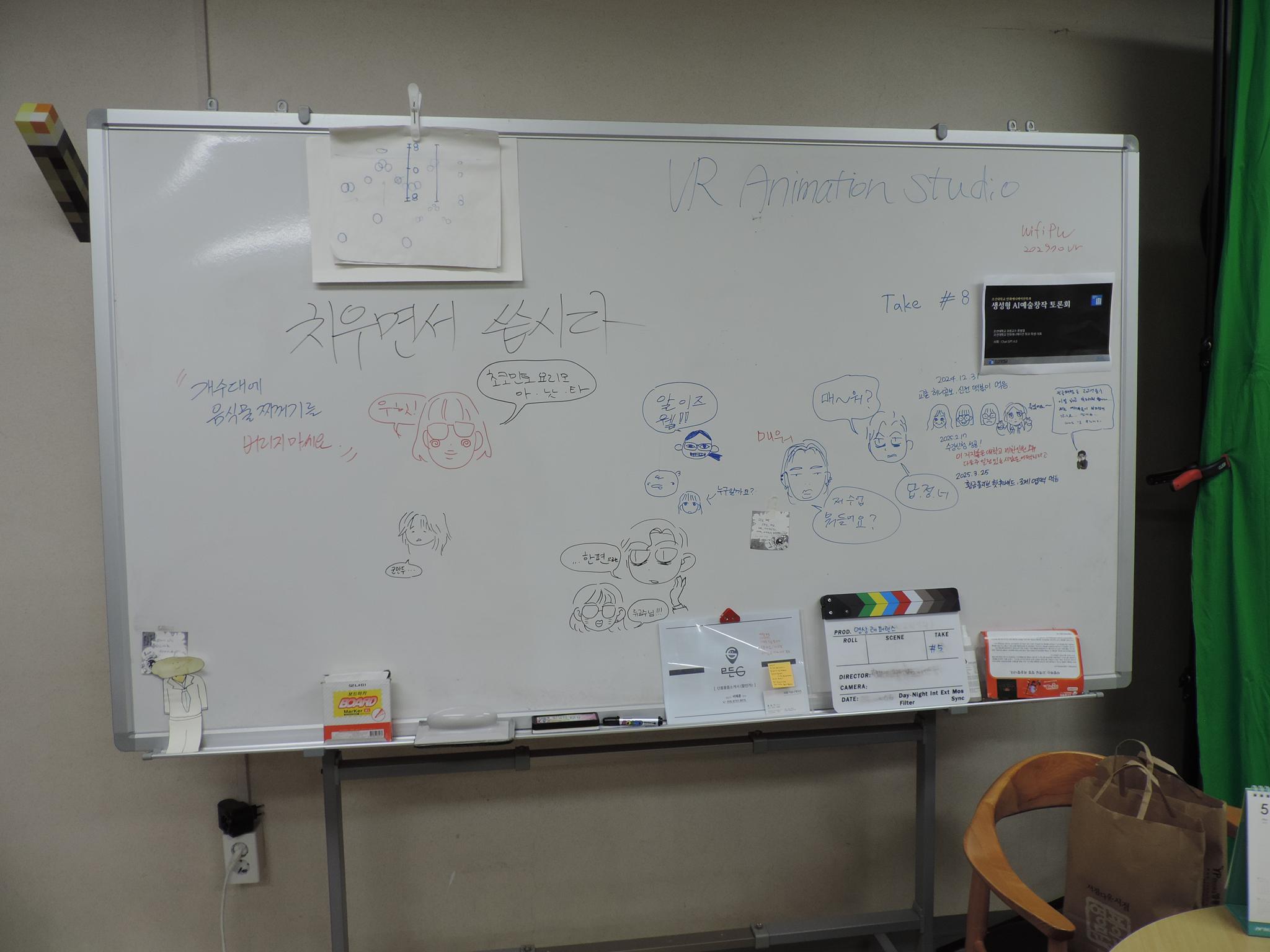
I teach animation, special 2D animation and sometimes I also teach AI animation and VR animation. I started here in 2018, so around seven years ago. Every year I have different classes with around 50 students. And my subject is a little bit changing year by year. Especially AI was not existing five years ago, but now AI is important in special art genres like animation or webtoon. Actually it’s a whole new subject, a whole new world with AI.
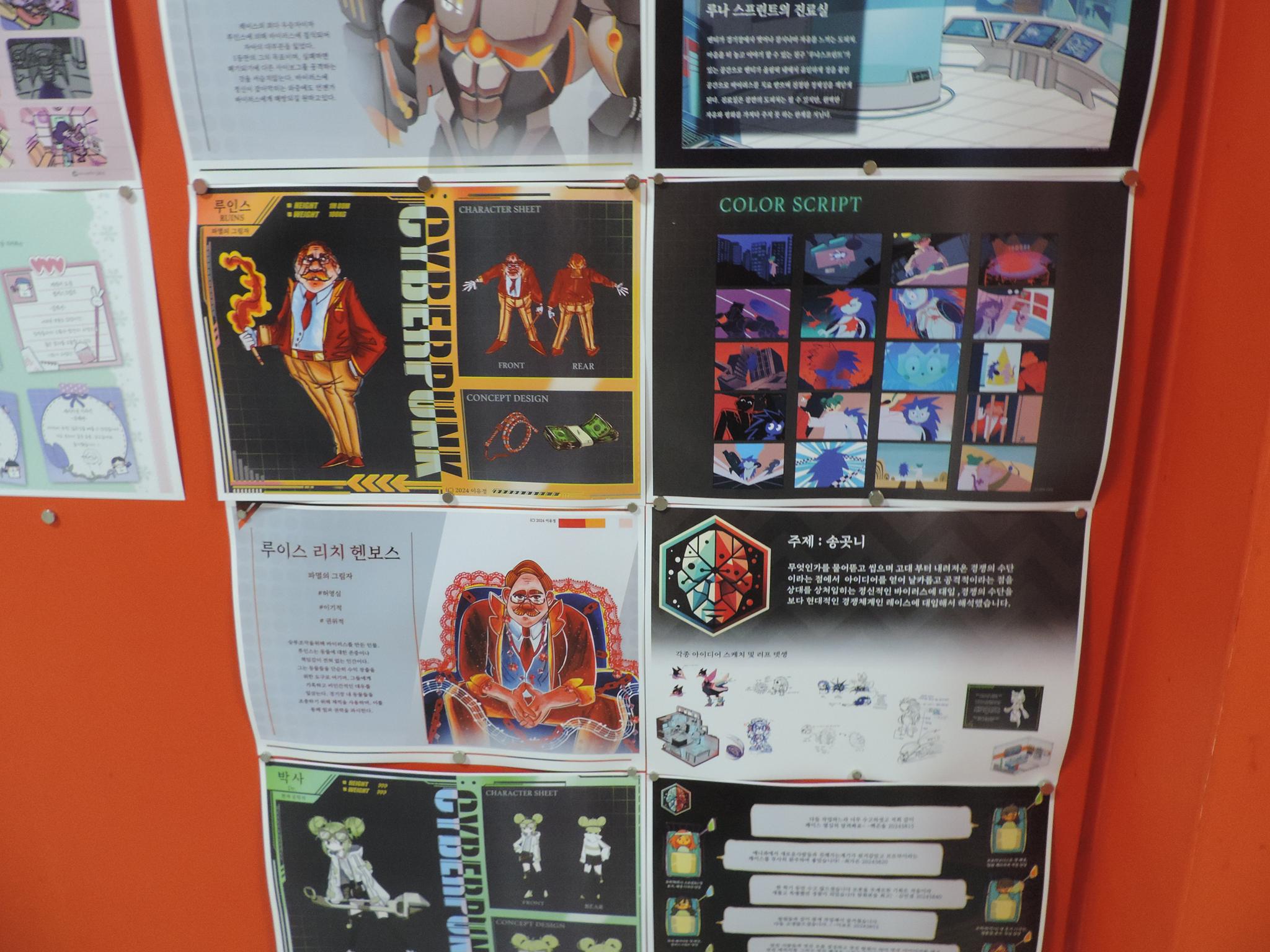
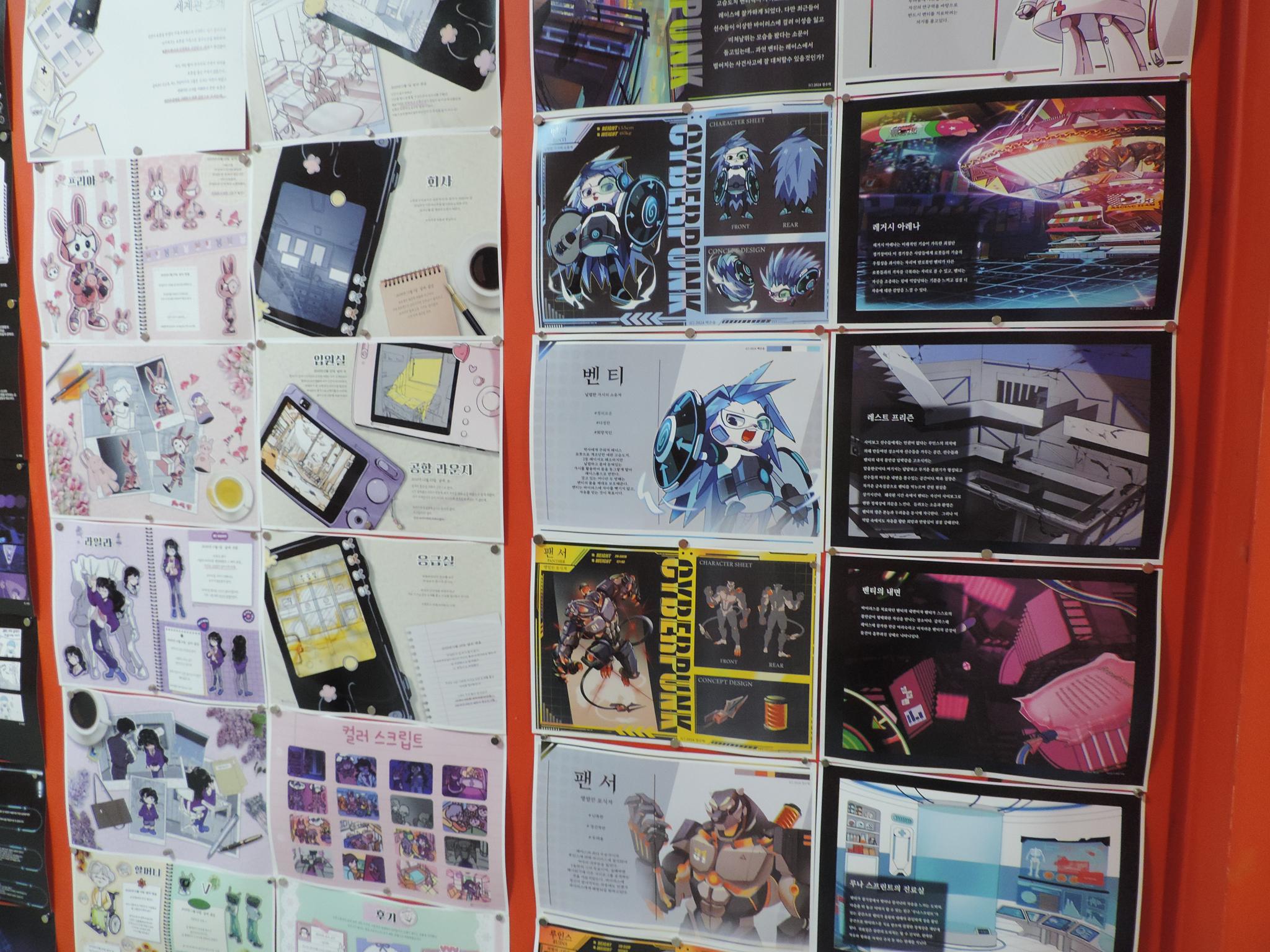
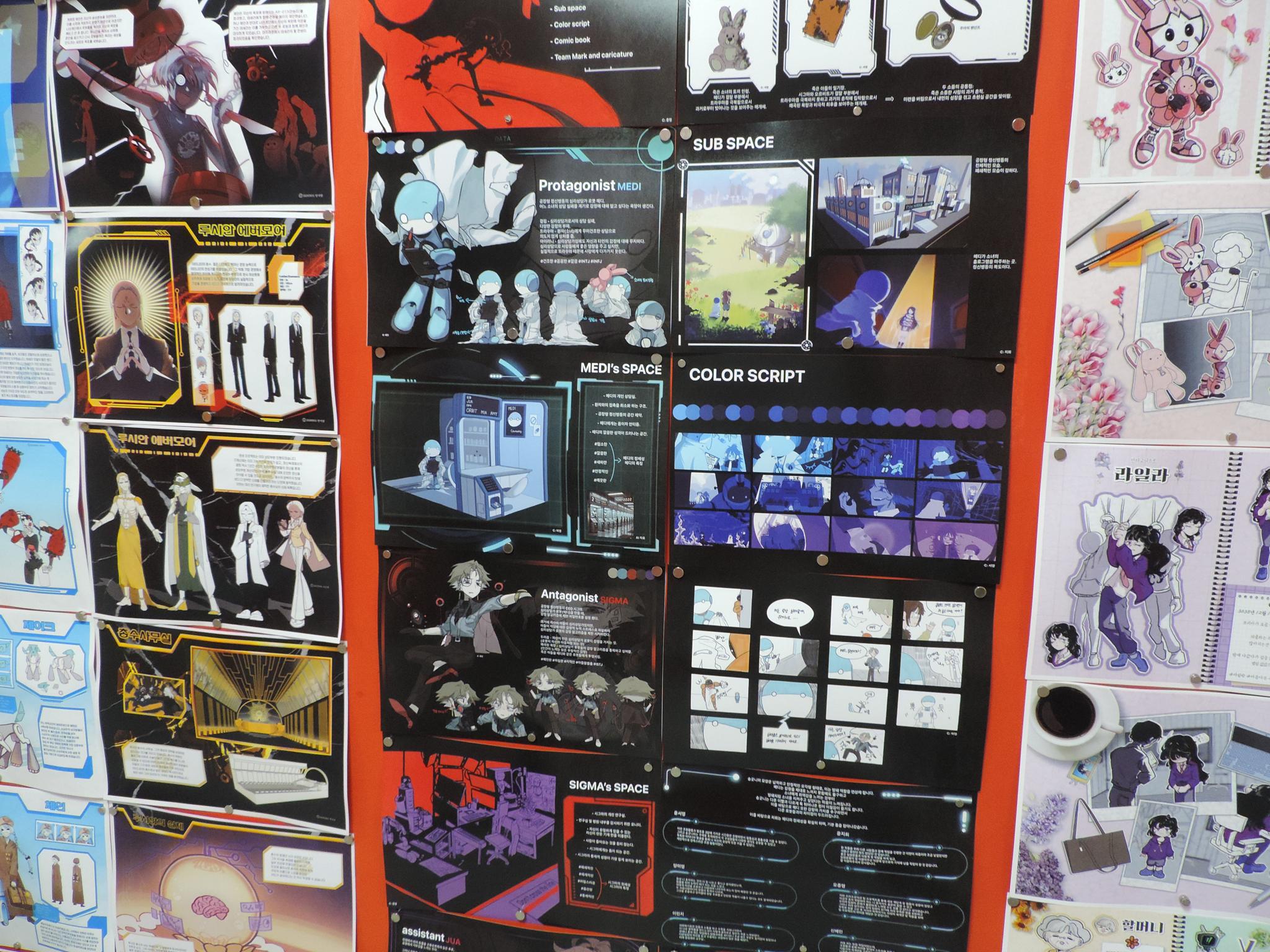
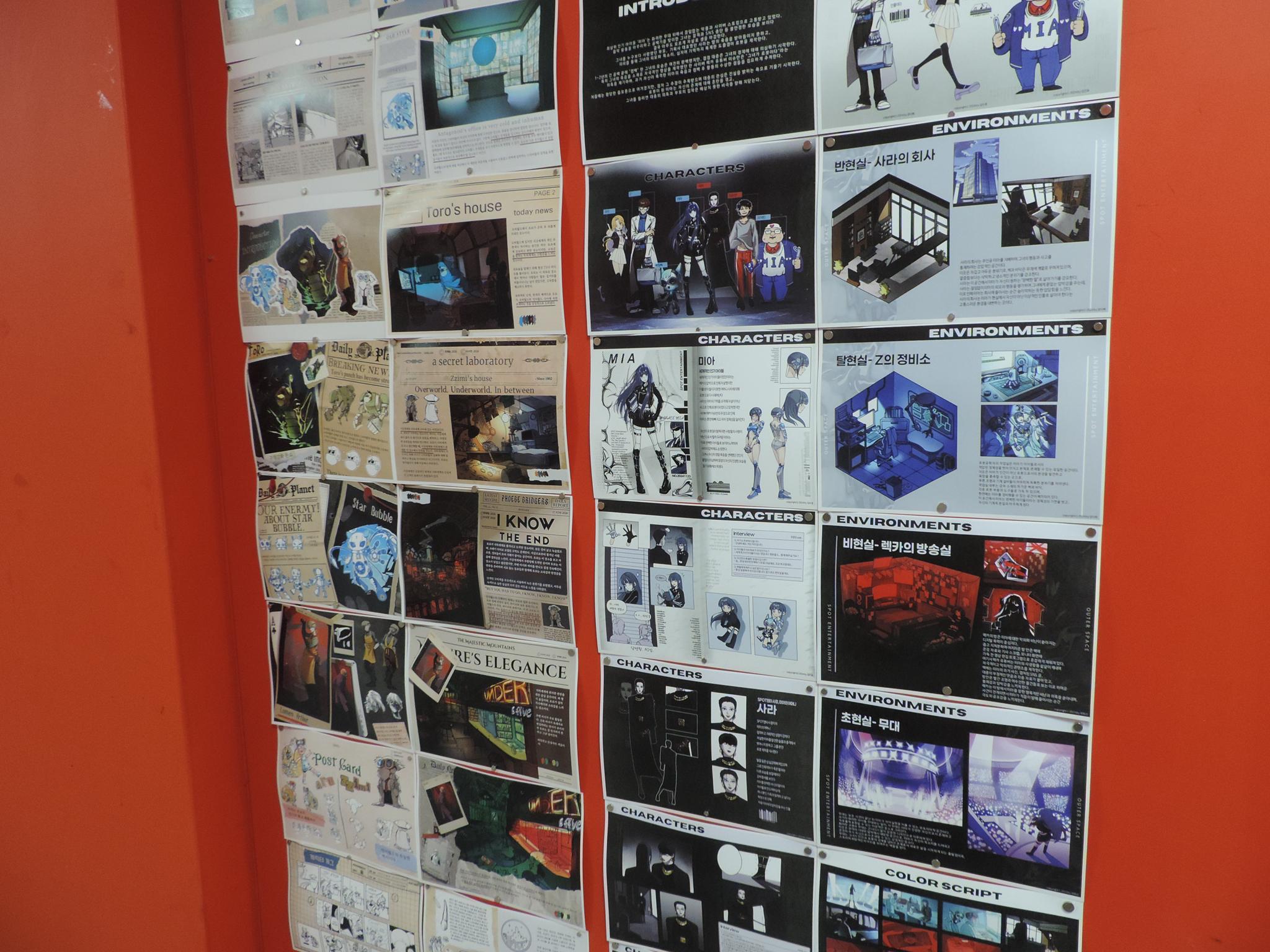
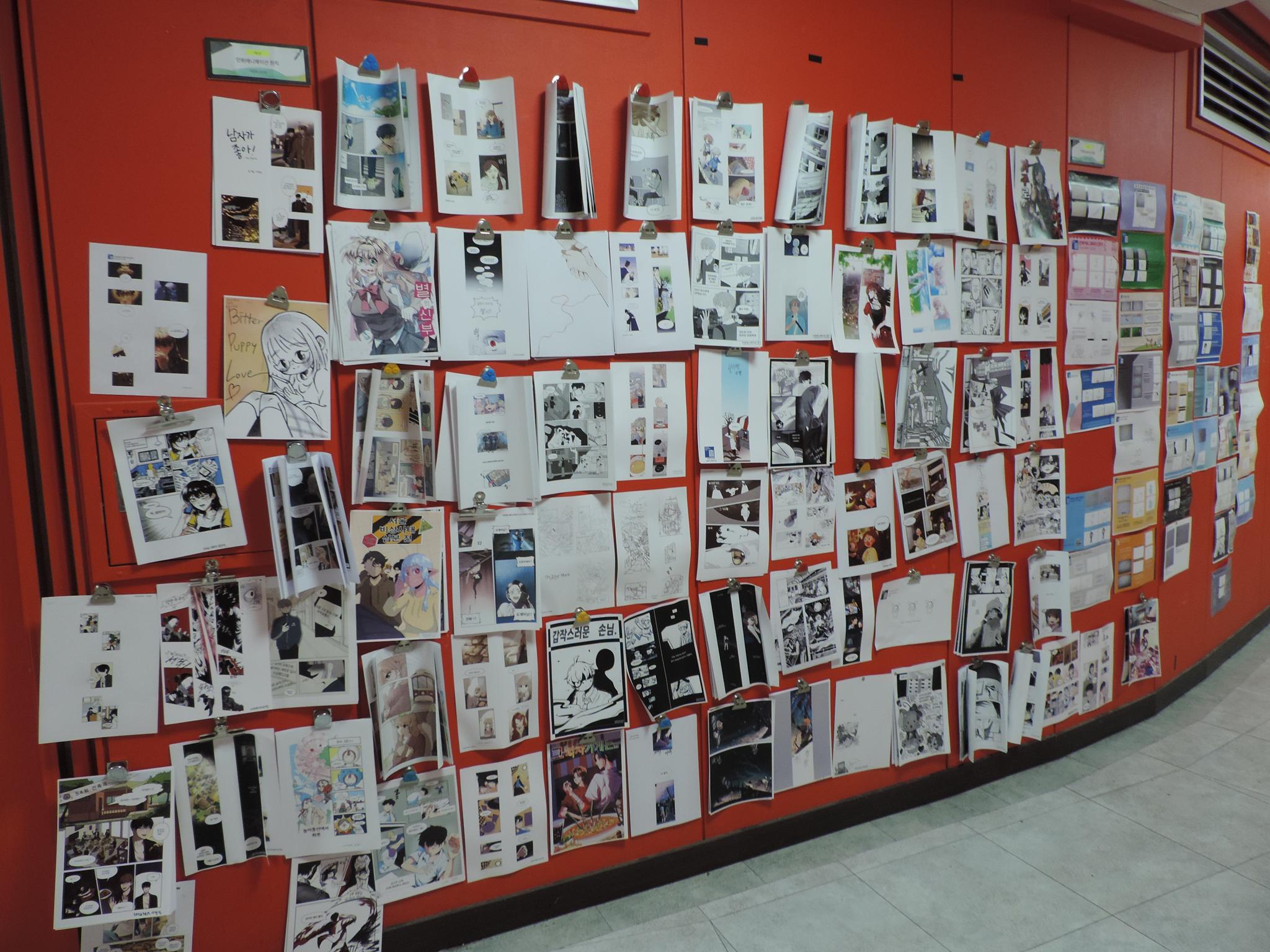
So first tell us a little bit when you started. Many years ago all the comics was everything painted by hand.
That’s right. There was a next step of development, of evolution when you had computer and you can do it digitally. but now with AI it’s either another step. Seven years ago there were the filming class in here. So they have actual cameras and camcorders to make films. But now all of our students have smartphones with strong video functions. And they have good cameras, so all old cameras are gone now. The smartphone is replaced by AI-generated films. I’m so worried about that. It’s a different kind of change. Because in the history of pictures, when the pictures came out, all the painters were worried about their jobs. But they changed their painting and survived. But with AI generated film and with cartoons, that is a whole different level. Those are excellently generated. That means, I think that is not just a tool. A tool becomes not only something, it becomes someone or somebody finally. So I worry about that AI is becoming an uncontrollable agent.
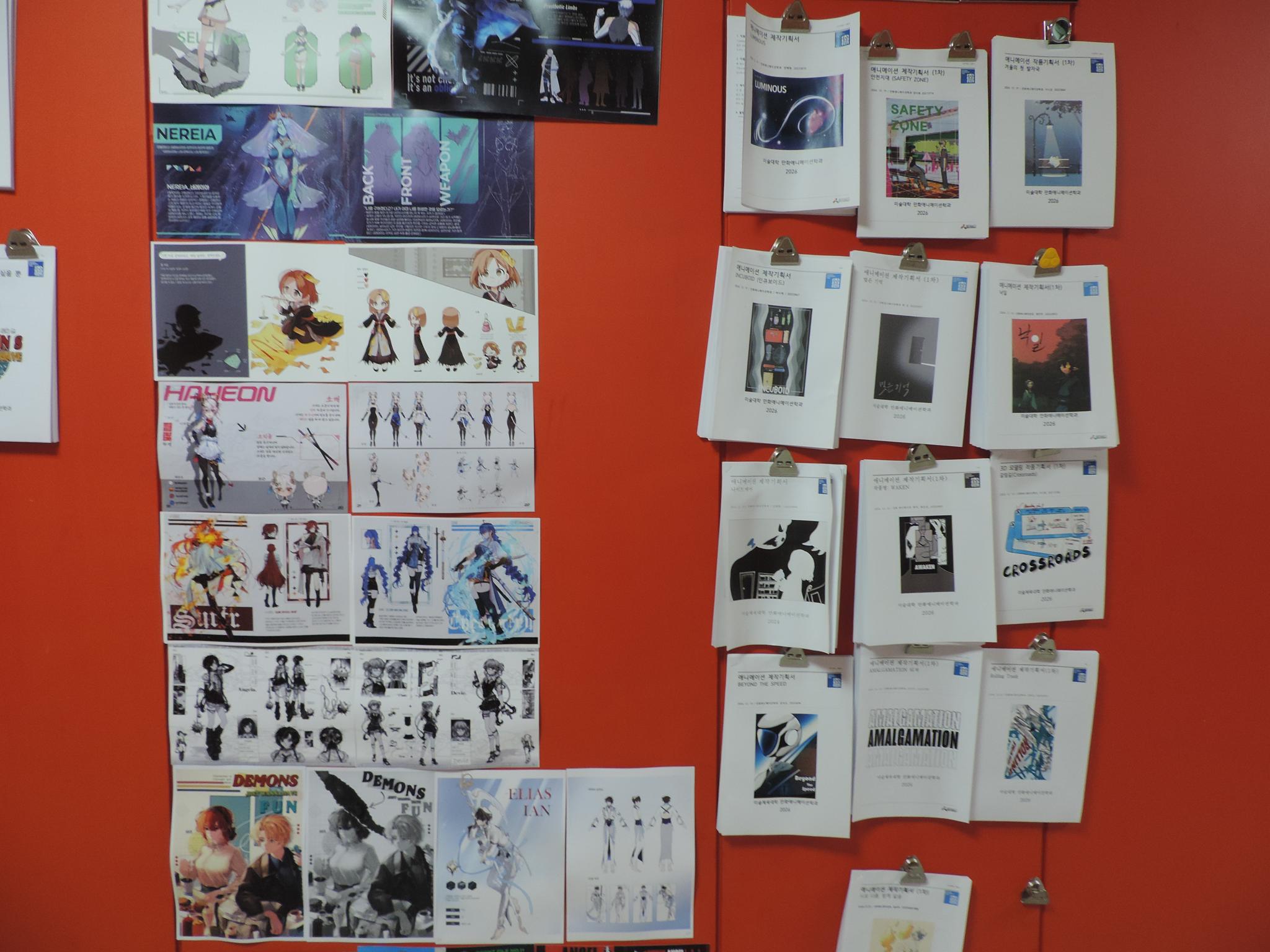
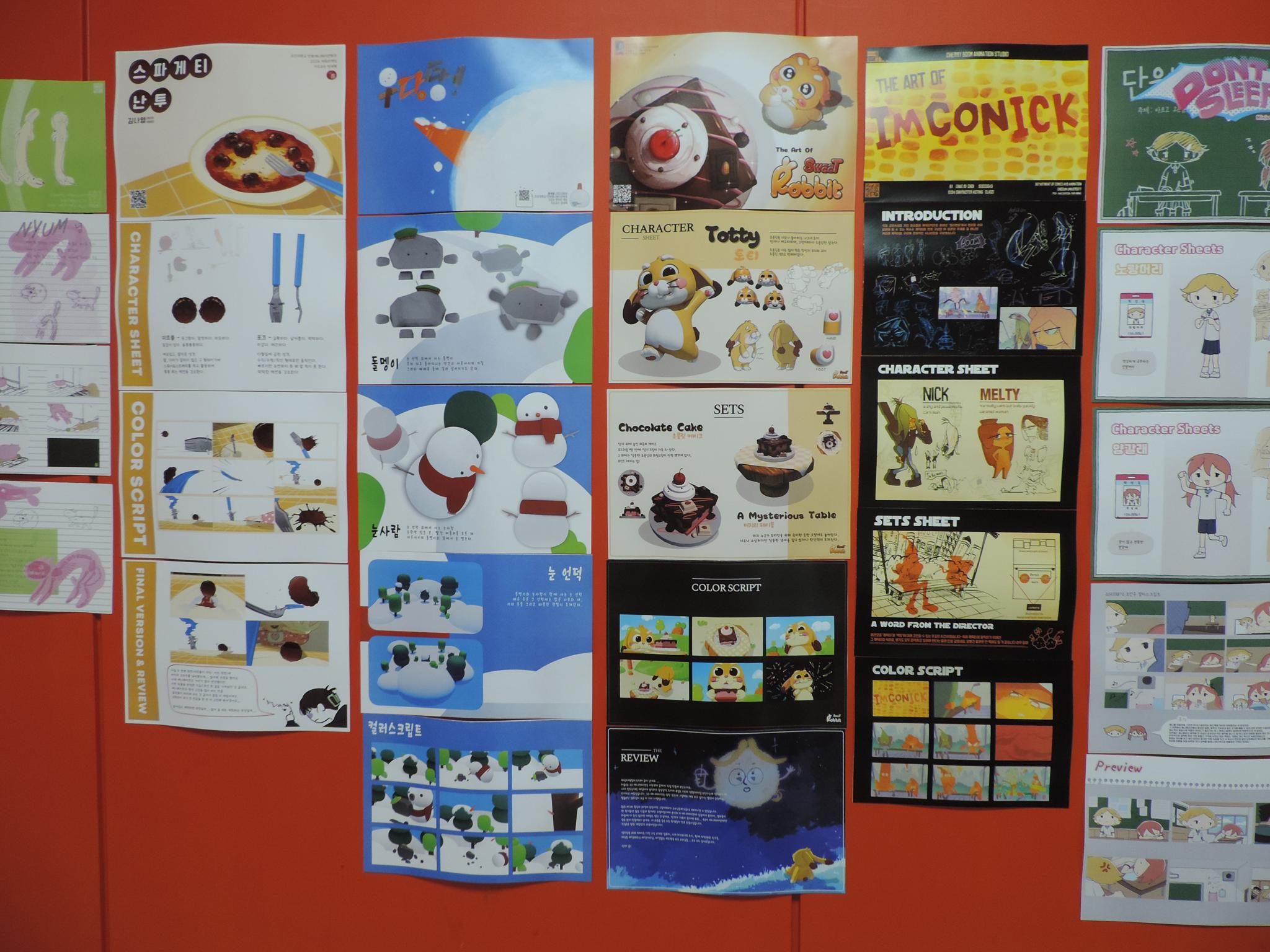
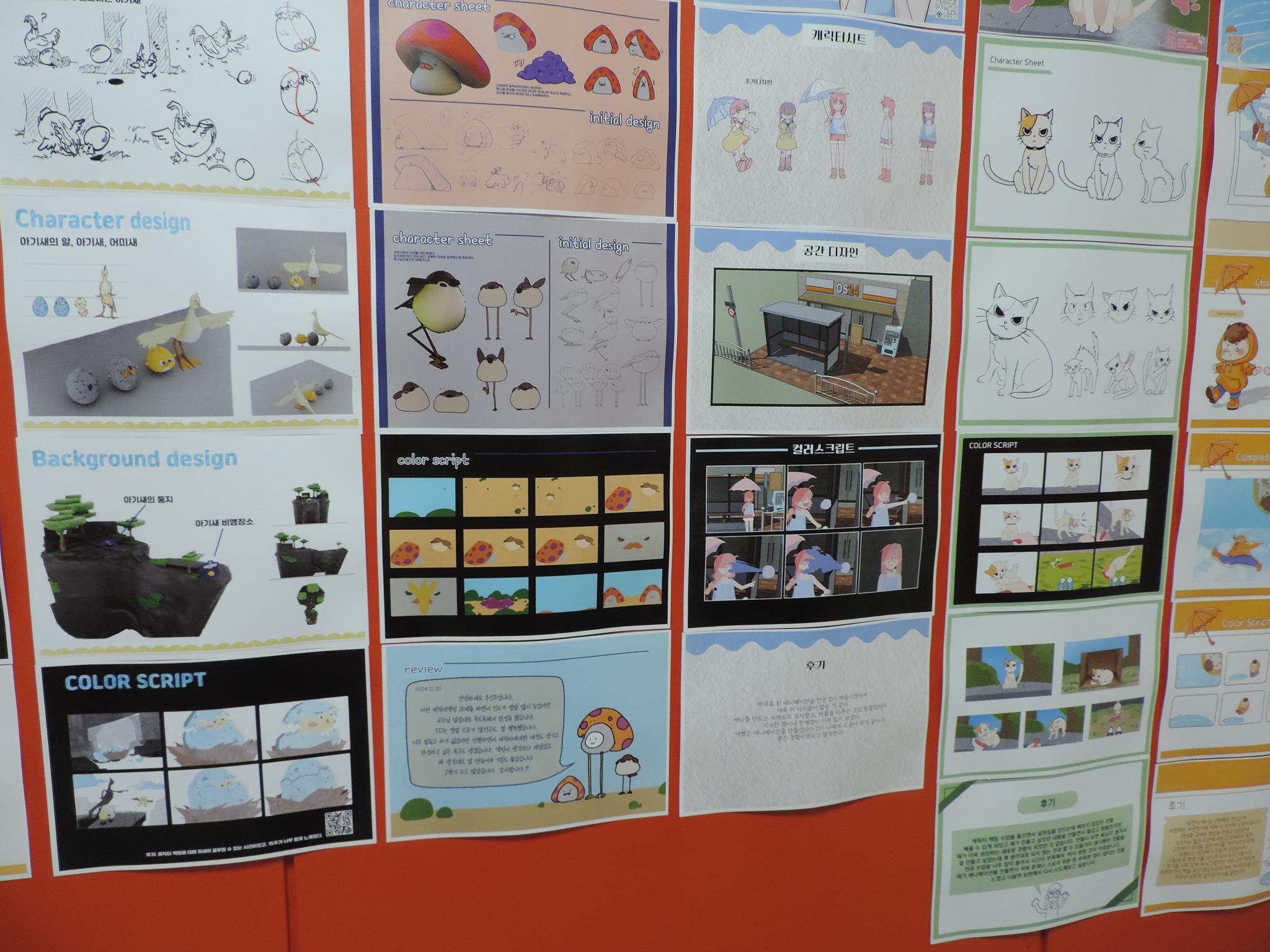
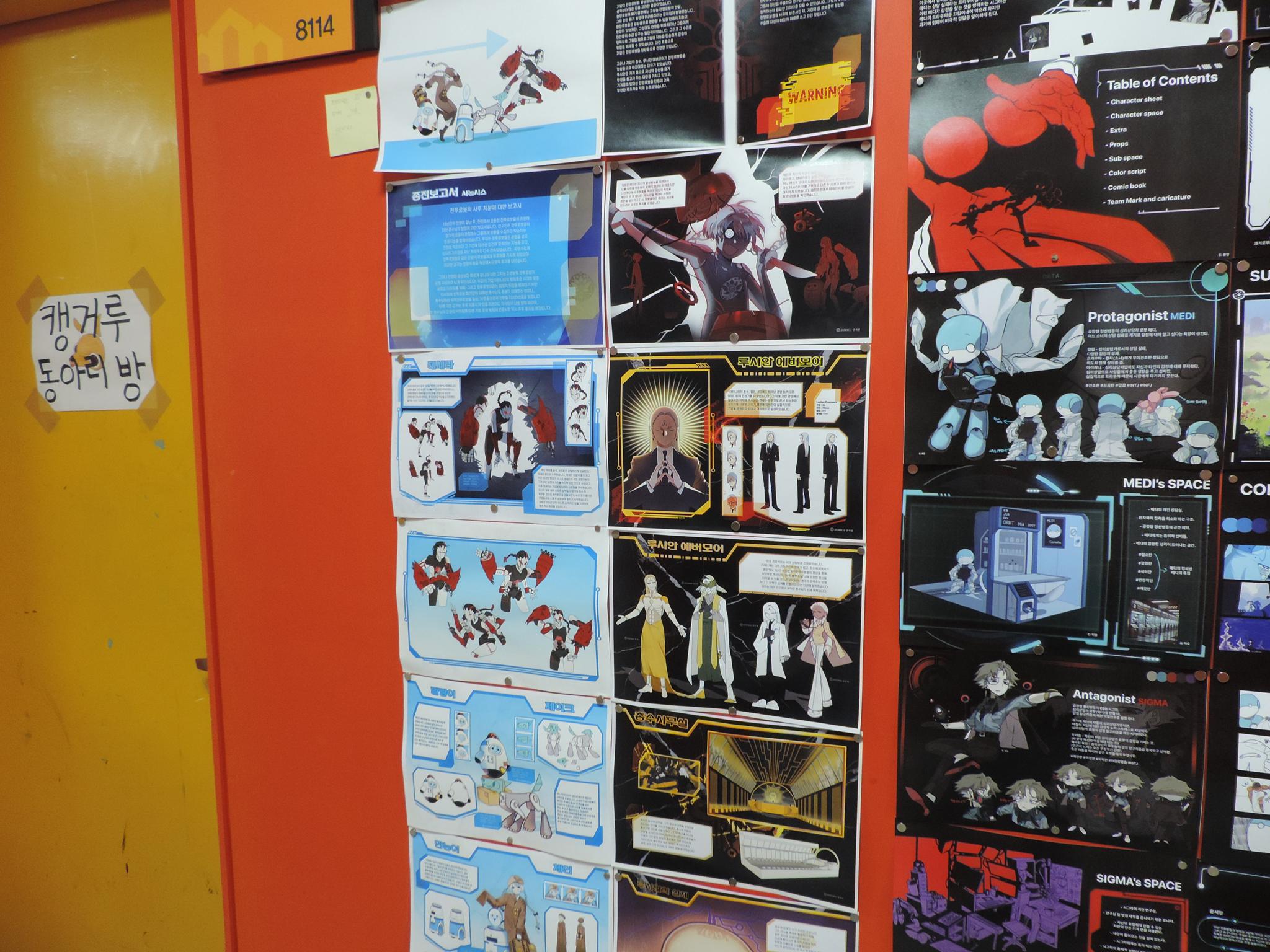
That it’s the start like in this utopian movies like Terminator where the AI one day will destroy us.
Many people worry about the AI will someday launch a nuclear missile or tear us or something like that. It’s a fear for for the future. But at the moment the problem is more that AI starts replacing the jobs of people, what people are doing today. Like earlier they painted something and now you don’t even need a camera anymore, the AI just does it. Well, many people imagine AI dystopia like Terminator or other science fiction movies. But the real truth is people become emotionally dependent on AI. Like AI is doing everything for them, so they stop using their own brain or their own creativity and they are using AI for everything. So it can have actually a bad effect on creative development. The creativity side is like an AI companion. AI companion looks like a cartoon and animation character, but they have their own ideas and own AI in their head. And I think our cartoon and animation characters become AI companions. So they they born their self and they they acting themselves and they are talking themselves. It’s kind of a whole different level of character creation and also the watching of those the animations or cartoons.
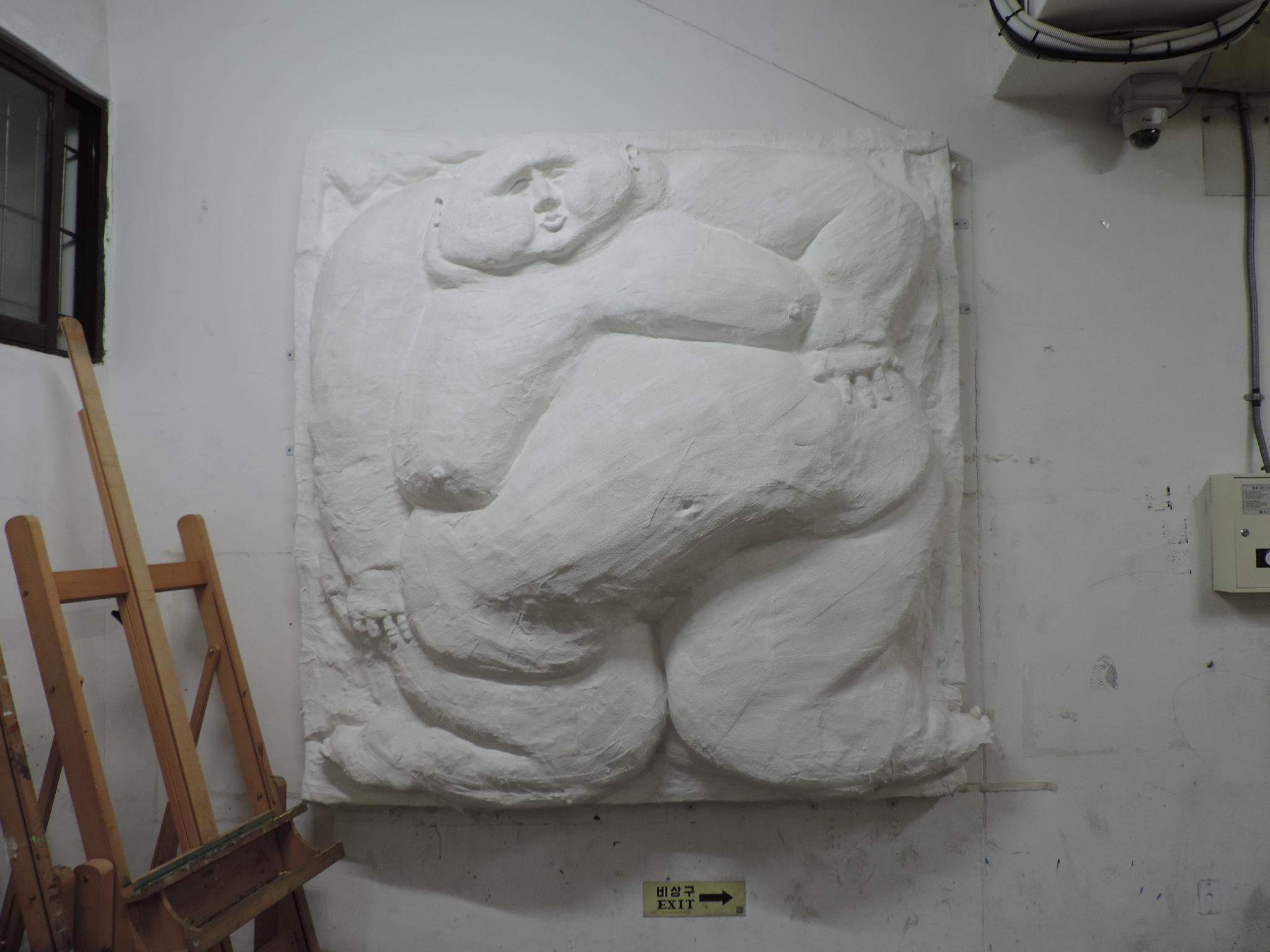
So it’s not only about creating a character and to paint it. It’s like you’re giving birth to a whole new life form. So does this mean when you do comics and animation and there is this AI part that you also have to do some programming? Or is it all made by AI? I mean you need some programming skills or some computer skills.
For now, making AI companion characters is a computer skill or programming skill, but maybe three or five years later, they are born themselves. There is no need for human touch. That is the real threat about art. For example, in the history of 2D animation, 2001 or 2002, the same animation is gone and digital animation came out. So cell animators are losing their jobs. That is a story, but for now, making animations and the meaning of it has changed. It’s not kind of a cell animation to digital or the picture to the drawing. It is not a matter of that kind of problem. Doing art or creations‘ meanings is a way of change.
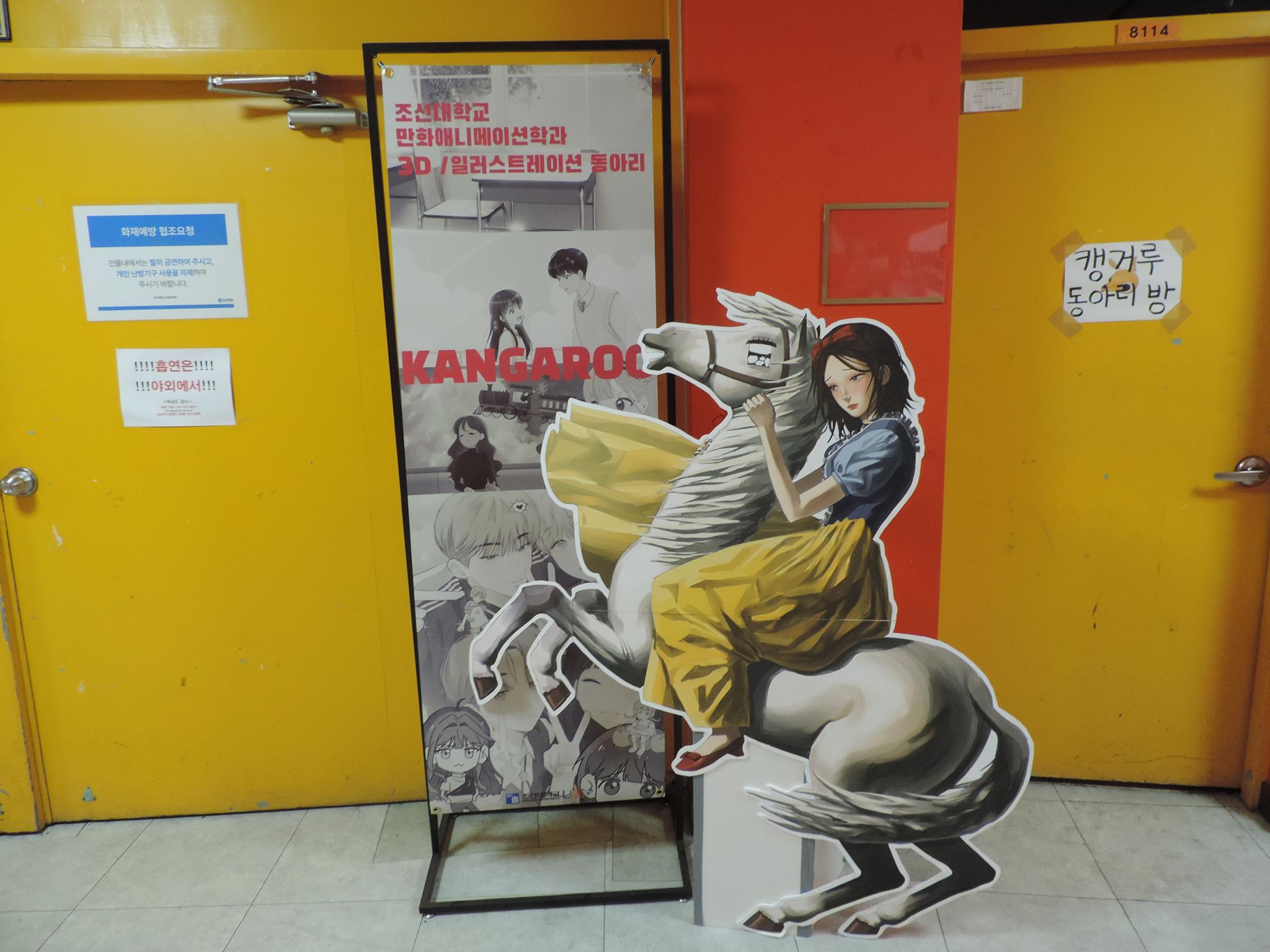
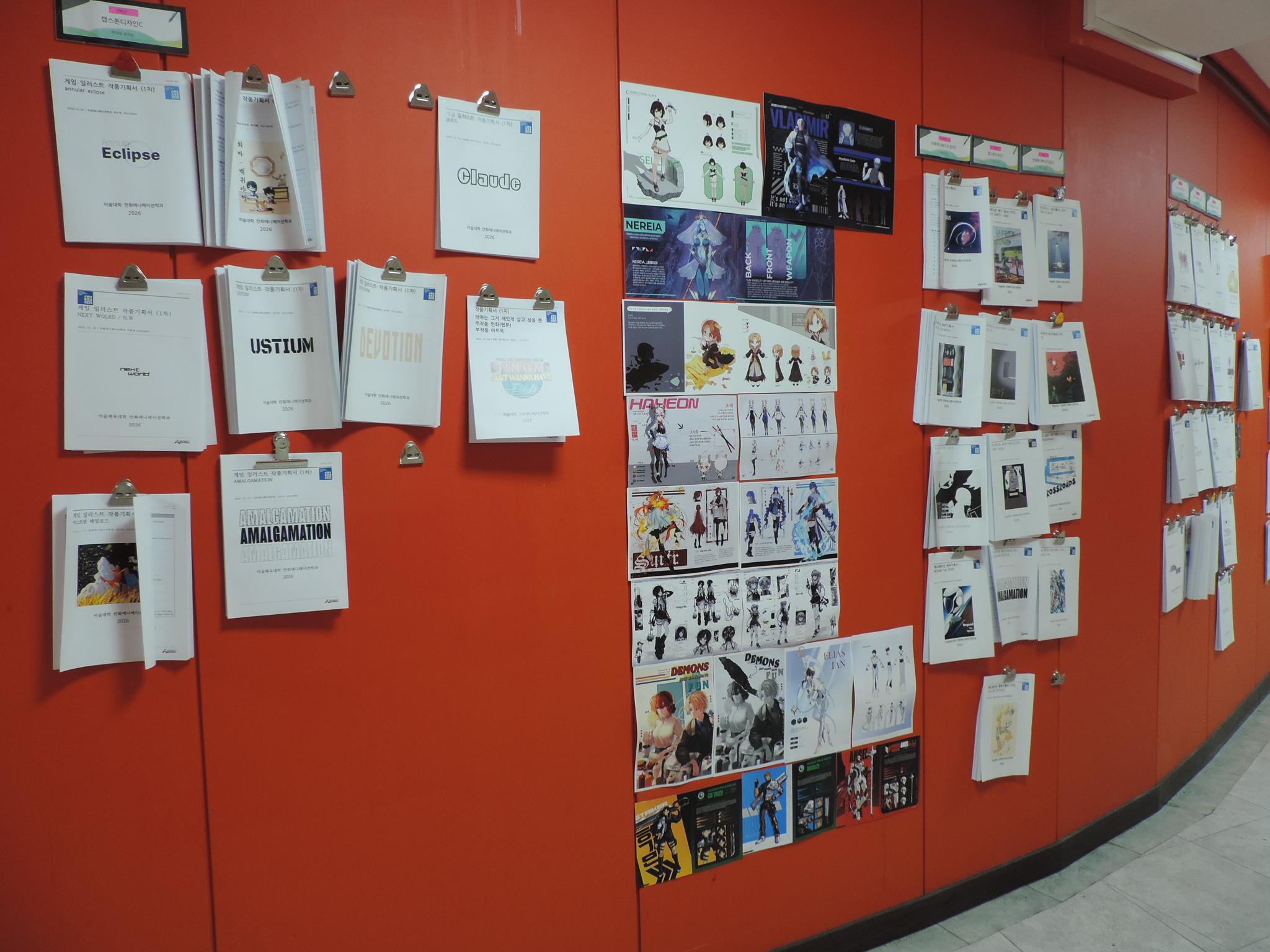
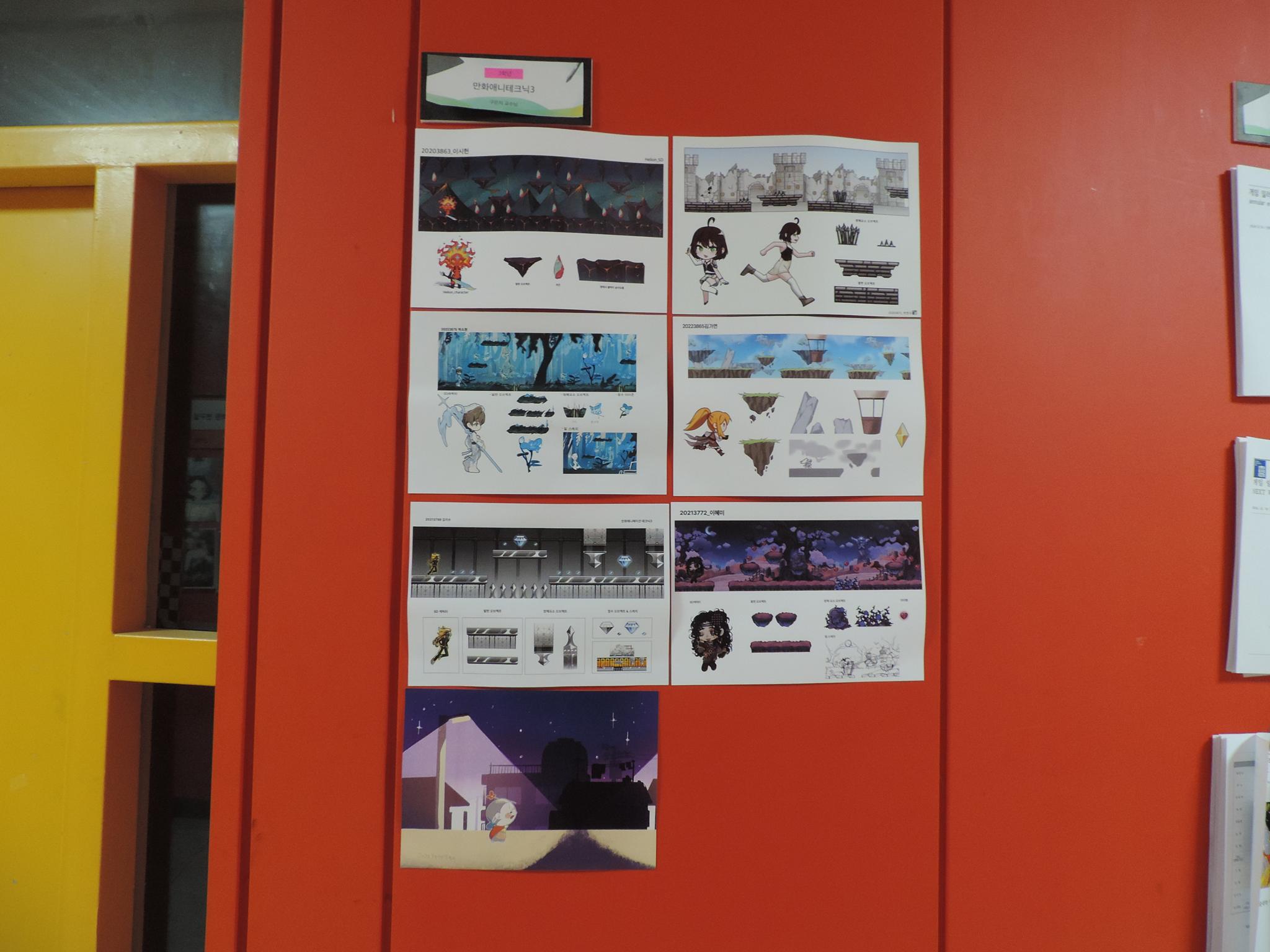
They are already on Instagram, there are accounts with artworks which were only made by AI, or there are accounts like by from whatever, from a model, woman or man, and they are completely AI, artificial designed, or from artificial intelligence, and they have like thousand followers and maybe a lot of people don’t even know that it’s AI.
Right, yes. It’s an ongoing situation. Even Instagram comments are being suggested by AI now. So people are losing their rights about thinking, drawing or typing. And all the things controlled by AI is too dystopian. It’s a dark side, I think.
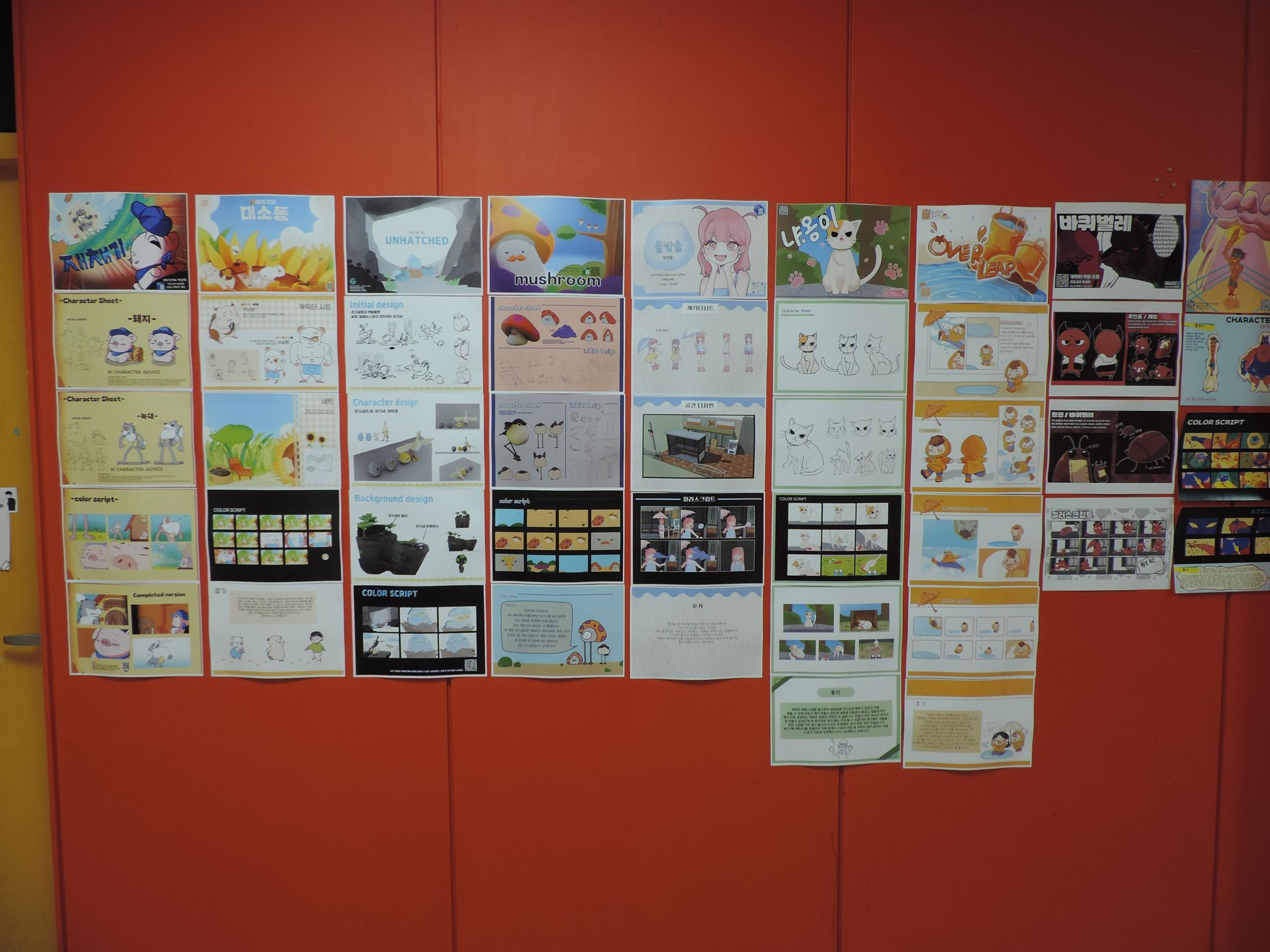
When you have your classes, you teach also about AI, but you teach them also about how they can draw by themselves, so still the old school?
Yes, there is a conflict. Our students also have that conflict too. They need to learn AI, but they also hate using AI as an artist. It’s a common problem in this university. Many of the students and many of the professors are saying, we need to learn making AI, we need to learn how to coding. But I think that time is past.
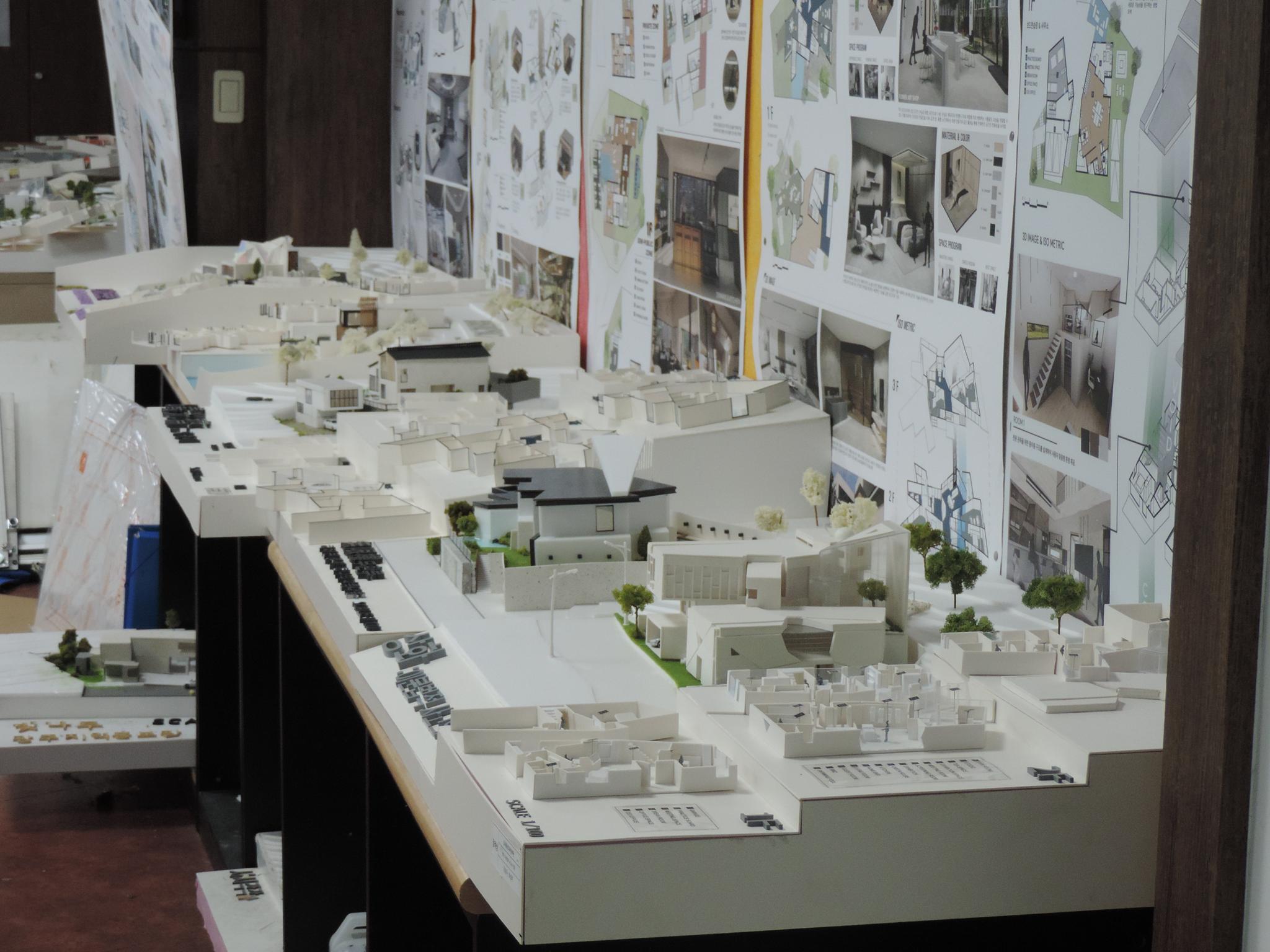
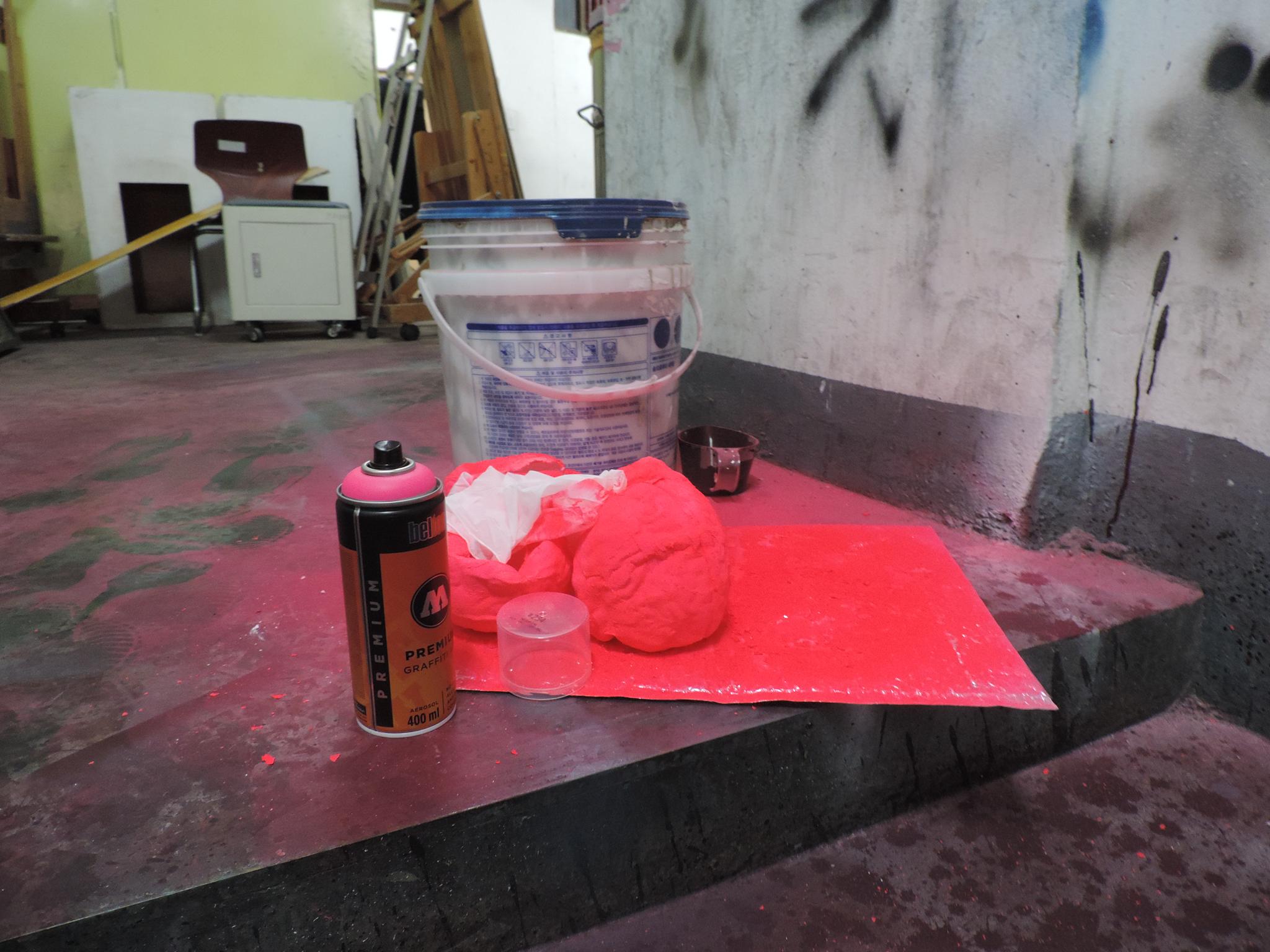
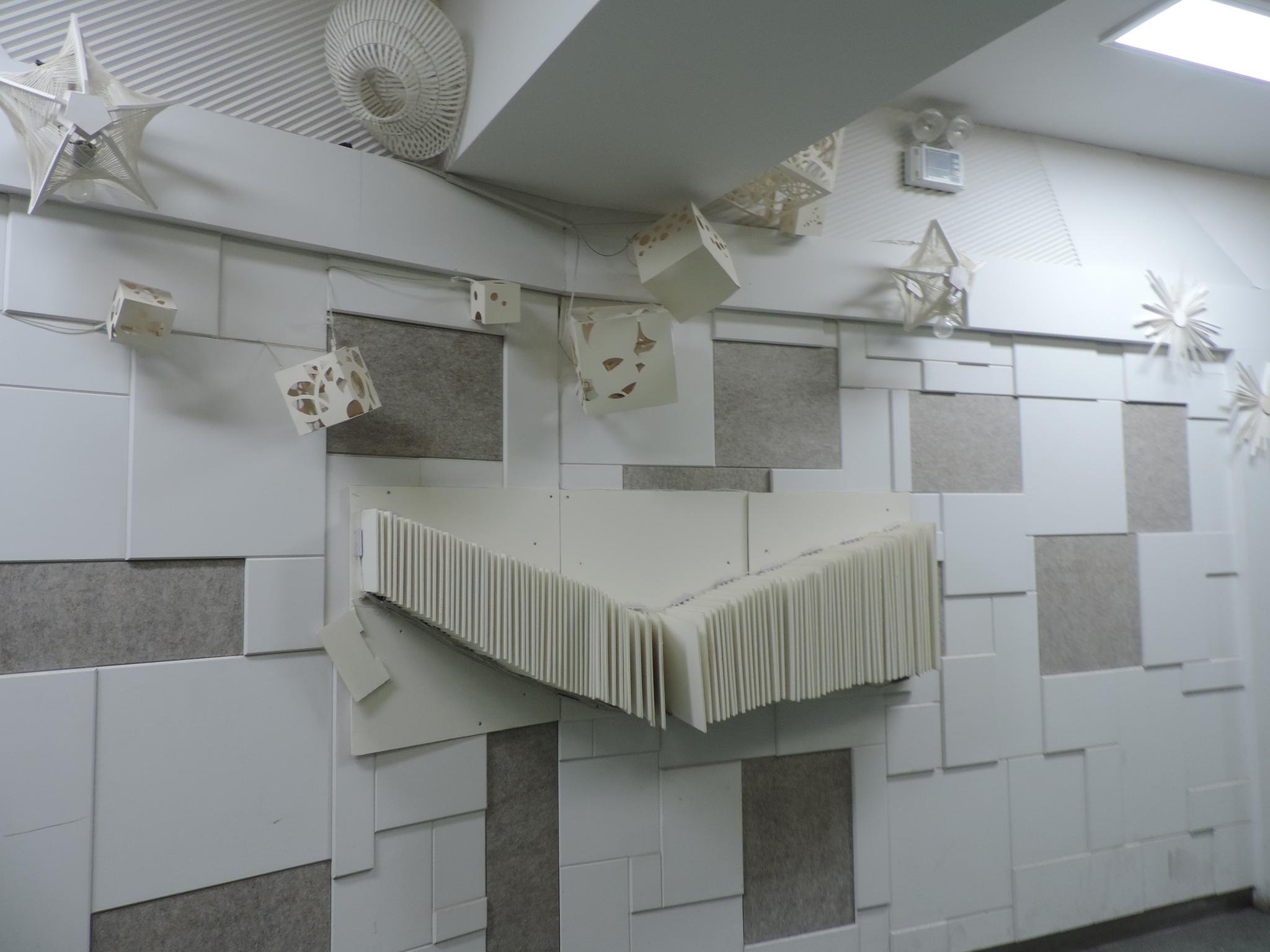
It’s already past that point, we cannot stop it anymore. There is also this part of passion and fun. So to do art, it also has to be fun. And a painter, he really likes to paint. It’s not only that he wants to have the finished painting, the process of painting is also very important. And with AI you can have a finished painting. But if you are a real artist, you want to do it yourself.
Yes, that is right. This is a very important point of it. Well, AI-generated film or animation looks like AI, looks like animation, but I think that it is not how animation gets done. Because there is no acting of human beings. The act of creation is more a matter of physical body movement. I think in the future, our own body and mind will be the most important thing of human beings. For now it’s the same, but you see that the creator’s mind and creator’s feeling is more important than now. So AI art is generated. The flow in pixels, the pixels are generated and flow like a kind of river. It’s not growing. But the artists need to use their body for creating, so this is a completely different perspective and feeling about doing art.
We live in a world where everybody is aiming to be perfect. Like on Instagram you have the many filters, you make everything nice, your body nice, your face. Now with AI, everything is like this and it becomes, or it goes up to a level that maybe it is just too nice. Maybe it’s too much and then you realize if everything is completely perfect, that it’s not that beautiful anymore. It doesn’t look real and authentic. And then you realize the imperfection of humanity has something beauty in it, because it’s not super perfect.
Yes, definitely. And I think the human-made art and the AI-made art are different. It is not about that AI art is wrong, it’s not the case. But it’s just something different. So the bright side of AI artists is that the work is super detailed. And making somebody’s imagination to the physical art is the good side of AI. But the human-made art has a human’s acting and mind and especially the body movement. I think human-made art and AI art are just different. But it’s both interesting, so it will both stay there. I think maybe still if you use AI for creating like a movie or a character or comics, there is still this part with the story behind. And the story still comes from the human mind, from the human idea, like the story plot for a movie.
Tell us a little bit about your students, so what do they do in the classes? Do they invent a character? What project do they have to do? Or do they make a comic or a little short movie?
One part are the basic drawing classes. Here we call it action cookie section. Cookie with the acting means that they do acting themselves. And then the other students are croquis, they’re acting, like an actor. Sometimes they do the dance, and sometimes they do the pantomime, with the acting and with the drawing. That’s the year one courses for the freshmen, the basic design class, the basic drawing class, the basic sculpting class is year one. So like in this year one it is maybe, let’s say, a movement. Somebody is doing this movement. And you have how to draw this movement in many different paintings or small basic drawing sessions. It is for the joy of drawing and to get to know the joy of drawing. And then the next session is the principles of animation. There are twelve principles of animation and we have many students and many professors. Disney made those principles. So they make a short animation about the twelve principles. And also they have the basic course of cartoons and webtoons. Especially webtoons beca,e so important in Korea.
Can you explain us more about what a webtoon actually is?
A webtoon is kind of a new word about a comic book, but online. Web means webpage and toon means cartoon. Many Koreans read comic books with webtoon format. So the difference between cartoon and webtoon, it is that a webtoon is a scrolling comic strip. You can say a webtoon is actually a cartoon online, but it has more meaning about it. To call it online cartoon is correct, but the important thing about it is the lead to lead scrolling. So the whole webtoon is about haveing a scrolling type of comic strip and they are launching new webtoons day by day. So many webtoons are online around Korea. And meanwhile the webtoons expanded from Korea everywhere around the world. It became really very popular. Also in English, it used to be kind of broken English, but now the webtoons are more and more and getting better and better. Webtoon has grown with Korea’s networking service. Korea has a strong networking service with online and offline content. I mean online with mobile and computing and cloud service. So webtoon is important.
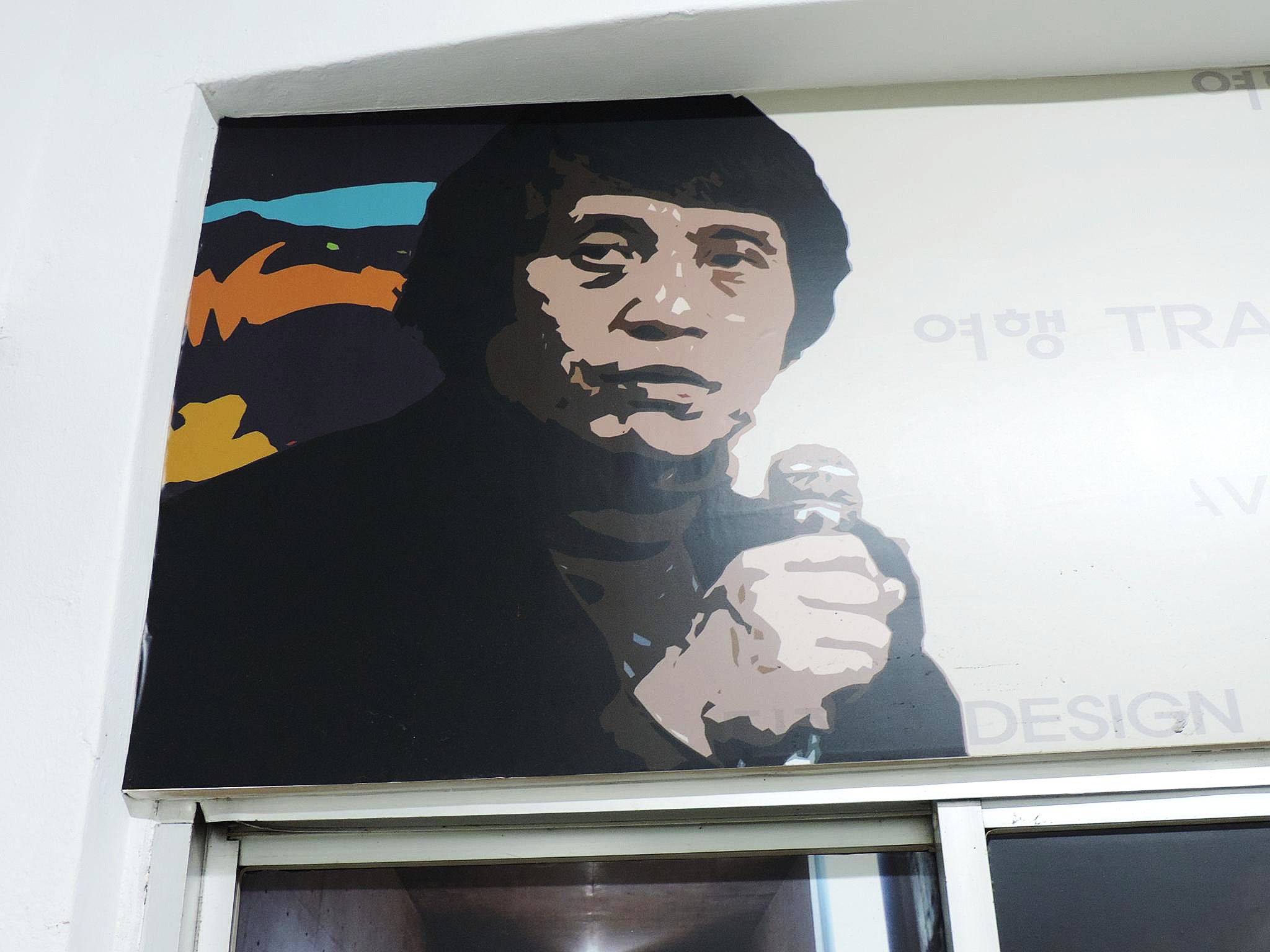
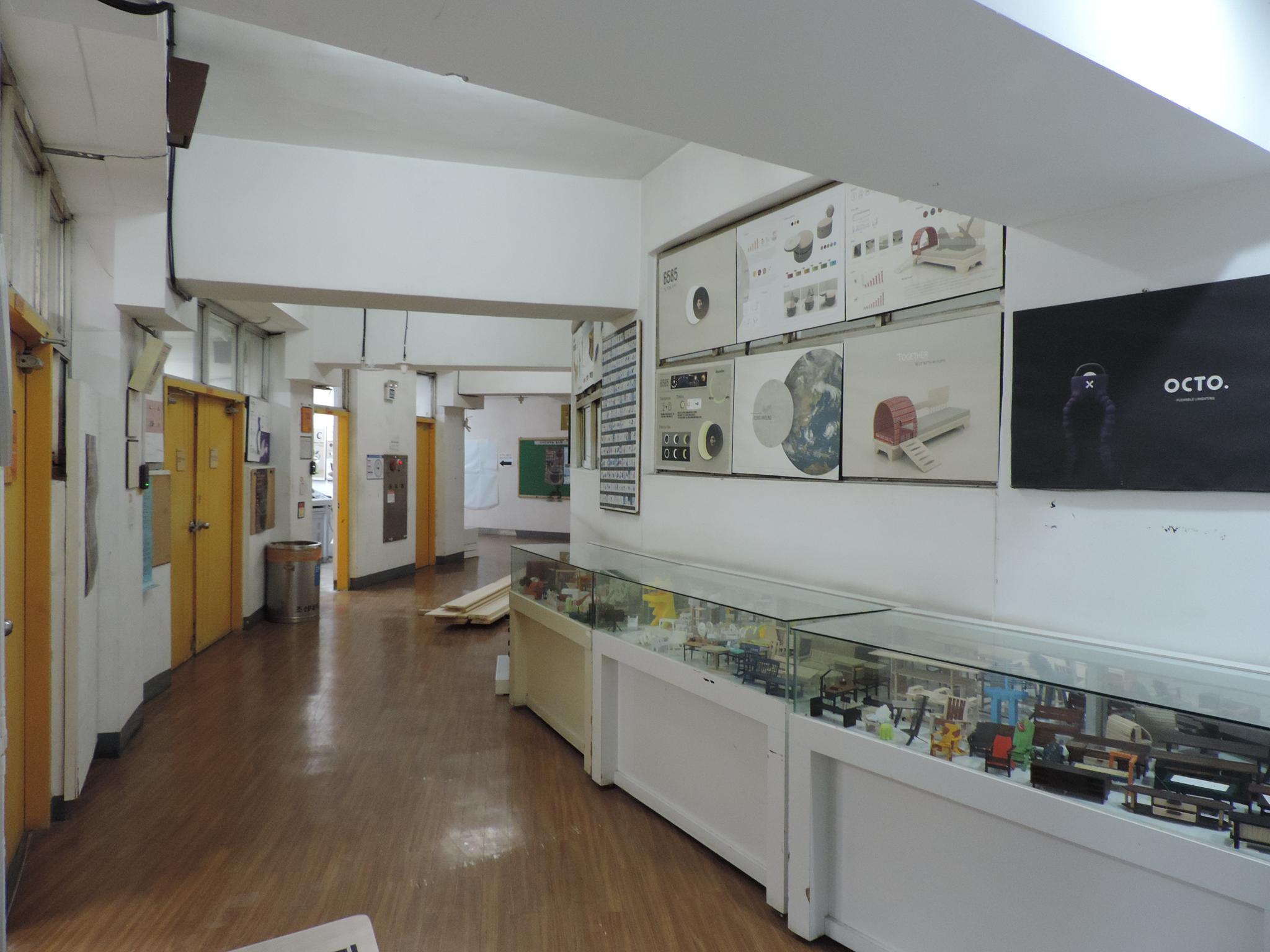
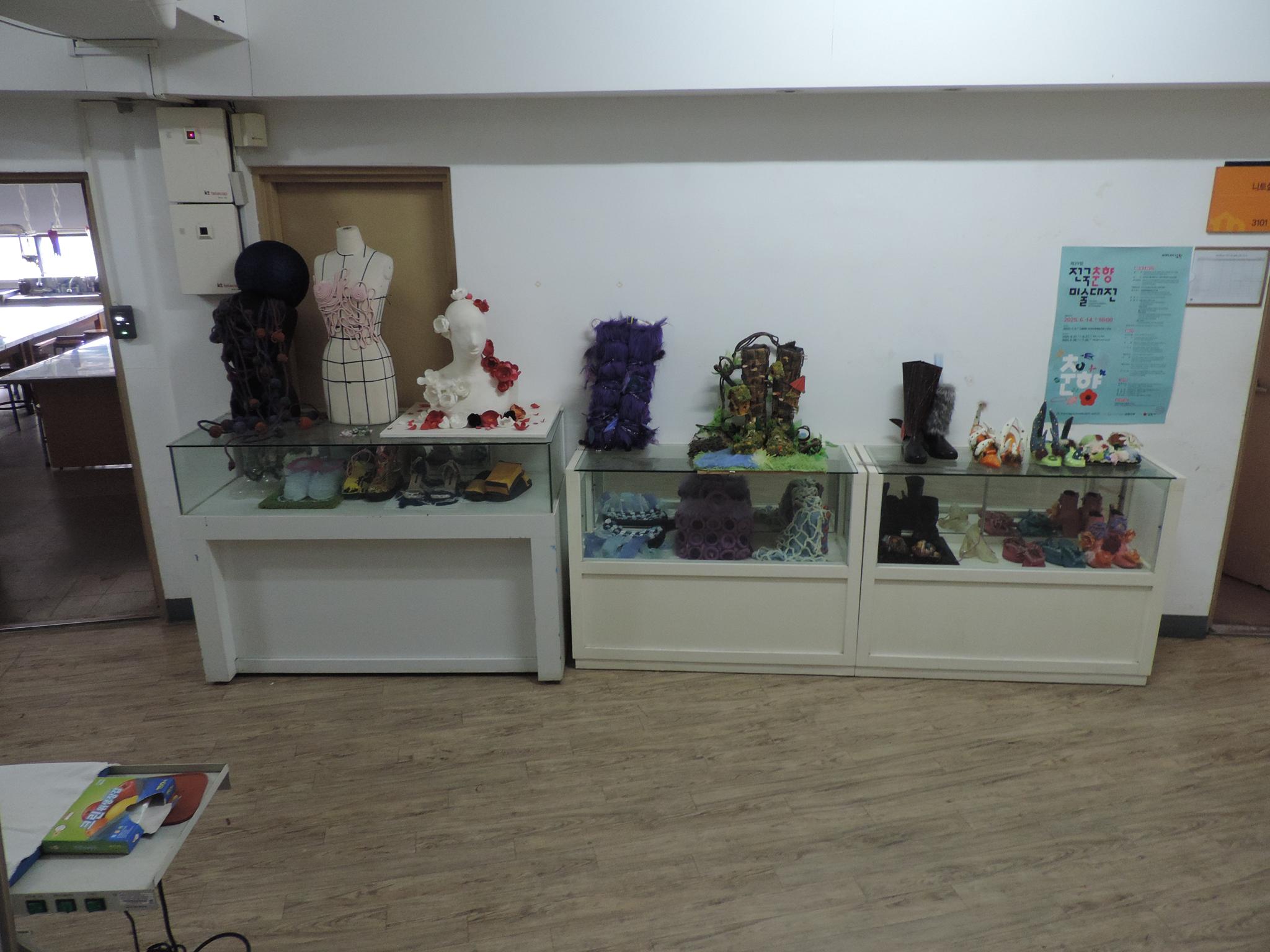
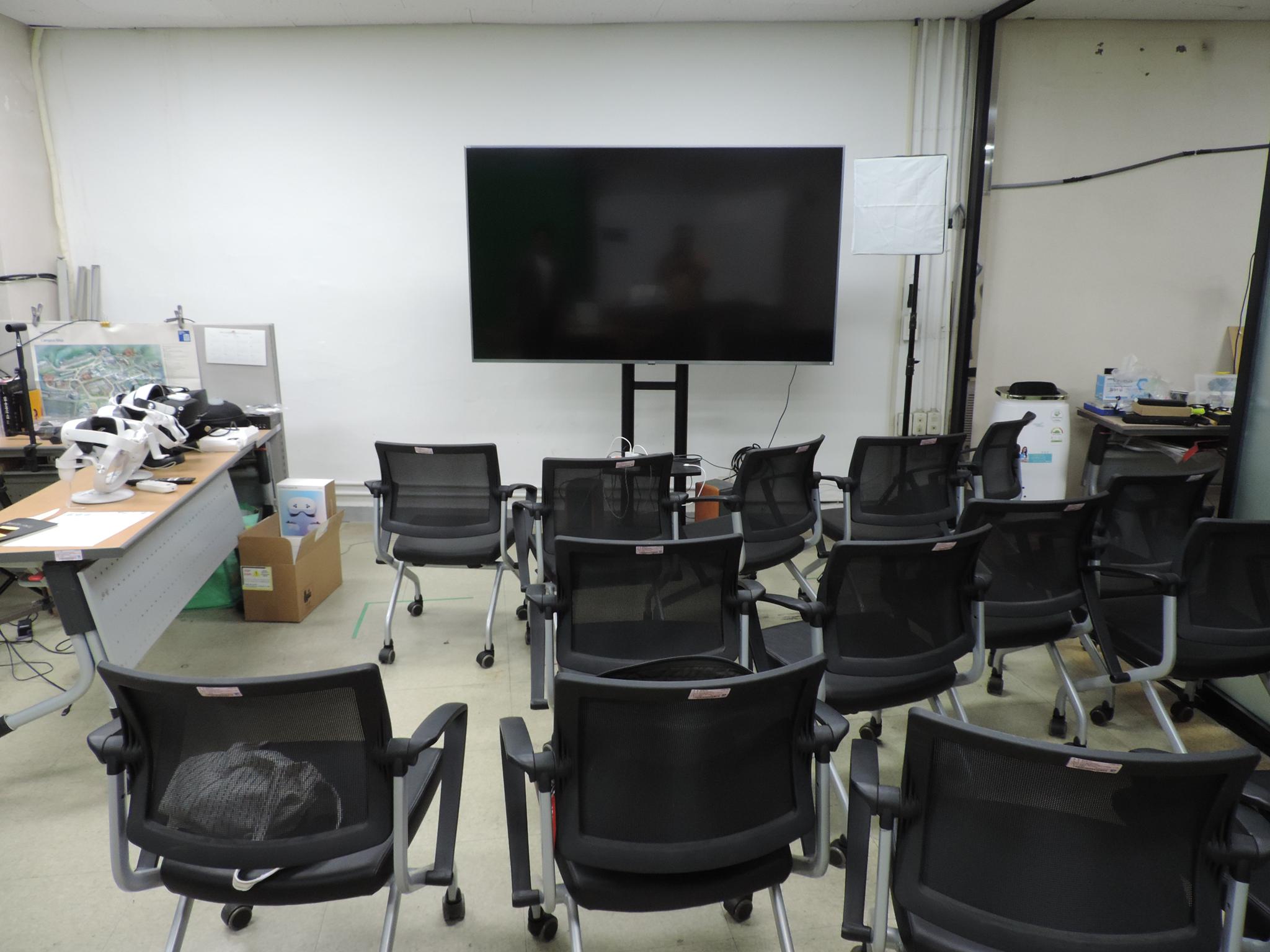
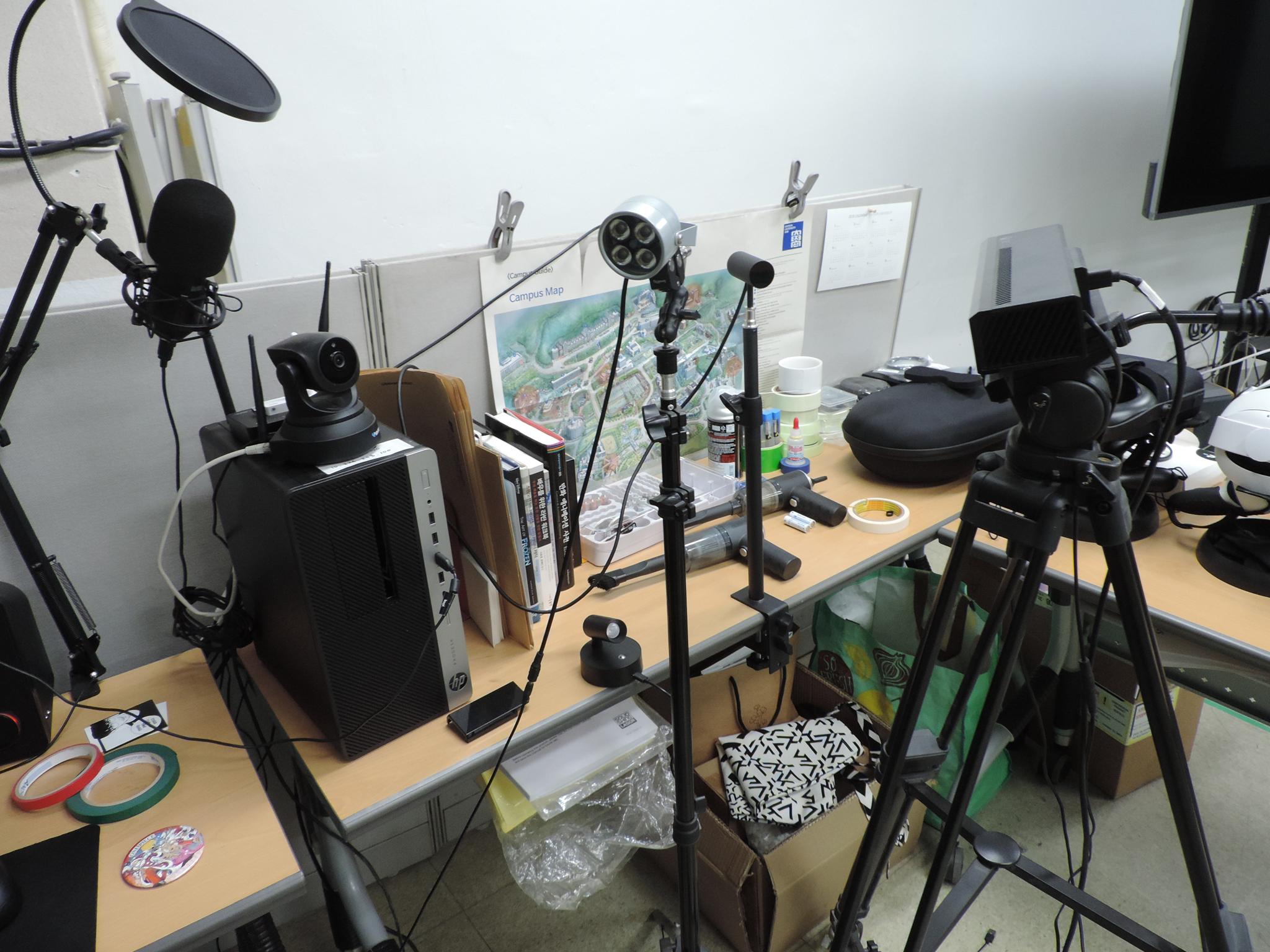
I think we have to be able to change because of the mobile devices that will be changed to the VR or the handheld, the standalone VR devices that came out. They will replaced the smartphone, then the webtoon will be changed to something, to VR-Toon or something. It’s an ongoing situation and I think maybe three or five years later, Smartphone maybe changing on other things to the kind of something about the VR device. Since the macrochip covers everything, the smartphone will be changed to our VR device. So in the future maybe very tiny VR devices will exist, or maybe like a contact lens or implant. Then the laptop will be changed because the scrolling is gone and there will be some kind of method of a lead. It will stay very interesting because maybe later you don’t even need the smartphone to scroll. Maybe you just have it in your mind and you don’t even need any contact. You just control it with your brain and while you are walking on the street. And then somewhere in your brain, you have the comic. That kind of imagination is important to our students. Yeah, well, not all professors are like me. Others think different about that.
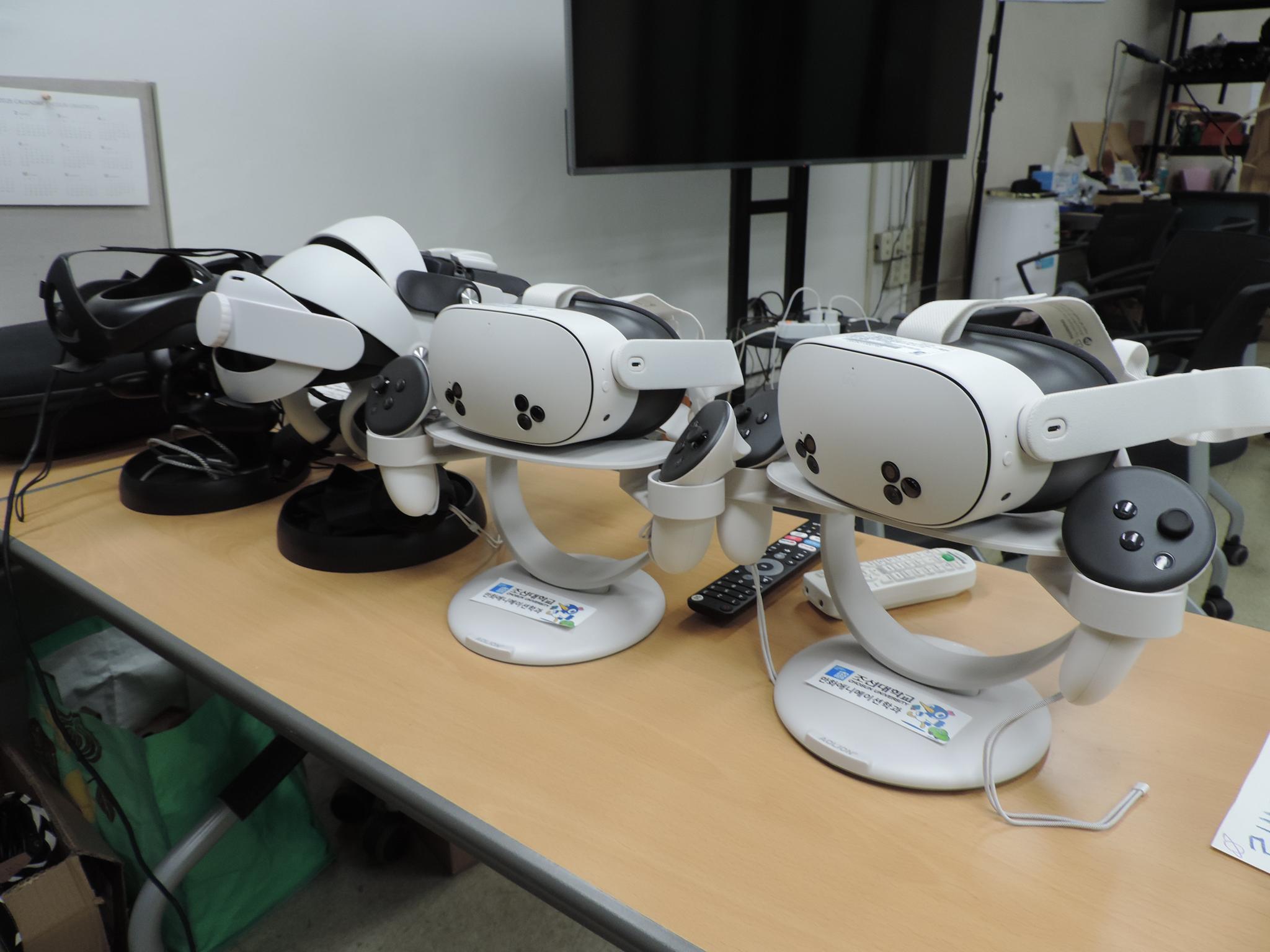
I use modern technology on the computer, I use AI for different things and I read a lot on the smartphone and on the internet. But I’m still a big fan of real physical comics, mangas and books. I just love it to have a book in my hand. And a real book to read, a real comic to look at, I think it’s just different if you have it on a smartphone than if you have the book in your hands. Because every human has a different sense. You can see, you can smell, you can taste and the book it just feels differently, it even smells differently. So I think this whole experience reading a comic in a book, this will never be gone and you cannot just put this on a smartphone. So I think, of course there will be development and evolution, but I’m sure there will always be people who still buy books and real printed comics.
There are researchers that say that information does not remain in e-books or electronic books, because the text location changes every time. So in a real books there is always the picture in here and the text is always the pages. But ain an e-books not. They always change about the text and the points are changed, the text location is changed every time. So it is remaining.
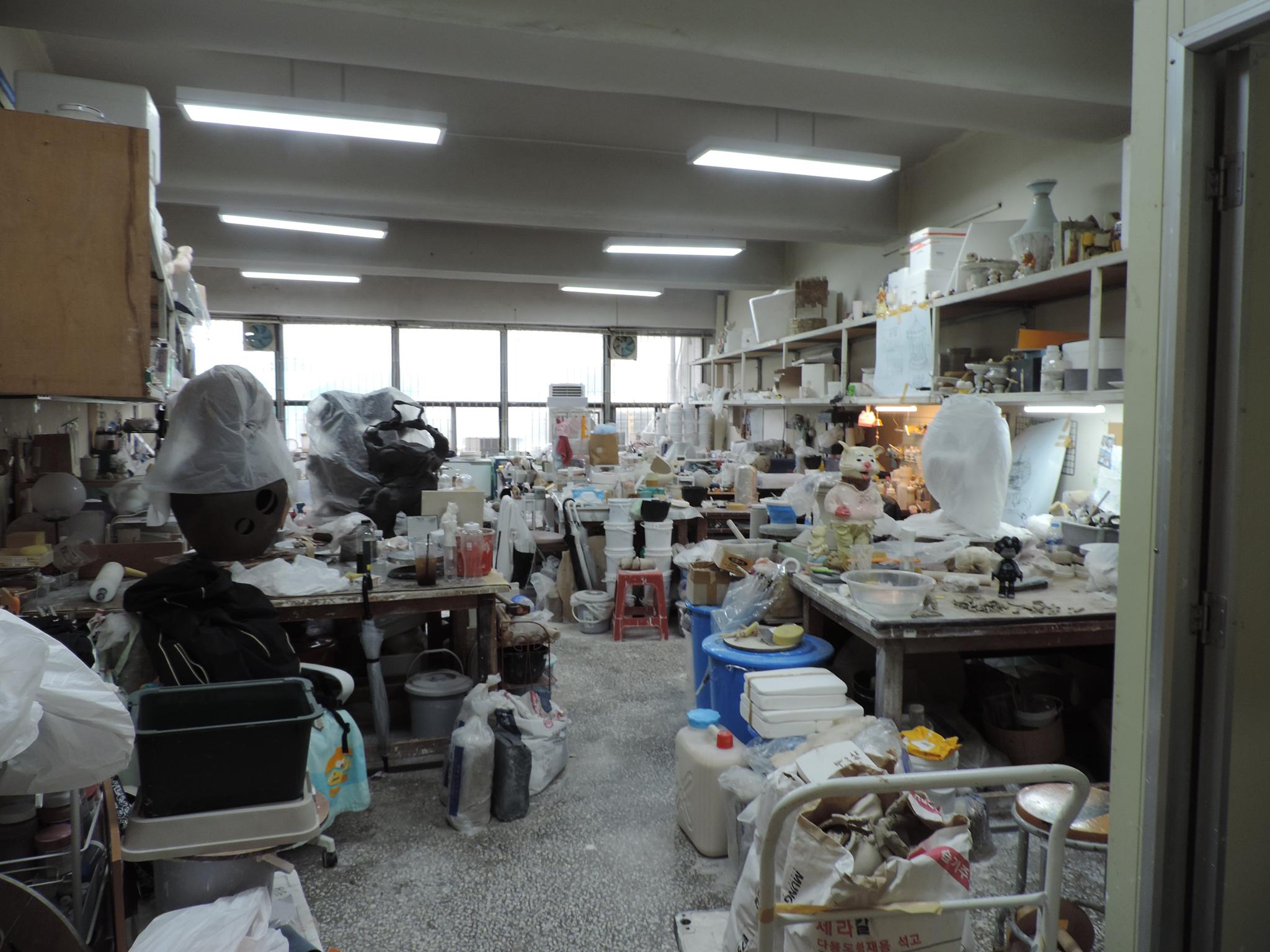
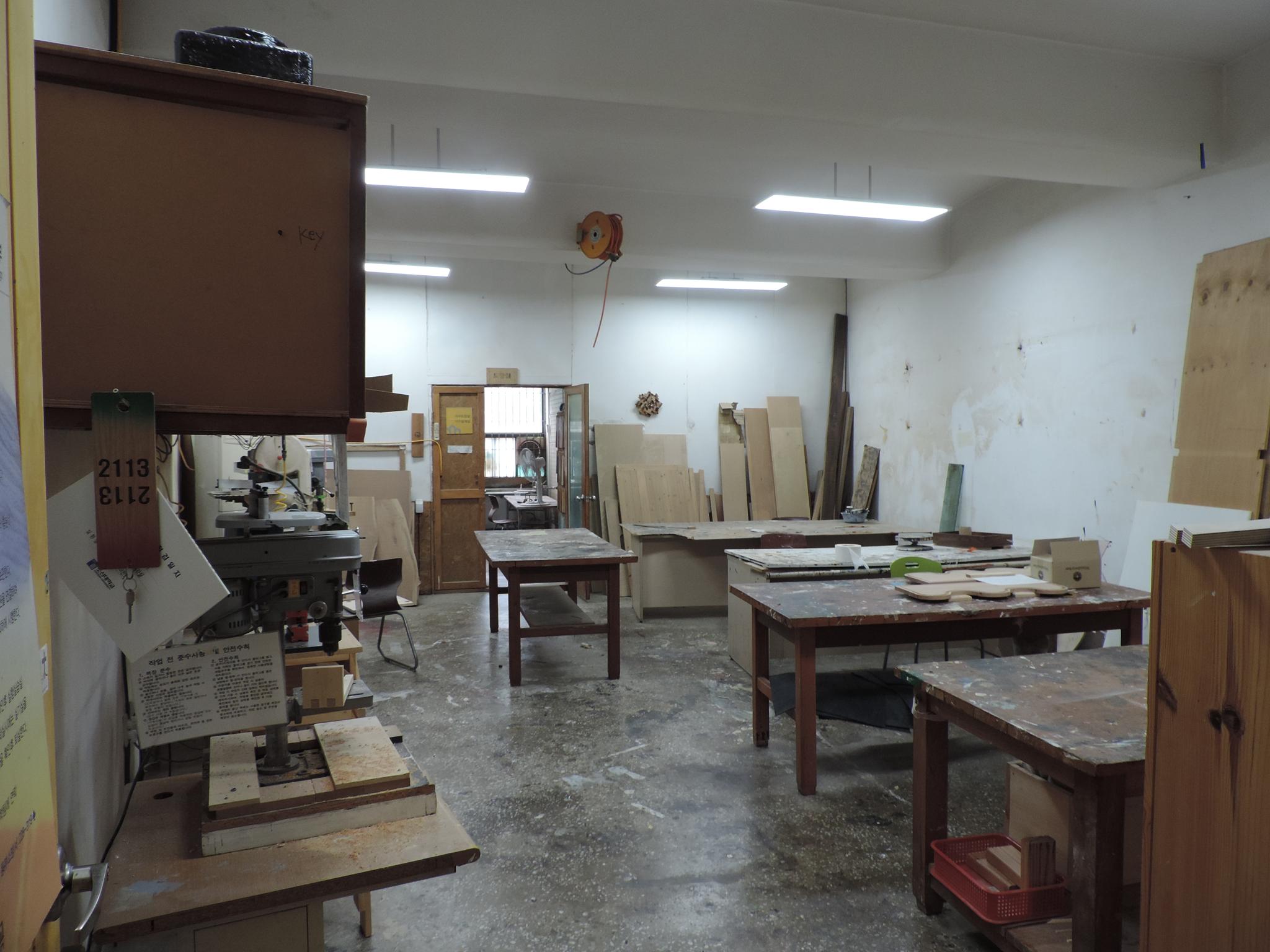
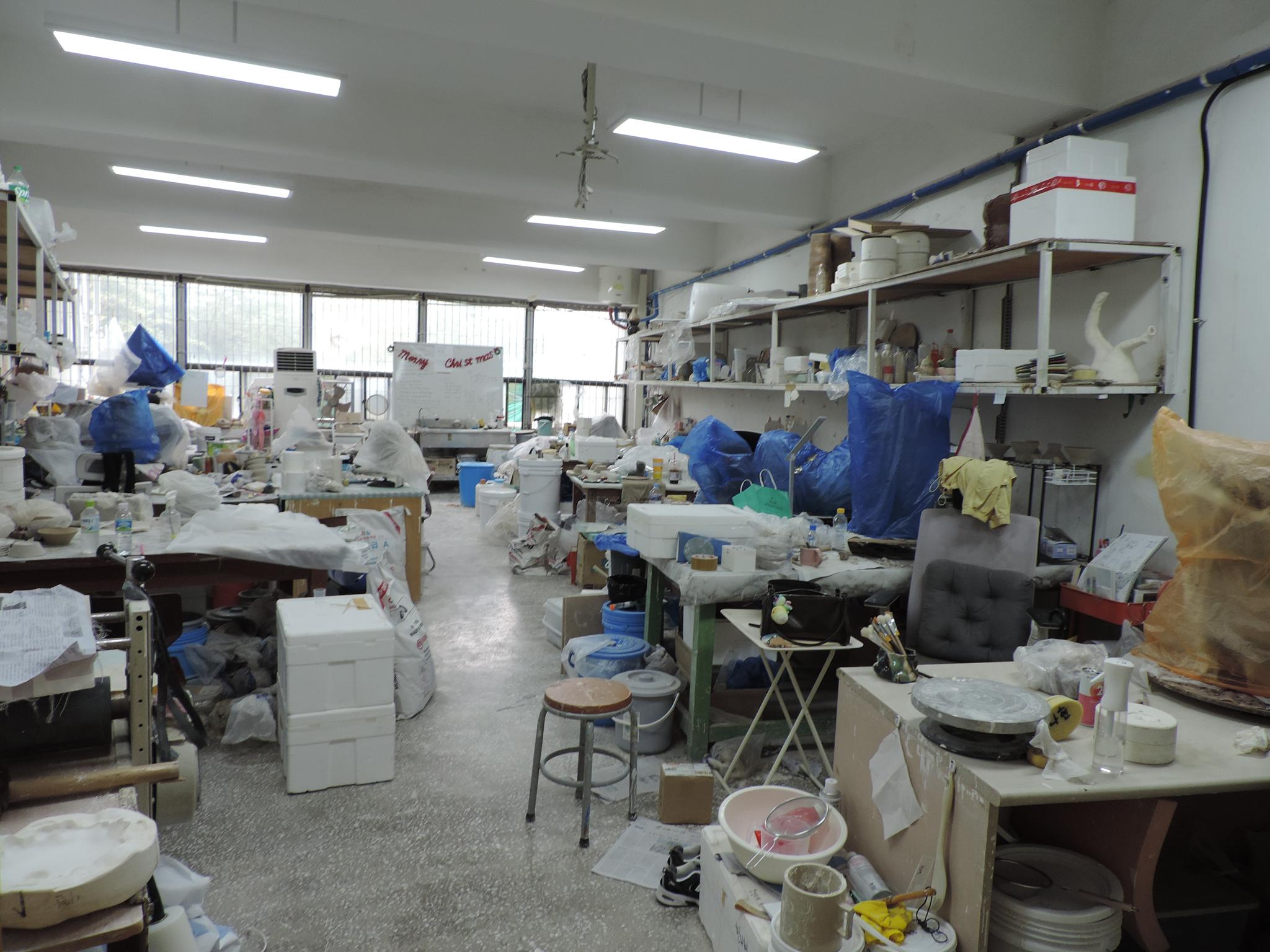
Yes, and also with a real camera compared to a smartphone. With your smartphone you can maybe even make better photos than with a camera. But it’s the fun to use a camera instead of only the phone. And I love using the camera. There is just much more about it than only the technology. It’s also a way of how you adapt and how you’re conditioned to something. And if you love something, or if you really like something then it has a different effect on yourself when using it.
I fully agree. Because using the smartphone for photos is just to capture something. Something which you just have seen. But with the real camera, there is the human’s acting and body movement involved. The feeling is just different.
Yeah, and I think when your students, when they create comics, it’s also different when they click on the computer or when they have a pen and draw. It’s just a different usage of the body.
Right. So I always say to my students that the most important thing of my class is about the body movement. To do something, to draw something and to act. Even with 3D modeling or with making animation it needs a body movement. This is very important to practice that and also to understand the difference of the effects in your body. That’s very important for us to teach them those basics.
LUDO
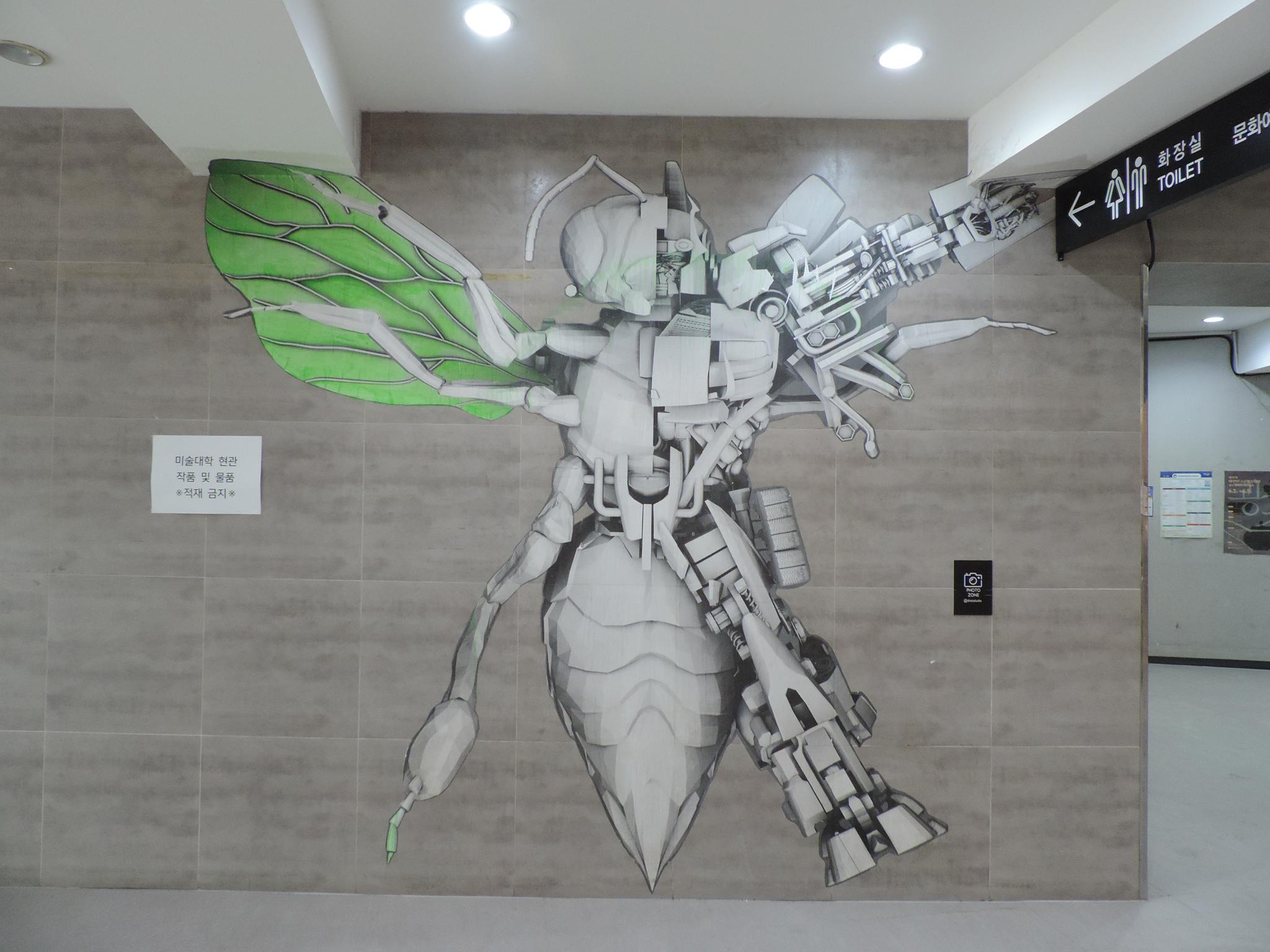
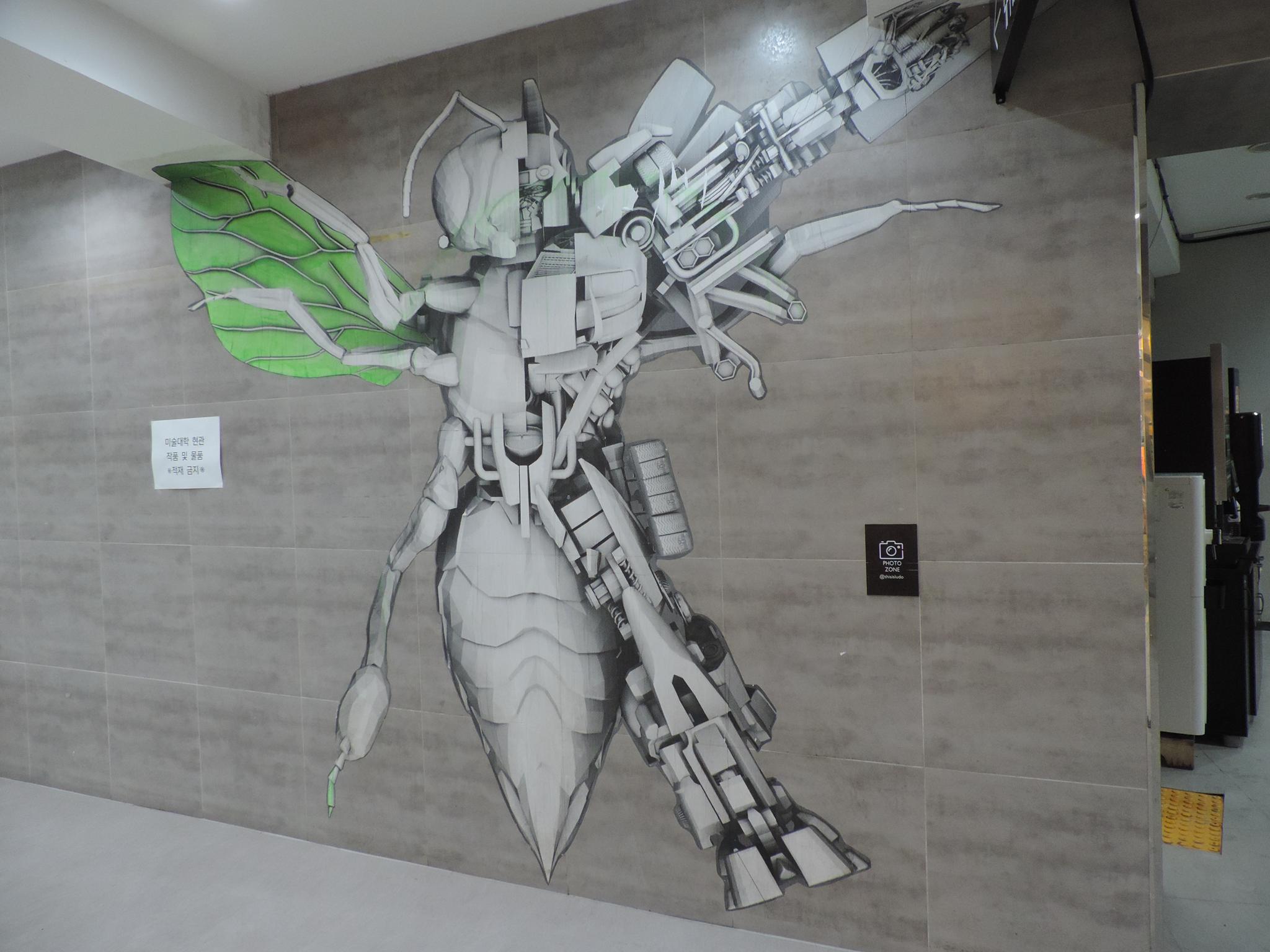
 Artist: LUDO
 Website: https://thisisludo.com
 Instagram: https://www.instagram.com/thisisludo
INFOTHEK
Professor for Korean Painting: SEONG-MIN YUN
Website: https://www.yunseongmin.com
Instagram: https://www.instagram.com/ysm_designstudio
 Youtube: https://www.youtube.com/@seong-minyun2255
 Interview: https://hearthis.at/radio-x-interviews/seong-min-yun
Professor for Animation and Comics: RYU BEOMEOL
Instagram: https://www.instagram.com/rbeomyeol
Interview: https://hearthis.at/radio-x-interviews/ryu-beomeol
University: CHOSUN UNIVERSITY
Website – English: https://eng.chosun.ac.kr
Website – Korean: https://www.chosun.ac.kr
 Naver: https://blog.naver.com/chosununi
 Facebook: https://www.facebook.com/chosununi
Instagram: https://www.instagram.com/chosununiversity
Instagram: https://www.instagram.com/csu_isc
Youtube: https://www.youtube.com/chosununi
 LinkTree: https://linktr.ee/chosun_university

MORE ARTICLES ABOUT SOUTH KOREA
>>> Enigma13 – Graffiti Artist <<<
>>> Apgujeong Graffiti Tunnel <<<
>>> Sinchon Graffiti Tunnel <<<
>>> Goto Mall – 24 Hours Project <<<
>>> Banpo-daero – Picasso Tribute <<<
>>> Haeundae Sand Festival <<<
>>> Dashi Rock Media Festival <<<
>>> Gallery Square Art Academy <<<
>>> Monolugar Graffiti Hall <<<
>>> Jeonju – Streetart & Graffiti <<<
>>> Hongik Streetart & Graffiti <<<
>>> Wausan Streetart Wall <<<
>>> Suwon – Streetart & Graffiti <<<
>>> Paju – Streetart & Graffiti <<<
>>> Daegu – Muhak Art Alleys <<<
>>> Daegu – Streetart Jung-gu <<<
>>> Daegu – Streetart Nam-gu <<<
>>> Daegu – Streetart Suseong-gu <<<
>>> Goyang – Streetart & Graffiti <<<
>>> Motomall Graffiti Wall <<<
>>> Hong Jonggi – VØID Gallery <<<
>>> Toon Topia Exhibition <<<
>>> Cuma Chosun Exhibition <<<
>>> Jaman Mural Village <<<
>>> Ihwa Mural Village <<<
>>> Gamcheon Mural Village <<<
>>> Gwangju Art Street <<<
>>> Itaewon – Streetart <<<
>>> Itaewon – Graffiti <<<
>>> Baegun Streetart Wall <<<
>>> Sillim River Streetart <<<
>>> Nambusunhwan Urban Art <<<
>>> Imjingak DMZ Streetart <<<
>>> Hongdae Red Road <<<
>>> Red Road Tiles Project <<<
>>> Itaewon „Hello“ Series <<<
>>> Songhyeon Sculpture Park <<<
>>> Uijeongbuji Sculpture Park <<<
>>> Museum of Craft Arts <<<
>>> Busan Sculpture Gallery <<<
>>> Daegu Sculpture Gallery <<<
>>> Gwangju Sculpture Gallery <<<
>>> Haeundae Sculpture Gallery <<<
>>> Jeonju Hanok Village <<<
>>> Imjingak DMZ Memorials <<<
>>> Pyeonghwa Nuri Sculptures <<<
>>> Seoul Sculpture Gallery <<<
>>> Suwon Sculpture Gallery <<<
>>> Gyo-Dong Kidult Figures <<<
>>> Stella Lucens Anime Café <<<
>>> Busan Street Manikins <<<
>>> Daegu Street Manikins <<<
>>> Gwangju Street Manikins <<<
>>> Jeonju Street Manikins <<<
>>> Seoul Street Manikins <<<
>>> Seoul Manga & Anime Signs <<<
>>> Bukchon Hanok Village <<<
>>> Ami Tomb Stone Village <<<
>>> Busan – Architecture <<<
>>> Daegu – Architecture <<<
>>> Goyang – Architecture <<<
>>> Gwangju – Architecture <<<
>>> Jeonju – Architecture <<<
>>> Paju – Architecture <<<
>>> Suwon – Architecture <<<