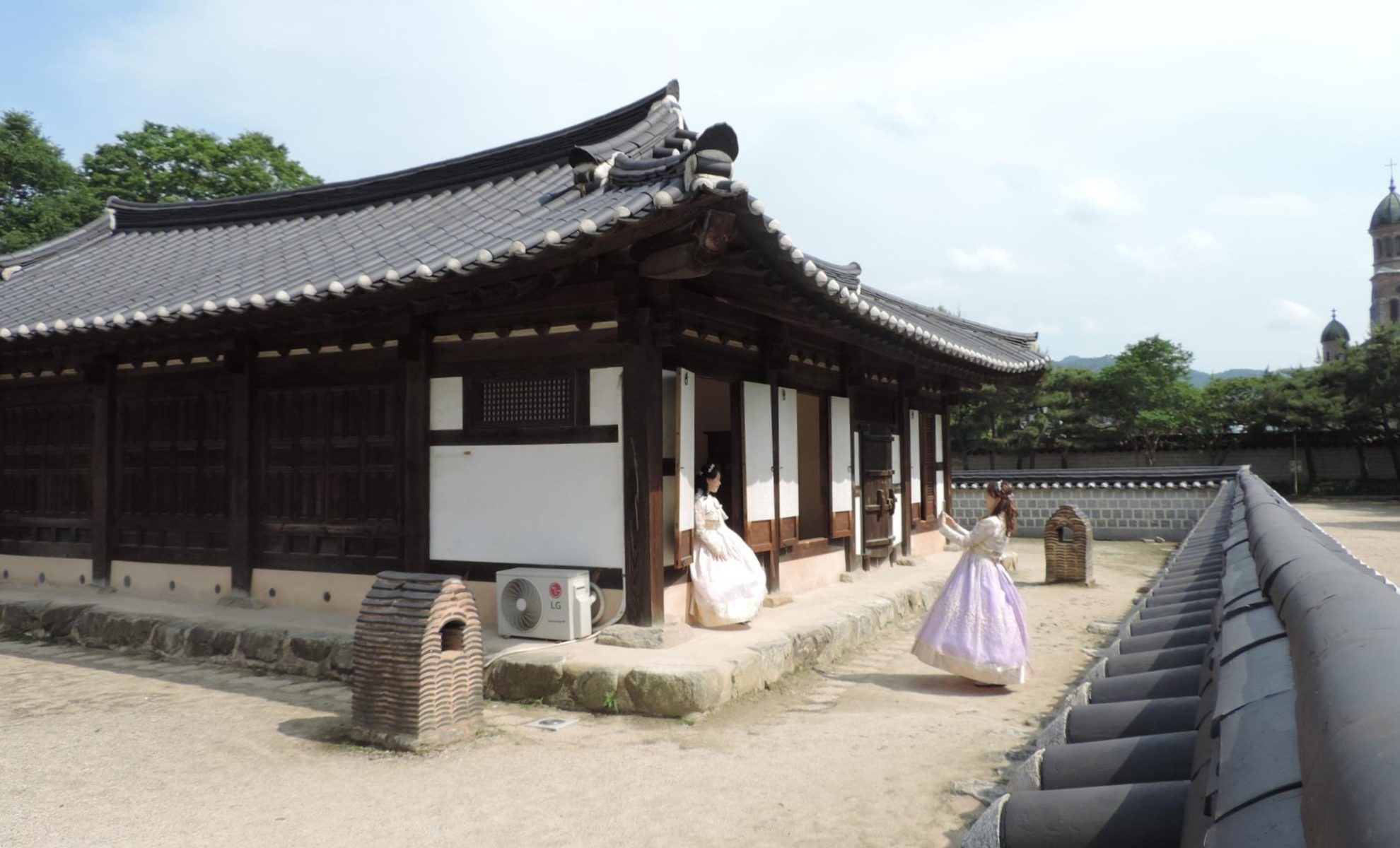
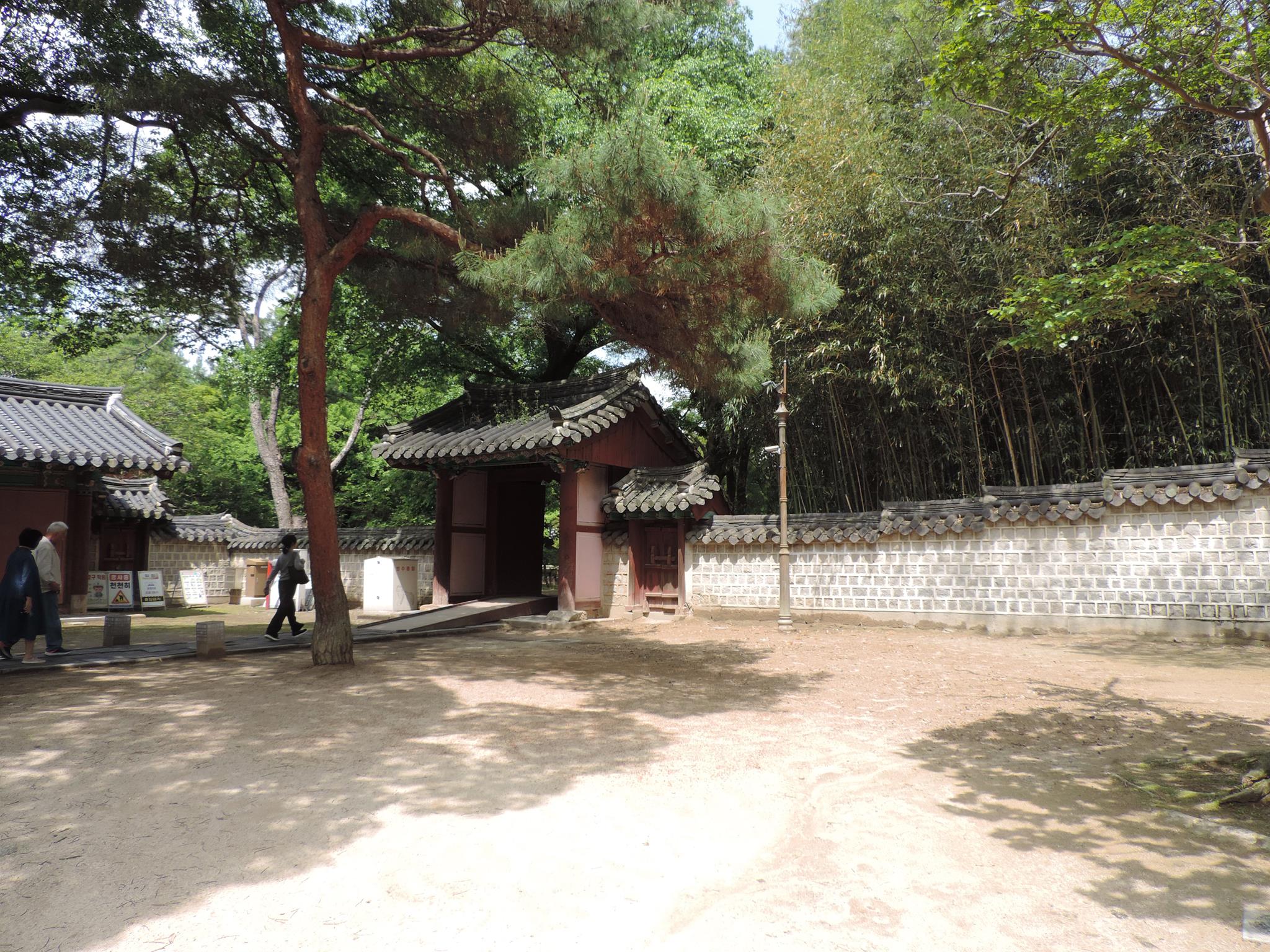
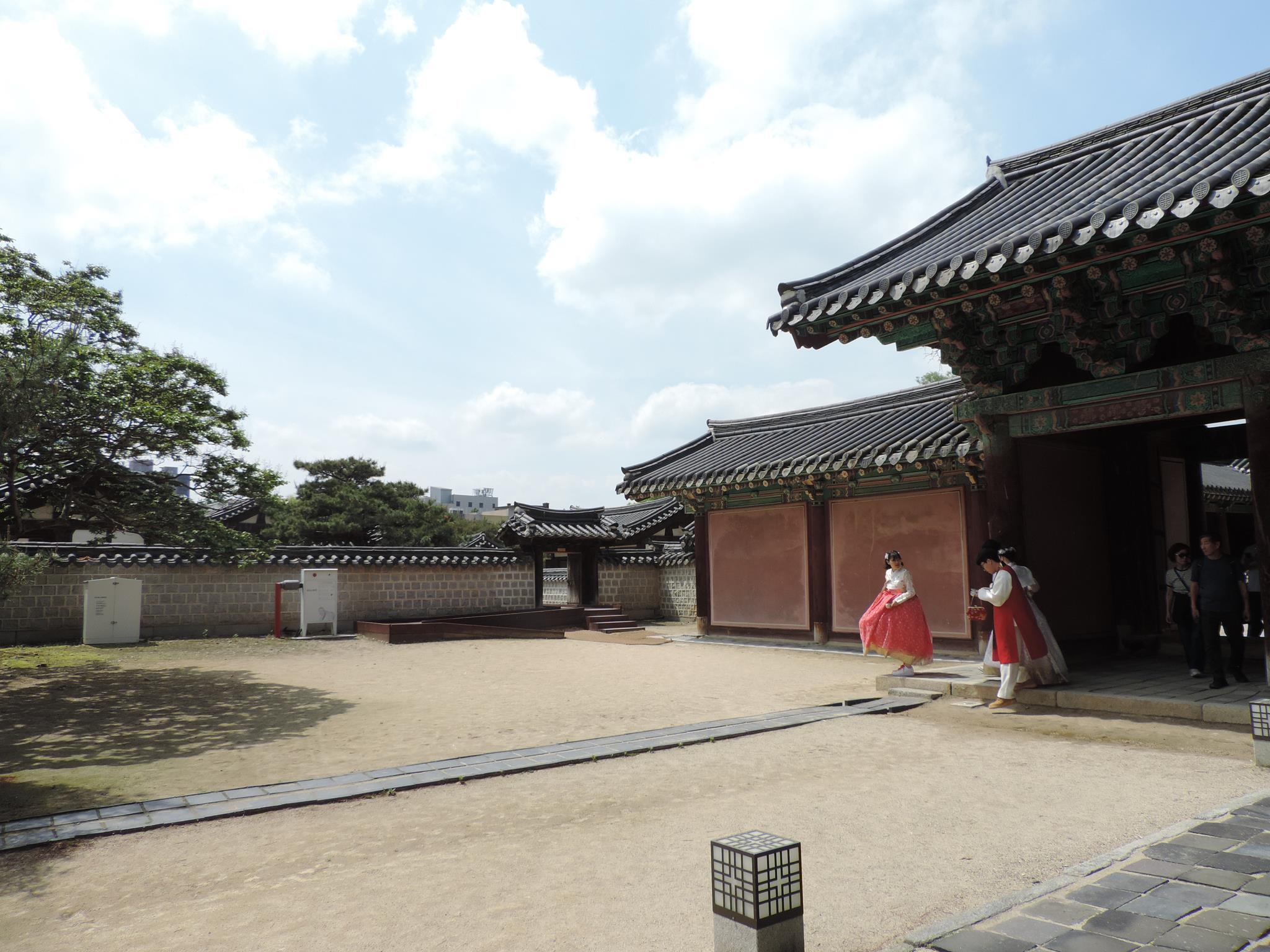
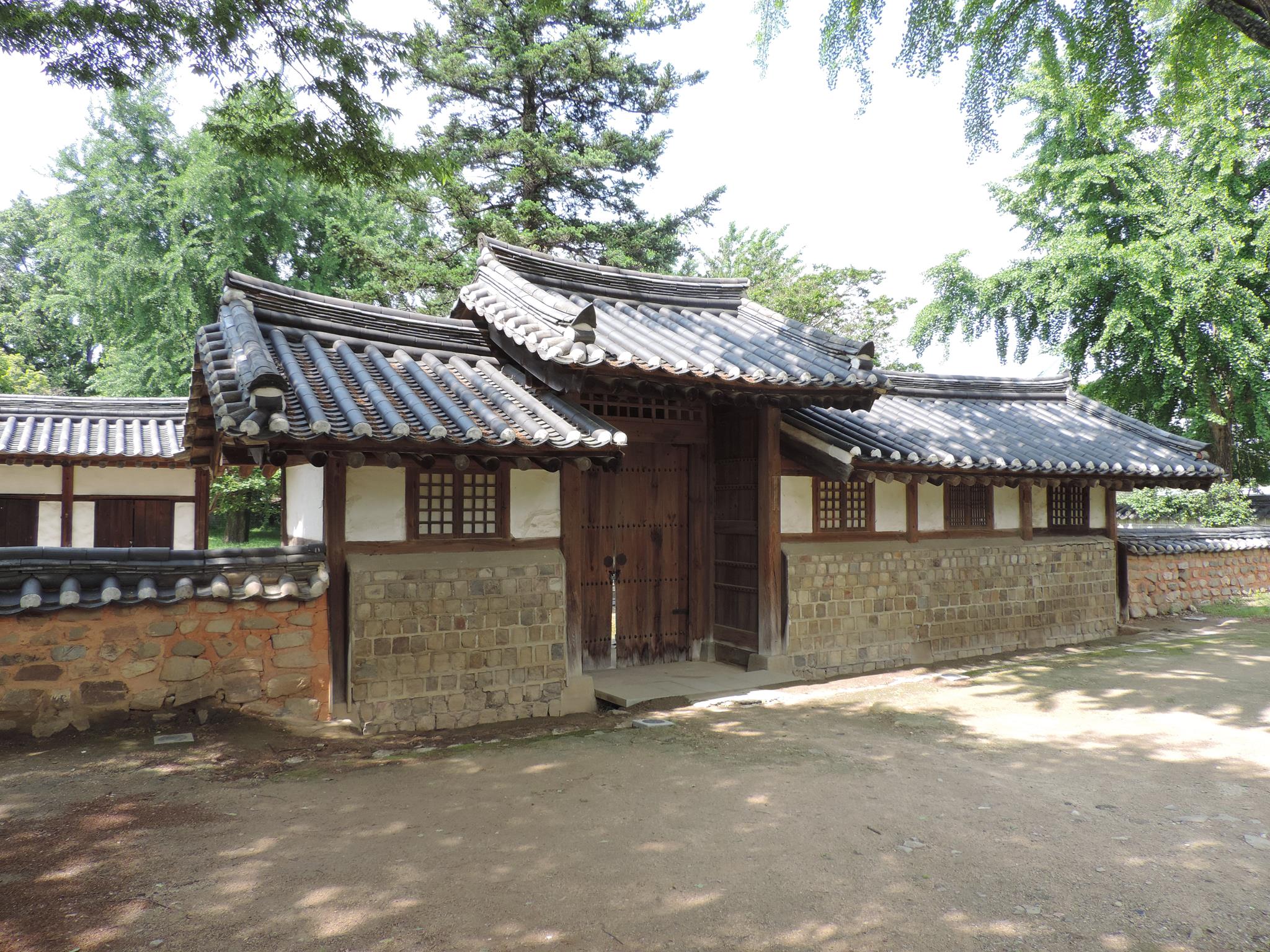
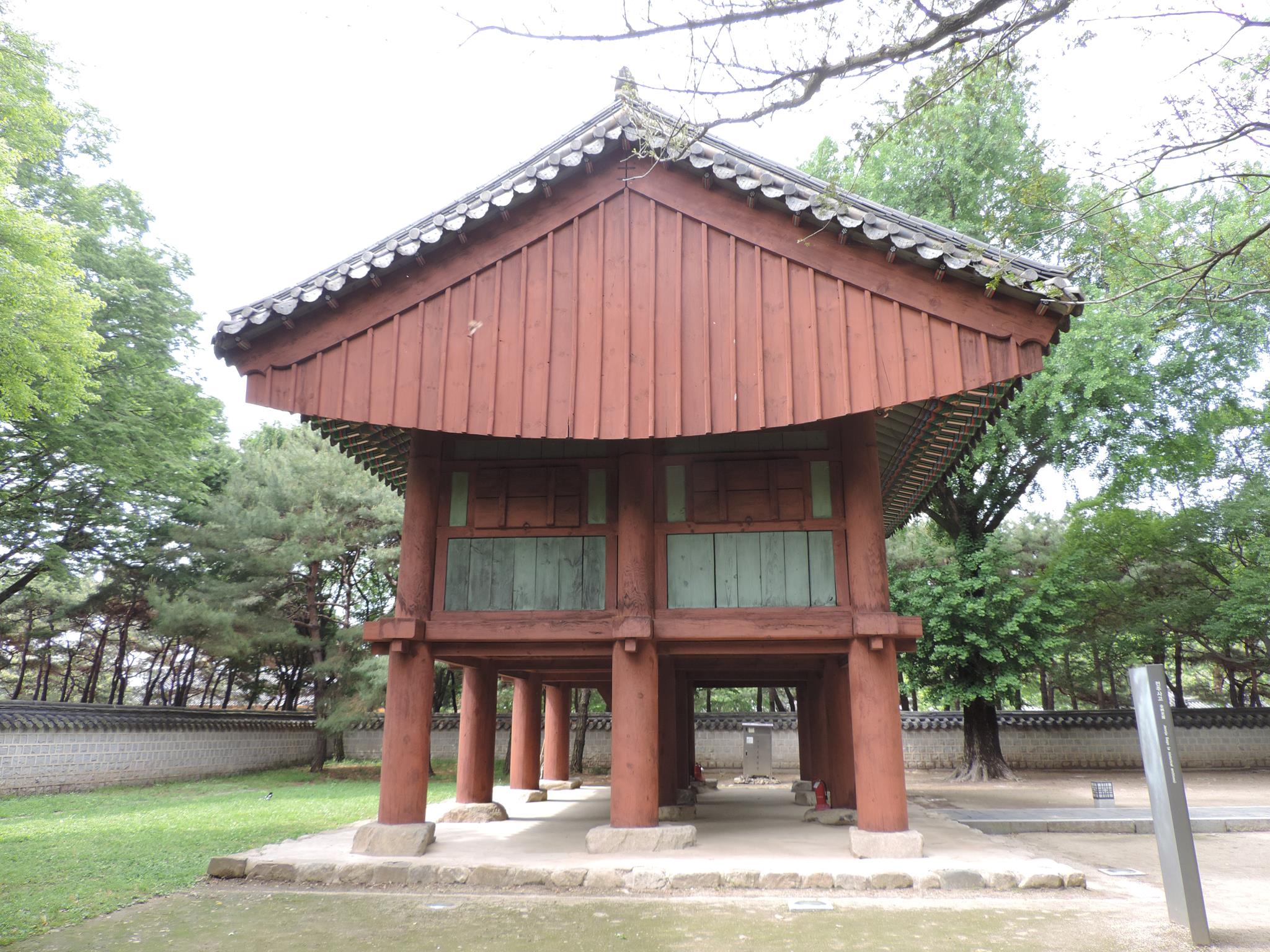
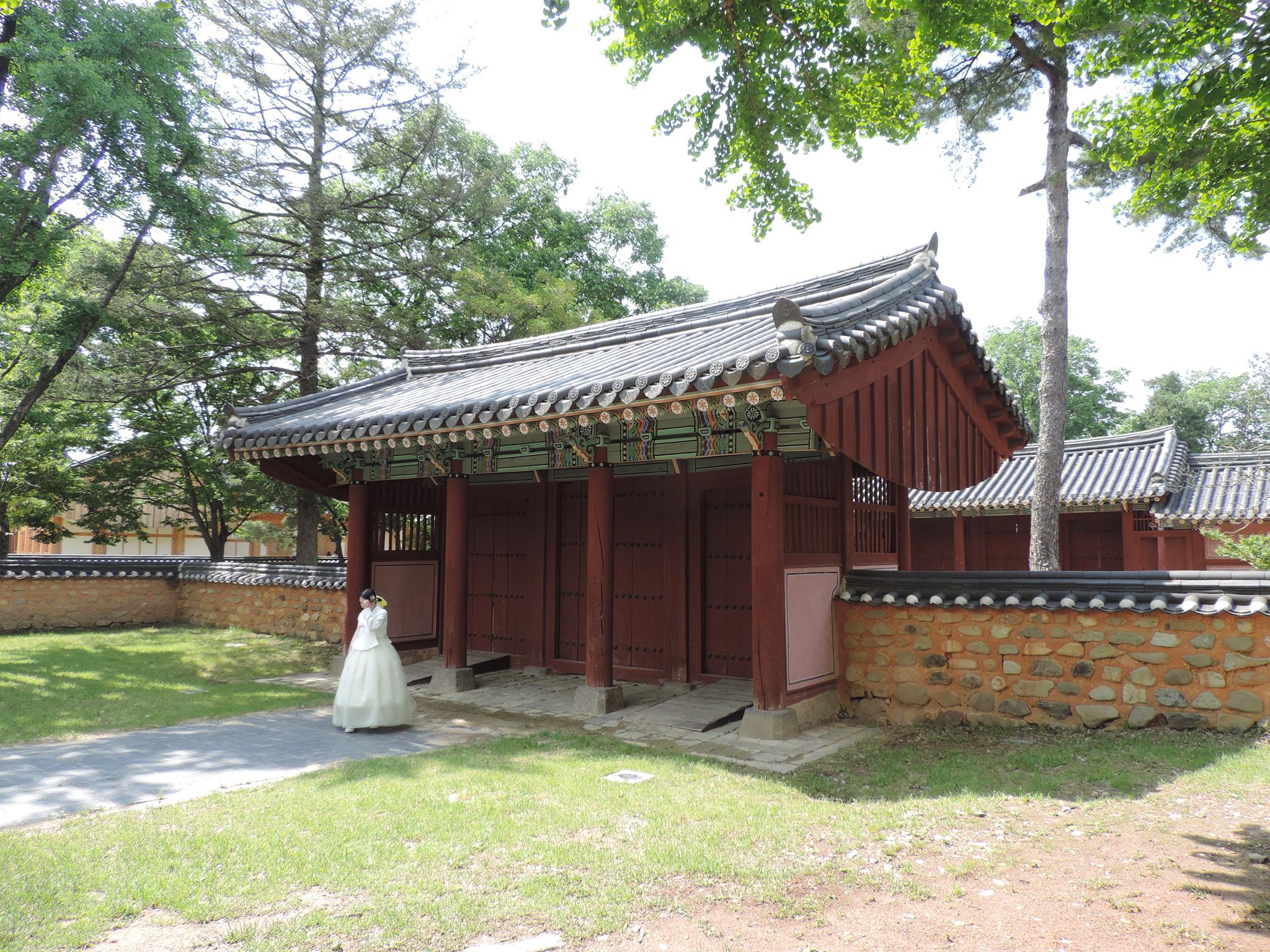
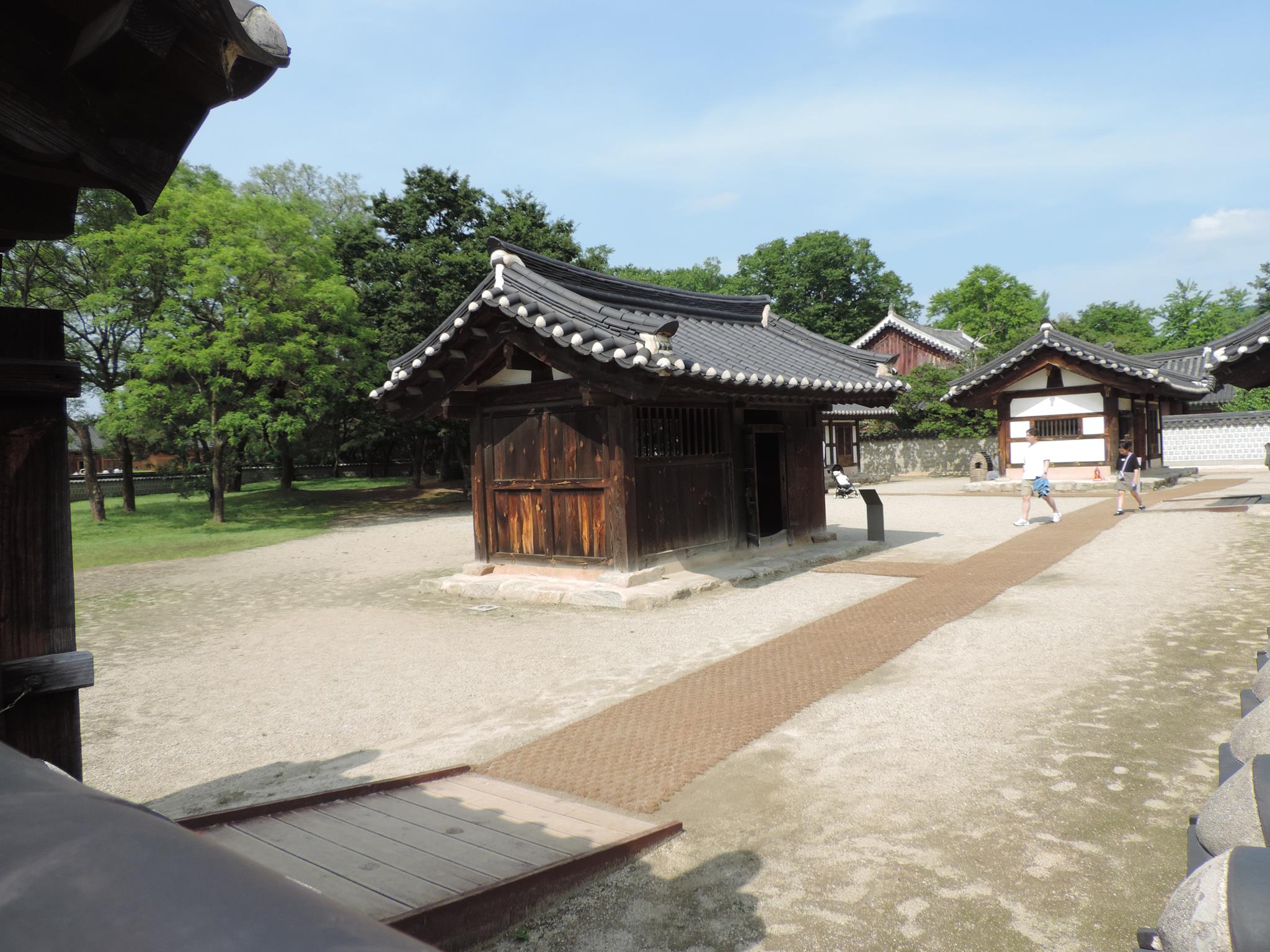
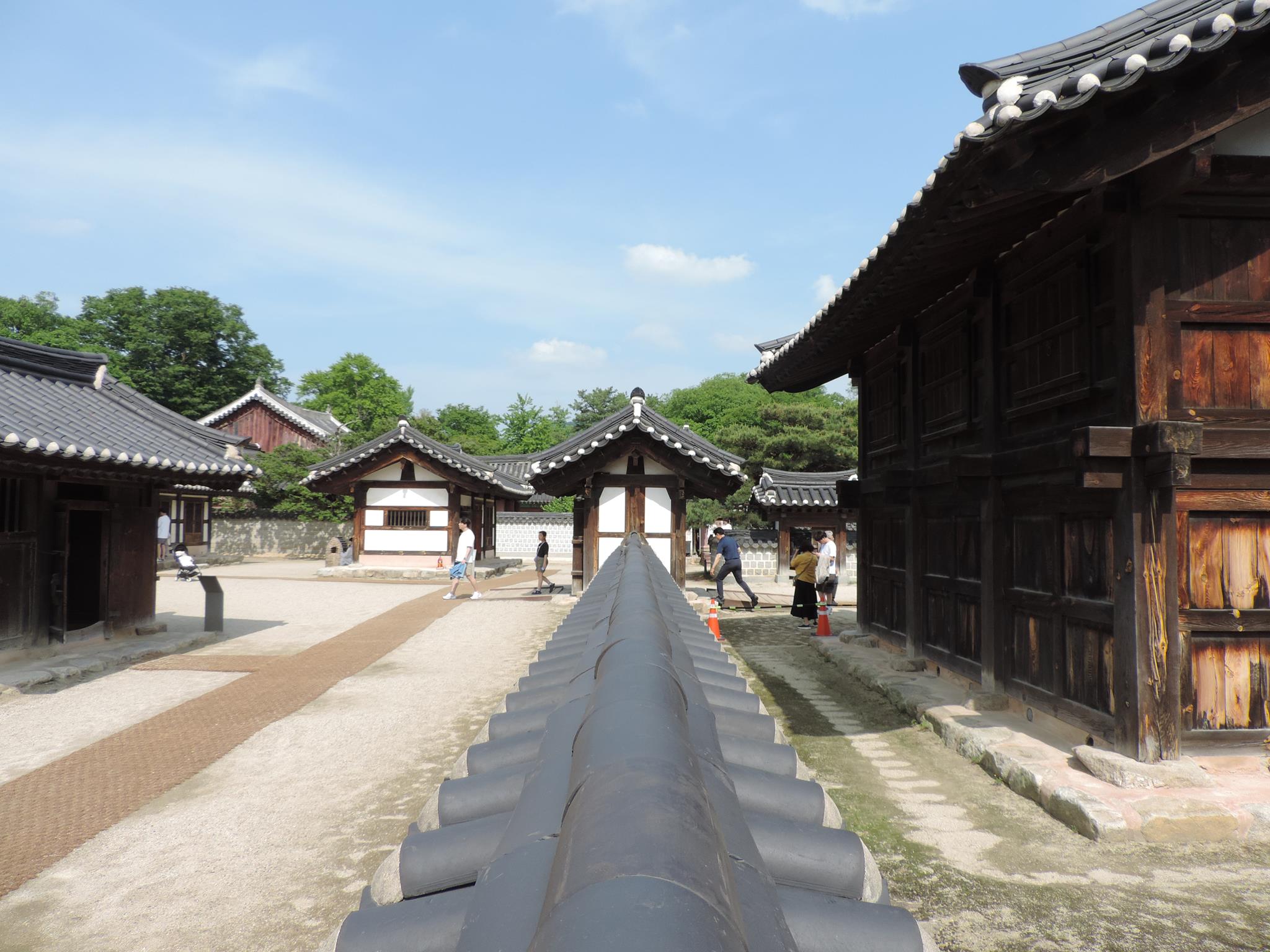
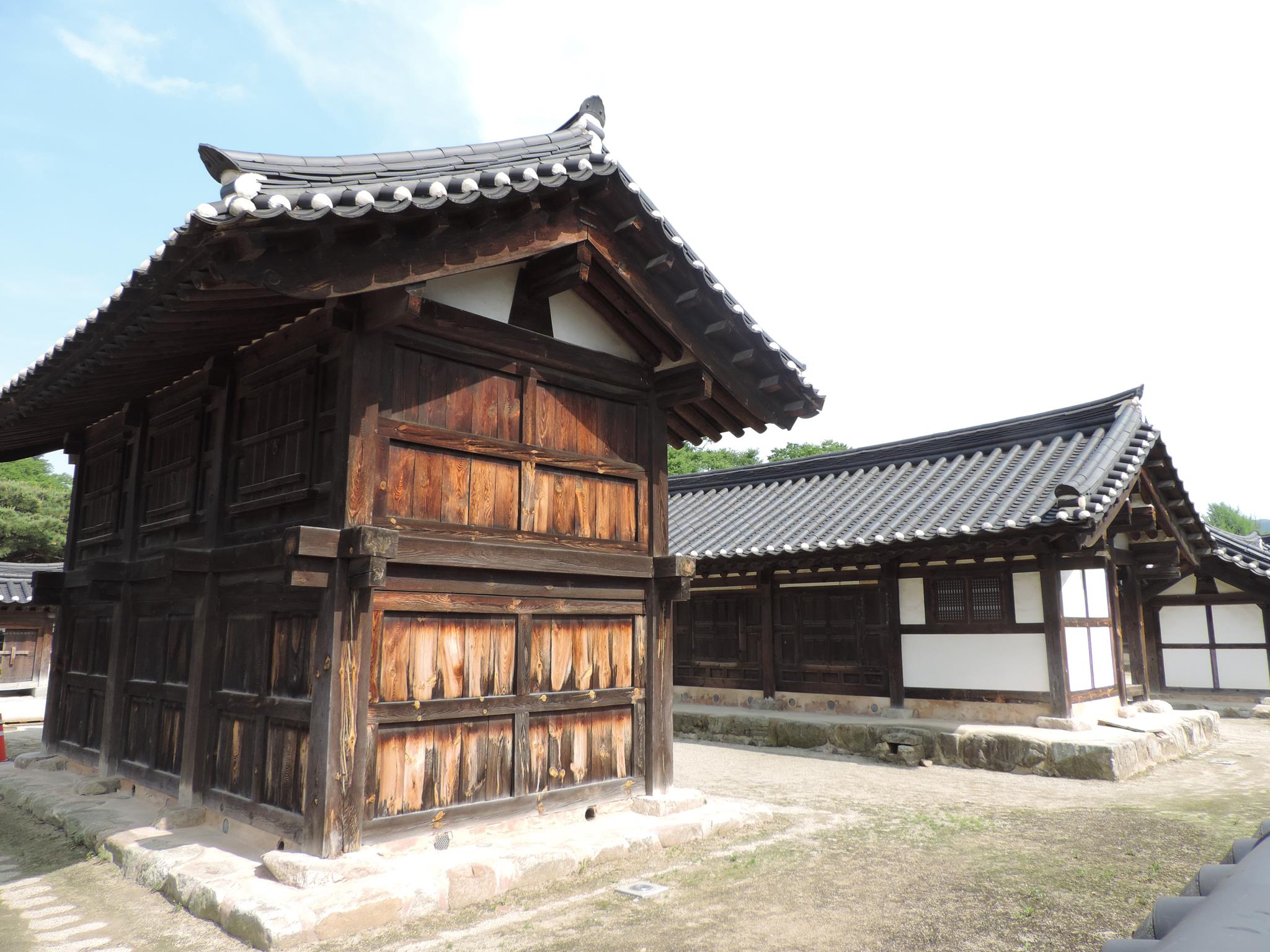
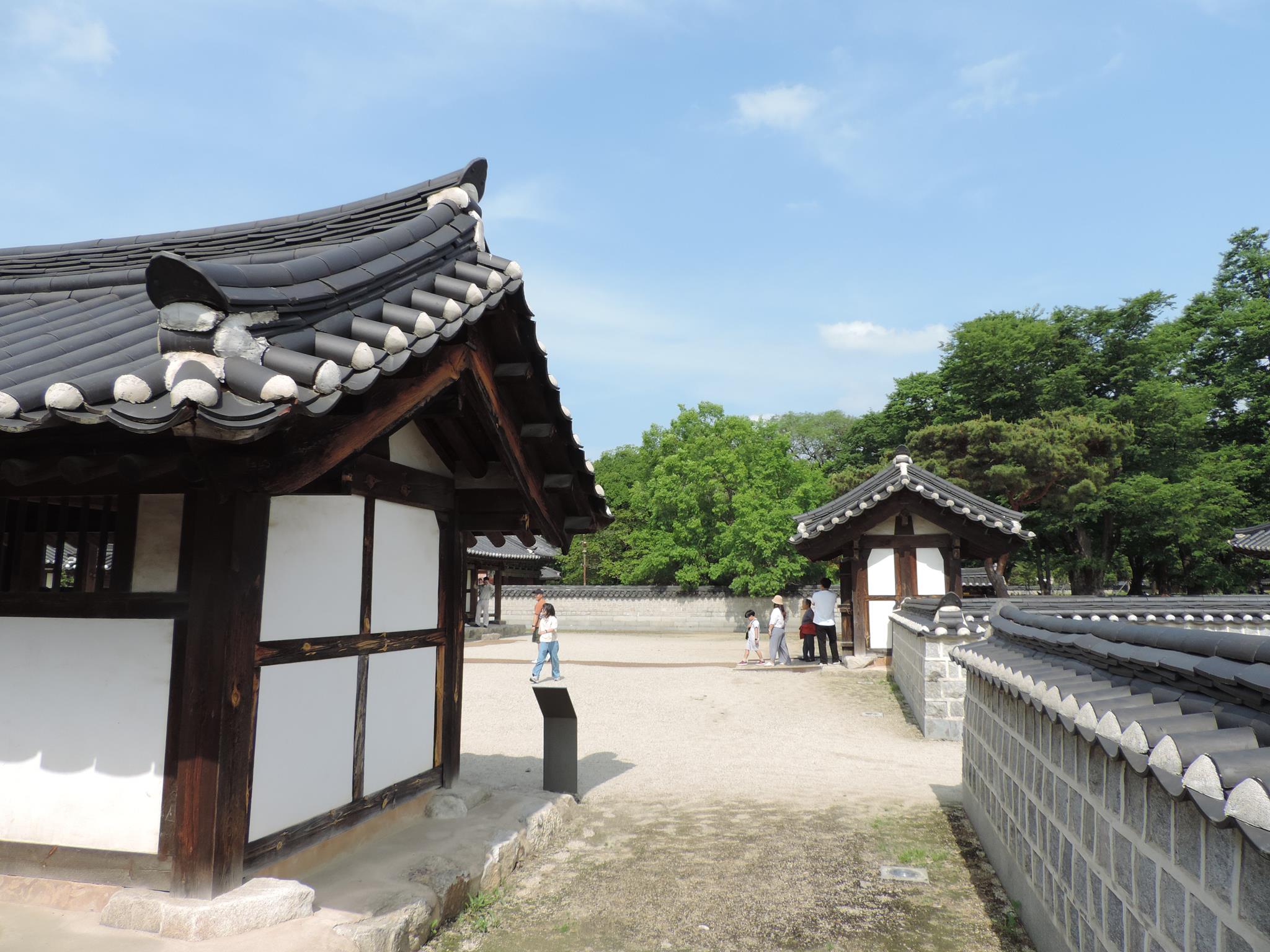
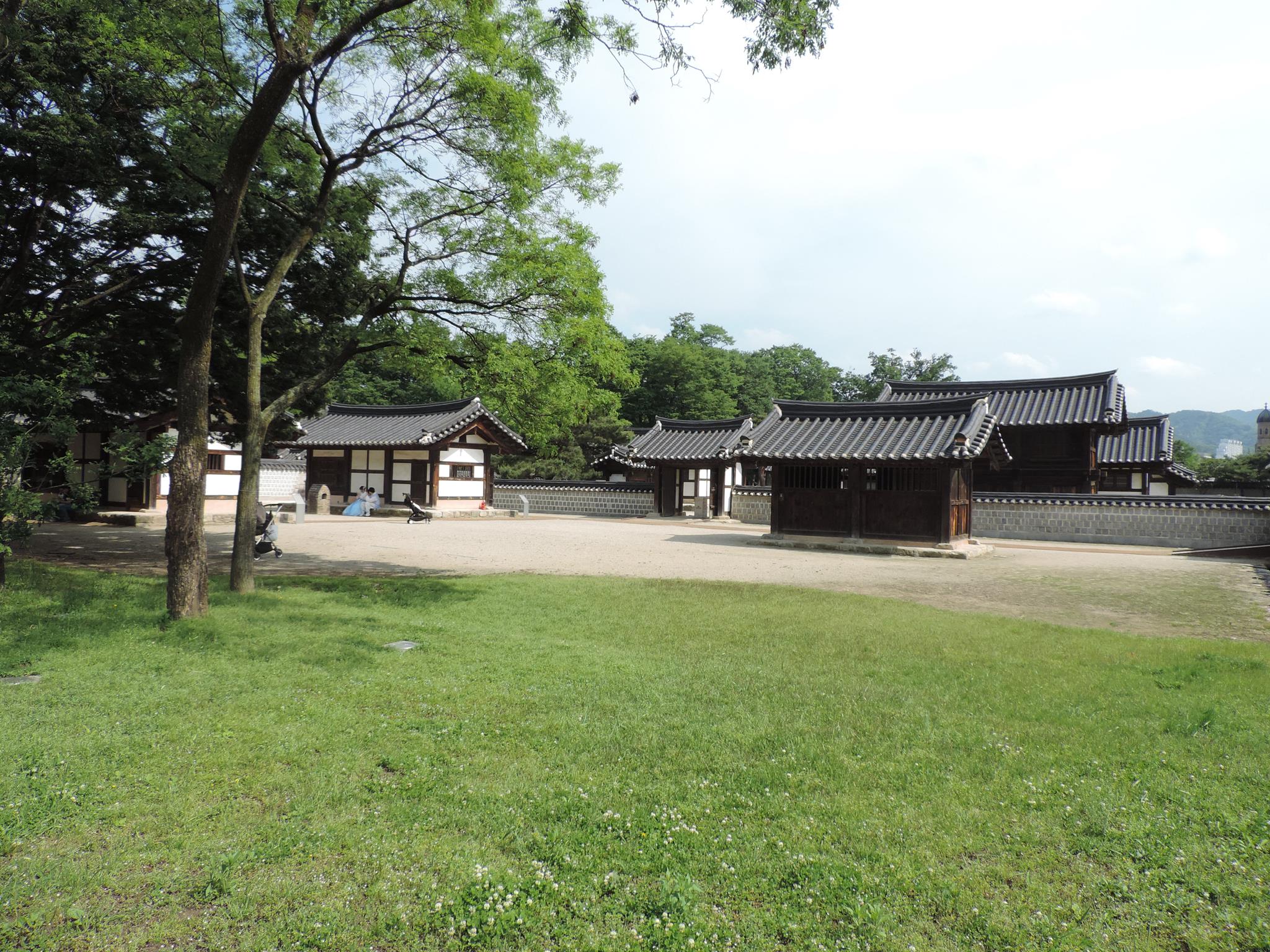
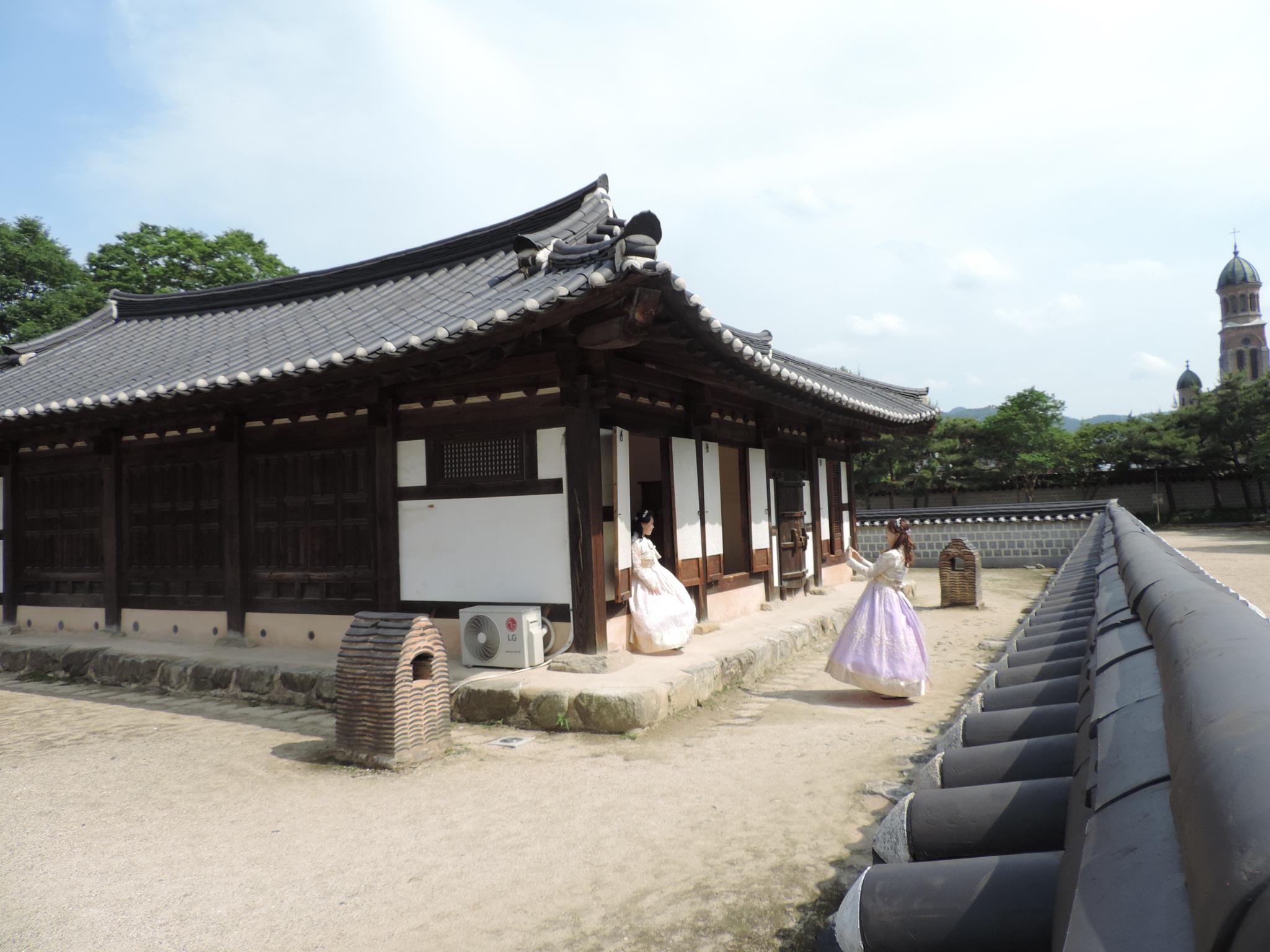
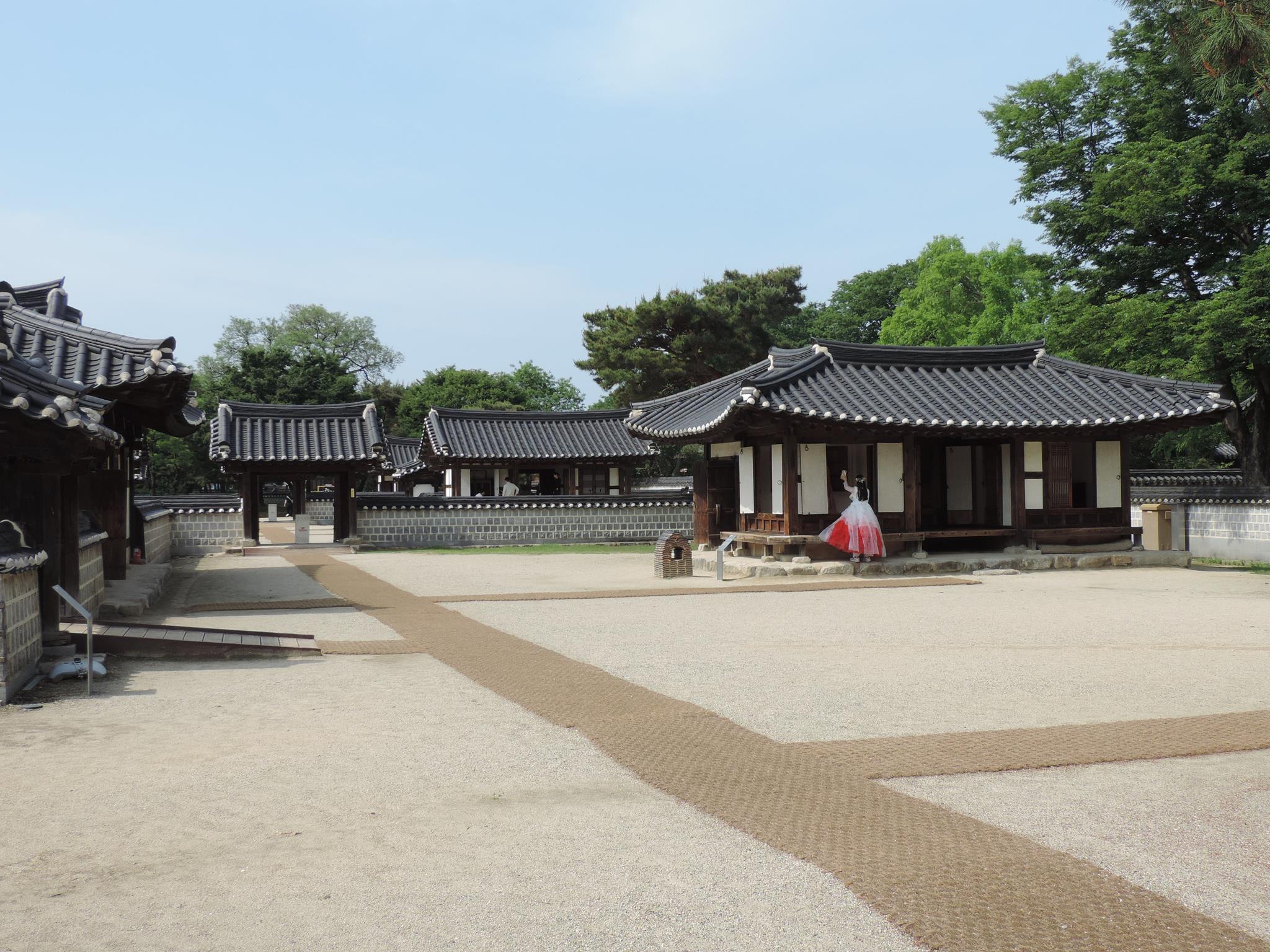
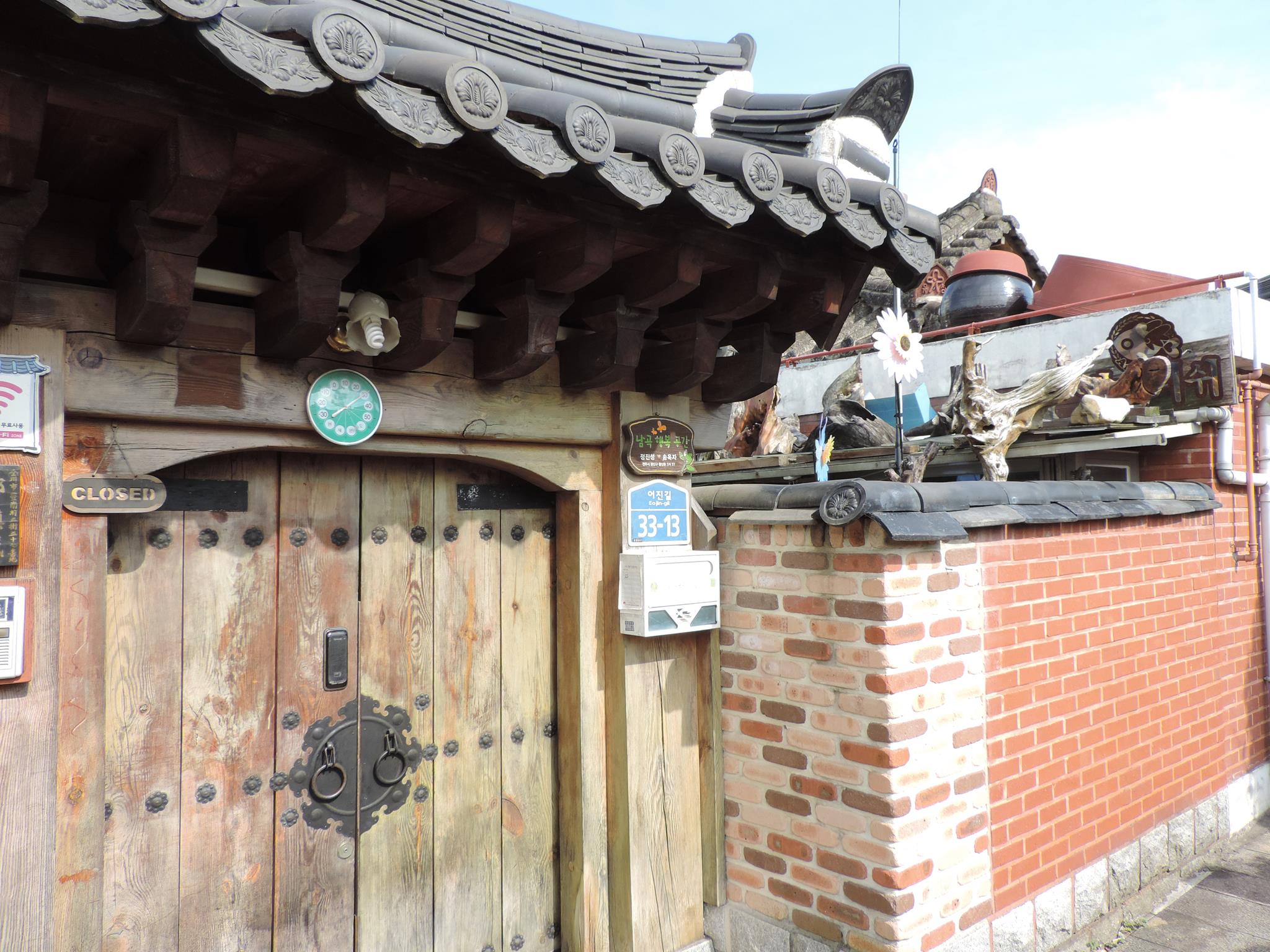
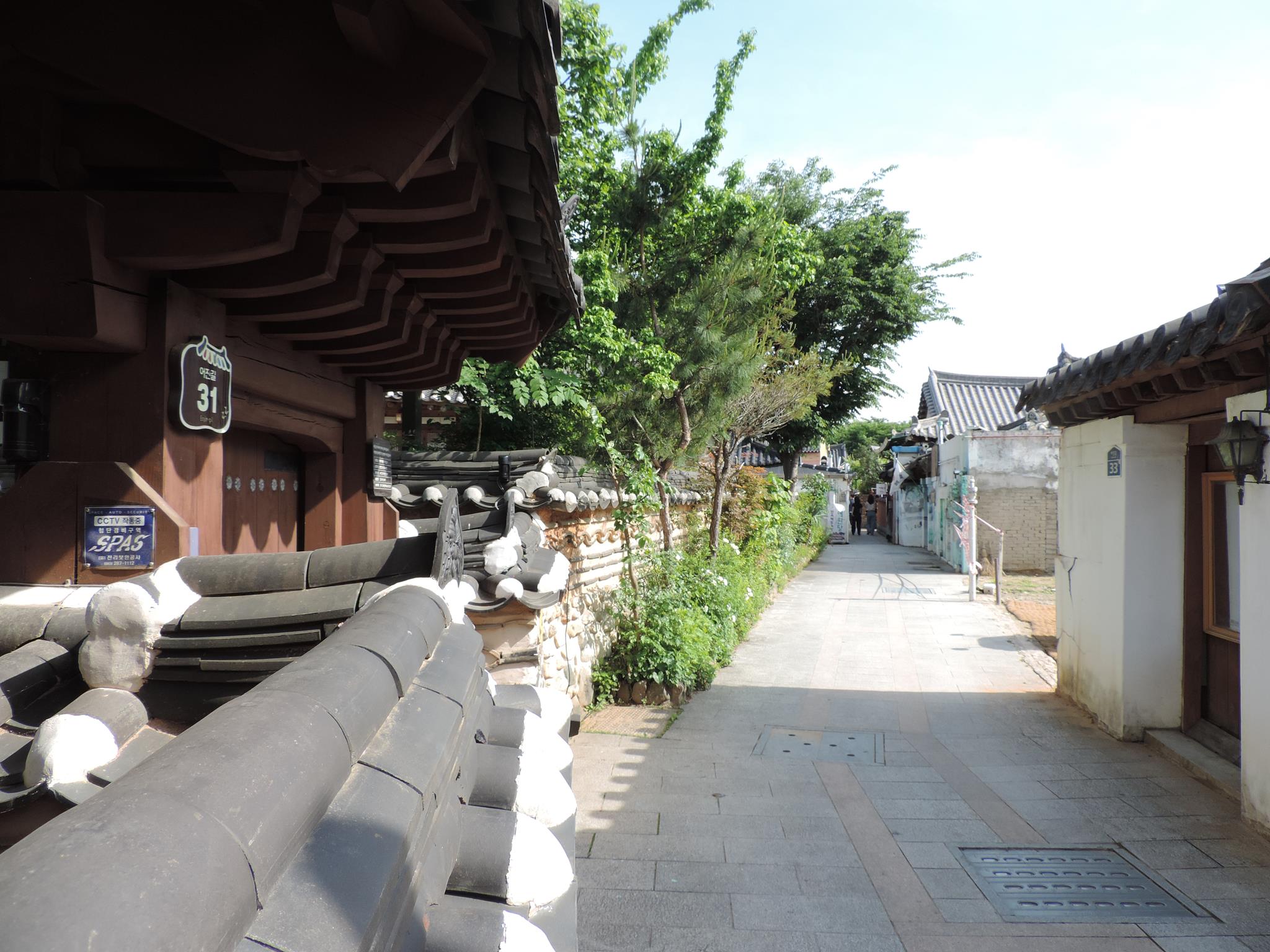
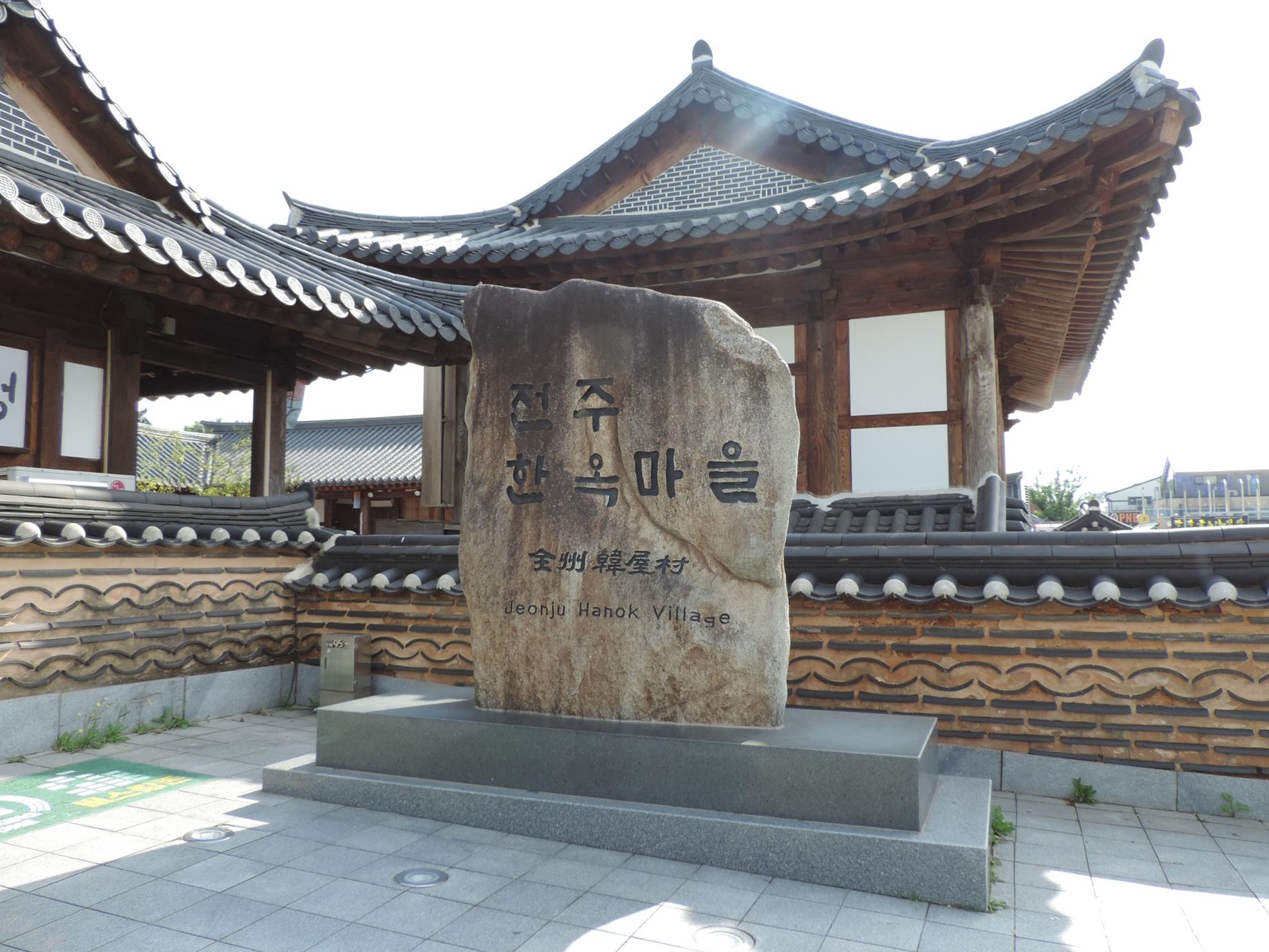
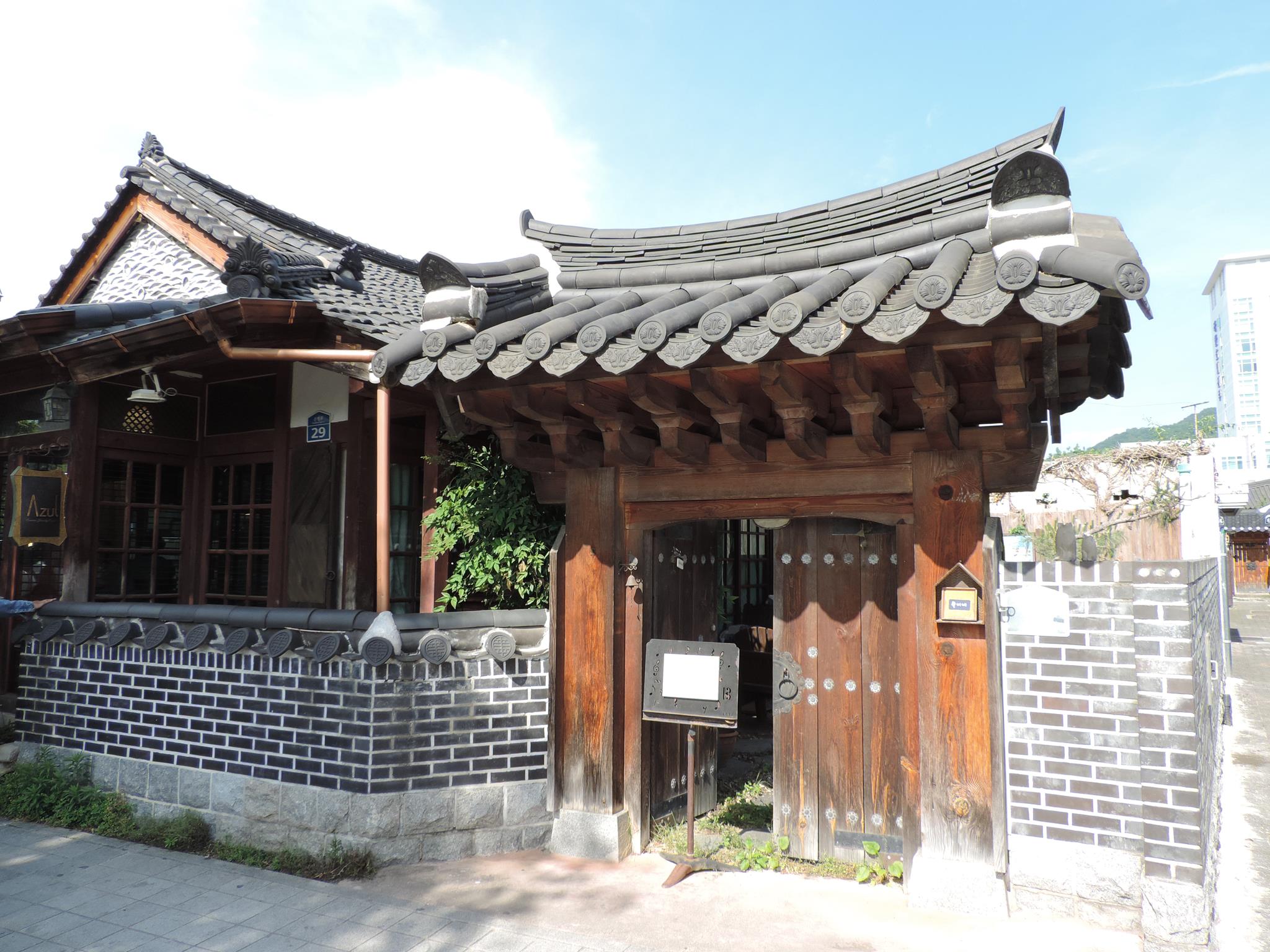
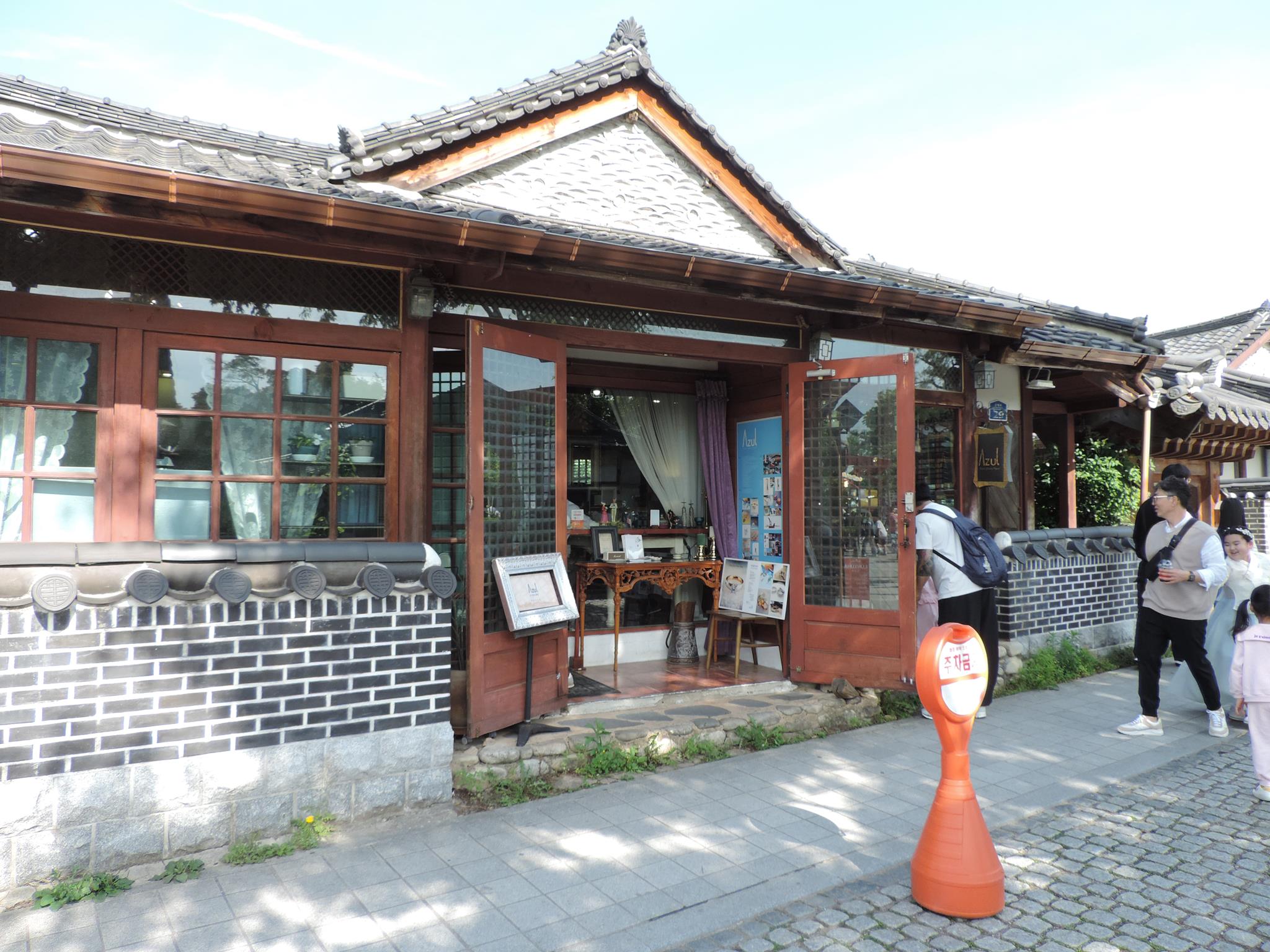
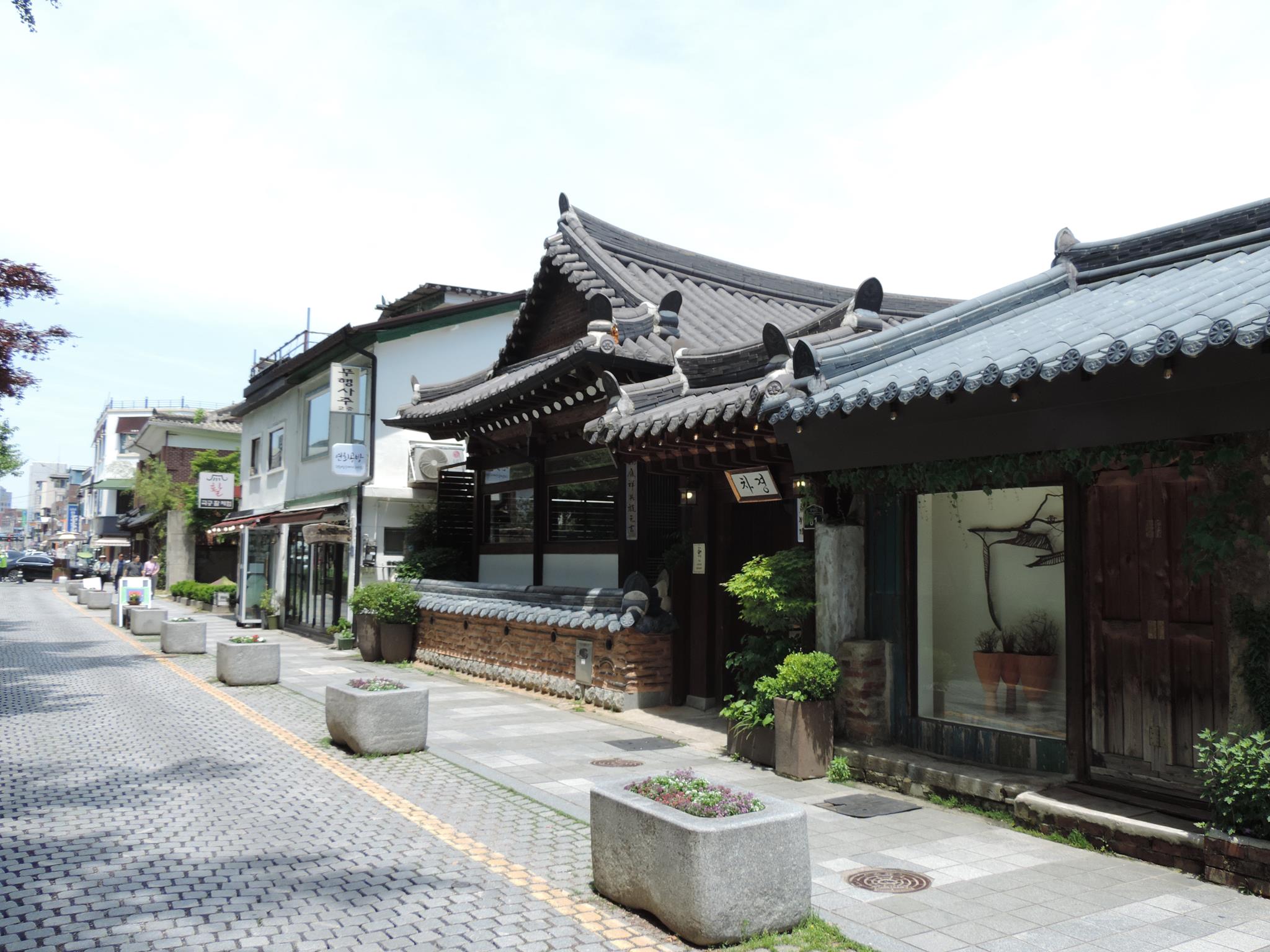
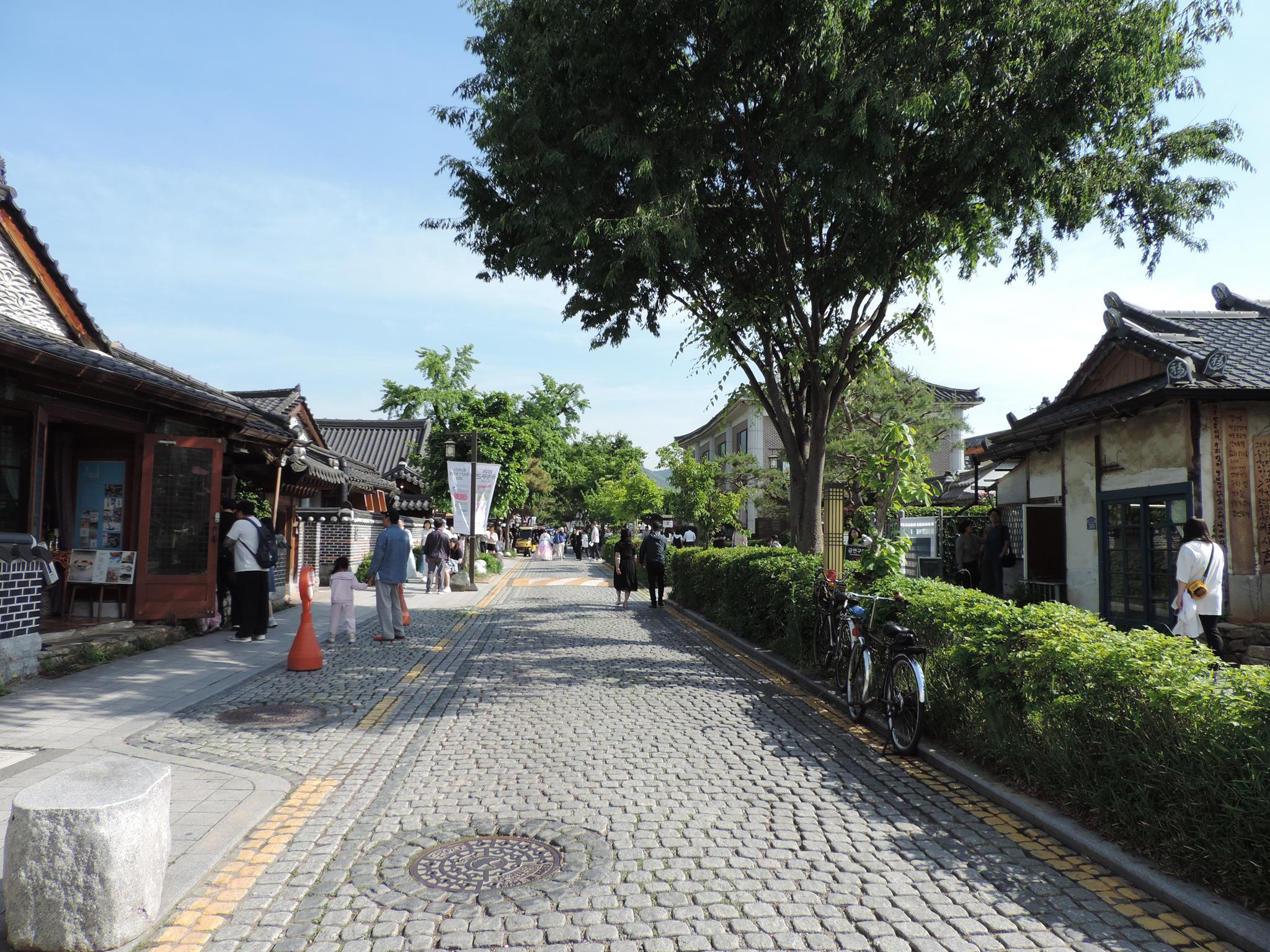
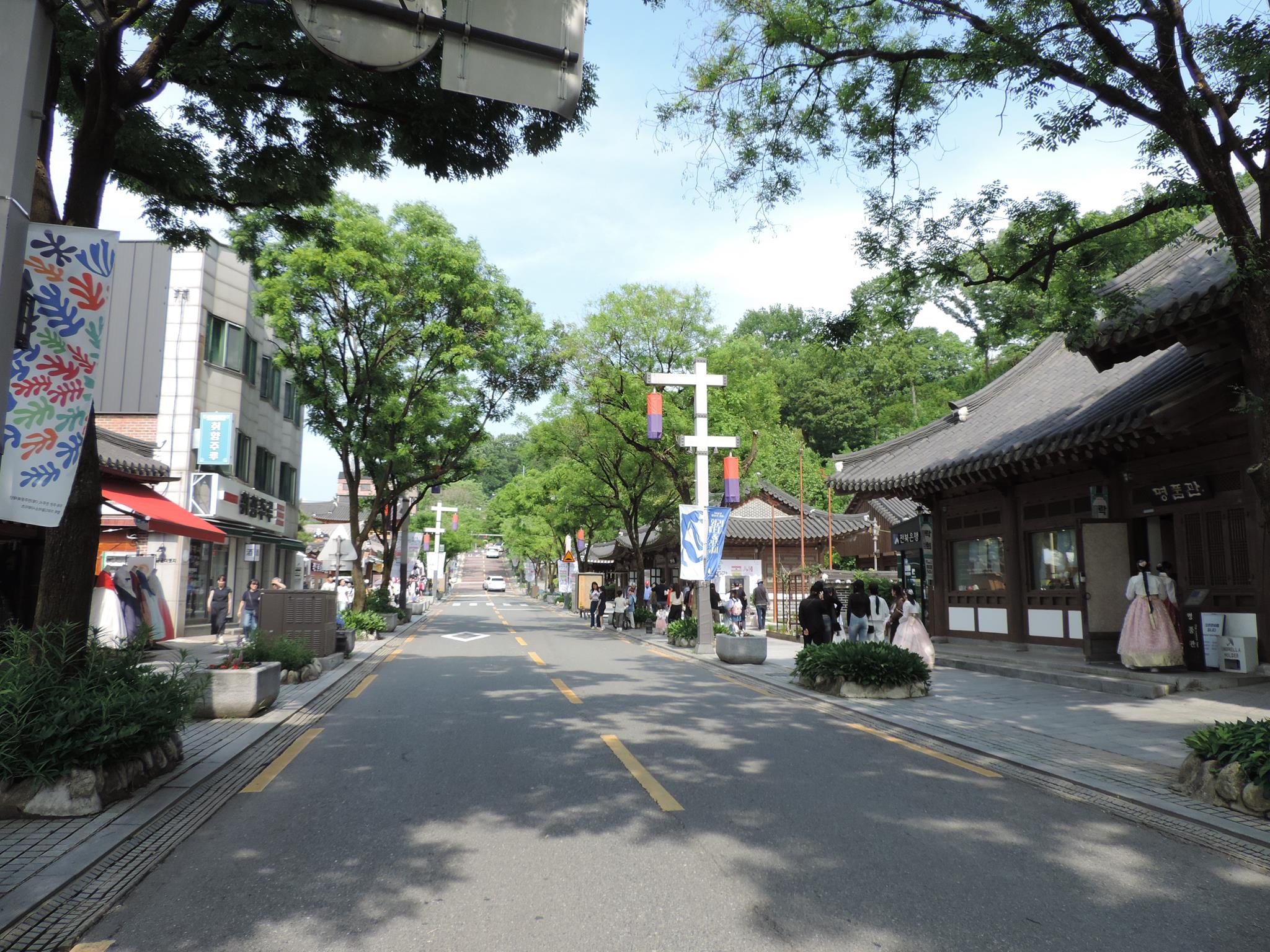
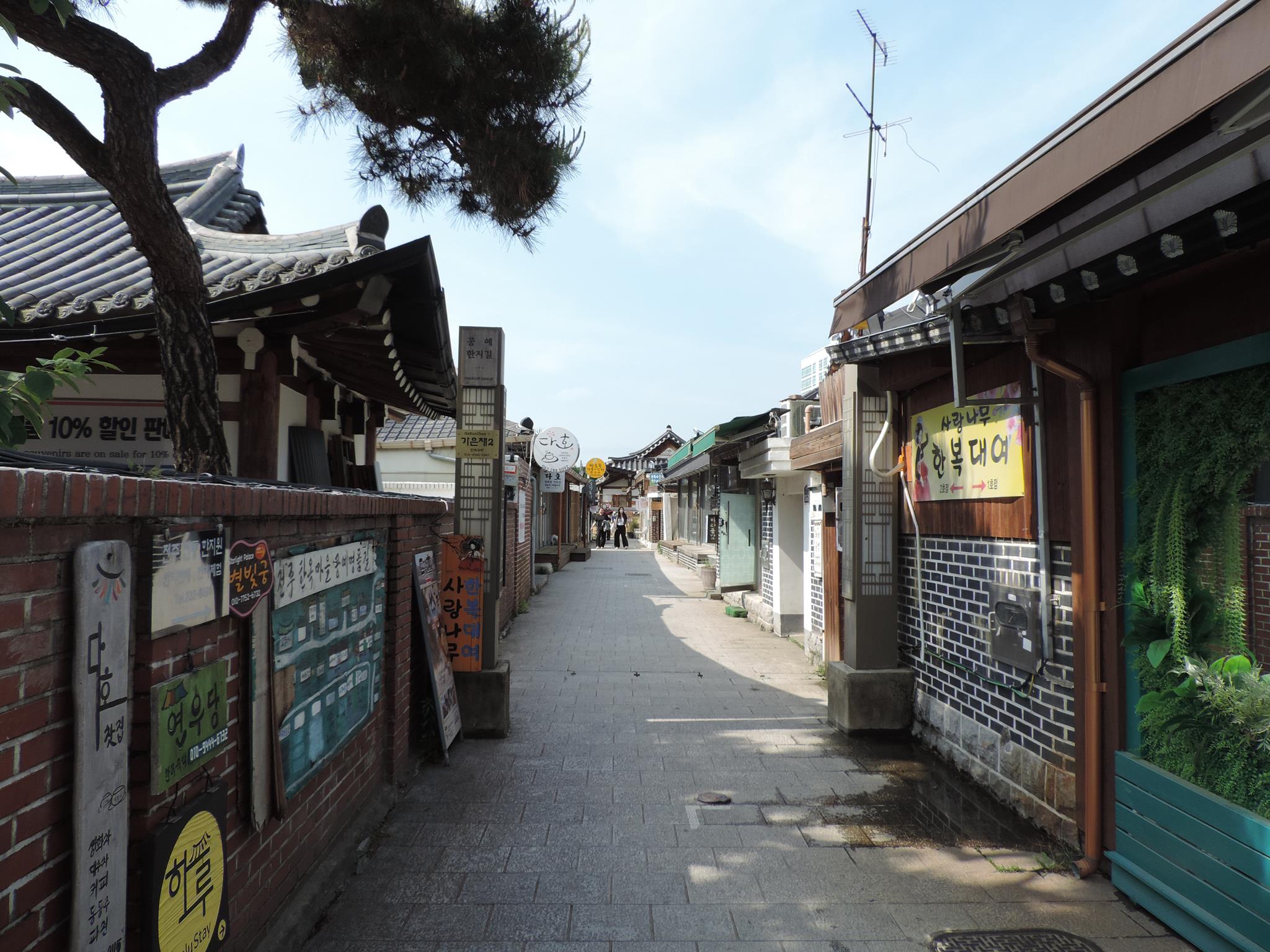
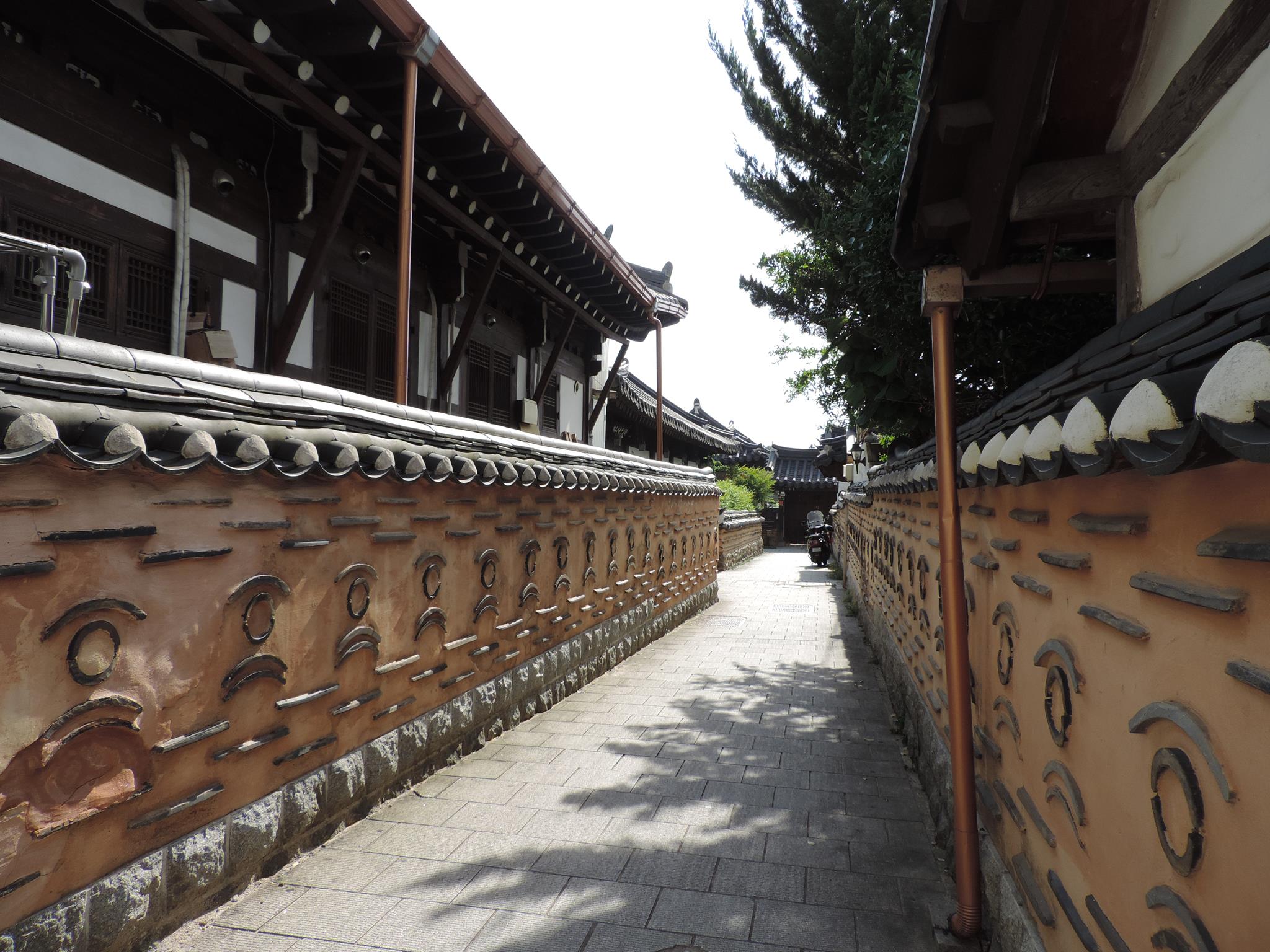
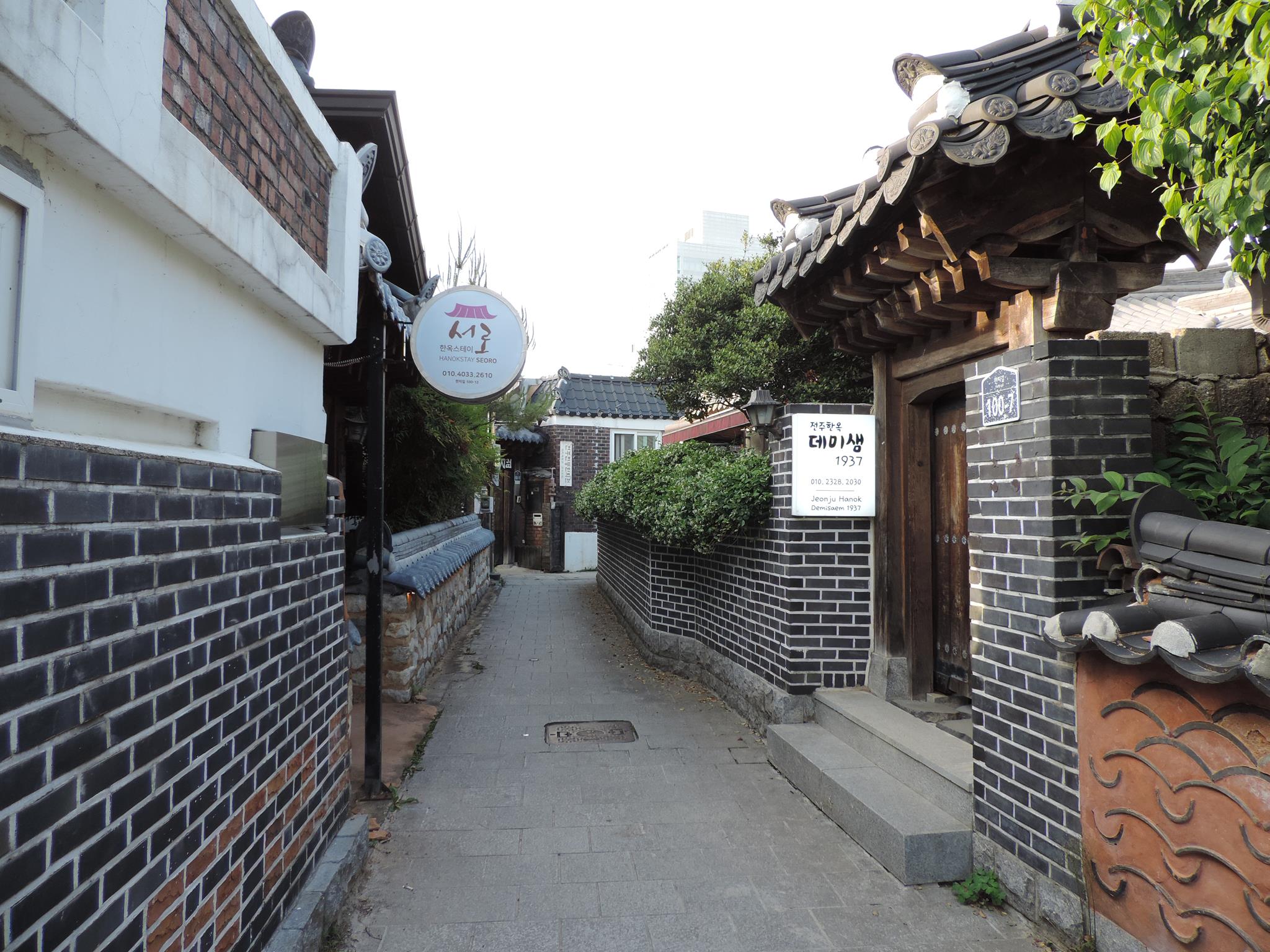
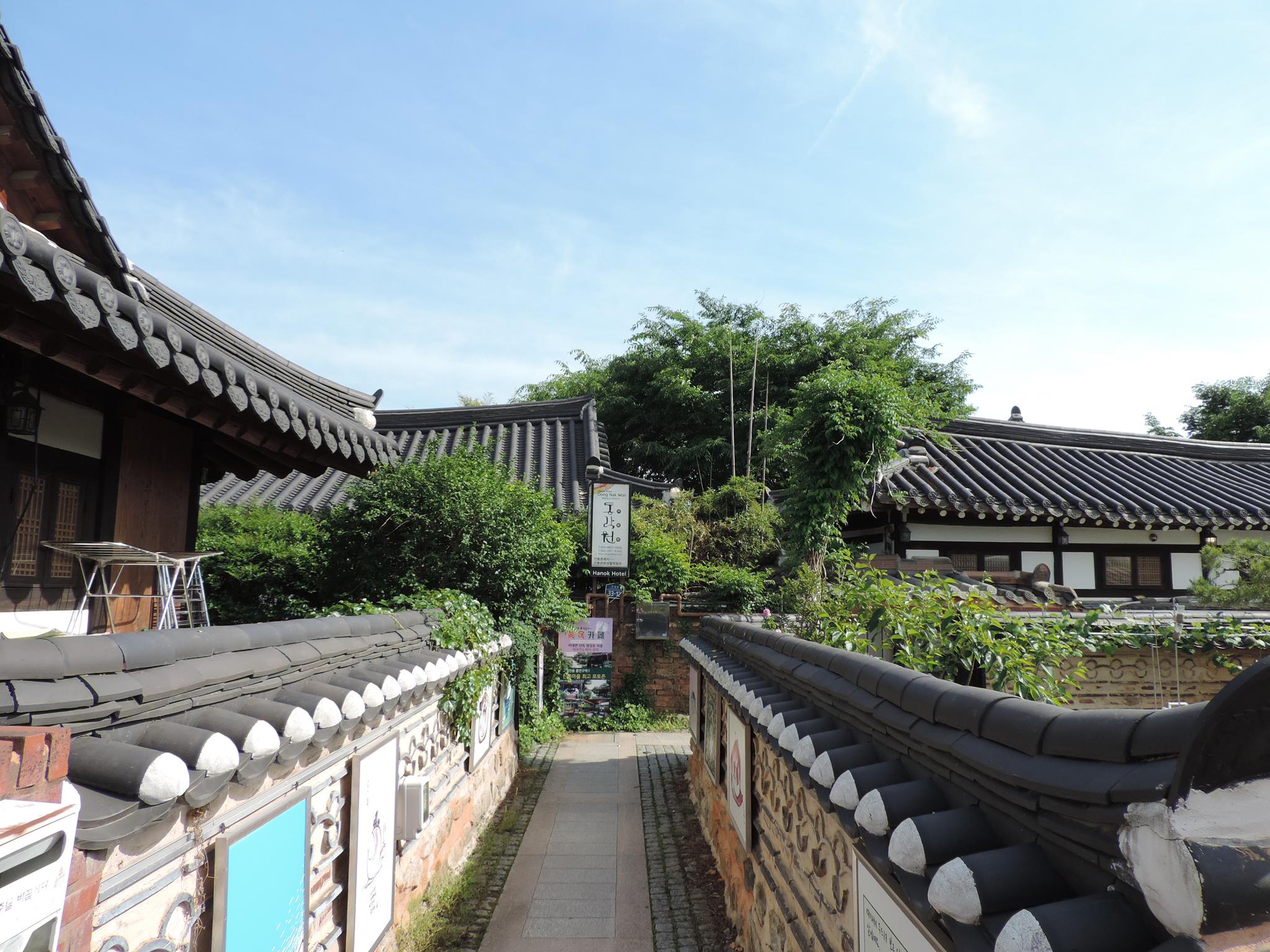
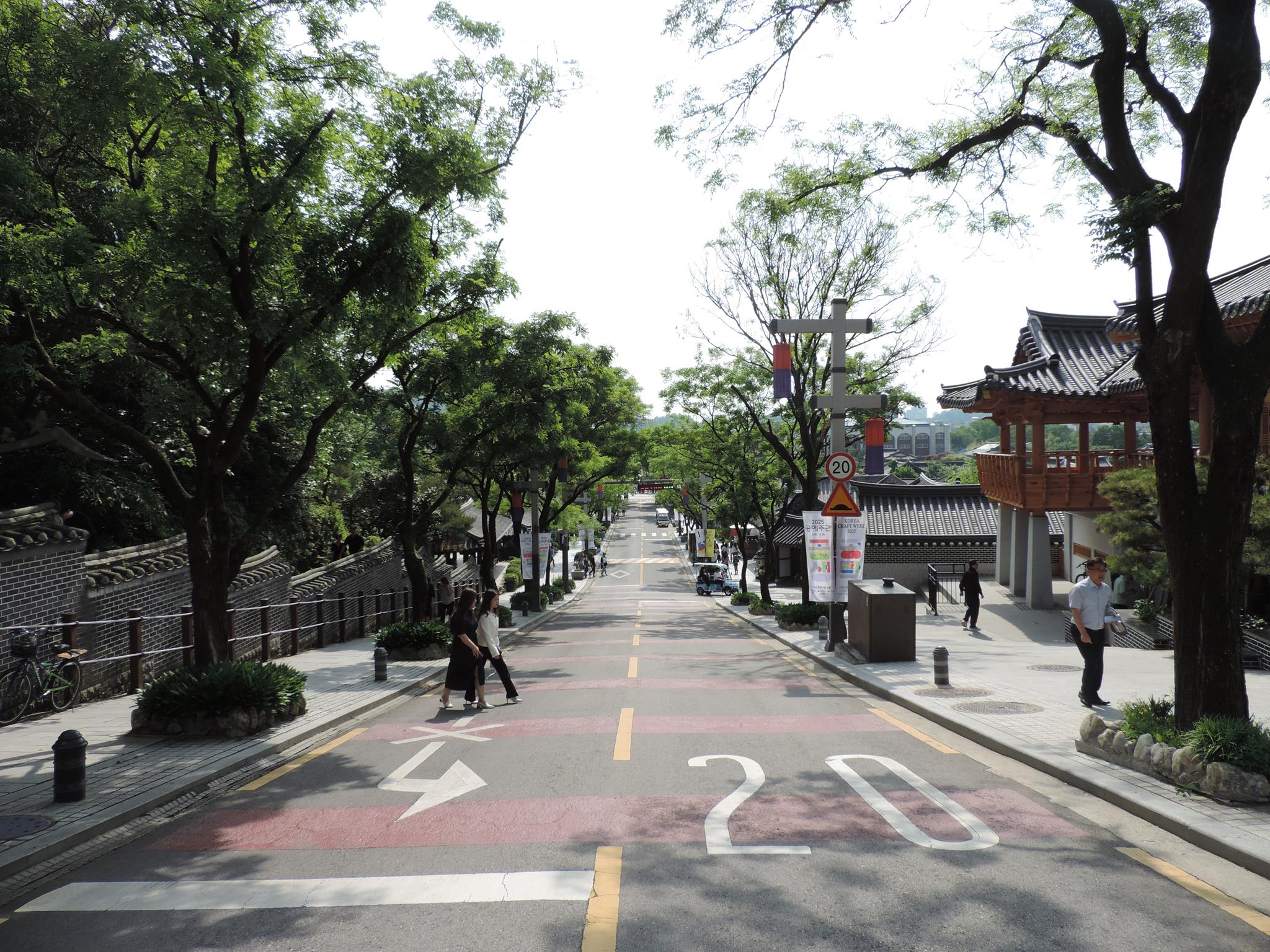
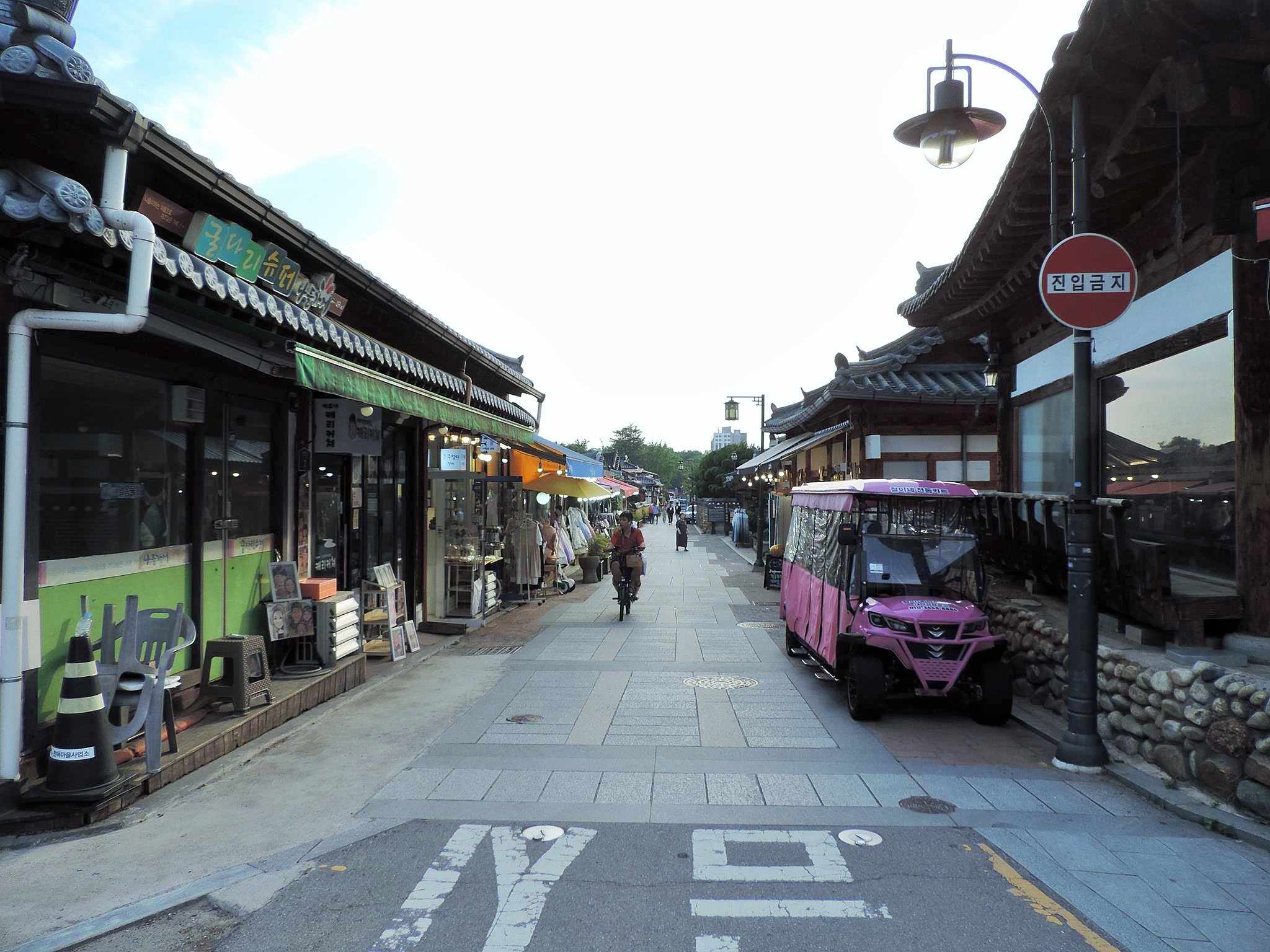
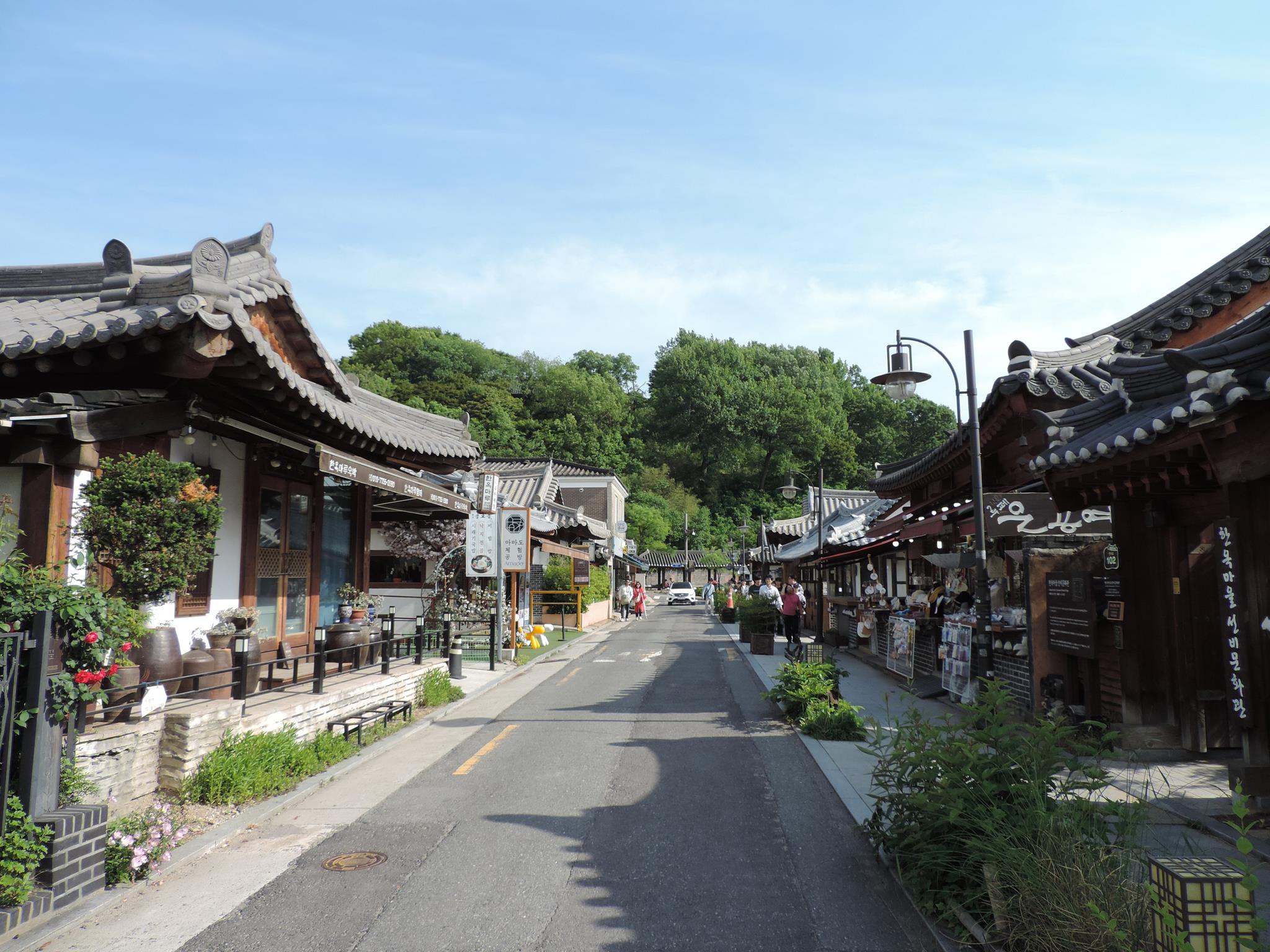
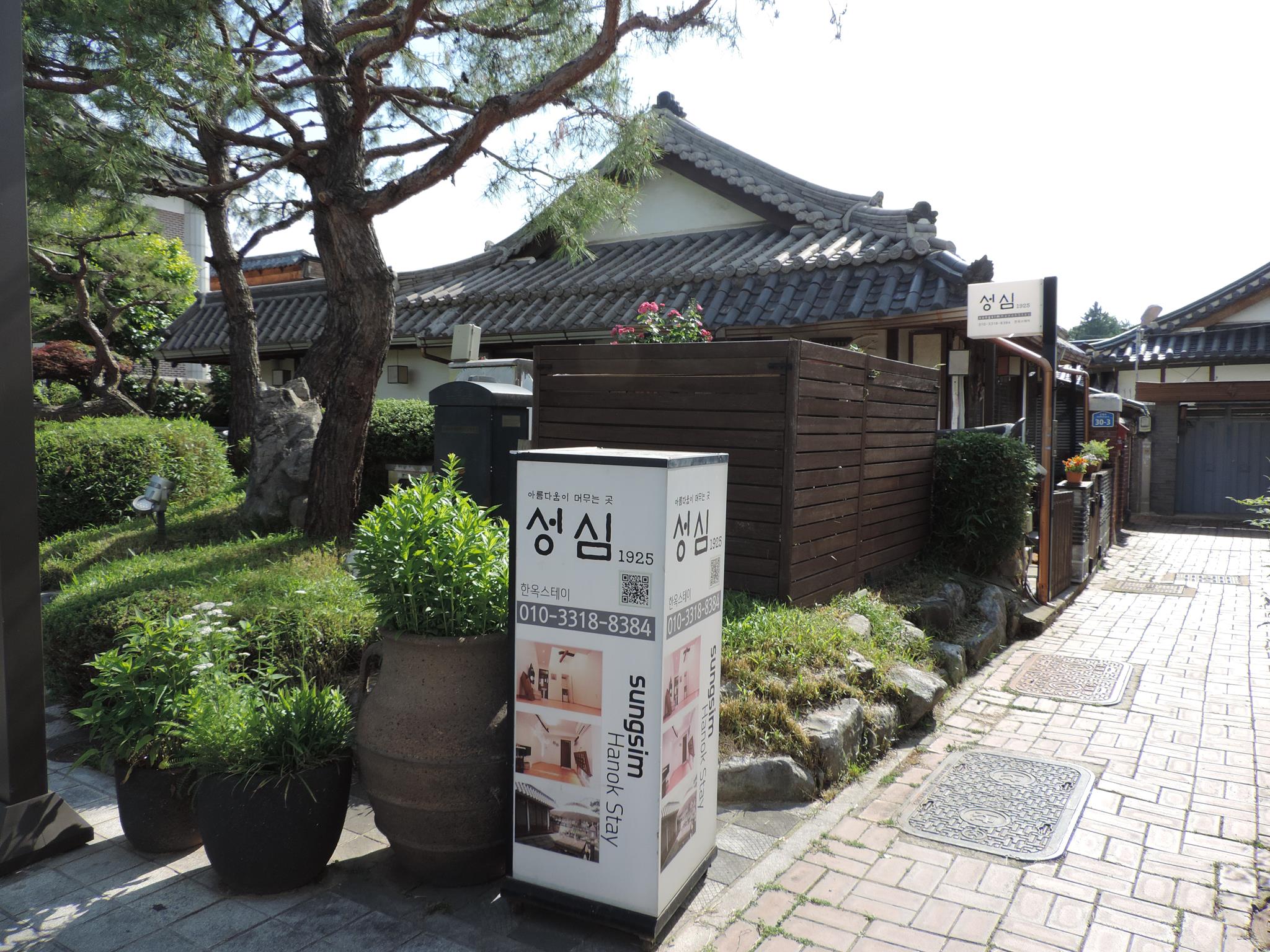
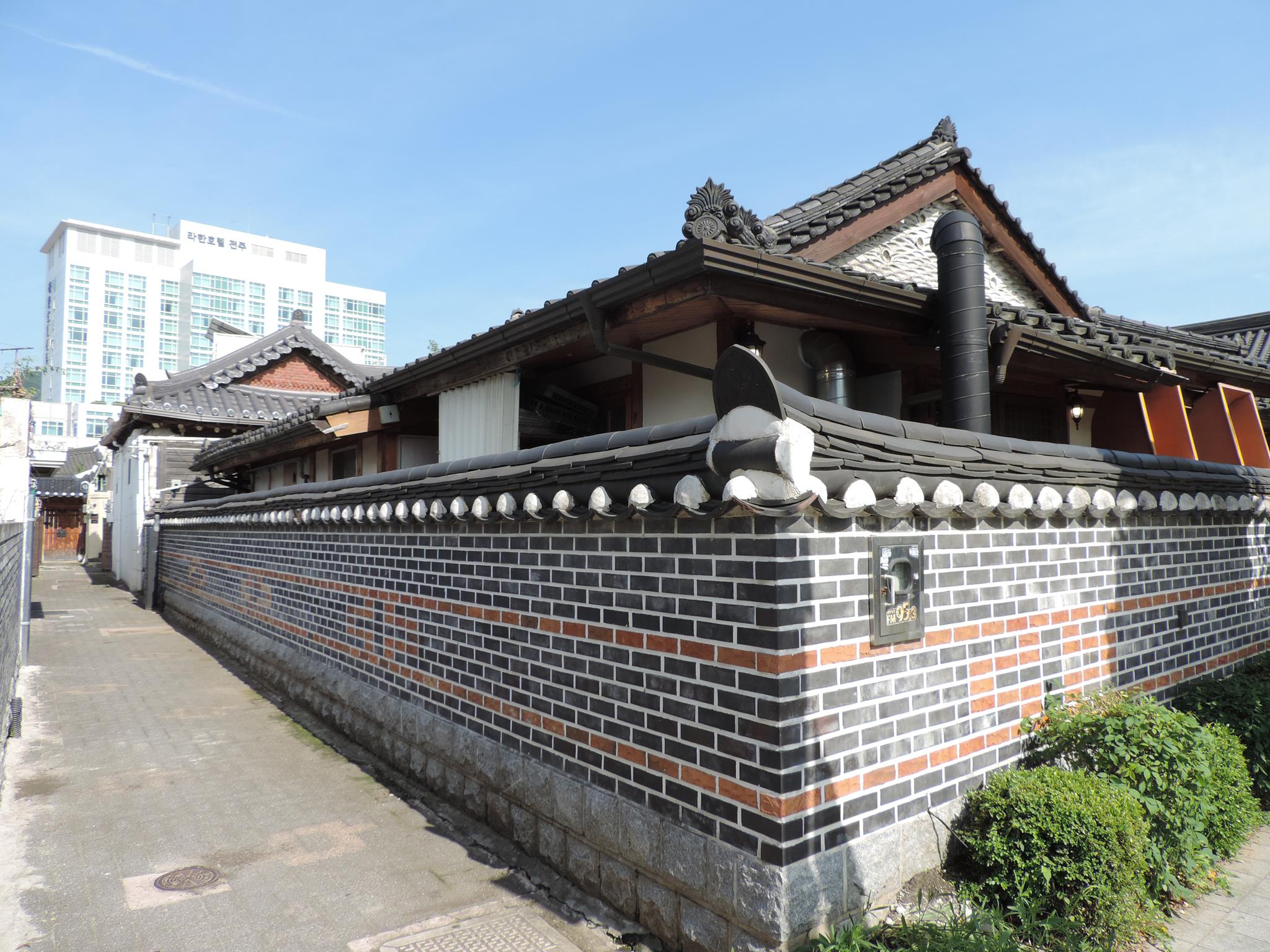
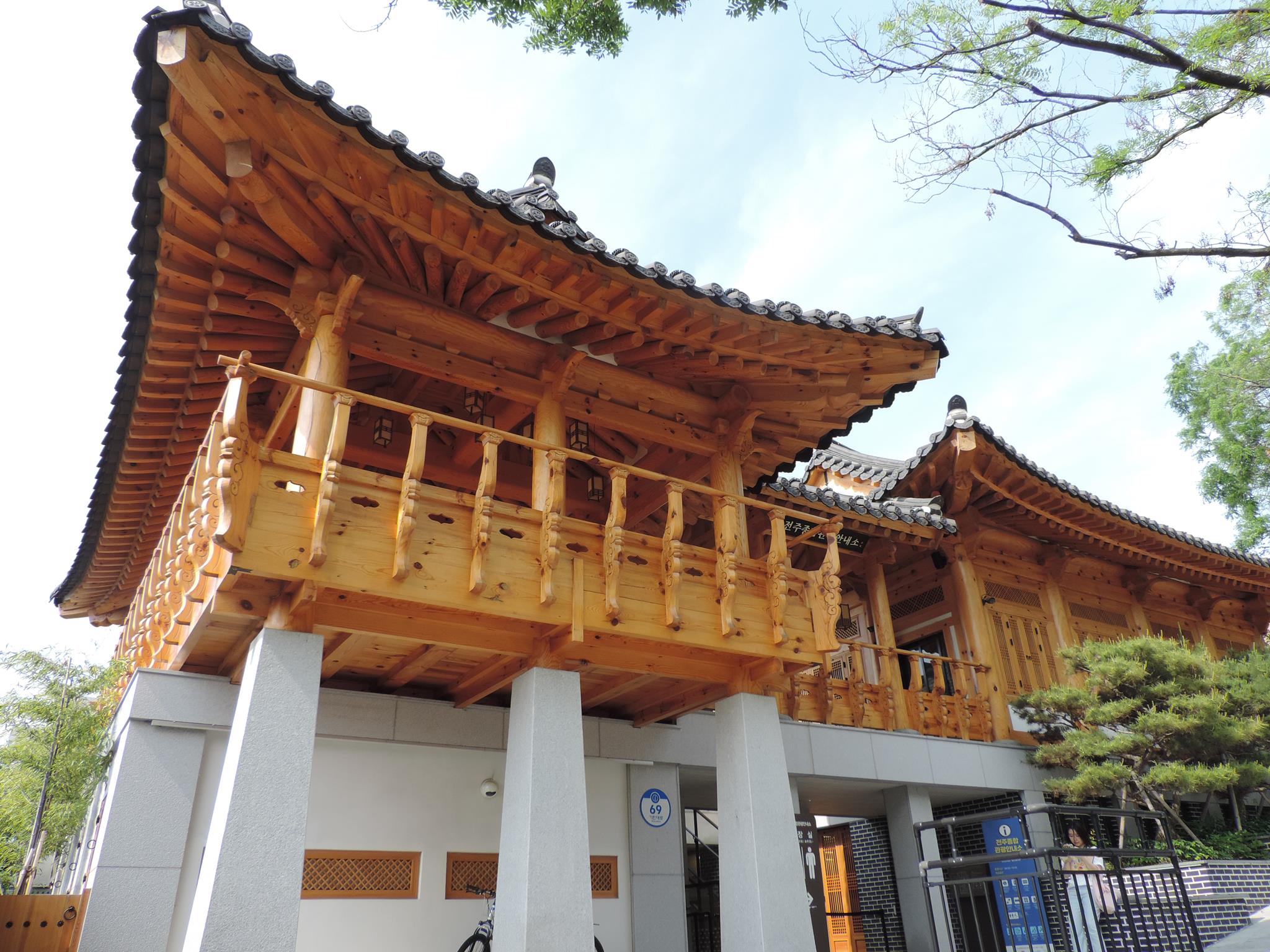
Jeonju Hanok Village is the largest Hanok Village in Korea, with about 700 Hanok buildings around Pungnam-dong. „Hanok“ is a traditional Korean house. The cultural site is the only Hanok complex in a downtown area in the whole country. The development history started in 1910, holding important cultural heritage including Gyeonggijeon shrine, Omokdae, and the Confucian School Hanggyo. About 20 other cultural facilities are dispersed in every corner of the Hanok Village. It’s a famous tourist site in Korea where all kinds of traditional Korean culture are showcased, including food, paper, songs, costumes and oriental medicine.
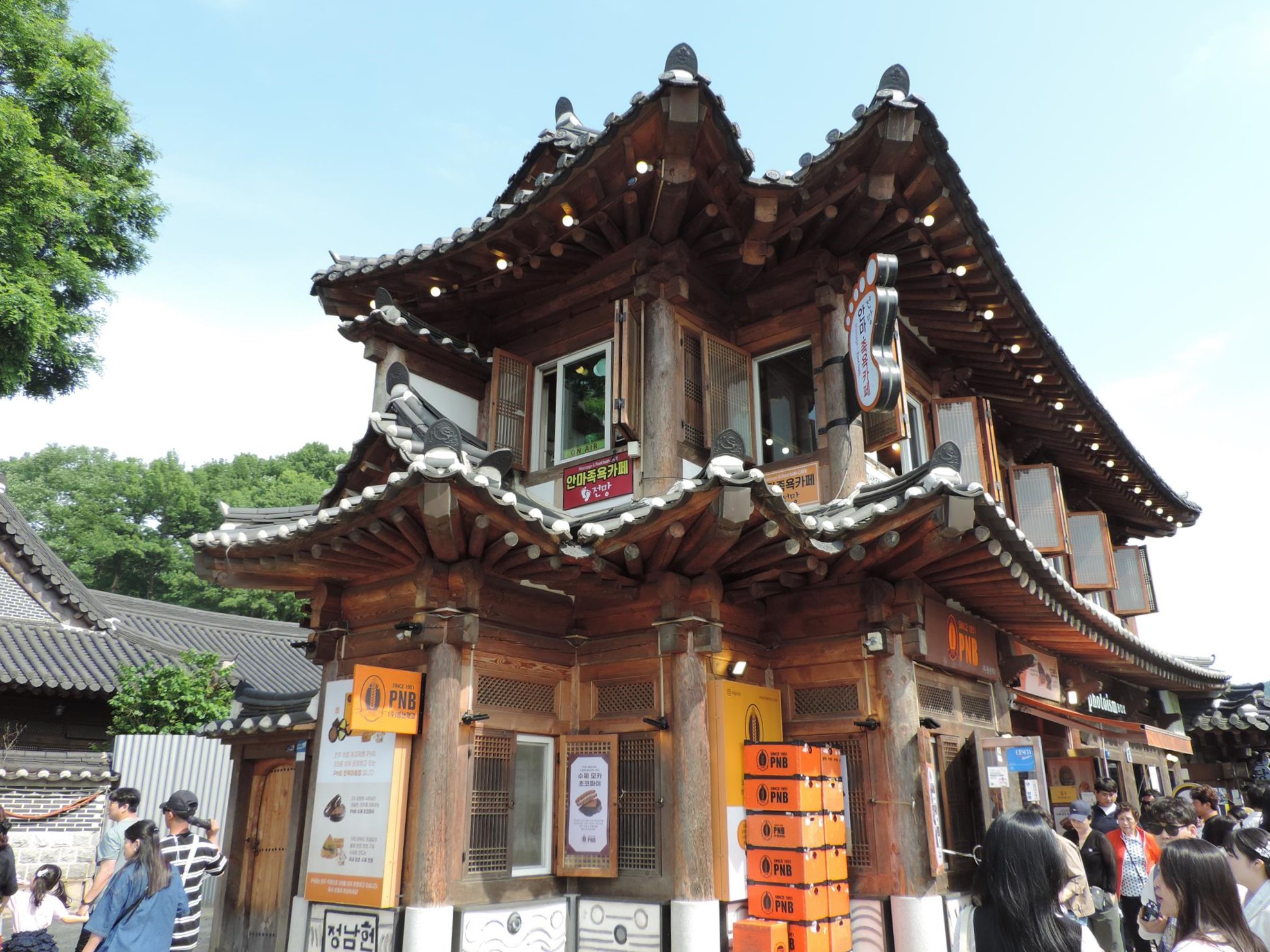
Jeonju Hanok Village was designated as an International Slow City by Cittaslow International on November 27th in 2010, in recognition of its status as a representative landmark of Jeonju, an exemplary Korean city, and a home of traditional culture. According to its International Slow City Declaration Speech, it is a symbol of Korean resistance during the Japanese colonial occupation, and has a 500-year-history that dates back to the early period of the Joseon Dynasty.
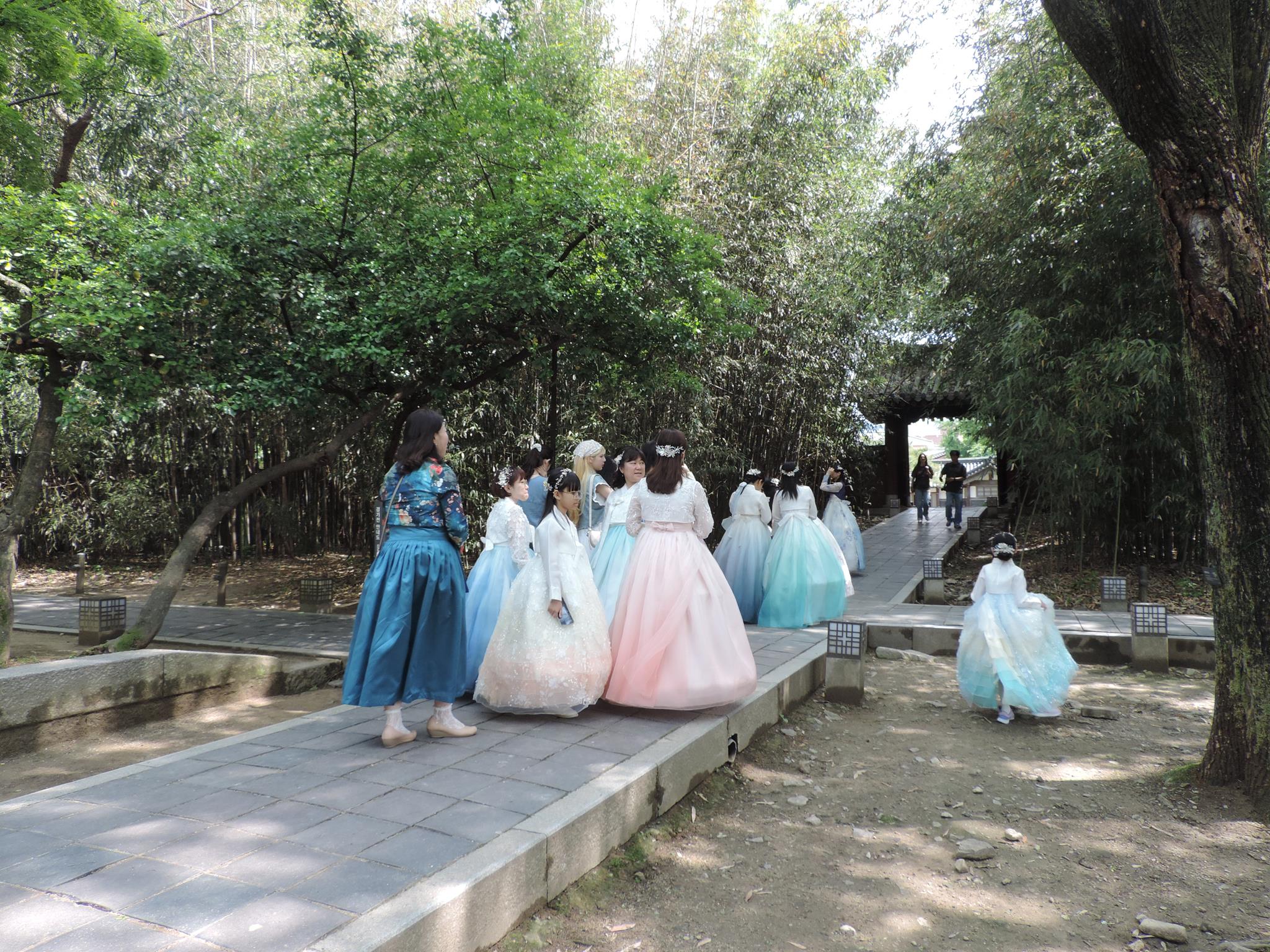
Jeonju Hanok Village, where the traditional Korean spirit is vibrantly alive, is comparable to a giant museum that preserves the traditional Korean music „Pansori“, a World Intangible Cultural Heritage, and bibimbap, an officially recognized slow food. Cittaslow International also stated that while Seoul is the administrative capital of Korea, Jeonju is the capital city of Korean tradition and culture. It also declared Jeonju Hanok Village as a global brand, making it the first urban international slow city.
In 2016, Jeonju became the world’s first large city with over 600,000 inhabitants to be designated as a slow city. It was designated for a third time in 2021. Among the factors that have contributed to Jeonju’s designation as a slow city on three separate occasions are its thousand-year history, its well-preserved traditional culture and well-protected ecological environment, and its growth as a sustainable city that protects the value of its citizens. The article includes photos of the cultural site and its historic buildings, museums, galleries, and shrines, as well as a video of a flag-waving performance and other useful information for a visit.
Gyeonggijeon Shrine
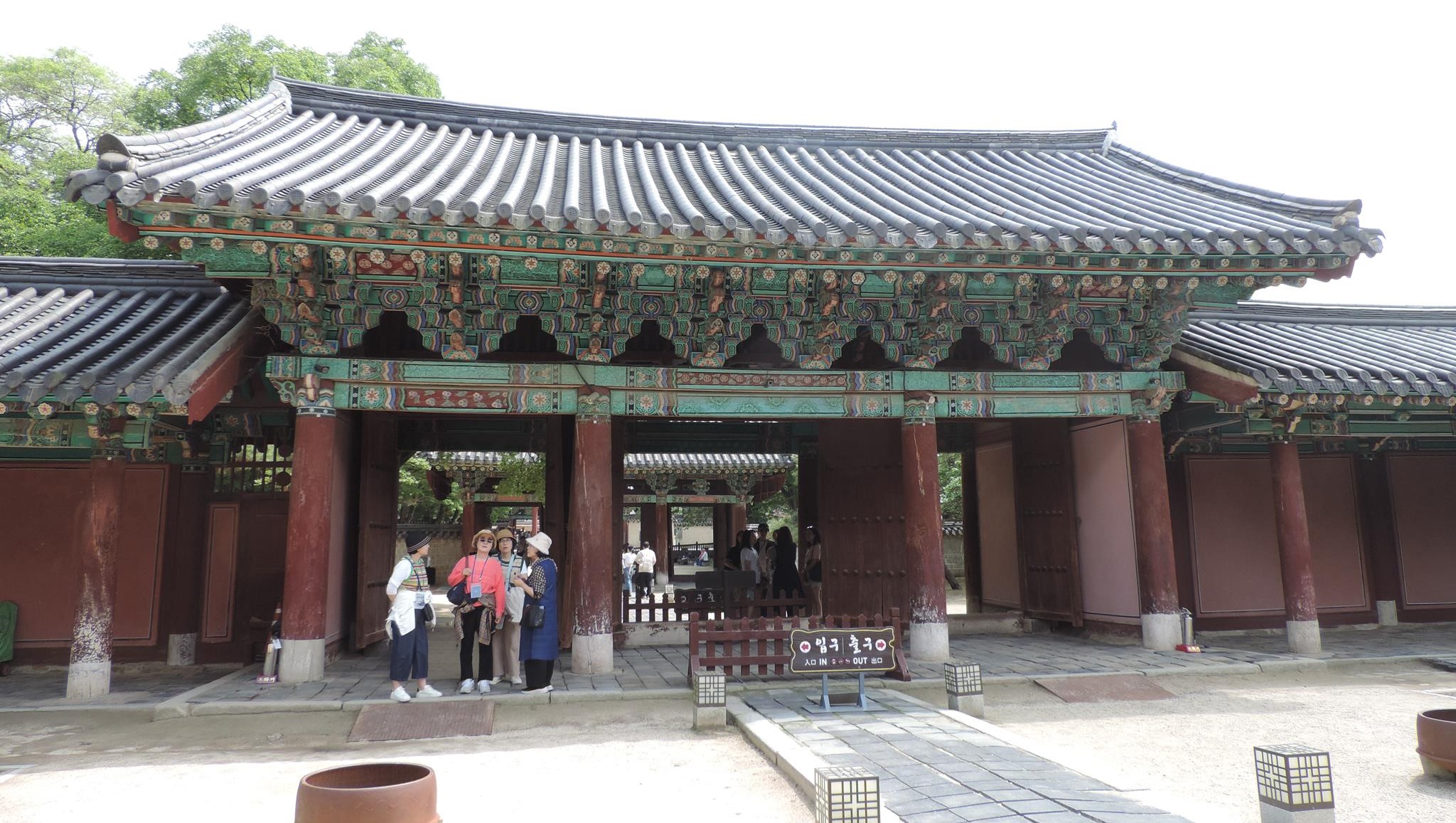
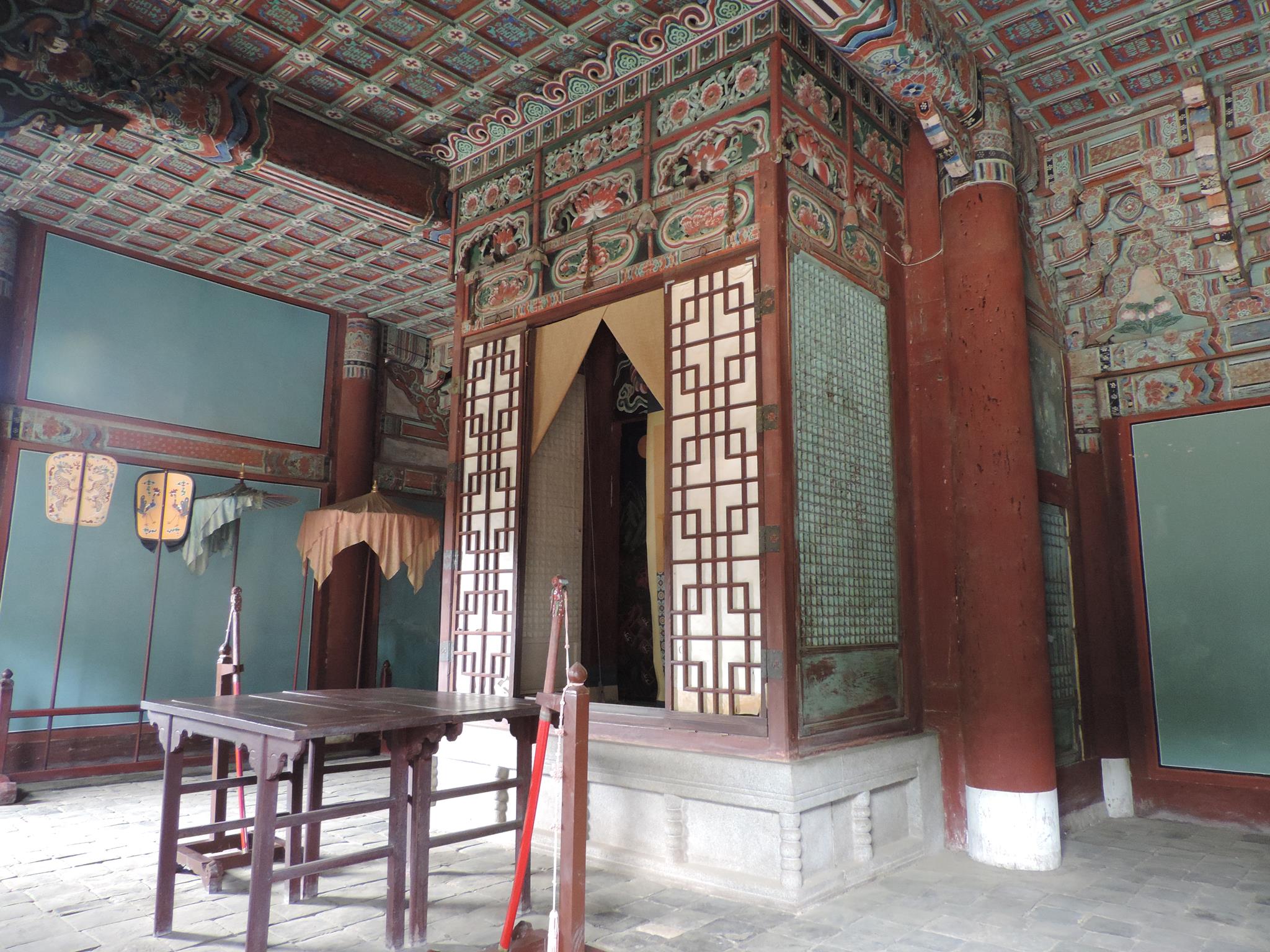
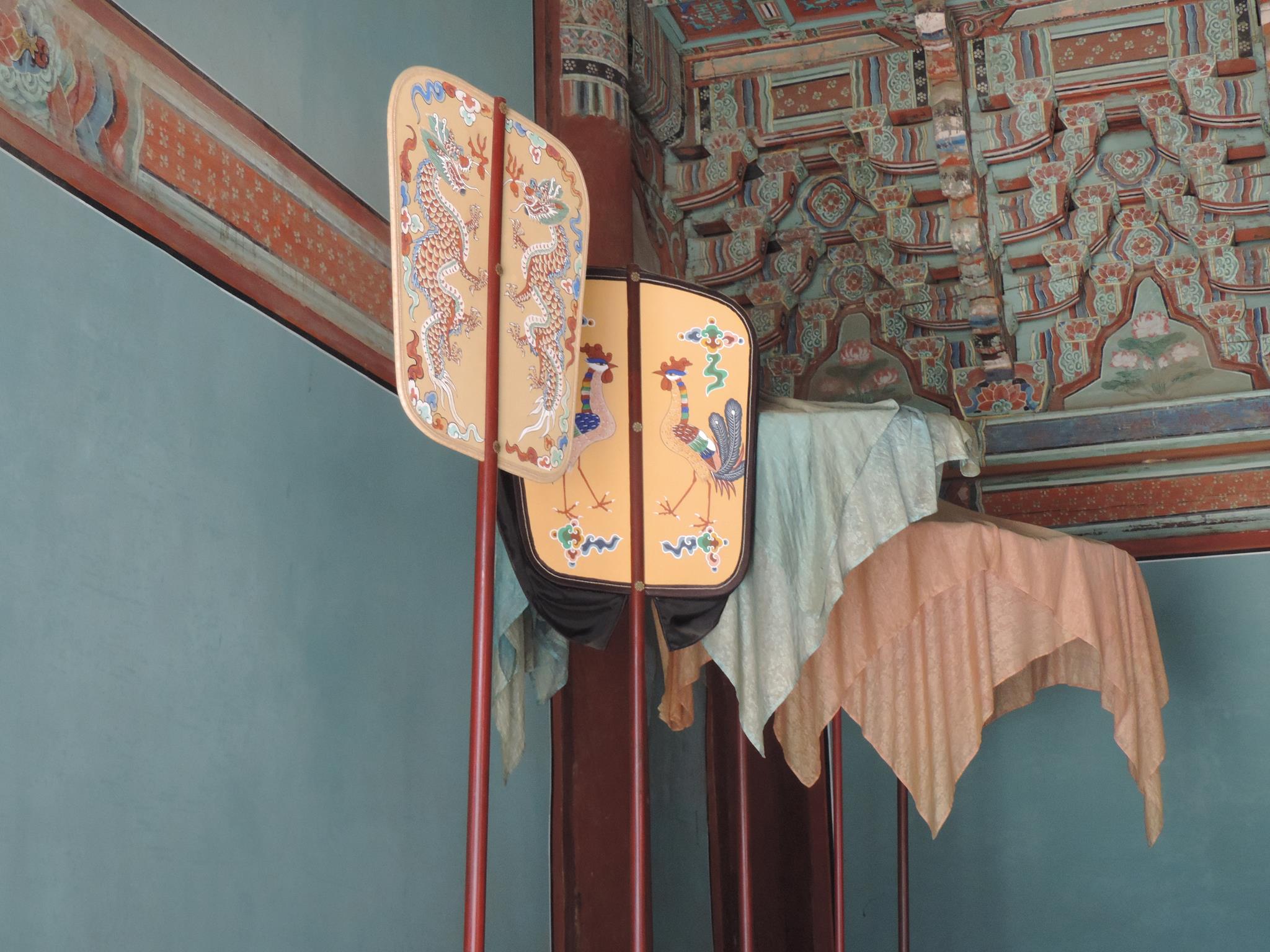
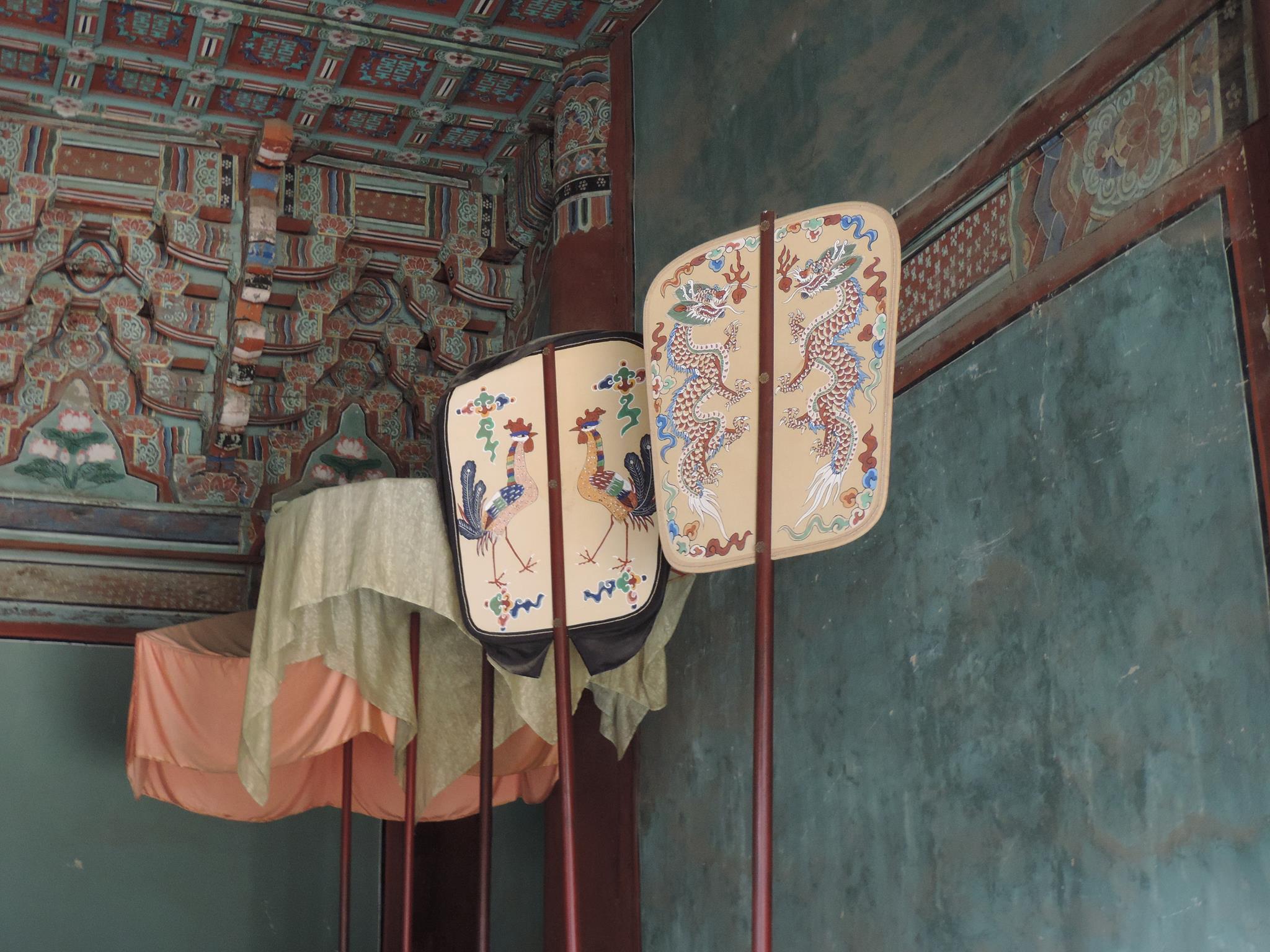
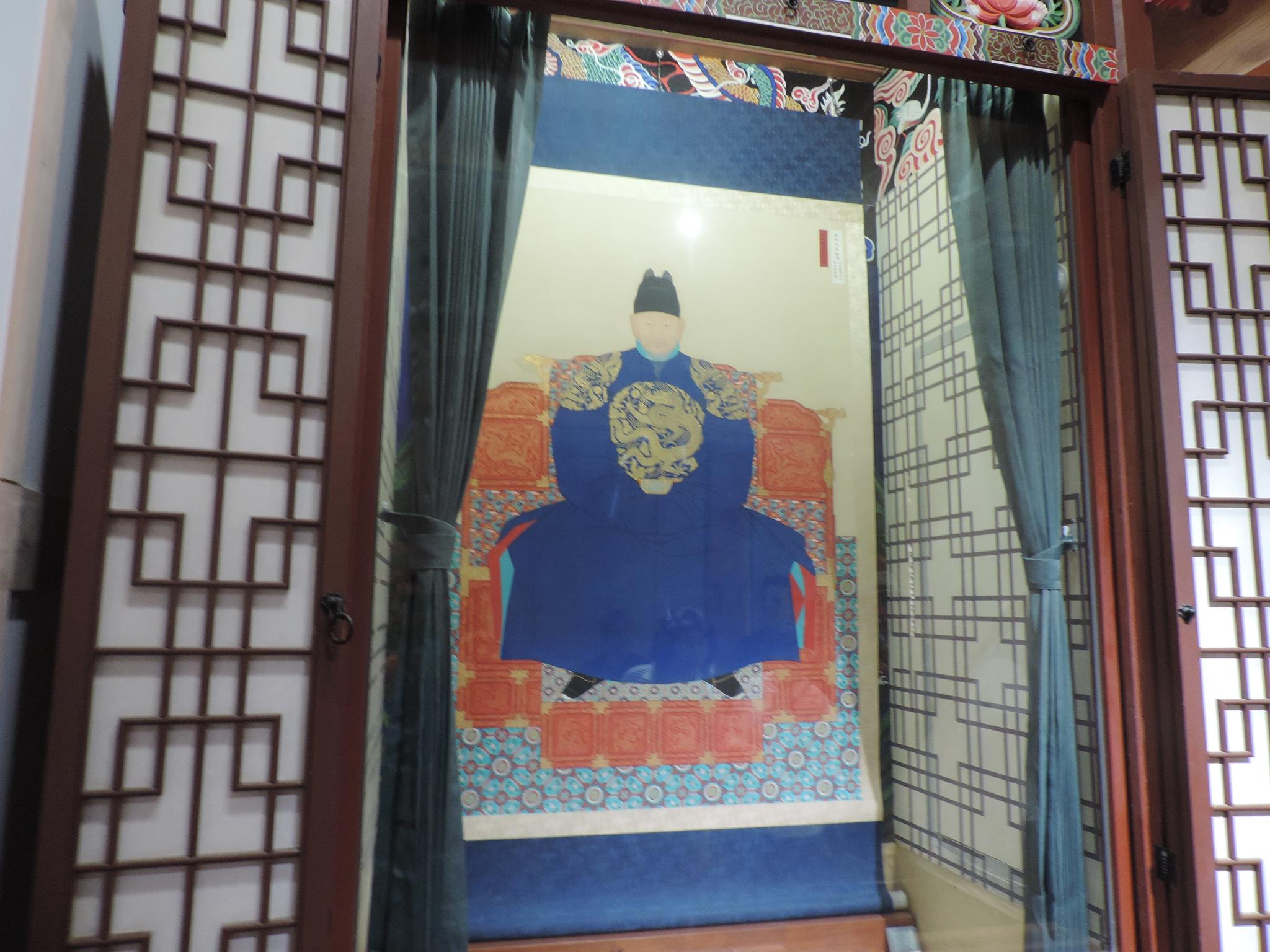
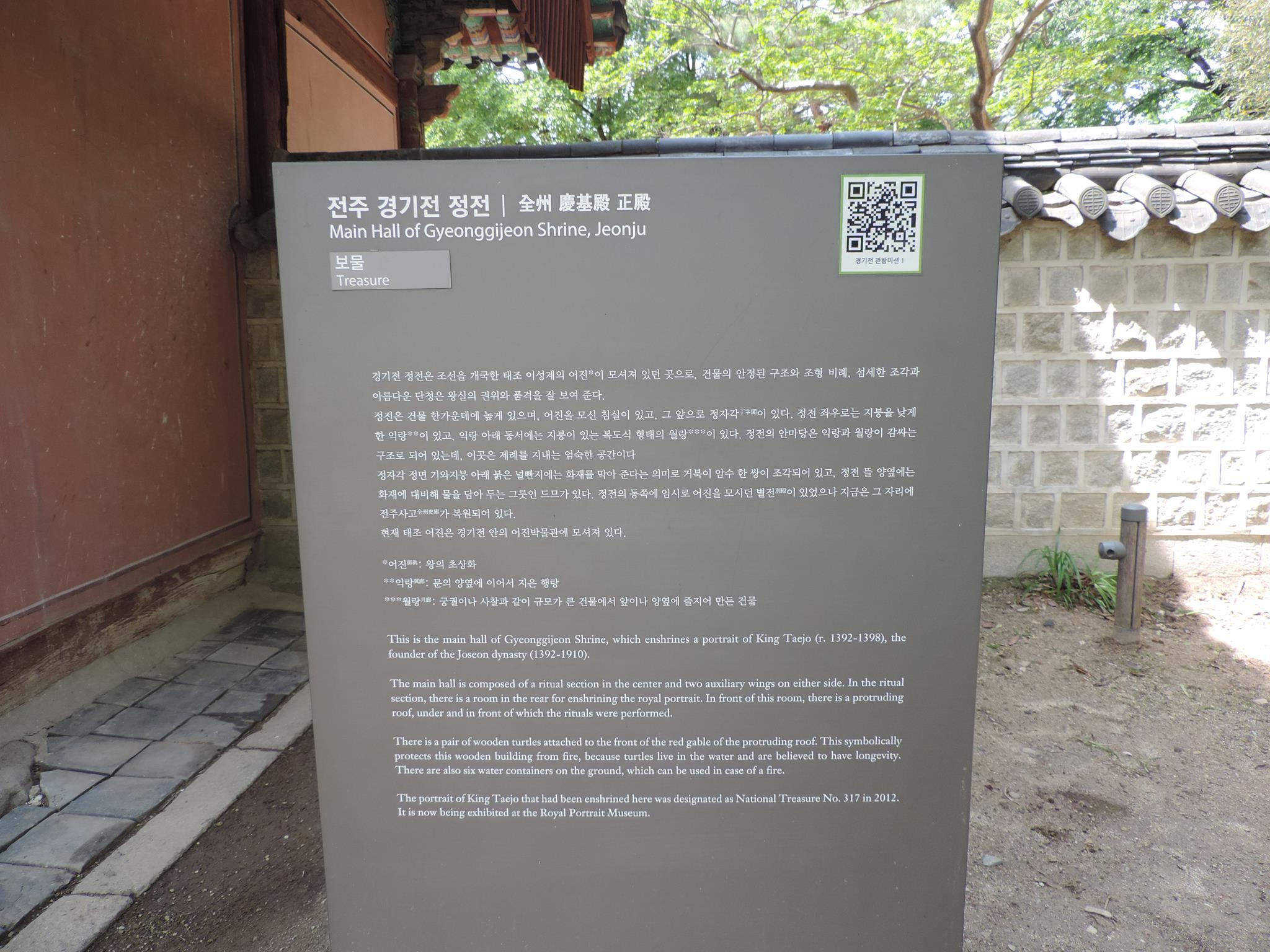
The main hall of Gyeonggijeon Shrine enshrines a portrait of King Taejo, who reigned from 1392 till 1398 and who was the founder of the Joseon dynasty which lasted from 1392 till 1910. The building complex is composed of a ritual section in the center and two auxiliary wings on either side. In the ritual section, there is a room in the rear for enshrining the royal portrait. In front of this room, there is a protruding roof, under and in front of which the rituals were performed.
There is a pair of wooden turtles attached to the front of the red gable of the protruding roof. This symbolically protects this wooden building from fire, because turtles live in the water and are believed to have longevity. There are also six water containers on the ground, which can be used in case of a fire. The portrait of King Taejo that had been enshrined here was designated as National Treasure No. 317 in 2012. It is now being exhibited at the Royal Portrait Museum.
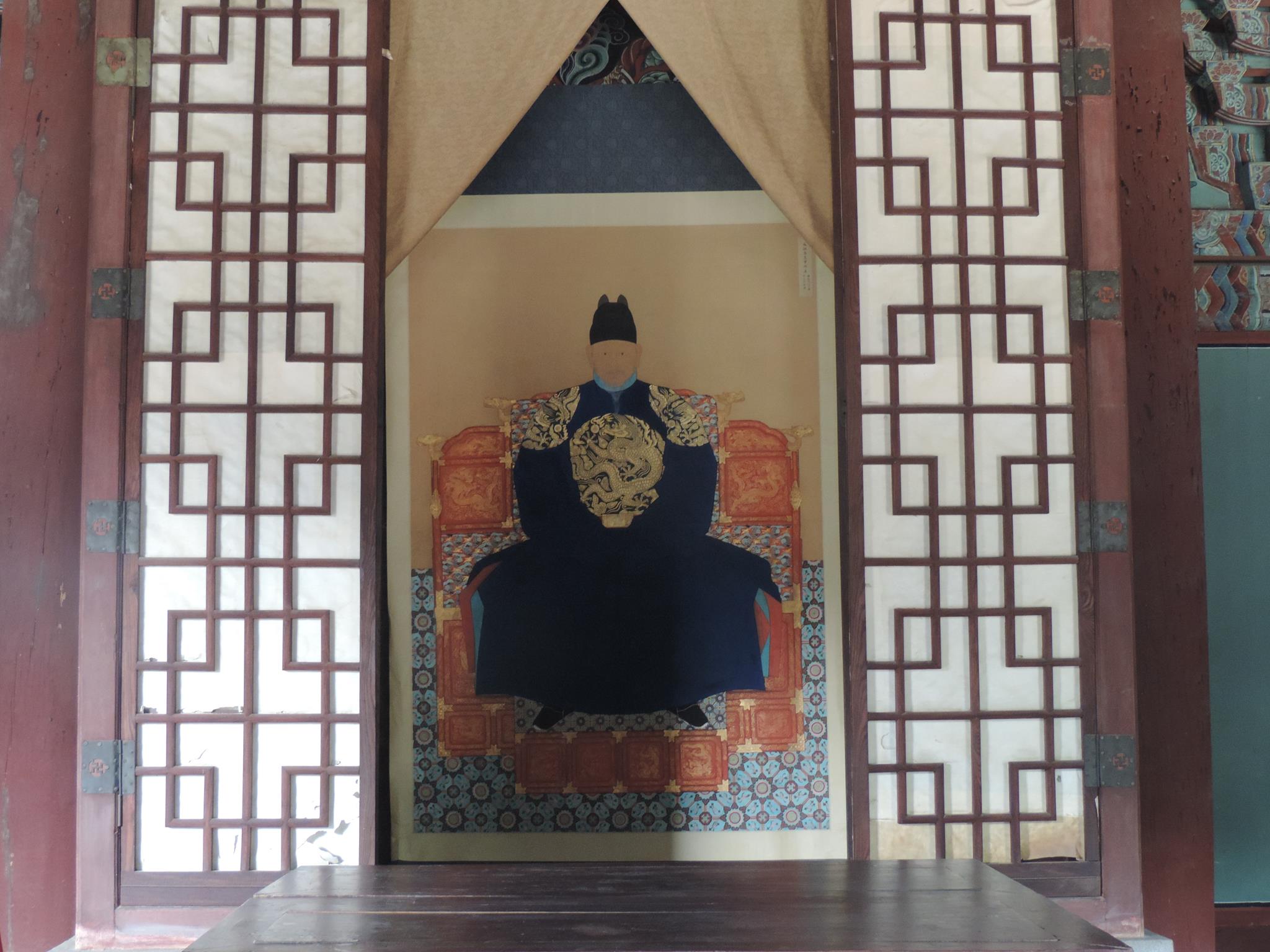
As the gate to the Jeonju Hanok Village, Taejo-ro has appeared in many Korean movies and TV shows, including the Omokdae historic pavilion. The song Daepungga acknowledges the significance of the founding of the Joseon dynasty and Gyeonggijeon Hall enshrines the portrait of King Taejo. The cultural site is considered to be one of the best places for filming in Korea.
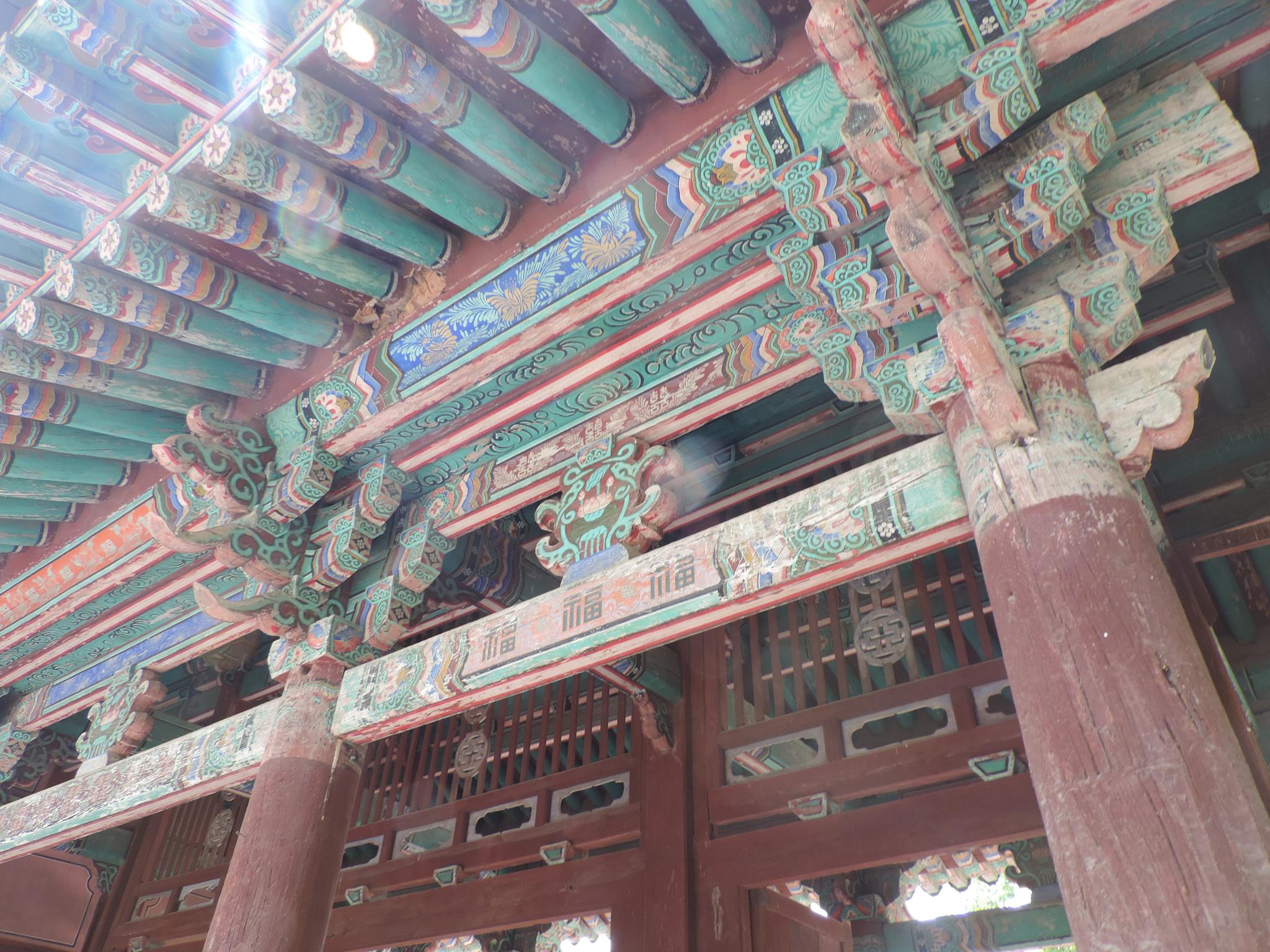
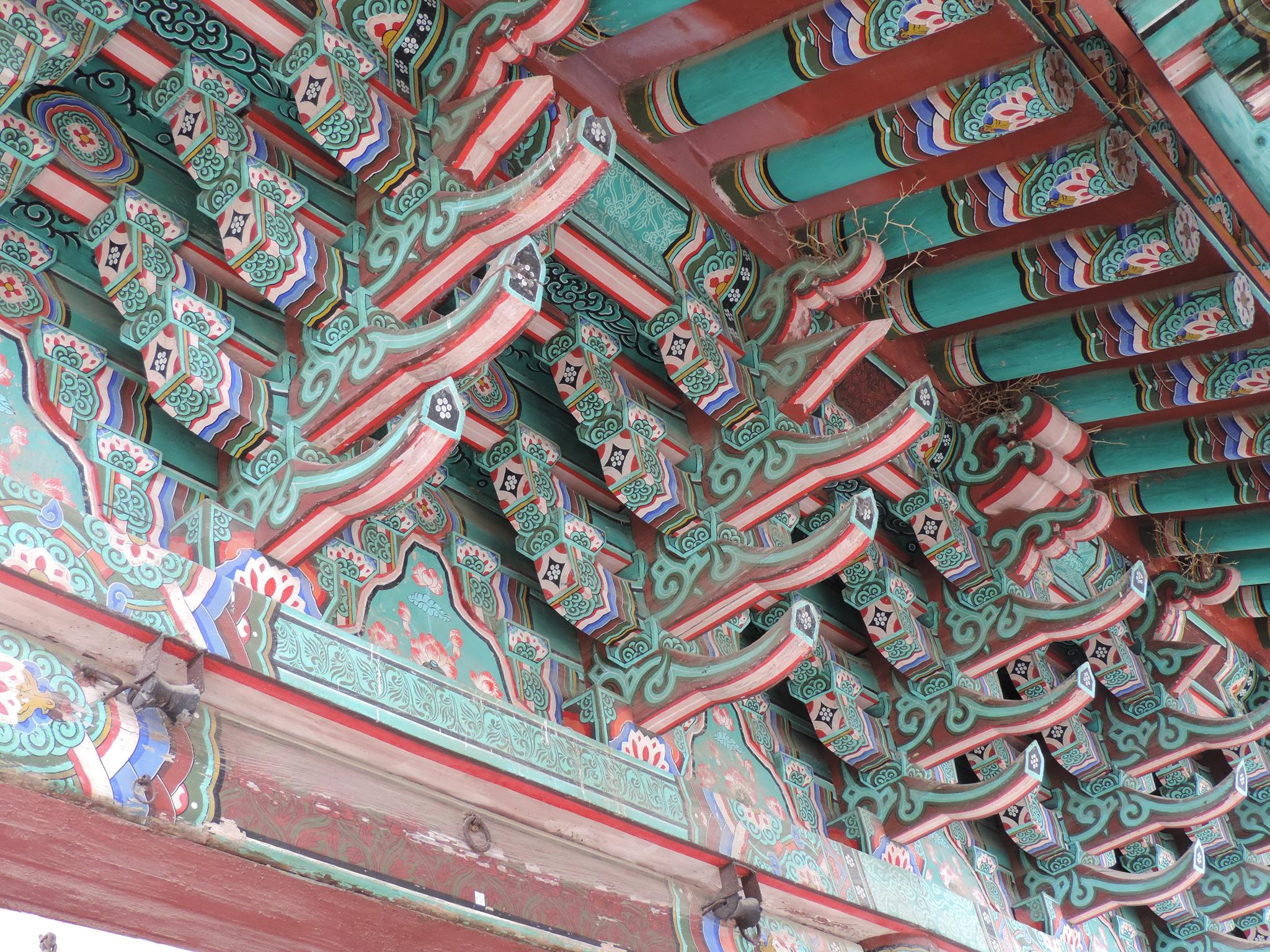
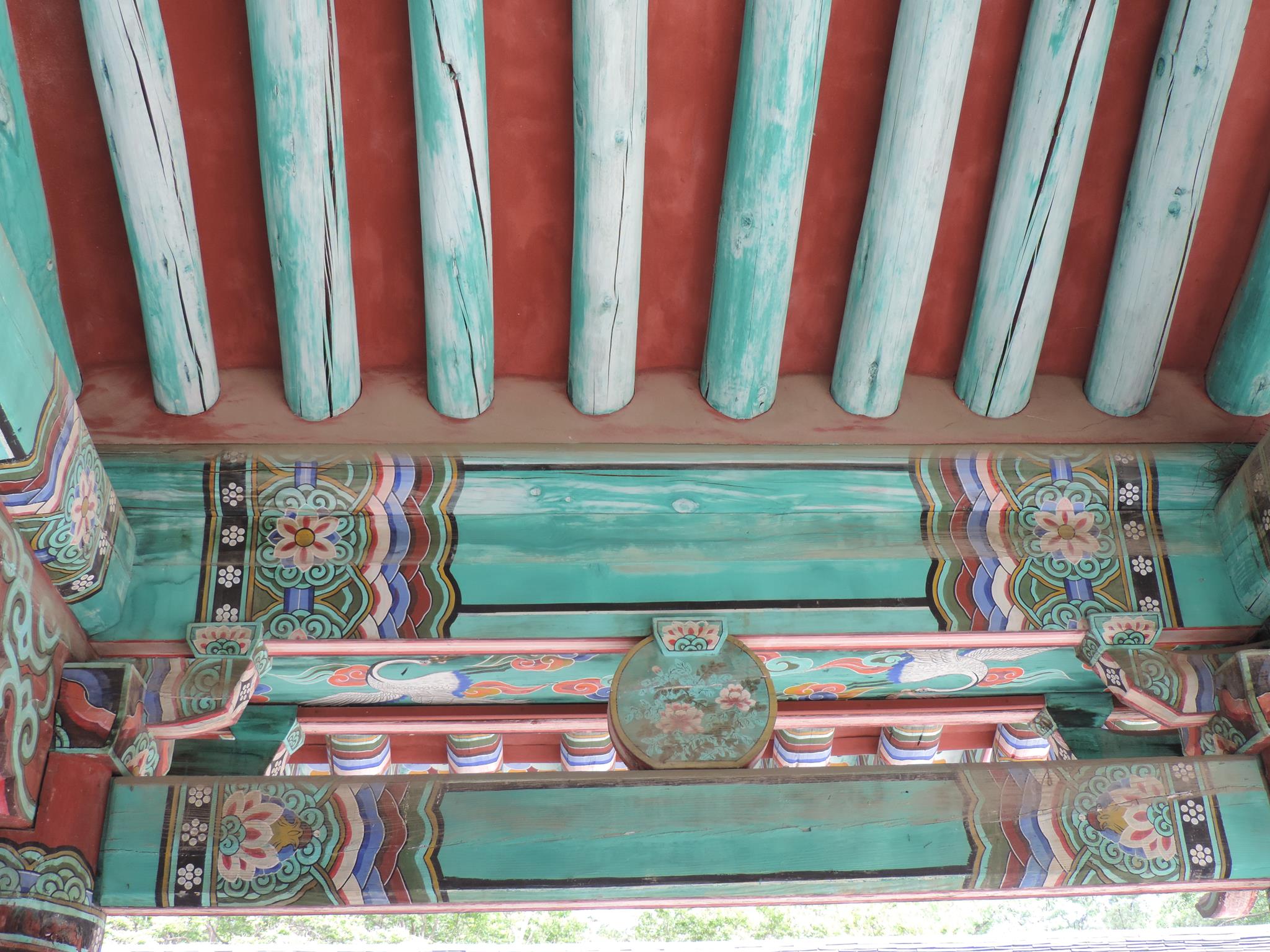
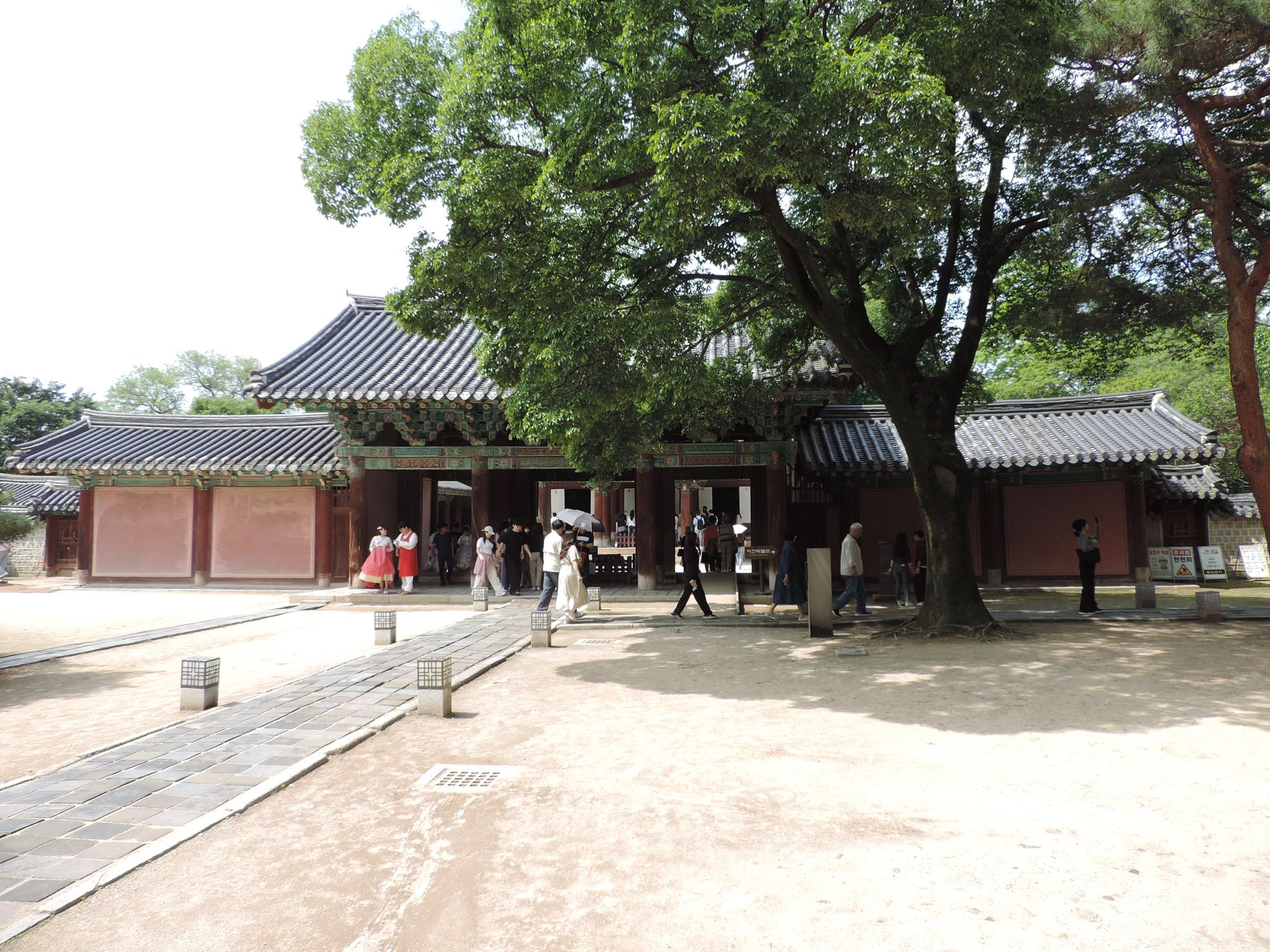
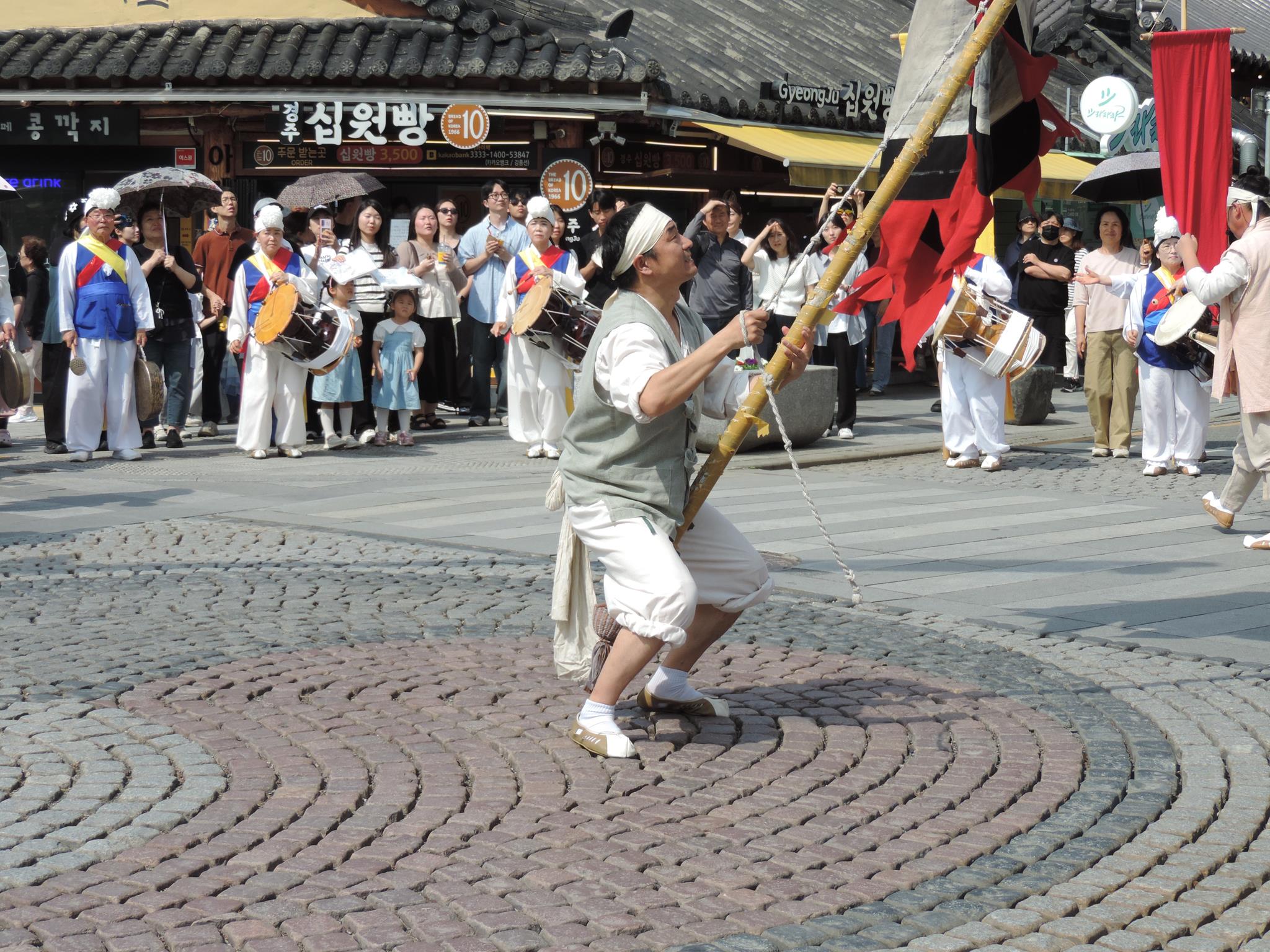
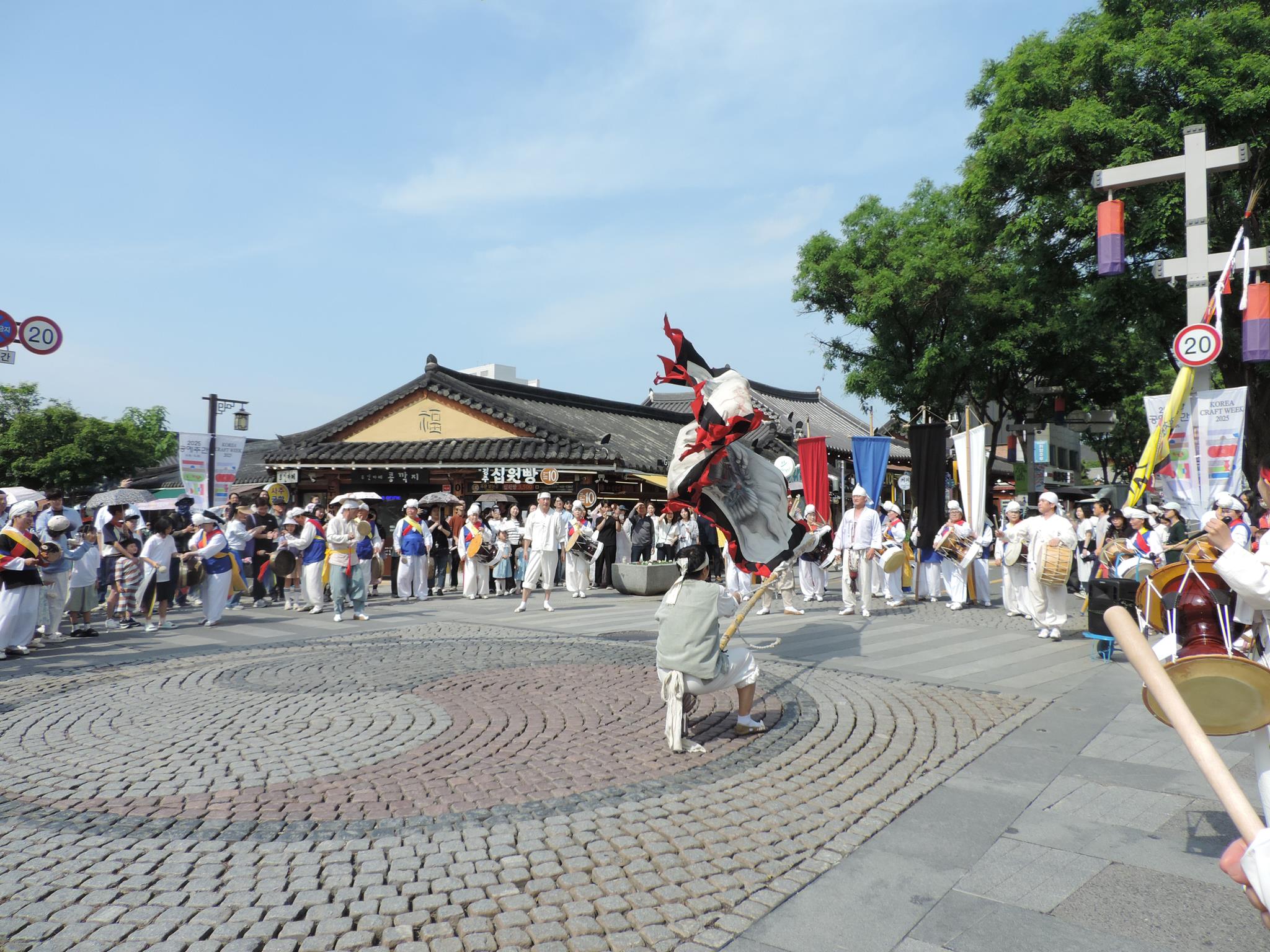
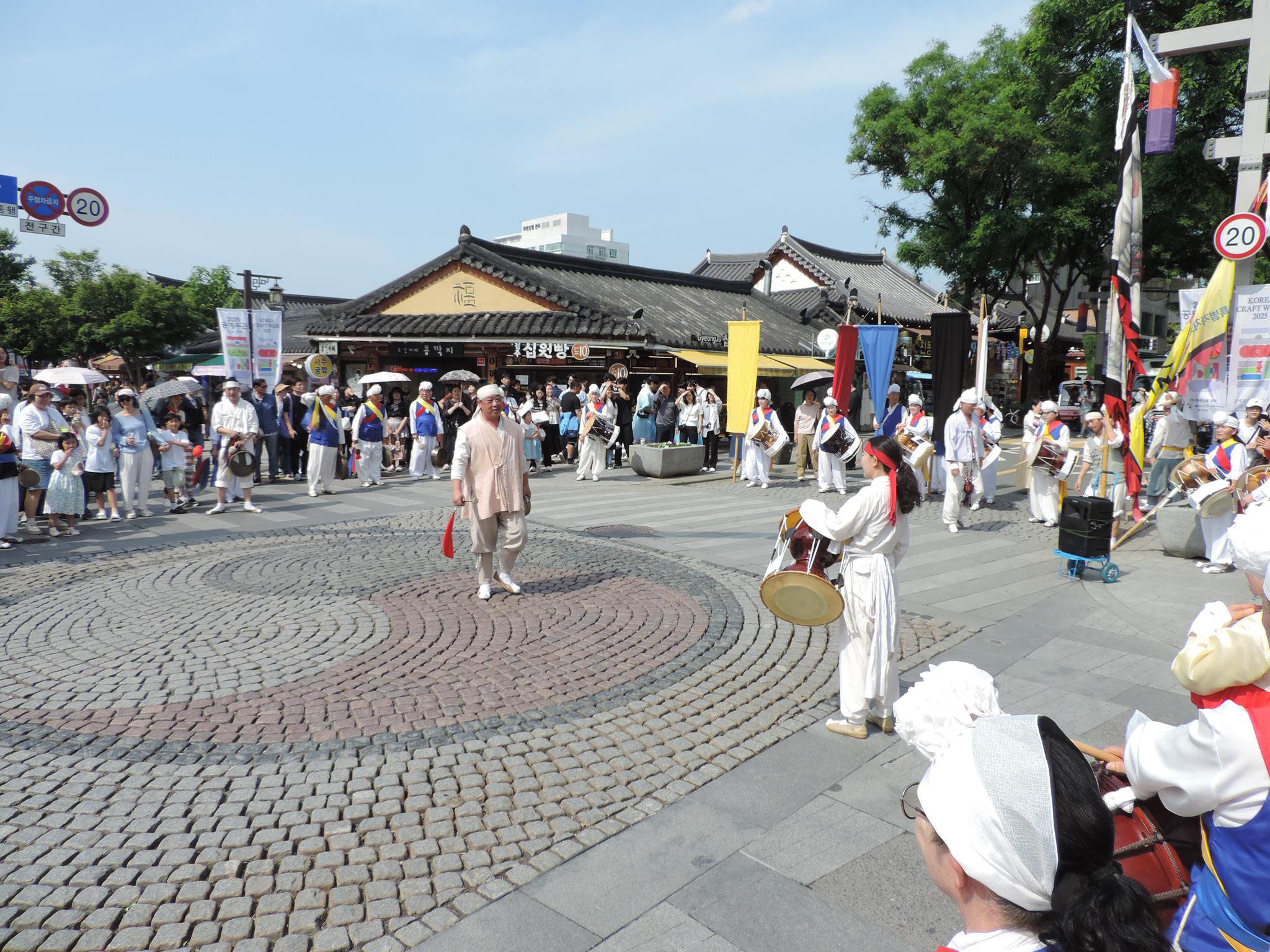
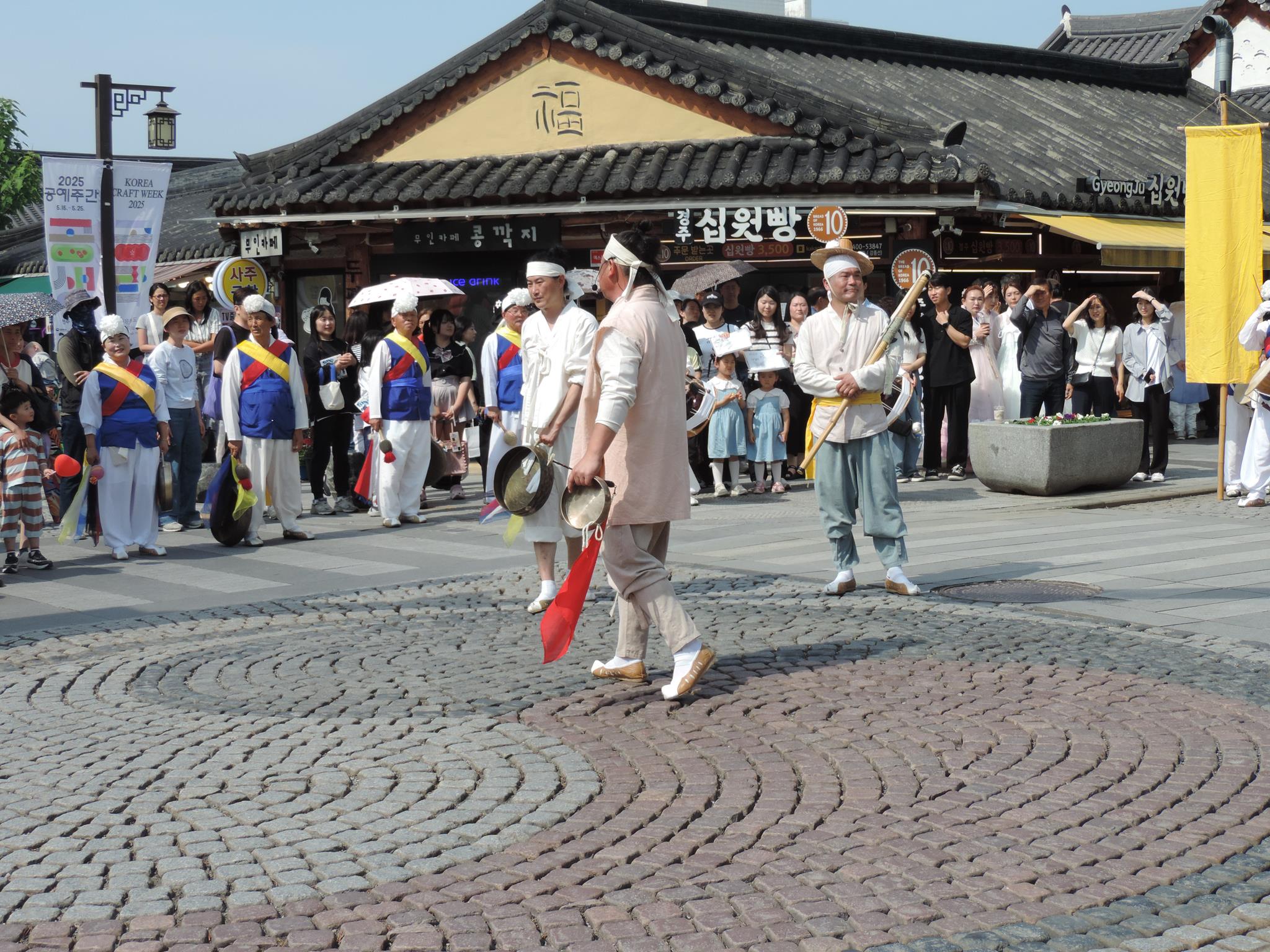
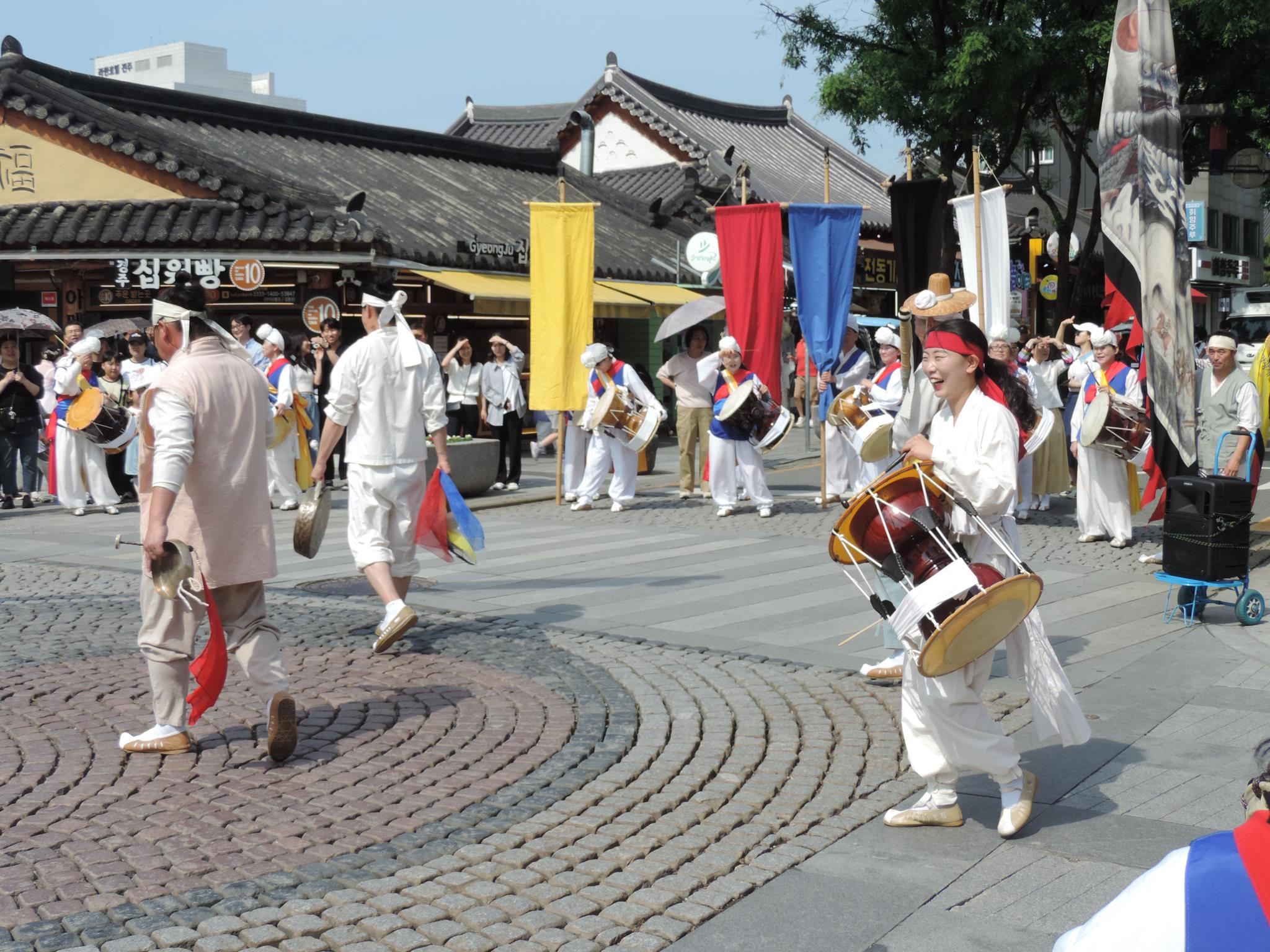
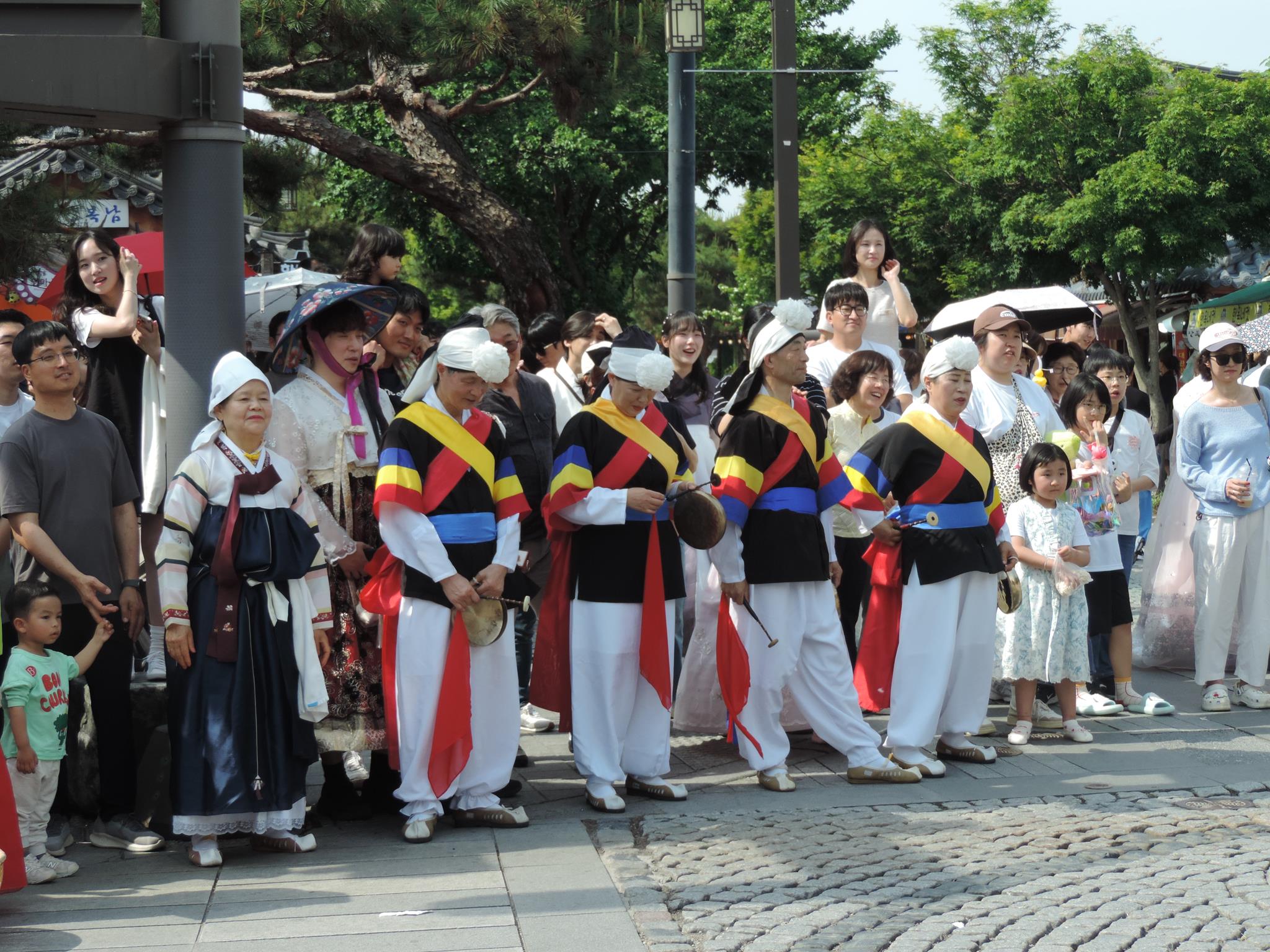
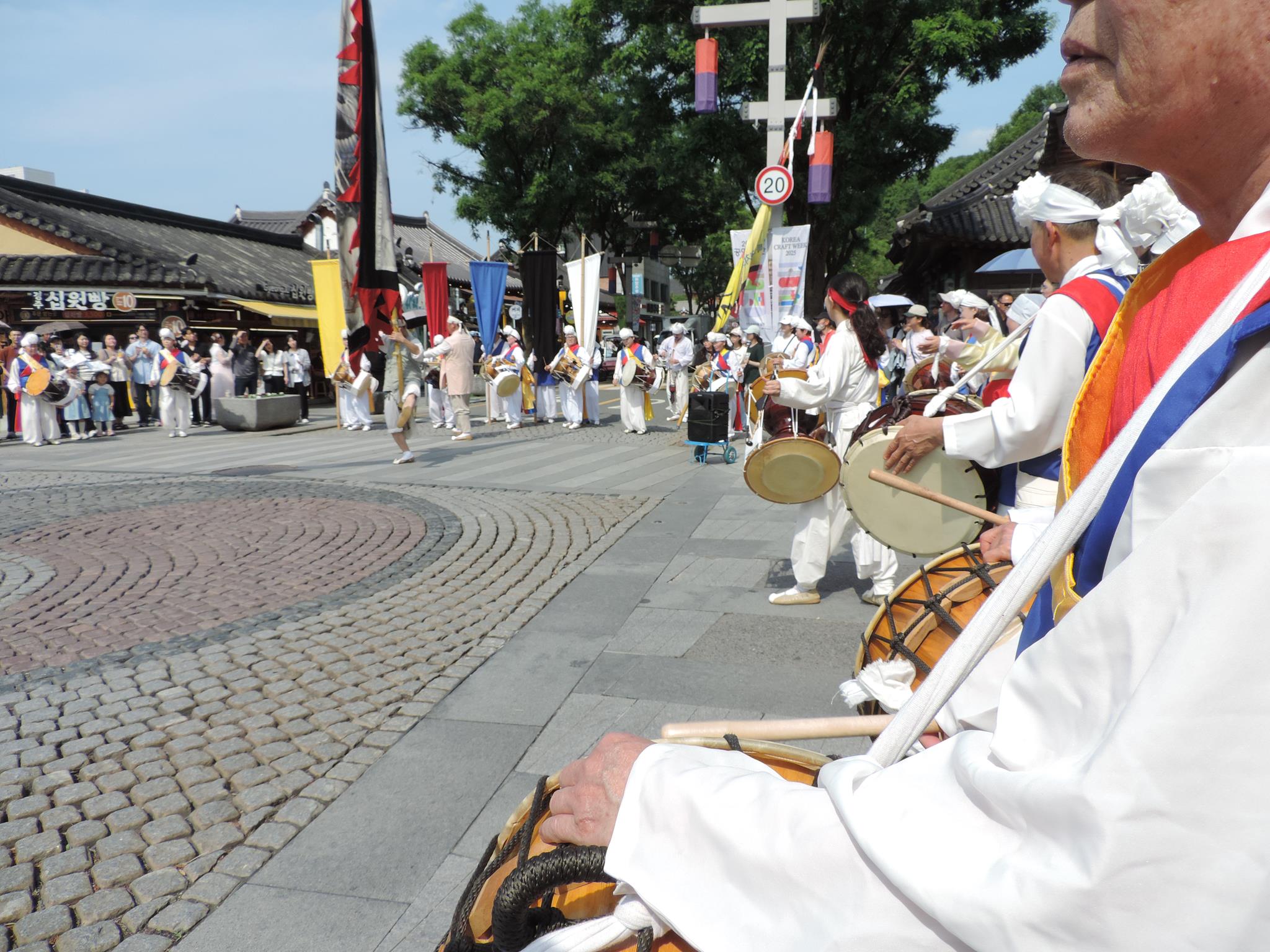
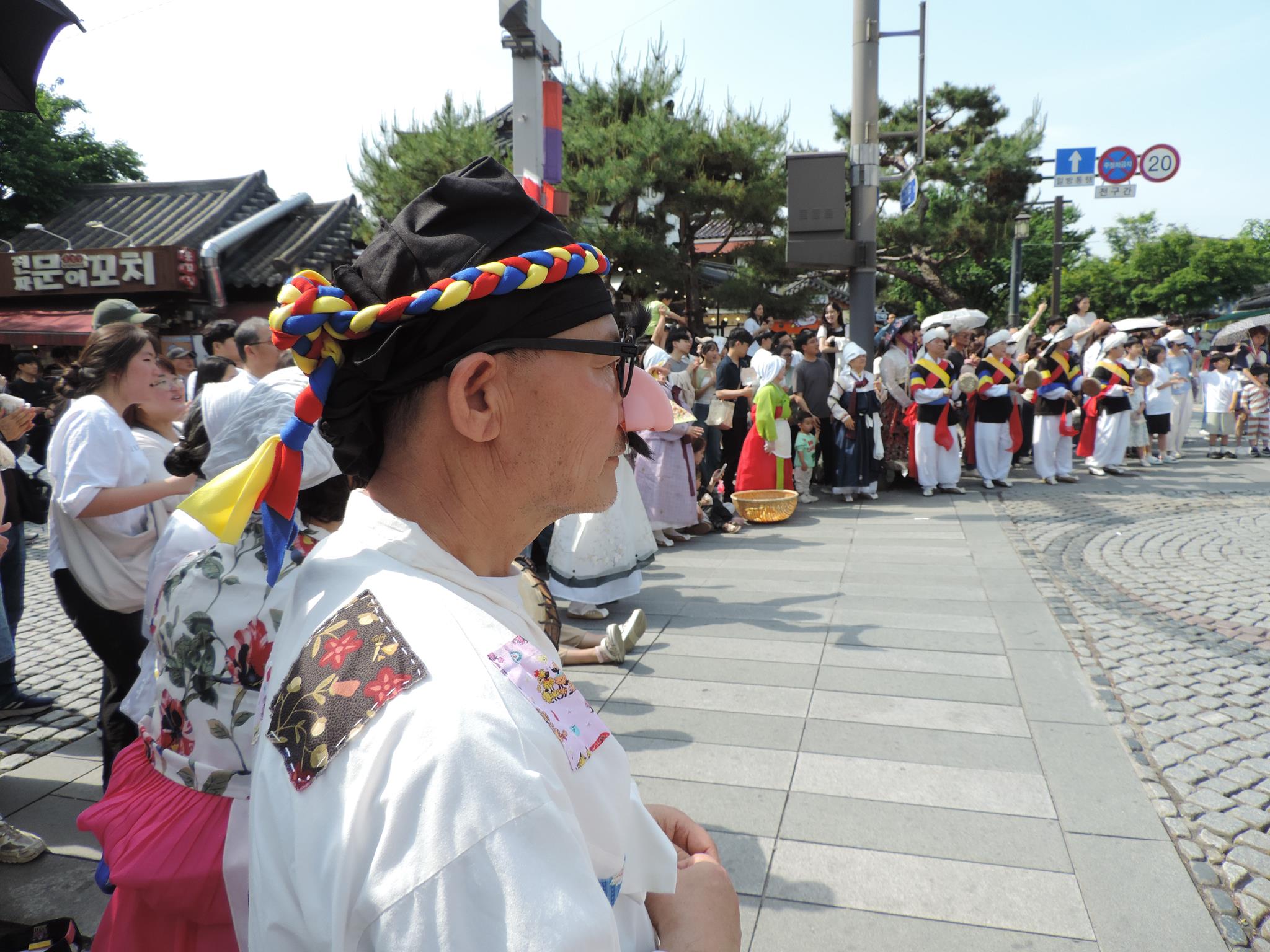
Traditional Flag Waving Performance
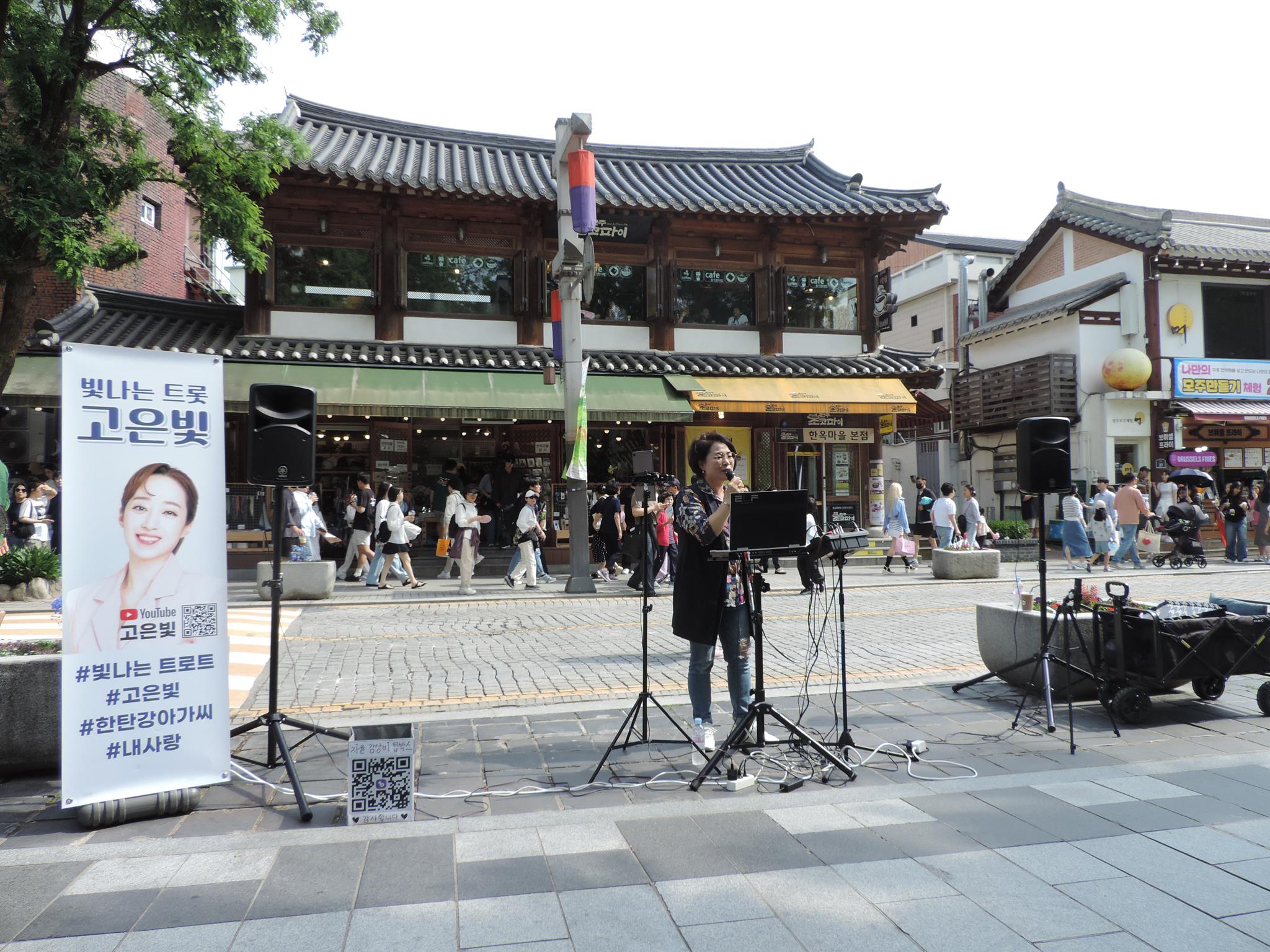
Parades, performances, and demonstrations regularly take place on the streets through Hanok Village. We were fortunate to witness a flag-waving demonstration accompanied by drummers and musicians in traditional costumes.
Royal Portrait Museum
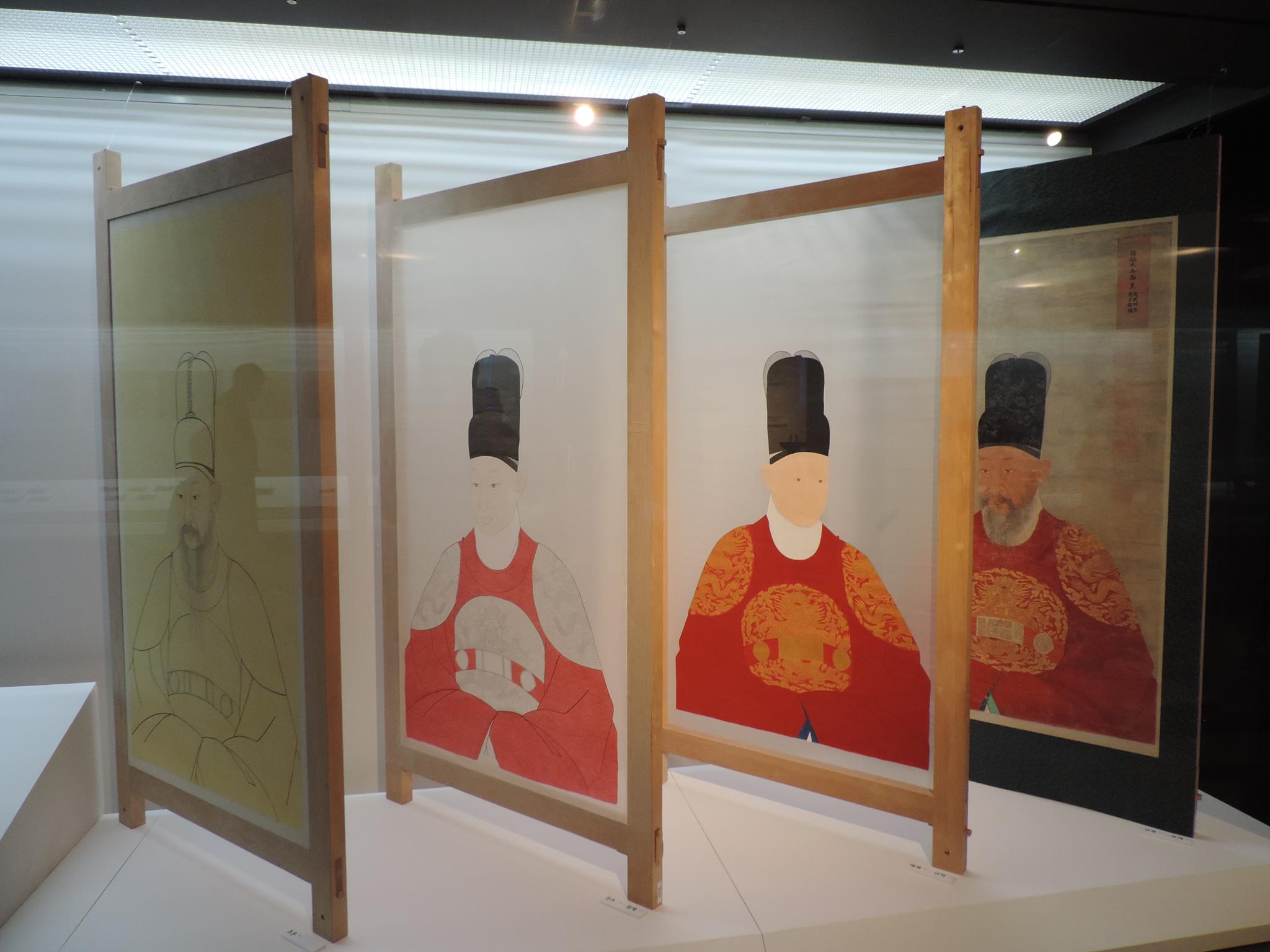
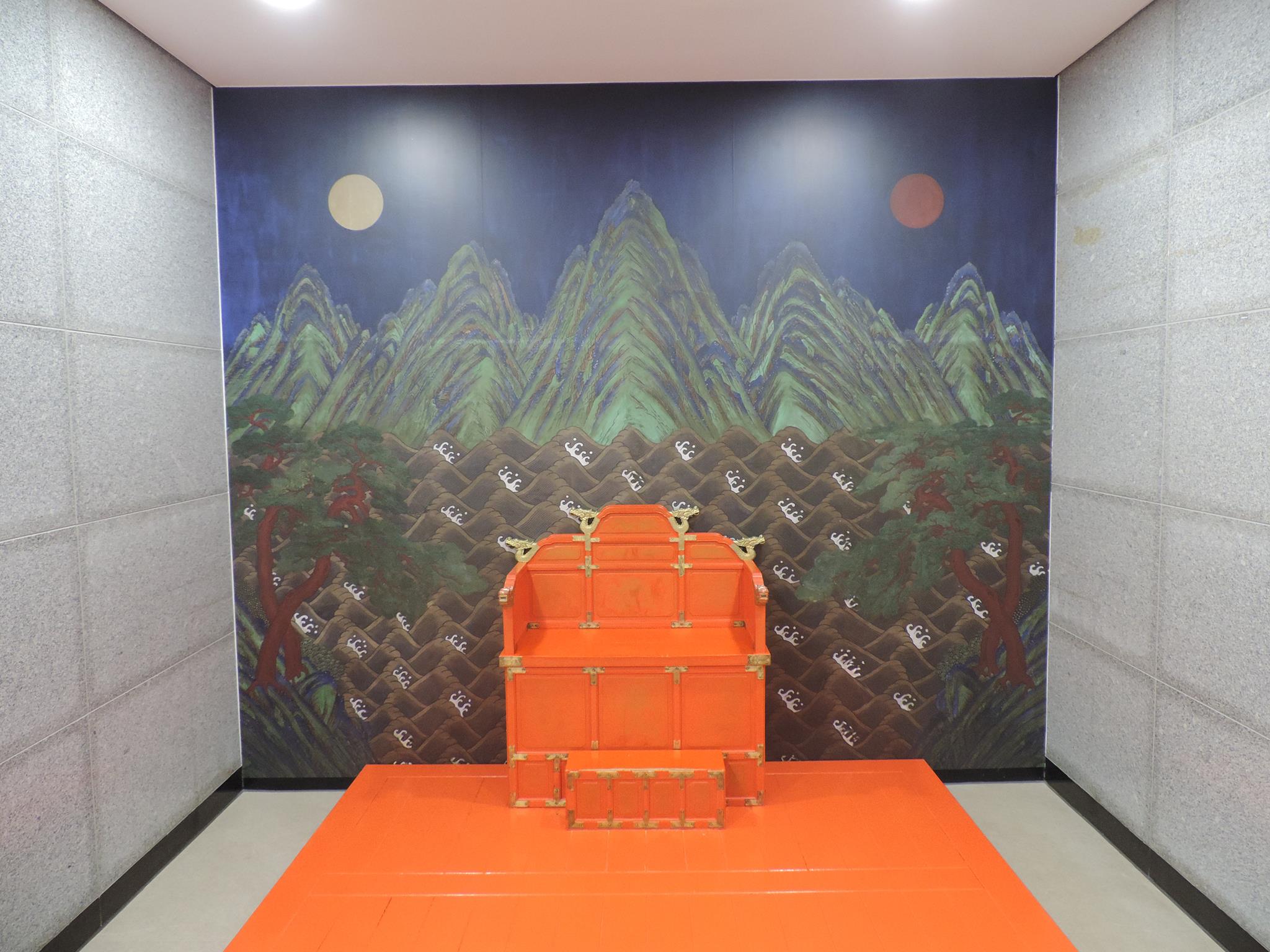
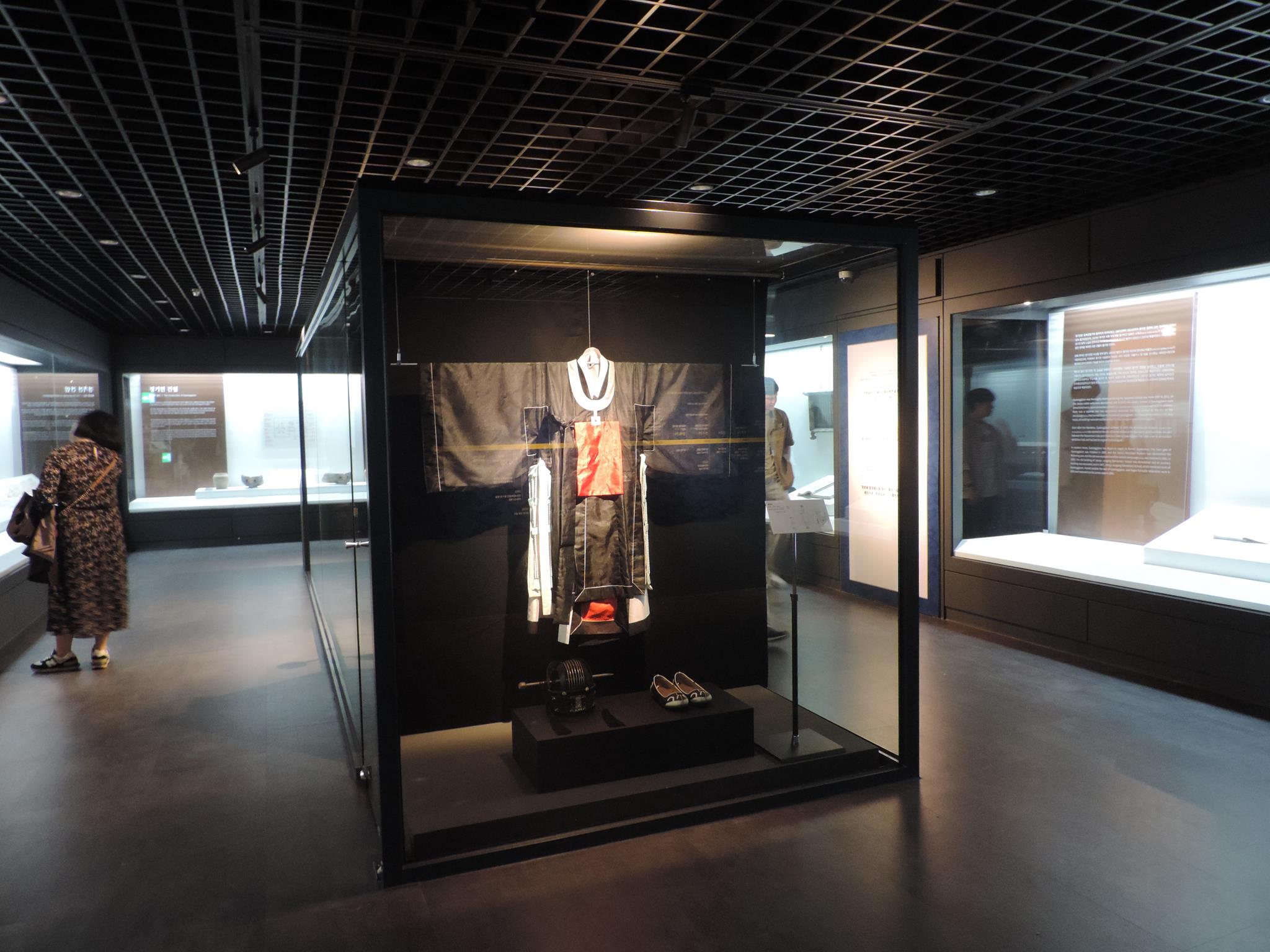
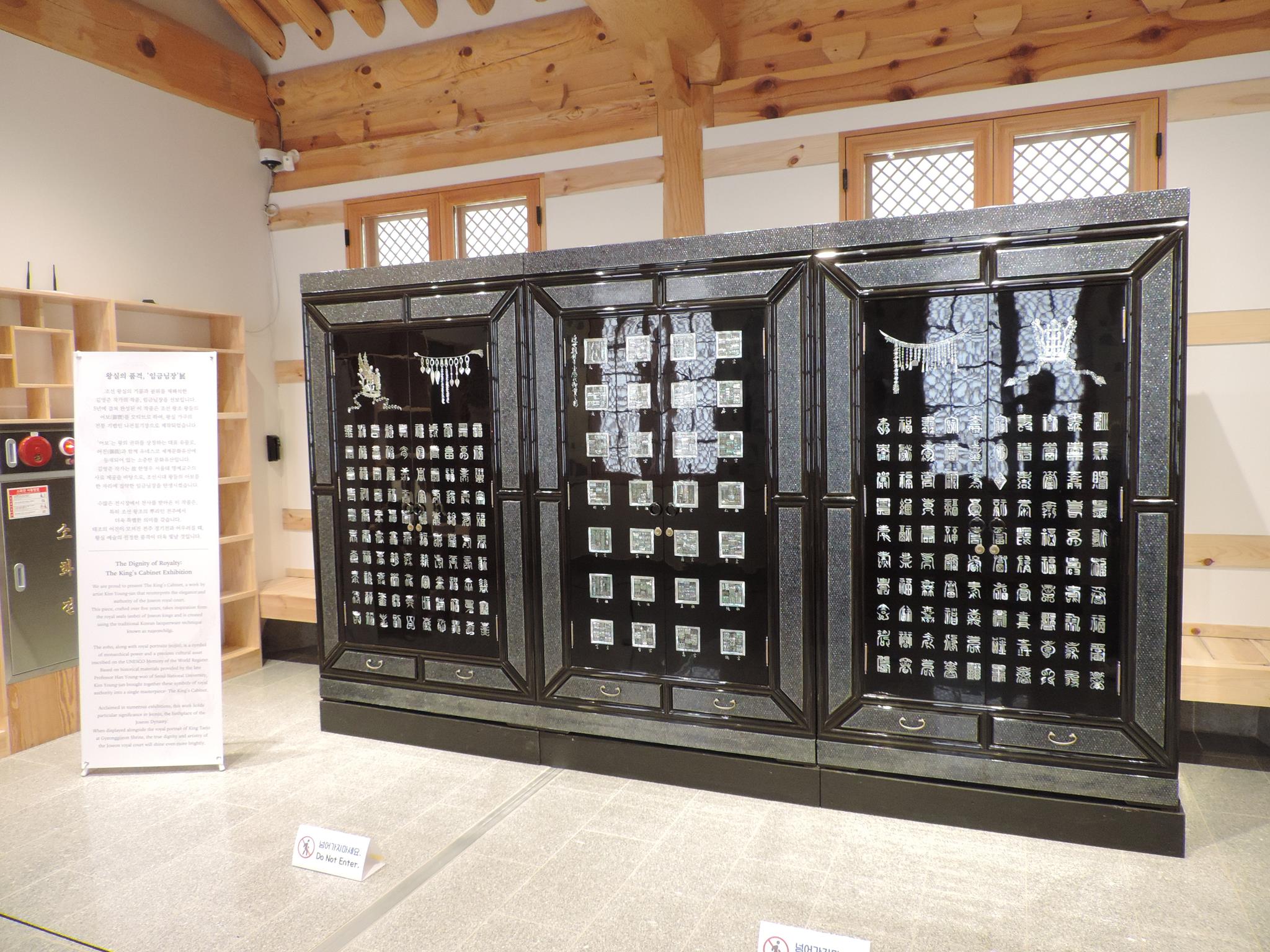
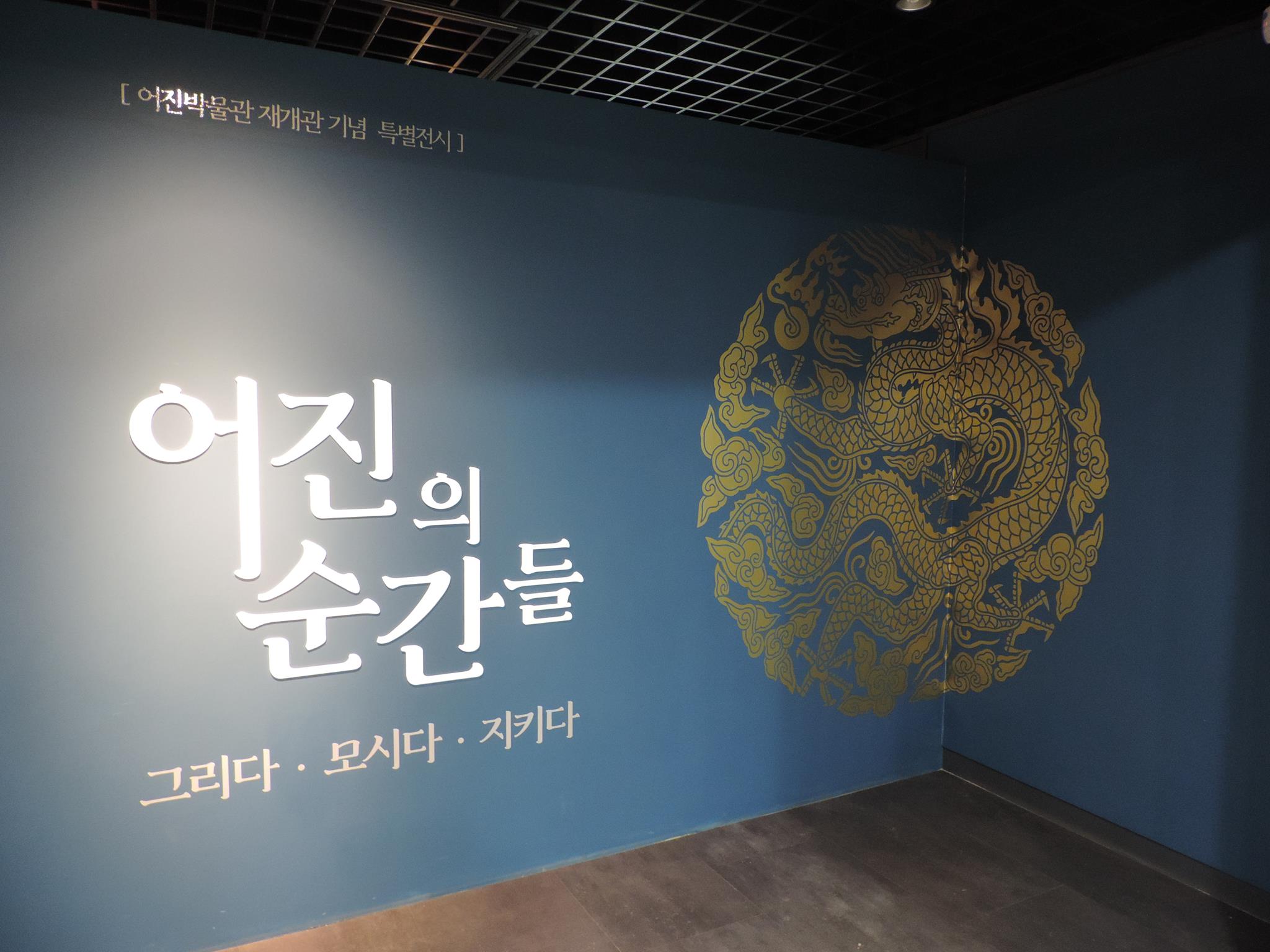
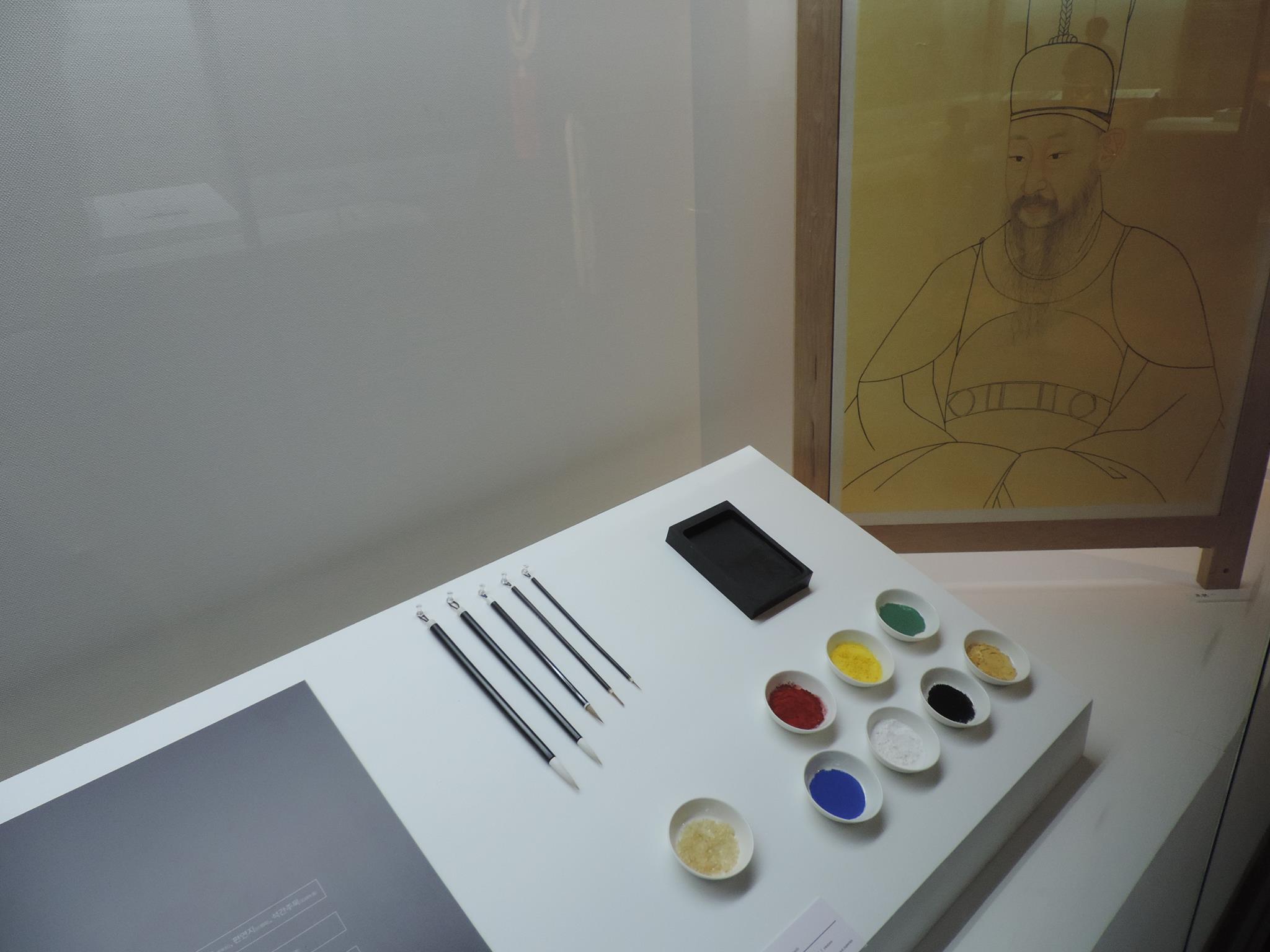
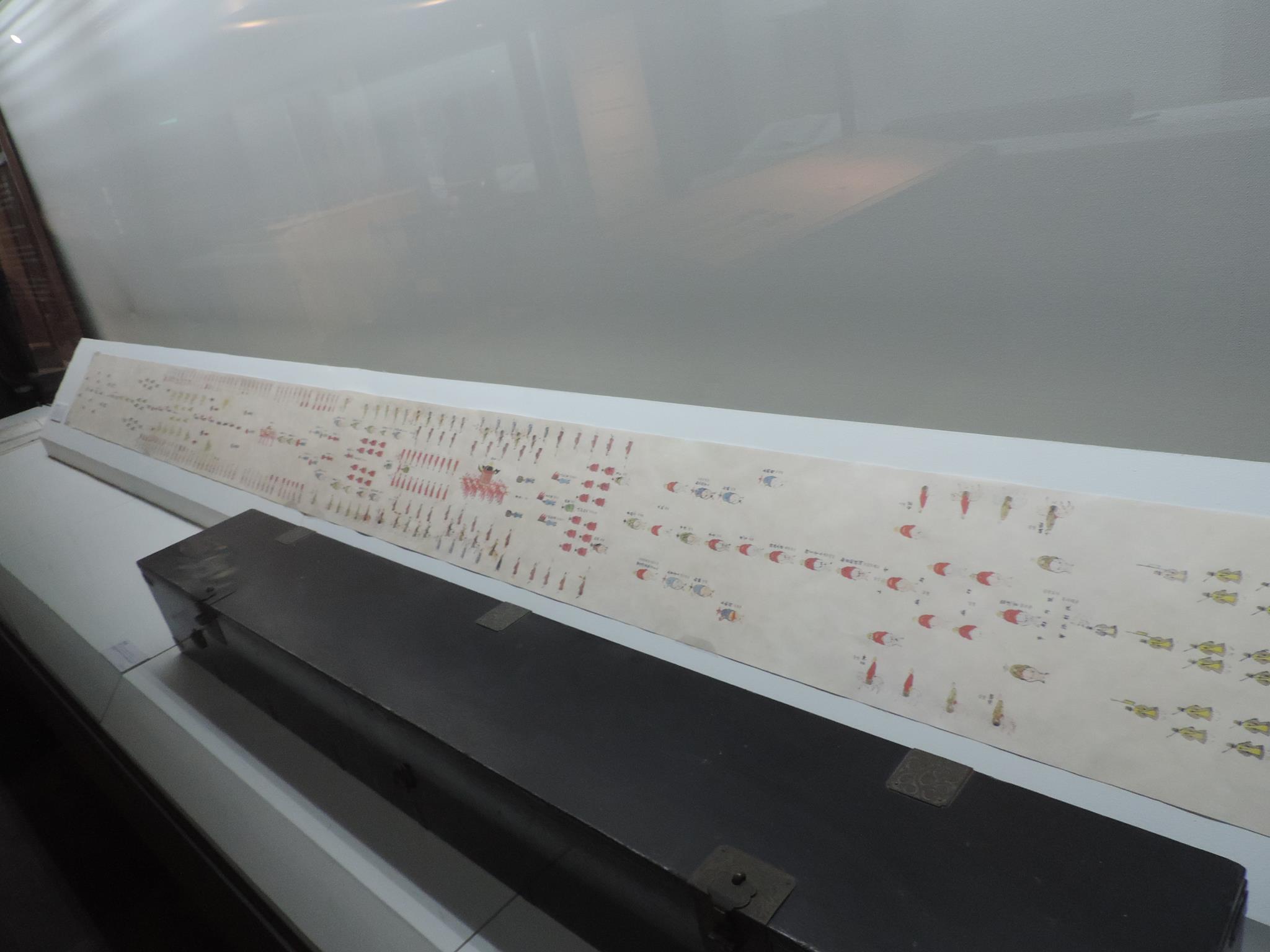
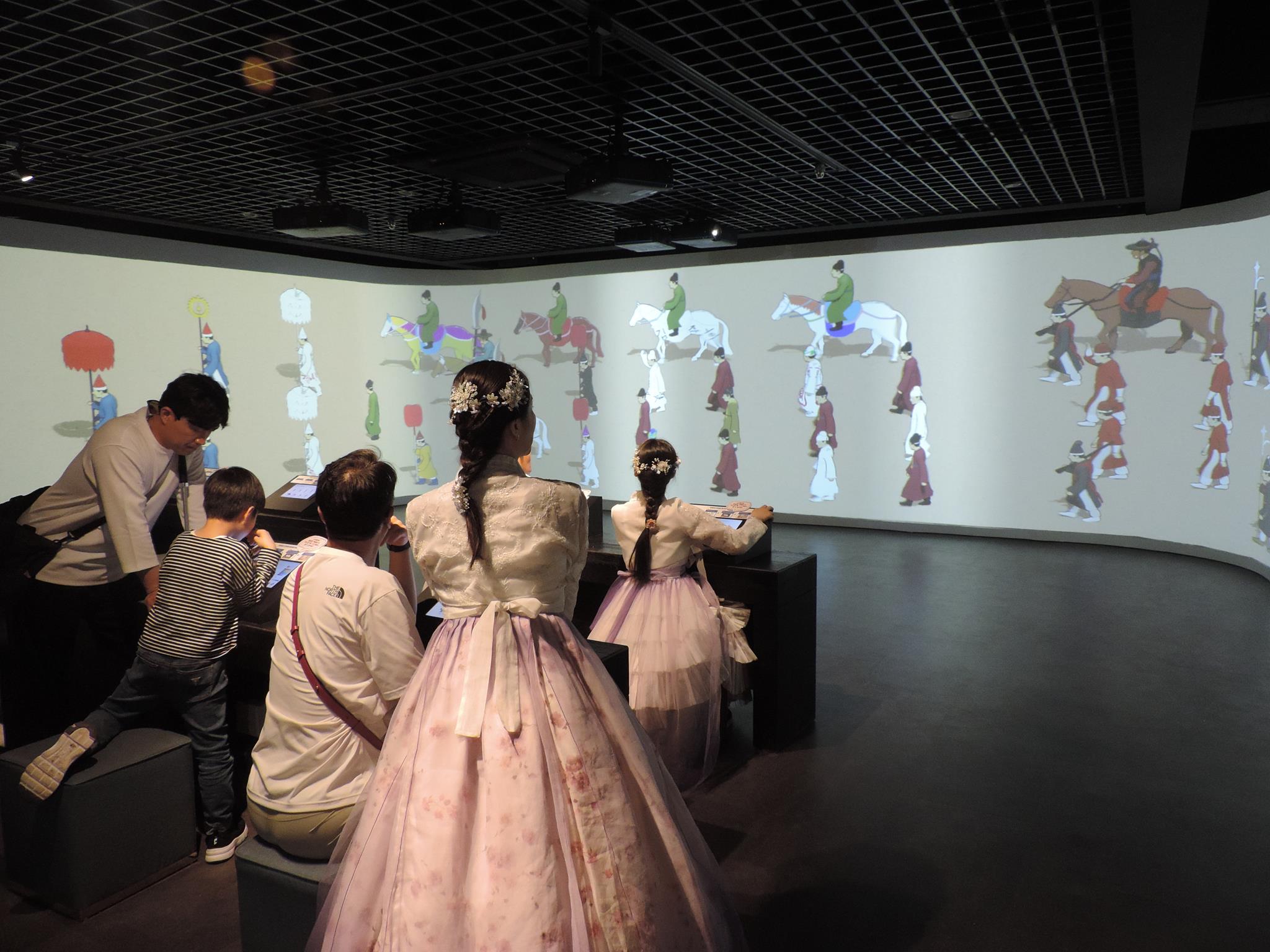
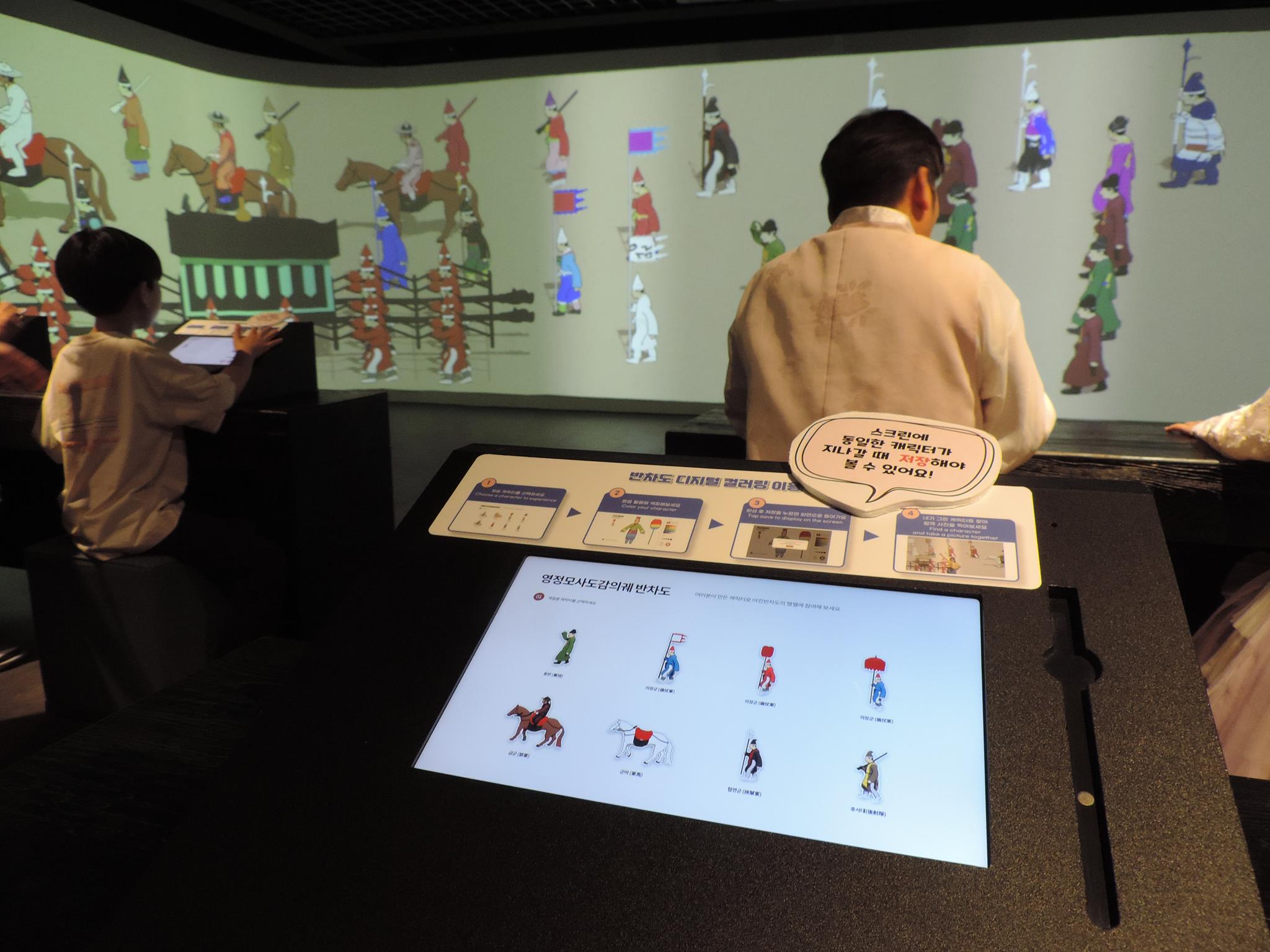
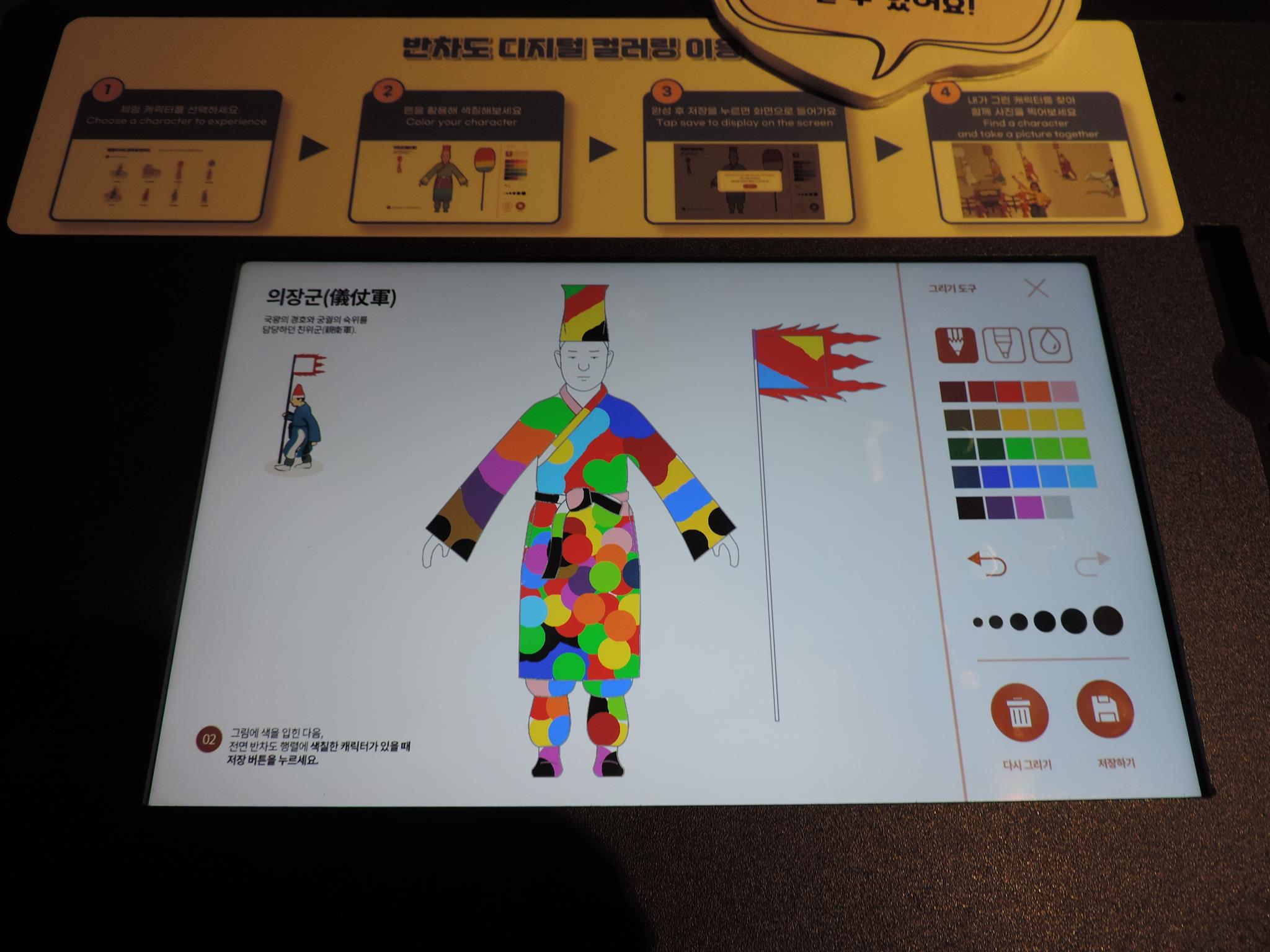
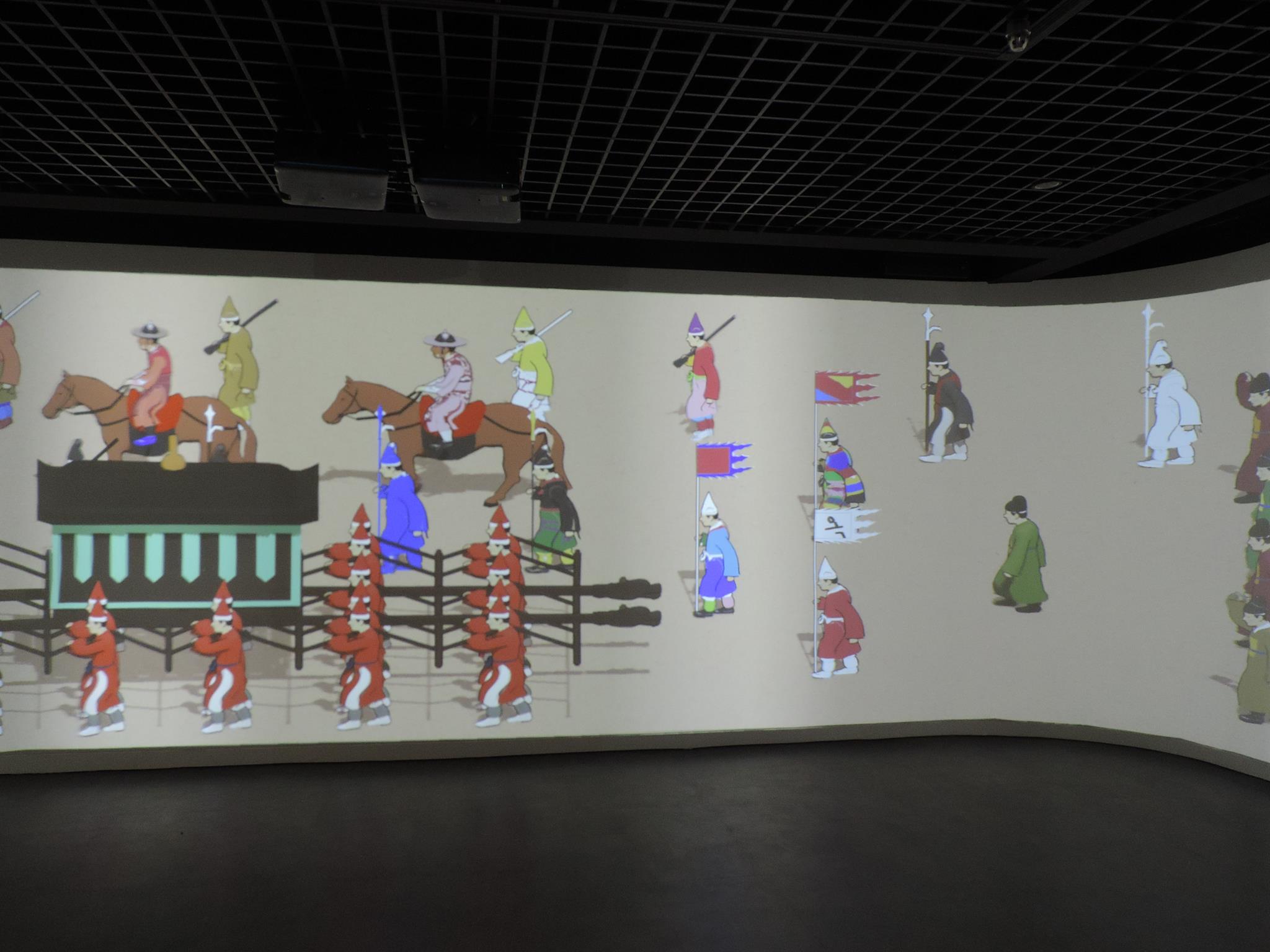
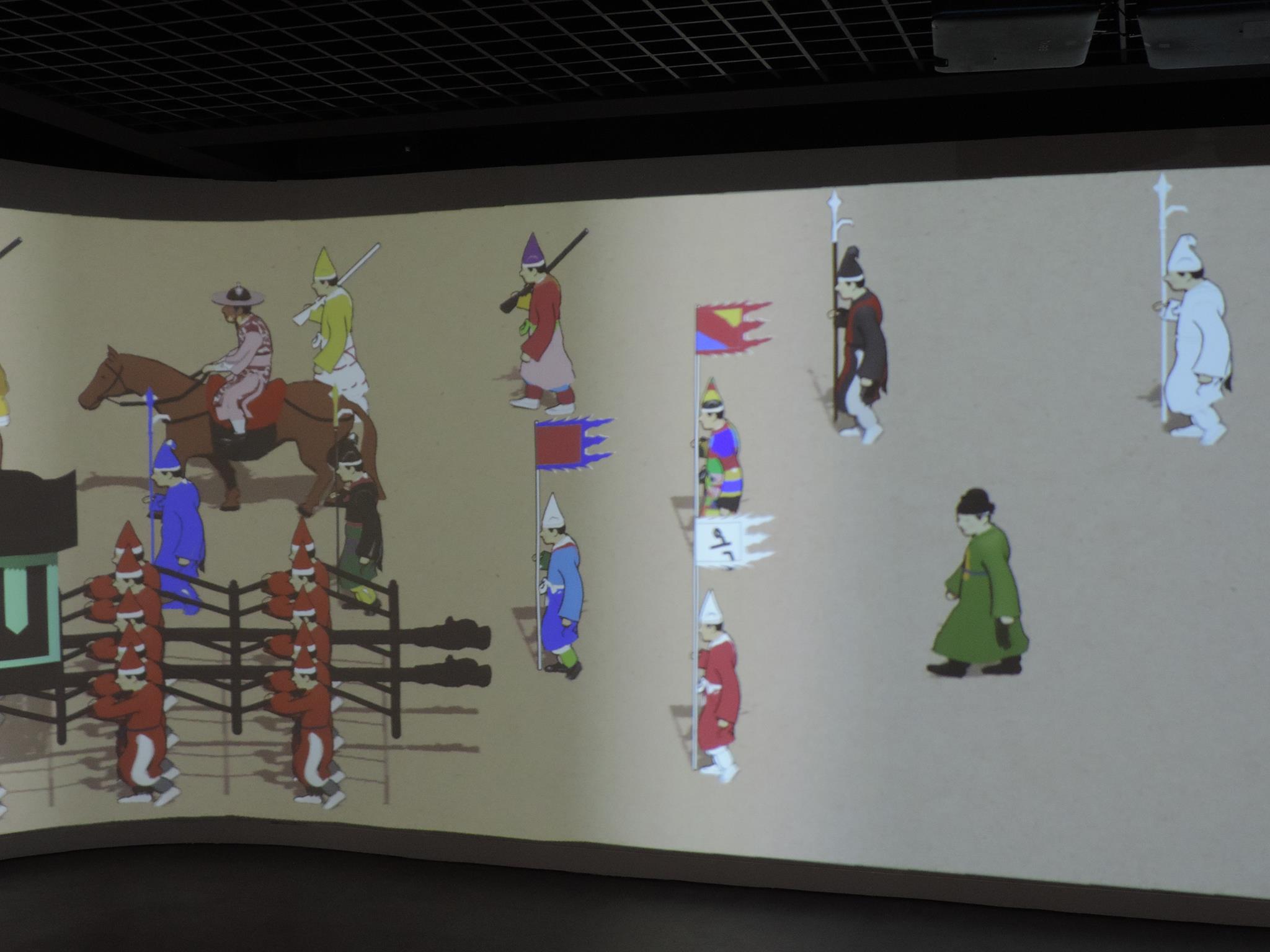
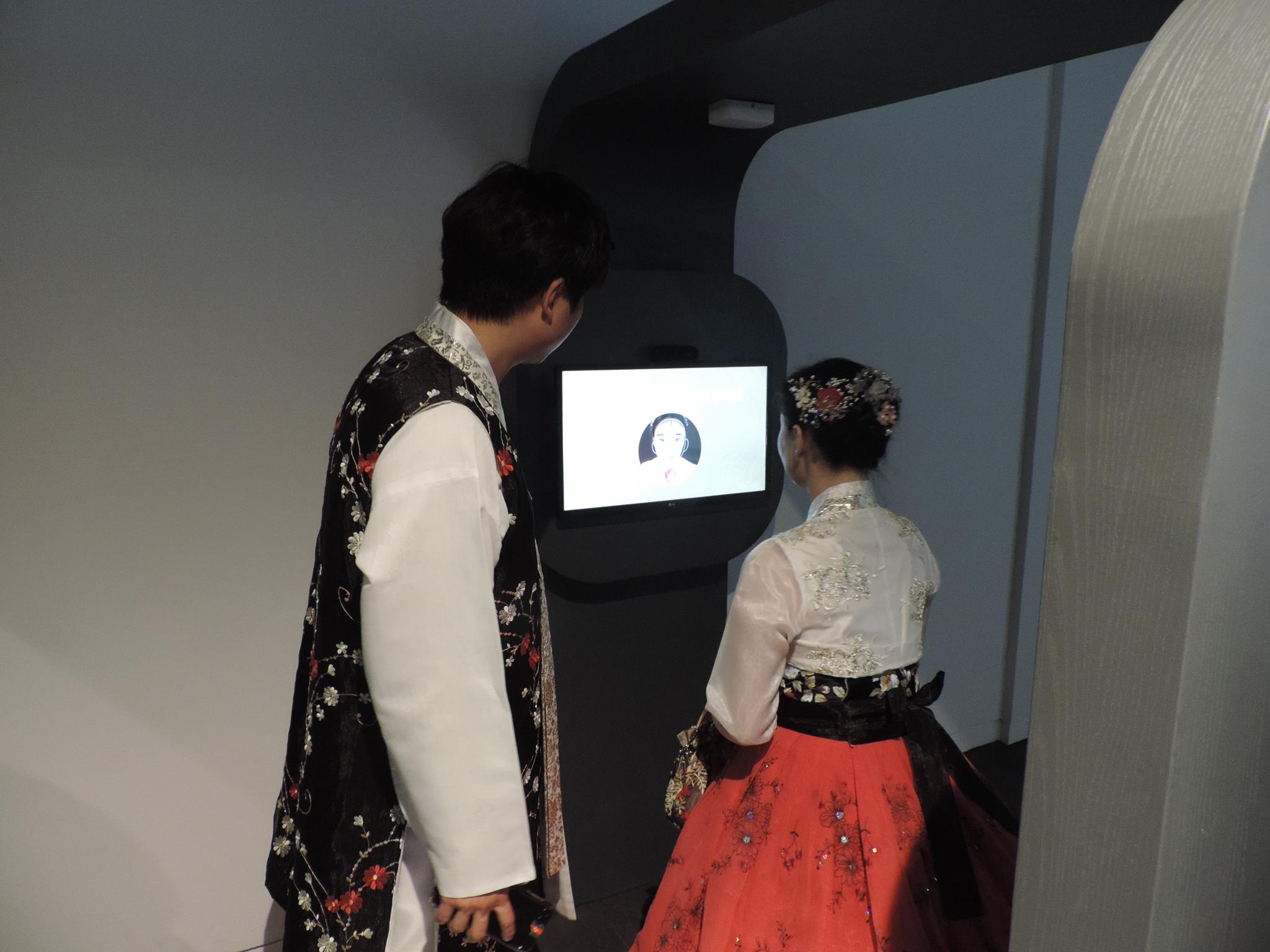
The Royal Portrait Museum not only displays historical paintings of the royal family over the centuries, but also offers many interactive stations for visitors to try out. For example, you can use a photo booth to project yourself into a painting wearing ancient robes, or you can use a screen to color the uniforms of various soldiers and standard bearers, who then march across a large screen. Of course, we made our character very colorful!
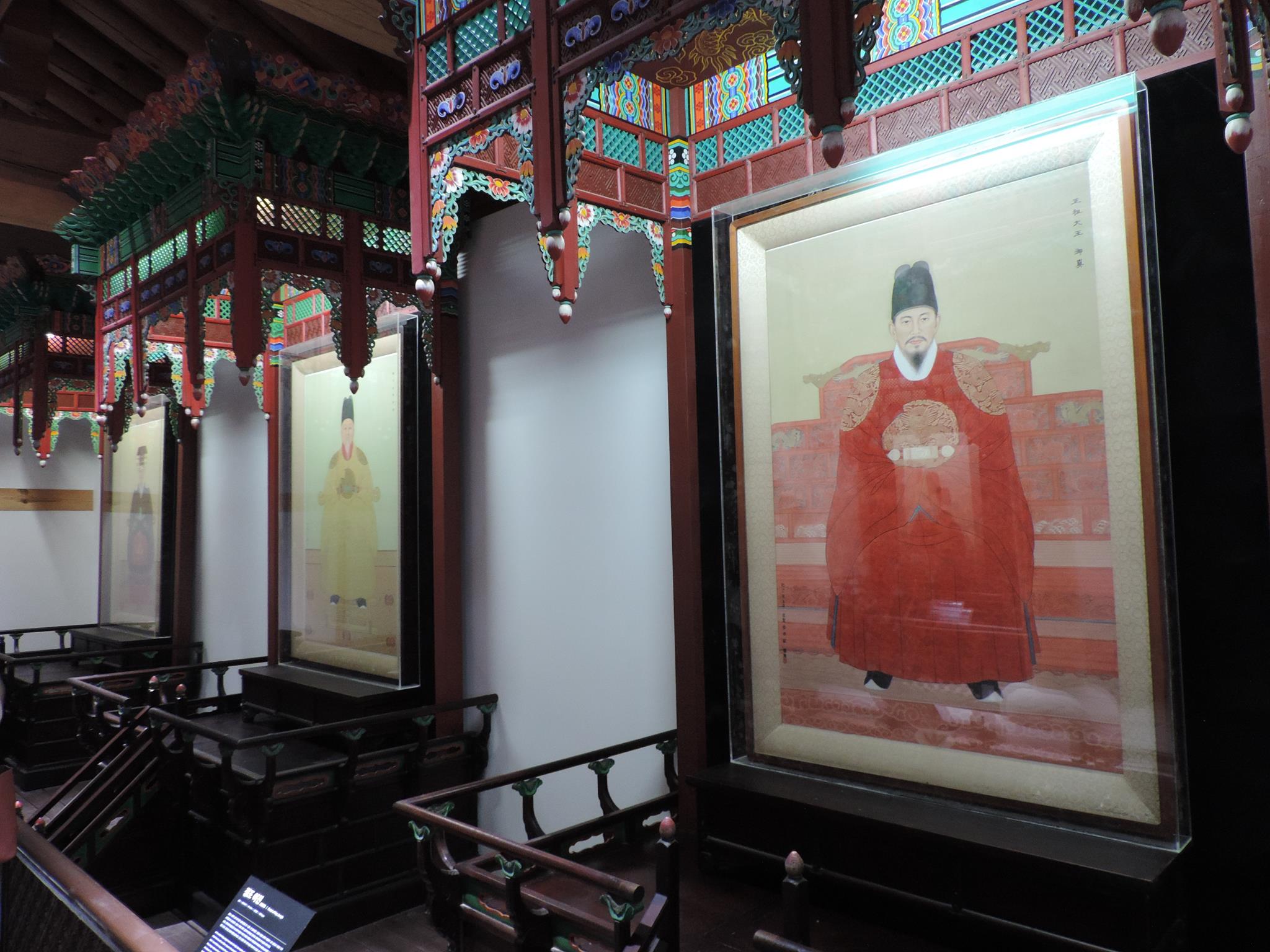
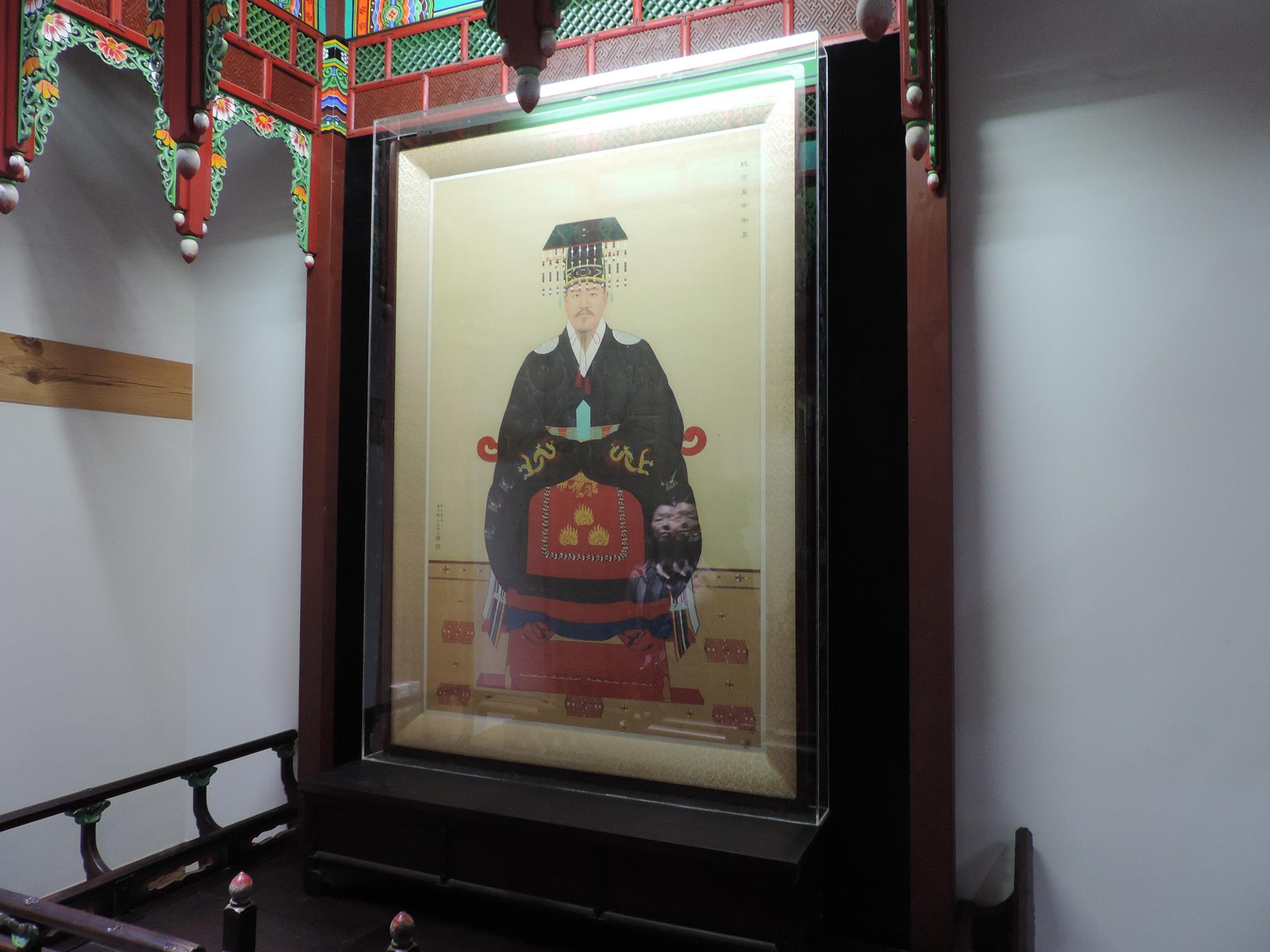
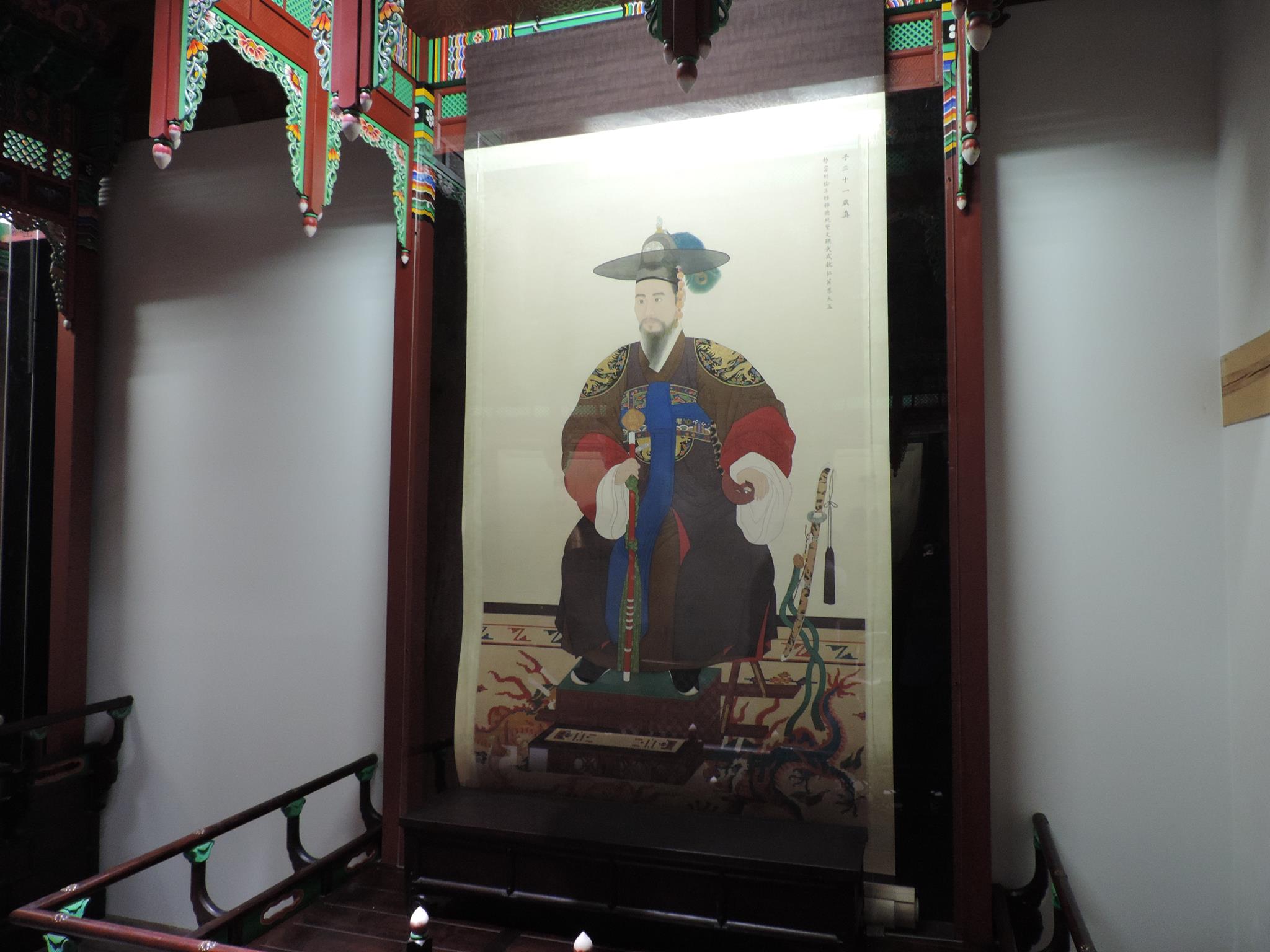
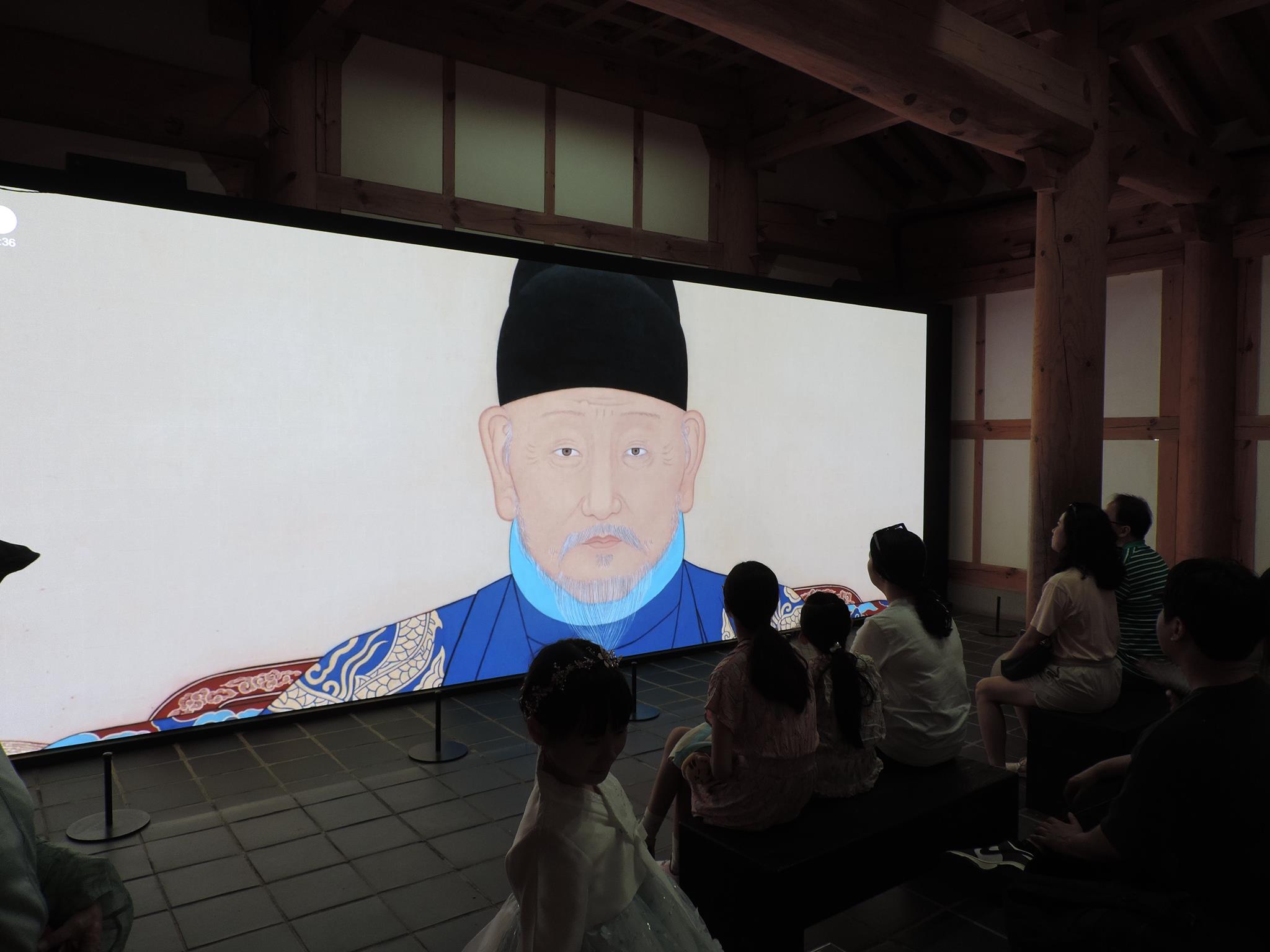
The portraits symbolizes the kings, and in particular the portrait of King Taejo (Yi Seong-gye), the founder of the Joseon Dynasty was considered very important and was enshrined in key areas with a deep connection with King Taejo. Jeonju is the home of King Taejo, and to commemorate this, Gyeonggijeon was built in Jeonju in 1410 and the portrait of King Taejo was enshrined.
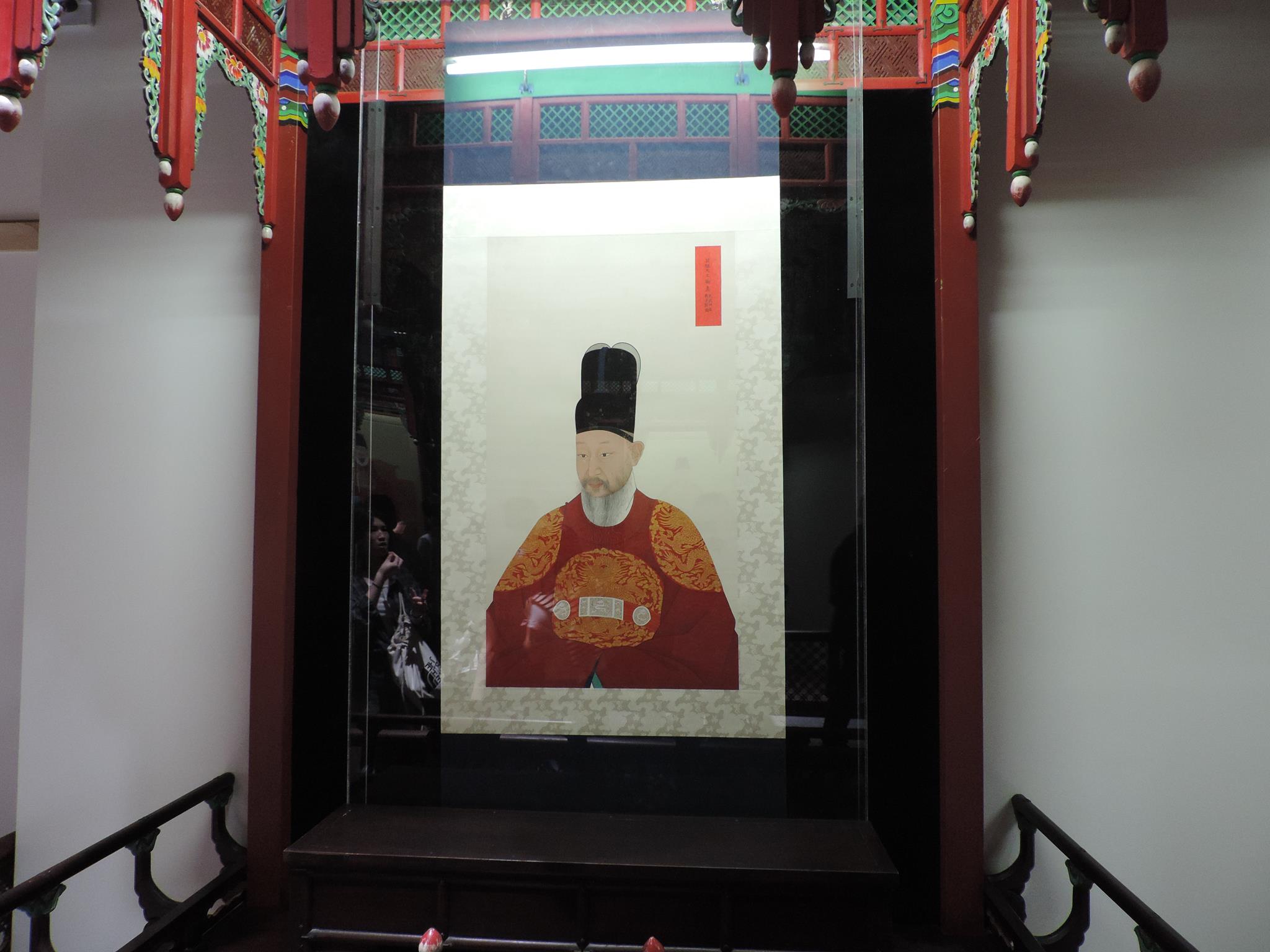
The portrait of King Taejo in Gyeonggijeon of Jeonju is the only portrait of King Taejo to have survived to the present today. This is the result of the local people’s all-out efforts to protect it despite various ordeals. In this gallery, you can see the moments when the Joseon royal family, especially the portrait of King Taejo, was drawn, enshrined, and protected. In addition, you can see the process of Gyeonggijeon, which enshrined the portrait of King Taejo, being destroyed in various hardships and returned to its original form.
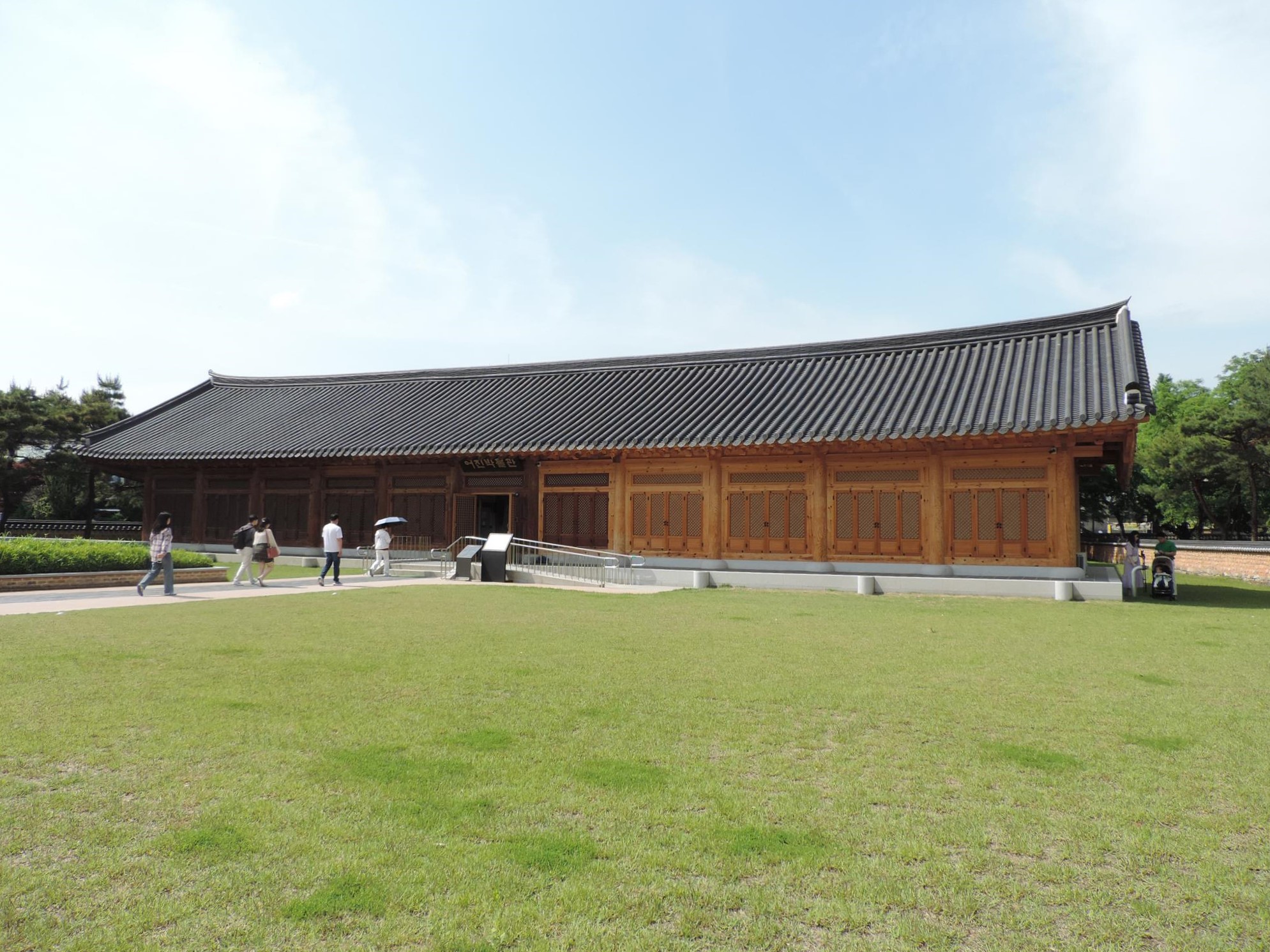
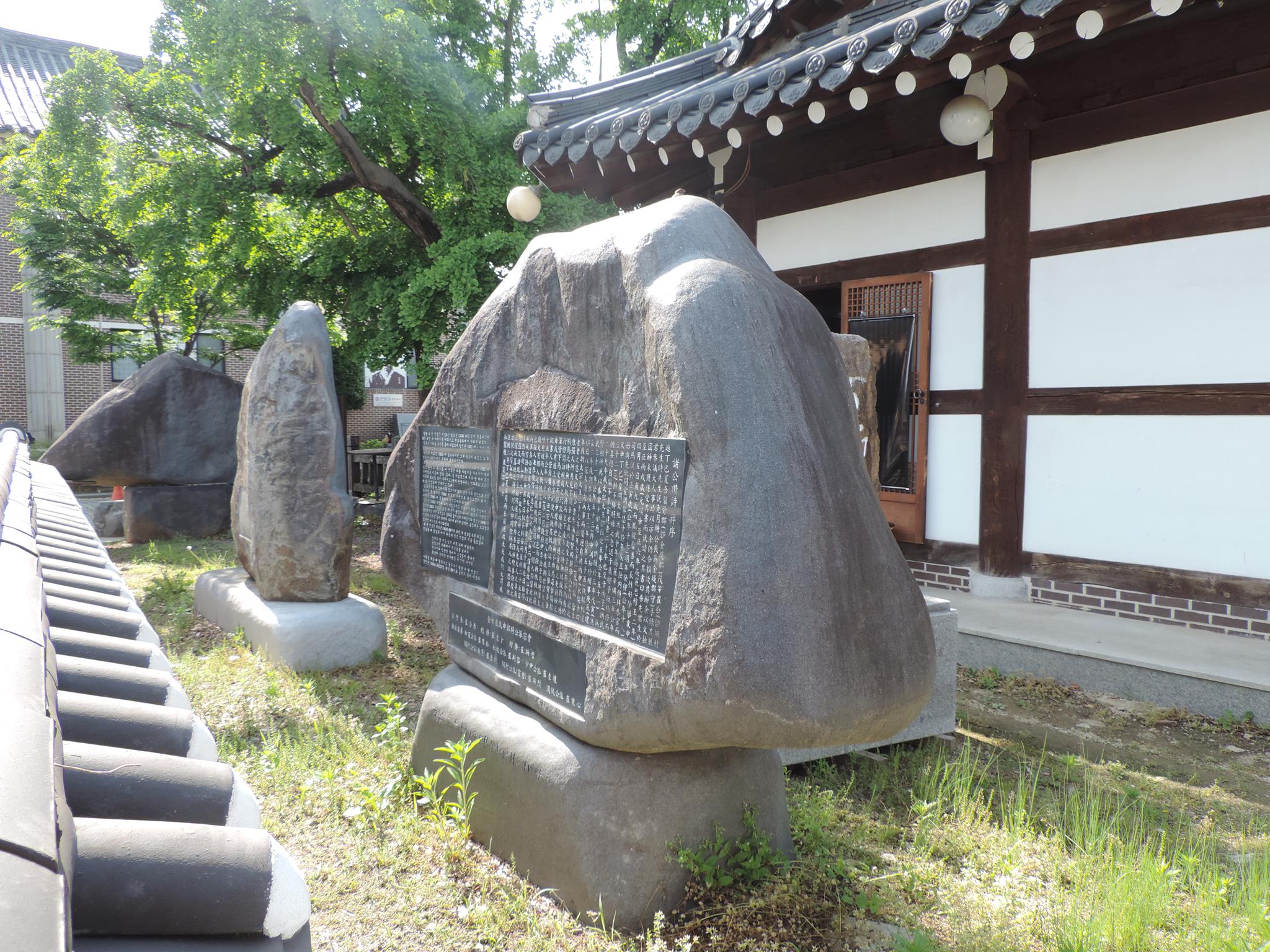
Head House of the Choi Clan
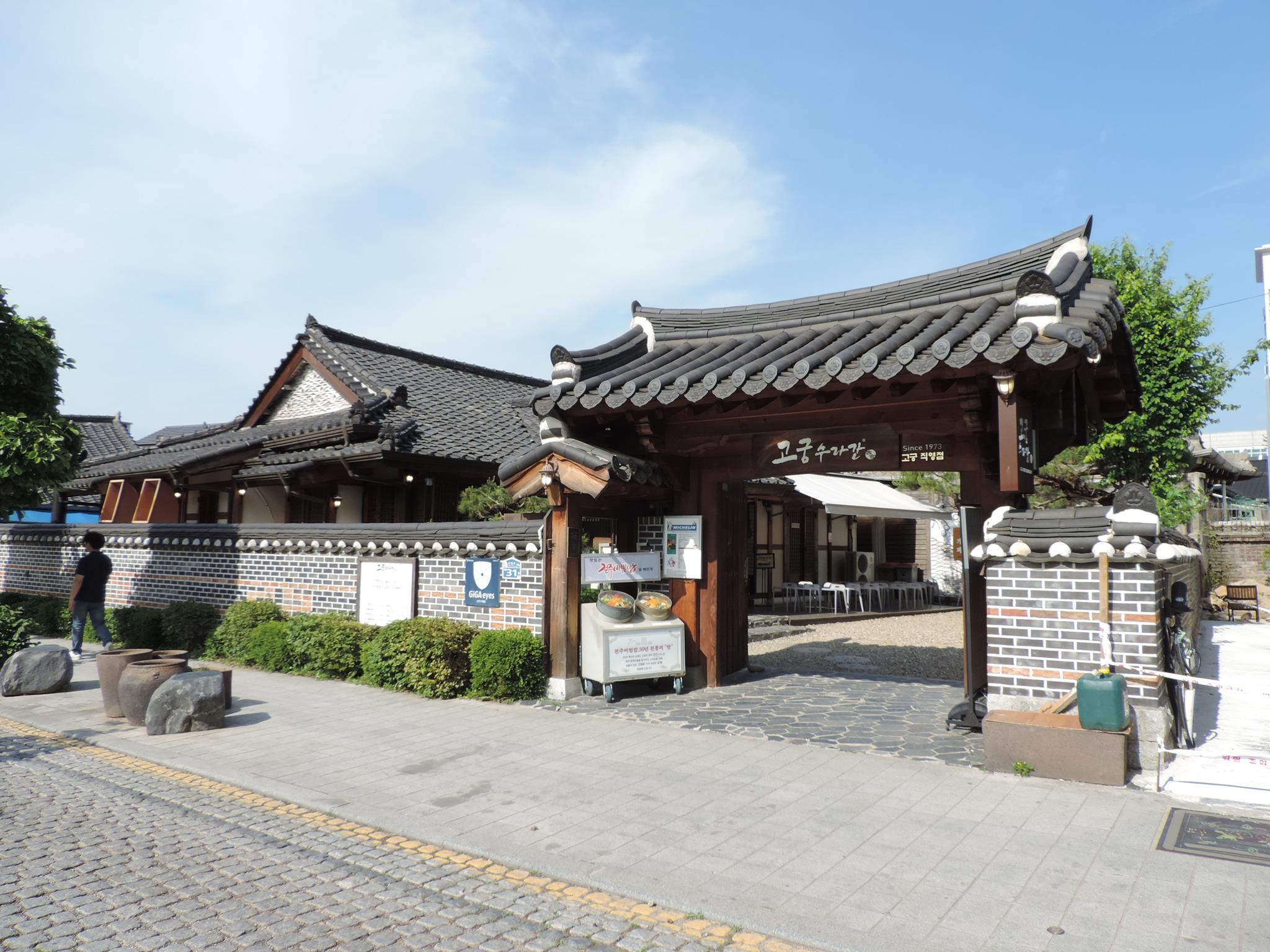
East of the Gyeonggijeon Shrine on Seonbi-gil Road you can find the 600-year-old residence of Woldang Choi Dam, the Head House of the Choi Clan aka Hwasugak. Woldang Choi Dam lived from 1346 till 1434 and was the commendable servant who helped King Taejo Lee Seong-gye to found the country.
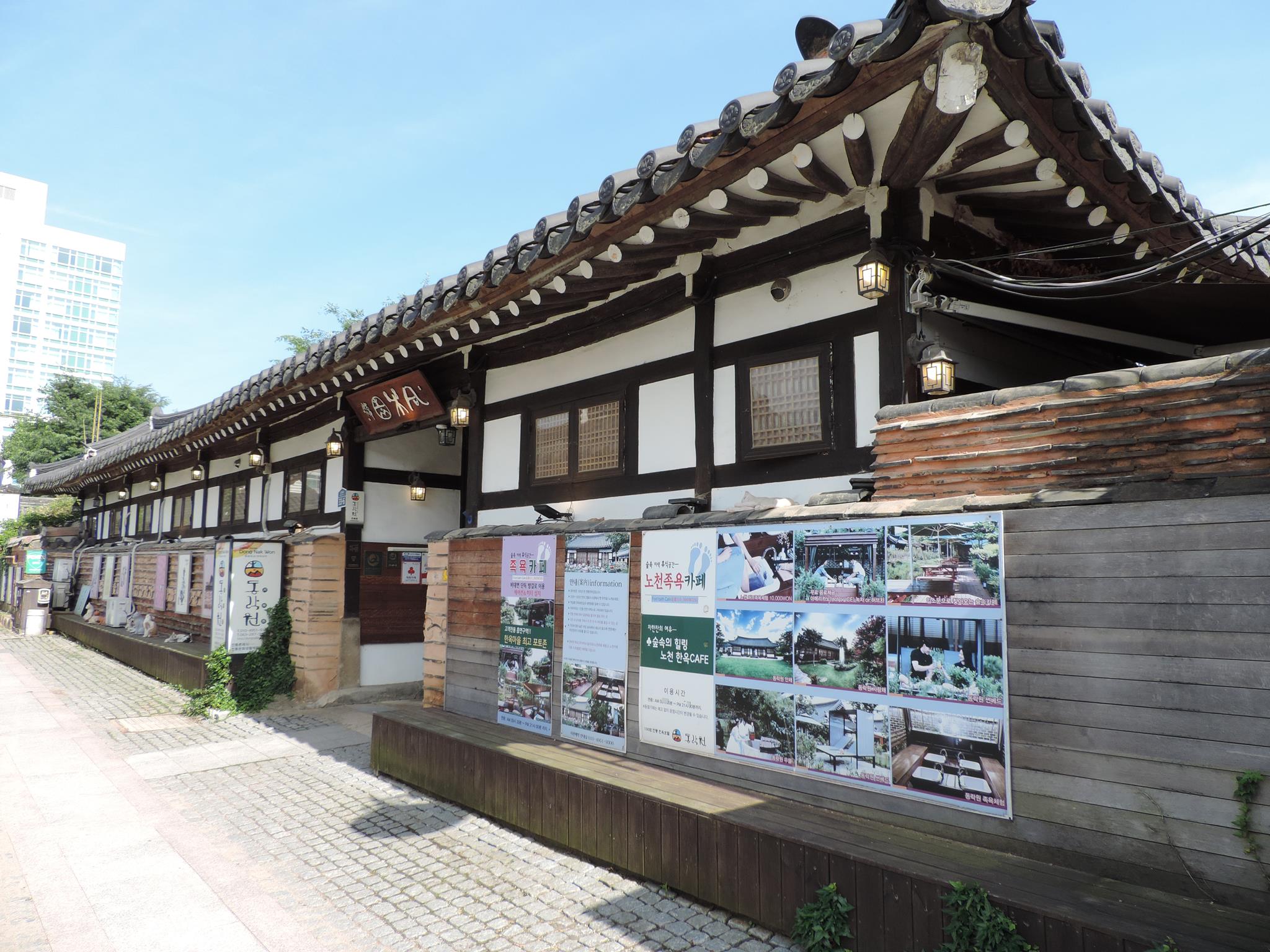
Woldang started his official career after passing the scholar’s examination at 17 years old. He gave up his official post to live with his mother, who lived alone in his hometown, because of his considerate filial duty. He returned to Jeonju and devoted himself to fulfill his filial duty. He emphasized etiquette in all parts of his life, so that he was even polite enough to dismount from a horse and formally greet an acquaintance whether the acquaintance was older or younger than him. The gingko tree planted by Woldang has been guarding the Choi clan for over 600 years.
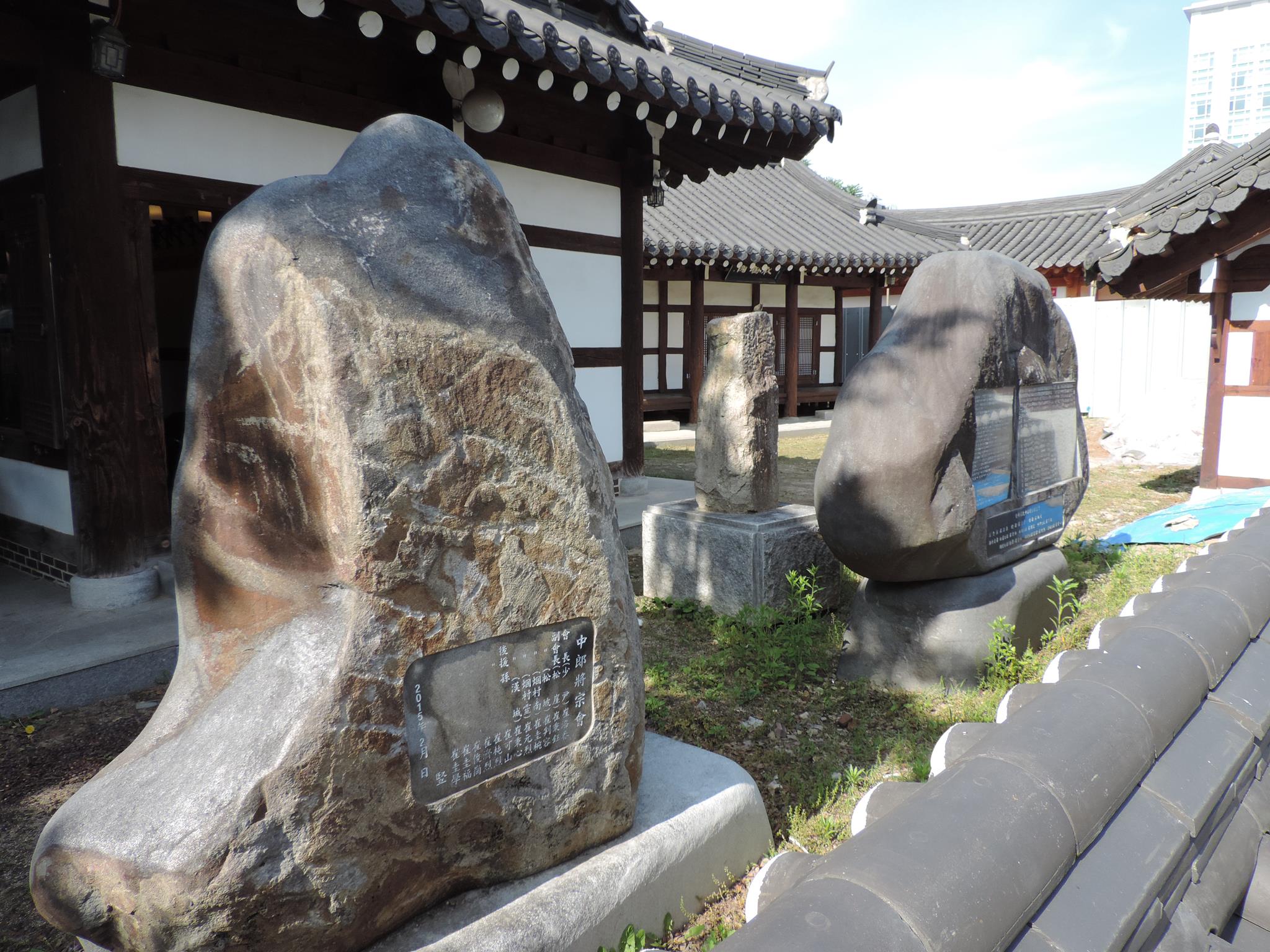
Jeonju Daesaseupcheong
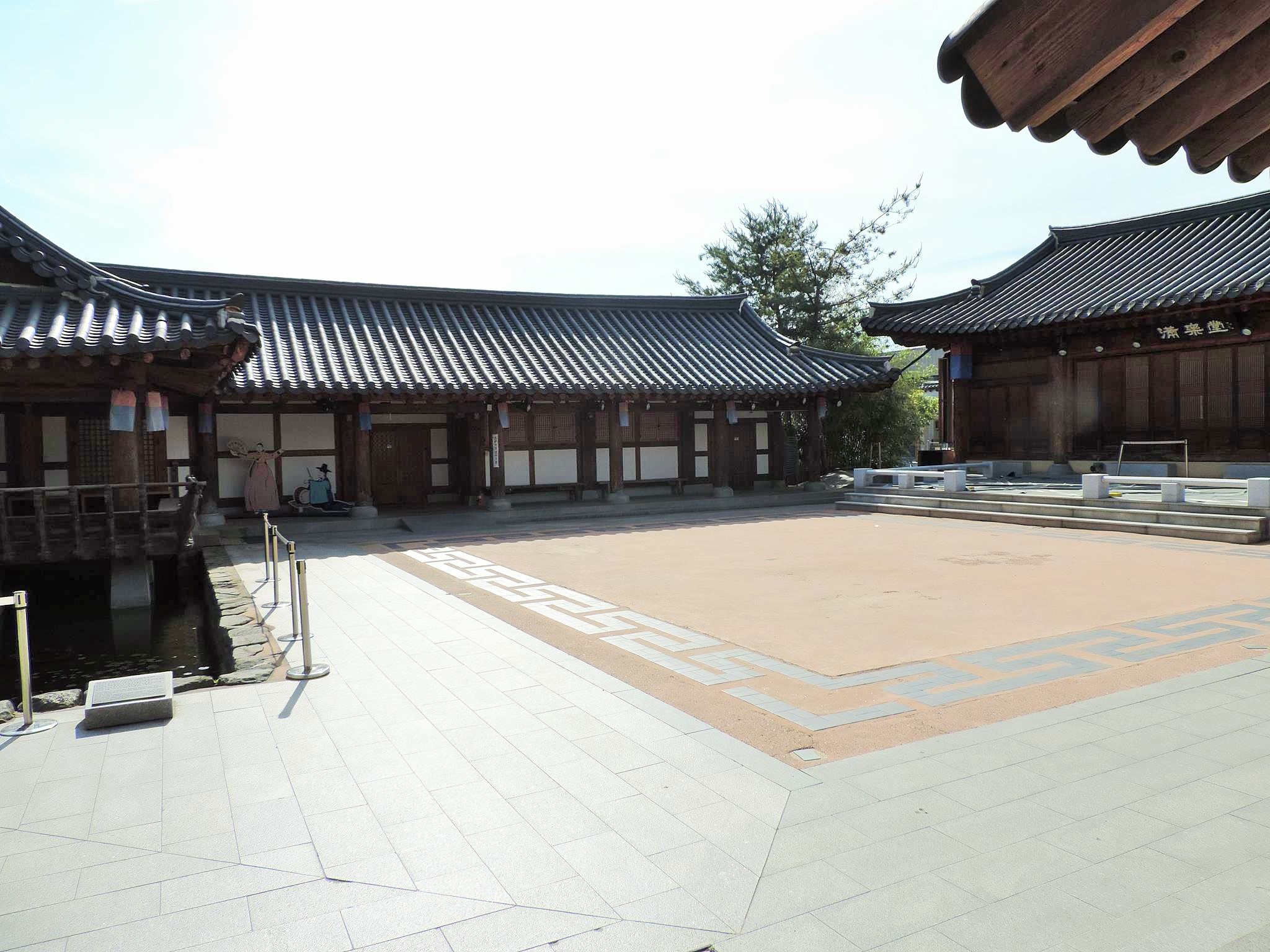
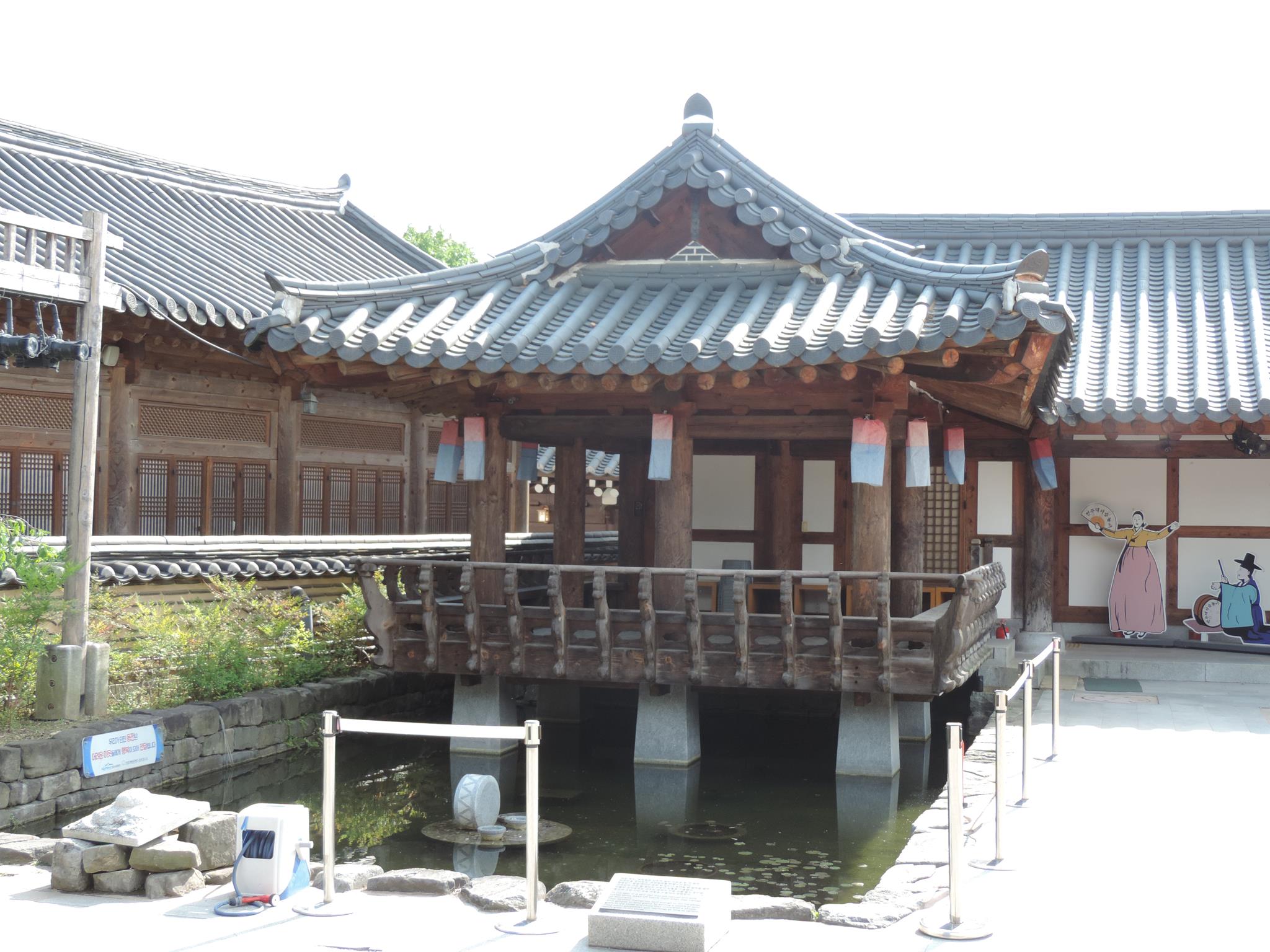
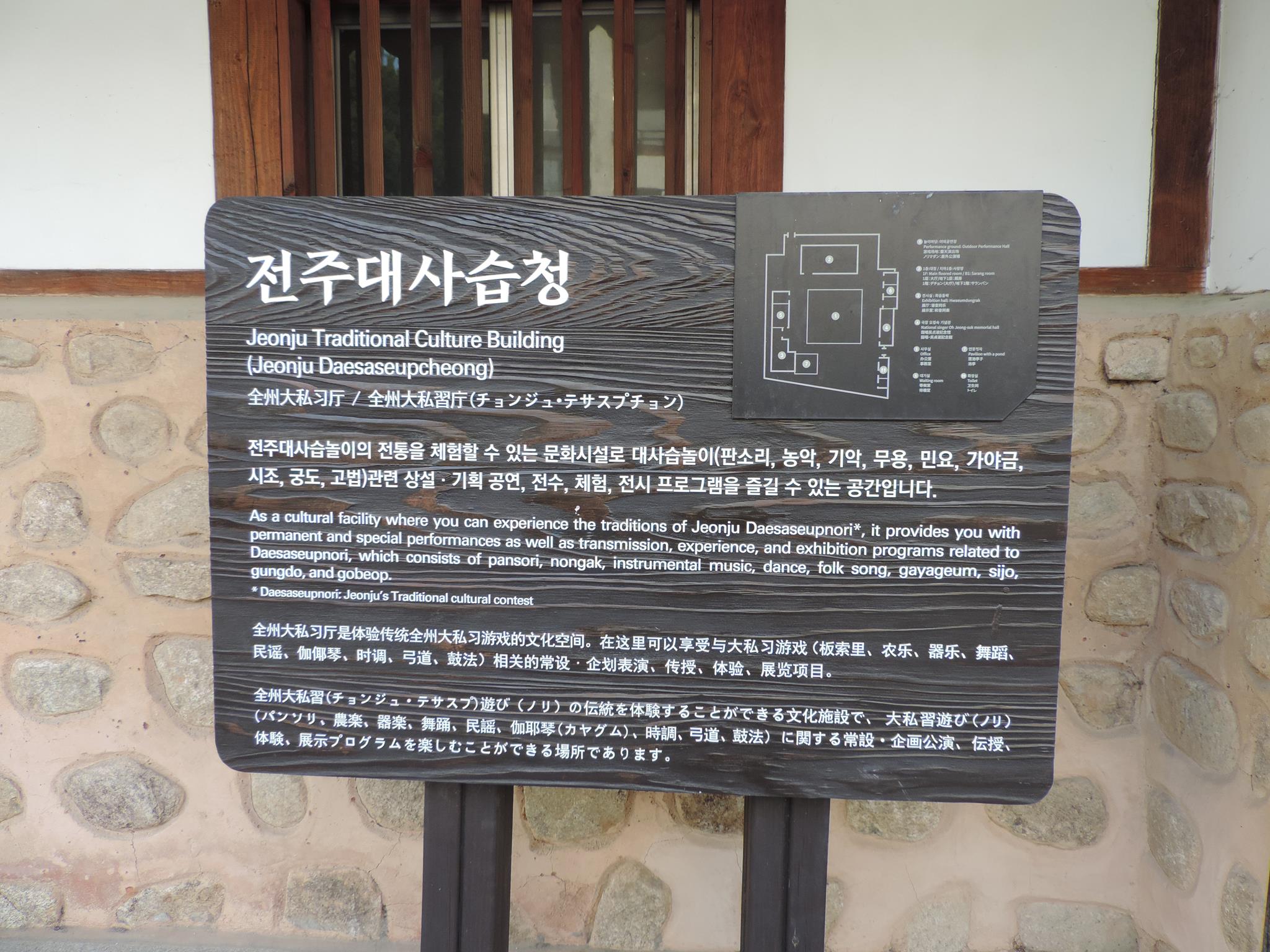
The Daesaseupcheong house functions as the Jeonju Traditional Culture Building with performance ground, outdoor performance hall, Sarang room and an exhibition hall. Also included is the Memorial Hall Pavilion with a pond, in honor of the Humdongrak National singer Oh Jeong-su. At the cultural facility you can experience the traditions of the Jeonju Daesaseupnori, which is the city’s Traditional Cultural Contest. It provides the visitors with permanent and special performances as well as transmission, experience, and exhibition programs related to Daesaseupnori, which consists of pansori, nongak, instrumental music, dance, folk song, gayageum, sijo, gungdo, and gobeop.
Ongoeul Soricheong
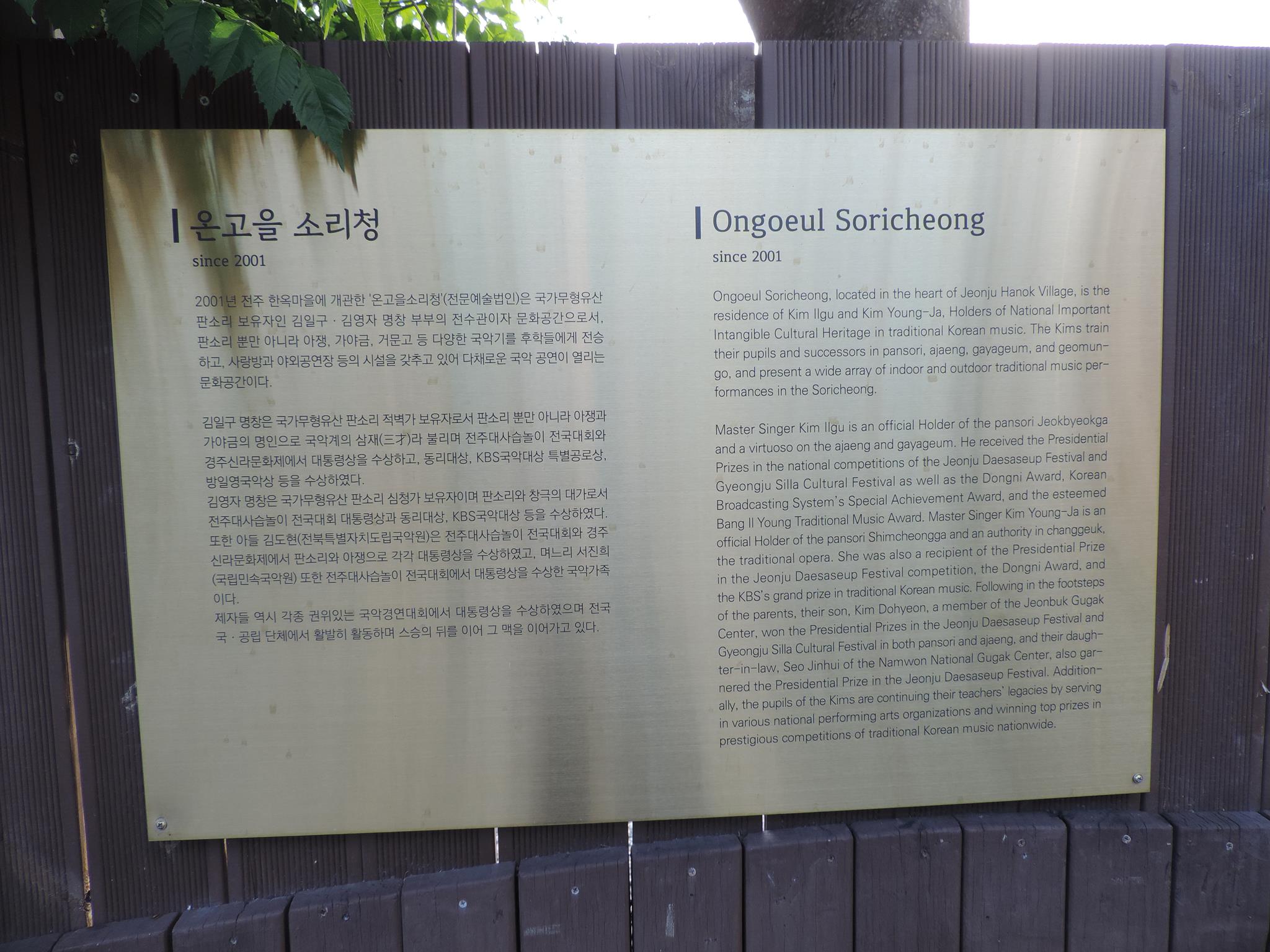
The historic building Ongoeul Soricheong, located in the heart of Jeonju Hanok Village, is the residence of Kim Ilgu and Kim Young-Ja, Holders of National Important Intangible Cultural Heritage in traditional Korean music. The Kims train their pupils and successors in pansori, ajaeng, gayageum, and geomungo, and present a wide array of indoor and outdoor traditional music performances in the Soricheong.
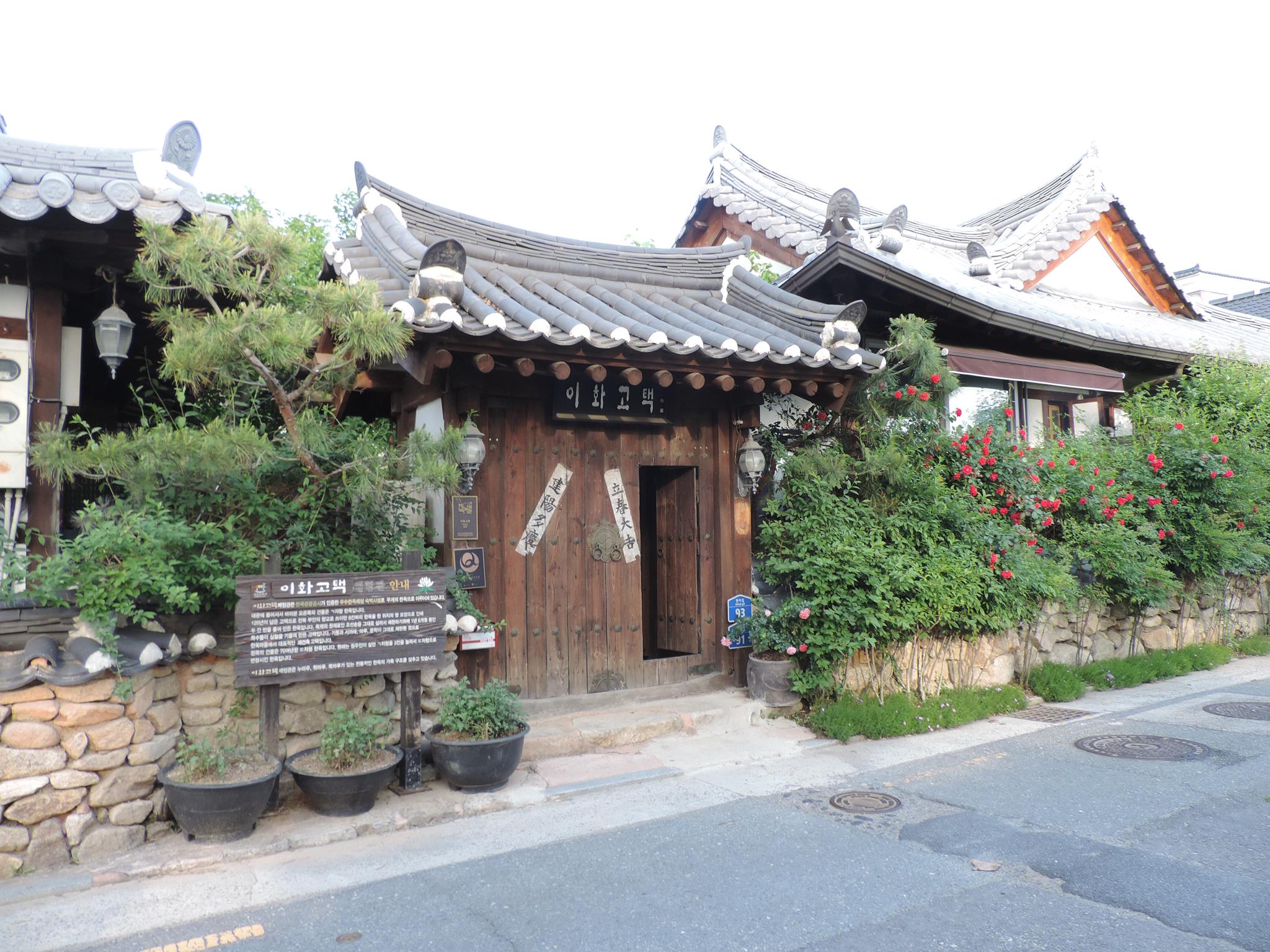
Master Singer Kim Ilgu is an official Holder of the pansori Jeokbyeokga and a virtuoso on the ajaeng and gayageum. He received the Presidential Prizes in the national competitions of the Jeonju Daesaseup Festival and Gyeongju Silla Cultural Festival as well as the Dongni Award, Korean Broadcasting System’s Special Achievement Award, and the esteemed Bang Il Young Traditional Music Award.
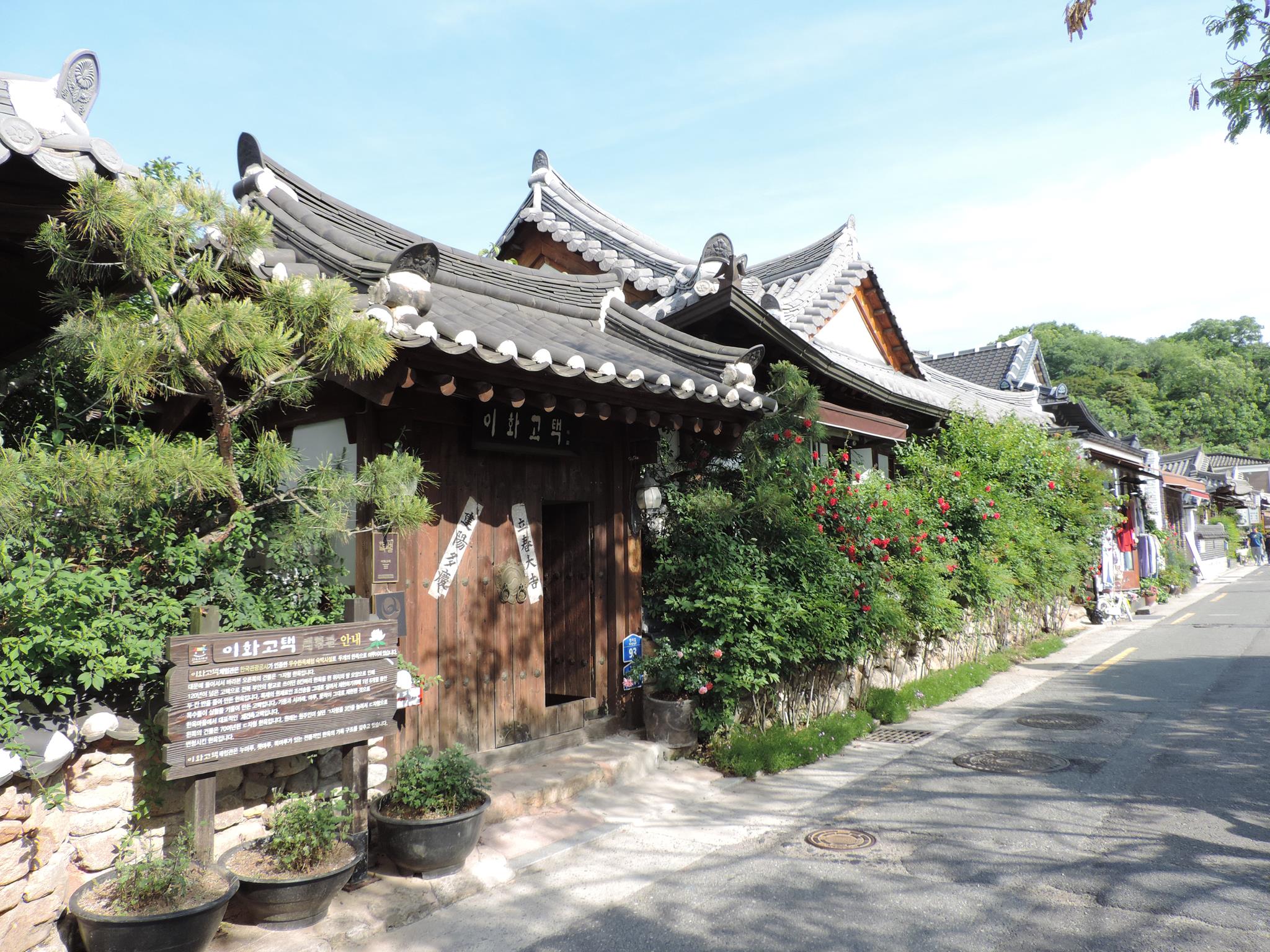
Master Singer Kim Young-Ja is an official Holder of the pansori Shimcheongga and an authority in changgeuk, the traditional opera. She was also a recipient of the Presidential Prize in the Jeonju Daesaseup Festival competition, the Dongni Award, and the KBS’s grand prize in traditional Korean music. Following in the footsteps of the parents, their son, Kim Dohyeon, a member of the Jeonbuk Gugak Center, won the Presidential Prizes in the Jeonju Daesaseup Festival and Gyeongju Silla Cultural Festival in both pansori and ajaeng, and their daughter-in-law, Seo Jinhui of the Namwon National Gugak Center, also garnered the Presidential Prize in the Jeonju Daesaseup Festival. Additionally, the pupils of the Kims are continuing their teachers‘ legacies by serving in various national performing arts organizations and winning top prizes in prestigious competitions of traditional Korean music nationwide.
Classical Scholar’s Museum of Hanok Village
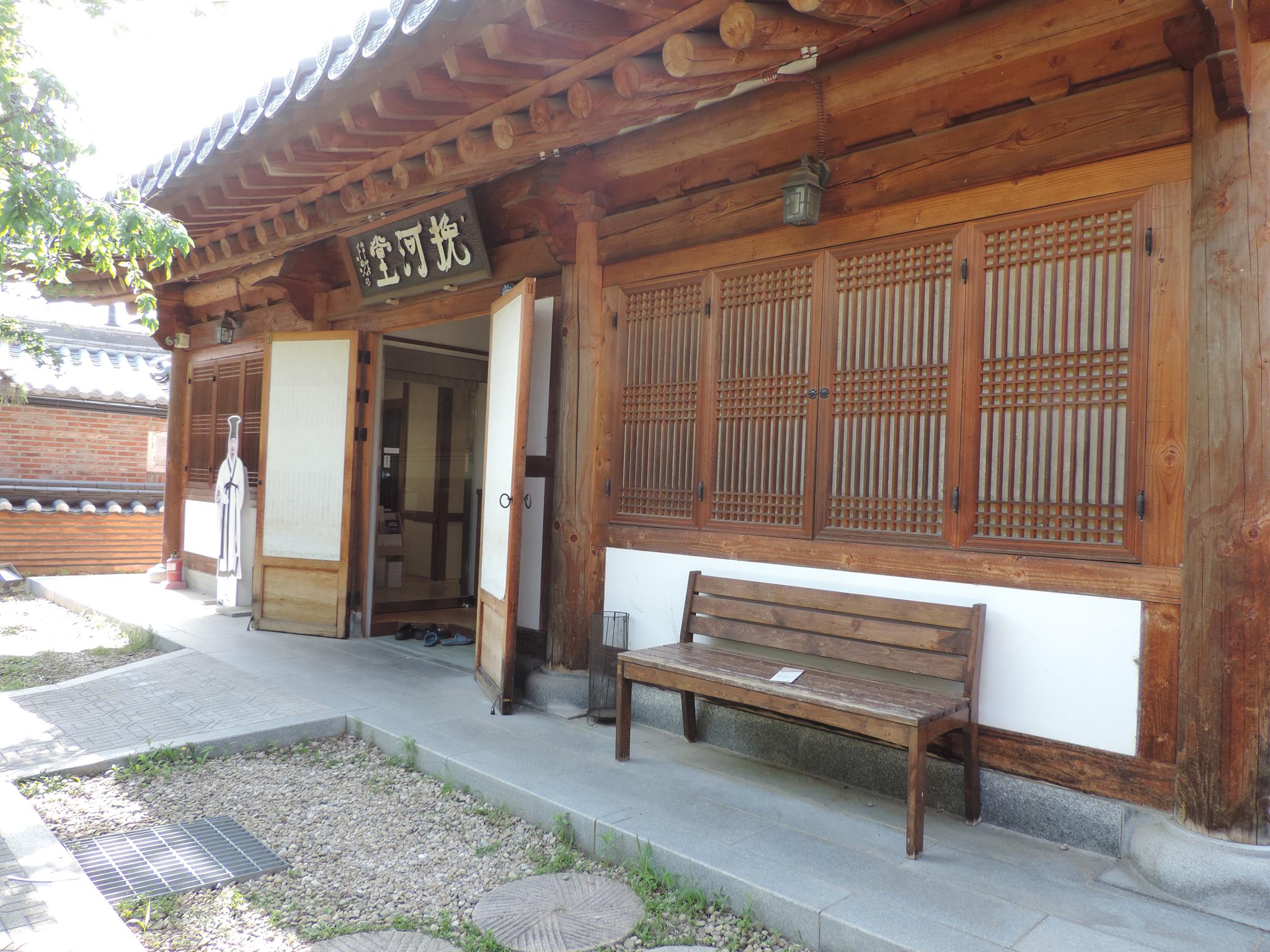
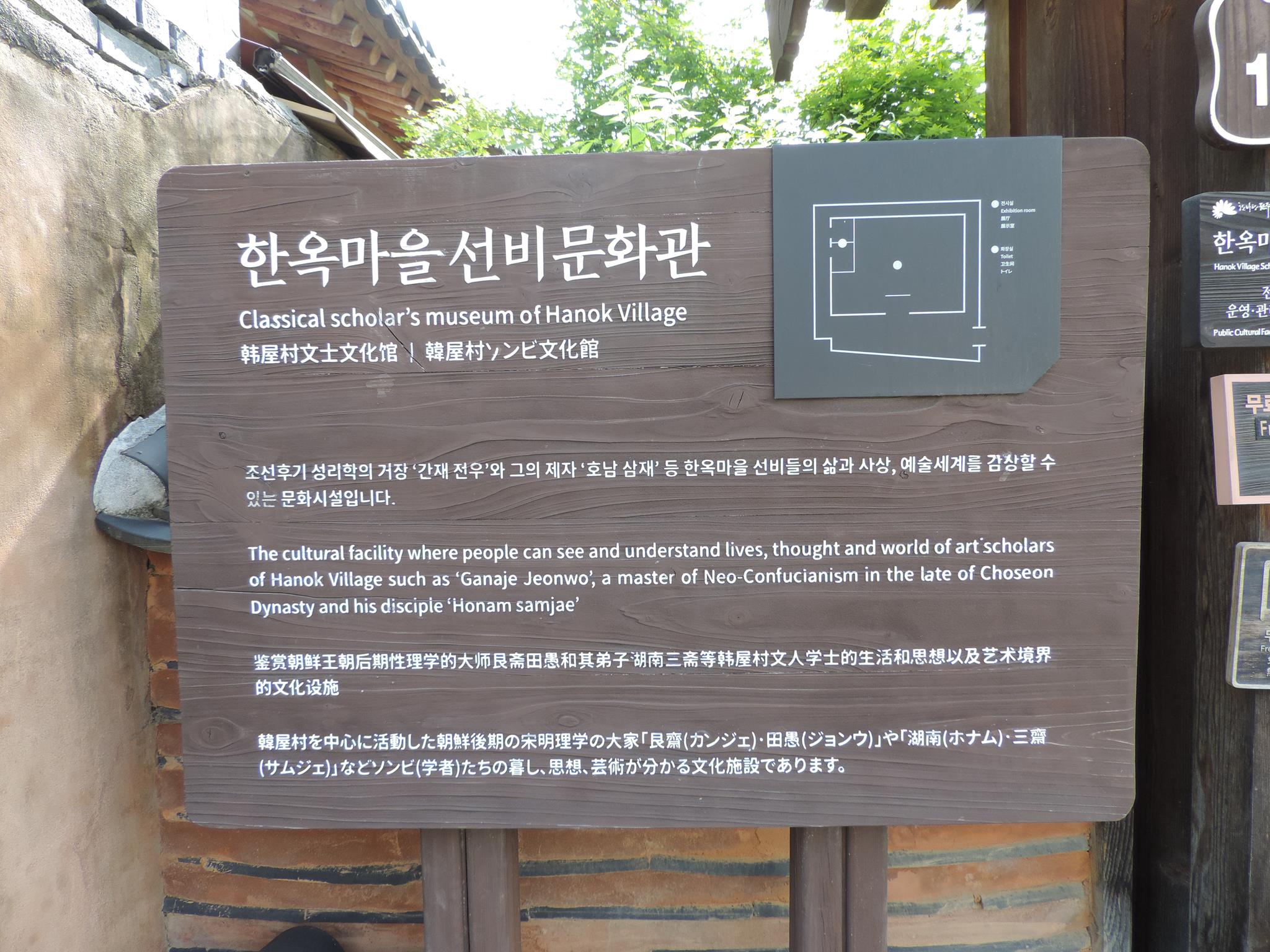
The Classical Scholar’s Museum is a cultural facility where people can see and understand lives, thought and world of art scholars of Hanok Village such as ‚Ganaje Jeonwo‘, a master of Neo-Confucianism in the late of Choseon Dynasty and his disciple ‚Honam samjae‘.
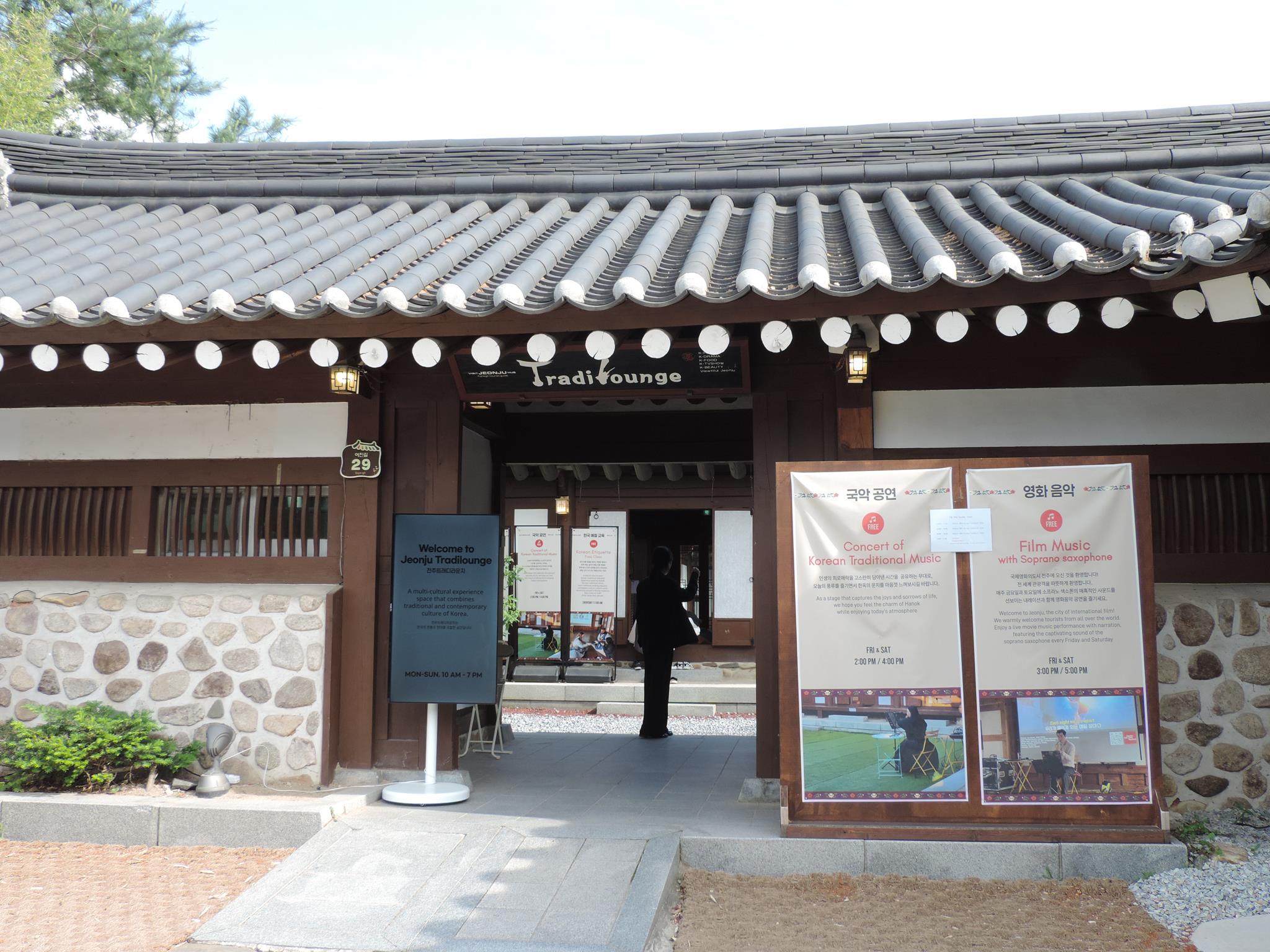
Tradilounge – Concert of Korean Traditional Music
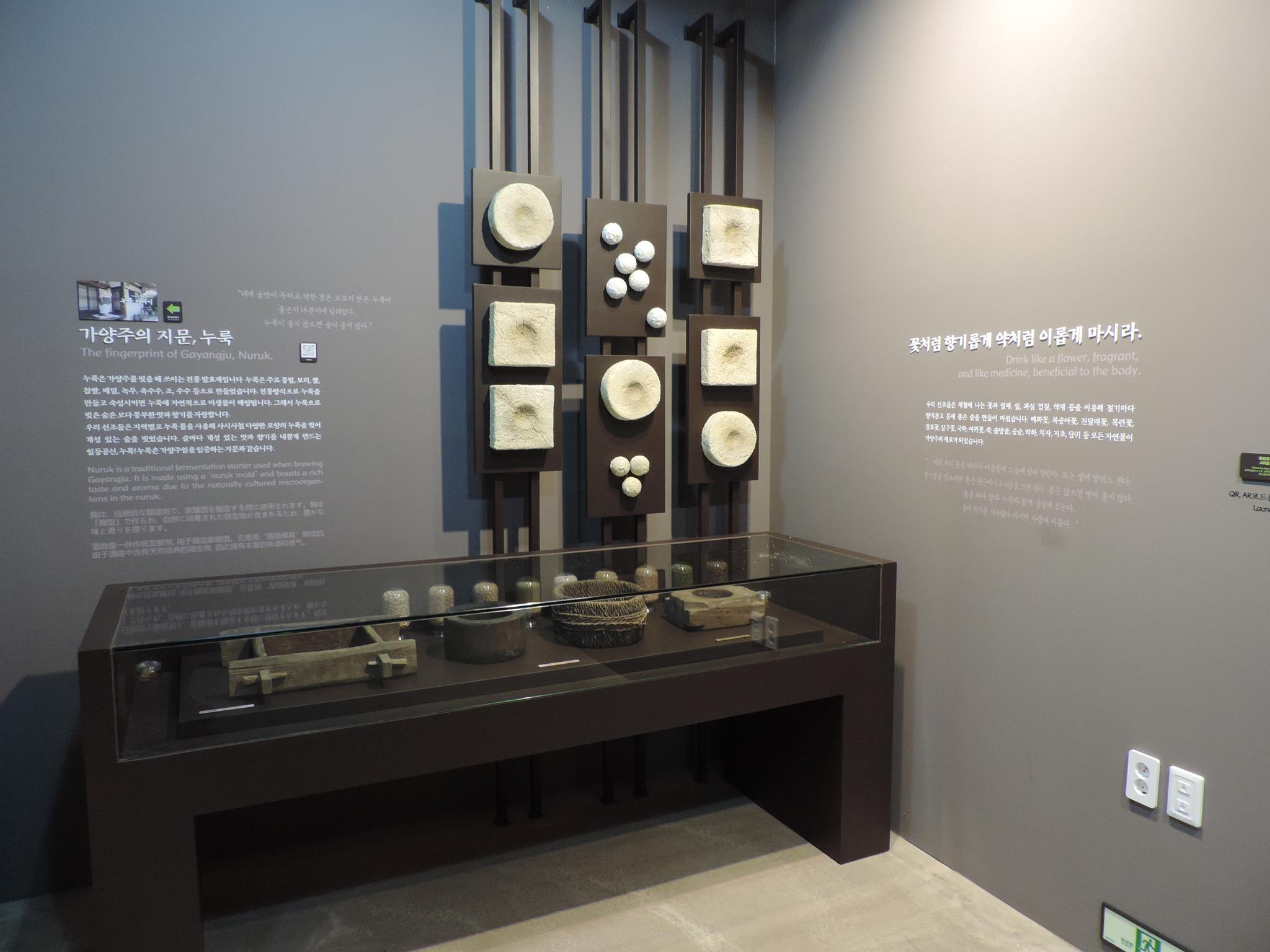
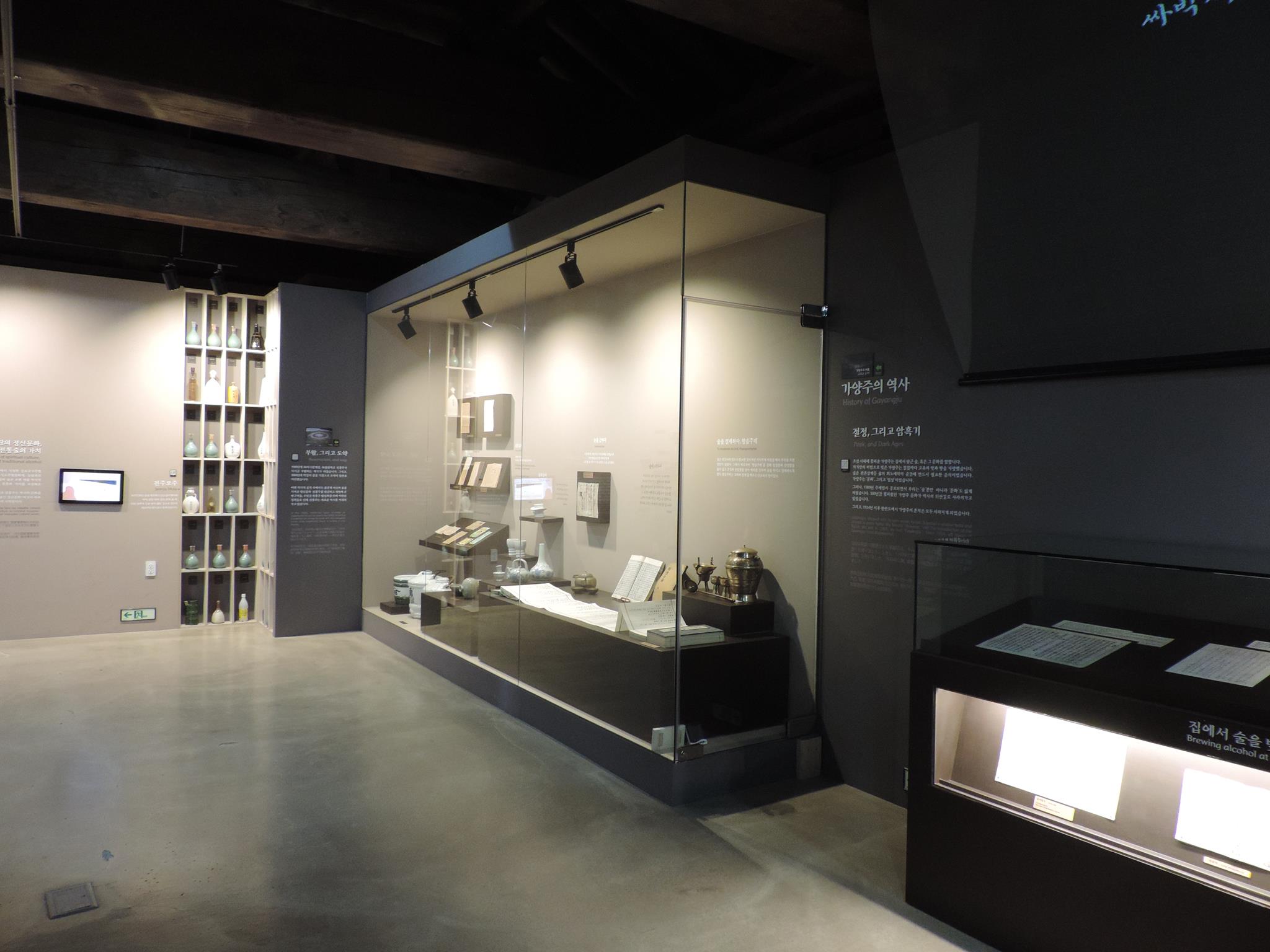
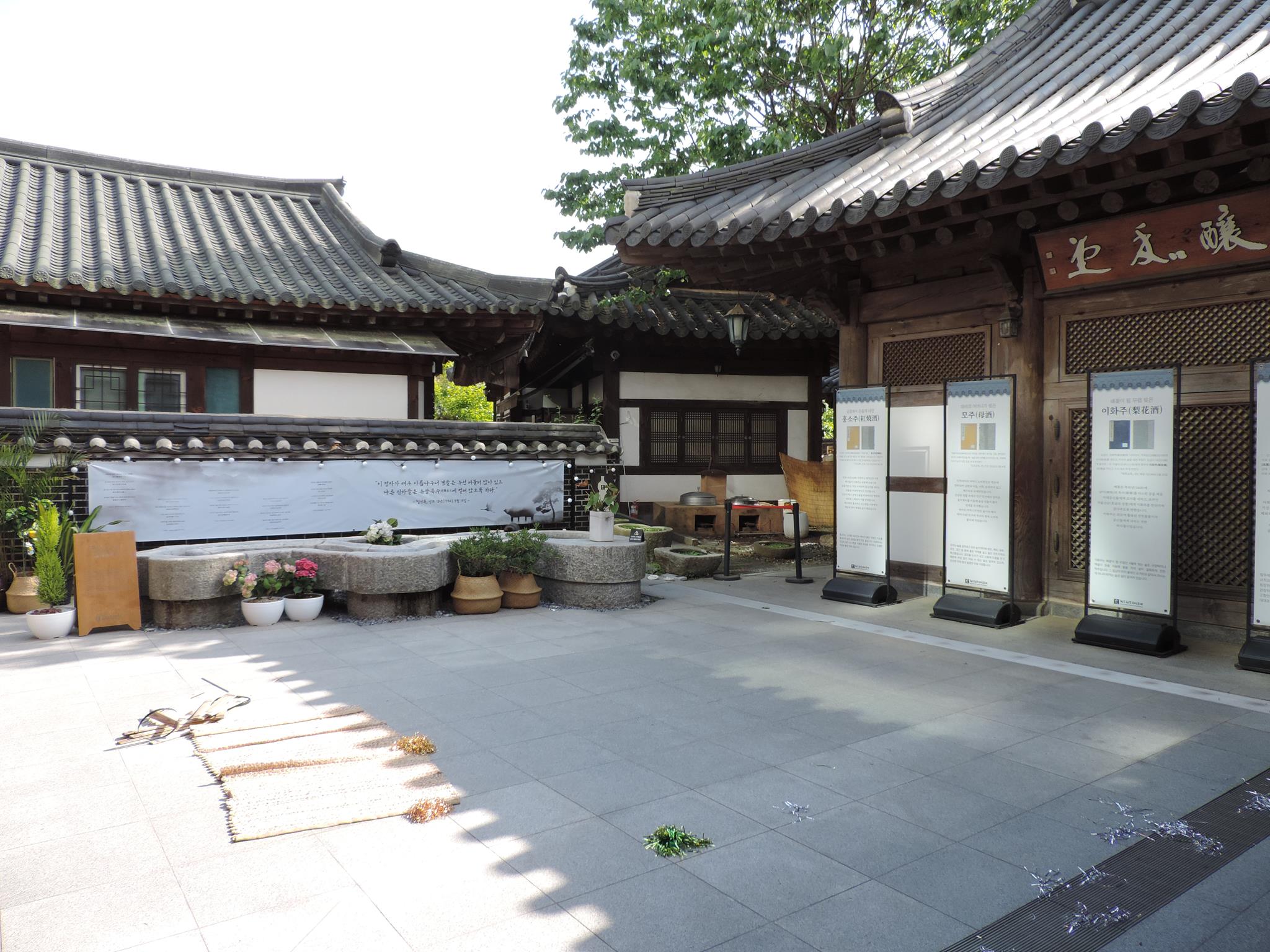
Korean Liquor Museum – The fingerprint of Gyeongju
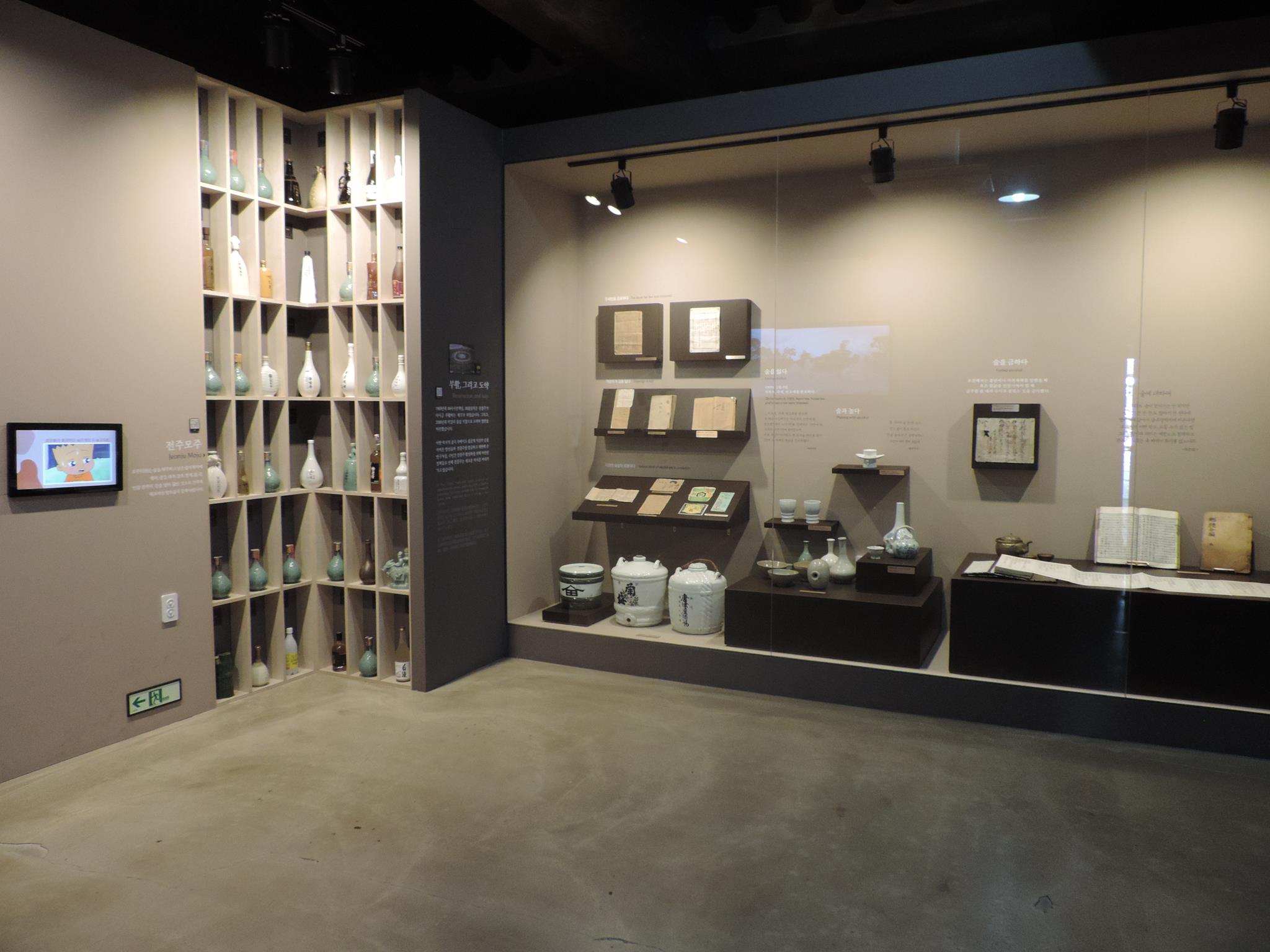
In the middle of the Hanok village are several cultural sites, but also exhibition places and museums, one of them is the Korean Liquor Museum. Here you can learn everything about the famouse rice wine and intangible cultural asset of Korea. It’s called Gyeongju or Beopju, and this premium traditional rice wine originating from the historic city of Gyeongju. It is made with glutinous rice, a fermentation starter called „nuruk“, and pure water, undergoing a centuries-old, long, low-temperature fermentation process for a smooth, subtly sweet, and refined taste. Of course you can try it in the restaurants around.
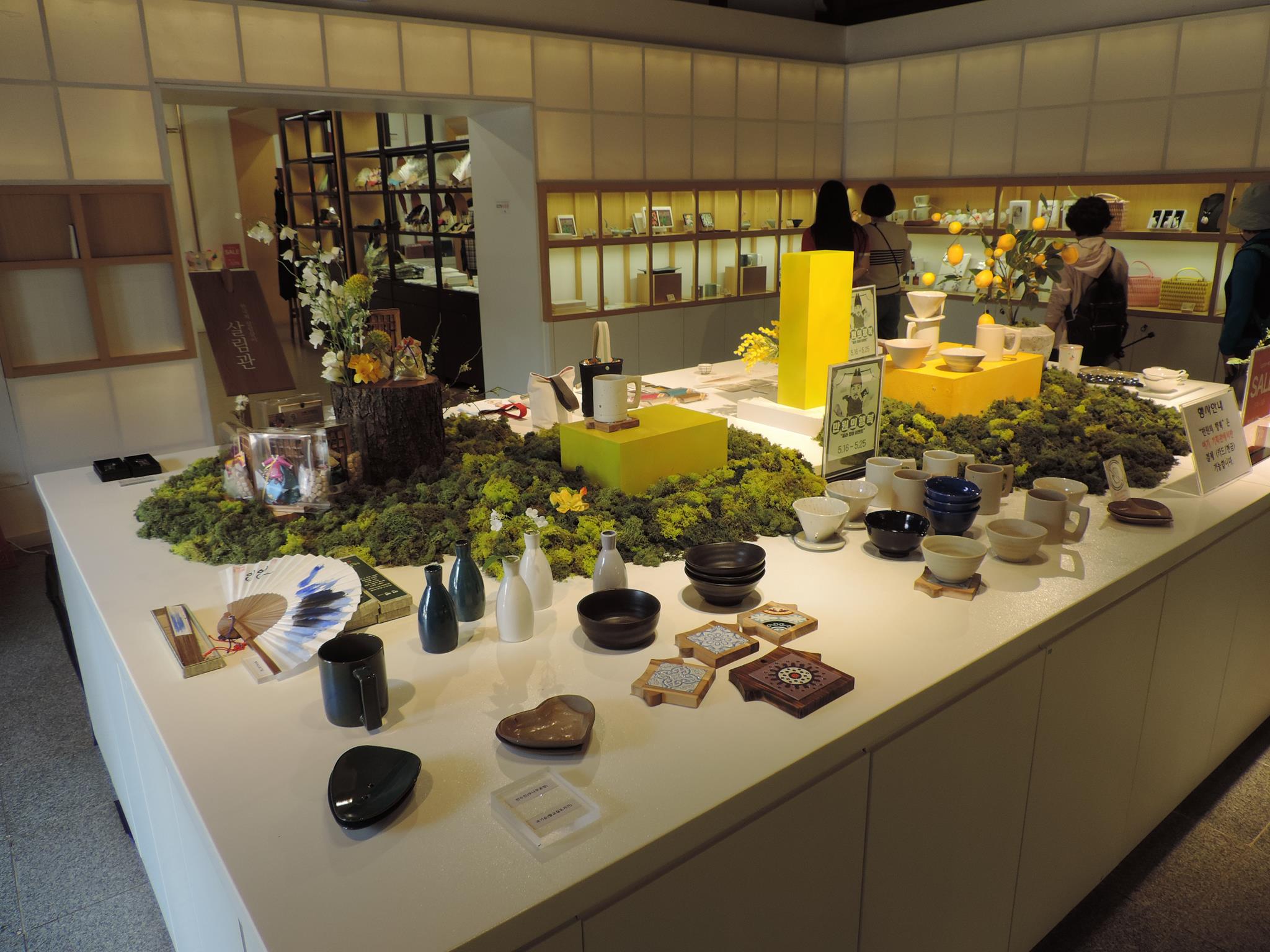
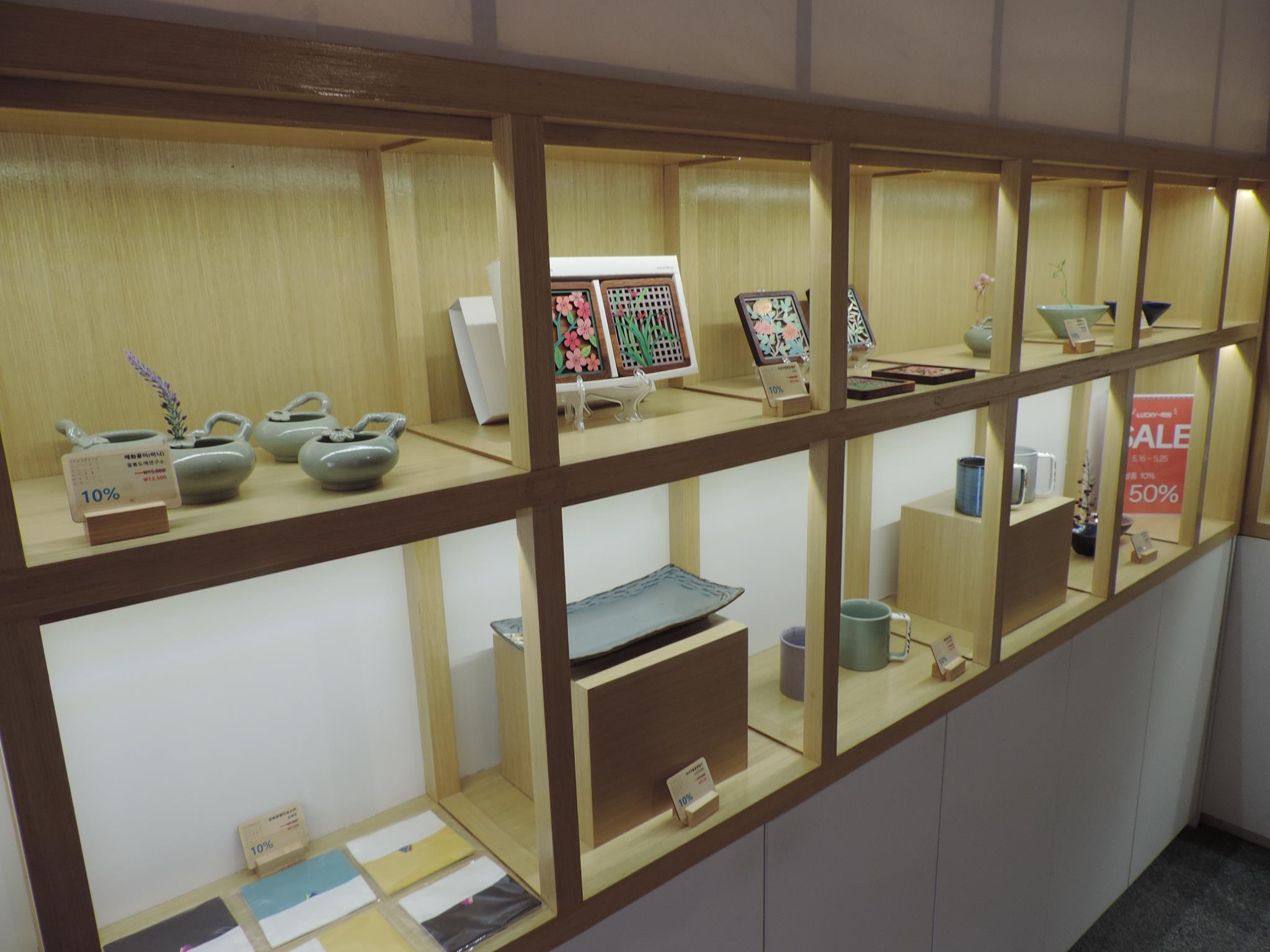
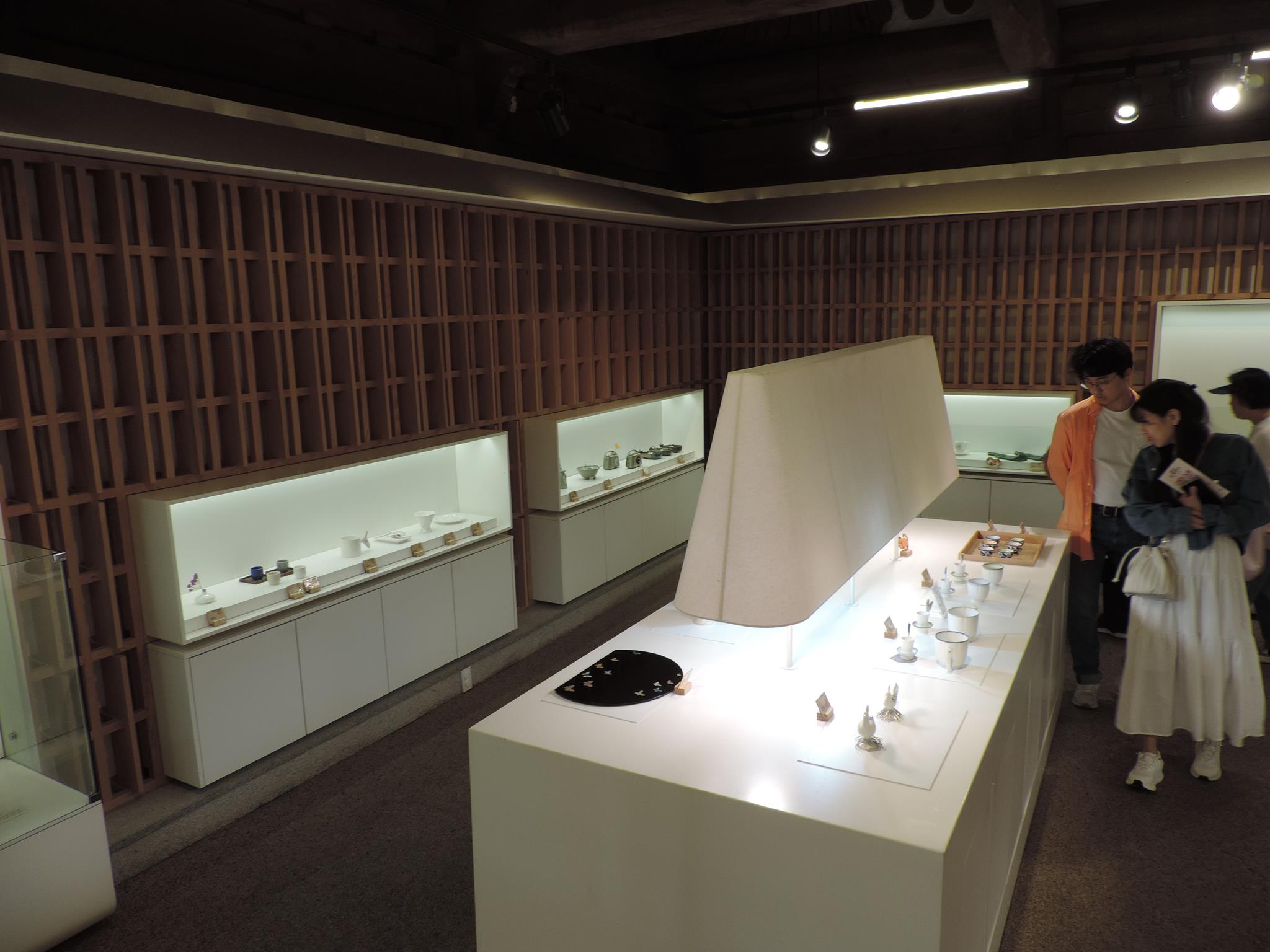
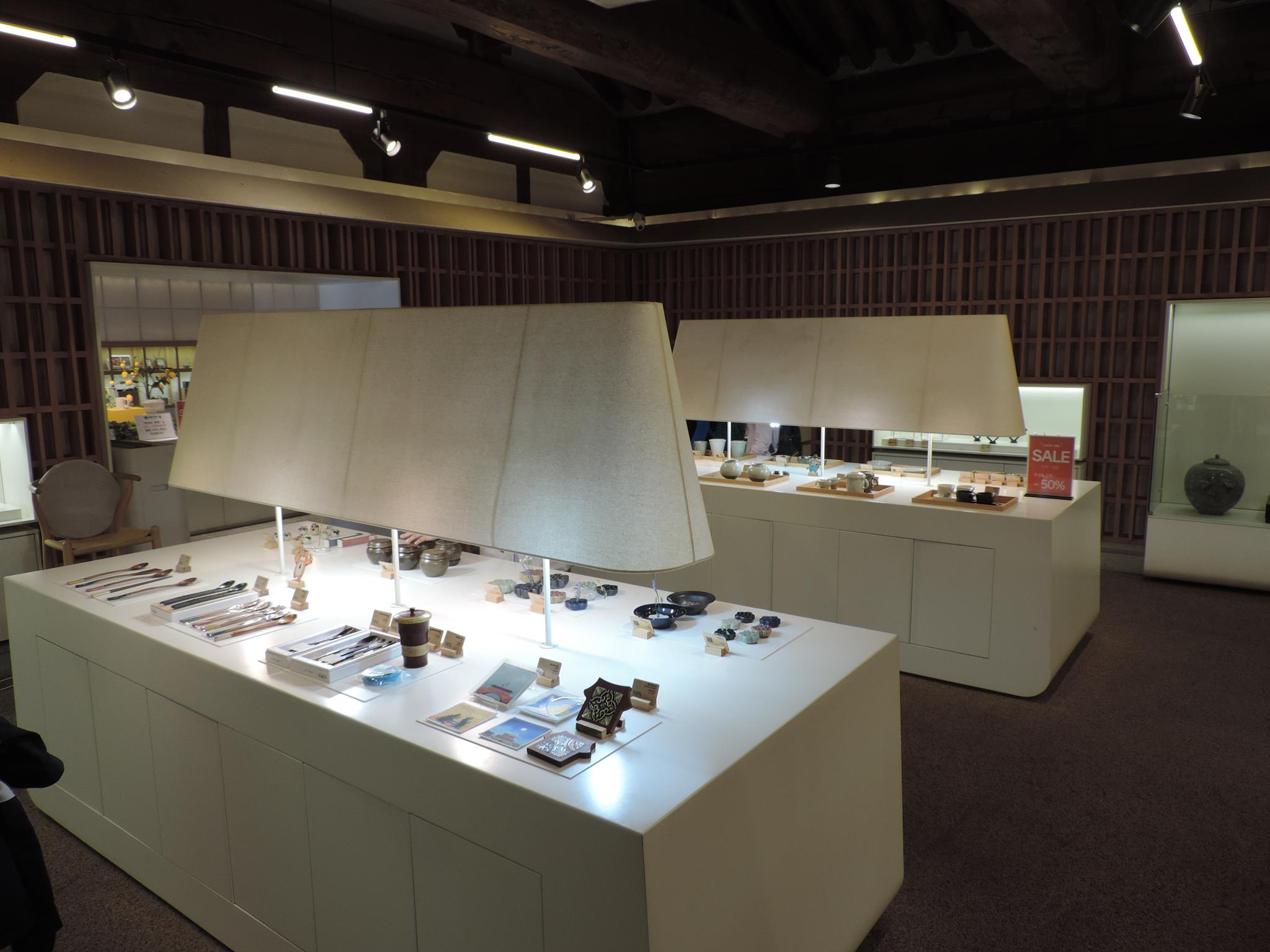
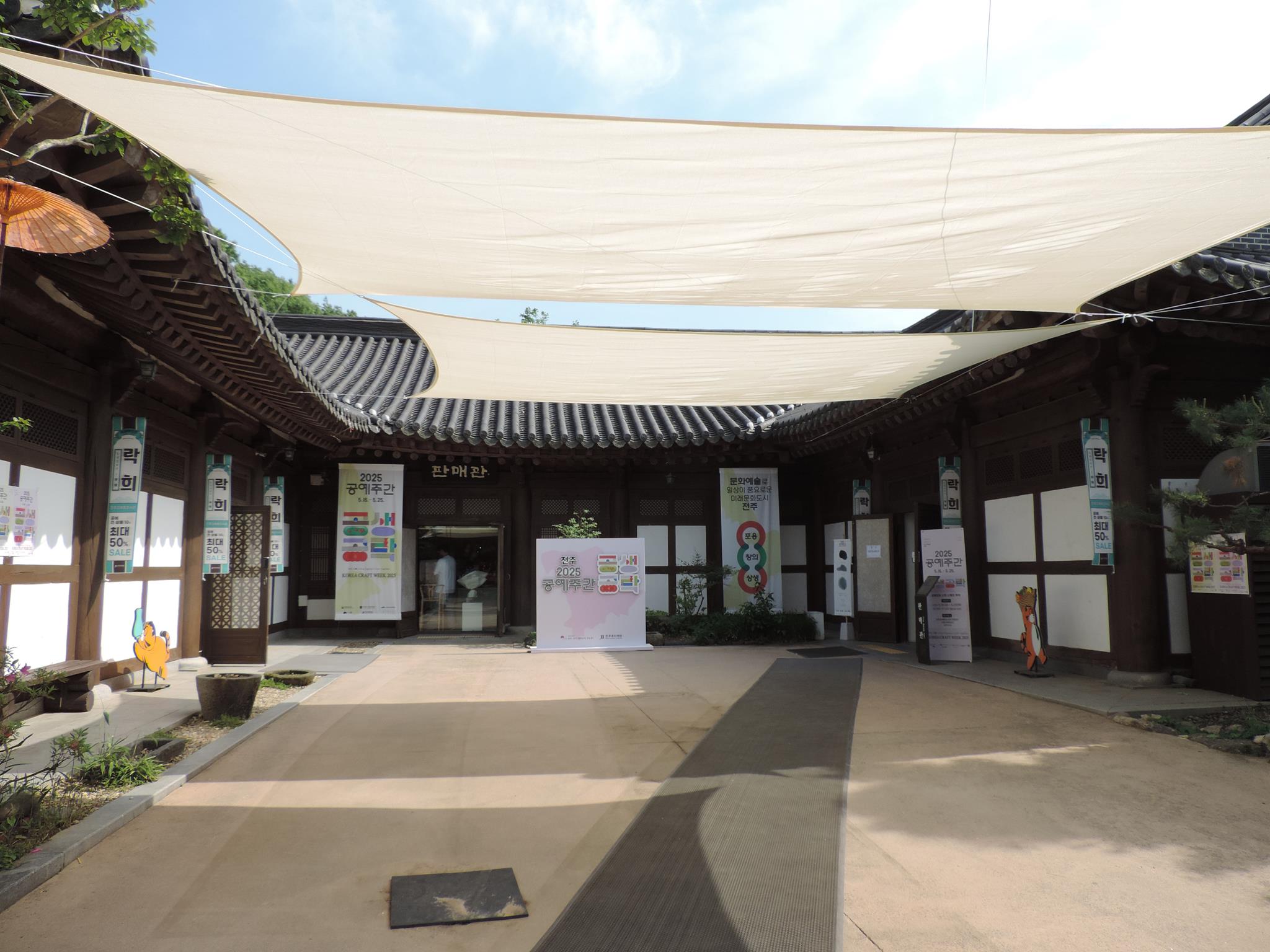
Korean Craft Week – Artworks Exhibition & Sale
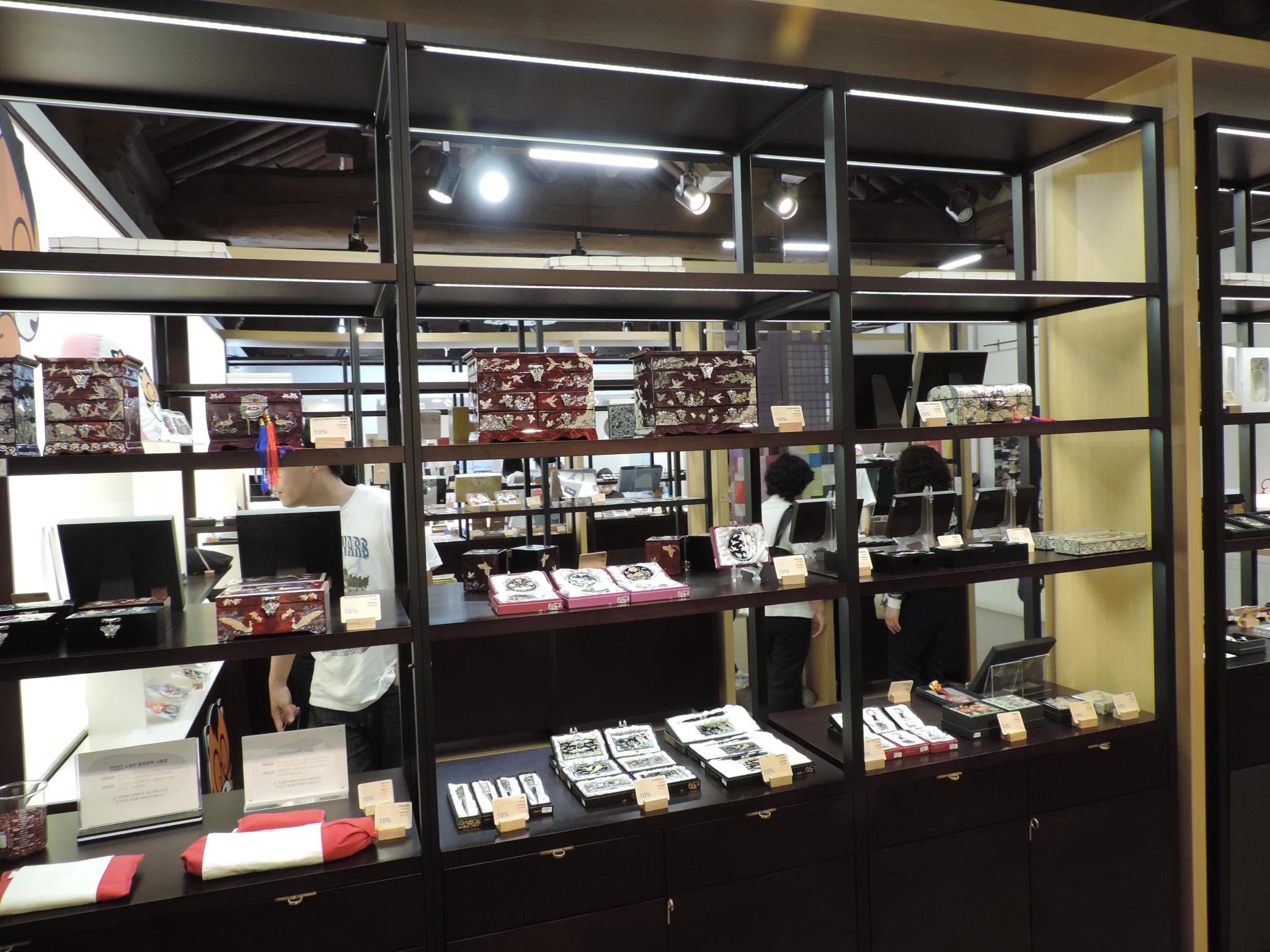
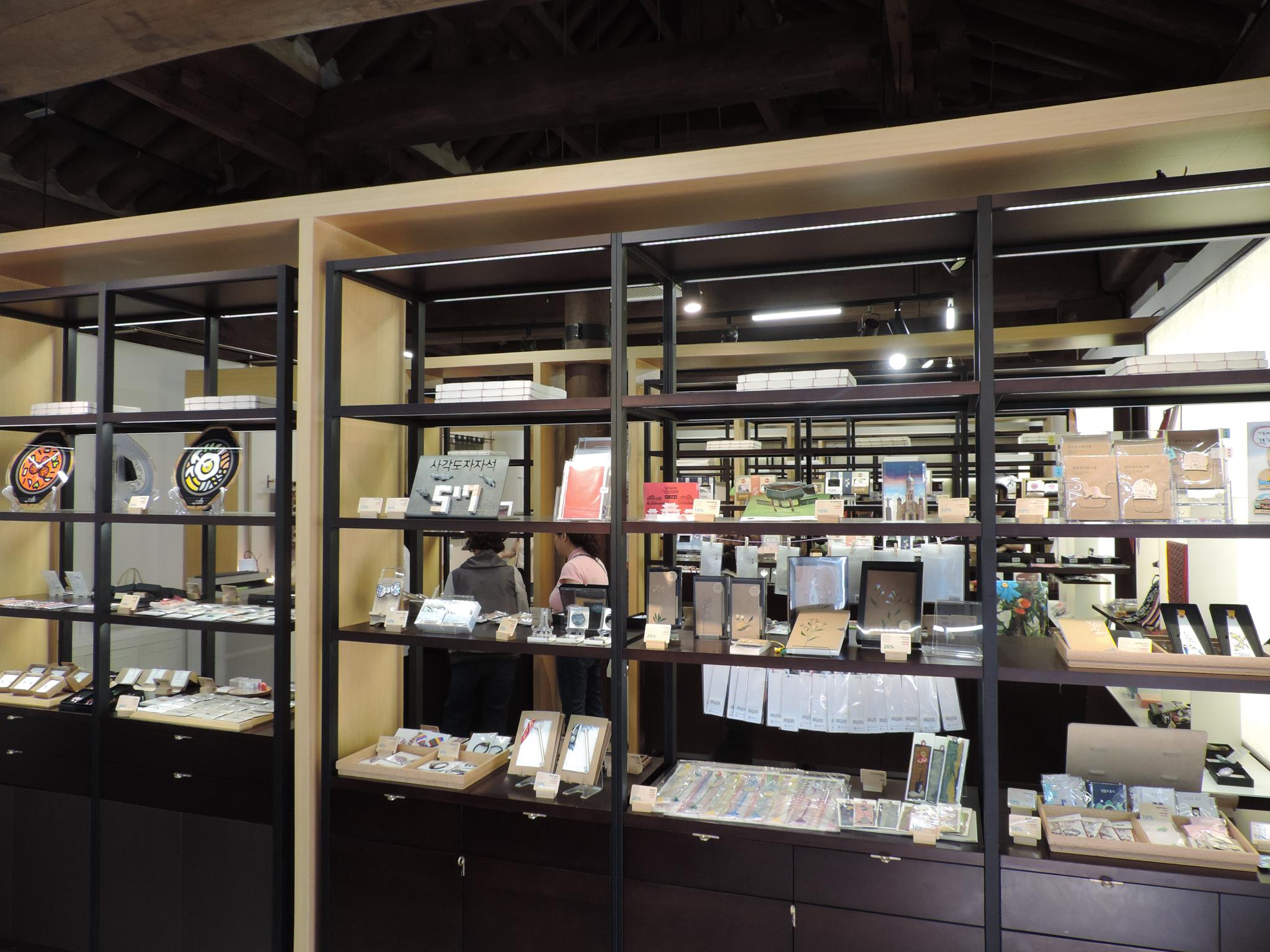
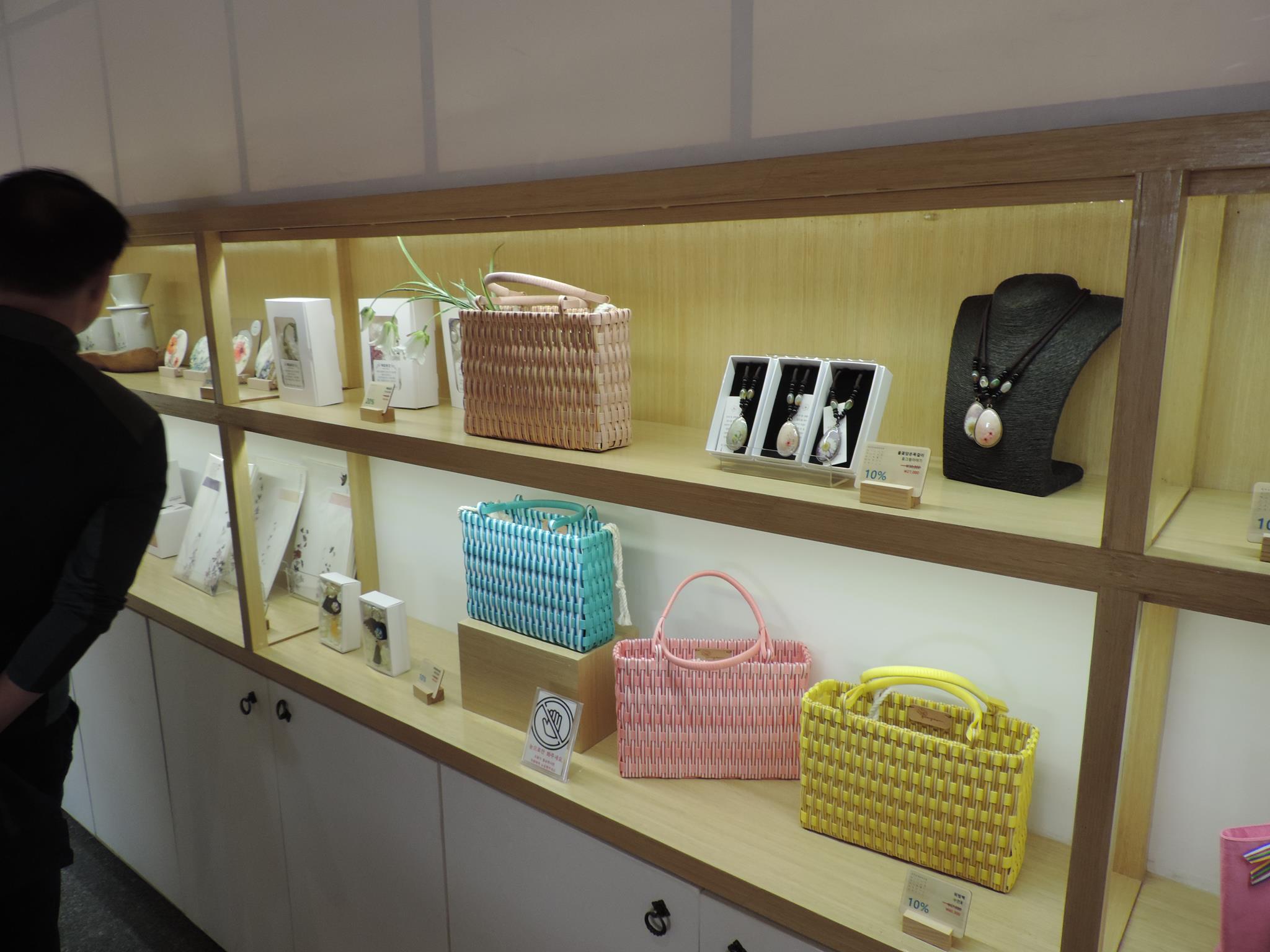
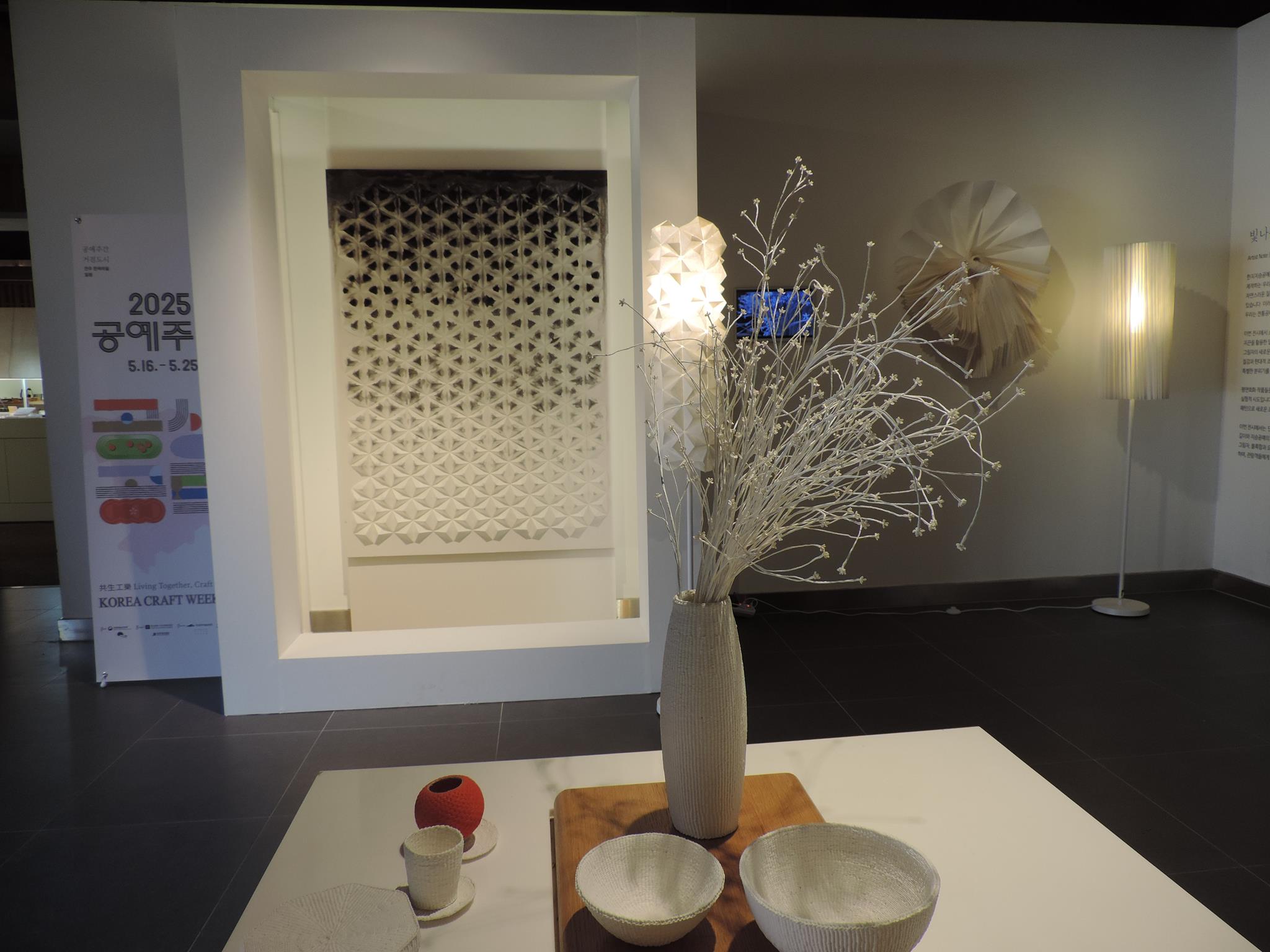
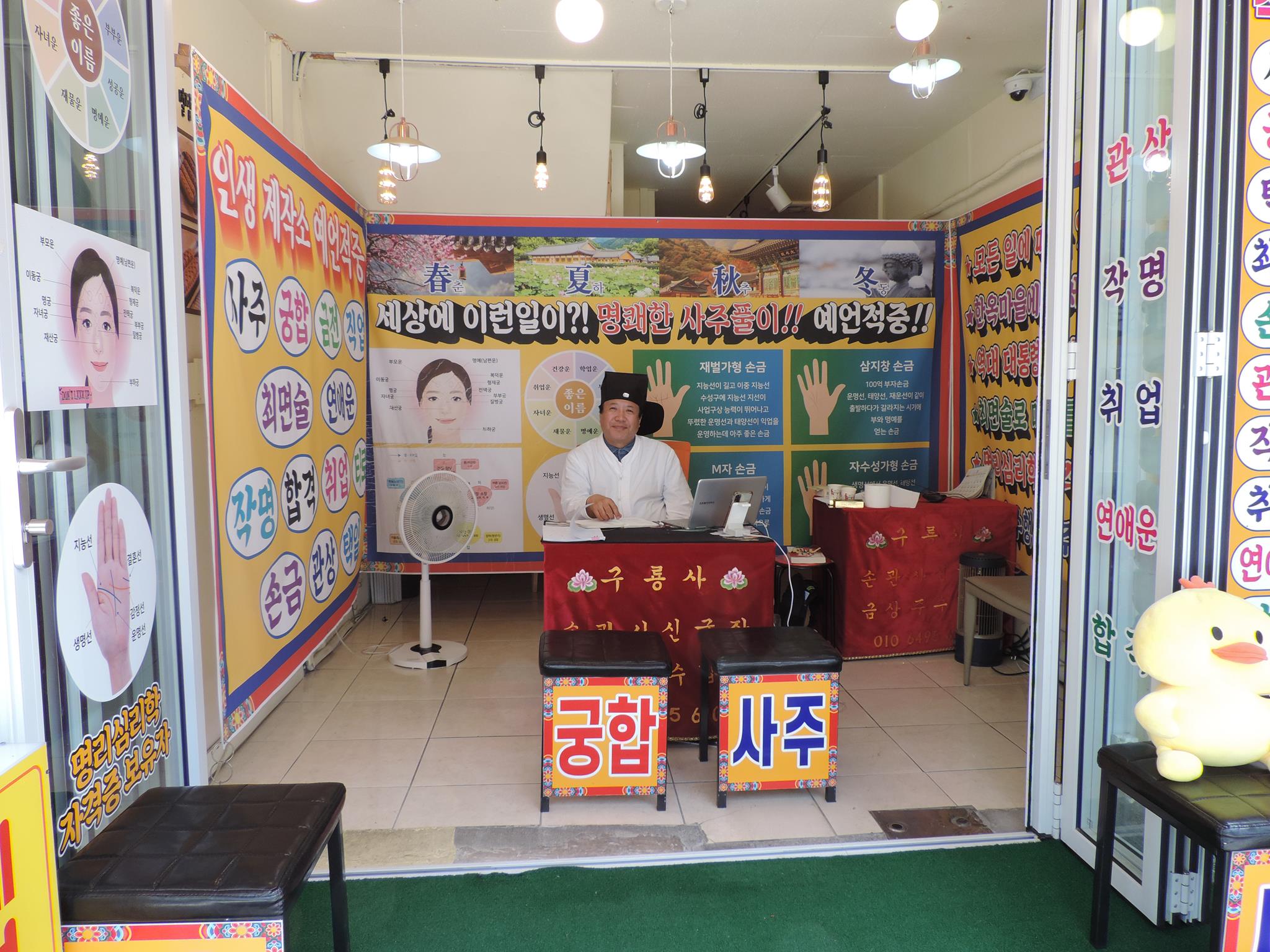
Fortune Teller – Modern Automat
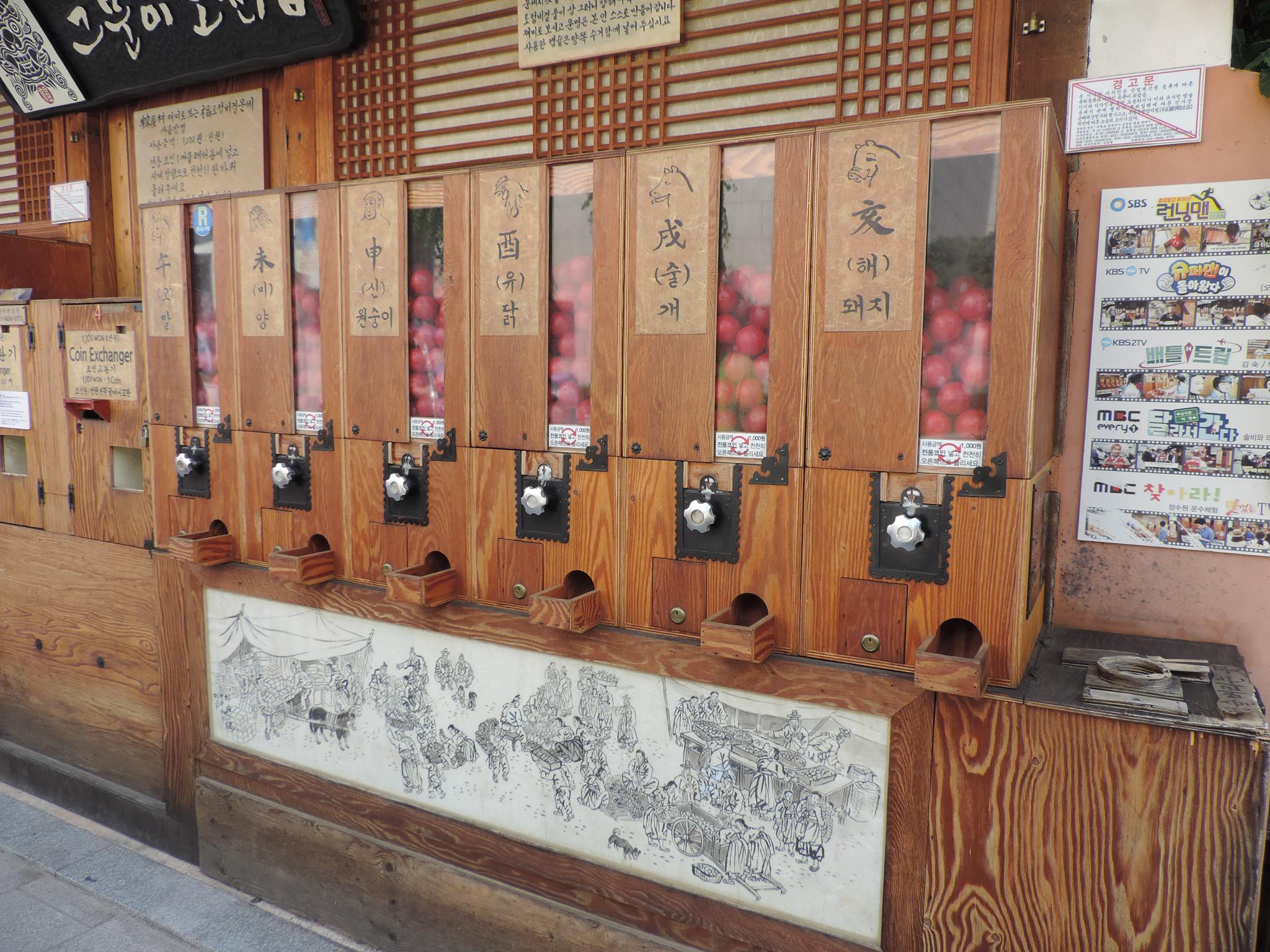
Fortune Teller – Oldschool
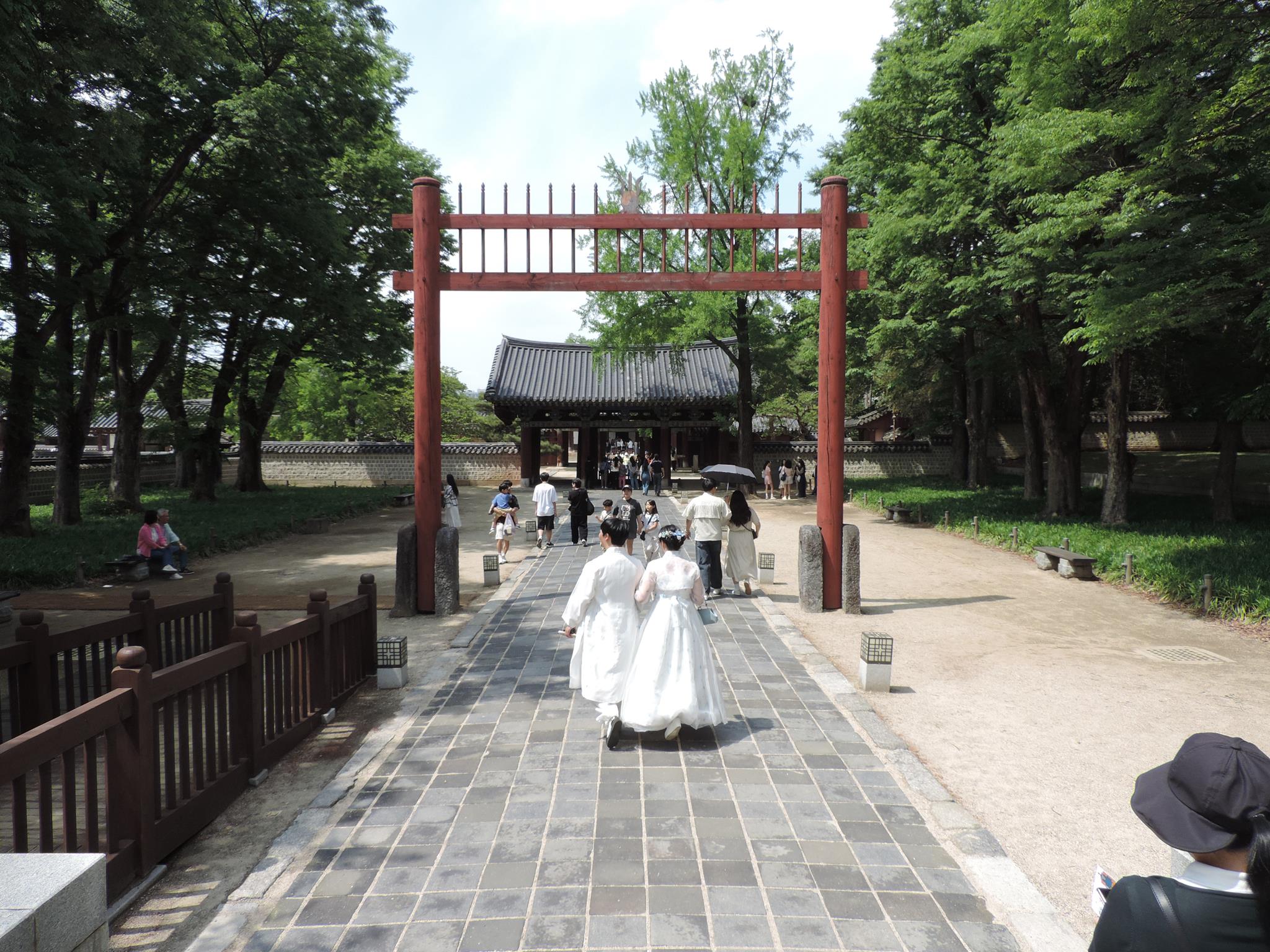
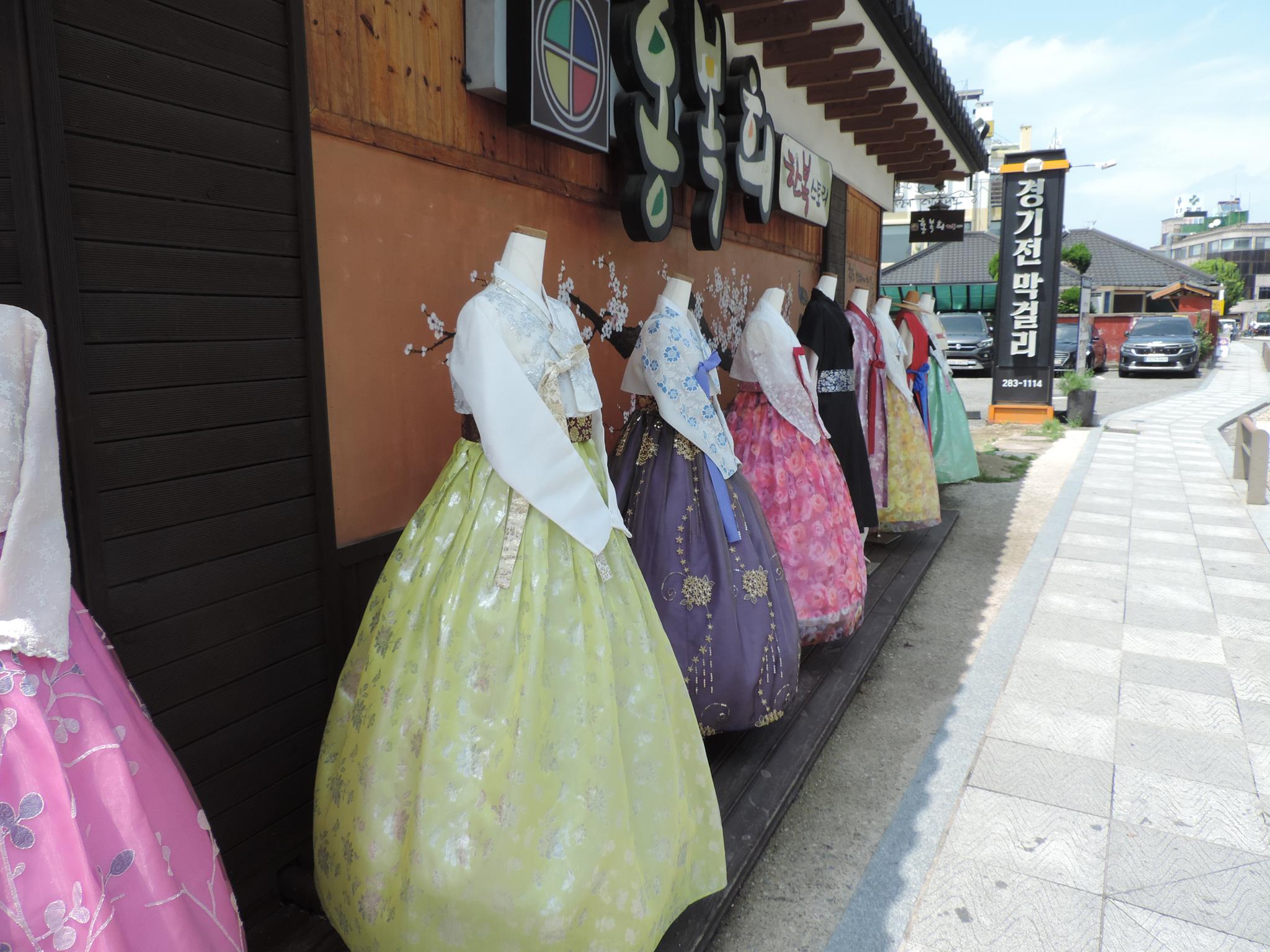
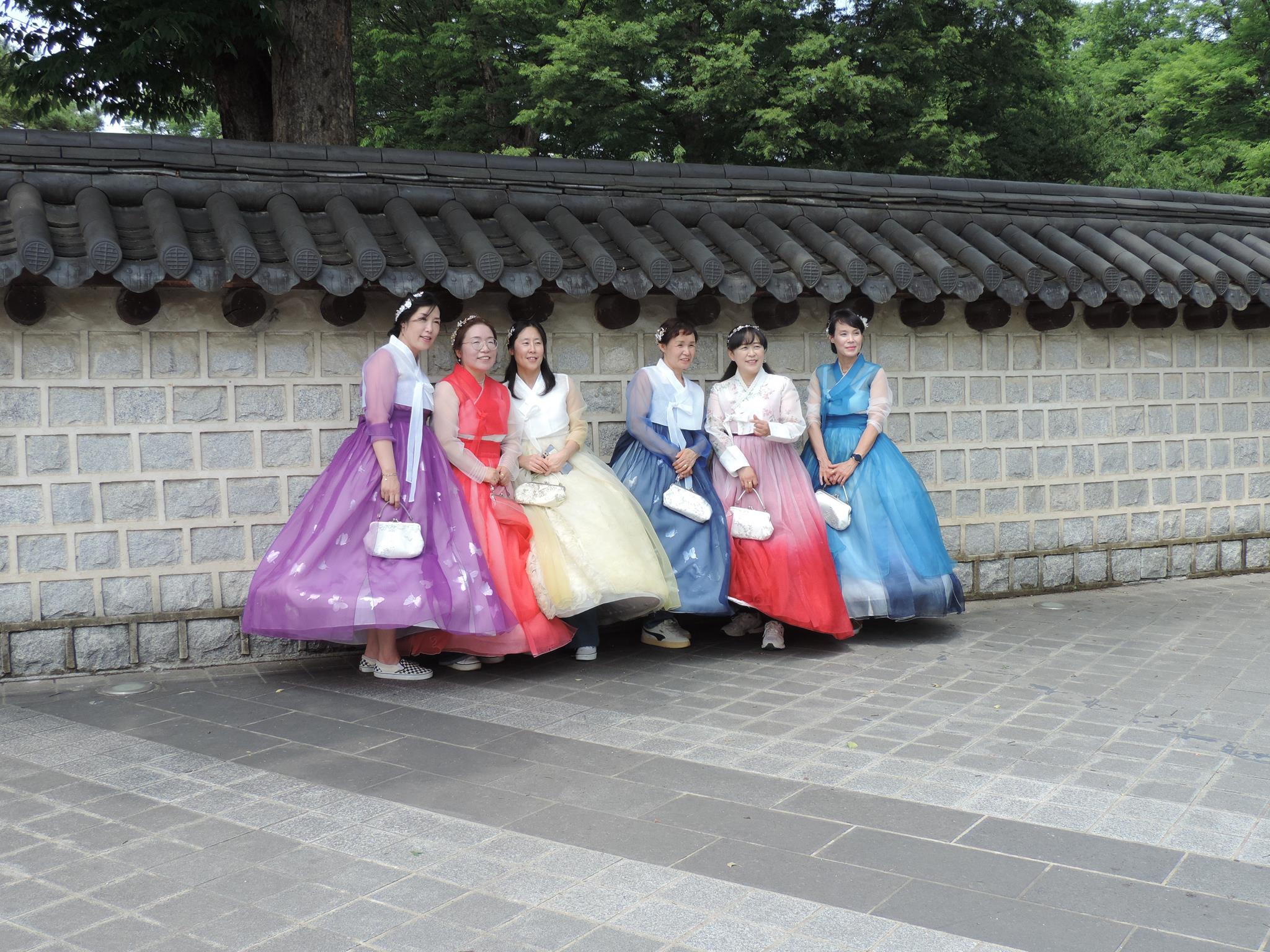
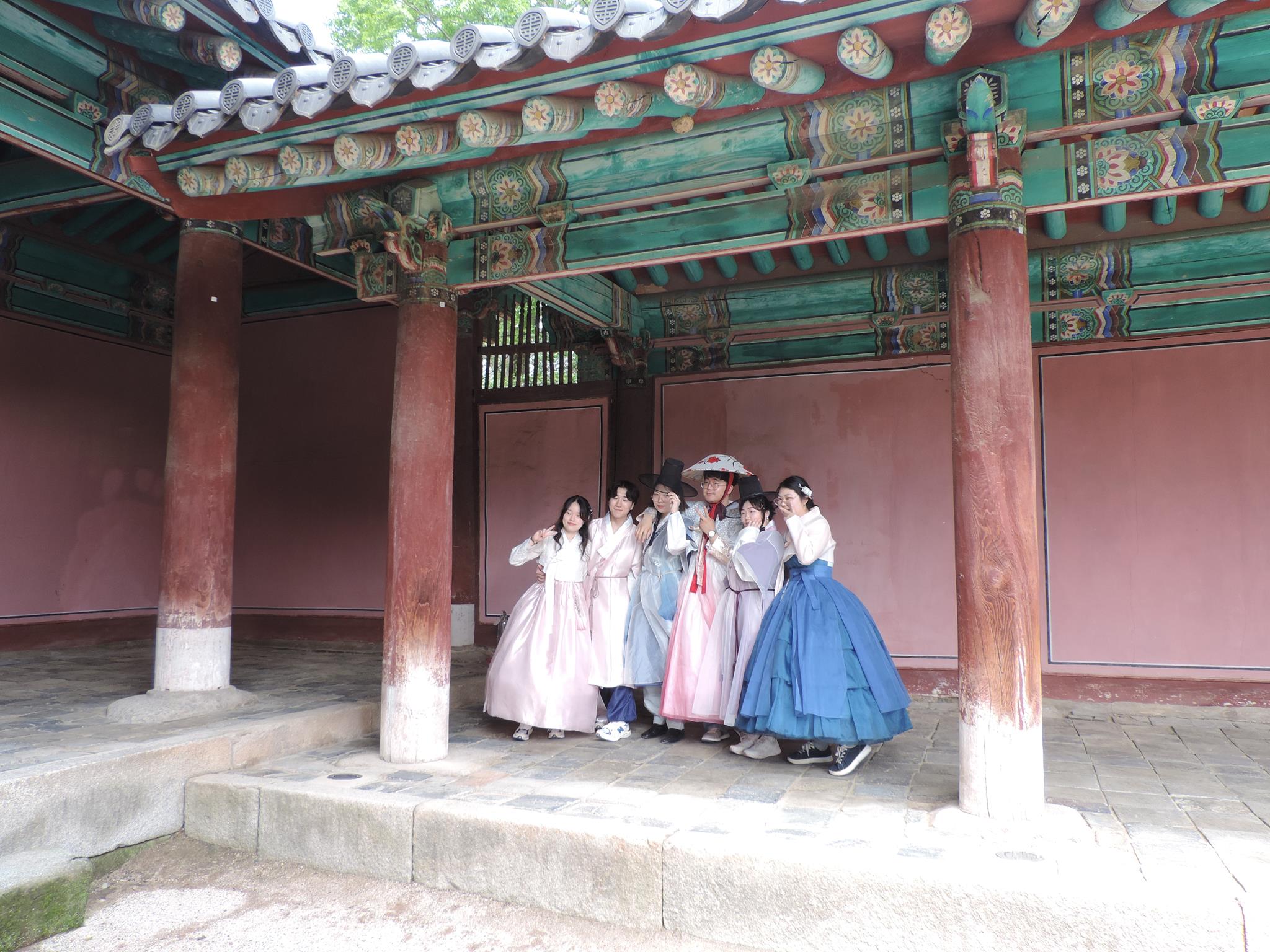
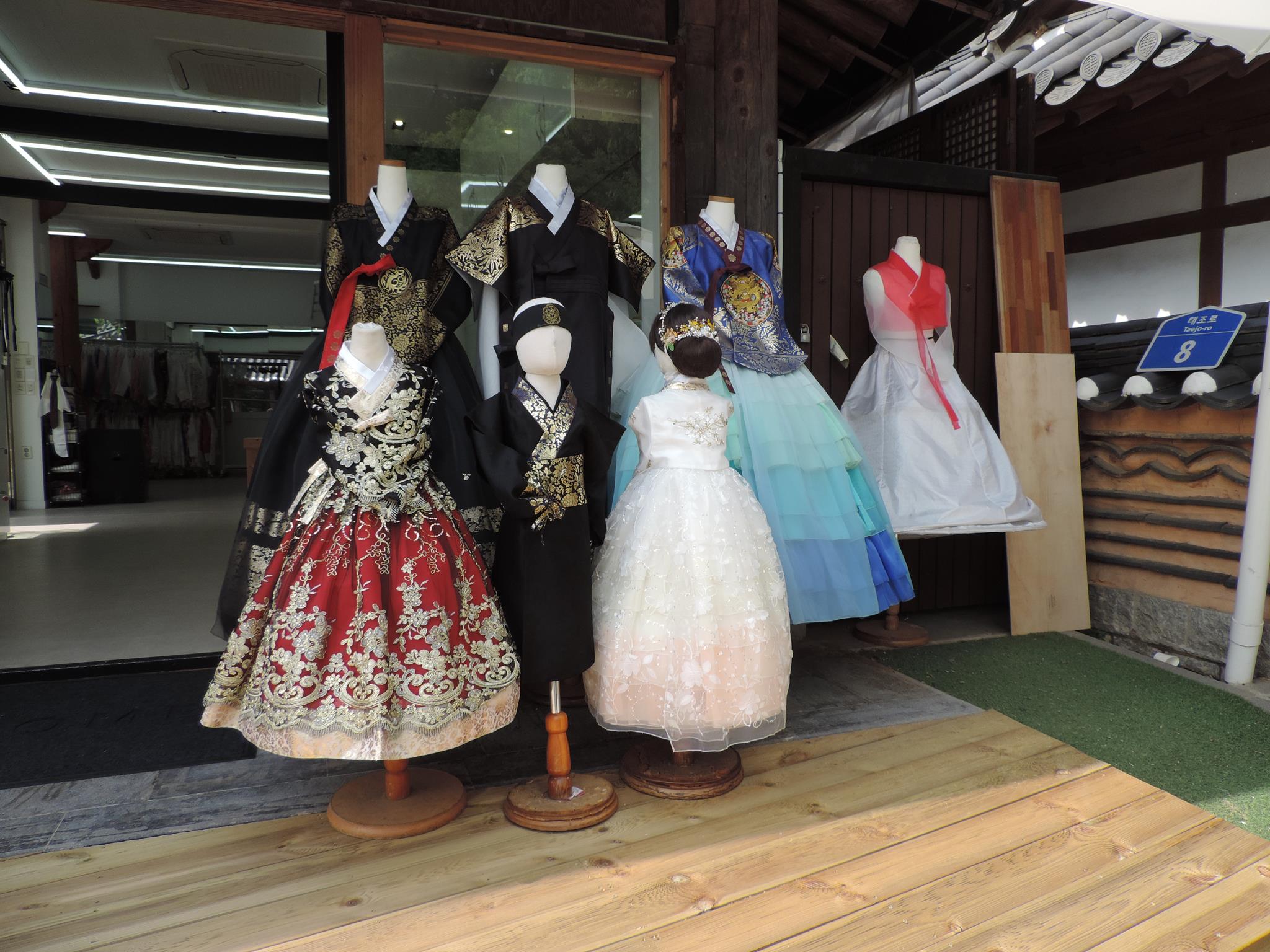
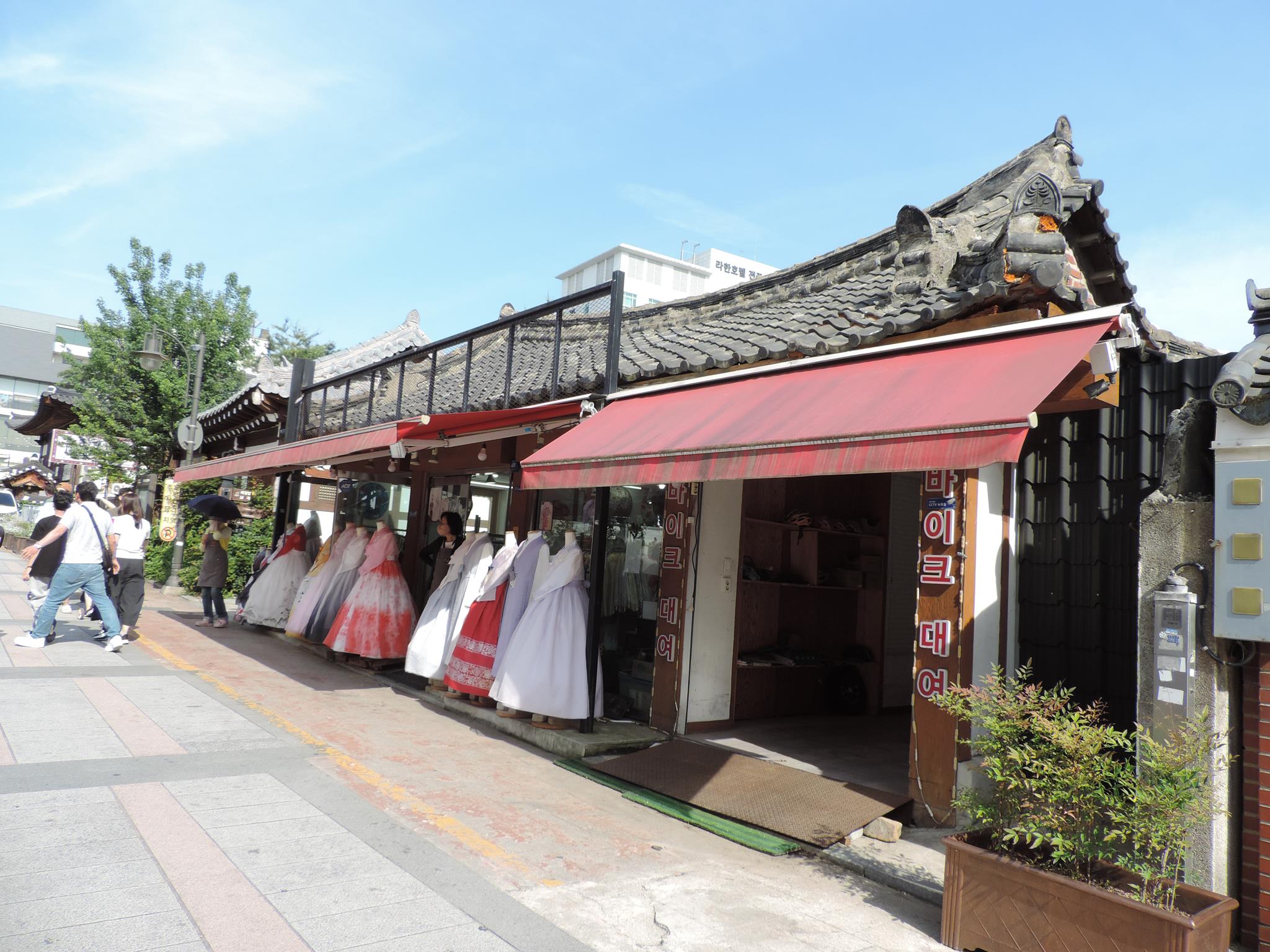
Rent a Hanbok and dress up like in ancient times
dddd
dddd
dddd
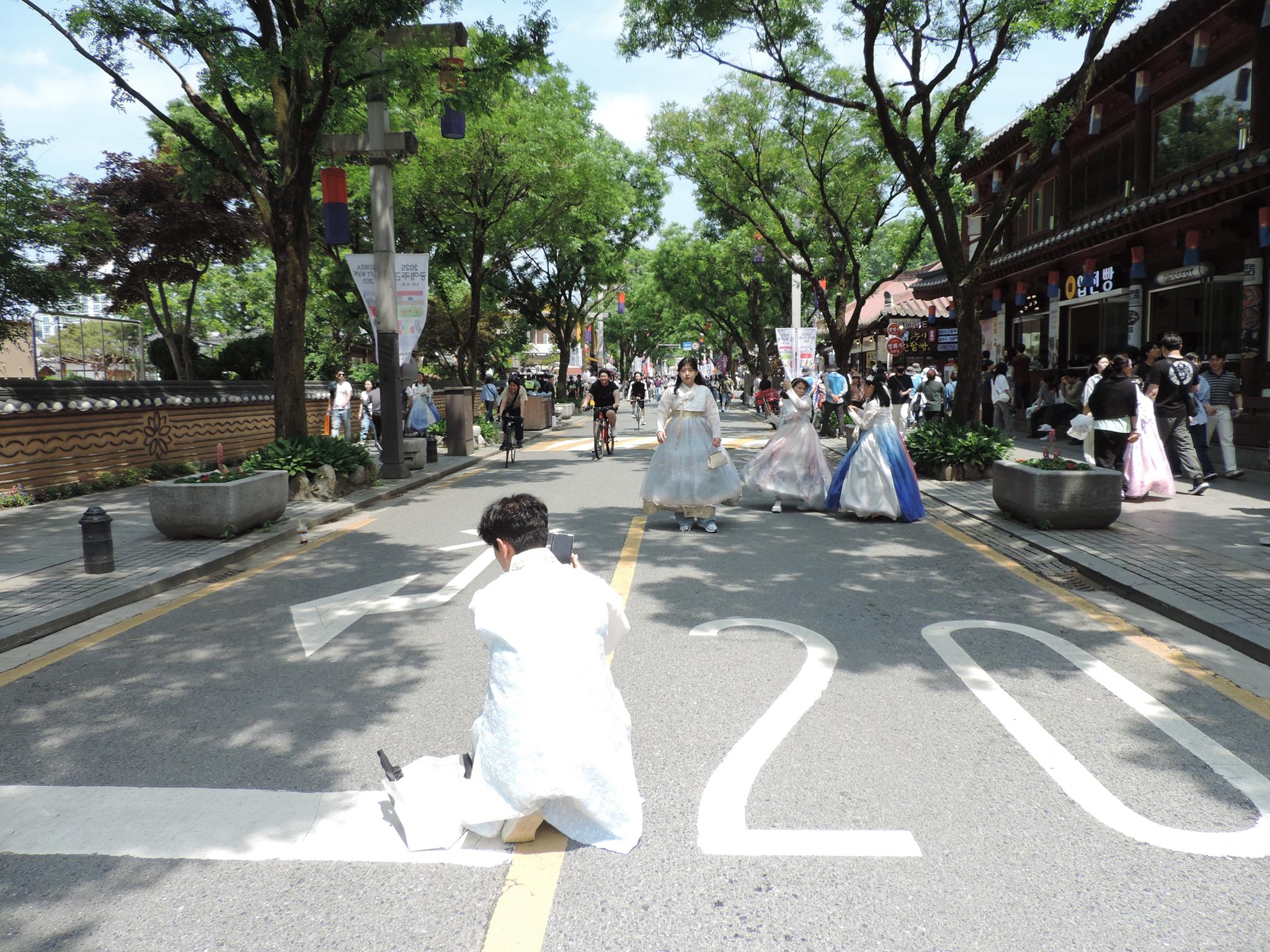
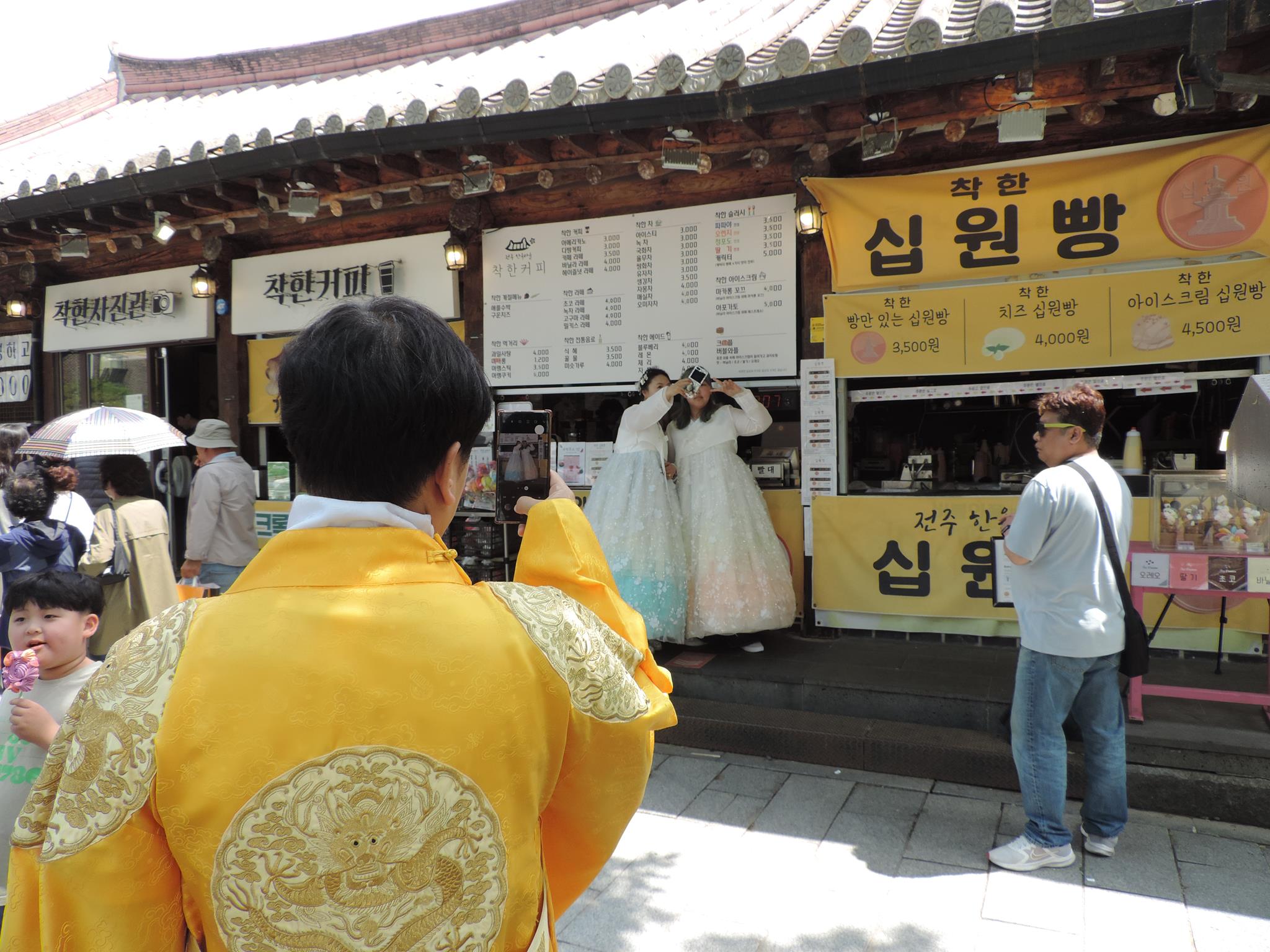
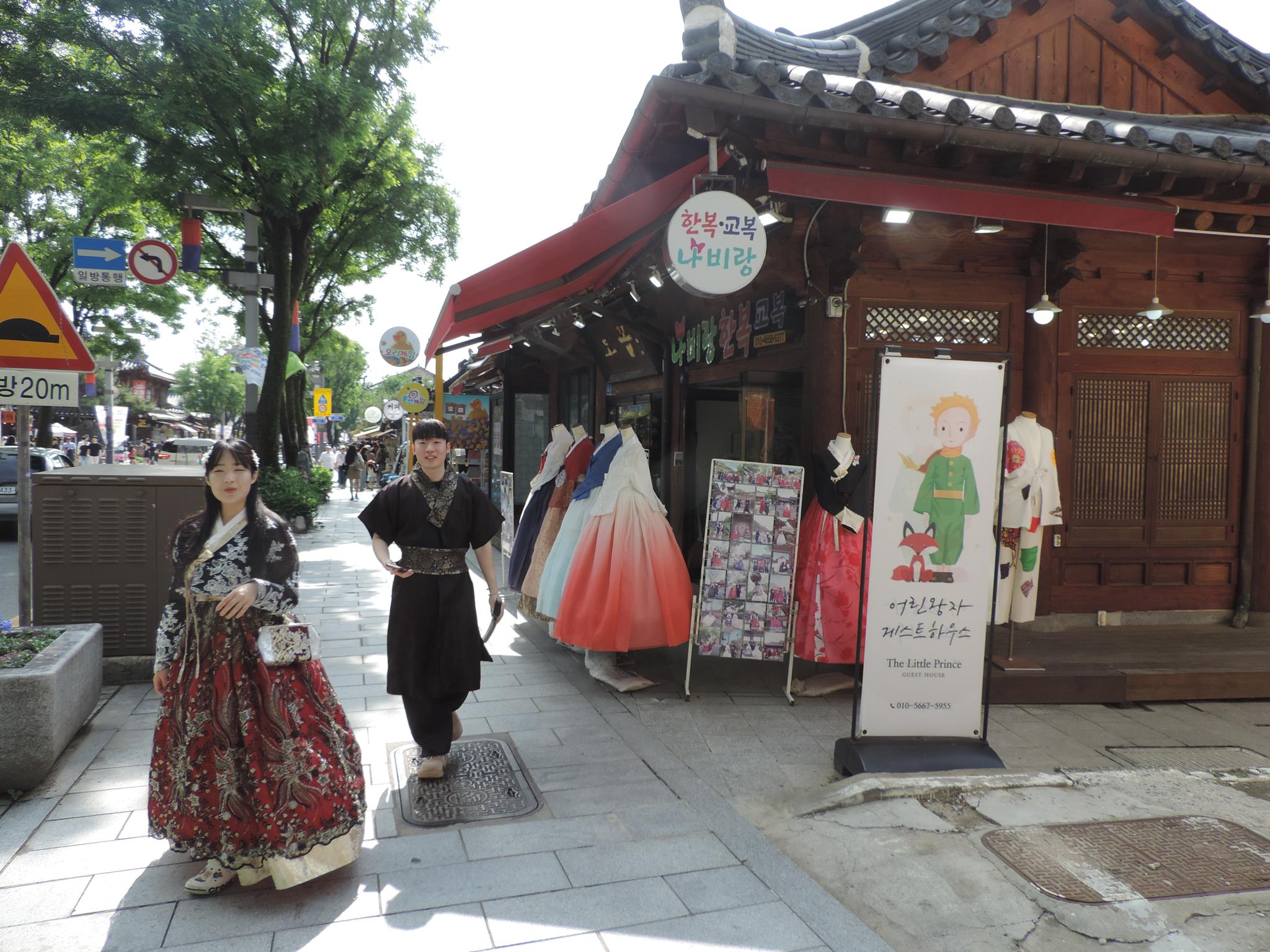
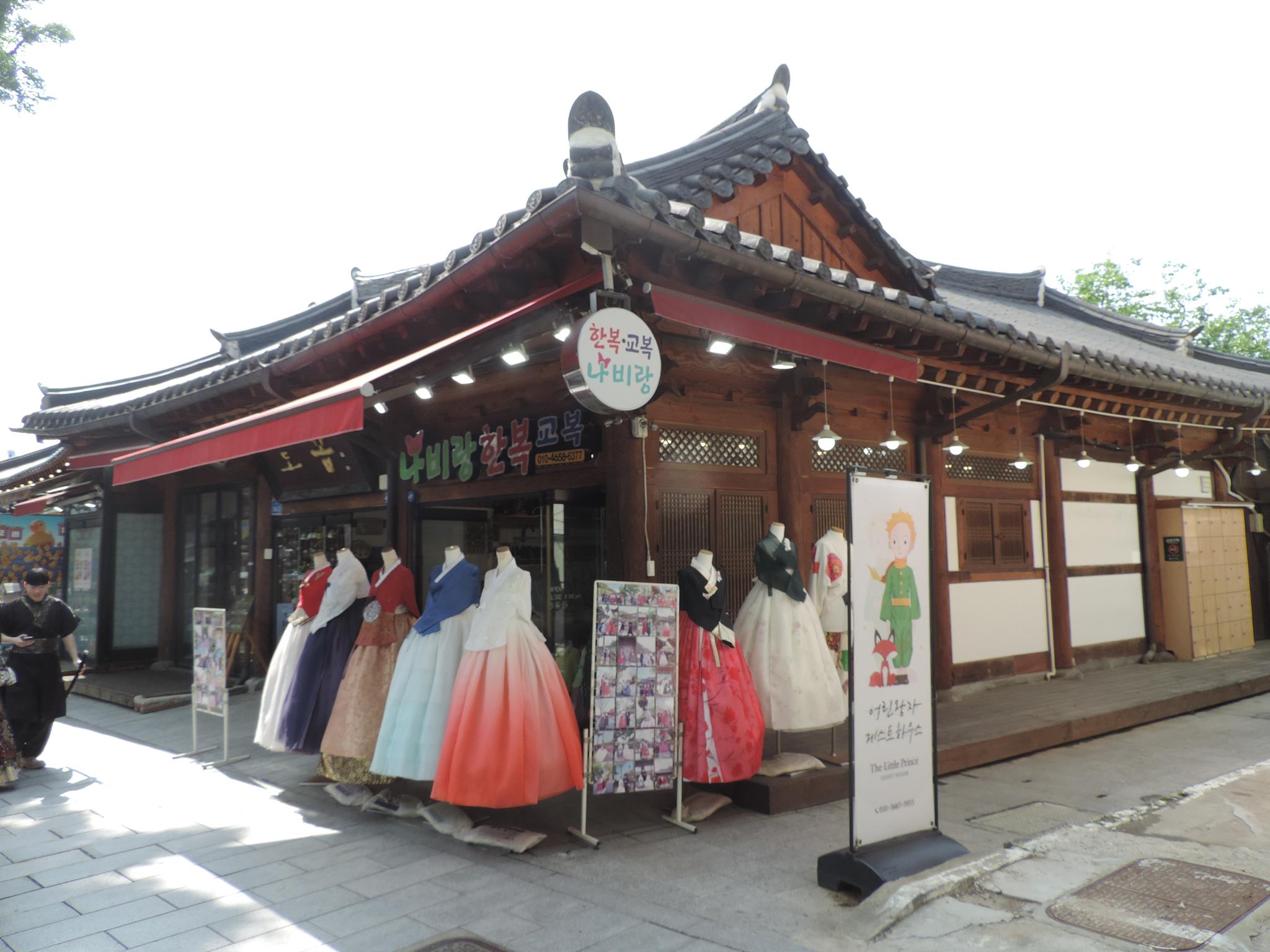
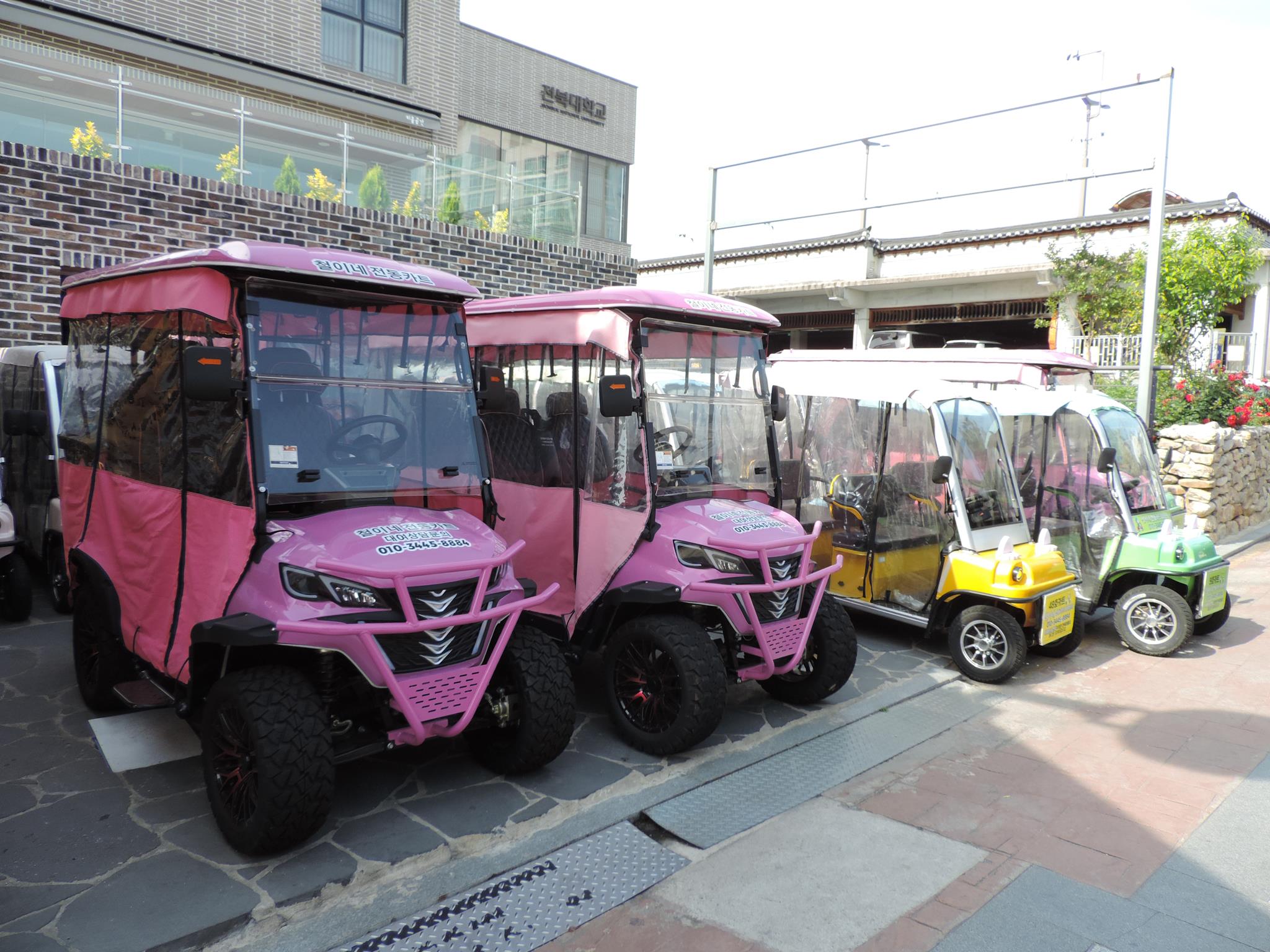
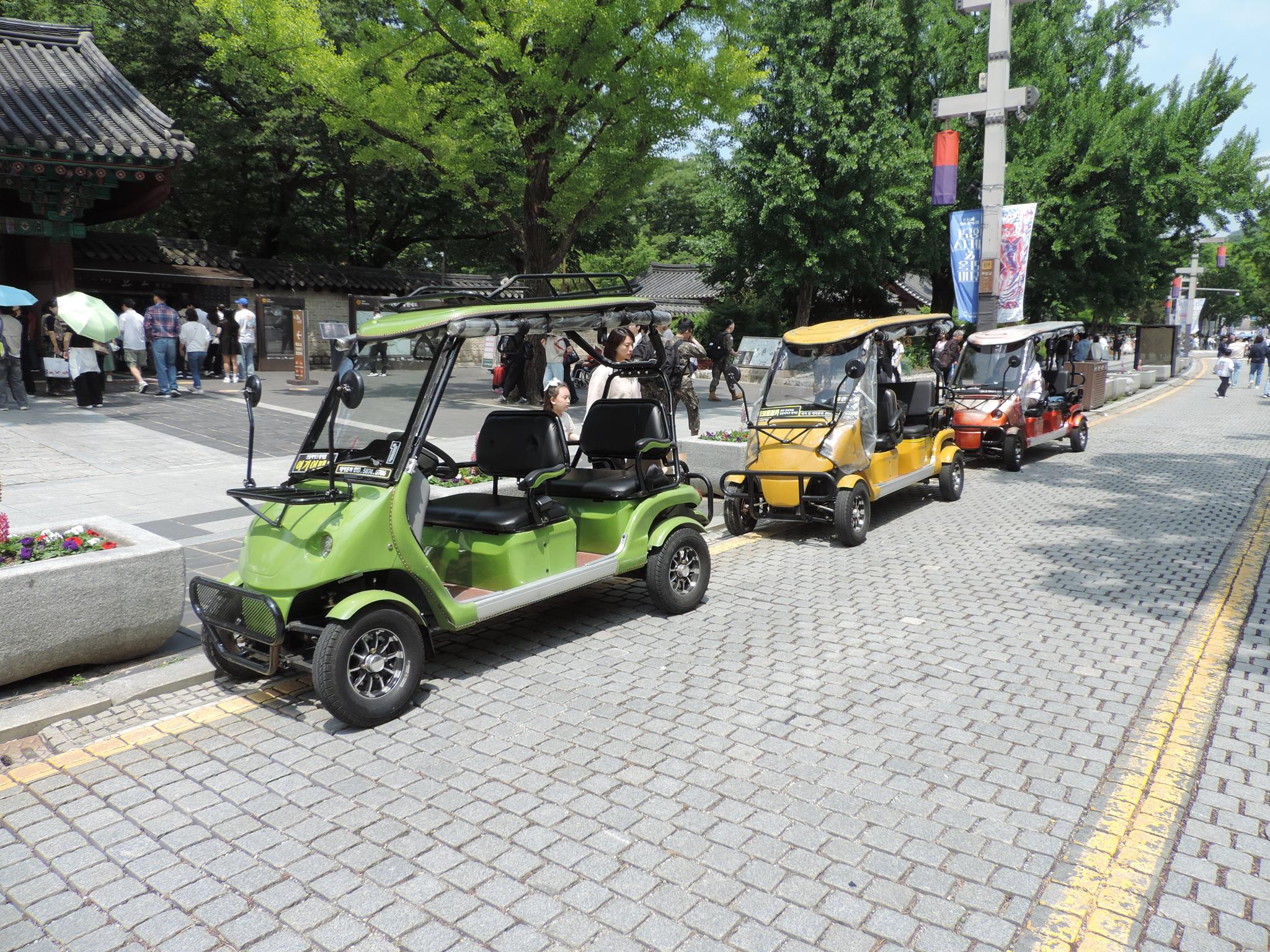
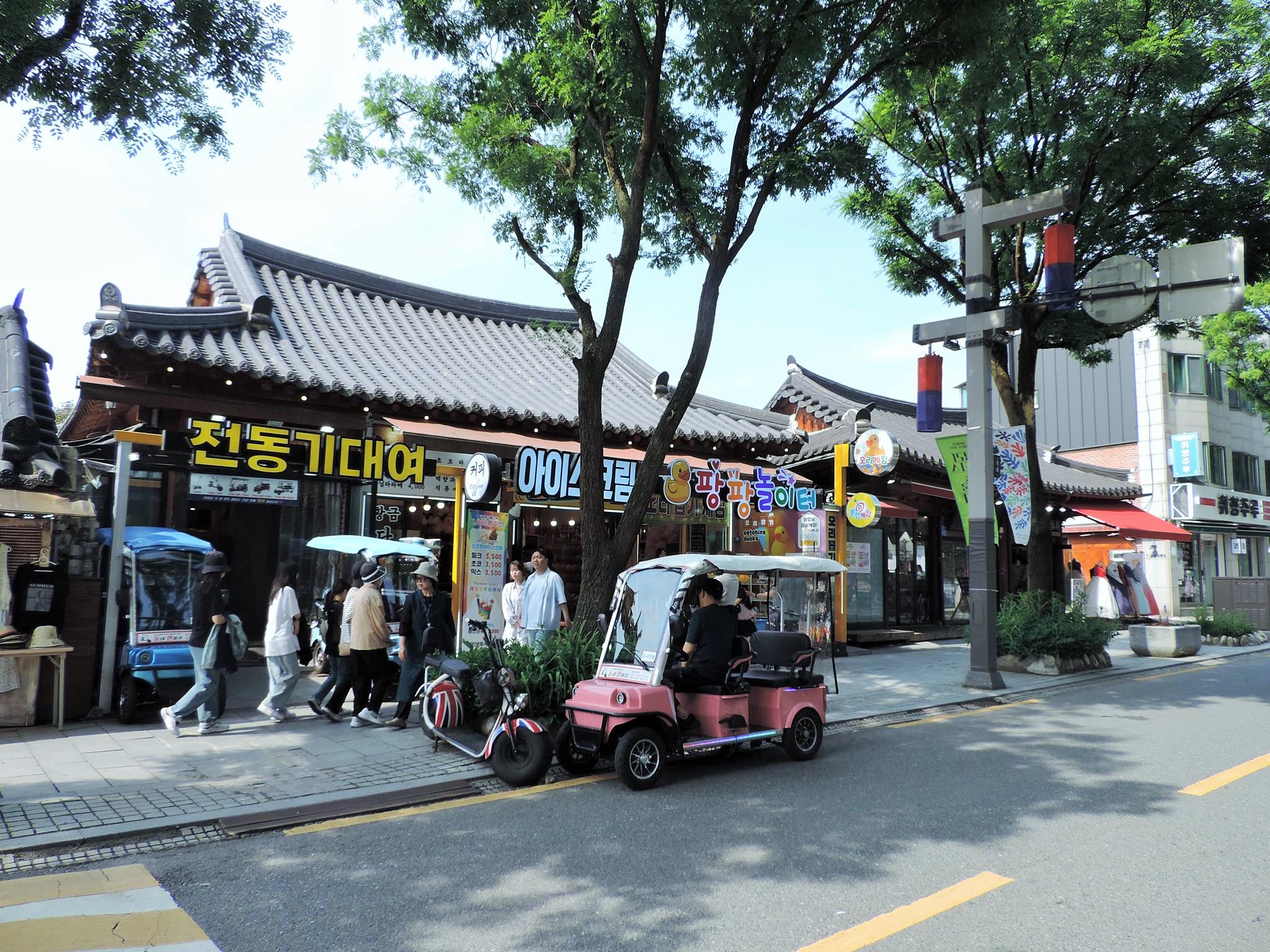
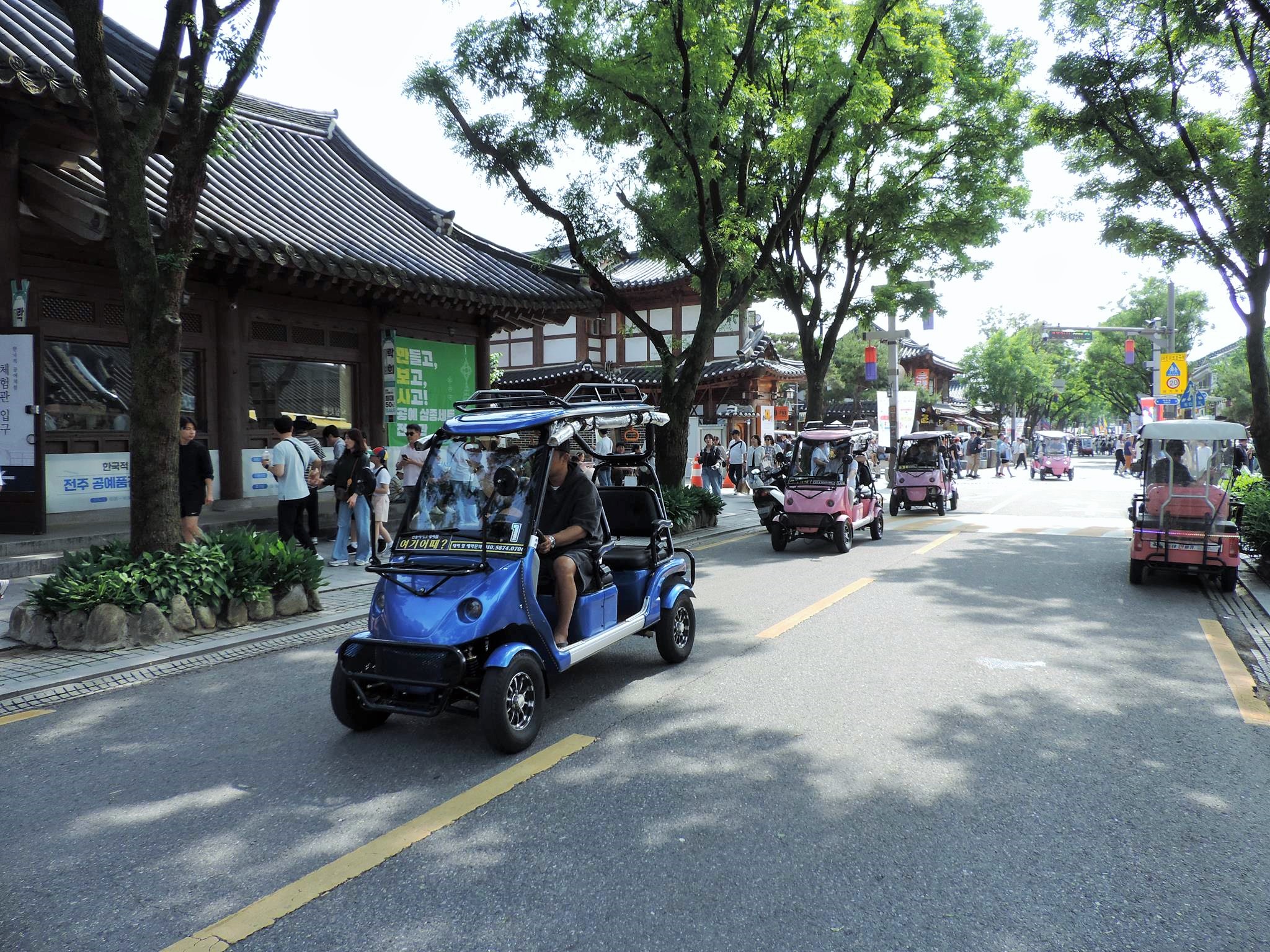
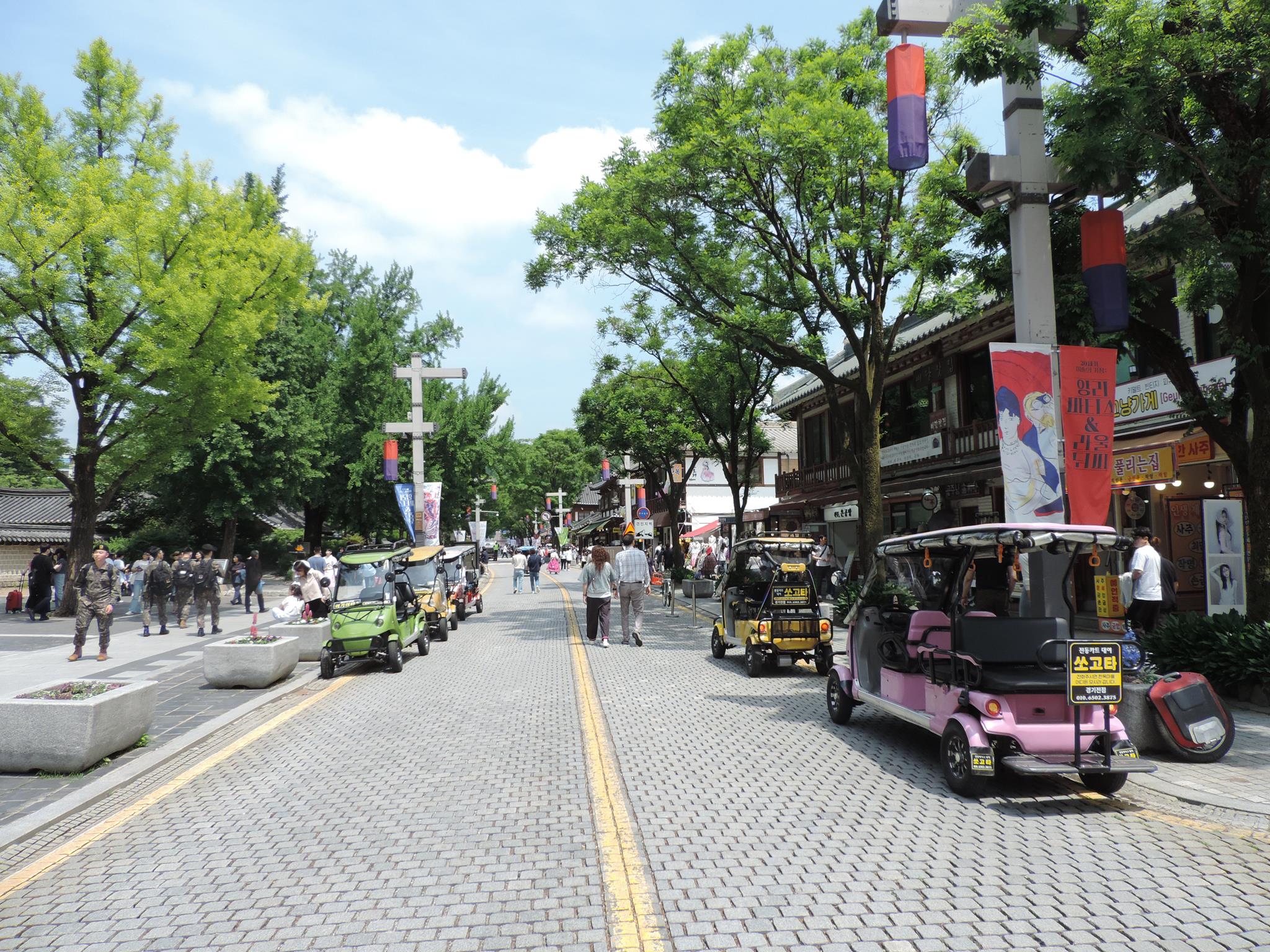
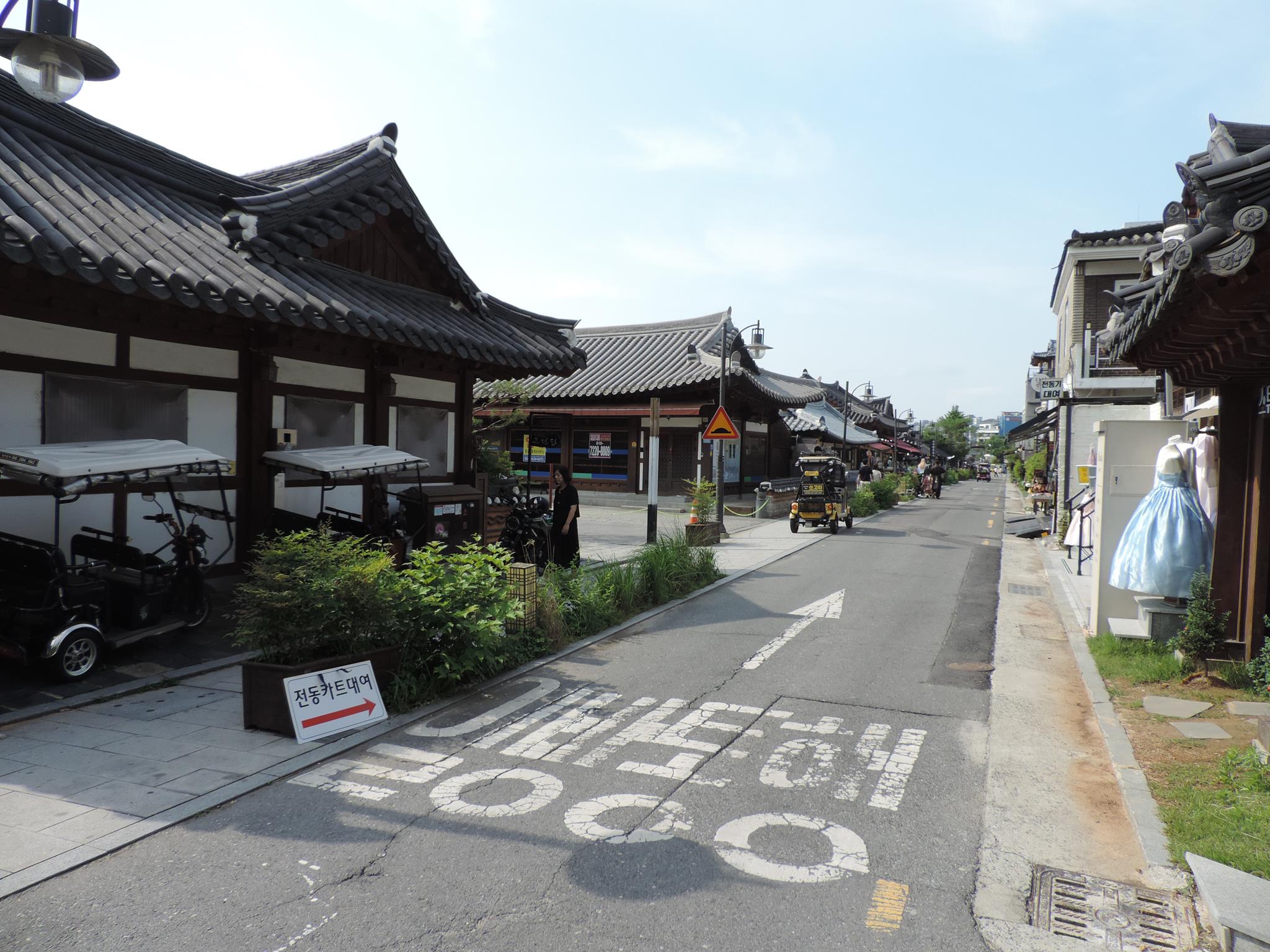
You can also rent a Club Car
Architecture & Street Life
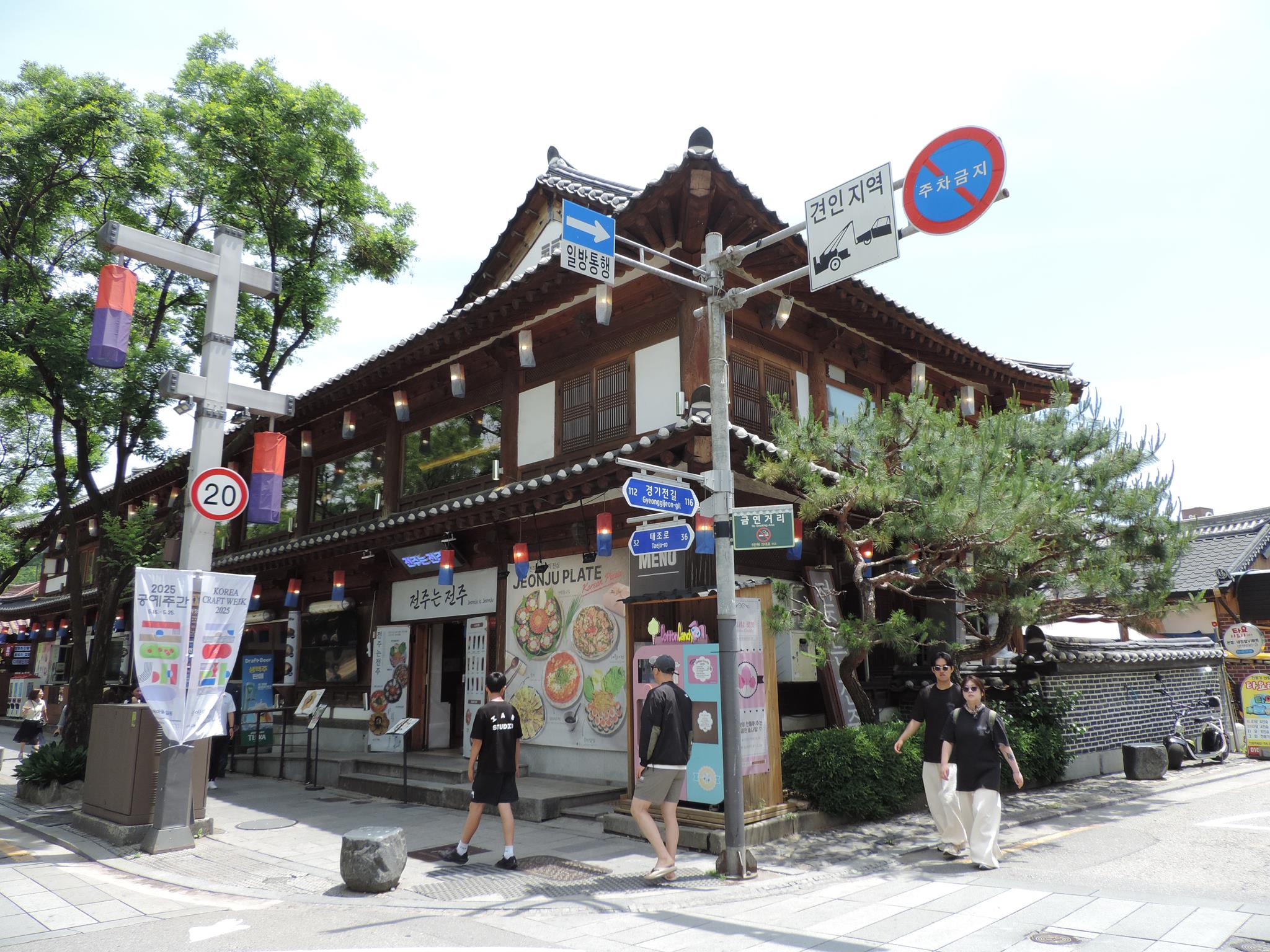
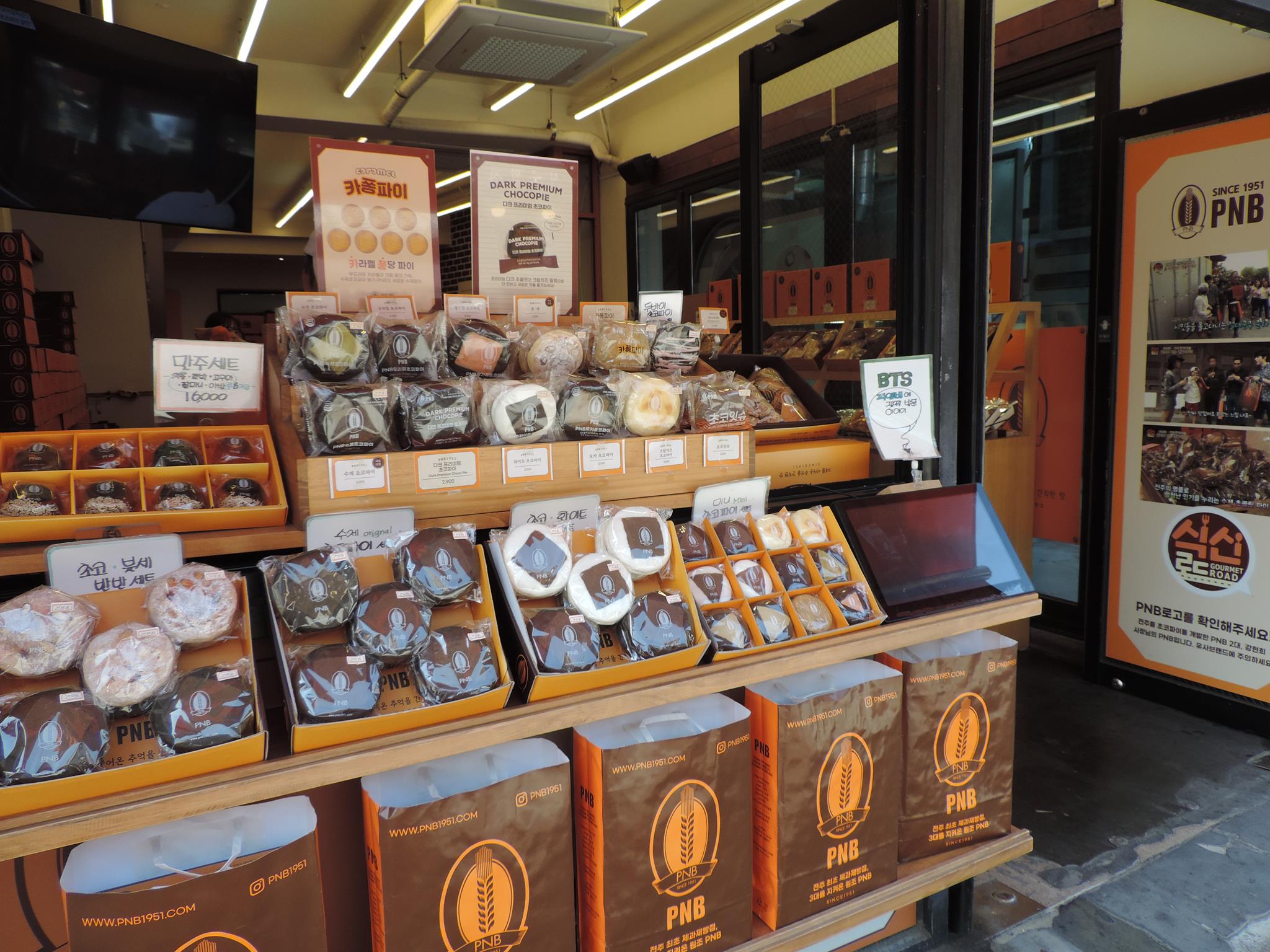
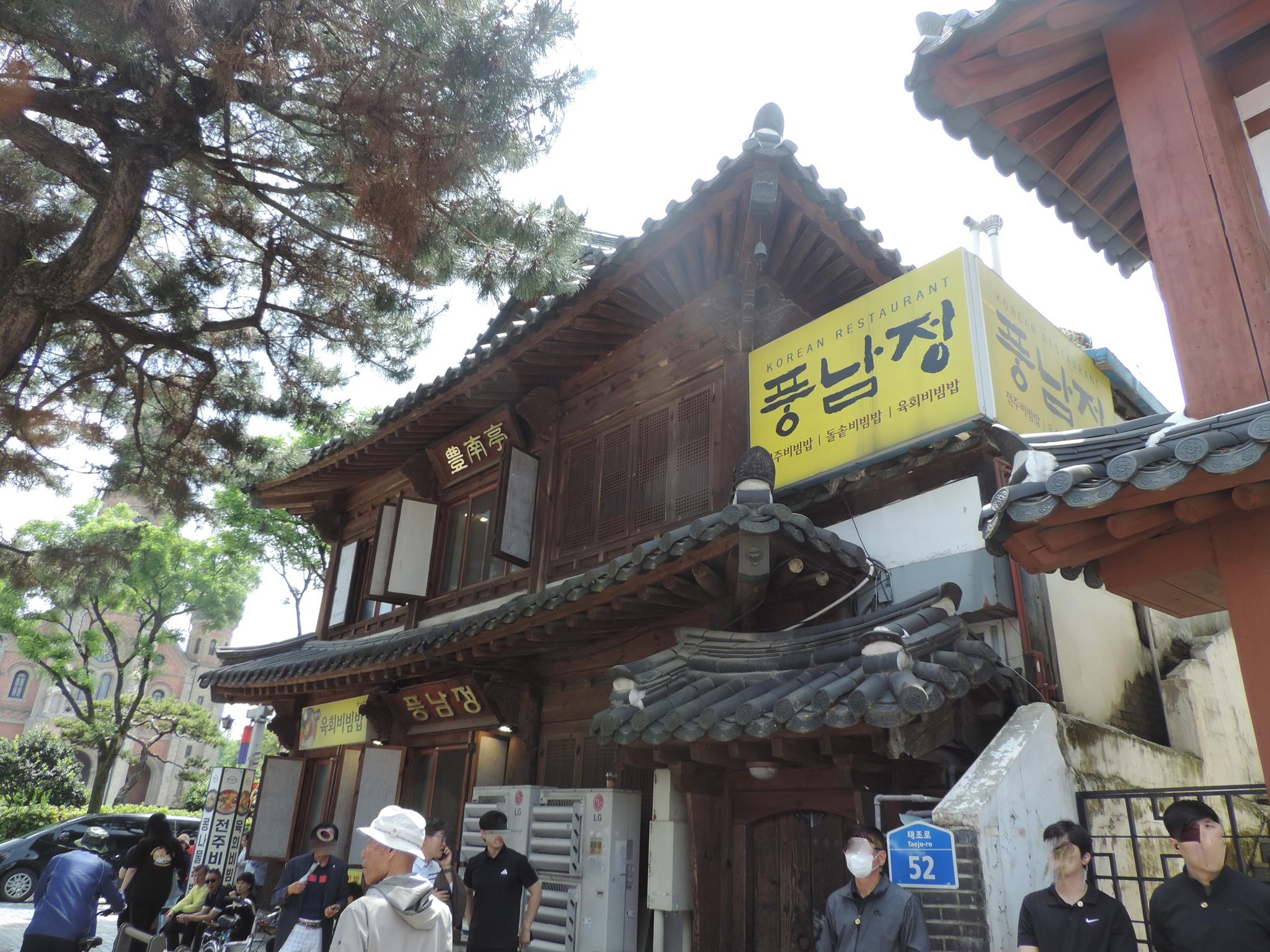
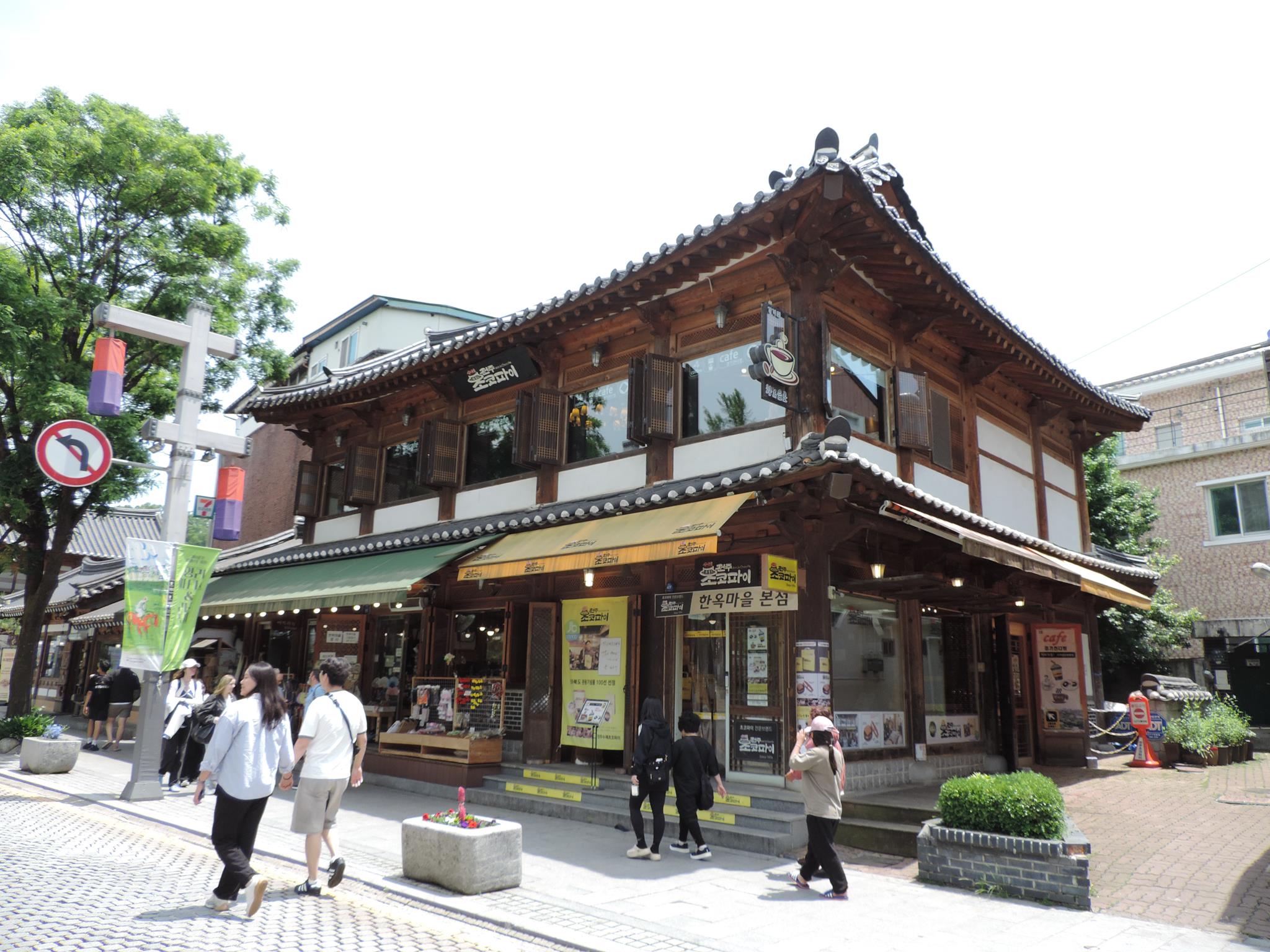
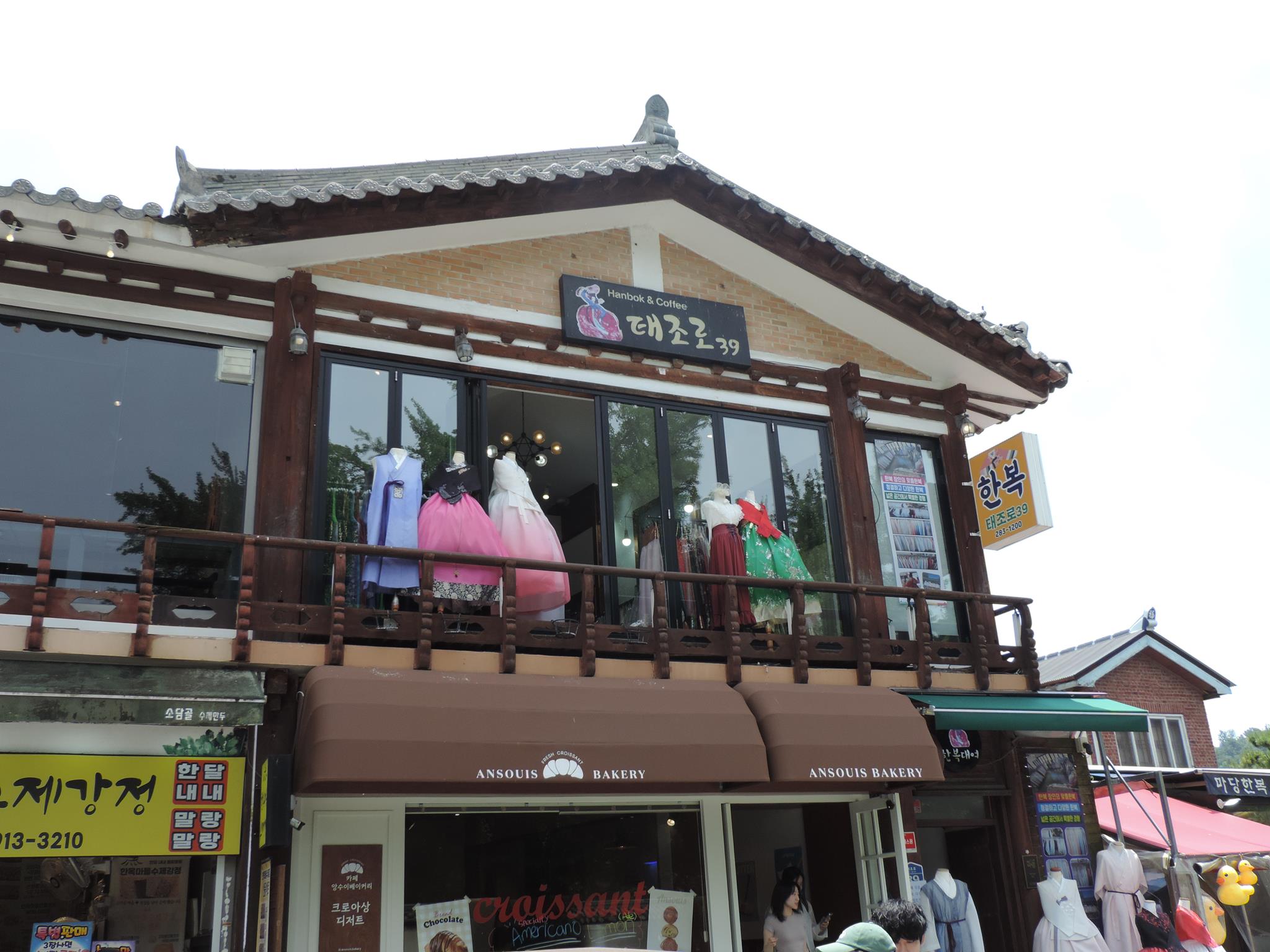
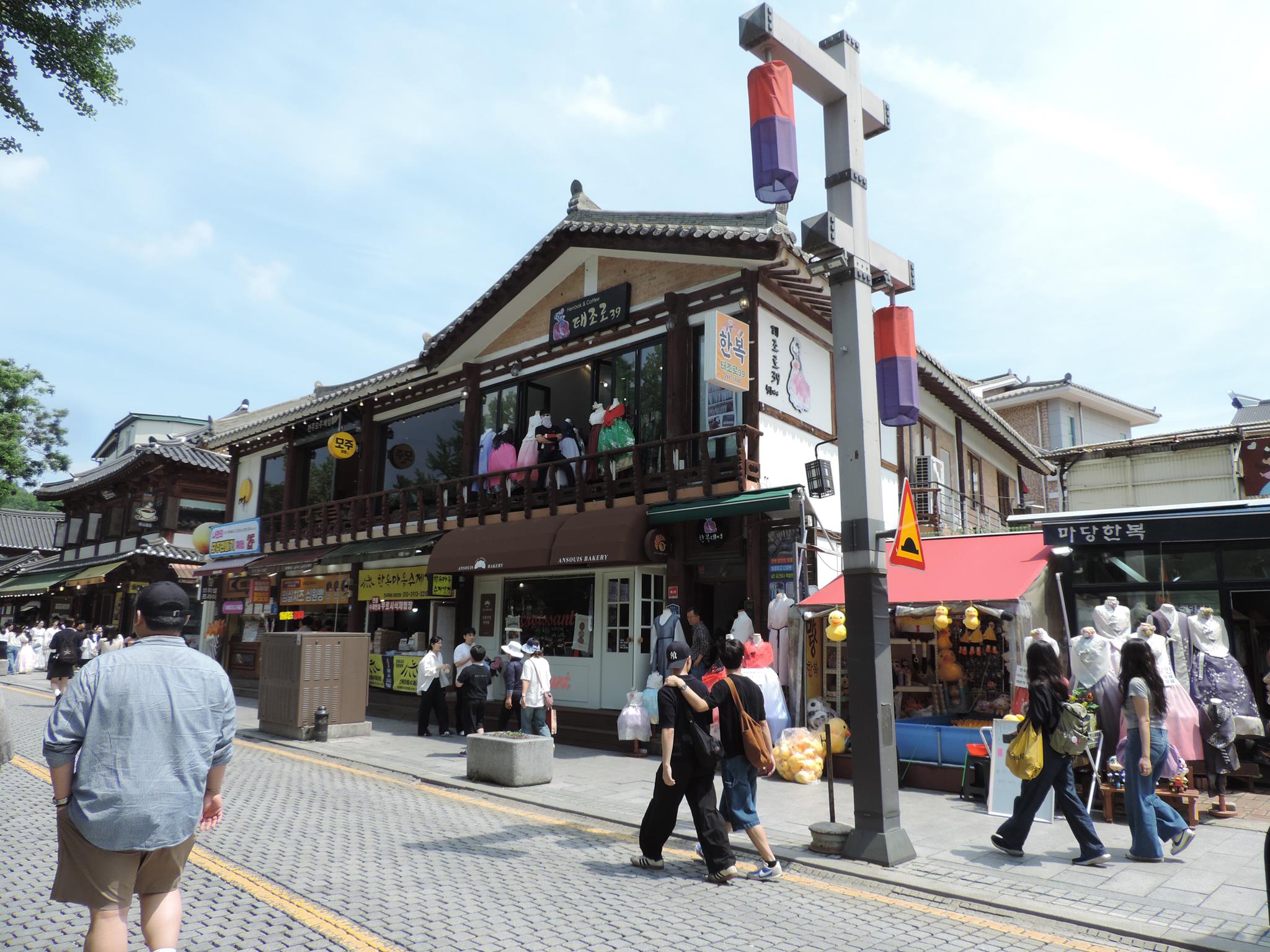
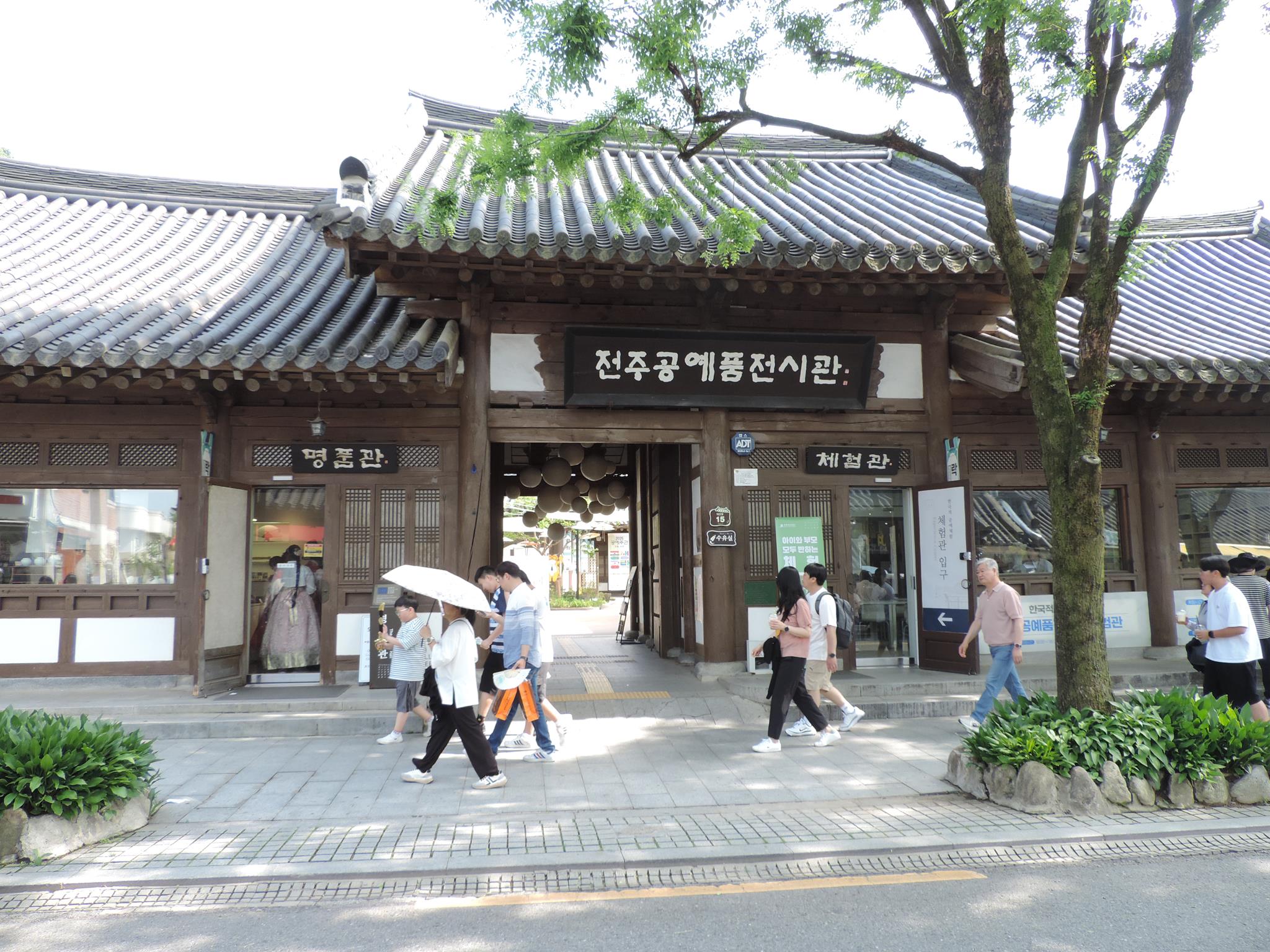
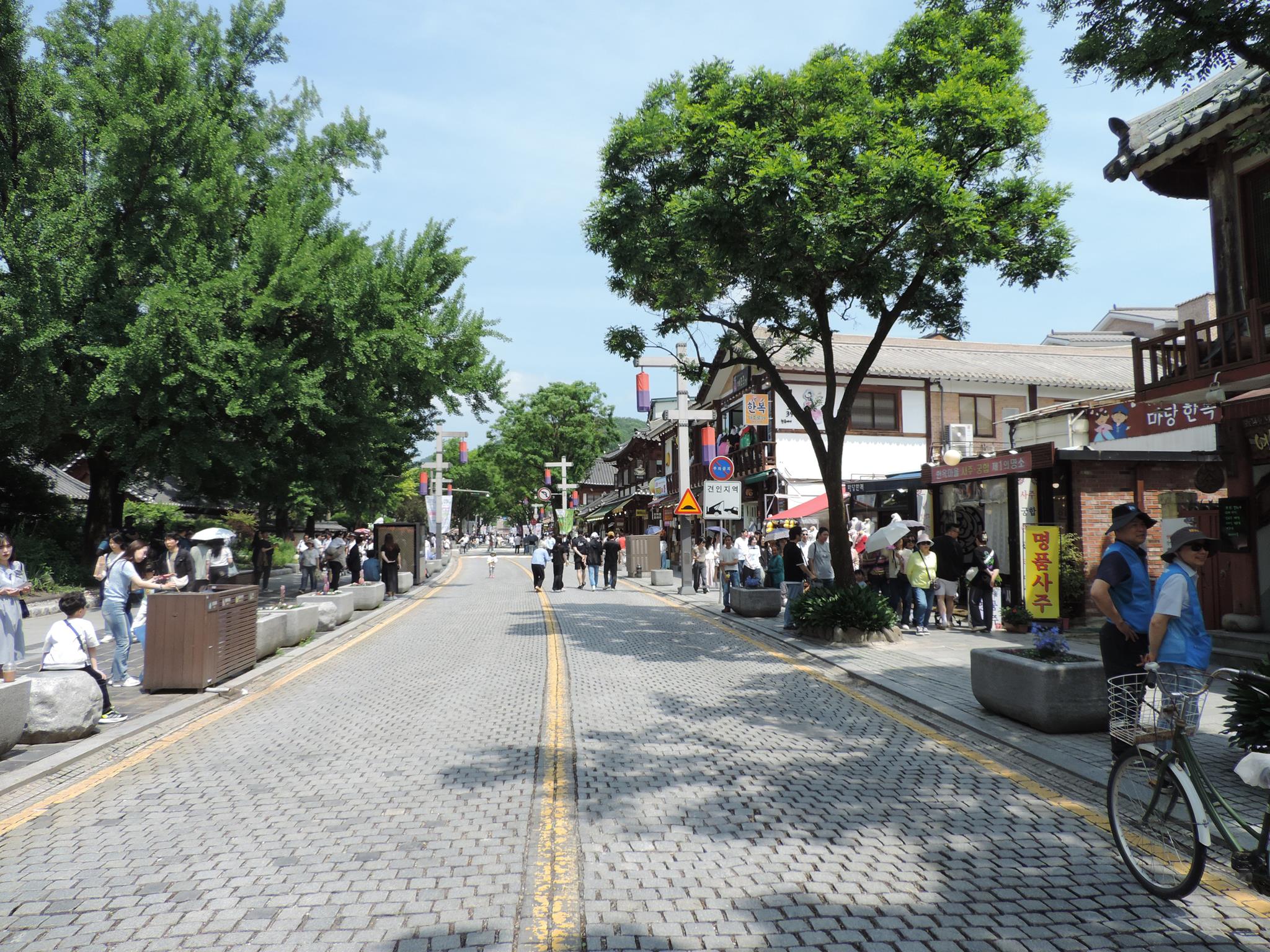
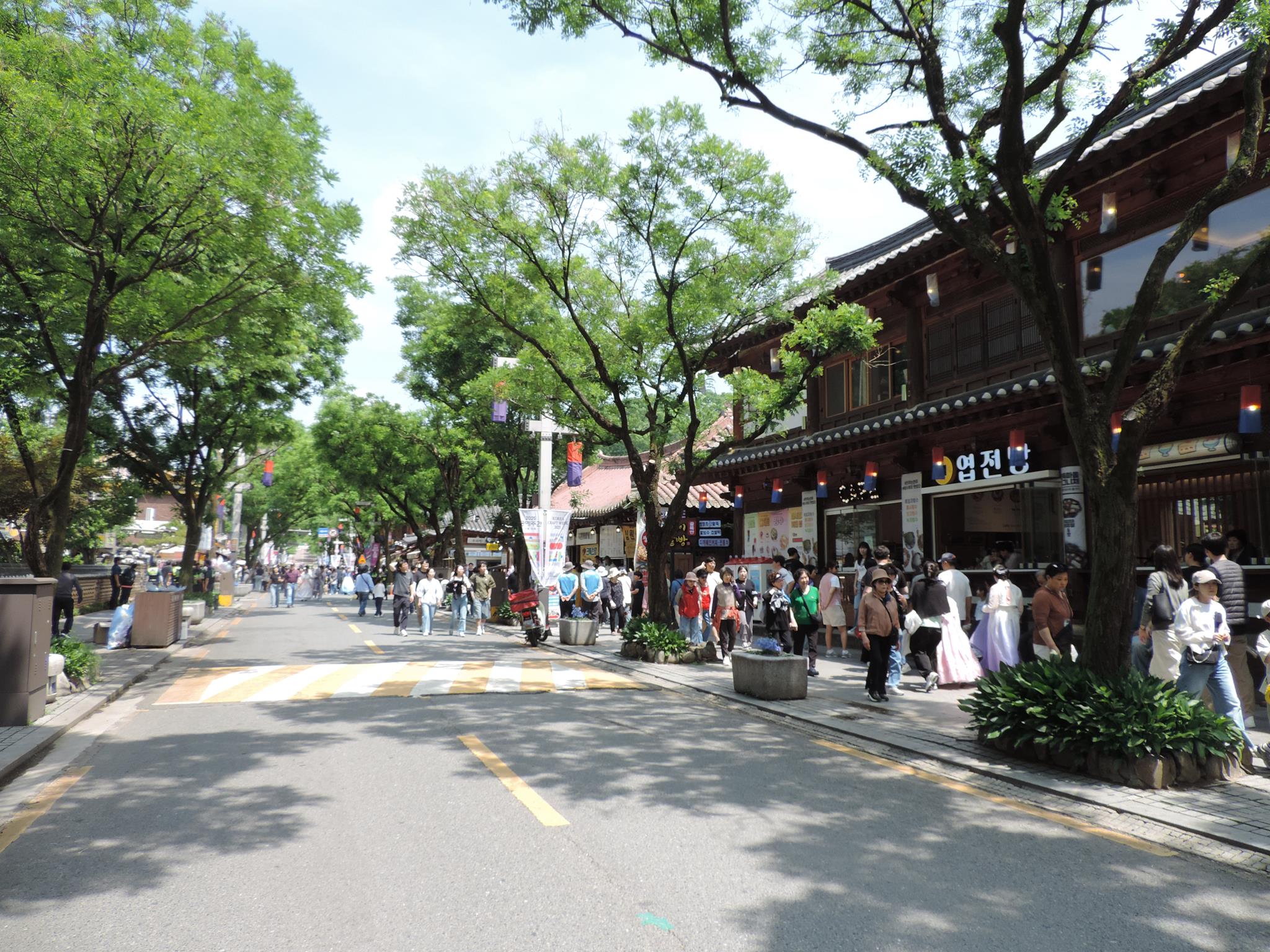
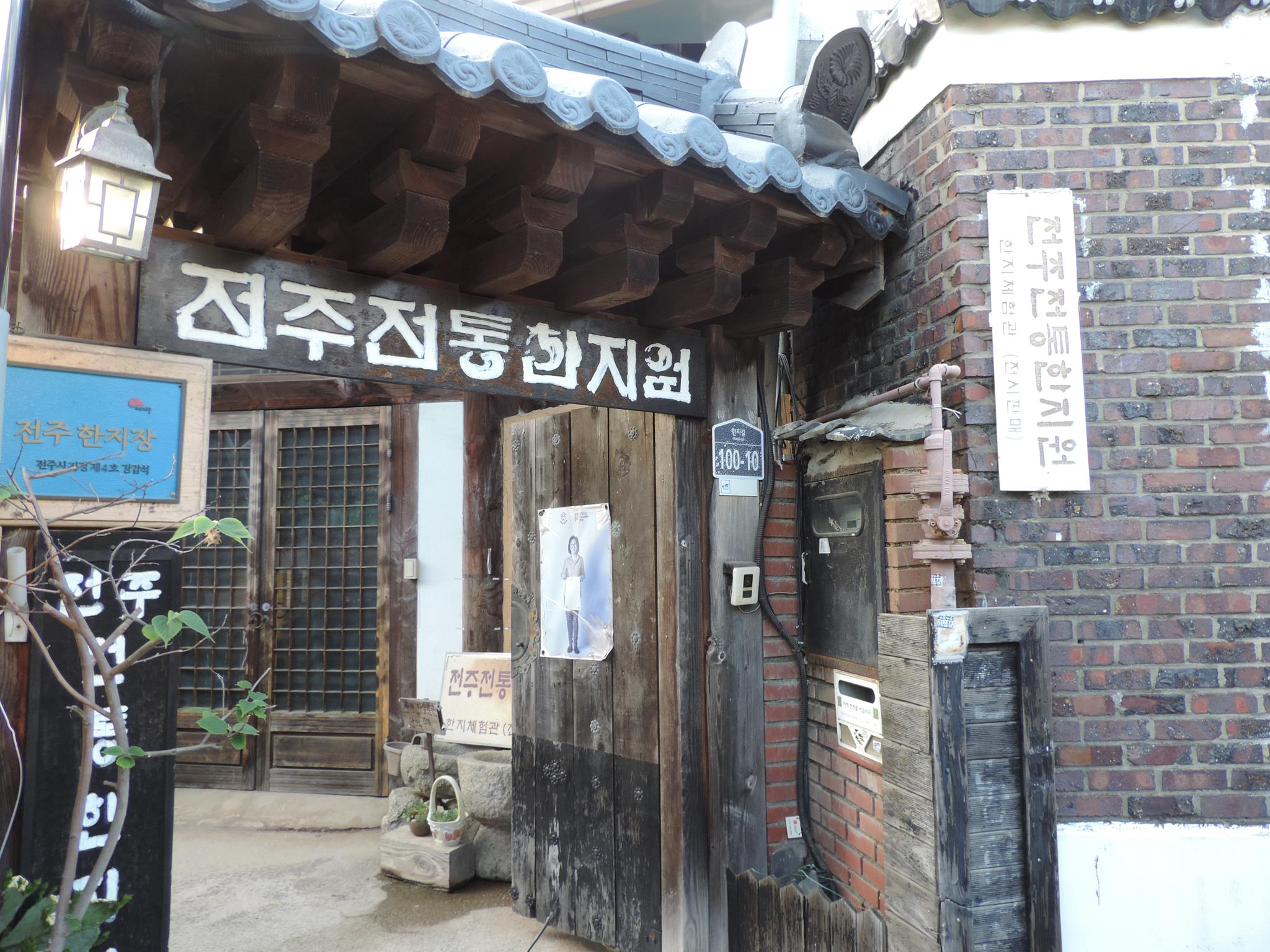
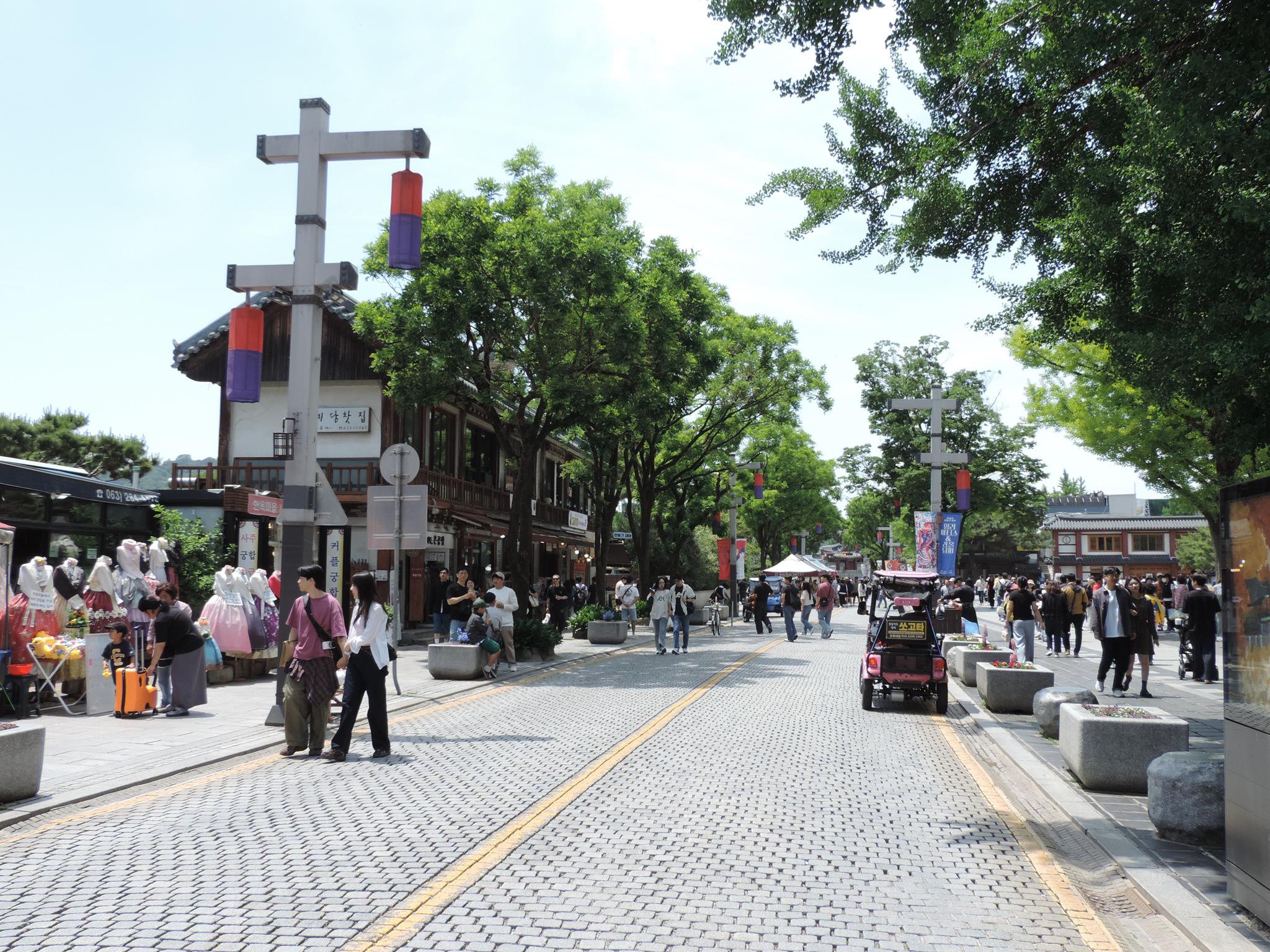
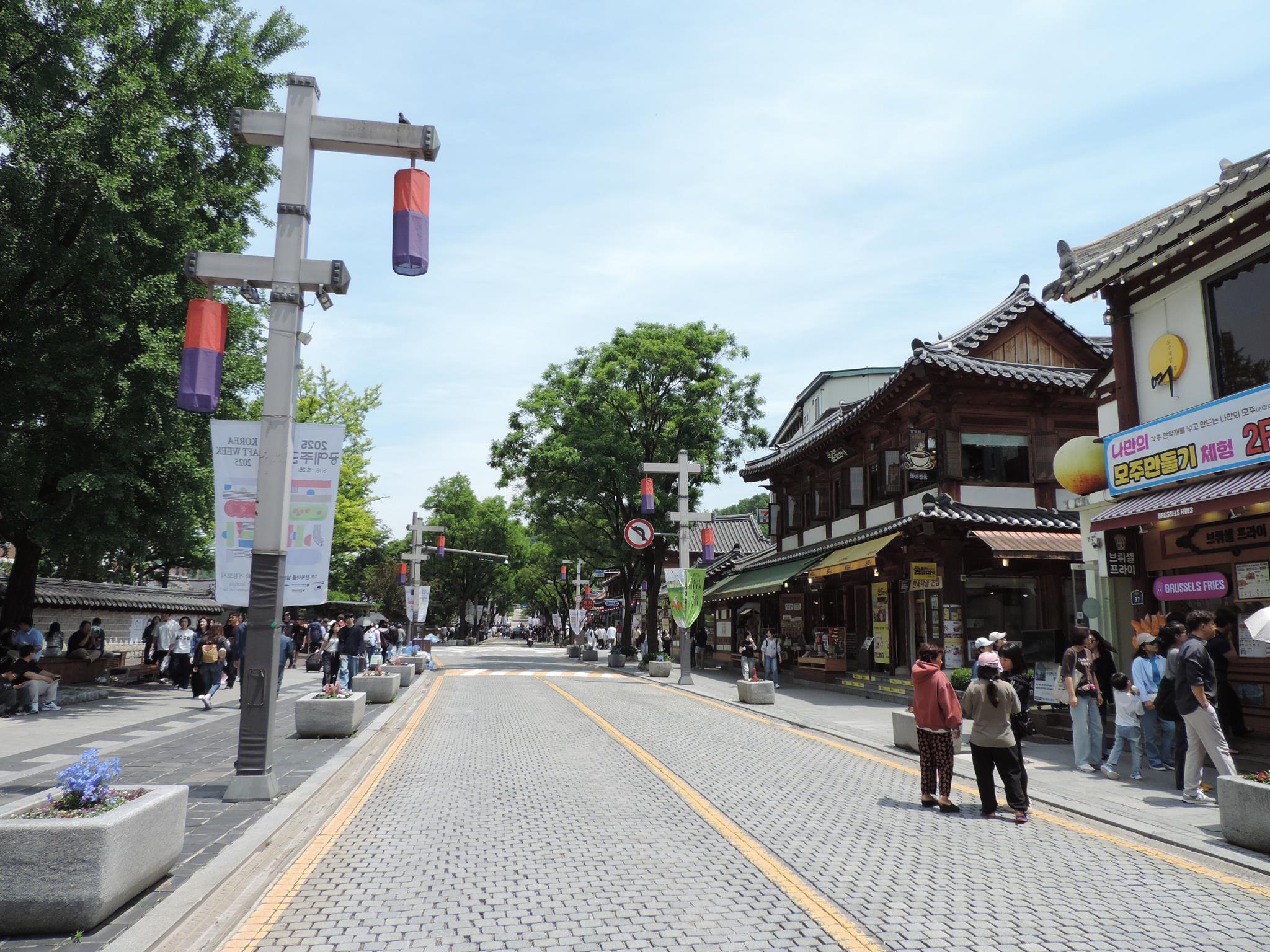
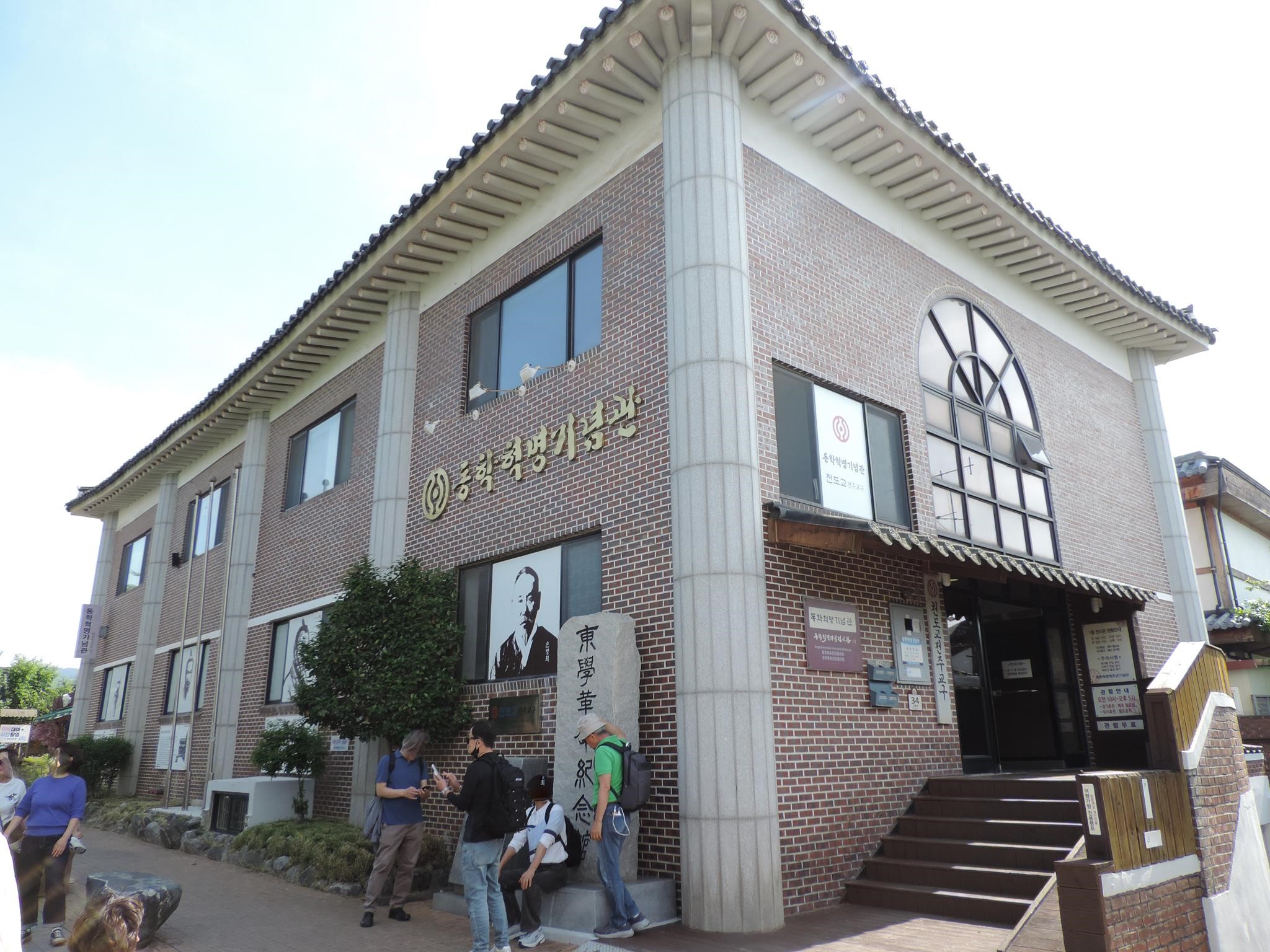
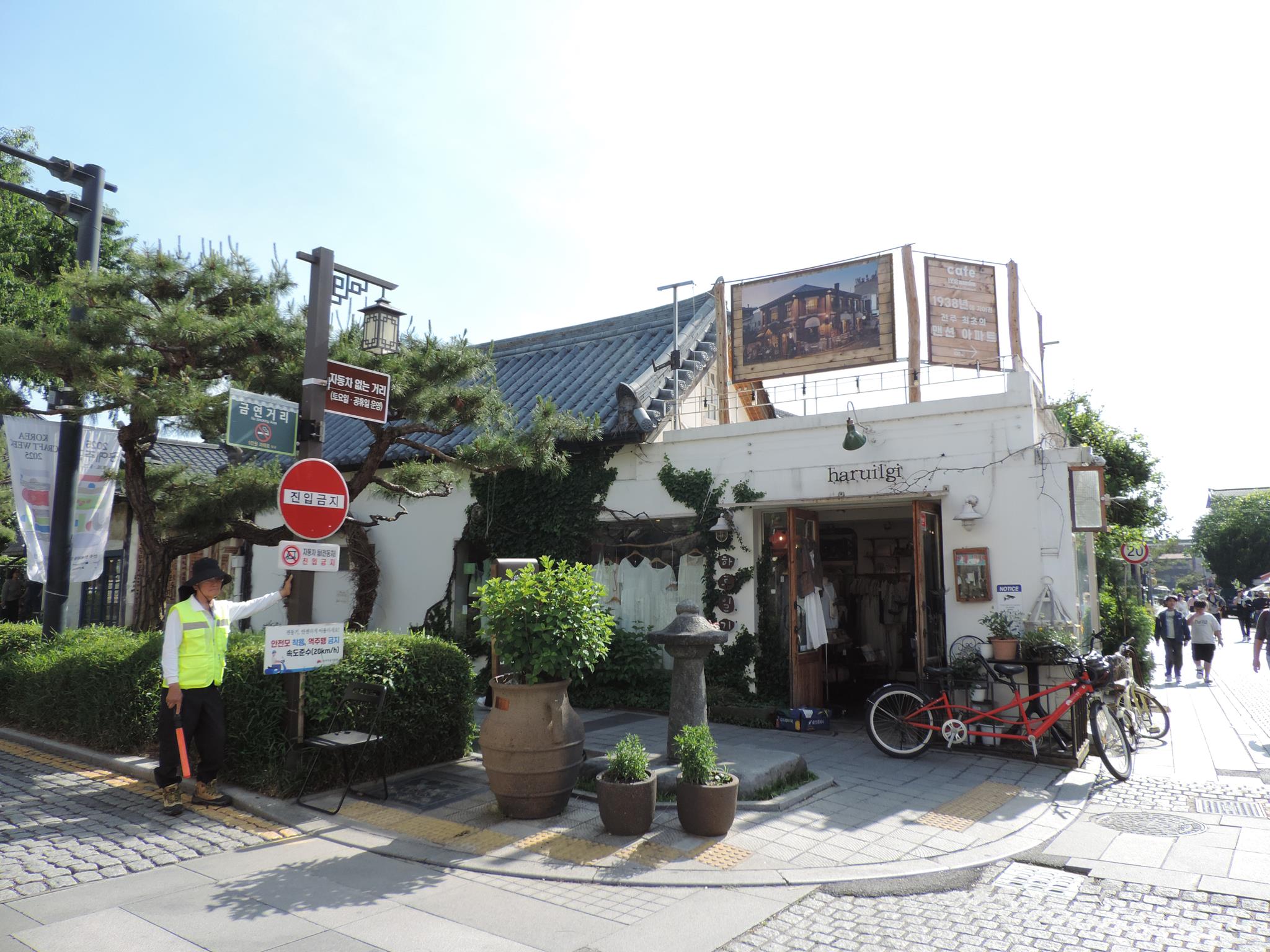
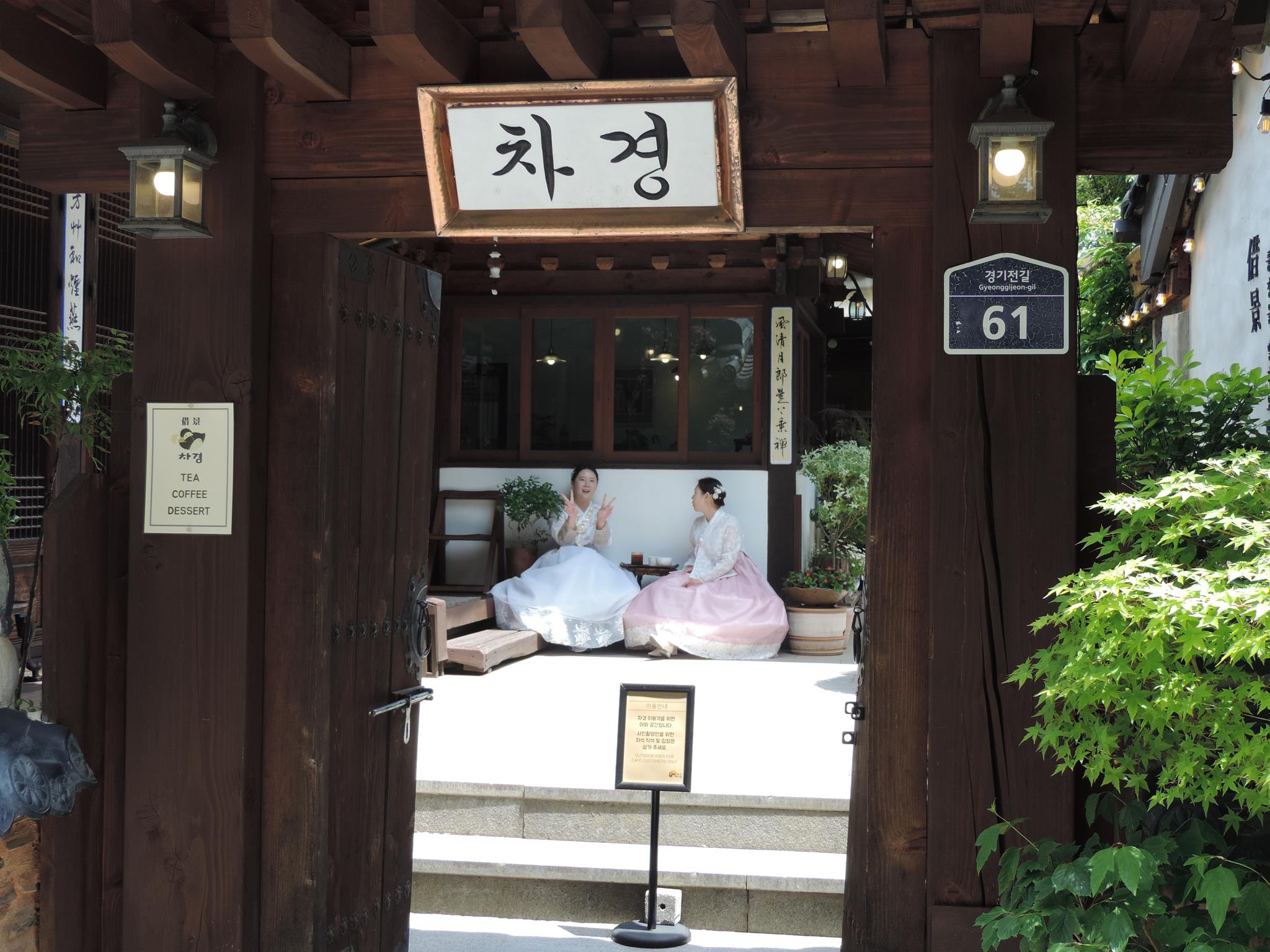
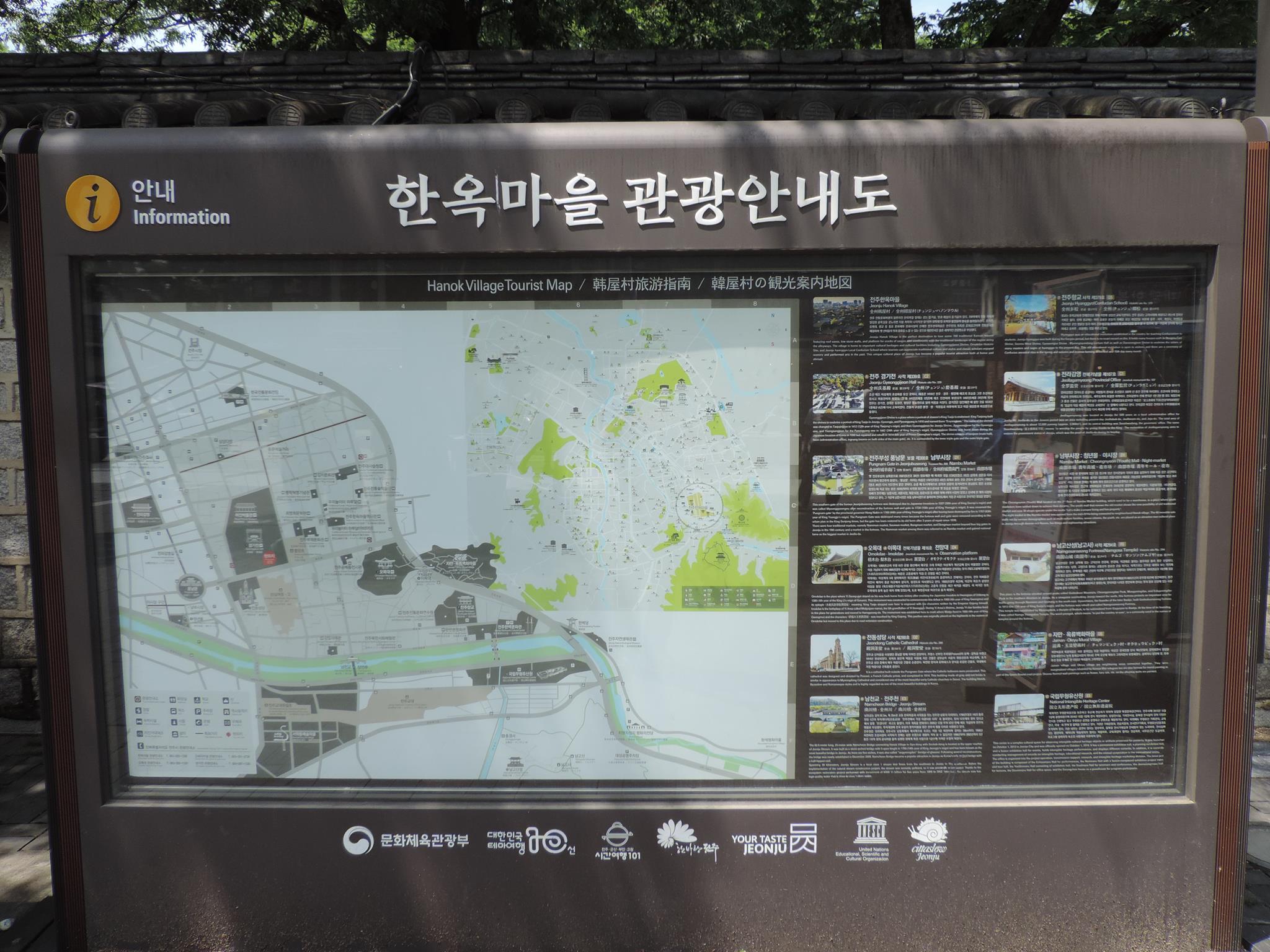
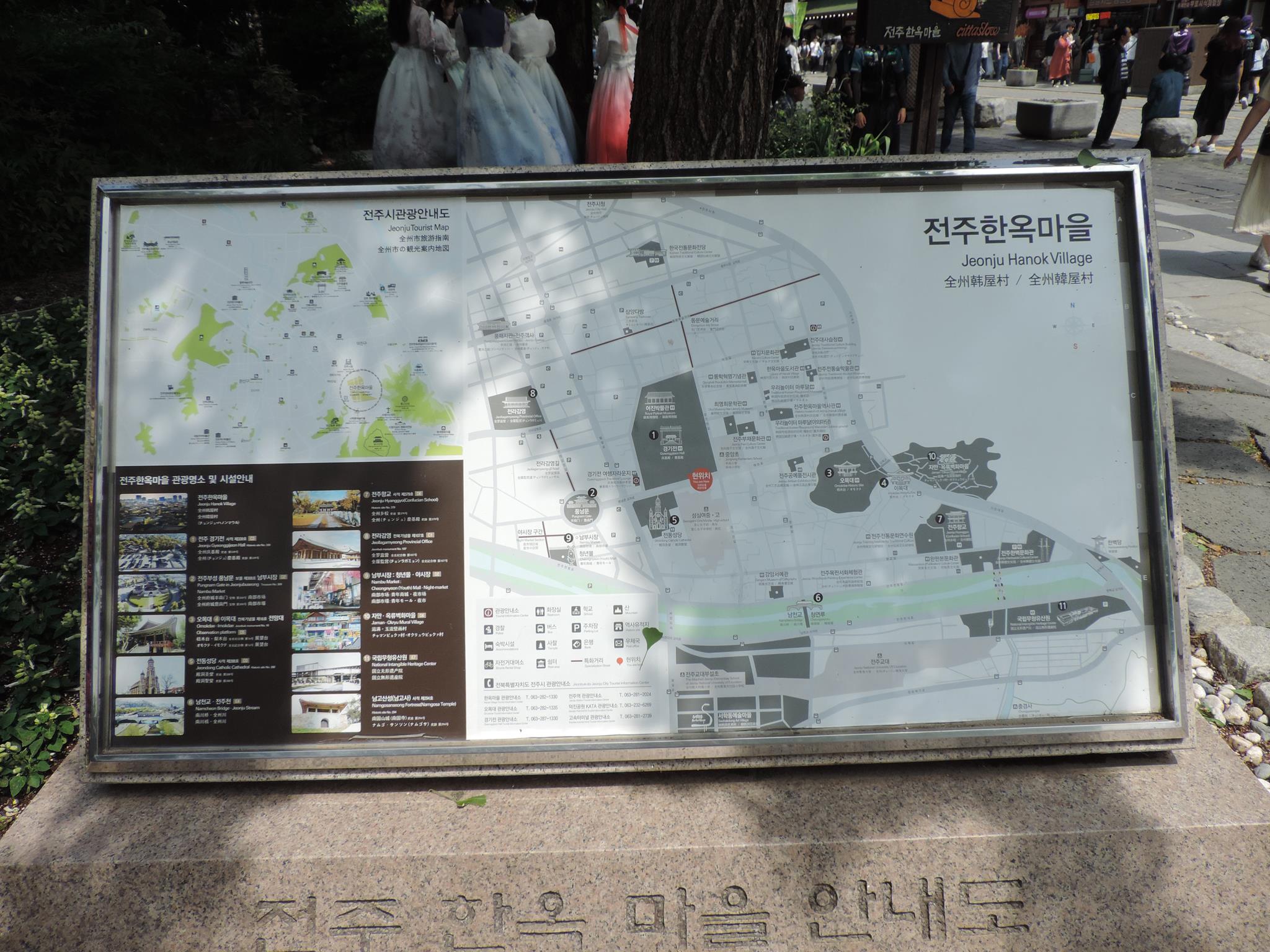
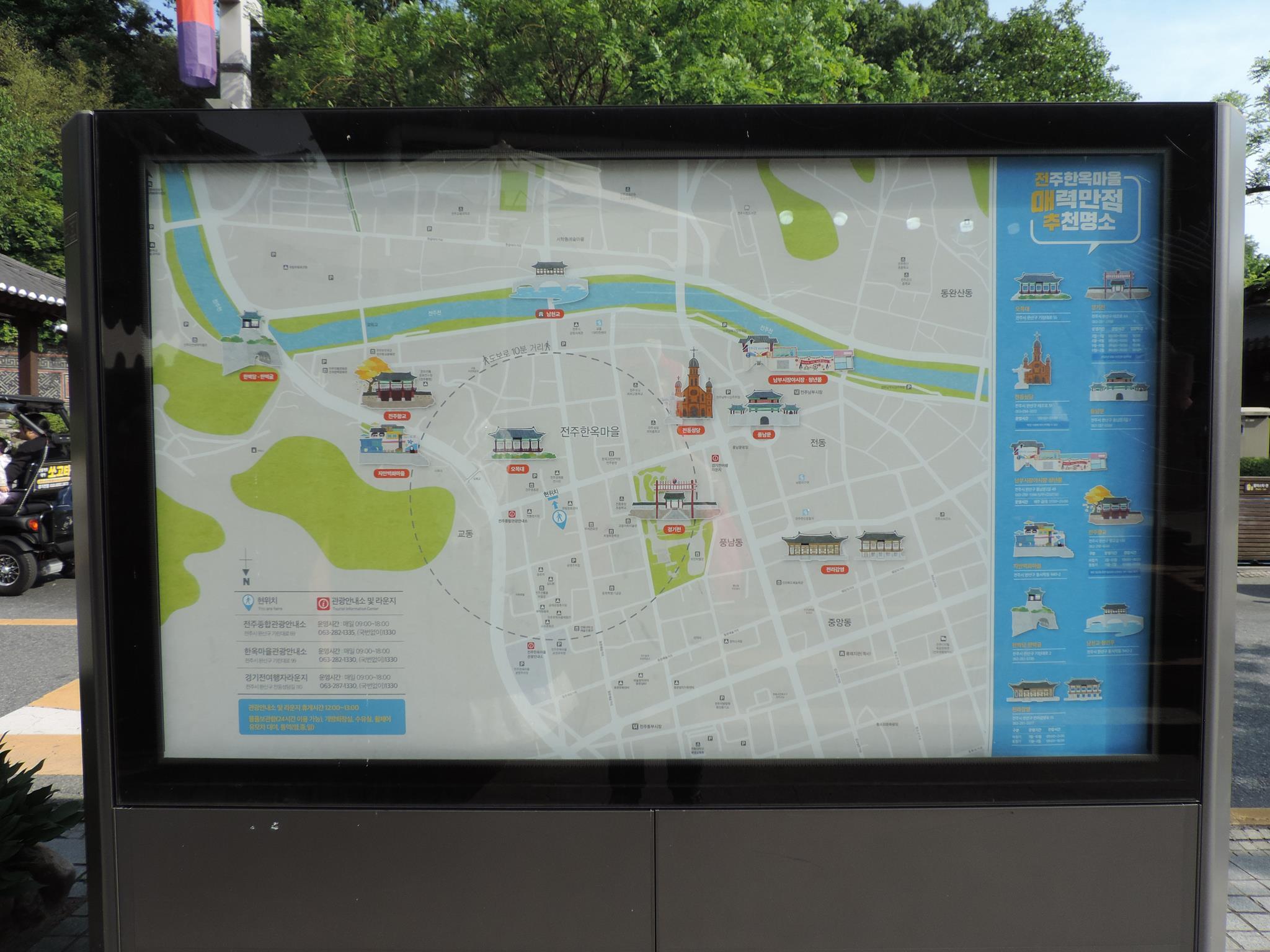
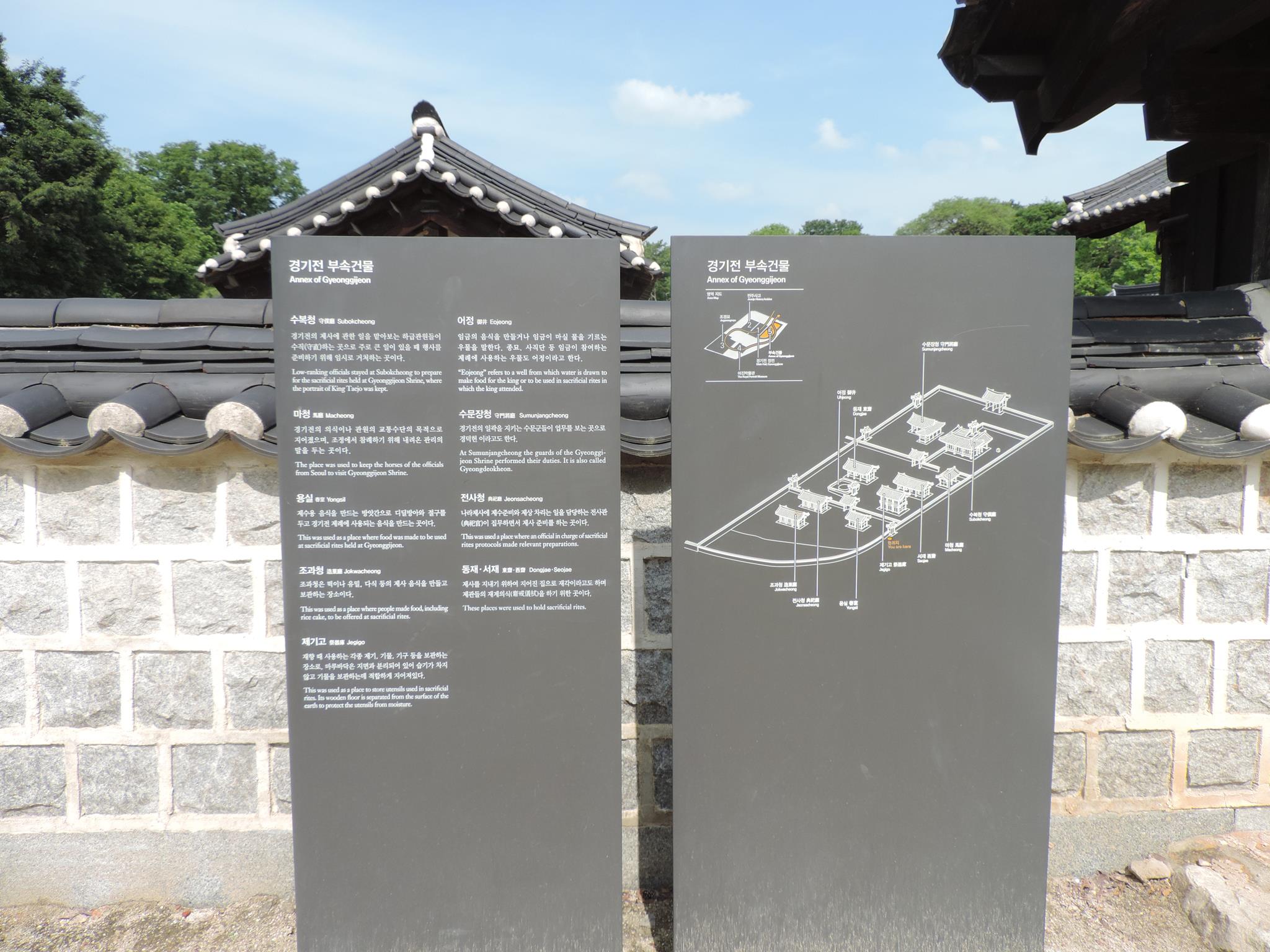
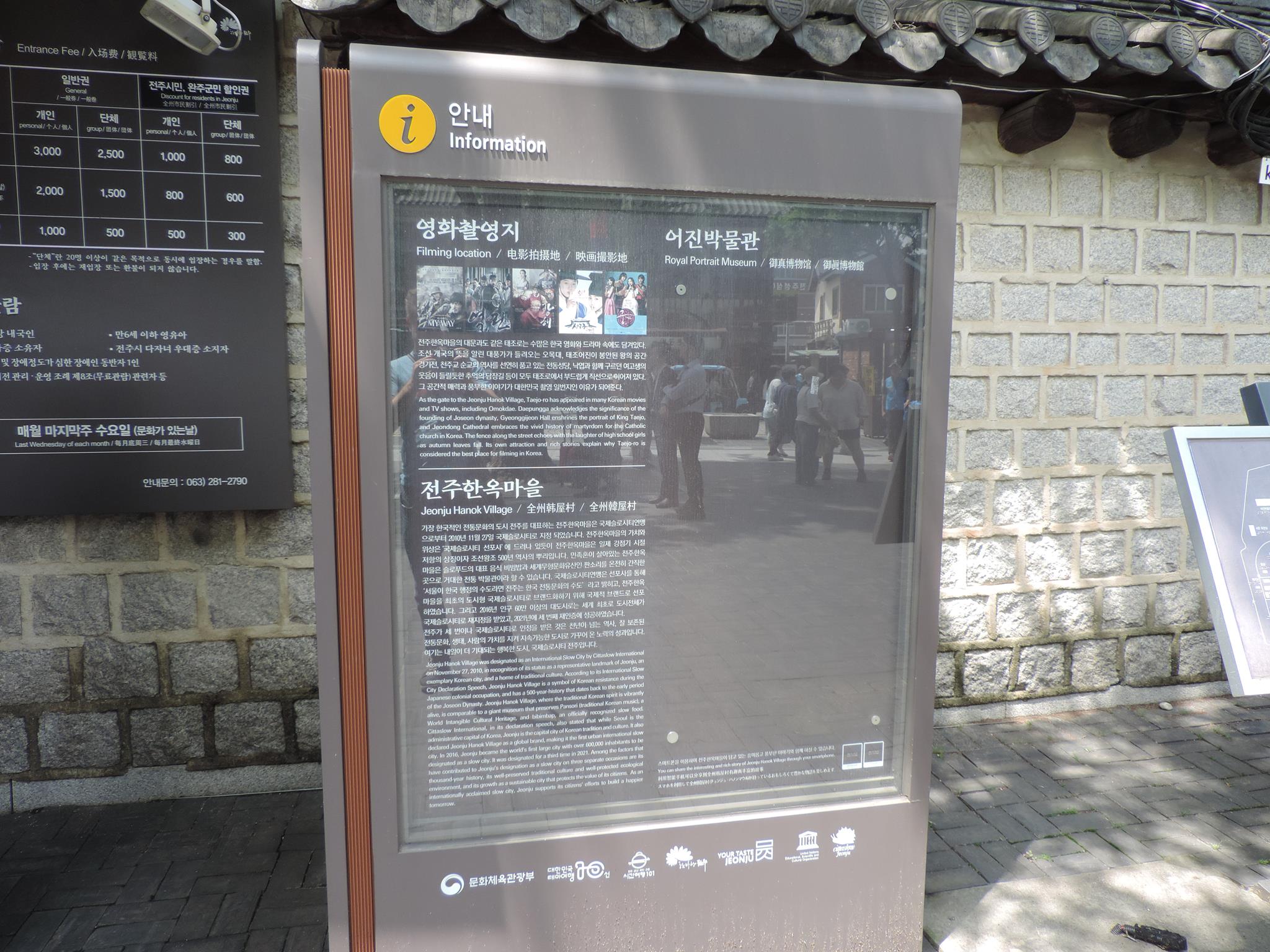
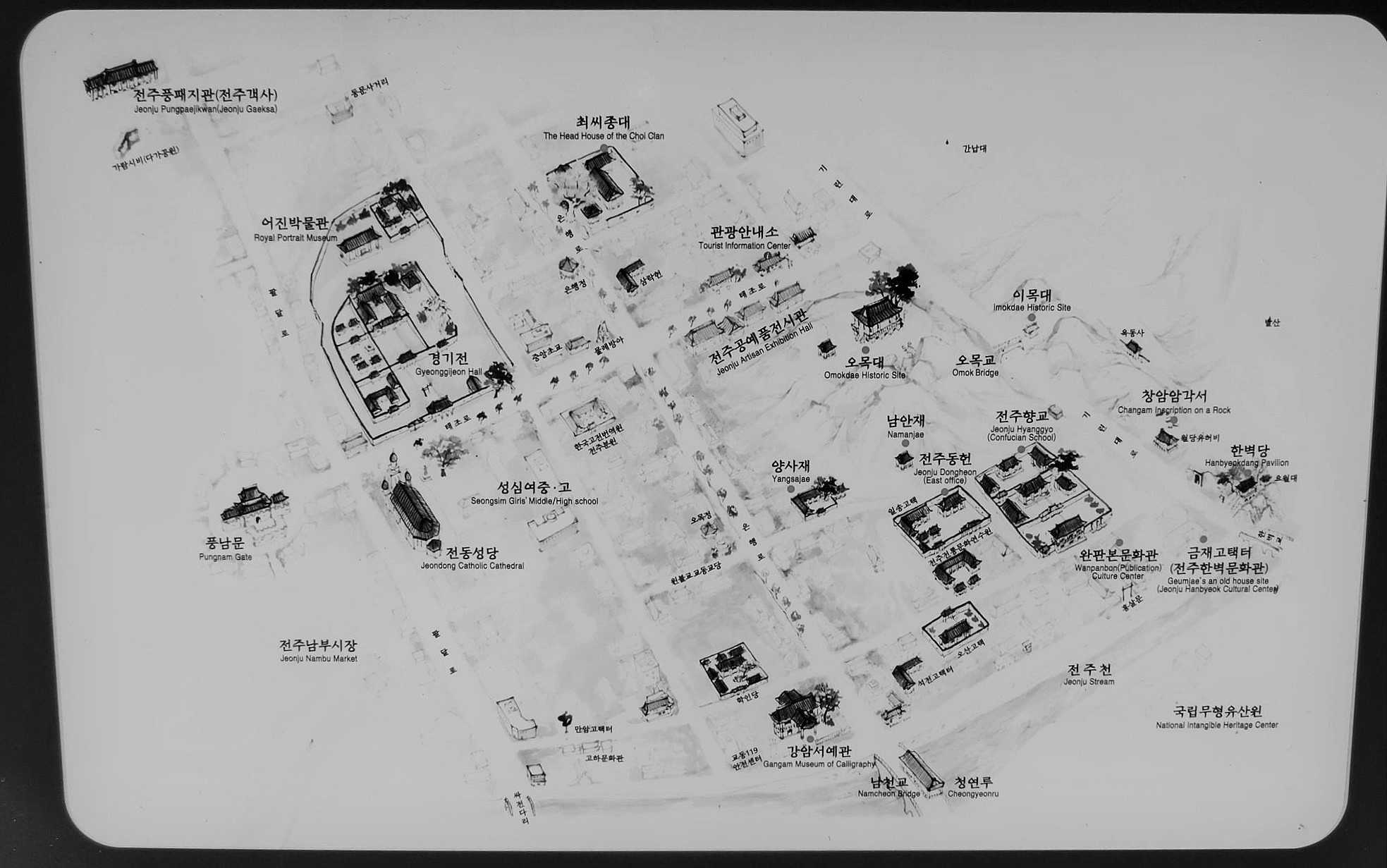
Information Boards & Hanok Village Maps

MORE ARTICLES ABOUT SOUTH KOREA
>>> Enigma13 – Graffiti Artist <<<
>>> Apgujeong Graffiti Tunnel <<<
>>> Sinchon Graffiti Tunnel <<<
>>> Goto Mall – 24 Hours Project <<<
>>> Banpo-daero – Picasso Tribute <<<
>>> Haeundae Sand Festival <<<
>>> Dashi Rock Media Festival <<<
>>> Gallery Square Art Academy <<<
>>> Monolugar Graffiti Hall <<<
>>> Jeonju – Streetart & Graffiti <<<
>>> Hongik Streetart & Graffiti <<<
>>> Wausan Streetart Wall <<<
>>> Suwon – Streetart & Graffiti <<<
>>> Paju – Streetart & Graffiti <<<
>>> Daegu – Muhak Art Alleys <<<
>>> Daegu – Streetart Jung-gu <<<
>>> Daegu – Streetart Nam-gu <<<
>>> Daegu – Streetart Suseong-gu <<<
>>> Goyang – Streetart & Graffiti <<<
>>> Motomall Graffiti Wall <<<
>>> Hong Jonggi – VØID Gallery <<<
>>> Toon Topia Exhibition <<<
>>> Cuma Chosun Exhibition <<<
>>> Jaman Mural Village <<<
>>> Ihwa Mural Village <<<
>>> Gamcheon Mural Village <<<
>>> Gwangju Art Street <<<
>>> Itaewon – Streetart <<<
>>> Itaewon – Graffiti <<<
>>> Baegun Streetart Wall <<<
>>> Sillim River Streetart <<<
>>> Nambusunhwan Urban Art <<<
>>> Imjingak DMZ Streetart <<<
>>> Hongdae Red Road <<<
>>> Red Road Tiles Project <<<
>>> Itaewon „Hello“ Series <<<
>>> Songhyeon Sculpture Park <<<
>>> Uijeongbuji Sculpture Park <<<
>>> Museum of Craft Arts <<<
>>> Busan Sculpture Gallery <<<
>>> Daegu Sculpture Gallery <<<
>>> Gwangju Sculpture Gallery <<<
>>> Haeundae Sculpture Gallery <<<
>>> Jeonju Hanok Village <<<
>>> Imjingak DMZ Memorials <<<
>>> Pyeonghwa Nuri Sculptures <<<
>>> Seoul Sculpture Gallery <<<
>>> Suwon Sculpture Gallery <<<
>>> Gyo-Dong Kidult Figures <<<
>>> Stella Lucens Anime Café <<<
>>> Busan Street Manikins <<<
>>> Daegu Street Manikins <<<
>>> Gwangju Street Manikins <<<
>>> Jeonju Street Manikins <<<
>>> Seoul Street Manikins <<<
>>> Seoul Manga & Anime Signs <<<
>>> Bukchon Hanok Village <<<
>>> Ami Tomb Stone Village <<<
>>> Busan – Architecture <<<
>>> Daegu – Architecture <<<
>>> Goyang – Architecture <<<
>>> Gwangju – Architecture <<<
>>> Jeonju – Architecture <<<
>>> Paju – Architecture <<<
>>> Suwon – Architecture <<<