text text text
text text text
text text text
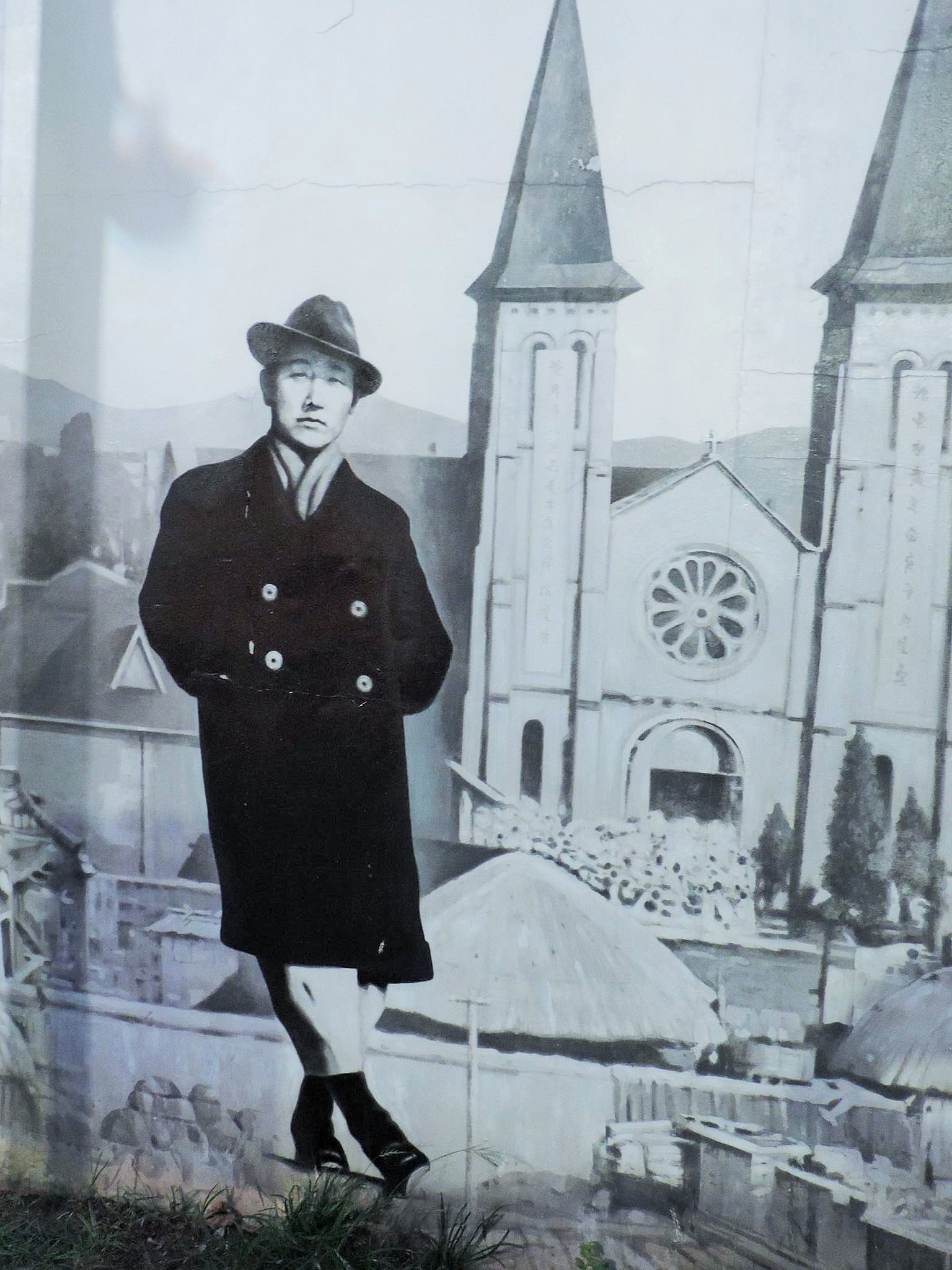
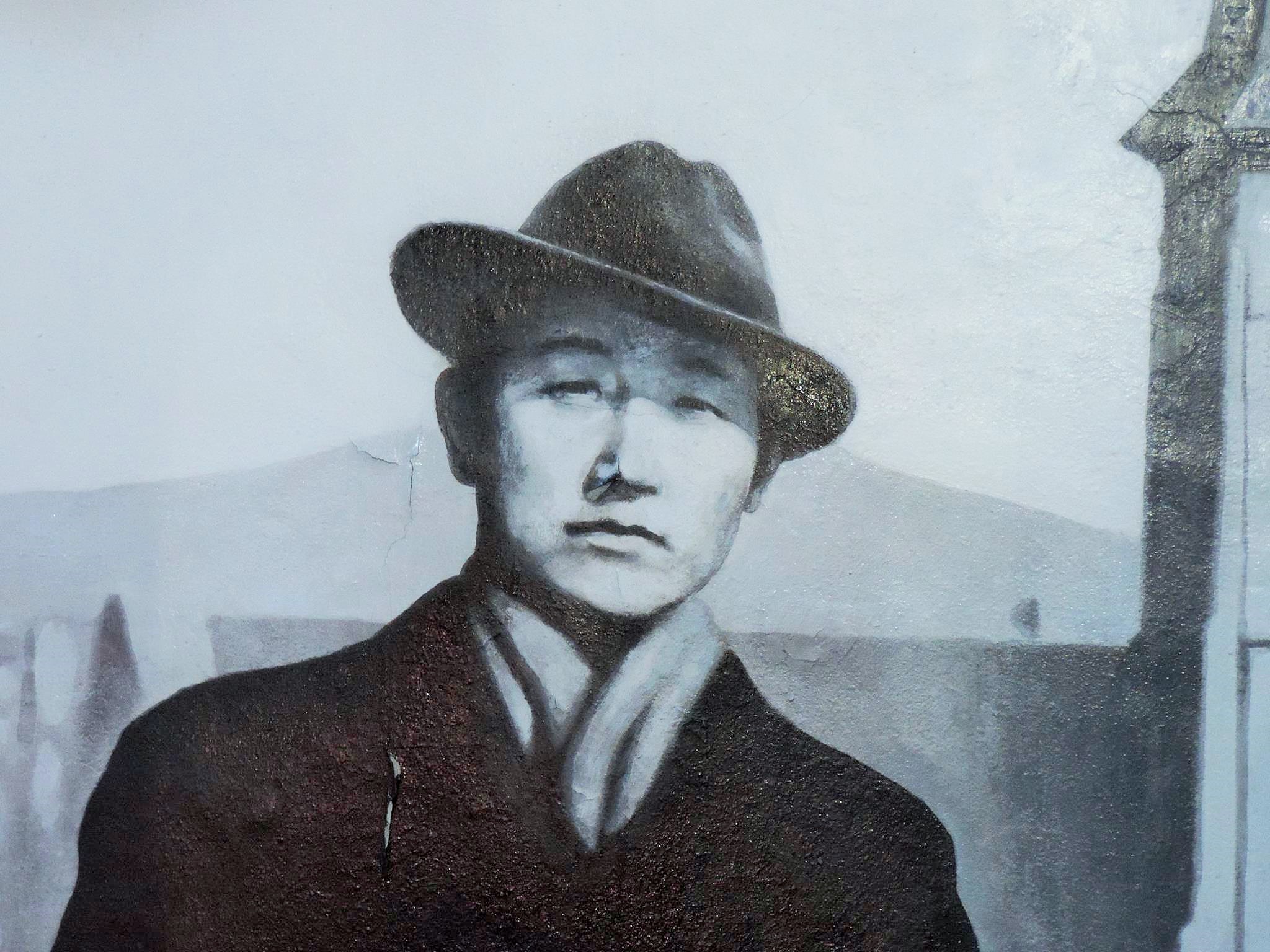
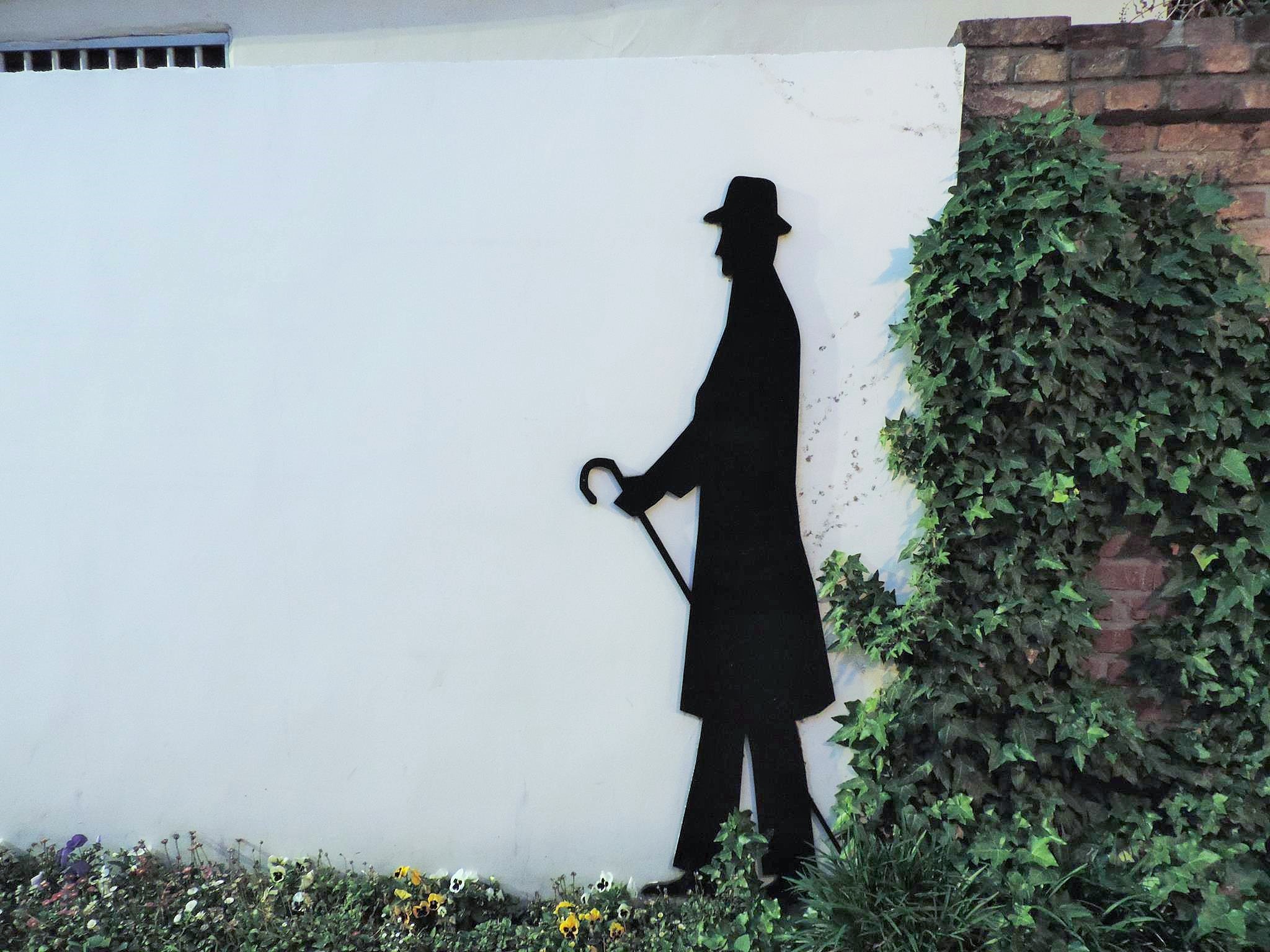
Tribute to Lee Sang-Hwa – House of Lee Sang-Hwa
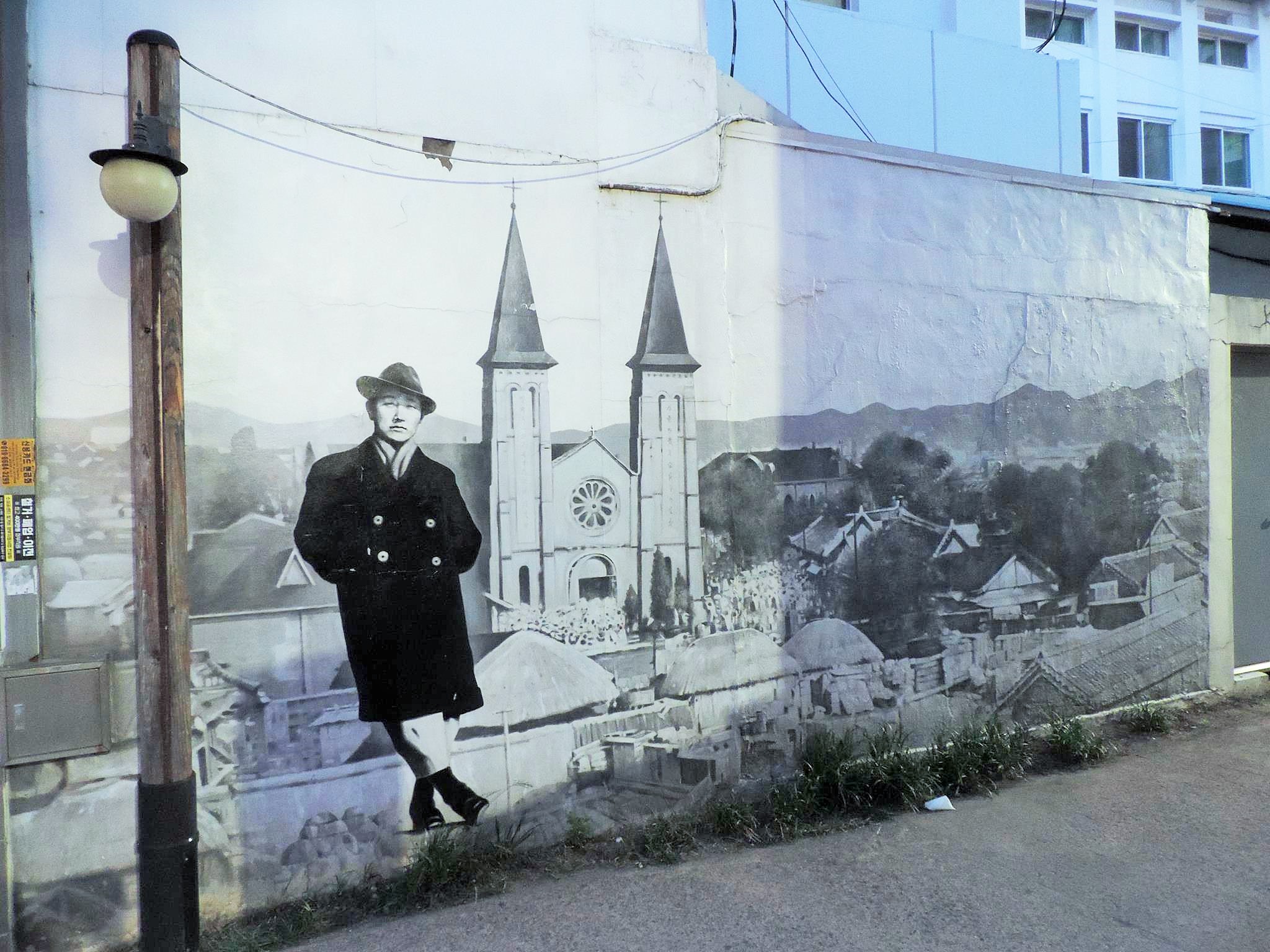
Lee Sang-Hwa lived from 1901 till 1943 and was a Korean nationalist poet active in the resistance against Japanese rule and occupation of South Korea.
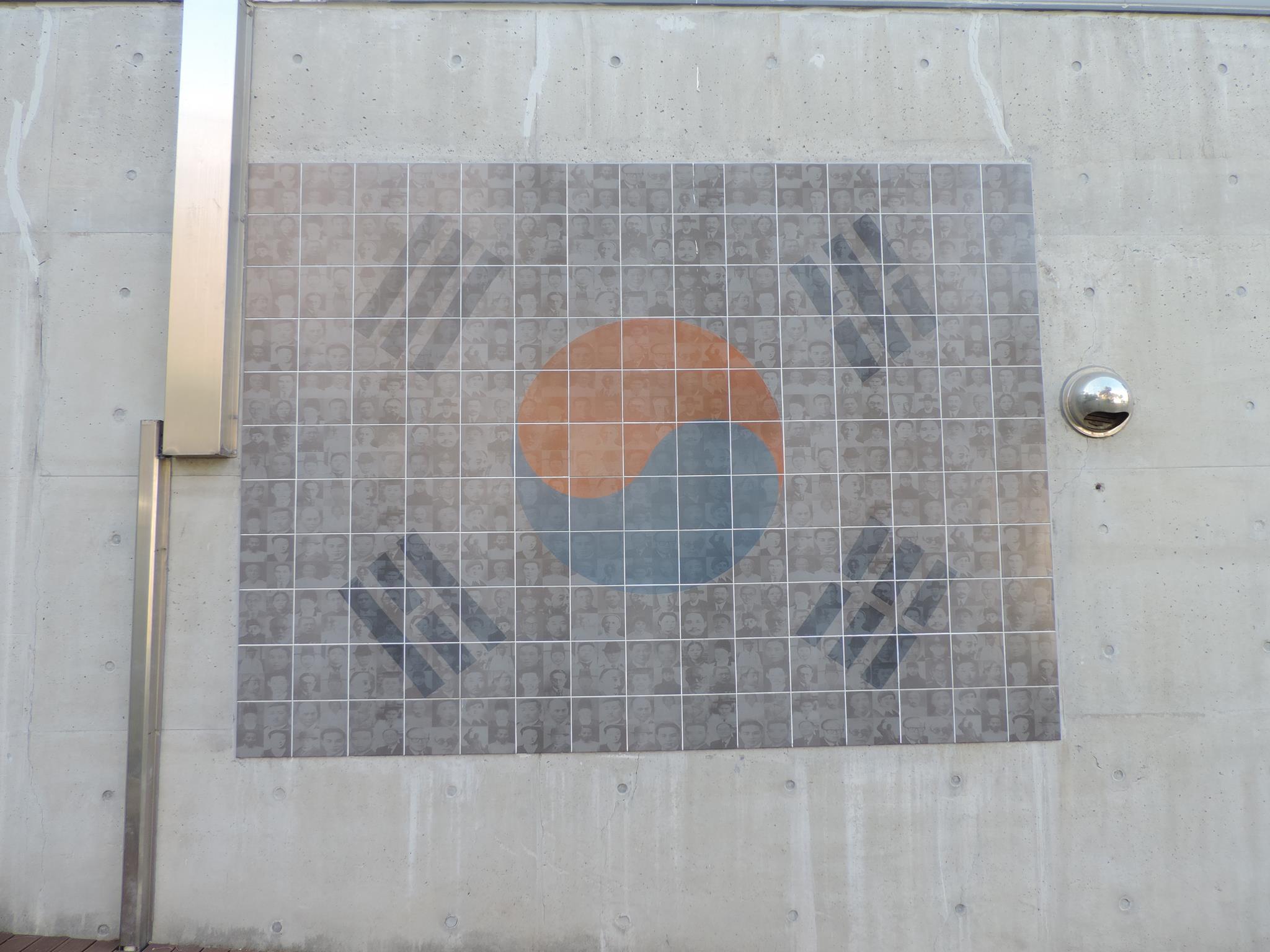
Taegeukgi – The Korean National Flag – Mosaic Artwork
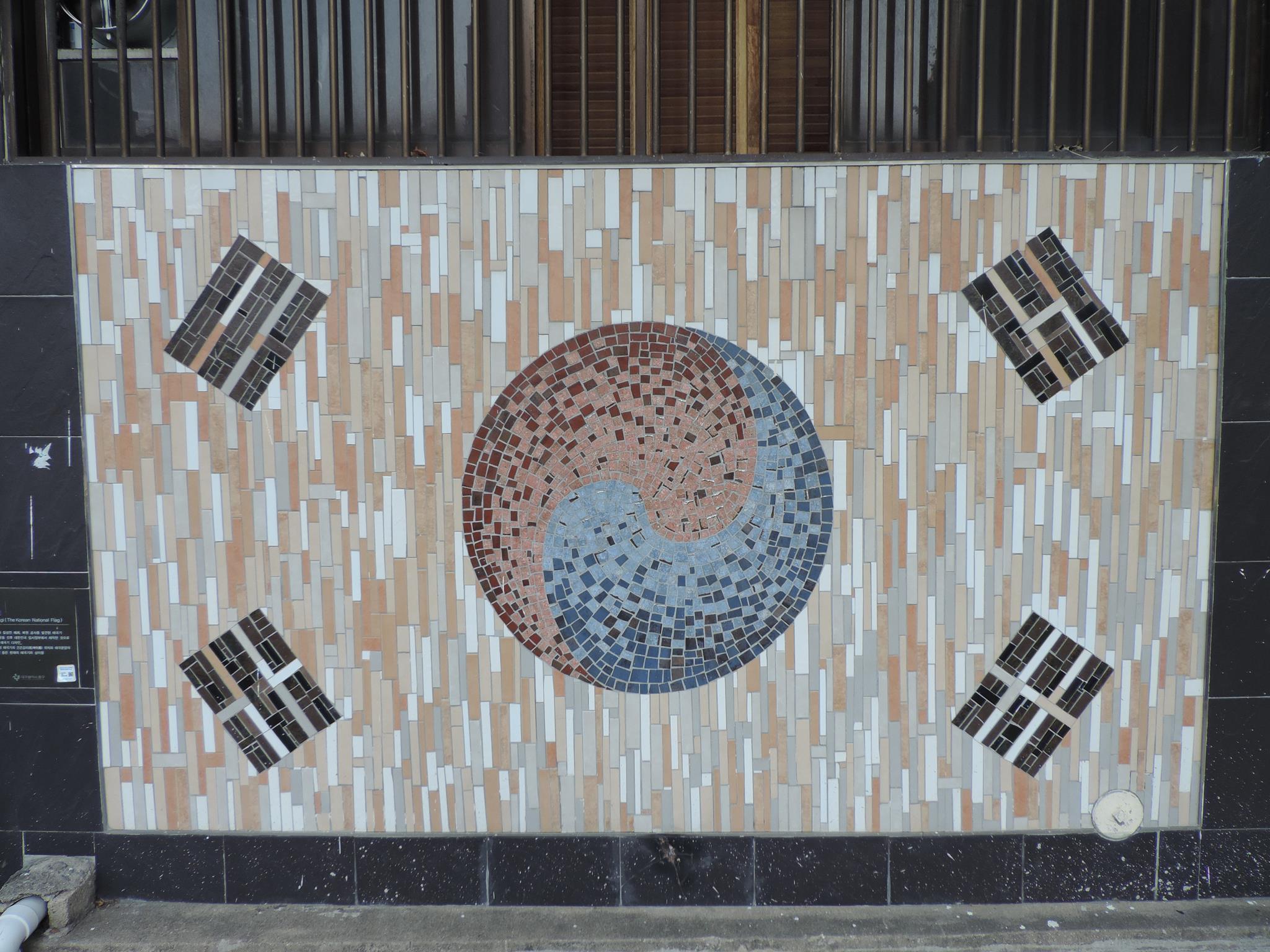
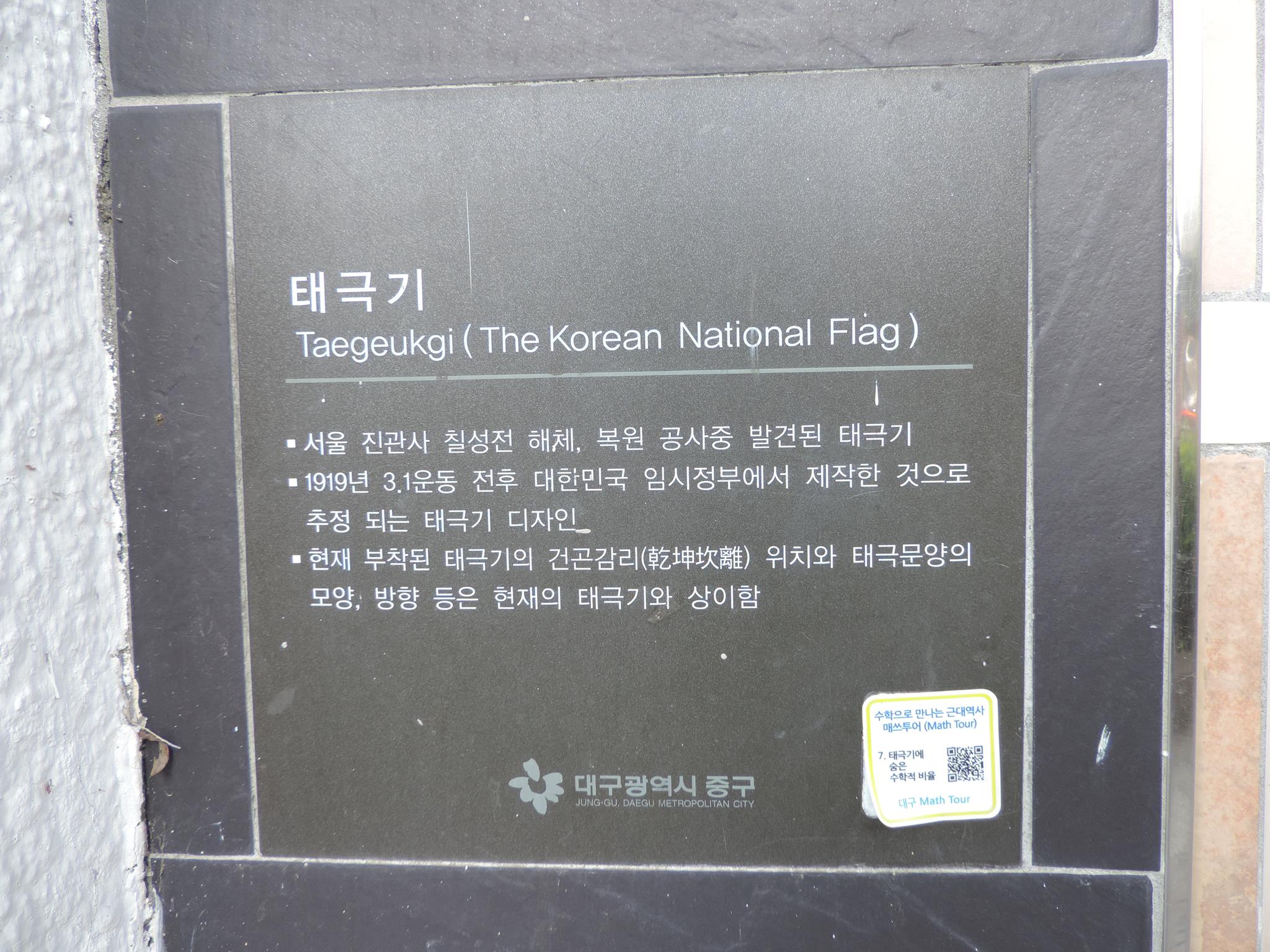
This Taegeukgi was discovered during the dismantling and restoration of the Chilseongjeon Hall at Jinkwansa Temple in Seoul. The design of the Taegeukgi is believed to have been created by the Provisional Government of the Republic of Korea around the time of the March 1st Movement in 1919. The positions of the four trigrams (Gon, Gyeon, Gam, and Ri) and the shape and direction of the Taegeuk symbol on the Taegeukgi currently attached are different from those on the current Taegeukgi.
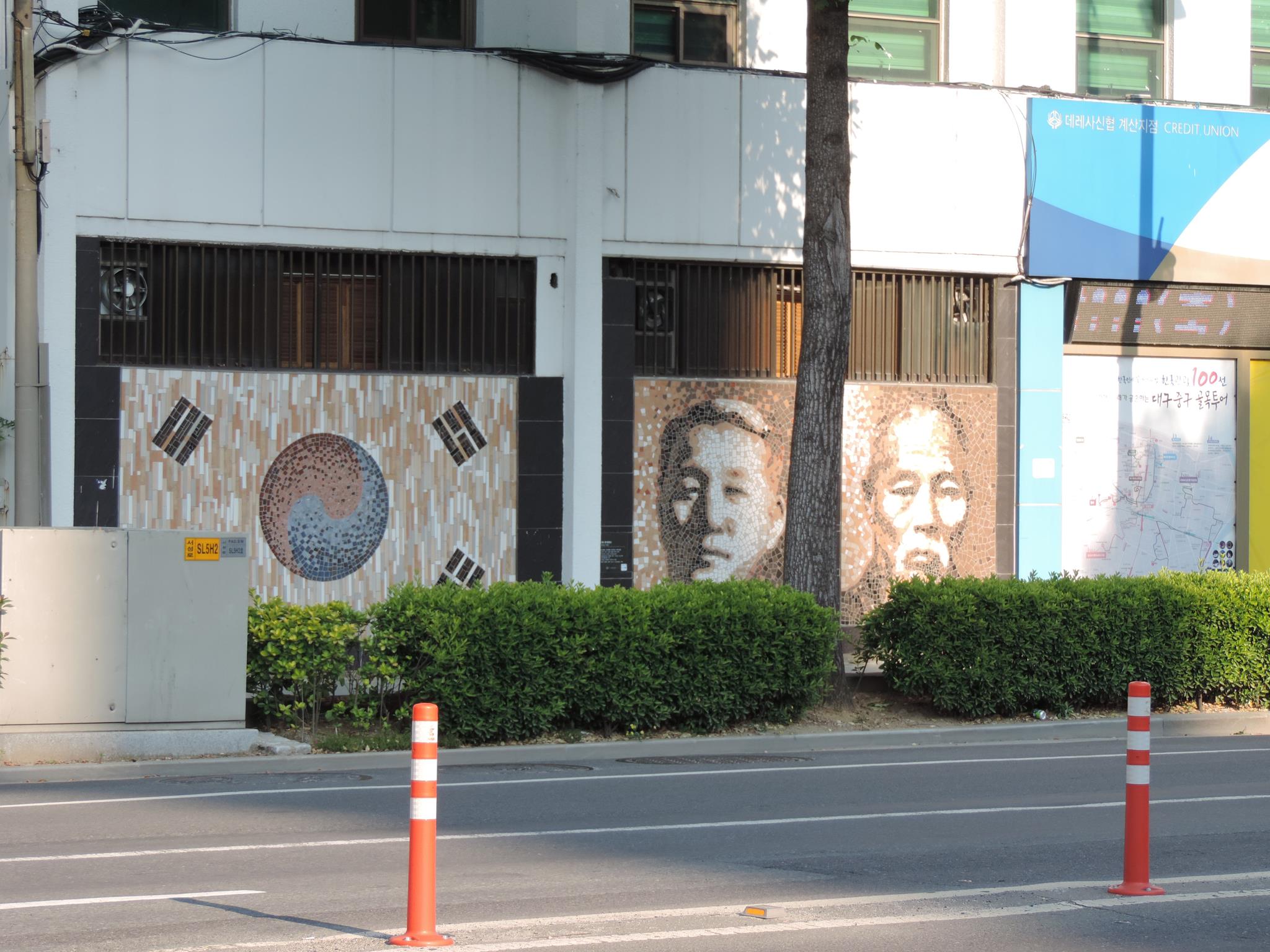
Tribute to Lee Sang-Hwa and Seo Sang Dong – Mosaic Artwork
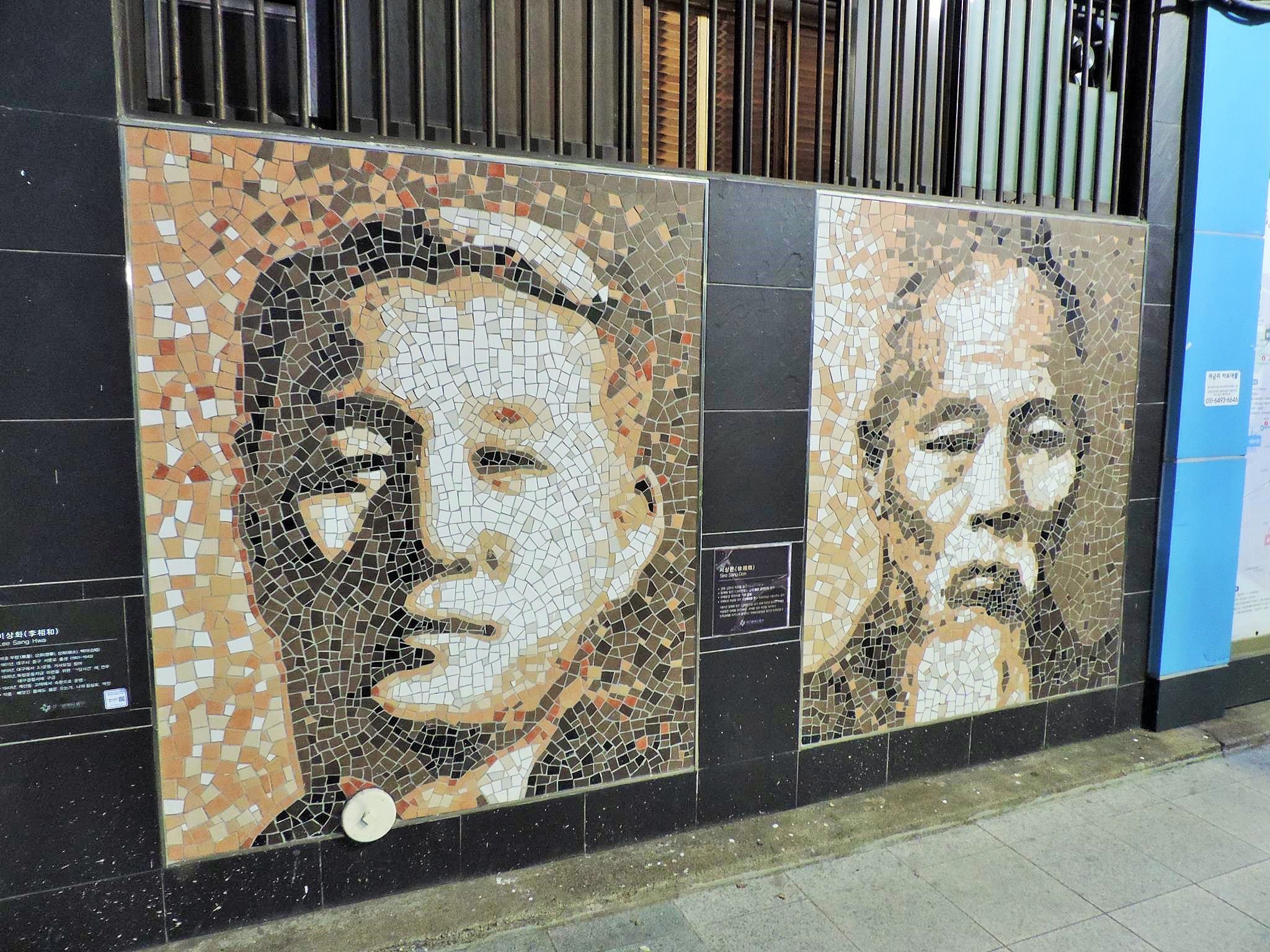
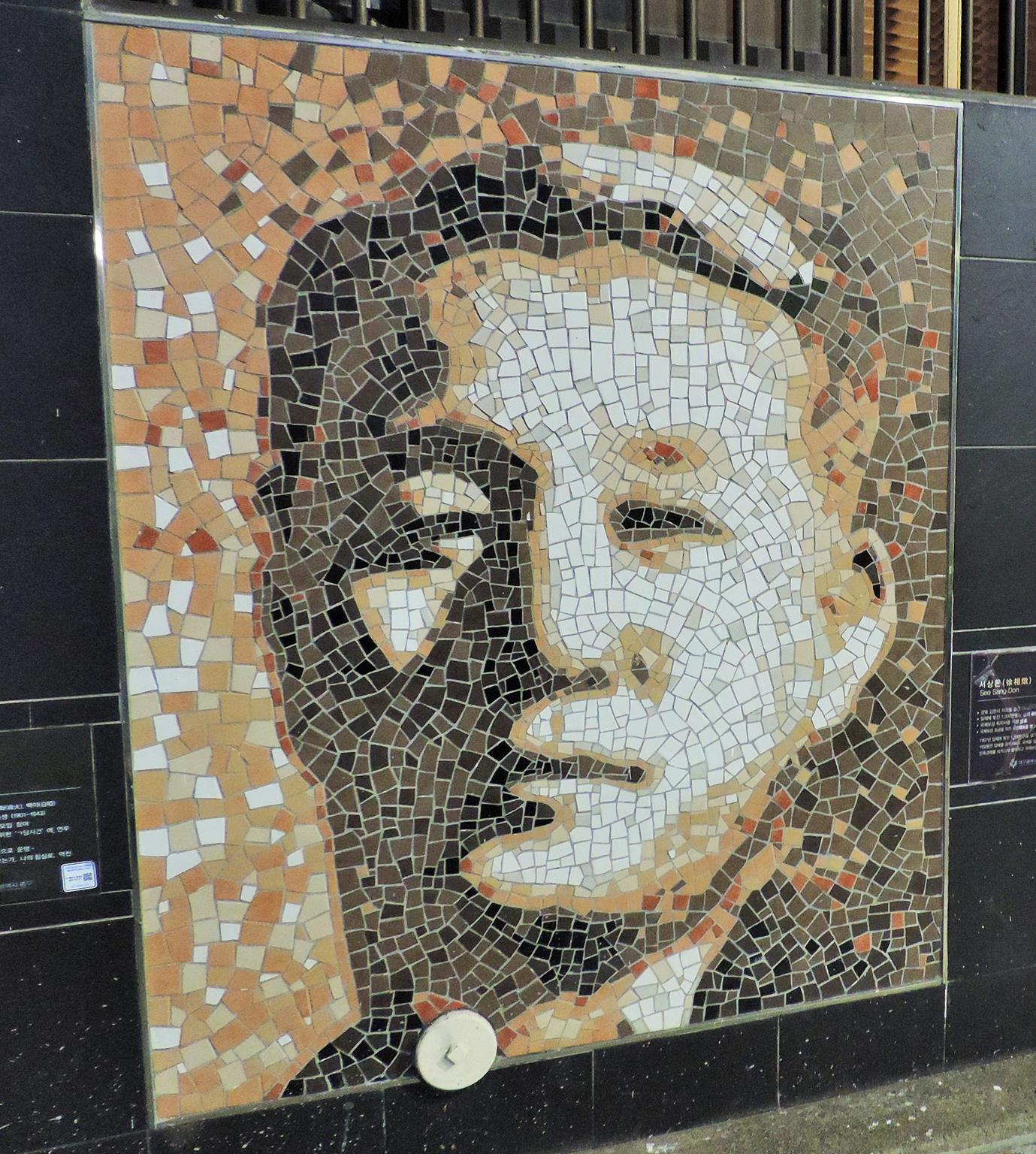
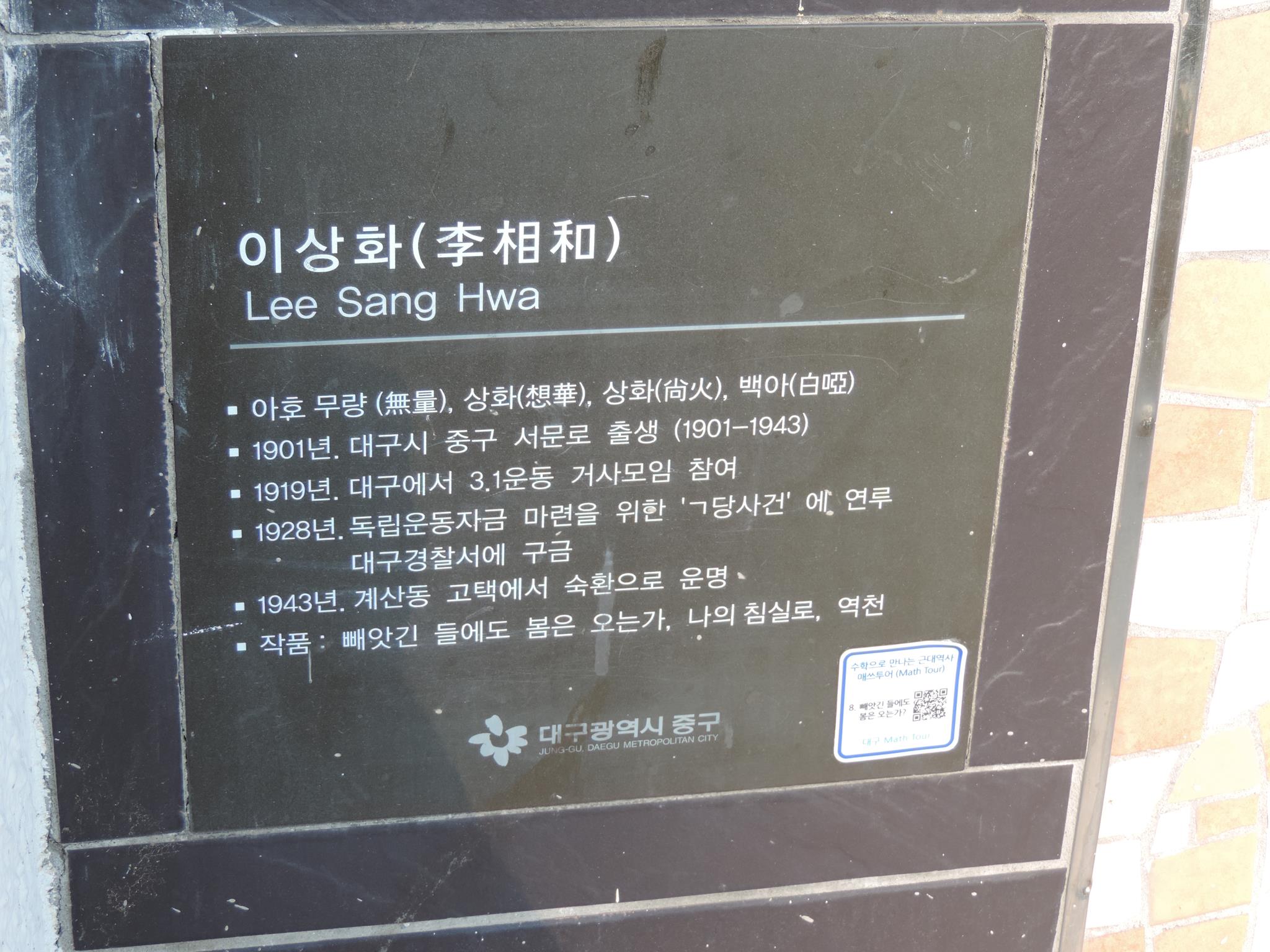
The writer and poet Lee Sang-Hwa also used Muryang, Sanghwa, Sang or Baek for pen names. He was born in Seomun-ro, Jung-gu, Daegu in 1901 and died in 1943. In 1919 he participated in the March 1st Movement rally in Daegu. In 1928 he was imprisoned at the Daegu Police Station for involvement in the “Gdang Incident” to raise funds for the independence movement. In 1943 he passed away due to illness at his old house in Gaejeon-dong. Some of his famous works are „Does Spring Come to the Stolen Fields“, „My Bedroom“ and „Rebellion“.
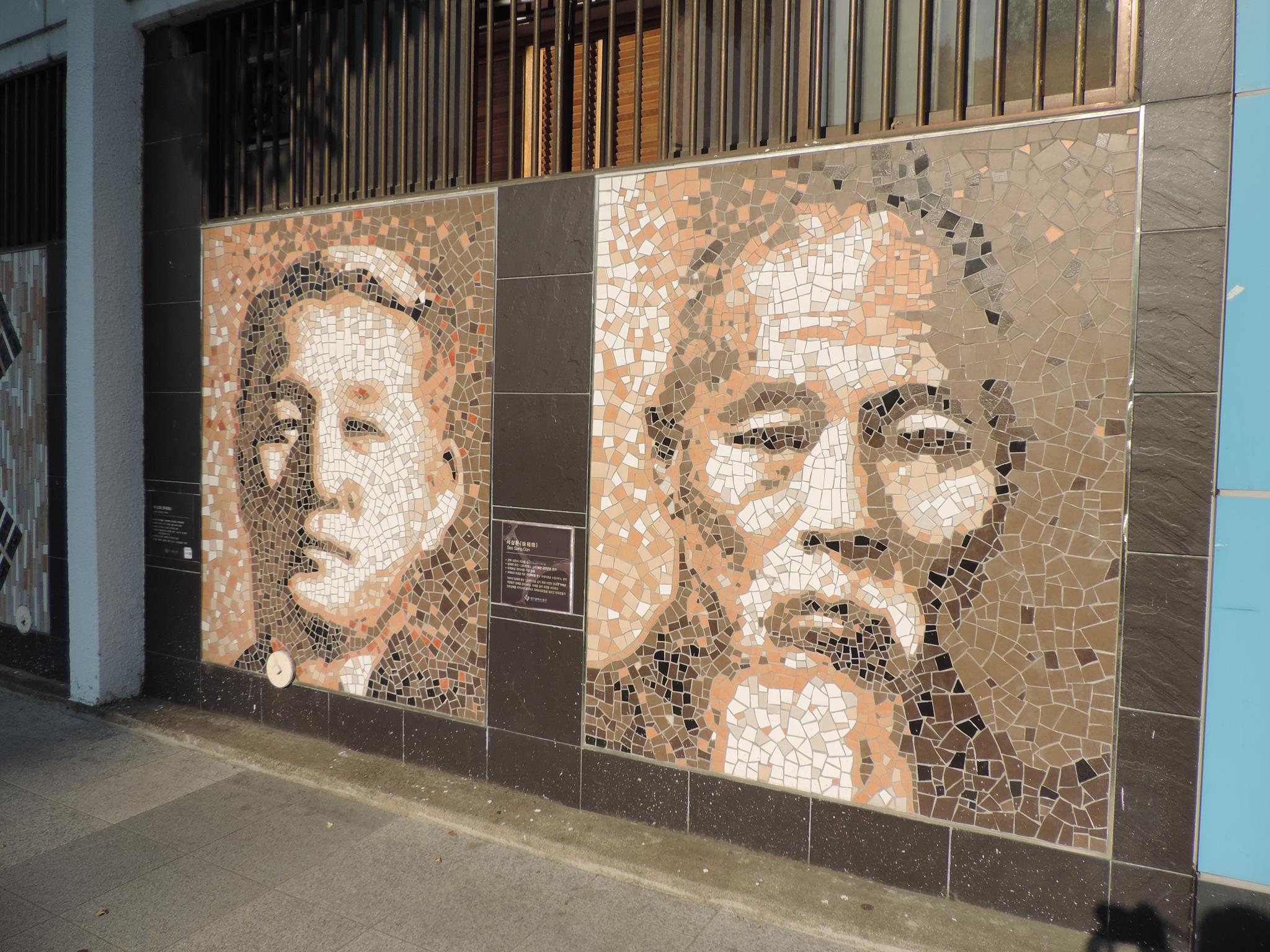
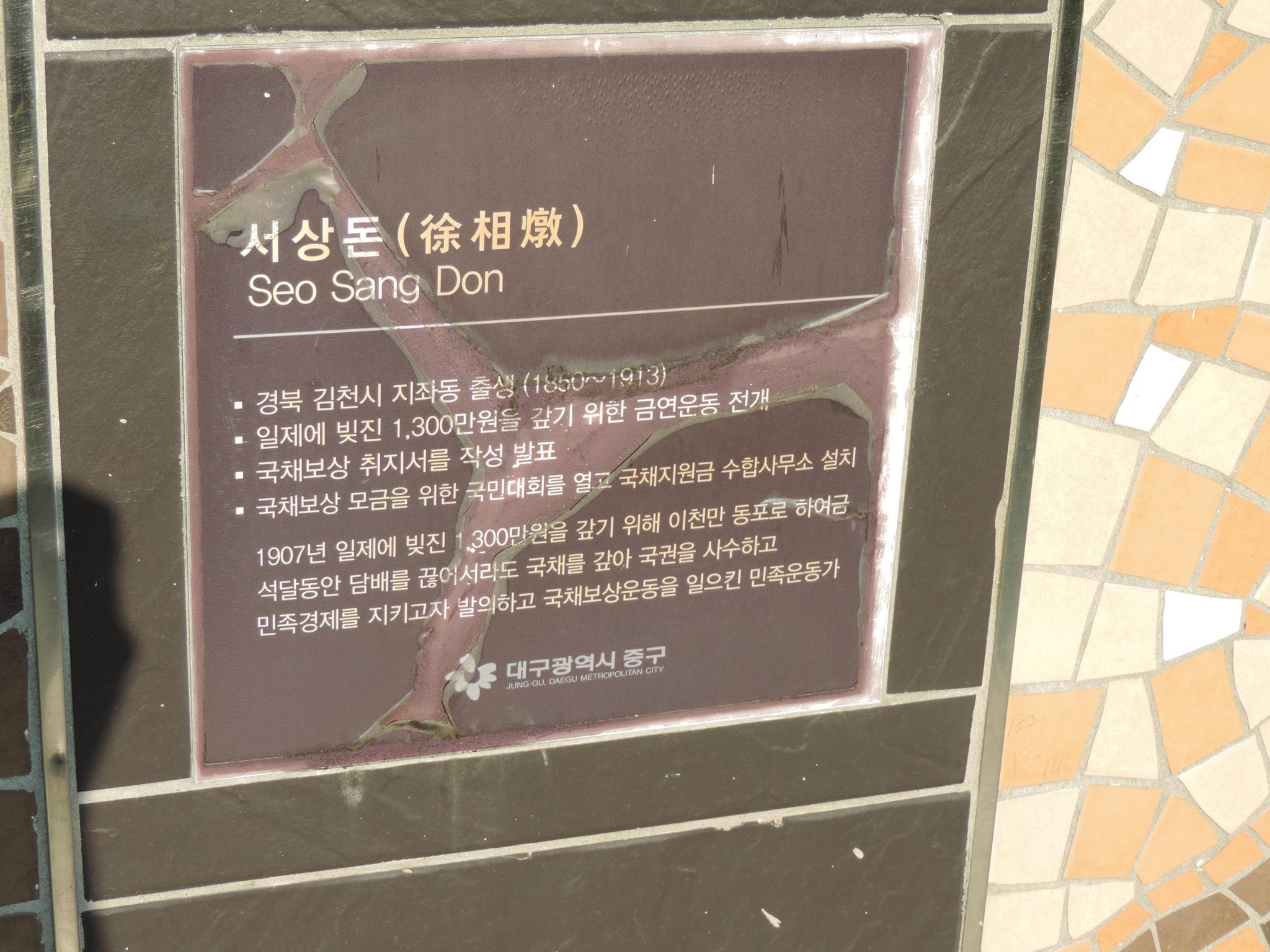
Seo Sang Dong was a national activist of the Joseon Dynasty and the Korean Empire, a businessman, a devout Catholic and an important contributor to South Korea’s fight for independence. He was born on October 17th in 1850 and died in 1913. He was born in Jija-dong, Gimcheon-si, Gyeongsangbuk-do on October 17th in 1850 and died in 1913. Seo Sang Dong launched a no-smoking campaign to repay 13 million won owed to Japan Wrote and published a statement on the purpose of repaying national debt.
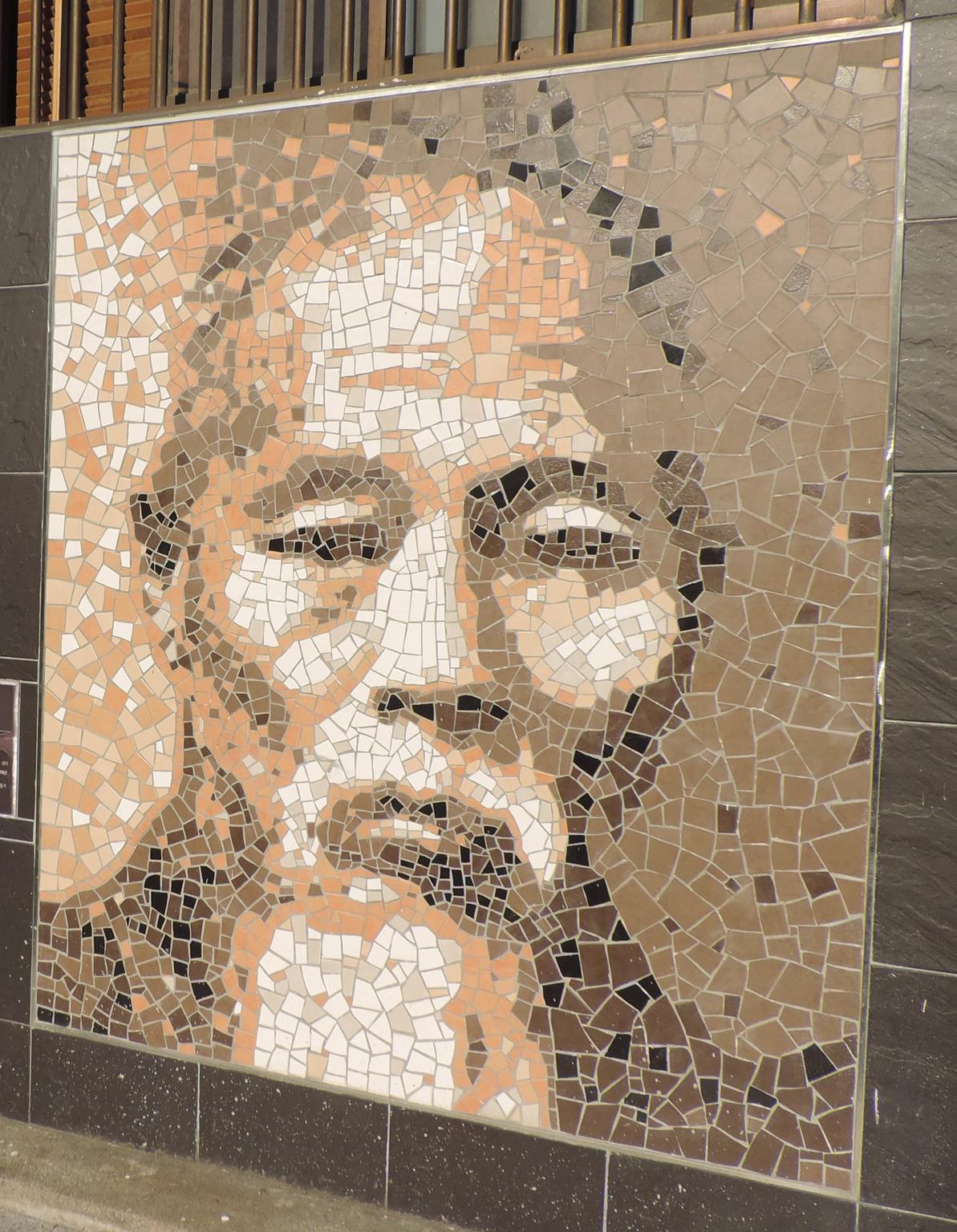
Seo Sang Dong held a national convention to raise funds for repaying national debt and established an office to collect funds. In 1907, he proposed a national debt repayment movement to repay the 13 million won owed to the Japanese Empire by having 20 million compatriots quit smoking for three months in order to repay the national debt, defend national sovereignty, and protect the national economy. He was a nationalist activist who launched the national debt repayment movement.
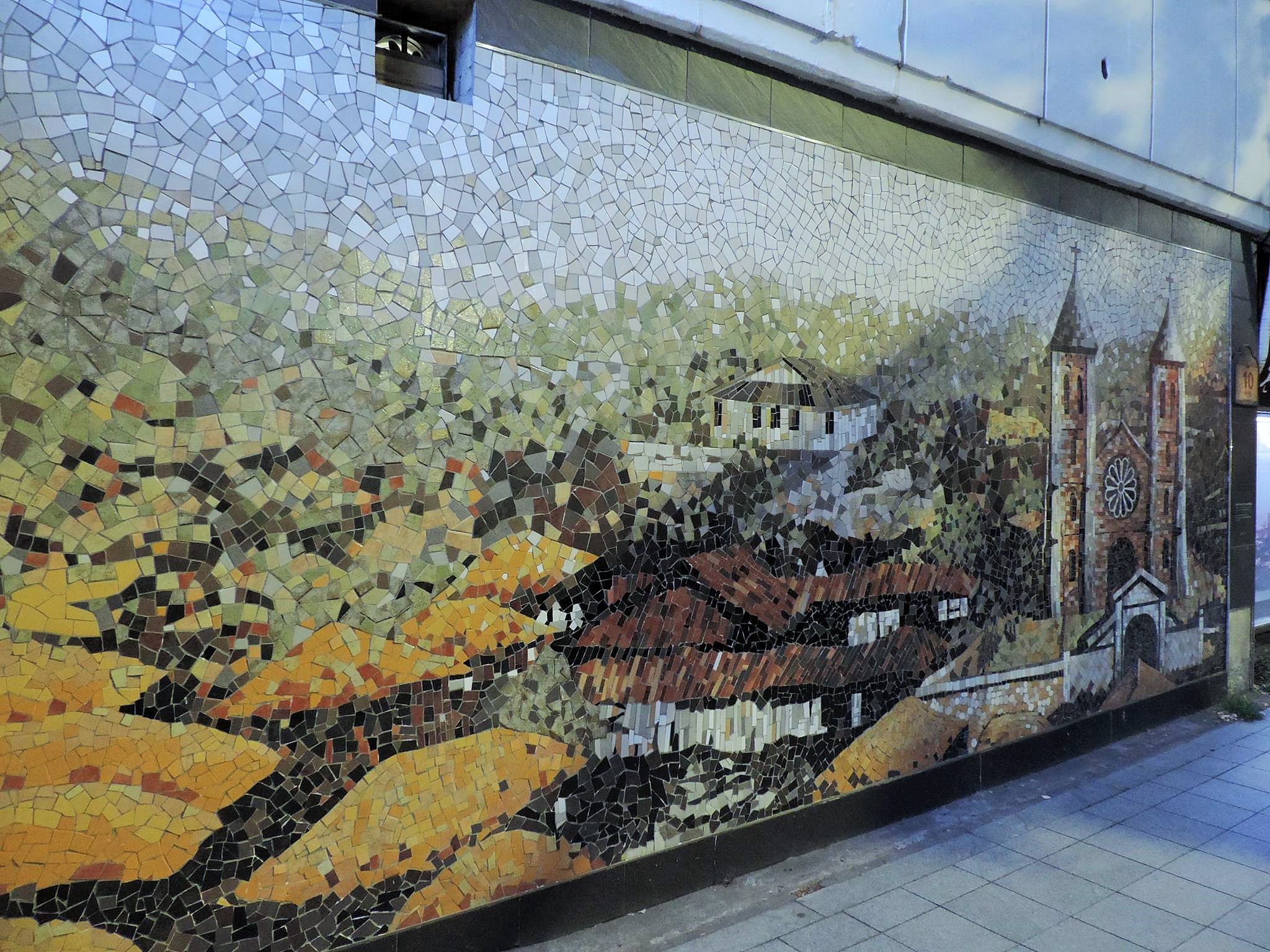
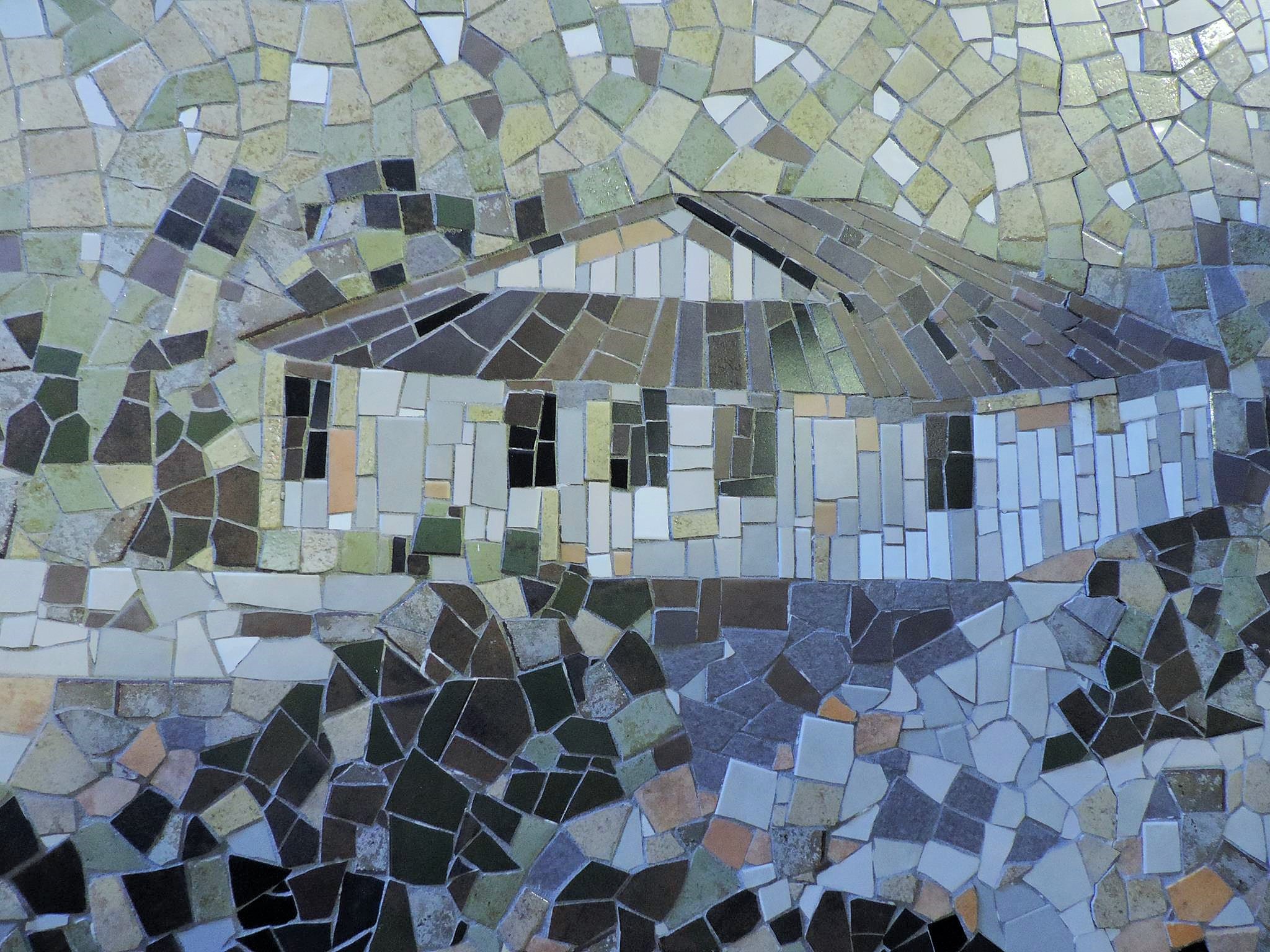
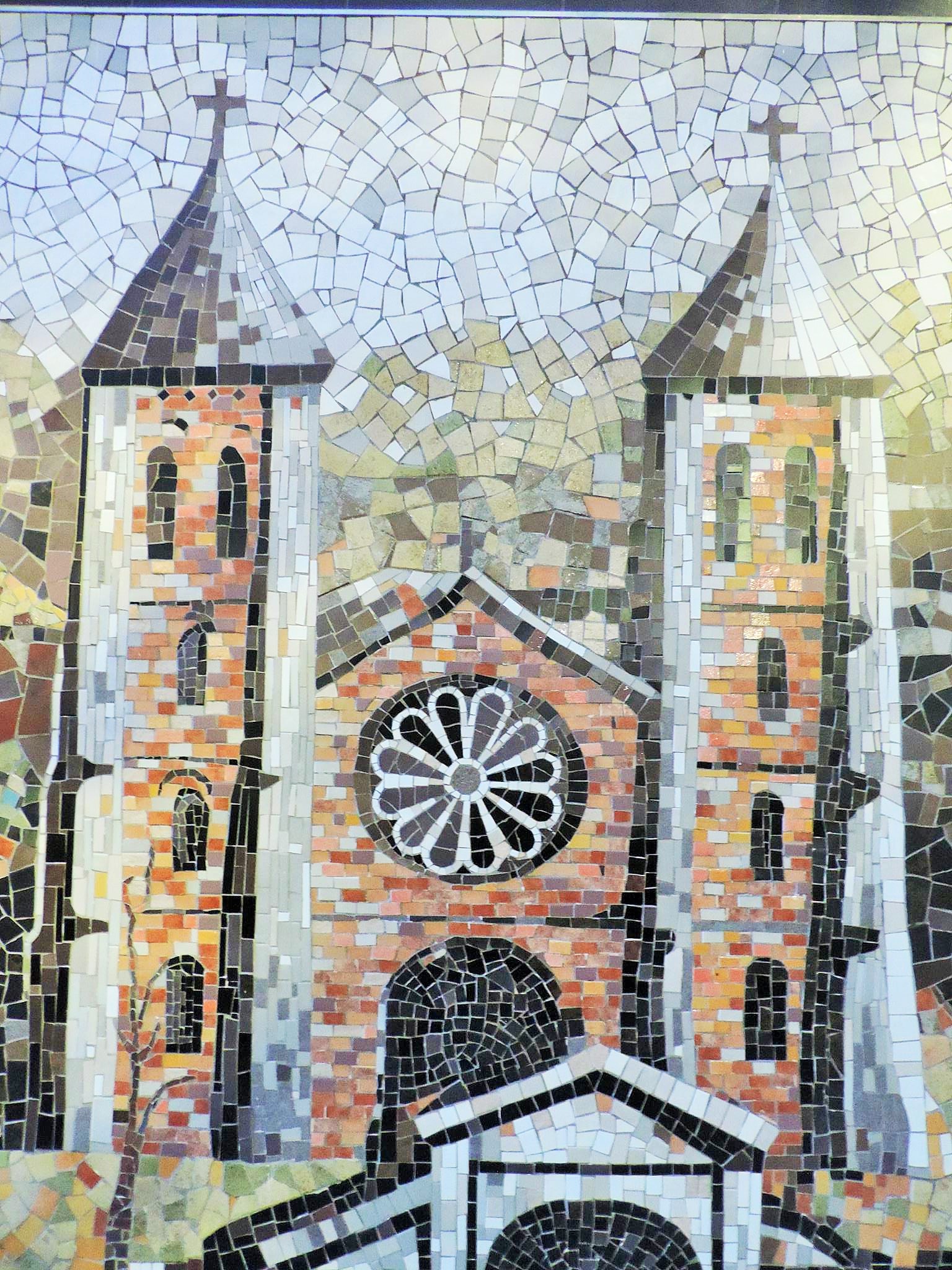
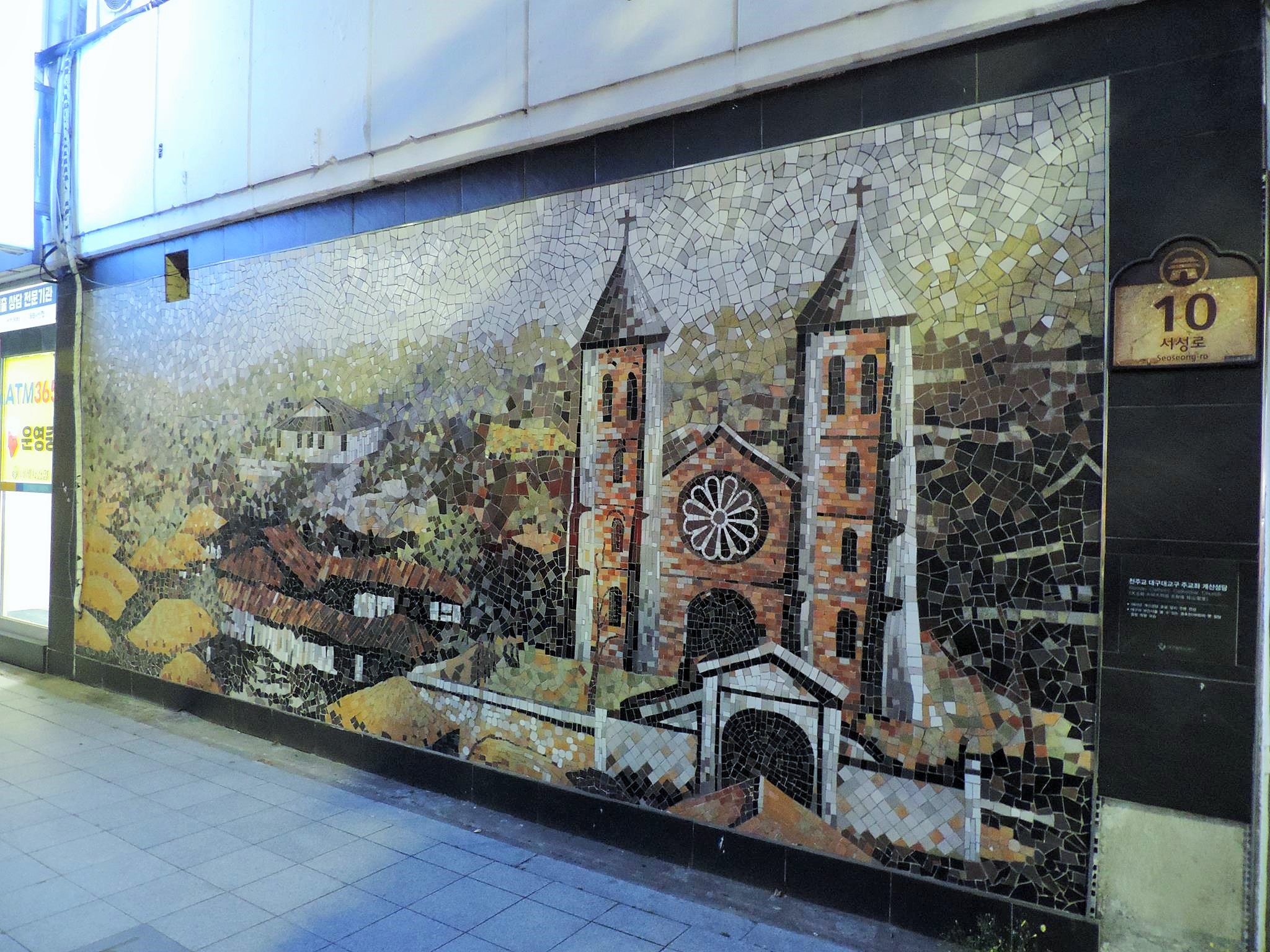
Gyesan Cathedral – Mosaic Artwork
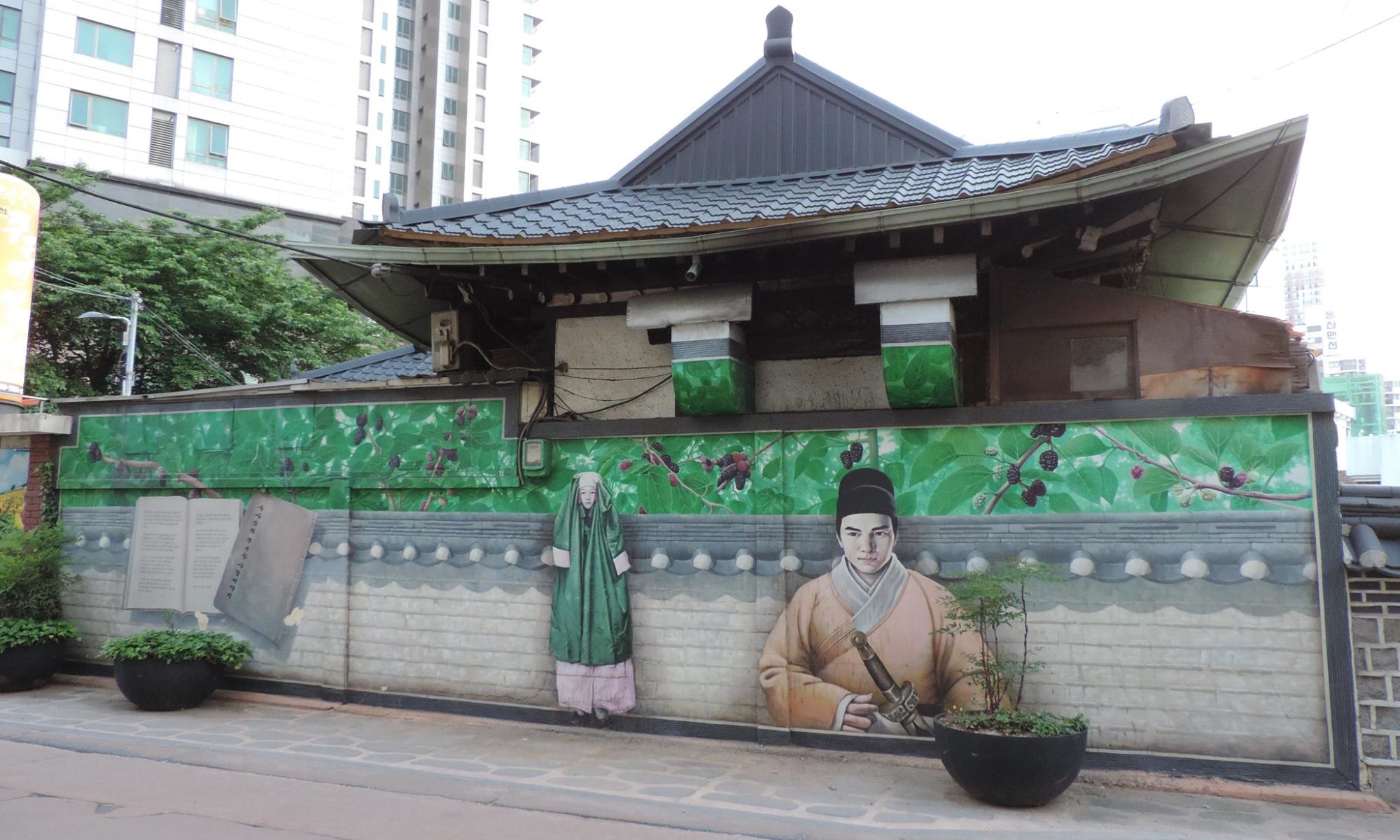
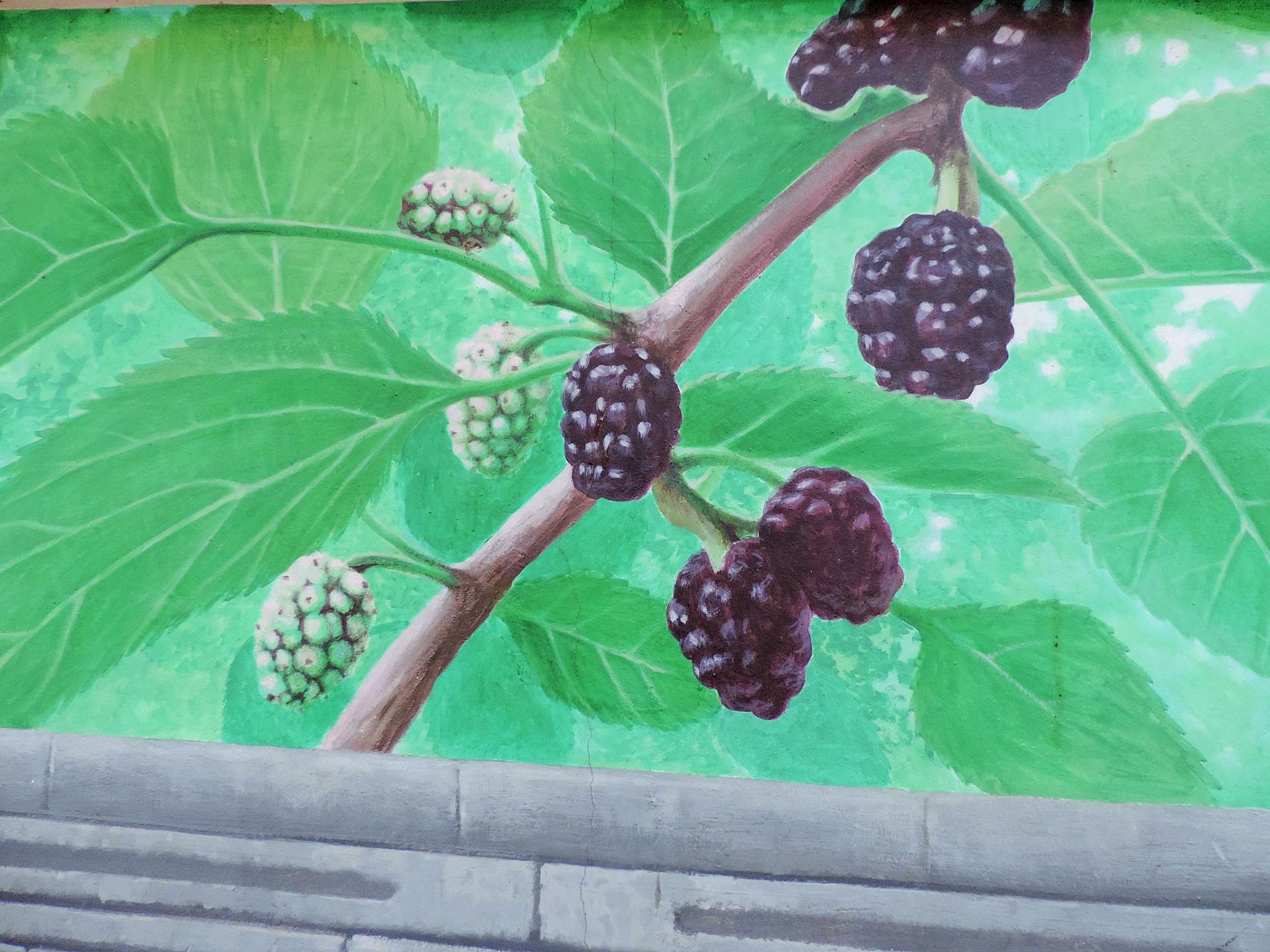
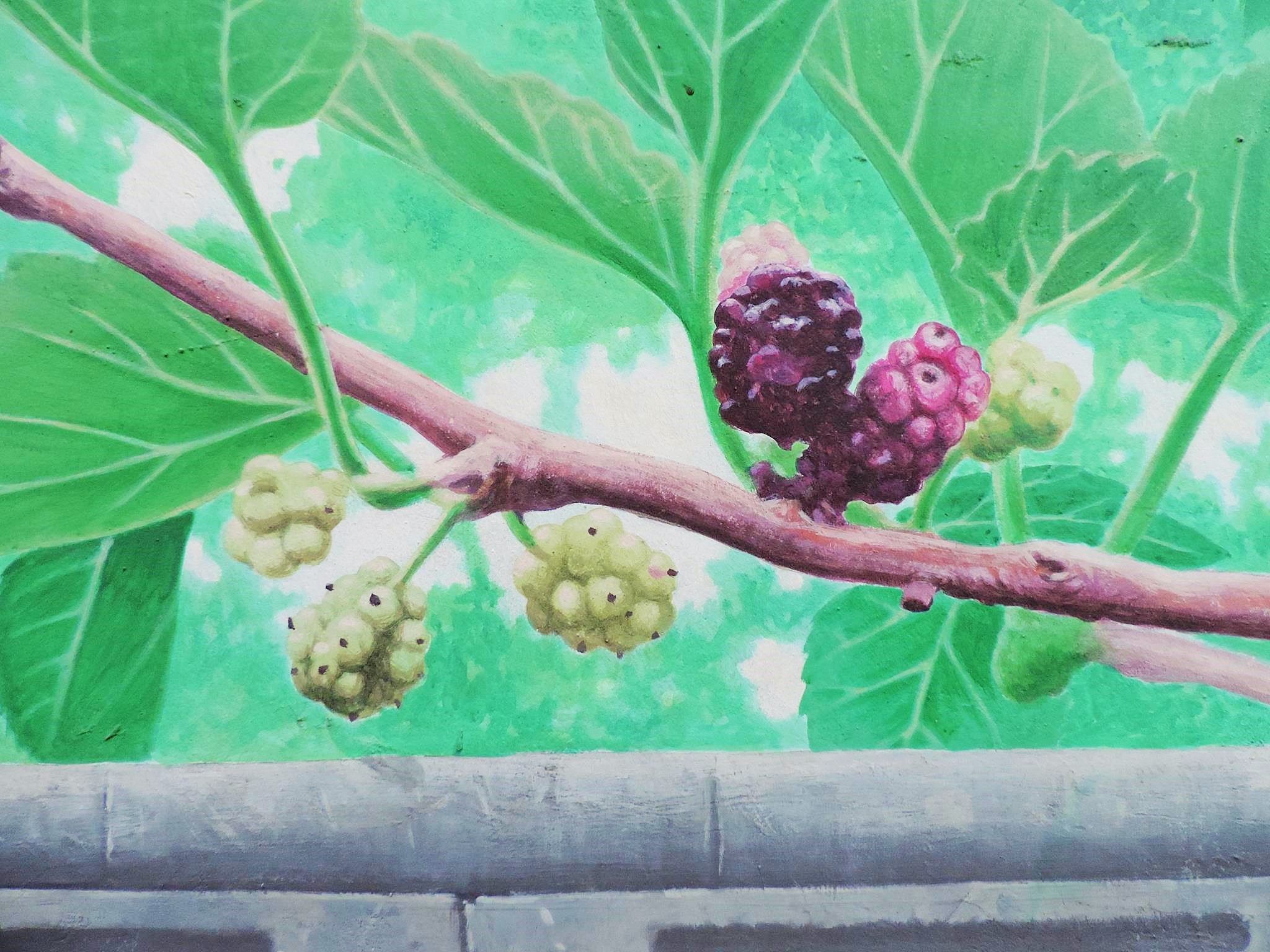
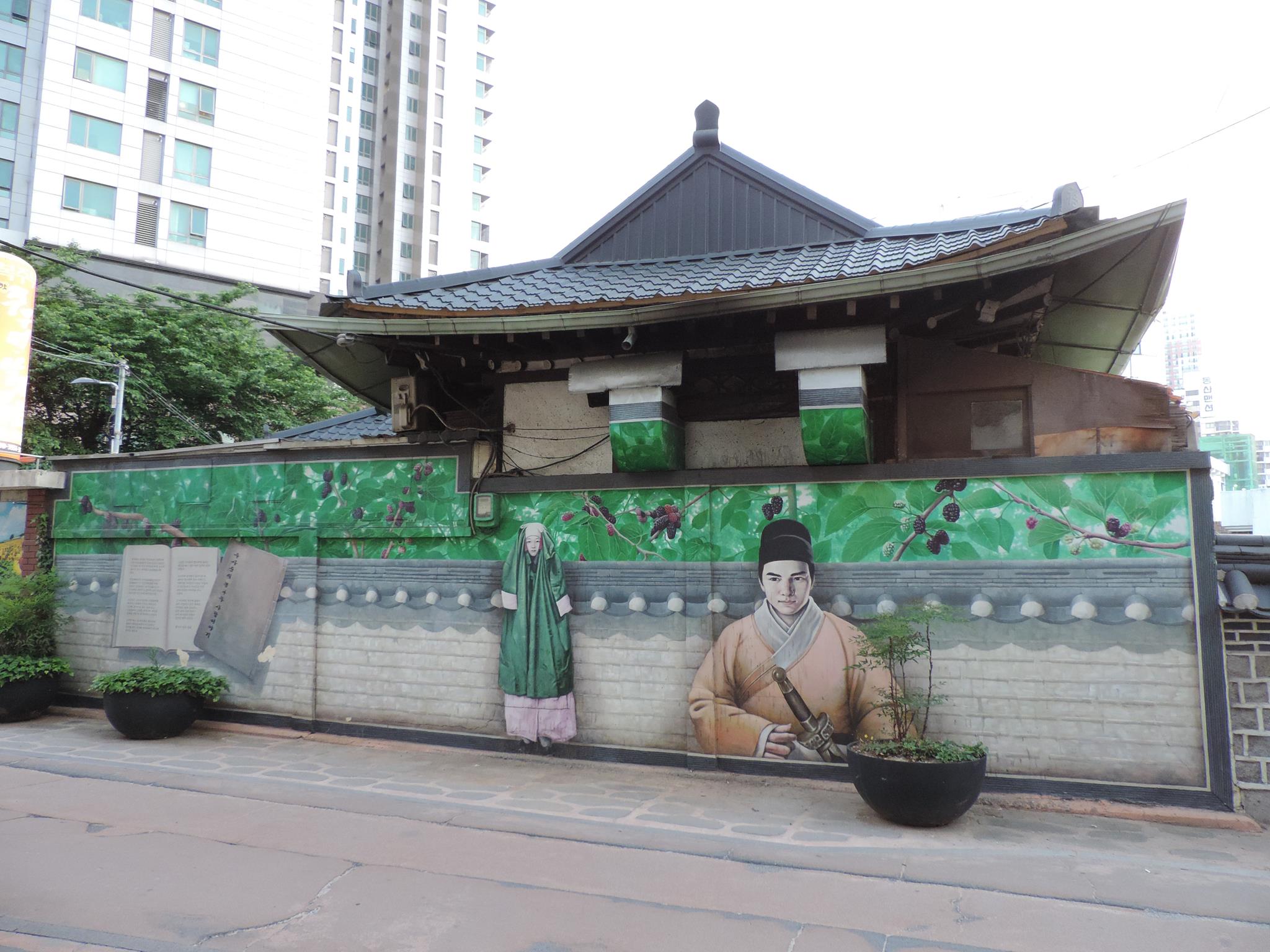
The Mulberry Tree Alley Folktale
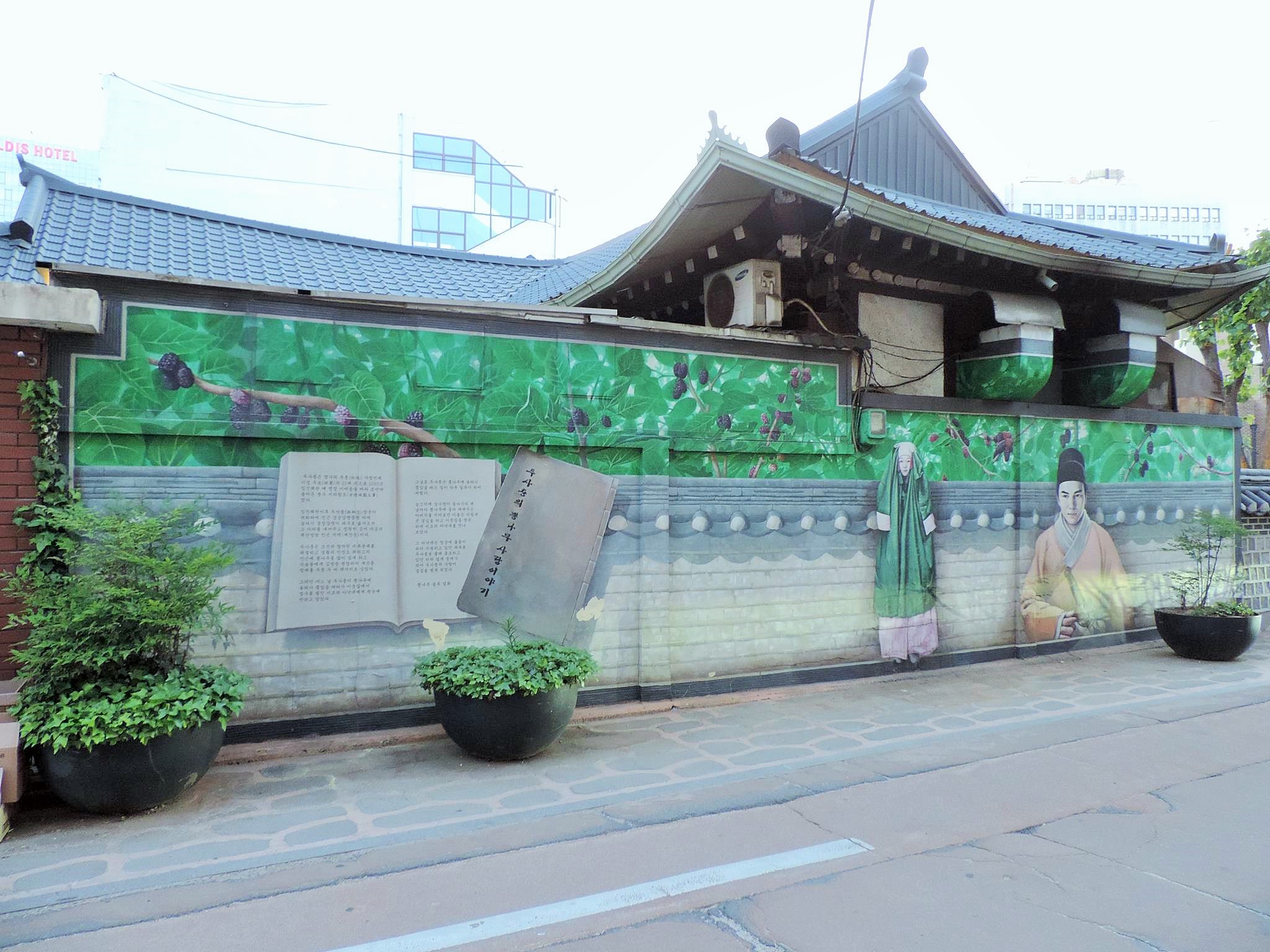
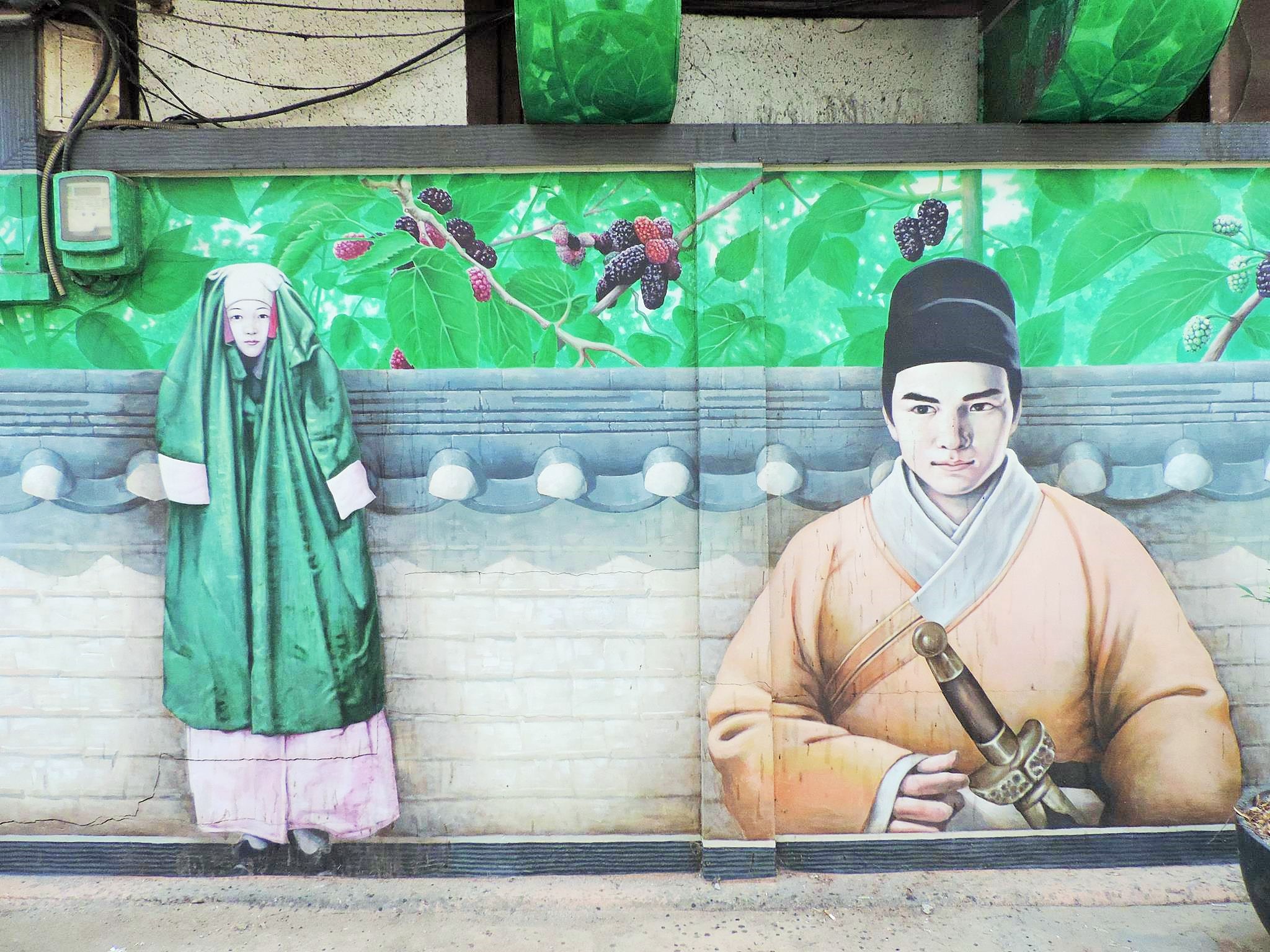
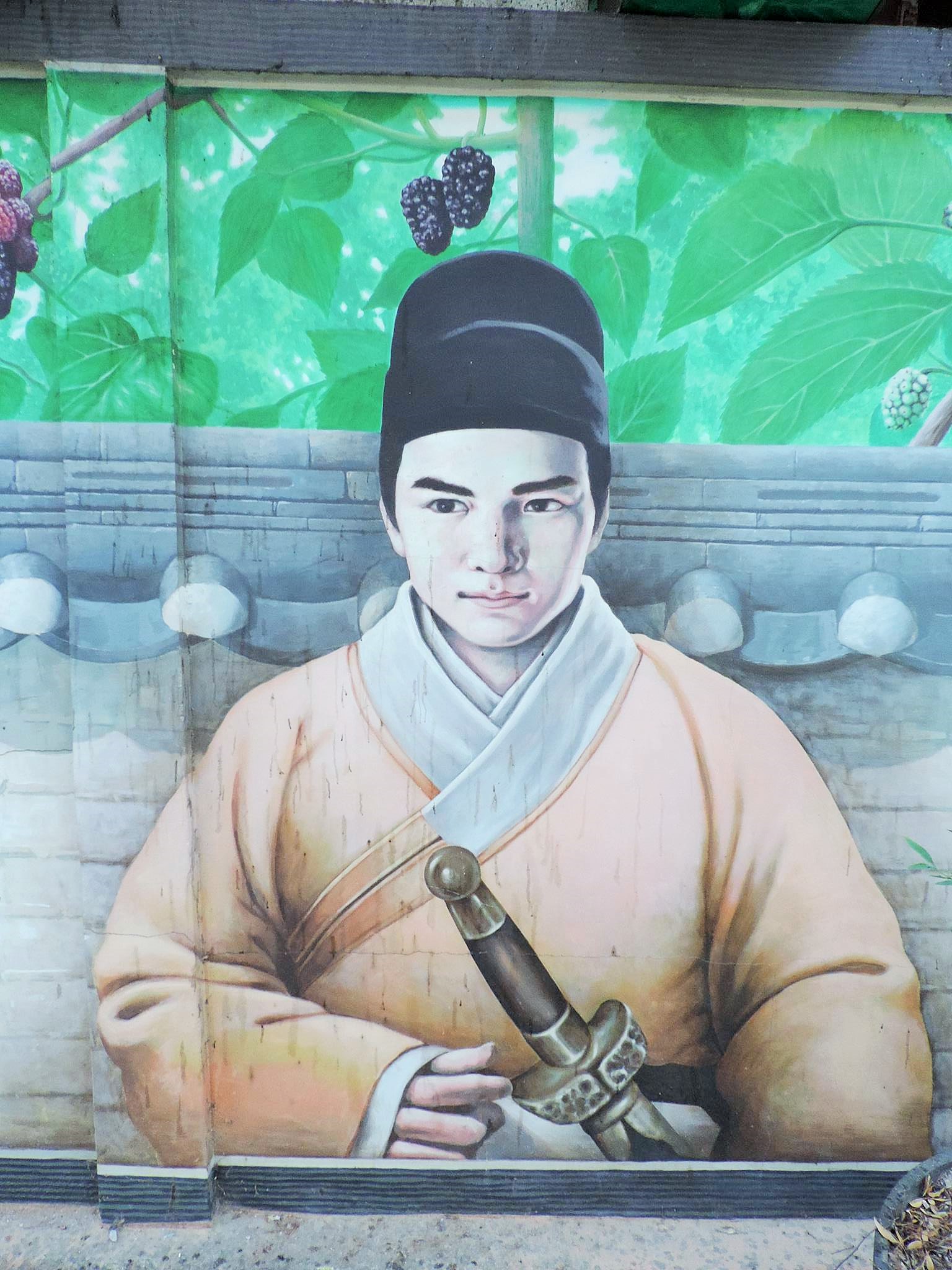
This mural shows the Story of Chuja’s Love for Mulberry Trees. Du Sachung was a native of Du Ling in the Ming Dynasty. He was the 21st descendant of the poet Du Fu and served as a geomancer during the Imjin War of 1592, accompanying the famous general Yi Yuseong to Joseon. After the Imjin War, General Du Shizhong naturalized and settled in the area near the current Gyeongsan Cathedral (Gyeongsan-dong) after moving out of the nearby Gyeongsan Provincial Office site when the office was relocated to Daegu.
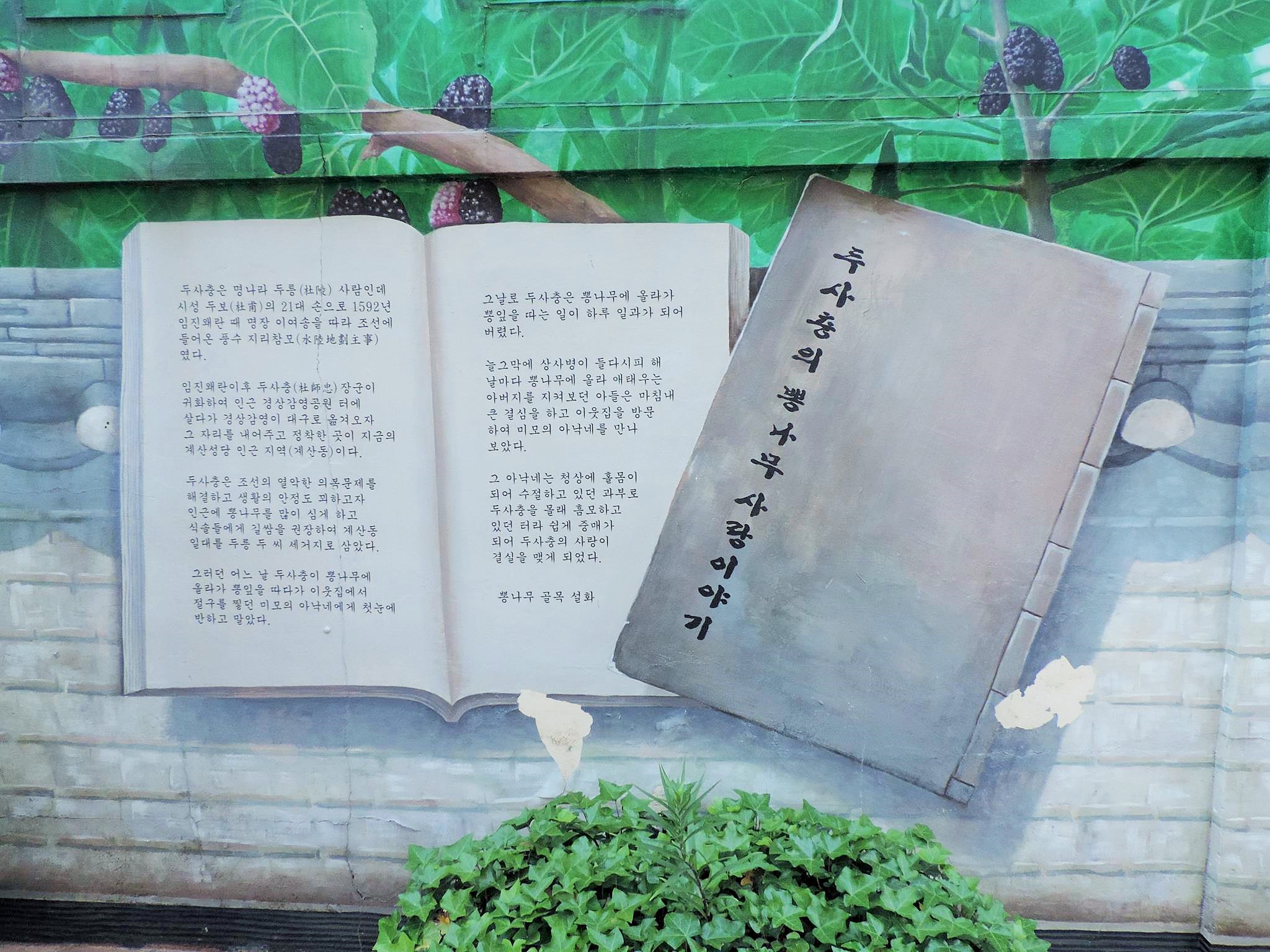
Du Sa-chung sought to solve the poor clothing situation in Joseon and stabilize people’s lives by planting many mulberry trees in the vicinity and encouraging his family members to weave cloth, making the Gyesan-dong area the ancestral home of the Du family. One day, Doo Sa-chung climbed a mulberry tree to pick mulberry leaves and fell in love at first sight with a beautiful woman from a neighboring house who was pounding rice in a mortar. From that day on, Doo Sa-chung’s daily routine became climbing the mulberry tree to pick mulberry leaves.
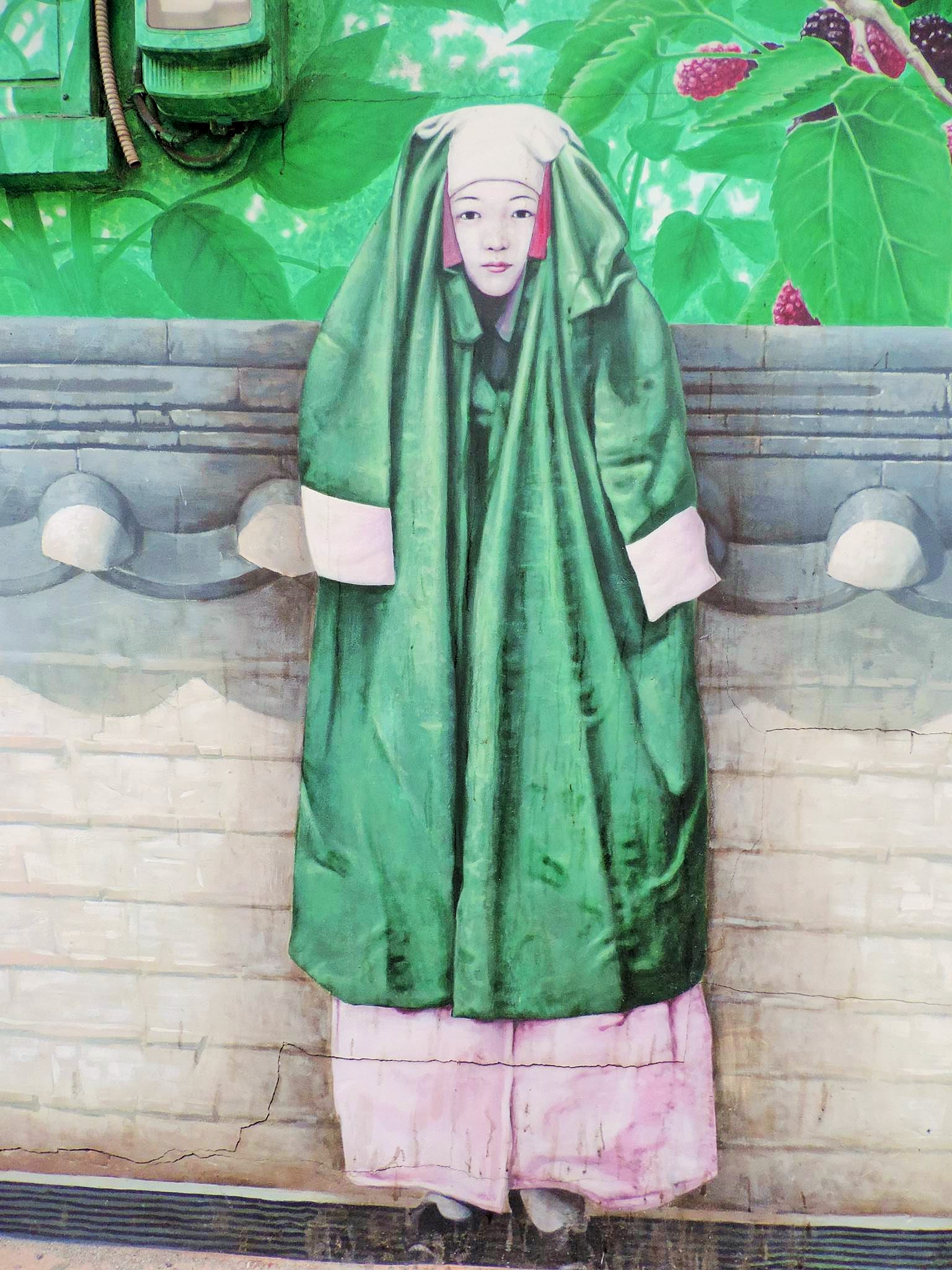
Watching his father climb the mulberry tree every day, seemingly consumed by love, the son finally made up his mind and visited the neighboring house to meet the beautiful woman. The woman was a widow who had been living alone and had been secretly admiring Dusa-chung, so the match was easily made, and Dusa-chung’s love bore fruit.
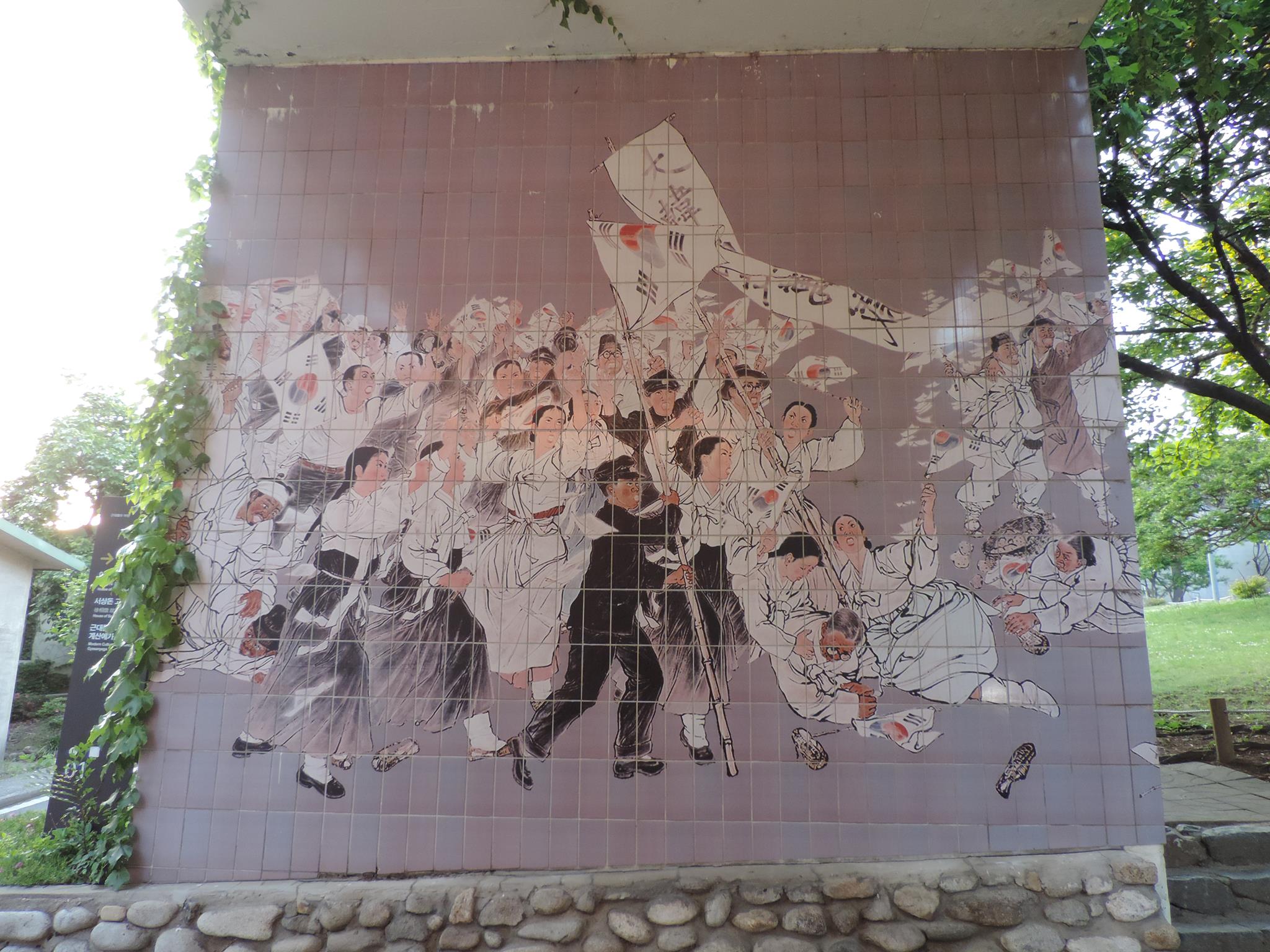
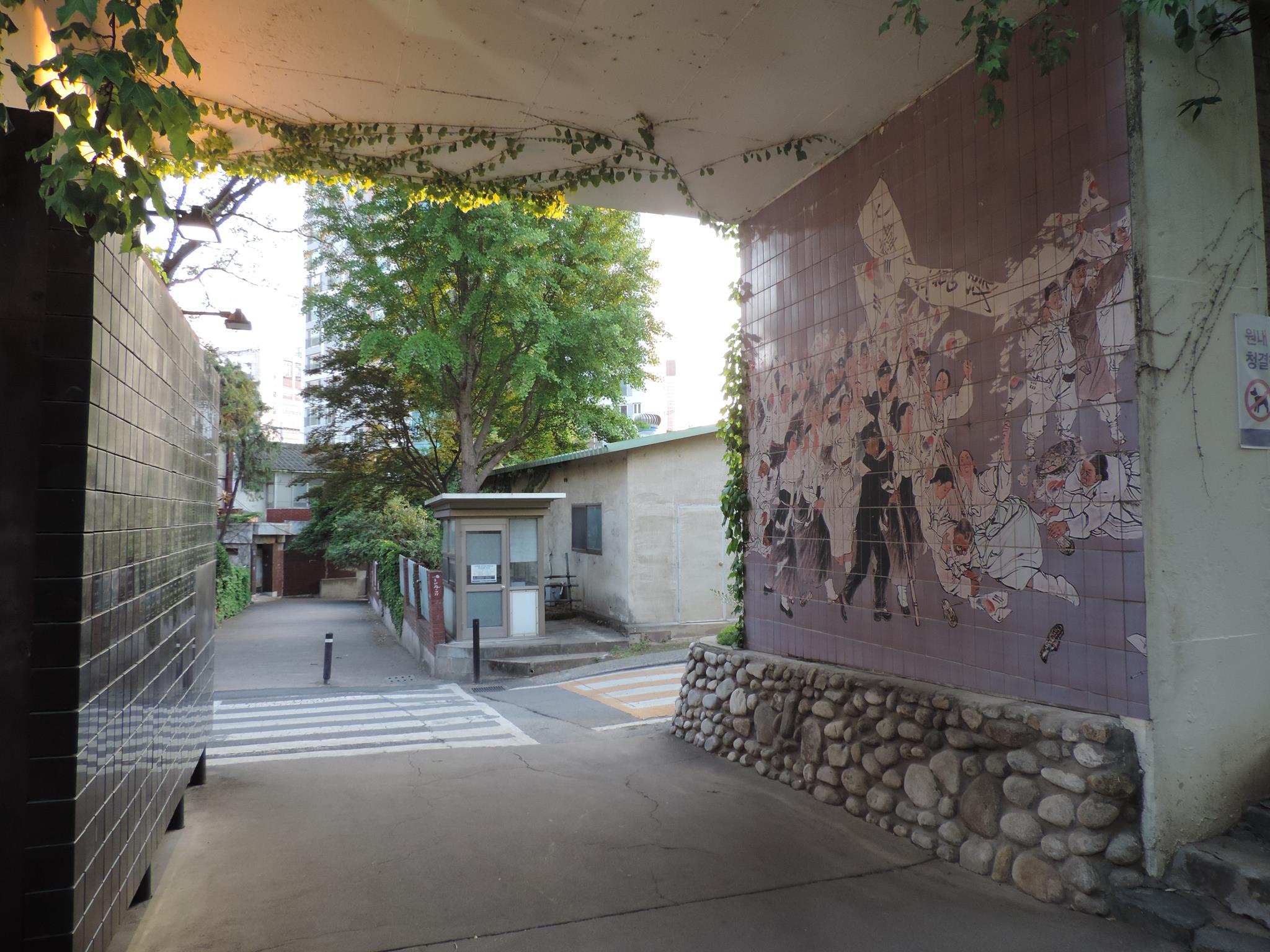
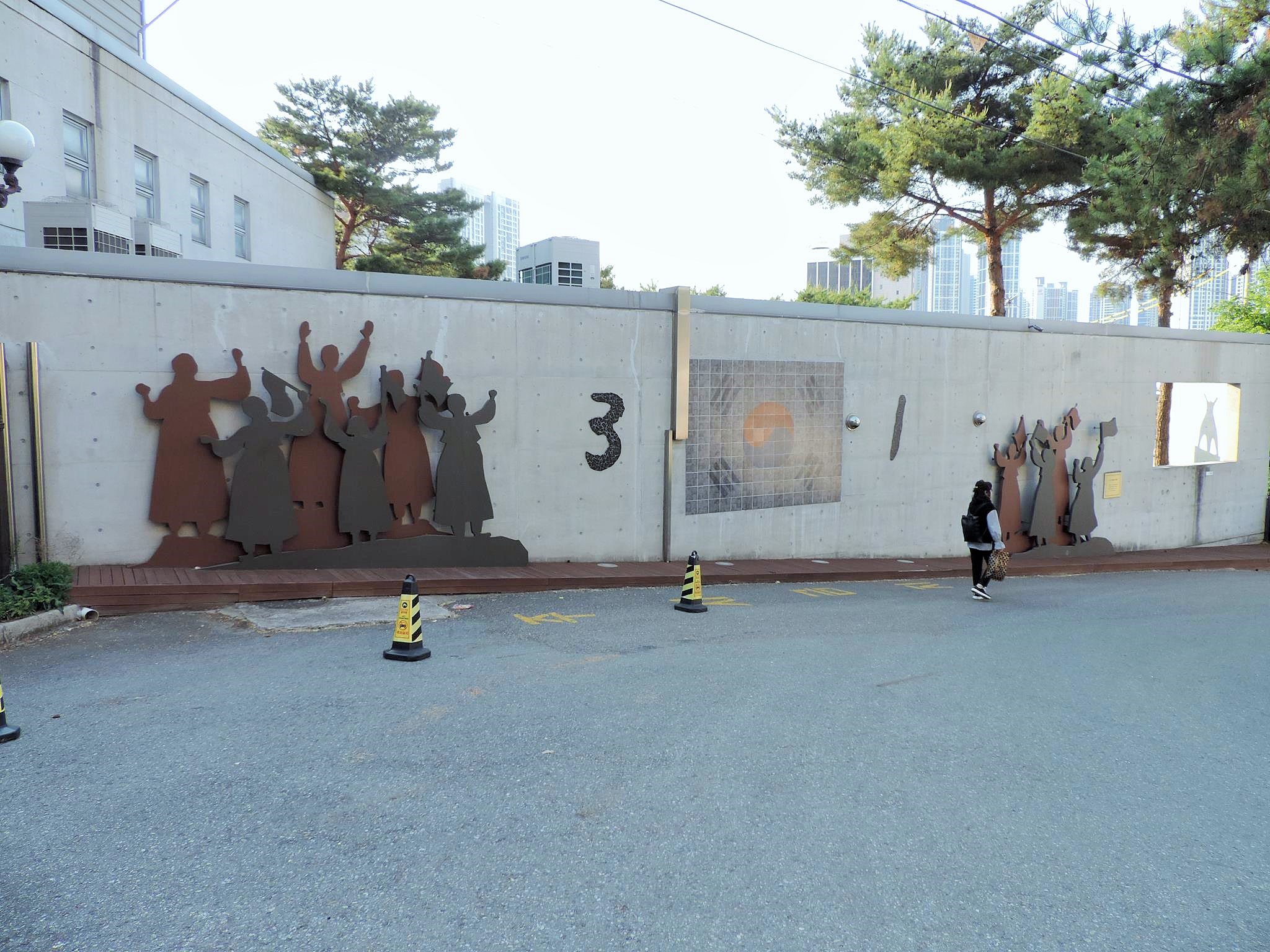
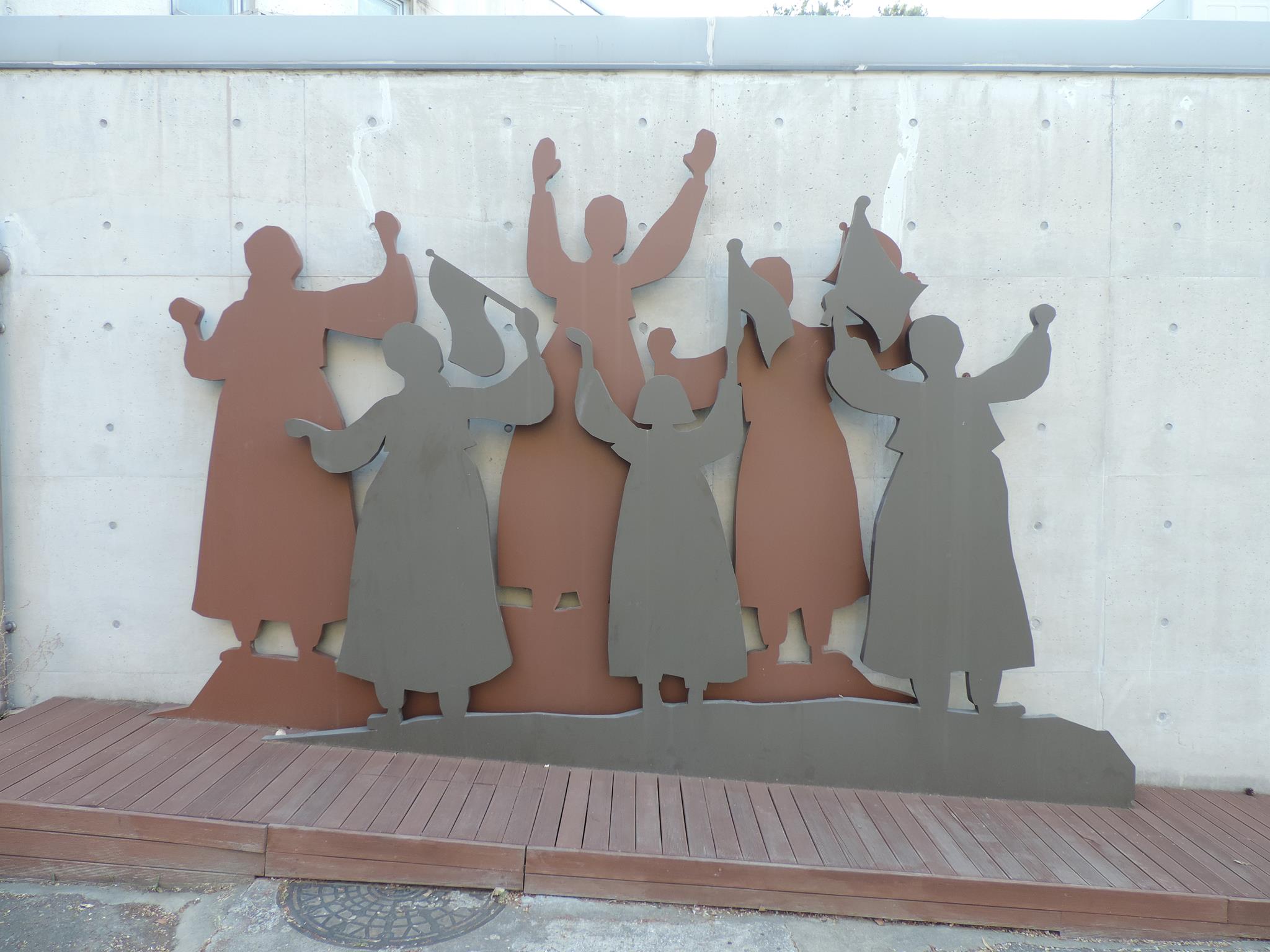
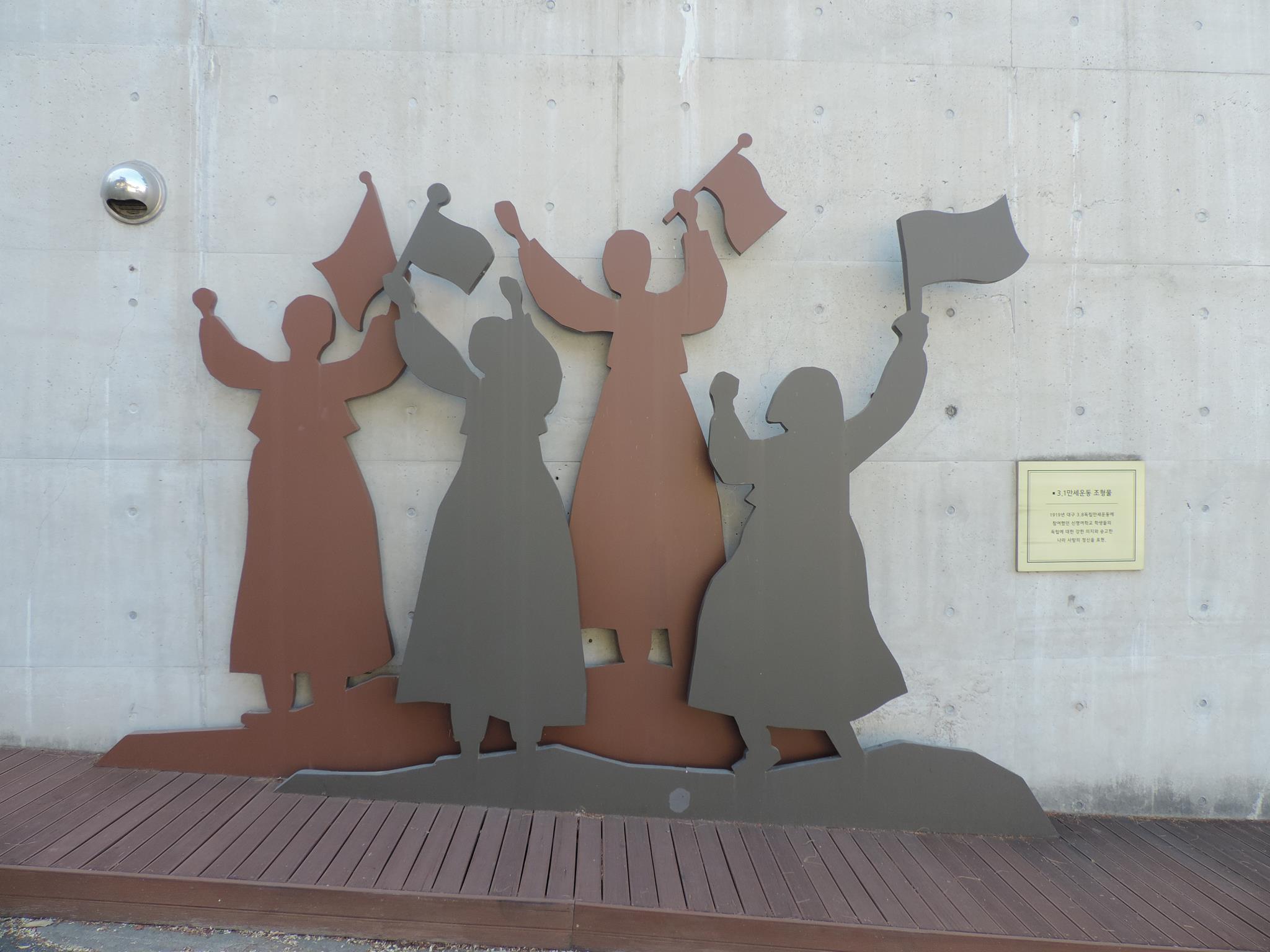
Independence Movement
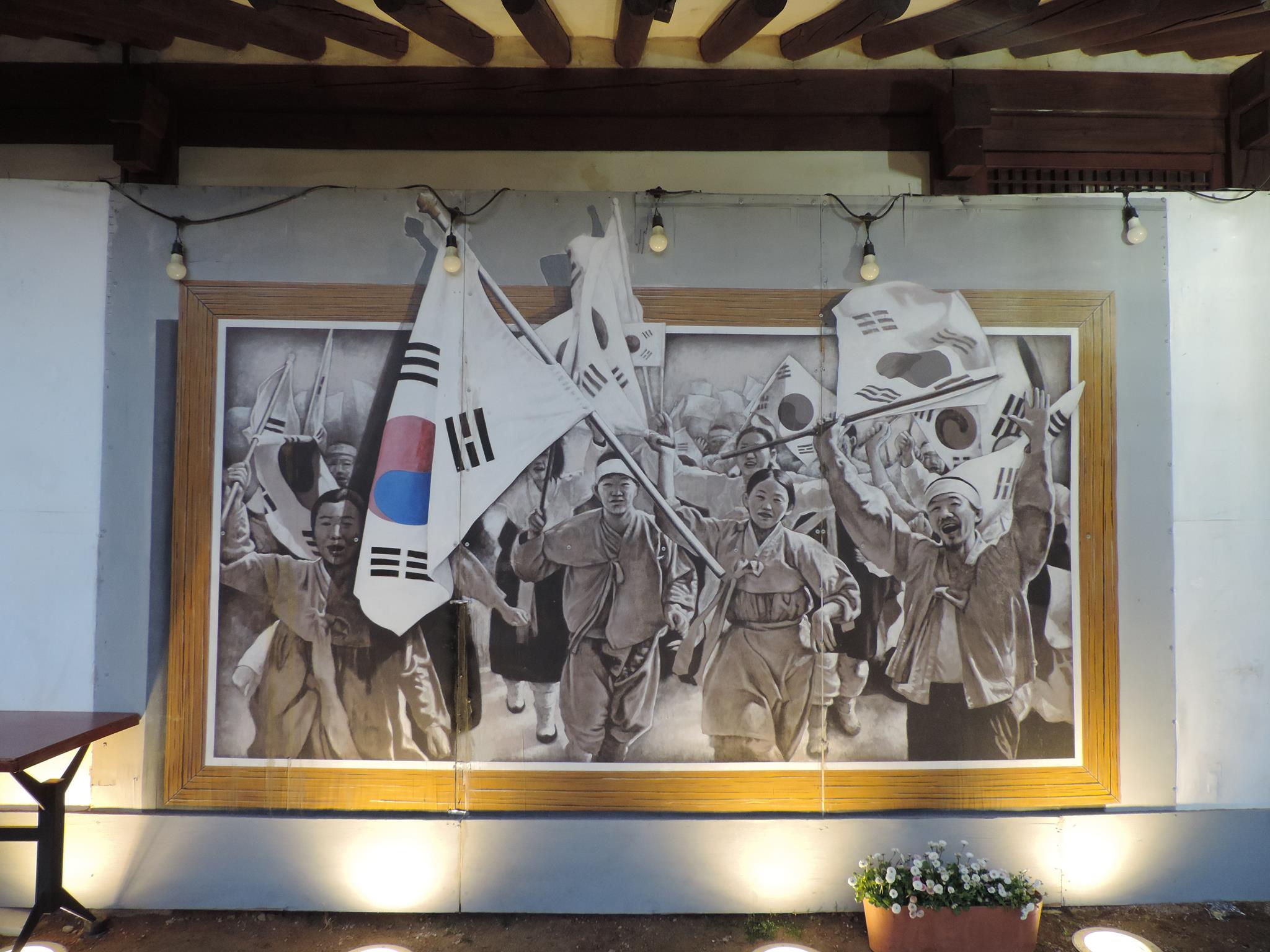
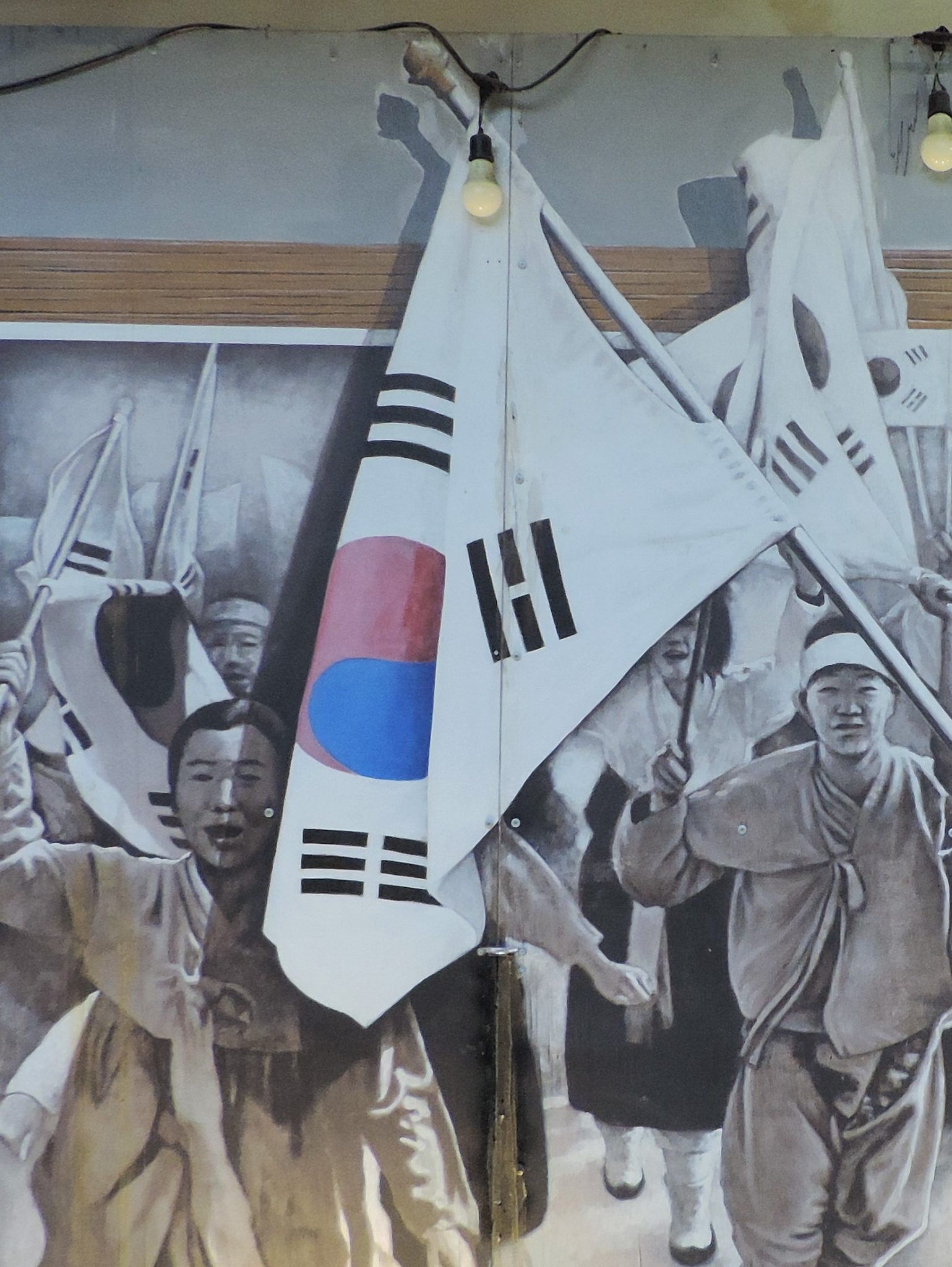
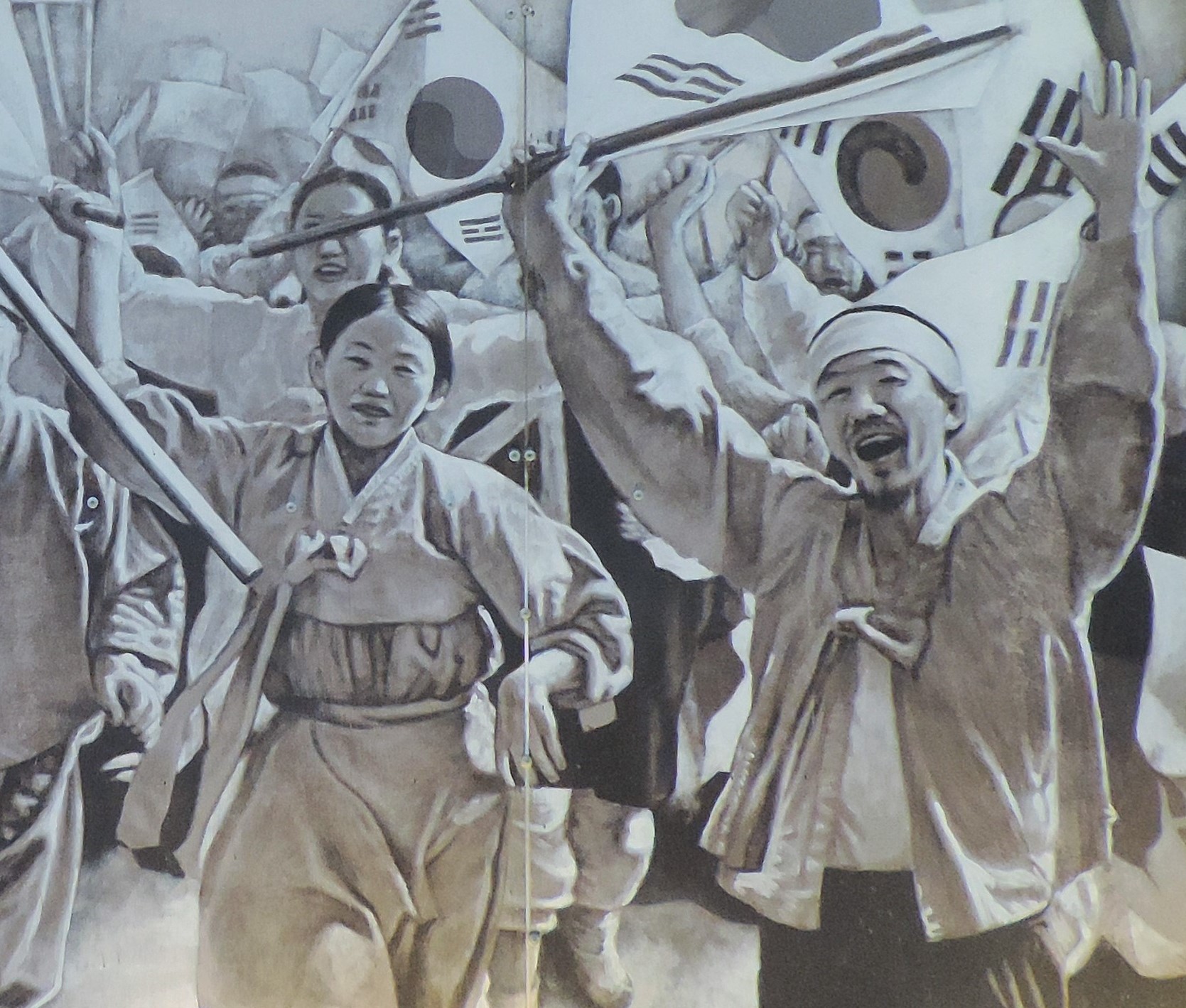
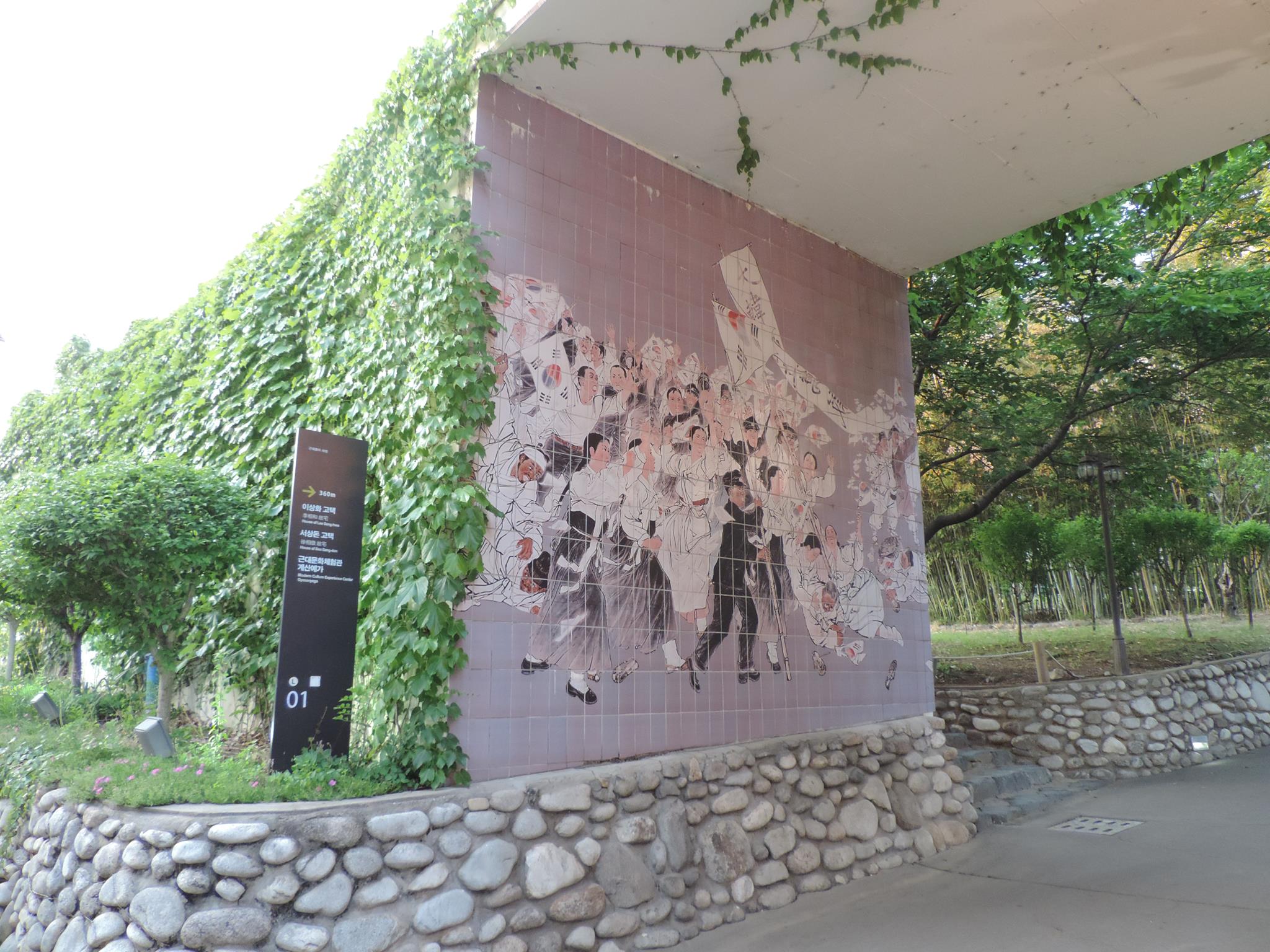
Independence Movement – Tiles Tunnel
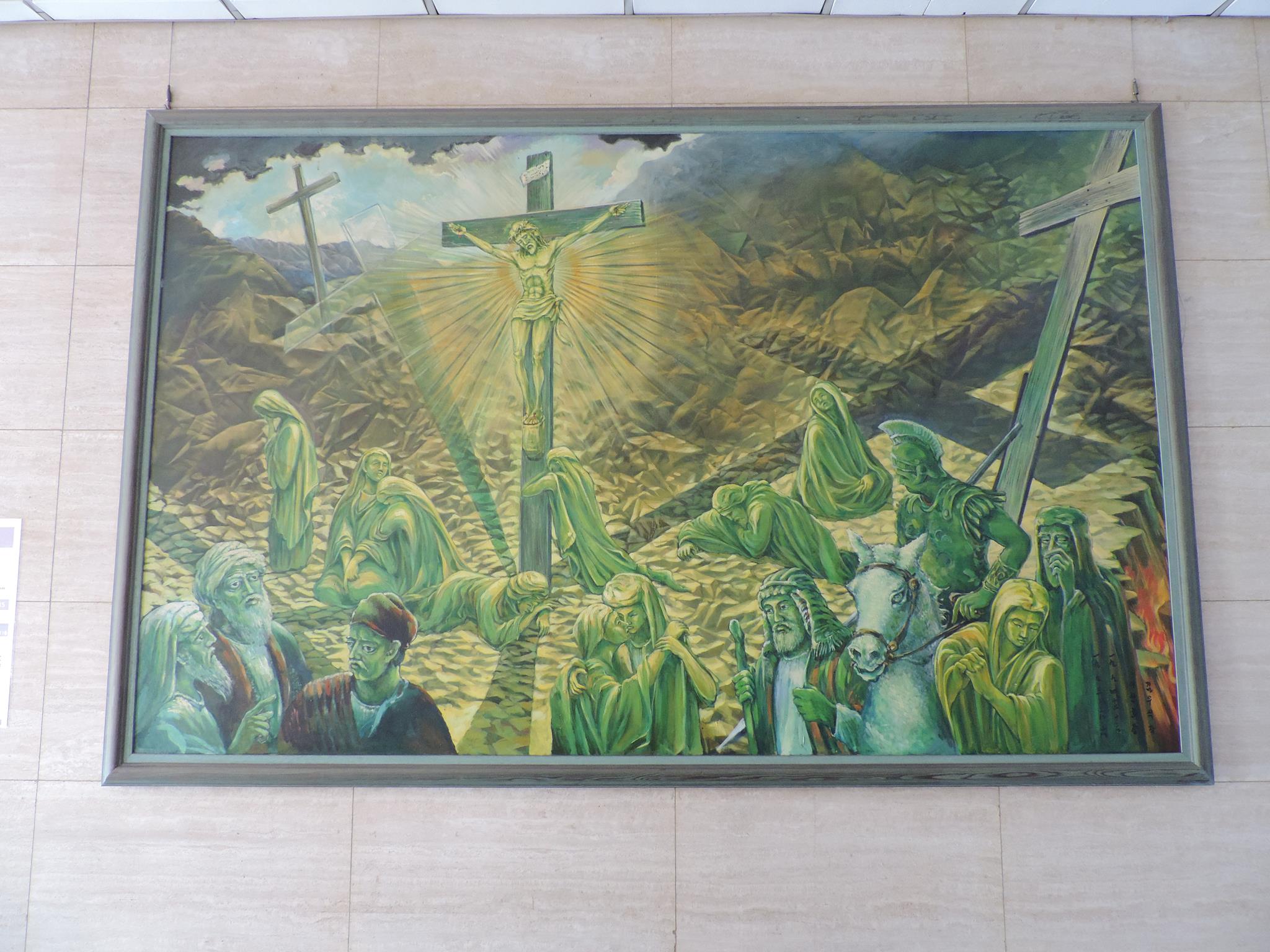
Crucifixion of Jesus
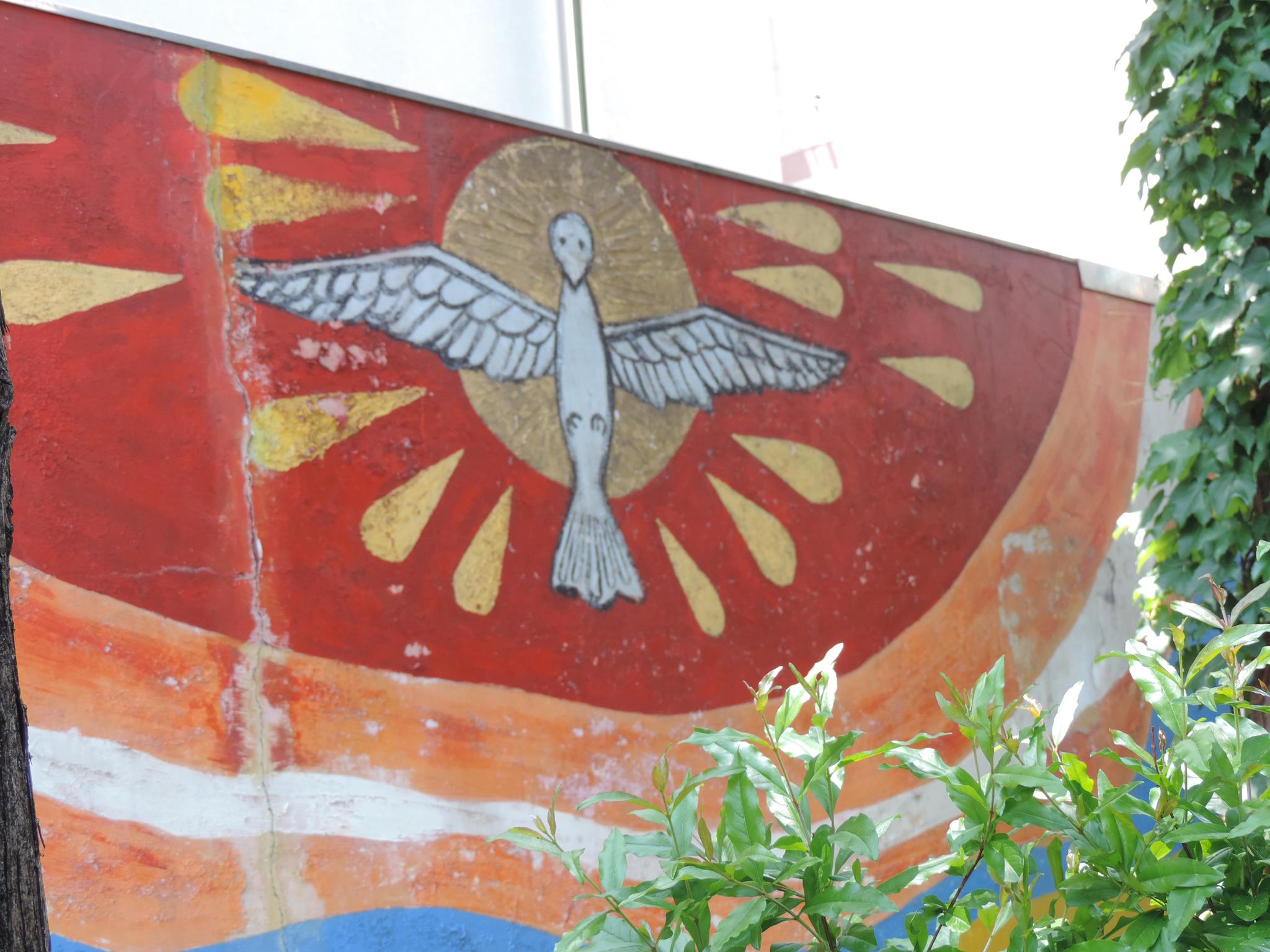
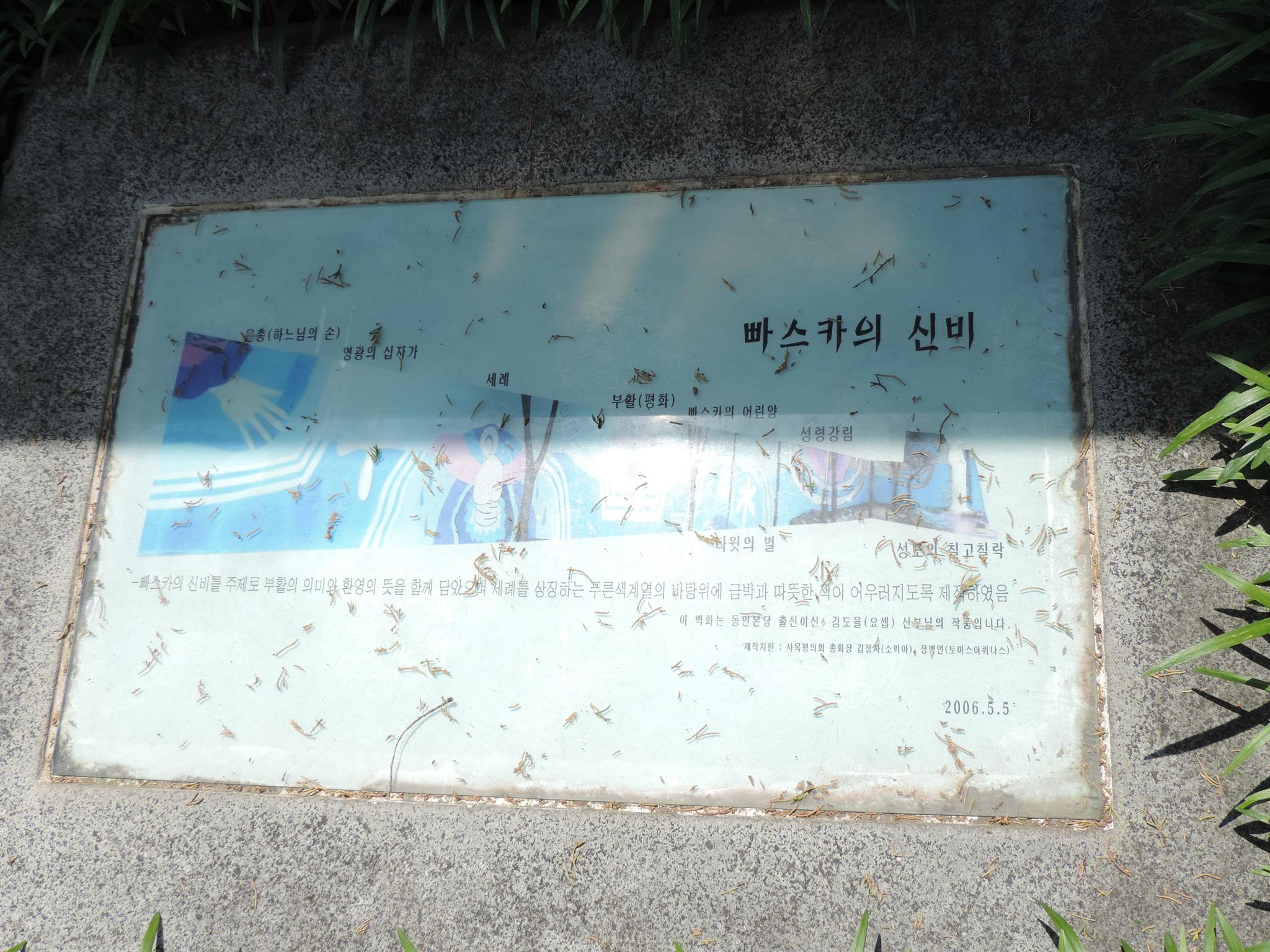
Mystery of Pascha – KIM DO-YUL
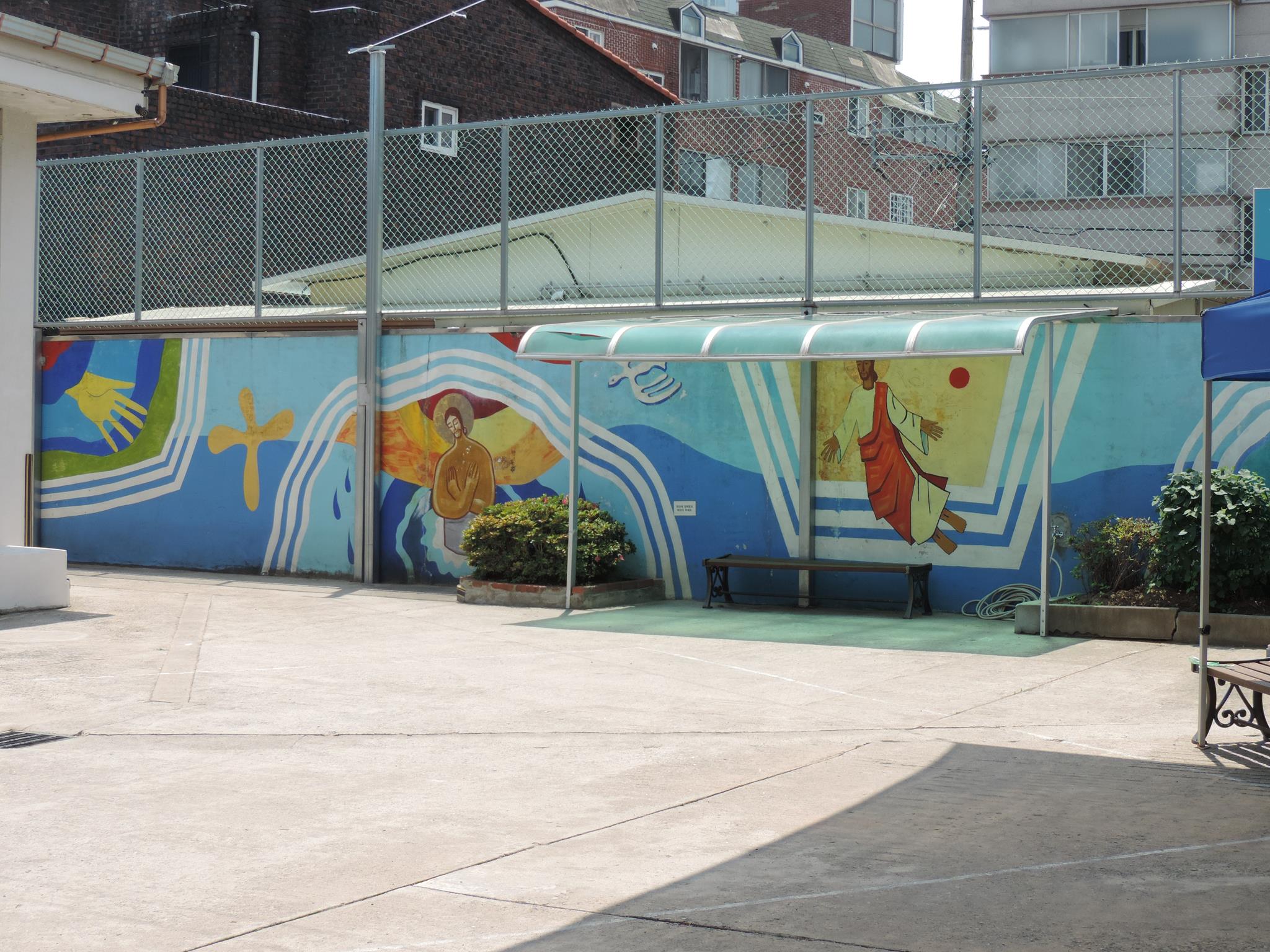
This artwork is in the backyard ofthe Pastoral Council and shows the theme of the „Mystery of Pascha“. The meaning of resurrection and welcome are incorporated, and it is made with gold leaf and warm colors blended on a blue background symbolizing baptism. This mural was inaugurated on May 5th in 2006 and is the work of Father KIM DO-YUL, a native of Dongin Parish with the support of KIM JUNG-SA, president of the Pastoral Council, and JANG BYUNG-EON.
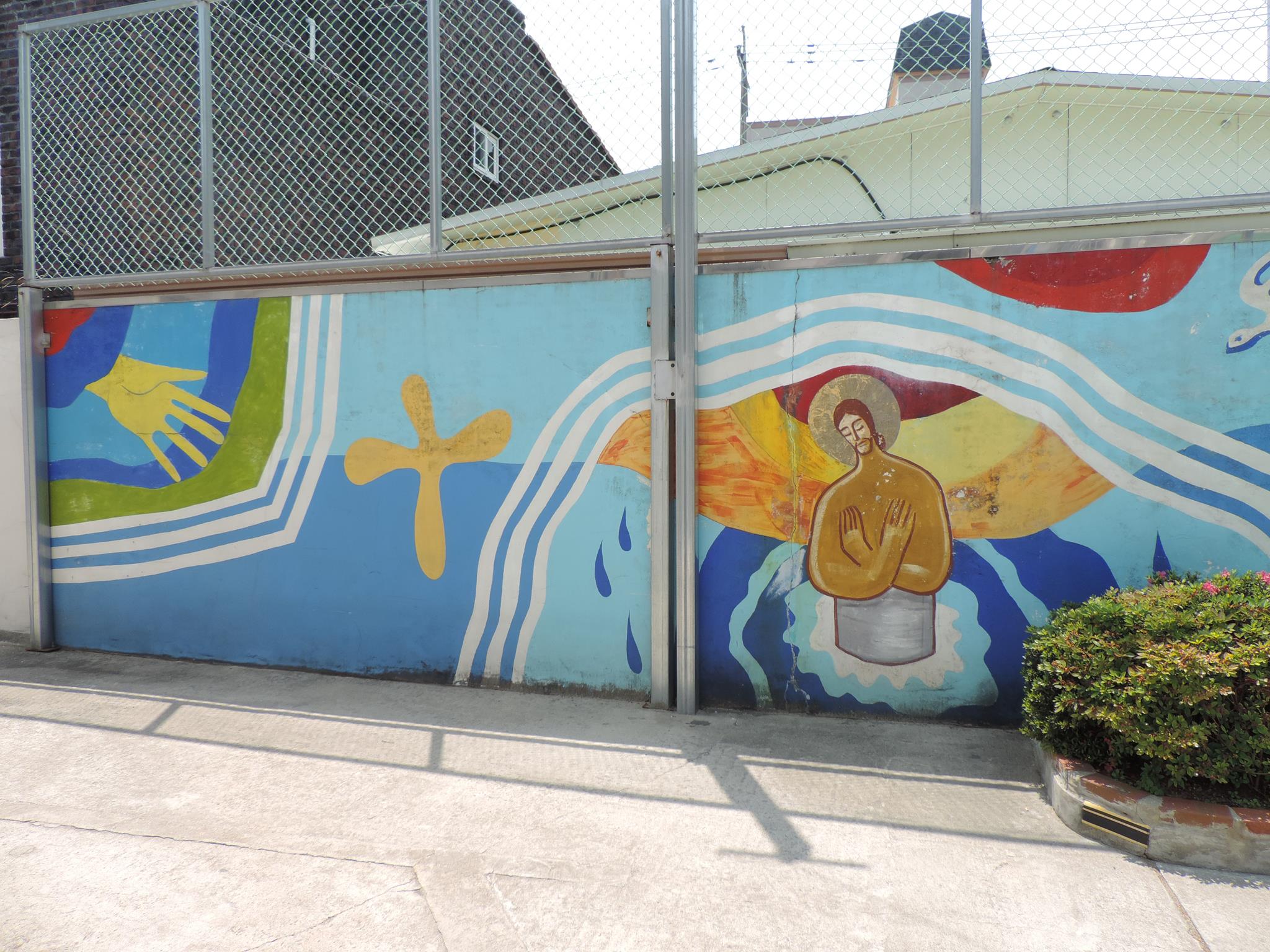
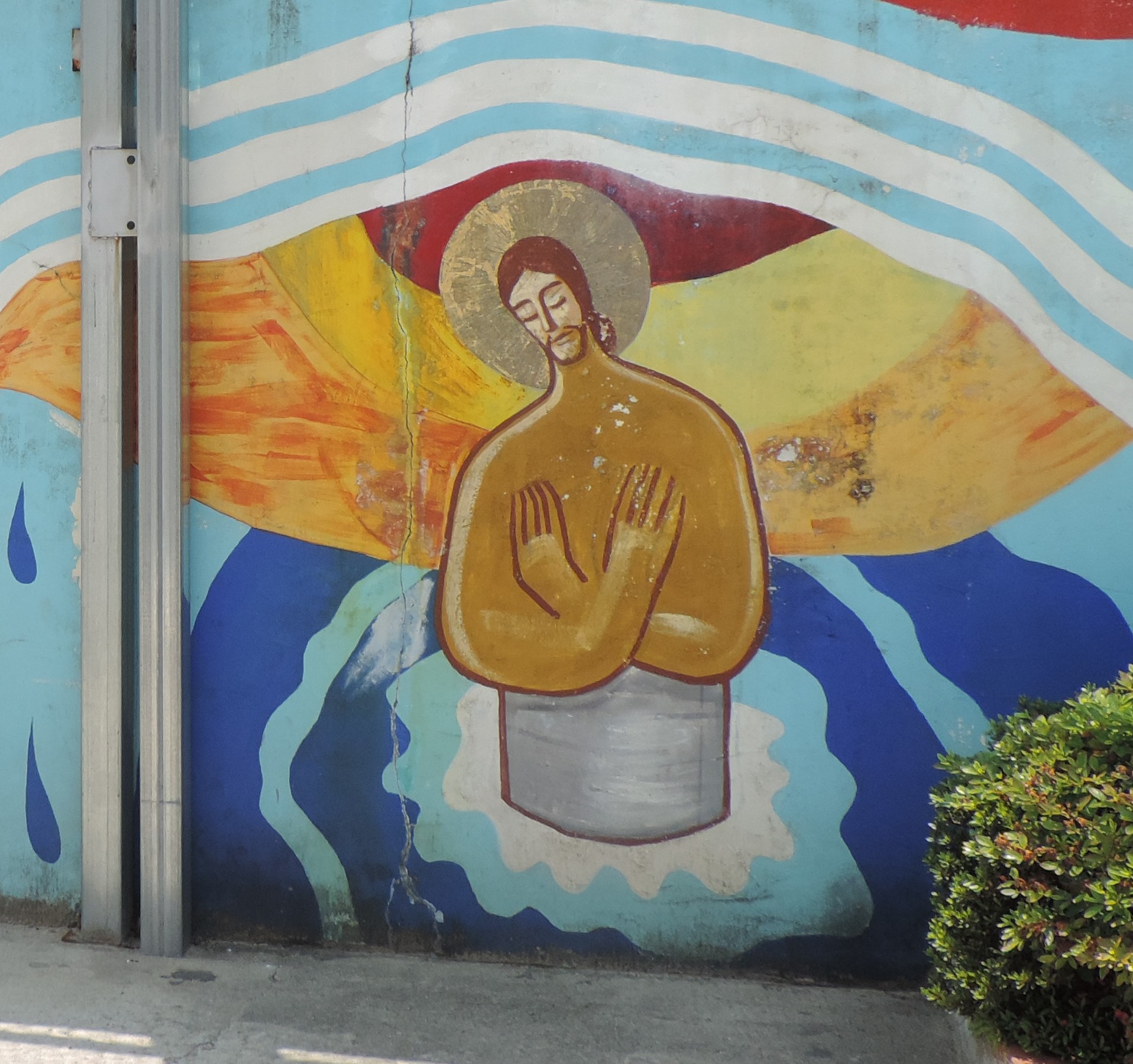
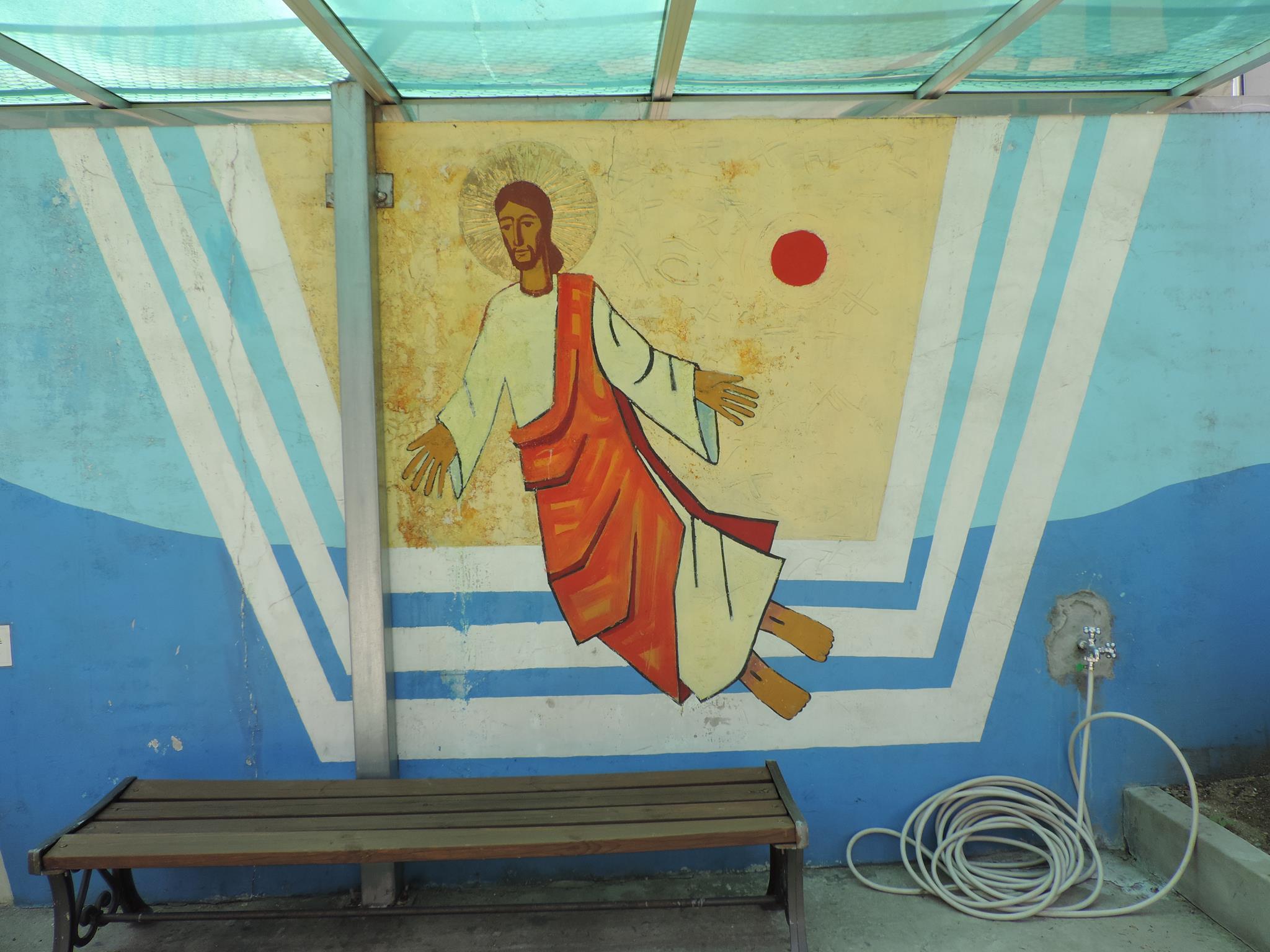
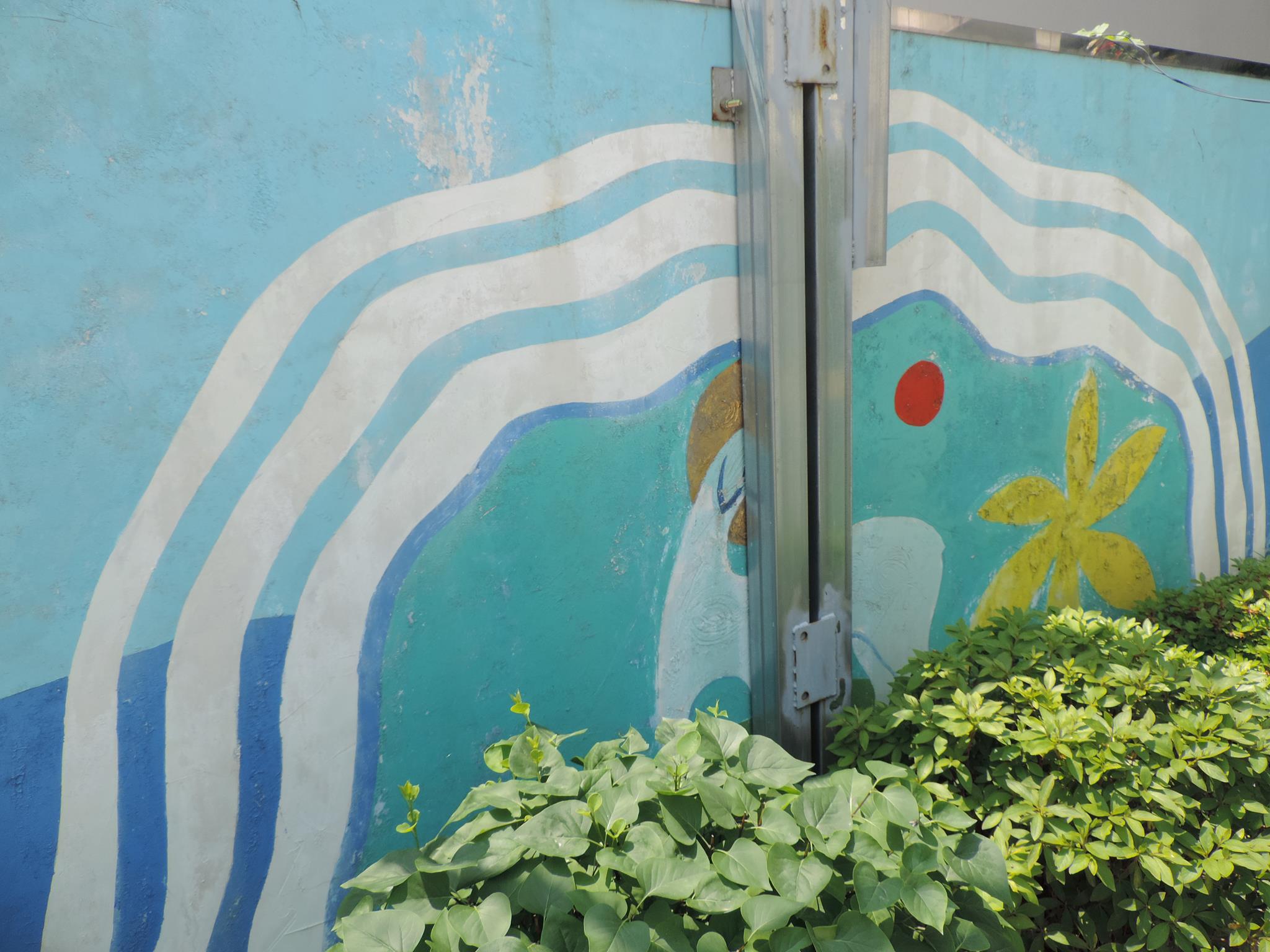
 Artist: KIM DO-YUL
Support Artist: KIM JUNG-SA
Support Artist: JANG BYUNG-EON
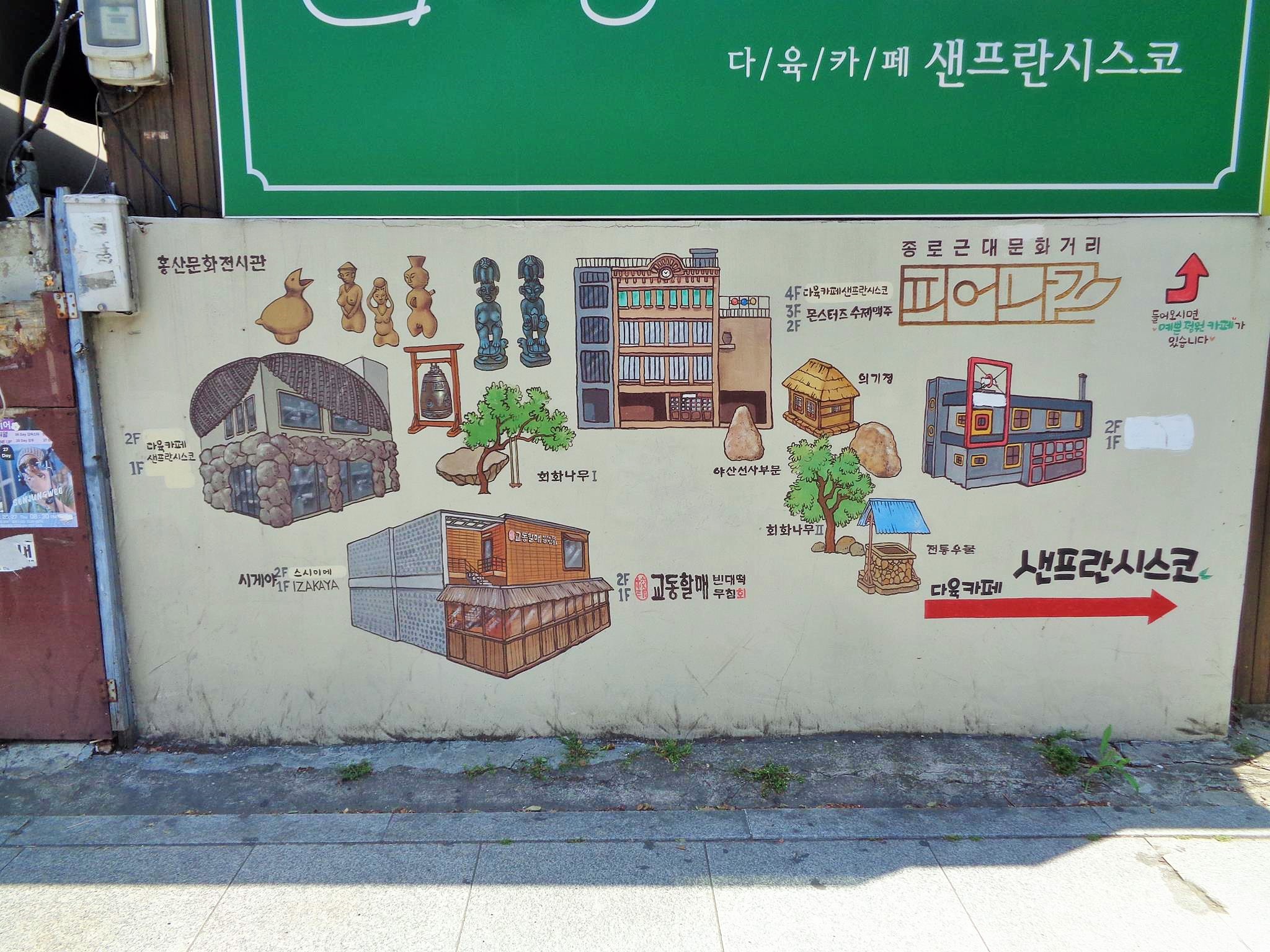
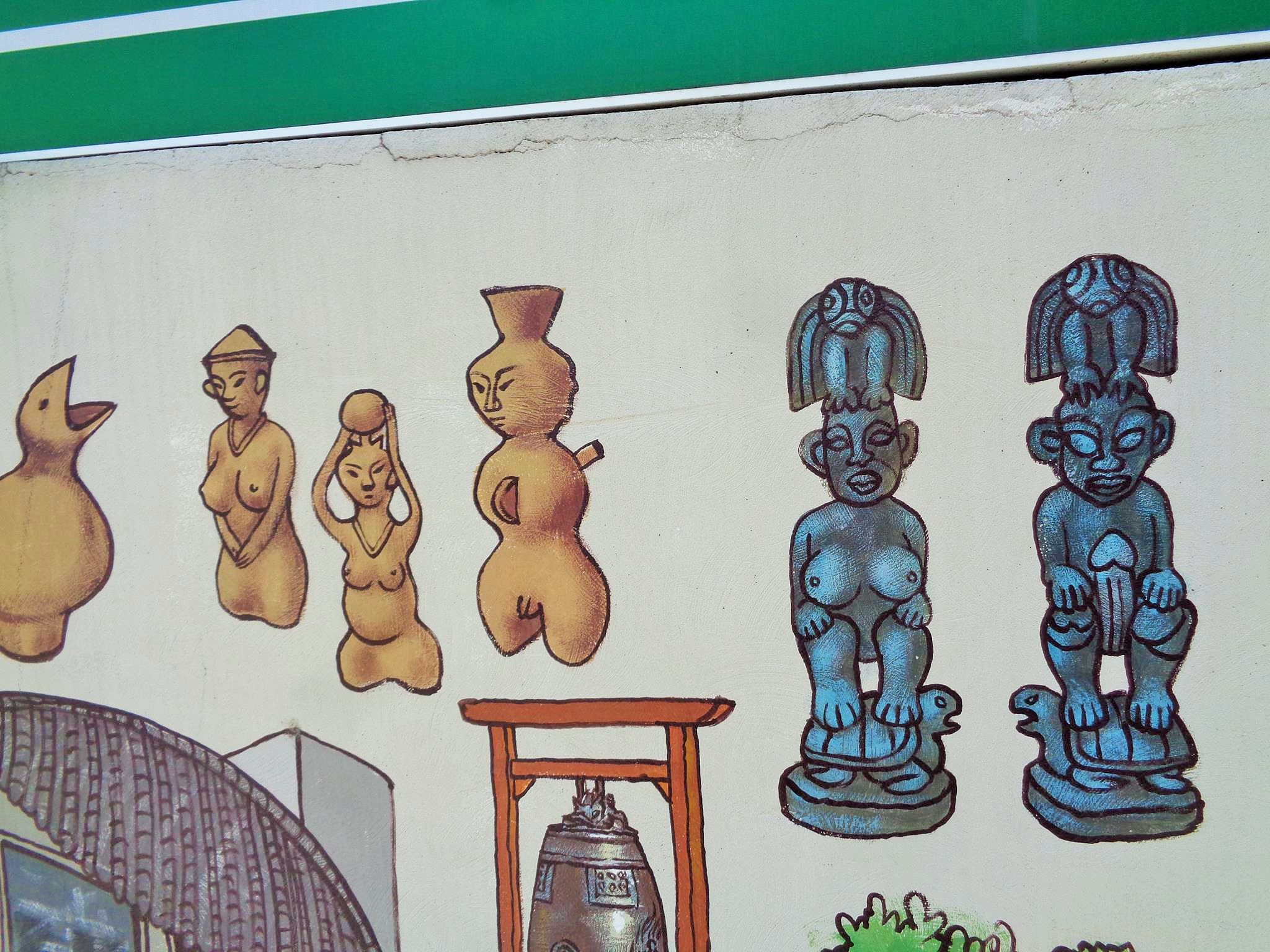
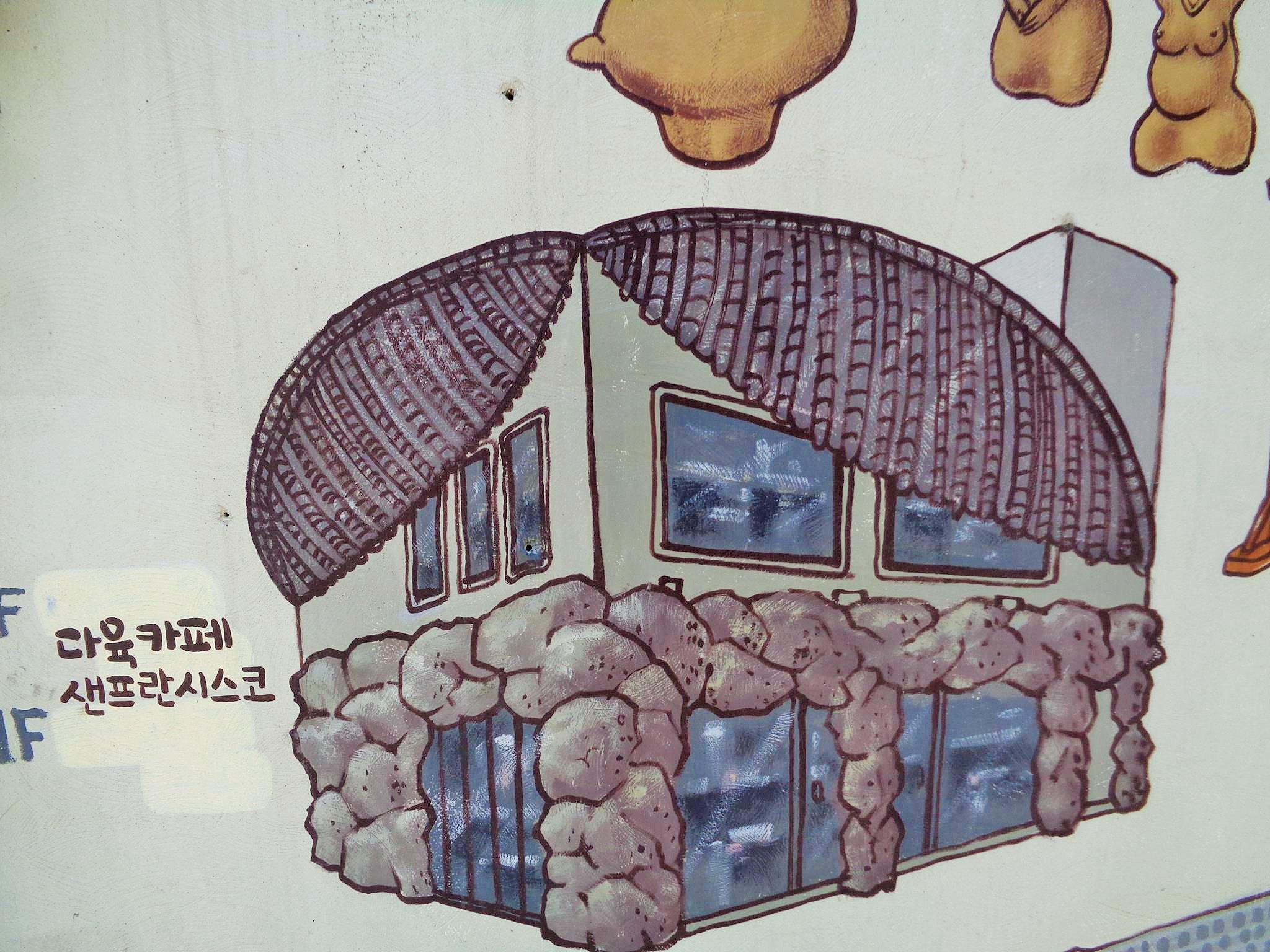
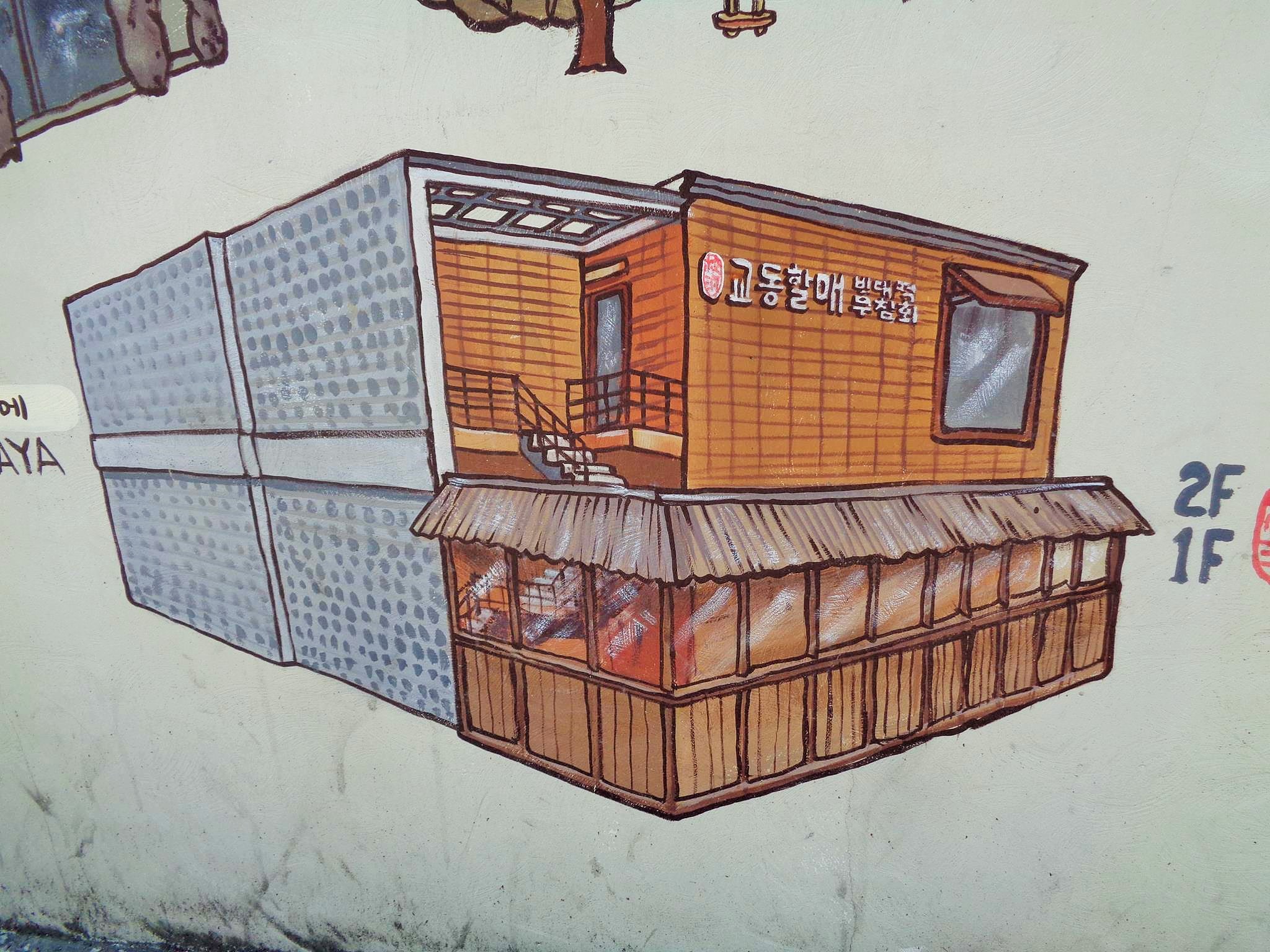
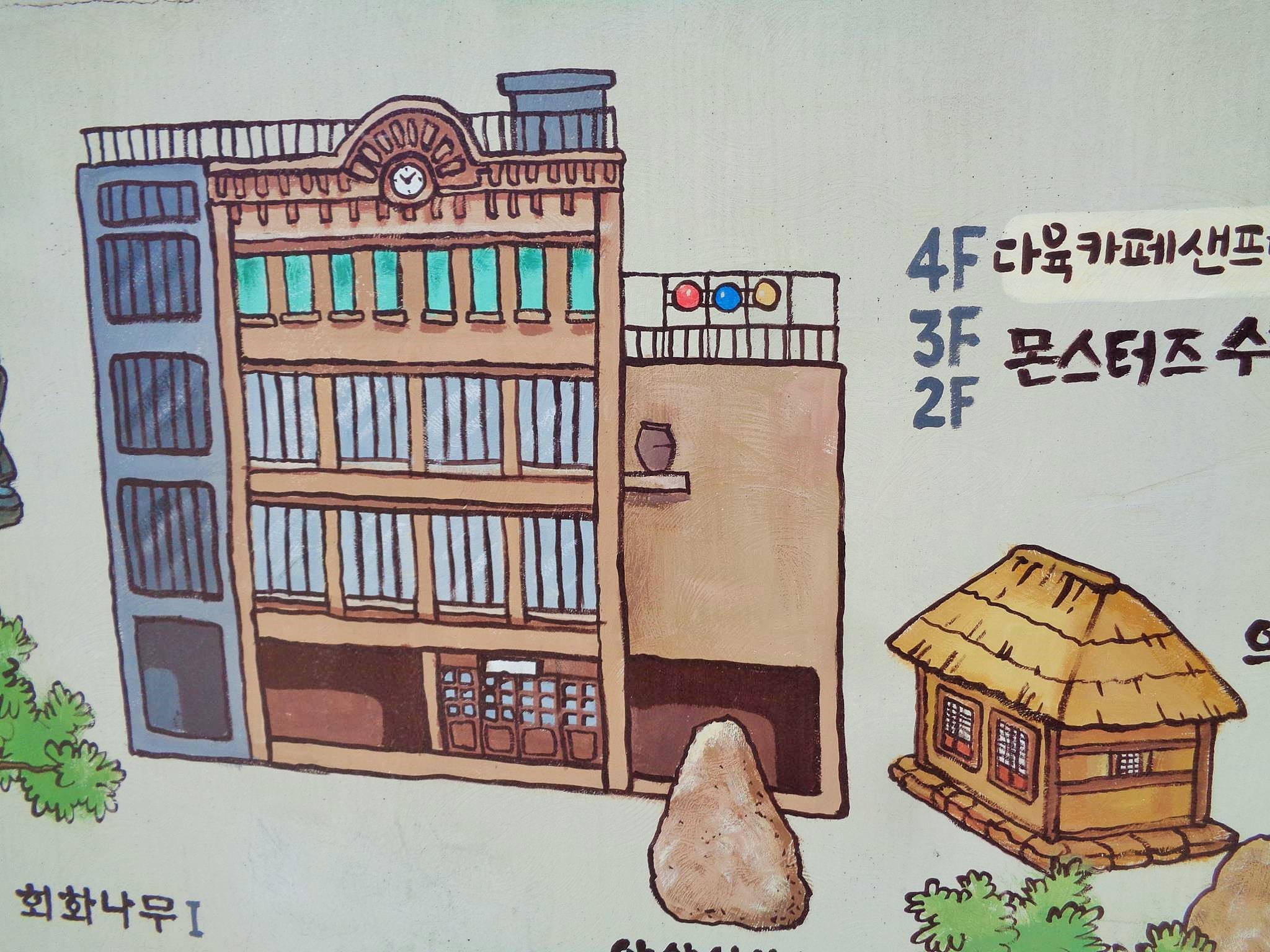
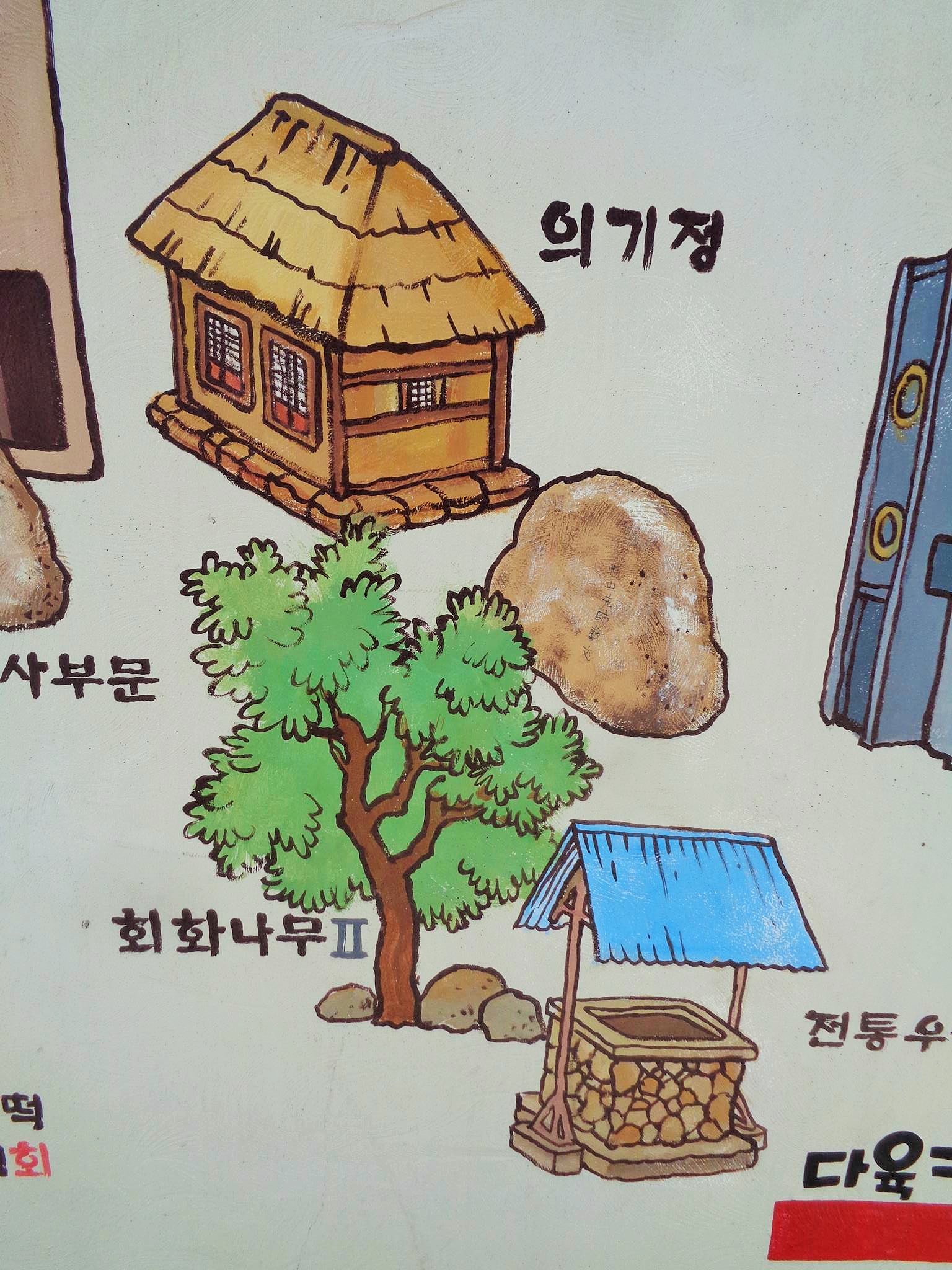
Neighborhood Sights Map
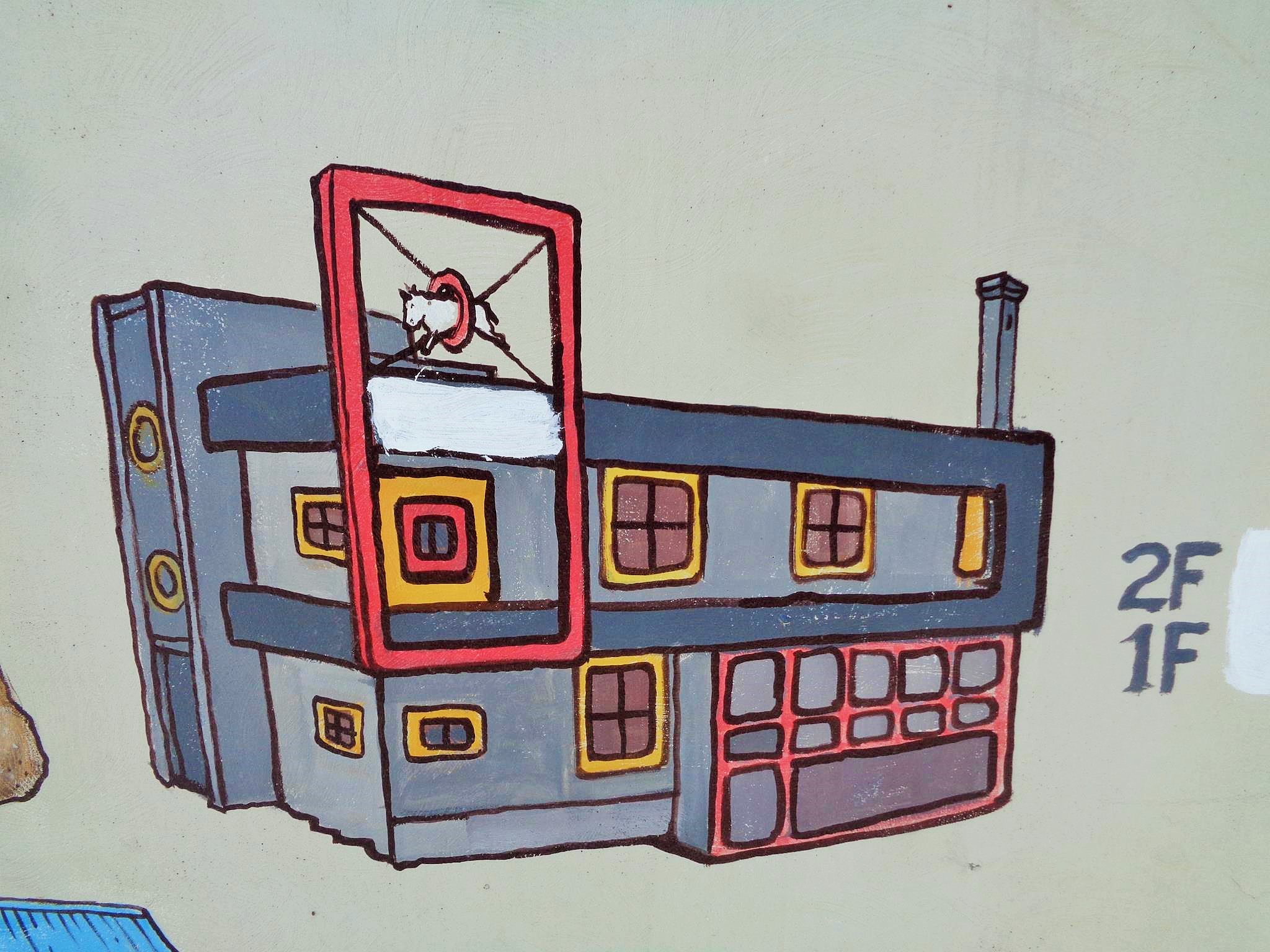
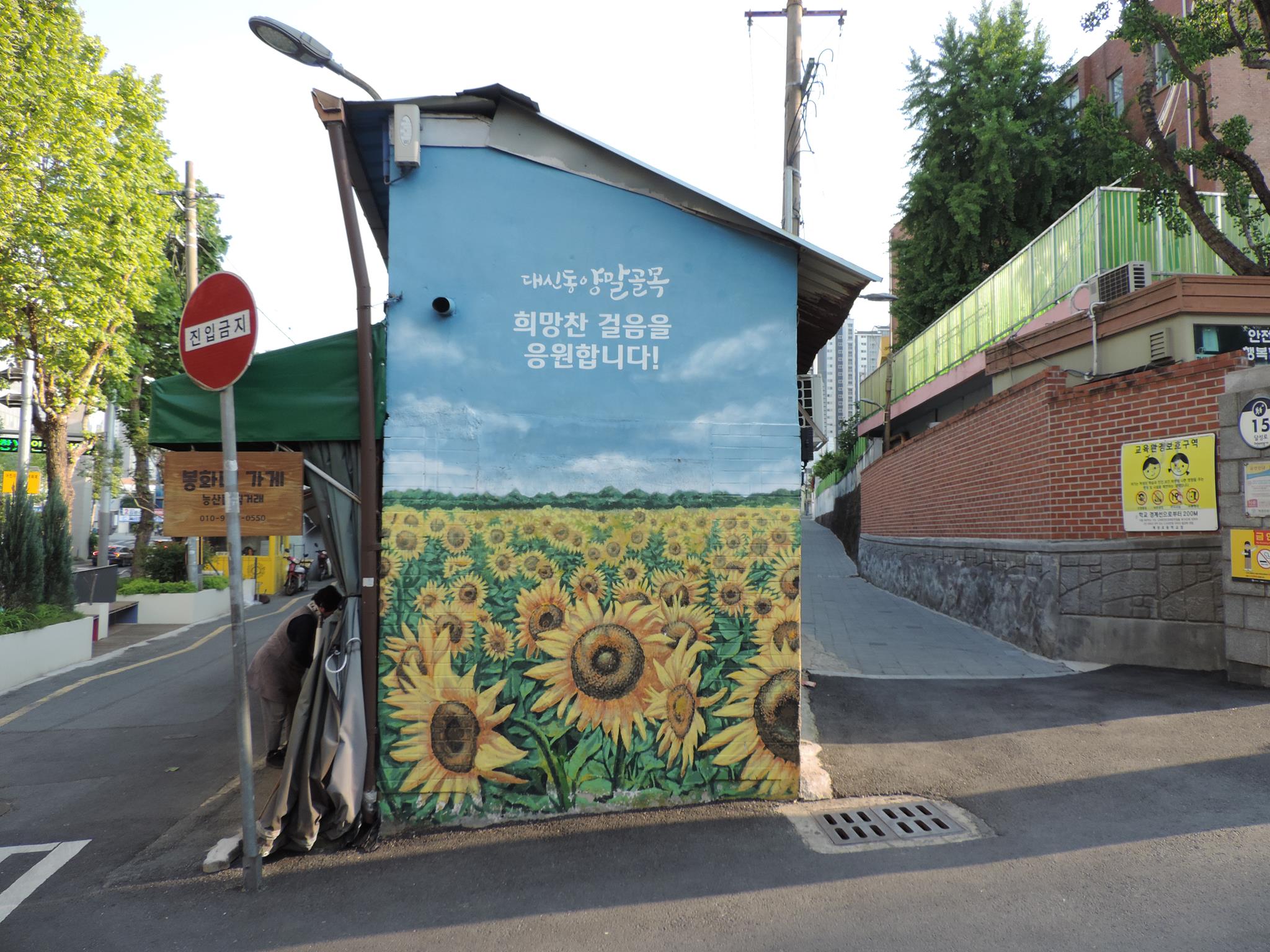
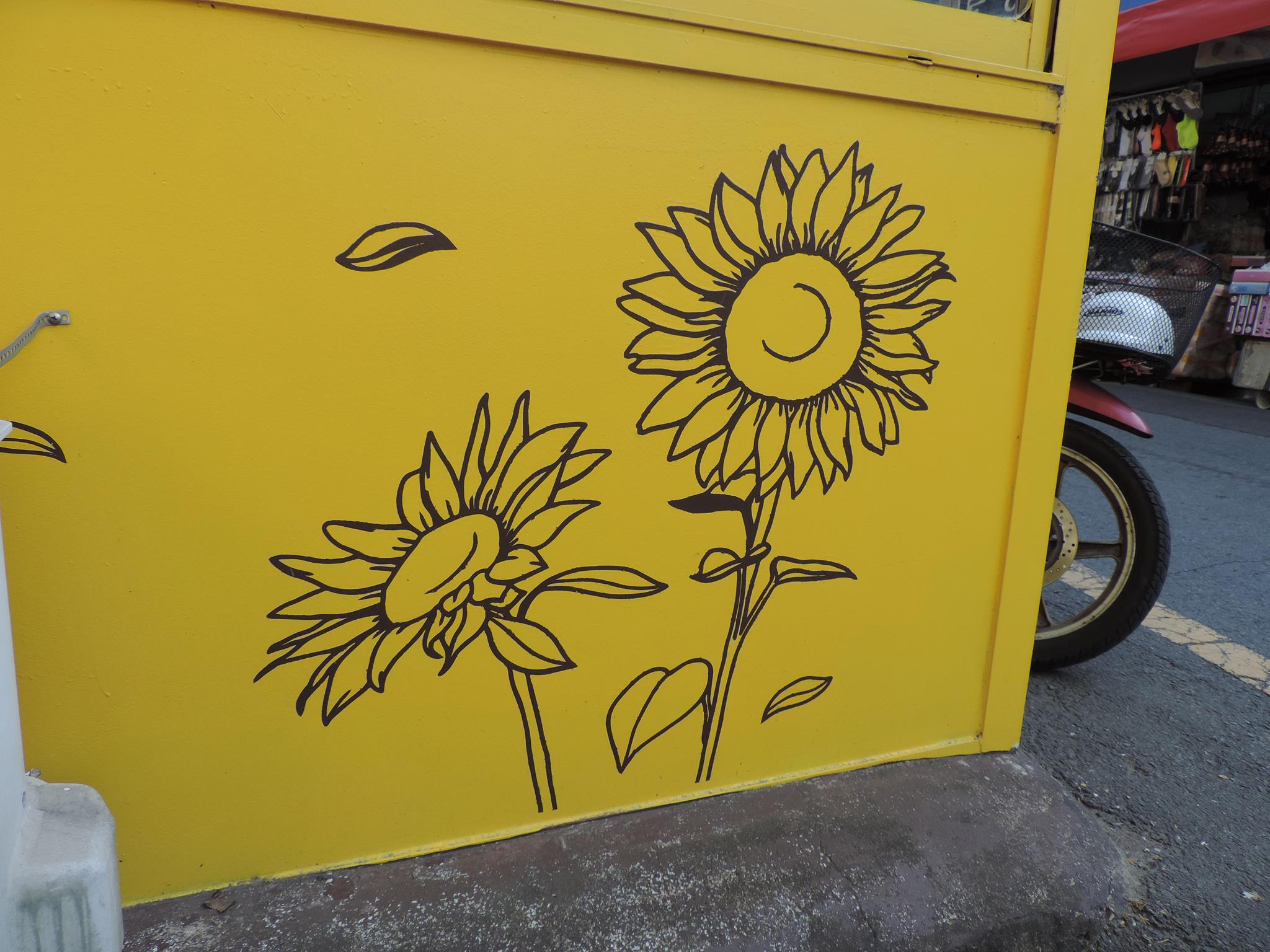
Sunflowers Corner
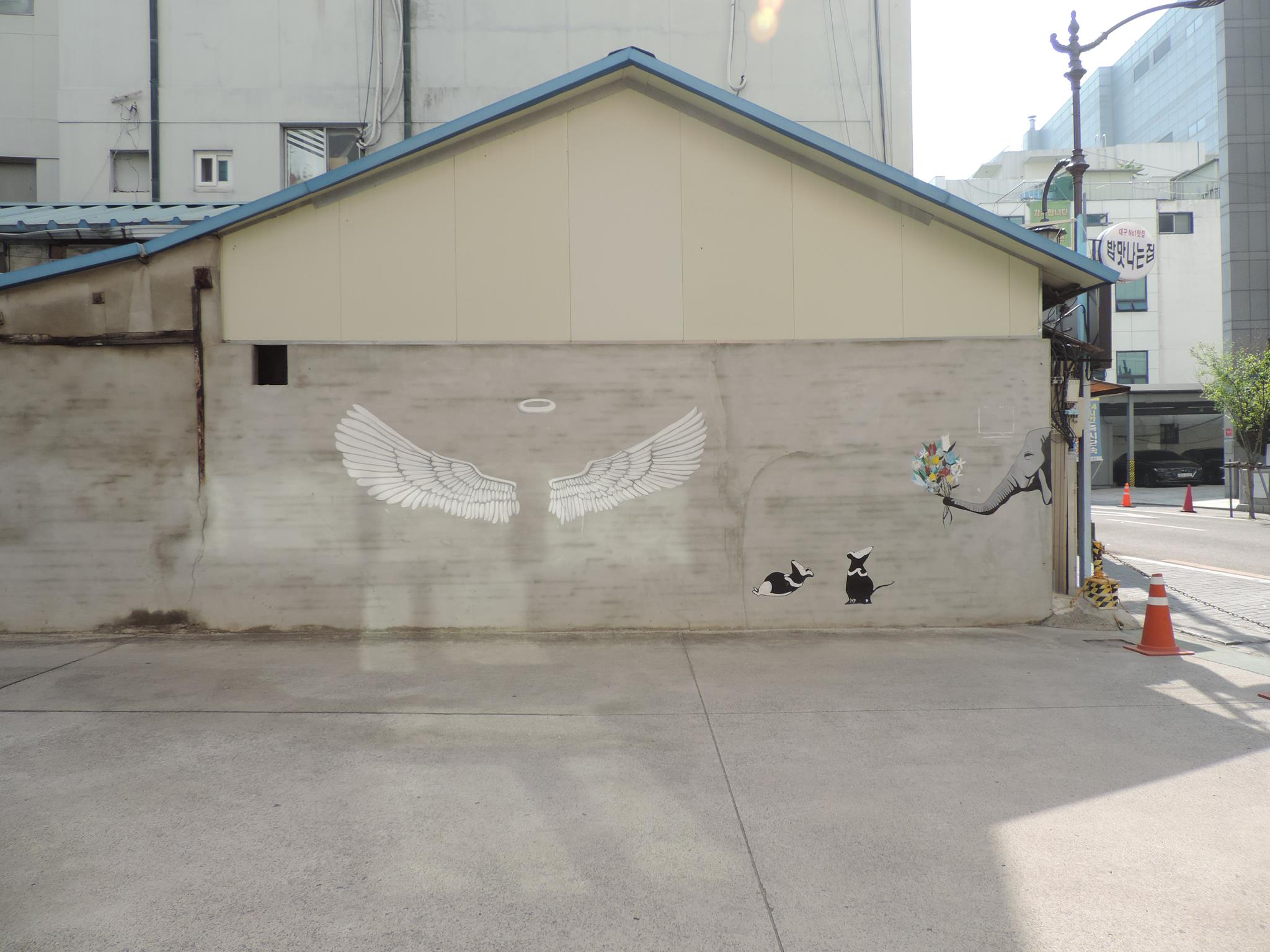
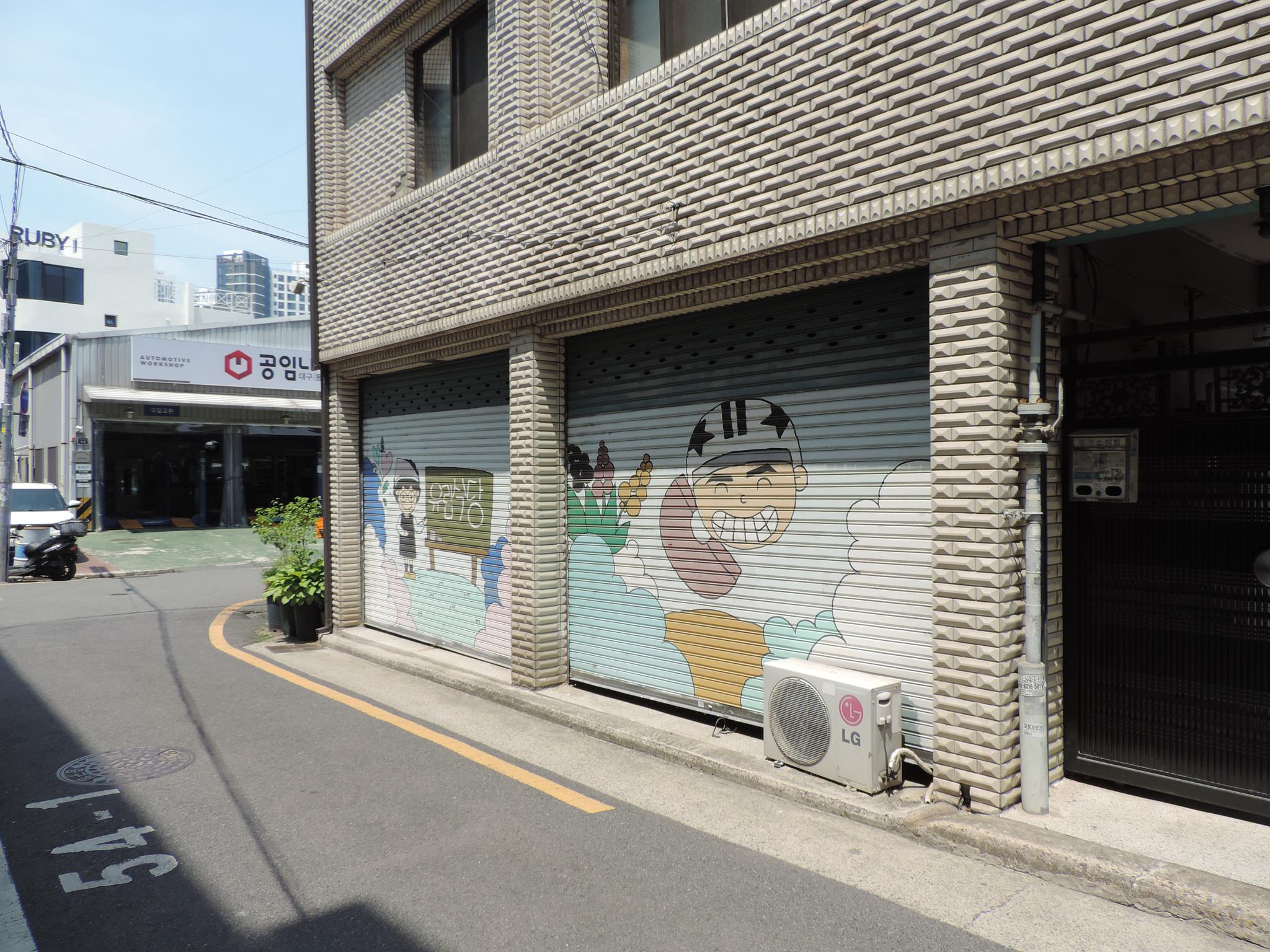
Wings, Mice & Elephant
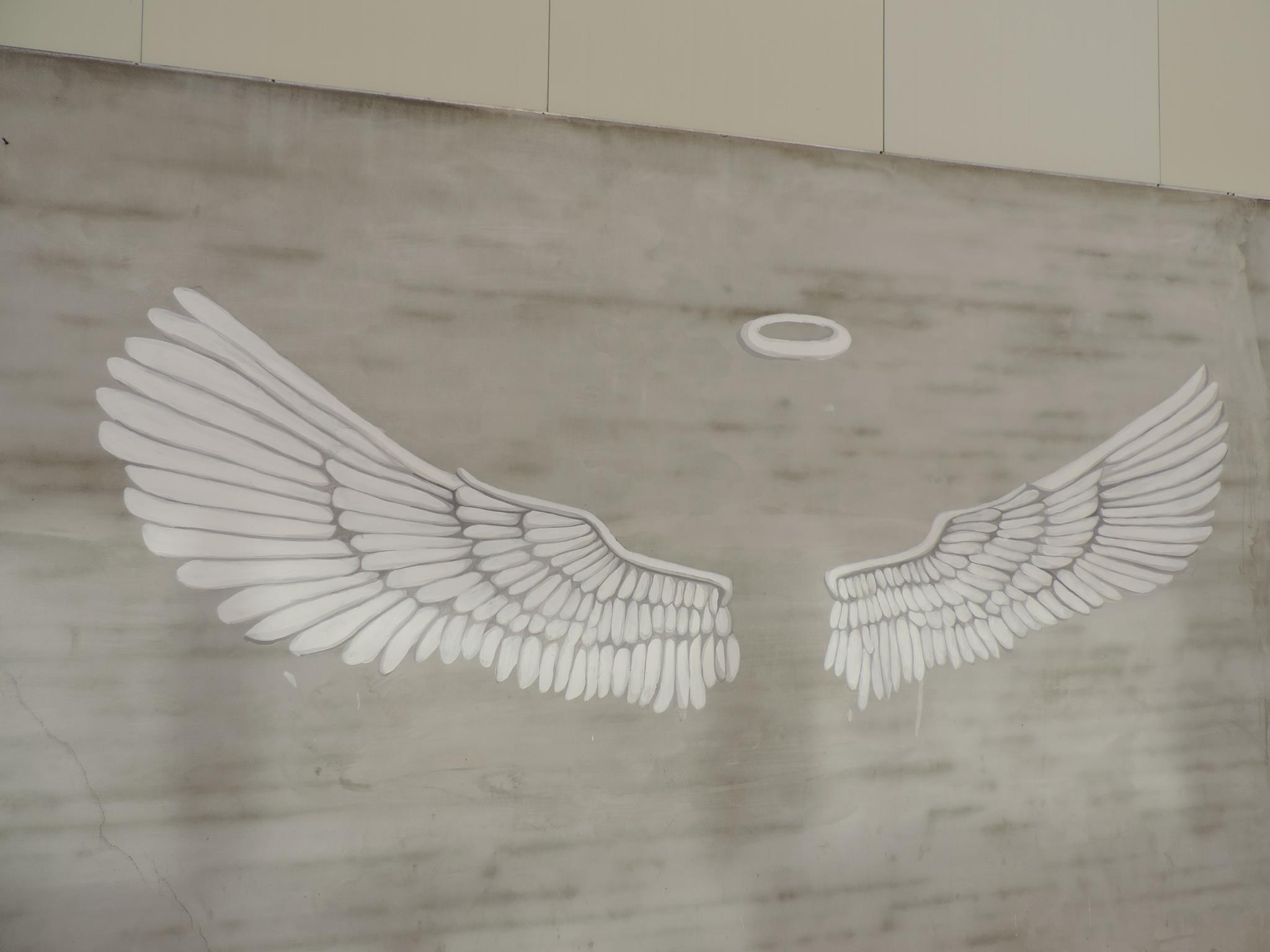
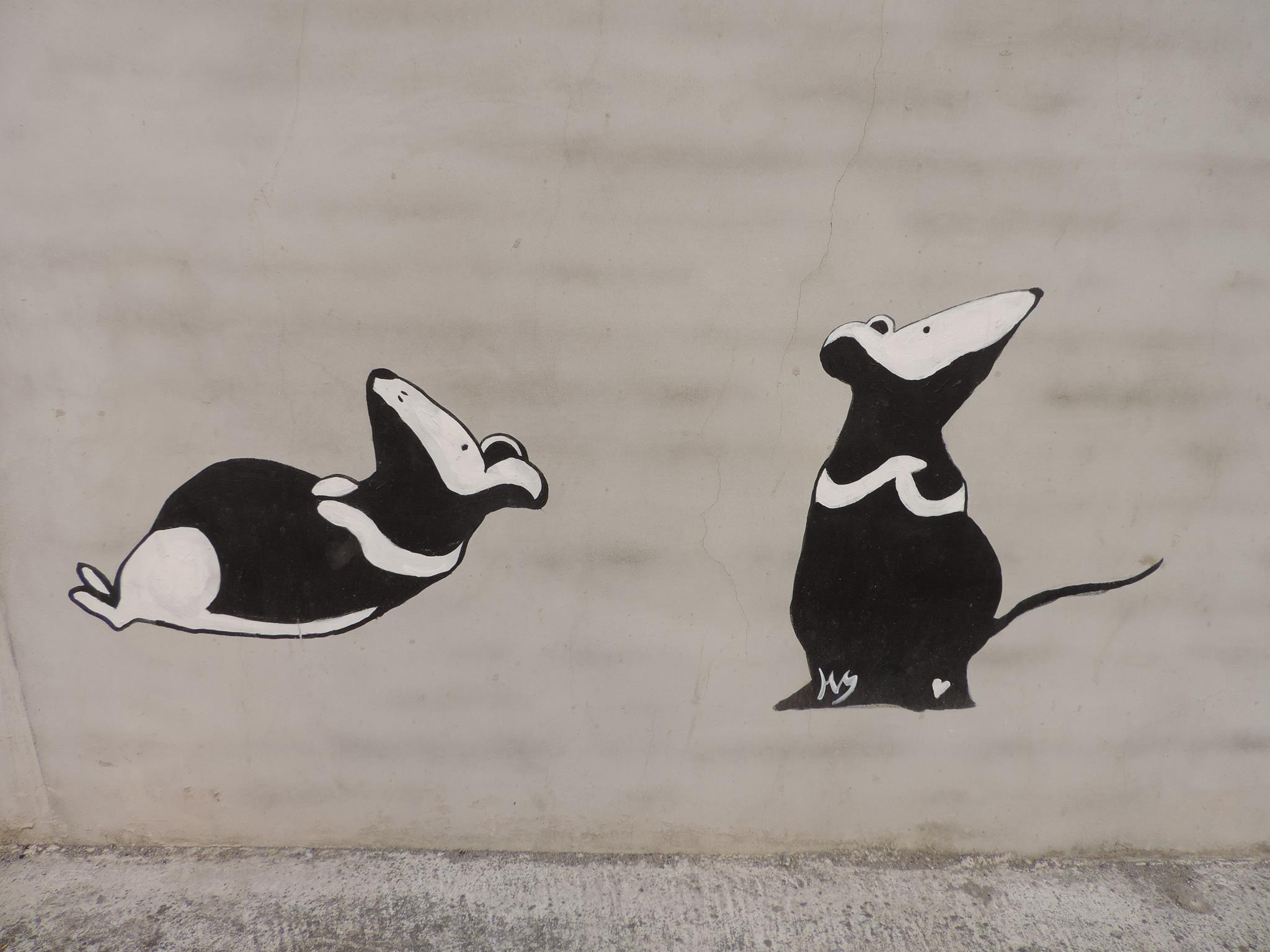
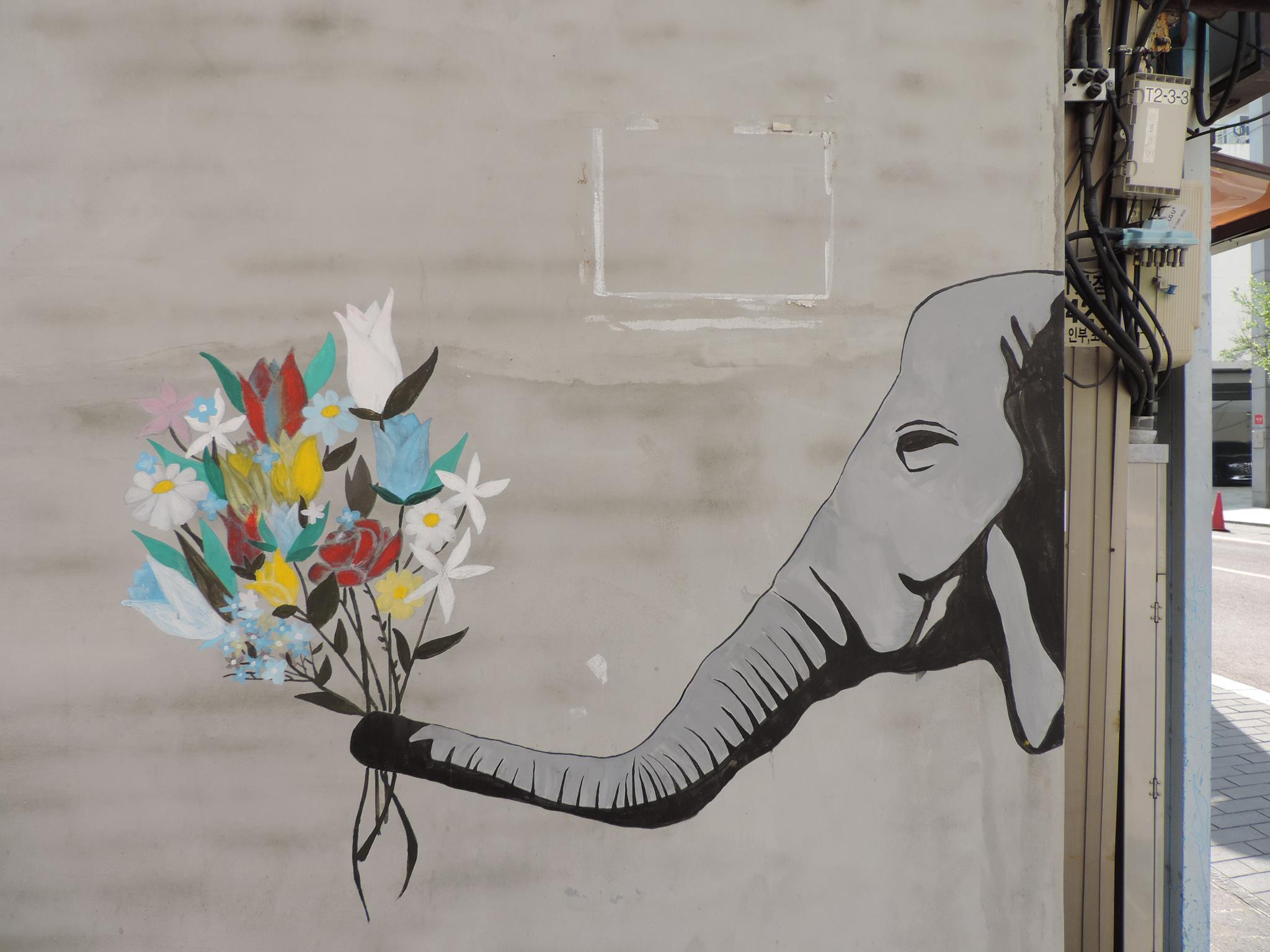
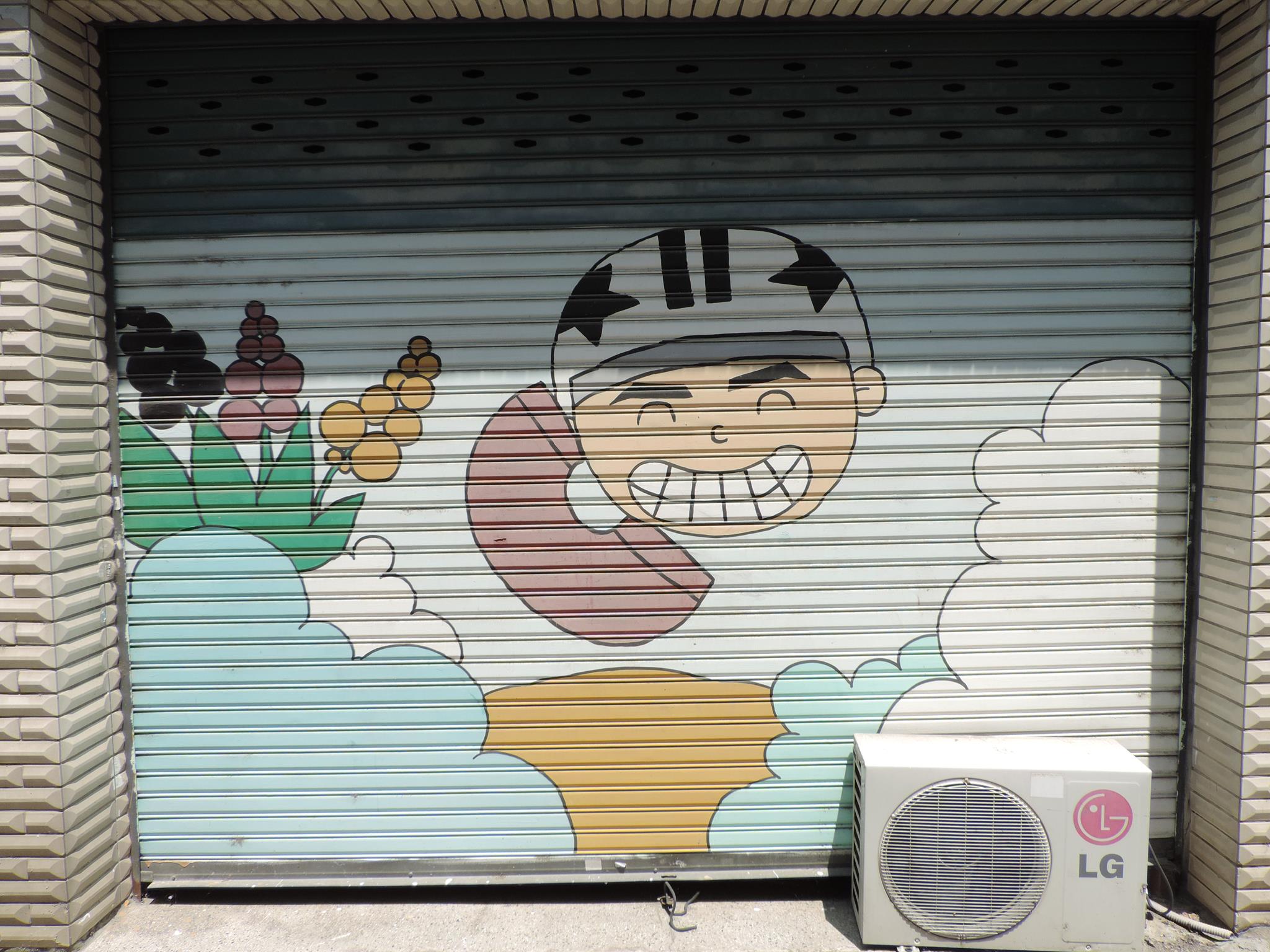
Banana Boat
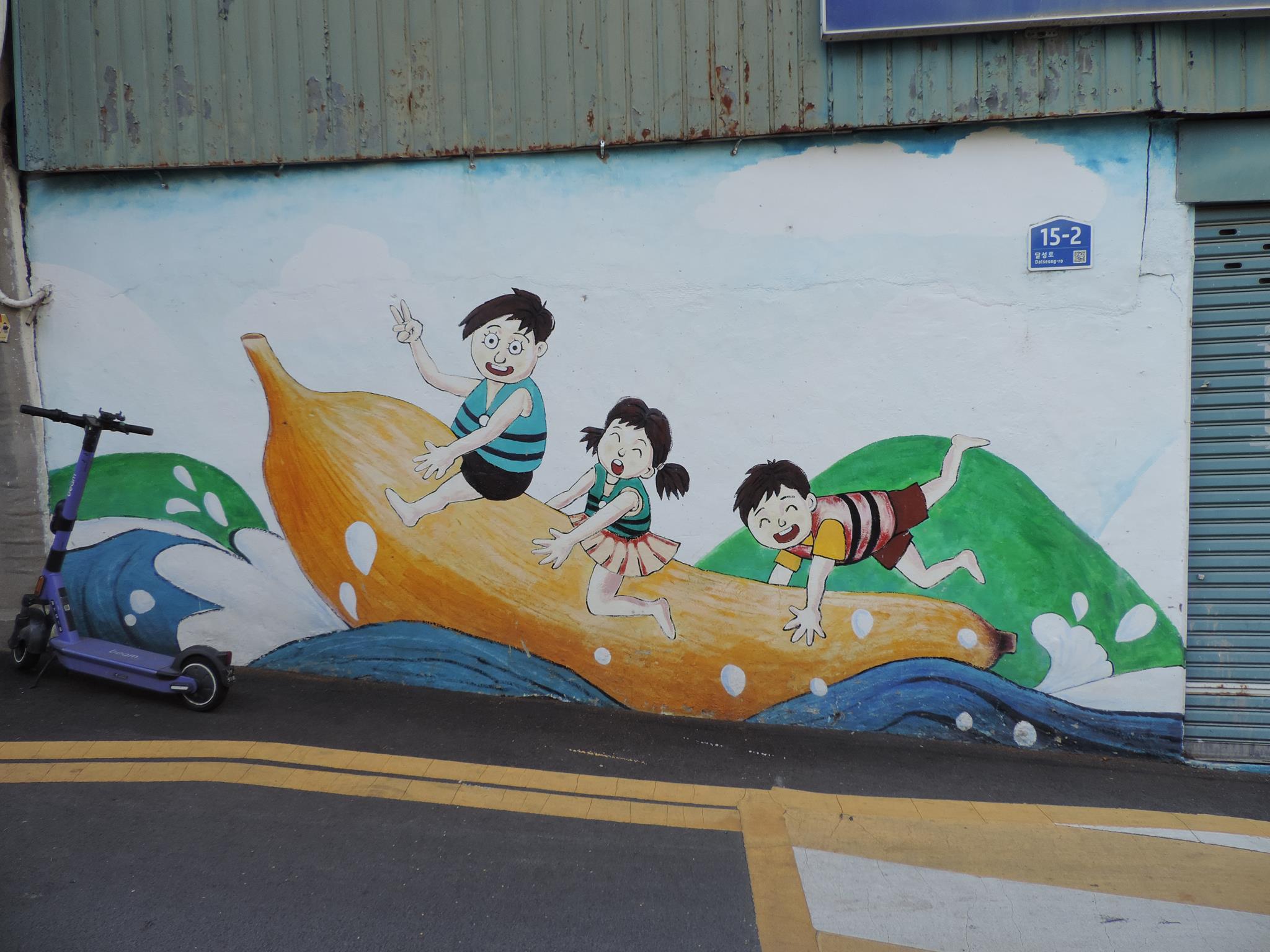
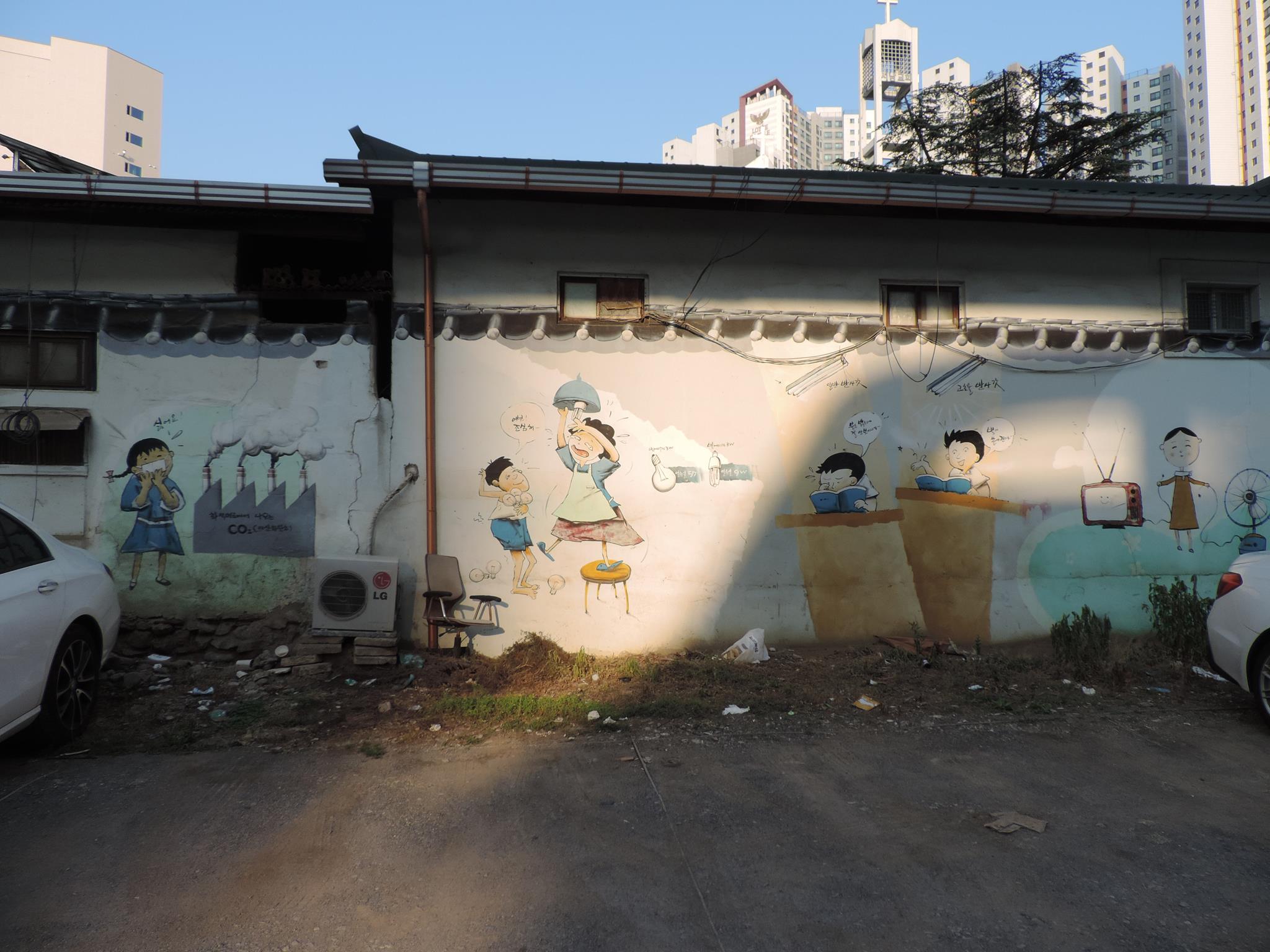
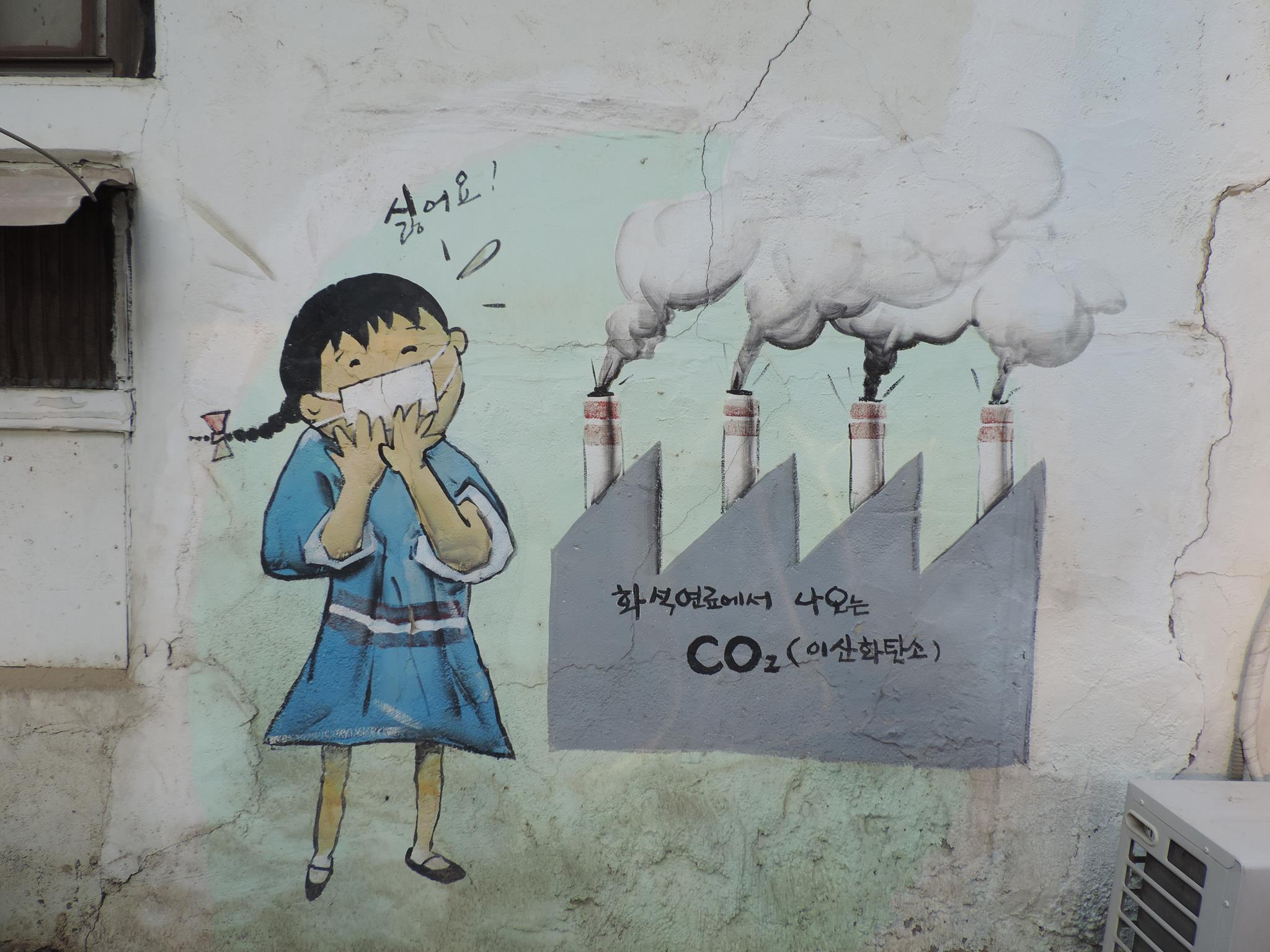
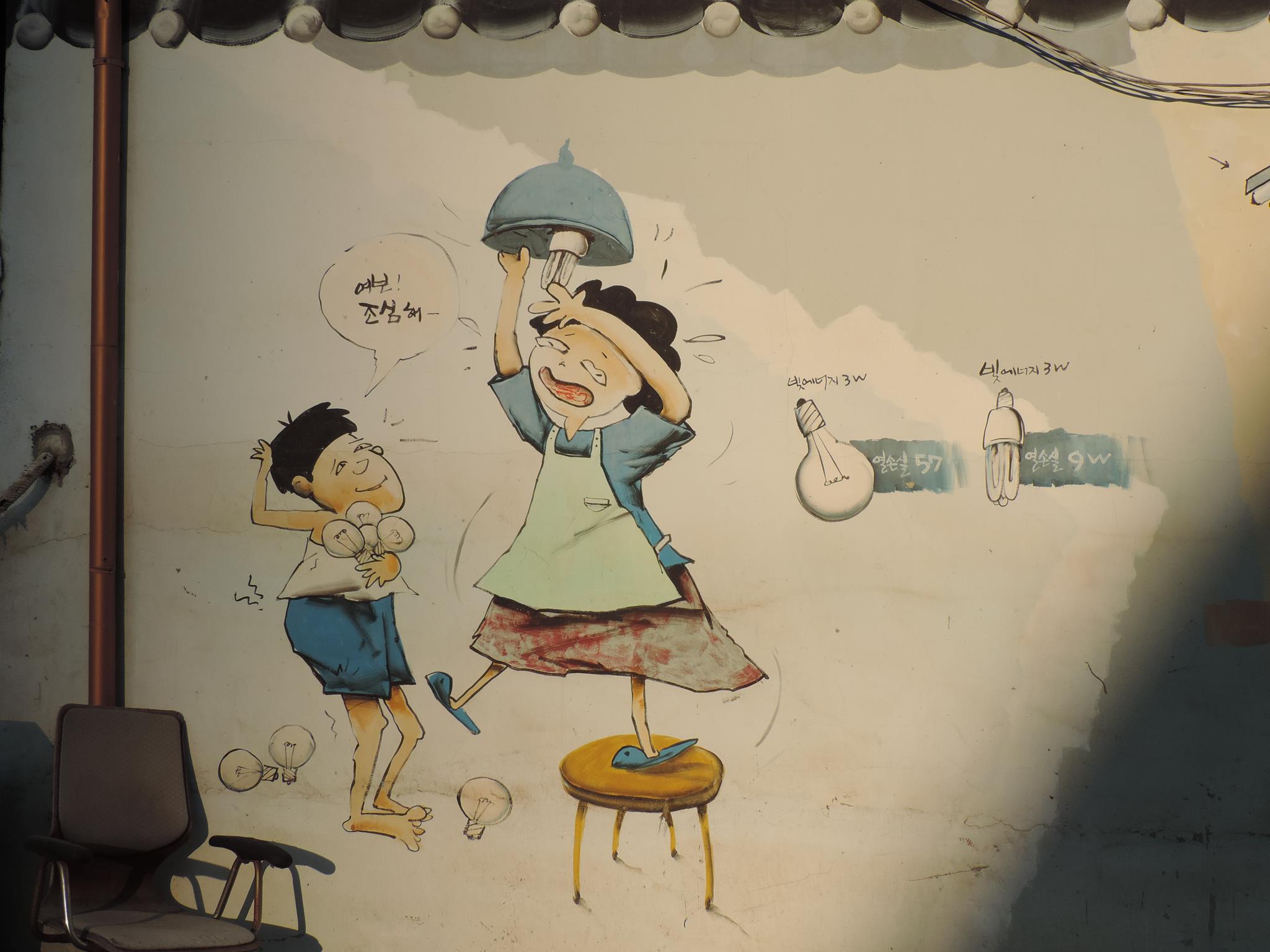
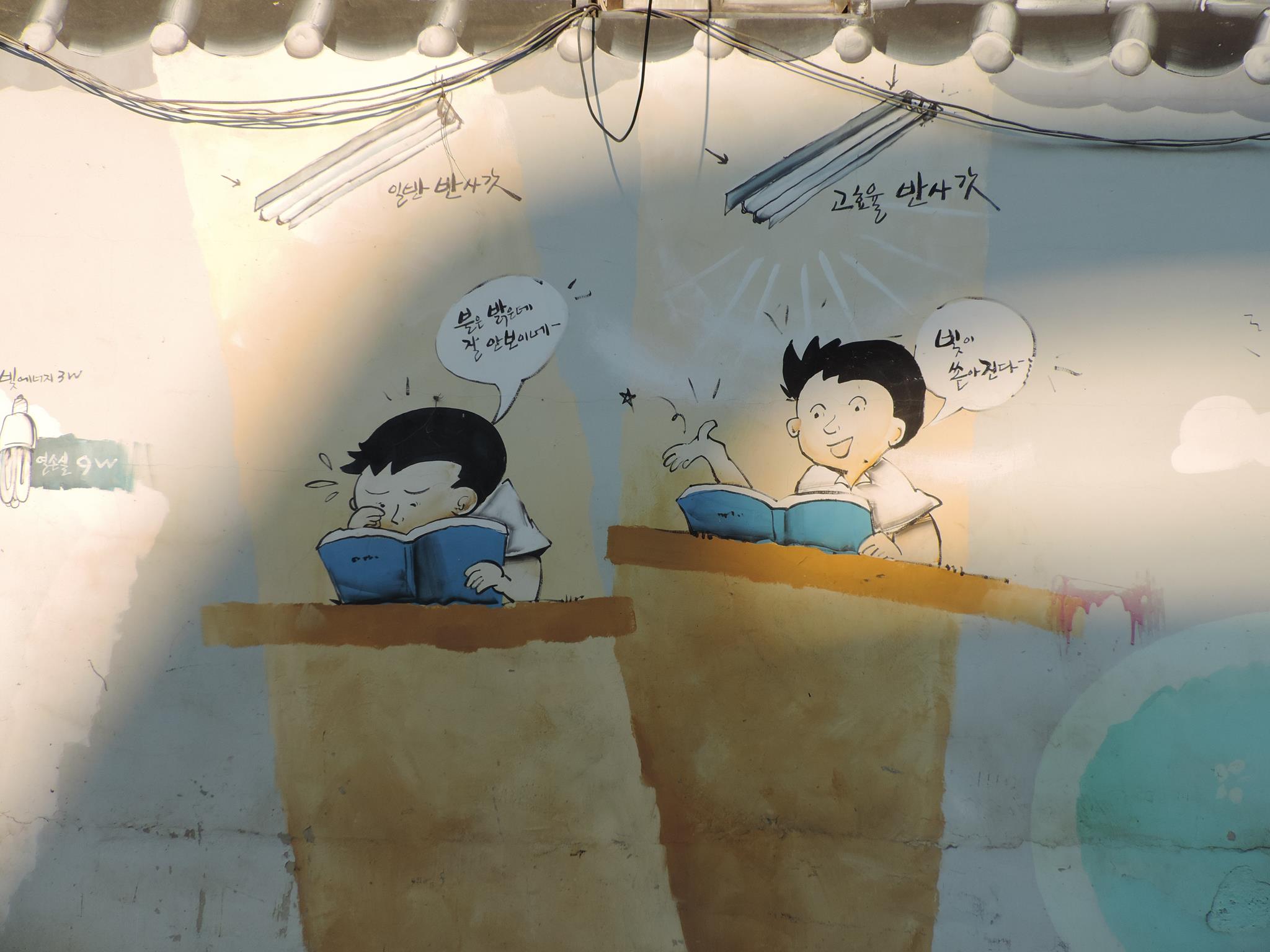
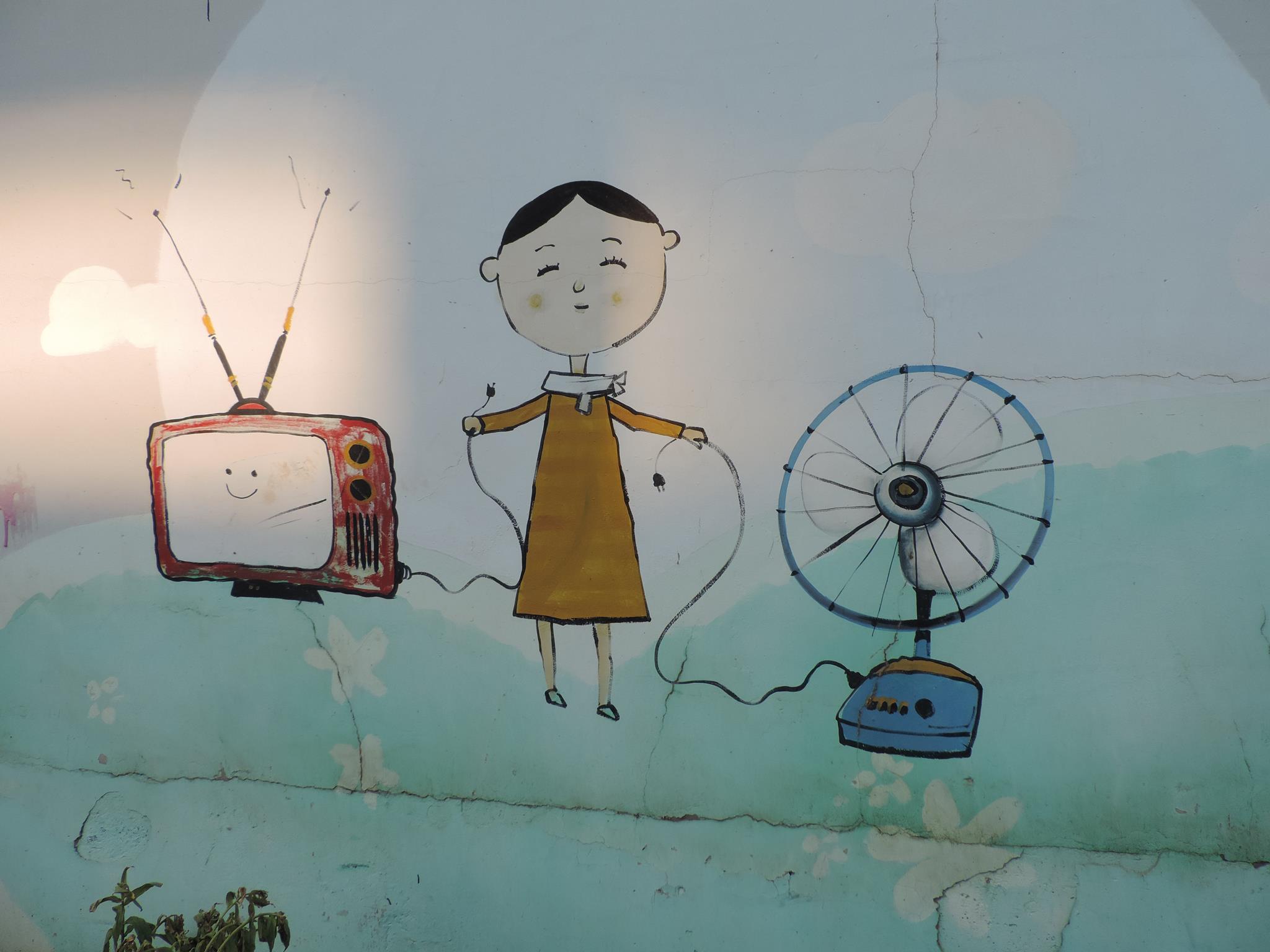
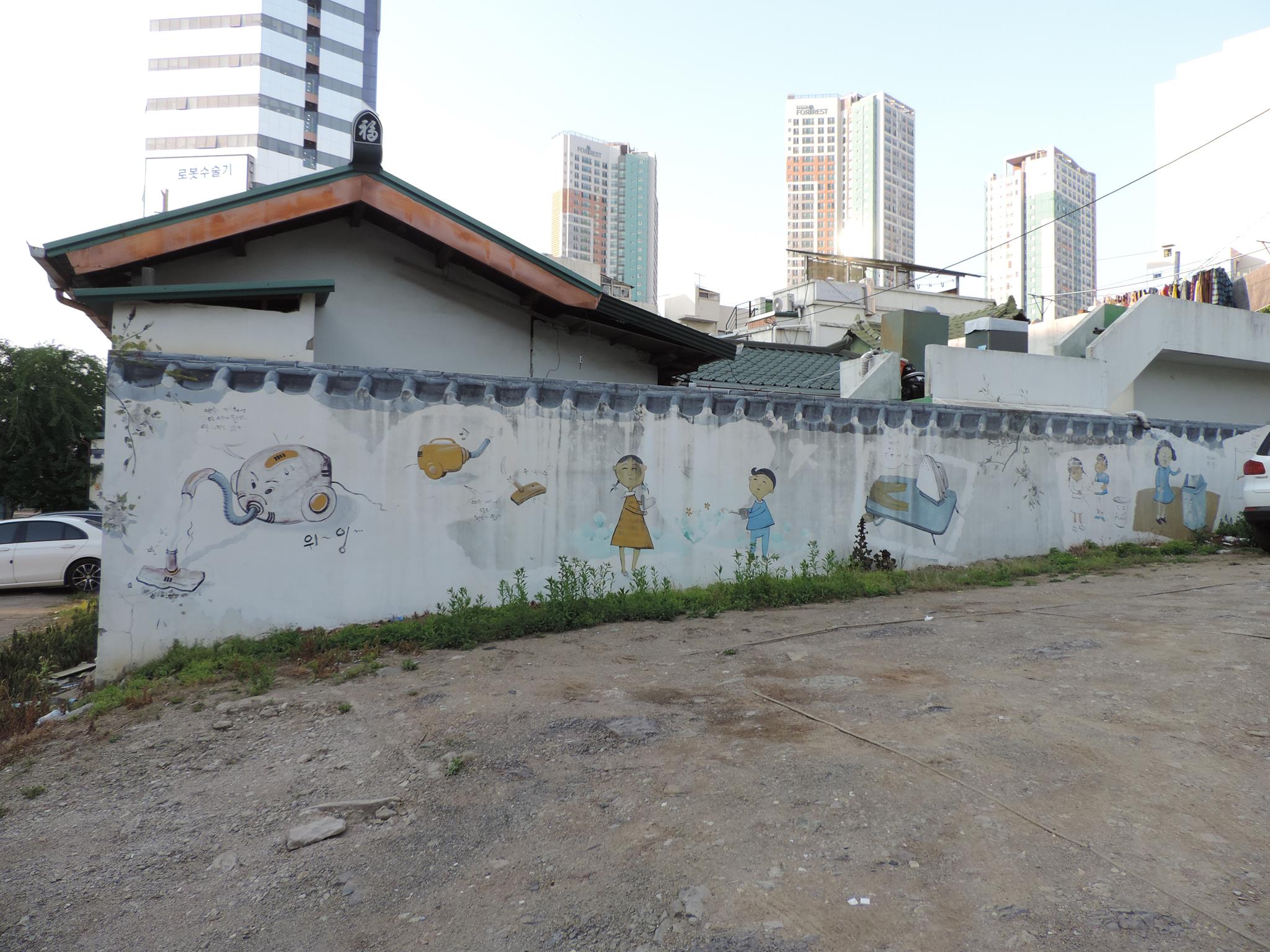
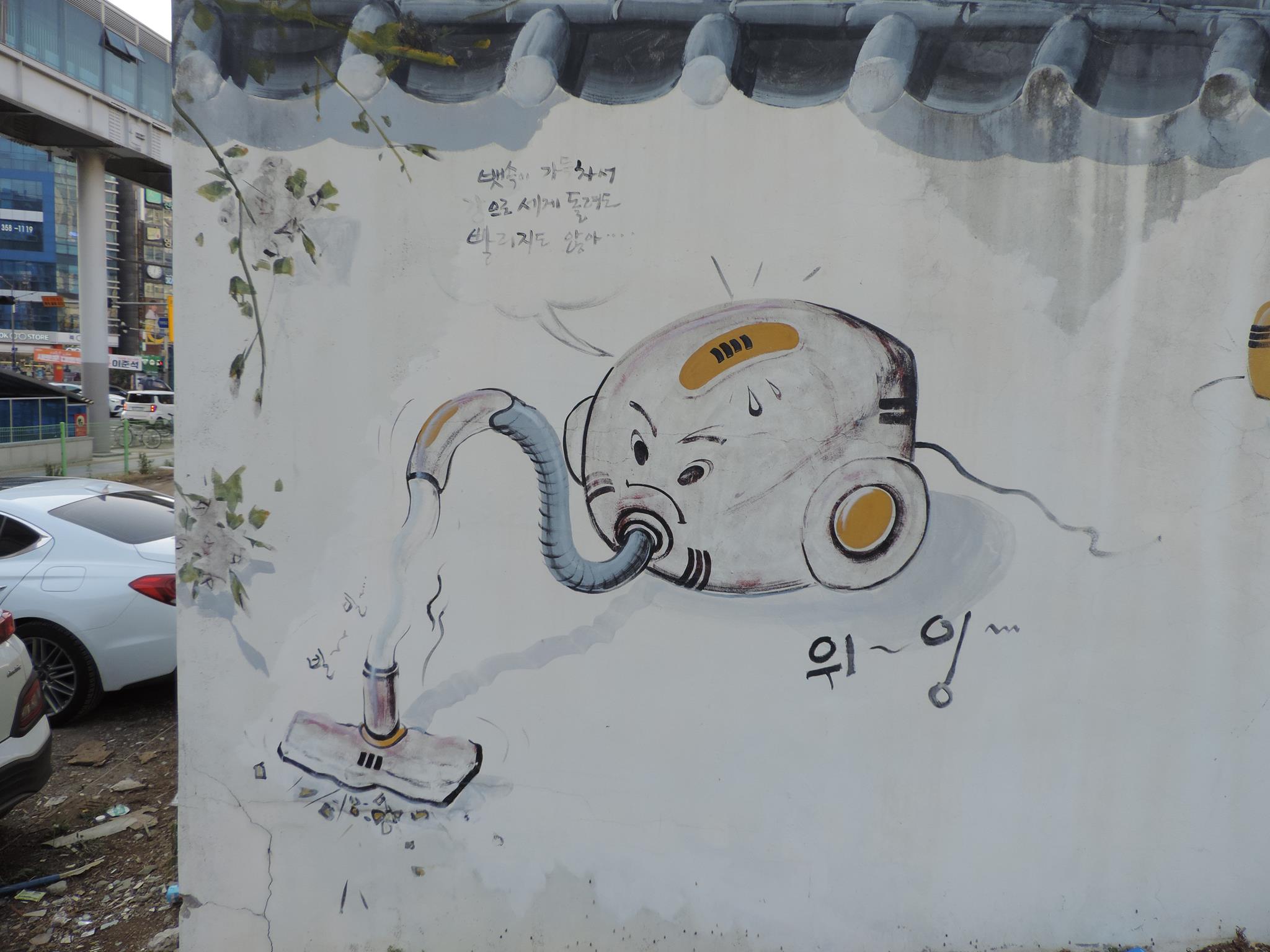
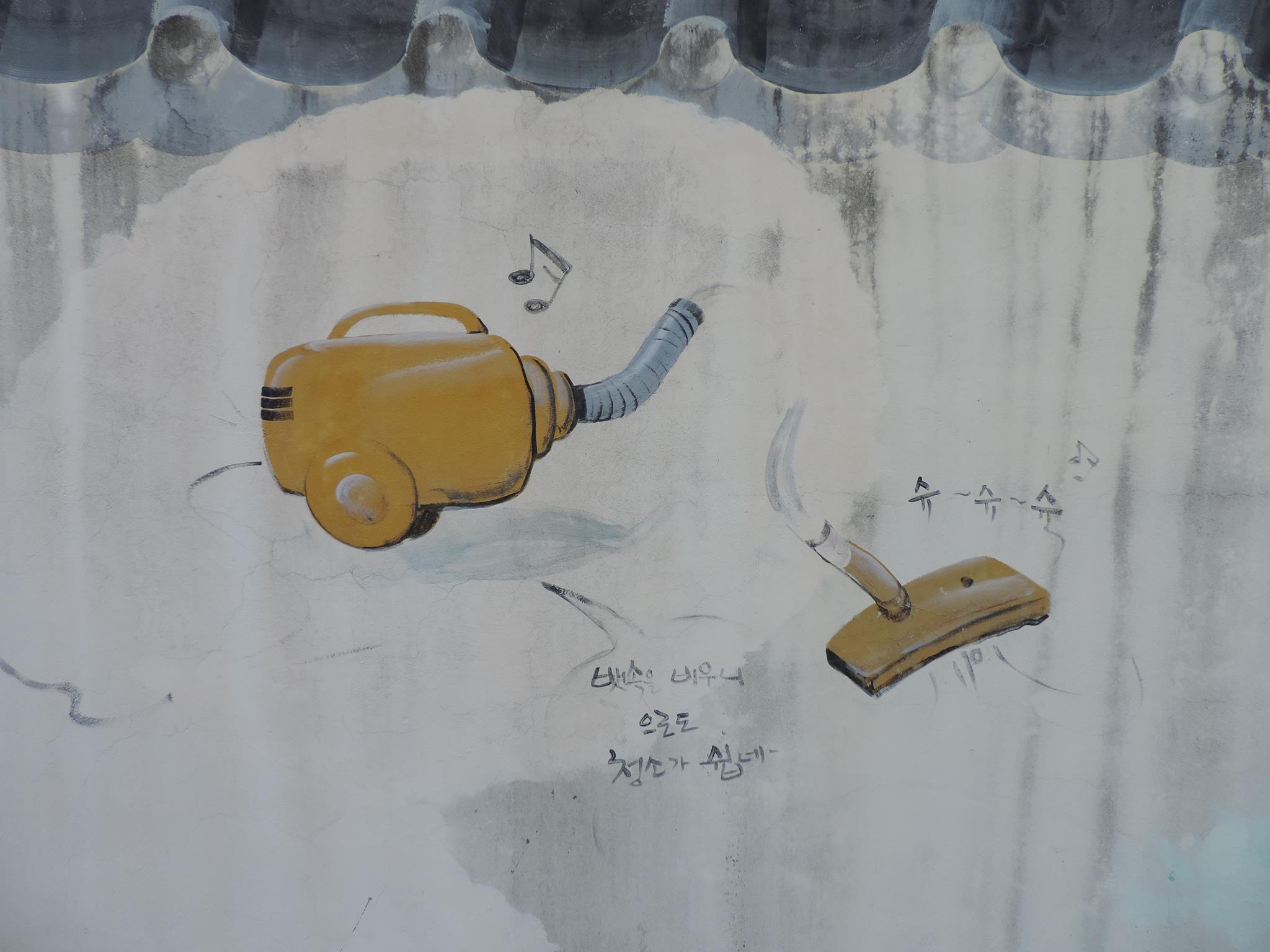
Electricity
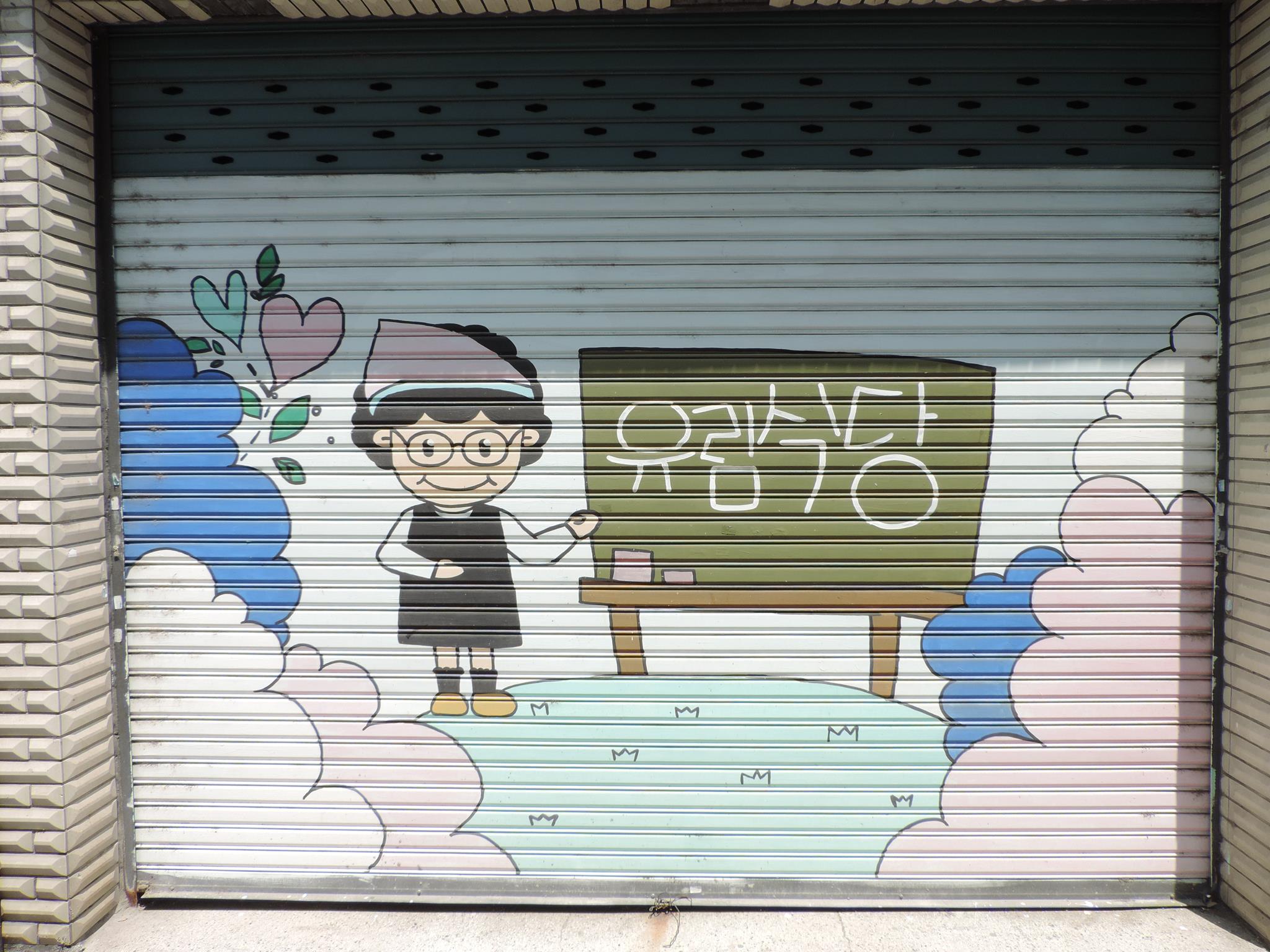
Laundry Day
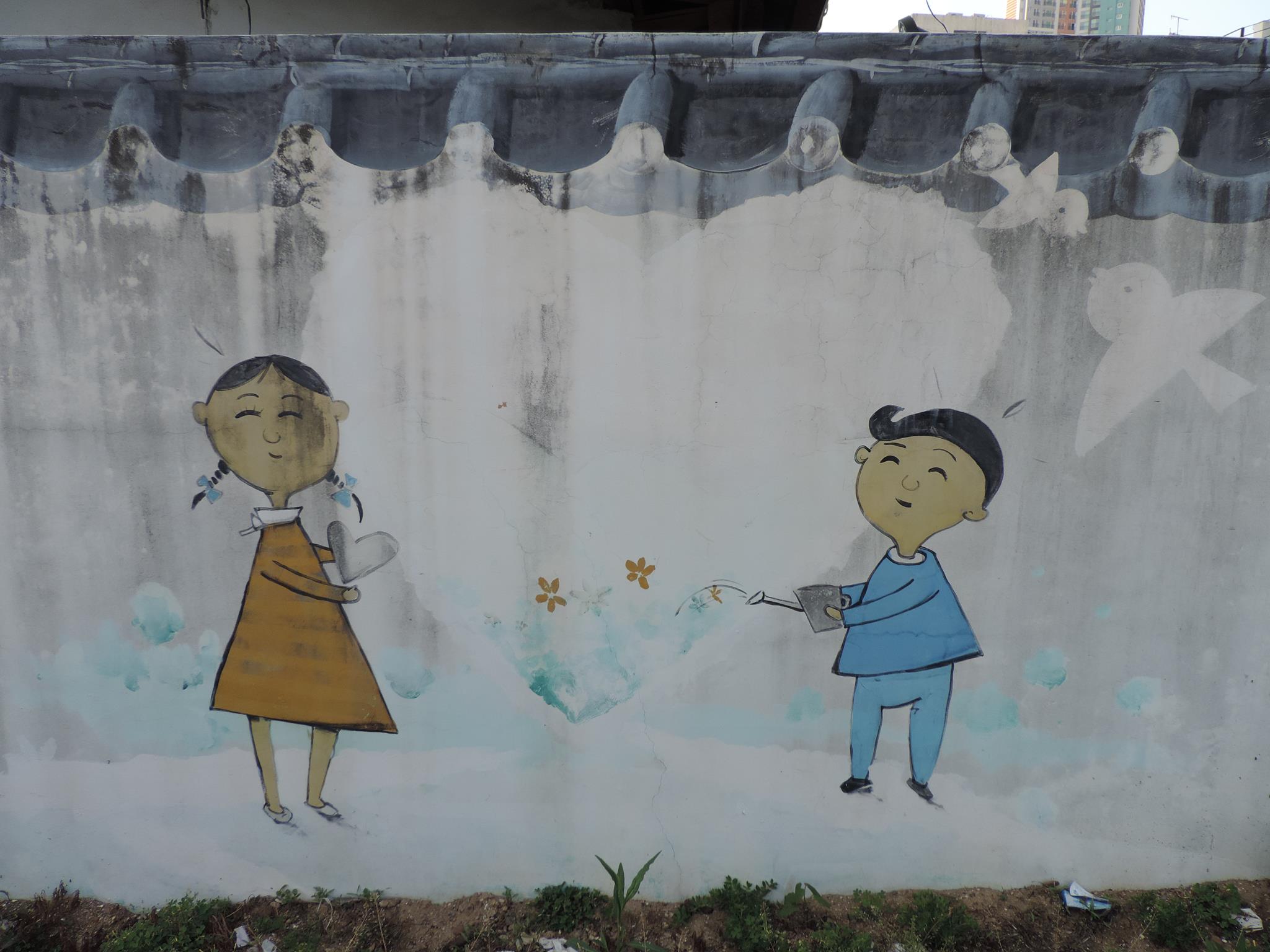
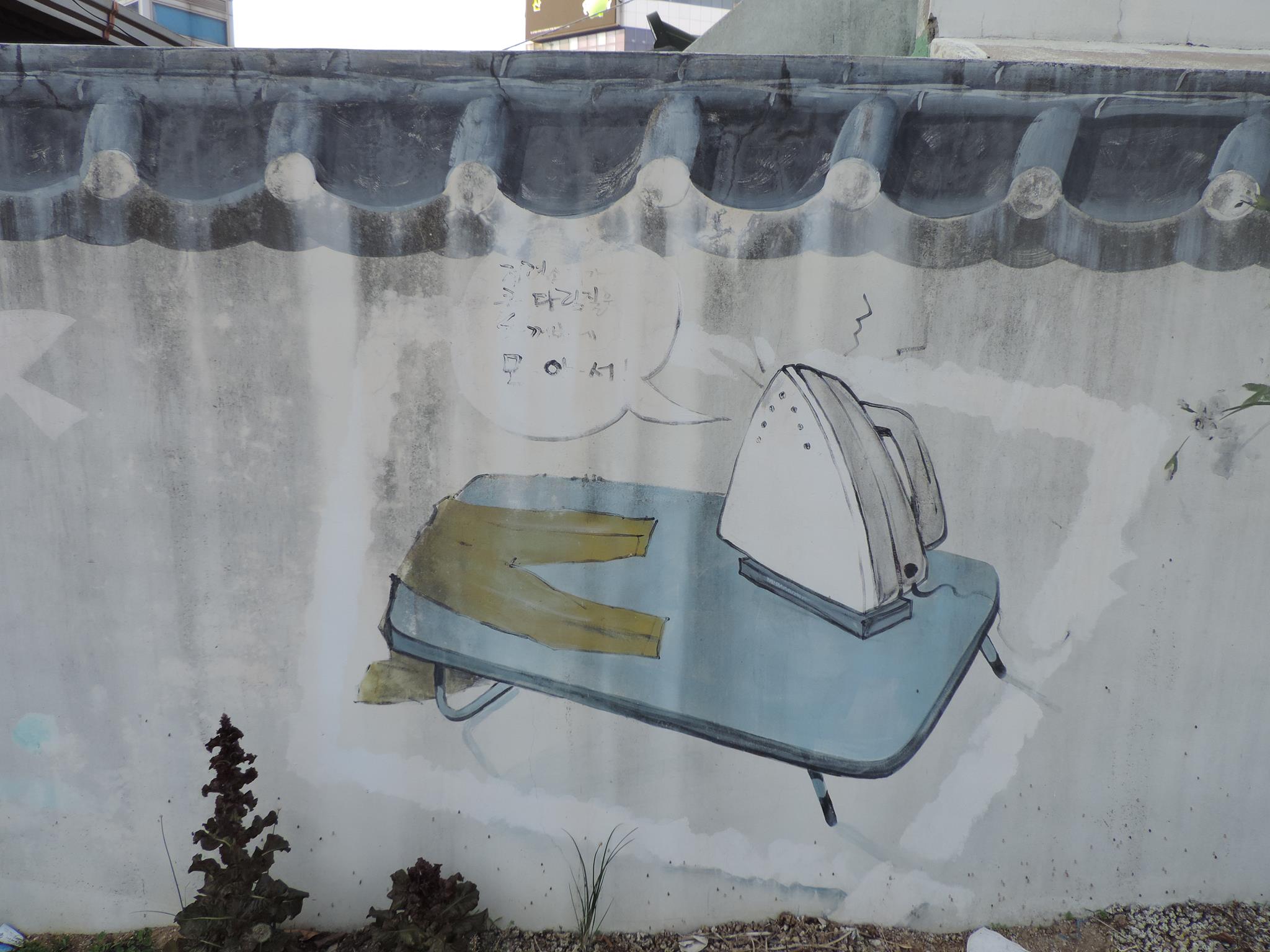
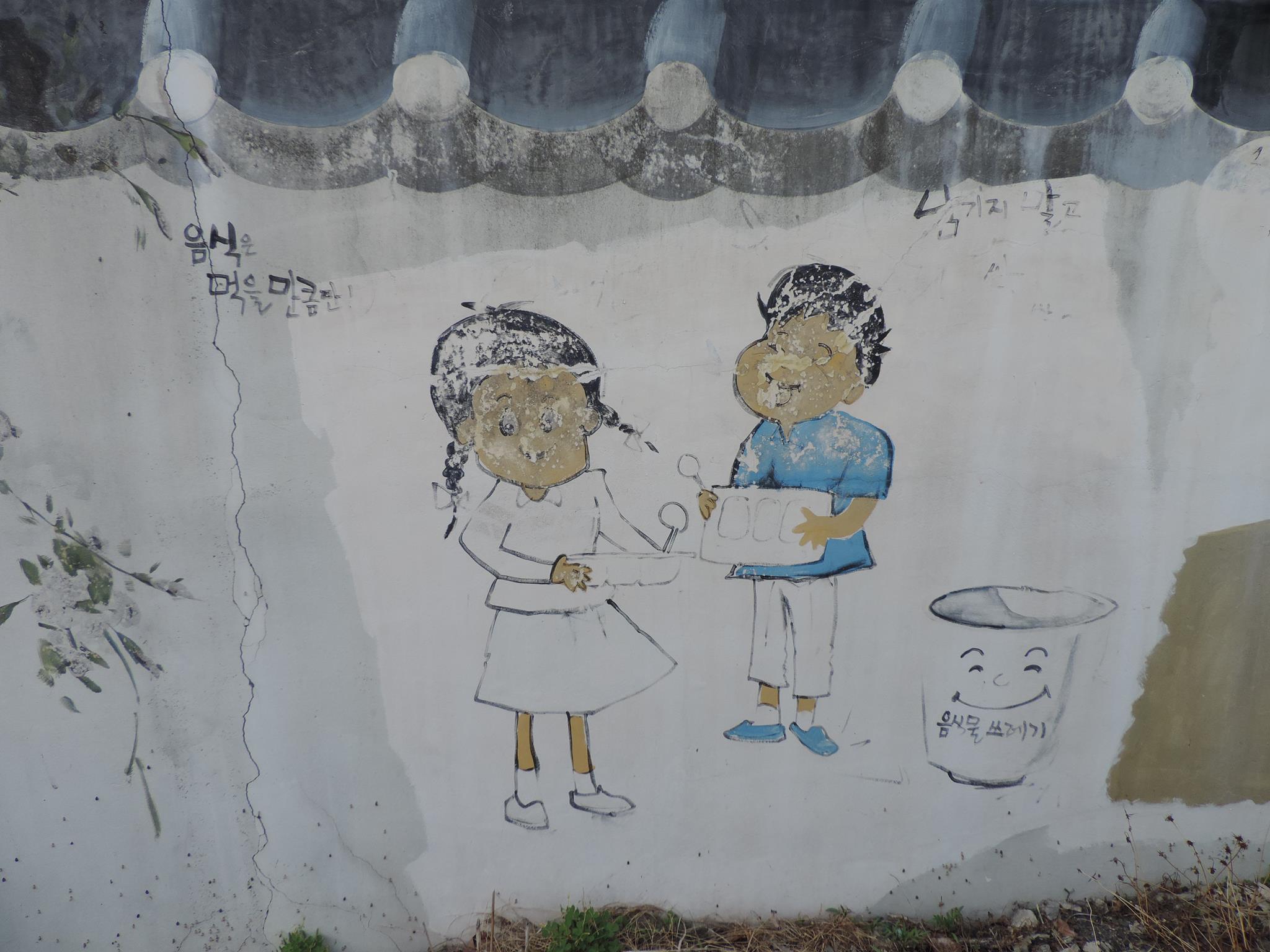
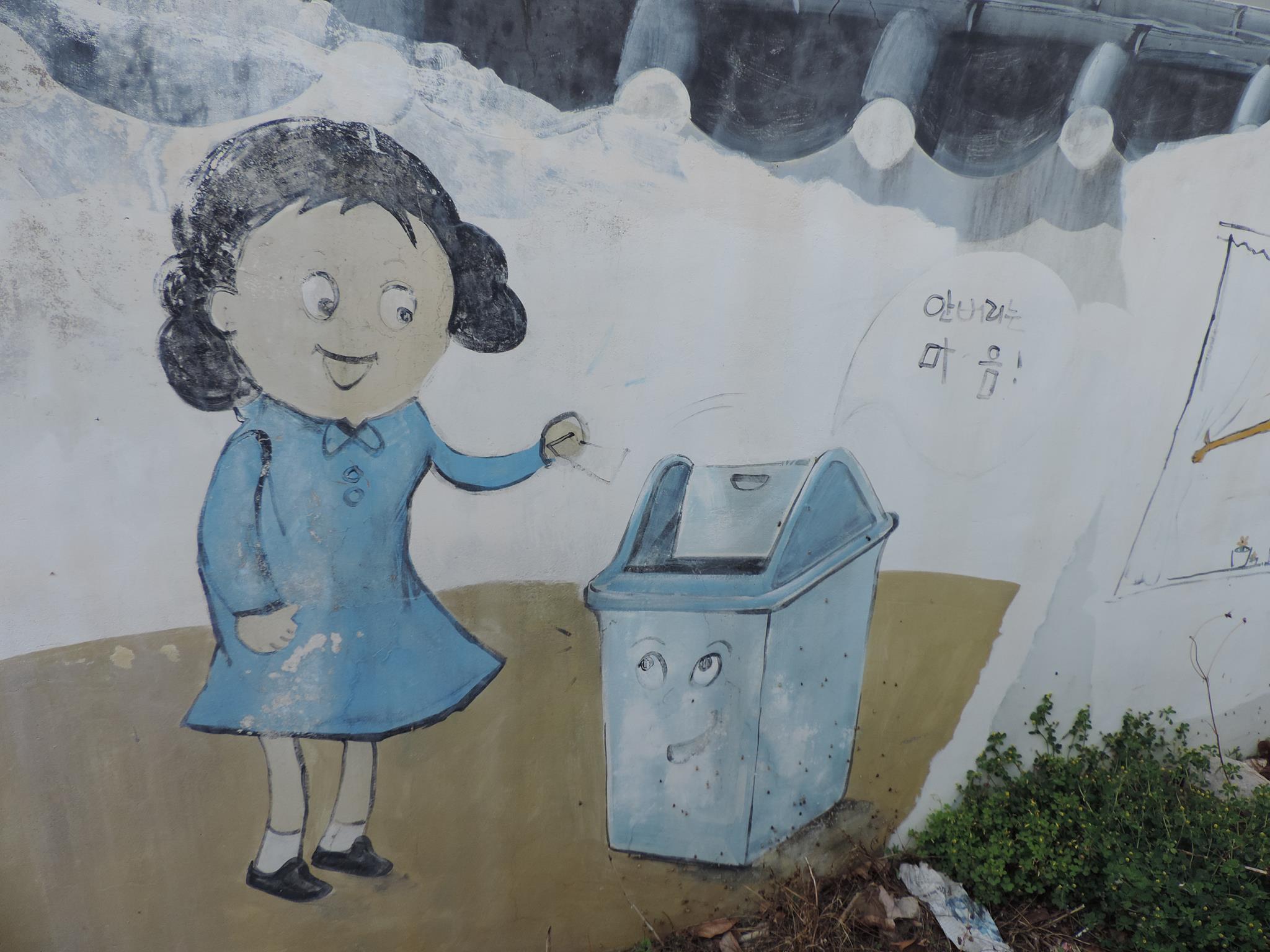
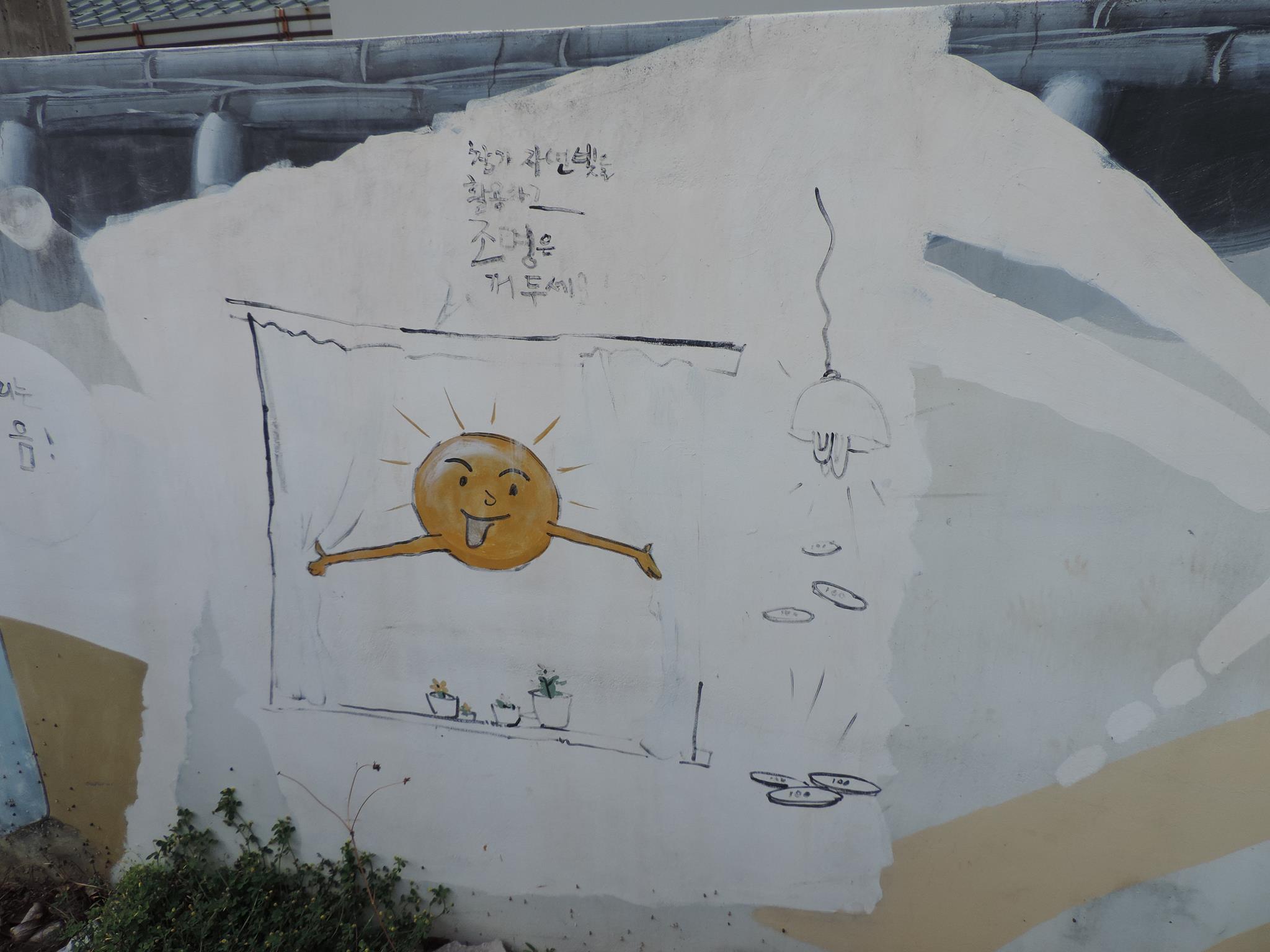
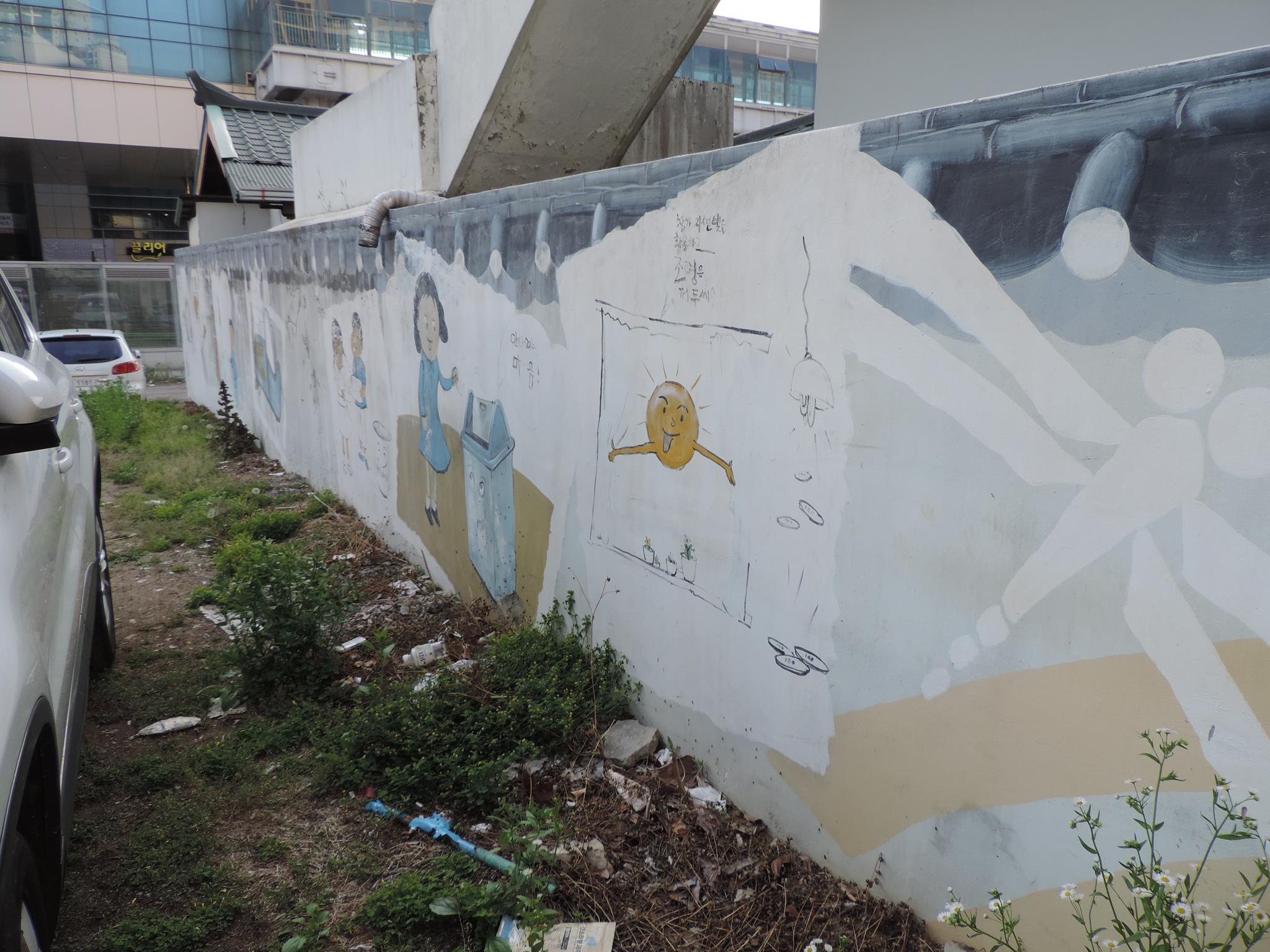
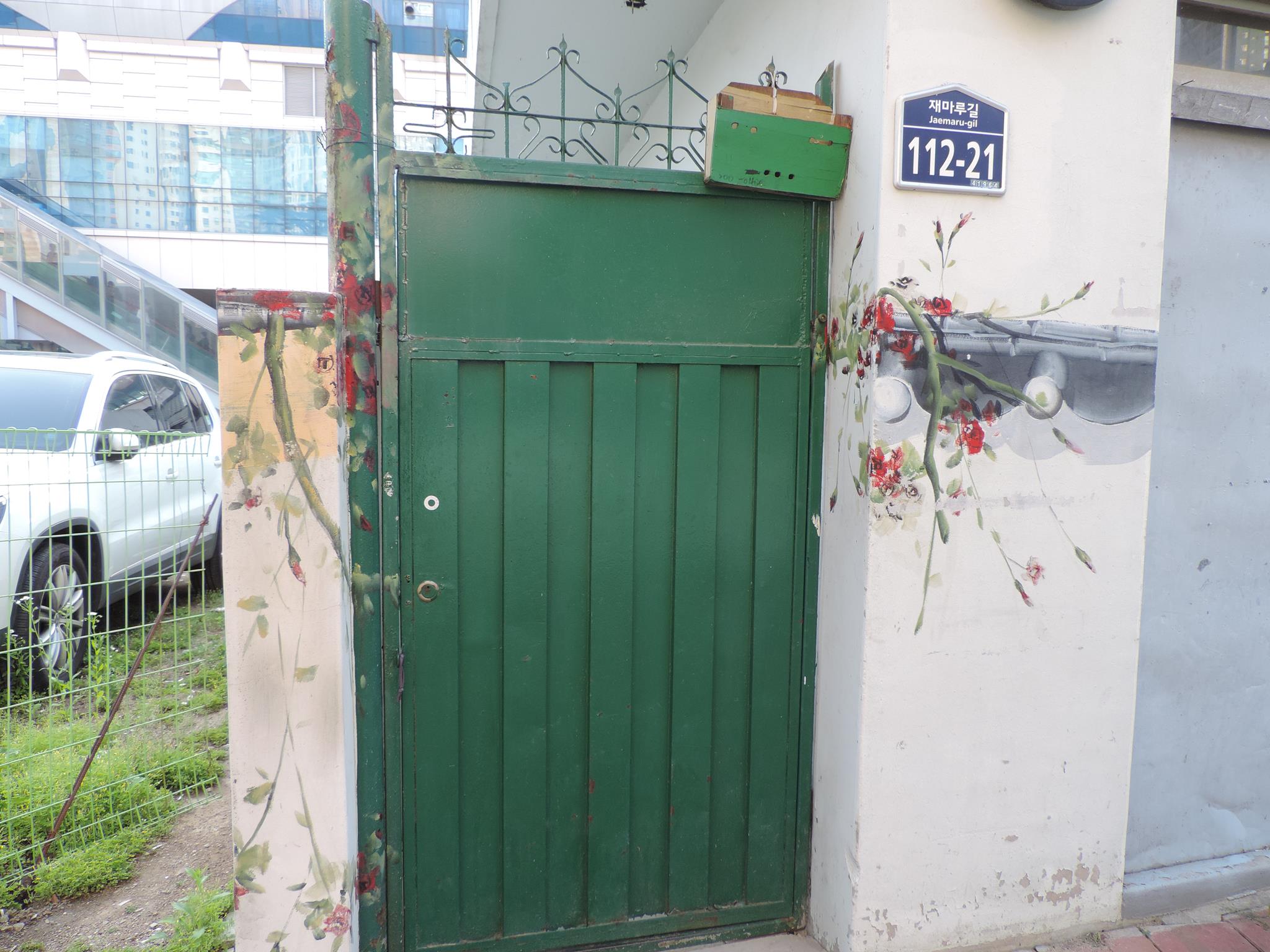
Mail Delivery
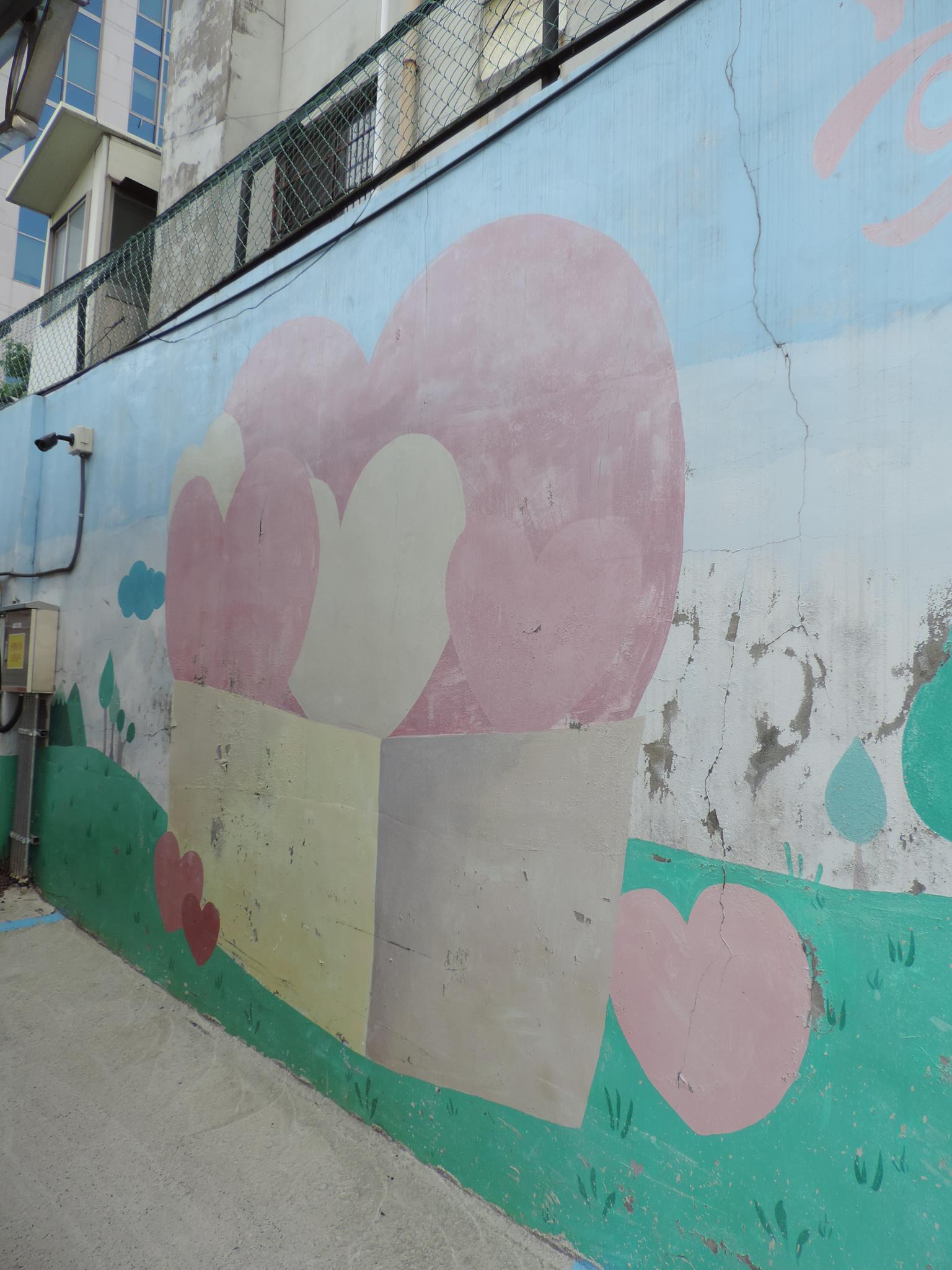
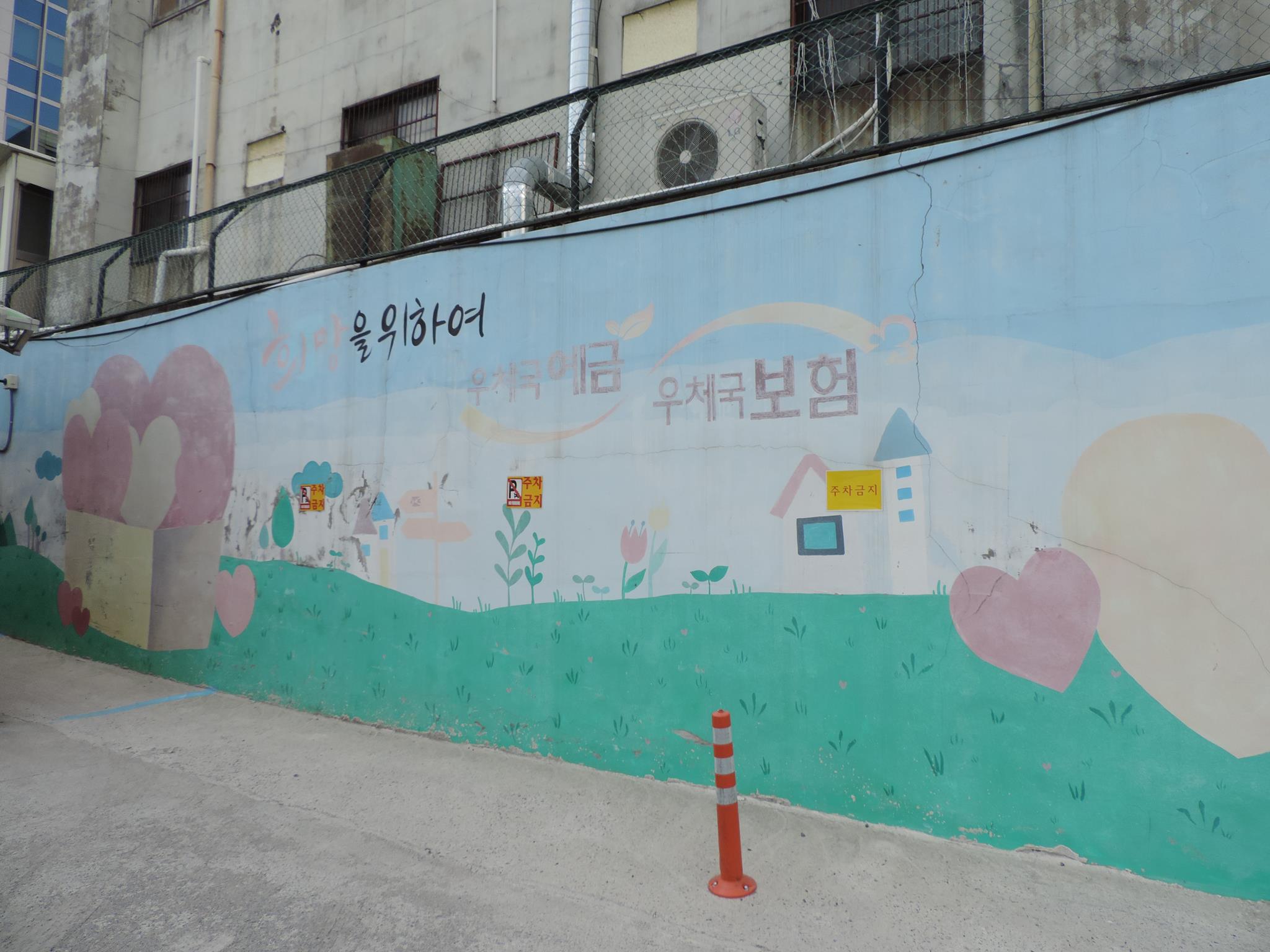
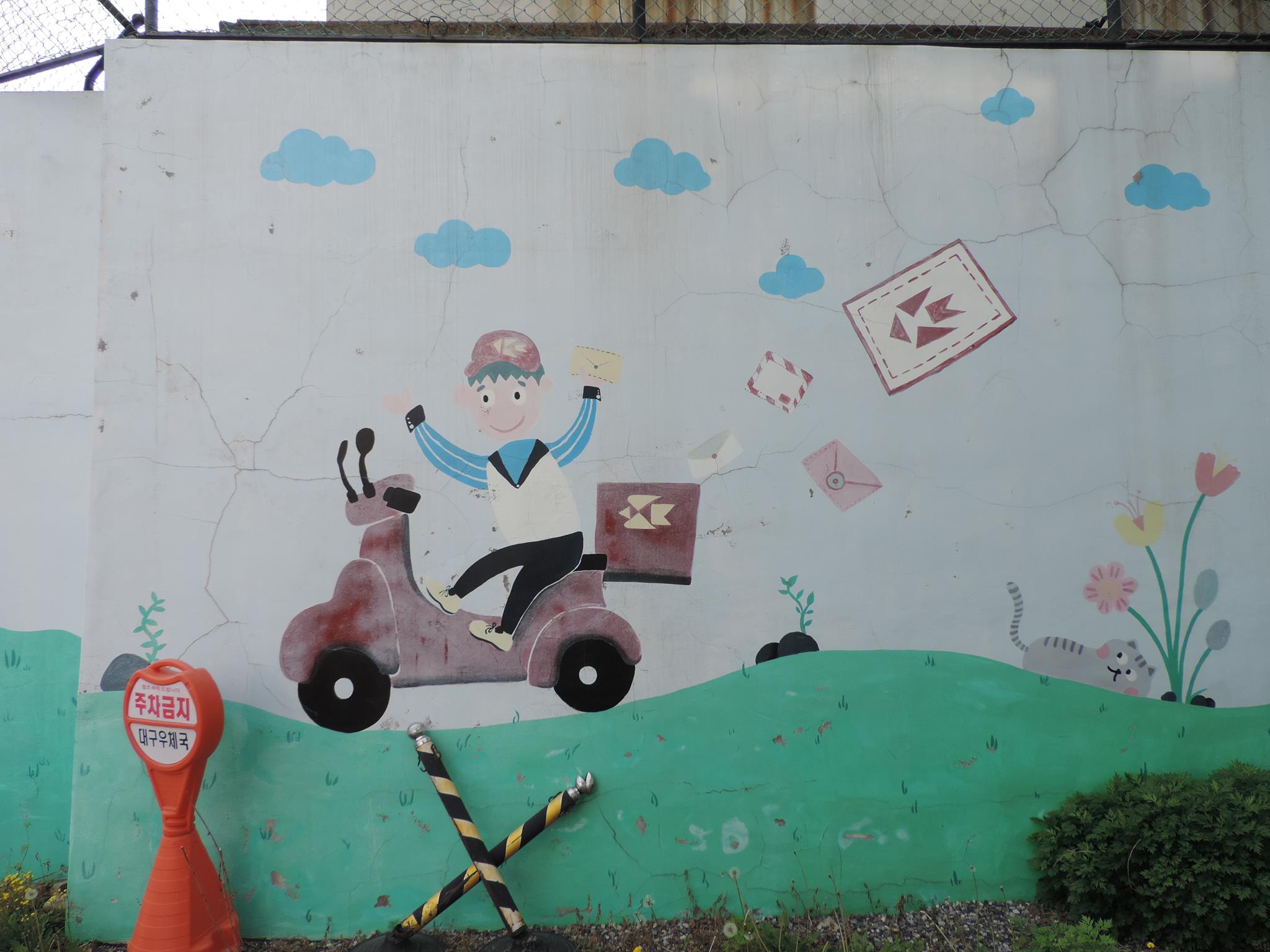
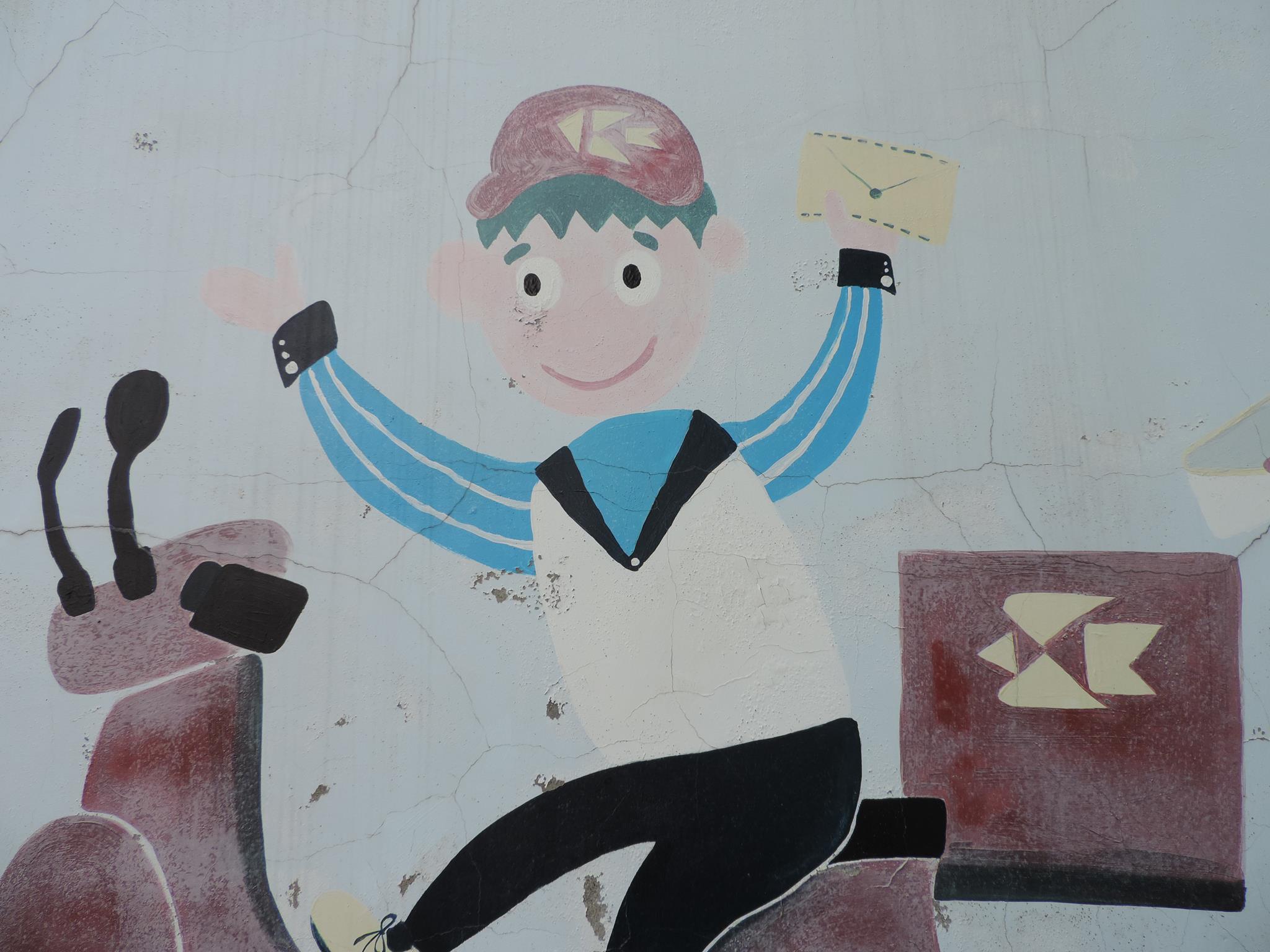
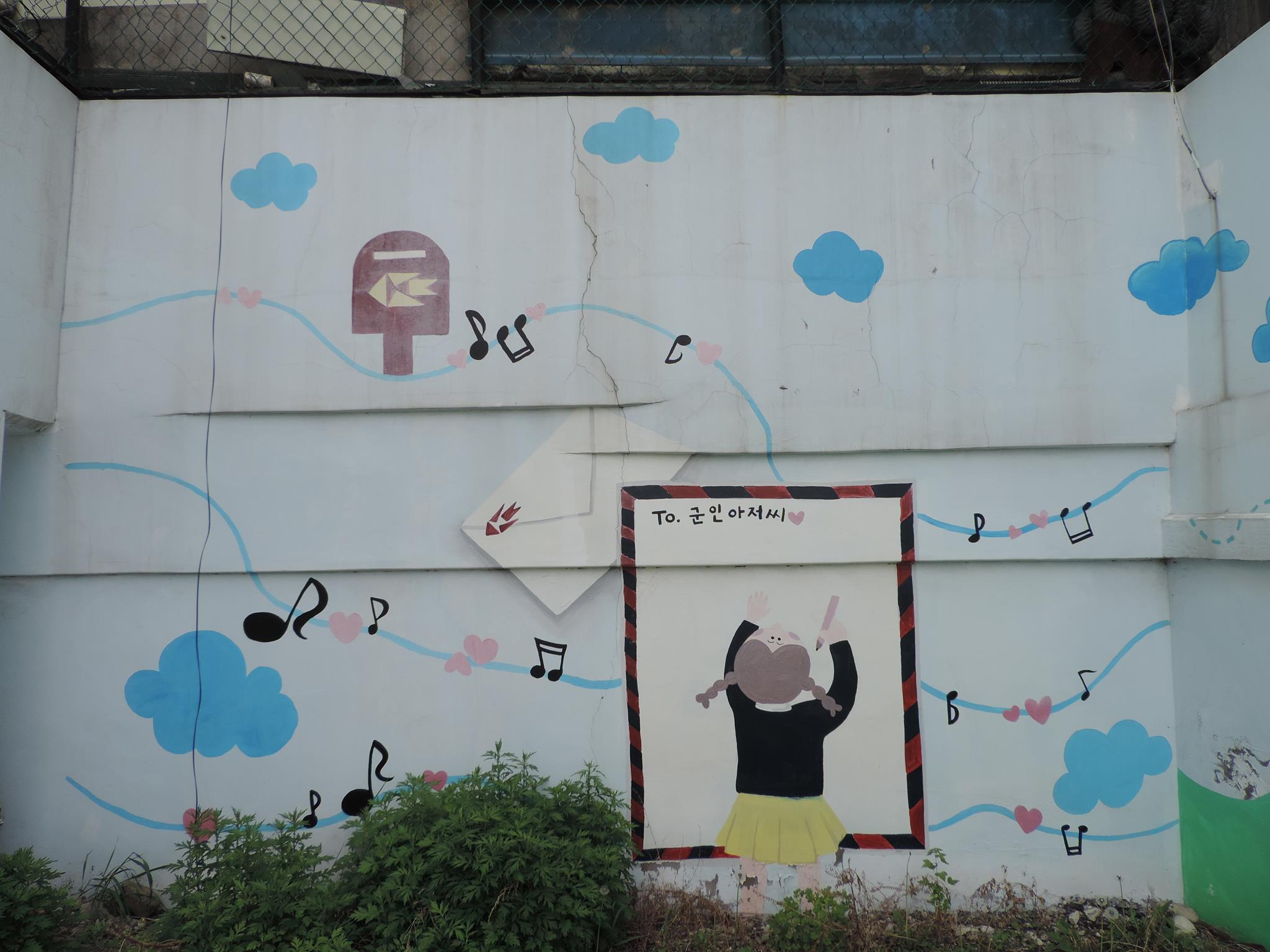
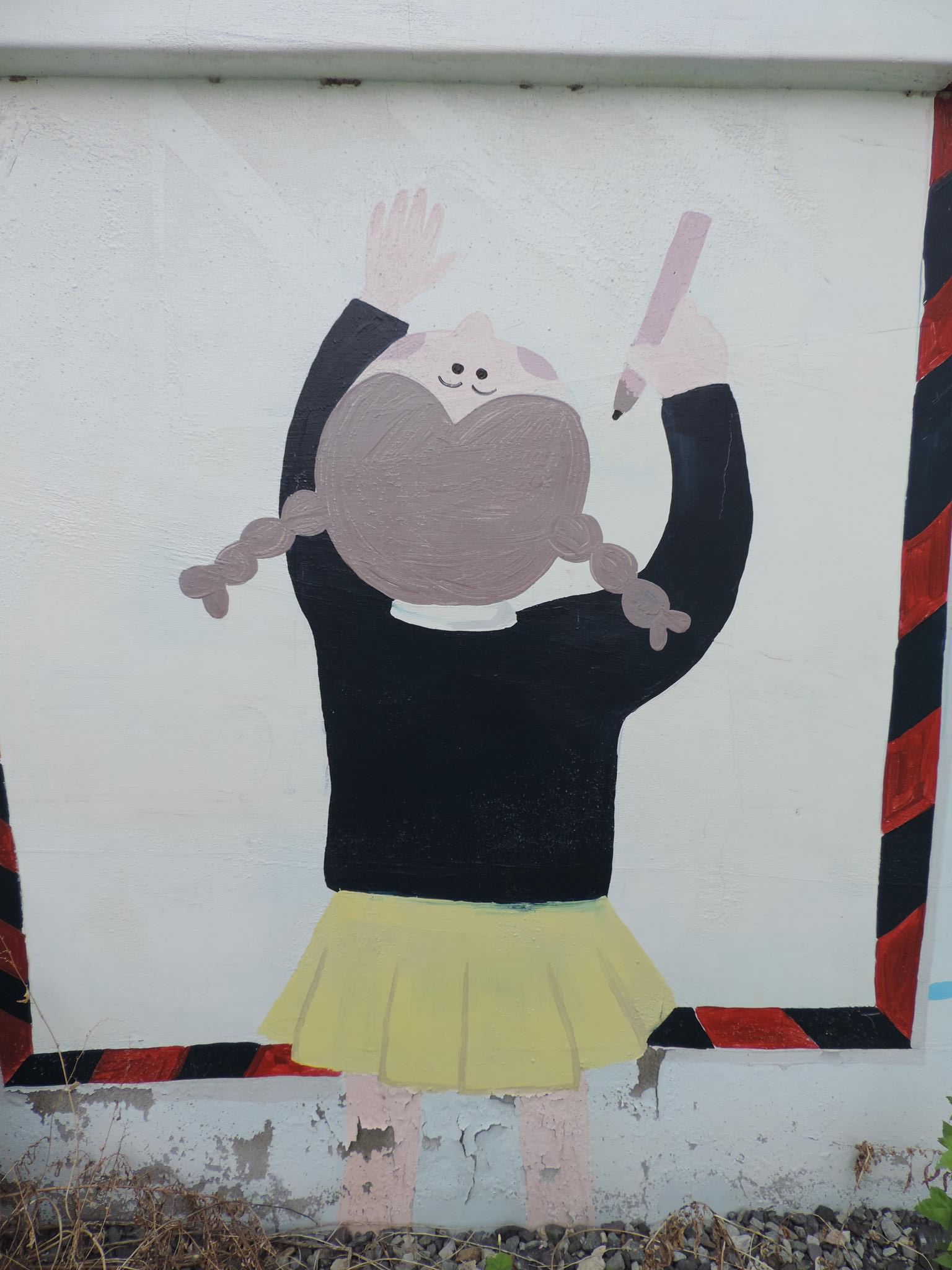
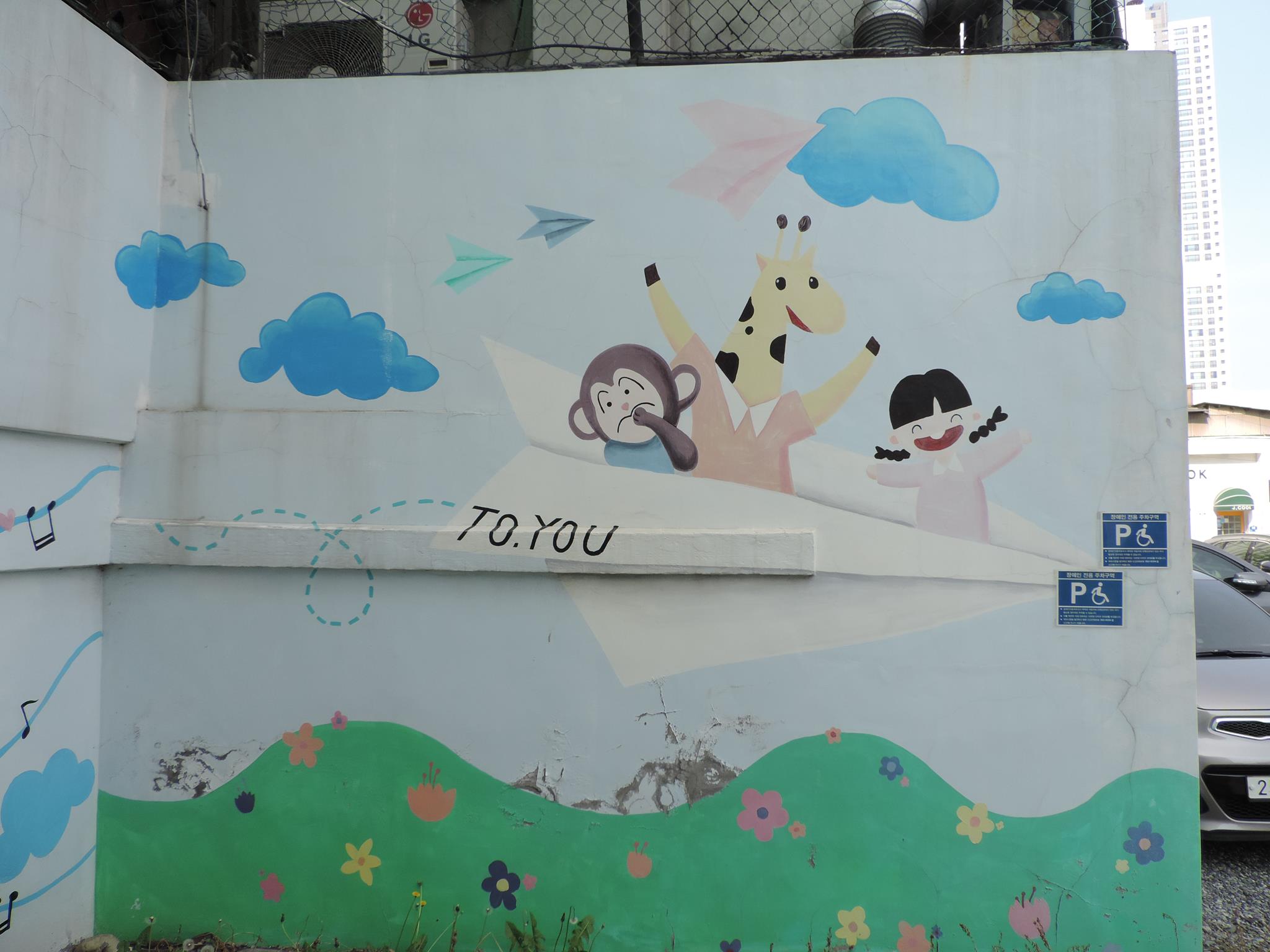
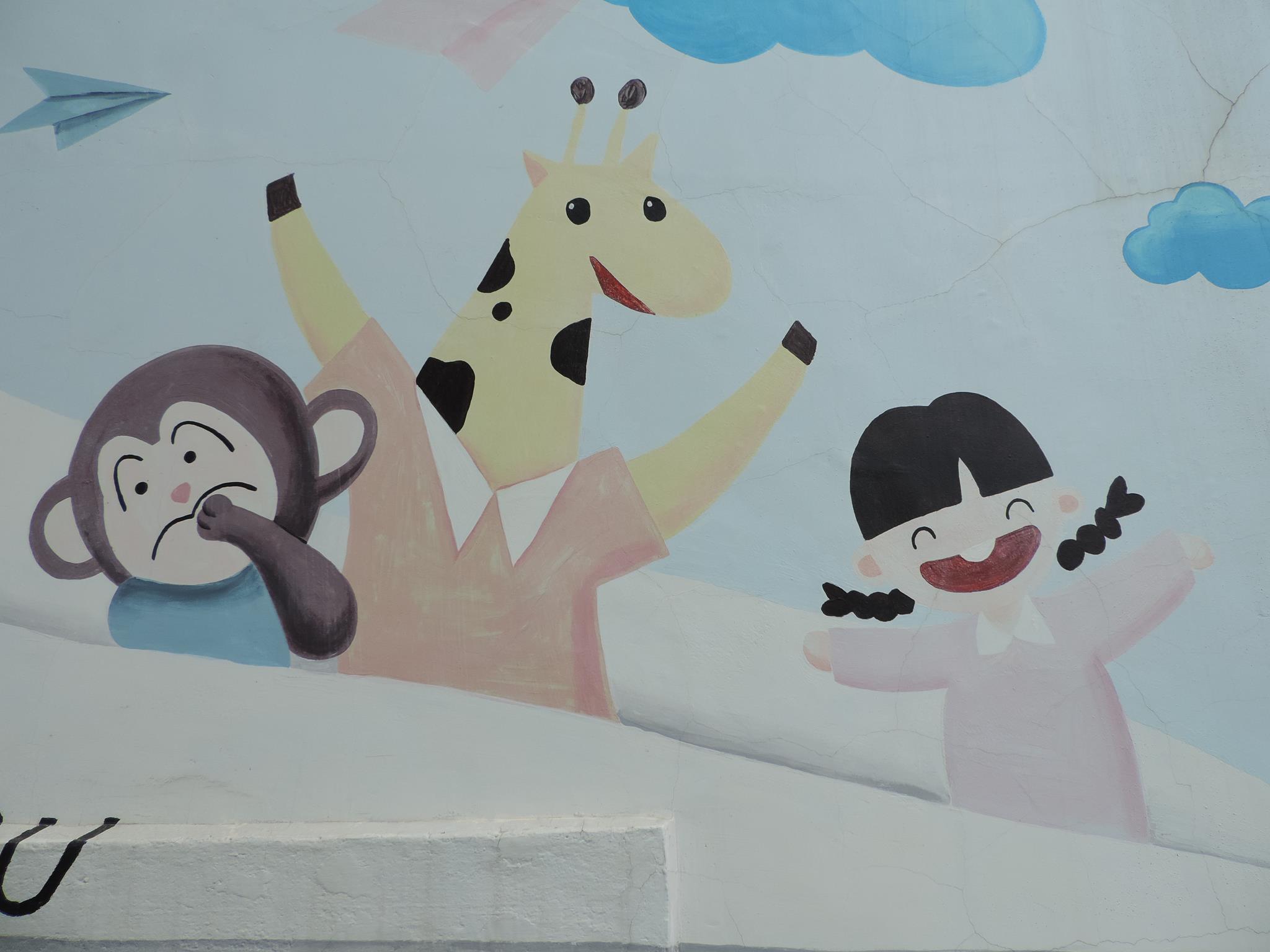
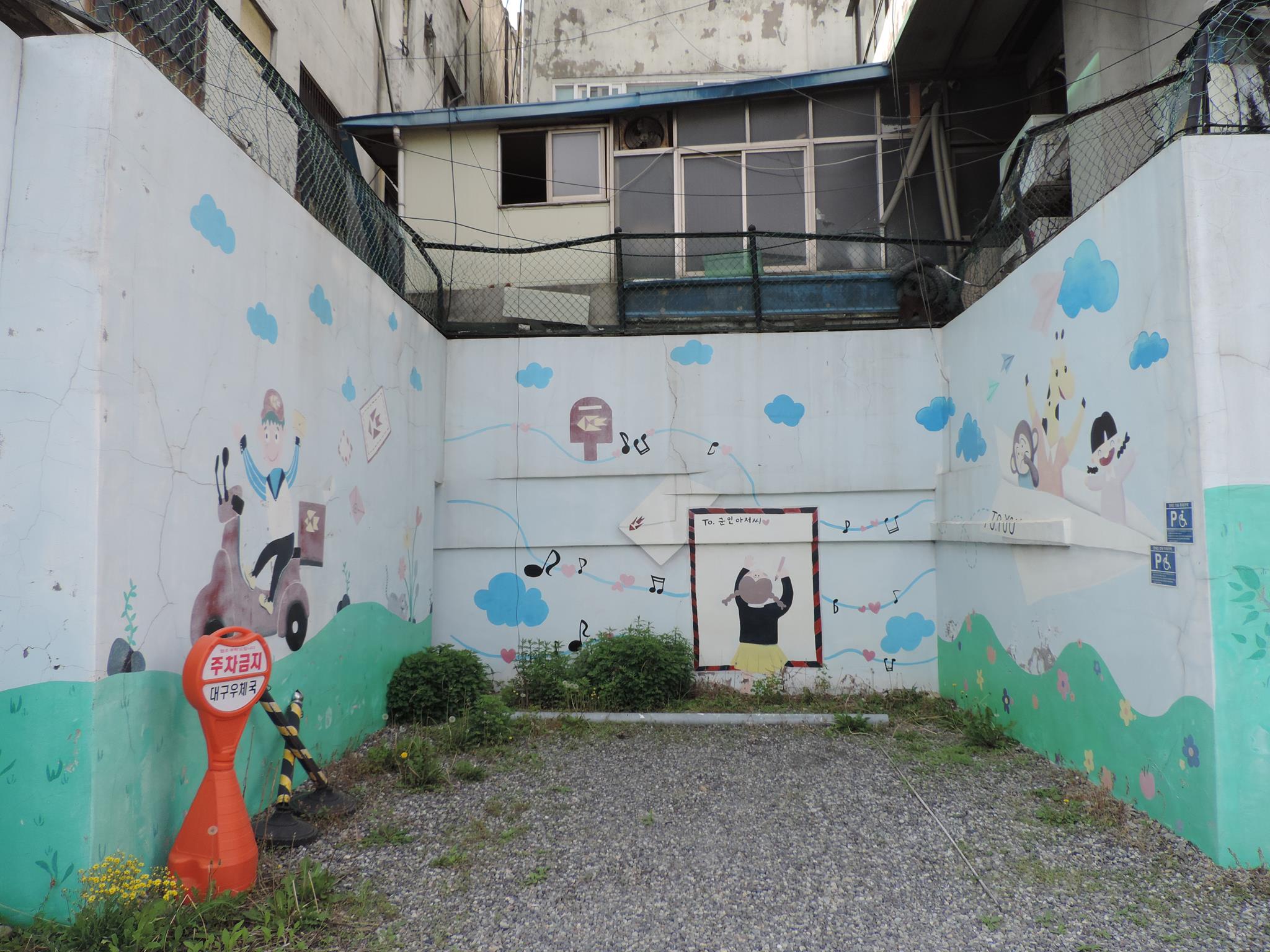
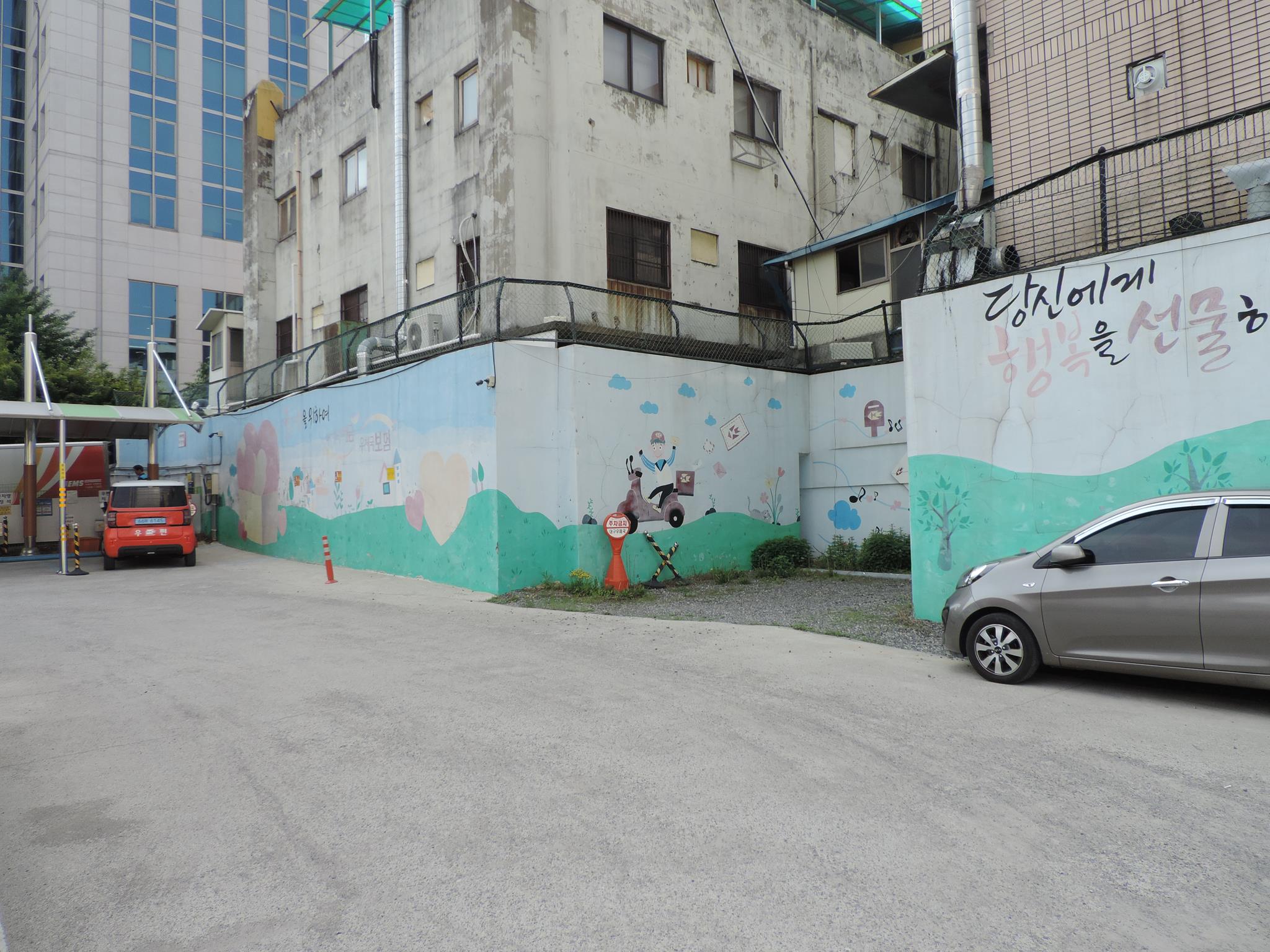
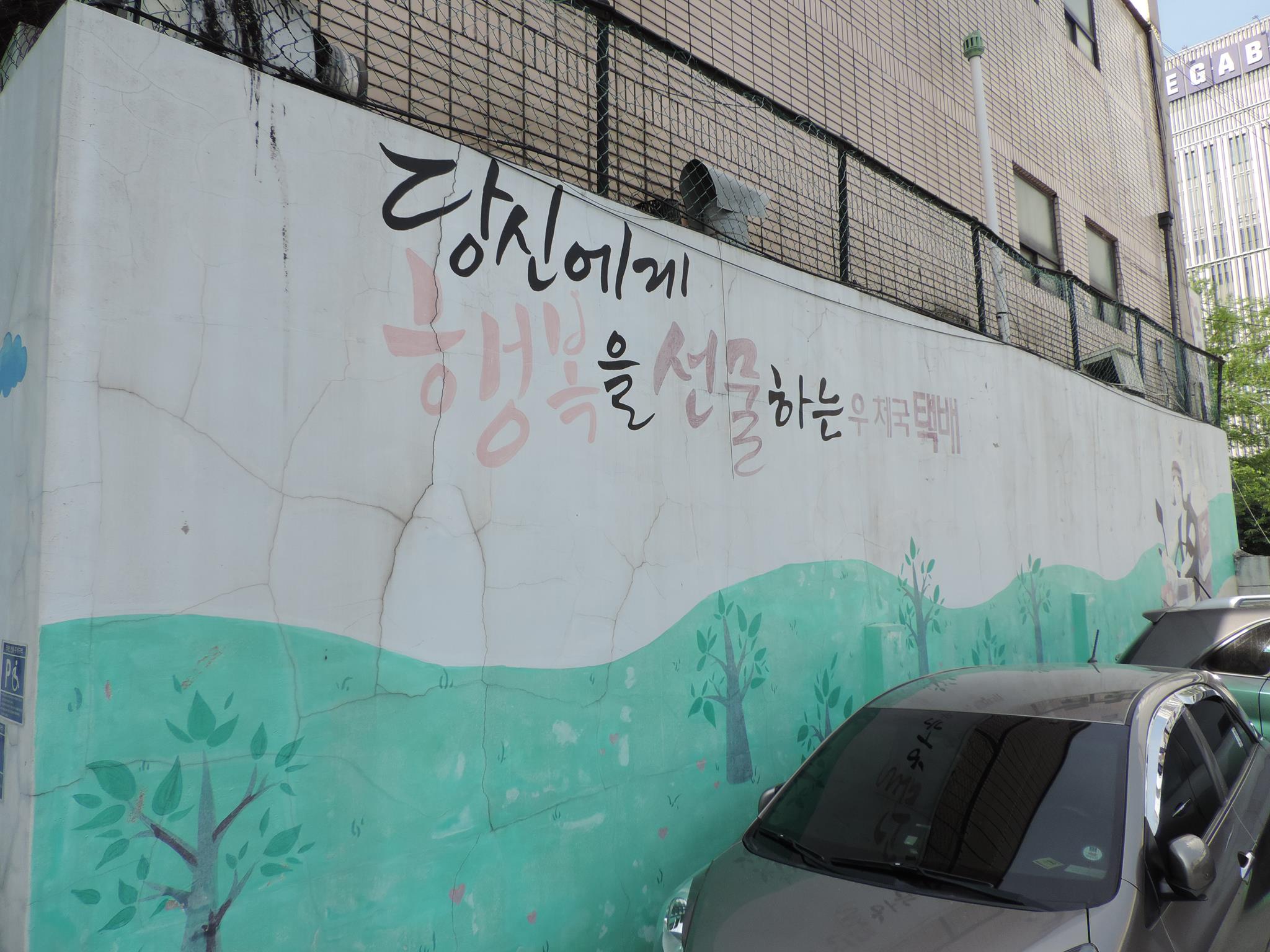
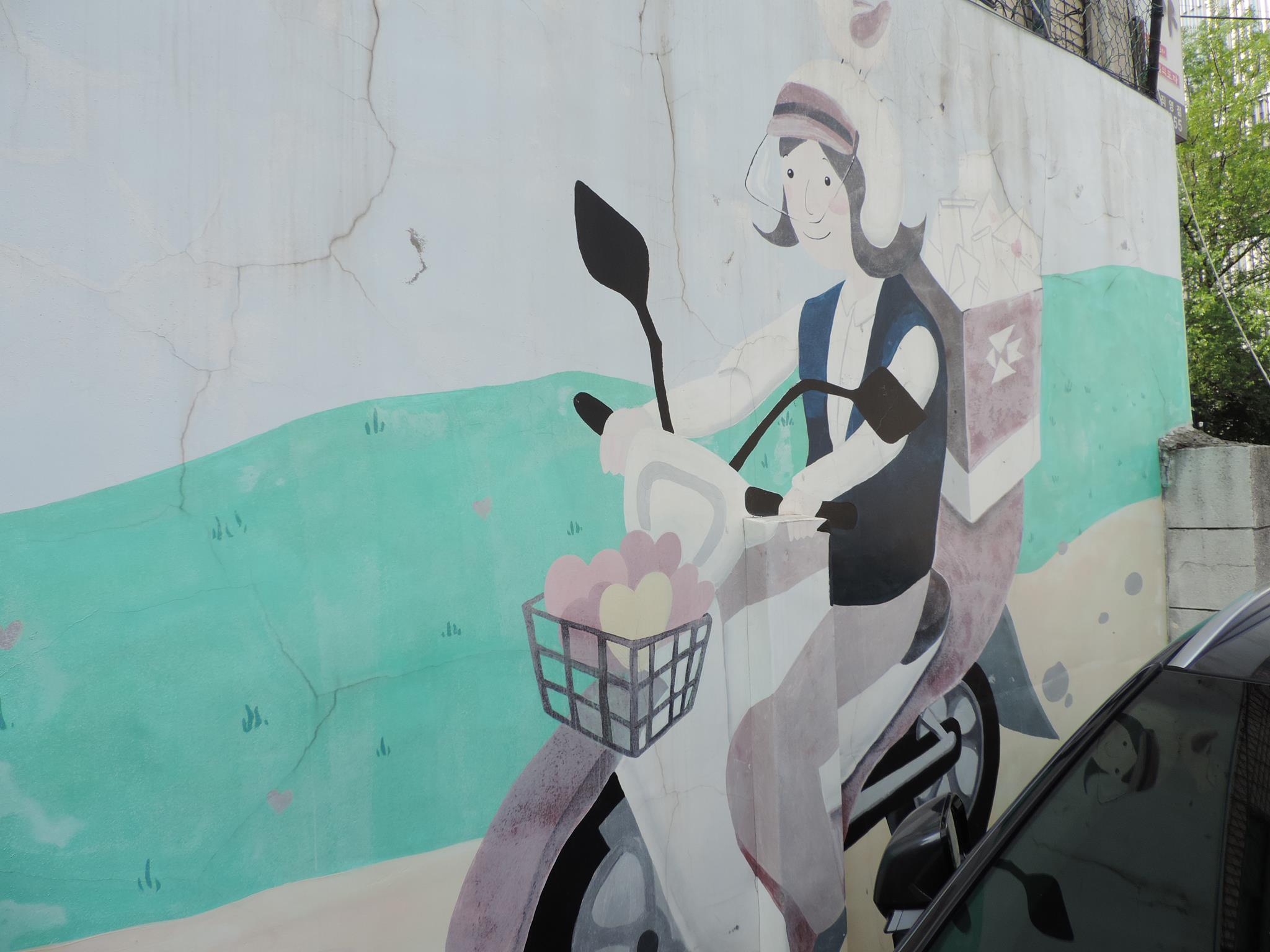
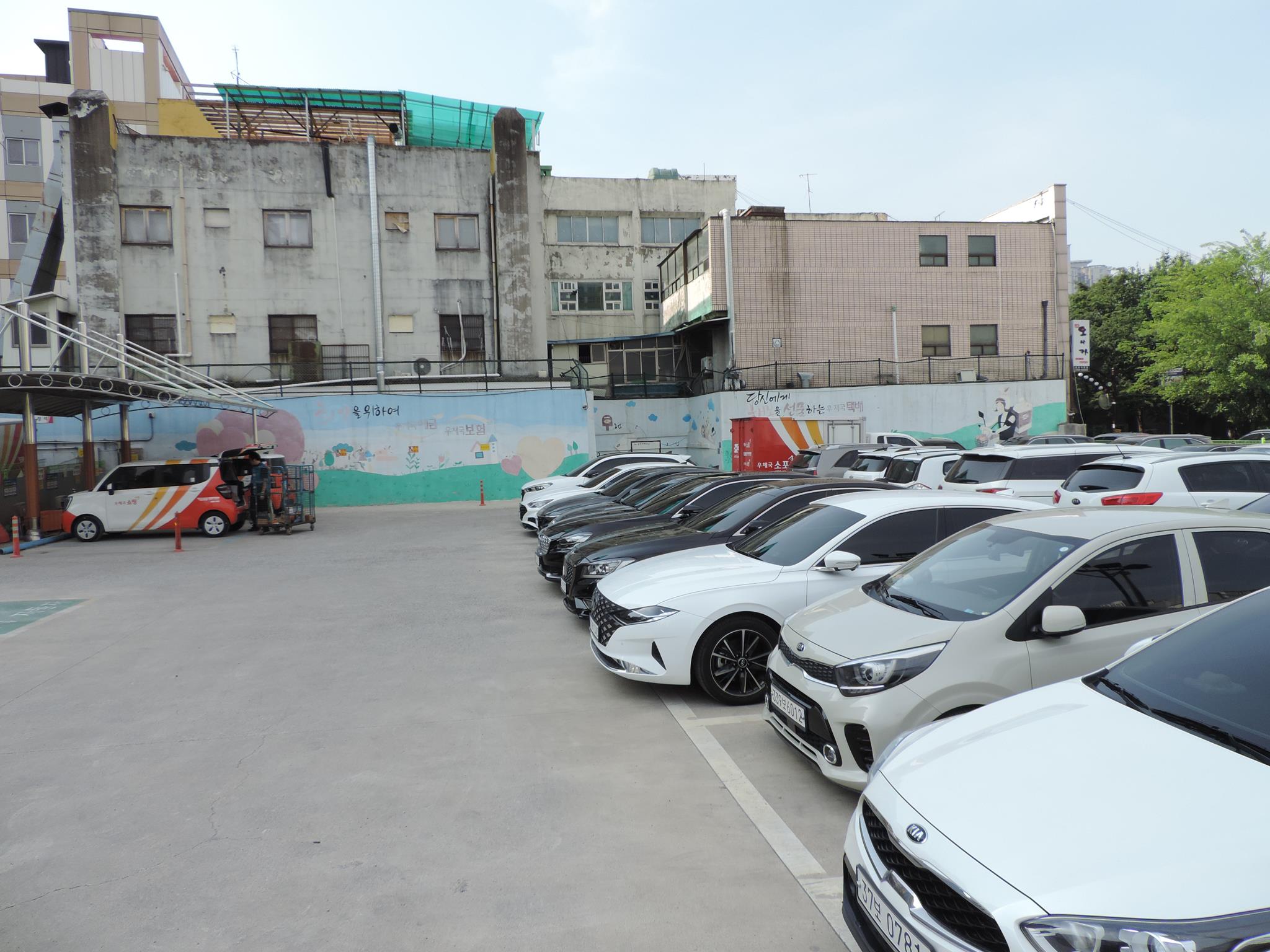
Music & Sports – SANCTUS
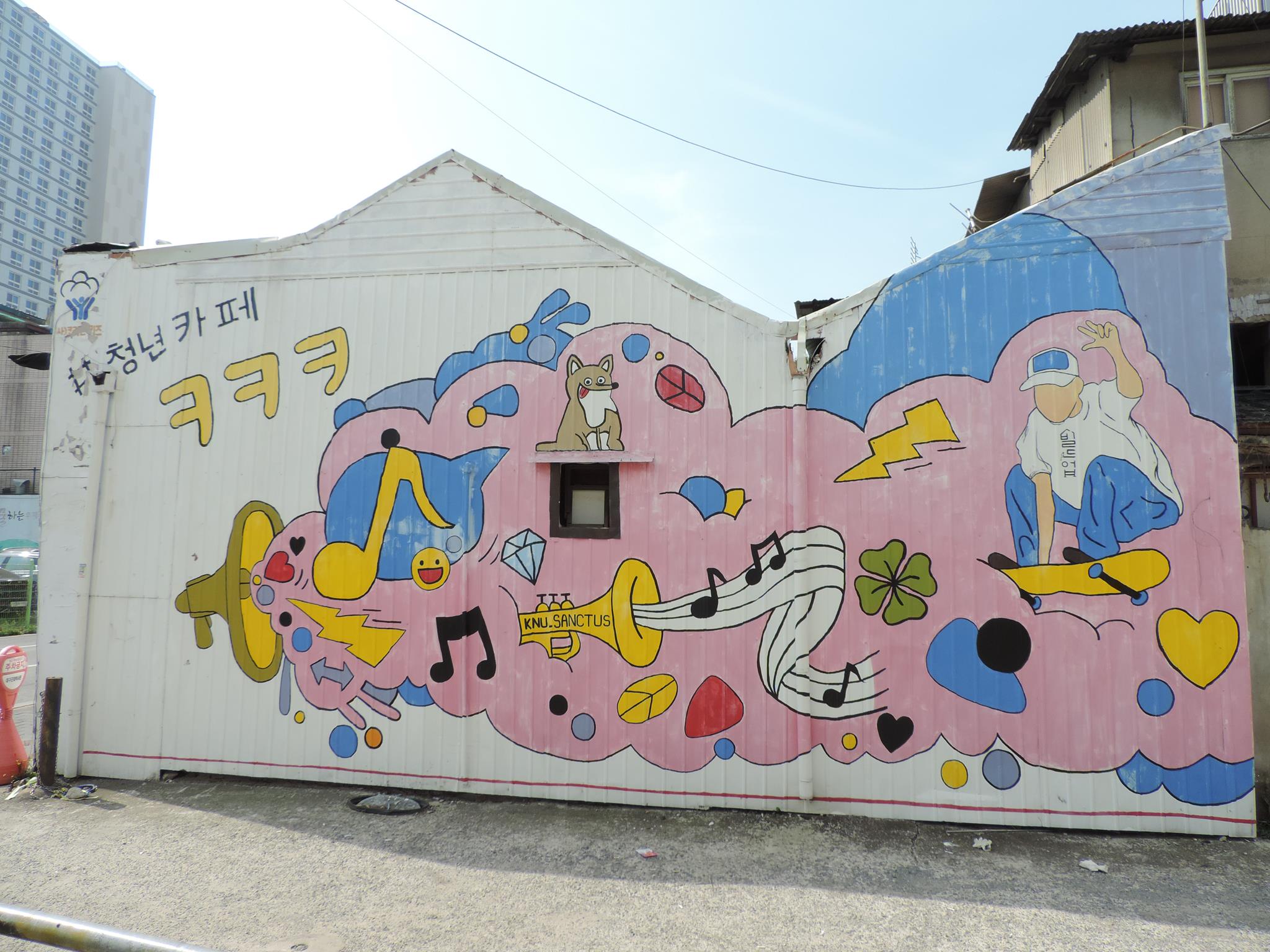
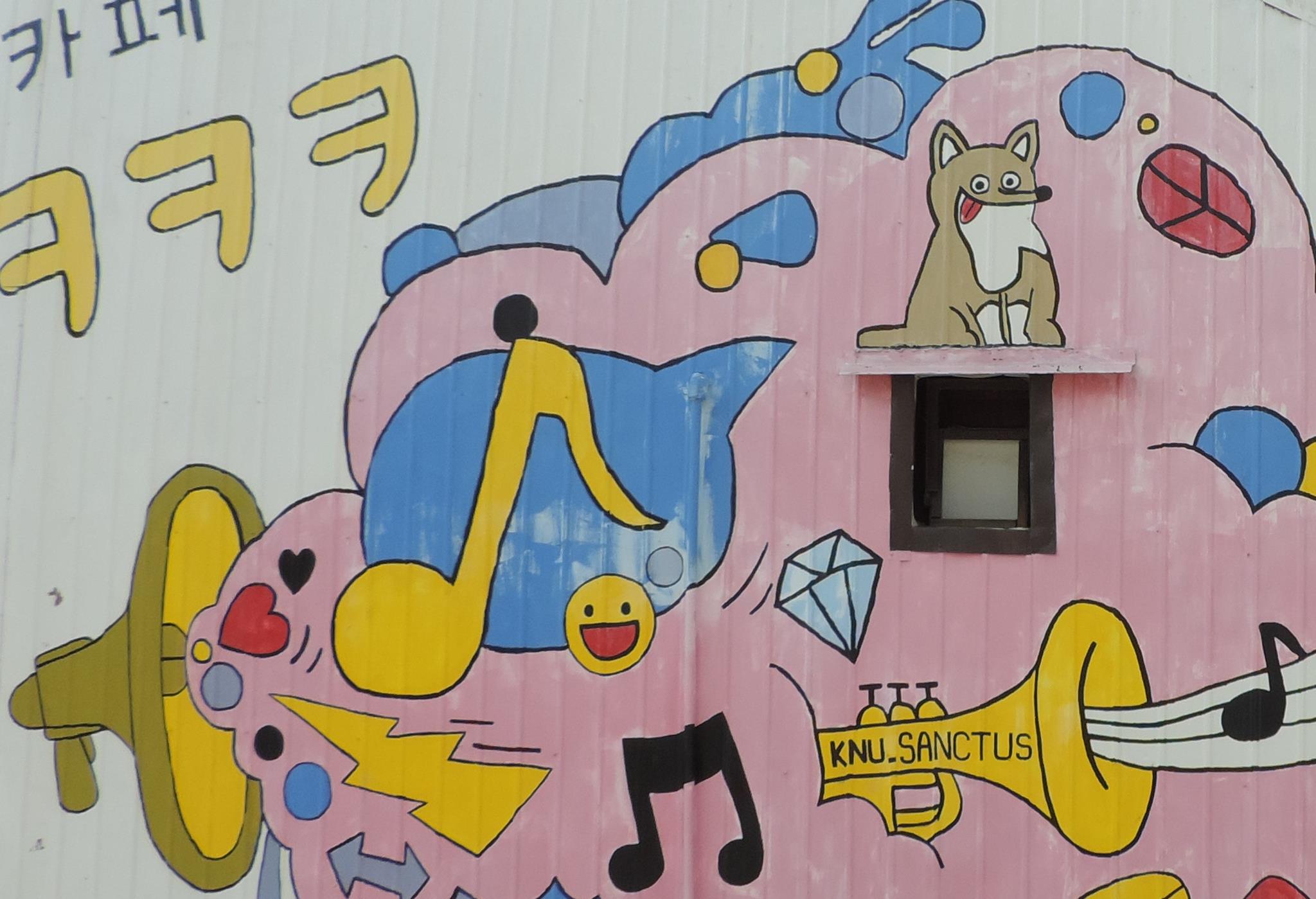
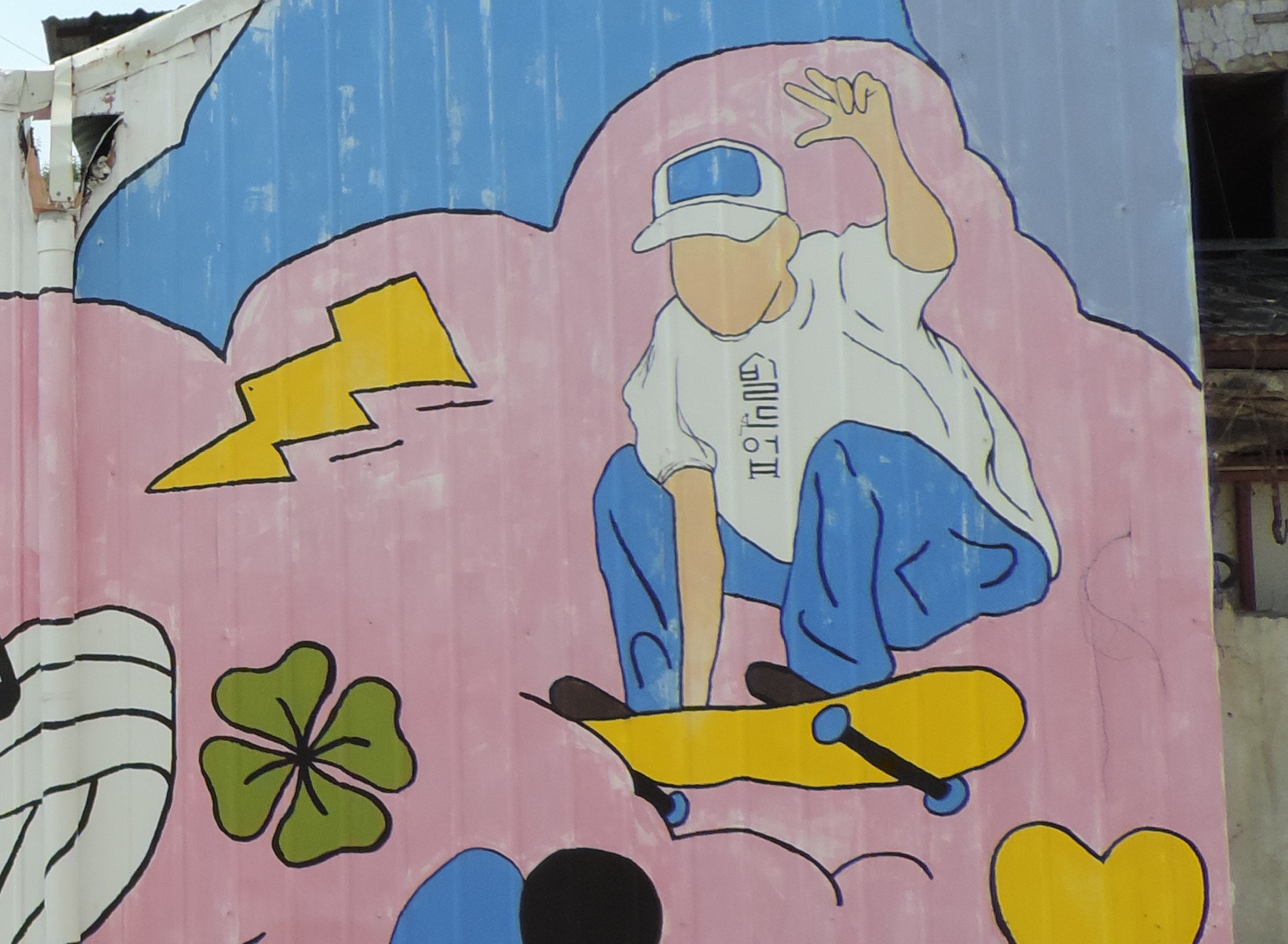
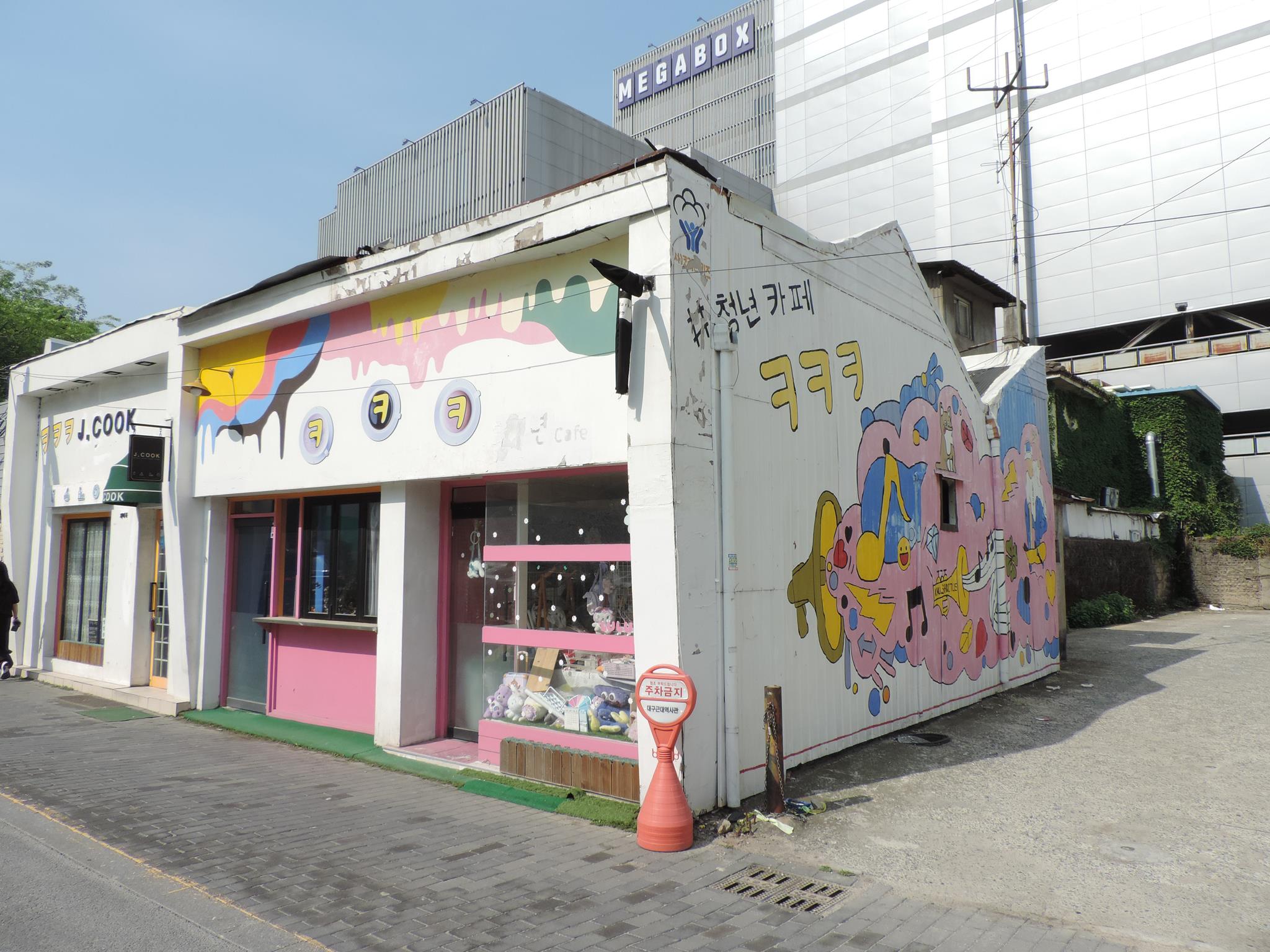
Artist: SANCTUS
 Instagram: https://www.instagram.com/knu_sanctus
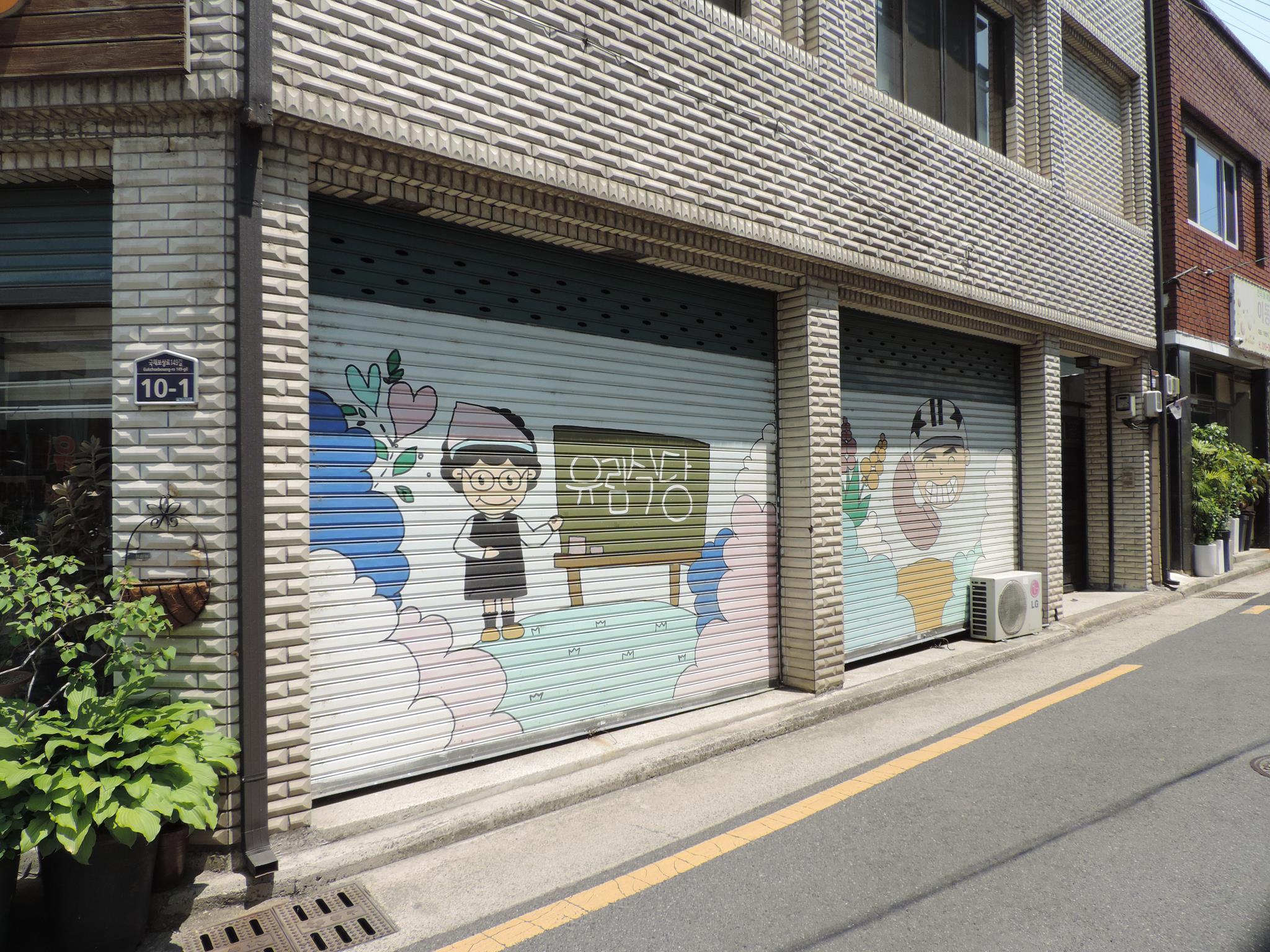
The Little Prince & Alice in Wonderland – SUMI
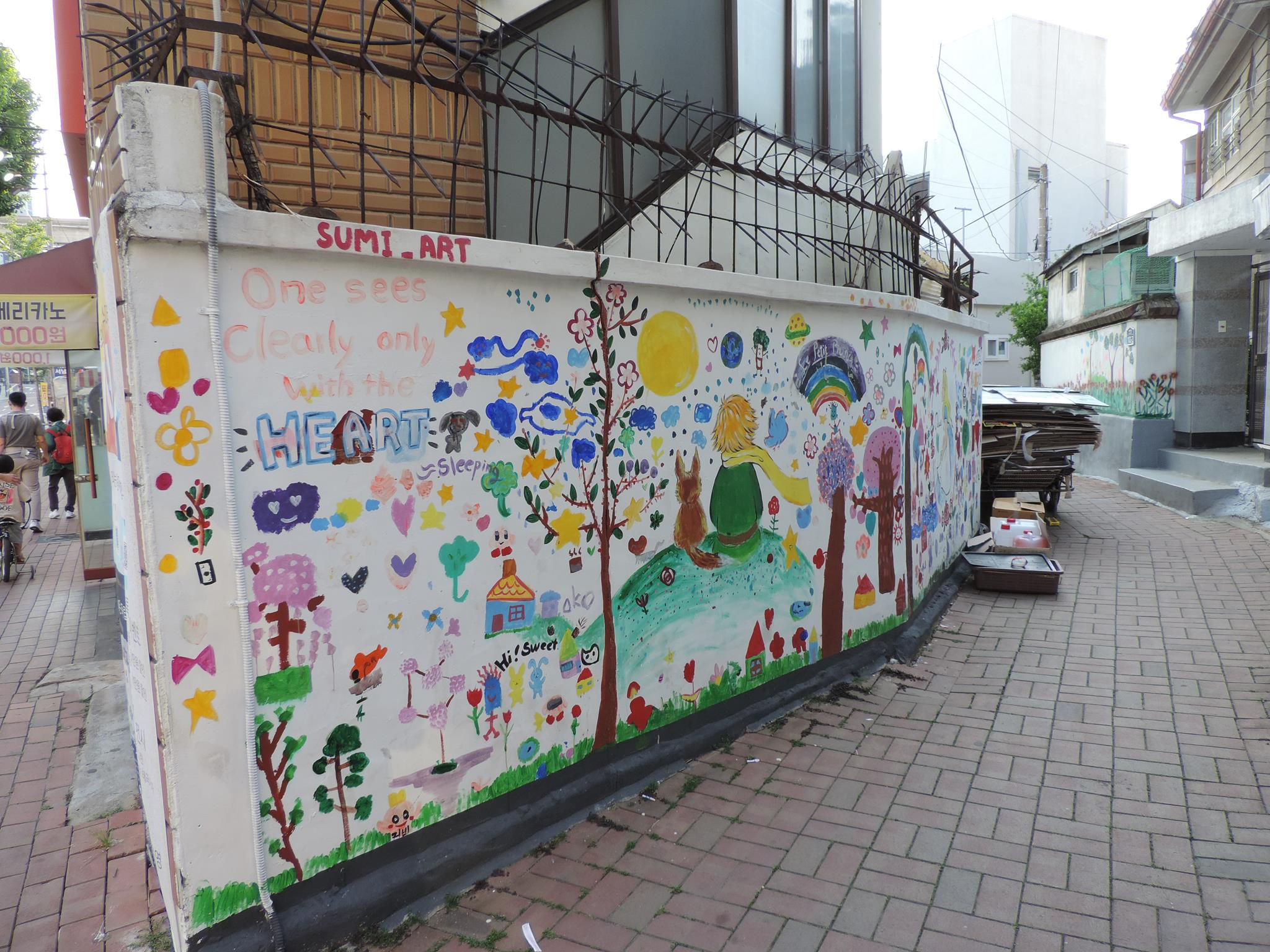
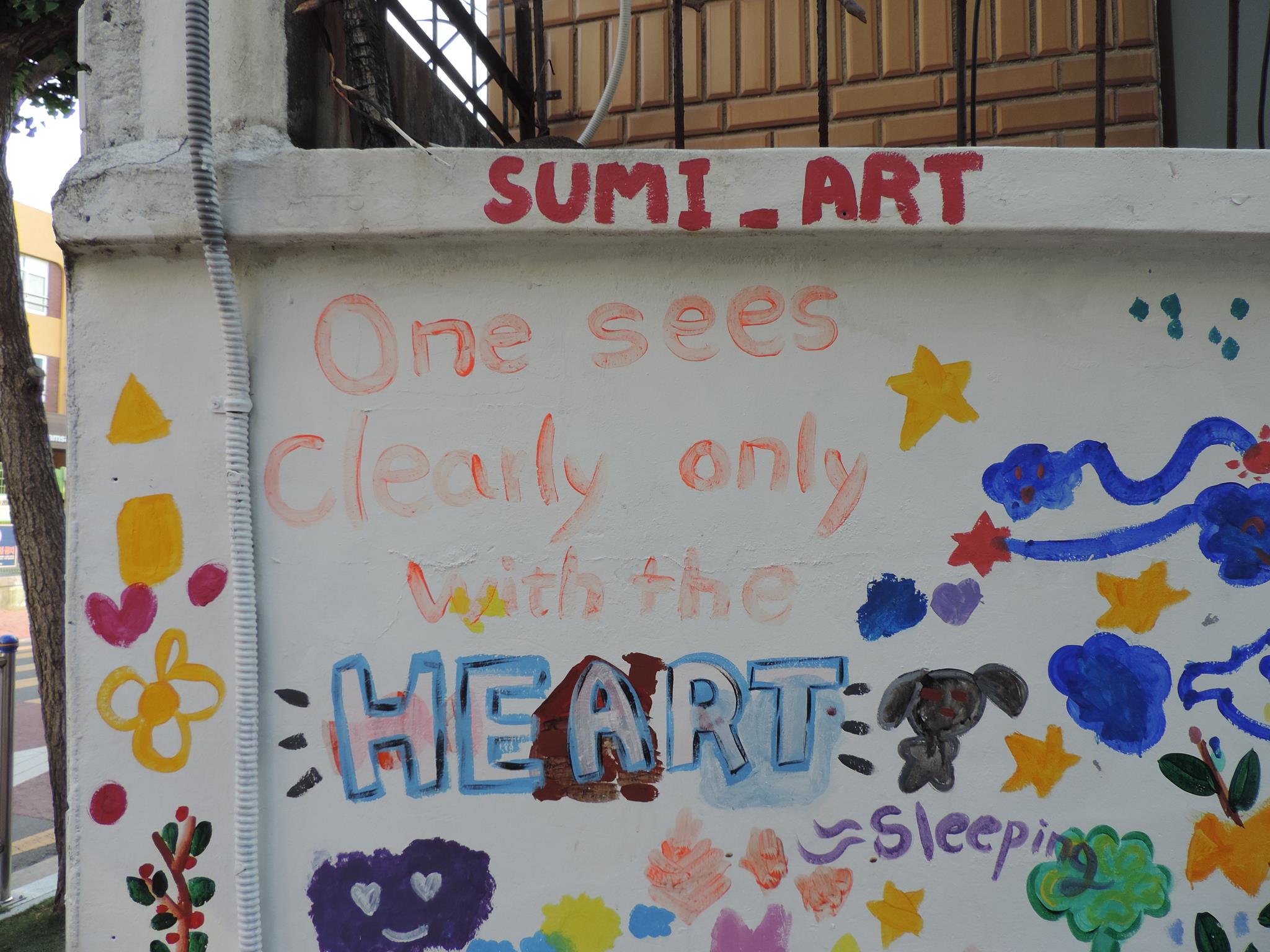
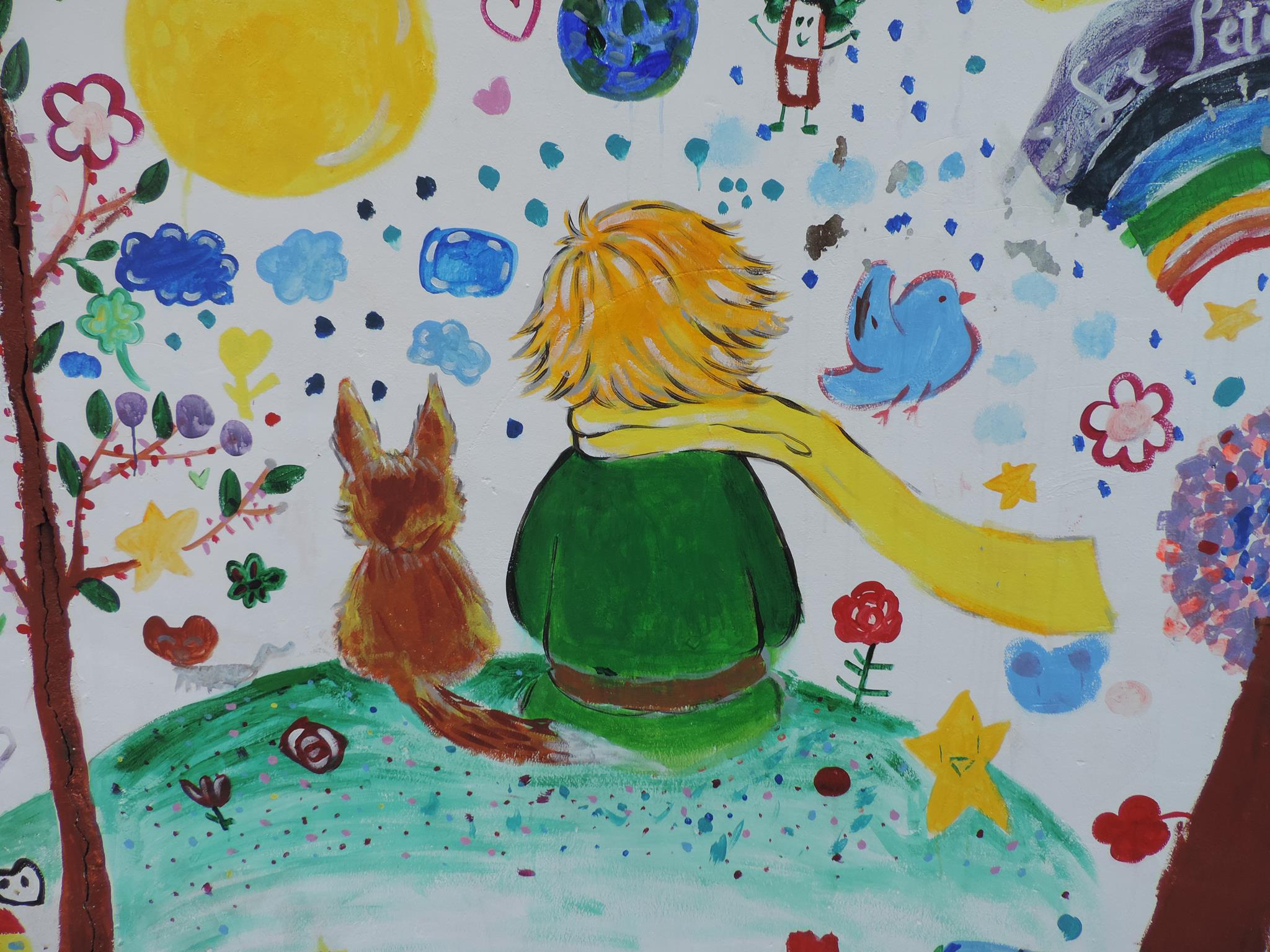
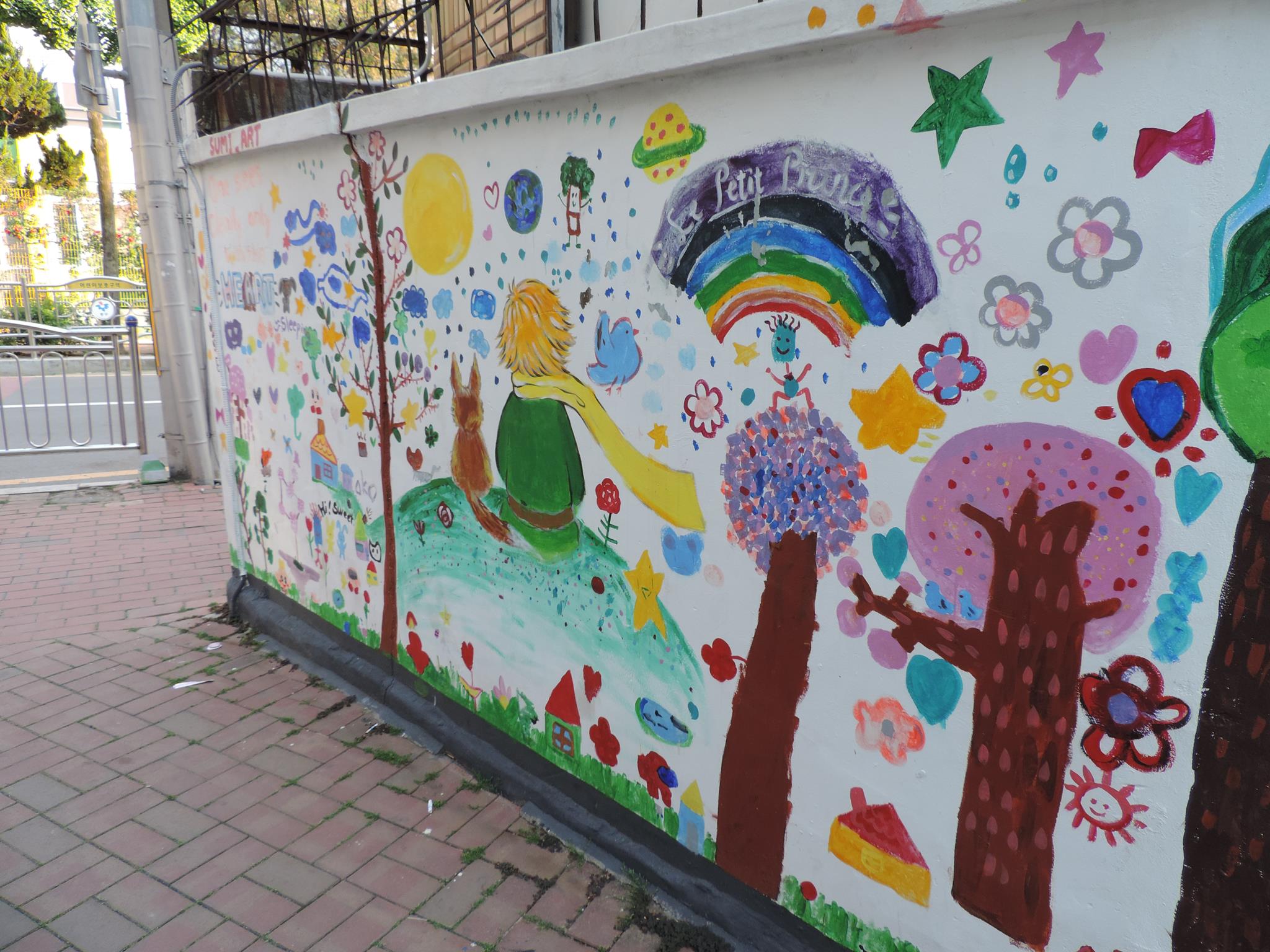
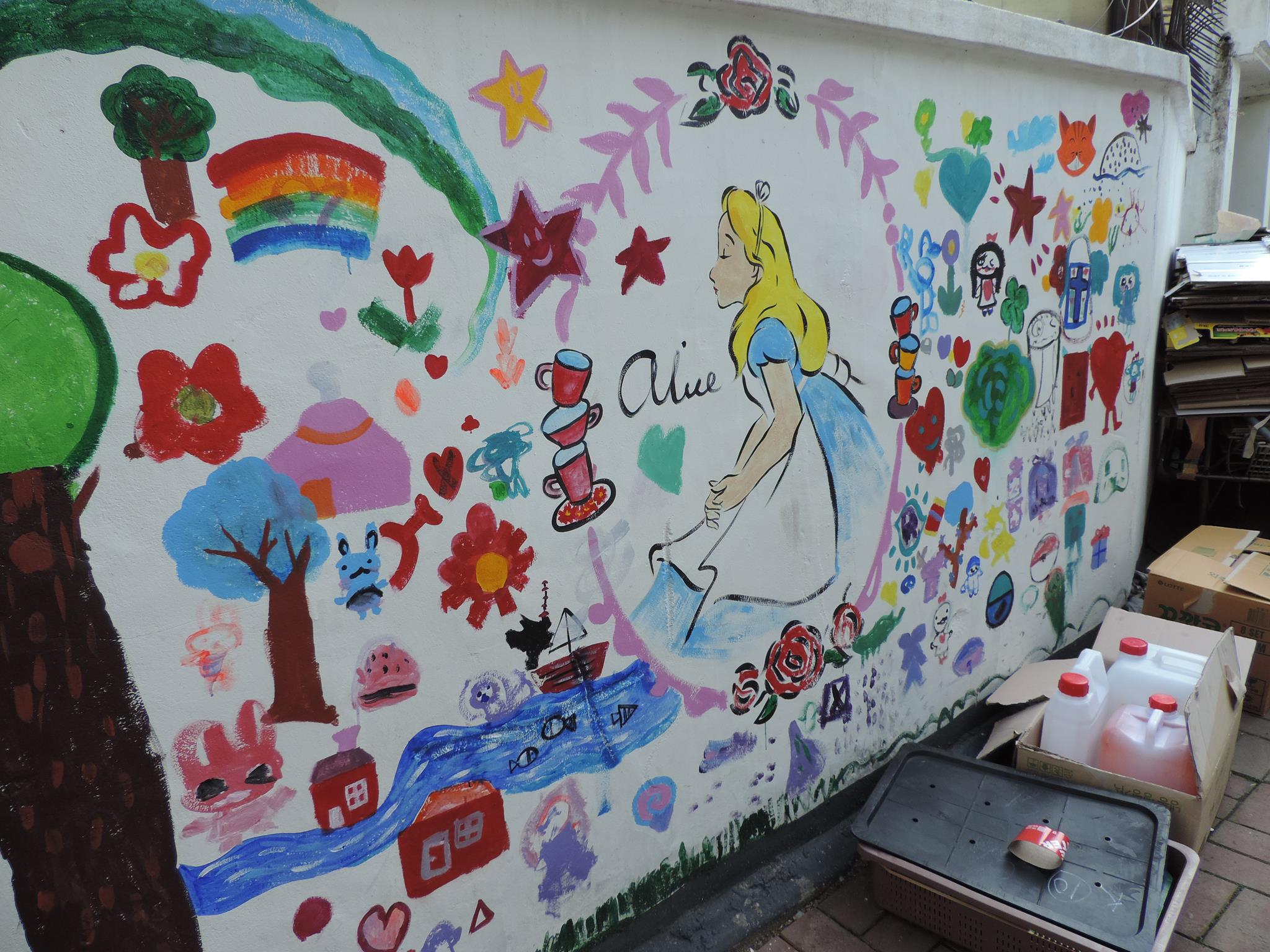
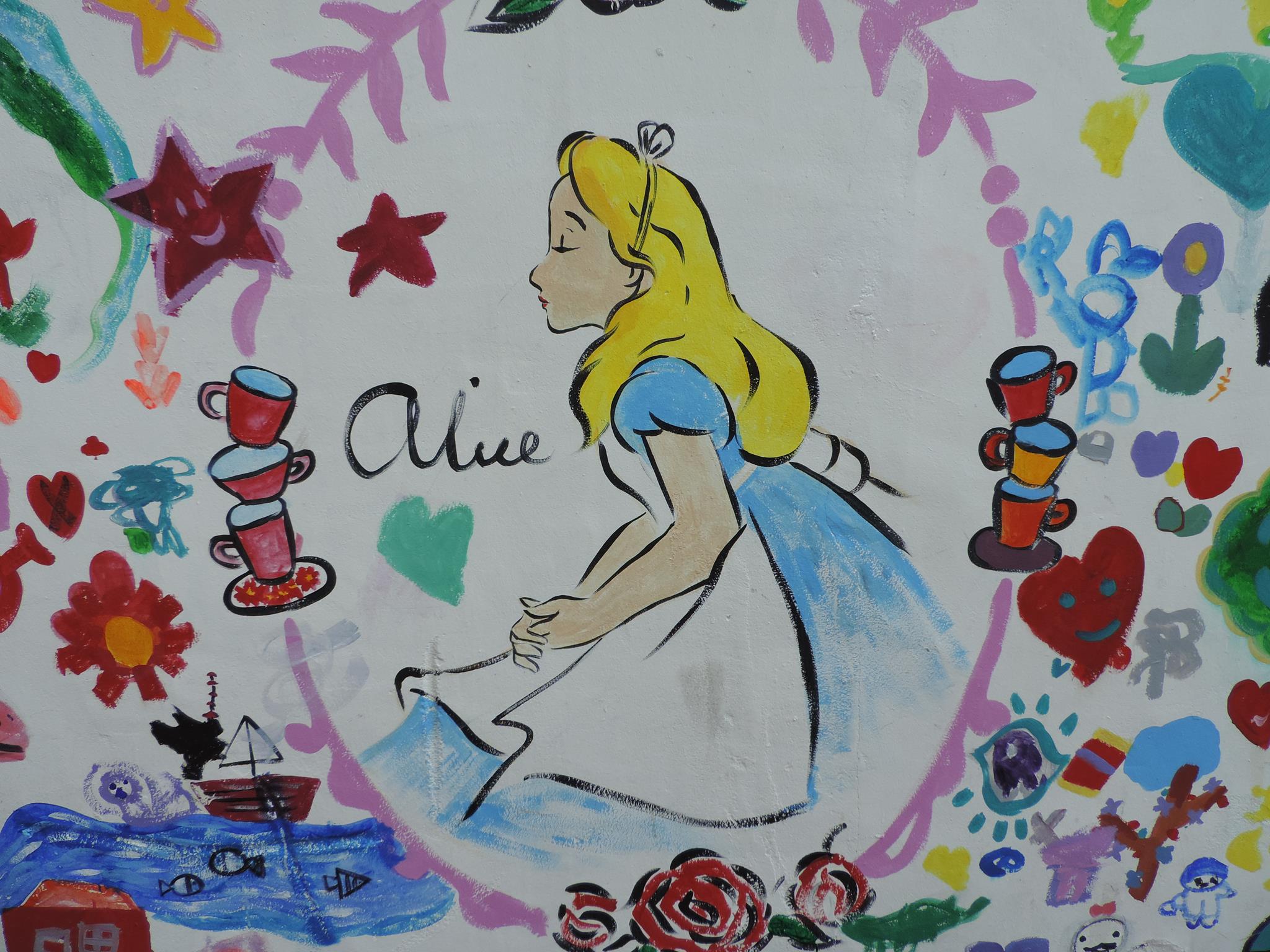
Artist: SUMI
Artist Studio – HYEJUNG – MONOART
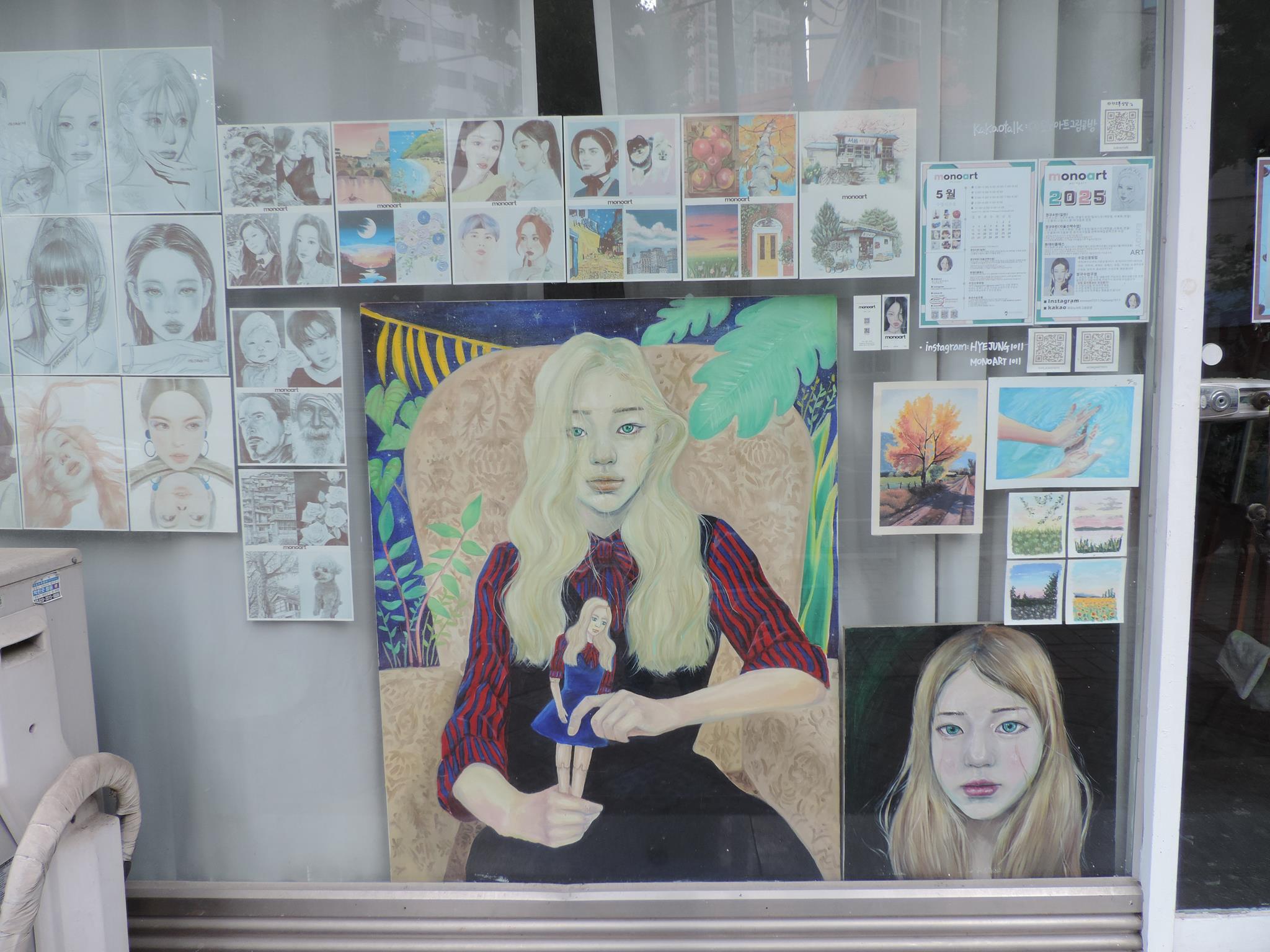
Artist: HYEJUNG – MONOART
 Naver: https://blog.naver.com/rlagpwjd1011
Instagram: https://www.instagram.com/hyejung1011
Instagram: https://www.instagram.com/hyejung1011_2
Instagram: https://www.instagram.com/monoart1011
 Youtube: https://www.youtube.com/@hyejung1011
 LinkTree: https://link.inpock.co.kr/hyejung1011
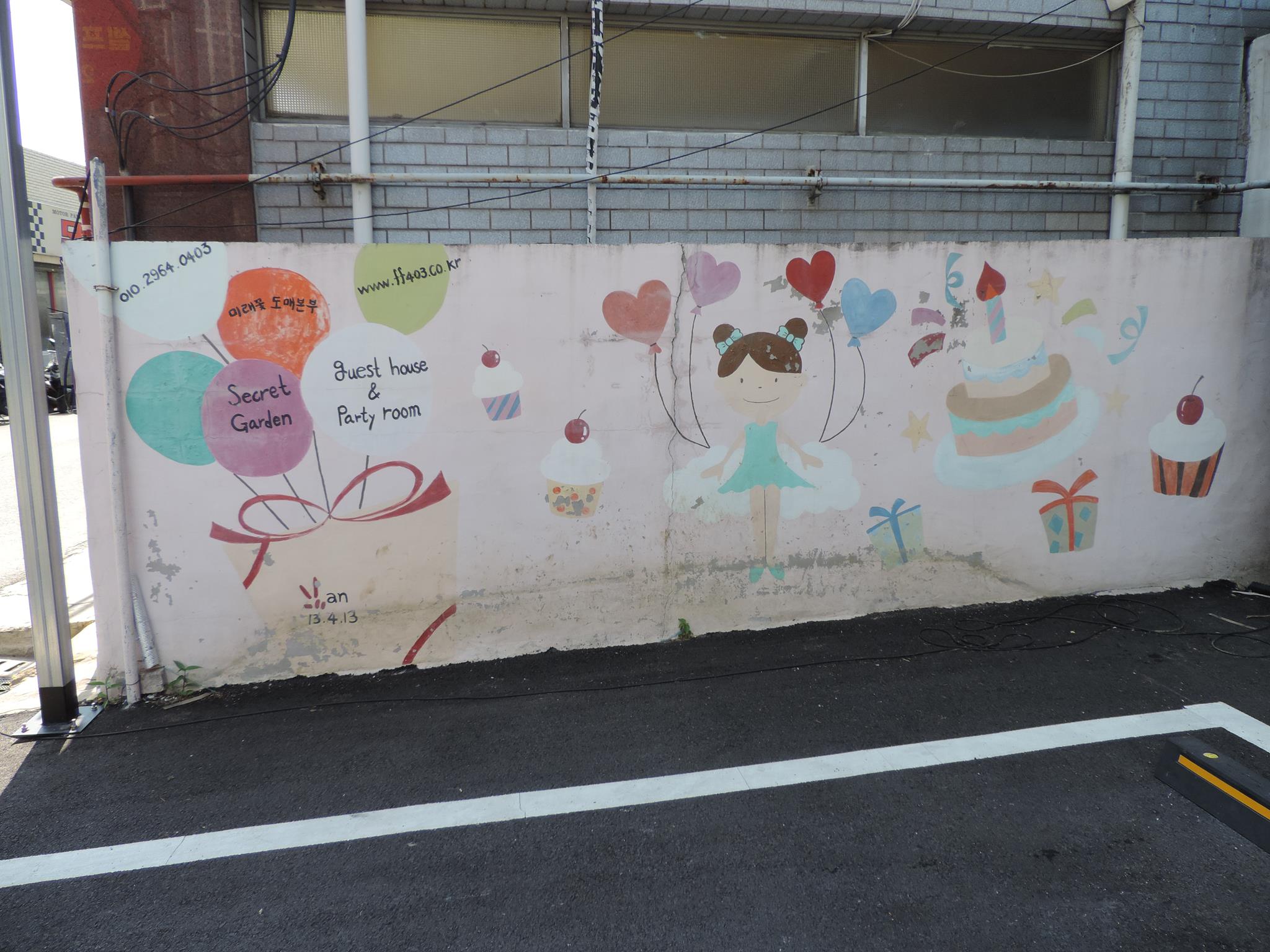
FF403 Secret Garden
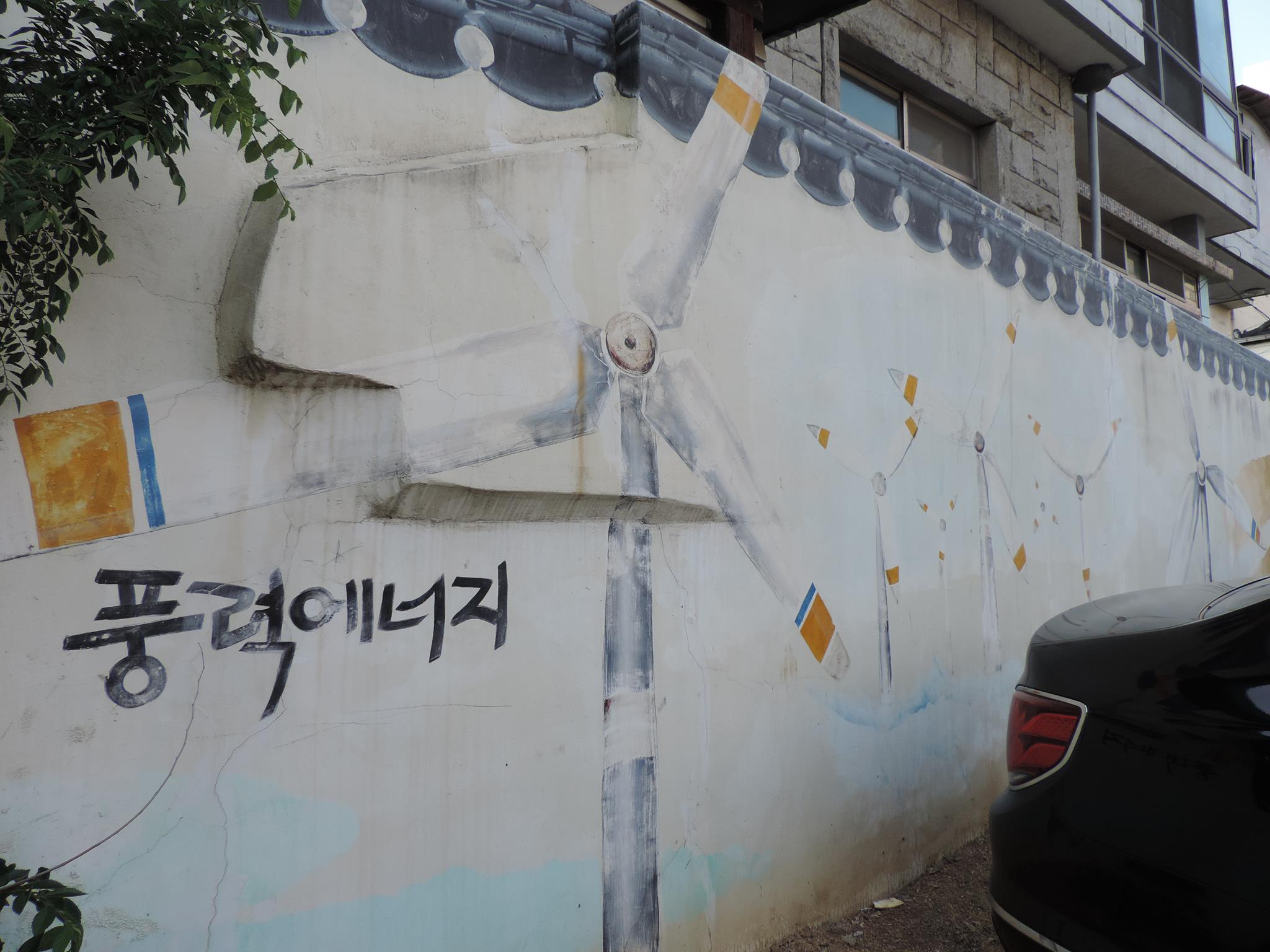
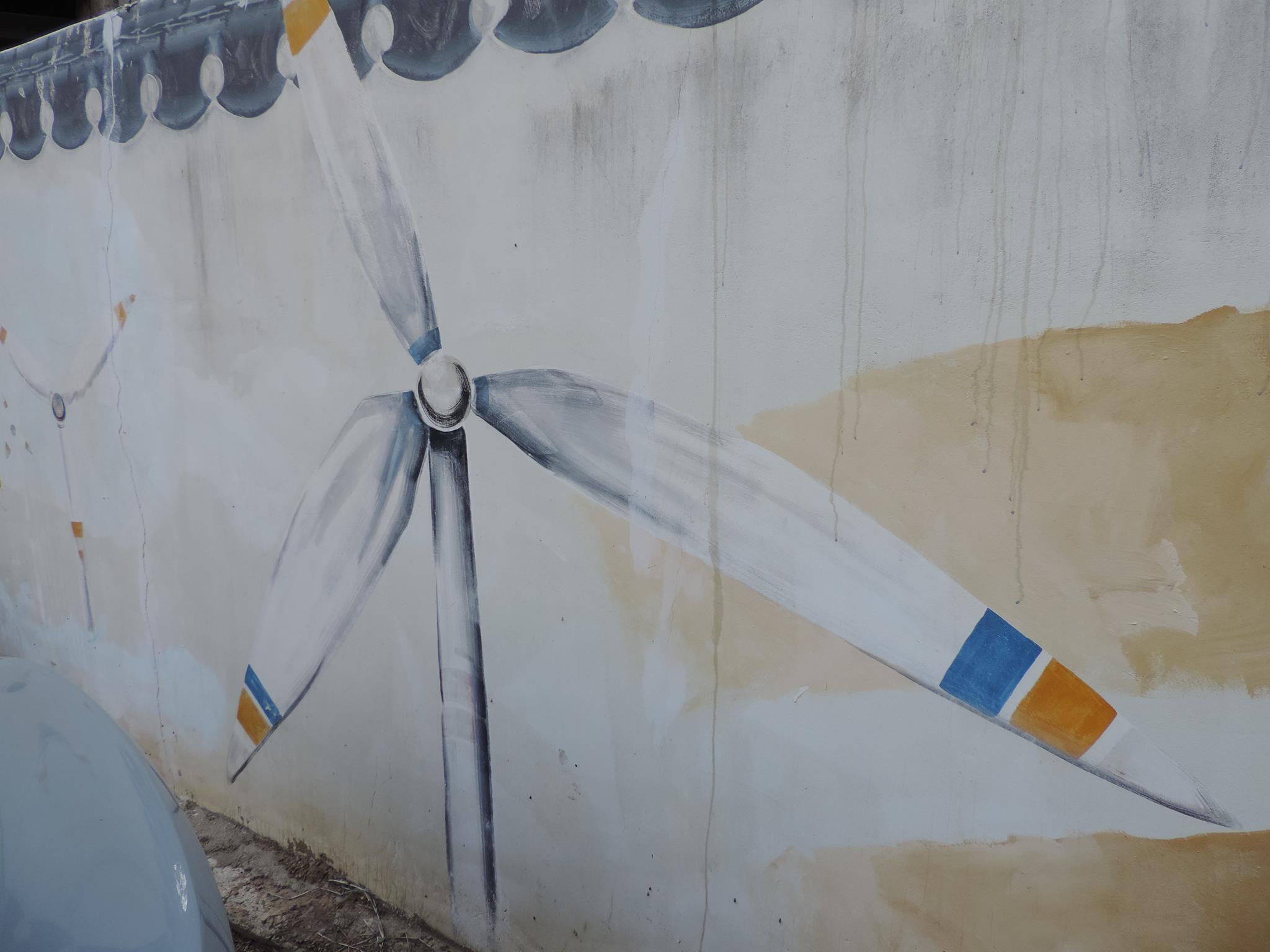
Wind Turbines
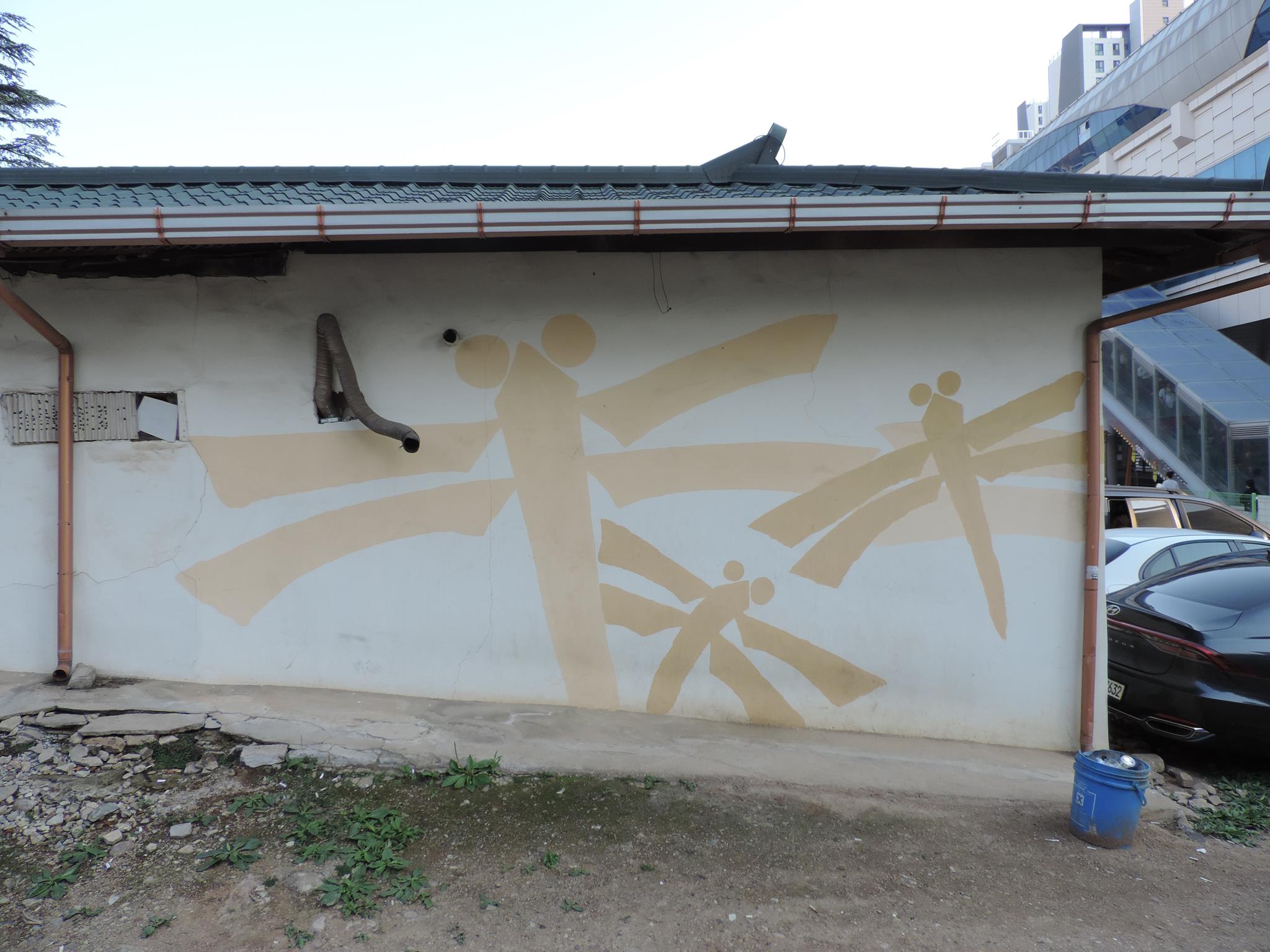
Dragonflies
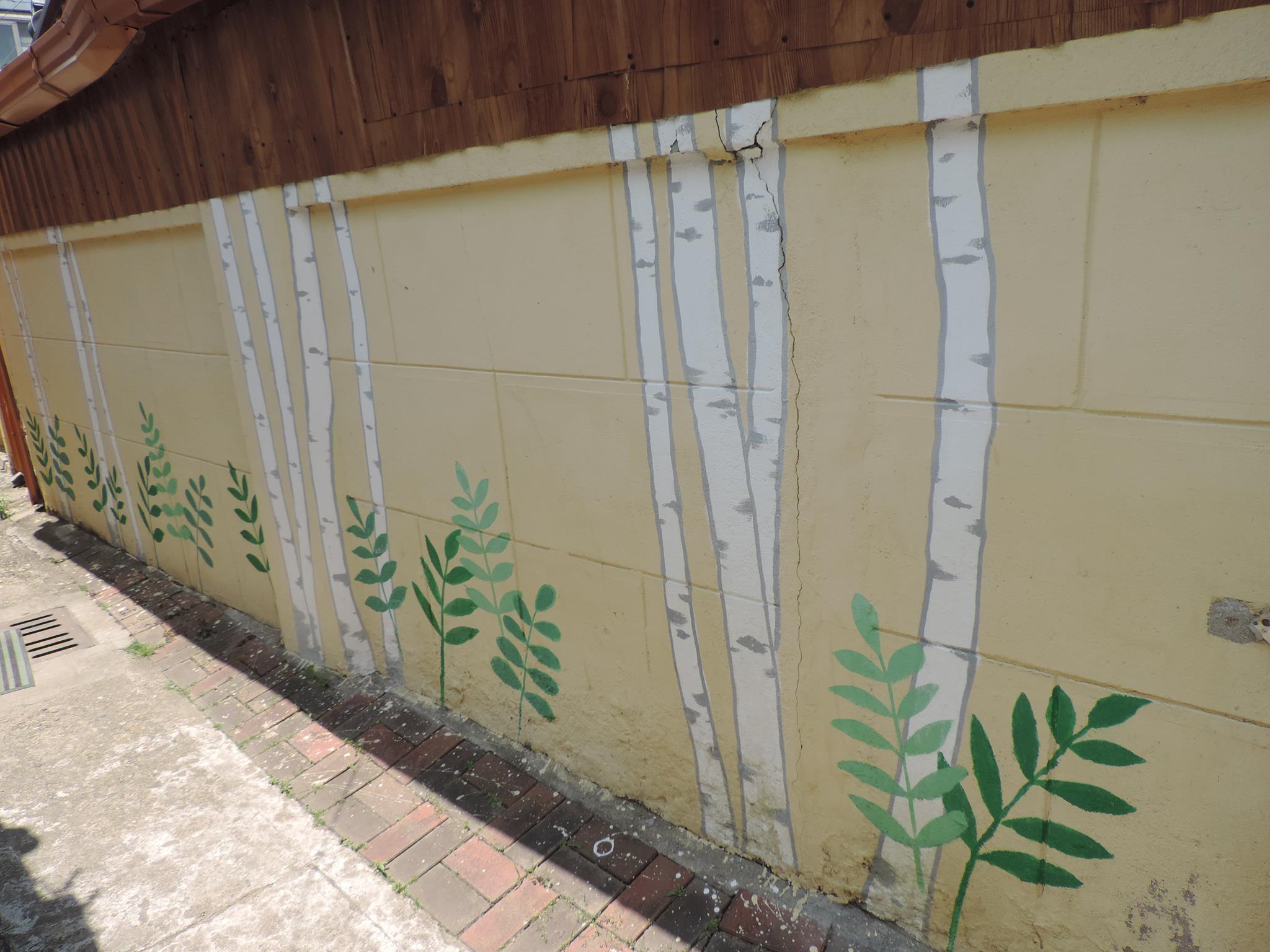
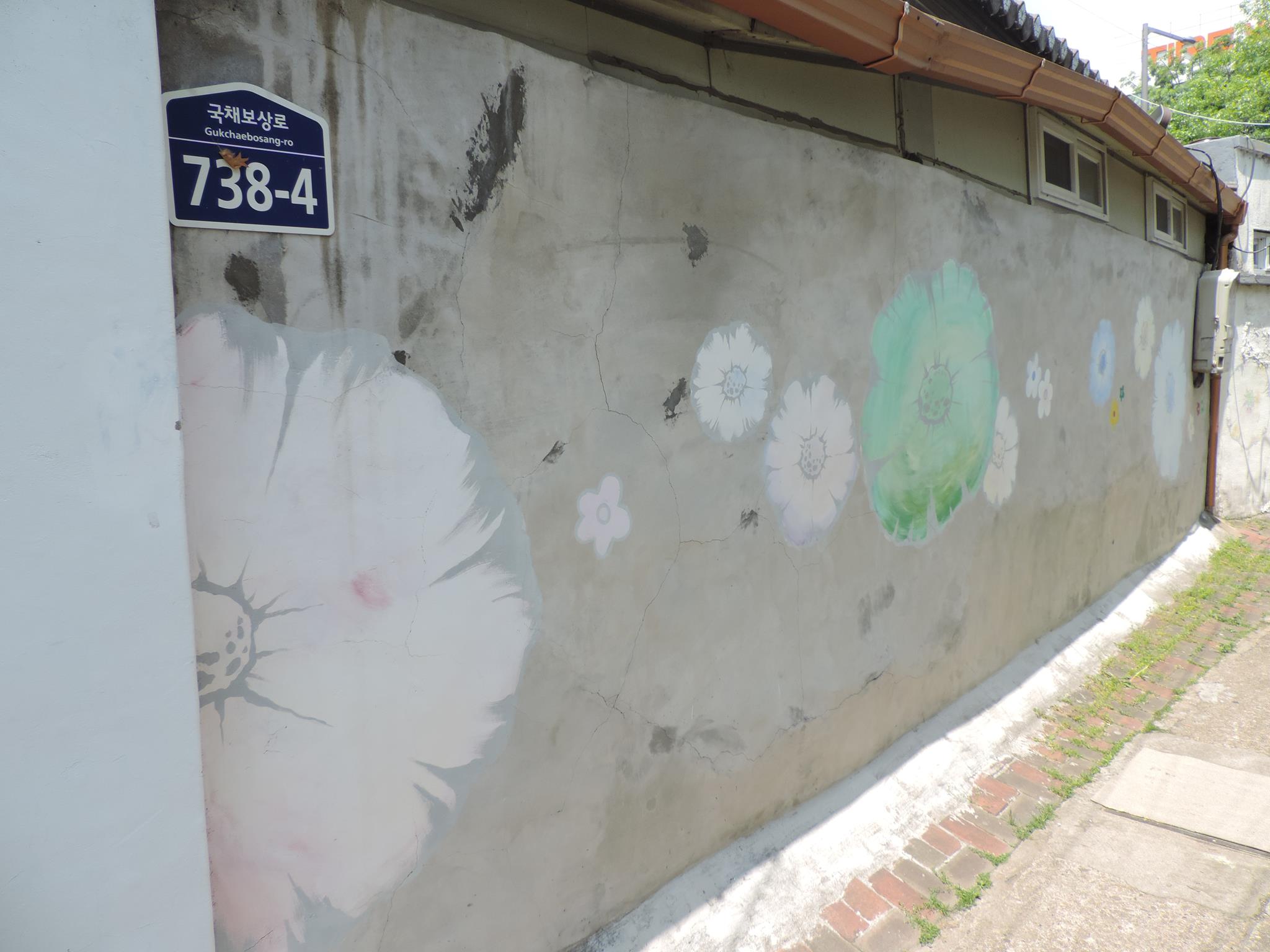
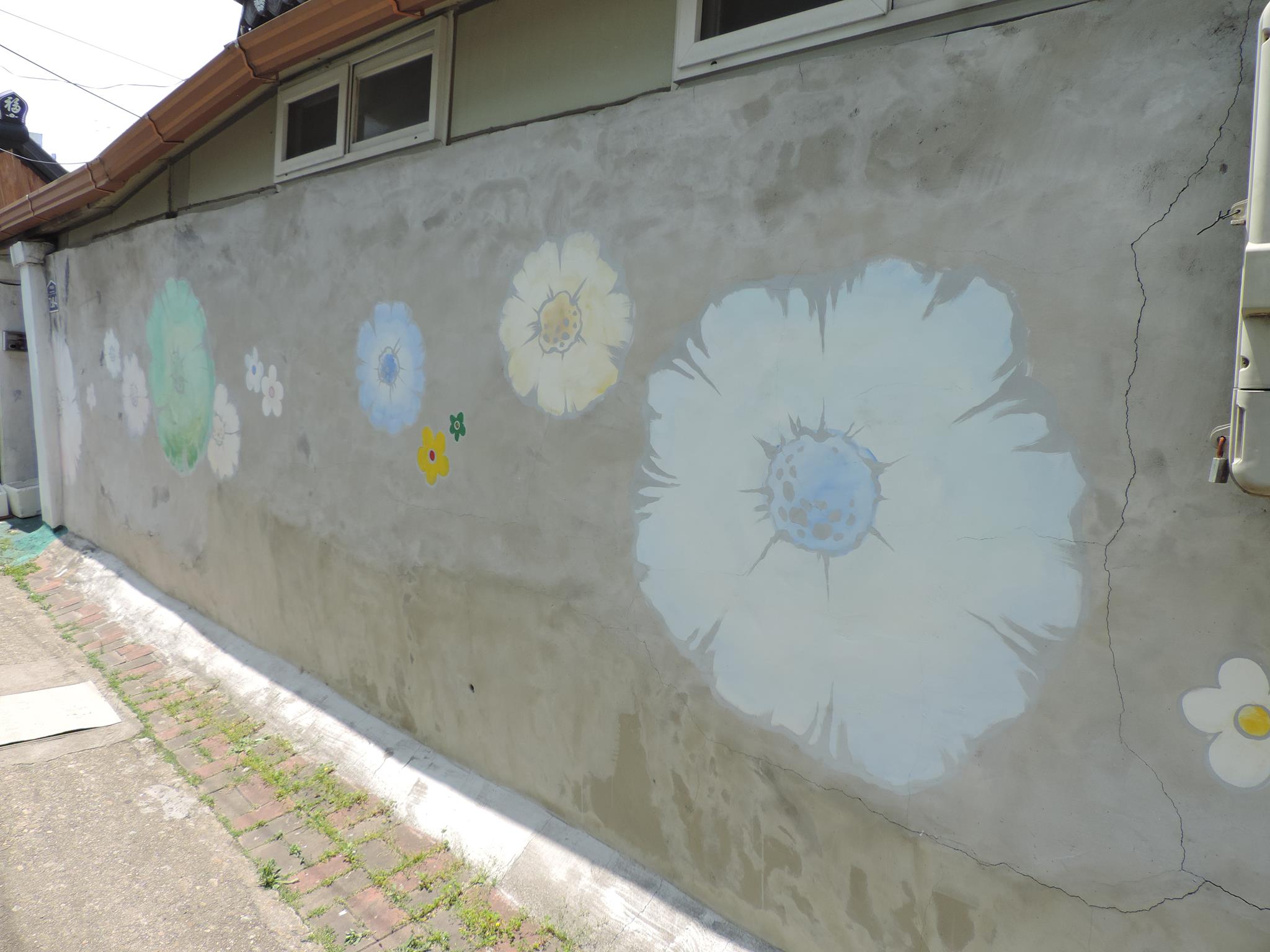
Flower House – MYOSEON
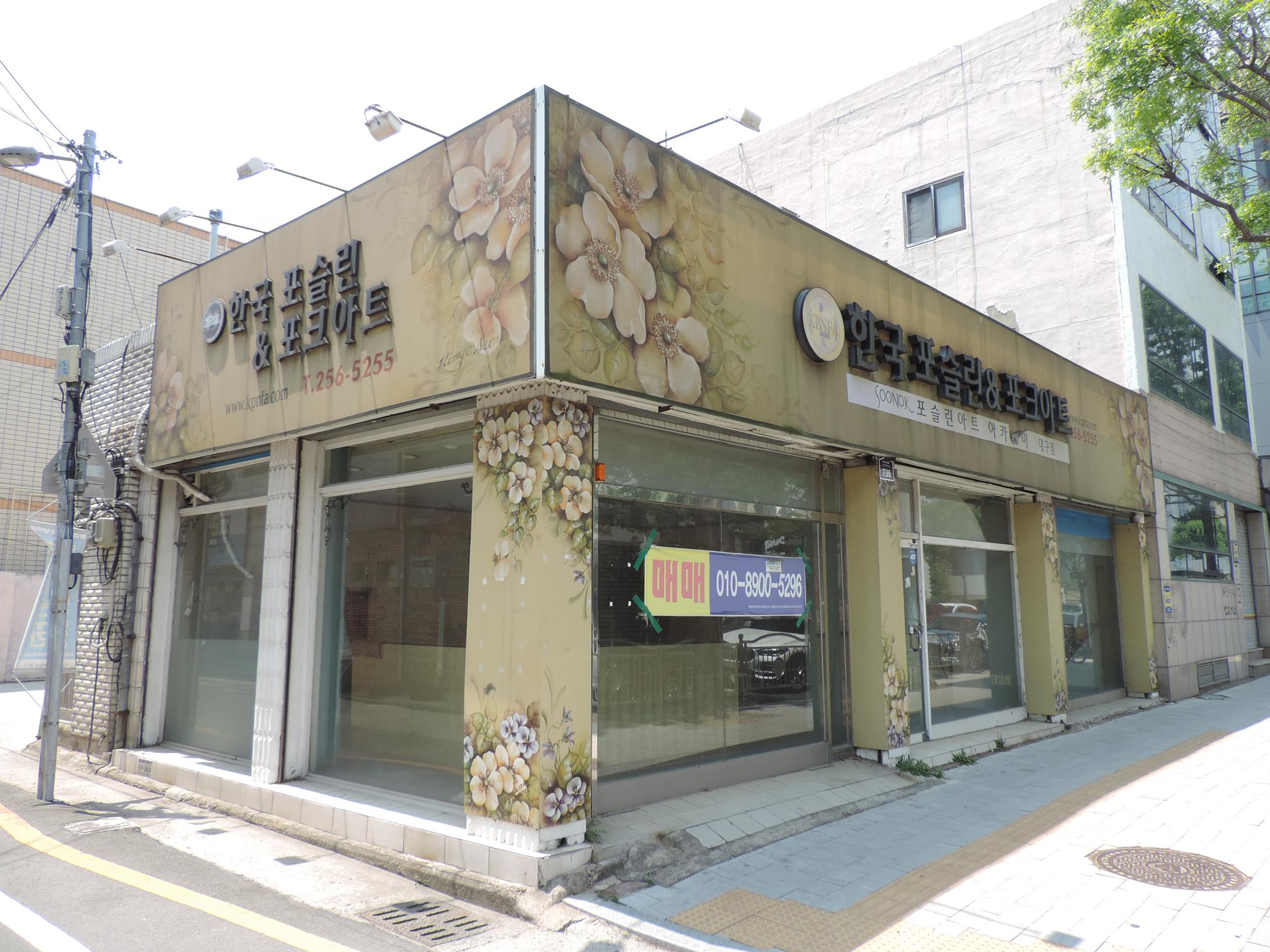
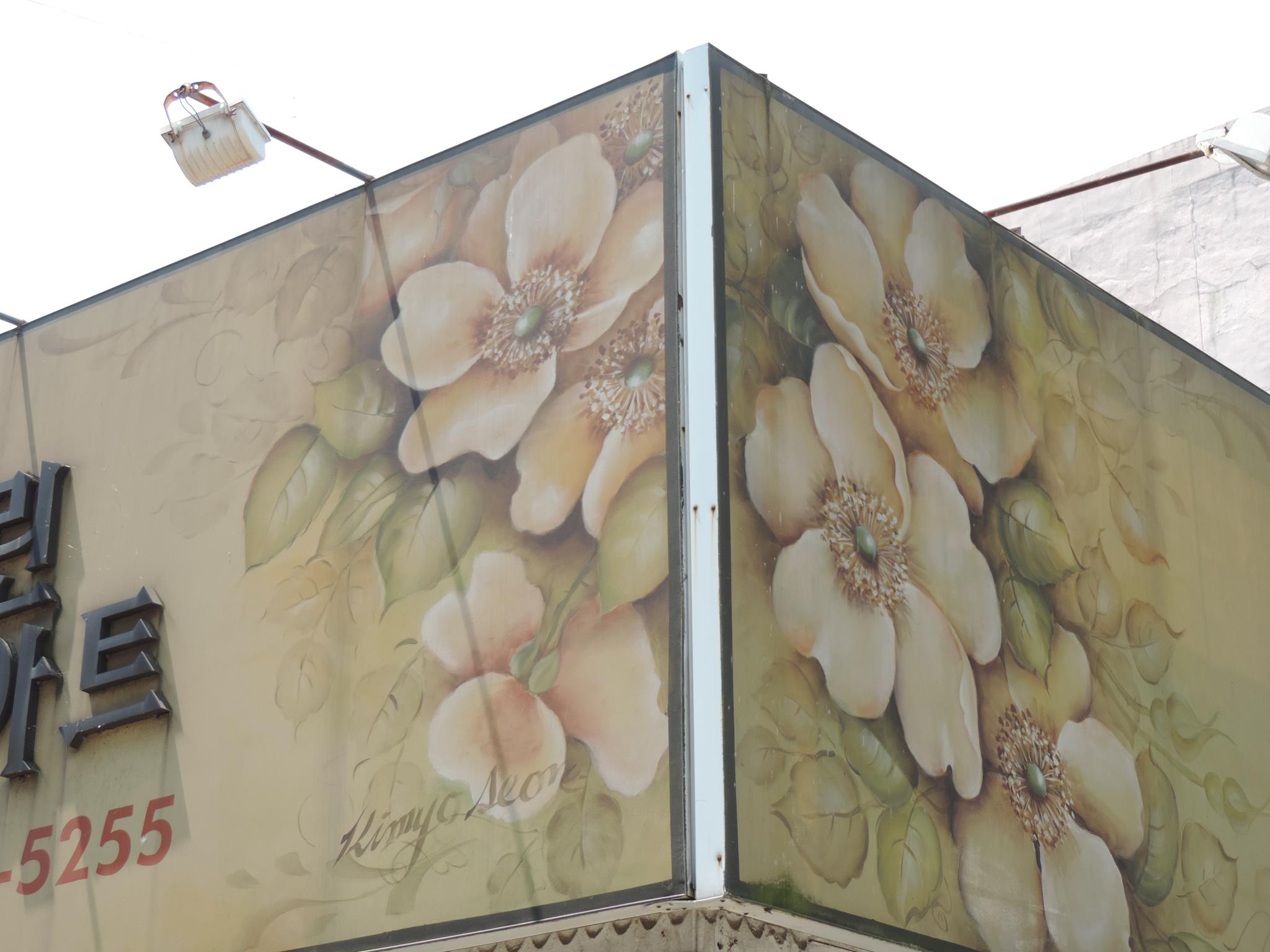
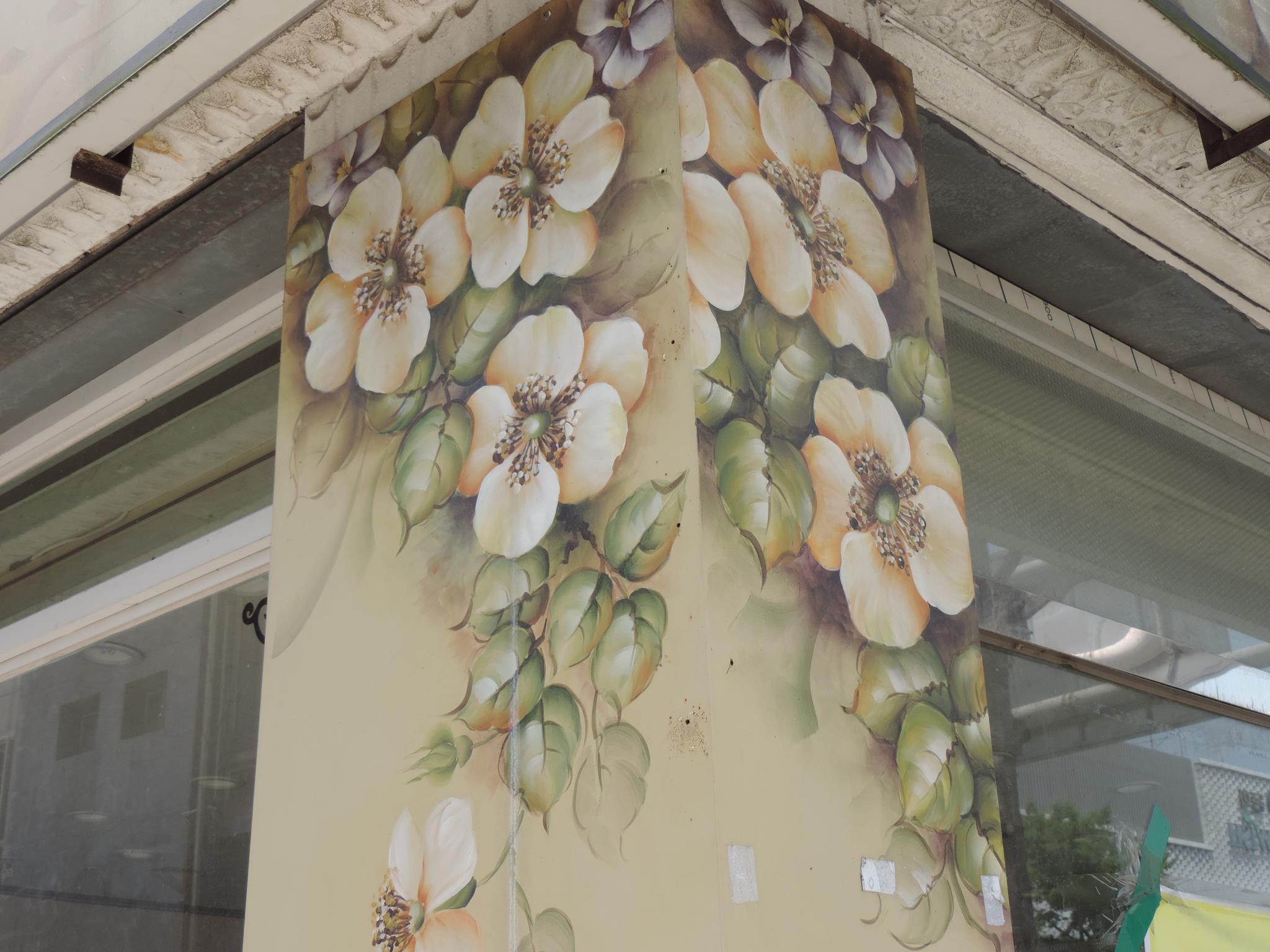
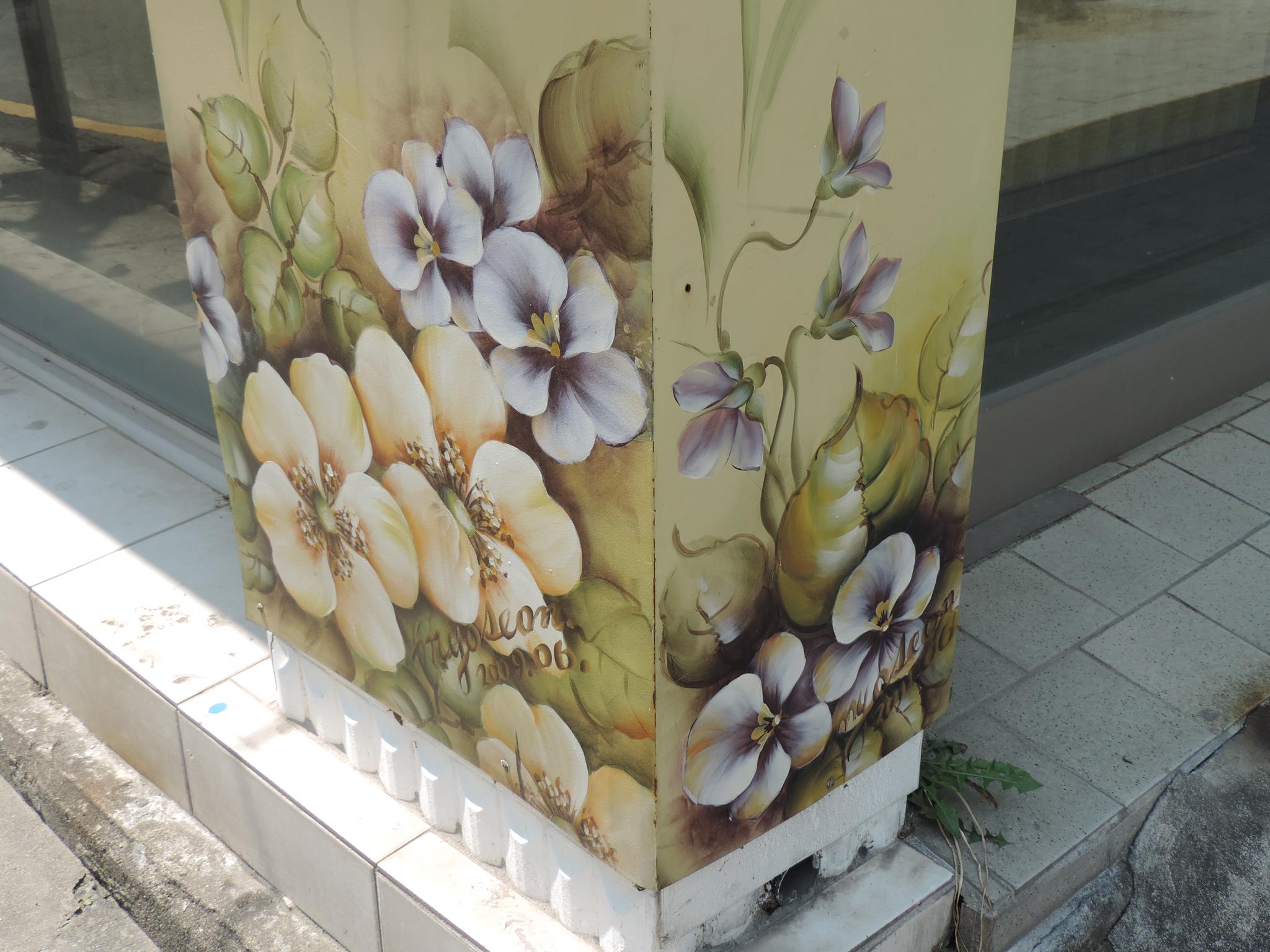
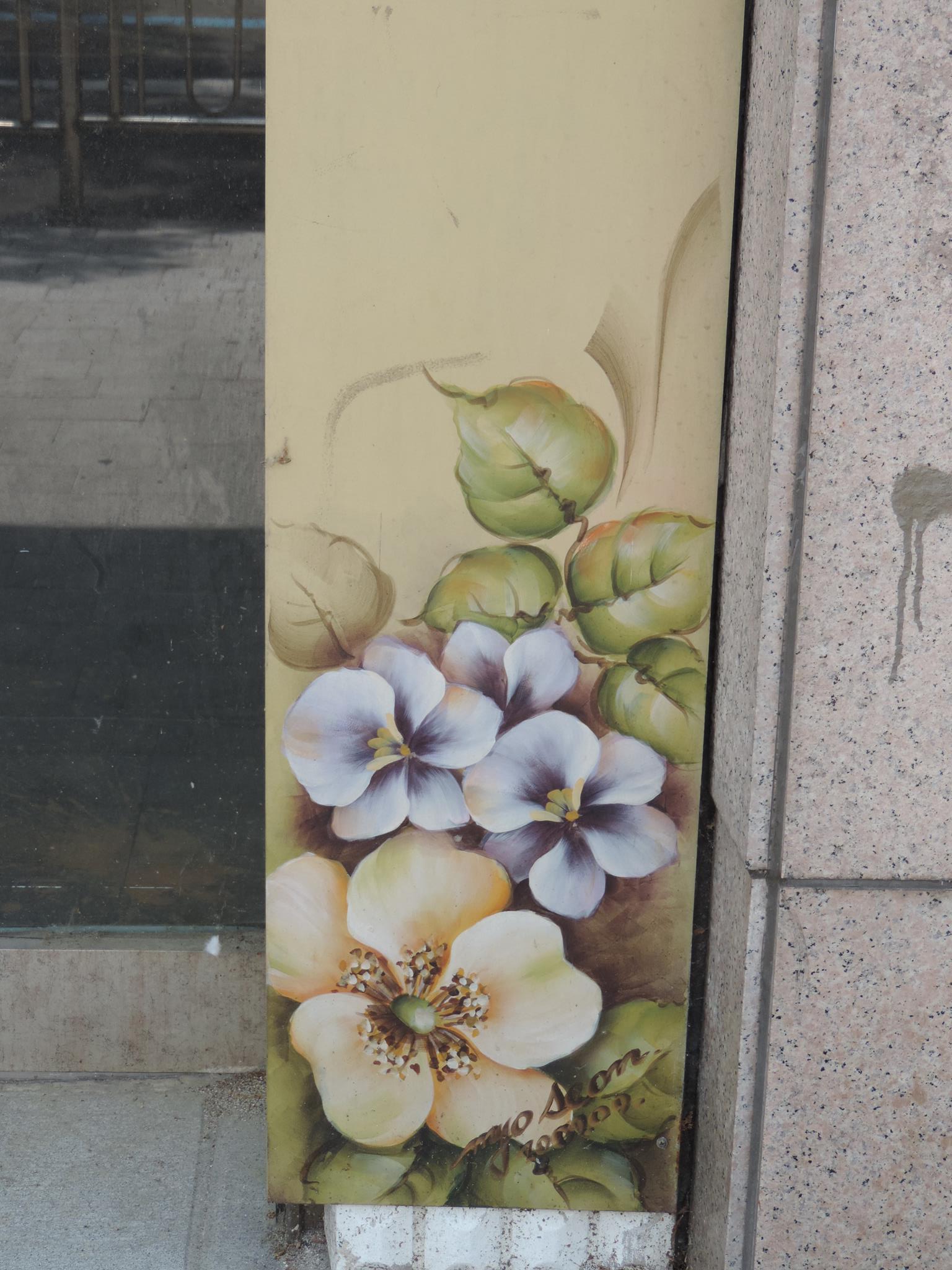
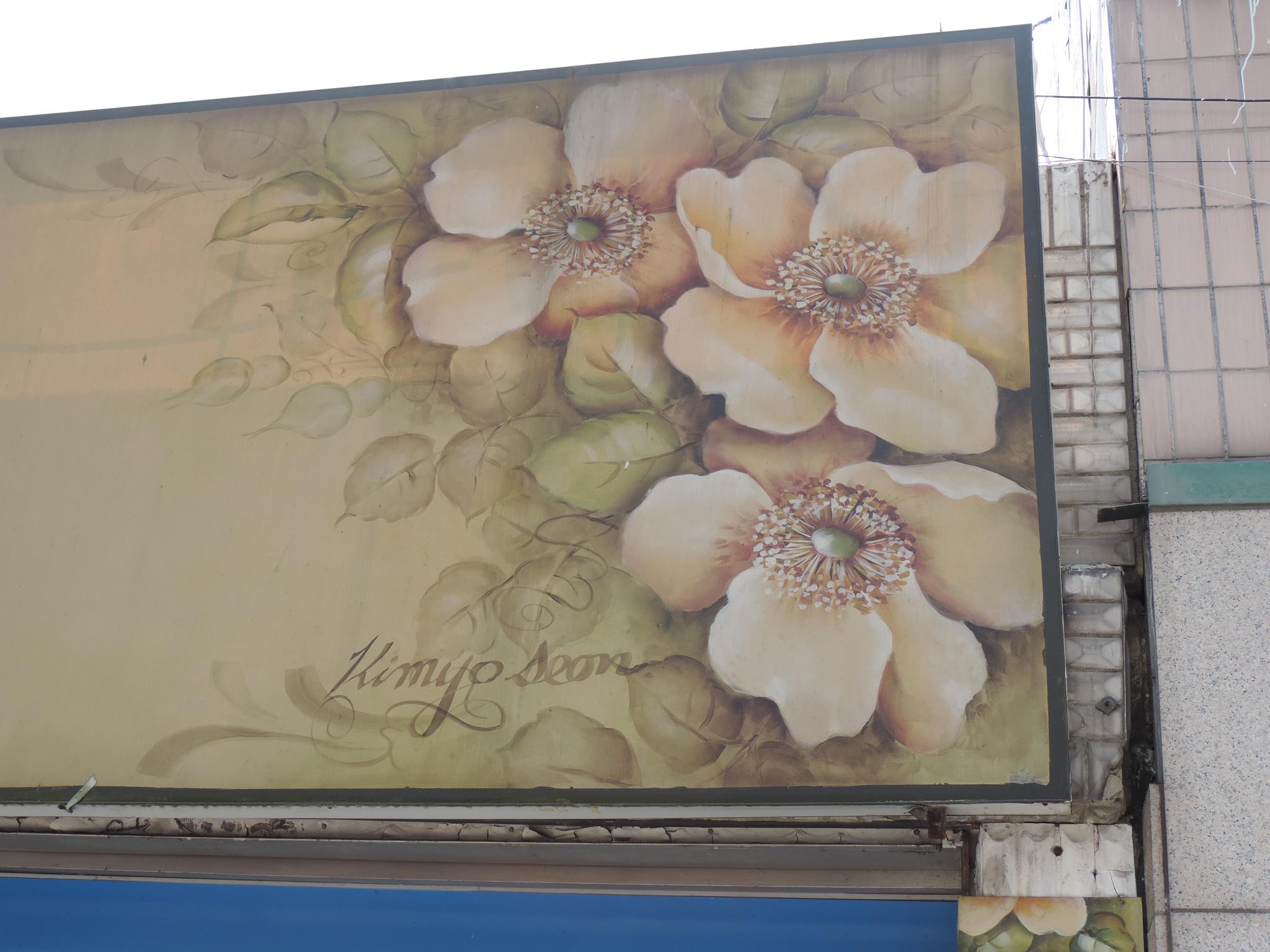
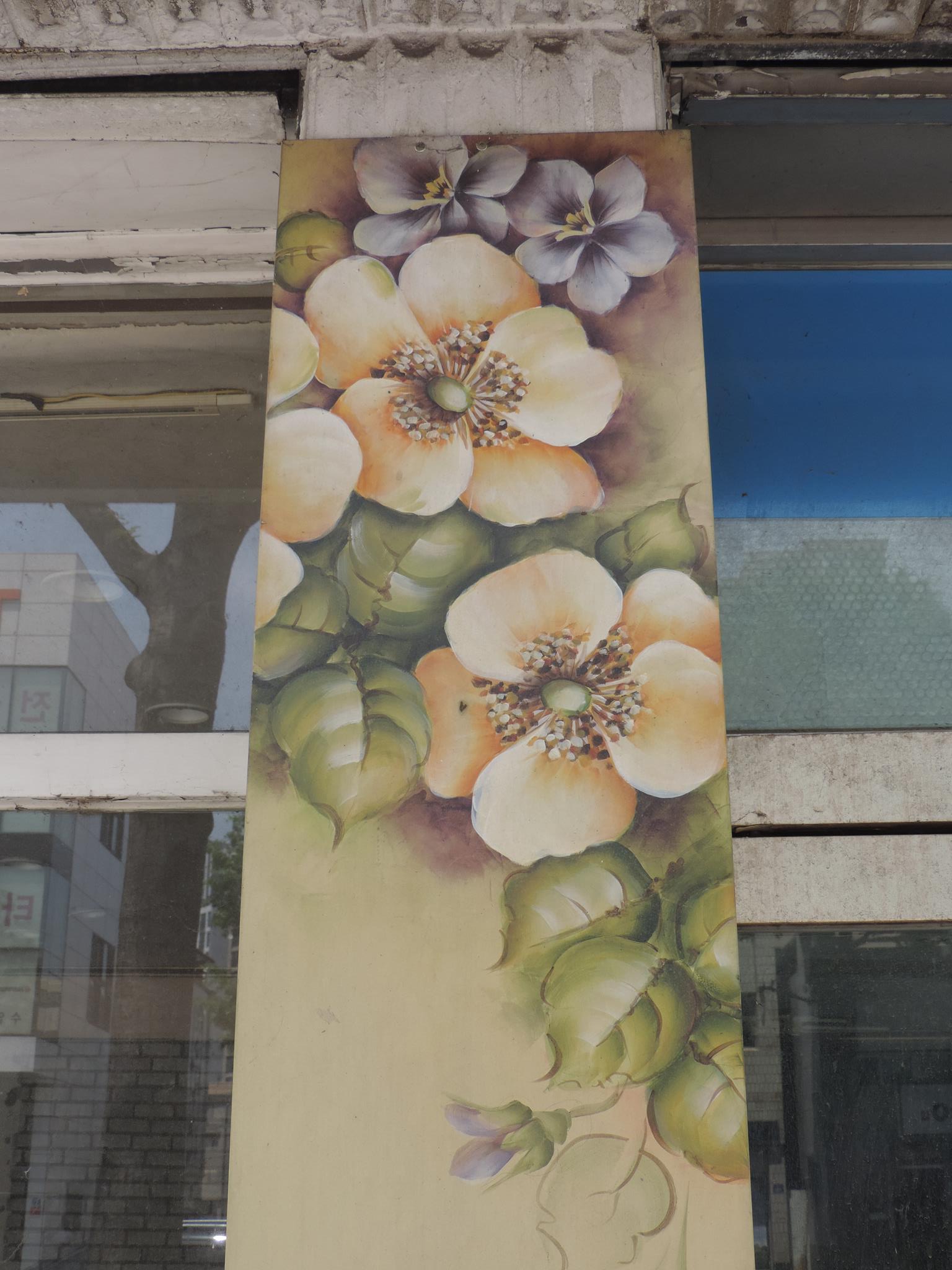
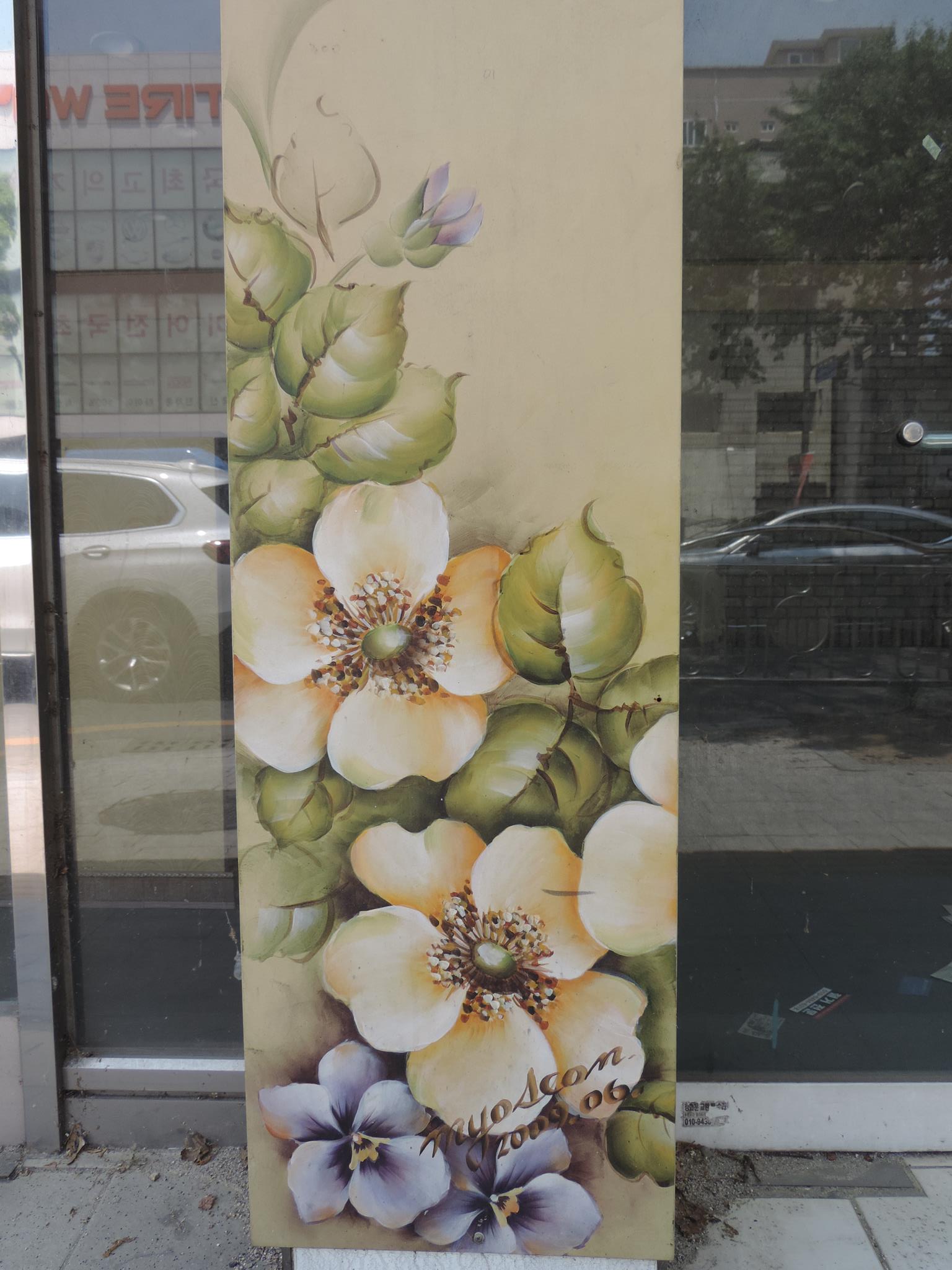
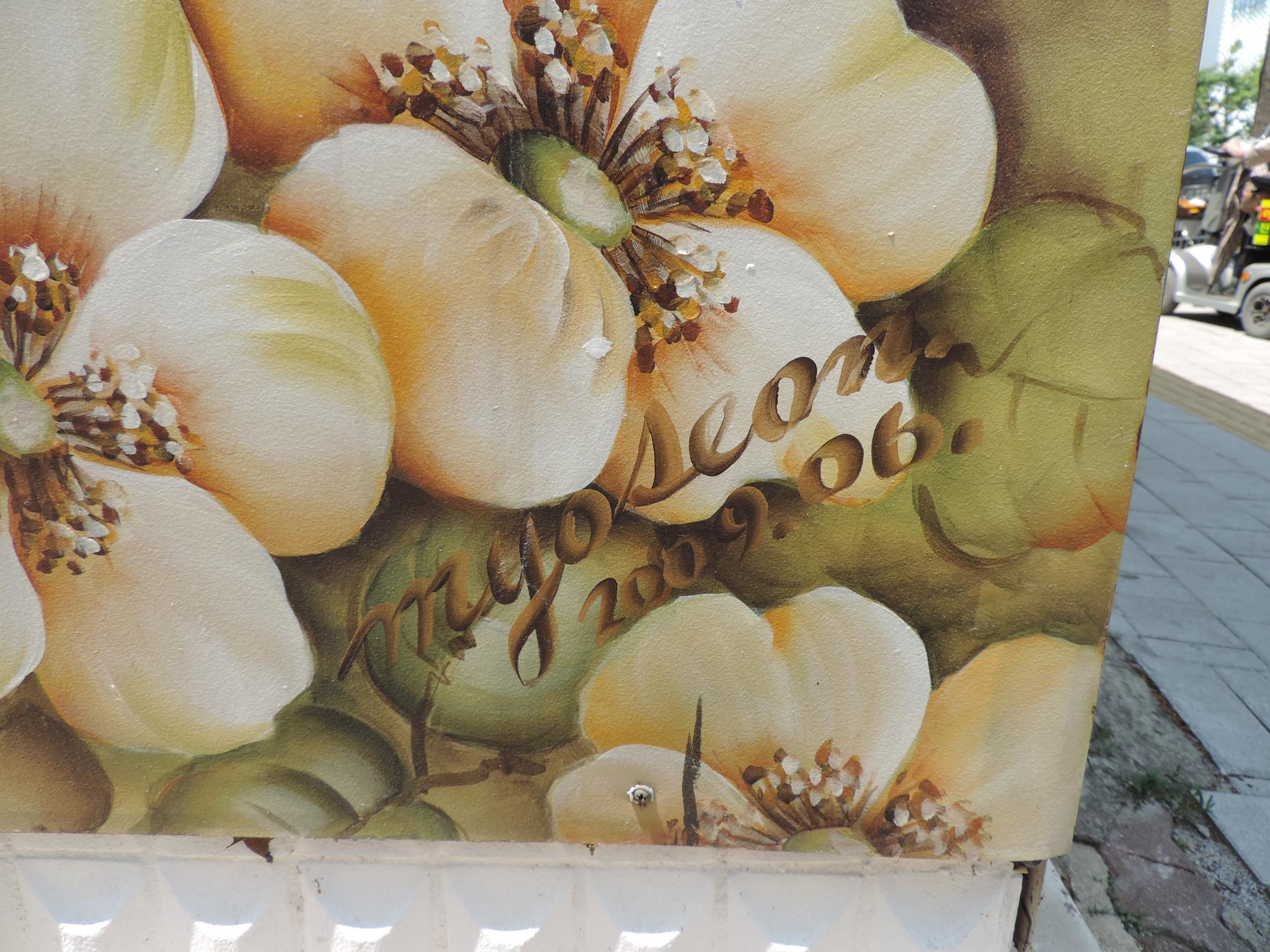
Artist: MYOSEON – KIM YOSEON
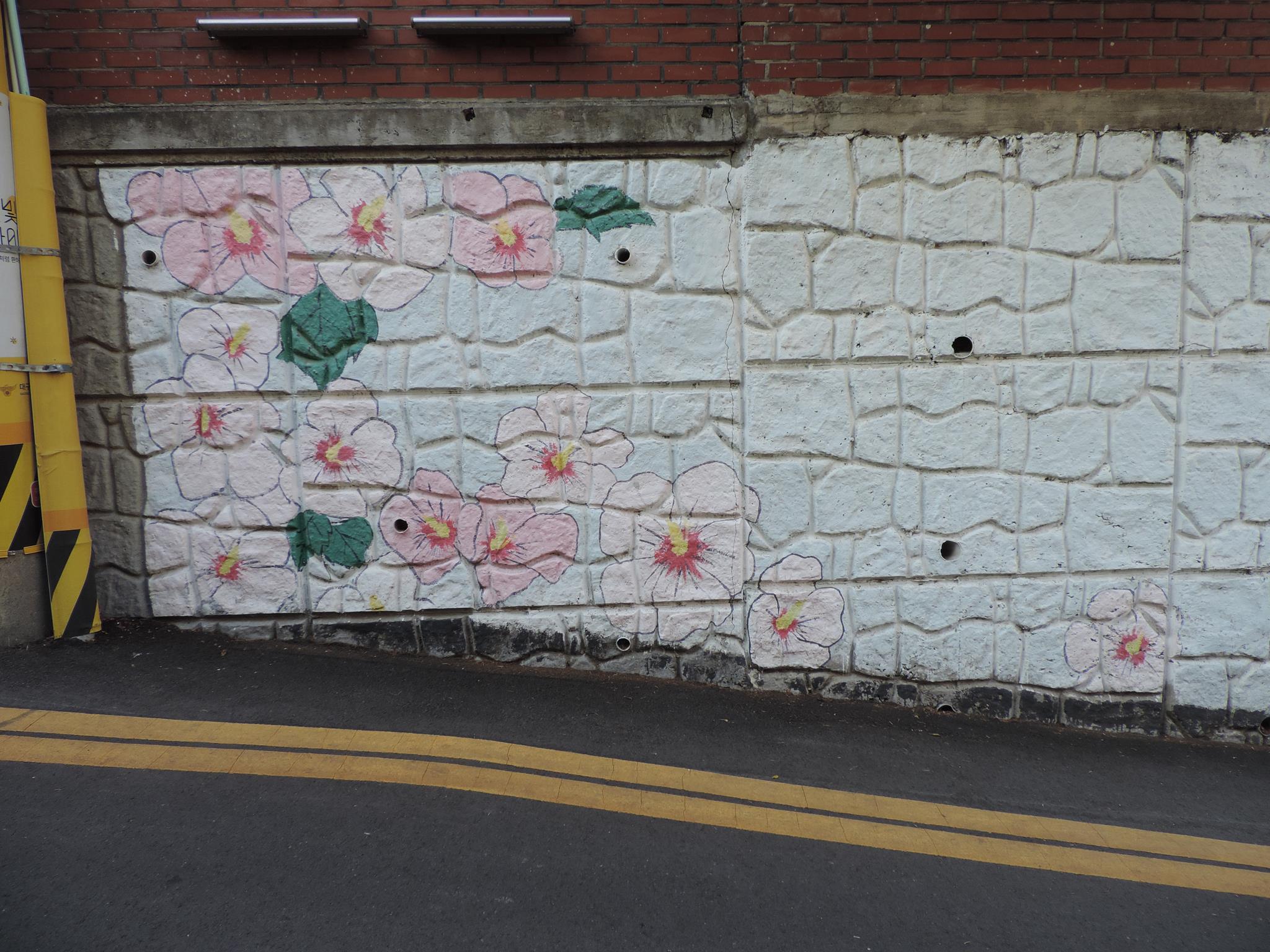
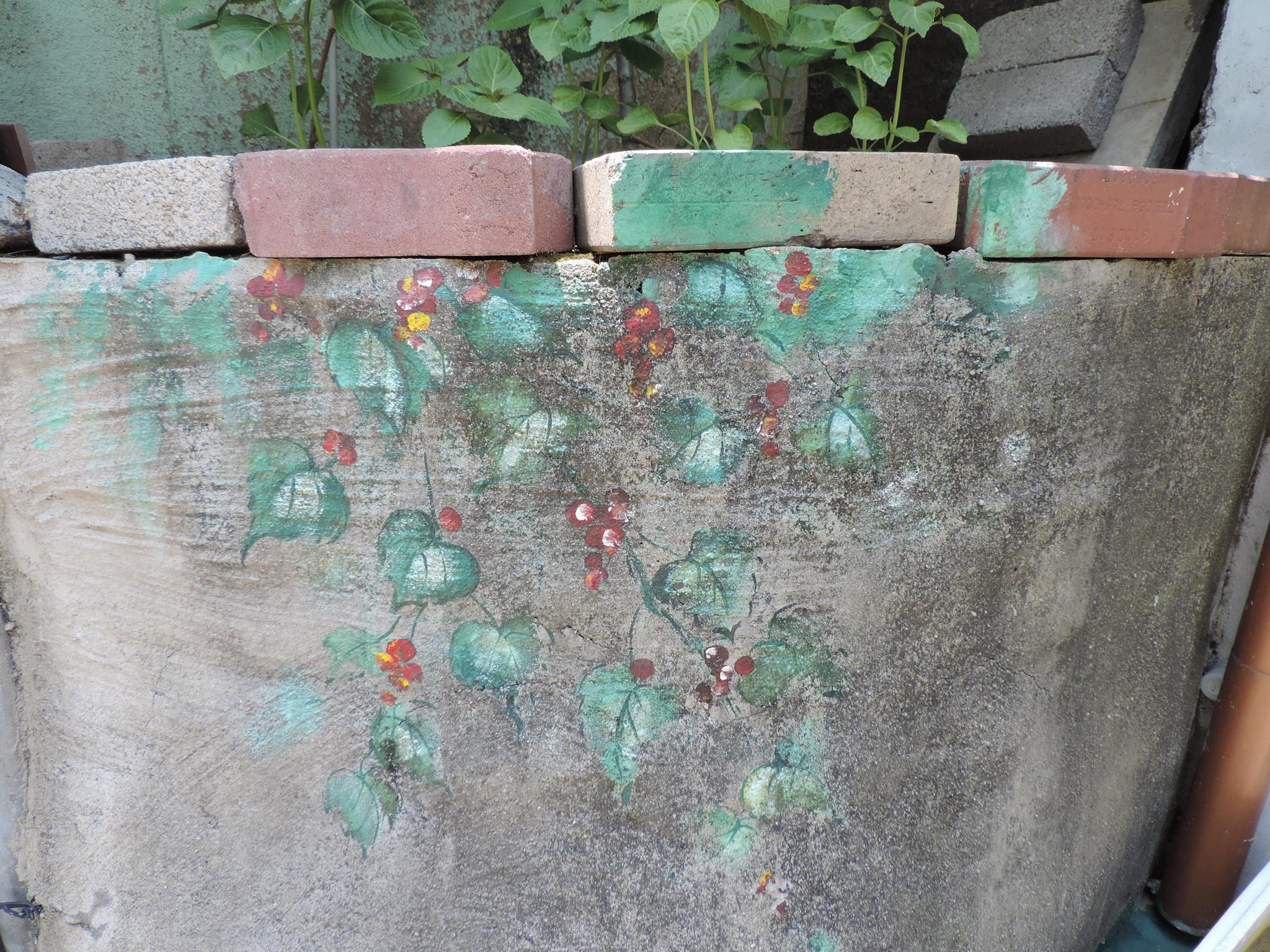
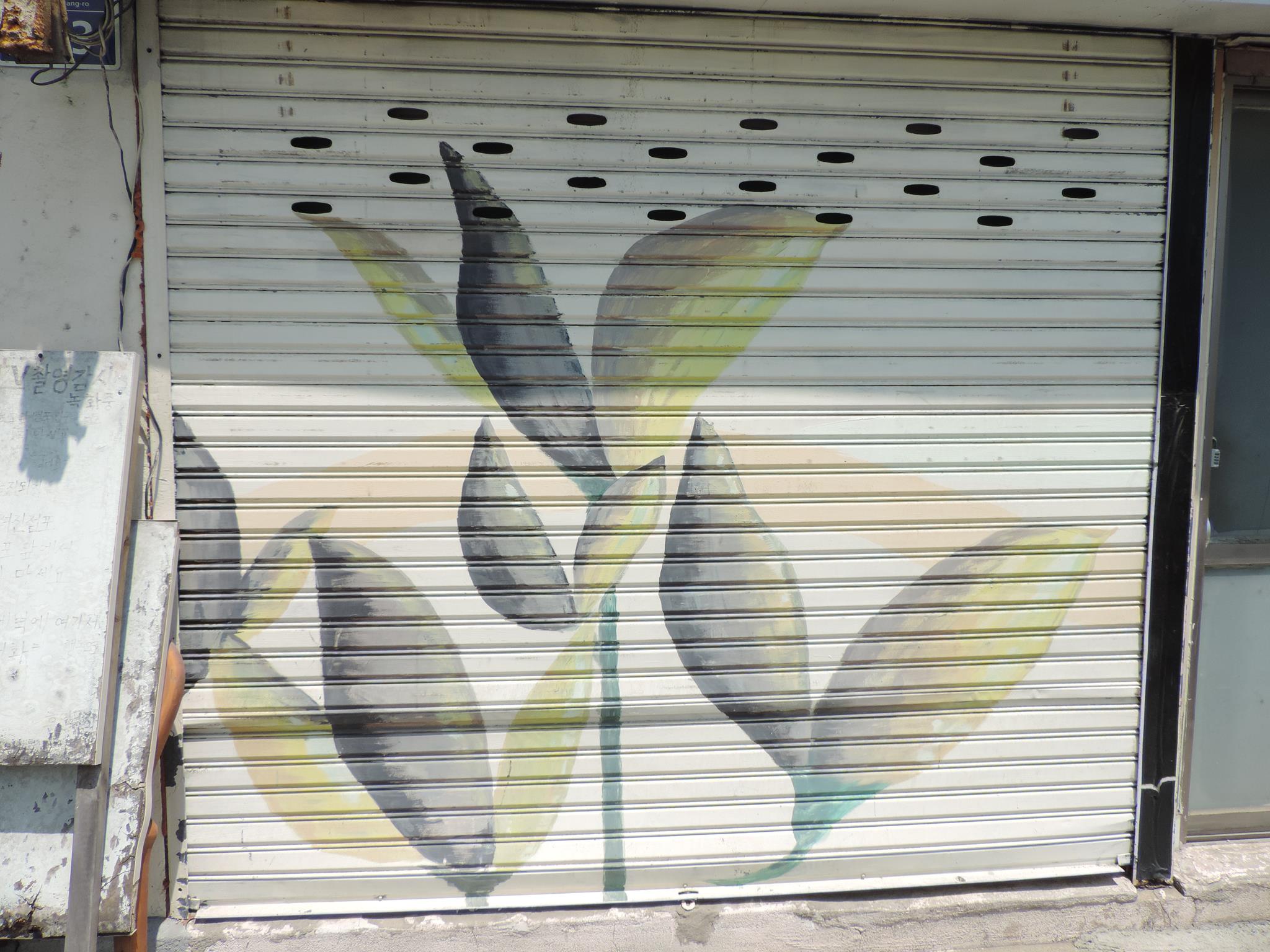
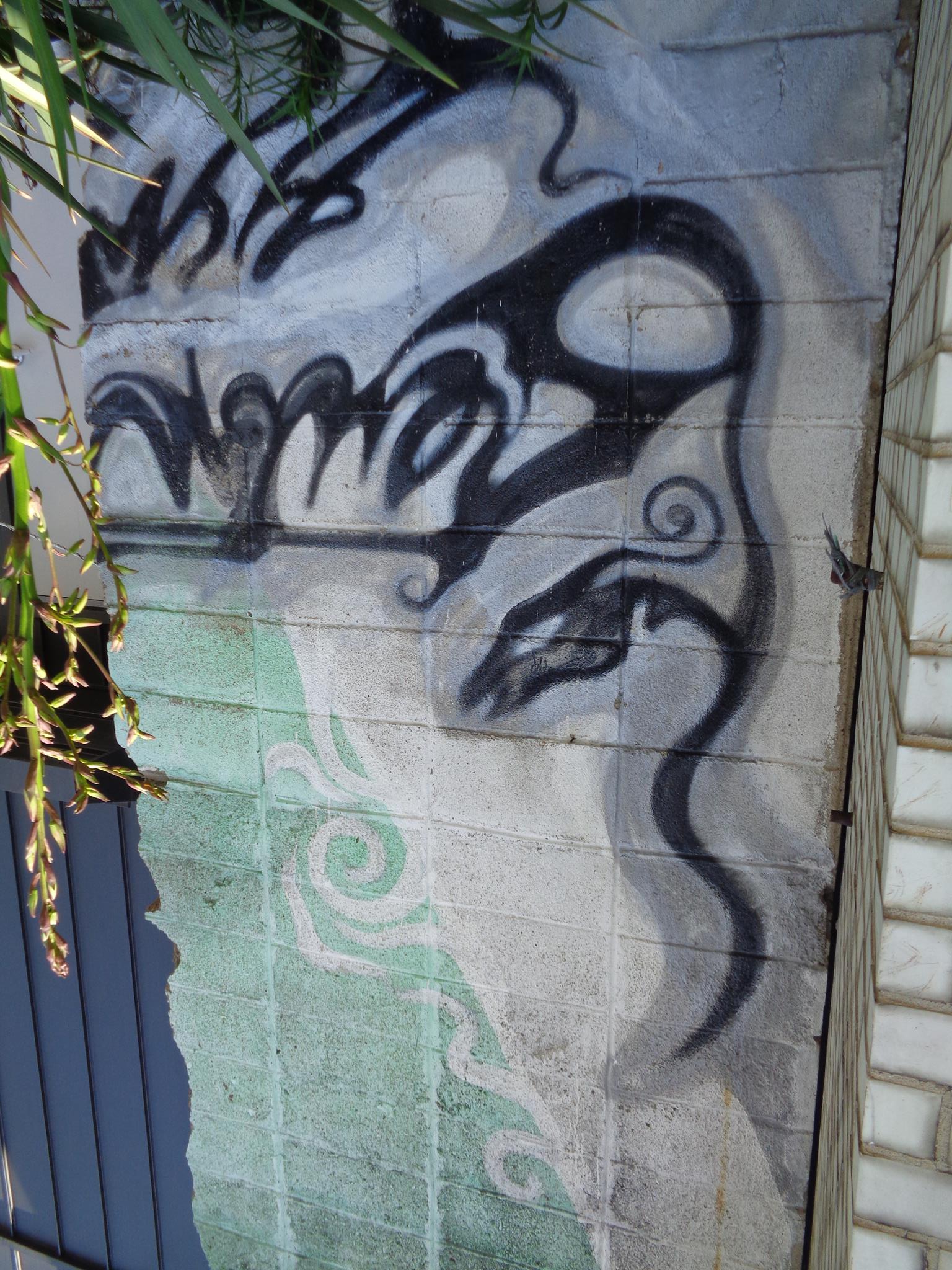
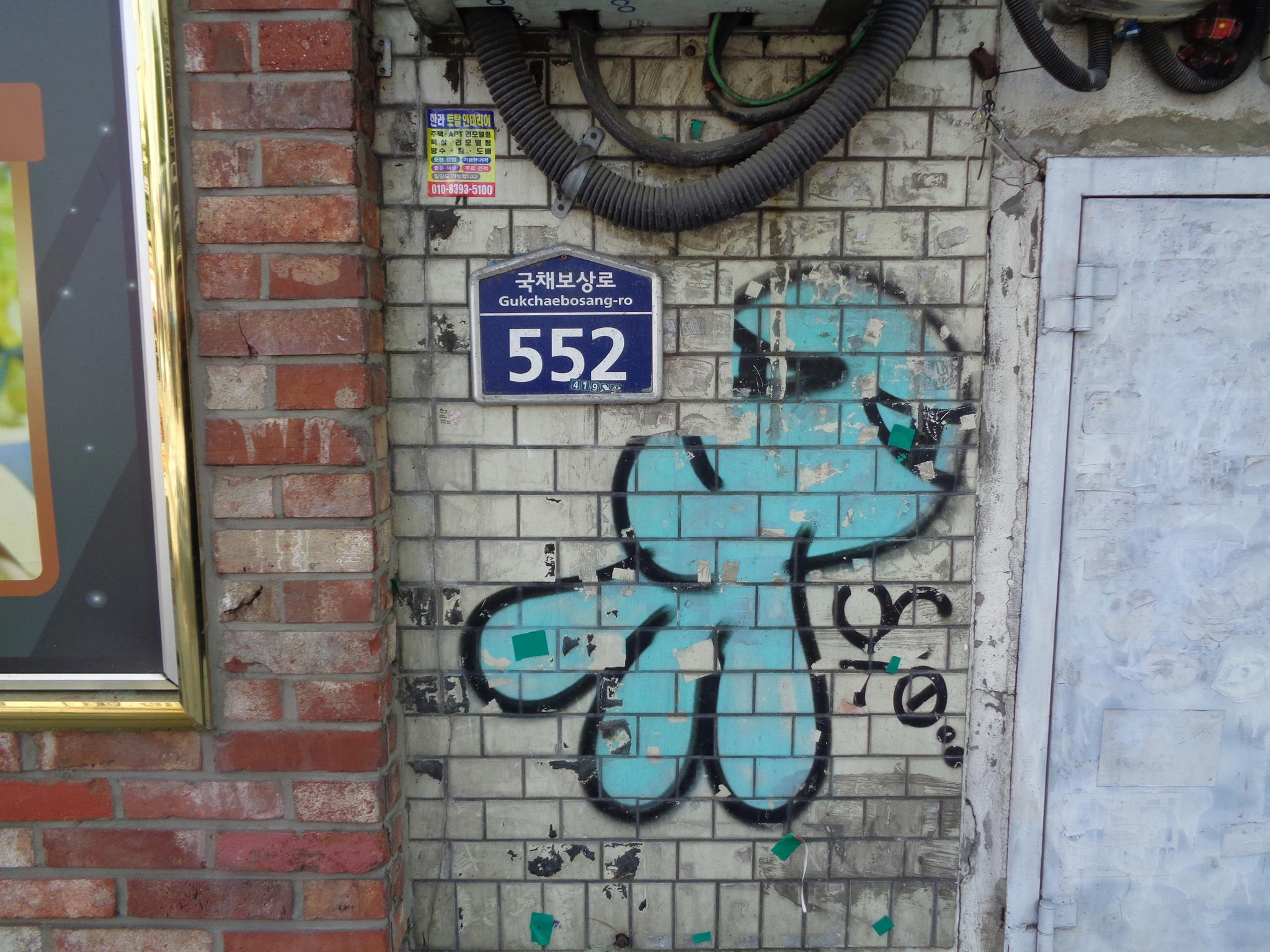
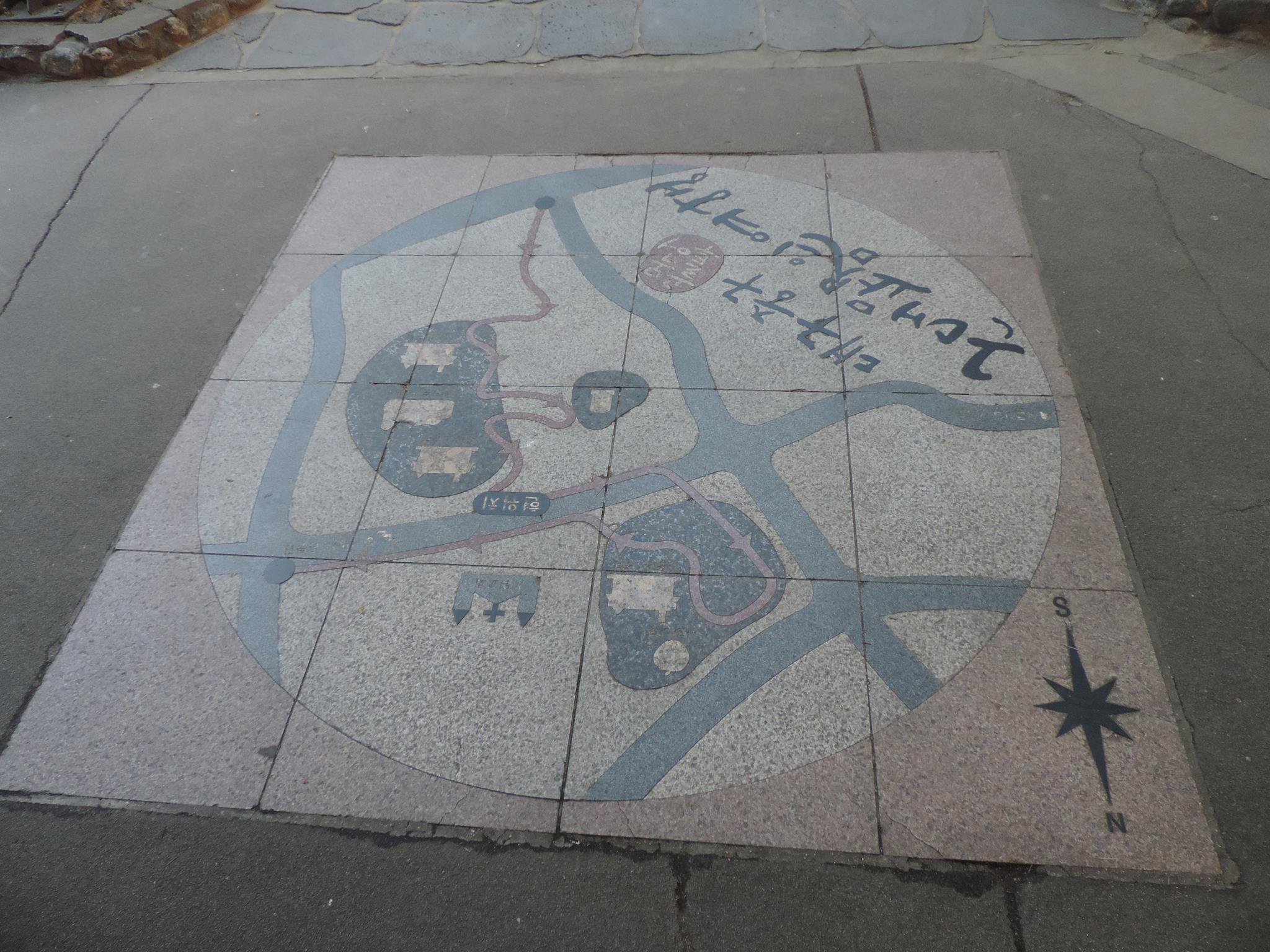
Stone Plates Art
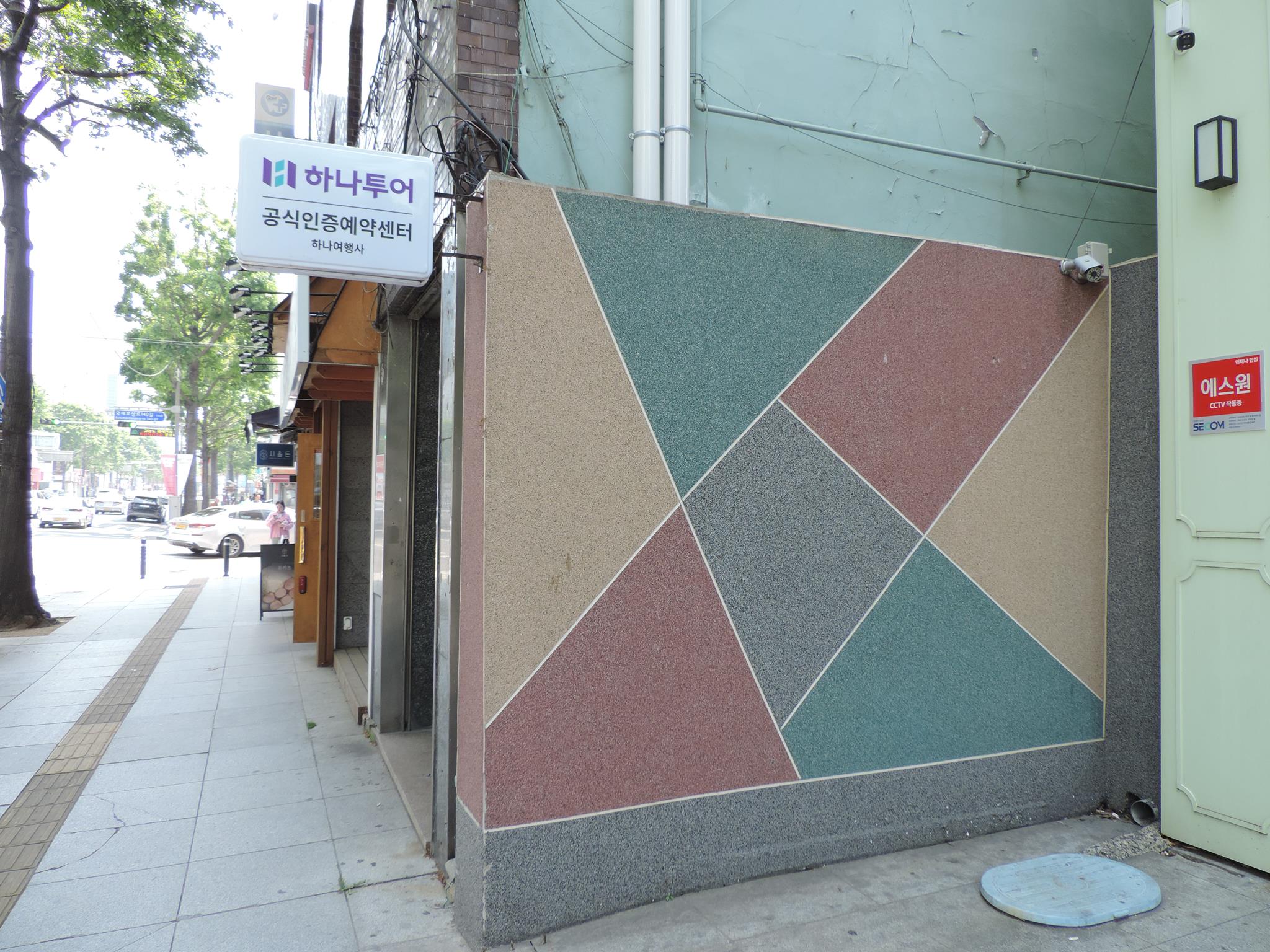
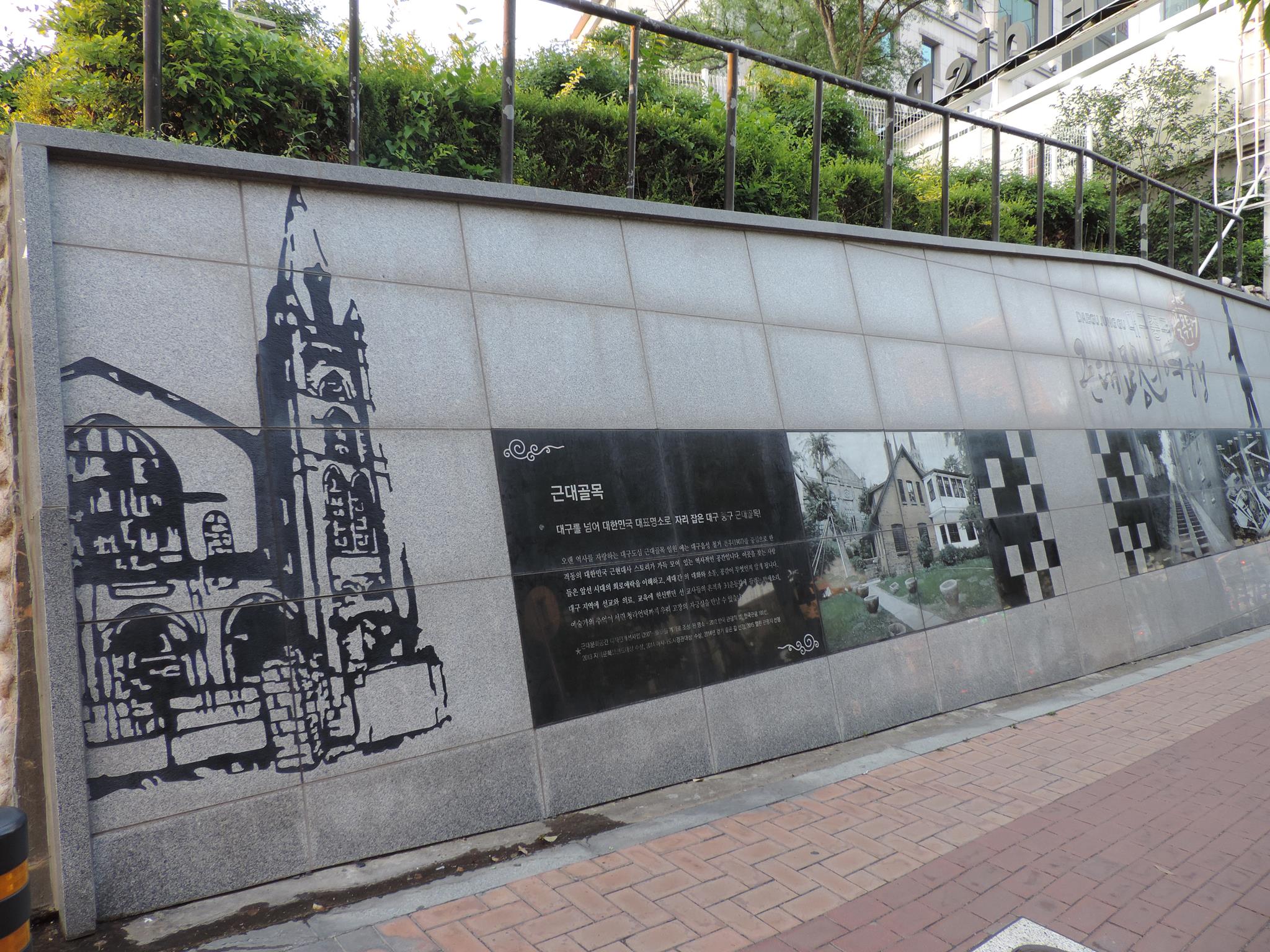
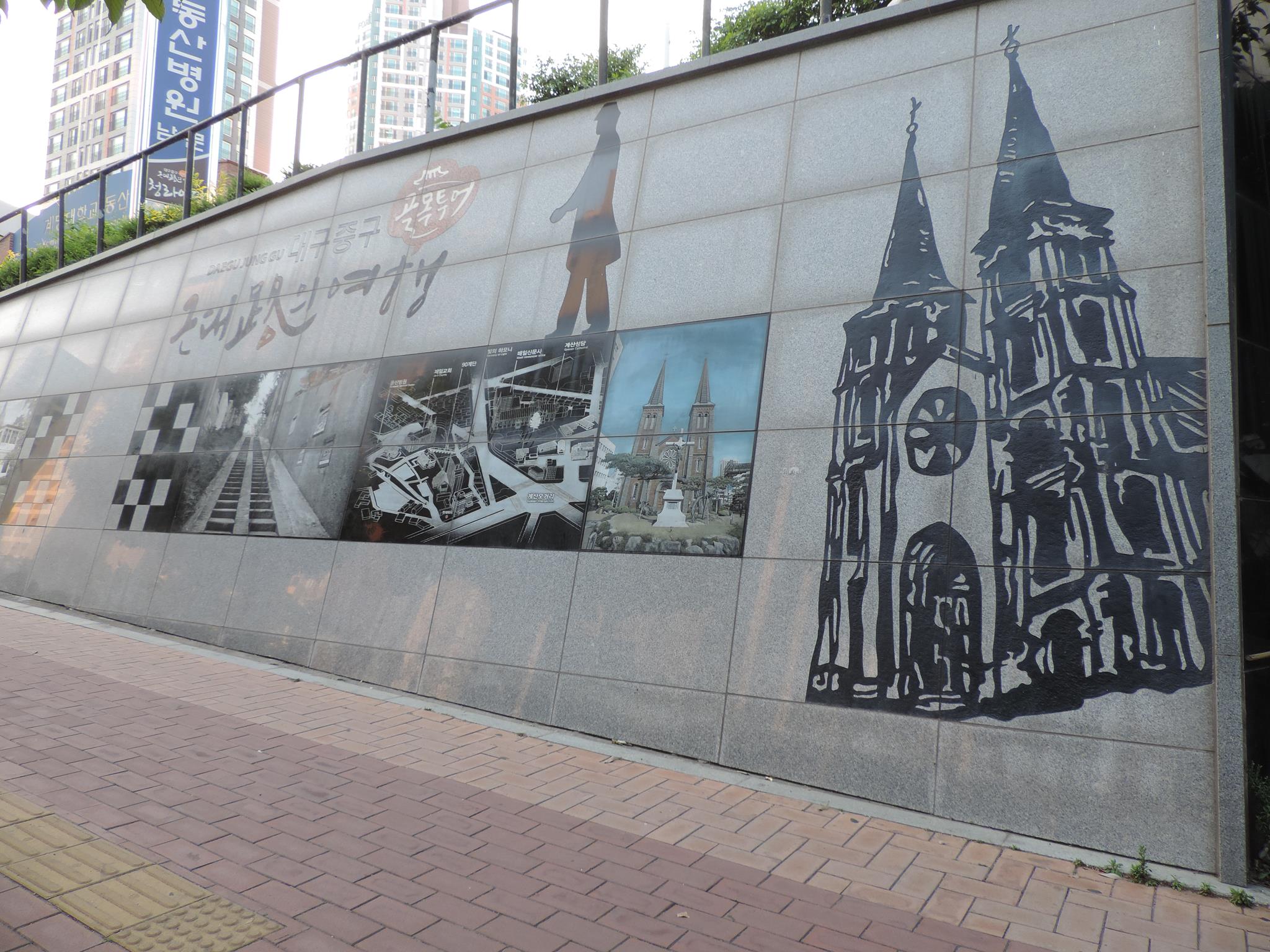
Floor Signs
Floor Jung District Emblems
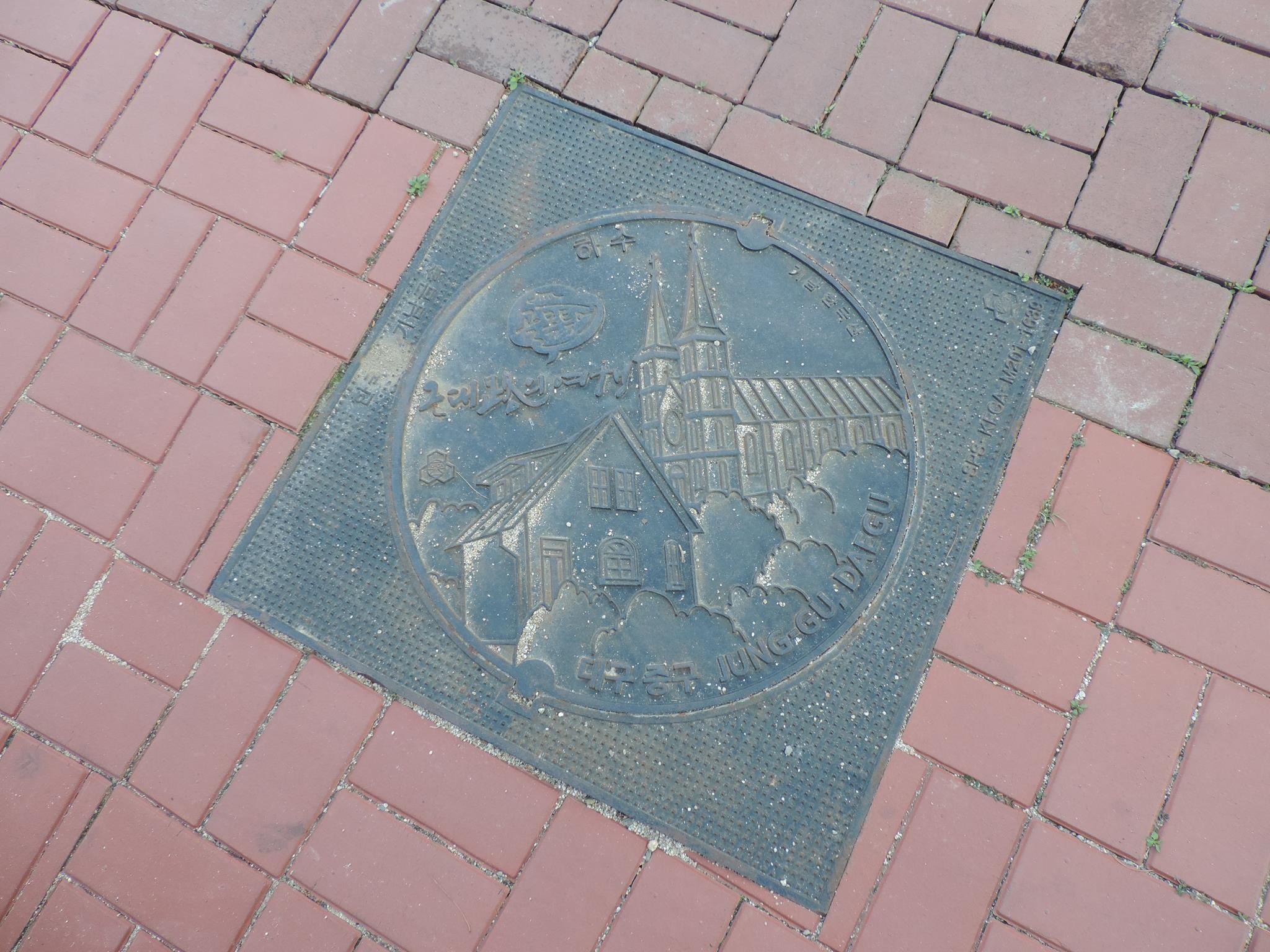
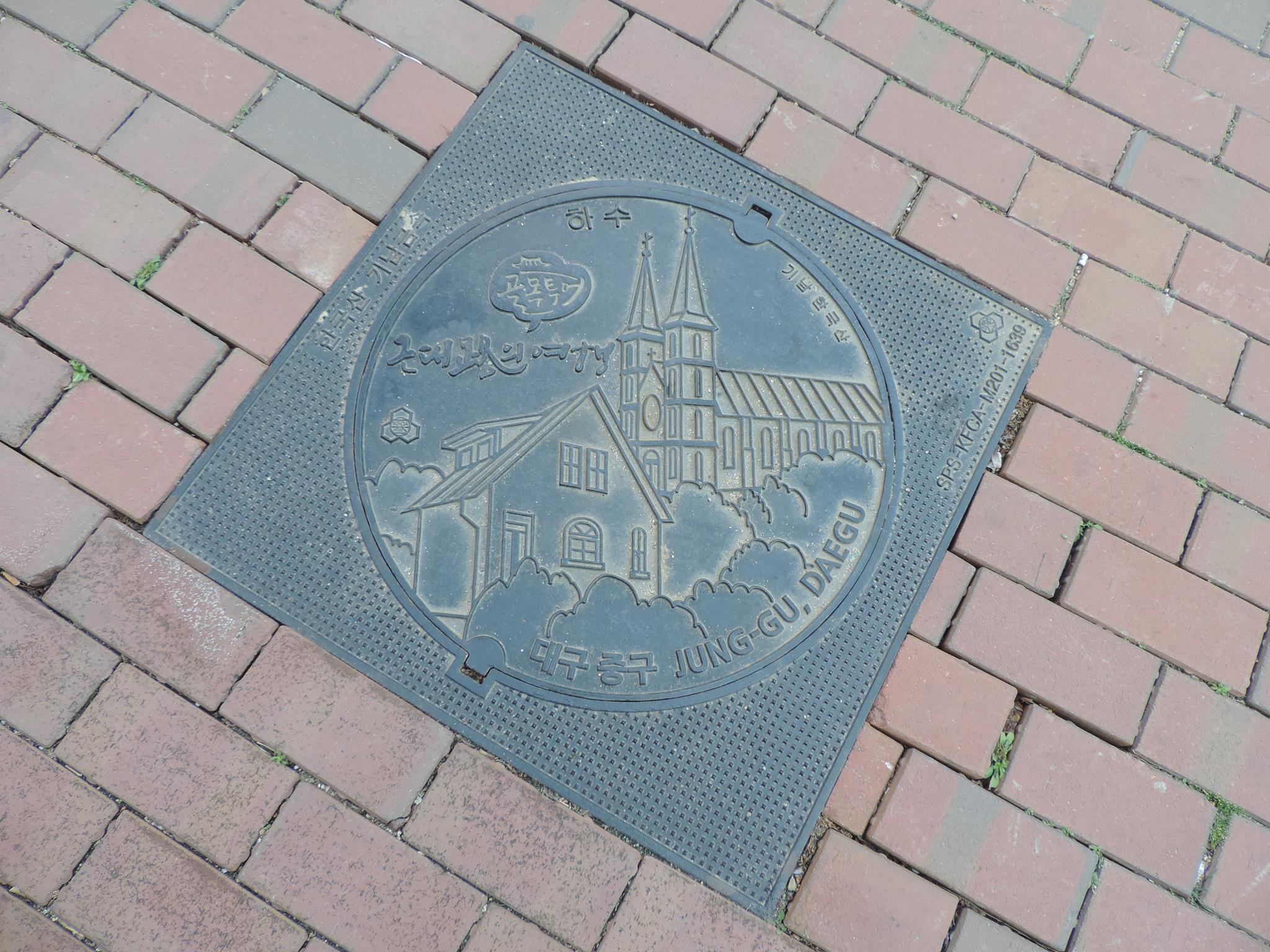
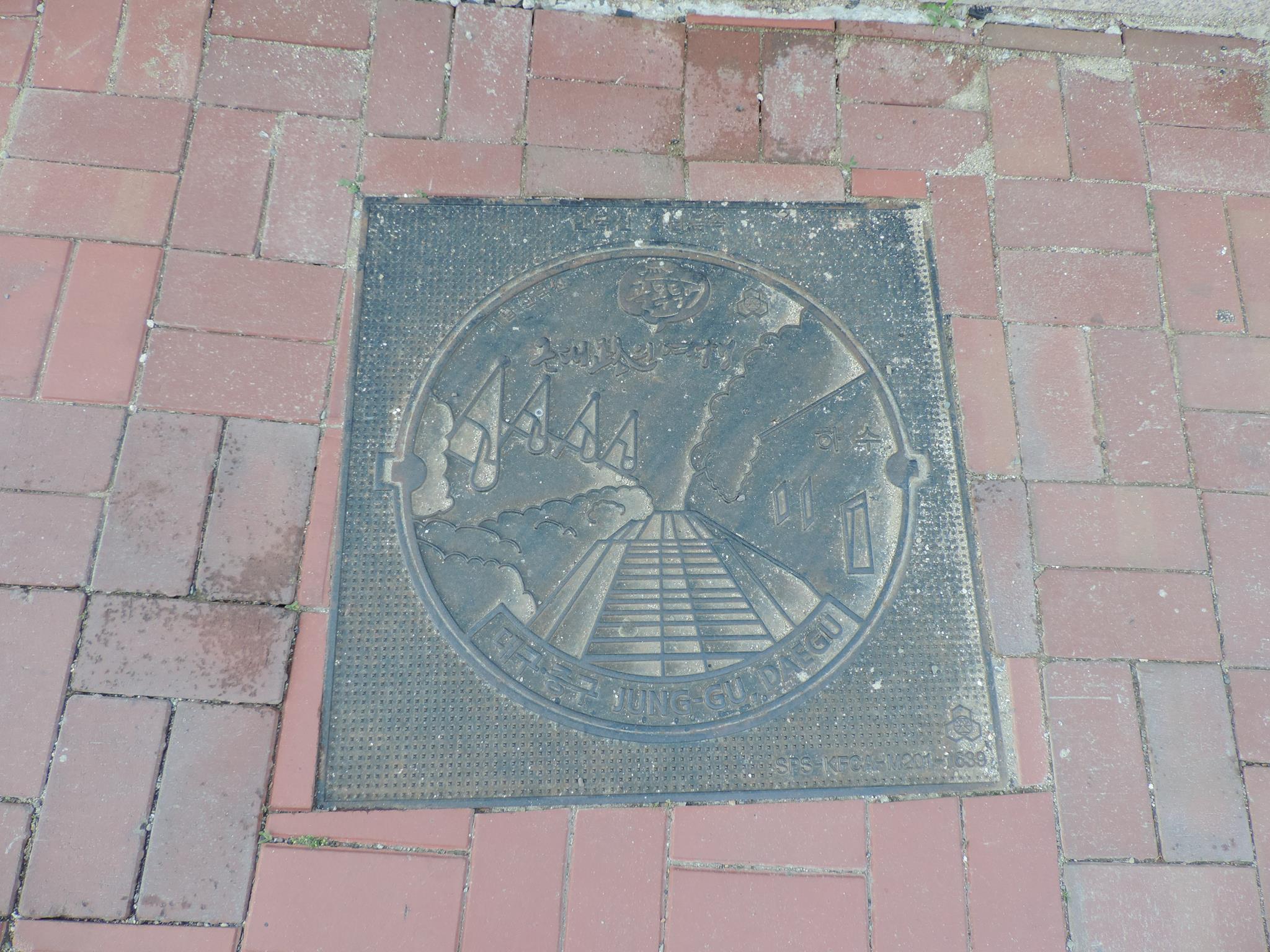
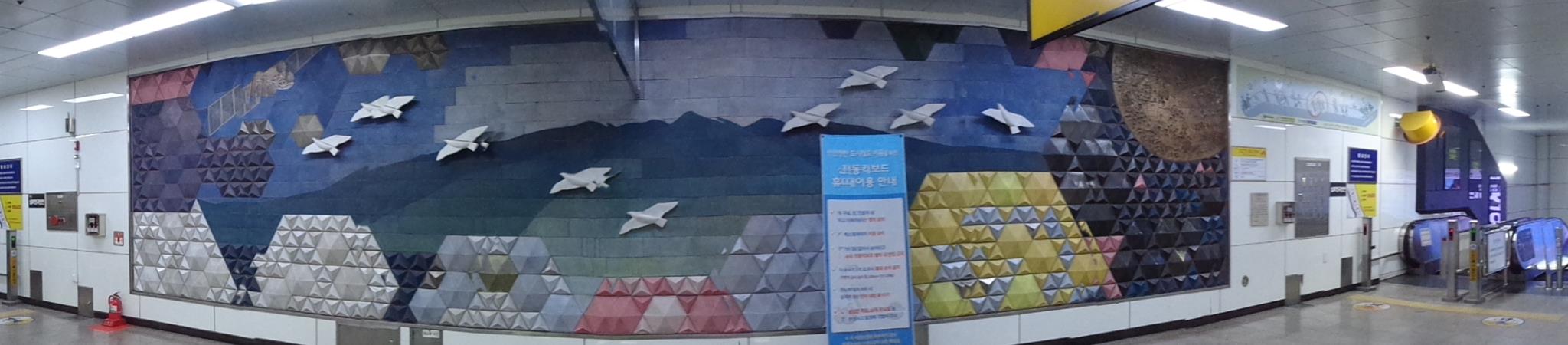
Jungangno Subway Station

MORE ARTICLES ABOUT SOUTH KOREA
>>> Enigma13 – Graffiti Artist <<<
>>> Apgujeong Graffiti Tunnel <<<
>>> Sinchon Graffiti Tunnel <<<
>>> Goto Mall – 24 Hours Project <<<
>>> Banpo-daero – Picasso Tribute <<<
>>> Haeundae Sand Festival <<<
>>> Dashi Rock Media Festival <<<
>>> Gallery Square Art Academy <<<
>>> Monolugar Graffiti Hall <<<
>>> Jeonju – Streetart & Graffiti <<<
>>> Hongik Streetart & Graffiti <<<
>>> Wausan Streetart Wall <<<
>>> Suwon – Streetart & Graffiti <<<
>>> Paju – Streetart & Graffiti <<<
>>> Daegu – Muhak Art Alleys <<<
>>> Daegu – Streetart Jung-gu <<<
>>> Daegu – Streetart Nam-gu <<<
>>> Daegu – Streetart Suseong-gu <<<
>>> Goyang – Streetart & Graffiti <<<
>>> Motomall Graffiti Wall <<<
>>> Hong Jonggi – VØID Gallery <<<
>>> Toon Topia Exhibition <<<
>>> Cuma Chosun Exhibition <<<
>>> Jaman Mural Village <<<
>>> Ihwa Mural Village <<<
>>> Gamcheon Mural Village <<<
>>> Gwangju Art Street <<<
>>> Itaewon – Streetart <<<
>>> Itaewon – Graffiti <<<
>>> Baegun Streetart Wall <<<
>>> Sillim River Streetart <<<
>>> Nambusunhwan Urban Art <<<
>>> Imjingak DMZ Streetart <<<
>>> Hongdae Red Road <<<
>>> Red Road Tiles Project <<<
>>> Itaewon „Hello“ Series <<<
>>> Songhyeon Sculpture Park <<<
>>> Uijeongbuji Sculpture Park <<<
>>> Museum of Craft Arts <<<
>>> Busan Sculpture Gallery <<<
>>> Daegu Sculpture Gallery <<<
>>> Gwangju Sculpture Gallery <<<
>>> Haeundae Sculpture Gallery <<<
>>> Imjingak DMZ Memorials <<<
>>> Pyeonghwa Nuri Sculptures <<<
>>> Seoul Sculpture Gallery <<<
>>> Suwon Sculpture Gallery <<<
>>> Gyo-Dong Kidult Figures <<<
>>> Stella Lucens Anime Café <<<
>>> Busan Street Manikins <<<
>>> Daegu Street Manikins <<<
>>> Gwangju Street Manikins <<<
>>> Jeonju Street Manikins <<<
>>> Seoul Street Manikins <<<
>>> Seoul Manga & Anime Signs <<<
>>> Bukchon Hanok Village <<<
>>> Ami Tomb Stone Village <<<
>>> Busan – Architecture <<<
>>> Daegu – Architecture <<<
>>> Goyang – Architecture <<<
>>> Gwangju – Architecture <<<
>>> Jeonju – Architecture <<<
>>> Paju – Architecture <<<
>>> Suwon – Architecture <<<