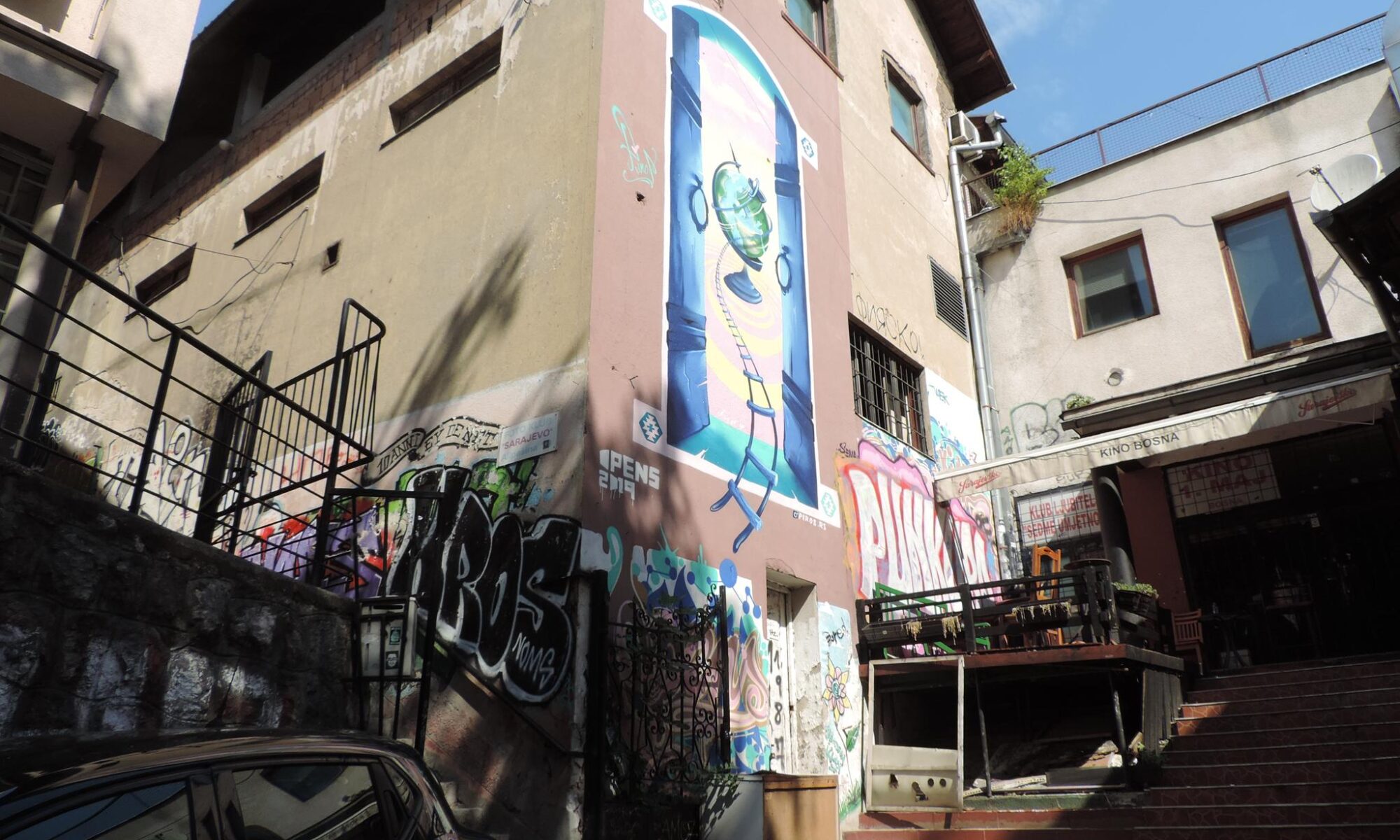
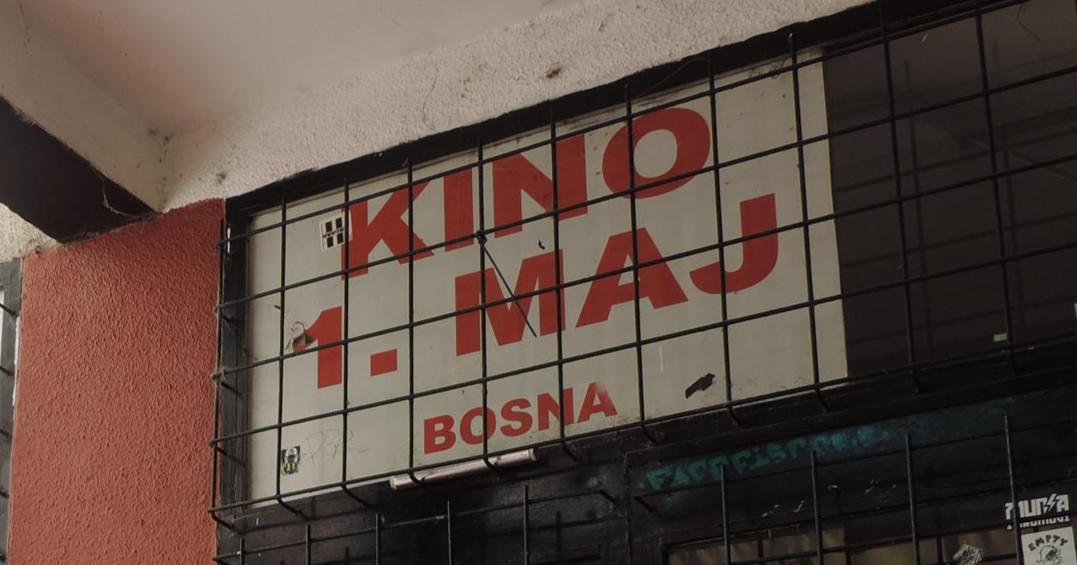
At Alipašina 19 in Sarajevo stands KINO BOSNA, a culture and movie place where almost a century of film and urban history comes together. The building was constructed in 1928, making it almost 100 years old. It later became known as the “1. maj” (1st of May) cinema. Particularly during the Yugoslav period, it was a popular meeting place, especially among young people in Sarajevo.
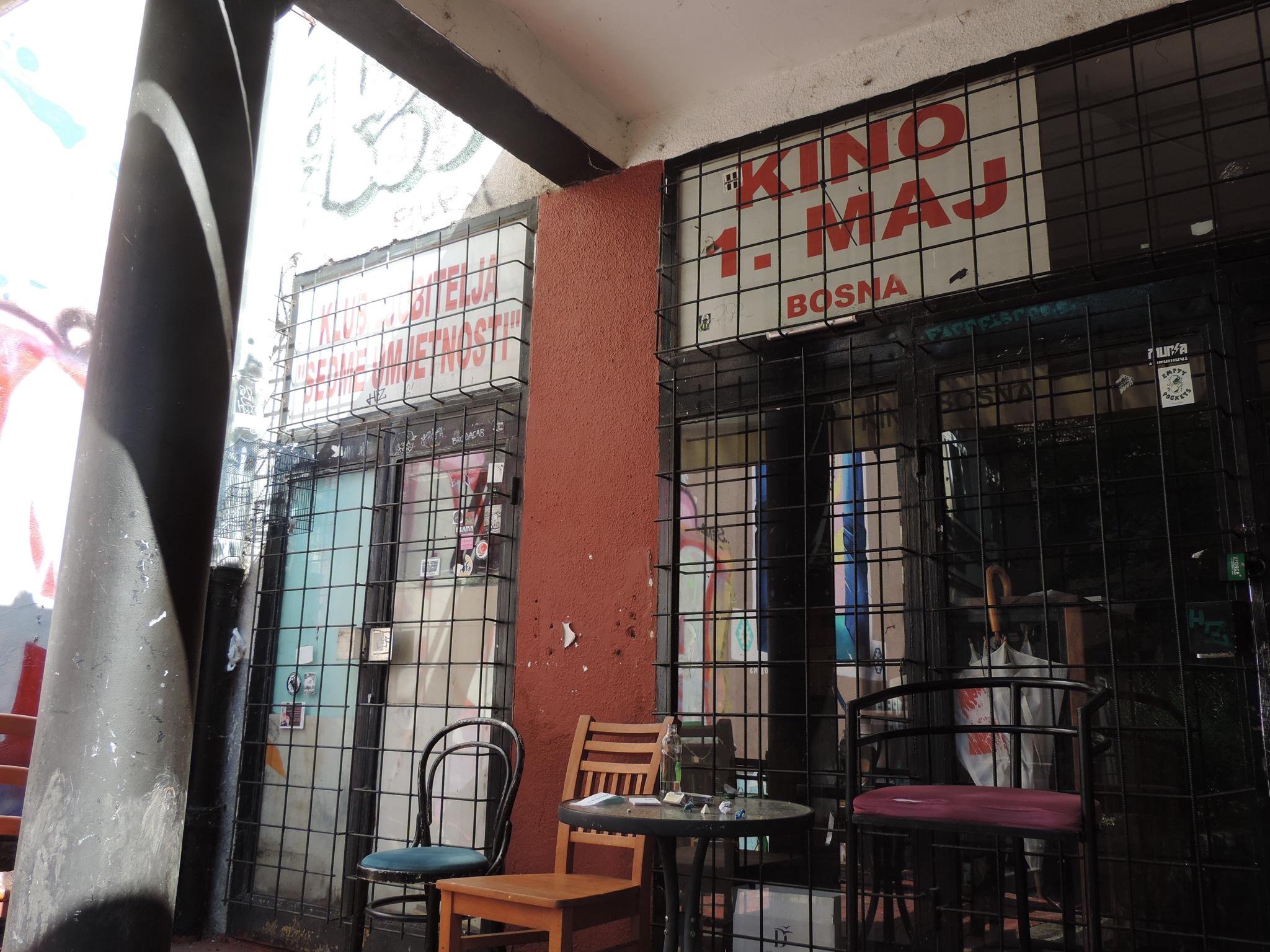
The cinema was known for showing Western films and for its relatively affordable ticket prices, making it part of the city’s everyday cultural life. The history of the building goes back to a time when Sarajevo was developing a vibrant cinema culture. As early as 1907, the Apolo opened as the city’s first permanent cinema, and in 1910 the first local company for film distribution and screenings was established. Cinemas became important social spaces where entertainment, culture and social gatherings came together. The 1. maj cinema was part of this development.
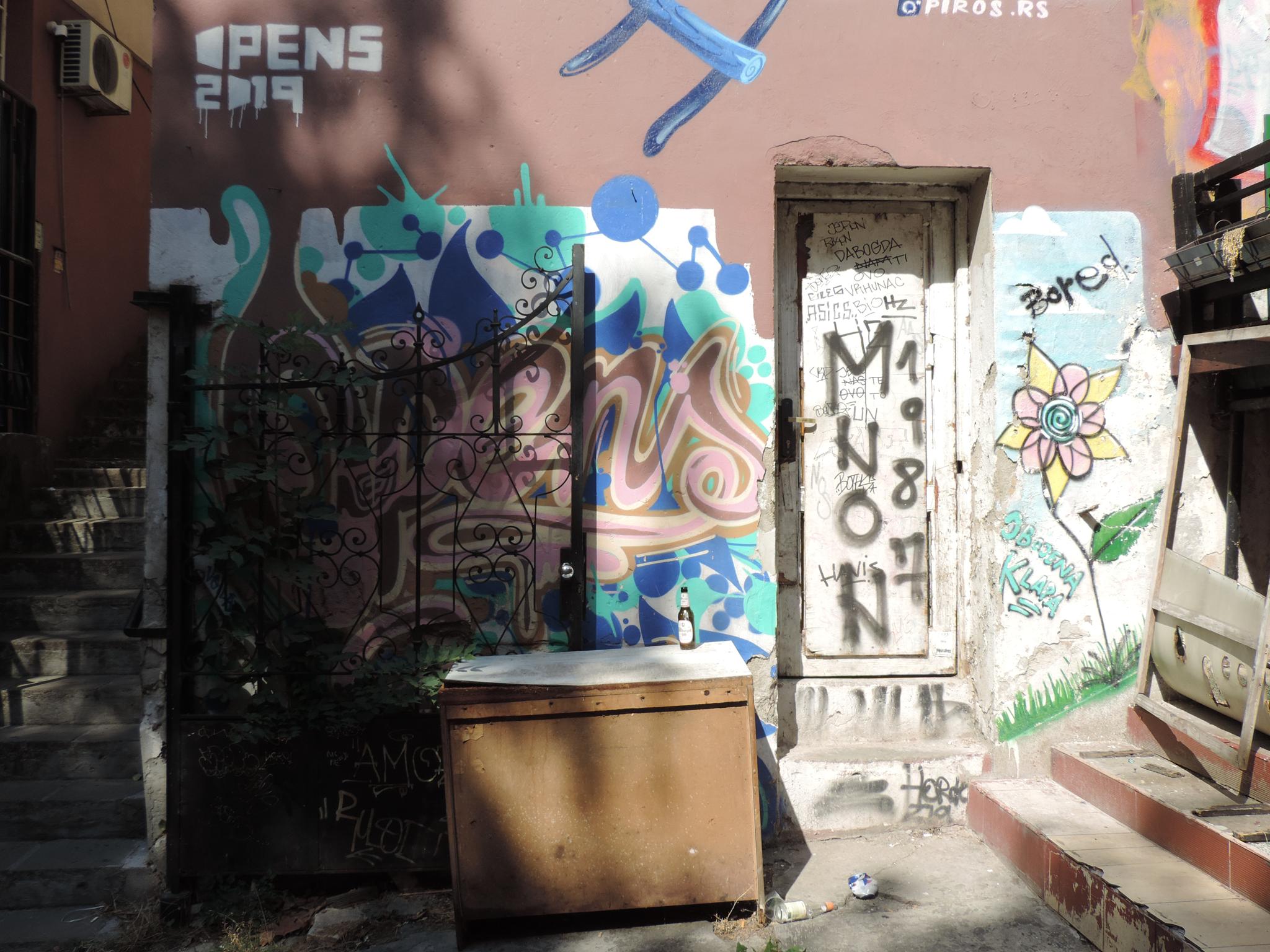
With the breakup of Yugoslavia and the Bosnian War, the use of the building changed. Under the name KINO BOSNA, the former cinema increasingly developed into a venue for cultural events. Today, the historic cinema is used not only for film screenings, but also for concerts, live music, exhibitions, performances and other cultural events. This transformation is also visible on the exterior walls. Around the cinema, historic architecture meets a striking and colourful streetart and graffiti scene. The walls are covered with a wide variety of works, ranging from spontaneous graffiti and tags to large-scale murals. Among them is also a mural by the artist PIROS, done as a OBOJENA KLAPA project.
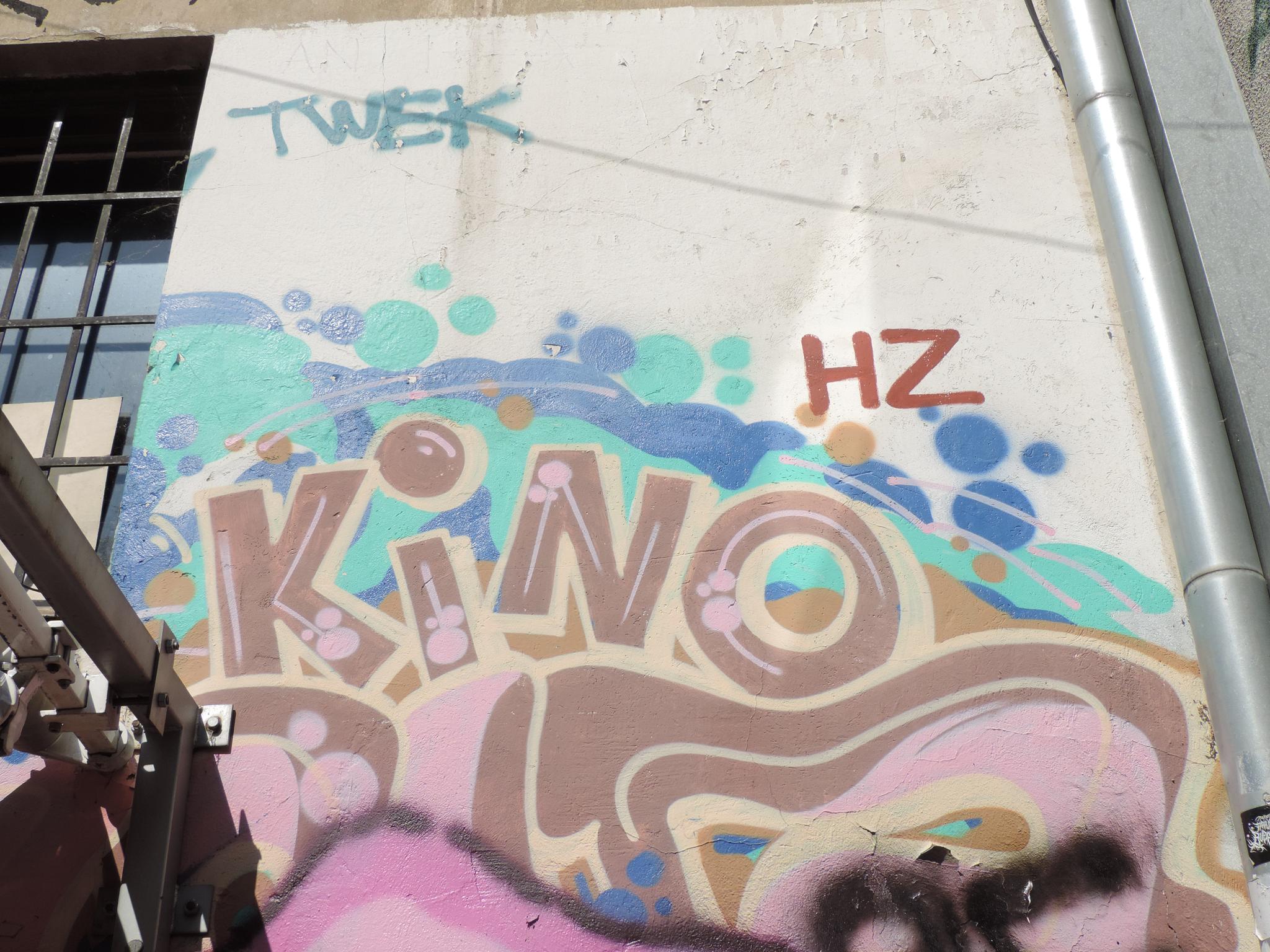
At the same location in another building next to it the important KINOTEKA BOSNE I HERCEGOVINE has its headquarters and is closely connected to the cinema during the past. Its origins date back to 5th June 1963, when the first film screening of the Yugoslav Cinematheque was held in Sarajevo. Over the following decades, it developed into an institution dedicated to collecting and preserving the cinematic heritage of Bosnia and Herzegovina. Its collection includes films as well as posters, photographs, scripts and other documents relating to film history. In 1994 it was established as an independent public institution. This archive and the cinema meeting place therefore represent two sides of the same history: the KINOTEKA preserves the country’s audiovisual heritage, while KINO BOSNA continues to function as a public cultural and events venue.
BERIZ
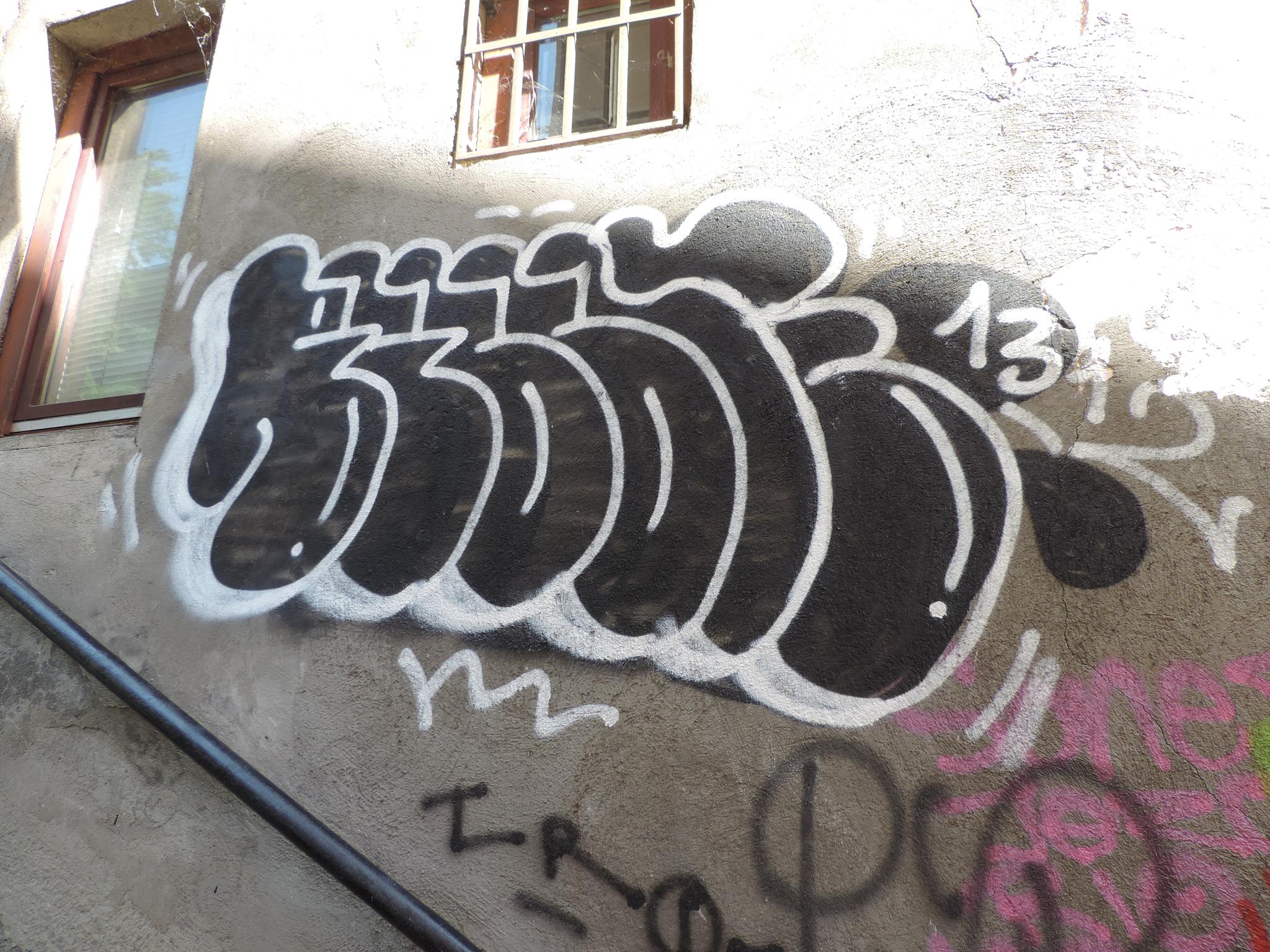
 Artist: BERIZ – BLACK BERIZ
 Facebook: https://www.facebook.com/discokliker
 Instagram: https://www.instagram.com/blackberiz
Instagram: https://www.instagram.com/discokliker
 Youtube: https://www.youtube.com/@DiscoKliker
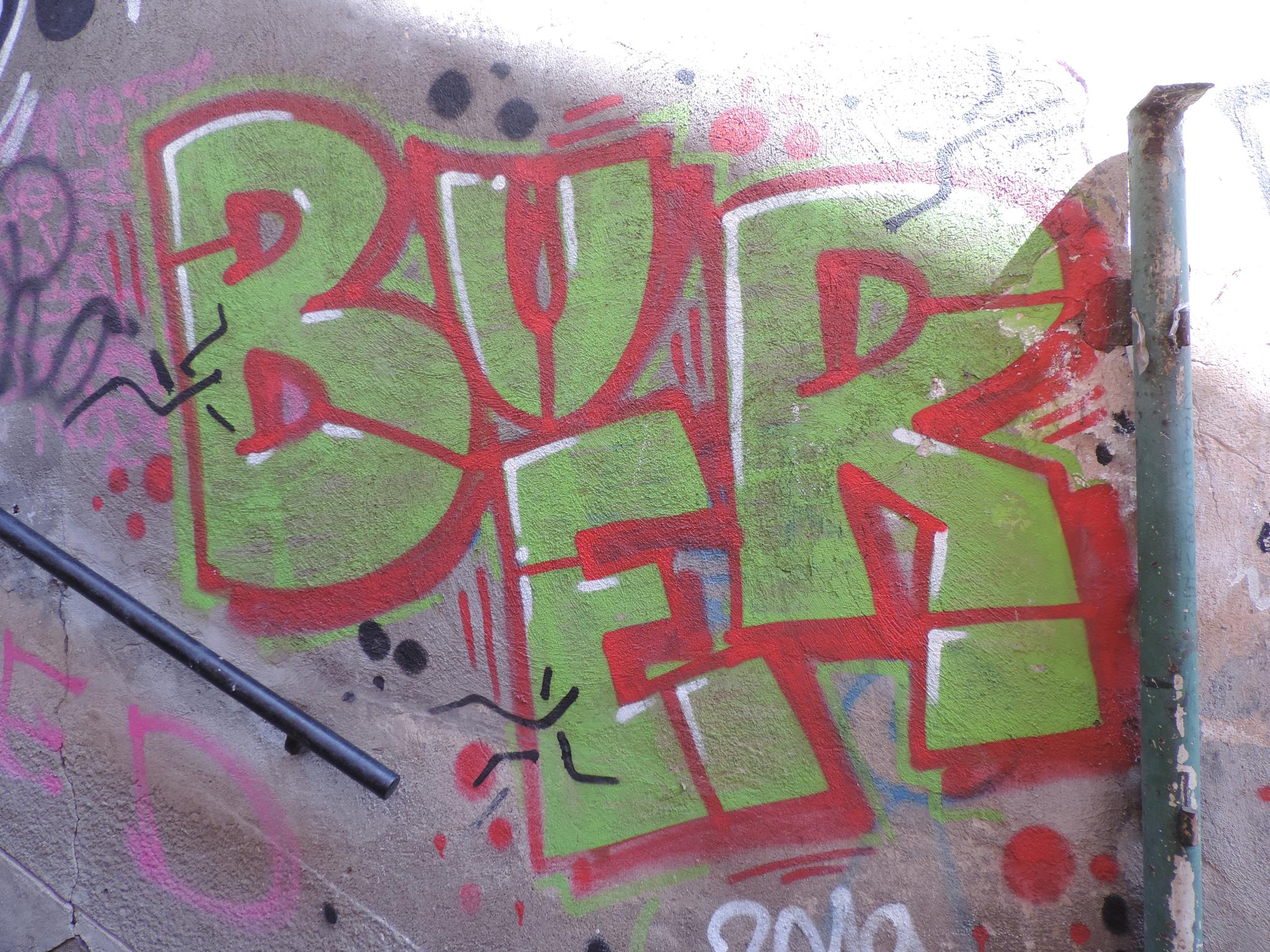
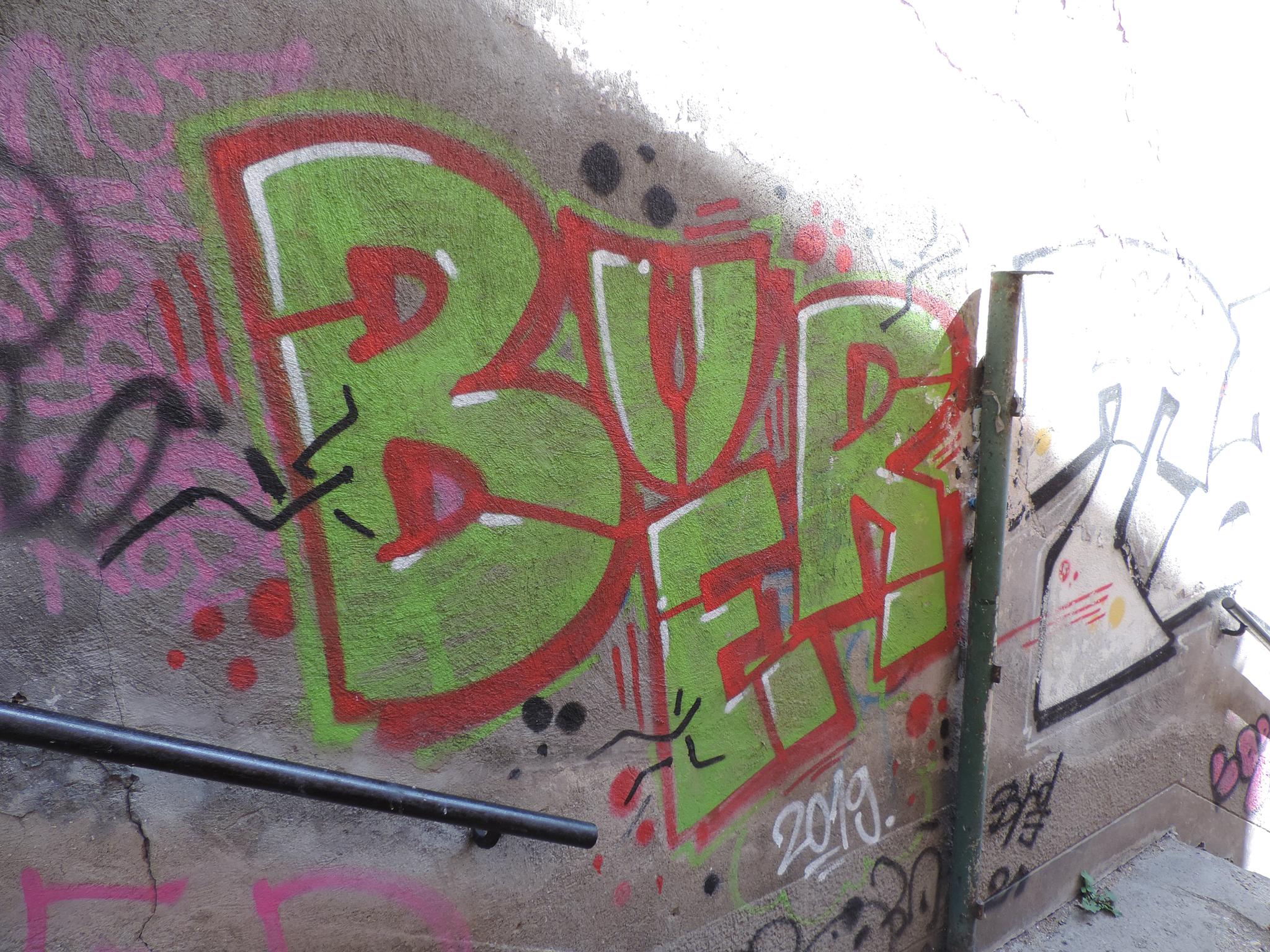
BUER
TAINE
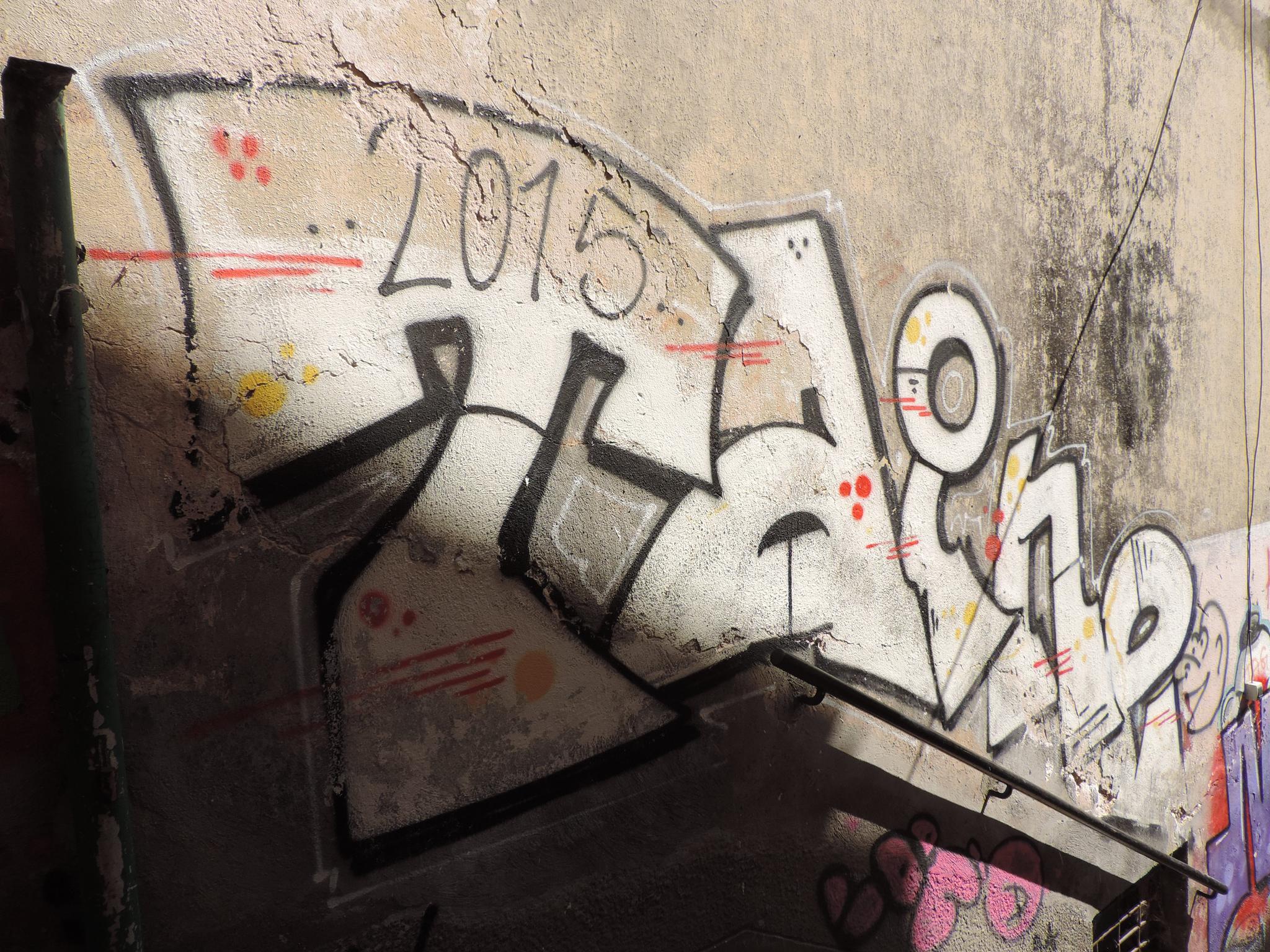
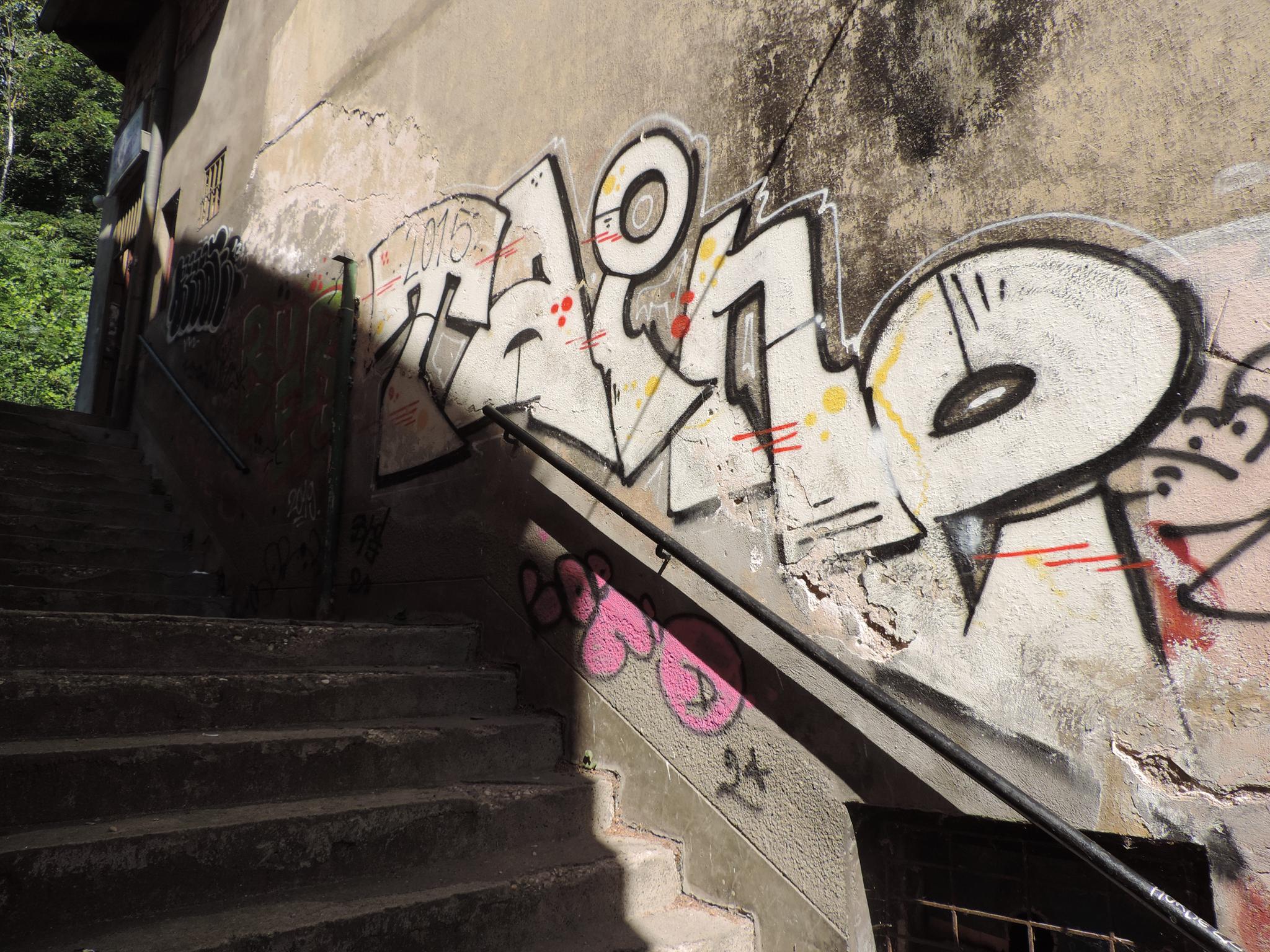
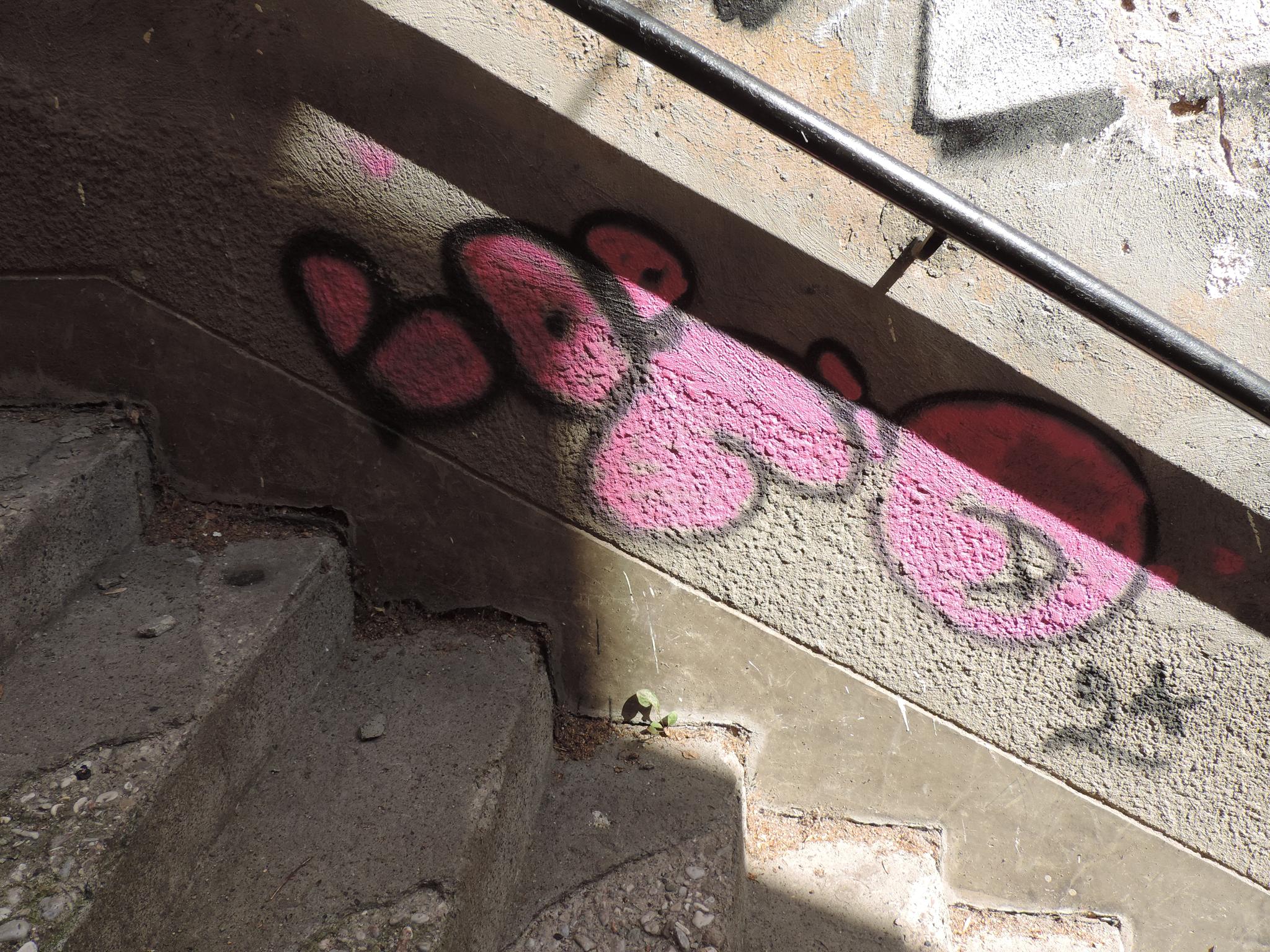
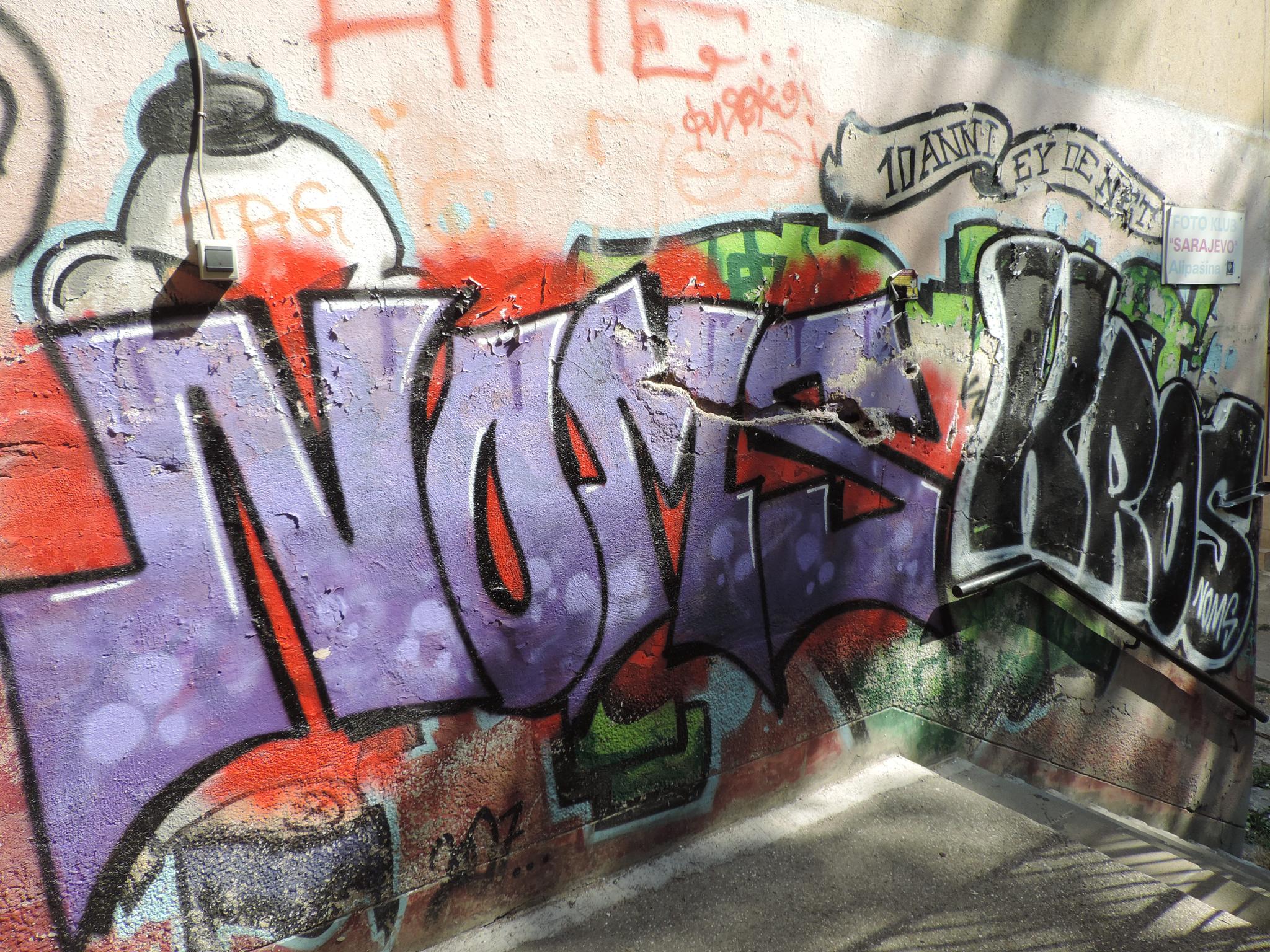
NOMS
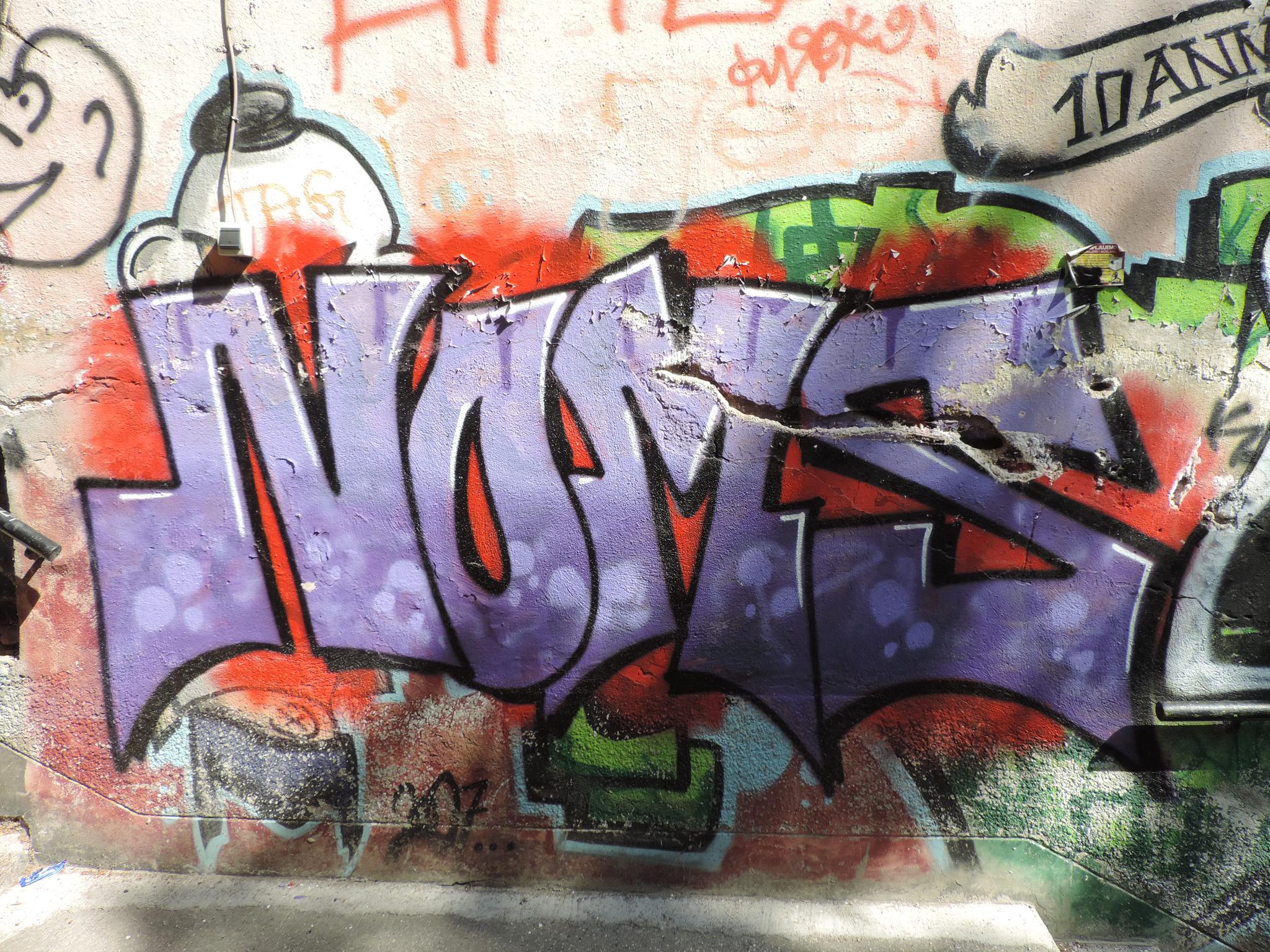
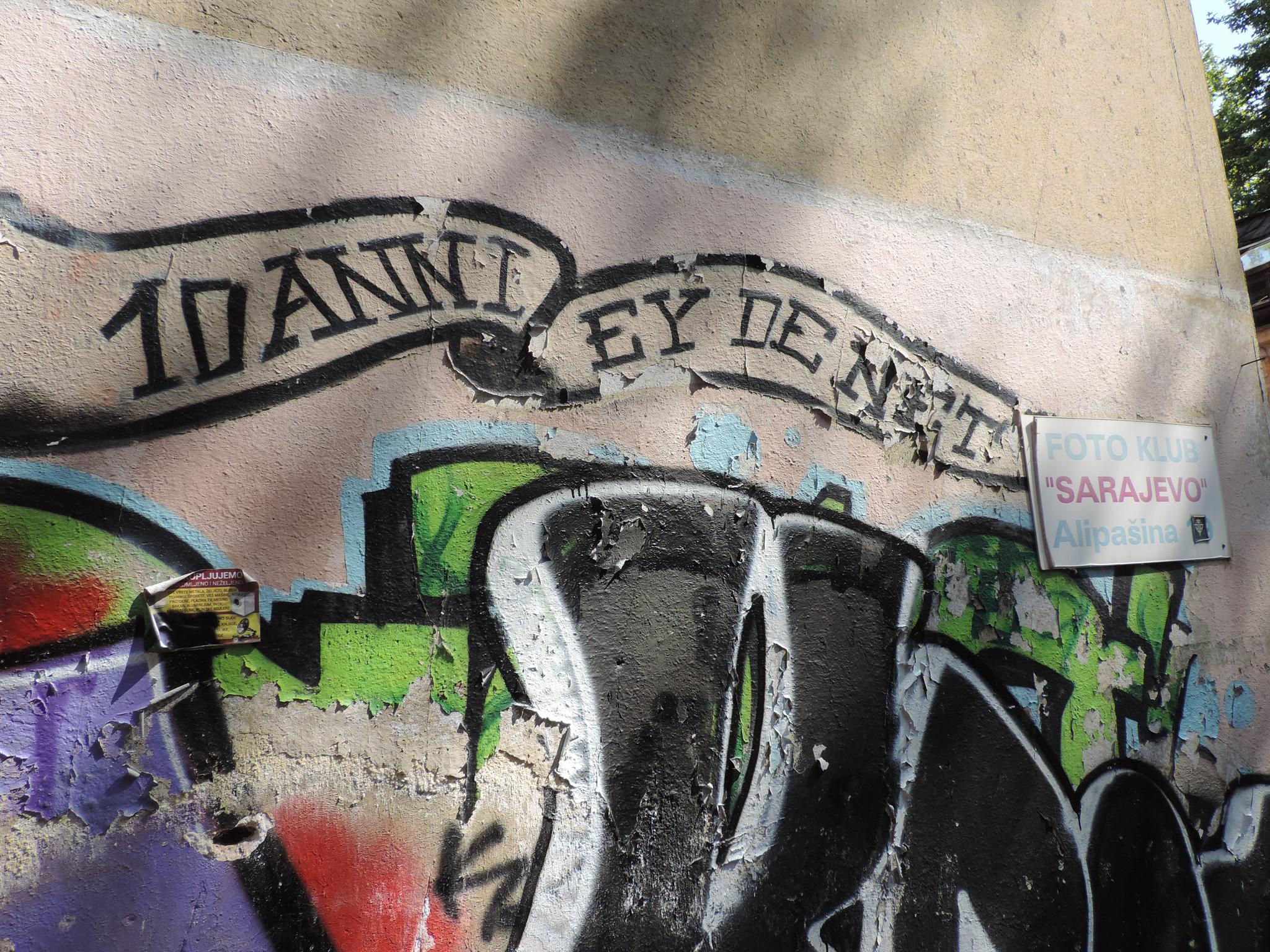
„10 anni ey de net“ – „10 years of the net“
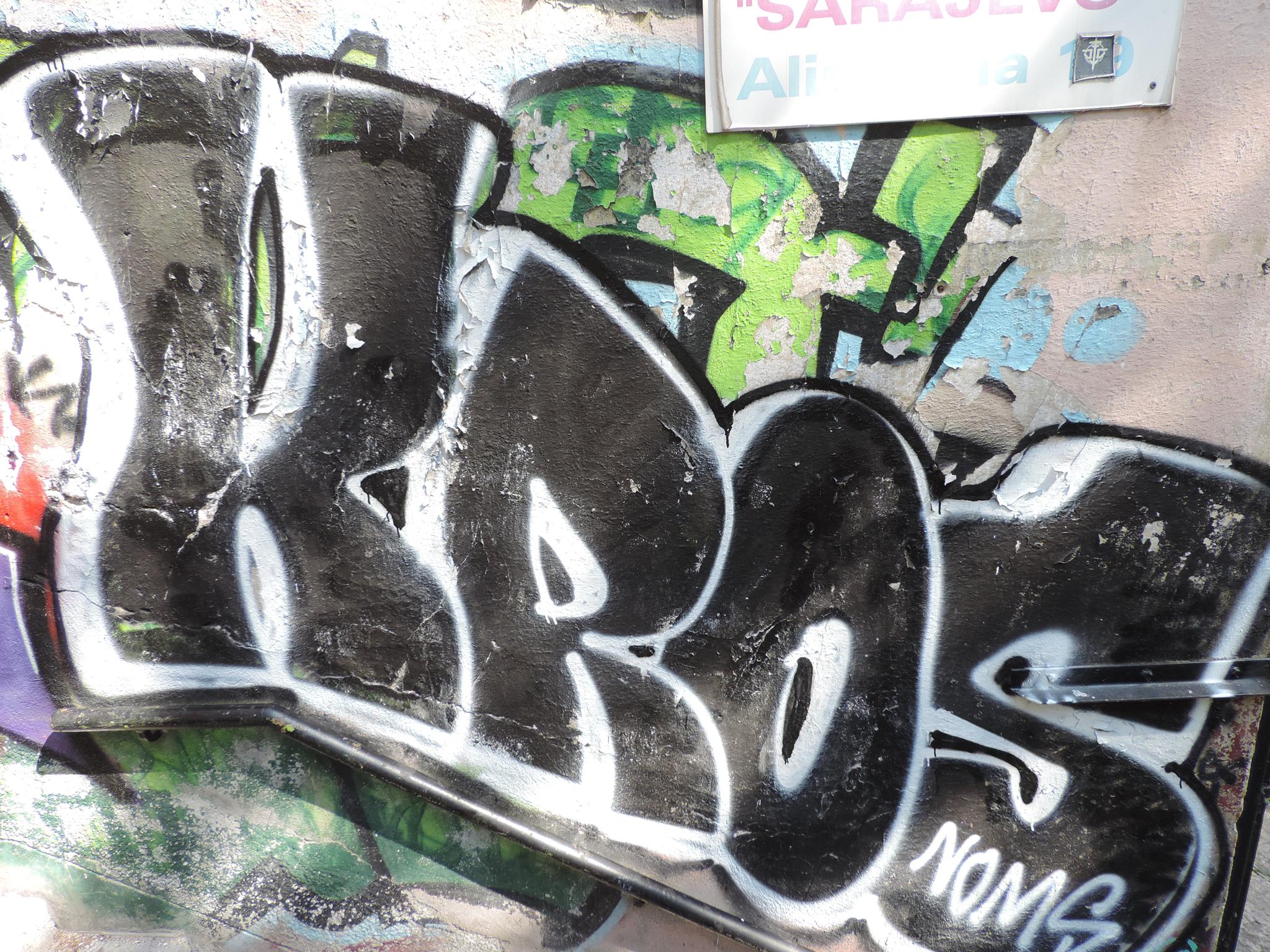
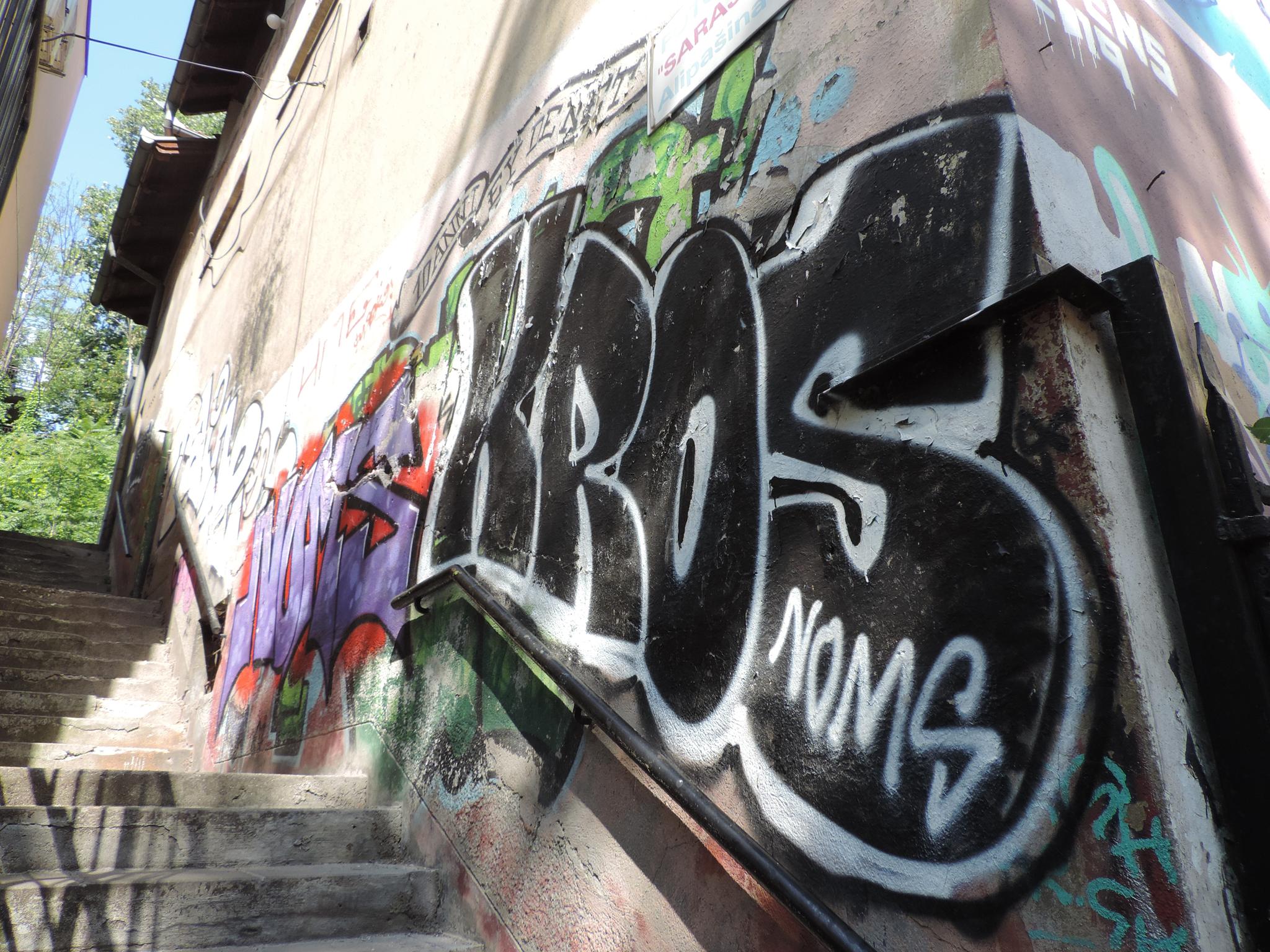
KROS
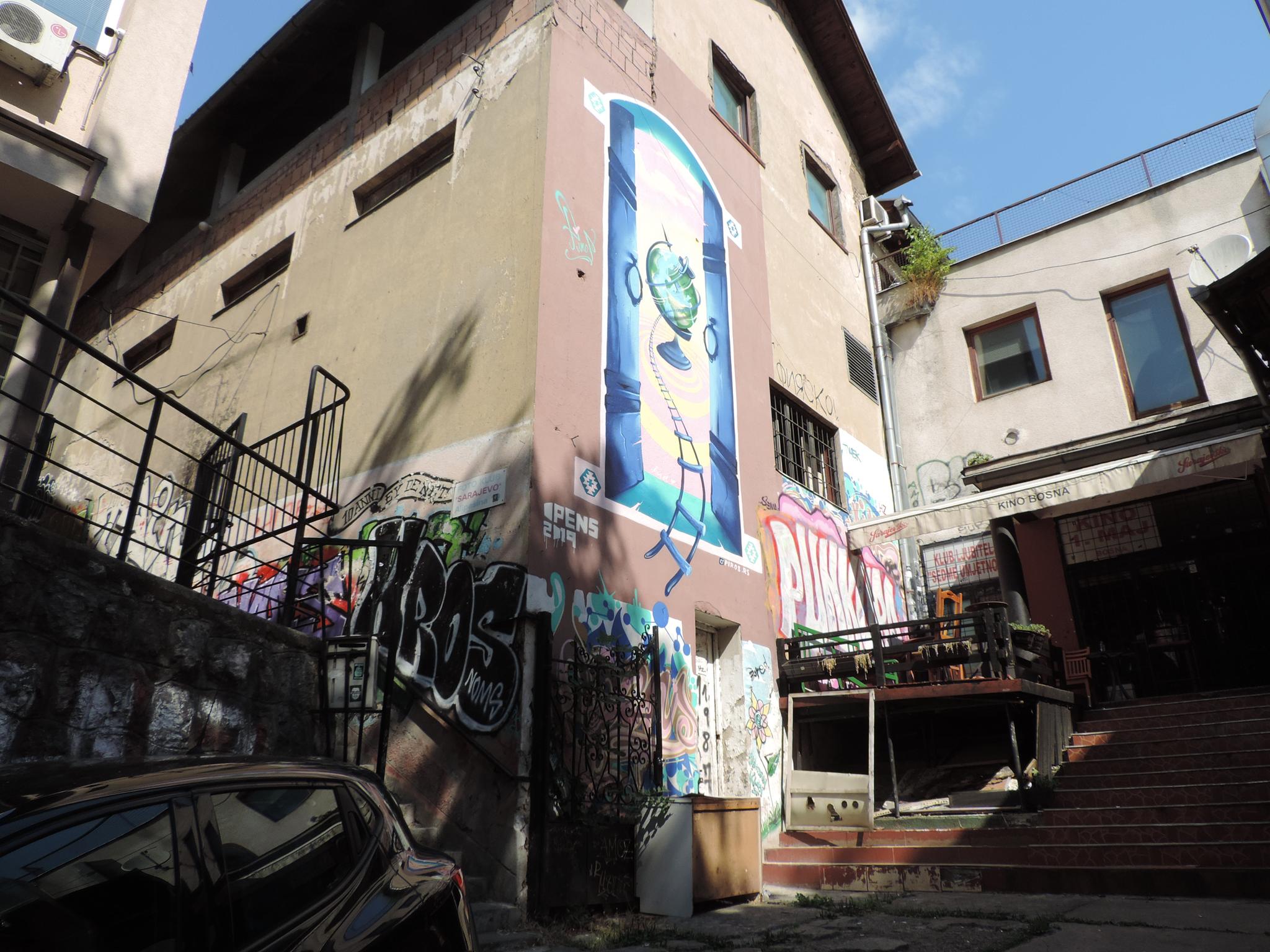
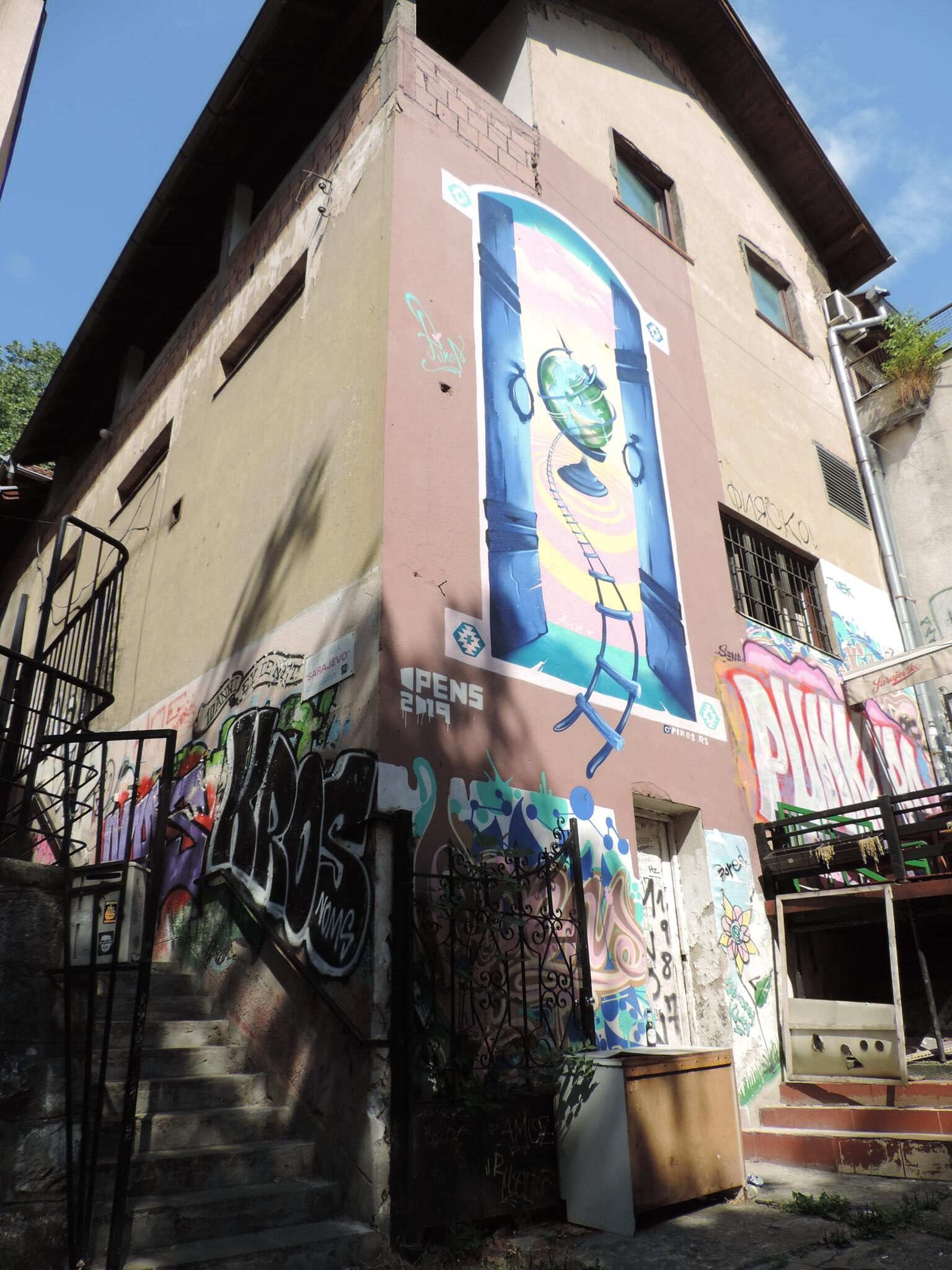
PIROS
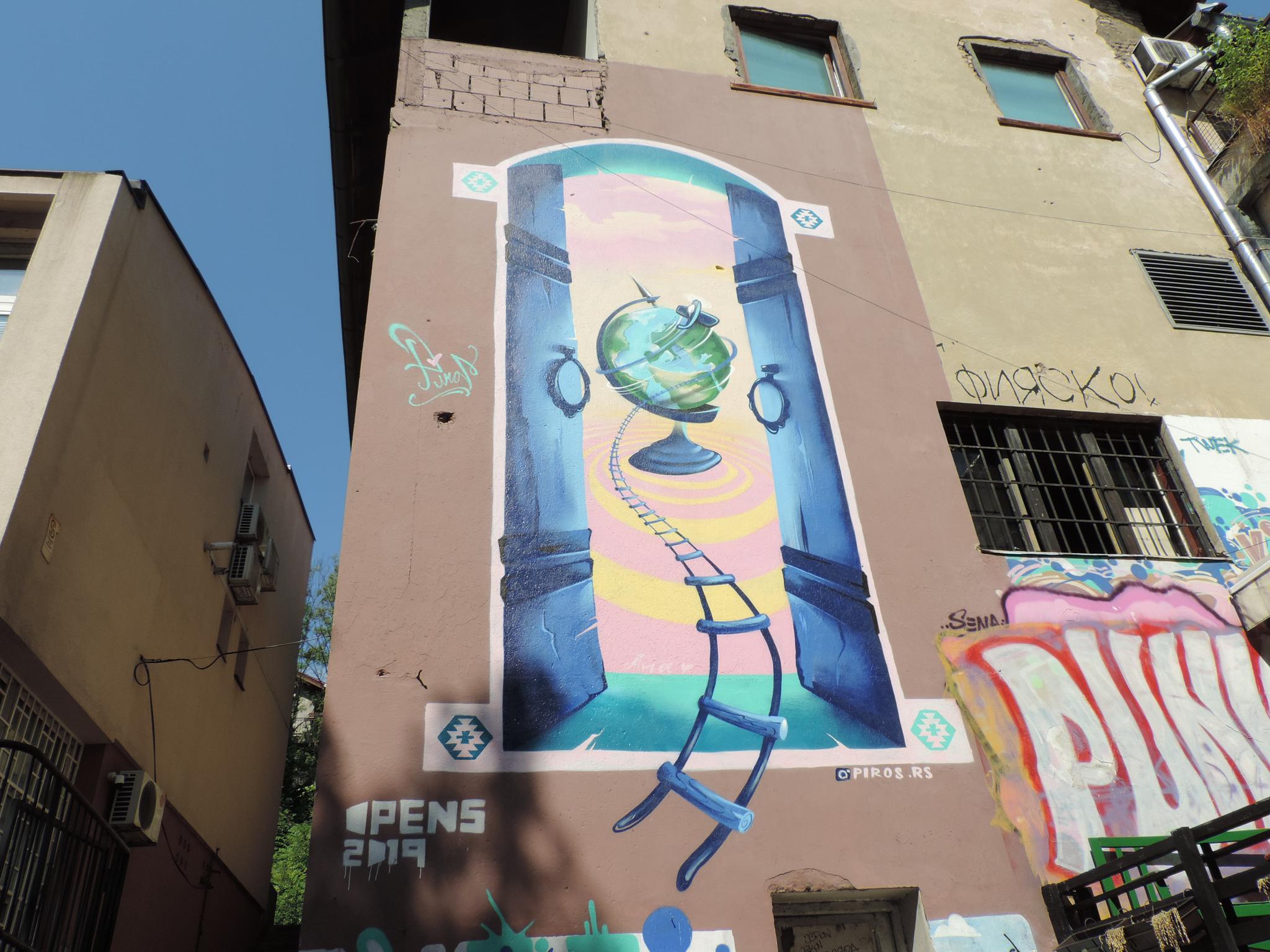
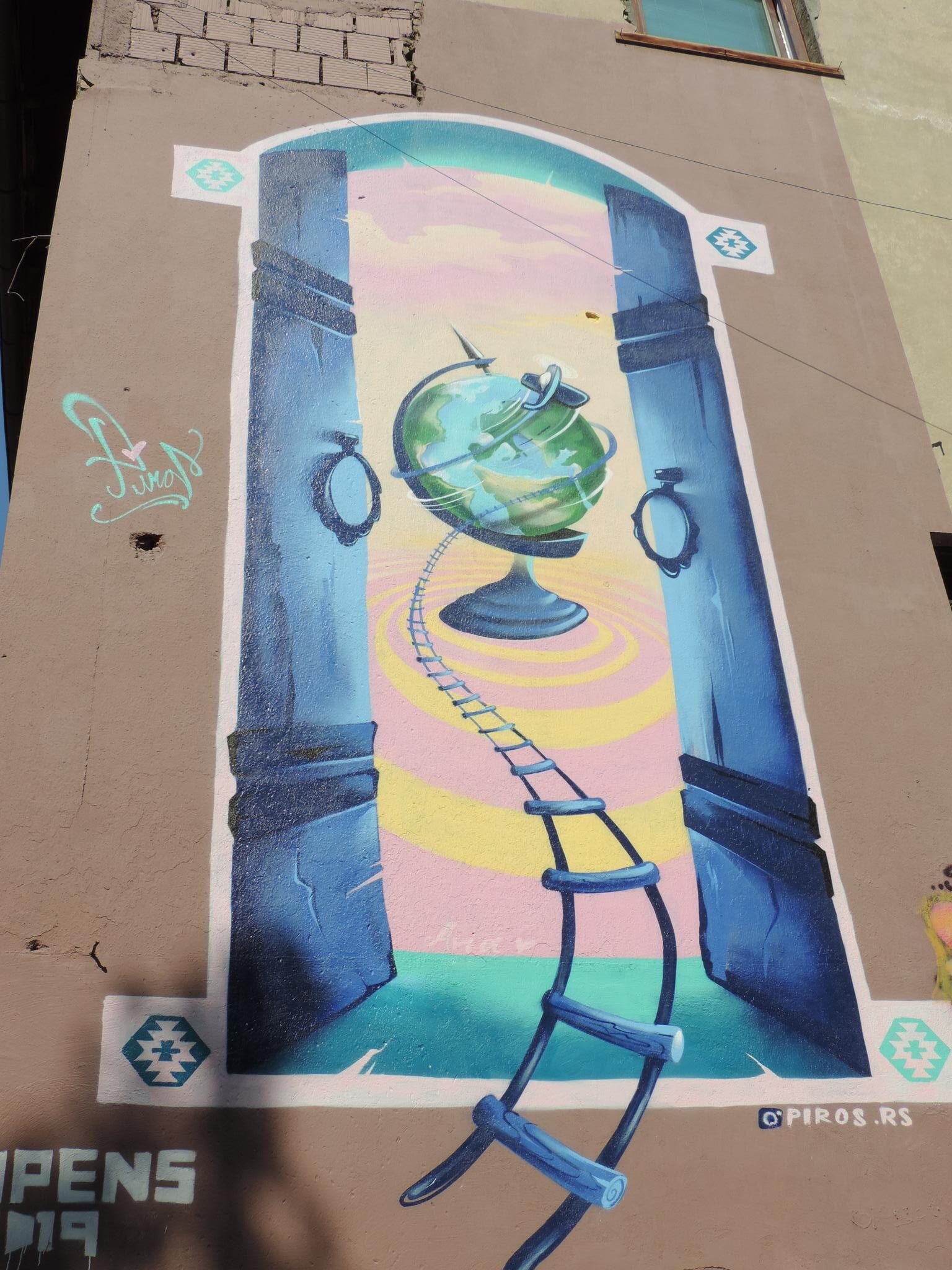
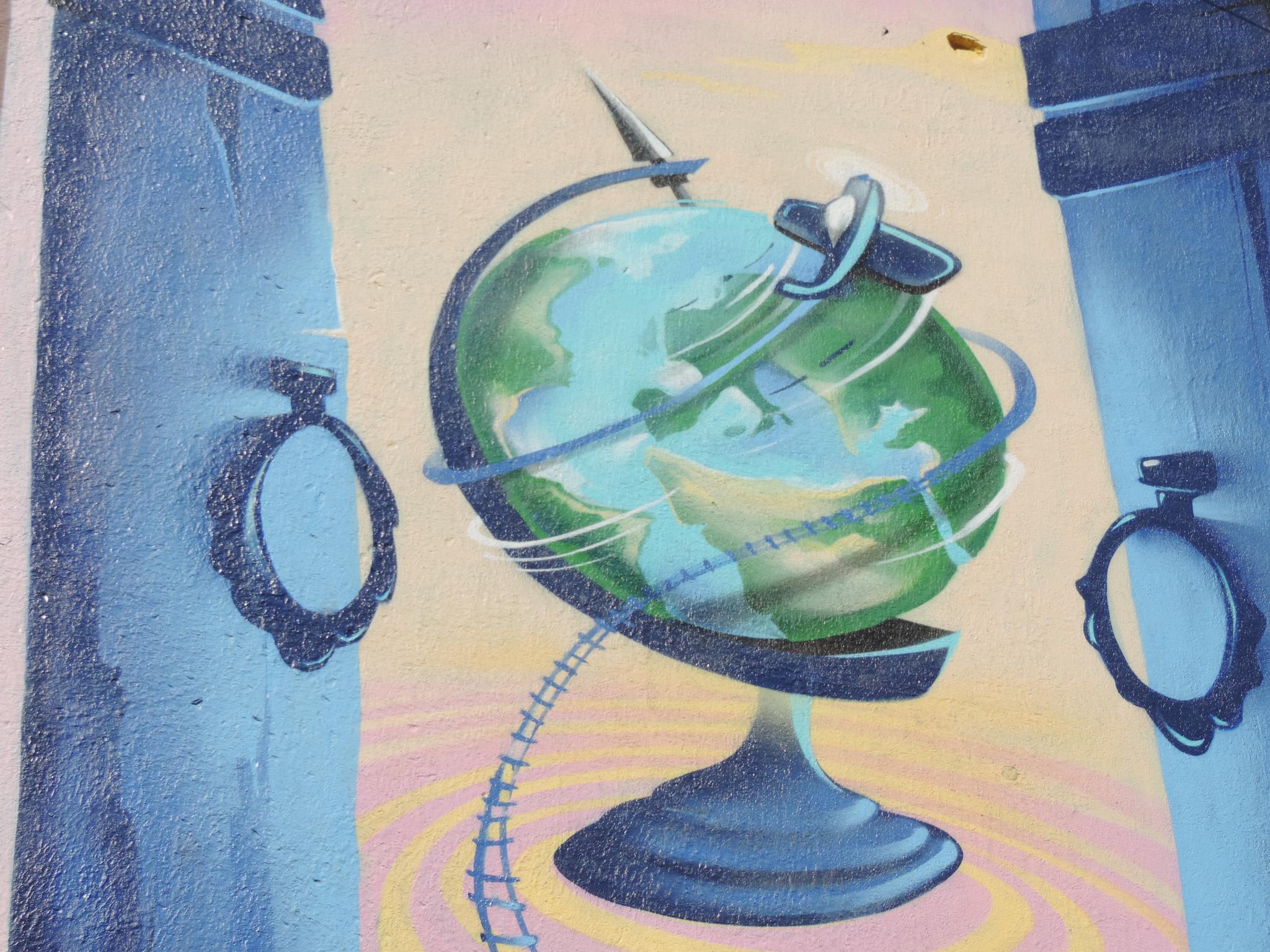
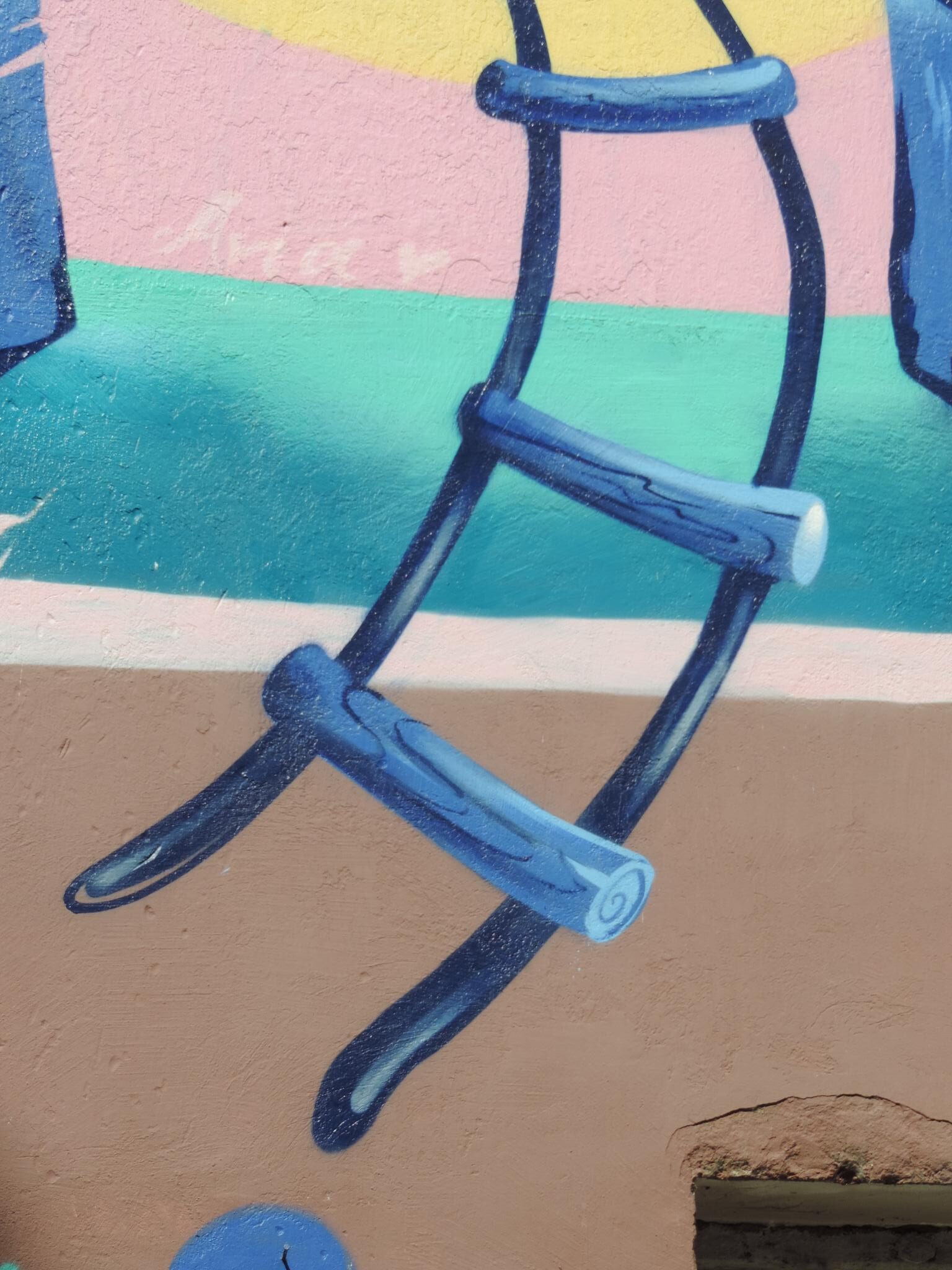
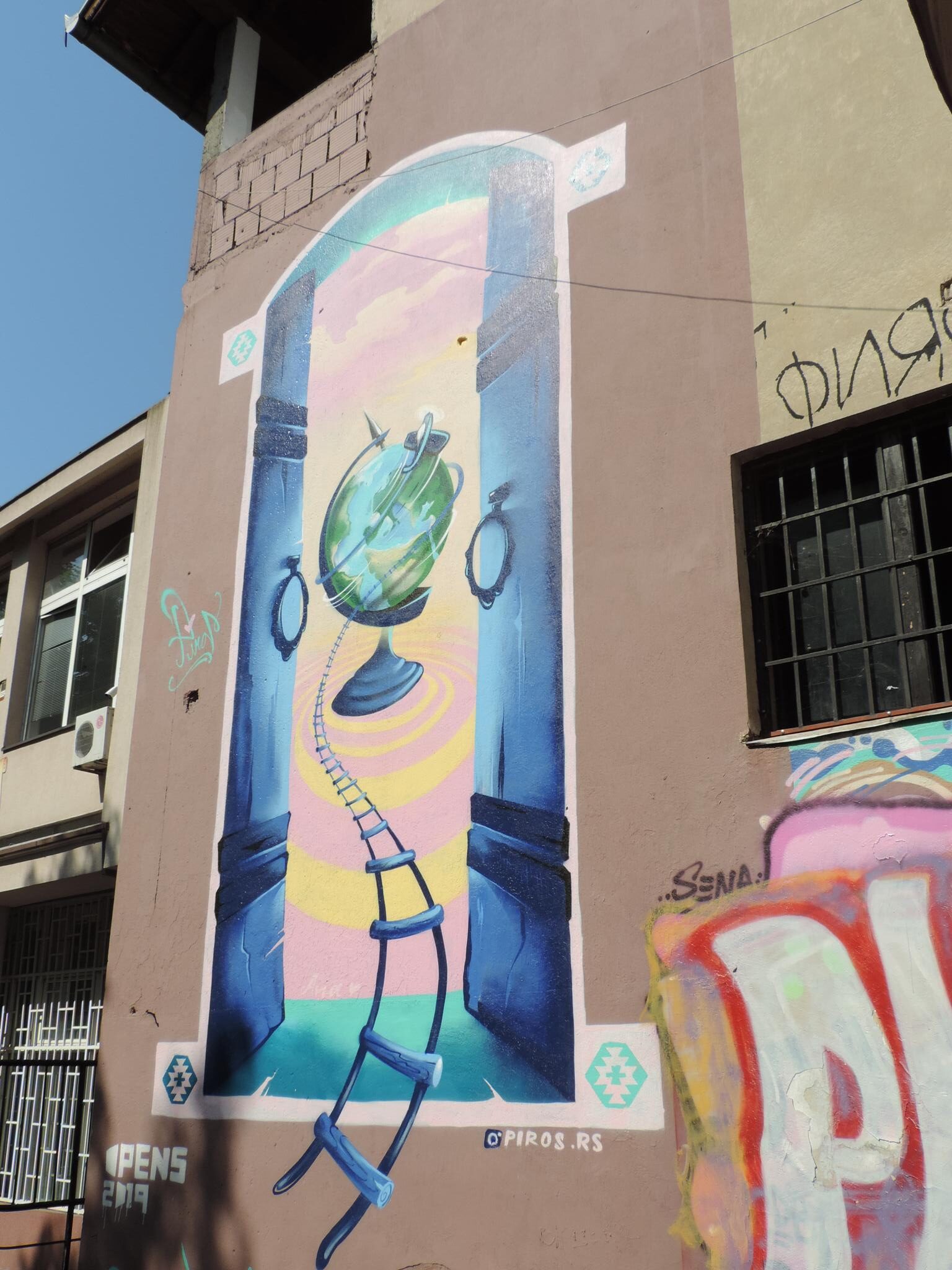
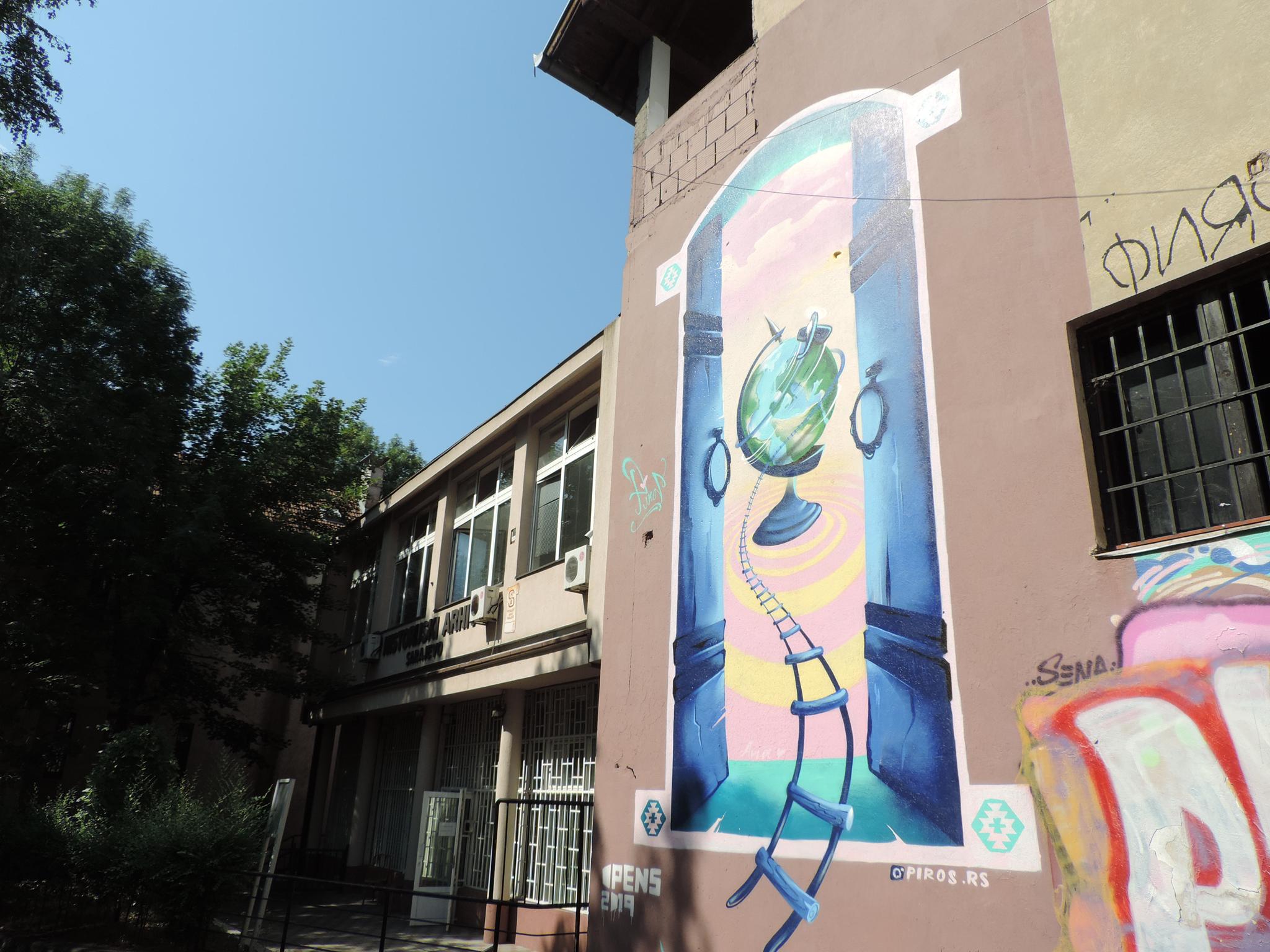
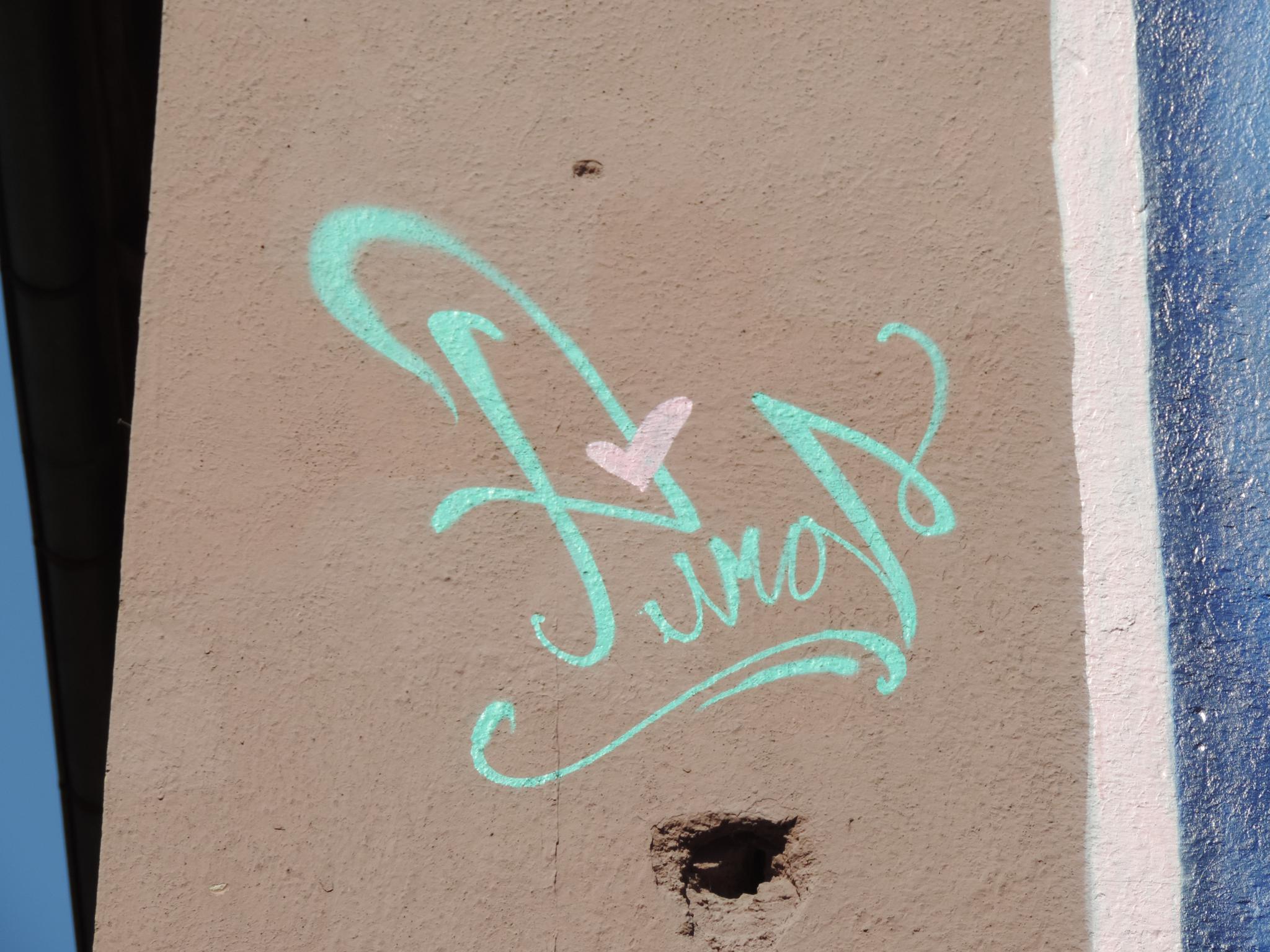
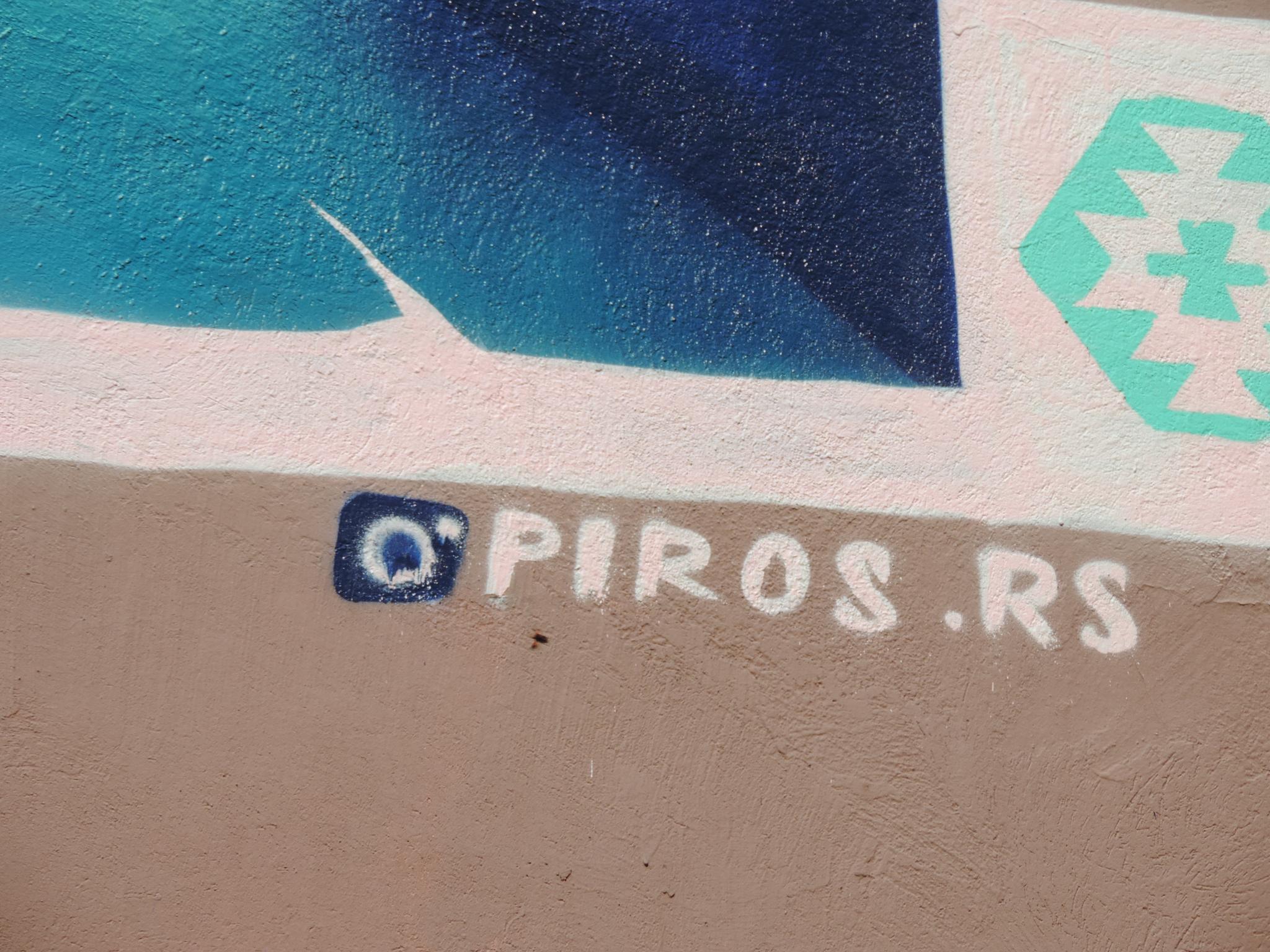
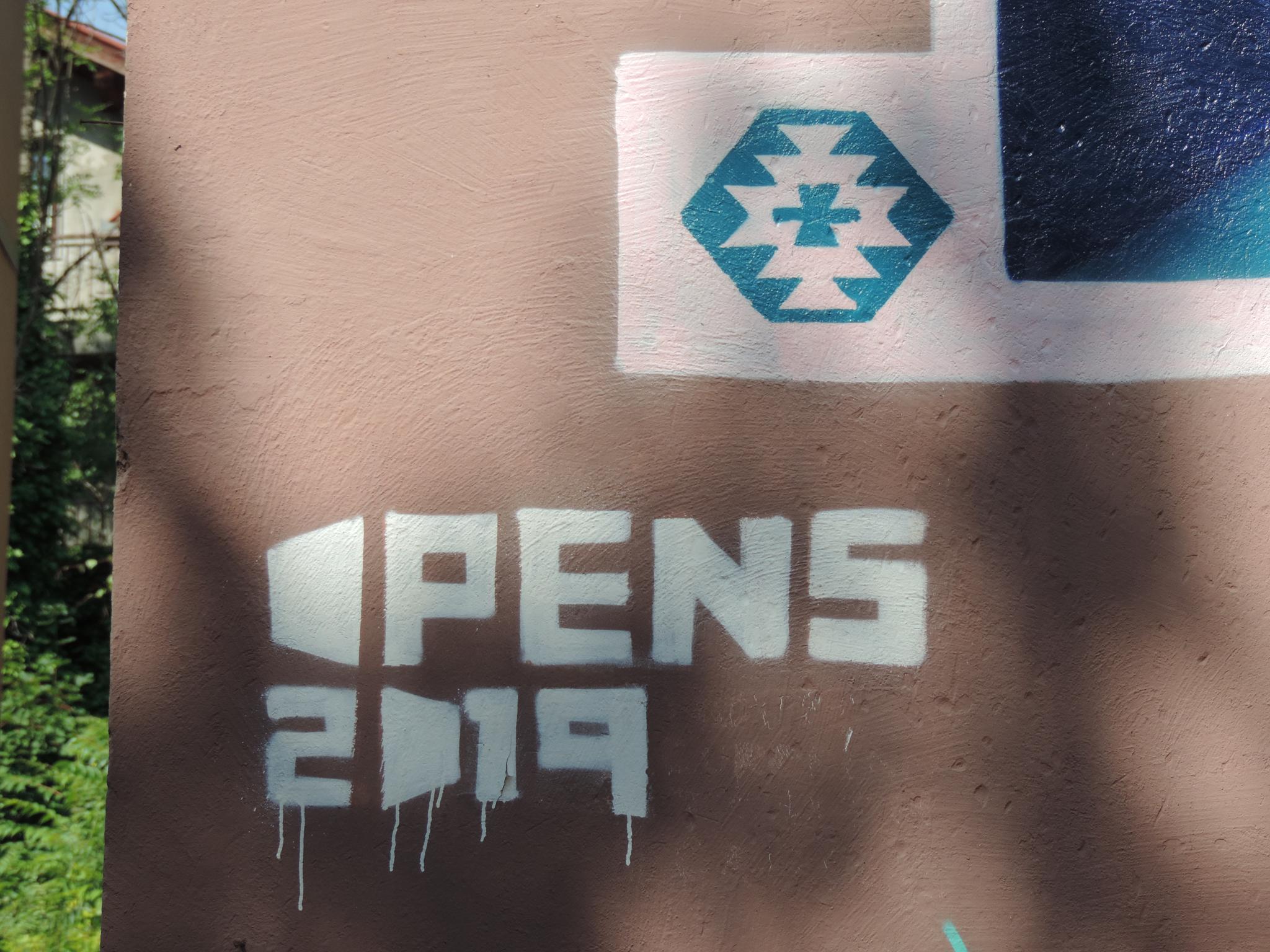
Artist: PIROS – PETAR POPOVIC
 Website: https://piros.rs
Facebook: https://www.facebook.com/piros.rs
Instagram: https://www.instagram.com/piros.rs
Youtube: https://www.youtube.com/@piros3492
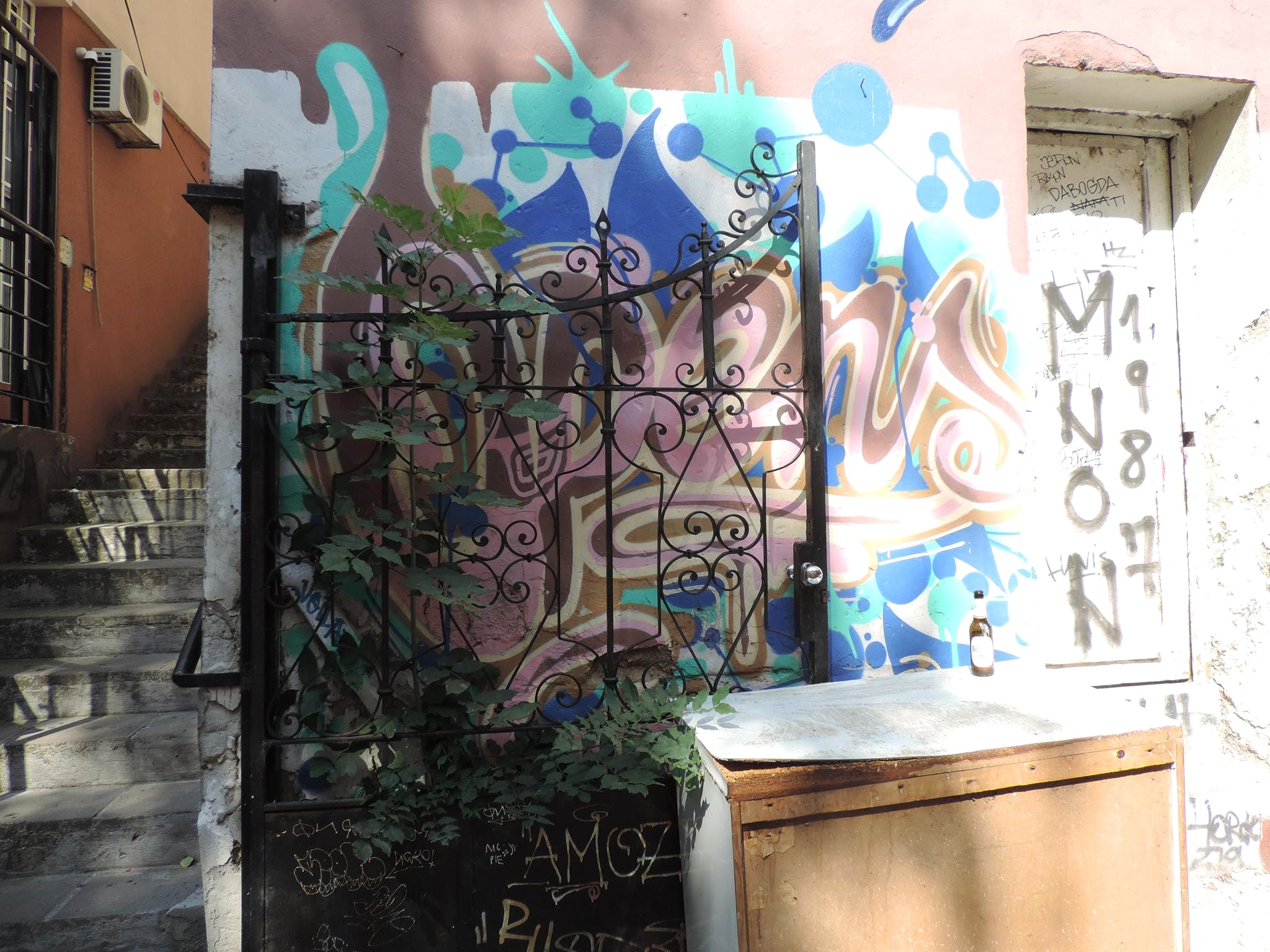
ZIAN
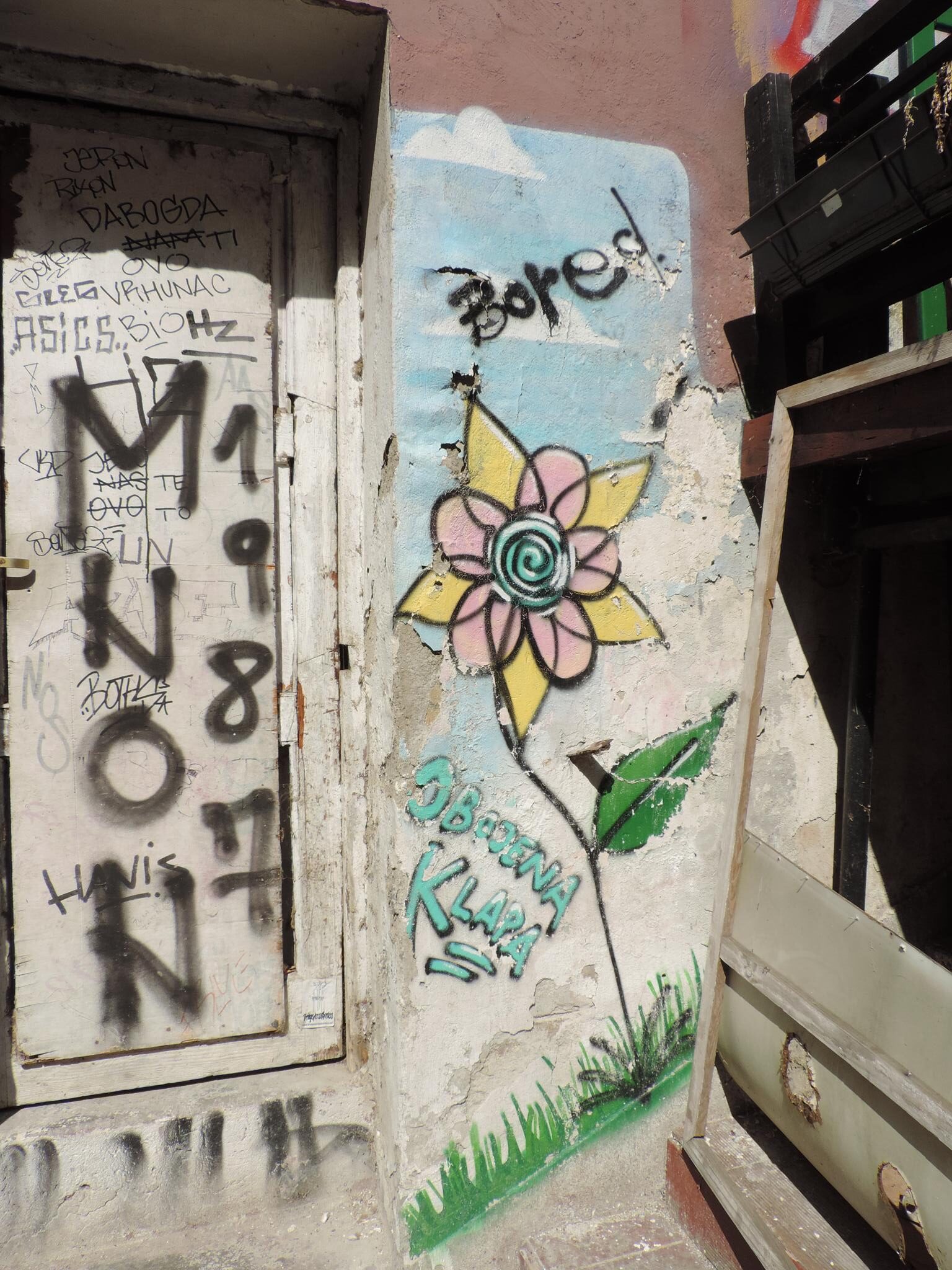
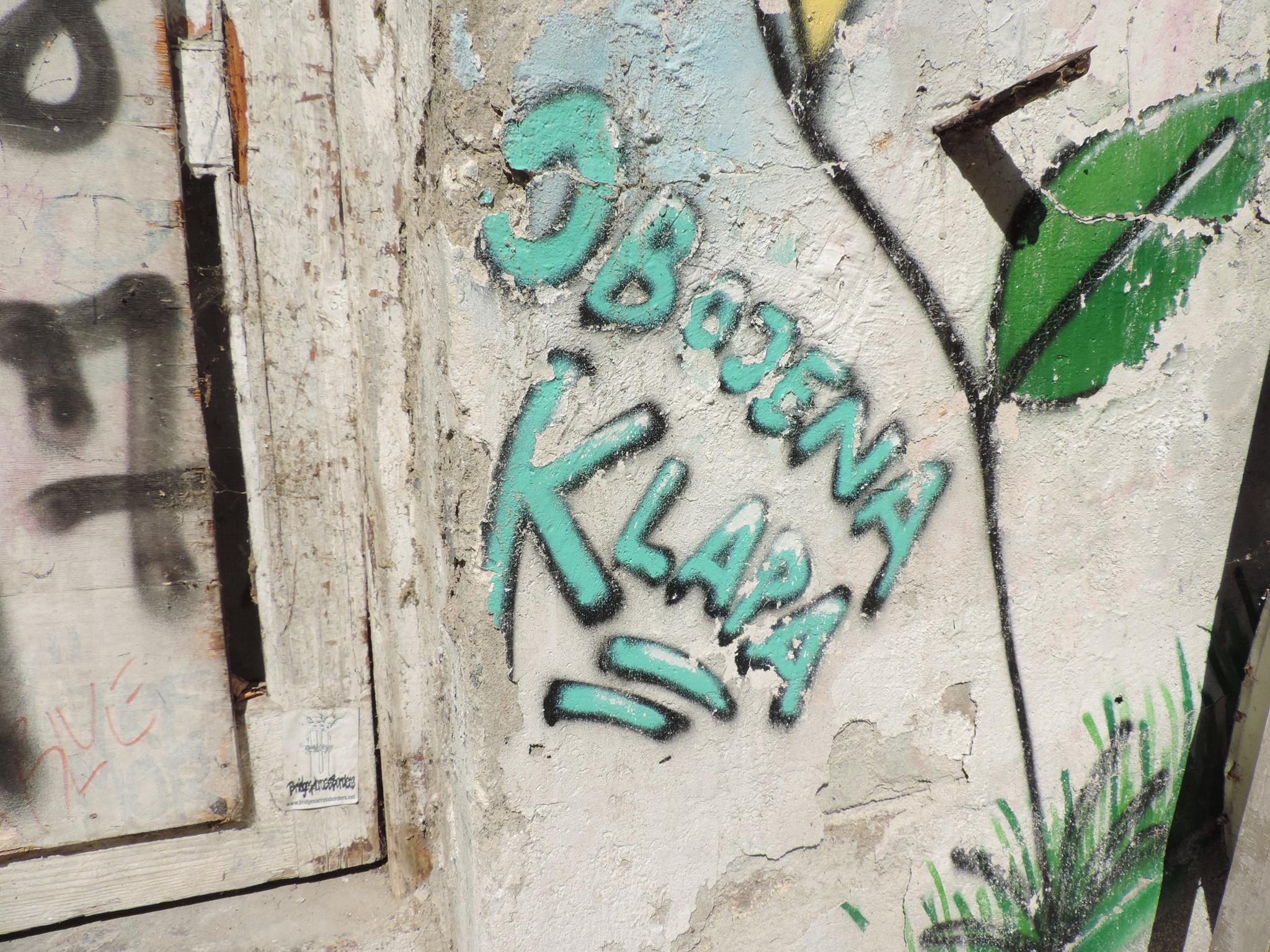
Artist: ZIAN – PRAVIZIAN – BENJAMIN ČENGIČ – TWEK
Instagram: https://www.instagram.com/pravizian
 Interview: https://hearthis.at/radio-x-interviews/zian
PUNKURA
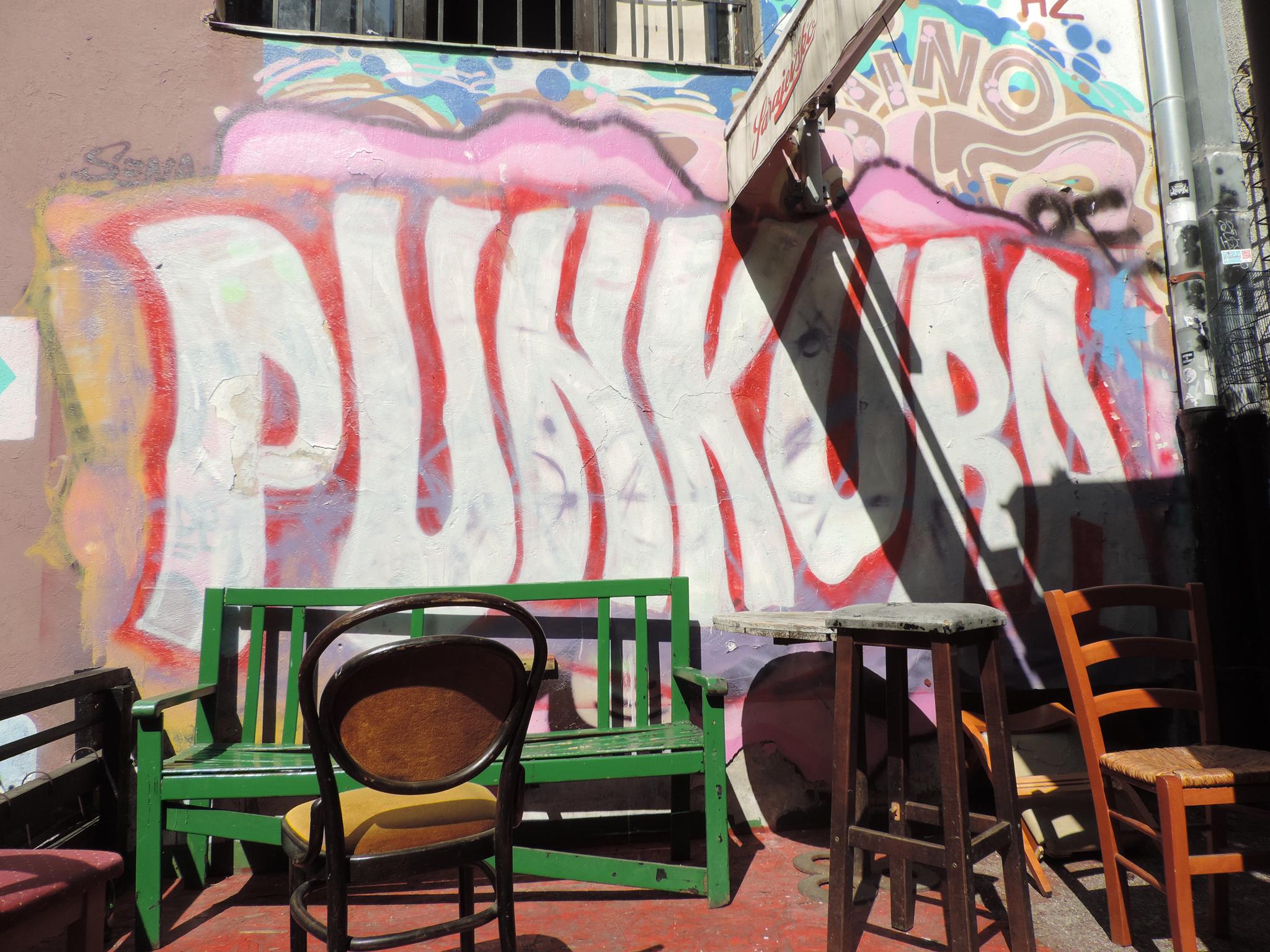
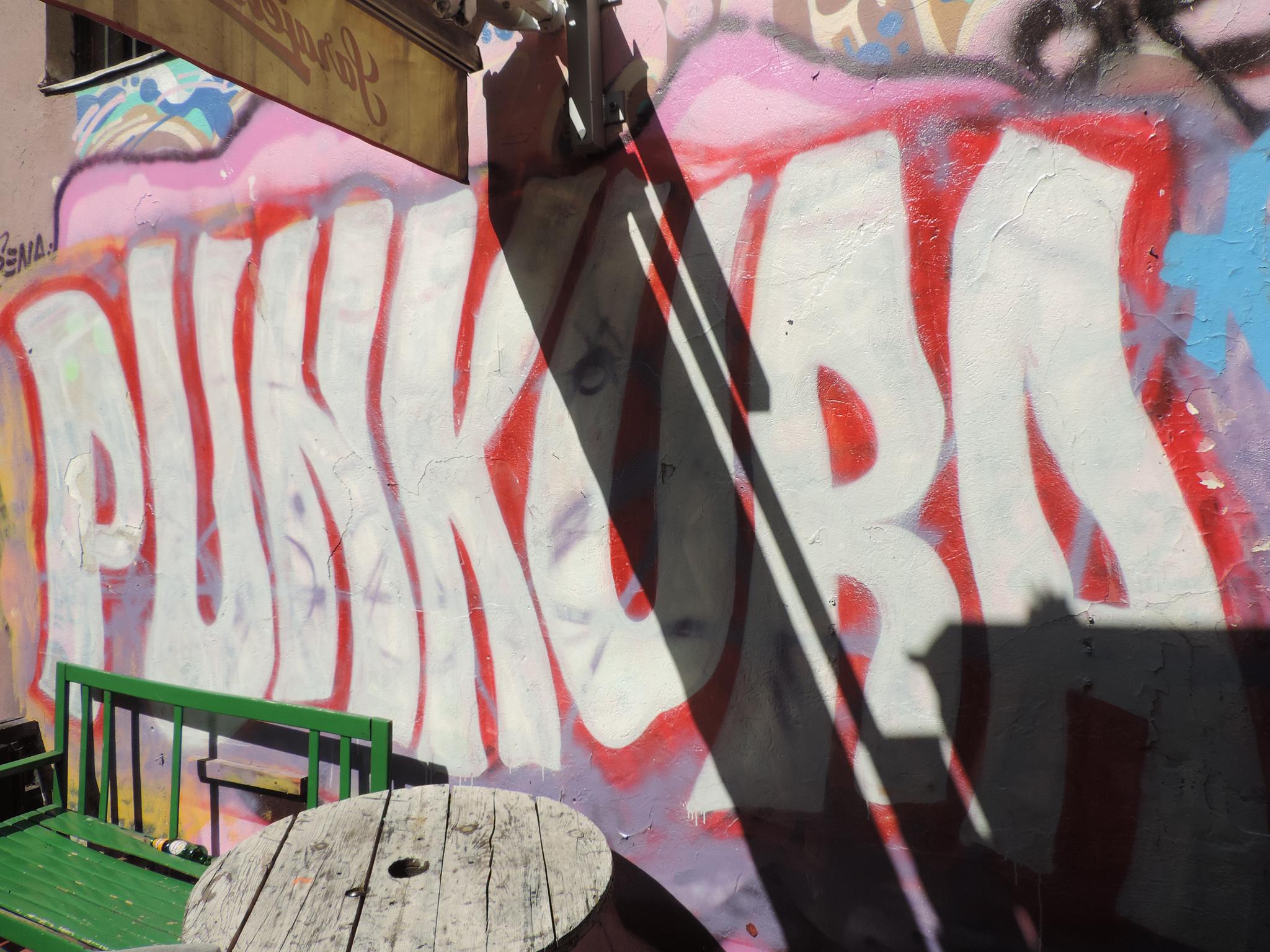
Artist: PUNKURA
Website: https://punkura.xyz
Facebook: https://www.facebook.com/groups/436298968347317
Instagram: https://www.instagram.com/punkura_
Historical Archives – Movable property – Kinoteka BiH
The tradition of preserving archive material in Sarajevo dates back to mediaeval times, as evidence by surviving muniments, charters, manuscript books and other documents of historical, cultural, economic, political and other significance and value. During the Ottoman period (mid 15th to latter half of the 19th century), Sarajevo as the centre of the Bosnian sanjak had an office-holder known as the defteri-emin or superintendent of the state archives. The Austro-Hungarian period (1878-1918) was marked by particular attention to the maintenance of orderly records and archive material. The archives were founded in 1948. The archive material is classified into various groups: collections and holdings in „oriental“ languages (Turkish, Arabic, Persian); administration; the judiciary; education, science and culture; health care and social policy; the economy: socio-political organizations; family and personal holdings and collections.
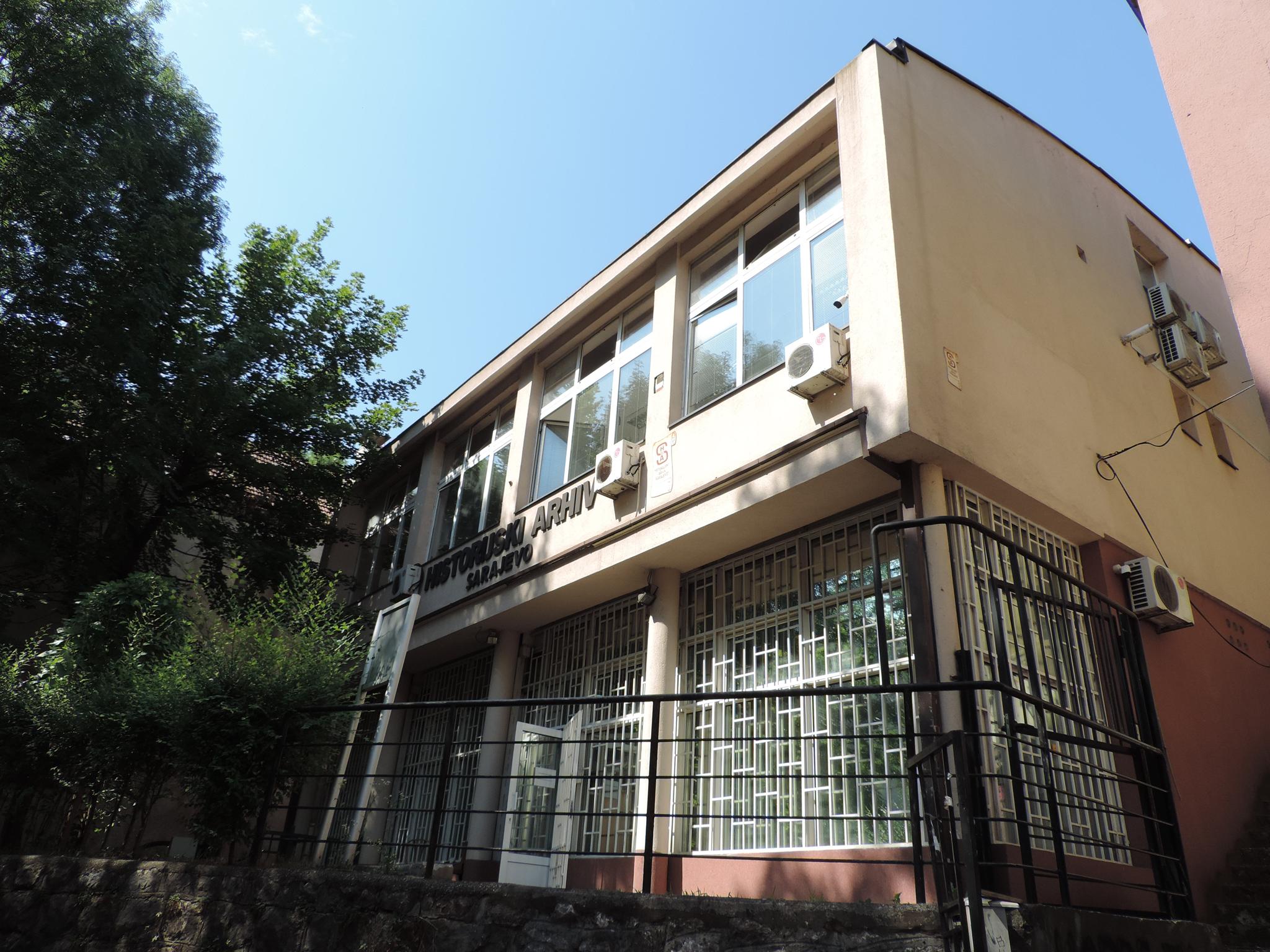
The Oriental Collection consists of more than 14.000 items. The oldest original document is the „Emer-nama of Gazi Husrev bey,“ dating from 1532, which is a decree granting freedom of religion to all residents of Sarajevo. This collection ranks in both quality and quantity with the Gazi Husrev bey library as one of the most important collections of oriental archive material in Europe. The Archives‘ library holdings are classified into ten groups: general, philosophy, religion, politics, literature, natural history, medicine, art, philology and history. Periodicals and rare books are classified separately. Of particular note are rare books on Bosnia. written in Latin or Gothic script in Latin, German, Italian and the local language between the 16th and the 19th century and printed in Rome, Venice, Vienna and Zagreb, along with works printed in the Vilayet Press between 1867 and 1870.
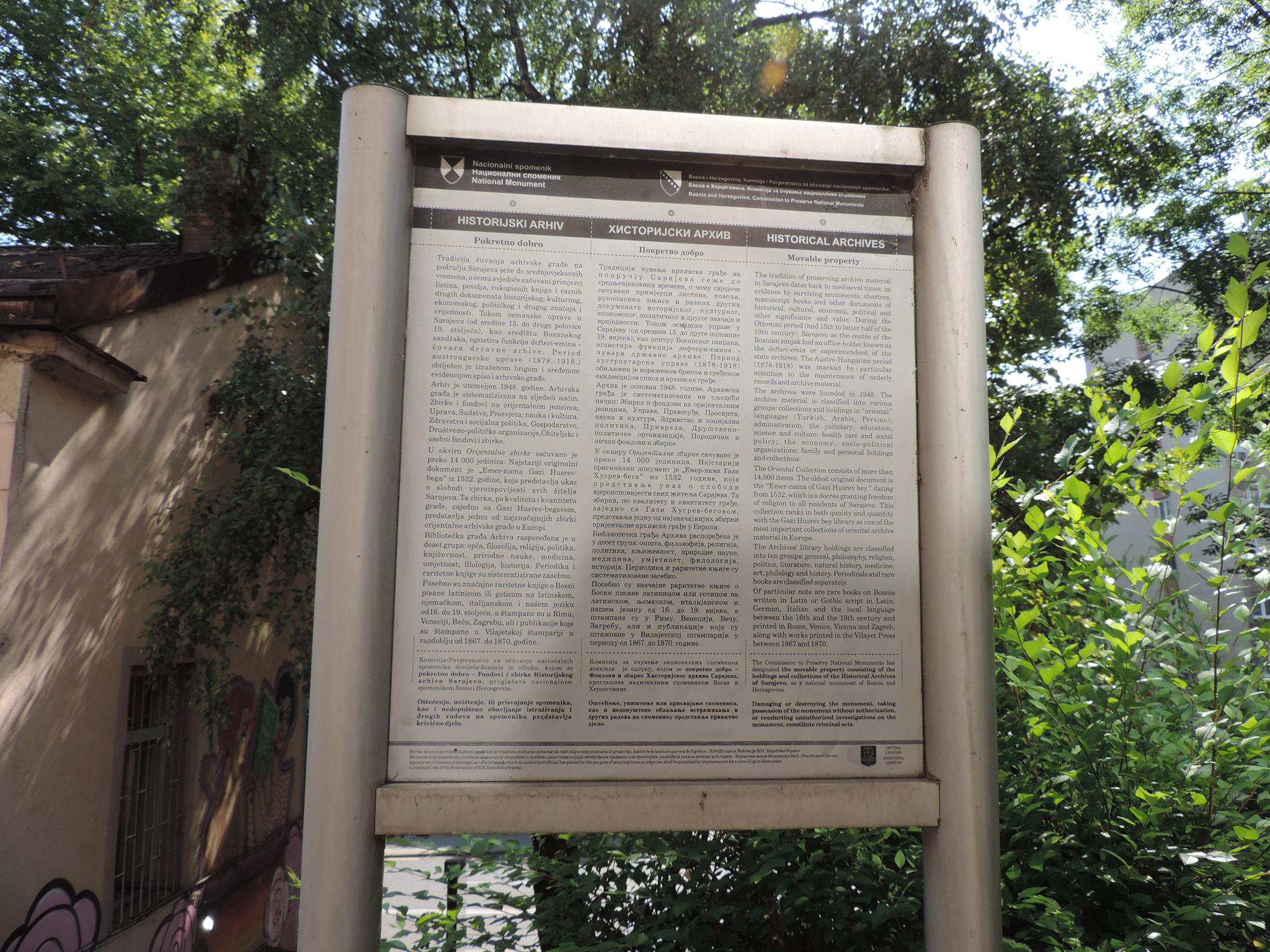
The Commission to Proserve National Monuments has designated the movable property consisting of the holdings and collections of the Historical Archives of Sarajevo, as a national monument of Bosnia and Herzegovina. Damaging or destroying the monument, taking possession of the monument without authorization, or conducting unauthorized investigations on the monument, constitute criminal acts.
INFOTHEK
 Cinema & Culture Place: KINO BOSNA
Facebook: https://www.facebook.com/kinobosna
Instagram: https://www.instagram.com/kino_bosna1
Cinematic Archive: KINOTEKA BIH
Website: https://www.kinotekabih.ba
Facebook: https://www.facebook.com/KinotekaBiH
Instagram: https://www.instagram.com/kinotekabih
Youtube: https://www.youtube.com/@kinotekaBiH
Urban Art Association: OBOJENA KLAPA
Website: https://www.obojenaklapa.com
Facebook: https://www.facebook.com/obojenaklapa
Instagram: https://www.instagram.com/obojenaklapa

RECOMMENDABLE SPOTS IN SARAJEVO
>>> Fasada Festival <<<
>>> Trebevic Bobsleigh <<<
>>> Manifesto Galerija <<<
>>> Zetra Hall of Fame <<<
>>> Latička Graffiti Hall <<<
>>> Ice Rink Walls <<<
>>> Skatepark Hall <<<
>>> Mojmilo Roundabout Hall <<<
>>> Bačići Train Tunnel Hall <<<
>>> Bačići Ruins Spray Space <<<
>>> Asim Ferhatović Stadion <<<
>>> Film Academy Spray Space <<<
>>> Radiceva Art Tunnel <<<
>>> Basketball Court Vijecnica <<<
>>> Maršala Graffiti Yard <<<
>>> VEDAD DIVOVIĆ Exhibition <<<
>>> Cafe Tito Exhibition <<<
>>> In Memory of GRUE <<<
>>> Davorin Popović Mural <<<
>>> Stencil Collection <<<
>>> Sticker Section <<<

MORE ARTICLES ABOUT BOSNIA-HERZEGOVINA
>>> Streetart Mostar <<<
>>> Streetart Prijedor <<<
>>> Abandoned Igman Hotel <<<
>>> Trebevic Bobsleigh Graffiti <<<
>>> Streetart Banja Luka <<<
>>> Streetart Jezero Klinje <<<
>>> Streetart Višegrad <<<
>>> Streetart Novi Grad <<<
>>> Streetart Spiljani <<<