text text text
text text text
text text text
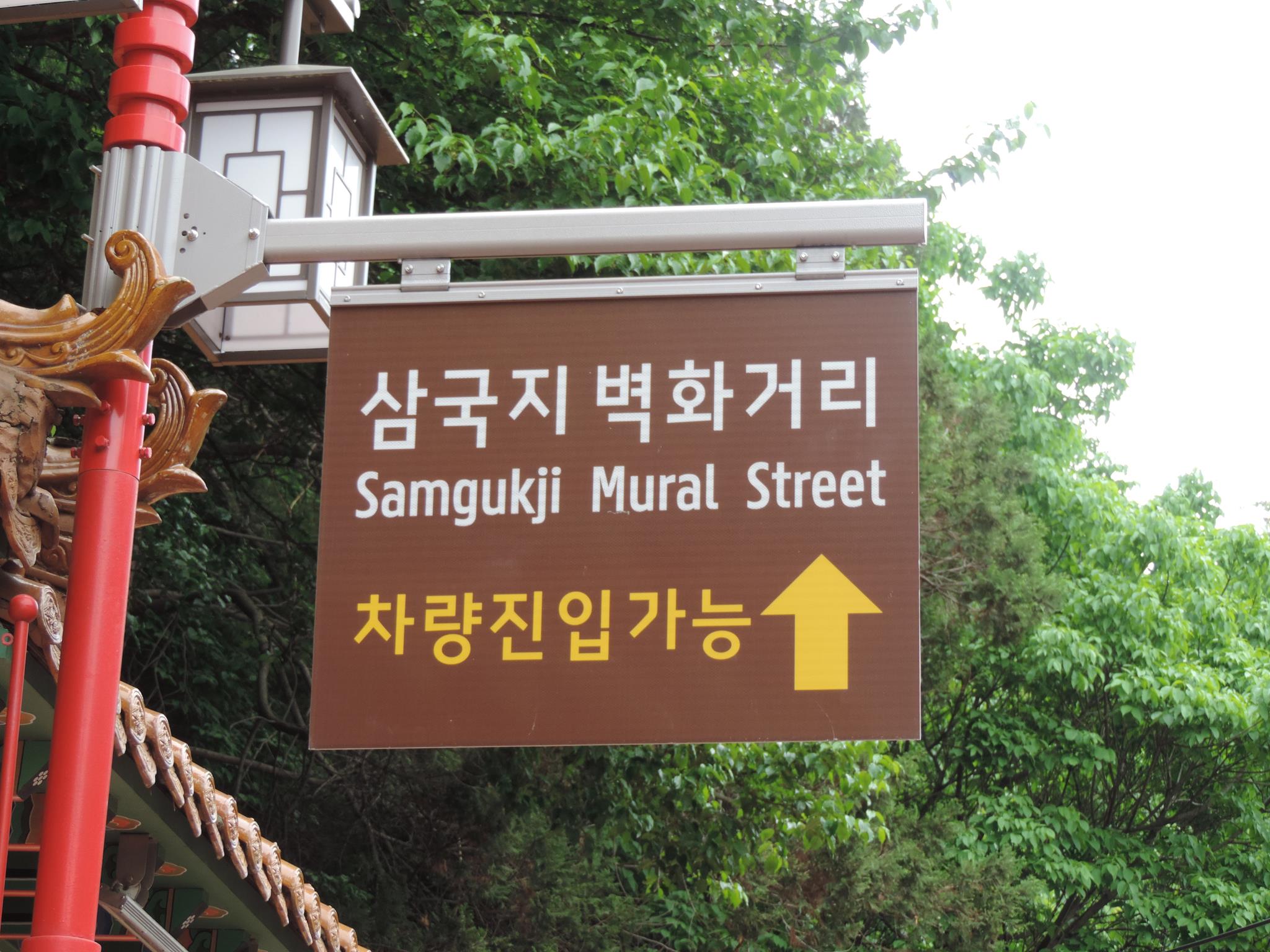
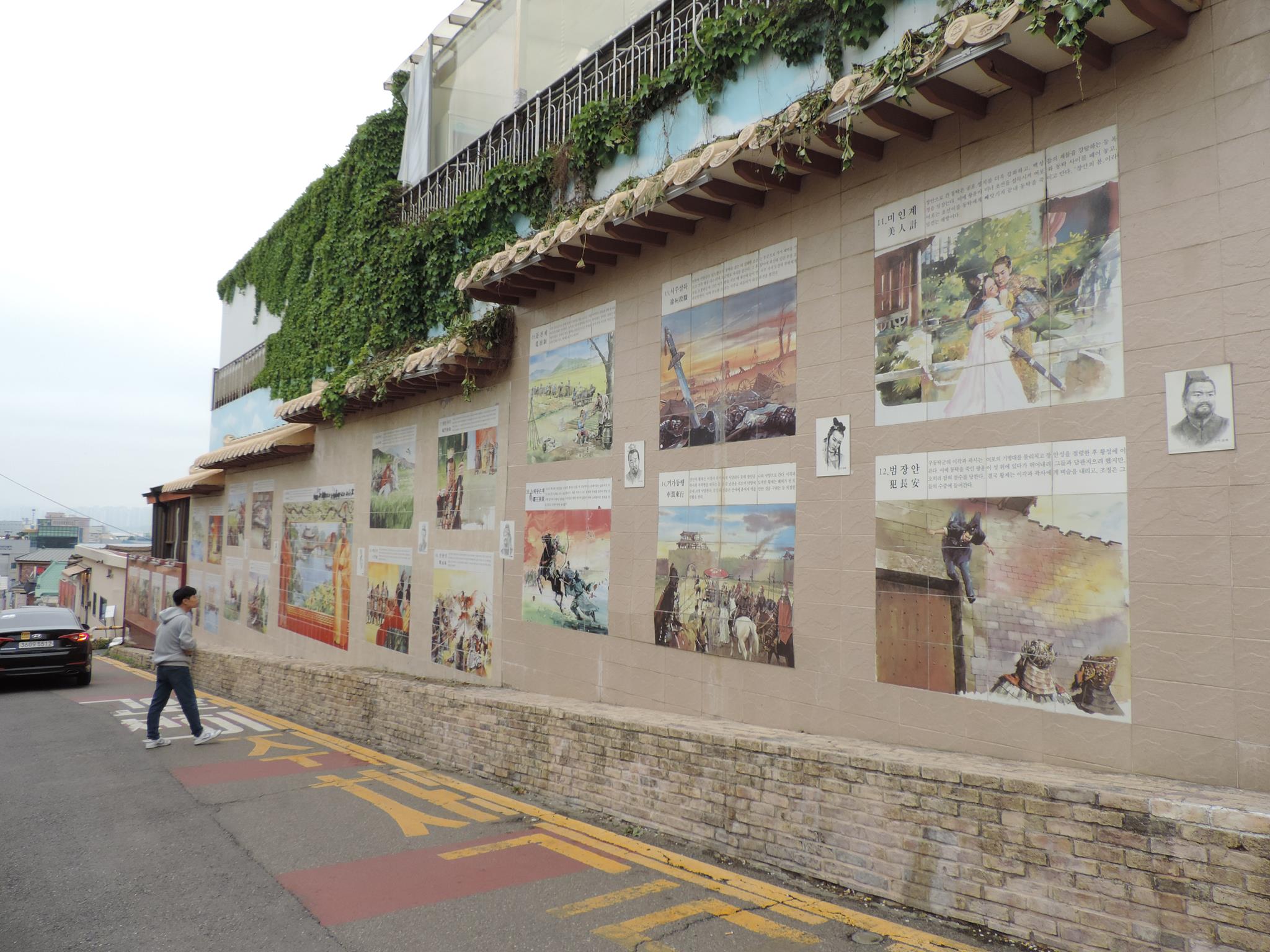
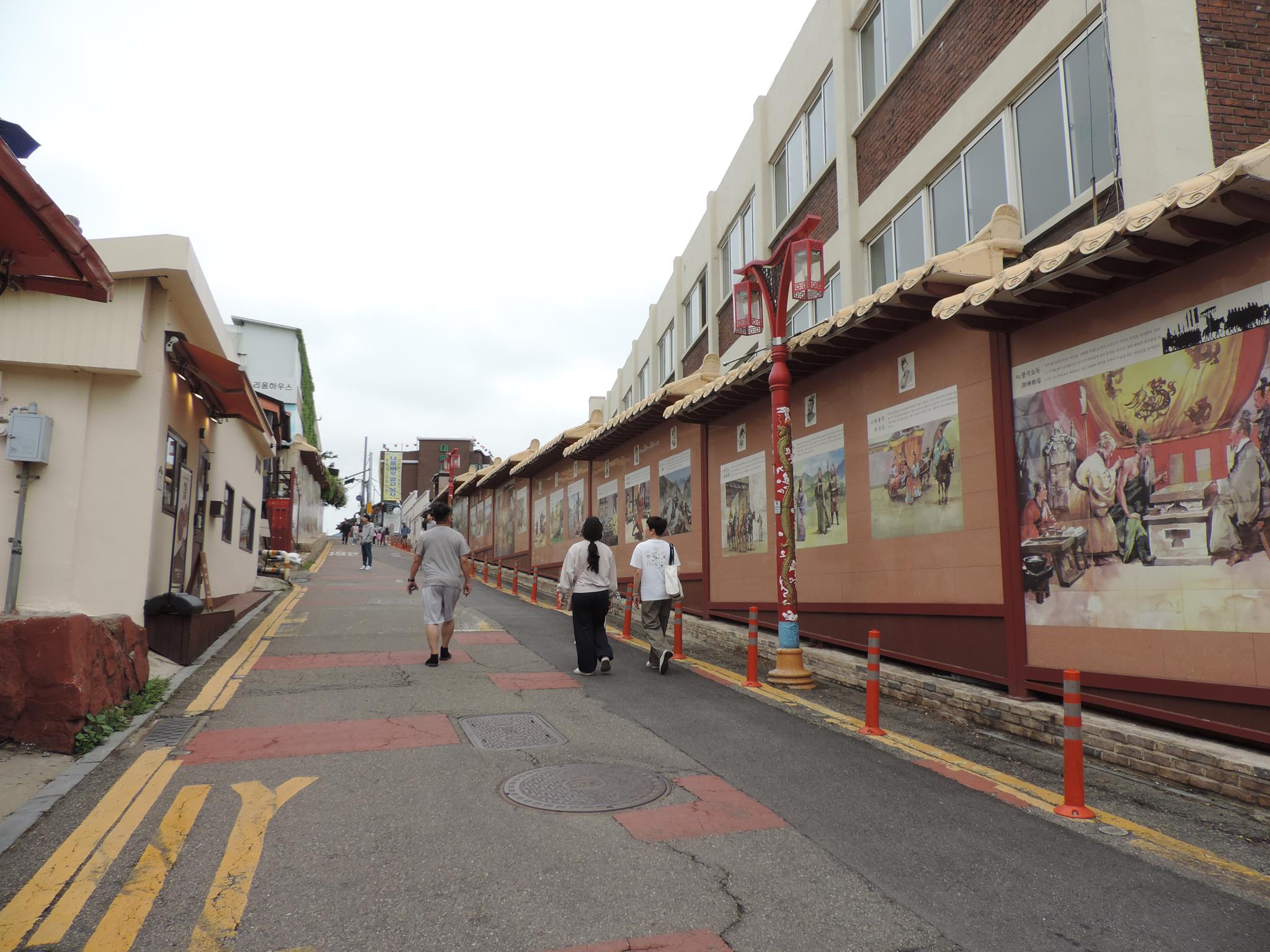
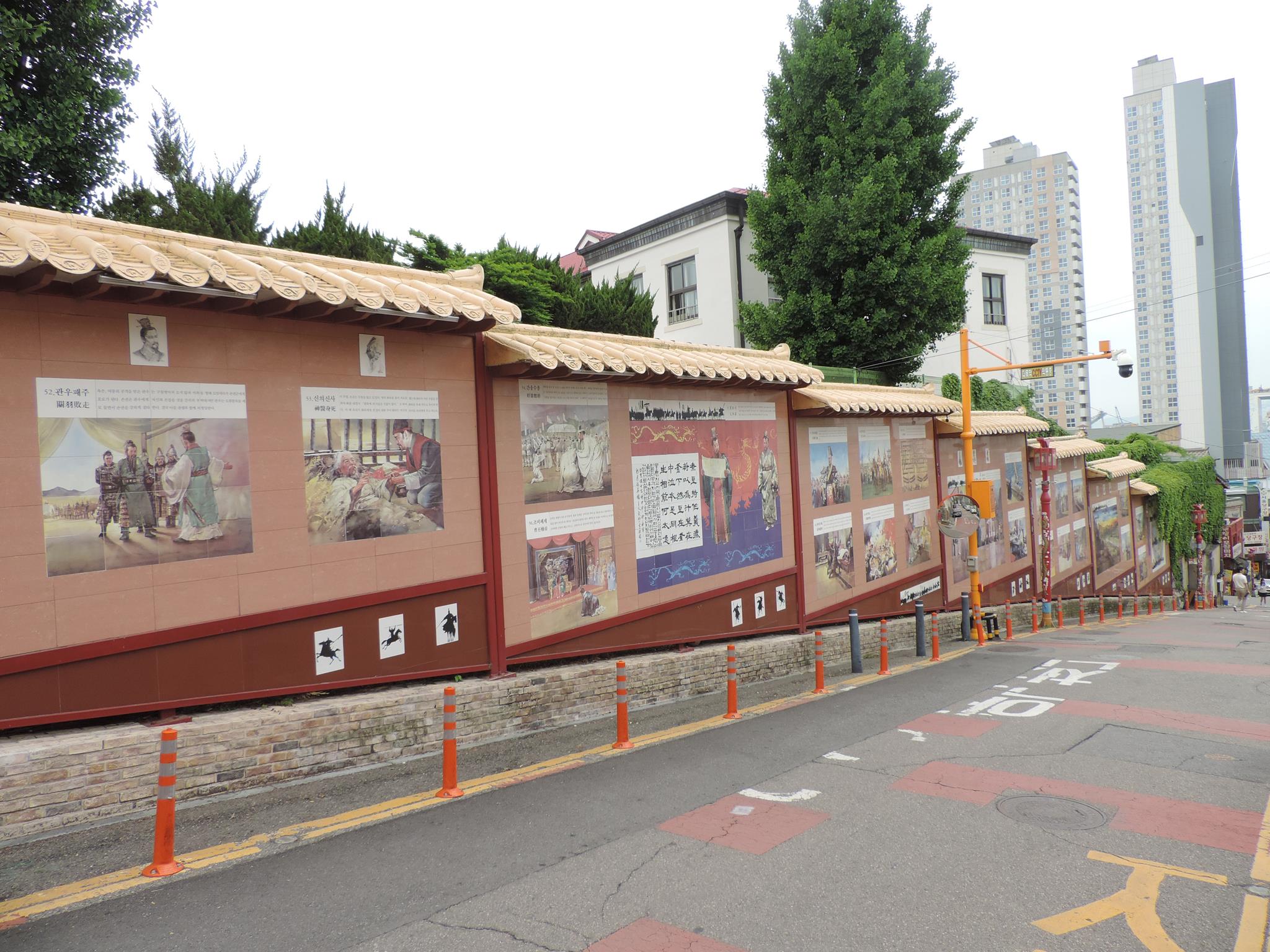
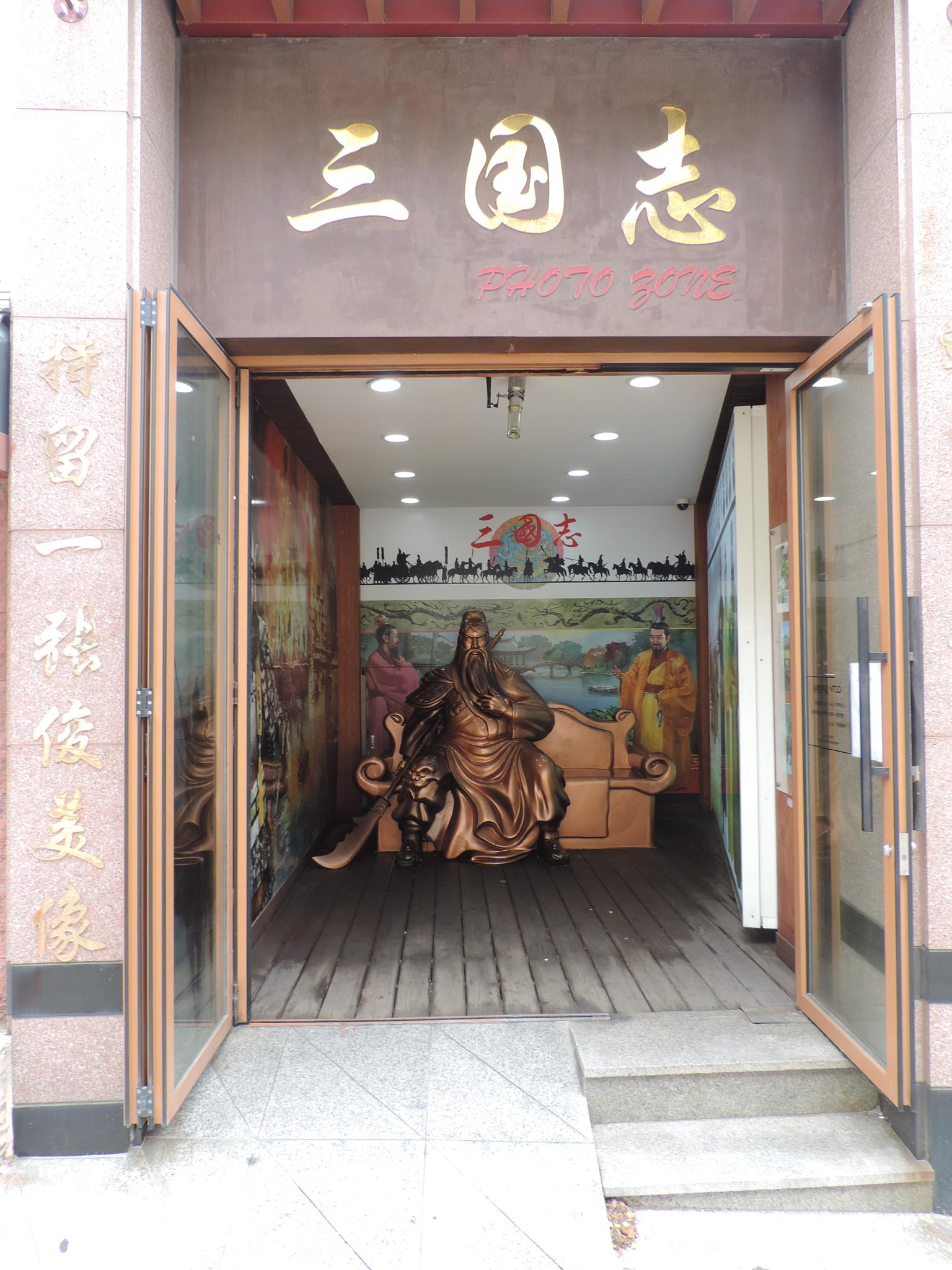
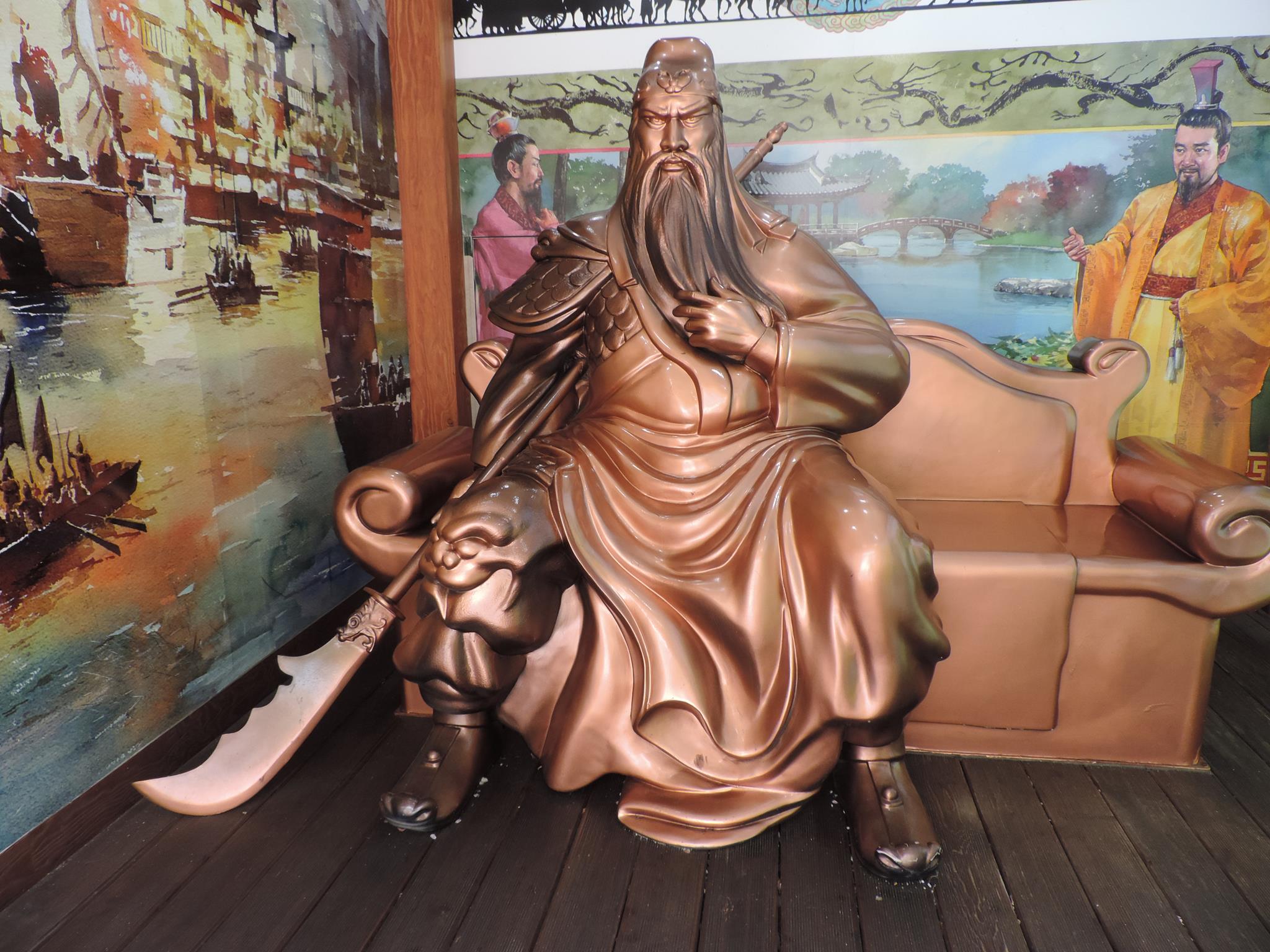
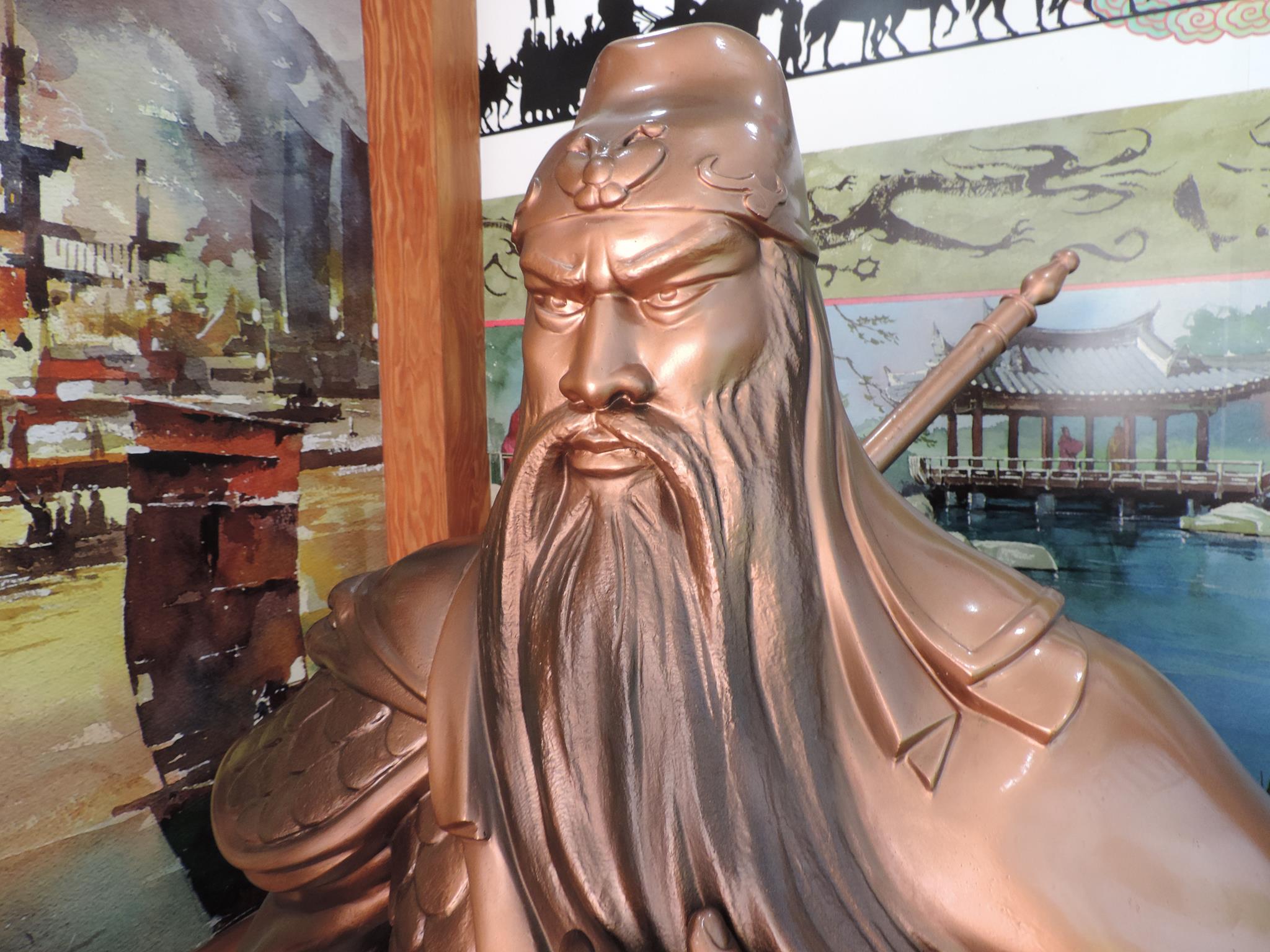
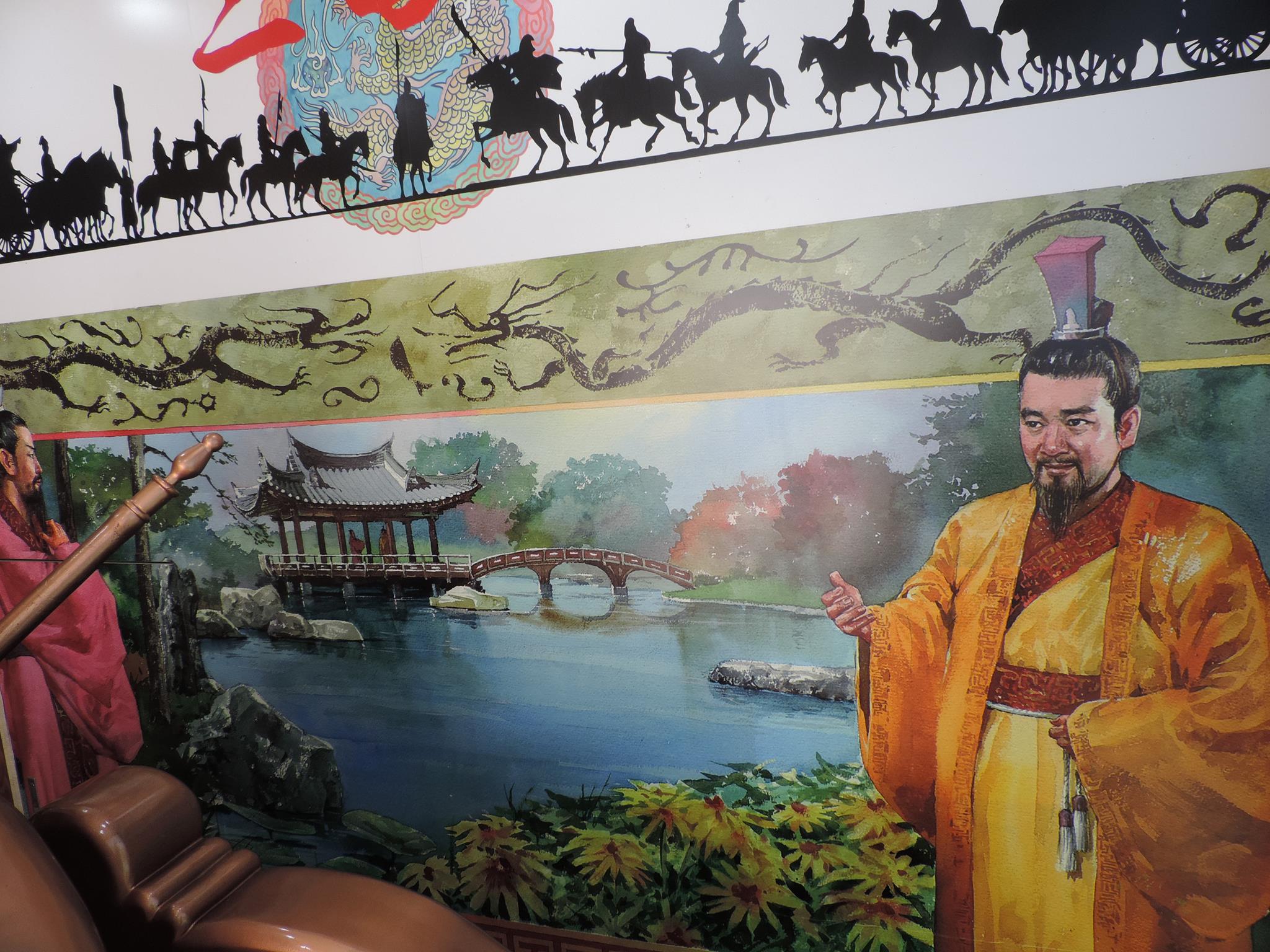
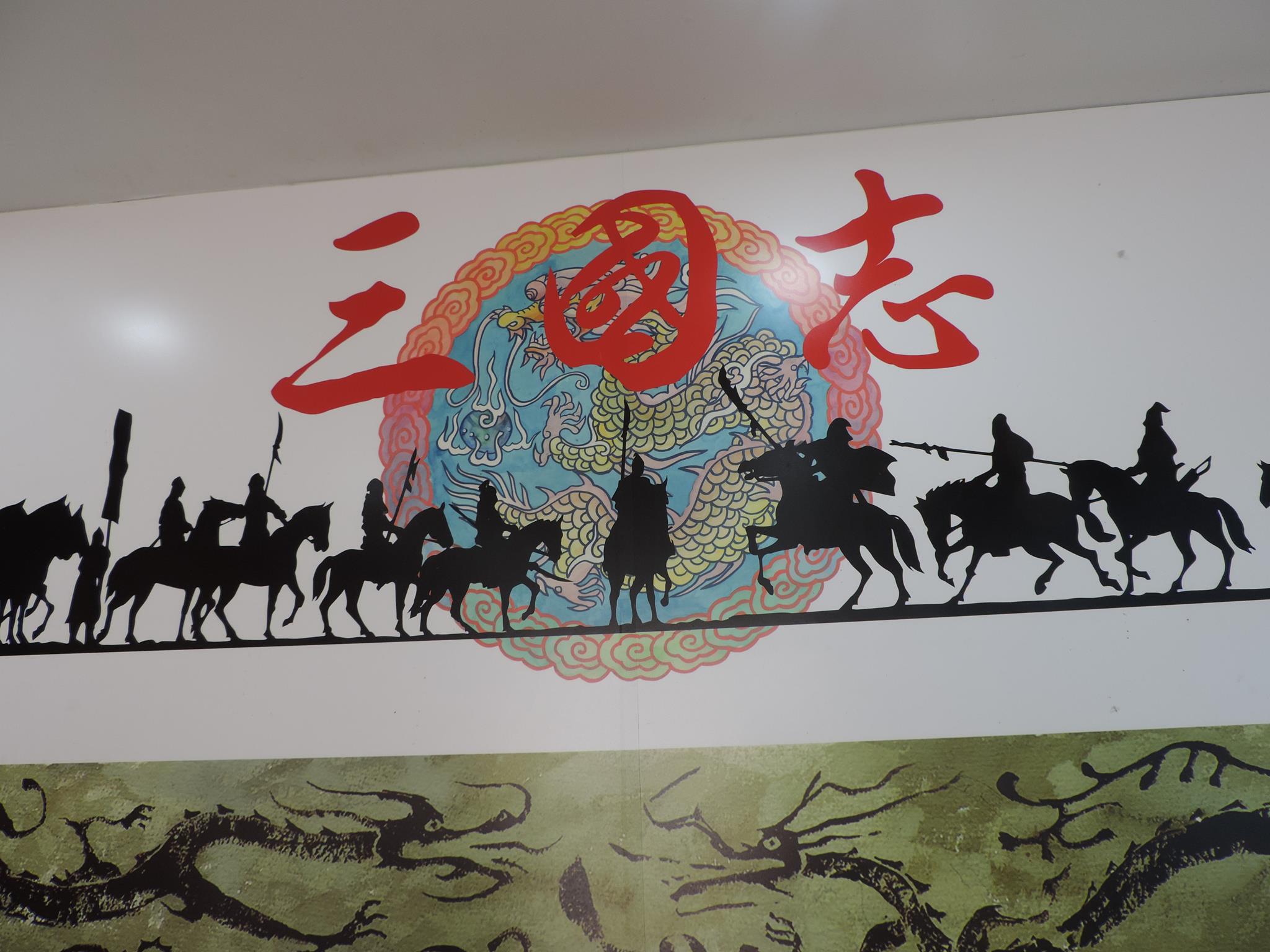
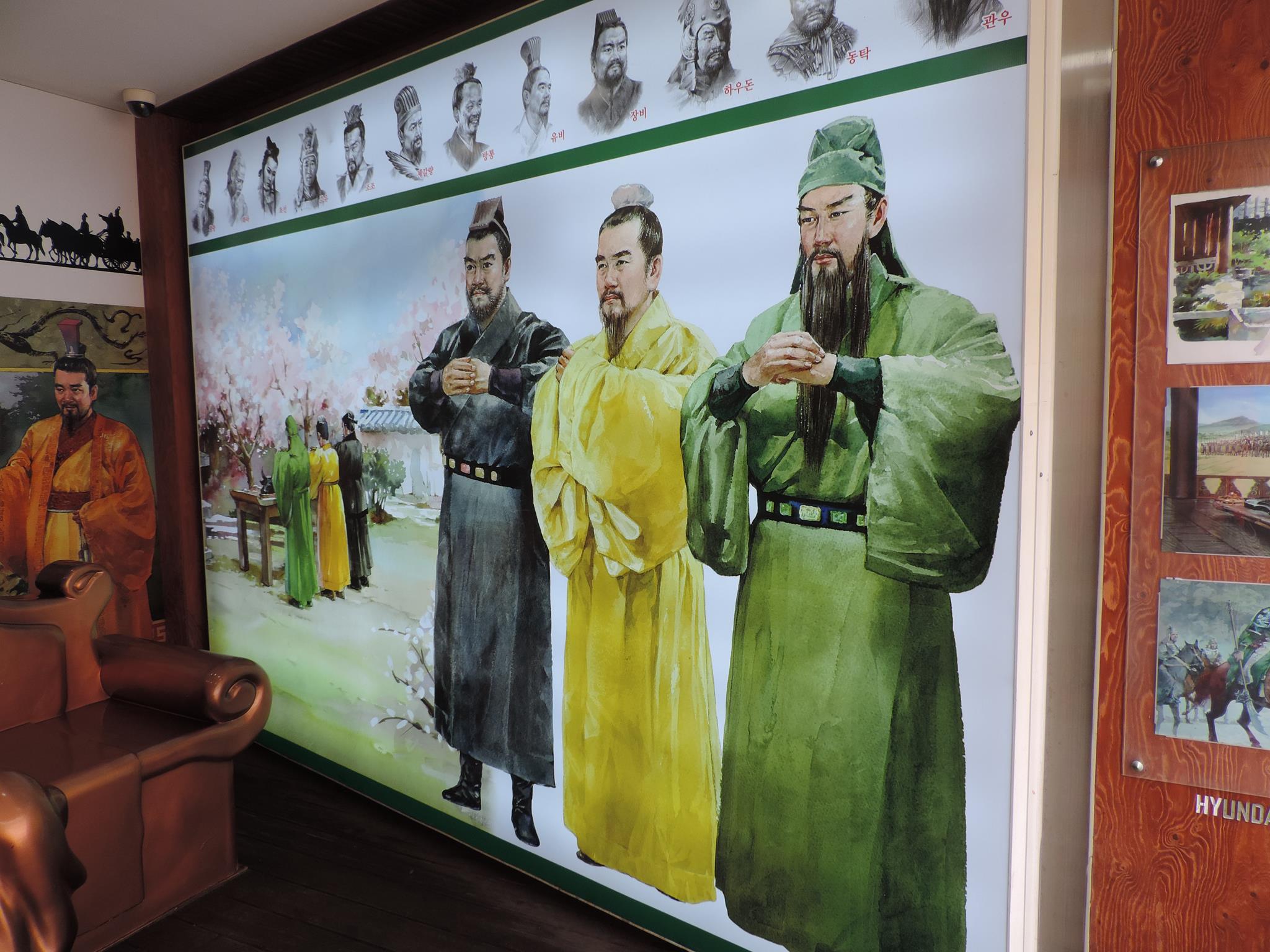
Samkukji is one of the most famous classics in Chinese literatures. People all over the world have loved the immortal work from the old days. The saga by the three people (Chao Chao, SunQuan, LiuBei) against the backdrop of Three States is a heroic epic littered with honor and betrayal, destruction and mythology, love and hatred, giving us both then and now, memorable impressions.
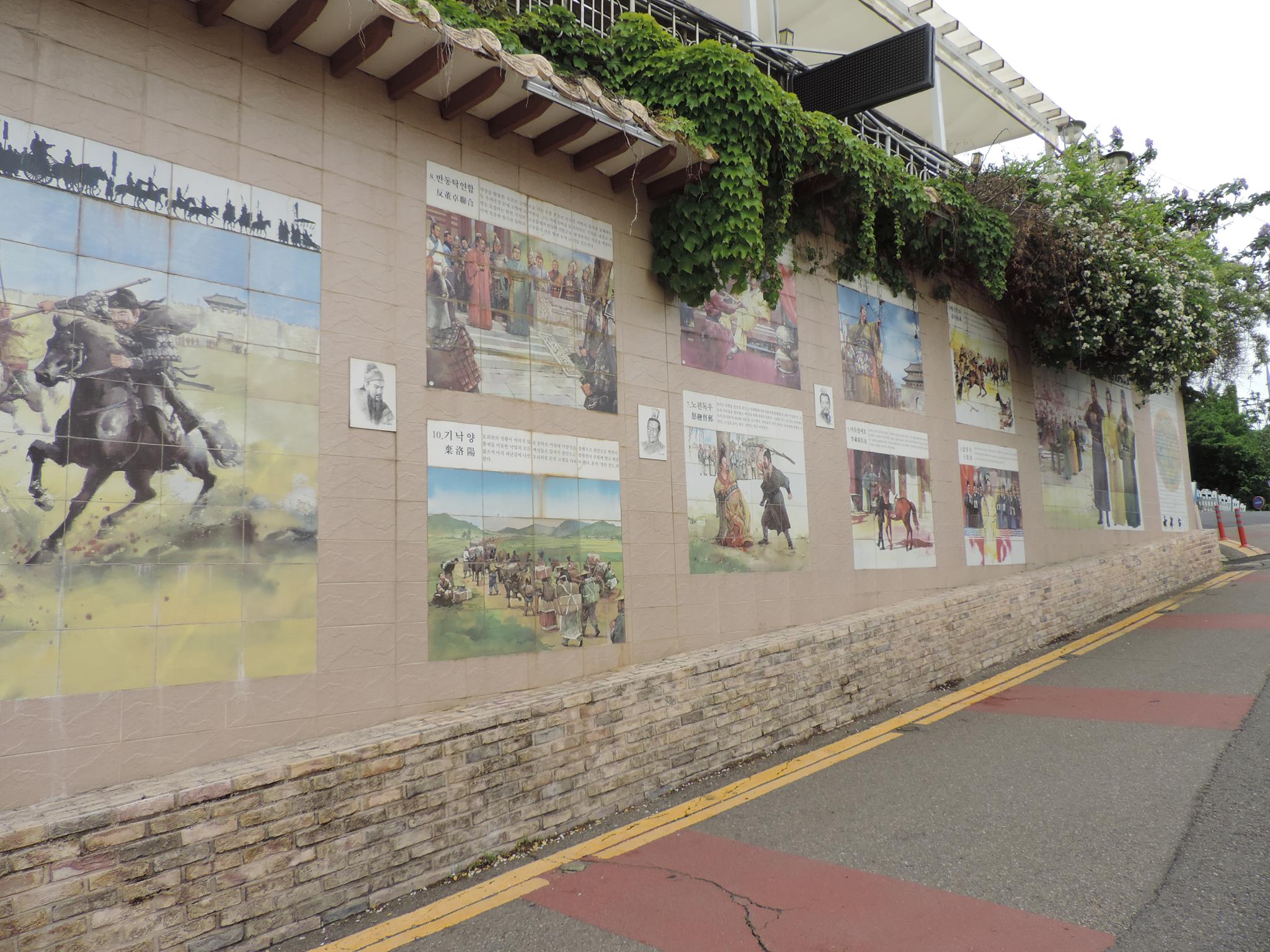
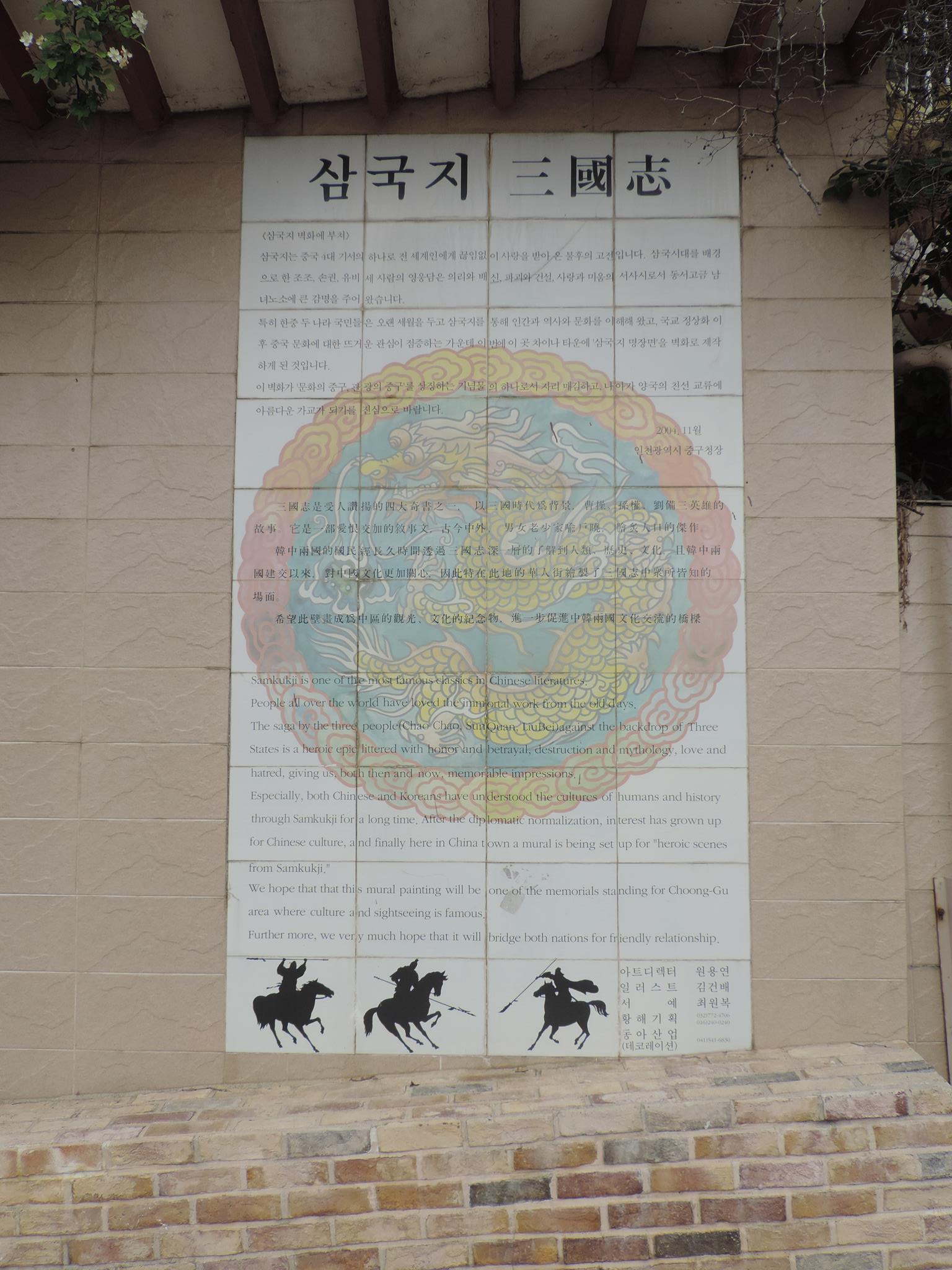
Especially, both Chinese and Koreans have understood the cultures of humans and history through Samkukji for a long time. After the diplomatic normalization, interest has grown up for Chinese culture, and finally here in China town a mural is being set up for „heroic scenes from Samkukji.“ We hope that that this mural painting will be one of the memorials standing for Choong-Gu area where culture and sightseeing is famous. Further more, we very much hope that it will bridge both nations for friendly relationship.
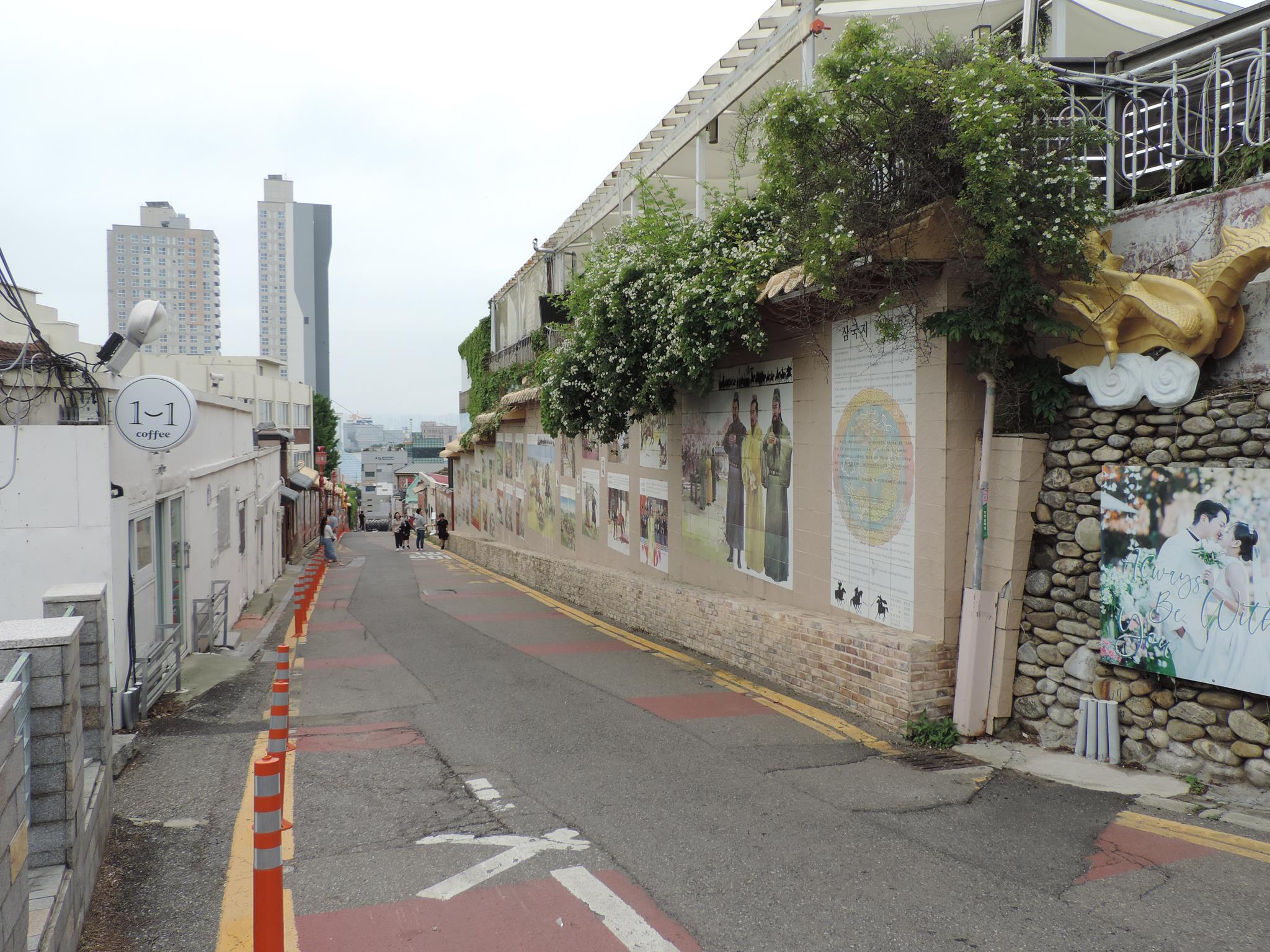
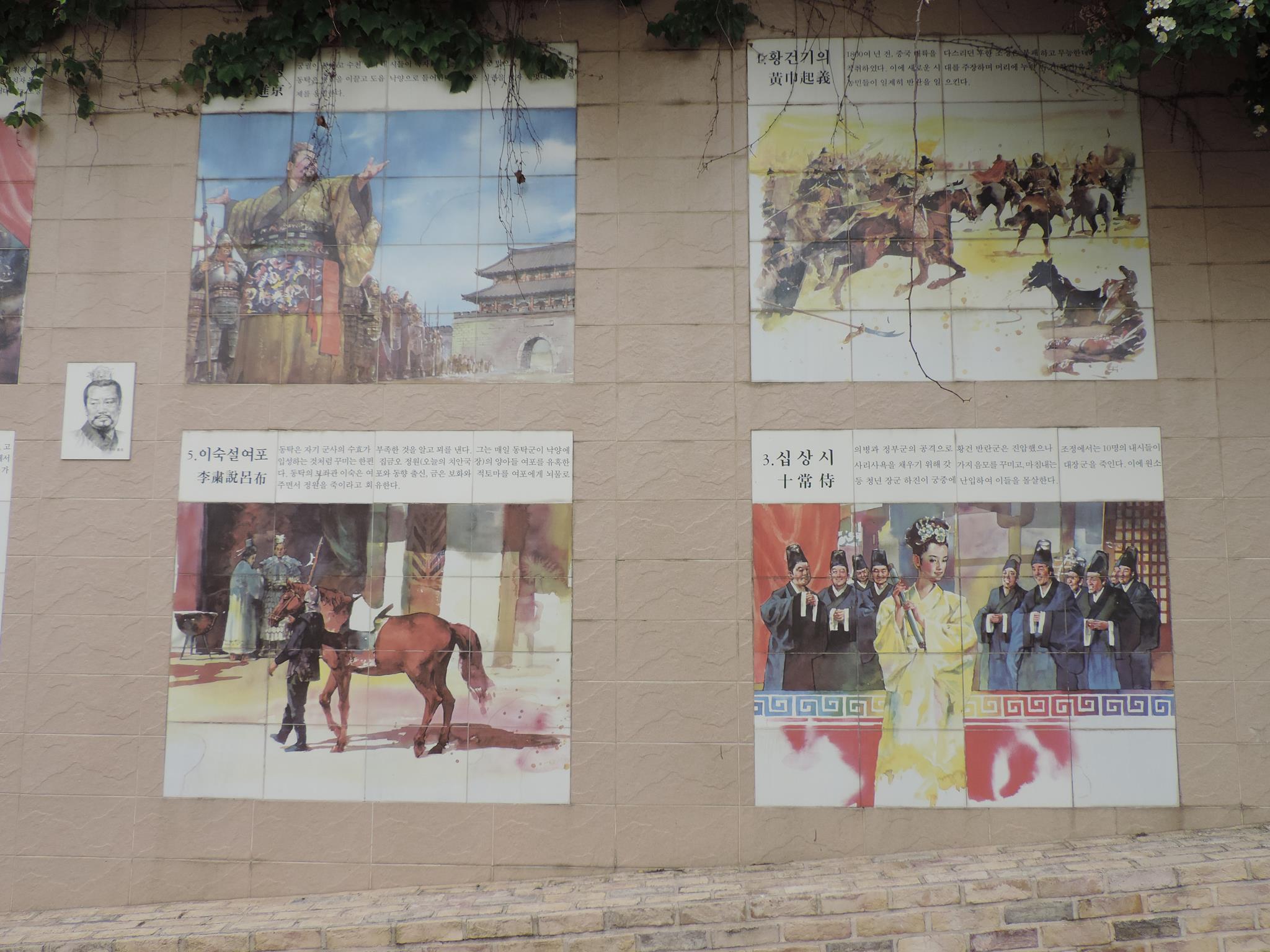
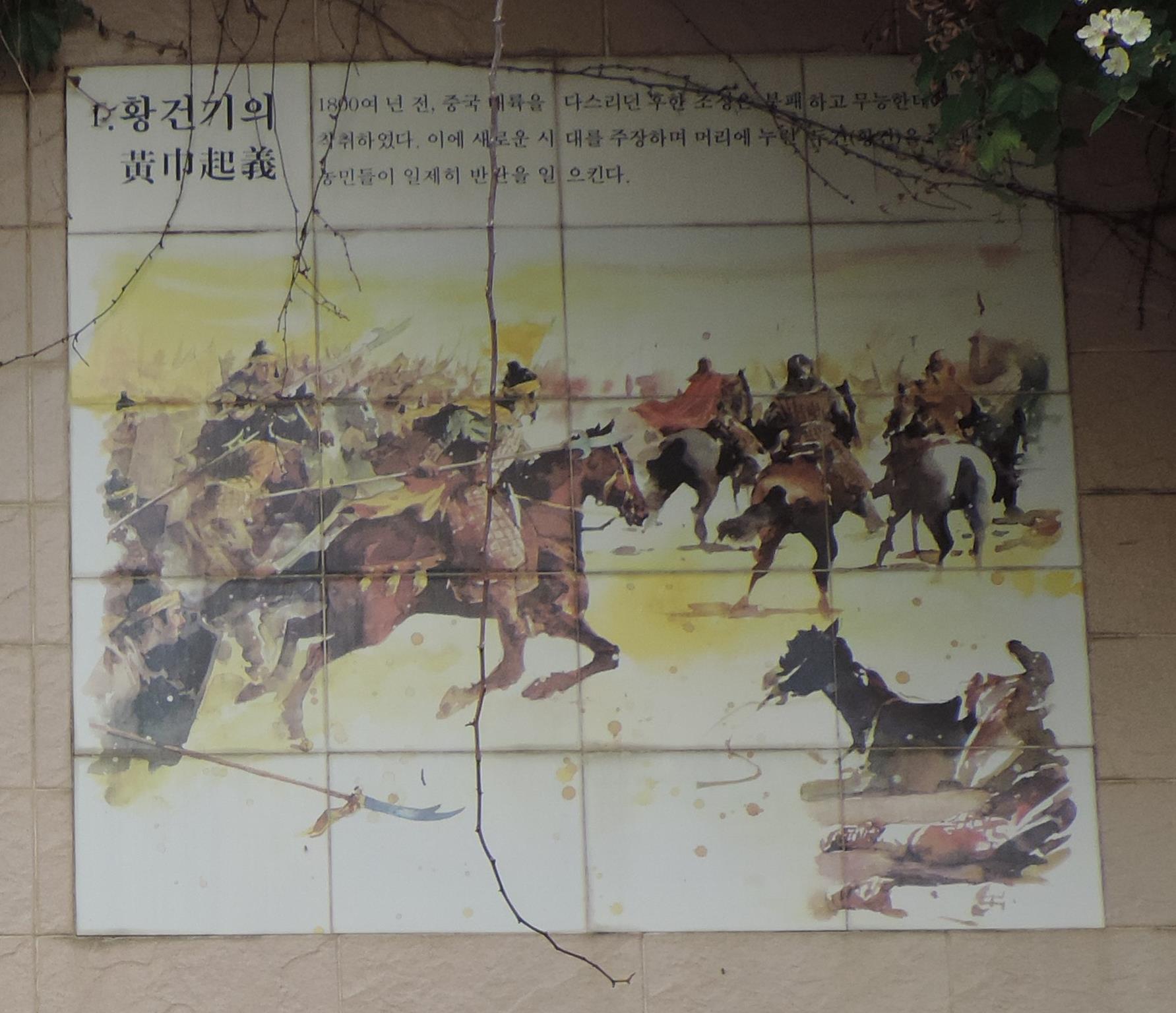
(1) The Yellow Turban Rebellion. About 1,800 years ago, the Later Han Dynasty ruler Zhao Zhang, who ruled the Chinese mainland, was undefeated and incompetent, but exploited others. In response, the peasants, who claimed to be in a new era and wore yellow turbans on their heads, all rose up in rebellion.
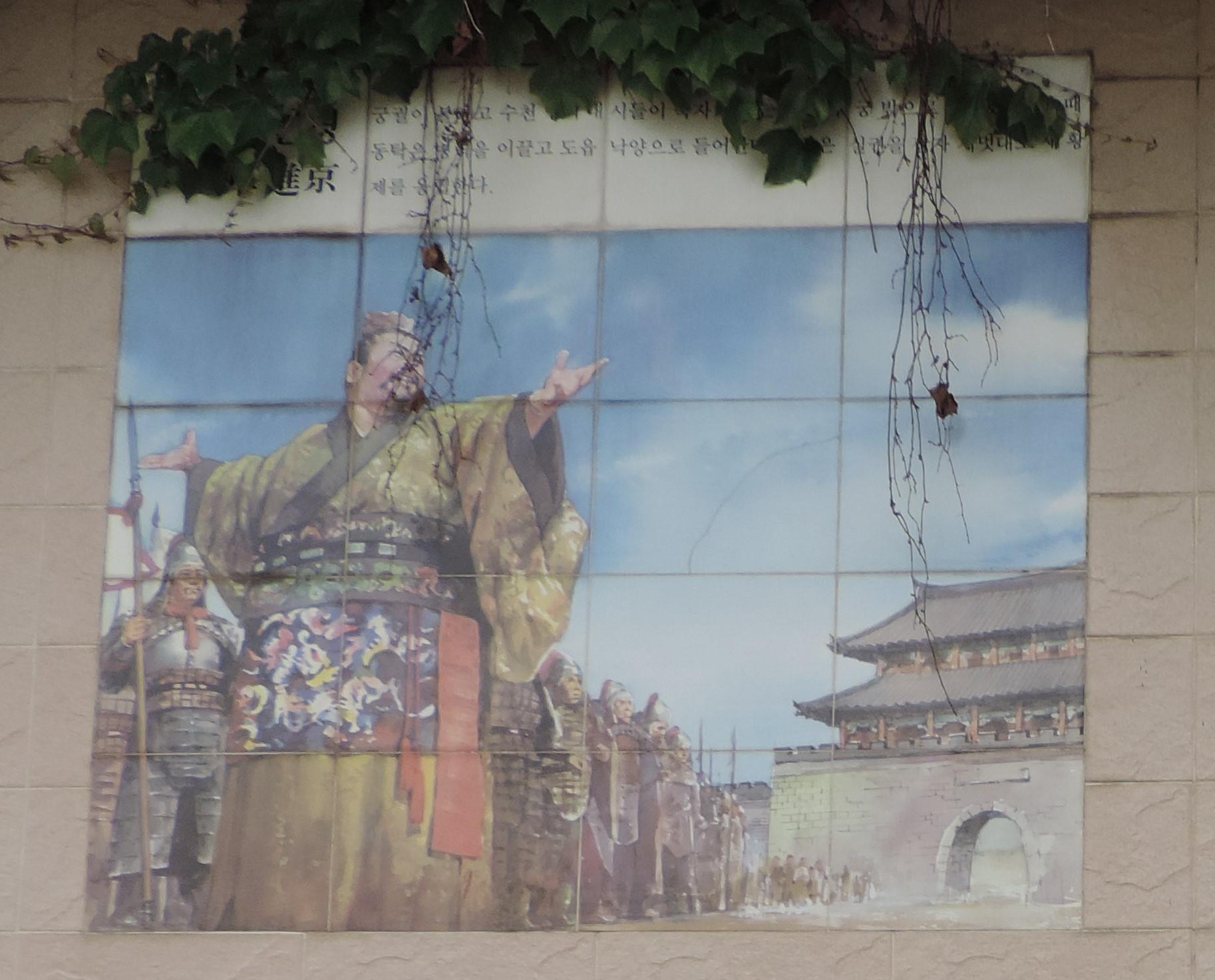
(2) Building of the palace. The palace was built and thousands of poets led the way to the capital Luoyang, where they maintained the Dong Zhuo system.
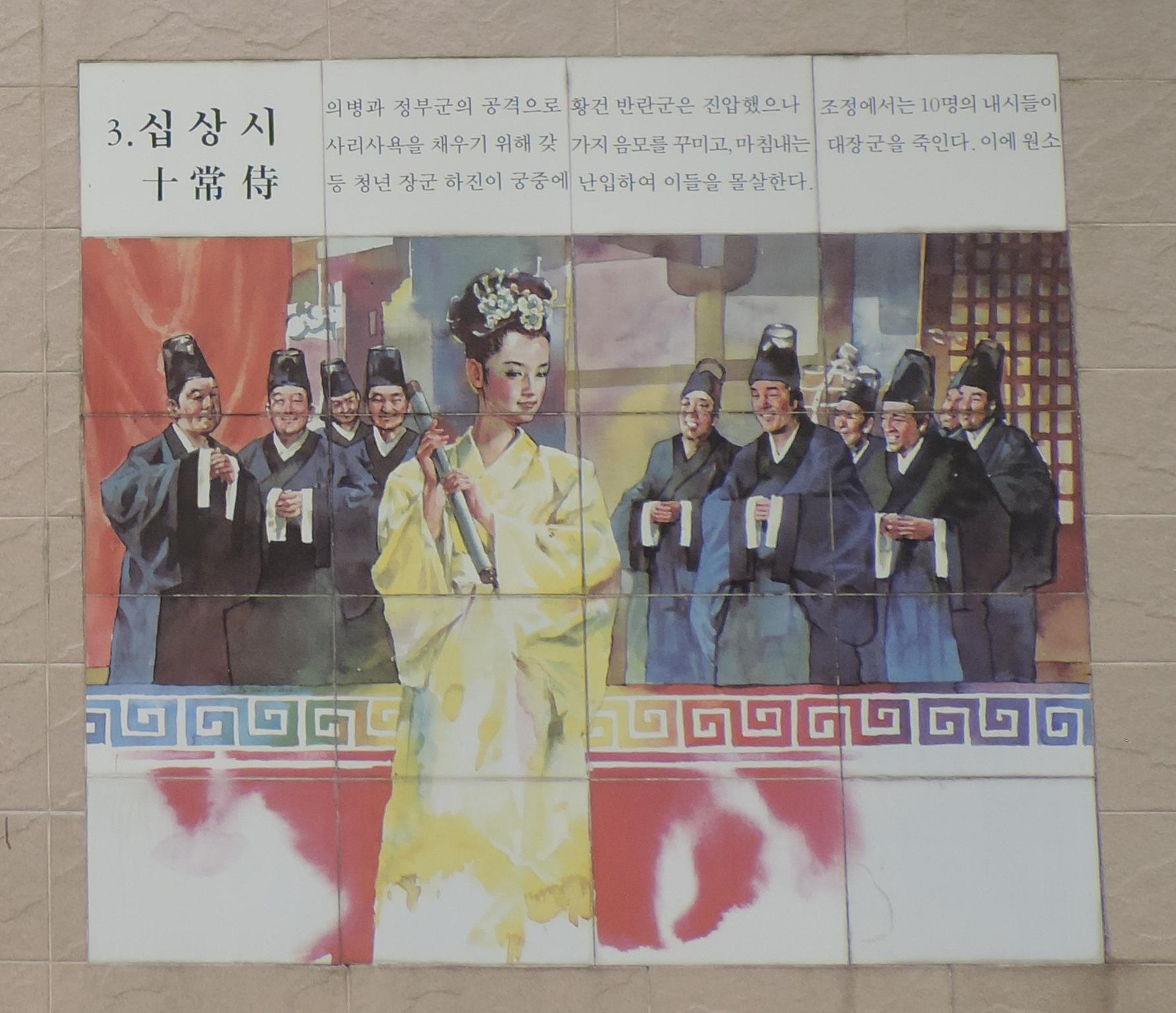
(3) Ten Eunuchs. The Yellow Turban Rebellion was suppressed by attacks from the righteous army and government troops, but in the court, ten eunuchs plotted various schemes to satisfy their own selfish desires and eventually killed the general. In response, Yuan Shao and other young generals, He Jin, stormed into the palace and killed them all.
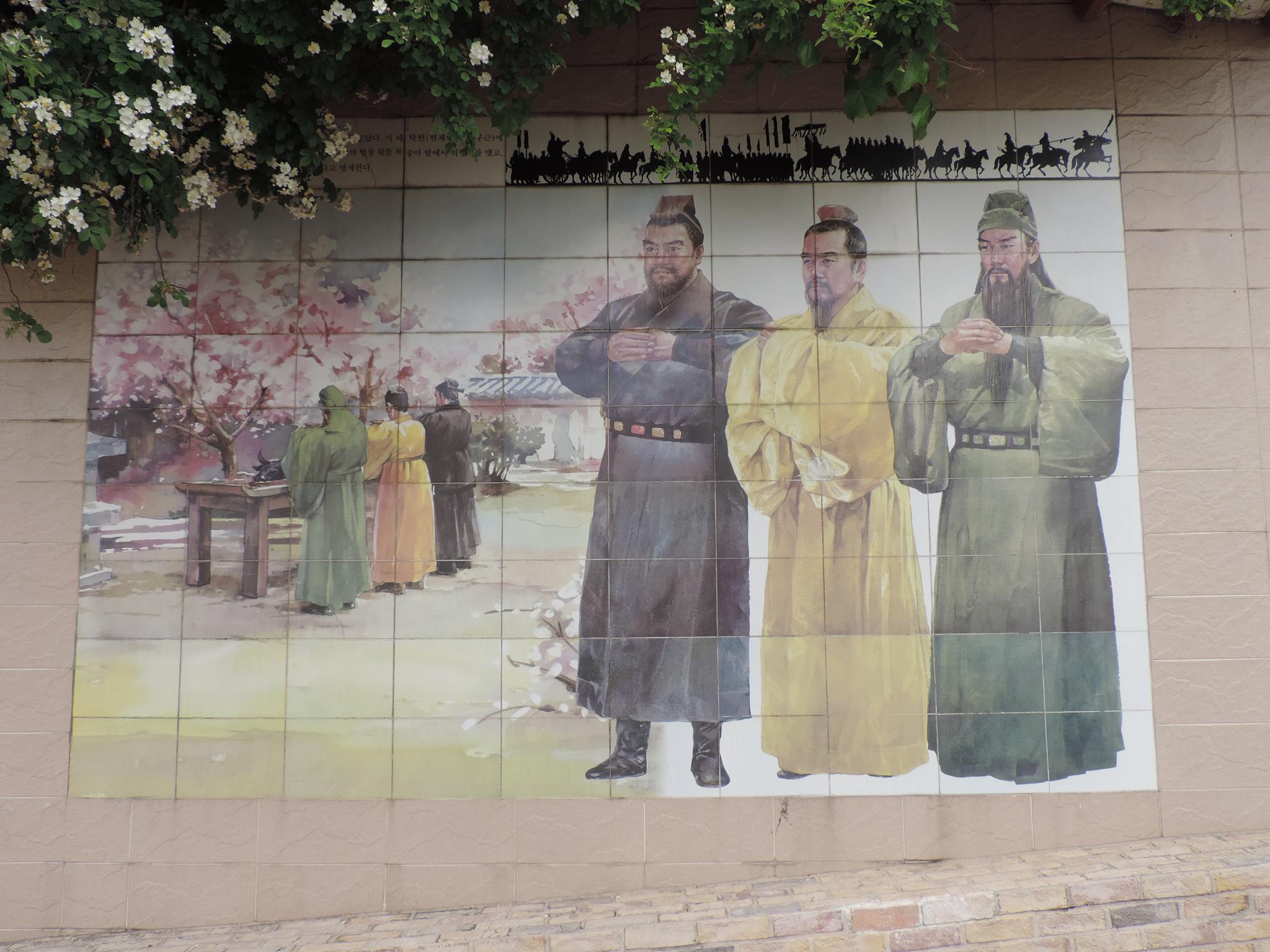
(4) The promise. At this time, in the peach orchard behind the villa in Tak-hyeon (currently Gugeun), we made a promise and swore.
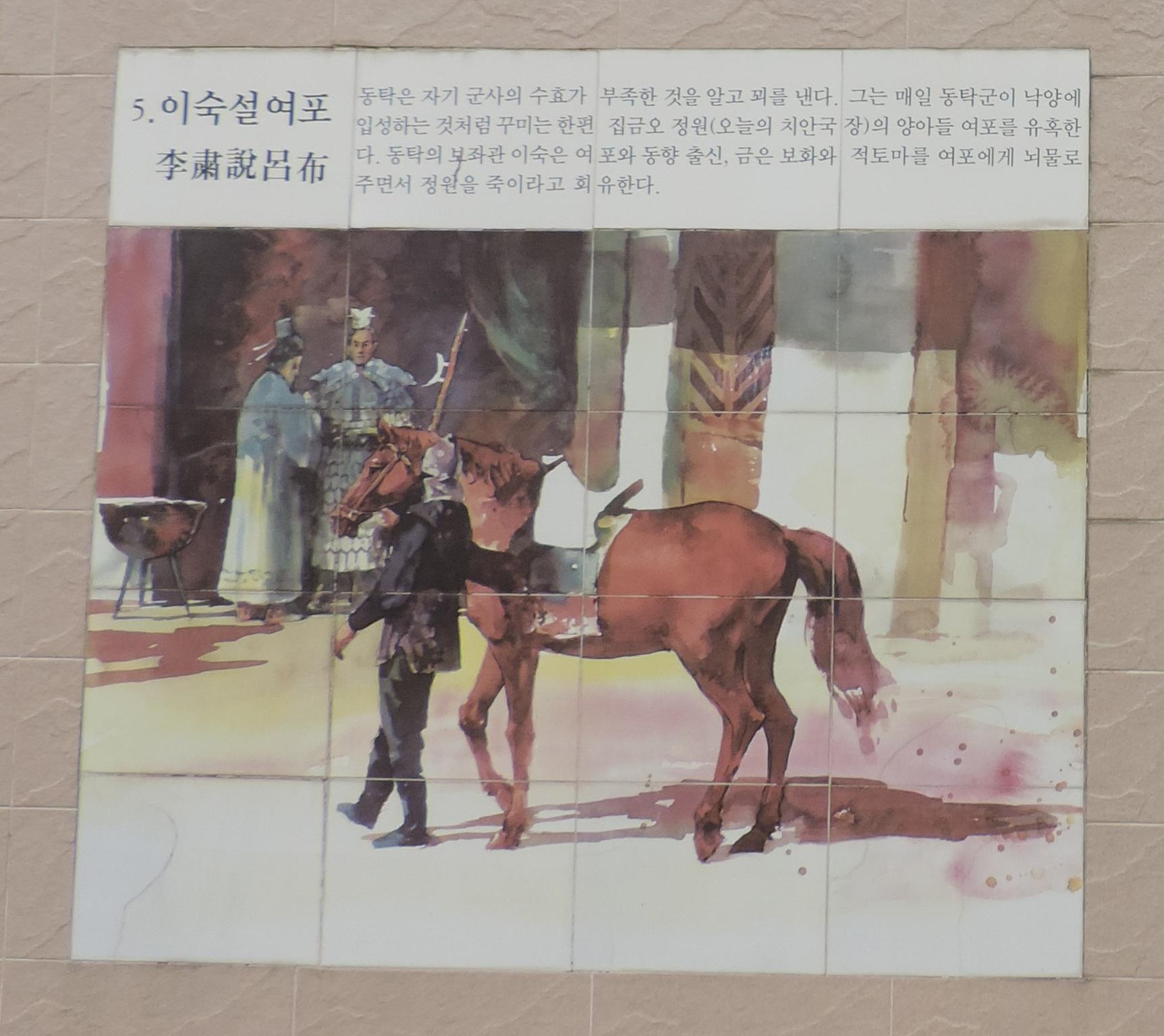
(5) Li Shu Shu Lu Bu. Dong Zhuo, knowing that his army was insufficient, devised a plan. He pretended that Dong Zhuo’s army was entering Luoyang every day, and at the same time, he seduced Lu Bu, the adopted son of Zheng Yuan, who was the chief of police. Dong Zhuo’s aide Li Shu, who was from the same hometown as Lu Bu, bribed Lu Bu with gold and silver treasures and red hares to persuade him to kill Zheng Yuan.
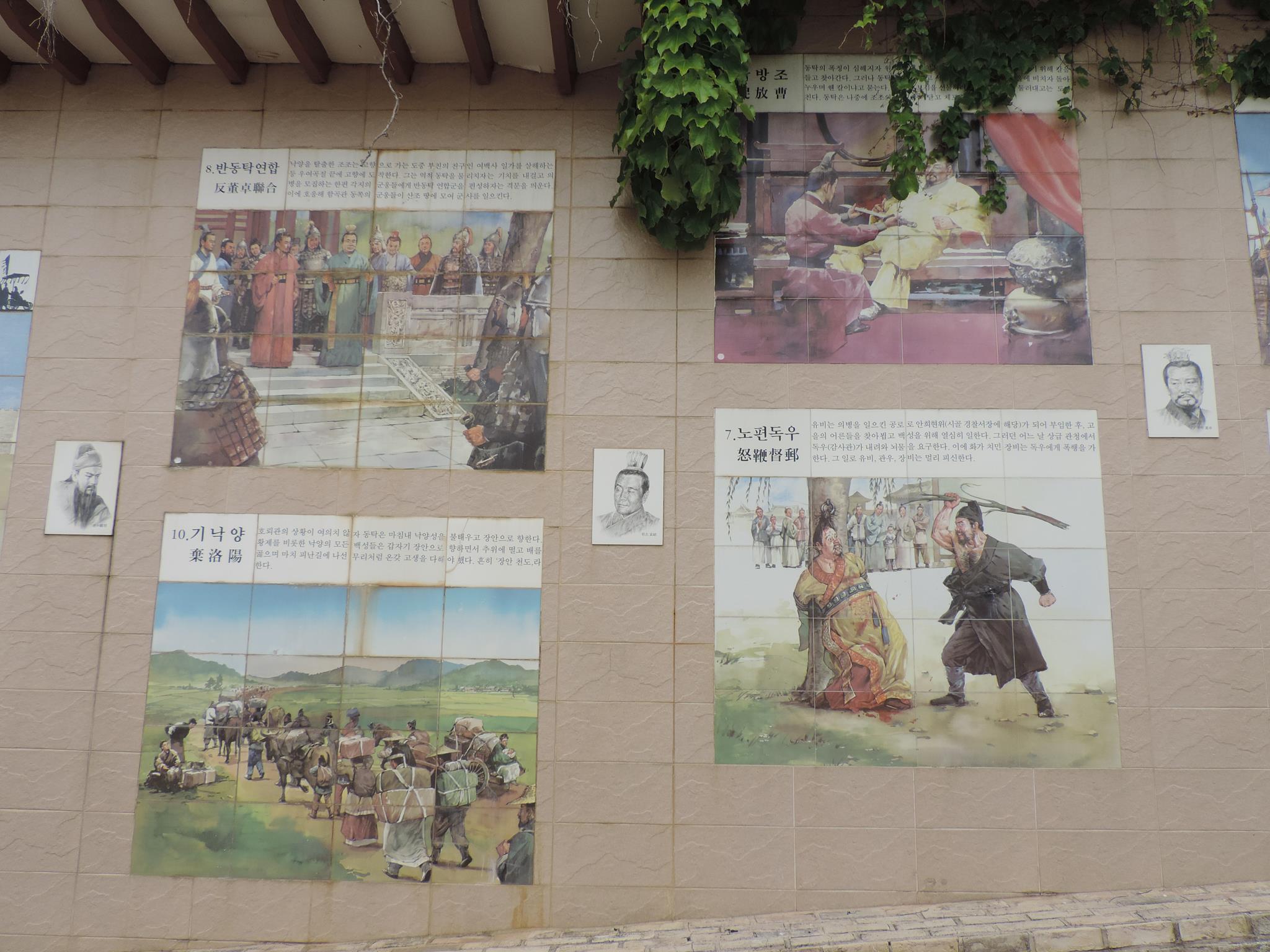
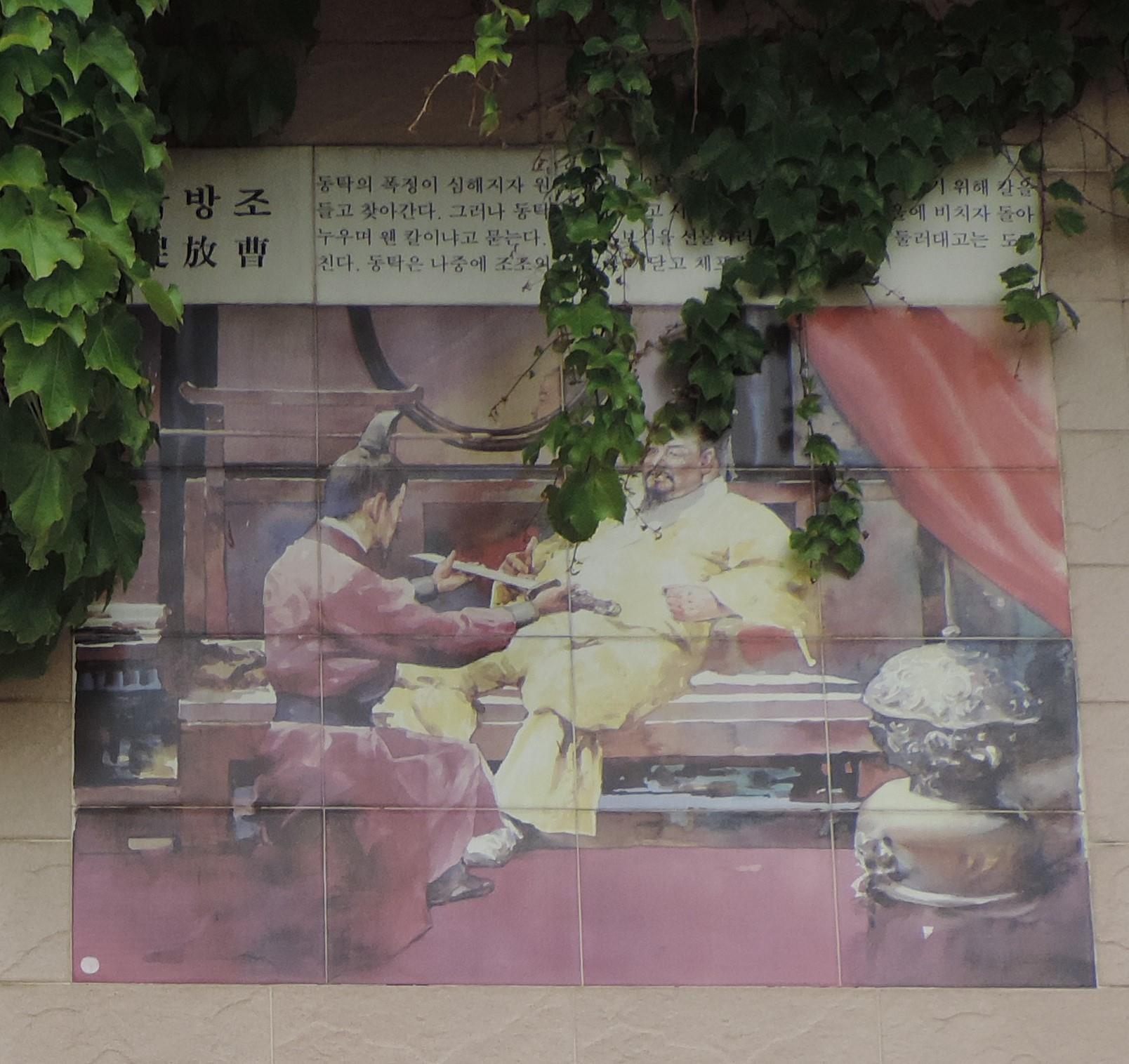
(6) Bangjo Jianbang Cao. When Dong Zhuo’s violence worsens, he goes to find him. However, Dong Zhuo lies down and asks, „What’s with the sword?“ He hits him. Dong Zhuo later waits for Cao Cao’s Goshi insurance to be given as a gift and goes to the sword dance hall to receive the third and turns around.
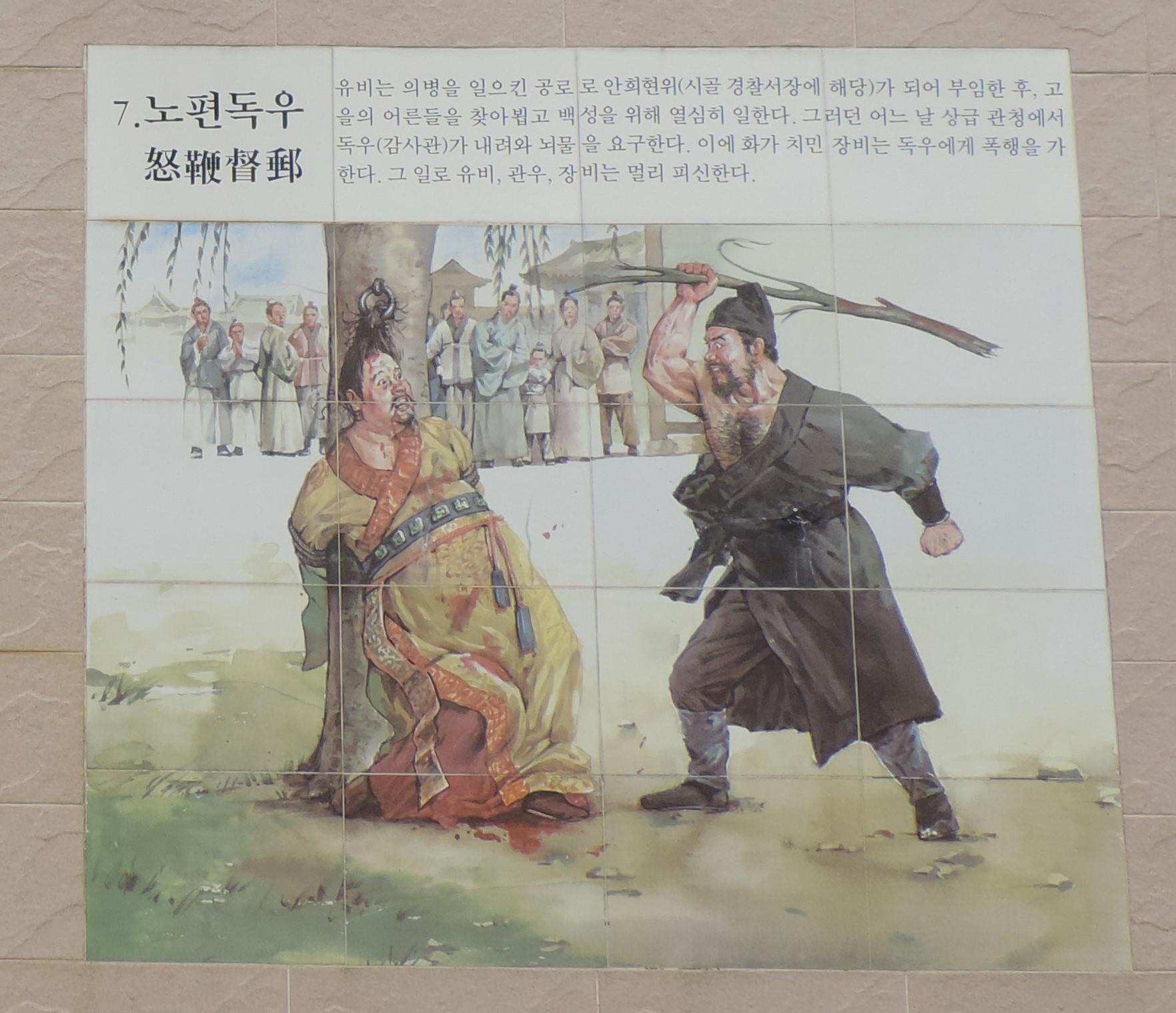
(7) Nopyeon Dokwoo. After Liu Bei became Anhuihyeonwi (equivalent to a rural police chief) for his contribution to raising a volunteer army, he visited the elders of the county and worked hard for the people. Then one day, Dokwoo (an auditor) came down from the higher-level government office and demanded a bribe. Zhang Fei was furious and assaulted Dokwoo, and as a result, Liu Bei, Guan Yu, and Zhang Fei fled far away.
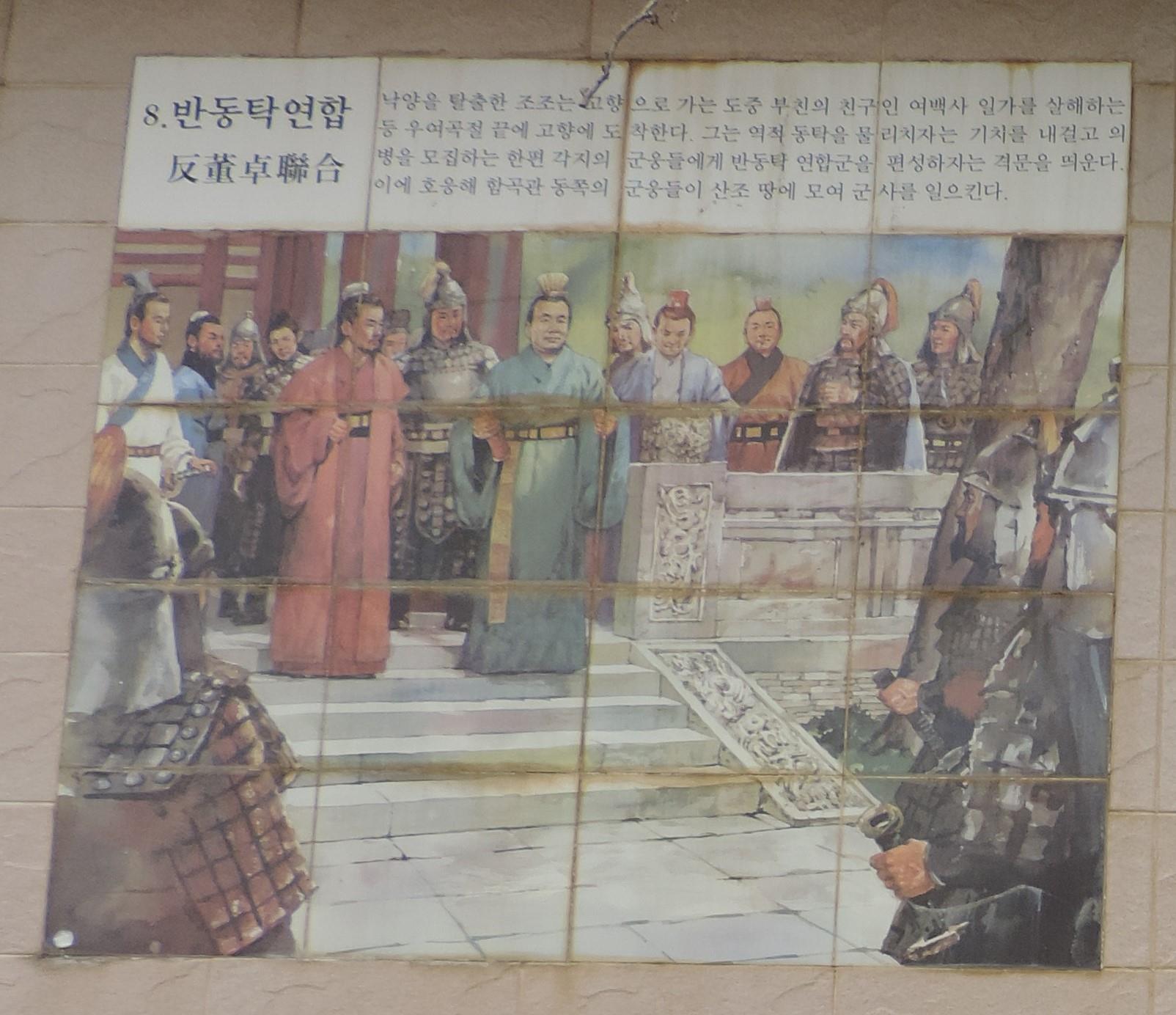
(8) Anti-Dong Zhuo Alliance. Cao Cao, who escaped from Luoyang, arrived home after many twists and turns, including killing his father’s friend, Lu Boshi, on his way home. He raised the banner of defeating the traitor Dong Zhuo and recruited soldiers, while also sending out a call to the warlords in each region to form an anti-Dong Zhuo alliance. In response, the warlords east of Hamgok Pass gathered in Sanjo and raised an army.
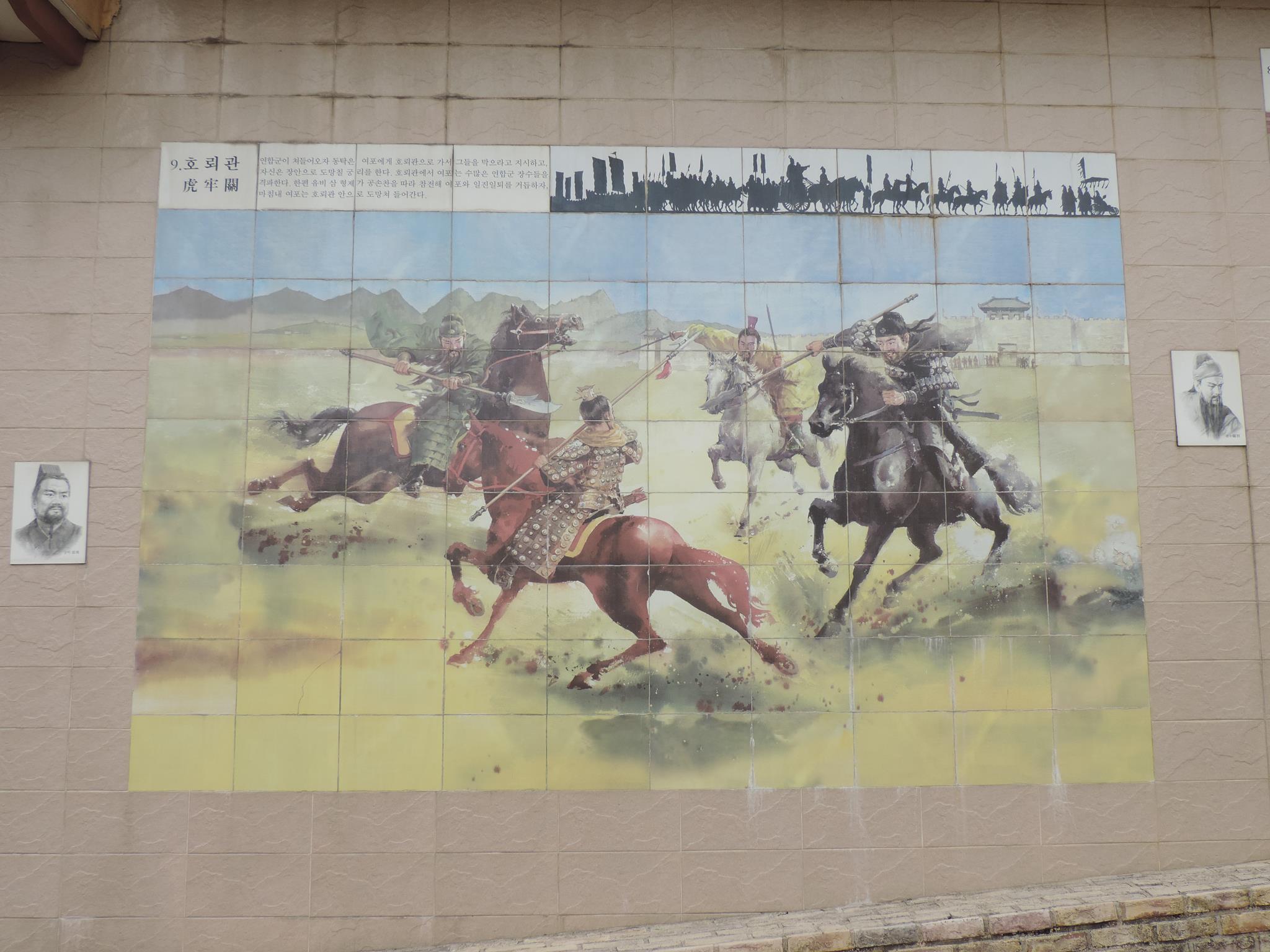
(9) Hulao Pass. When the allied forces invaded, Dong Zhuo ordered Lu Bu to go to Hulao Pass to block them, while he himself planned to escape to Chang’an. At Hulao Pass, Lu Bu defeated numerous allied generals. Meanwhile, the three Liu Bei brothers followed Gongsun Zan into the battle and fought back and forth with Lu Bu. Finally, Lu Bu escaped into Hulao Pass.
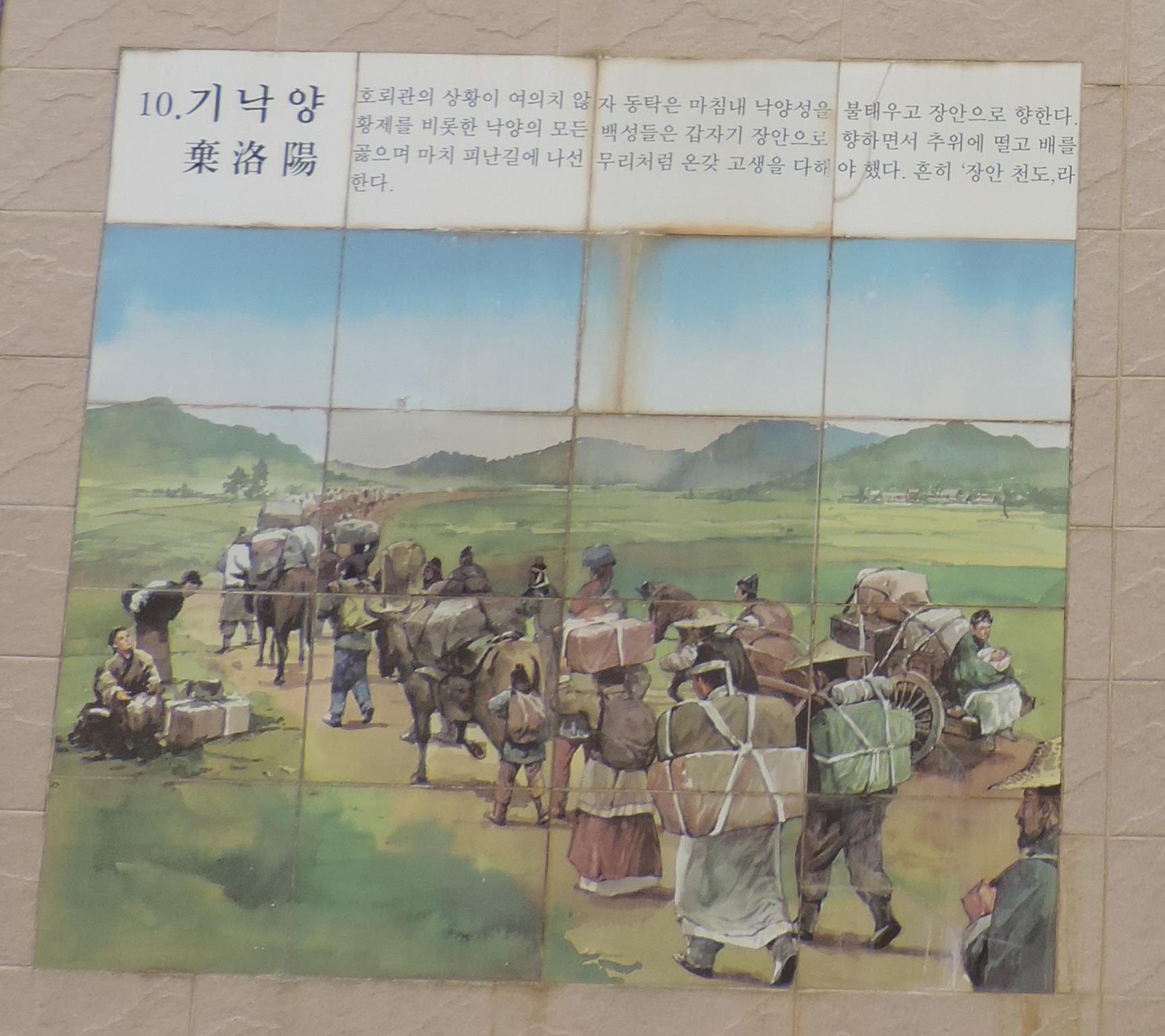
(10) Abandoning Luoyang. When the situation at Hu Laoguan became unfavorable, Dong Zhuo finally burned Luoyang City and headed to Chang’an. All the people of Luoyang, including the emperor, suddenly headed to Chang’an, shivering from the cold and feeling sick, as if they were a group of refugees. It is commonly called ‚moving the capital to Chang’an.
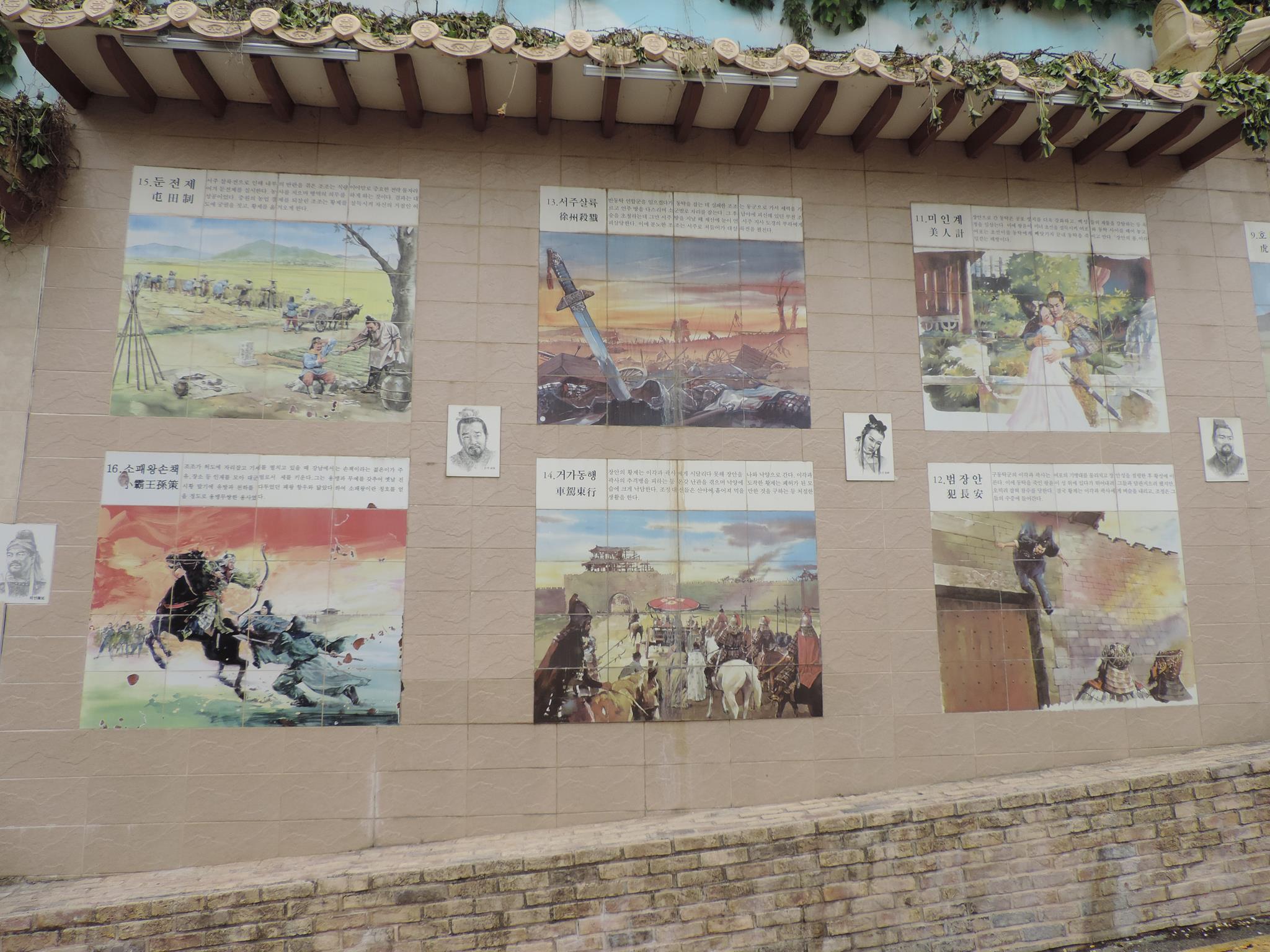
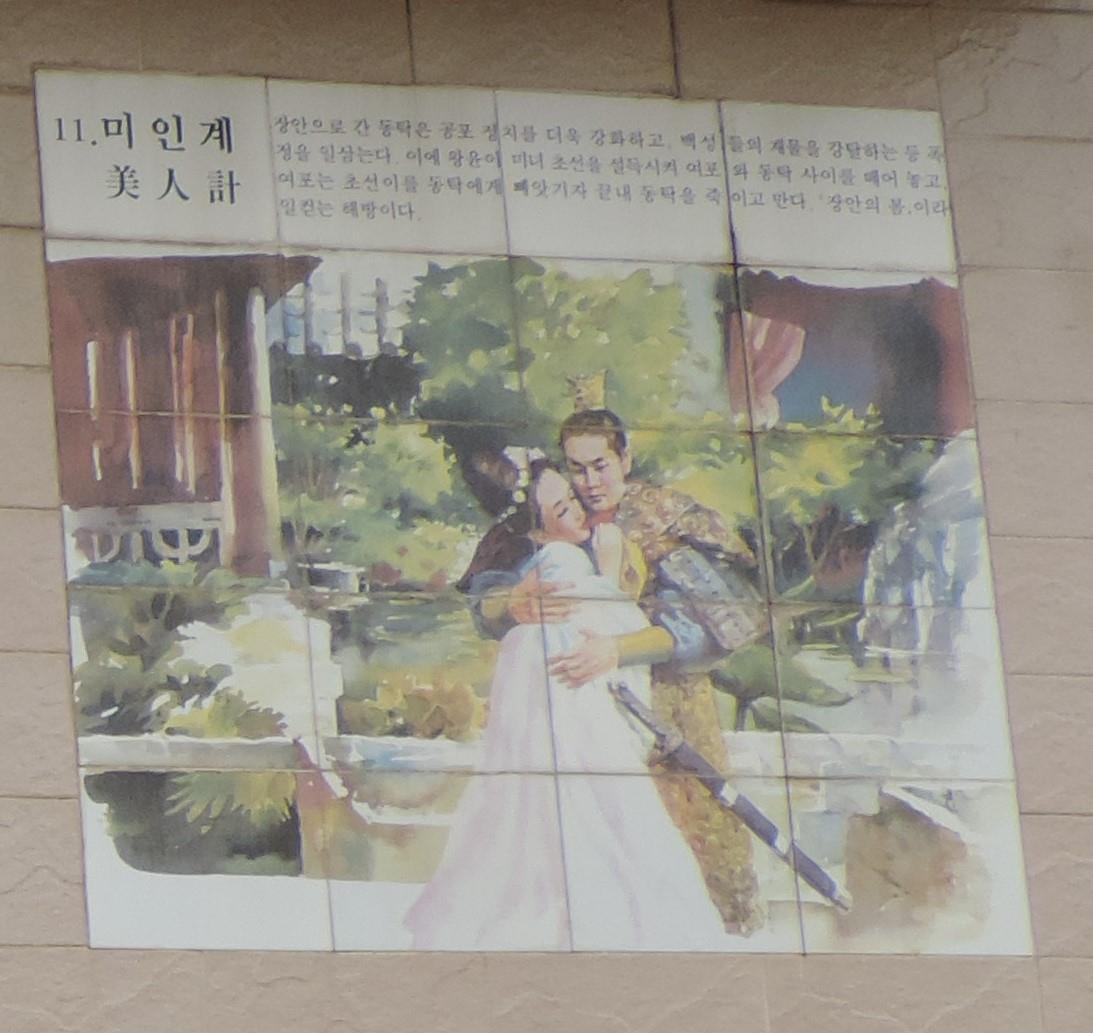
(11) Honey Trap. Dong Zhuo travels to Shang’an, where he intensifies his reign of terror and robs the people of their wealth. Wang Yun persuades Mini Chosun to come between Ye Po and Dong Zhuo, and when Ye Po loses Chosun to Dong Zhuo, she kills him. This is the liberation of Chang’an’s body.
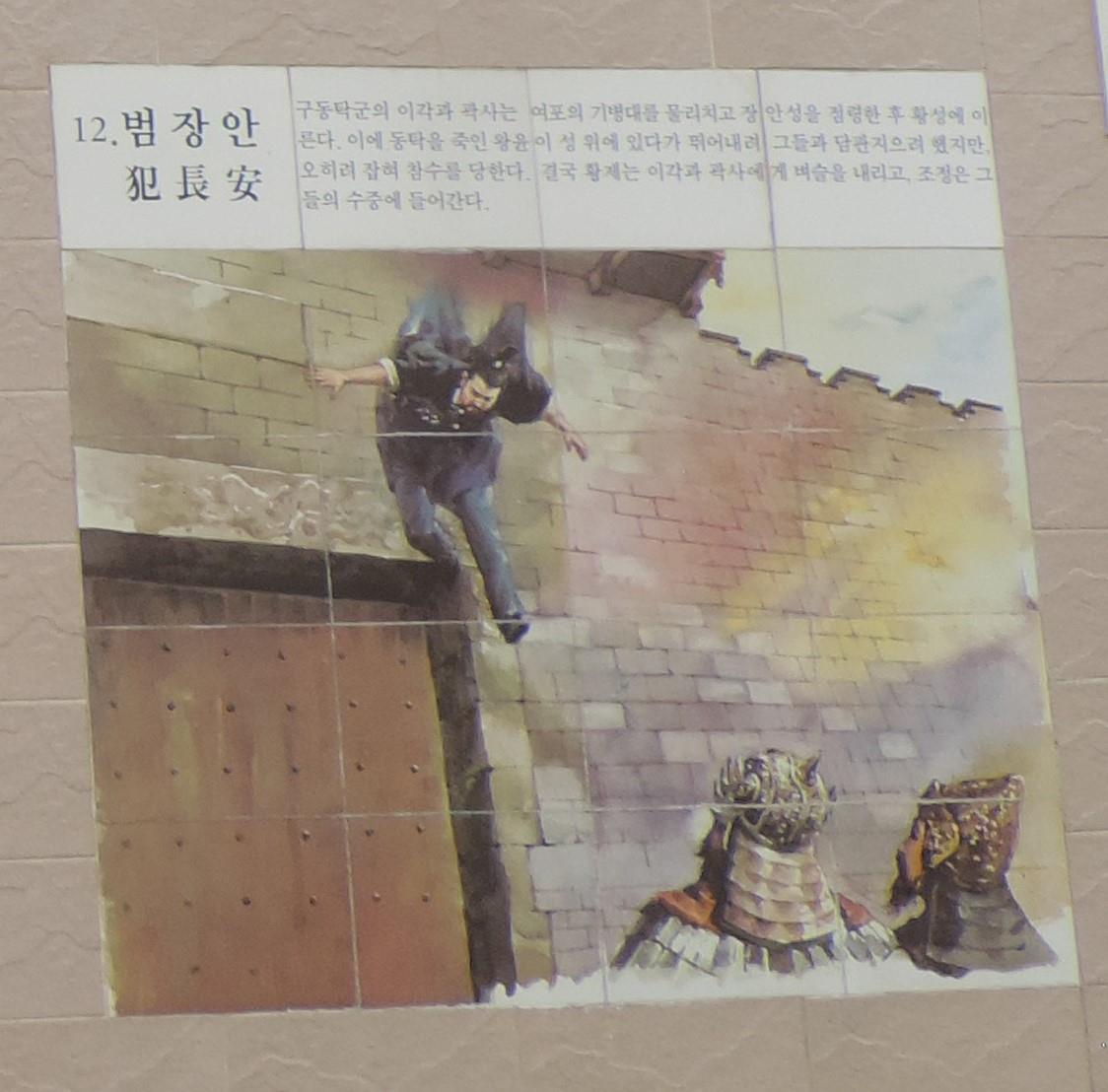
(12) Panjangan. Li Jue and Guo Si of the Dong Zhuo army defeated Lu Bu’s cavalry and occupied Chang’an City, then reached the imperial city. Wang Yun, who killed Dong Zhuo, jumped down from the castle and tried to fight them, but was caught and beheaded instead. In the end, the emperor gave Li Jue and Guo Si official posts, and the court fell into their hands.
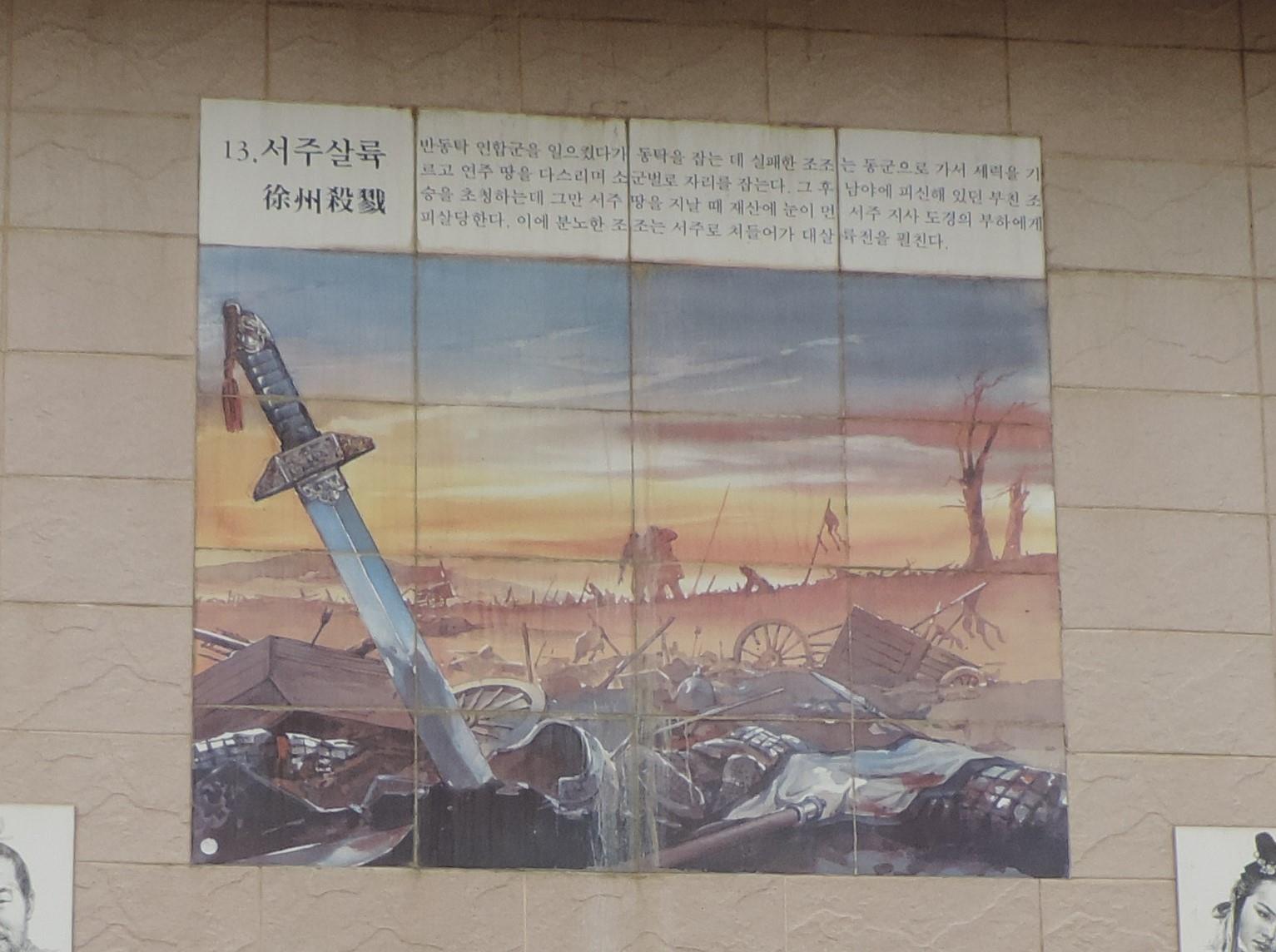
(13) Massacre of Xuzhou. Cao Cao, who failed to capture Dong Zhuo after raising an anti-Dong Zhuo coalition, went to Dongjun to build up his power and rule over Yanzhou, establishing himself as a minor warlord. After that, he invited his father, Cao Sheng, who was taking refuge in Nanye, but while passing through Xuzhou, he was killed by a subordinate of the wealthy Xuzhou governor, Du Jing. Cao Cao, enraged by this, invaded Xuzhou and launched a great slaughter.
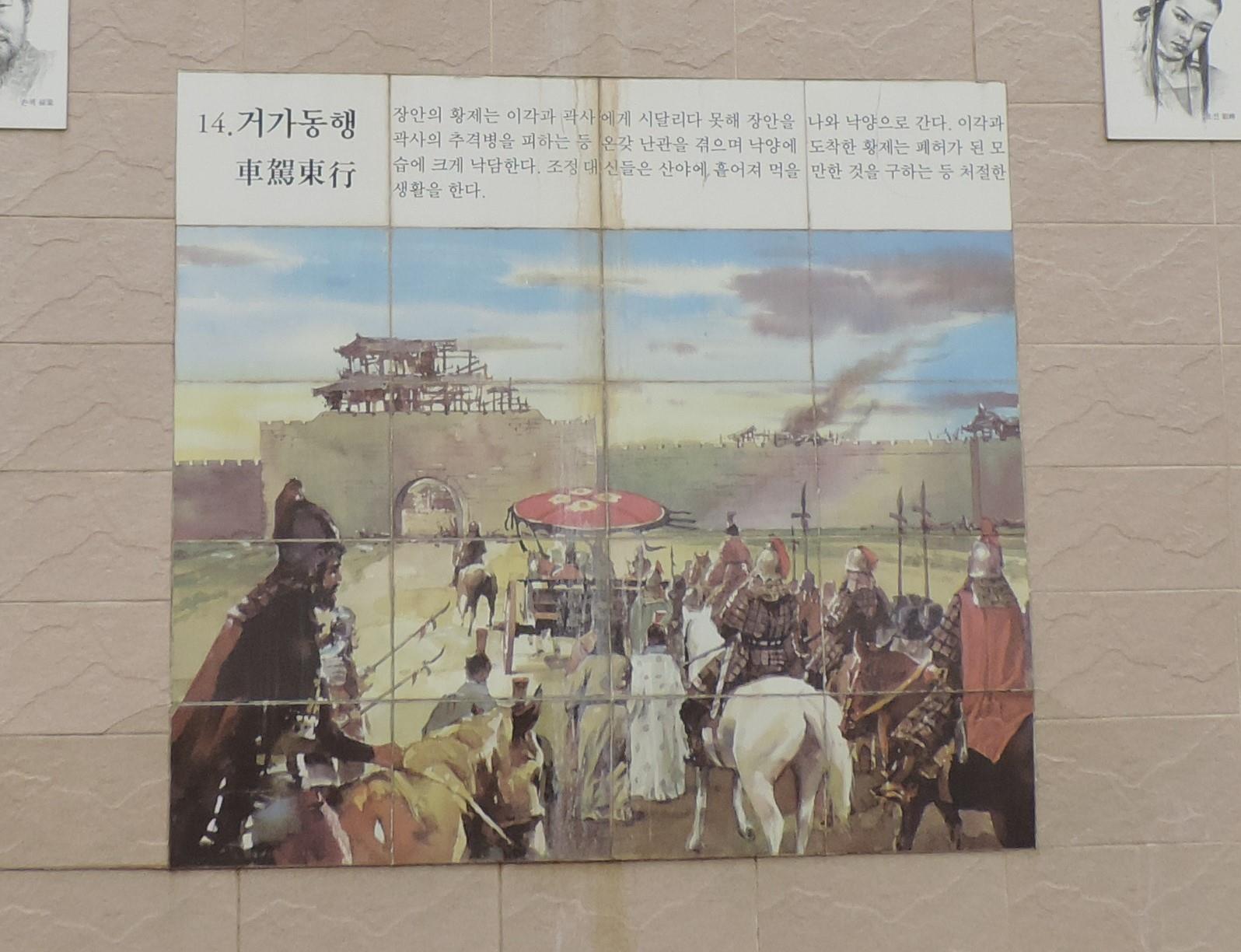
(14) Going on a Chariot Ride. The emperor of Chang’an, who was suffering from Li Jue and Guo Si, left Chang’an and went to Luoyang. After avoiding the pursuers of Li Jue and Guo Si and going through all sorts of hardships, the emperor arrived in Luoyang and was greatly disheartened by the sight of the ruins. The court officials scattered around the mountains and fields, searching for food, and living a miserable life.
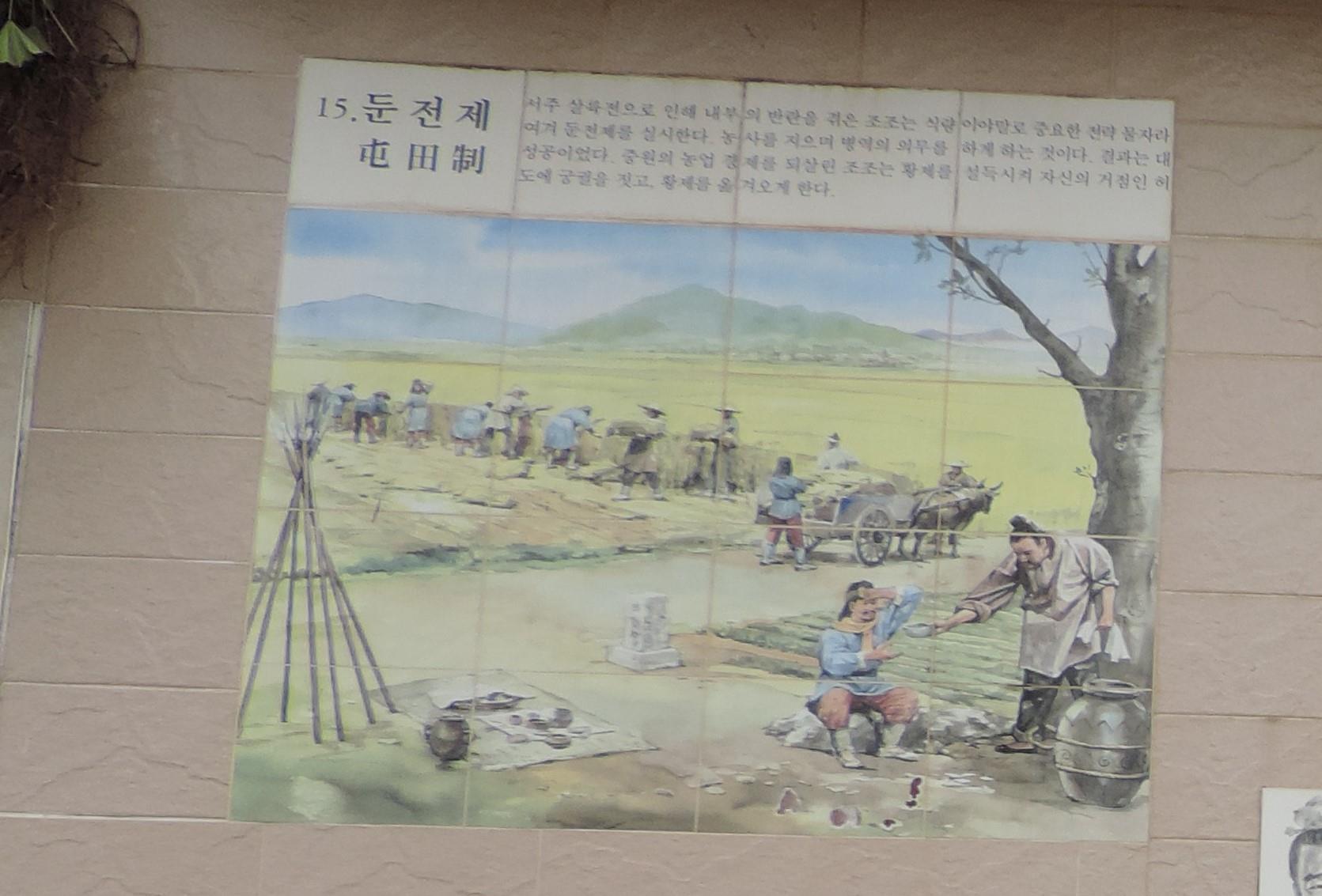
(15) The Tuntian System. Cao Cao, who suffered internal rebellion due to the landing of the Western Zhou, considered food to be an important strategic material and implemented the Tuntian System. It required farming and military service. The result was a great success. Cao Cao, who revived the agricultural economy of the Central Plains, persuaded the emperor to build his own stronghold, the Xu Doye Palace, and move the emperor there.
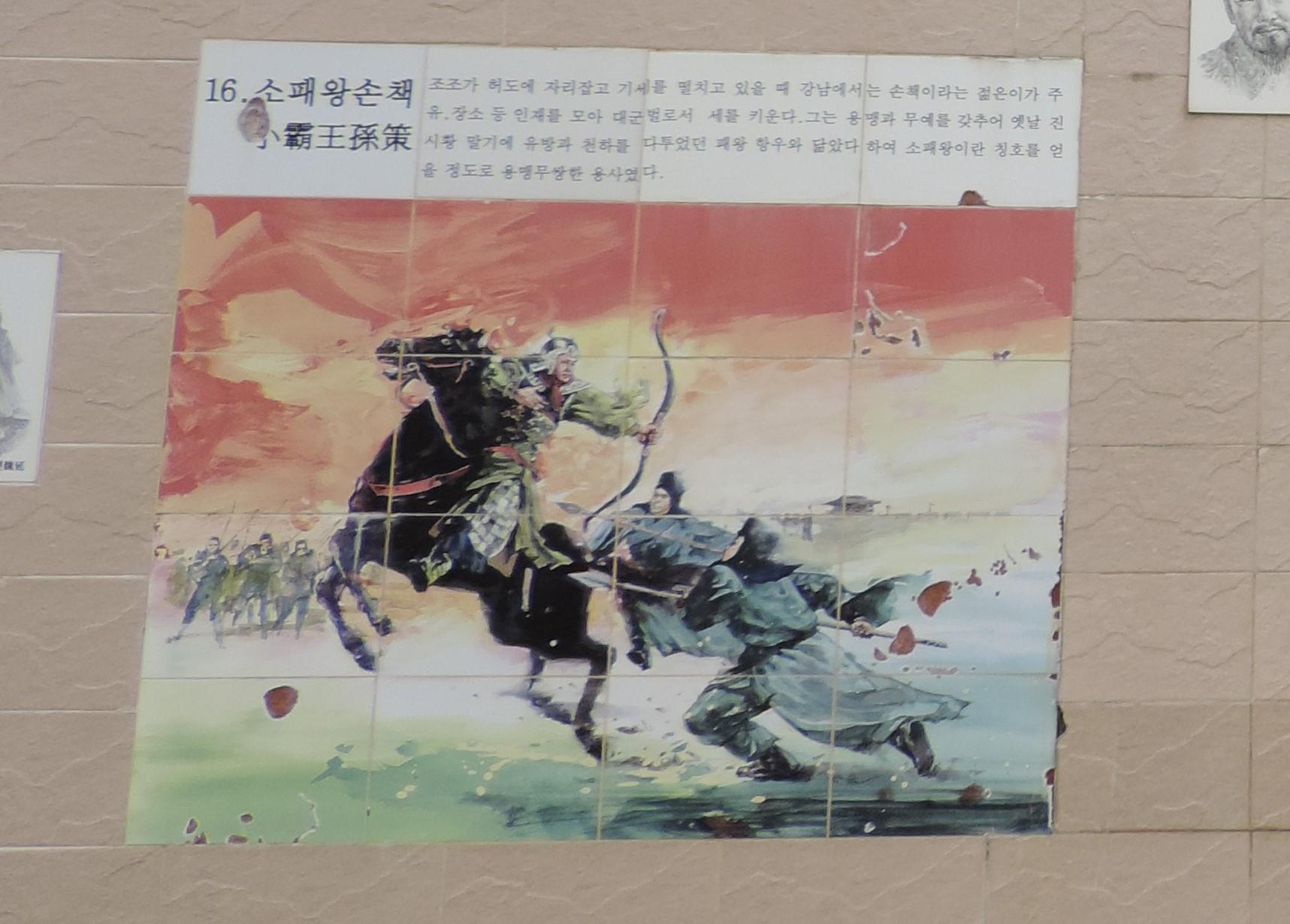
(16) Xiaopaewang Sun Ce. When Cao Cao was established in Xudou and was gaining influence, in Jiangnan, a young man named Sun Ce gathered talented people such as Zhou You and Zhang Zhao and grew his power as a great warlord. He was a brave warrior with unparalleled courage and martial arts, and was given the title Xiaopaewang because he was comparable to Xiang Yu, the overlord who fought with Liu Bang in the late Qin Dynasty.
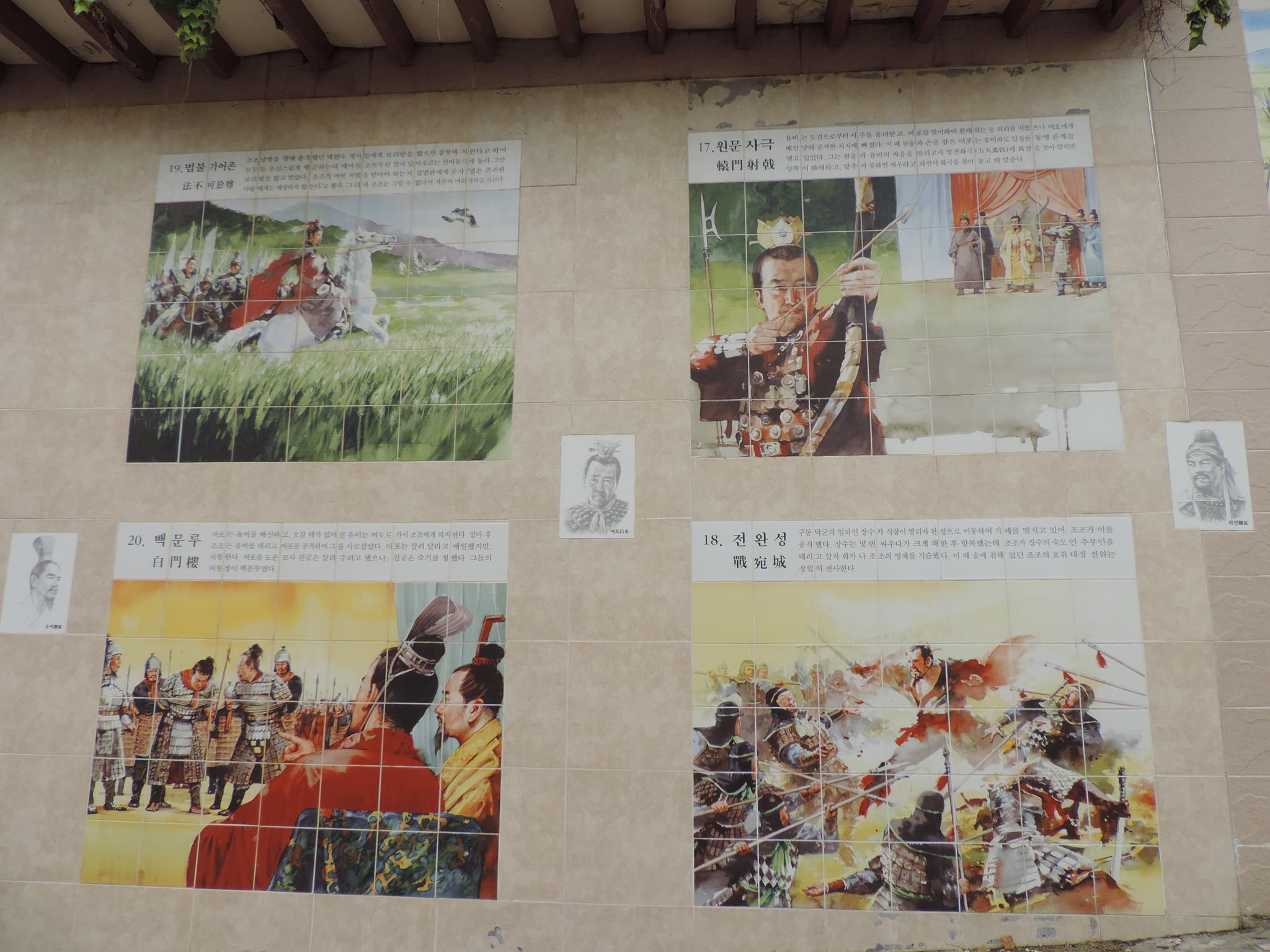
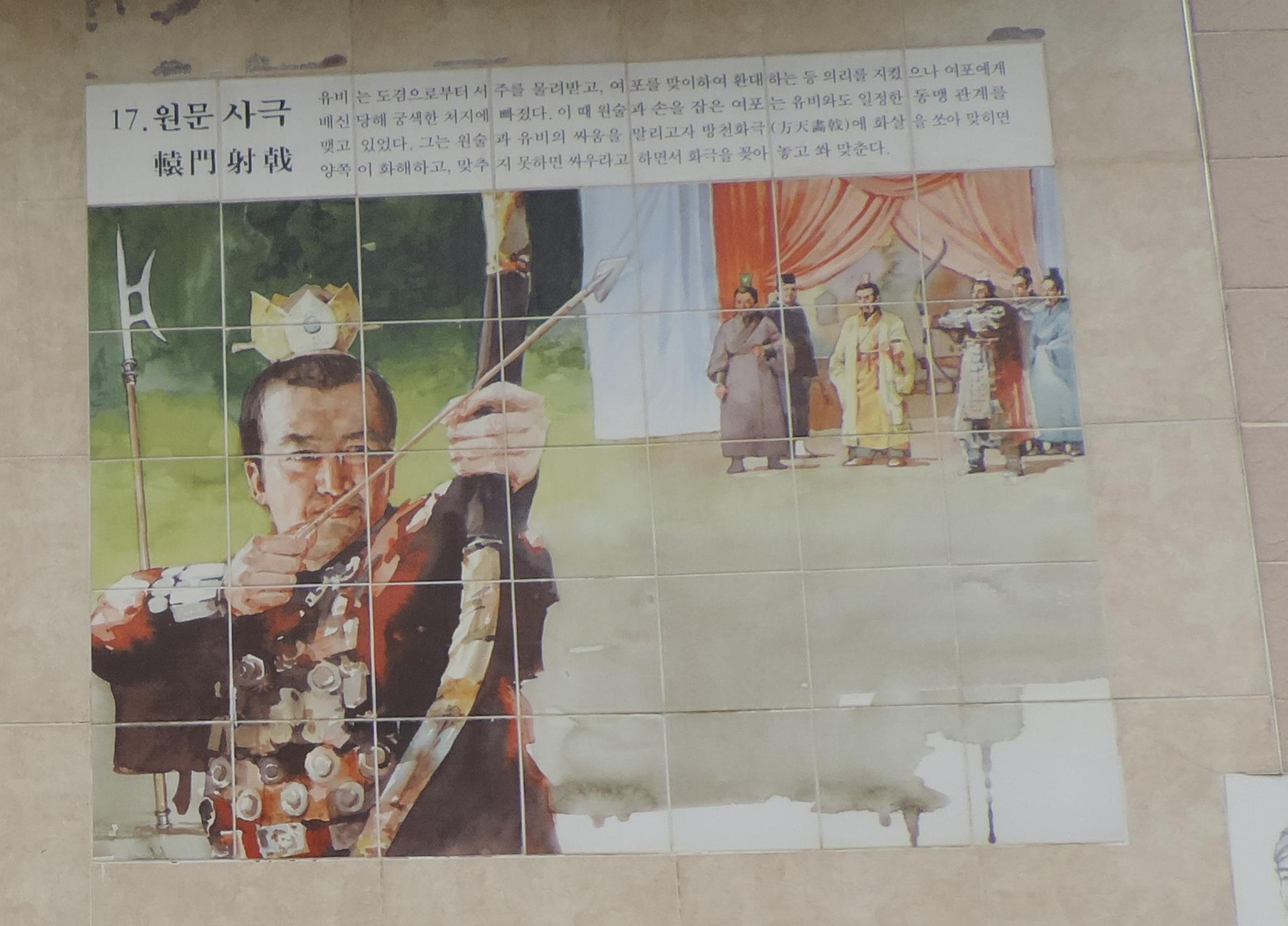
(17) Original Saga. Liu Bei inherited the state of Xu from Dao Kung, and he kept his loyalty by welcoming and hospitality, but he was betrayed by Liu Fei and fell into a difficult situation. Liu Fei, who had joined hands with Wen Shu, had a certain alliance with Liu Bei. He wanted to stop the quarrel between Wen Shu and Liu Bei, so he shot an arrow at the Fang Tian Hua Pole, saying that if it hit, the two sides would be reconciled, and if it didn’t, they would fight.
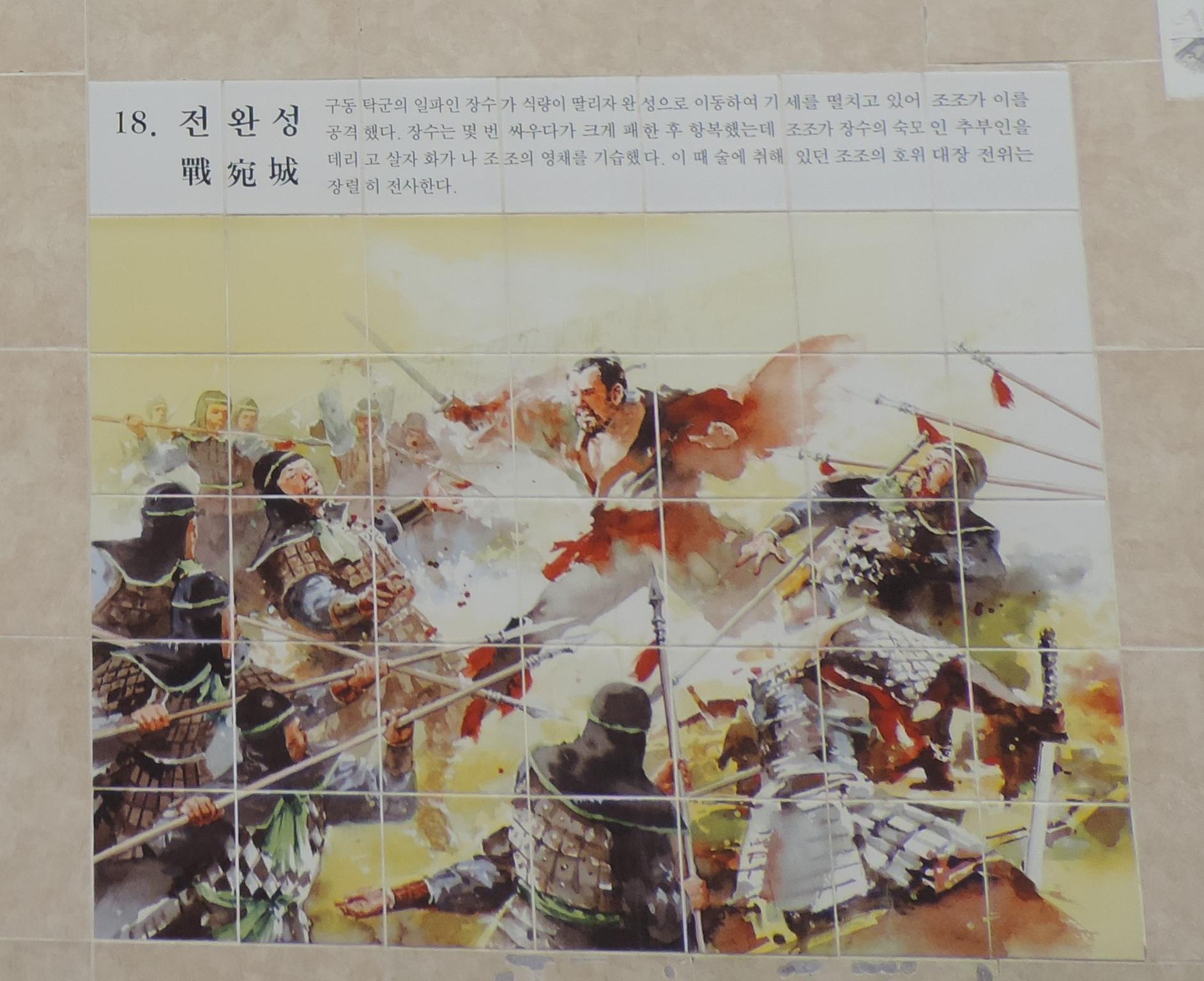
(18) Completeness. Zhang Shu, a member of the Driven Tak army, moved to Jeonwan when he had food and was gaining momentum, so Cao Cao attacked him. After a few fights and a heavy defeat, Jangsu surrendered, but when Cao Cao took Jangsu’s aunt, Chu Bu, to live with him, he became angry and ambushed Cao Cao’s stronghold. At this time, Cao Cao’s escort captain, Jeon Wei, who was drunk, was killed in battle.
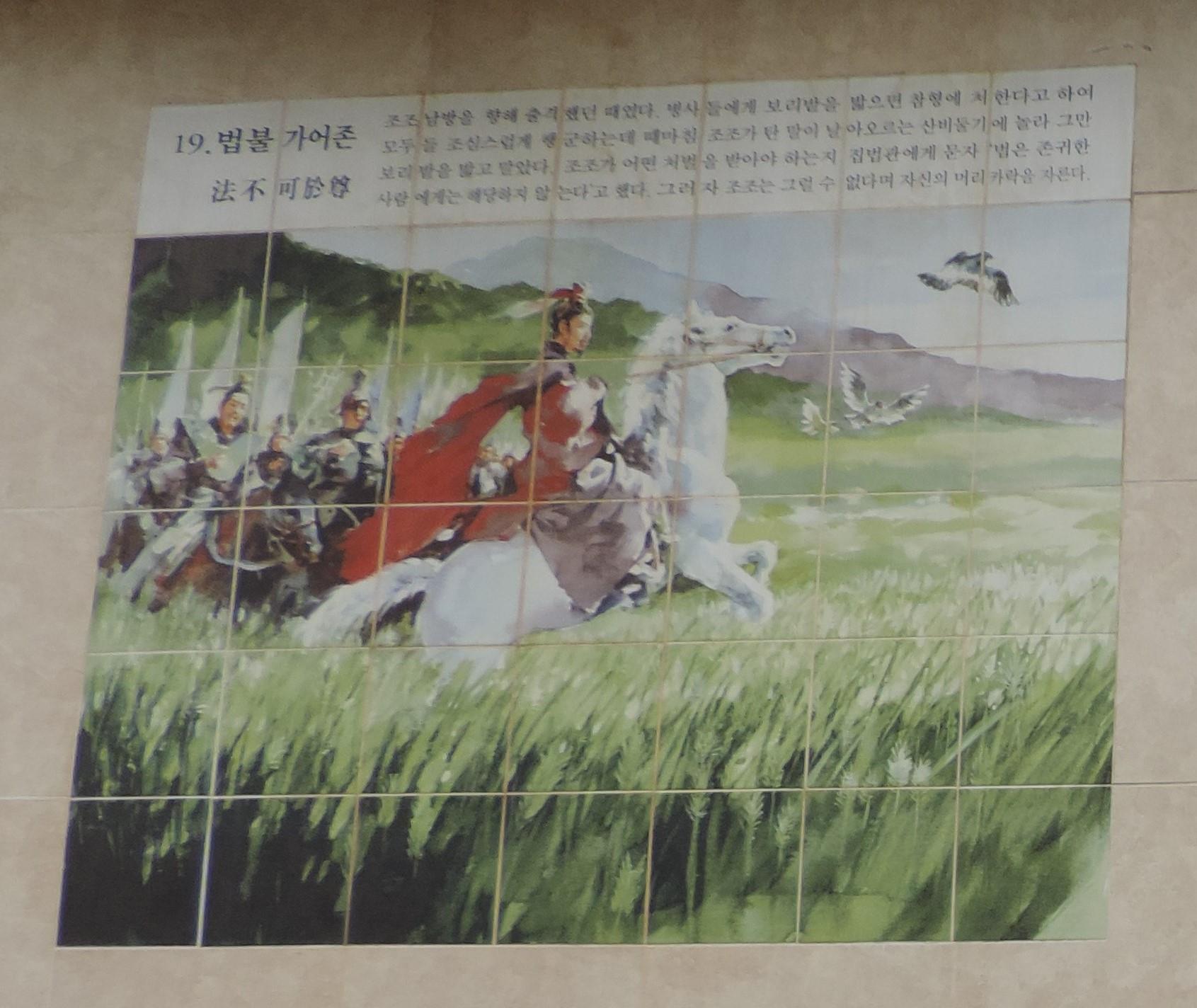
(19) Lawless Zone. When the organization was being promoted to the south, he told his soldiers that if they stepped on a barley field, they would be beheaded. Everyone was careful, but one day Cao Cao’s horse was startled by a flying mountain pigeon, and he stepped on the barley. and stepped on a barley field. When Cao Cao asked the magistrate what punishment he should receive, the magistrate said, „The written law does not apply to honorable people.“ Cao Cao said he could not do that, so he cut off his hair.
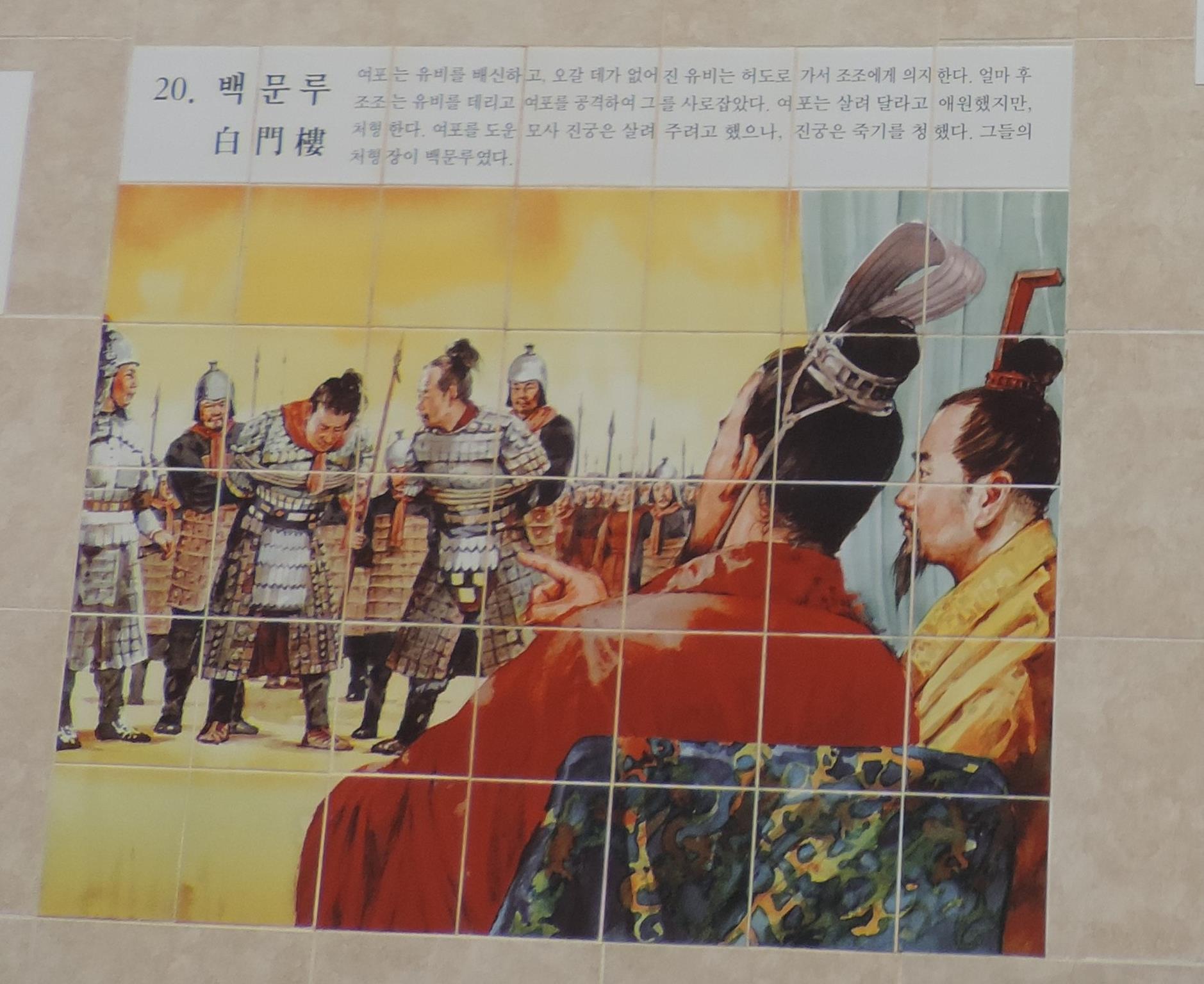
(20) Baemunru. Liu Bei betrays Liu Po, and with nowhere else to go, Liu Bei travels to He Road and turns to Cao Cao. Soon afterward, Cao Cao takes Liu Bei and attacks Liu Po, capturing him. Despite Ye Po’s pleas to be spared, he is executed. Liu Bei tried to spare Qin Wushuang, the mimic who had helped Liu Bei, but Qin Wushuang asked to be killed. Their execution site was the Bai Wen Lu.
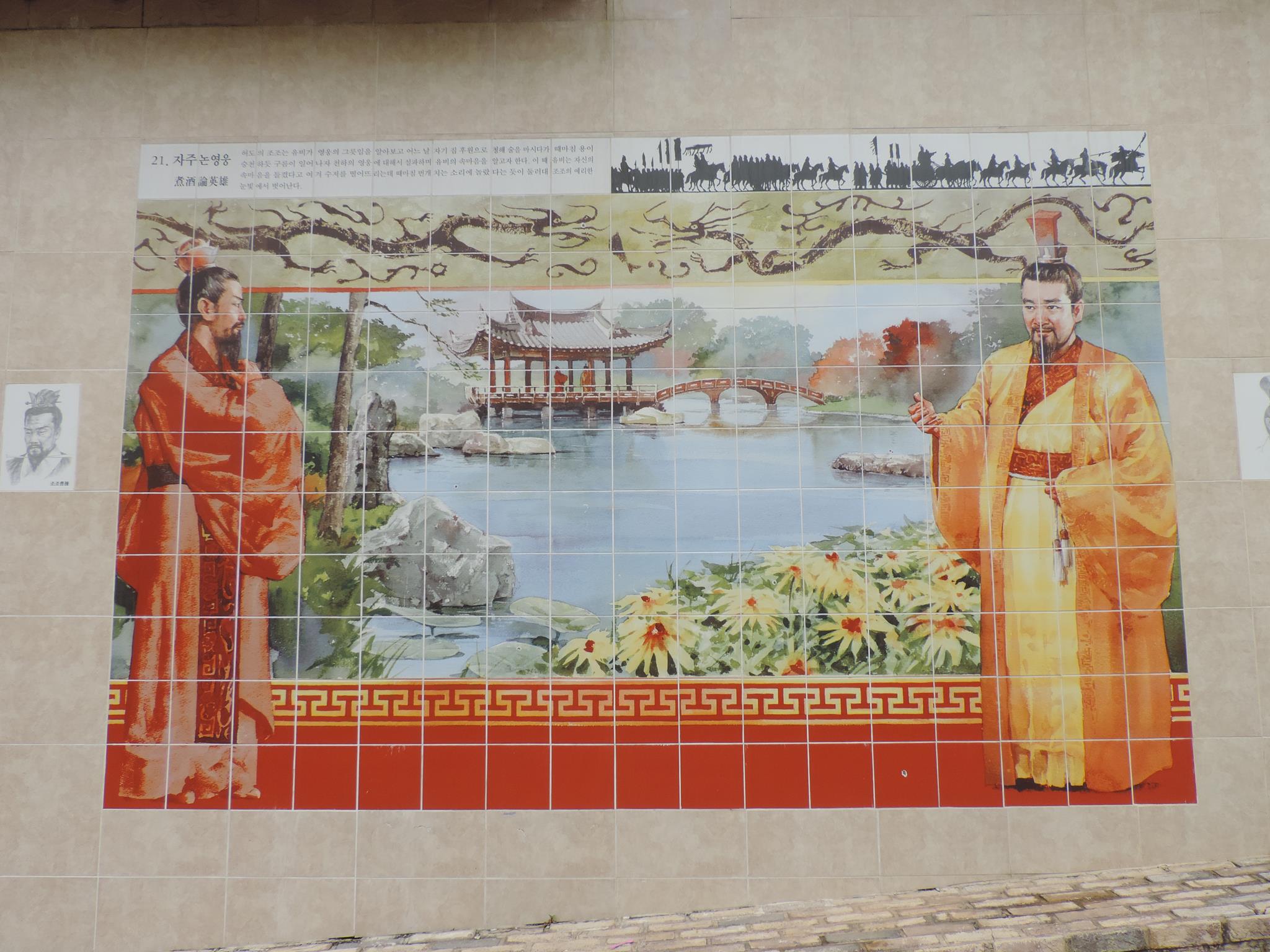
(21) Self-contained Hero. Cao Cao of Hado recognized Yubi’s vessel of heroism and decided to make him his house patron one day. As the clouds rose as if the dragon were being promoted, he spoke of the Hero of the Heavens and wanted to know Yubi’s true intentions. At this point, Yubi thinks he has heard her, and drops his cutlery, but at the same time, he is surprised by the sound of lightning, and looks around to escape Cao Cao’s sharp eyes.
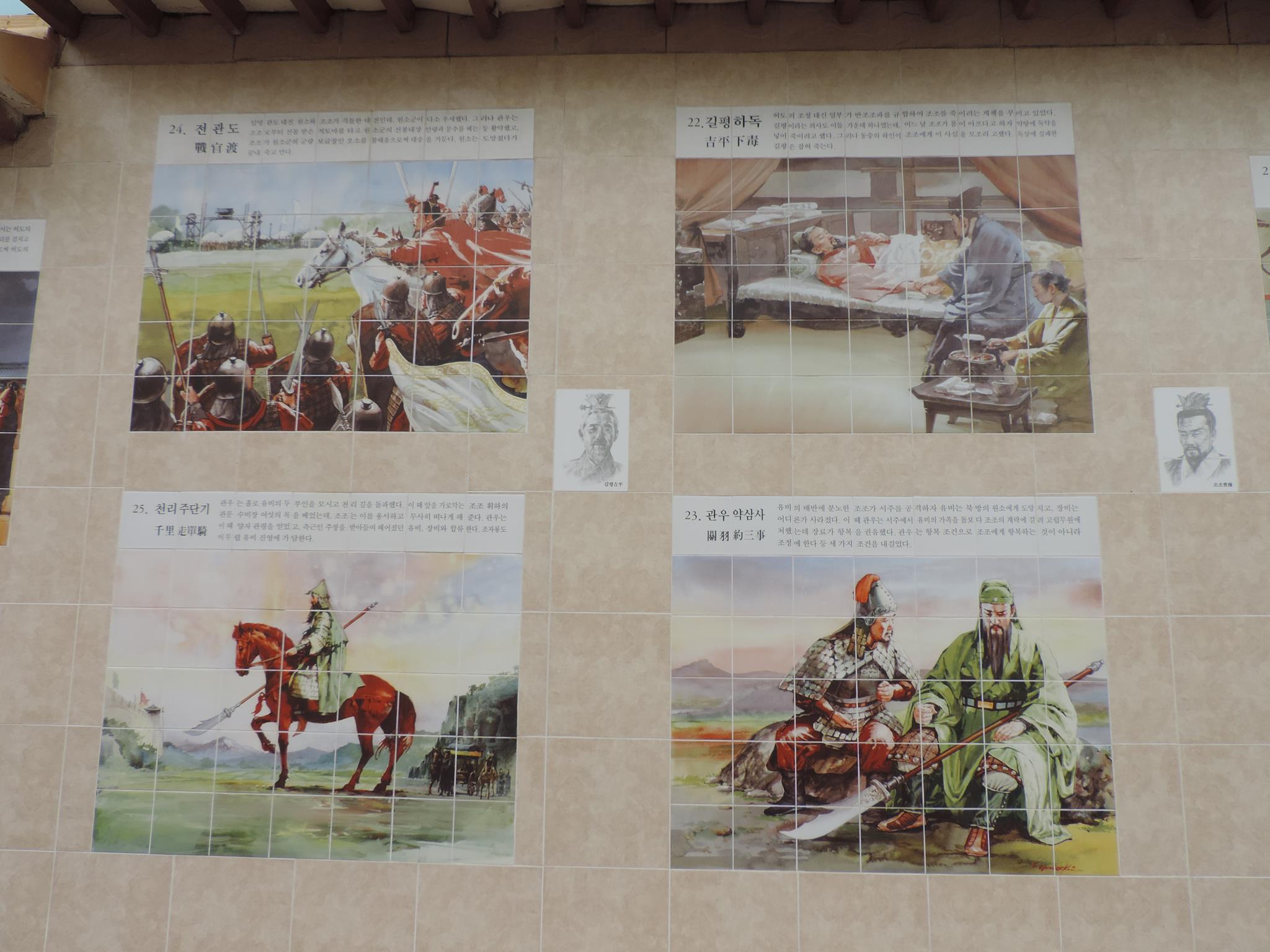
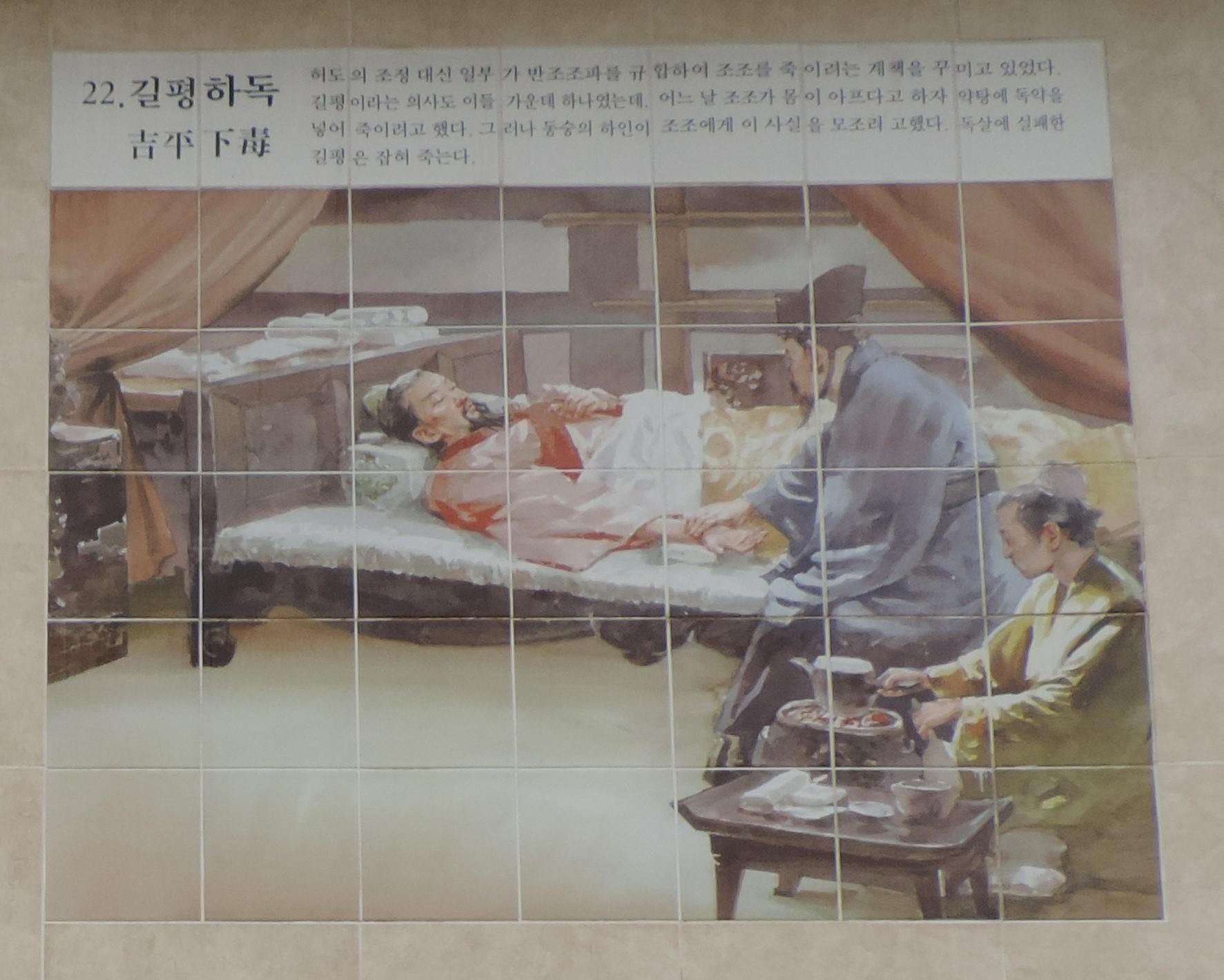
(22) Jiping poisoned. Instead of coordinating the He Dao, some of the anti-Cao Cao faction plotted to kill Cao Cao. One day, when Cao Cao complained of illness, a physician named Gui Ping put poison in his medicine bath and tried to kill him, but Dong Shou’s servant told Cao Cao all about it. The poisoning failed, and Gilpyeong was captured and killed.
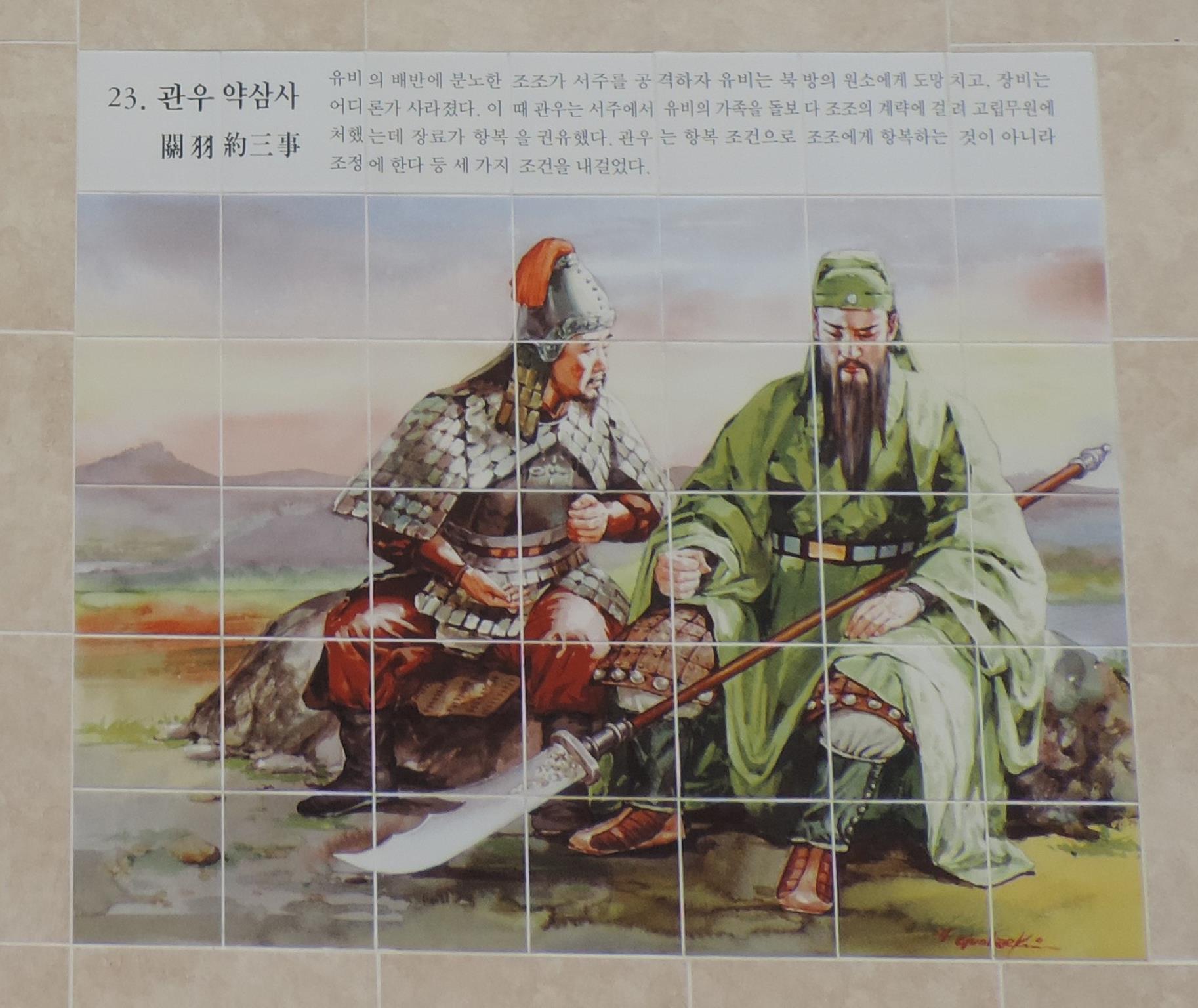
(23) Guanwu Yaksamsa. When Cao Cao, enraged by Liu Bi’s treachery, attacked Xuzhou, Liu Bi fled to the Elements of the North, and his equipment disappeared. At this time, Guan Yu was in Xuzhou taking care of Liu Bi’s family and was caught in Cao Cao’s tricks, and his general advised him to surrender. Guan Yu made three conditions for surrender, including that he would not surrender to Cao Cao but would make peace with him.
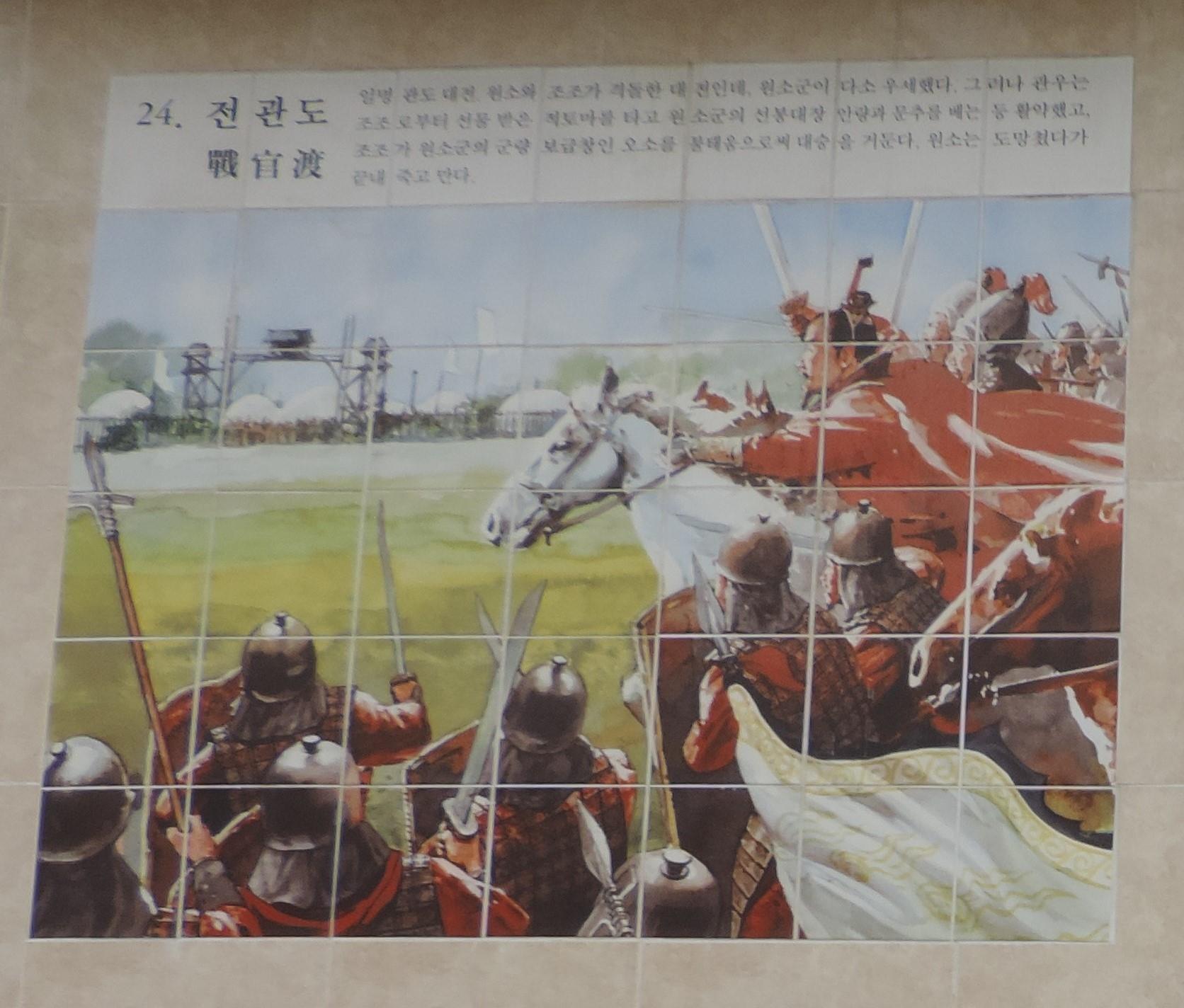
(24) The Battle of Guandao. The Great Battle of Guandao was a battle between the elements and Cao Cao, in which the elemental forces were somewhat favored. However, Guan Yu rode a red stallion gifted to him by his predecessor and slashed the white cow army’s vanguard leaders, Ahn and Munsu, while Cao Cao burned down the elemental army’s supply depot, Oso, and won a great victory. Yuan Shao flees and dies.
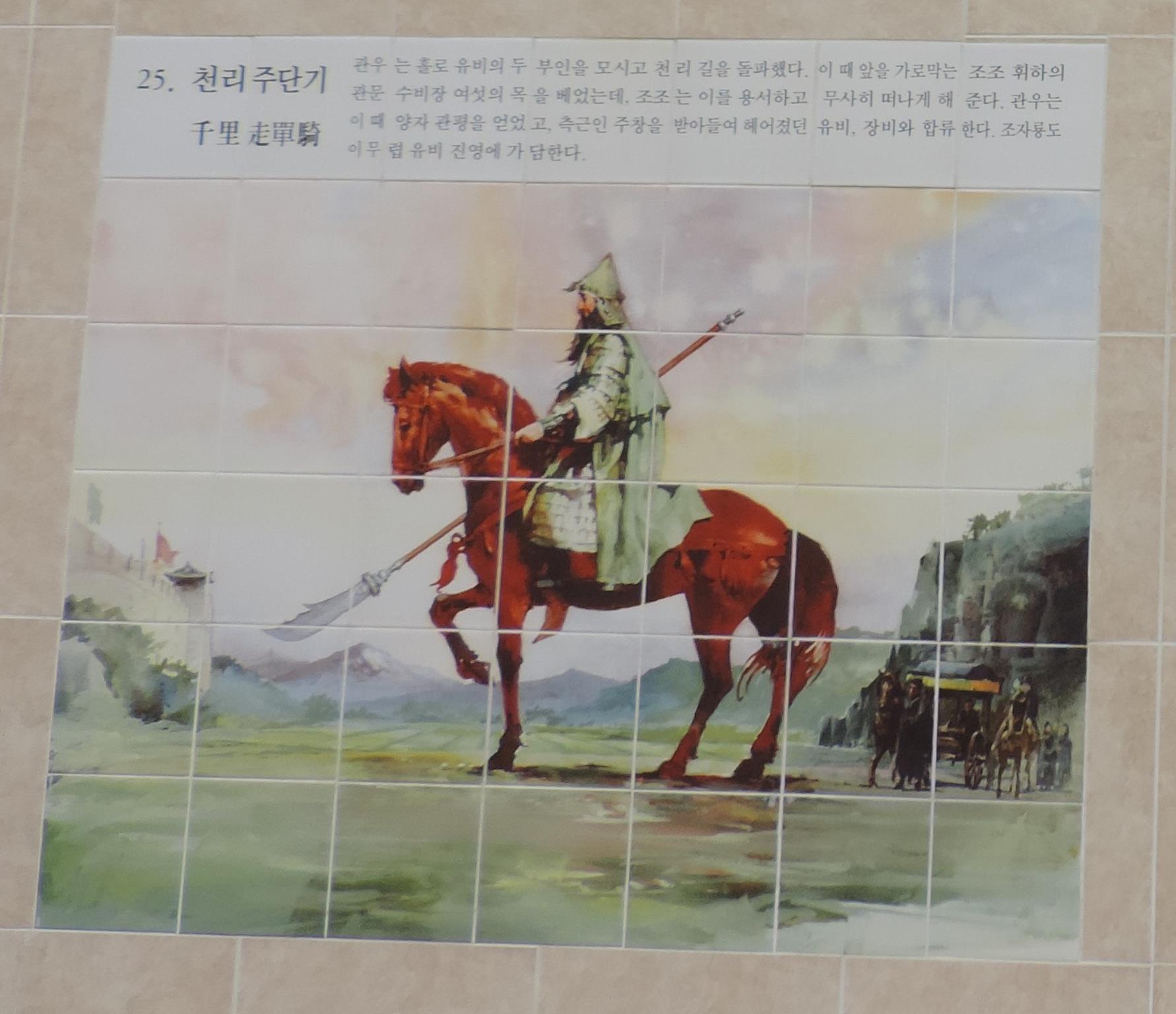
(25) Thousand-mile Silkworm. Guan Yu, alone and accompanied by Liu Bei’s two wives, broke through the Thousand Li Road. He slit the throats of six of Cao Cao’s gate guards who stood in his way, but Cao Cao forgave him and allowed him to leave safely. Guan Yu has been granted quantum guanxi and accepts Zhu Chang as his entourage, reuniting him with Liu Bi and Zhang Zhi. Cao Zhaolong also joins Liu Bi’s camp around this time.
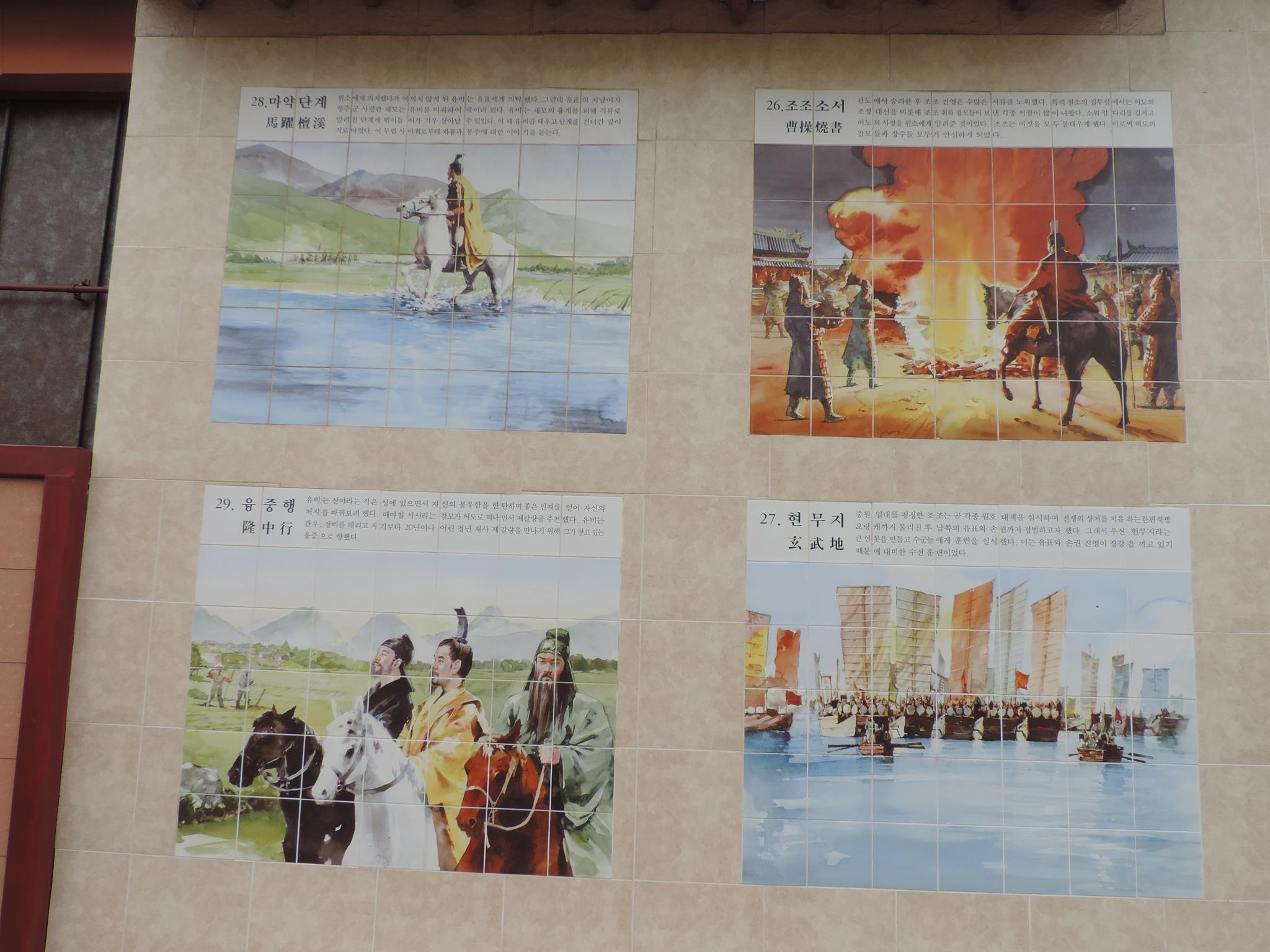
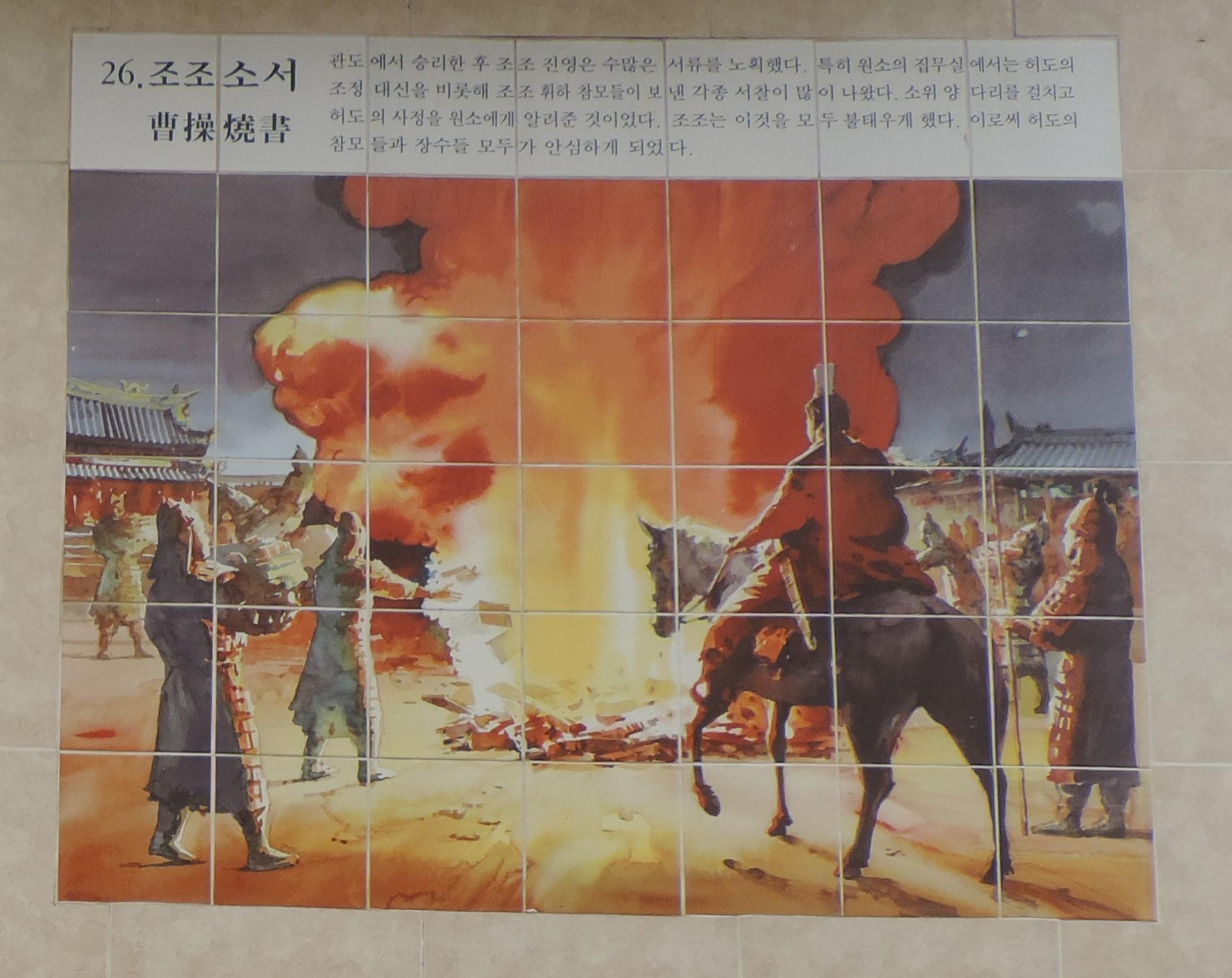
(26) Cao Jiaxue. After the victory at Guandu, Cao Cao’s camp looted a large number of documents, especially from Yuan Shao’s office, which contained many letters from He Dao’s coordinating minister and other officials under Cao Cao. The so-called „two-legged stool“ was used to inform Yuan Shao of the situation in Hedo. Cao Cao had them all burned. This reassured both He Dao’s staff and his generals.
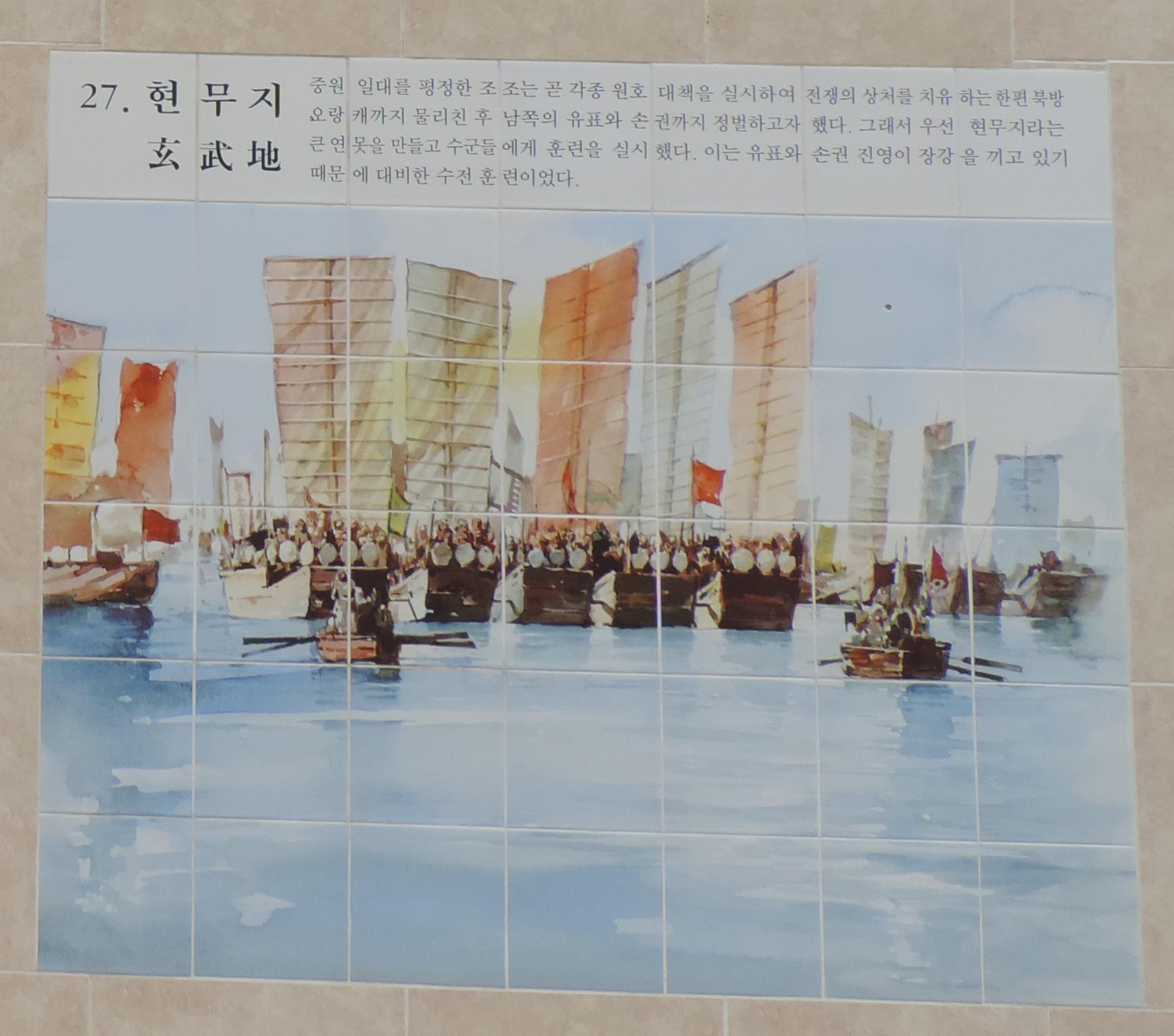
(27) Genmuji. After pacifying the Zhongyuan region, Cao Cao soon implemented various support measures to heal the wounds of the war and defeat Liao Lang Ca in the north and conquer Liu Bei and Sun Quan in the south. First, he built a large pond called Xianmuji and trained his water troops. This was a water warfare drill in preparation for the fact that the Yue Pyo and Sun Quan camps were on the Yangtze River.
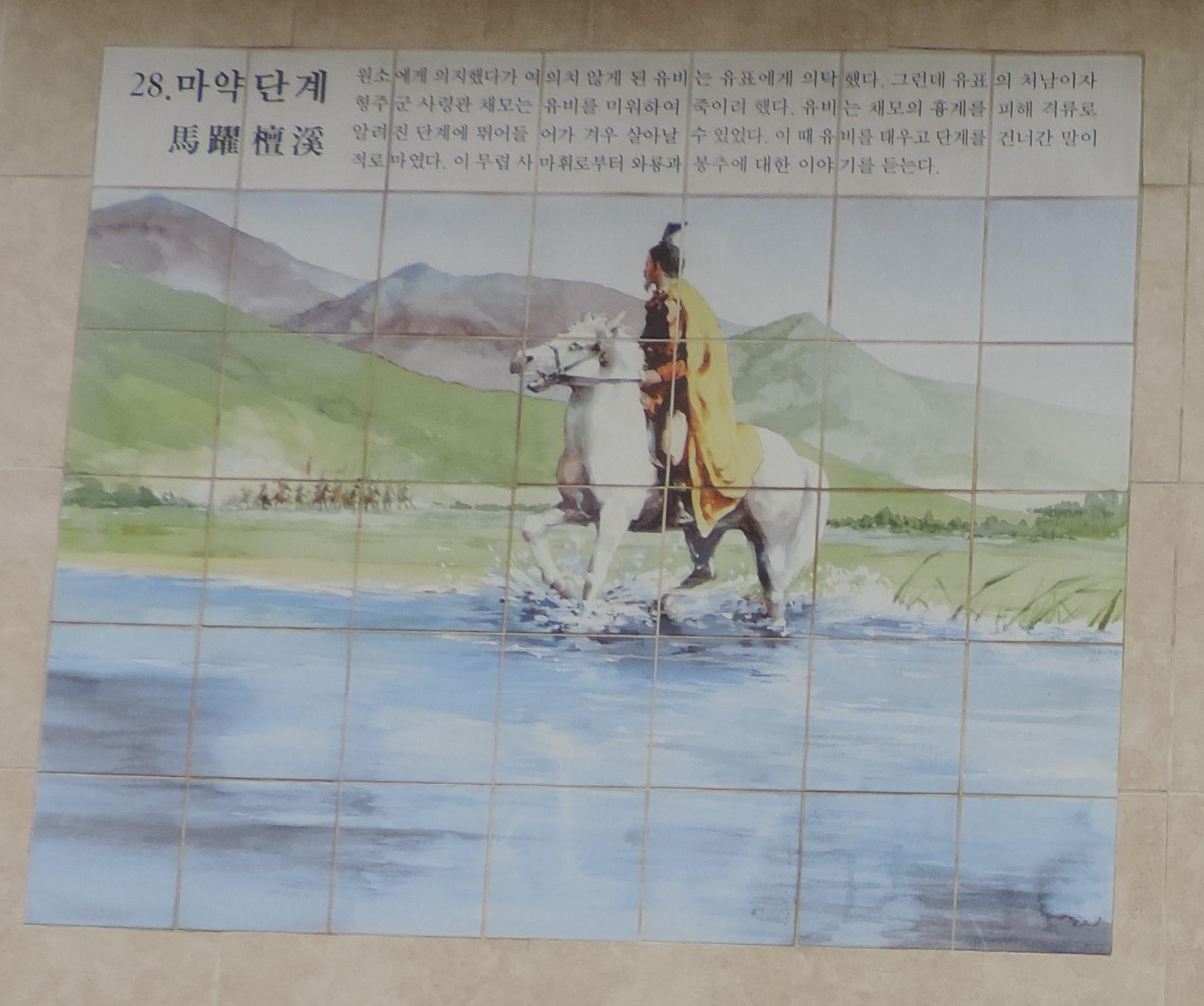
(28) The Drug Stage. When Liu Bei’s reliance on the elements failed, he turned to Liu Piao. Liu Piao’s brother-in-law, the commander of the Qing army, hated Liu Bei and tried to kill him. Yubi barely escaped his death by jumping into a step known as a direct current. The horse that carried him across the stage was Red Rome. Around this time, Yubi hears about the War Dragon and Fengju from the Four Anesthetics.
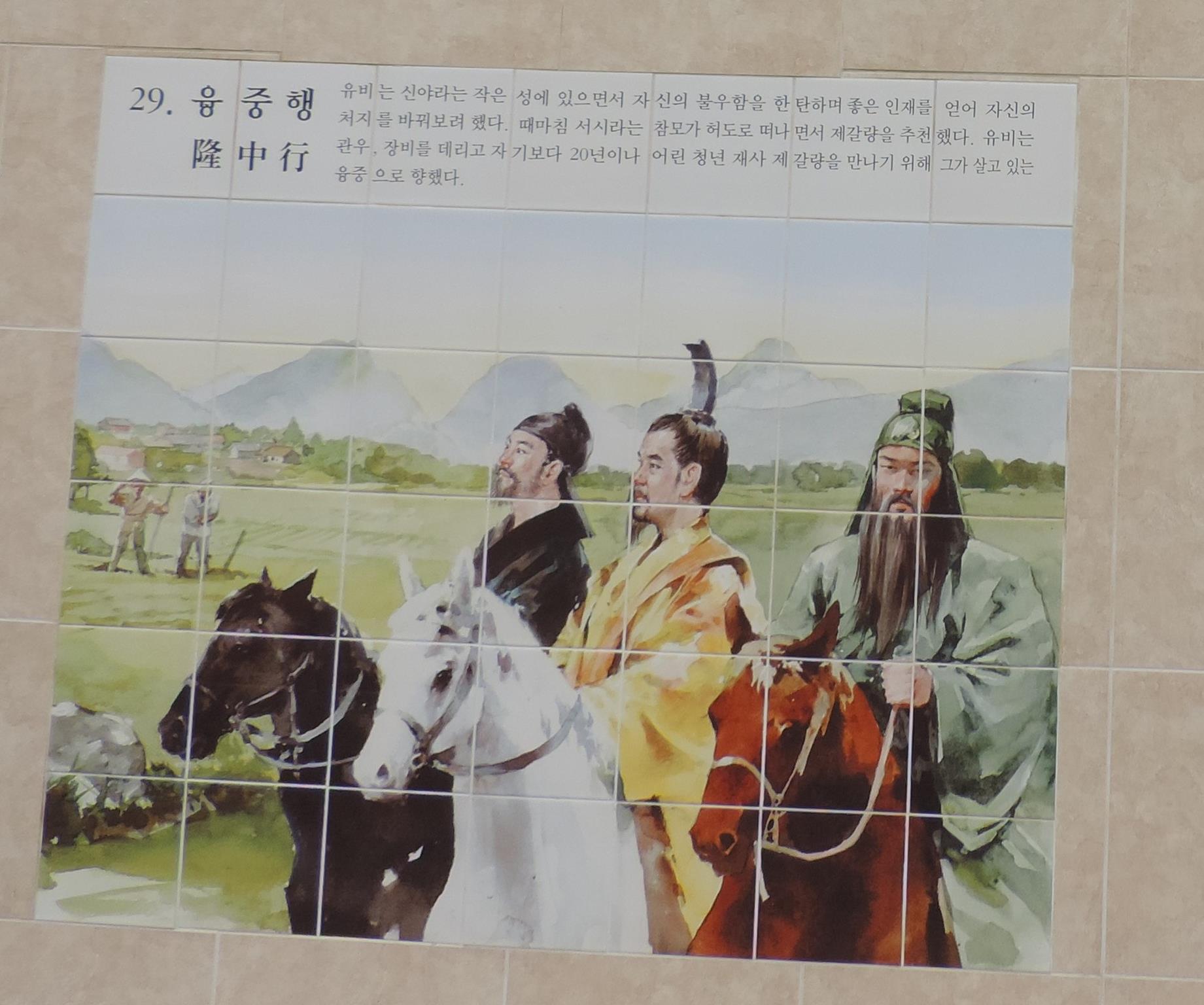
(29) Yongzhong. Liu Bei was in a small castle called Xinya, bemoaning his disadvantages and hoping to change his situation by acquiring good talent. Just then, his chief of staff, Xu Xi, left for Hedo and recommended Zhuge Liang. Liu Bei took Guan Yu and his equipment and traveled to Yongzhong to meet with the young master, who was 20 years younger than him.
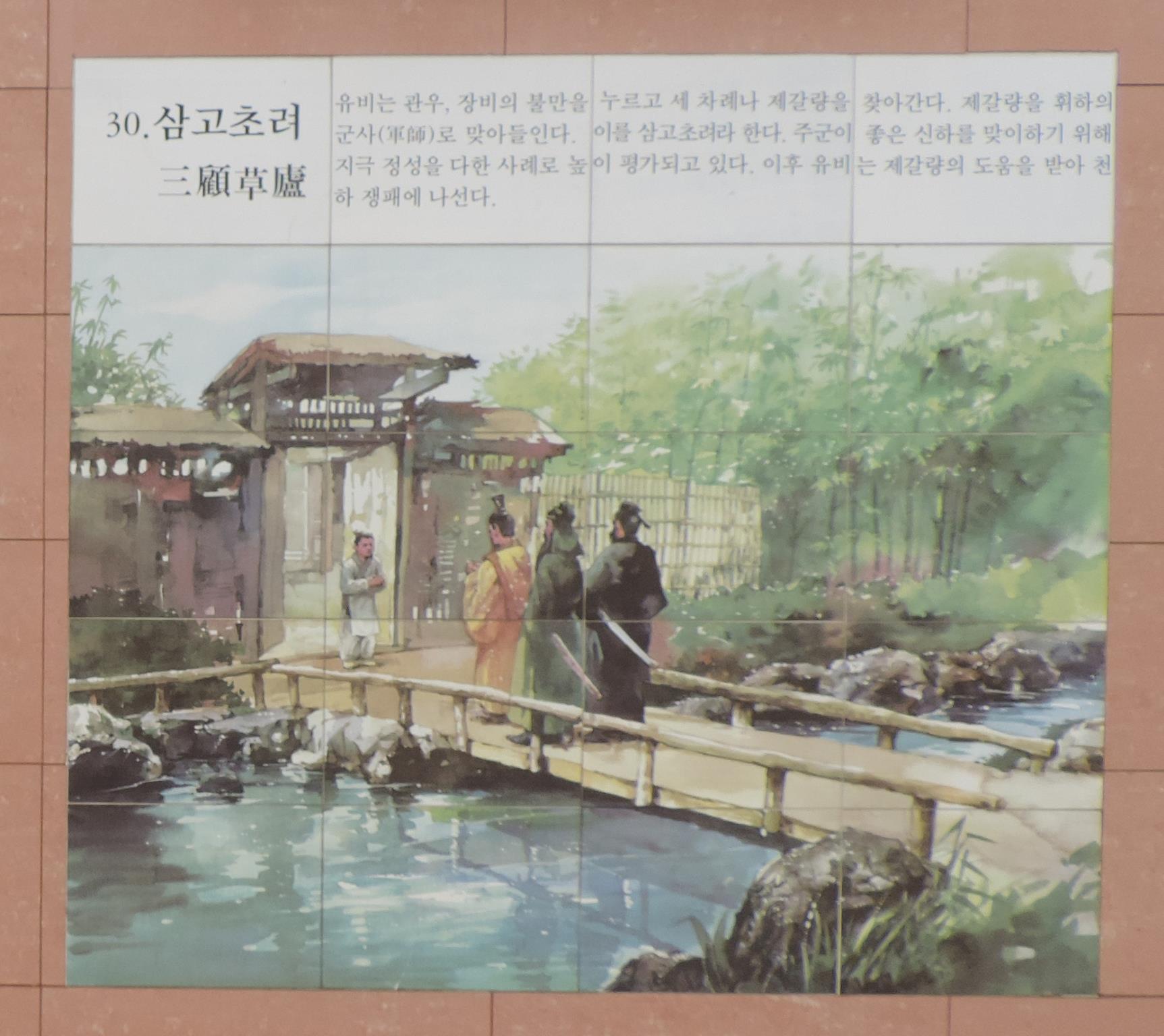
(30) Samgo Chorus. Liu Bei visits Zhuge Liang three times over the complaints of Guan Yu and Zhang Ziyi. He welcomes Zhuge Liang into his army. This is called samgokucho. This is highly regarded as an example of a lord going out of his way to welcome a good servant. Liu Bei then enlists Zhuge Liang’s help in his campaign against the Thousand Hordes.
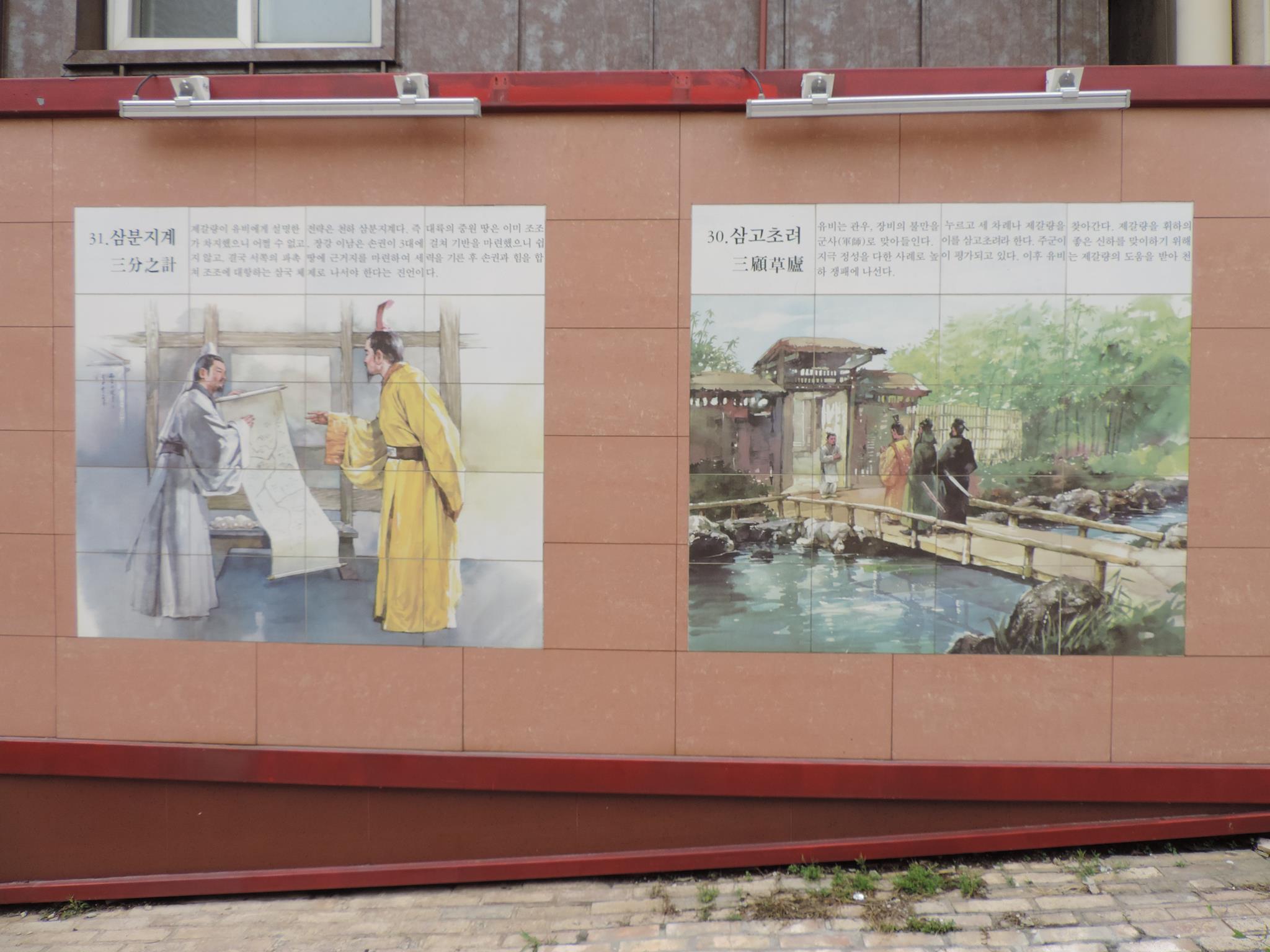
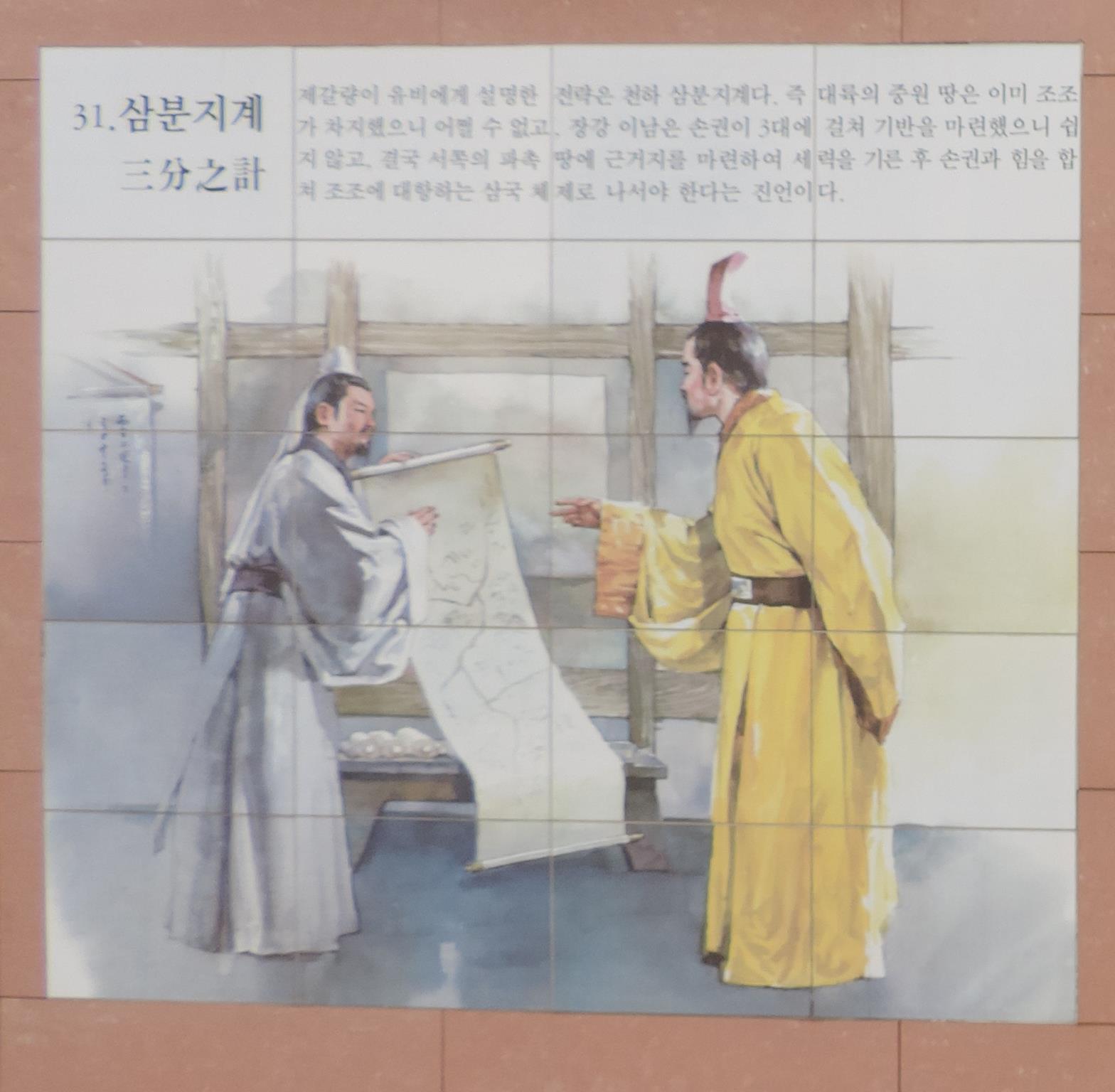
(31) The Three-Branch System. The strategy that Zhuge Liang explained to Liu Bei was the Three Great Divisions system, which means that the middle lands of the continent have already been taken over by Cao Cao. It is not easy because the Sun Quan has laid the foundation for three generations, and it is not easy because it is not easy, and in the end, it is necessary to establish a base in the western Pachok land, cultivate power, and join forces with the Sun Quan. It is a mantra that they should join forces with Sun Quan to form a three-state system against Cao Cao.
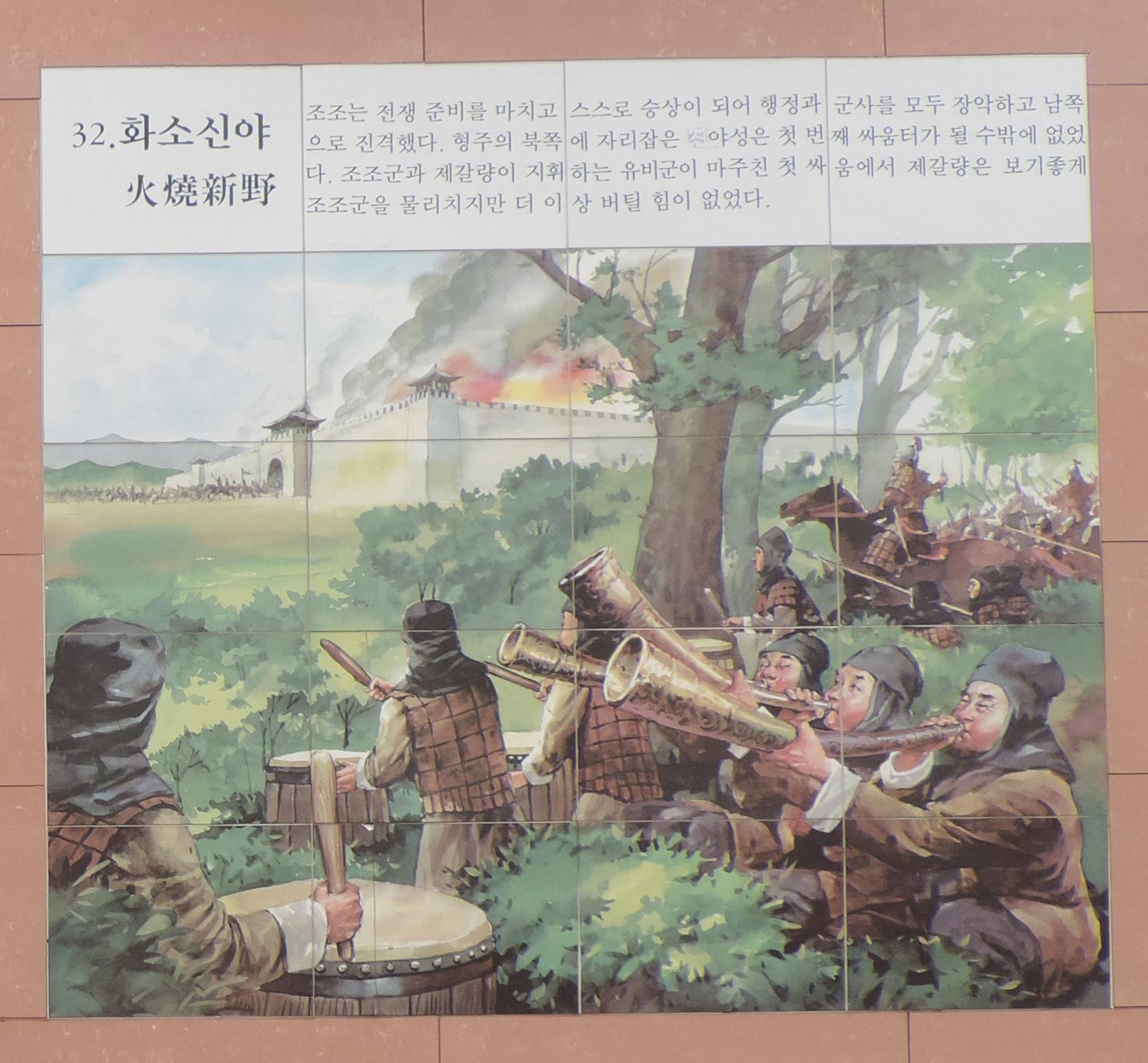
(32) Advance to Huaoxinya. Cao Cao prepared for war, ascended to the throne himself, took control of both the administration and the army, and marched south to Hua Xiaoxinya. The wilderness north of the state of Huangzhou was bound to be the first battleground. In the first battle between Cao Cao’s army and the Yubi army commanded by Zhuge Liang, Zhuge Liang defeated Cao Cao’s army in a spectacular fashion, but he had no more strength to hold out.
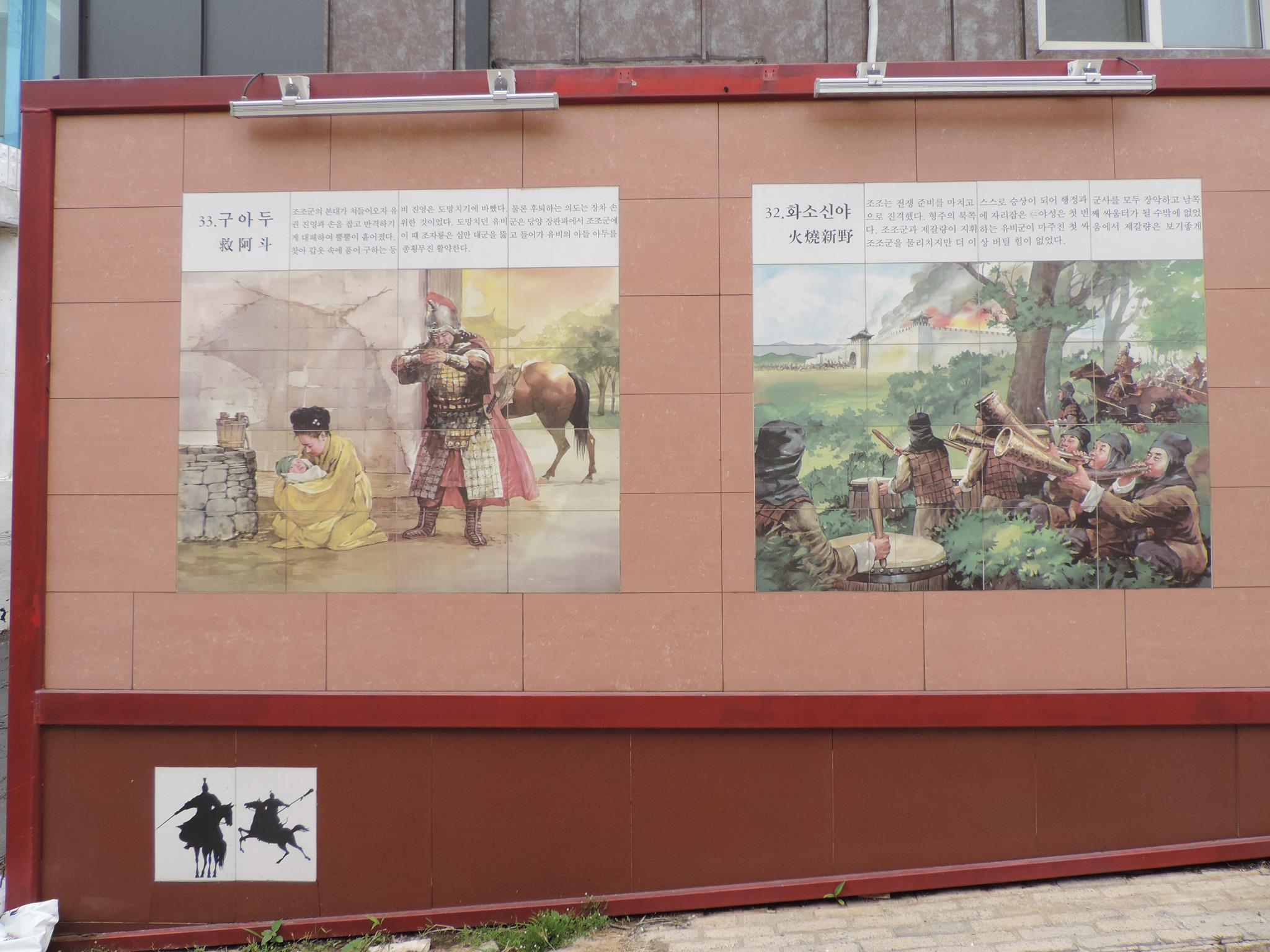
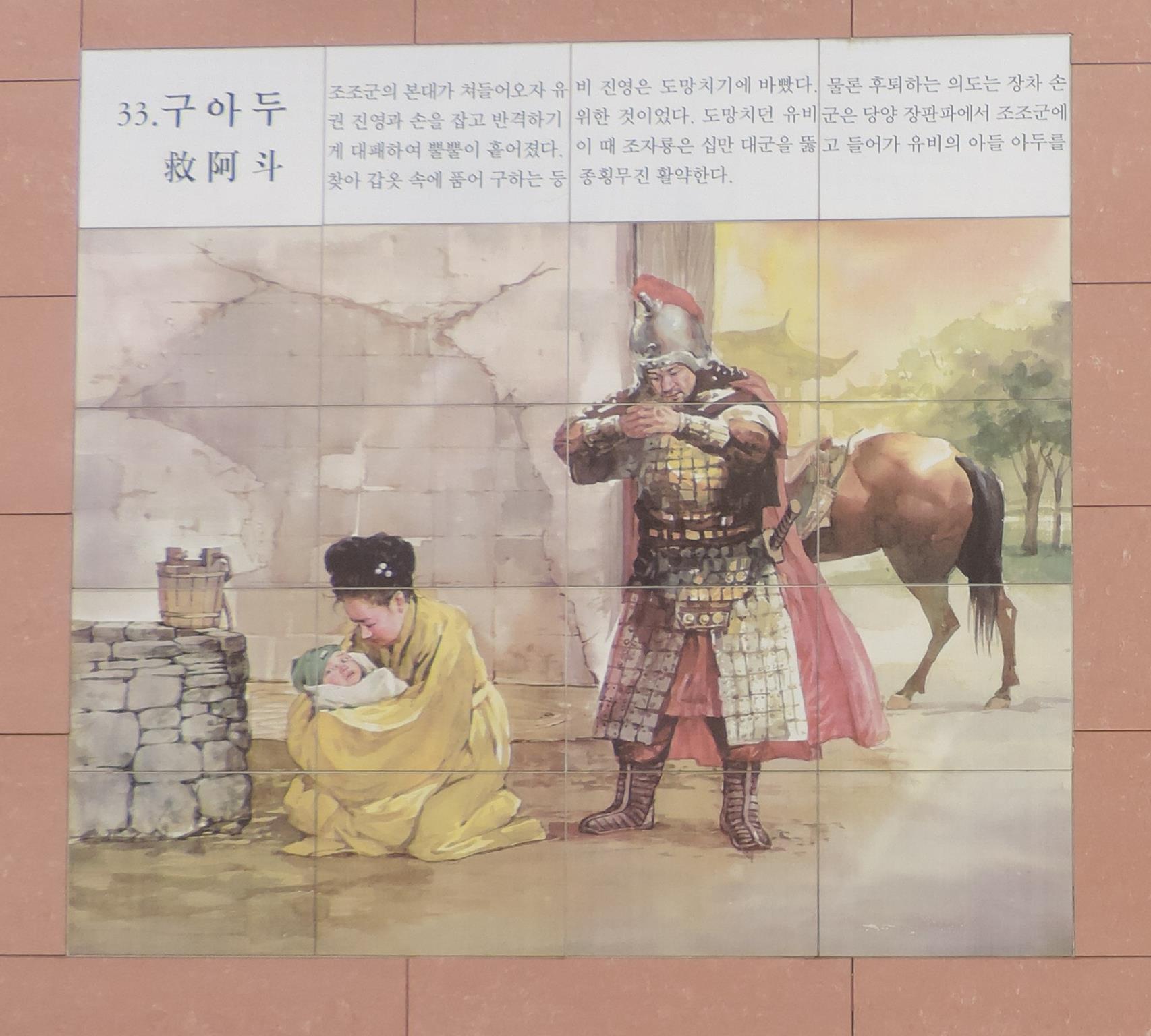
(33) Gu?du. As Cao Cao’s main army approached, the Liu Bei camp was busy fleeing. The intention of retreating, of course, was to join forces with Sun Quan’s army and fight back in the future.The fleeing Liu Bei army was defeated and scattered by Cao Cao’s army at Zhang Panfa in Tangyang. At this time, Cao Cao’s son Adu was found and rescued by Cao Cao, who broke through the 100,000-strong army and carried him in his armor.
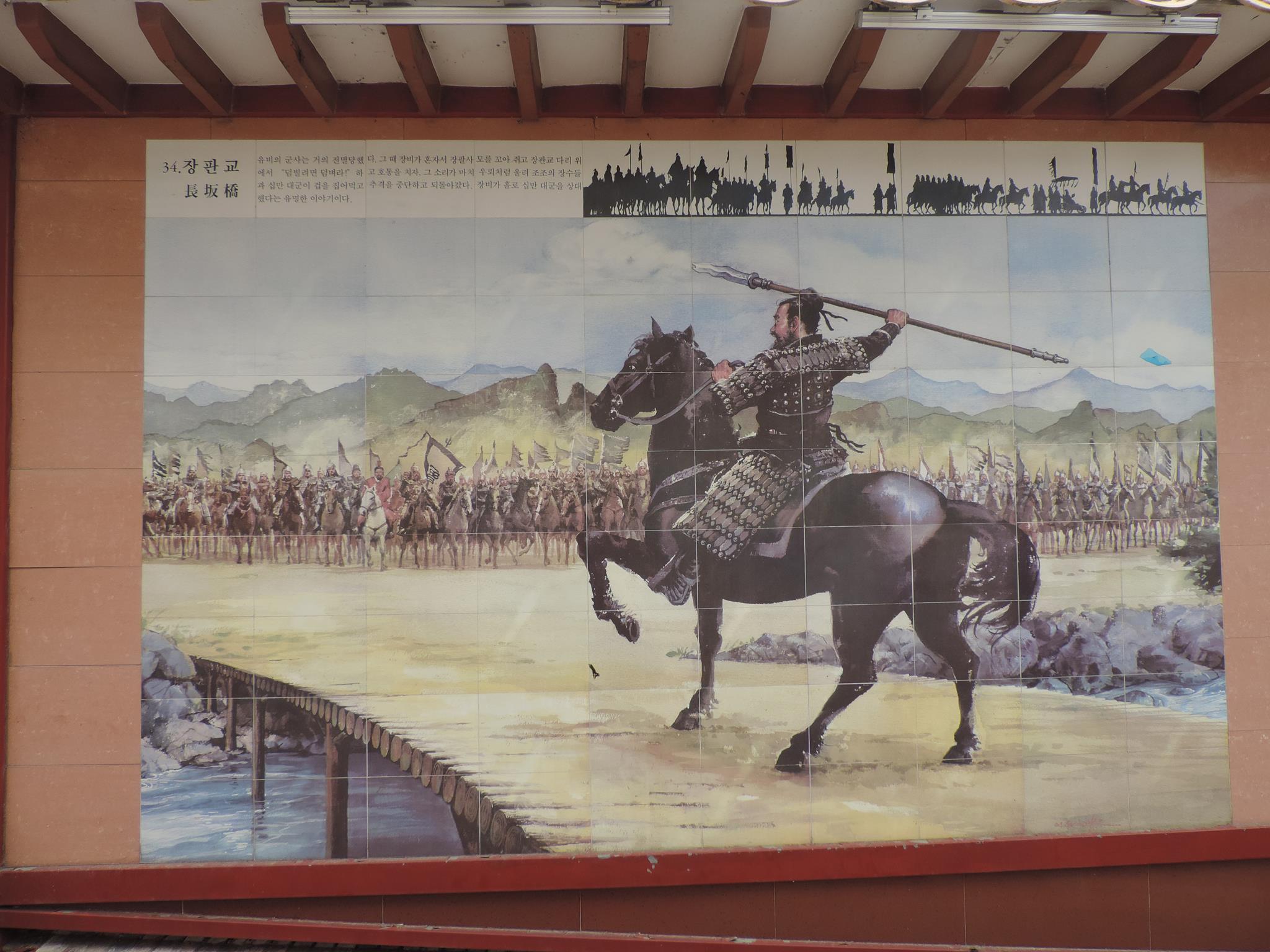
(34) Jangban Bridge. Liu Bei’s army was almost completely annihilated. At that time, Zhang Fei gathered his long eight hats and shouted on the Jangban Bridge, „If you want to attack, attack!“ The sound was like thunder, and Cao Cao’s generals and the 100,000 strong army were so frightened that they stopped pursuing and turned back. This is a famous story about Zhang Fei fighting the 100,000 strong army alone.
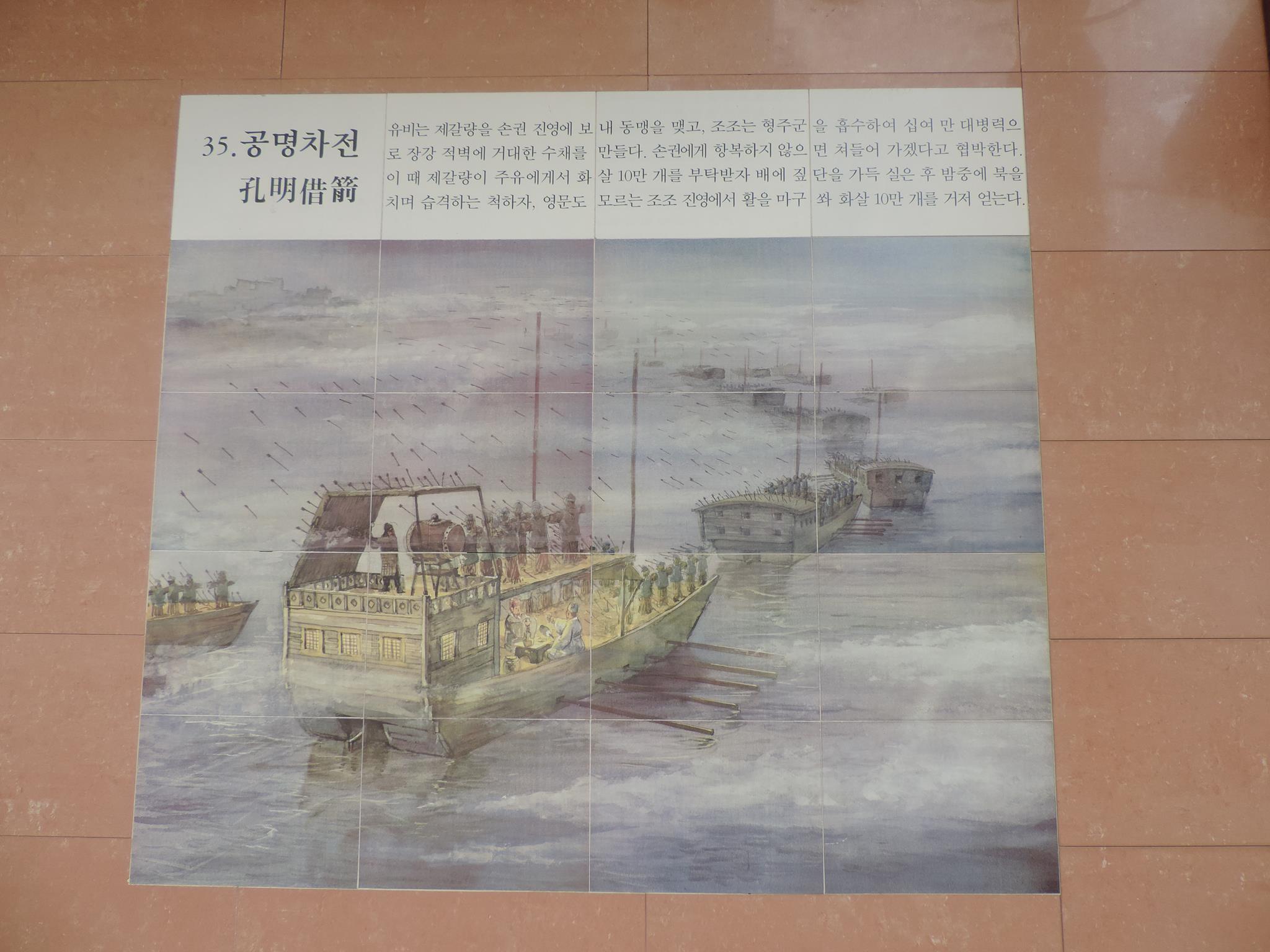
(35) Kongming’s borrowed Arrows. Liu Bei sent Zhuge Liang to Sun Quan’s camp to form an alliance, and Cao Cao absorbed the Jingzhou army and built a huge water tank at the Red Cliffs of the Yangtze River with a large army of over 100,000. He threatened to invade Sun Quan if he did not surrender. At this time, Zhuge Liang received a request for 100,000 arrows from Zhou Yu. He filled his boat with straw and beat drums in the middle of the night to pretend to attack, and Cao Cao’s camp, who had no idea what was going on, shot arrows indiscriminately and obtained 100,000 arrows for free.
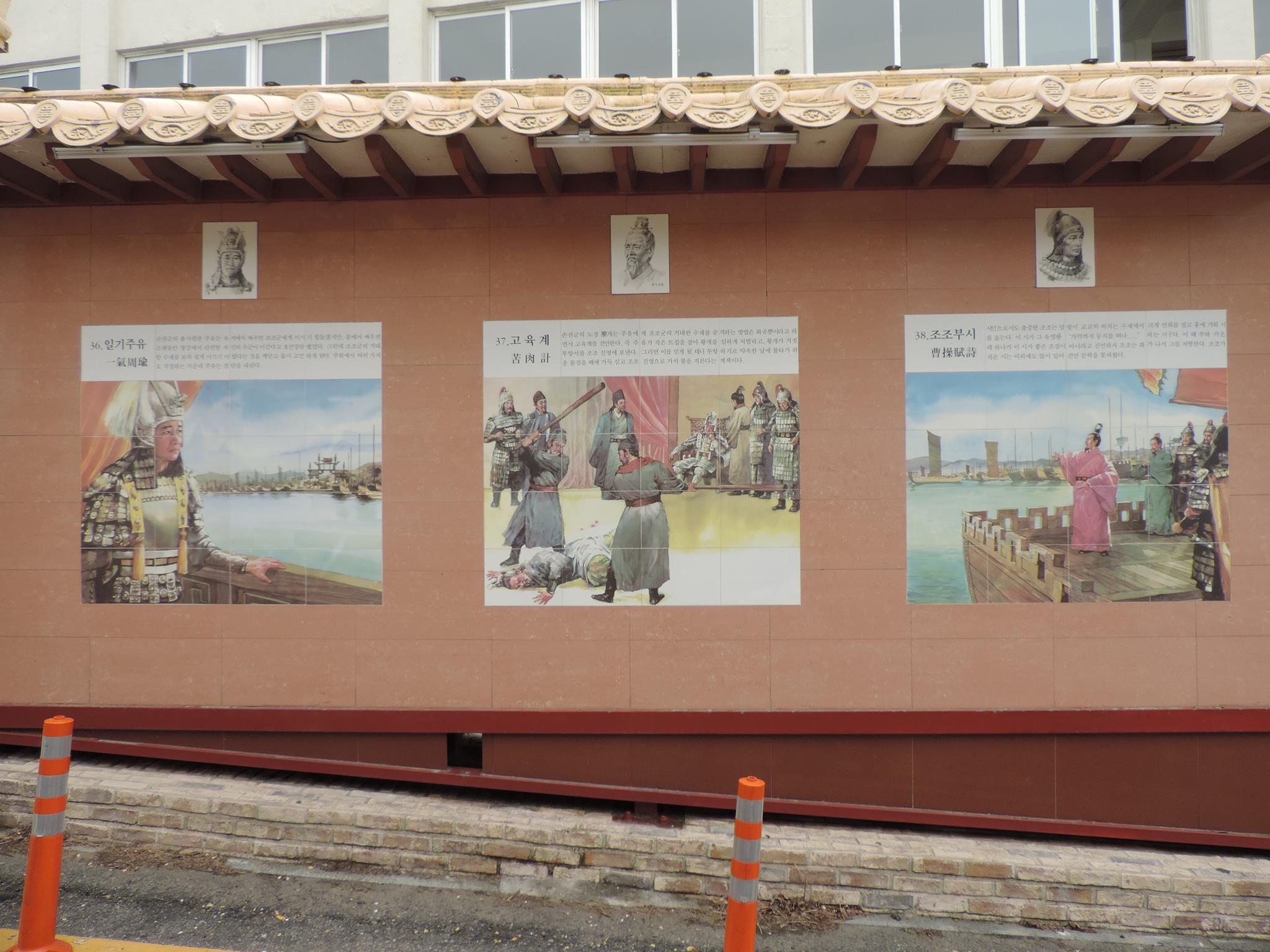
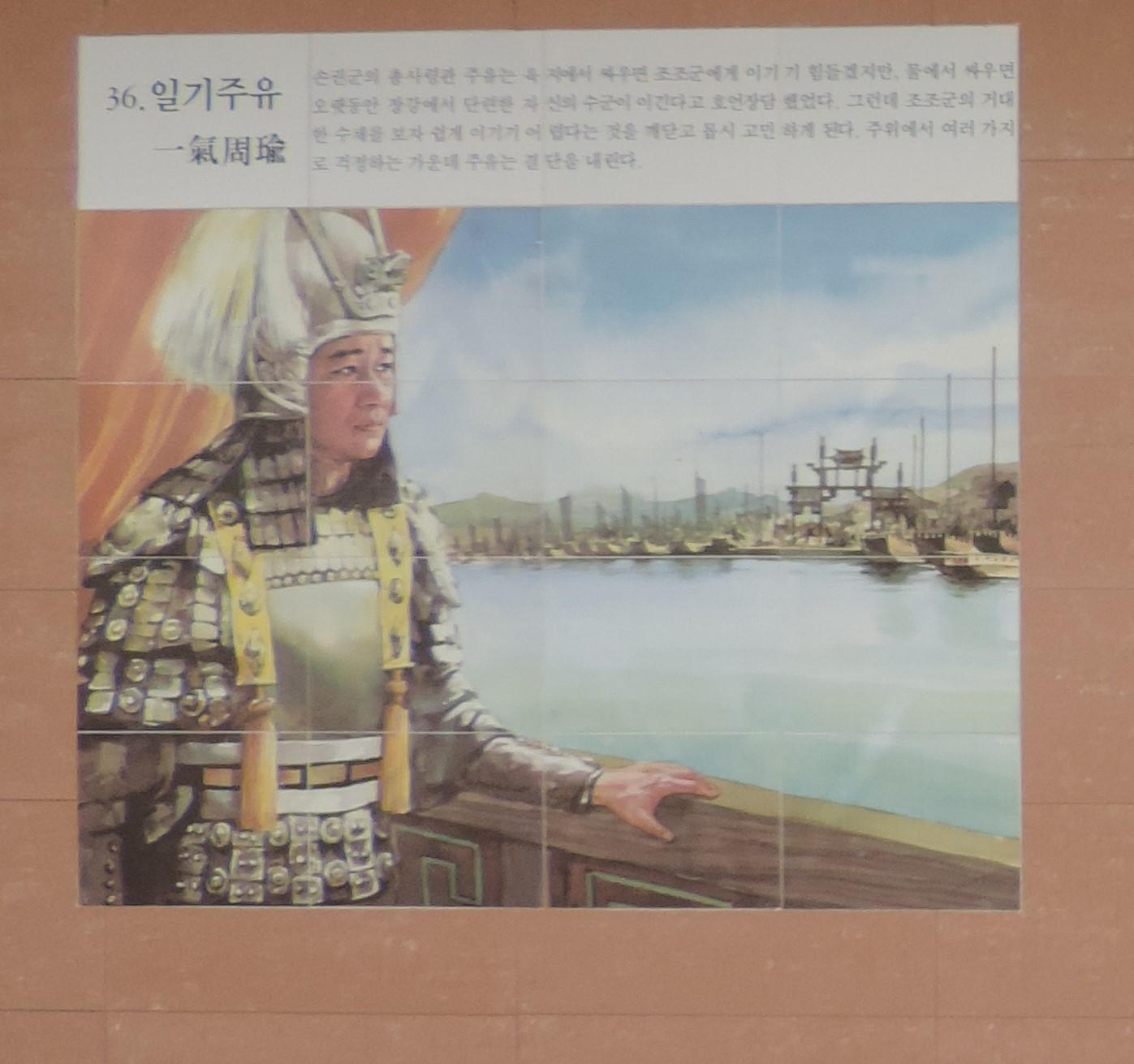
(36) Ilgi Zhou Yu. Zhou Yu, the commander-in-chief of Sun Quan’s army, boasted that if they fought on land, it would be difficult to win against Cao Cao’s army, but if they fought on water, his navy, trained for a long time in the Yangtze River, would win. However, when he saw Cao Cao’s army’s massive flood, he realized that it was difficult to take it lightly and became deeply troubled. While many people around him were worried, Zhou Yu made a decision.
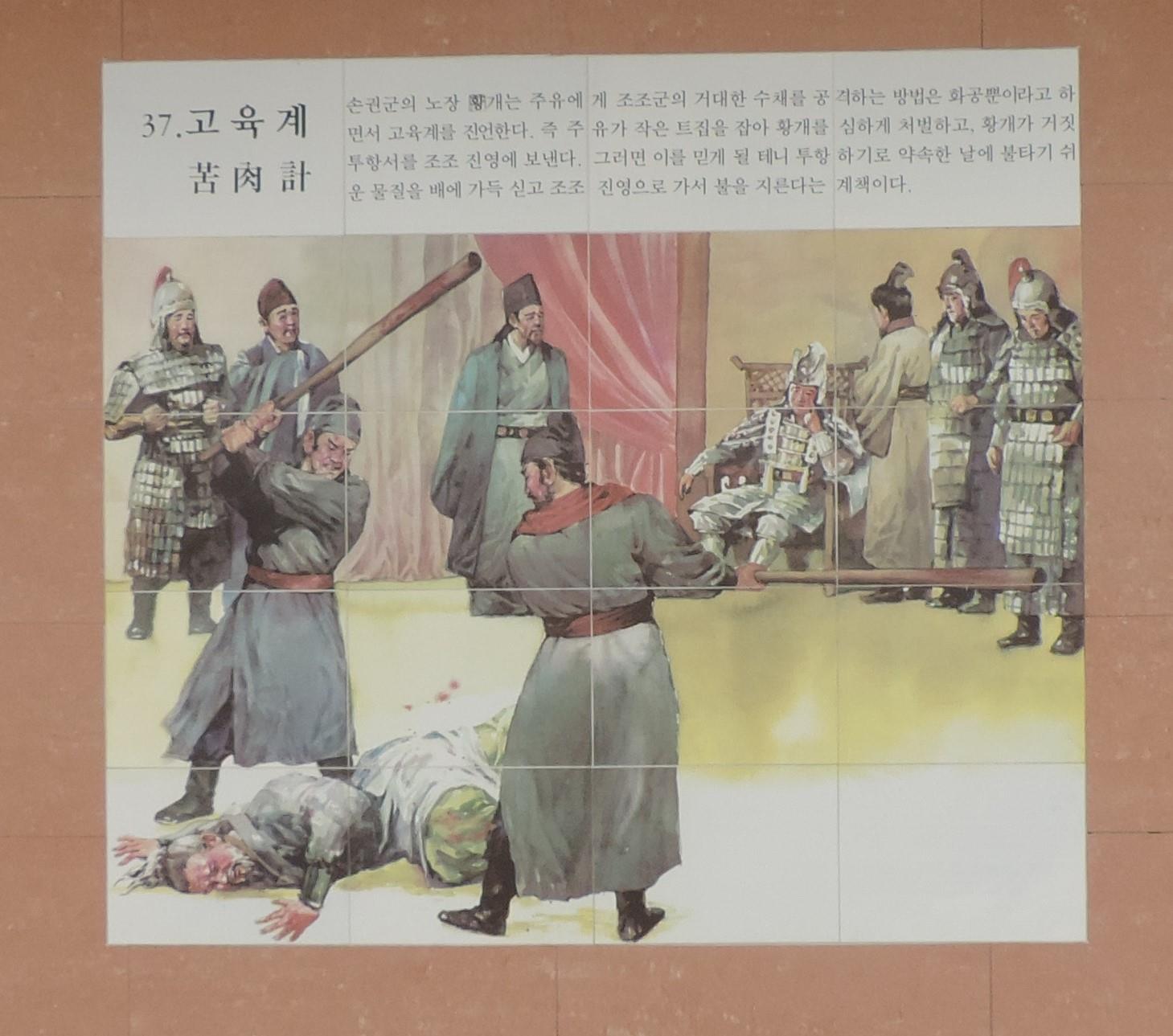
(37) The Bitter Meat Plan. Huang Gai, a veteran general of Sun Quan’s army, advises Zhou Yu to attack Cao Cao’s huge water tank with fire, and suggests the Bitter Meat Plan. In other words, Zhou Yu will find a small fault and severely punish Huang Gai, and Huang Gai will send a false surrender letter to Cao Cao’s camp. Then, on the day of the agreement to surrender, he will load a ship full of flammable materials, go to Cao Cao’s camp, and set it on fire.
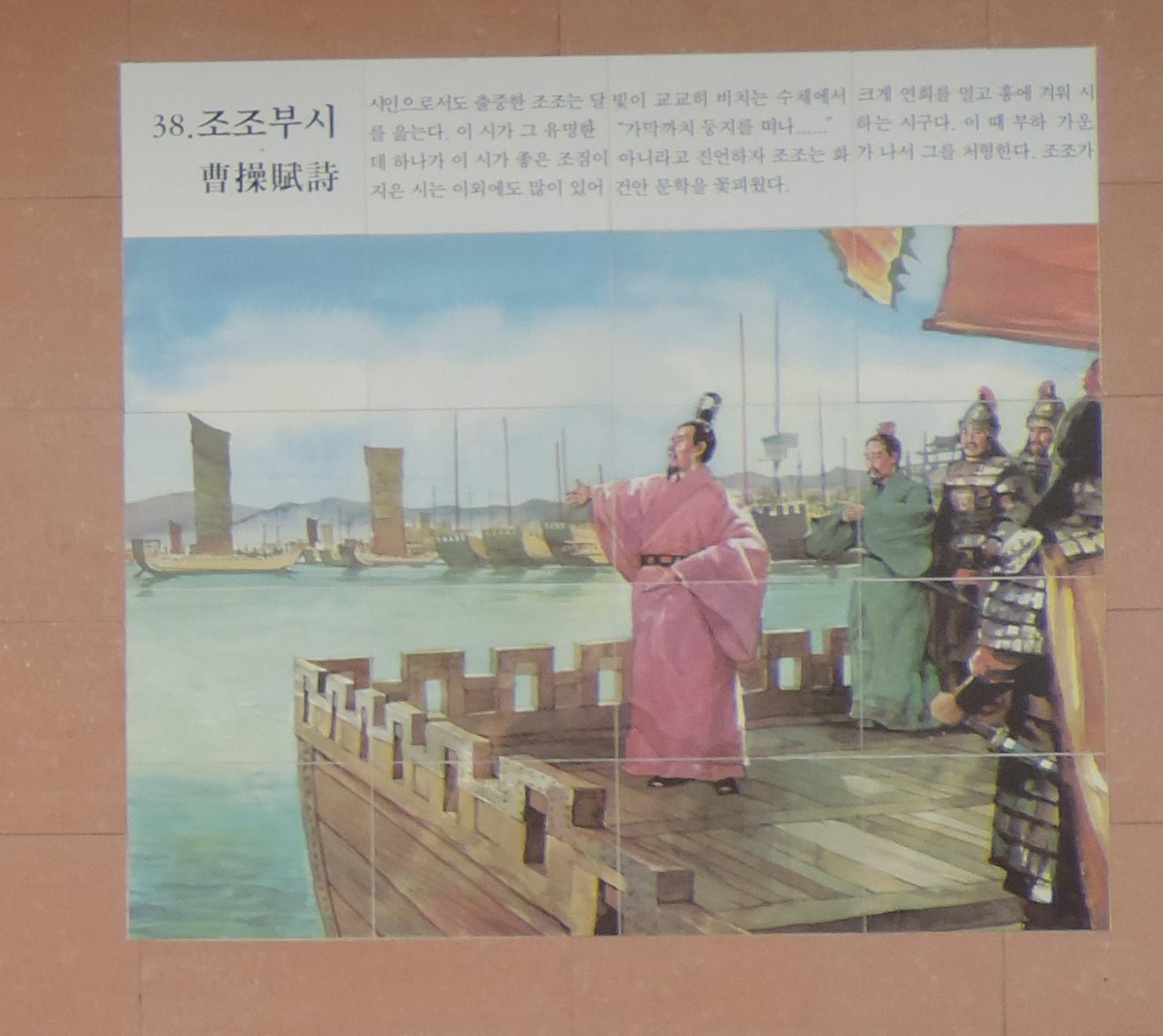
(38) Cao Cao Fu Shi. Cao Cao, who was also an outstanding poet, held a grand banquet in the moonlit waters and recited poetry in excitement. This poem is the famous verse of the magpie leaving its nest. When one of his subordinates suggested that this poem was not a good omen, Cao Cao became angry and executed him. There were many other poems written by Cao Cao, which contributed to the flourishing of Jian’an literature.
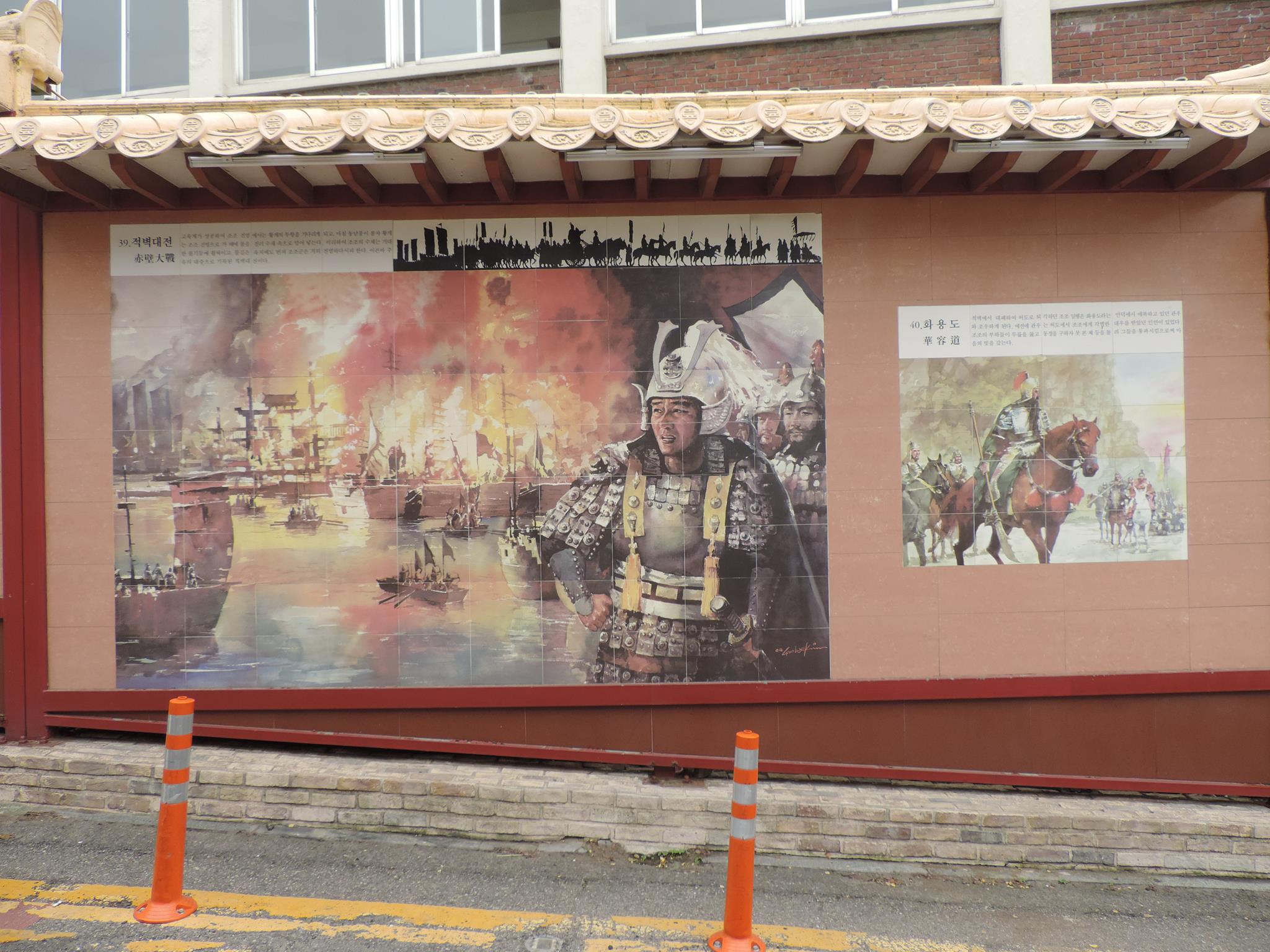
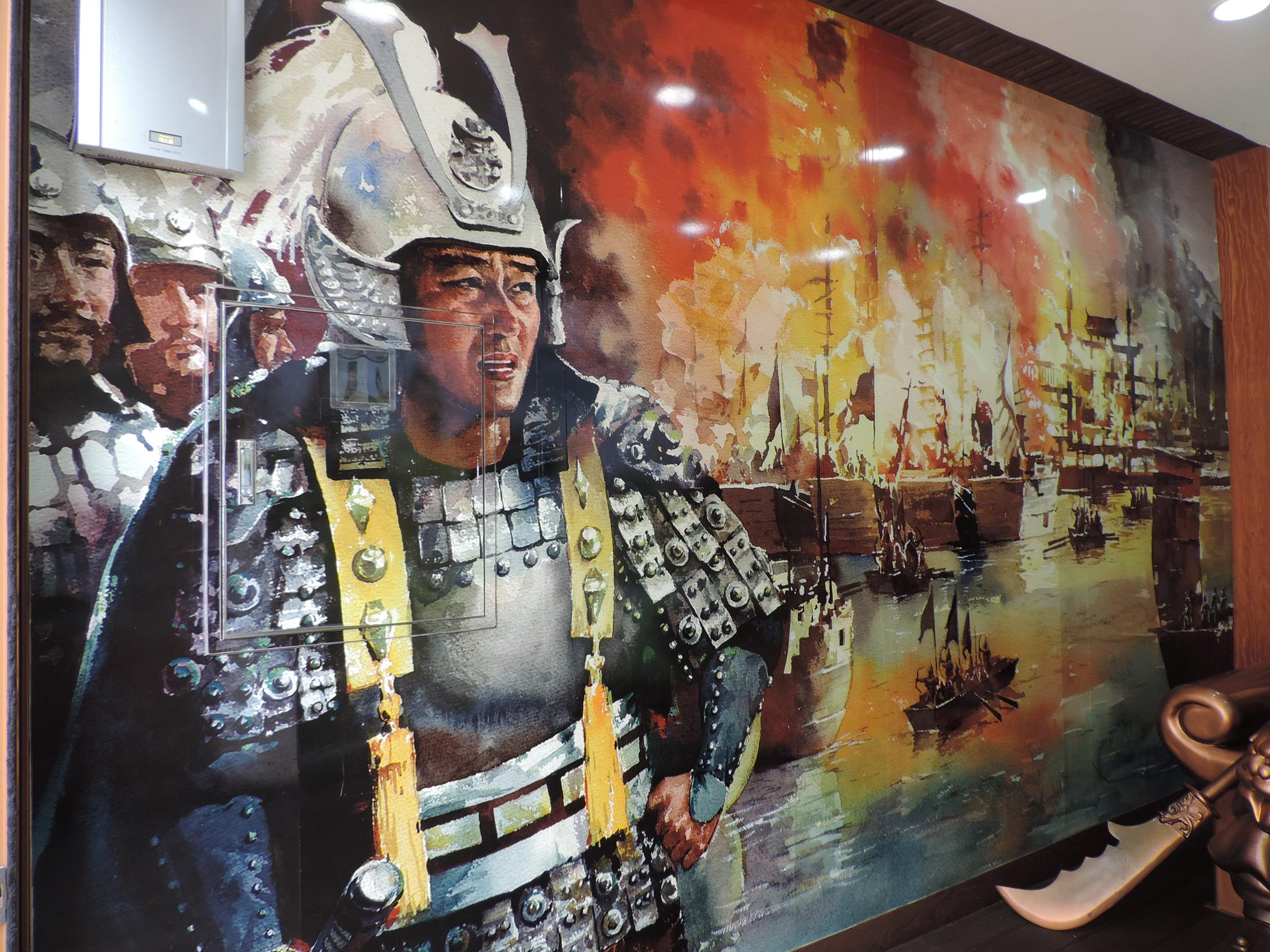
(39) Battle of Red Cliffs. Become popular and put into my heart.
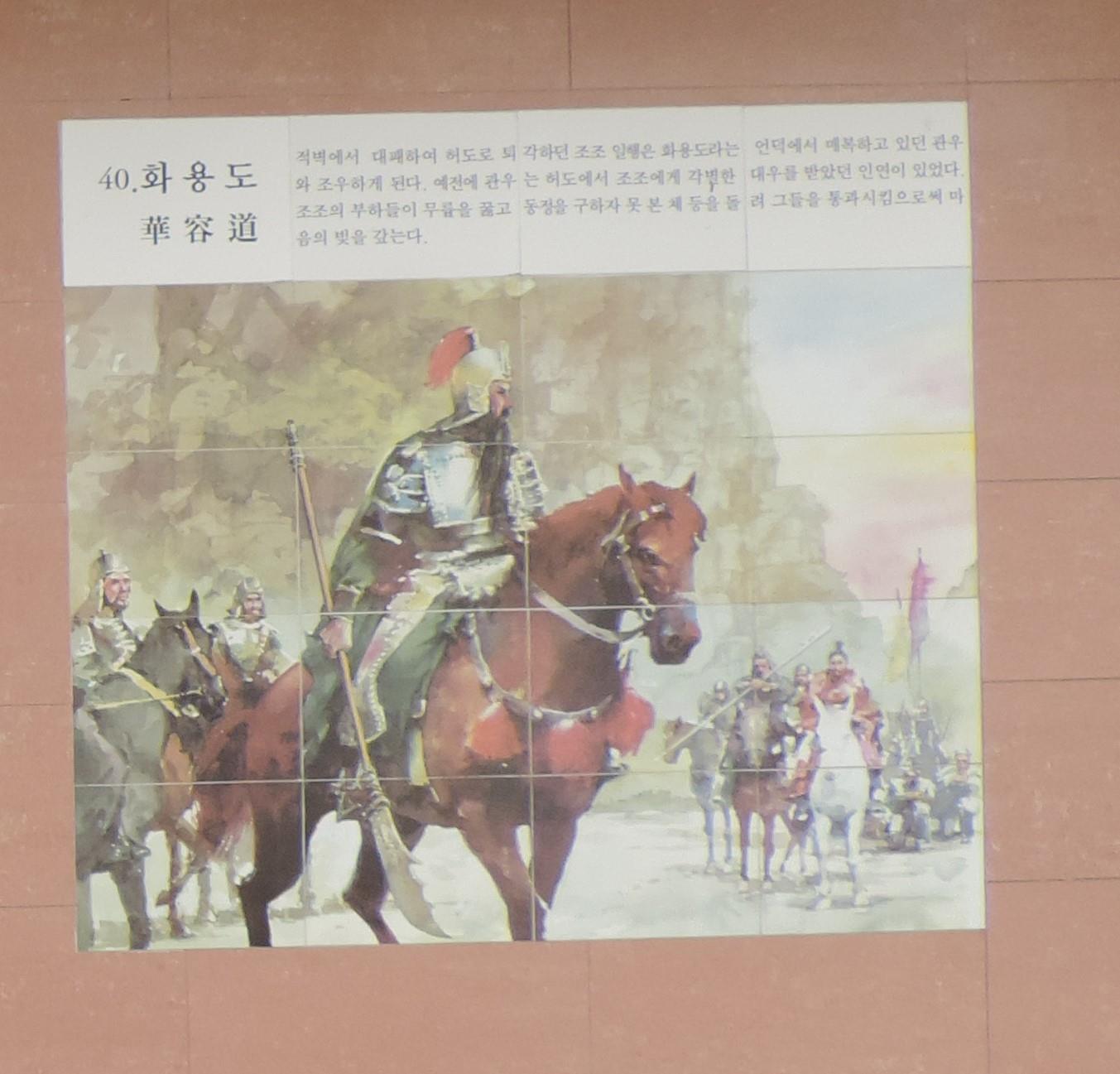
(40) Huarong Island. Cao Cao and his men, who were retreating to Xudao after being defeated at Red Cliffs, encountered Guan Yu, who was lying in ambush on a hill called Huarong Island. Guan Yu had previously received special treatment from Cao Cao at Xudao. When Cao Cao’s men knelt down and begged for sympathy, Guan Yu turned away and let them pass, thereby repaying his debt of gratitude.
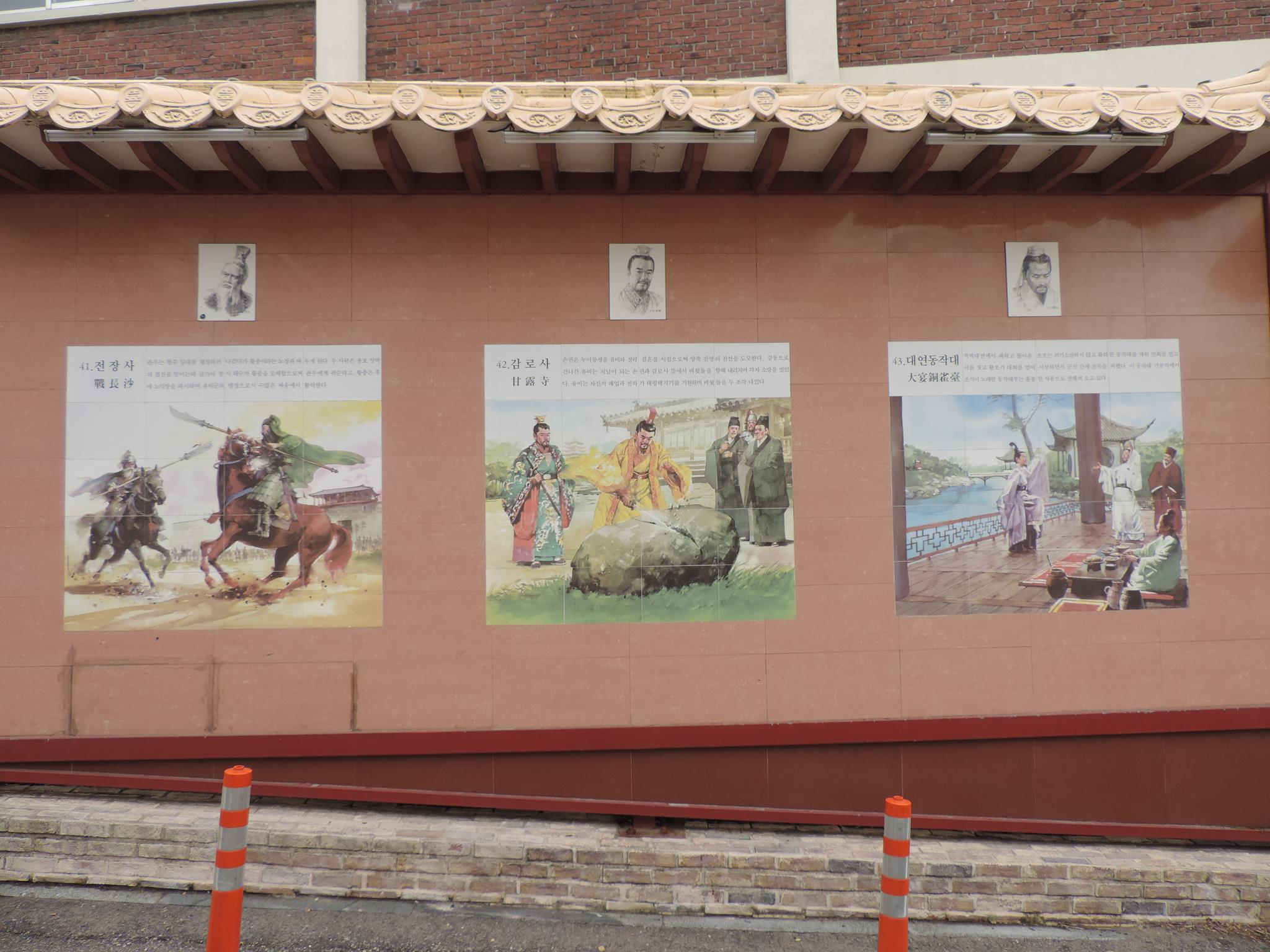
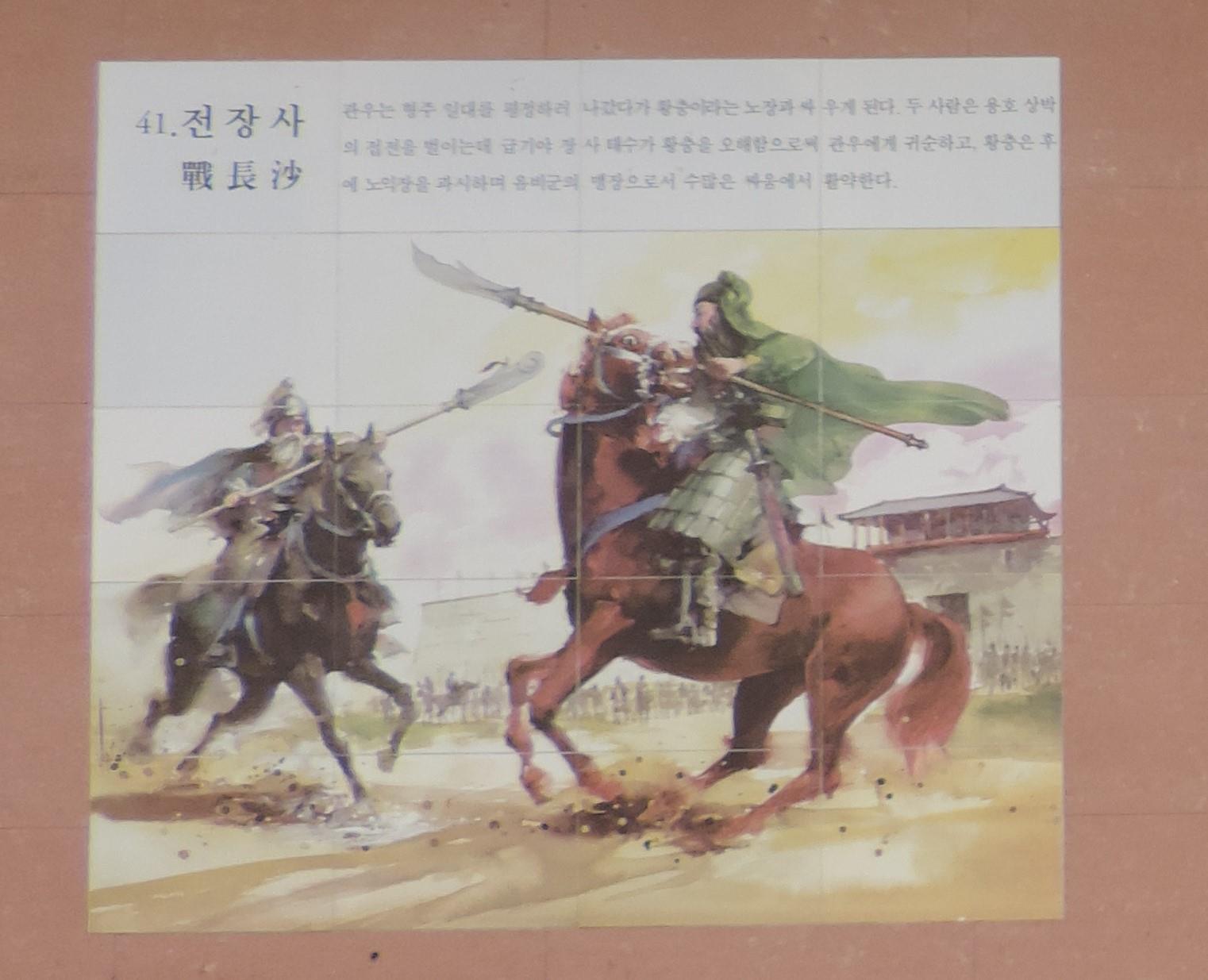
(41) Battle of Changsha. Guan Yu went out to pacify the Jingzhou area and fought against the veteran general Huang Zhong. The two fought a fierce battle, but the governor of Changsha misunderstood Huang Zhong and surrendered to Guan Yu. Later, Huang Zhong showed off his experience and became a fierce general in Liu Bei’s army, playing an active role in many battles.
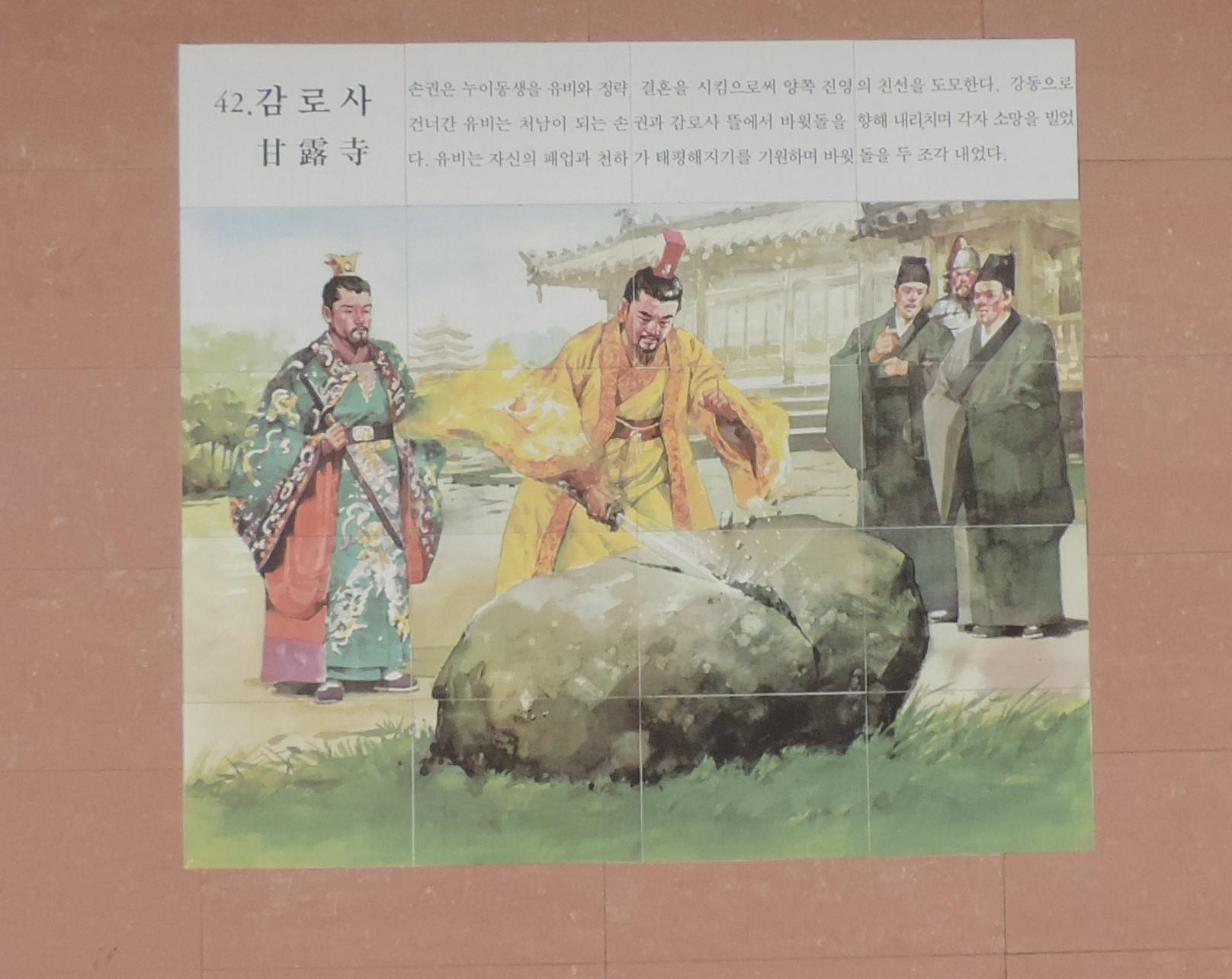
(42) Ganlu Temple. Sun Quan arranged a political marriage between his younger sister and Liu Bei to promote friendship between the two camps. Liu Bei, who crossed over to Jiangdong, and Sun Quan, his brother-in-law, struck a rock in the courtyard of Ganlu Temple and made a wish. Liu Bei broke the rock into two pieces, wishing for his own cause and peace in the world.
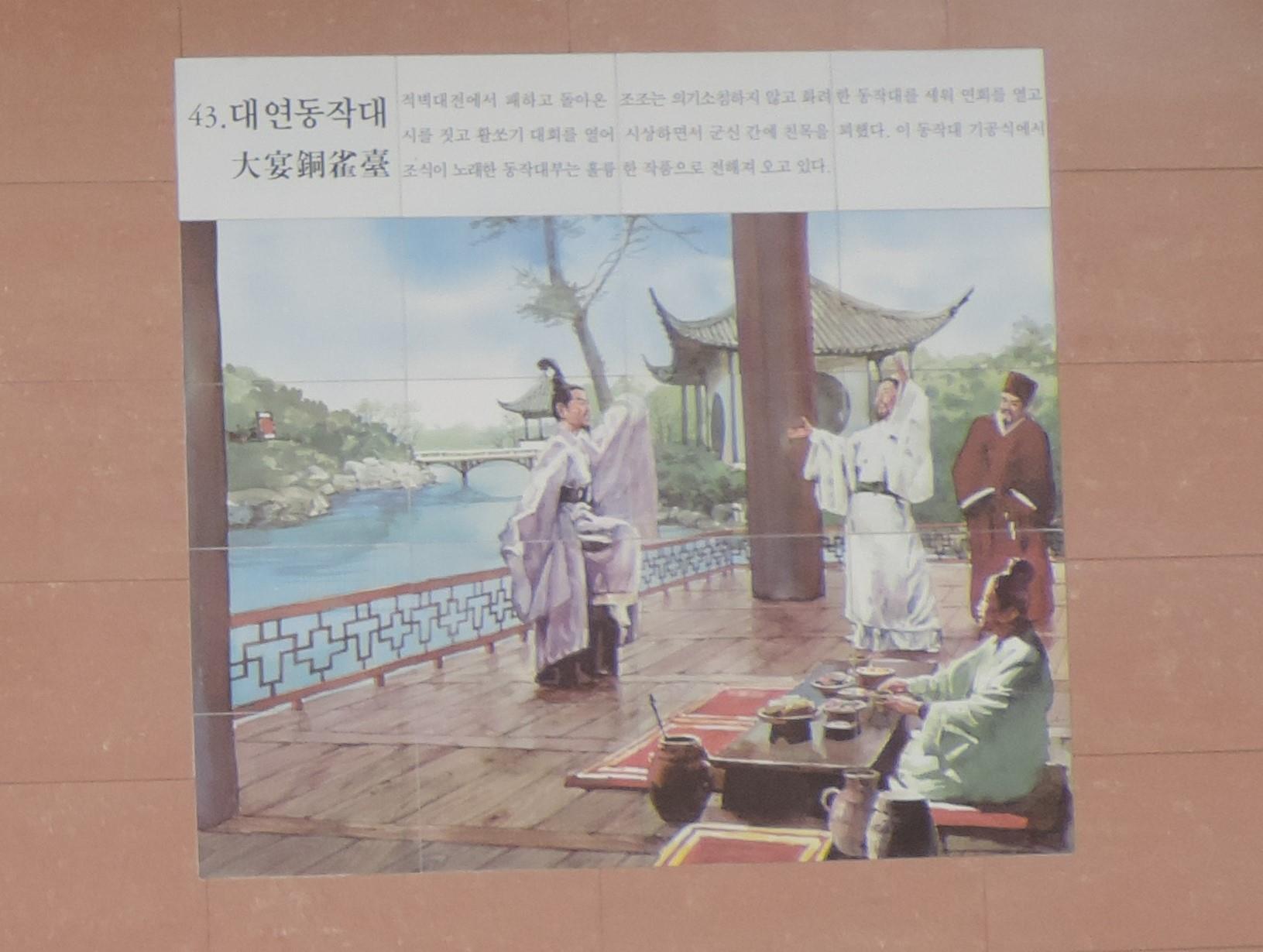
(43) Daeyeondongjakdae. Cao Cao, who returned from defeat in the Battle of Red Cliffs, did not lose heart, but built a magnificent Dongjakdae, held interviews, composed poems, held archery competitions, and presented awards to promote friendship between the ruler and his subjects. At the groundbreaking ceremony for this Dongjakdae, Dae Josik sang Dongjakdaebu, which has been handed down as an excellent piece.
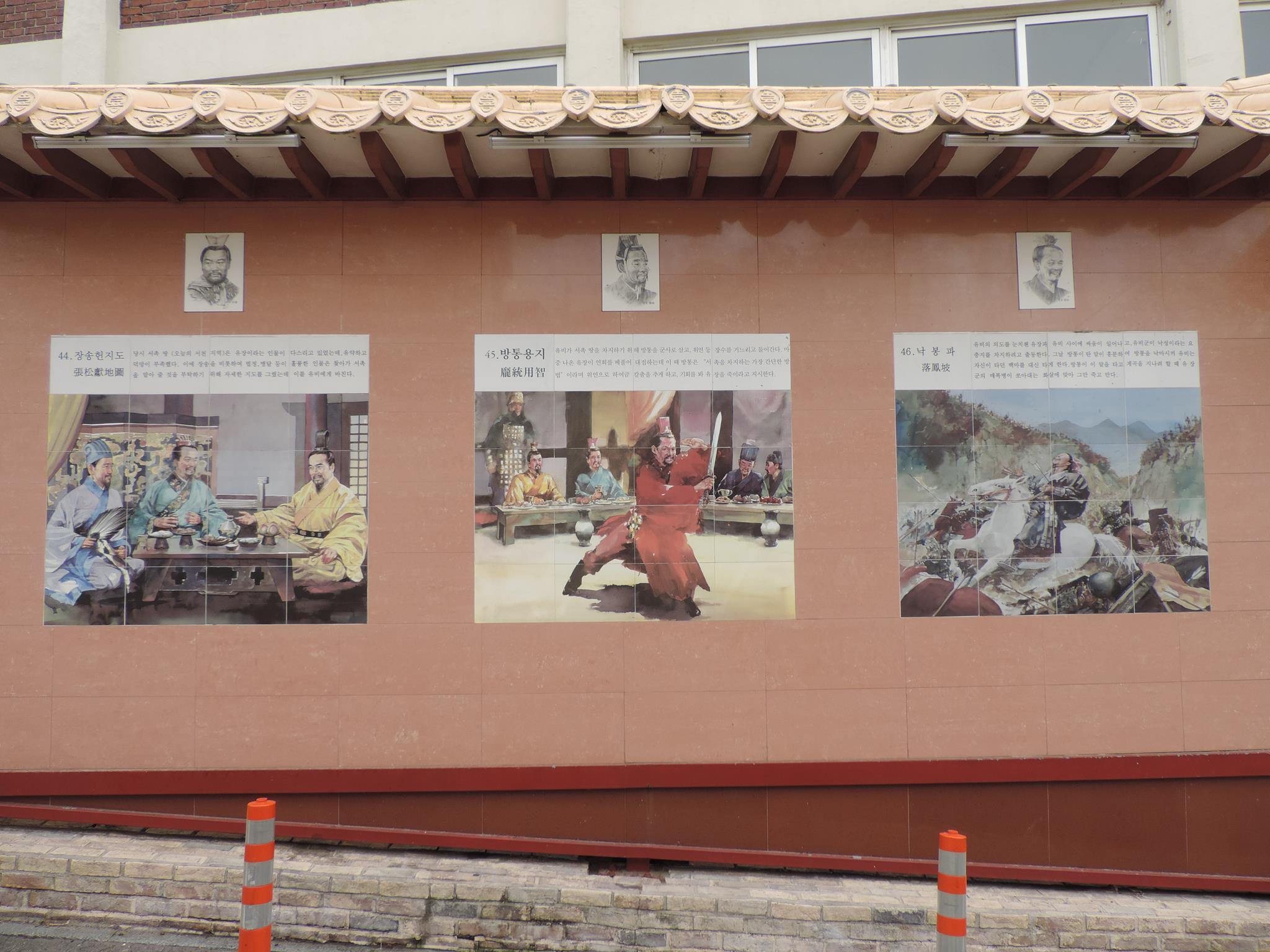
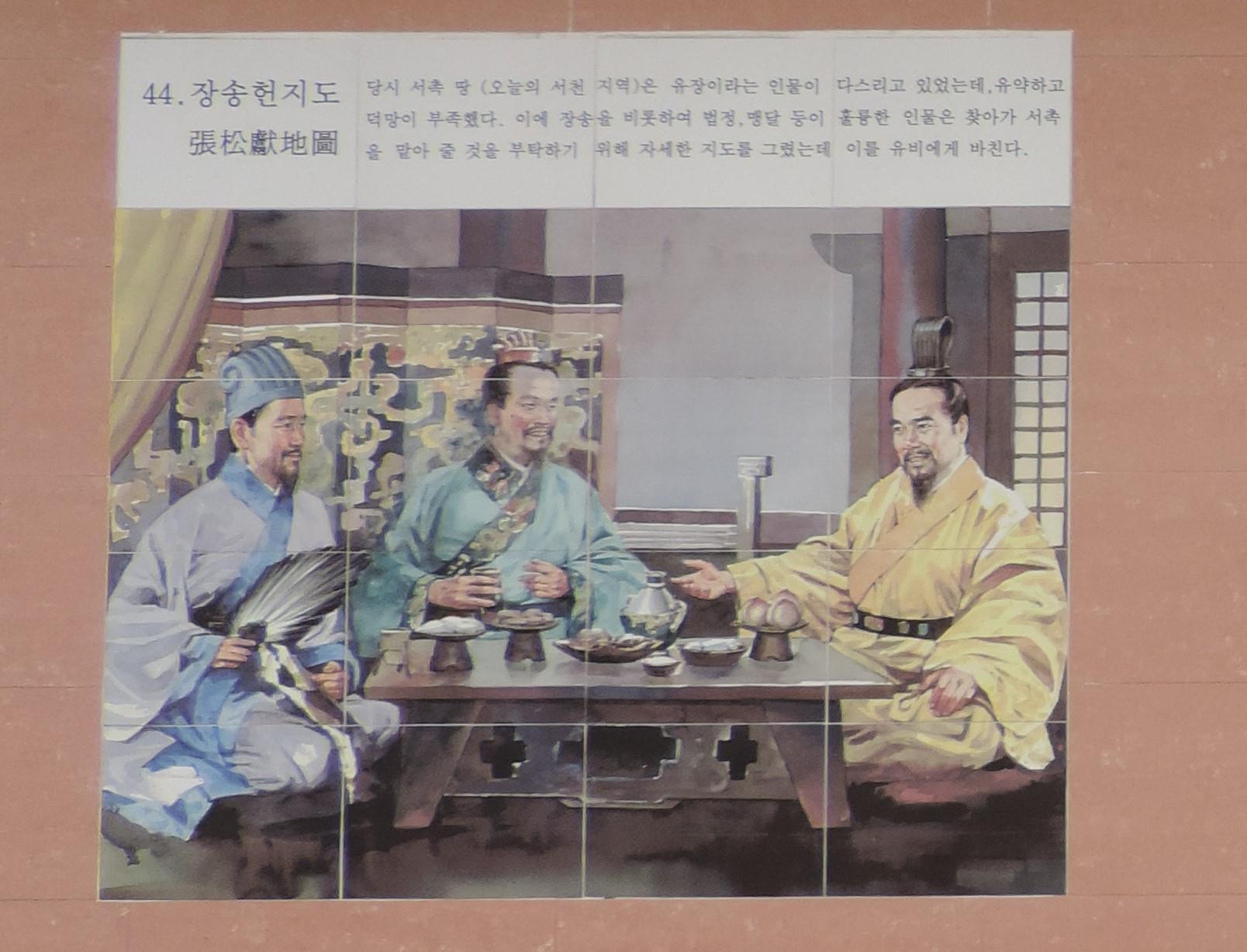
(44) Zhang Songxian Map. At the time of the Jang Song Heonjido, the land of Xichou (today’s Xichuan region) was ruled by a man named Liu Zhang, who was weak and lacked morality. So Jang Song, Beop Jeong, Meng Da, and others drew a detailed map to ask him to take charge of it, and the great man went to Xichou and presented it to Liu Bei.
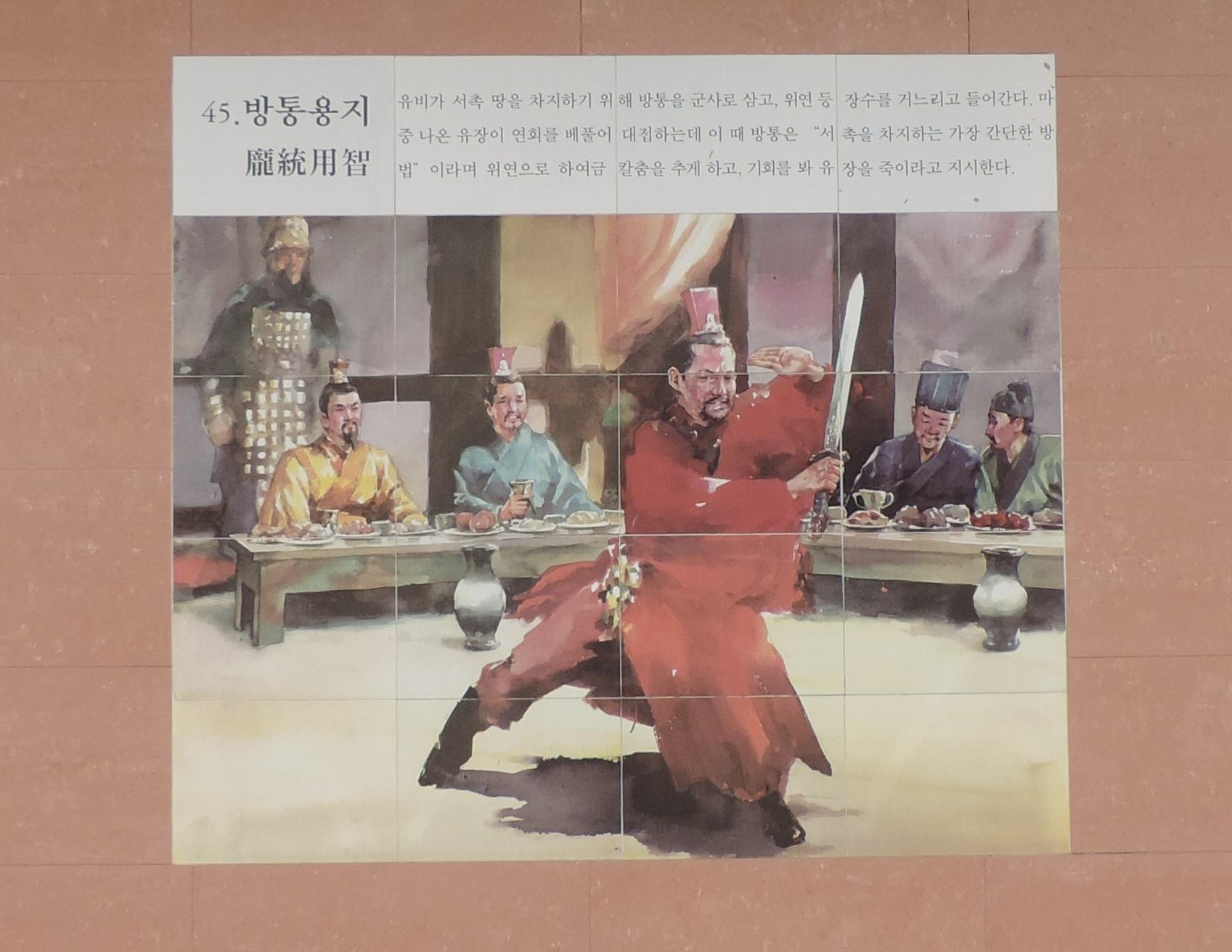
(45) Pang Tong Yong Zhi. Liu Bei enters the western lands with Pang Tong as his military officer and Wei Yan and other generals. Liu Zhang, who came out to greet him, held a banquet to entertain him. At this time, Pang Tong said, „The simplest way to take over Western Shu is to have Wei Yan dance the sword dance and kill Liu Zhang when the opportunity arises. It is the law.
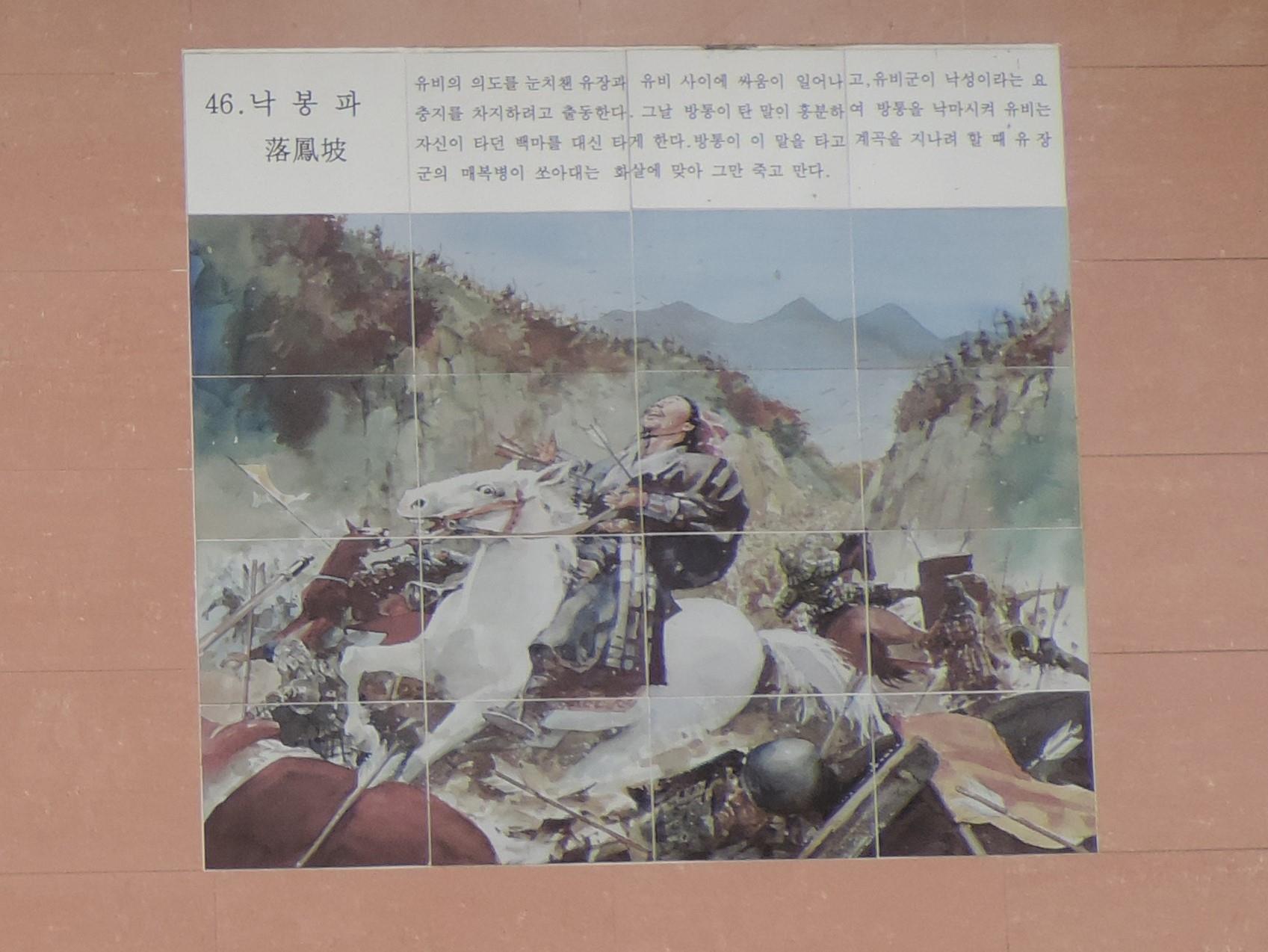
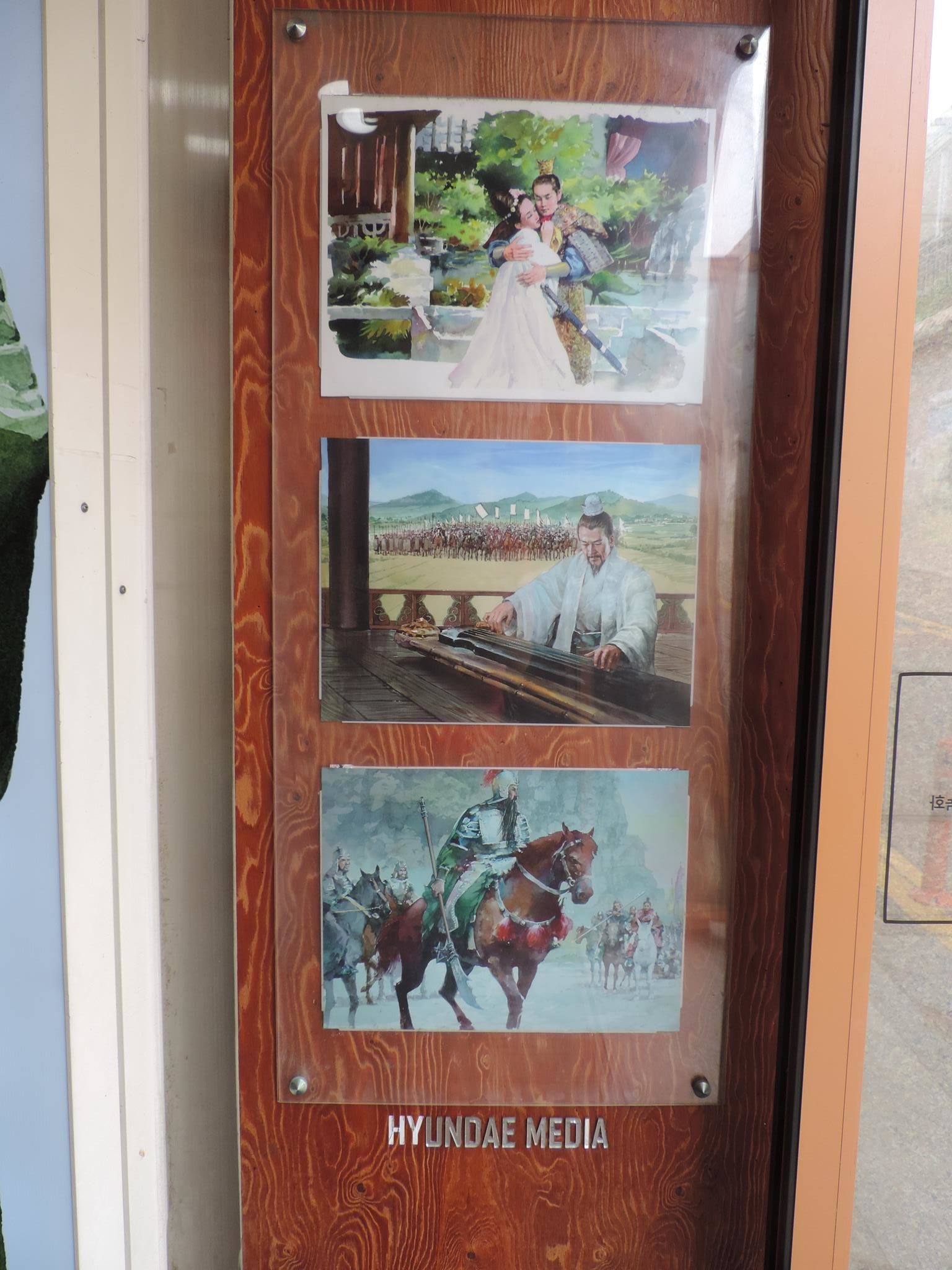
(46) ??Nakbongpo. A fight breaks out between Liu Zhang and Liu Bei, who sense Liu Bei’s intentions, and Liu Bei’s army sets out to take the important point of Nakcheng. That day, Pang Tong’s horse gets excited, causing him to fall off, and Liu Bei orders him to ride his white horse instead. When Pang Tong tries to pass through the valley on this horse, he is hit by an arrow fired by Liu Zhang’s ambushers and dies.
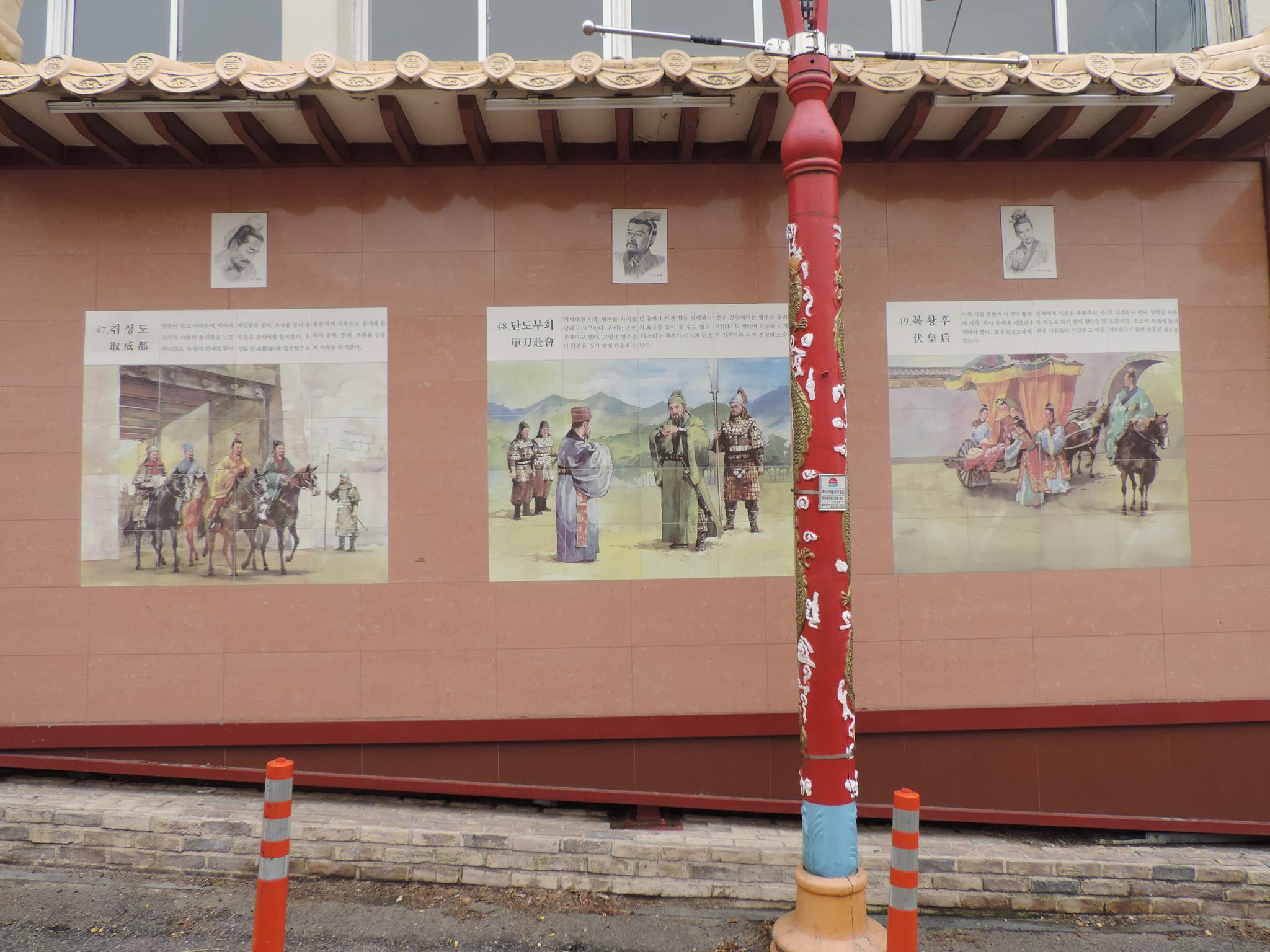
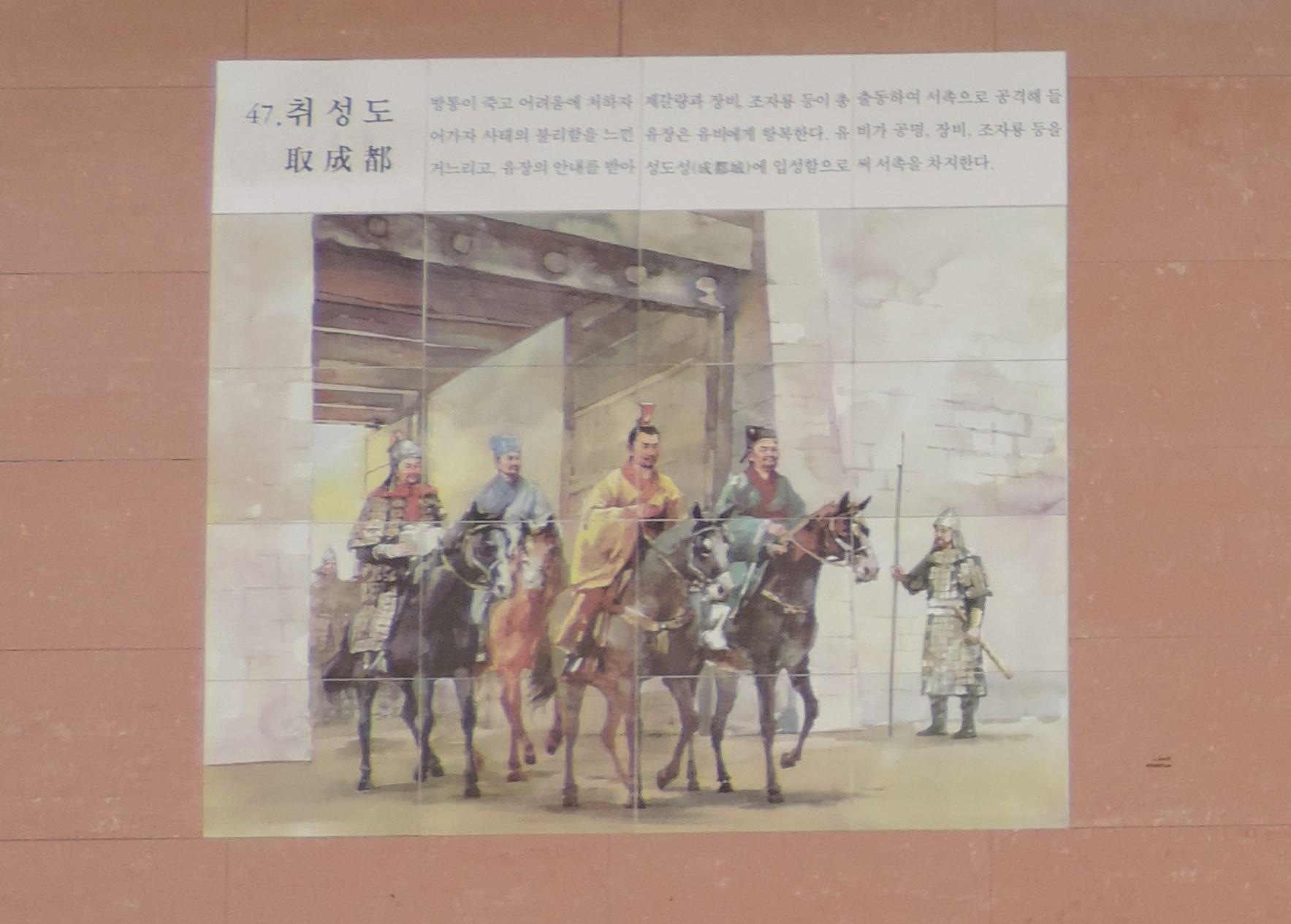
(47) Taking Chengdu. When Pang Tong died and was in trouble, Zhuge Liang, Zhang Fei, Zhao Yun, and others mobilized to attack Xishu, and Liu Zhang, feeling the unfavorable situation, surrendered to Liu Bei. Liu Bei, with Gongming, Zhang Fei, Zhao Yun, and others, entered Chengdu under Liu Zhang’s guidance and took over Xishu.
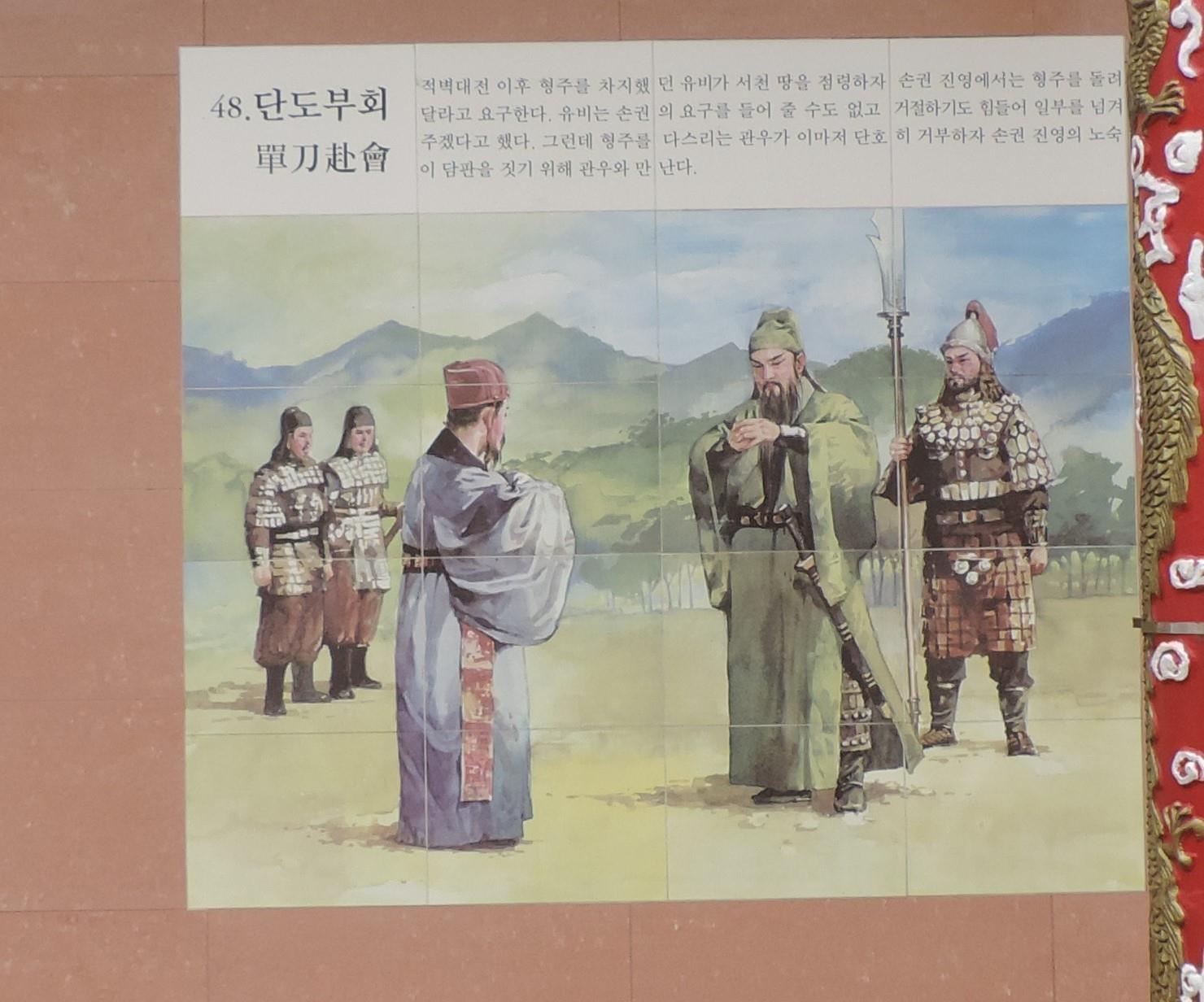
(48) The Battle of Red Cliffs. After Liu Bei, who had taken control of Jing Province, took over the land of Xichuan, Sun Quan’s camp demanded that Jing Province be returned. Liu Bei could not accept Sun Quan’s request and was unable to refuse, so he offered to hand over some of it. However, when Guan Yu, who ruled Jing Province, firmly refused, Lu Su of Sun Quan’s camp met with Guan Yu to negotiate.
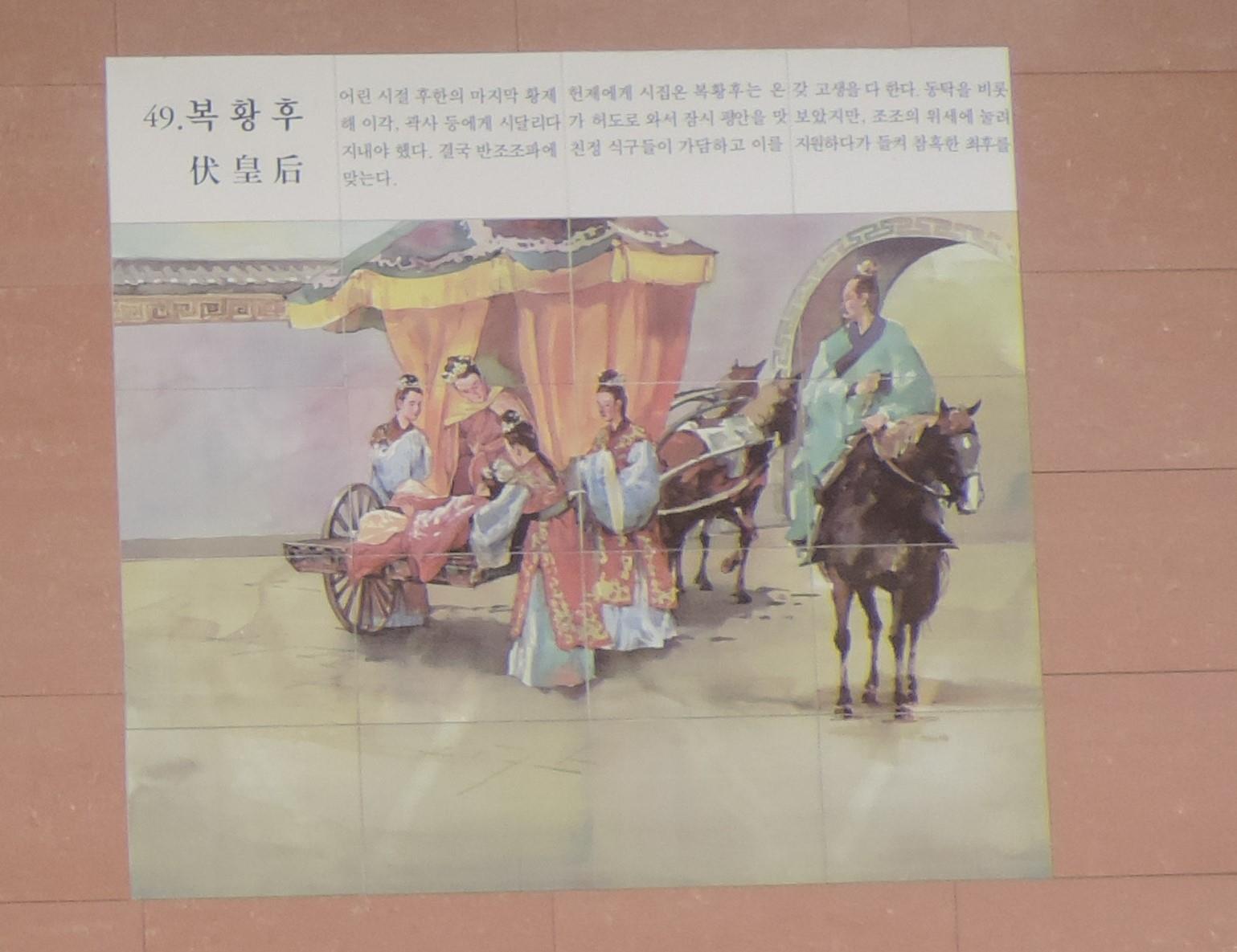
(49) Empress Fu. Empress Fu, who married the last emperor of the Later Han Dynasty, Hyeonjae, suffered all kinds of hardships during her childhood. She suffered from Dong Zhuo, Li Jue, Guo Si, and others, and came to Xudu to taste peace for a while, but she had to live under the pressure of Cao Cao’s power. In the end, her family joined the anti-Cao Cao faction, and while supporting them, she was caught and met a tragic end.
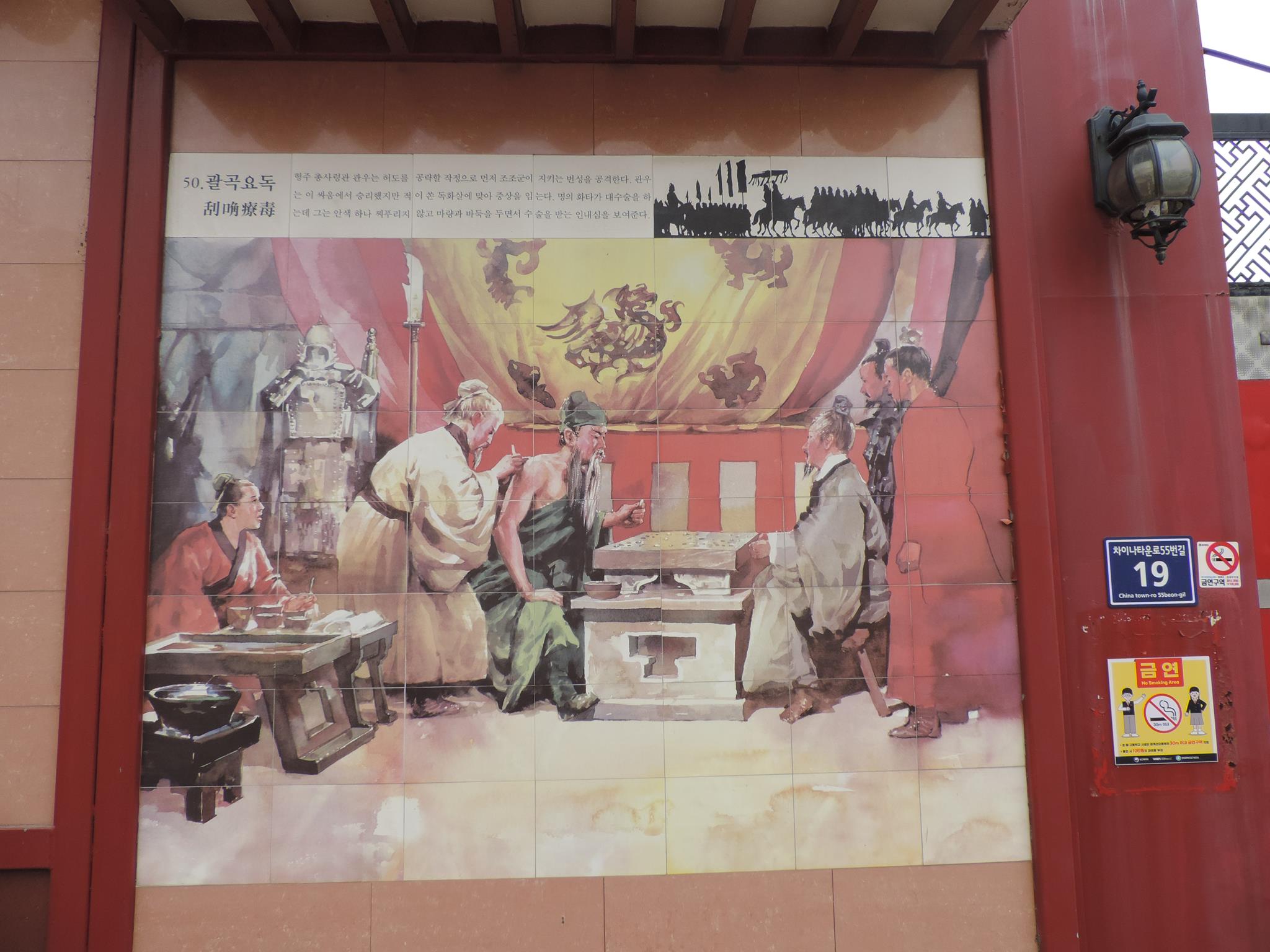
(50) Guaguo Yao Dok. Guan Yu, the commander-in-chief of Jingzhou, plans to conquer Xudu and first attacks Fancheng, which Cao Cao’s army is guarding. Guan Yu wins this battle, but is seriously injured by a poisoned arrow shot by the enemy. The famous doctor Hua Tuo performs a major surgery, and he shows patience while playing Go with Ma Liang without frowning.
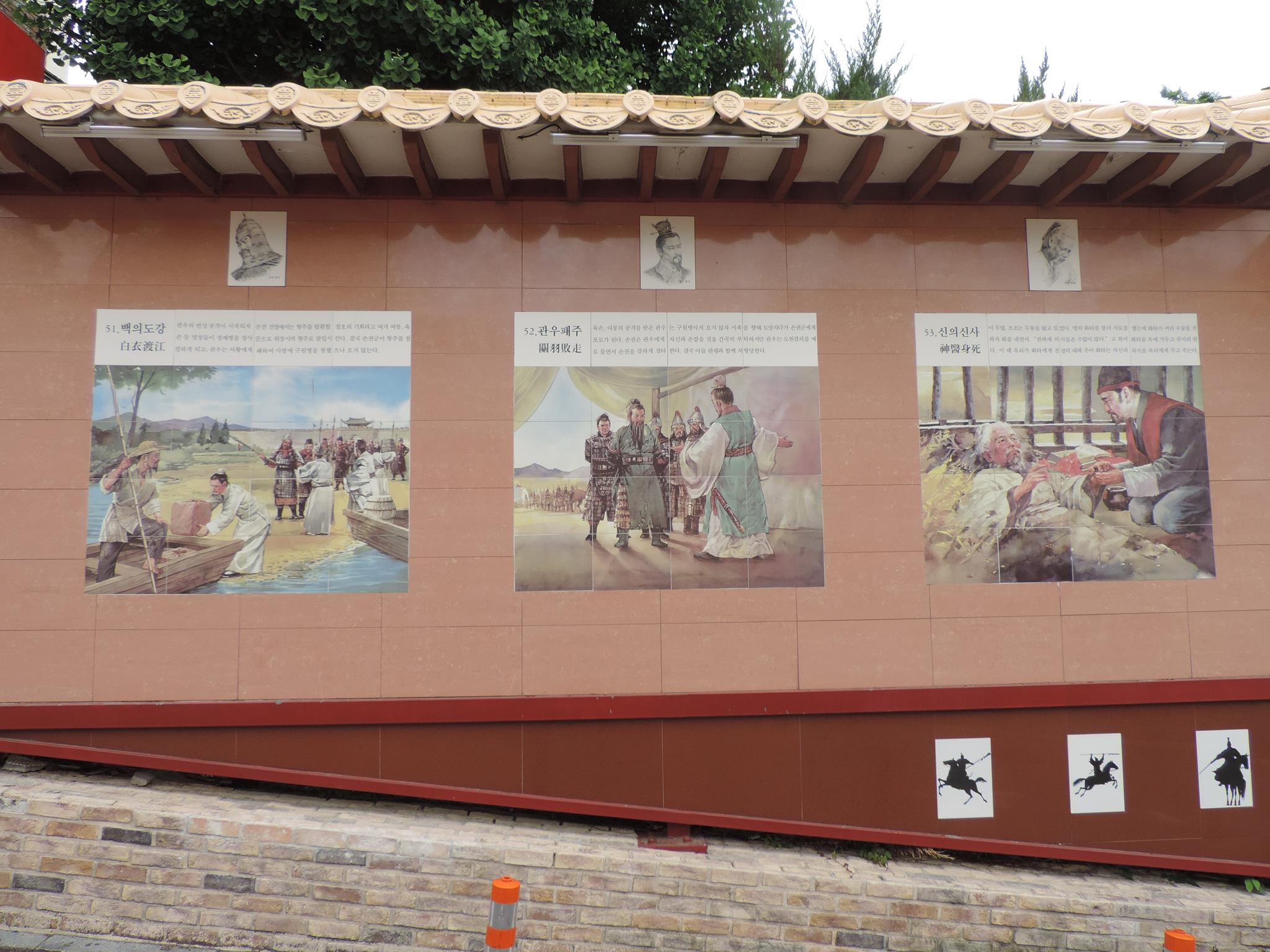
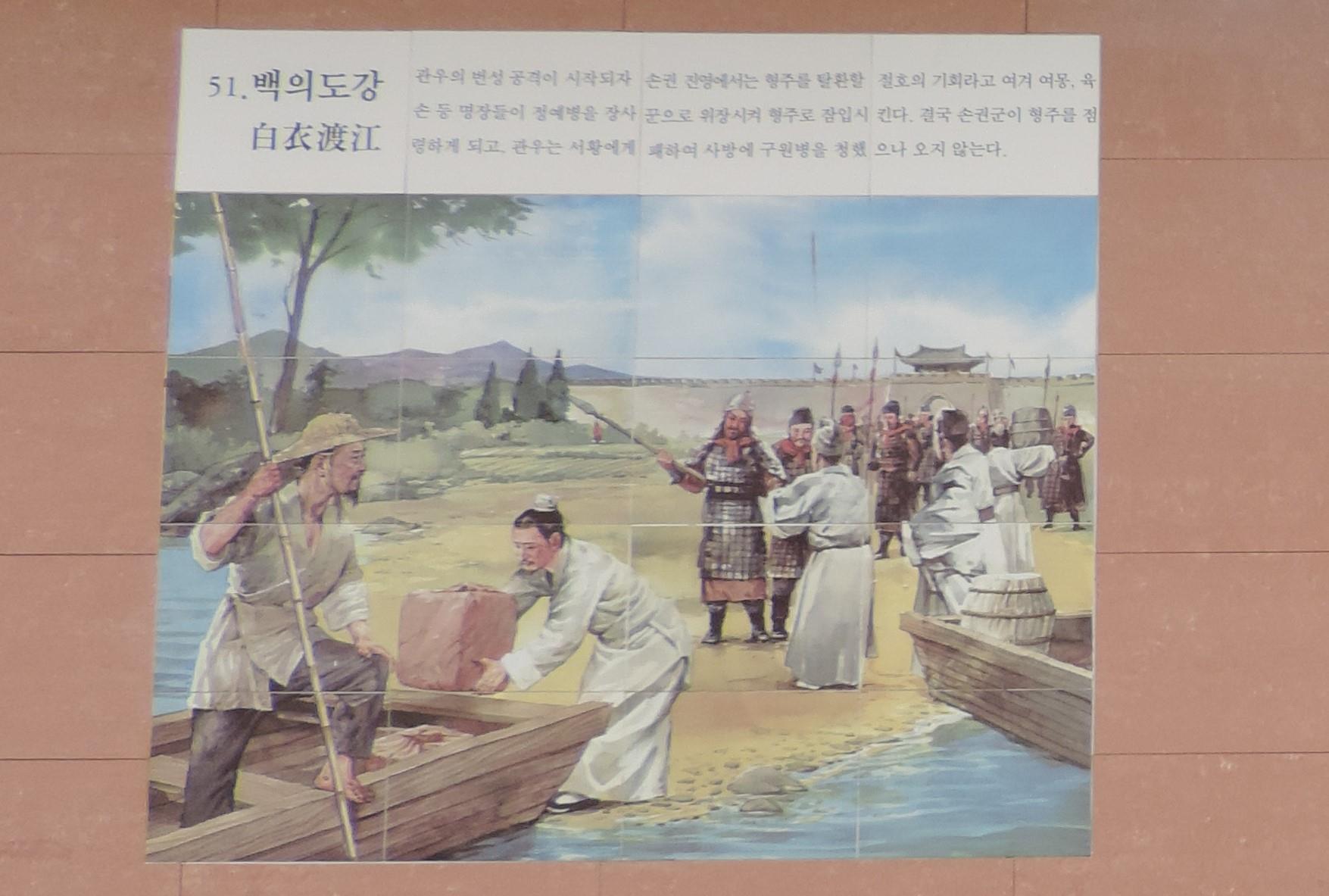
(51) Baiyidu River. When Guan Yu’s attack on Biancheng began, Sun Quan’s camp saw it as a golden opportunity to recapture Jingzhou, so famous generals such as Lu Meng and Lu Sun disguised their elite soldiers as merchants and infiltrated Jingzhou. In the end, Sun Quan’s army occupied Jingzhou, and Guan Yu was defeated by Xu Huang and requested reinforcements from all directions, but no one came.
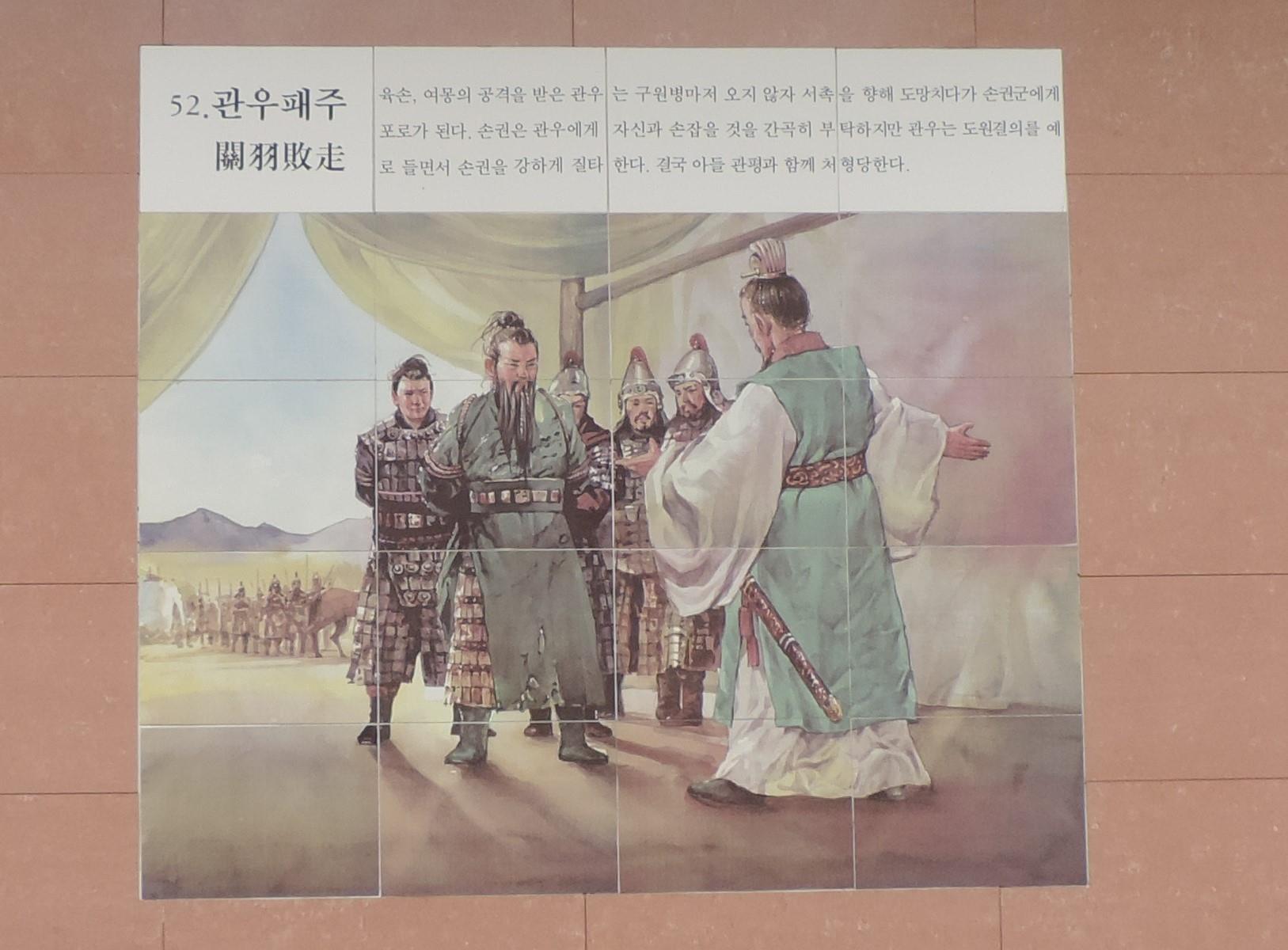
(52) Guan Yu’s Defeat. Guan Yu, who was attacked by Lu Xun and Lu Meng, fled to Xishu when no reinforcements arrived, but was captured by Sun Quan’s army. Sun Quan earnestly asked Guan Yu to join hands with him, but Guan Yu strongly rebuked Sun Quan, citing the Peach Garden Oath as an example. In the end, he was executed along with his son Guan Ping.
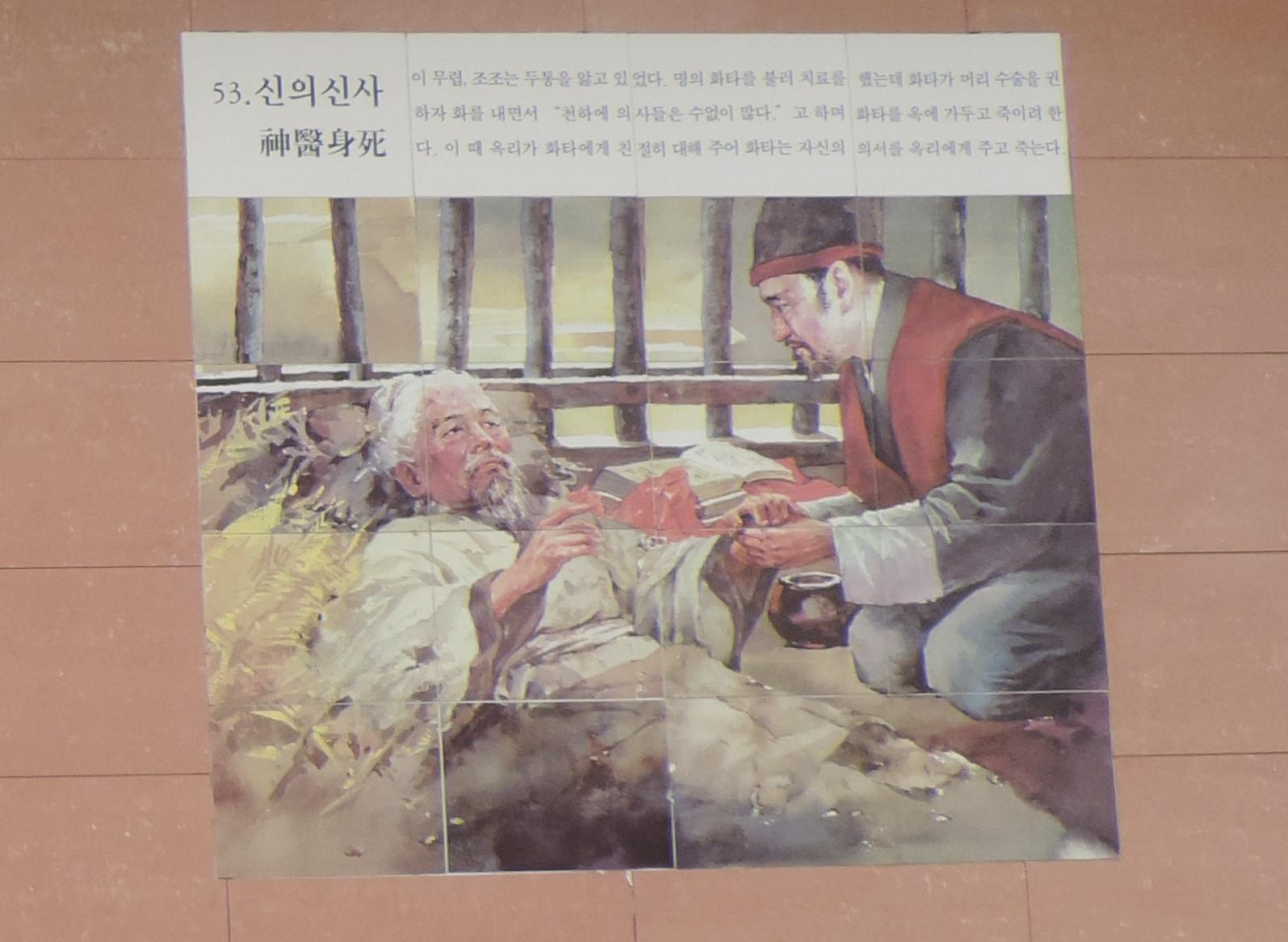
(53) The God of the Gods. At this time, Cao Cao was suffering from a headache. He called in the doctor Hua Tuo to treat him. When Hua Tuo recommended a head surgery, Cao Cao got angry and said, „There are countless doctors in the world.“ He locked Hua Tuo up in prison and tried to kill him. The God of the Gods died. At this time, the doctor treated Hua Tuo kindly, so Hua Tuo gave us his medical book and died.
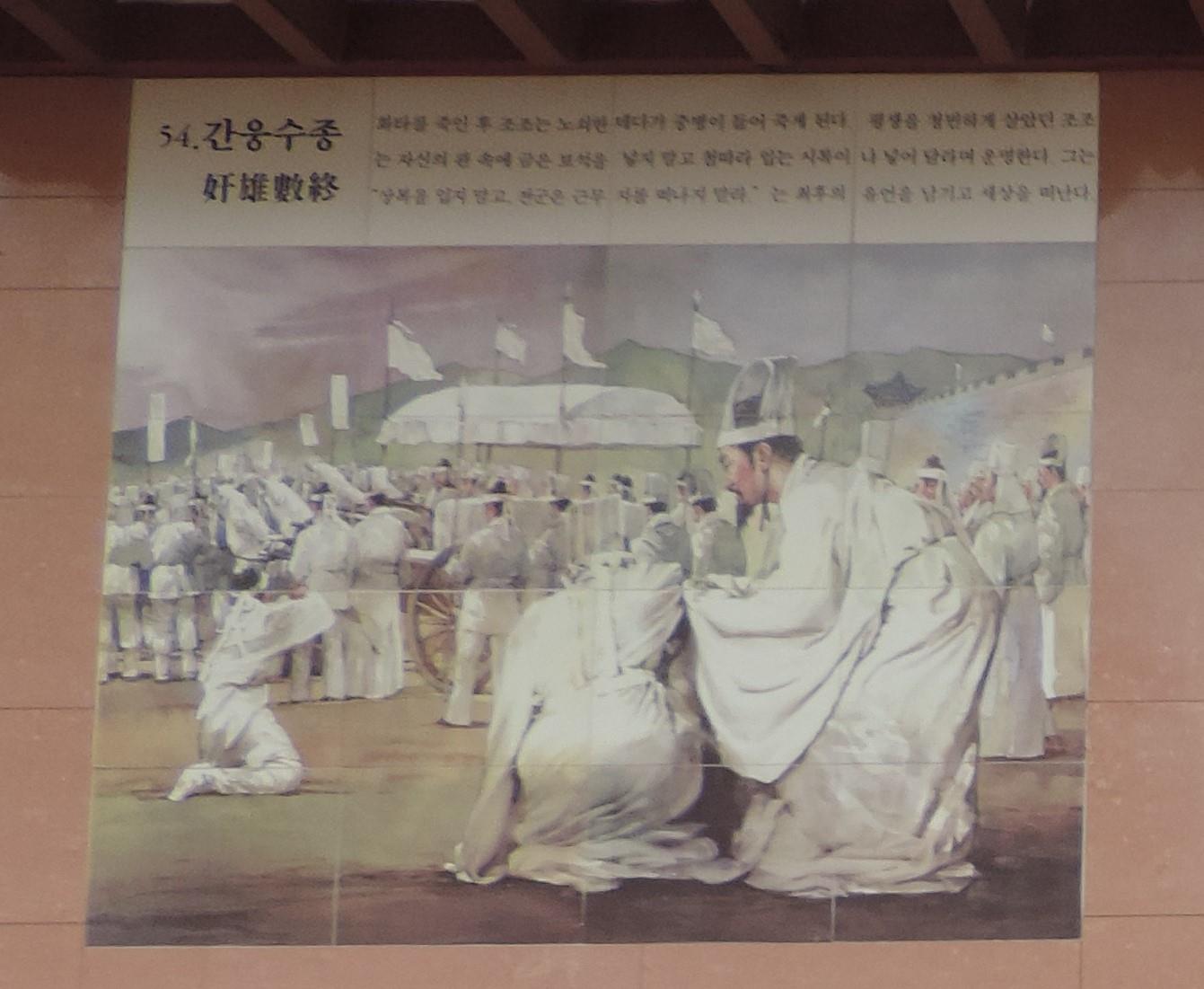
(54) The Traitor’s Death. After killing Hua Tuo, Cao Cao became old and died of a concubine. Cao Cao lived comfortably for the rest of his life.
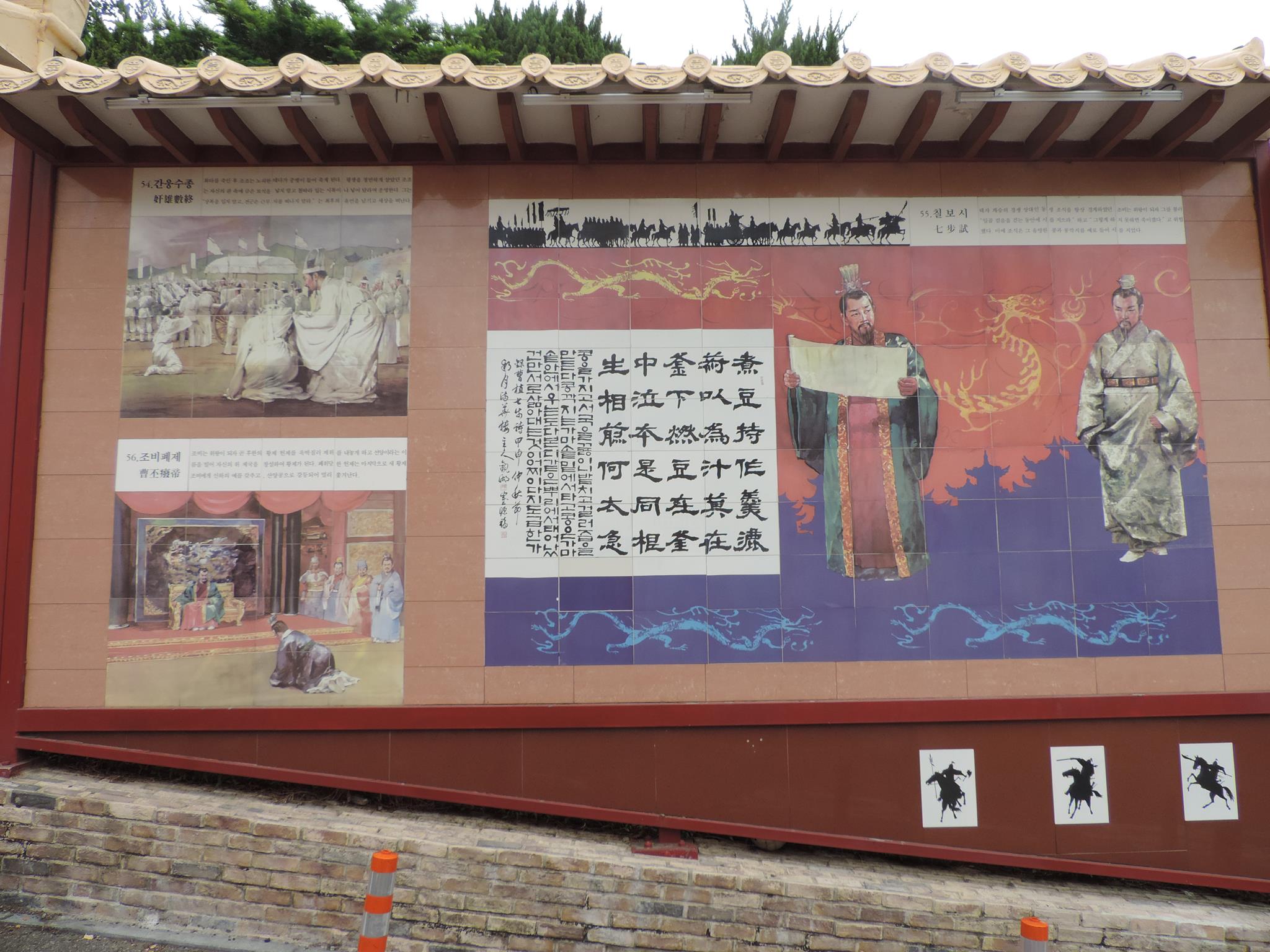
(55) Seven Steps. „Seven Steps, if you don’t do that, I’ll kill you.“ Breakfast was all.
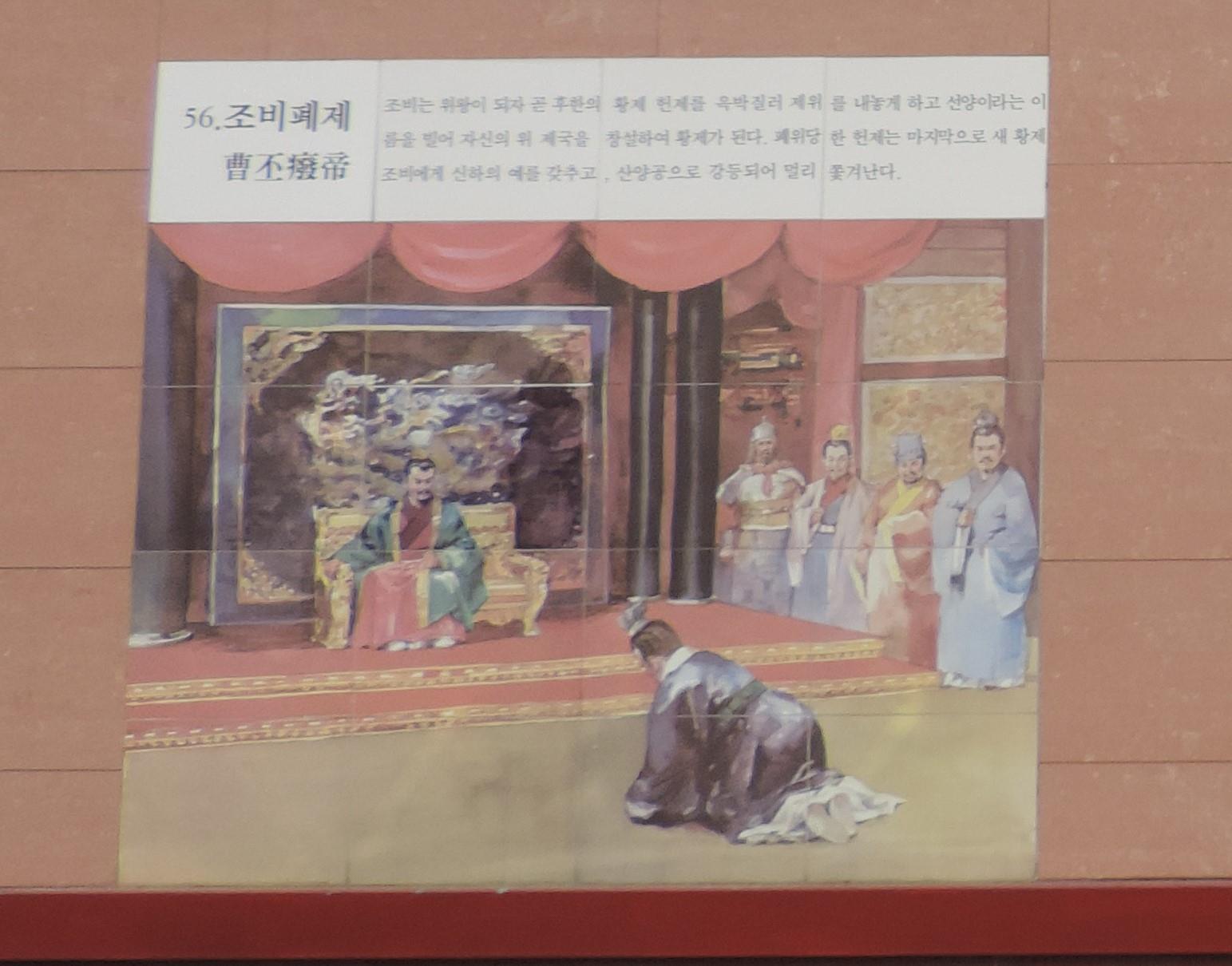
(56) Cao Pi’s Dethronement. Cao Pi, as soon as he became king, pressured Emperor Xian of the Later Han Dynasty to abdicate and established his own Wei Empire under the name of Xianyang, becoming emperor. After being dethroned, Han Xian was finally treated with courtesy by the new emperor Cao Pi, and was demoted to the status of Duke of Shanyang and exiled.
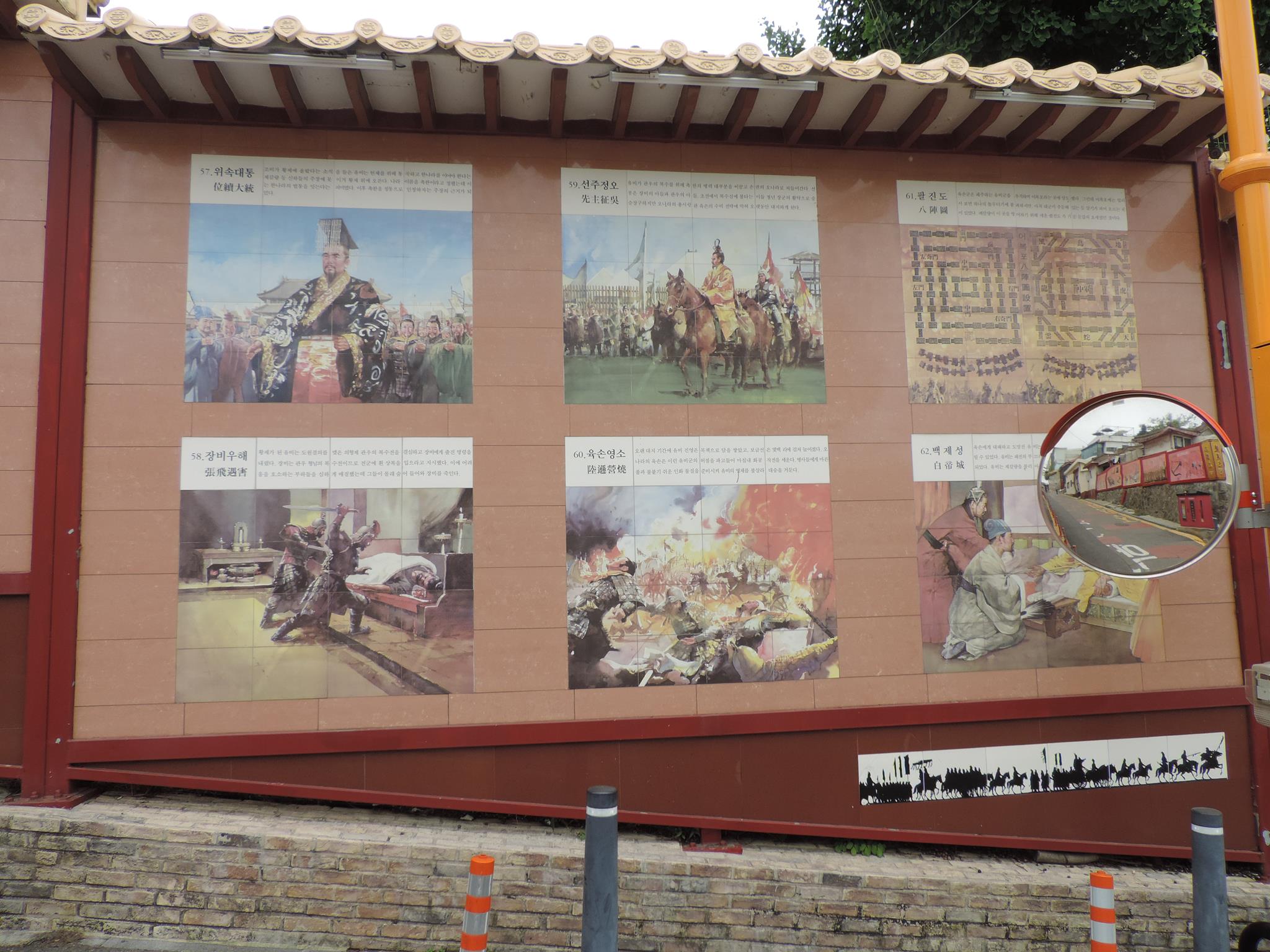
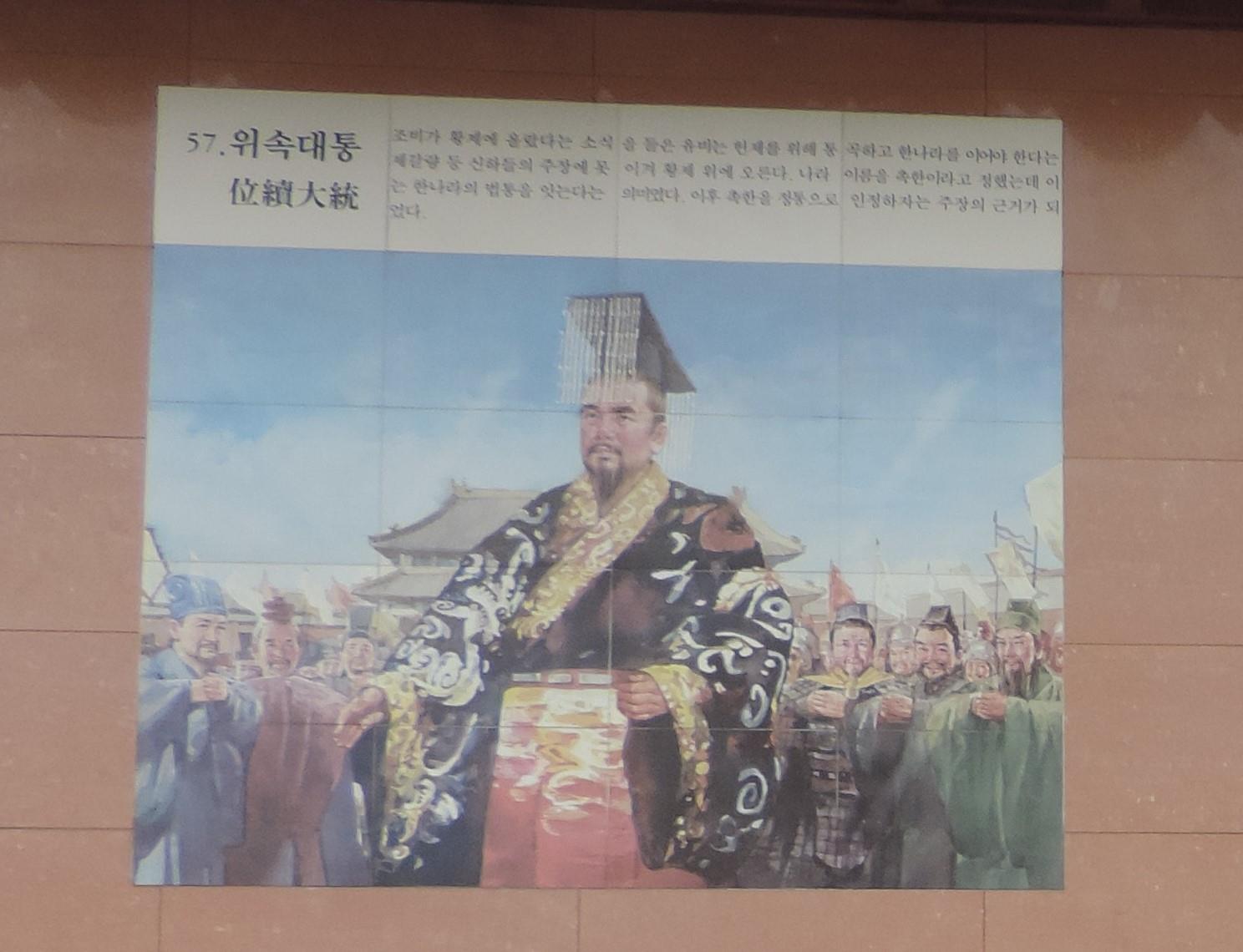
(57) Wei Shu Da Tong. He ascended to the throne due to the insistence of his subjects, including Wei Shudaetong and Zhao Gal. The name of the country was Han, but when Liu Bei heard the news that Cao Pi had ascended to the throne, he cried for the present and said that he should continue the Han dynasty. This meant that he would continue the legitimacy of the Han dynasty. This later became the basis for the argument that Han should be recognized as legitimate.
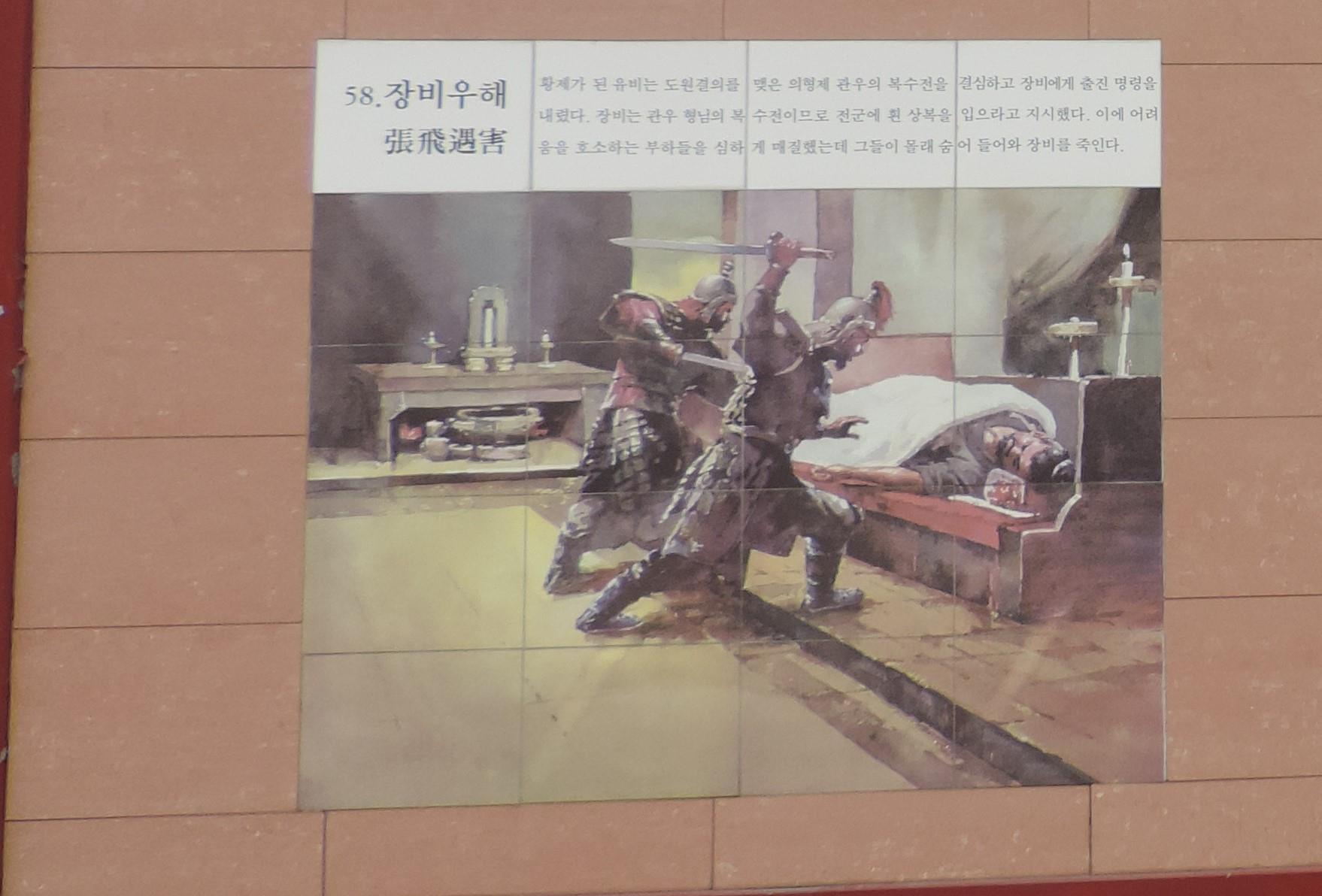
(58) Zhang Fei’s Revenge. After becoming emperor, Liu Bei decided to take revenge on his sworn brother Guan Yu, who had made the Peach Garden Oath, and ordered Zhang Fei to go to war. Zhang Fei ordered all his troops to wear white mourning clothes, as this was a revenge for his brother Guan Yu. He severely beat his subordinates who complained about the difficulty, and they secretly sneaked in and killed Zhang Fei.
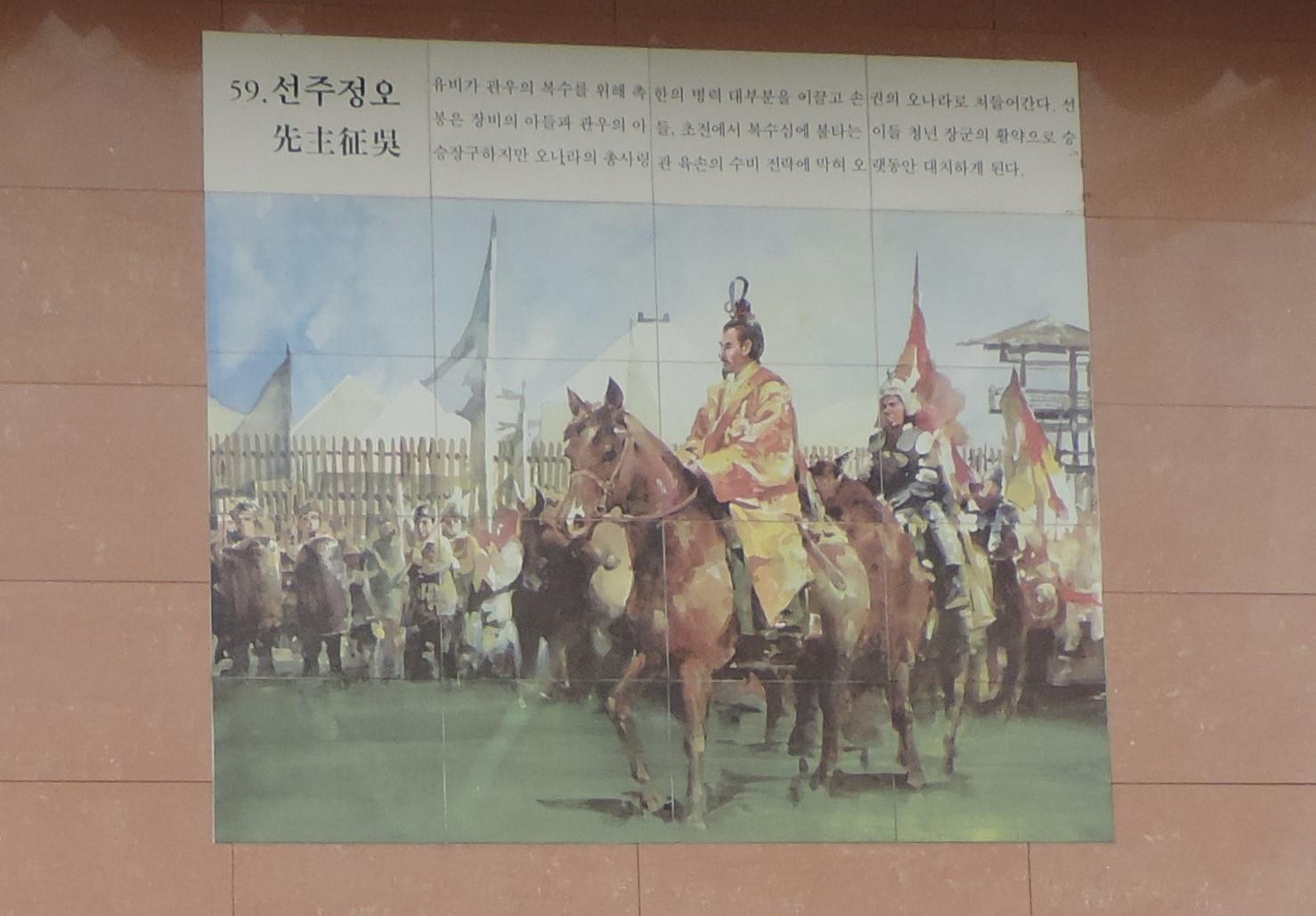
(59) The First Advance to Wu. Liu Bei leads most of the Chu Han forces to invade Sun Quan’s Wu in order to avenge Guan Yu. The first advance is won by Zhang Fei’s son and Guan Yu’s son, young generals who are burning with revenge, but they are blocked by the defensive strategy of Lu Xun, the commander-in-chief of Wu, and end up in a long standoff.
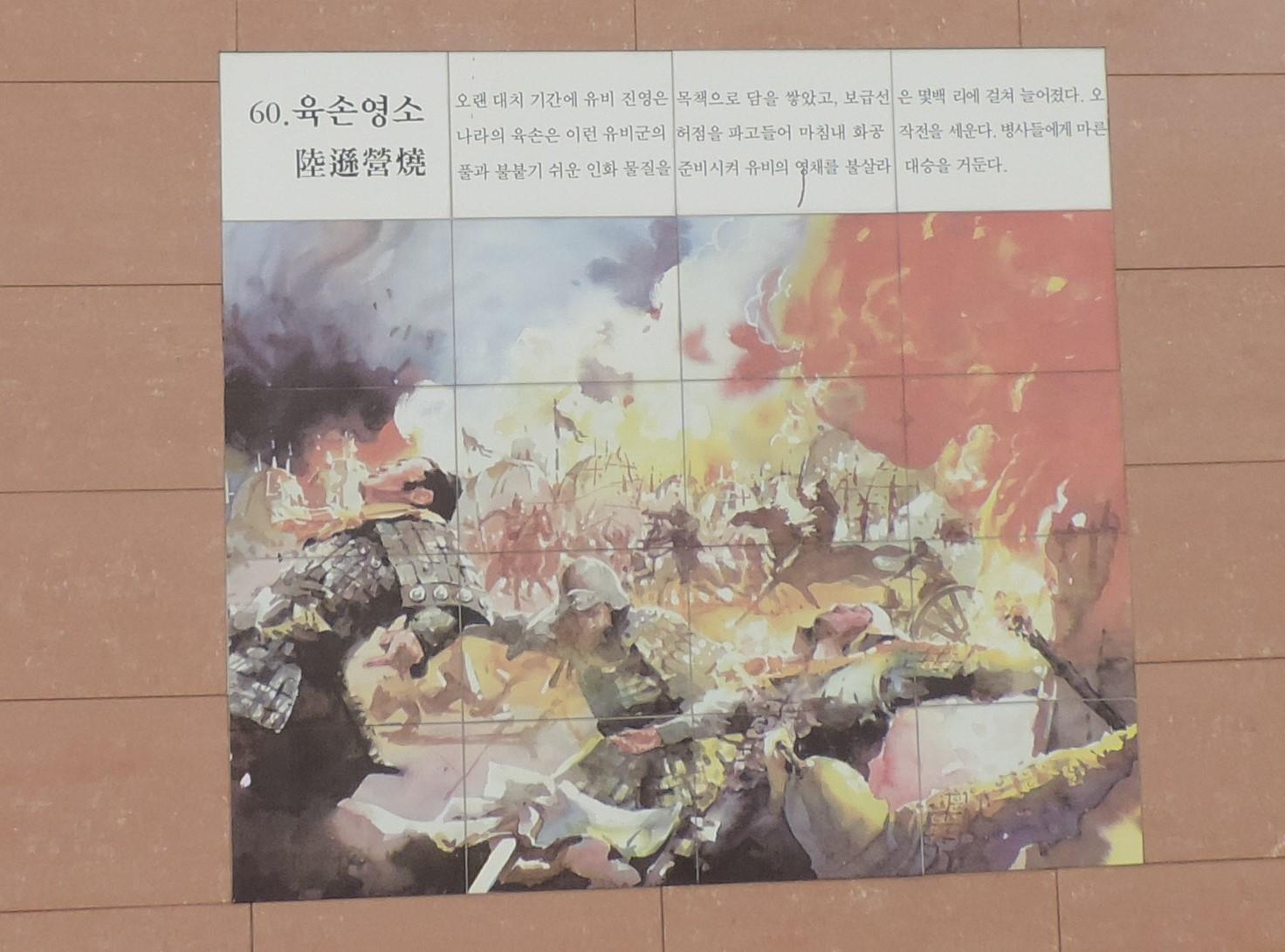
(60) Lu Xun’s Camp. During the long standoff, Liu Bei’s camp had built a fence and had a supply line stretching hundreds of miles. Lu Xun of Wu exploited this weakness of Liu Bei’s army and finally devised a fire attack strategy. He prepared dry grass and flammable materials for his soldiers and burned Liu Bei’s camp, achieving a great victory.
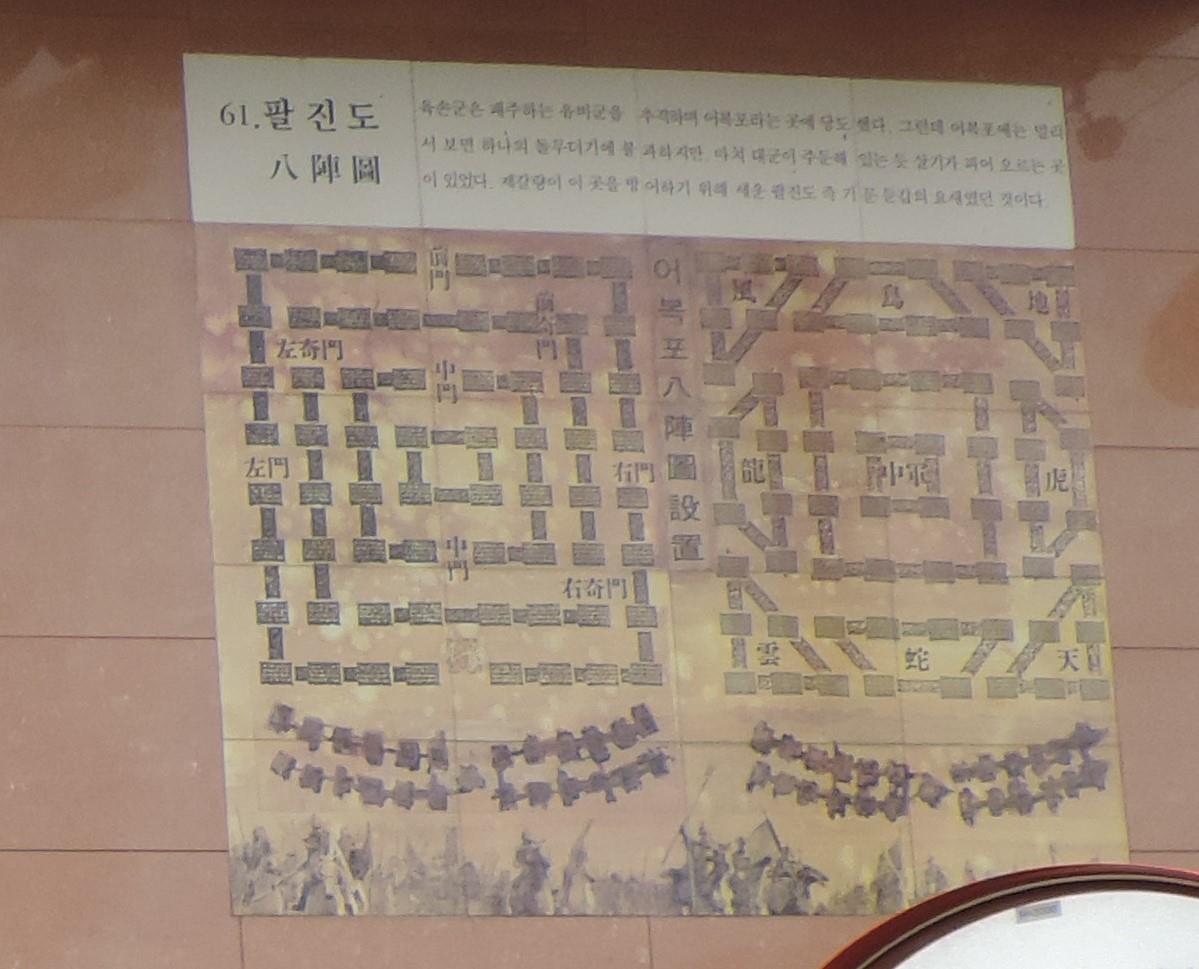
(61) Paljindo. The army of the sixth formation pursued the retreating army of Liu Bei and arrived at a place called Eobokpo. However, there was a place in Eobokpo that looked like a pile of stones from afar, but it seemed as if a large army was stationed there, and it was full of murderous energy. It was the fortress of Jindo, or Gimundungam, that Zhuge Liang built to defend this place.
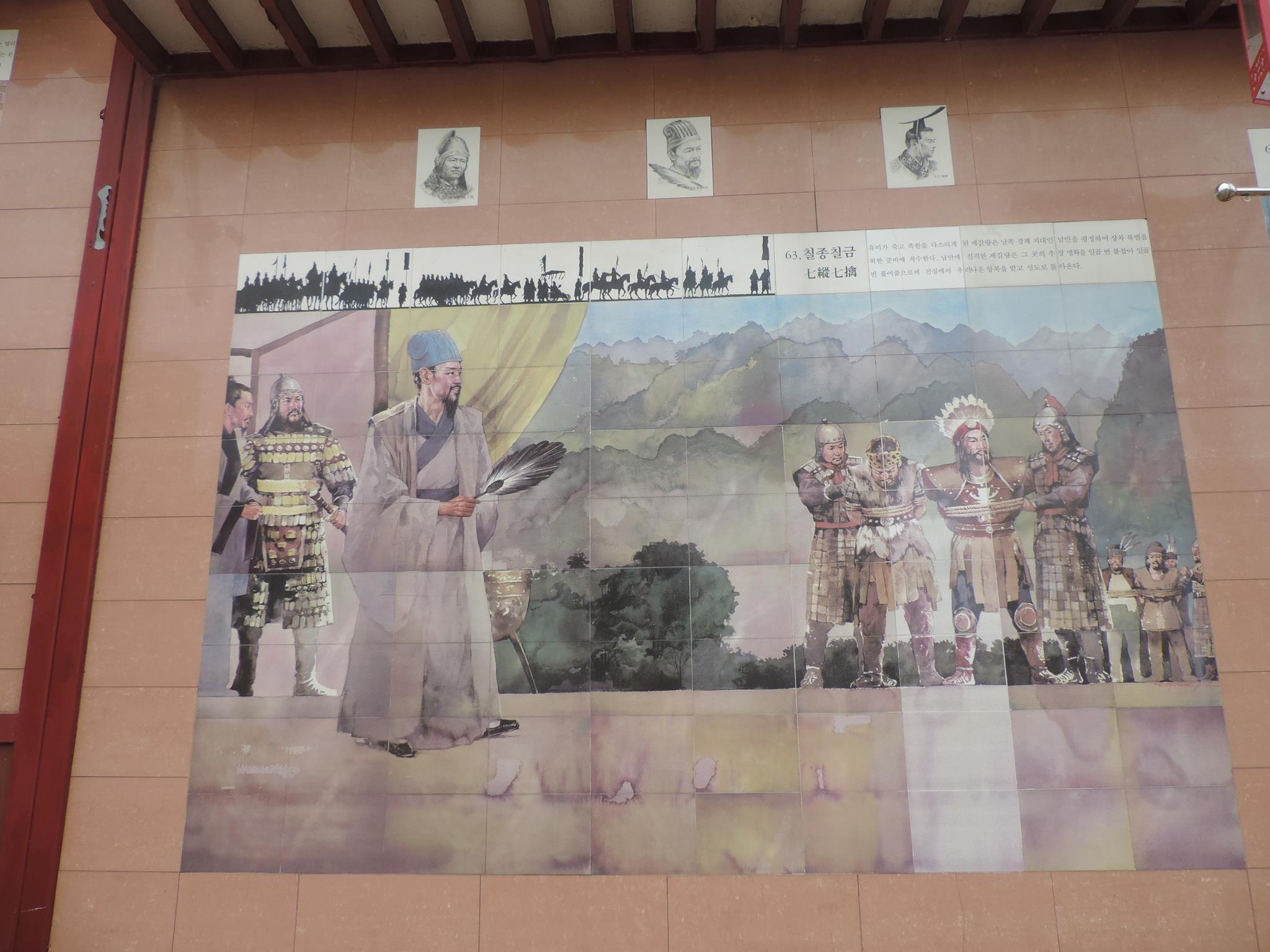
(63) Seven Zongs and Seven Jins. After Liu Bei died and Zhuge Liang took control of the southern border region, Nanman, he began preparing for the Northern Expedition. Zhuge Liang advanced into Nanman and captured its leader Meng Huo seven times and released him seven times, accepting his sincere surrender and returning to Chengdu.
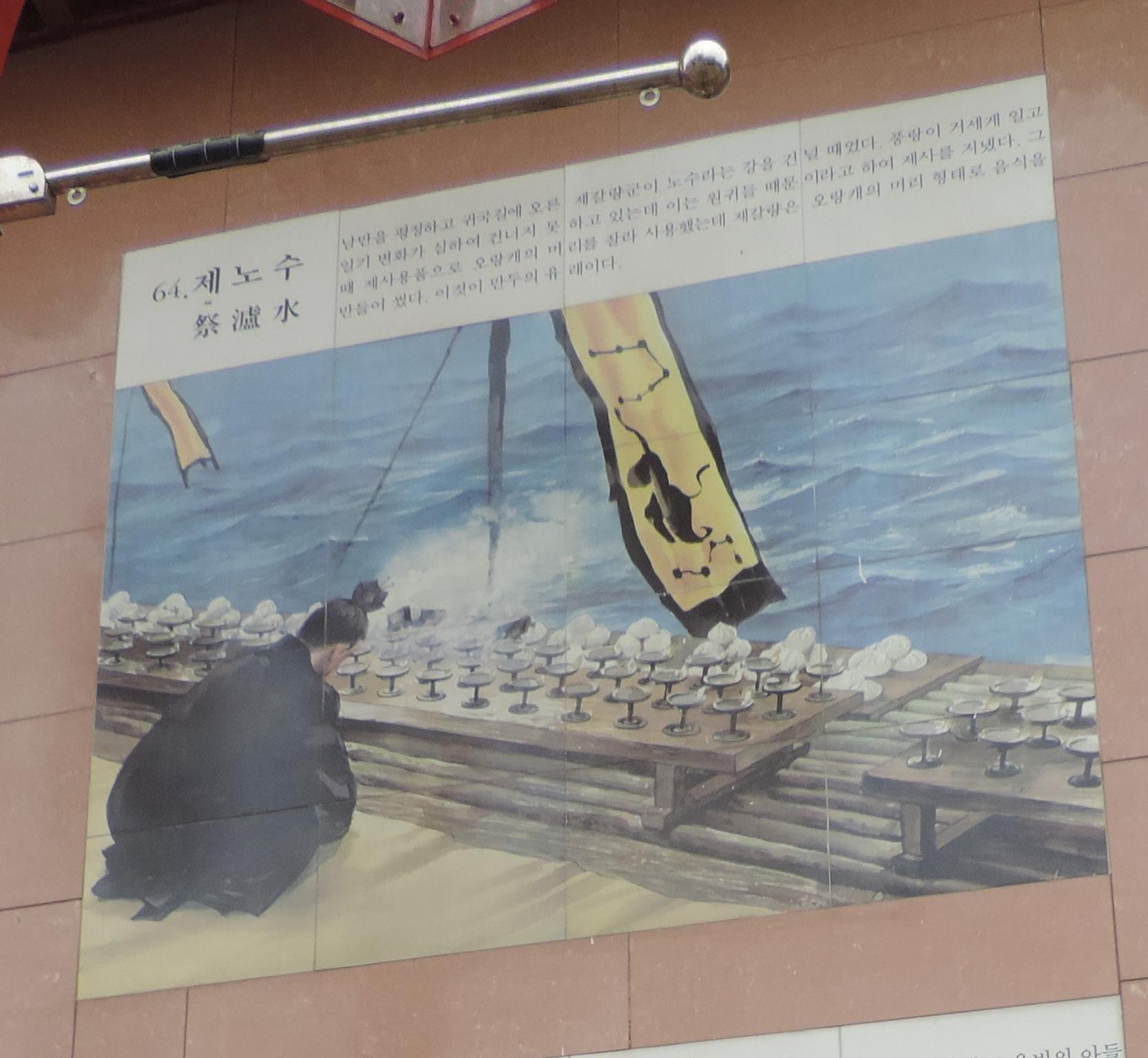
(64) Je No-su. When Zhuge Liang’s army was returning home after conquering the Nanban, they were crossing the Lu River. The waves were rough and the weather was very unpredictable, so they couldn’t cross. They held a ritual because they thought it was because of a vengeful spirit. At that time, they cut off the heads of barbarians and used them as sacrificial offerings, and Zhuge Liang made food in the shape of the heads of barbarians. This is the origin of dumplings.
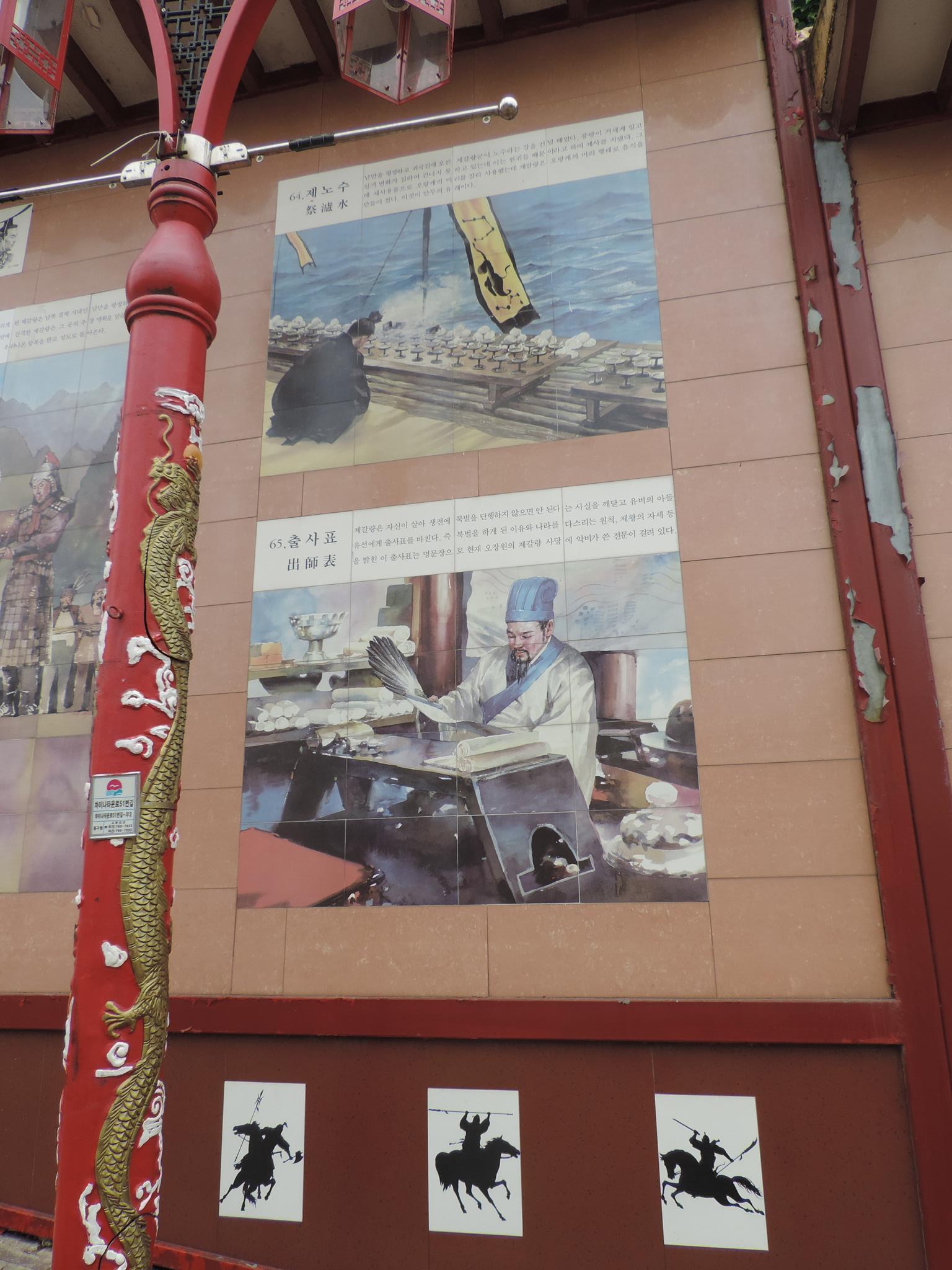
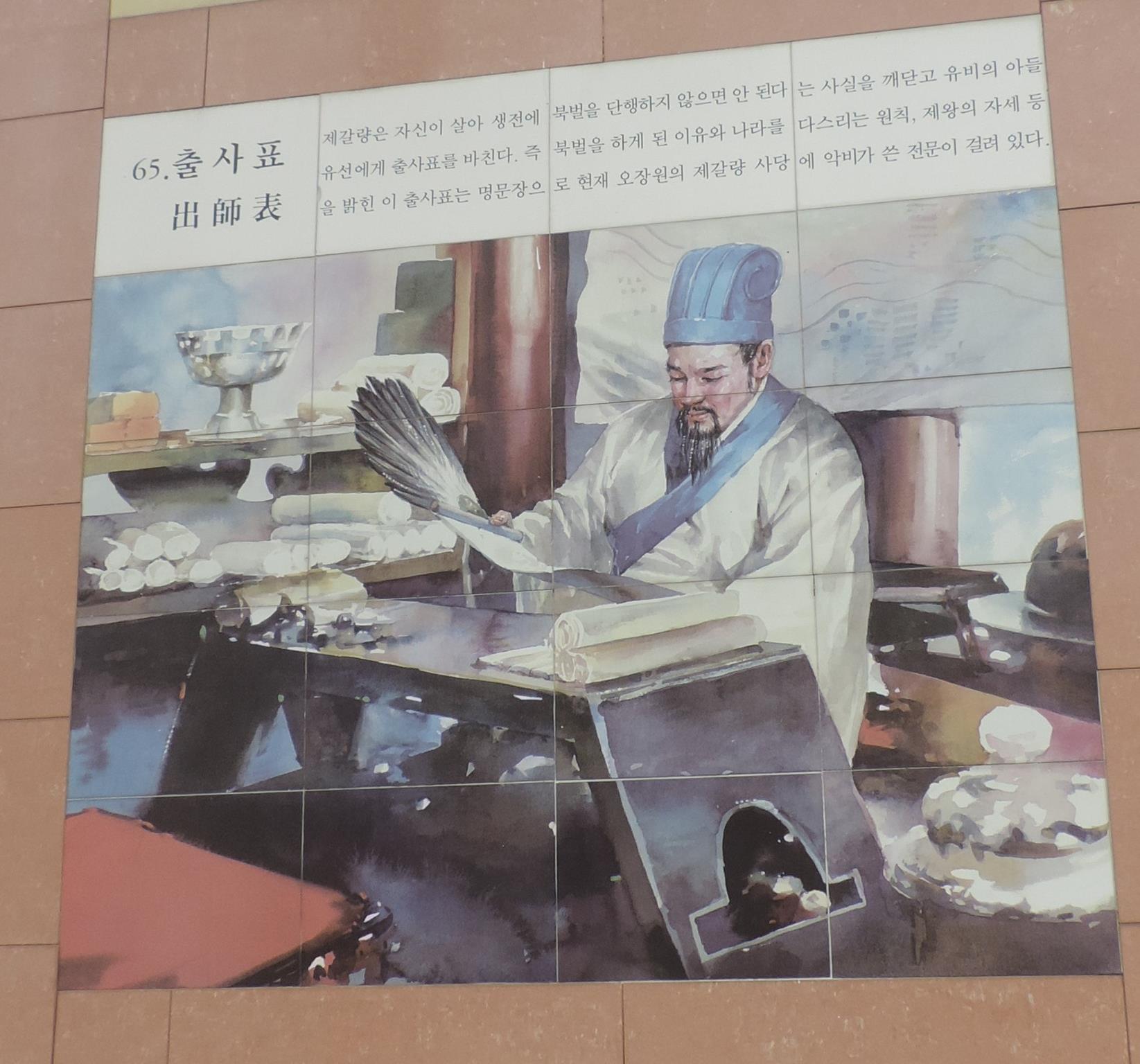
(65) A Letter of Offering. Zhuge Liang realized that he had to carry out the Northern Expedition while he was still alive, and presented a letter of offer to Liu Bei’s son, Liu Shan. In other words, this letter of offer, which stated the reason for the Northern Expedition, the principles of governing the country, and the attitude of an emperor, was a famous text, and a copy of it written by Yue Fei is currently hanging in the Zhuge Liang Shrine in Wuzhangyuan.
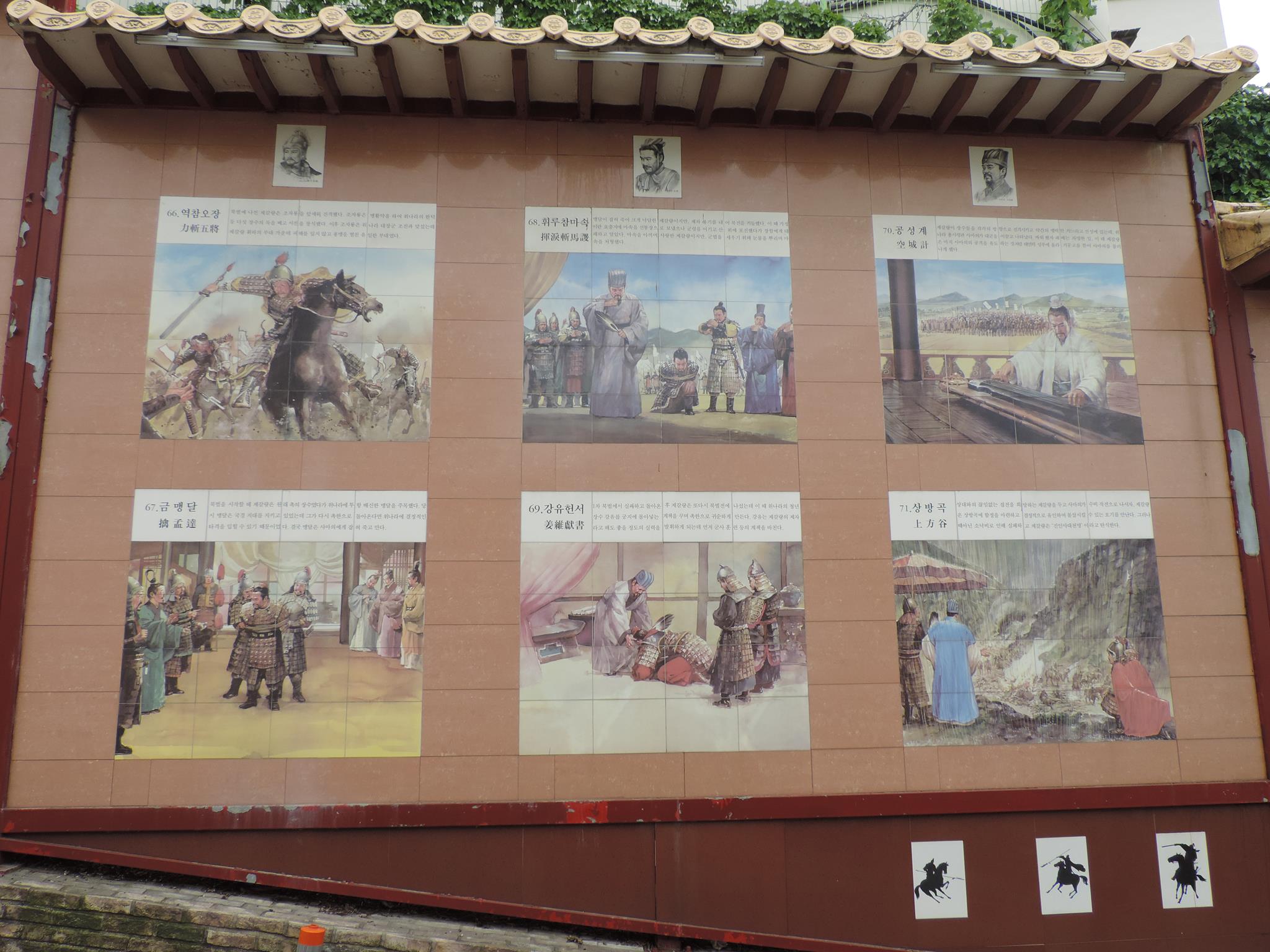
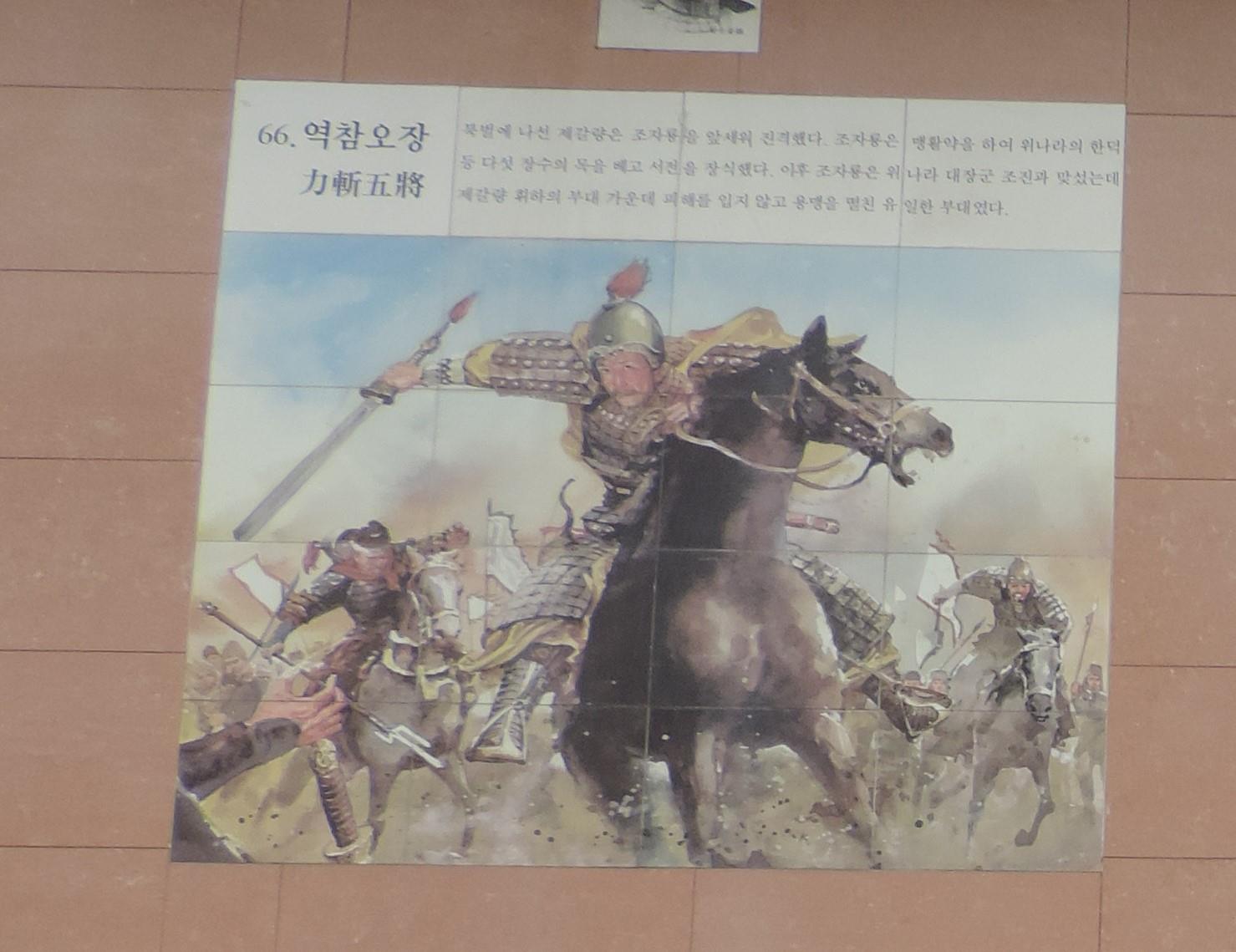
(66) The Five Generals of the Regiment. Zhuge Liang, who went on the Northern Expedition, advanced with Zhao Yun in the lead. Zhao Yun played an active role, beheading five generals including Han De of Wei and decorating the Western Jin. Afterwards, Zhao Yun faced the Wei general Cao Zhen, and it was the only unit under his command that suffered no casualties and displayed great bravery.
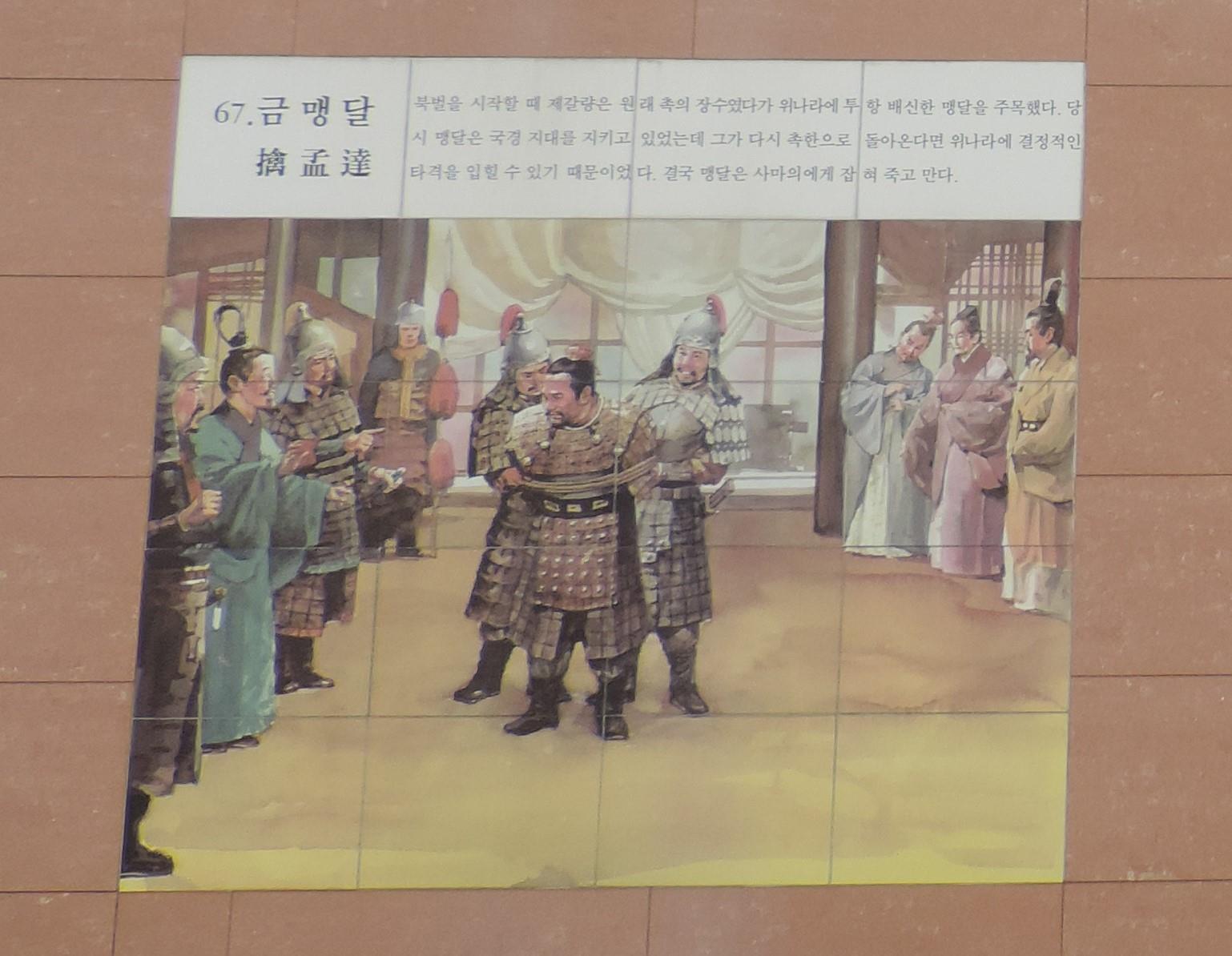
(67) Golden Moon. When Zhuge Liang started the Northern Expedition, he paid attention to Meng Da, who was originally a general of Shu but had betrayed Wei by surrendering to him. At that time, Meng Da was guarding the border area, and if he returned to Shu Han, he could deal a decisive blow to Wei. In the end, Meng Da was captured and killed by Sima Yi.
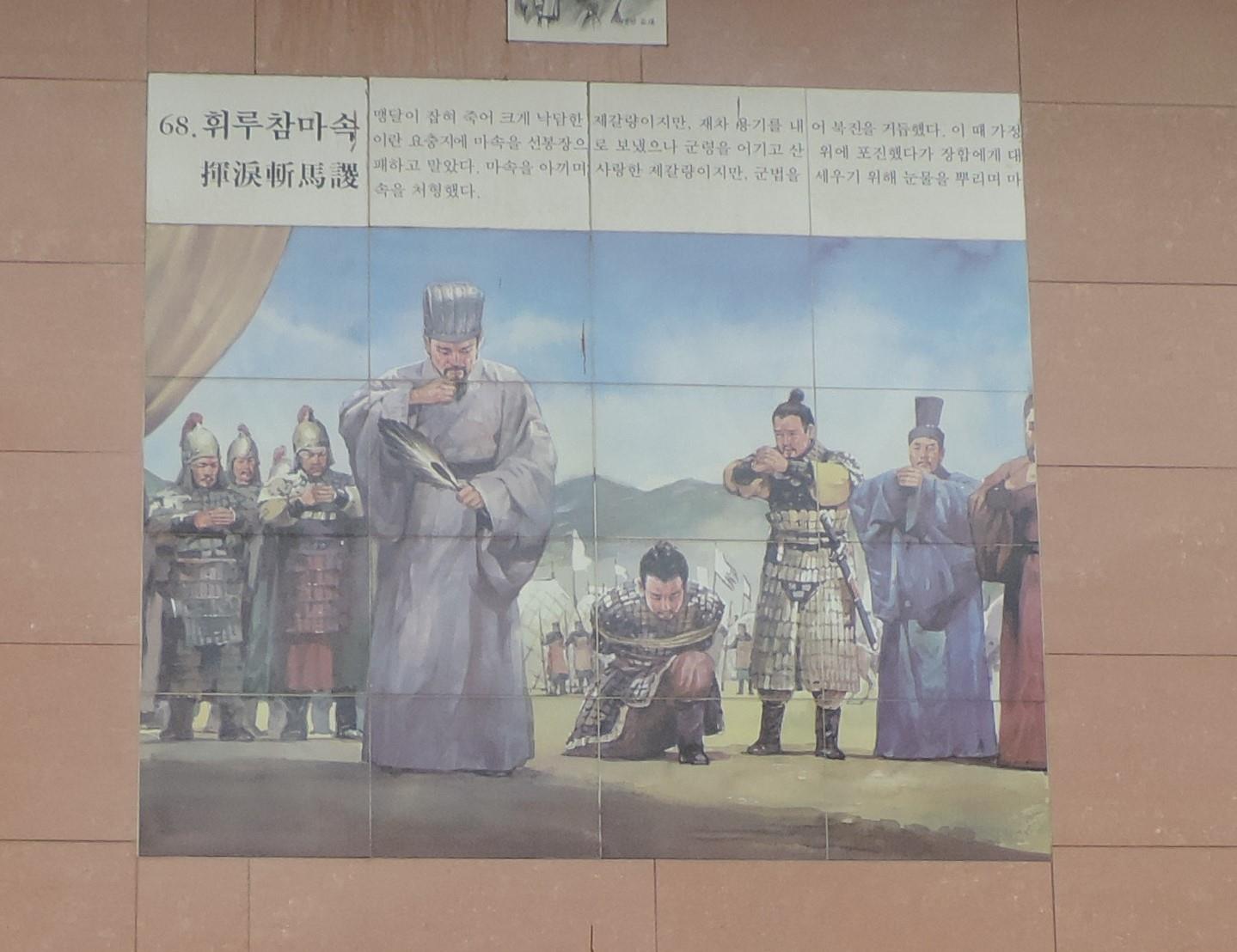
(68) Execution of Ma Sok. Zhuge Liang was greatly disheartened by the capture and death of Meng Da, but he gathered his courage again and continued to advance. At this time, he sent Ma Sok as the vanguard to the strategic point of Jiajing, but disobeyed the order and positioned himself on the mountain, and was defeated by Zhang He. Zhuge Liang loved and cared for Ma Sok, but in order to establish military law, he executed Ma Sok while shedding tears.
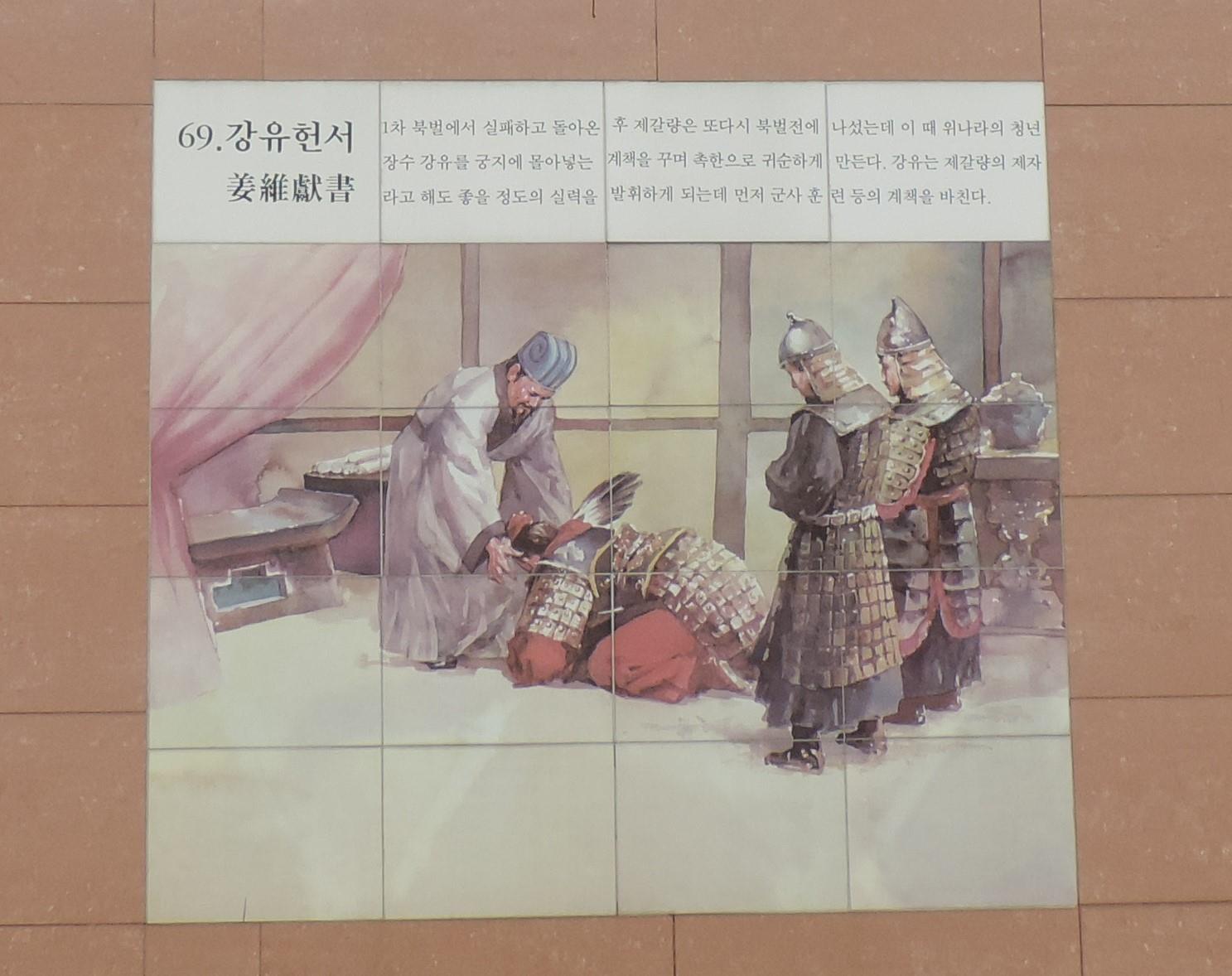
(69) Jiang Weixian Shu. After returning from the first Northern Expedition after failing, Zhuge Liang went on another Northern Expedition, and at this time, he devised a plan to corner the young Wei general Jiang Wei and make him surrender to Shu Han. Jiang Weixian Shu was able to demonstrate his skills to the point where he could be called Zhuge Liang’s disciple and first offered him military training and other strategies.
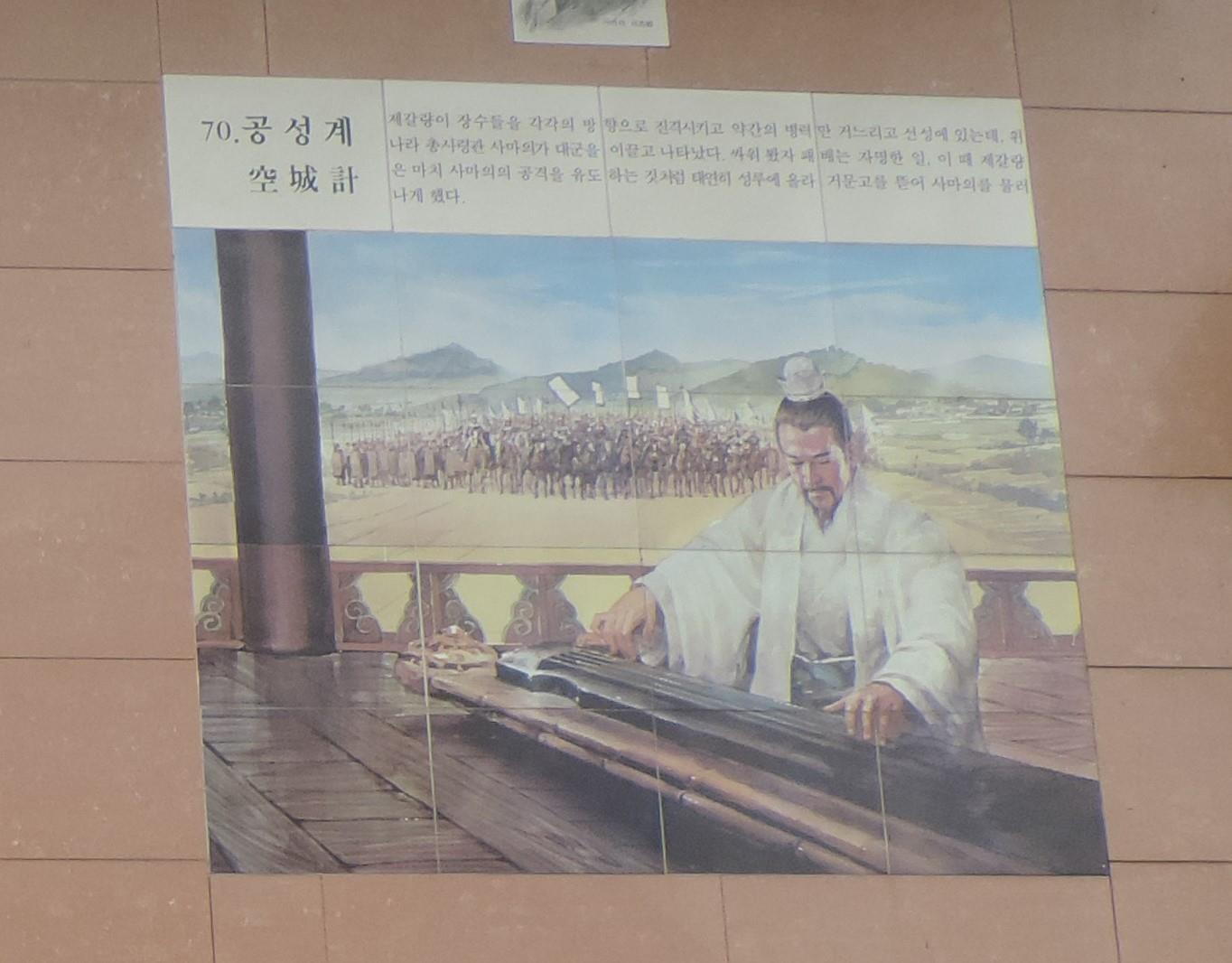
(70) Siege strategy. Zhuge Liang had his generals advance in each direction and was at Shinsung with only a small number of troops, when Wei’s commander-in-chief Sima Yi appeared with a large army. It was obvious that they would lose even if they fought, so Zhuge Liang calmly climbed up to the castle and played the zither as if he was inducing Sima Yi’s attack, causing Sima Yi to retreat.
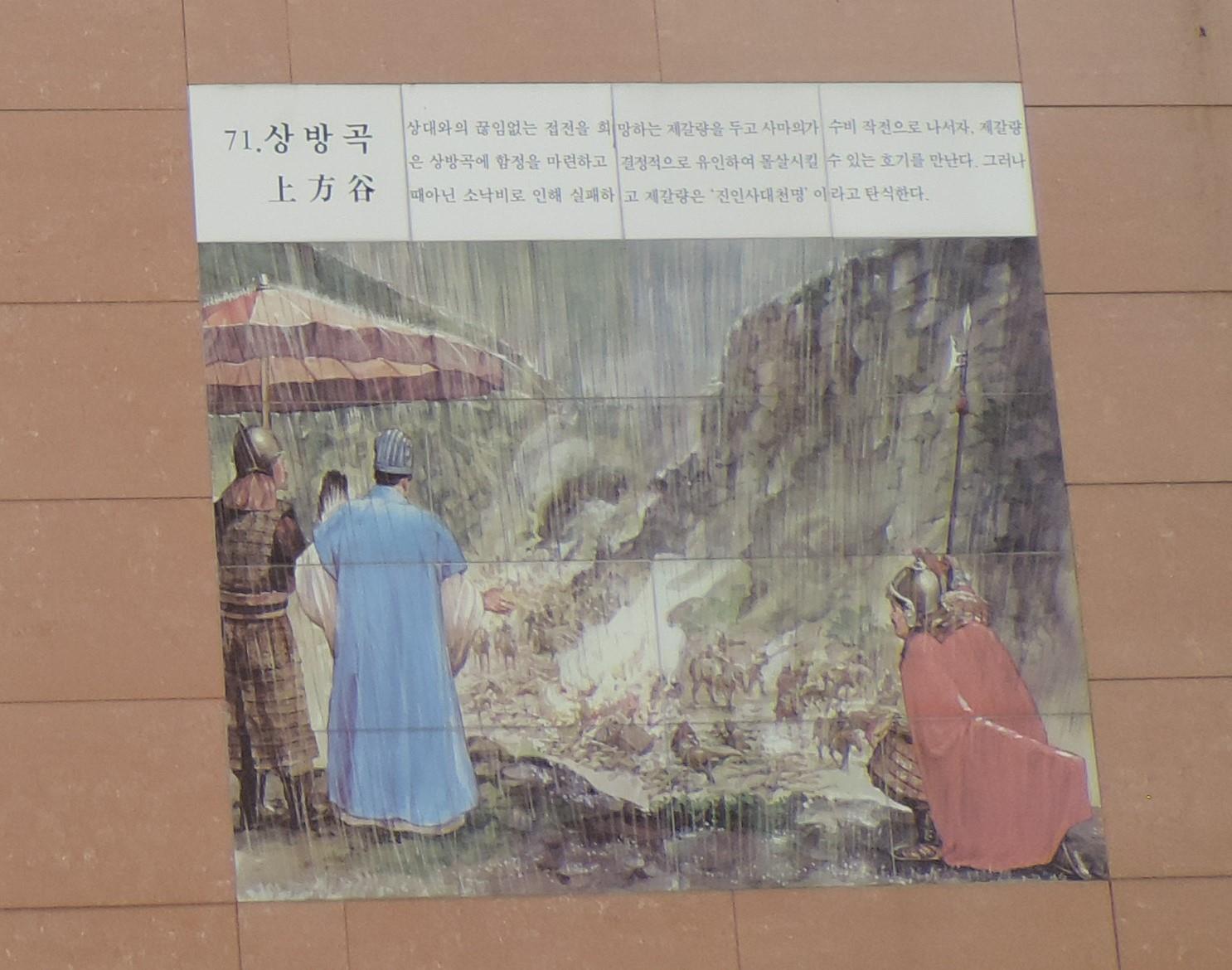
(71) Shangbang Valley. When Sima Yi took a defensive strategy while Zhuge Liang hoped for constant close combat with his opponent, Zhuge Liang set a trap in Shangbang Valley and found an opportunity to lure them and kill them. However, Shangbang Valley failed due to an unexpected downpour, and Zhuge Liang lamented, „The truth is that people are given the mandate of heaven.“
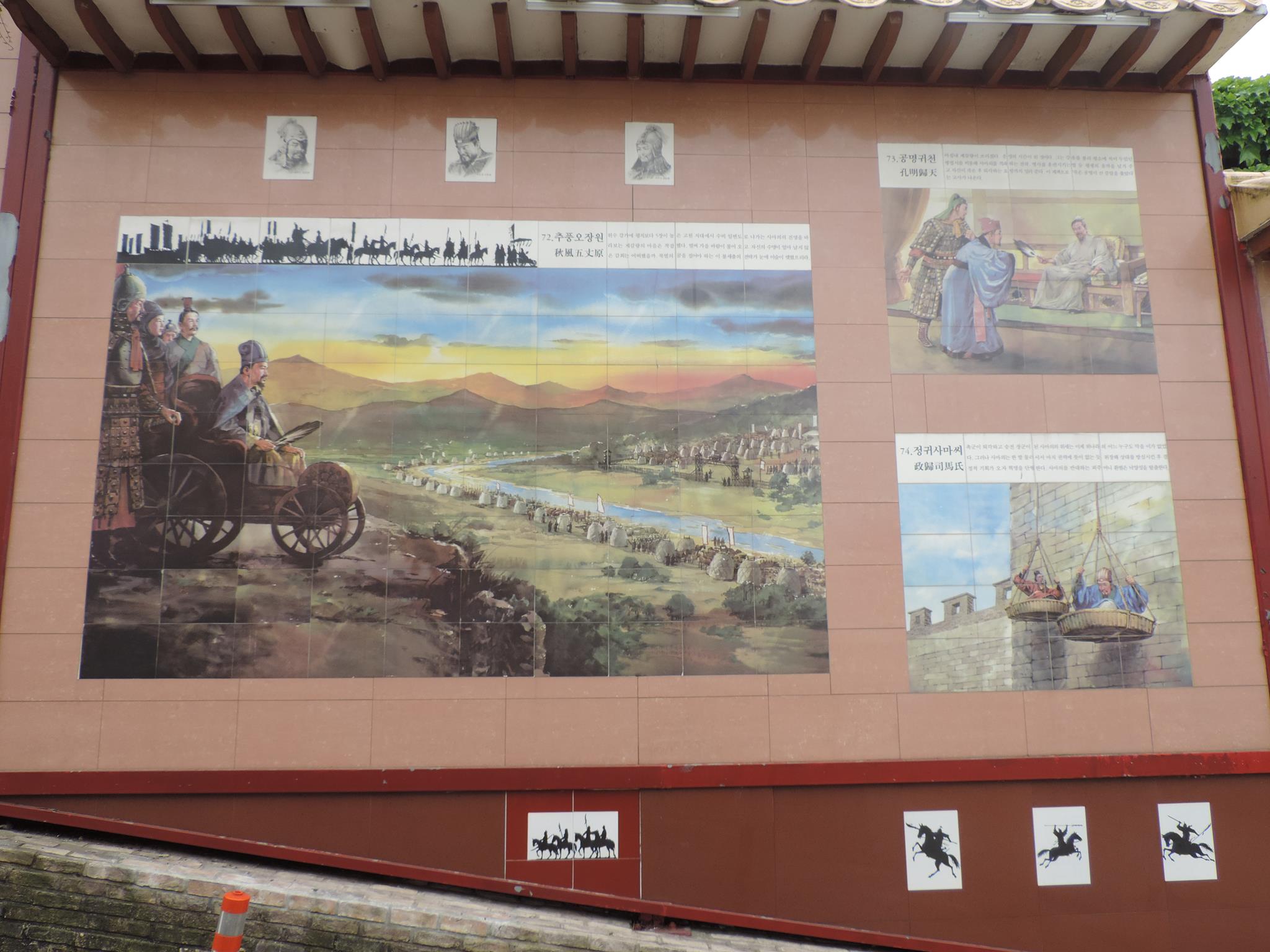
(72) Joo-pung-o-jang-won. After that, he got a cold. He said that he saw the view of Yamaha going out to the general road from the high ground.
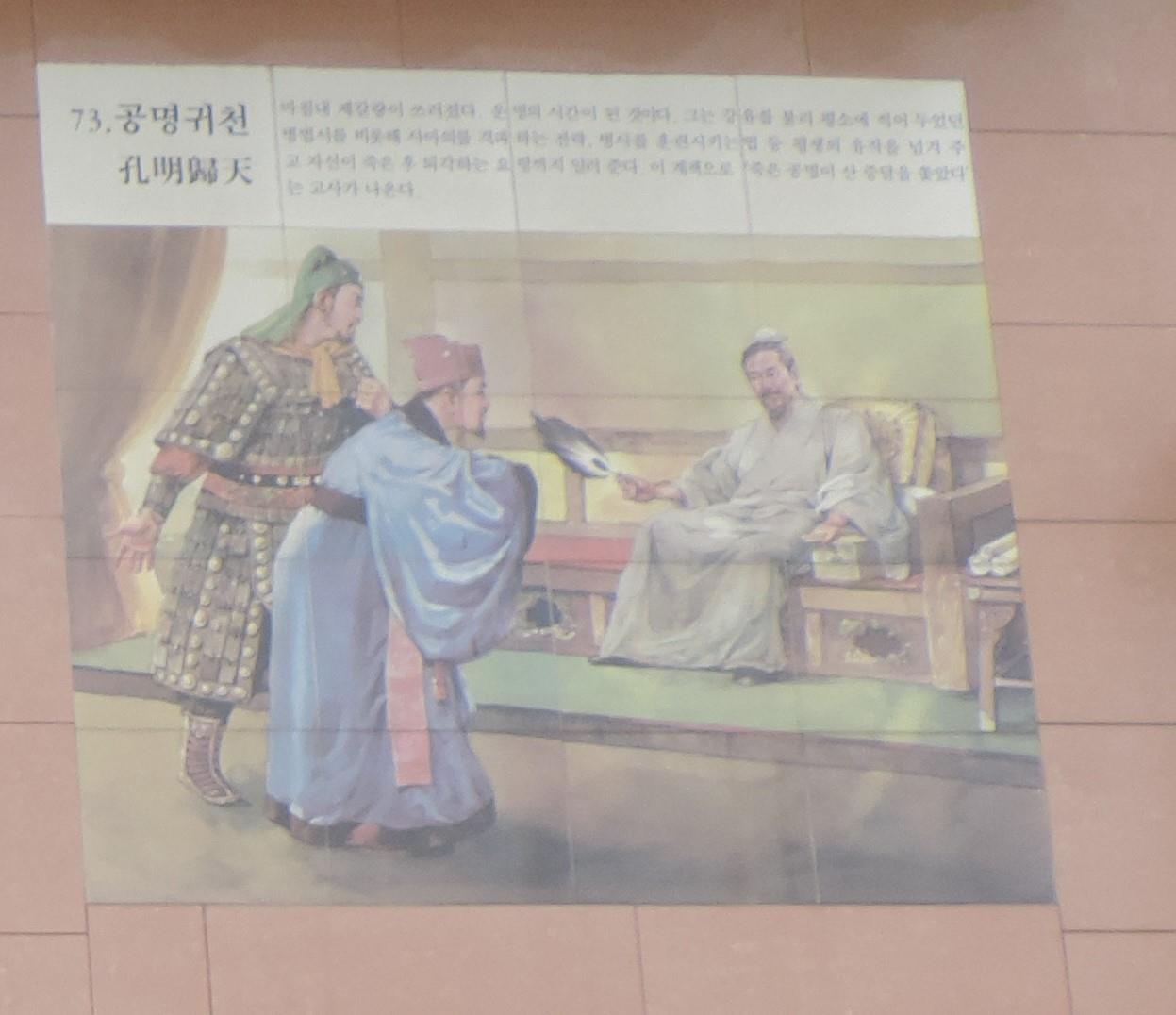
(73) Gongmyeonggwicheon. Zhuge Liang fell on his bed. It was the time of destiny. He handed over his life’s legacy, including the strategy he had written down, including the hundred styles he had written, and the training of life and death. He found a dead star in the middle of the mountain. There is a story about the retreat after his death.
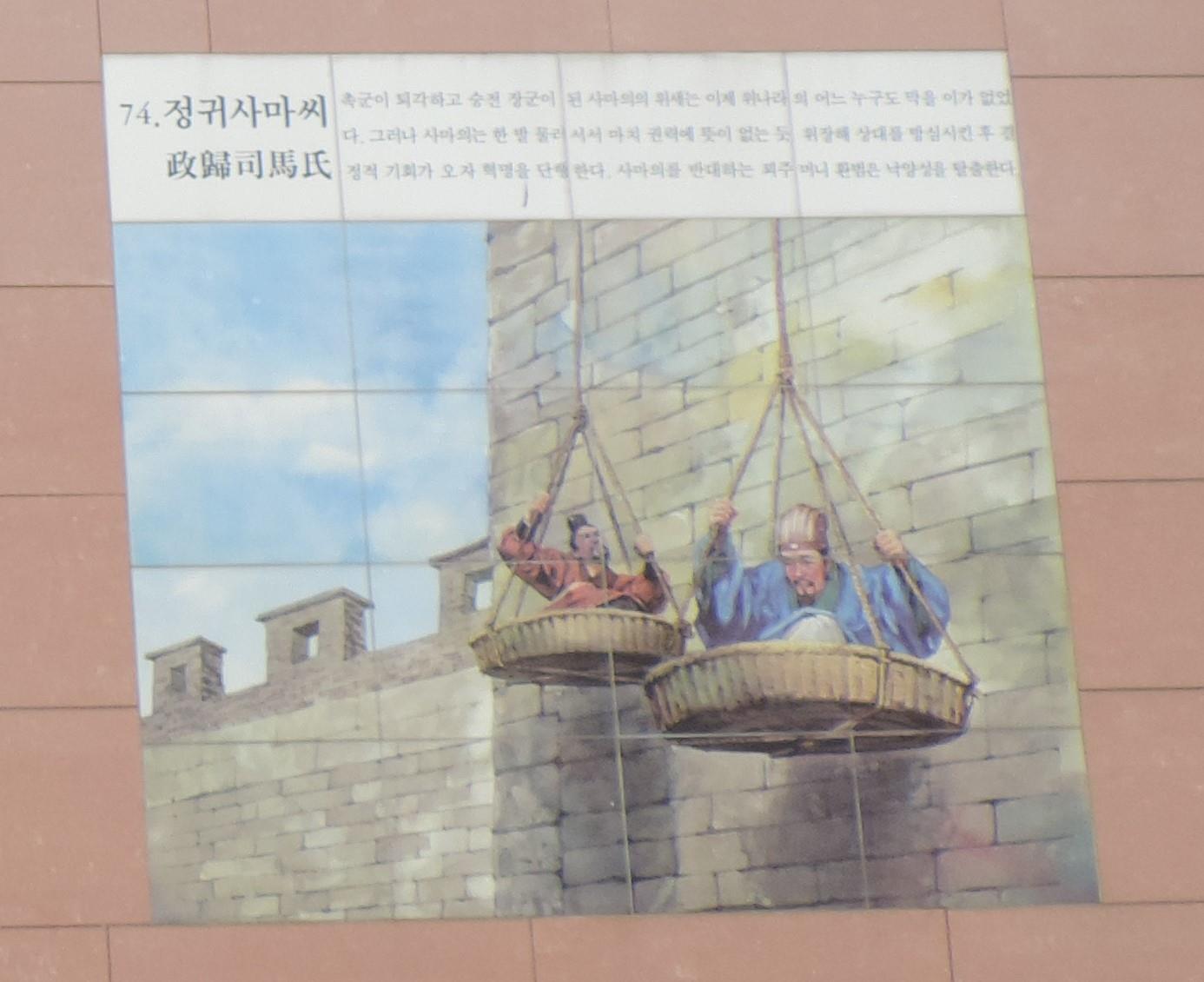
(74) Jeong Gui Sima Clan. After the Shu army retreated and Sima Yi was promoted to general, no one in Wei could stop him. However, Sima Yi took a step back and pretended to have no interest in power, thereby letting his opponents down. When the opportunity arose, he launched a revolution. The blood bag of Sima Clan, who opposed Sima Yi, escaped Luoyang.
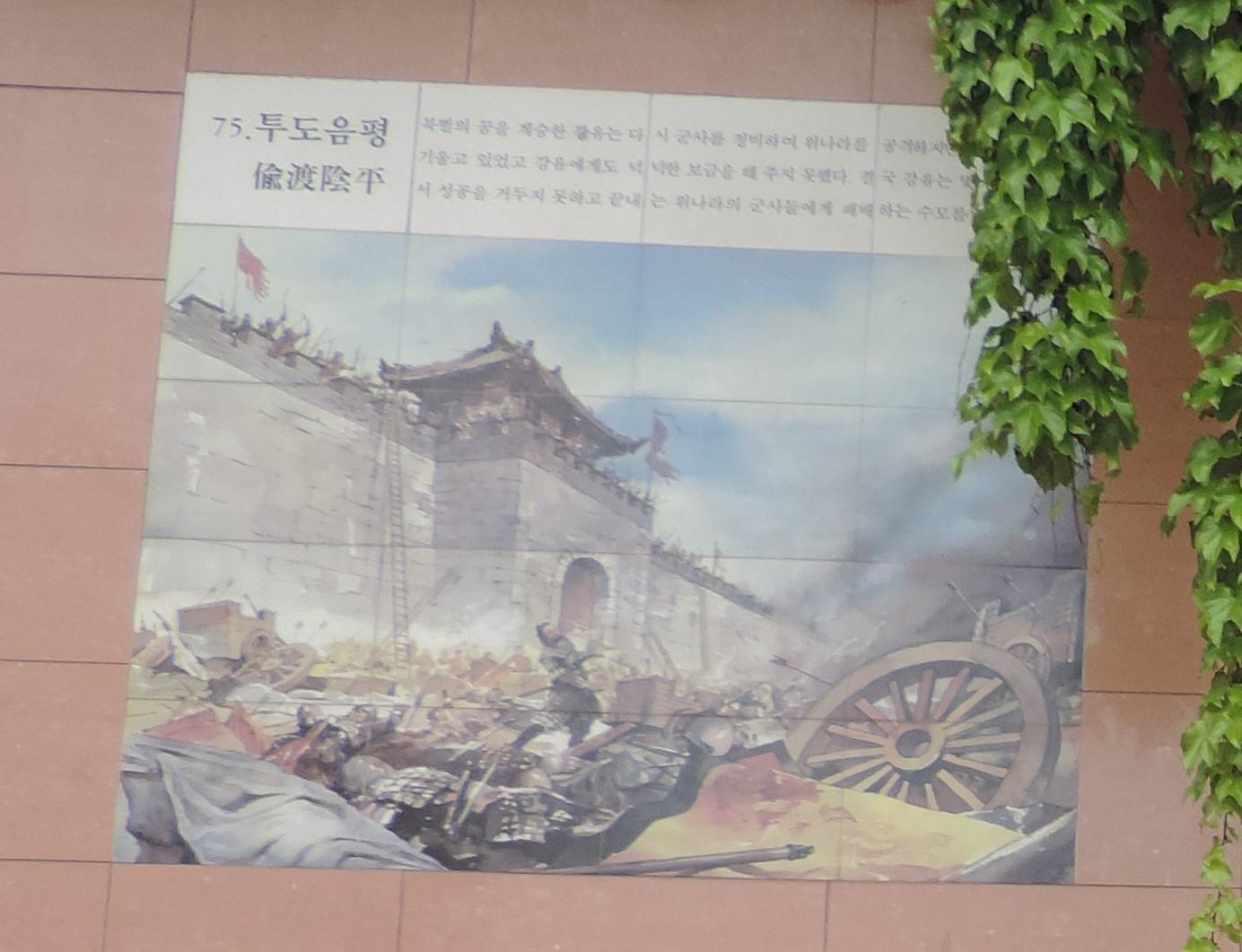
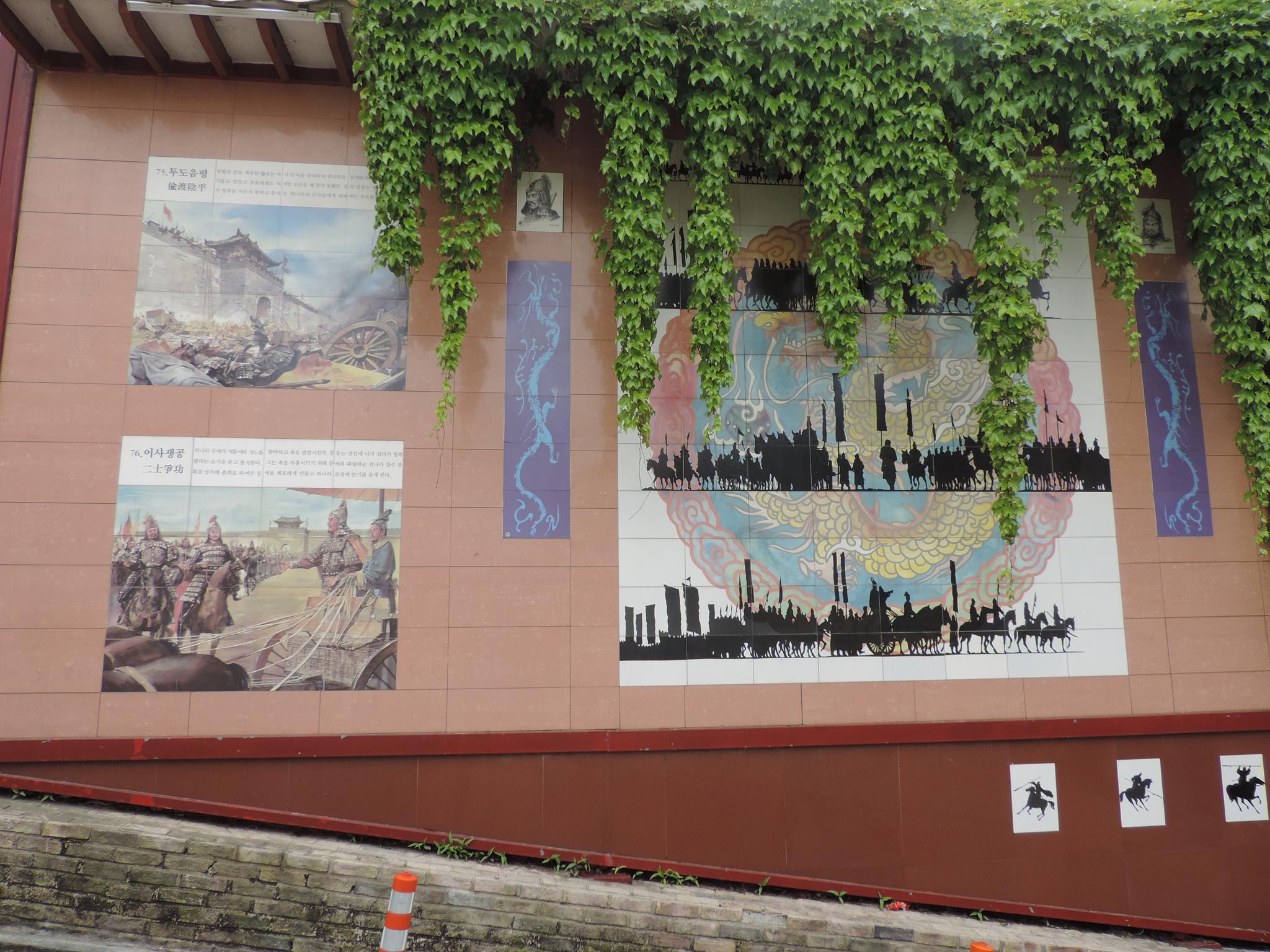
(75) Tudo Eumpyeong. Gam-yu, who inherited the dream of Bukgyeol, was preparing his army again and was leaning toward attacking Wei, and he could not provide sufficient supplies to Jiang-yu. In the end, Jiang-yu was not successful and suffered the humiliation of being defeated by the Wei army.
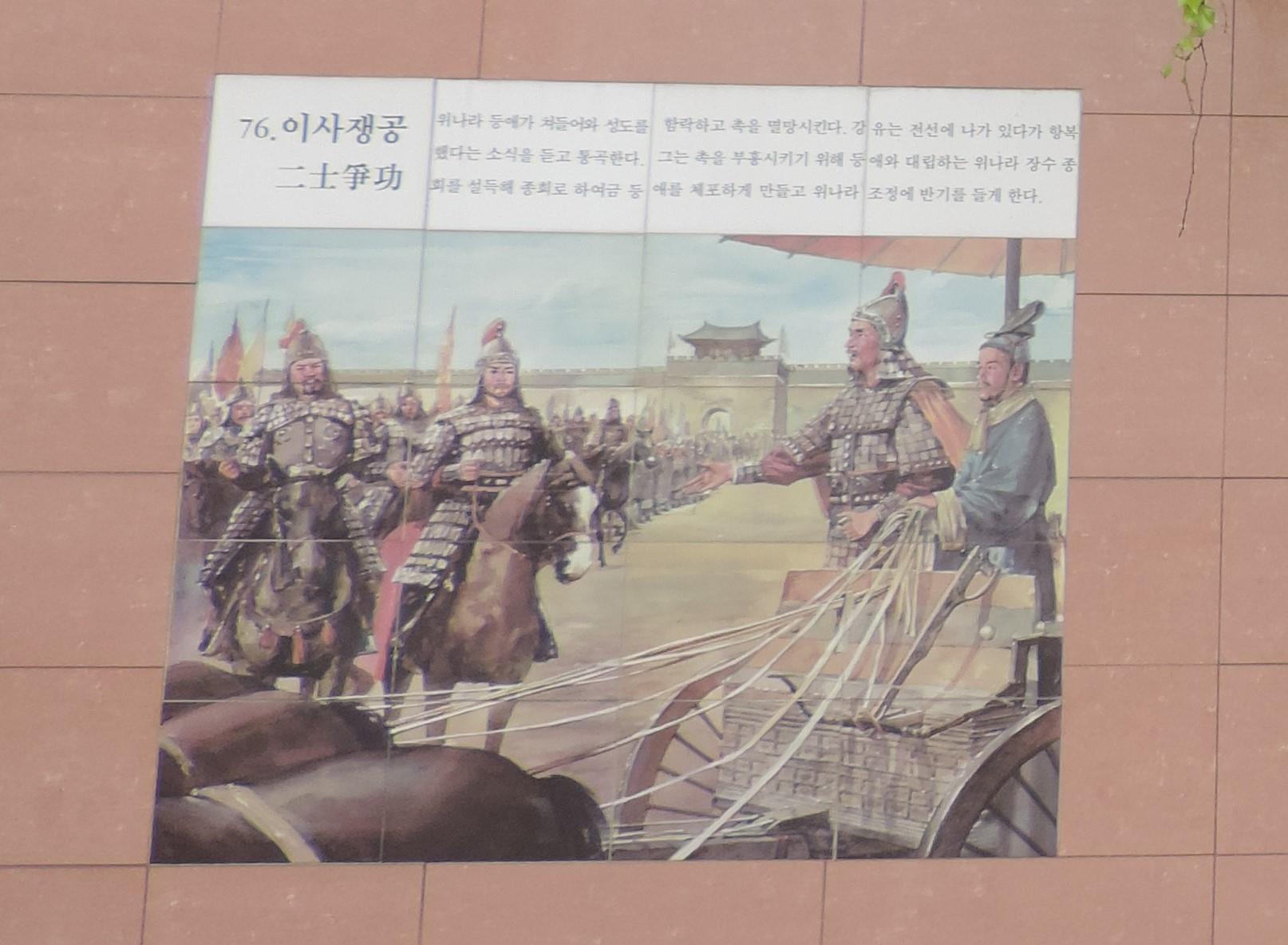
(76) The Battle of Li Zhenggong. Wei’s Deng Ai invades, captures Chengdu, and destroys Shu. Jiang Wei, who is at the front line, hears the news of surrender and cries. In order to revive Shu, he persuades Wei’s general Zhong Hui, who is in conflict with Deng Rui, to arrest Deng Ai and rebel against the Wei court.
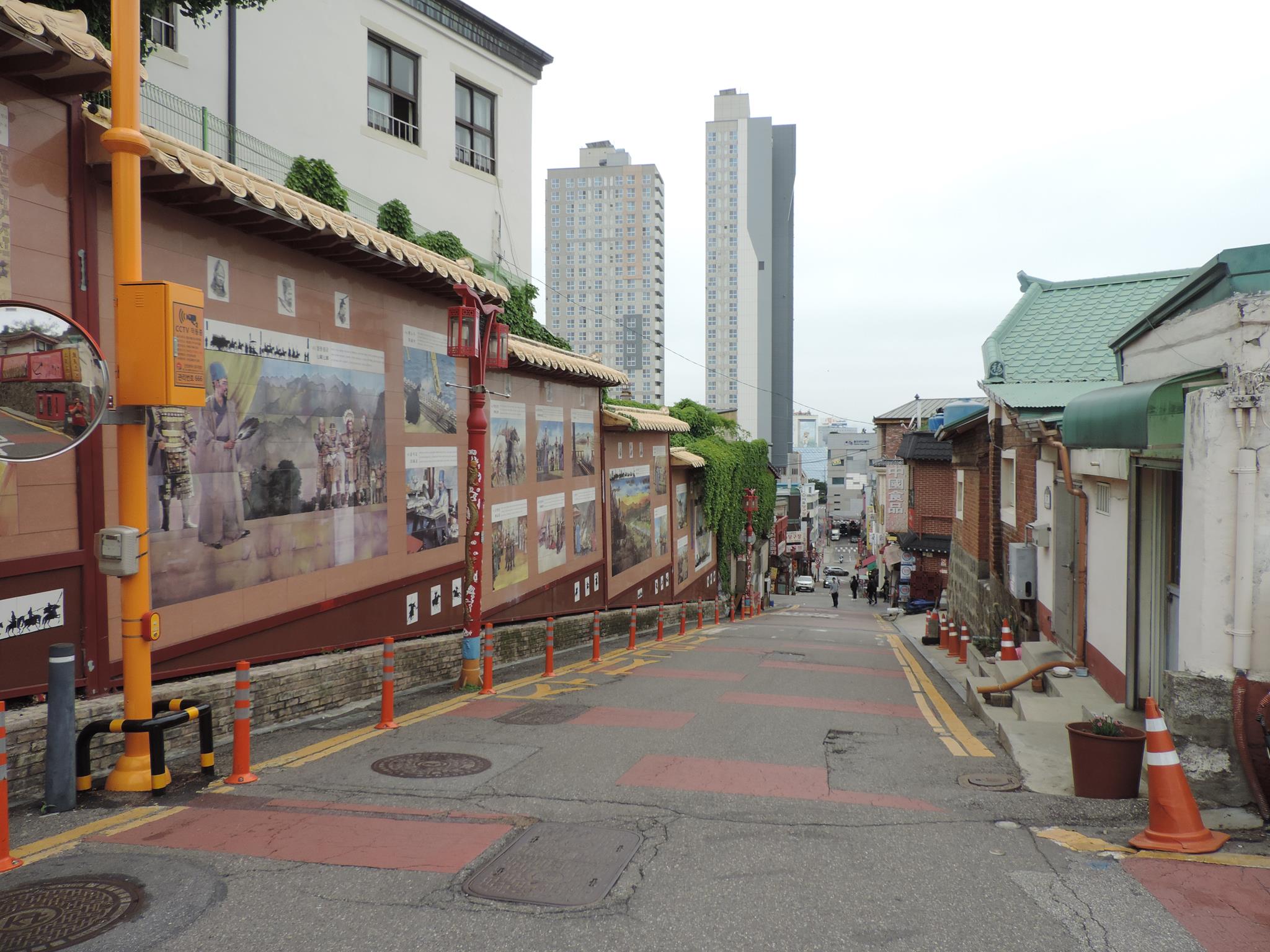
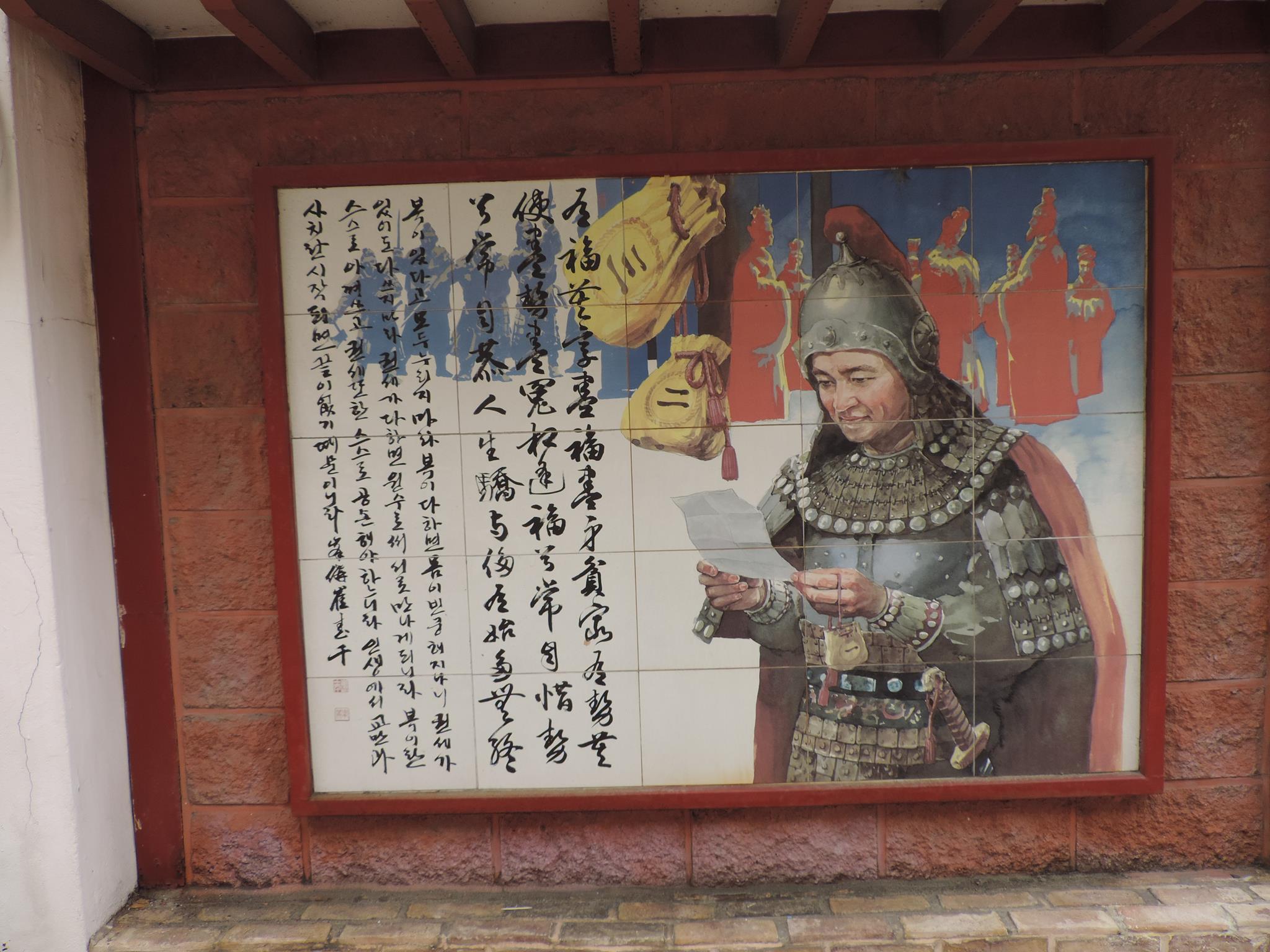
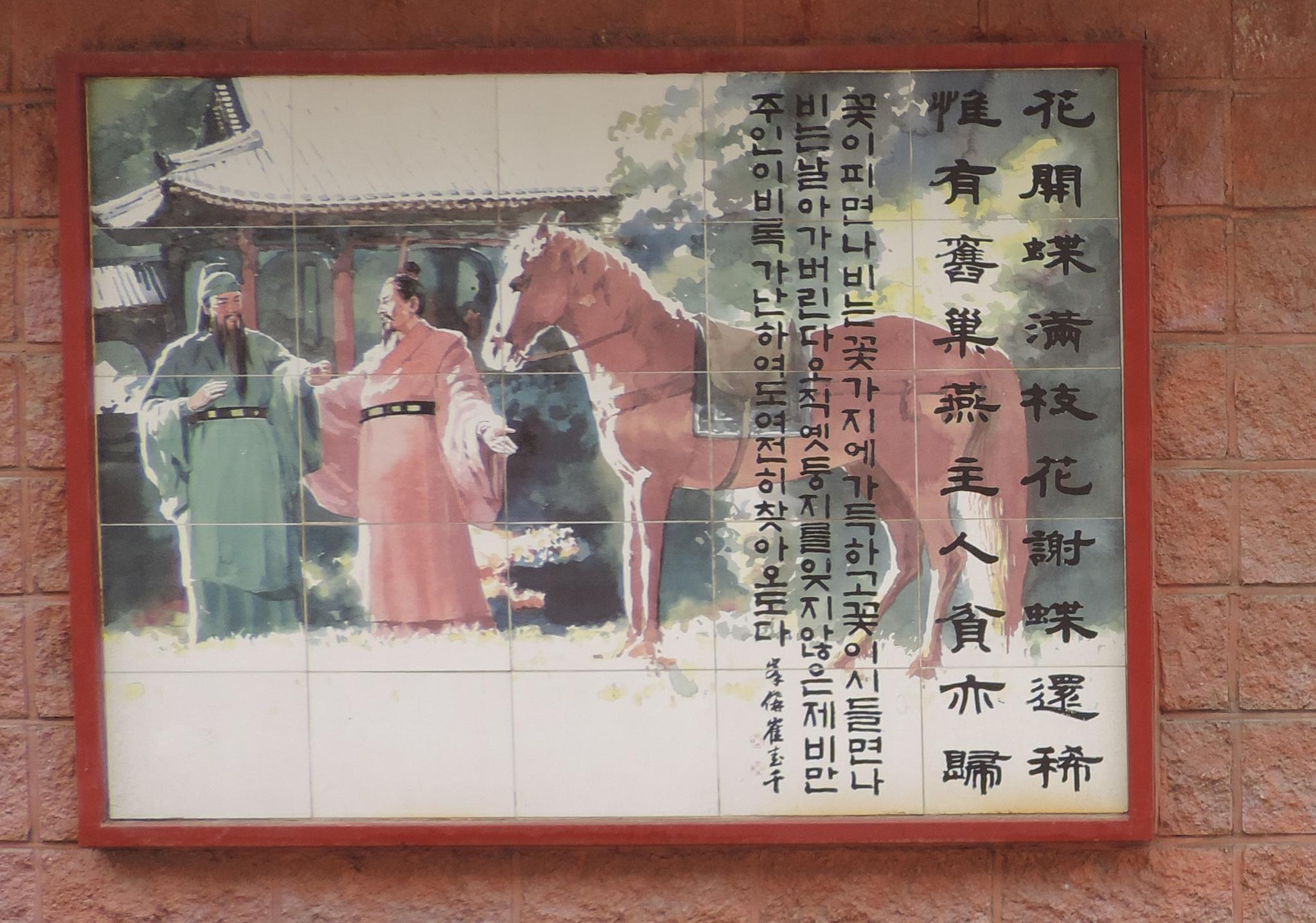
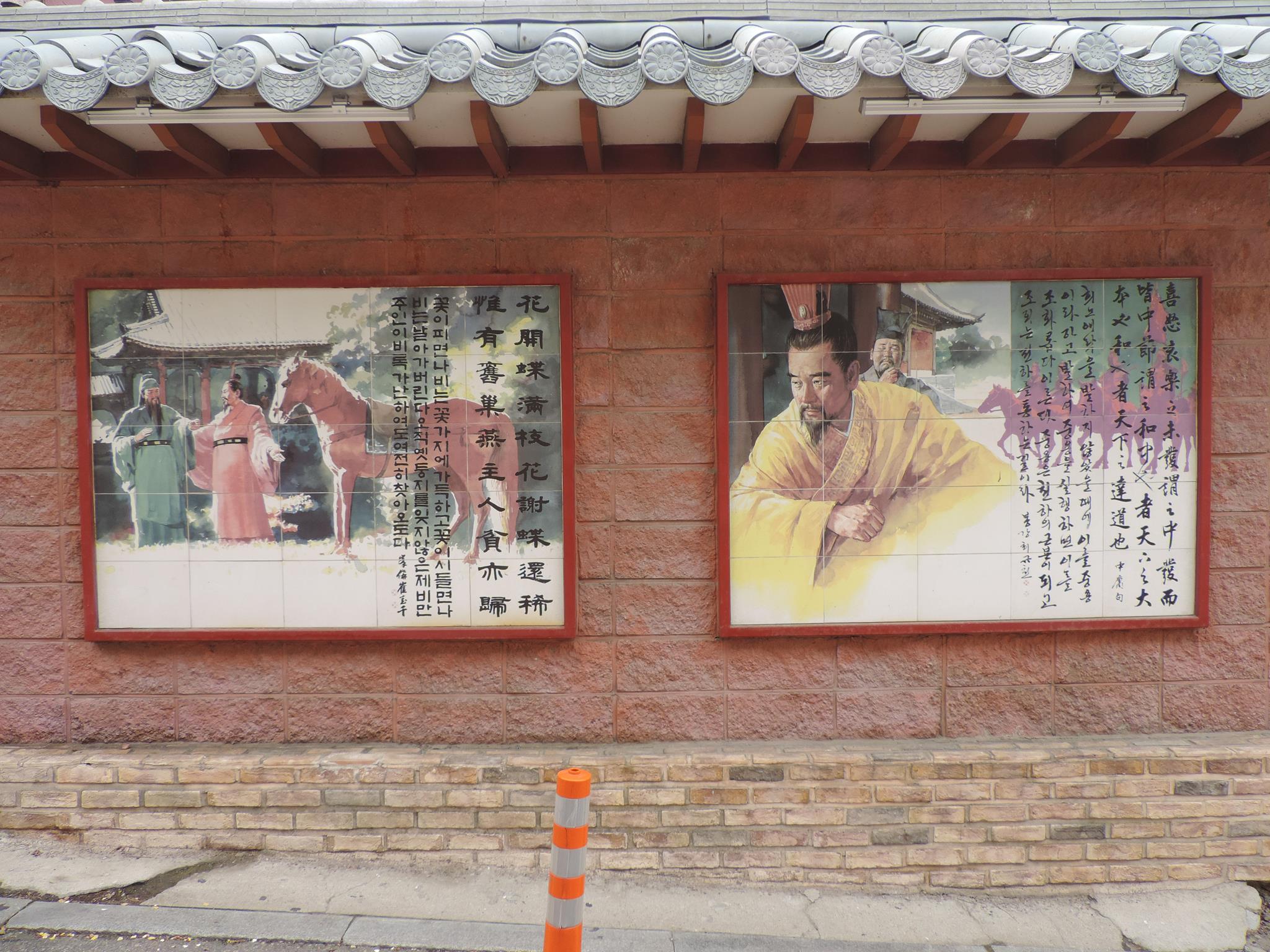
When flowers bloom, butterflies fill the branches, When flowers fall, the rain flies away. Only the swallows that have not forgotten their old nests, Even if their masters are poor, They still come. The common people are thousands.
Shi Zhongqian said: The one who is in harmony with the center is the great river of heaven. The one who is in harmony with the heart is the way to the world.
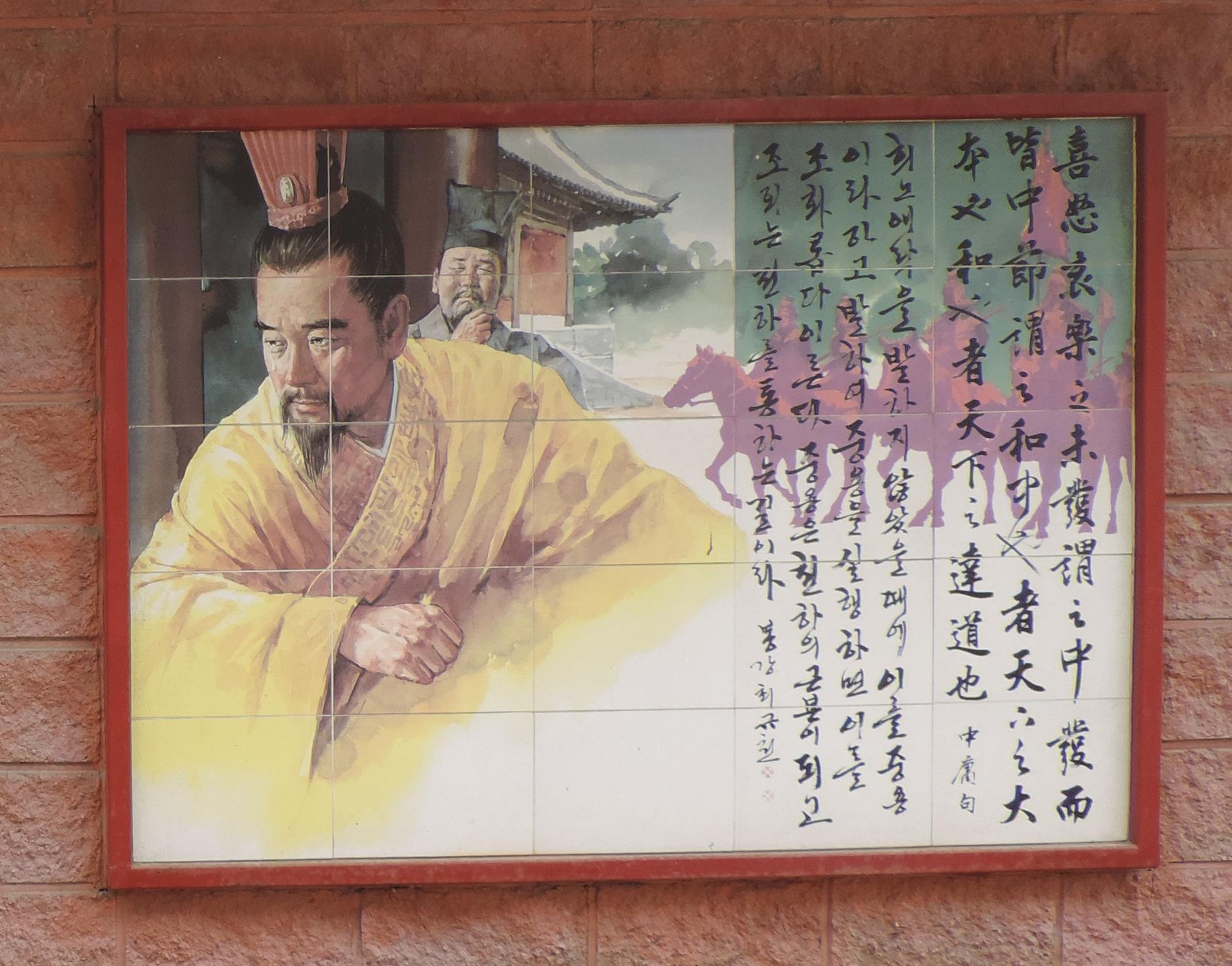
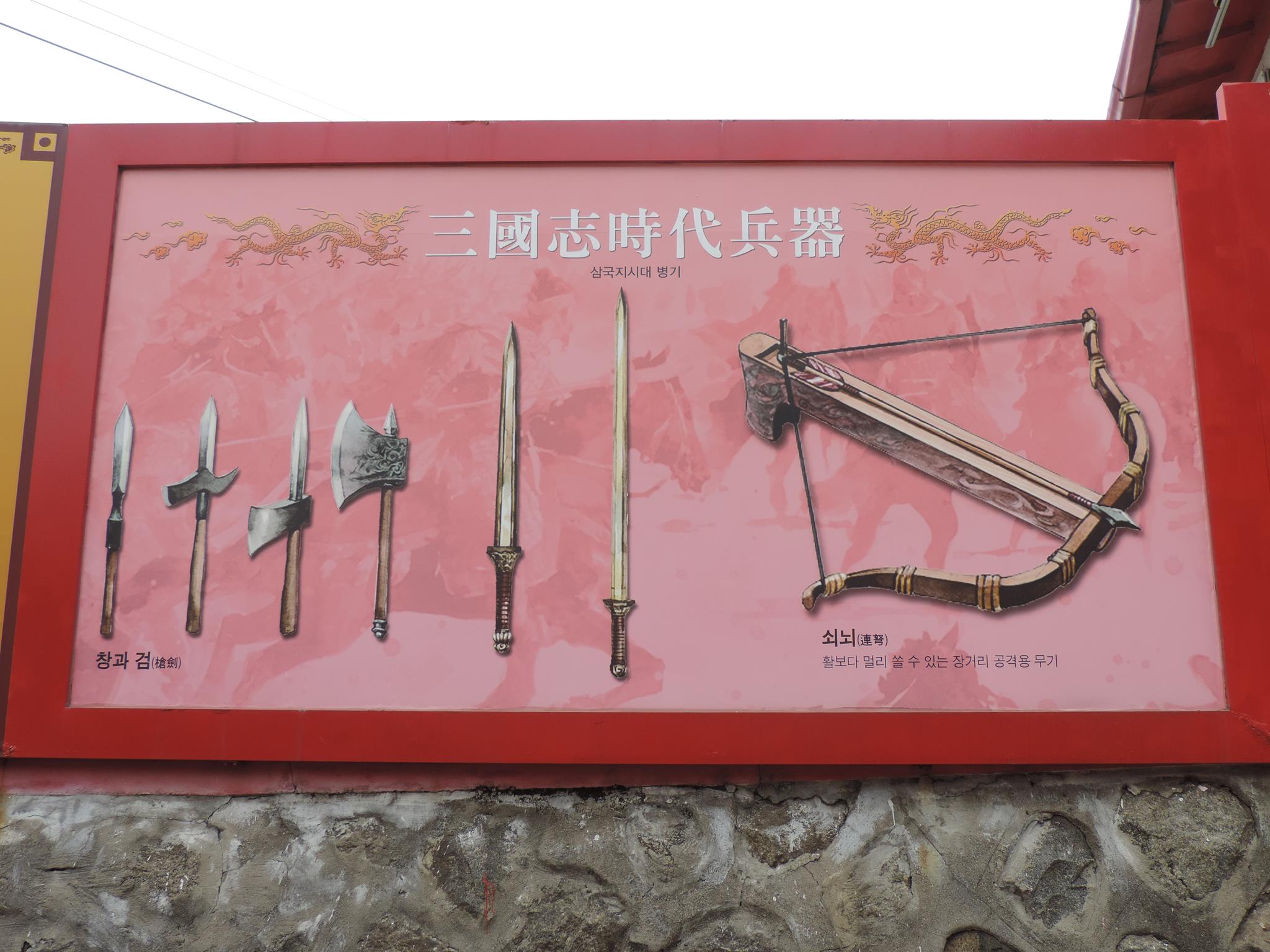
Three Kingdoms period weapons
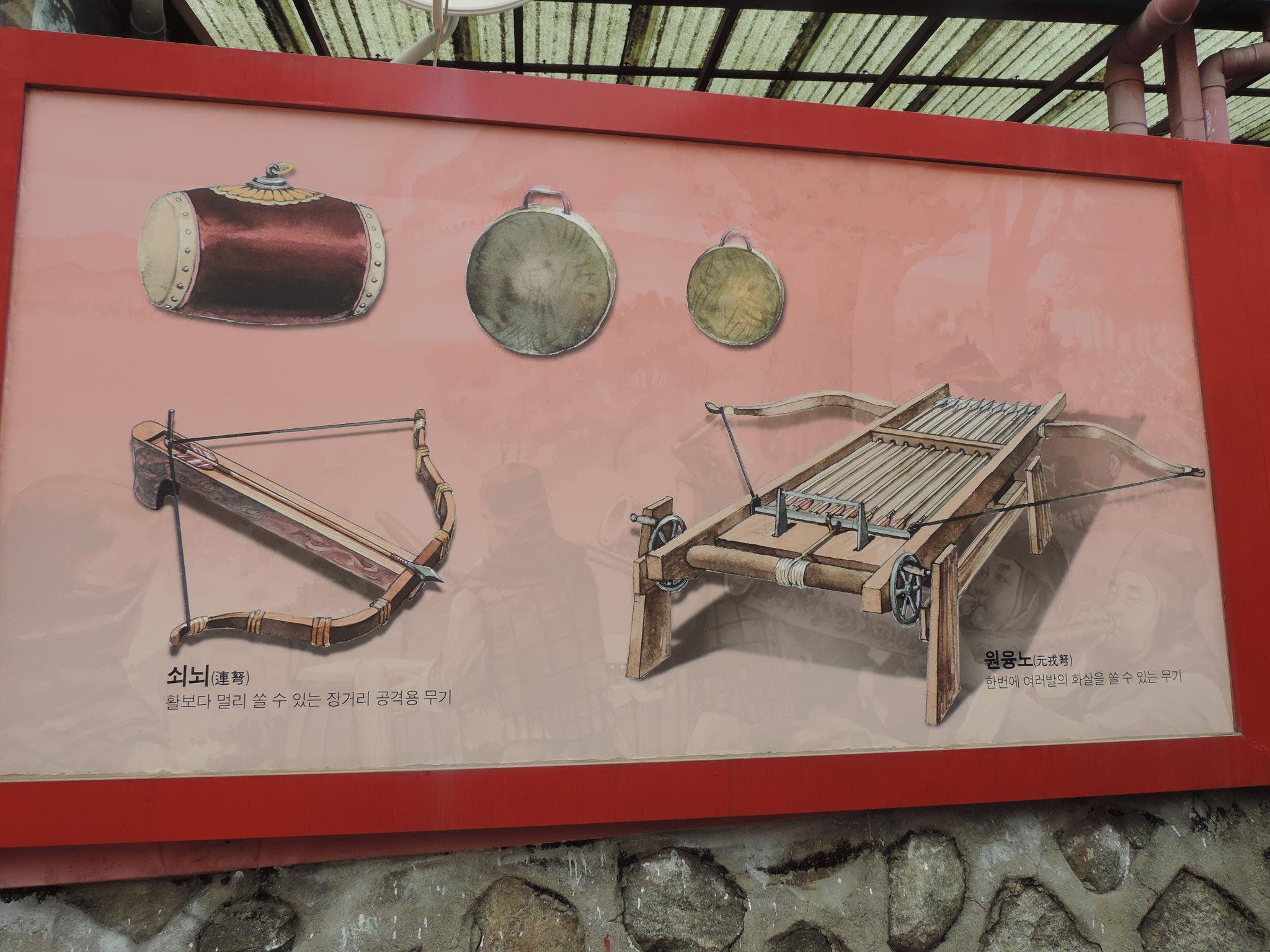
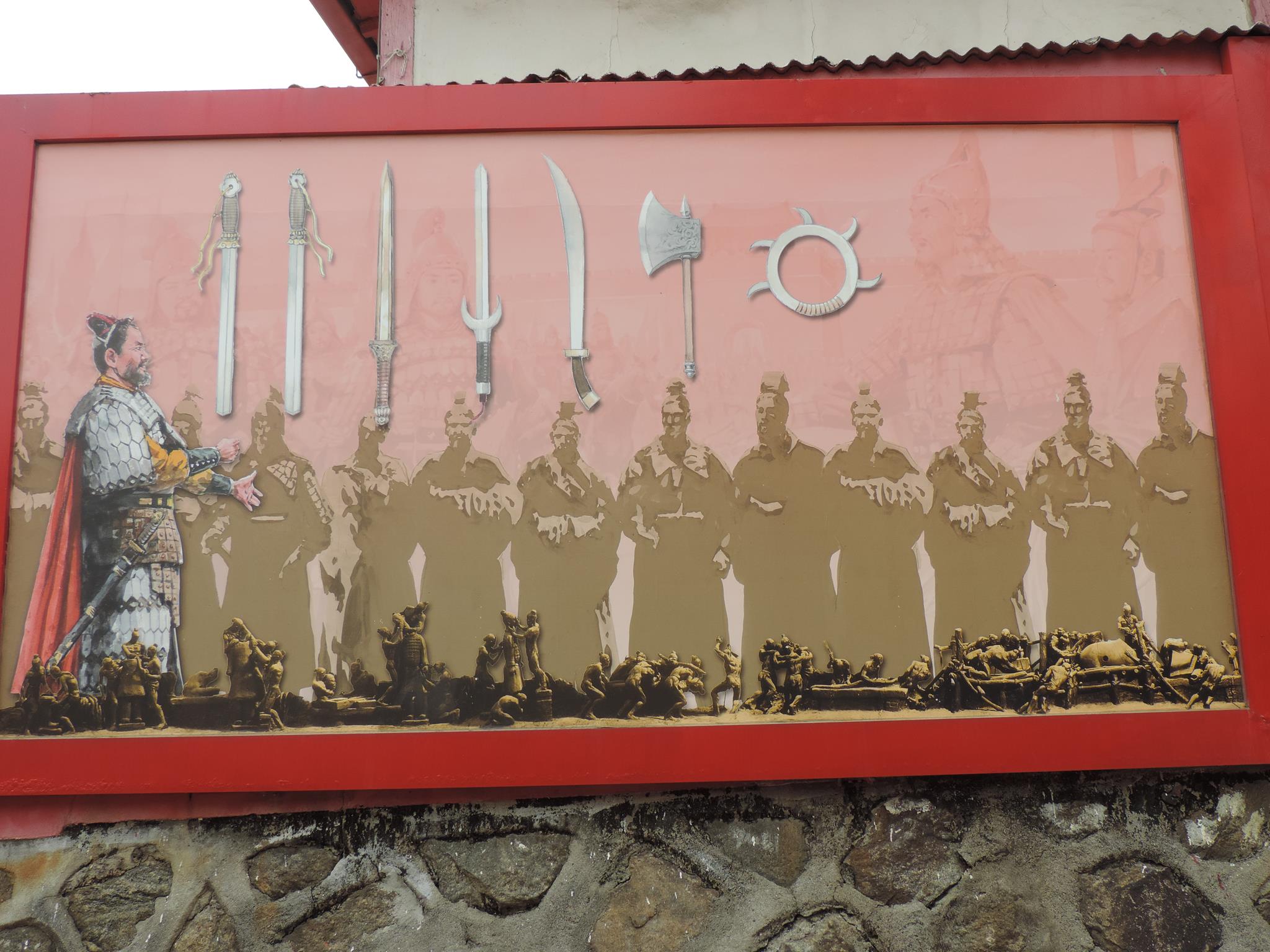
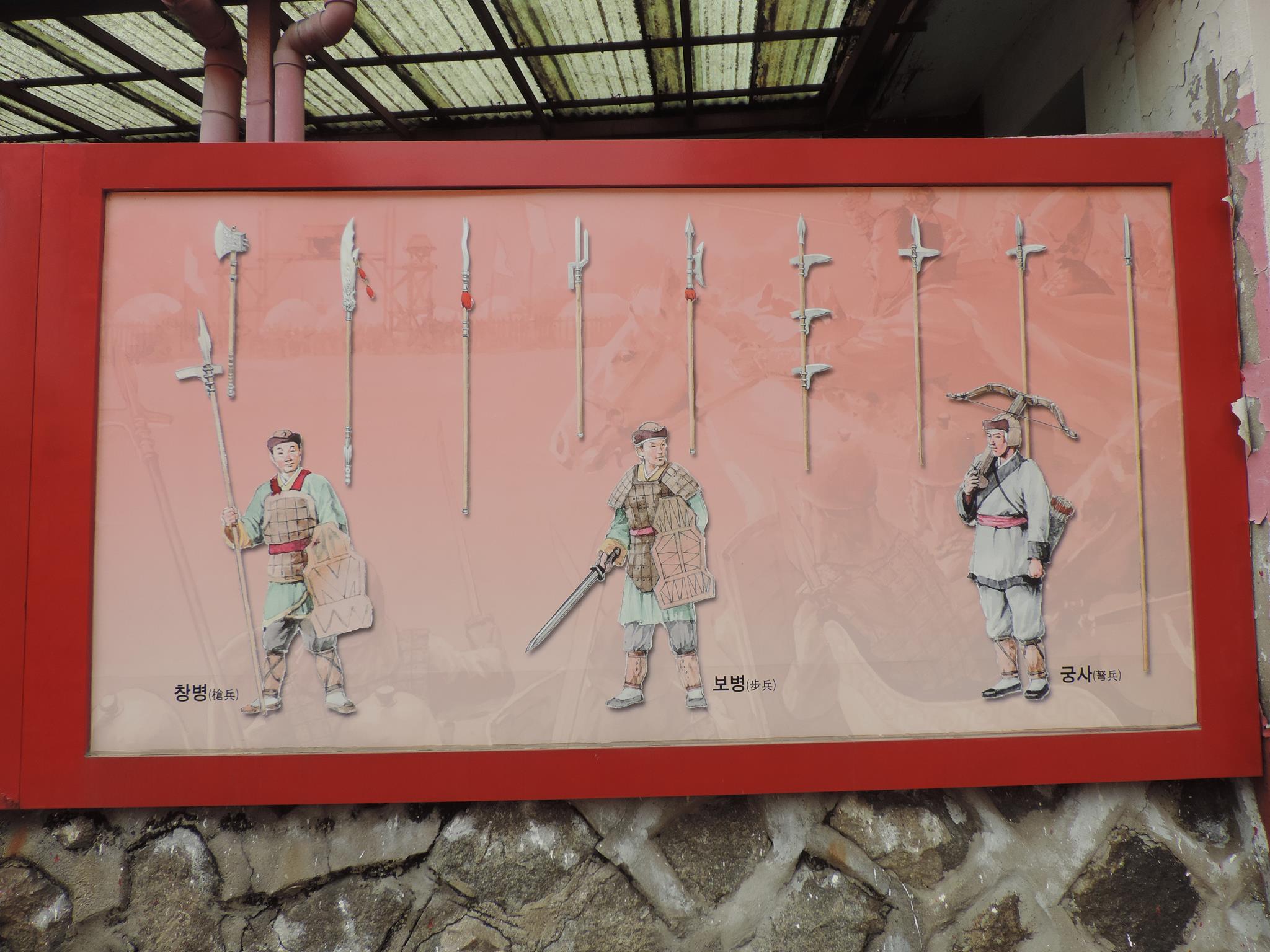
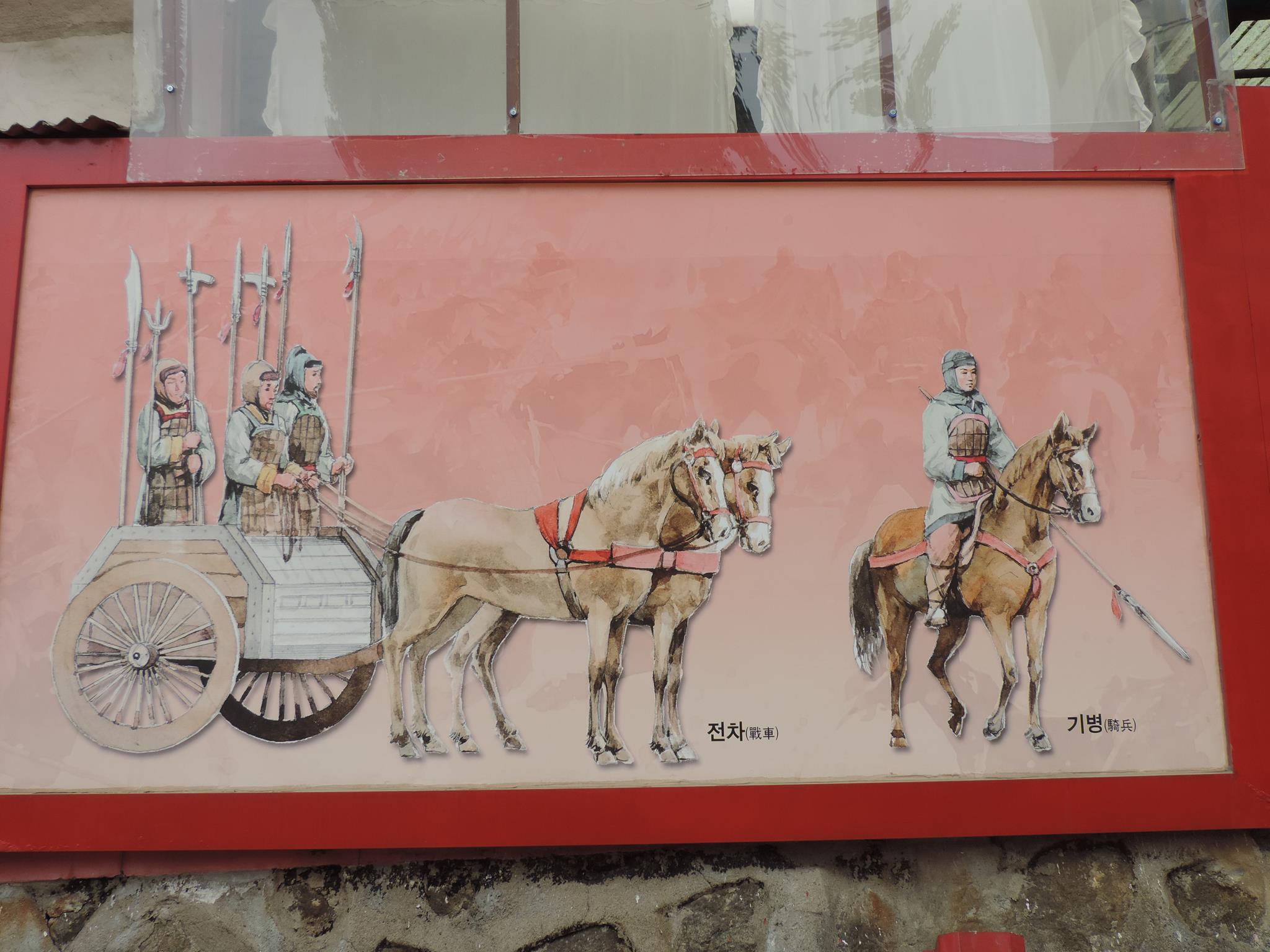
History Shrine
MORE PAGES FROM INCHEON CHINATOWN
>>> Chinatown Main Page <<<
>>> Sangukji Mural Street <<<
>>> Jayugongwonseo Mural Street <<<
>>> Streetart & Traditional Paintings <<<
>>> Painter & Muralist – GAEHANGRO <<<
>>> Sculptures & Monuments <<<
>>> Architecture & Streetlife <<<

MORE ARTICLES ABOUT SOUTH KOREA
>>> <<<
>>> <<<