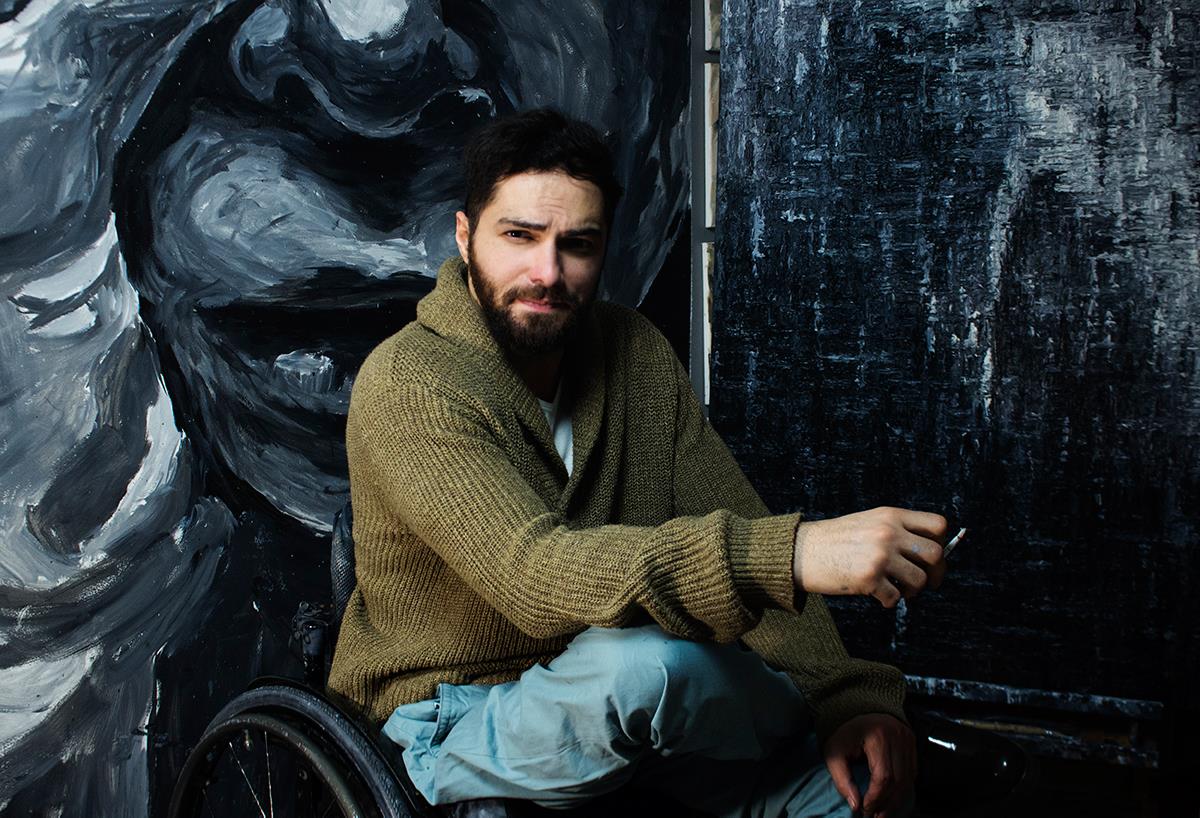
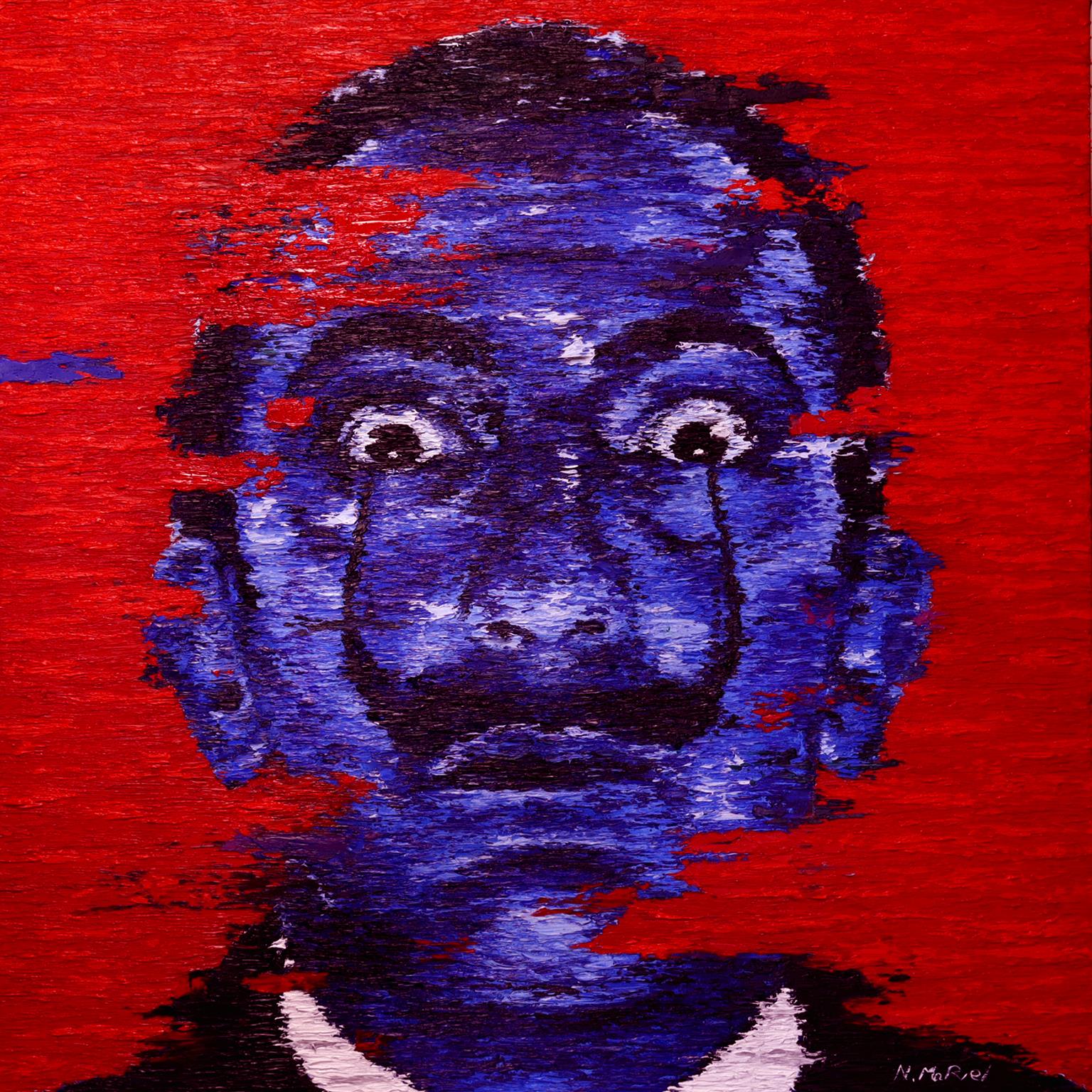
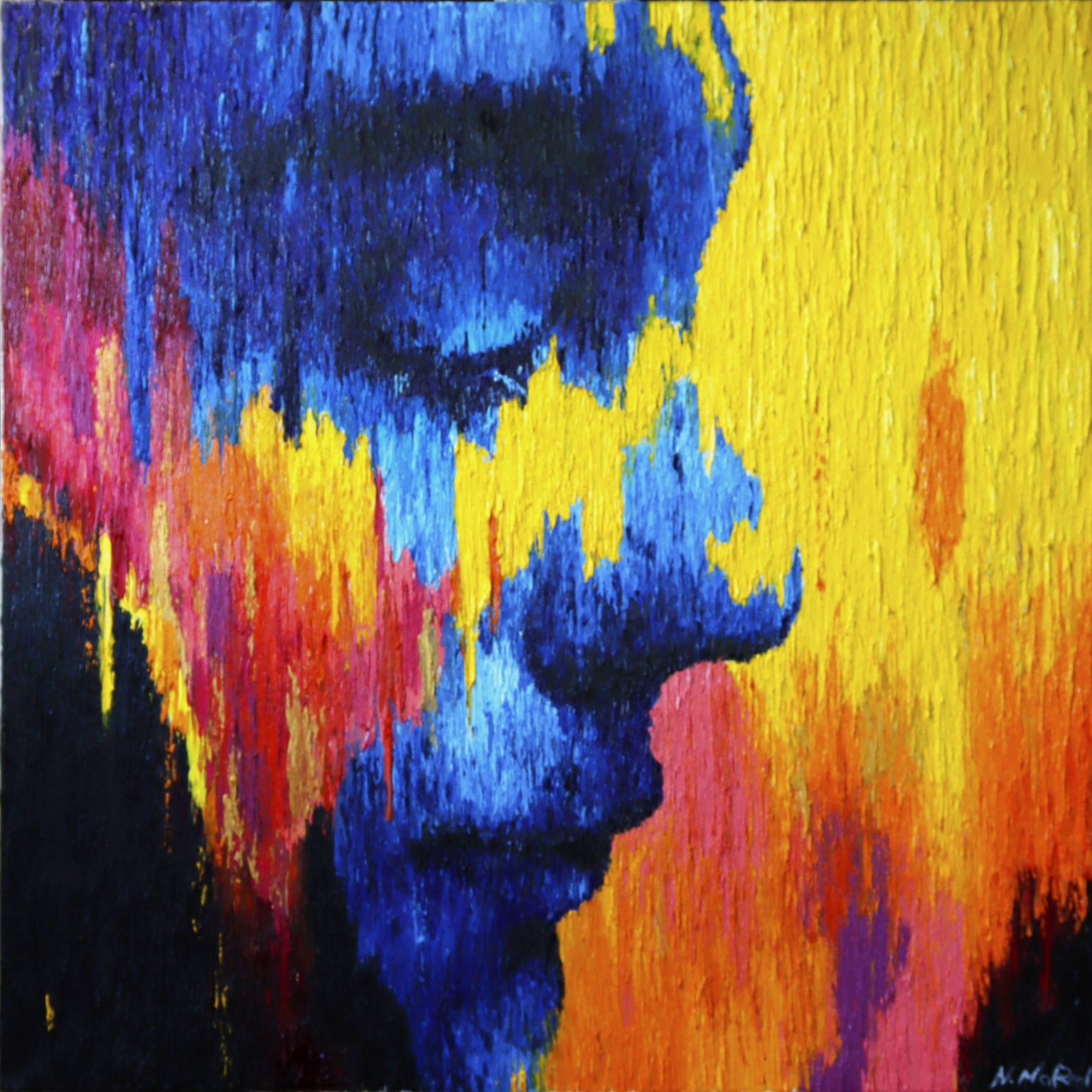
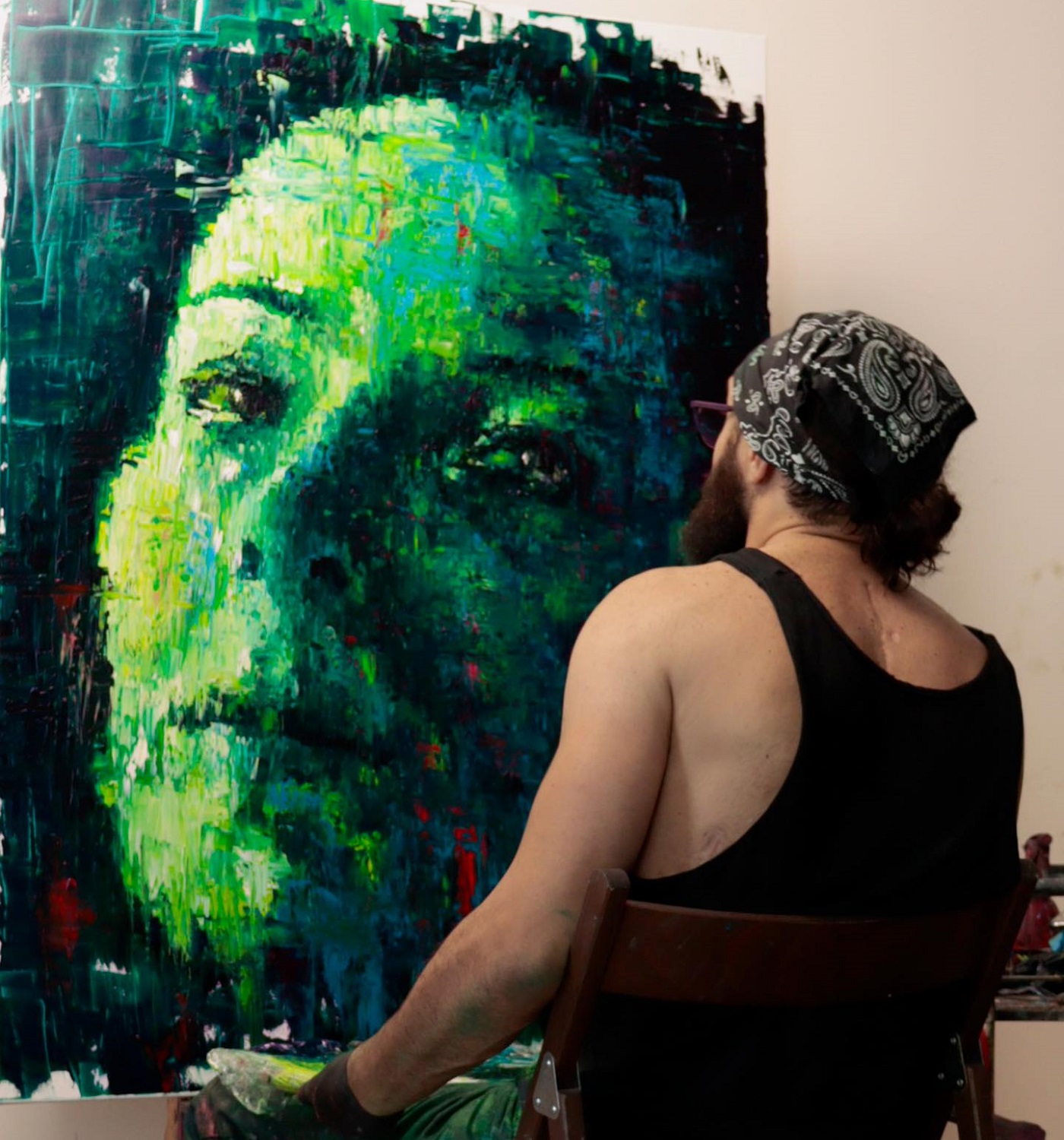
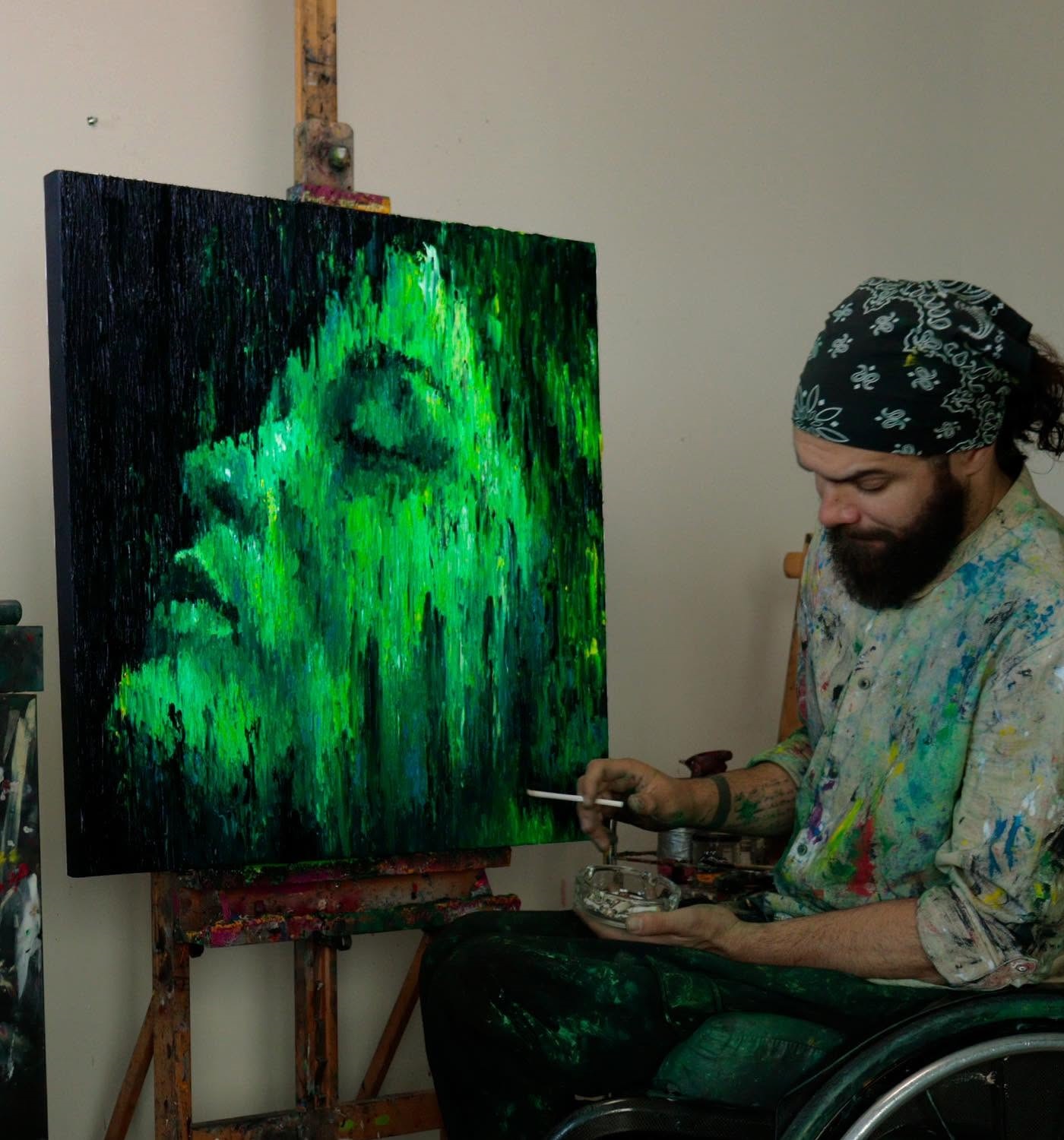
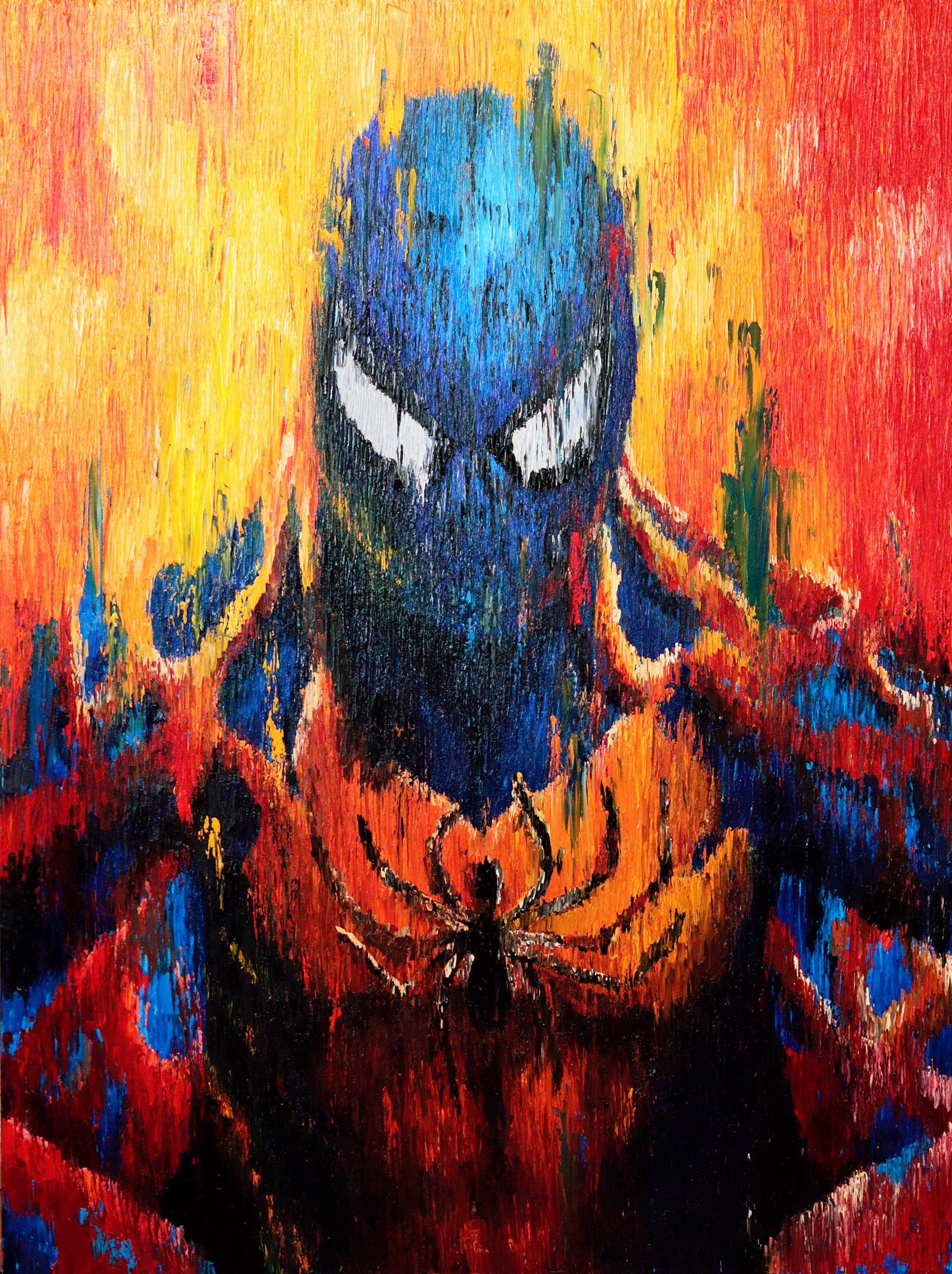
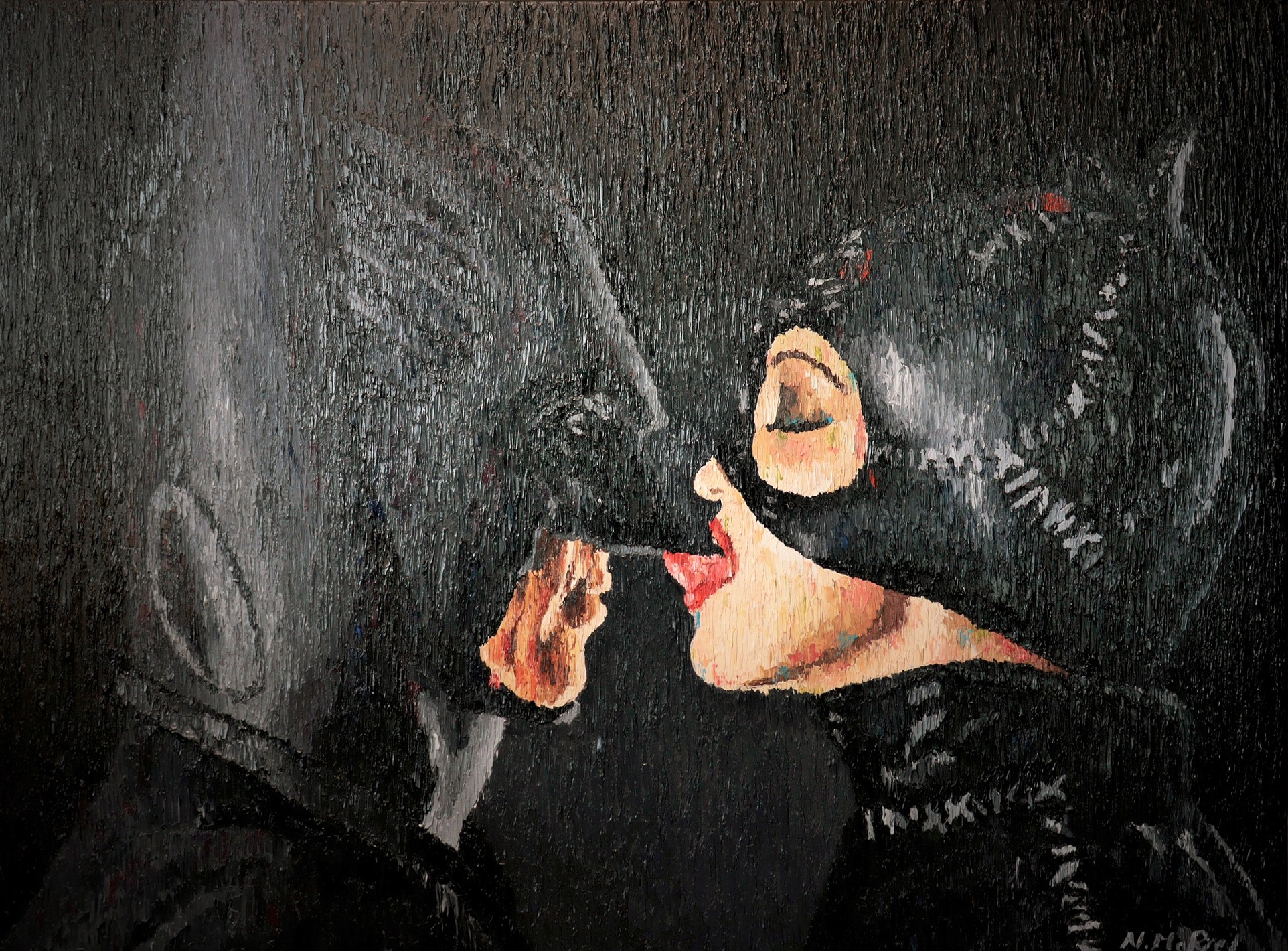
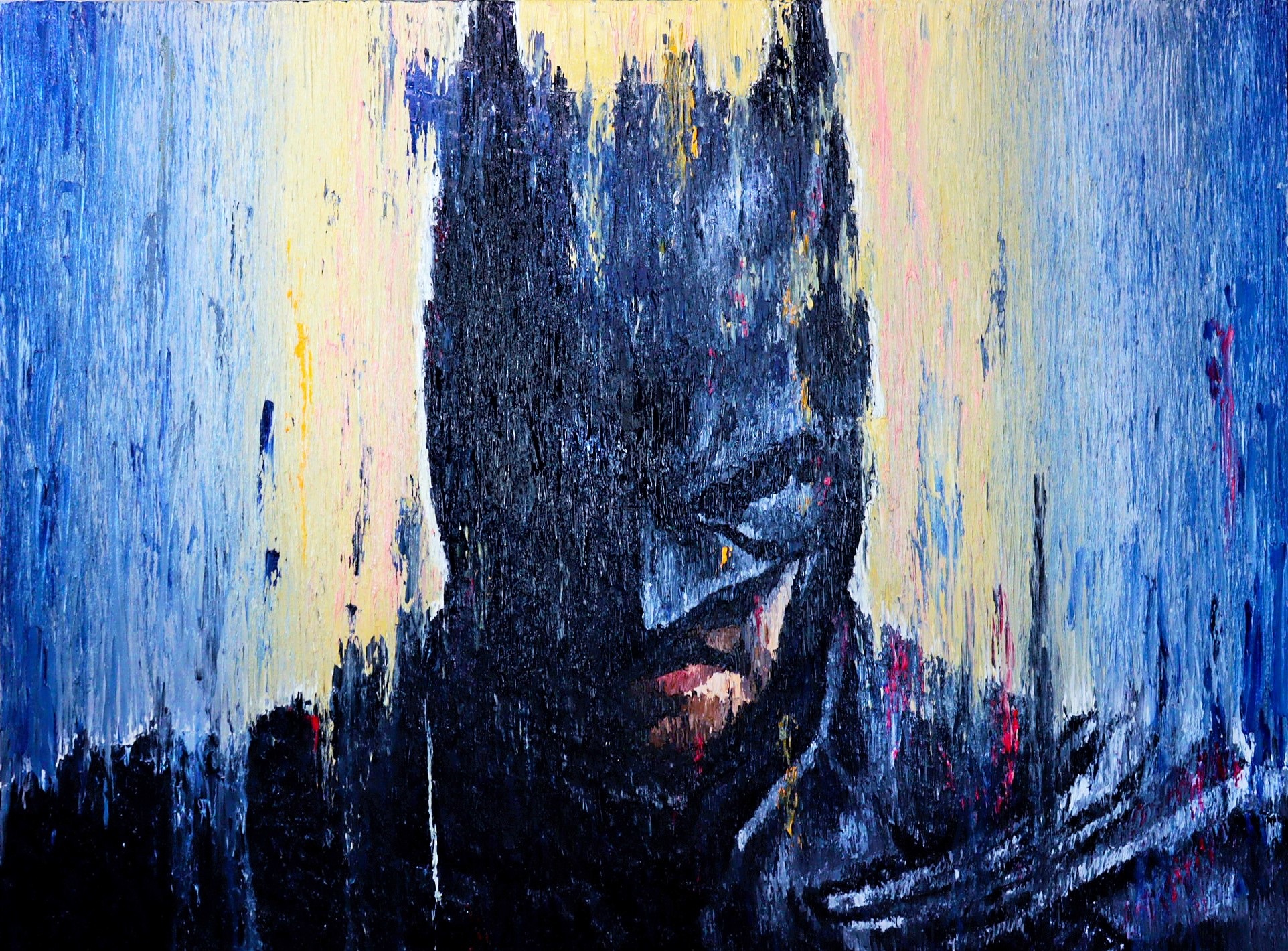
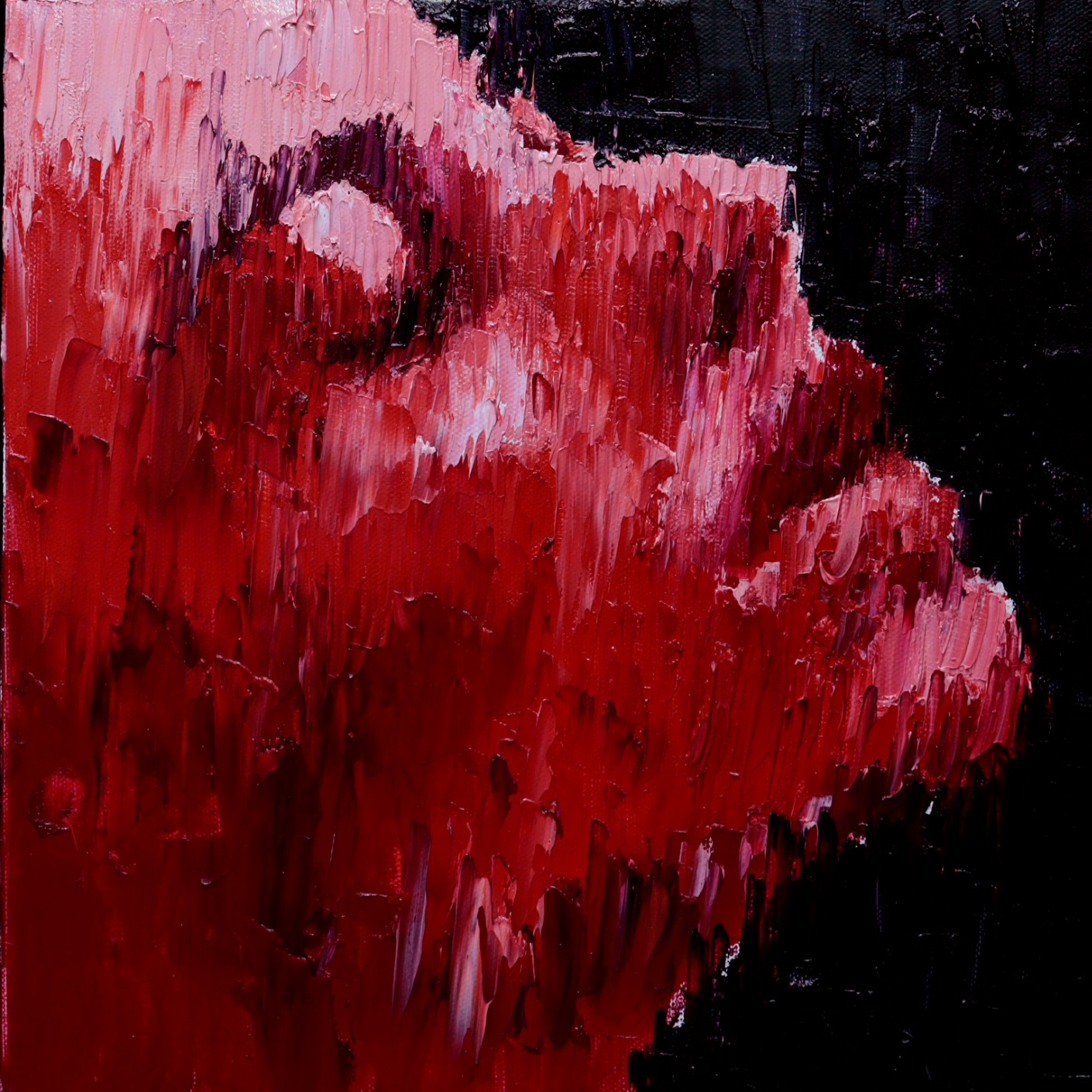
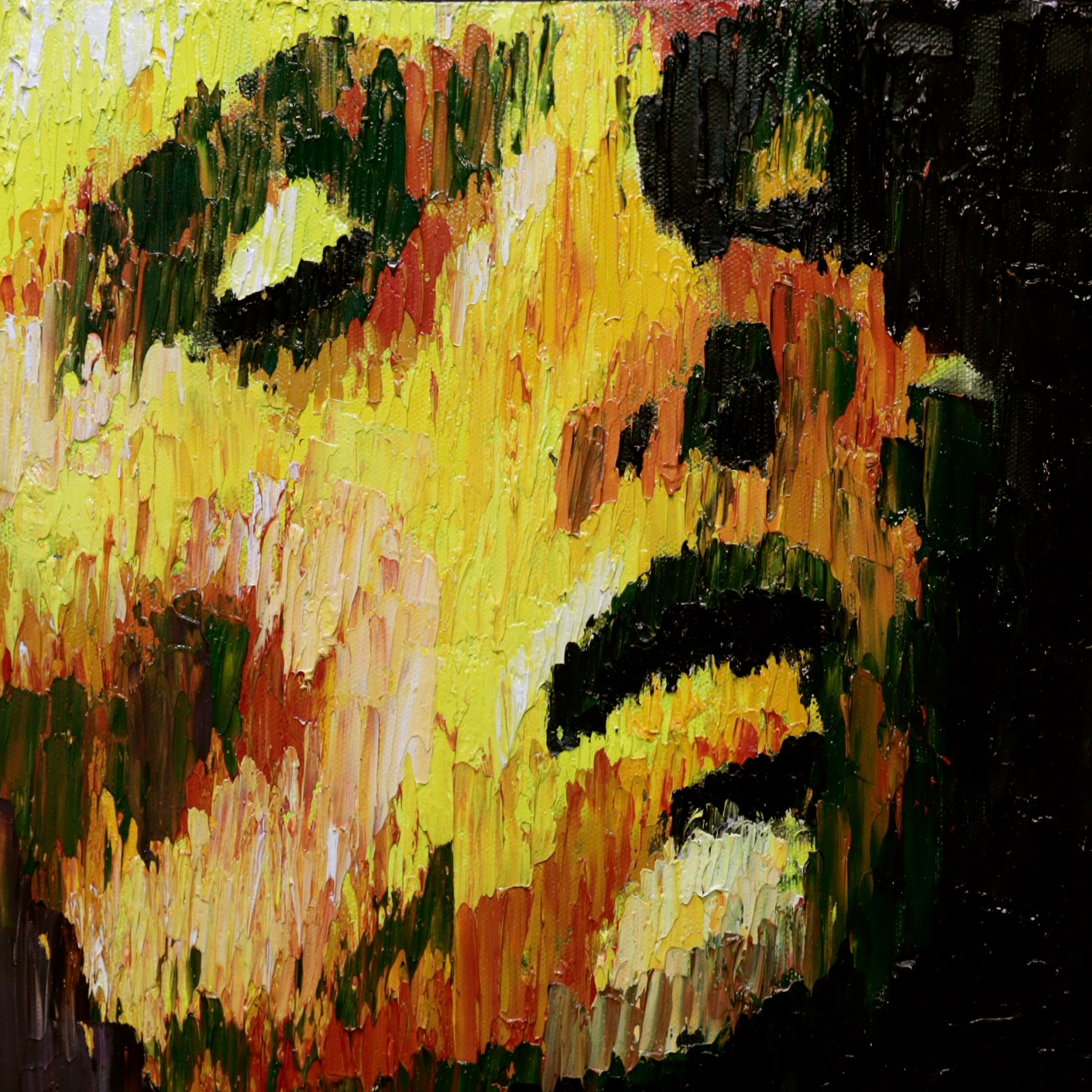
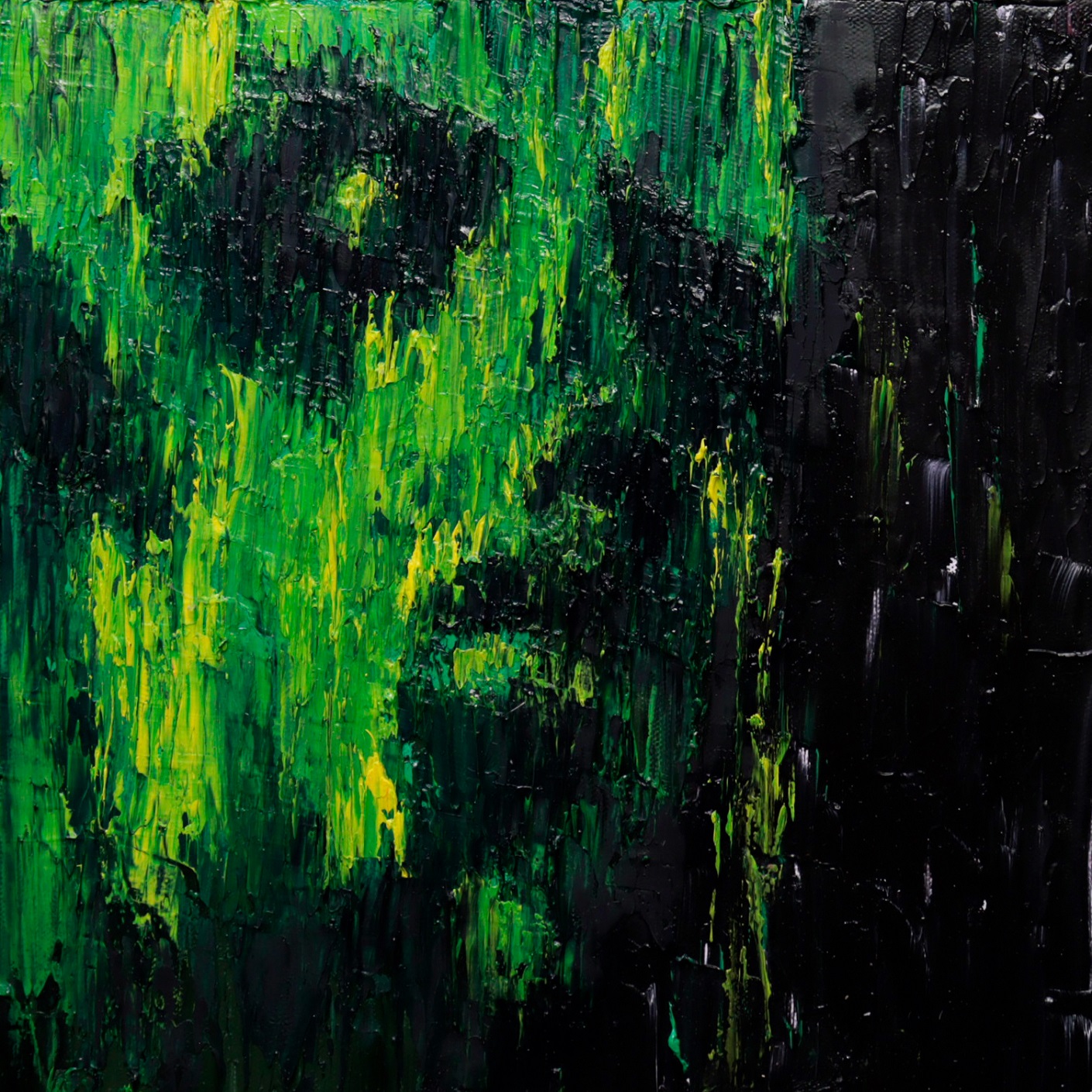
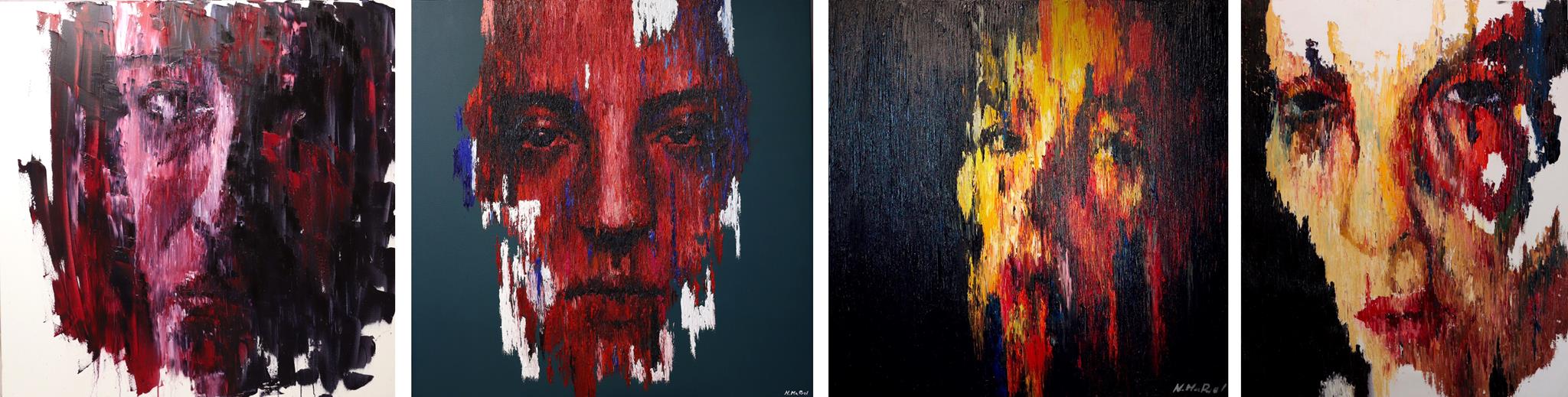
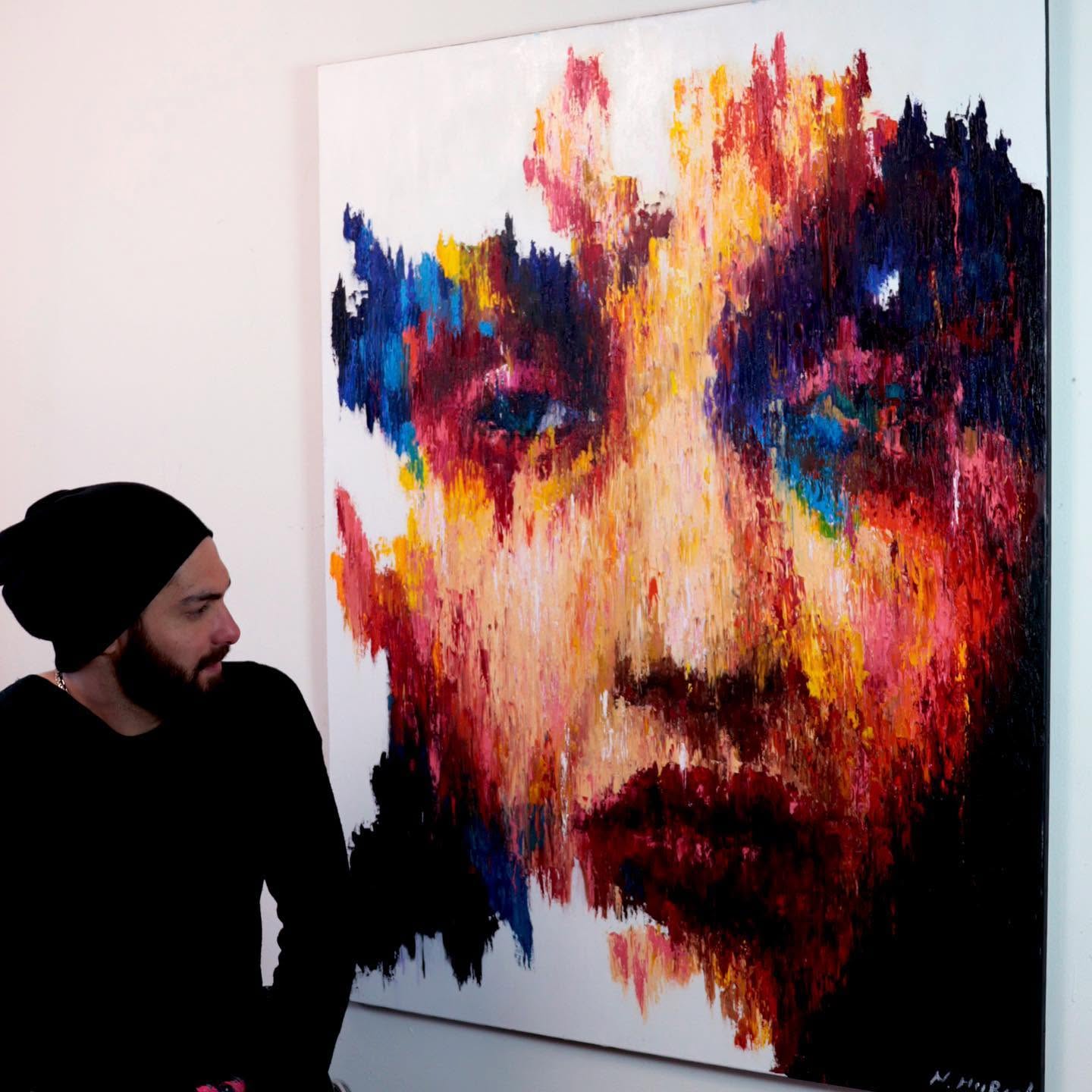
The great artist NICOLAS MARVEL creates fantastic canvases, primarily portraits and meanwhile also surreal abstract works. His paintings are breathtaking in themselves, but they become even more astonishing when you know how he creates them: with a fork! Originally from Tbilisi, Georgia, he now lives in Nice, France, where he regularly exhibits his work. We were fortunate to attend one of these events and admire his magnificent pieces. Many thanks to the artist OTOM from WHOLE STREET, who brought us to this exhibition.
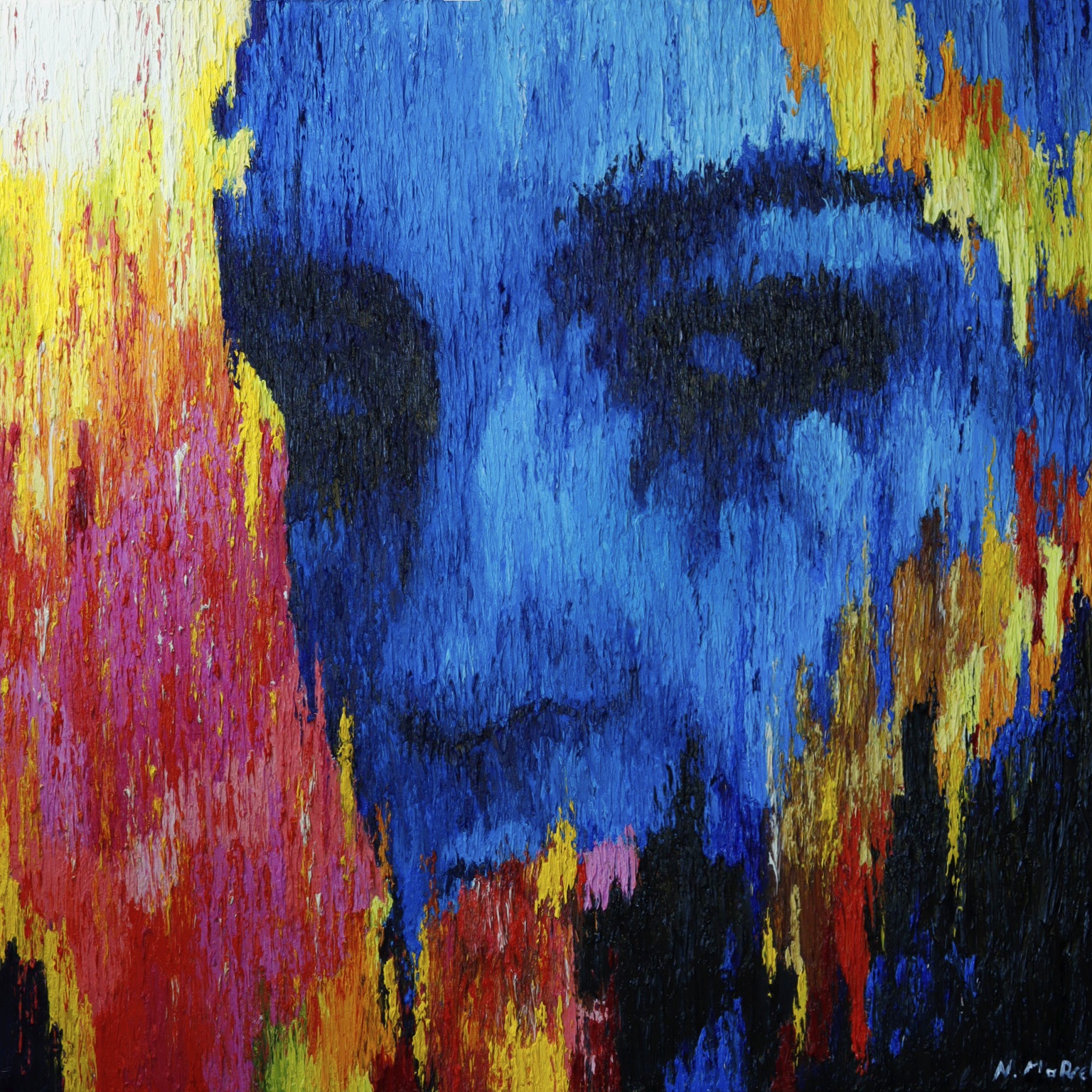
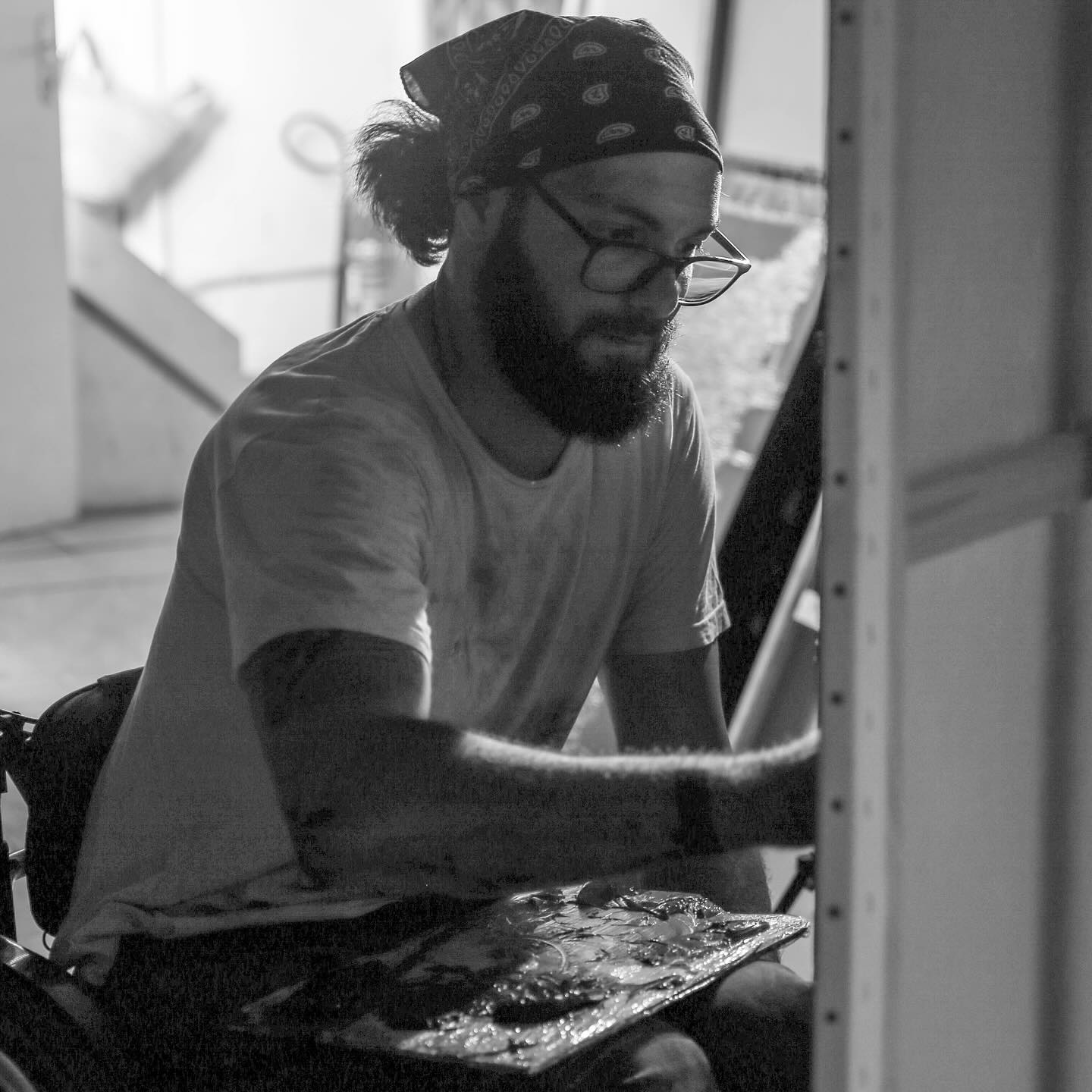
In an interview we spoke with NICOLAS MARVEL, who told us about his unique fork painting technique, his artistic development and current stylistic changes, as well as the therapeutic and healing effect of art. The former professional football player has been in a wheelchair since an accident, and painting has been an important, life-saving way for him to cope and a source of motivation to keep going. Check out the interesting interview; interspersed are numerous photos of his work or of him in action.
Hello Nicolas, thank you very much for the interview about your art and your fantastic works. We met at the Galerie JoHa in Nice at an event for your canvases. It was the conclusion of one phase and you said that a new, somewhat more abstract episode has now begun. But let’s go back in time first. Tell us something about how you started with art and why you chose to paint.
Until the age of 24, I had never held a paintbrush in my life. Everything started in a hotel room in France. I simply wanted to pass the time and have a bit of fun, so I bought a few brushes and some paint. My very first painting looked like a child’s drawing… but each one after that was a little better than the last. I felt like my hand naturally followed what my eyes were seeing. It was as if it had always been inside me
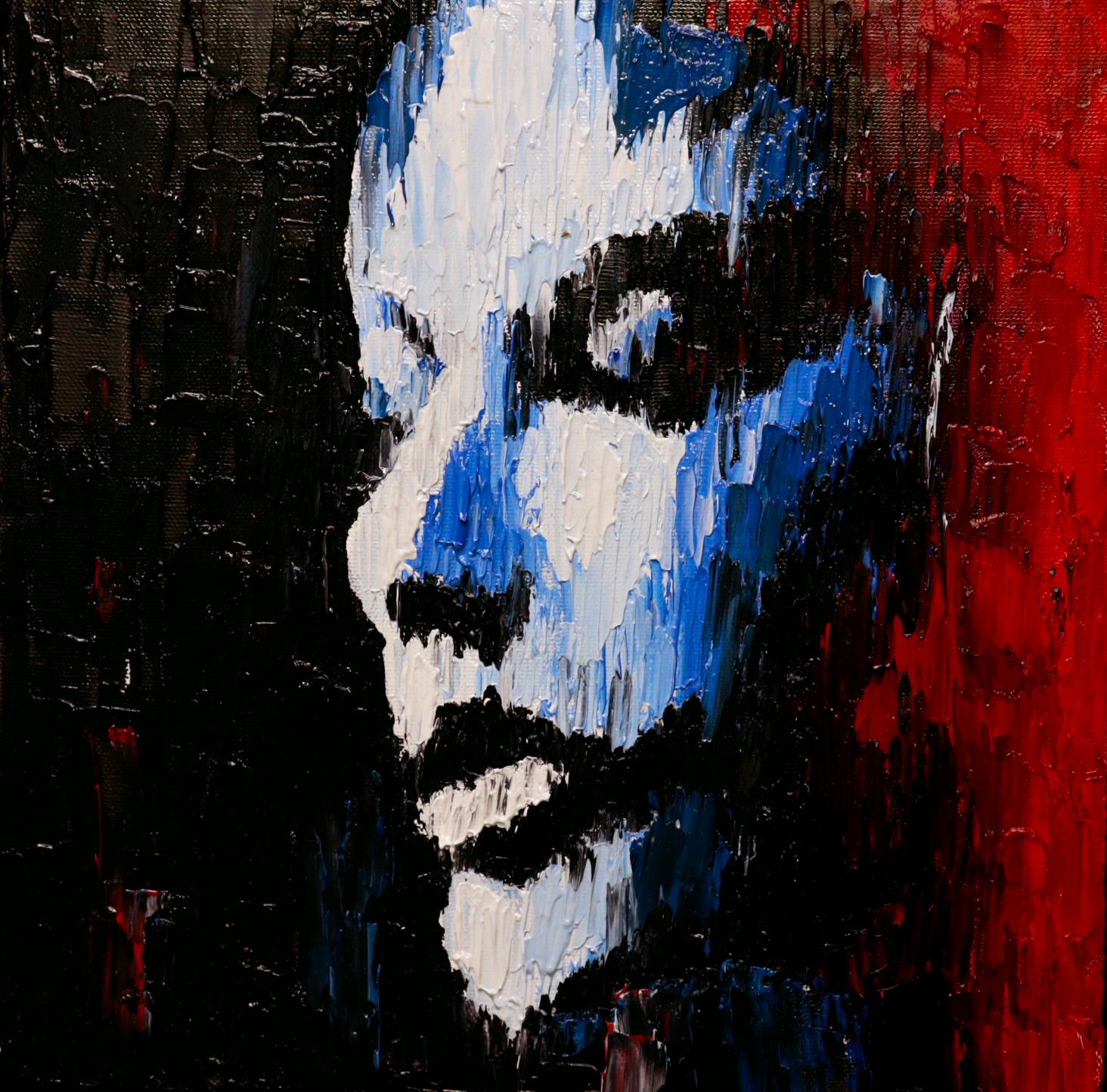
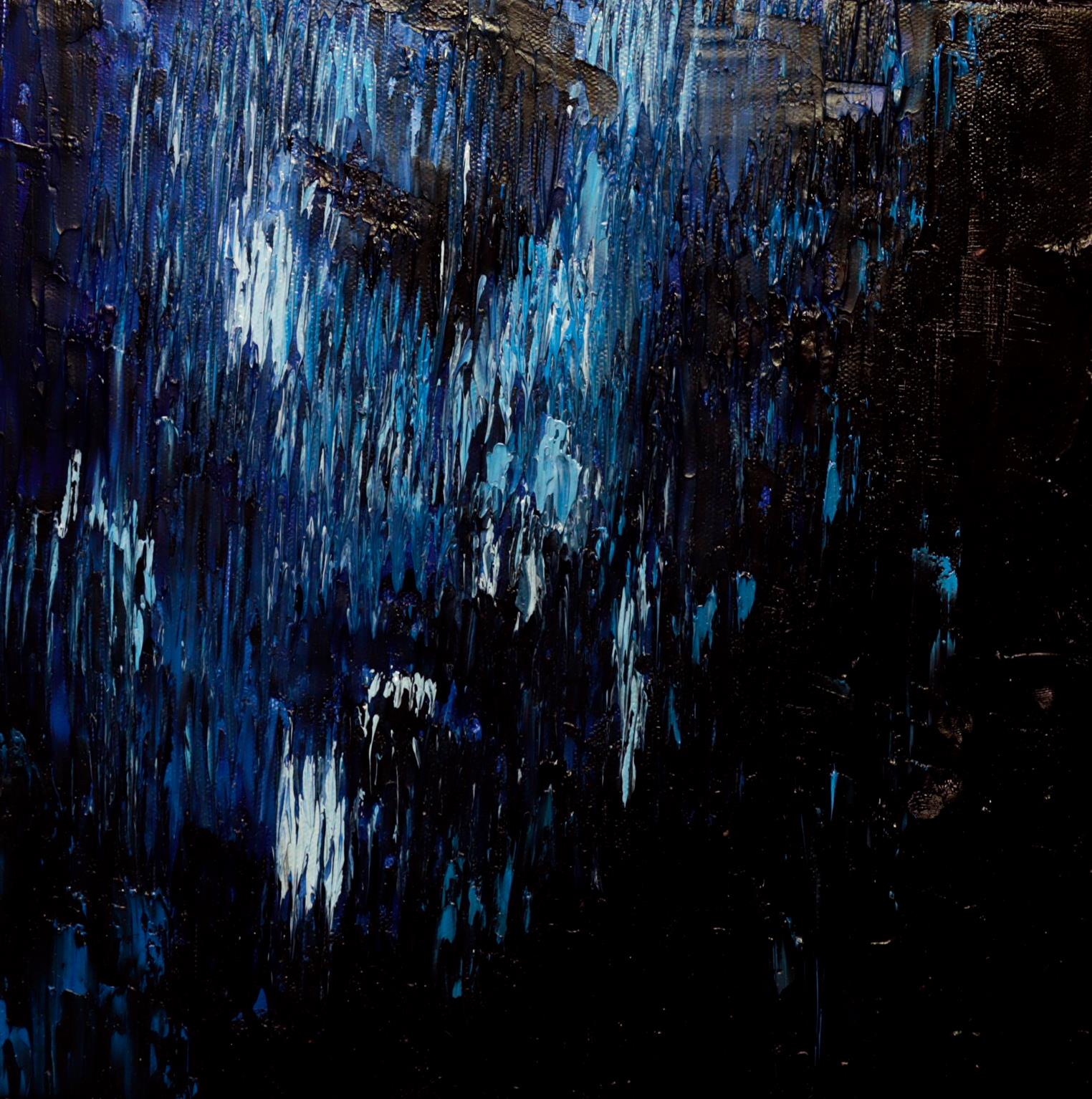
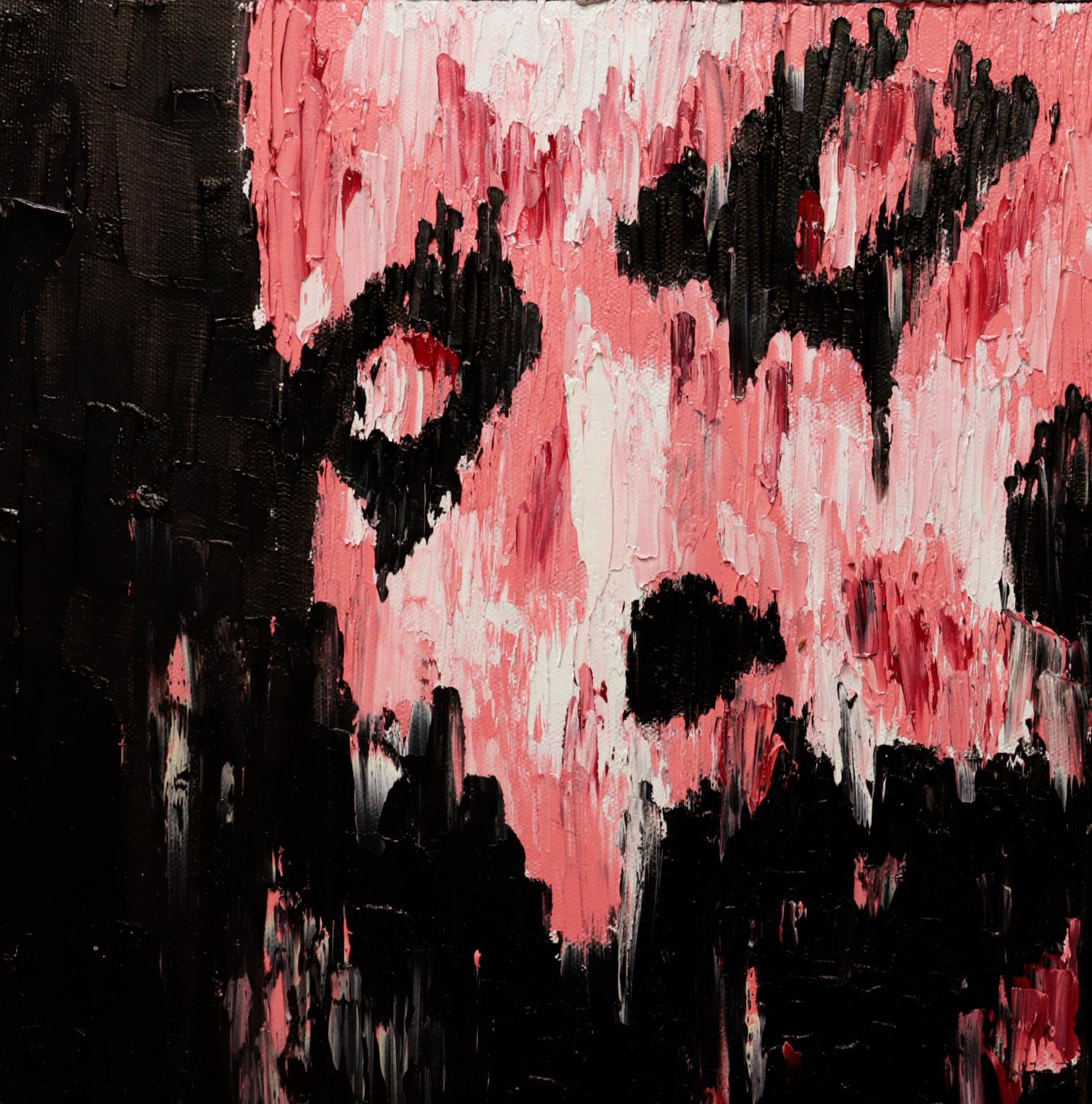
Since a tragic accident, you have been in a wheelchair and were no longer able to continue your previous sporting career as a professional footballer. You told me that you didn’t paint before and that it only came afterwards. Tell us something about how art and being creative helped you to cope with the situation. I think art can be a medicine for depression.
When I started painting with more intention, I immediately felt that this process was the best way to forget my problems and completely disconnect from reality. Painting doesn’t cure depression — but it pulls you out of reality for a moment. It creates a kind of bubble, a temporary refuge. But when the painting is finished, you have to look life in the eyes again. And sometimes, that’s when the hardest part begins.
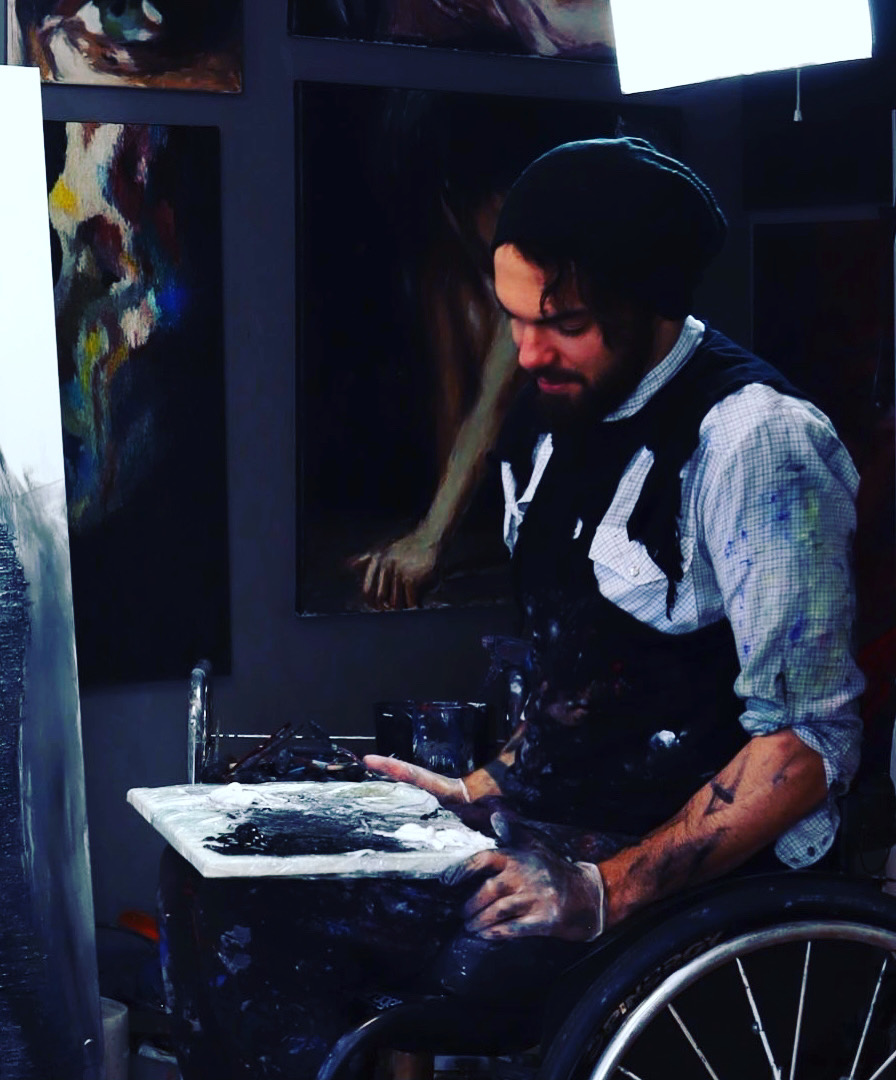
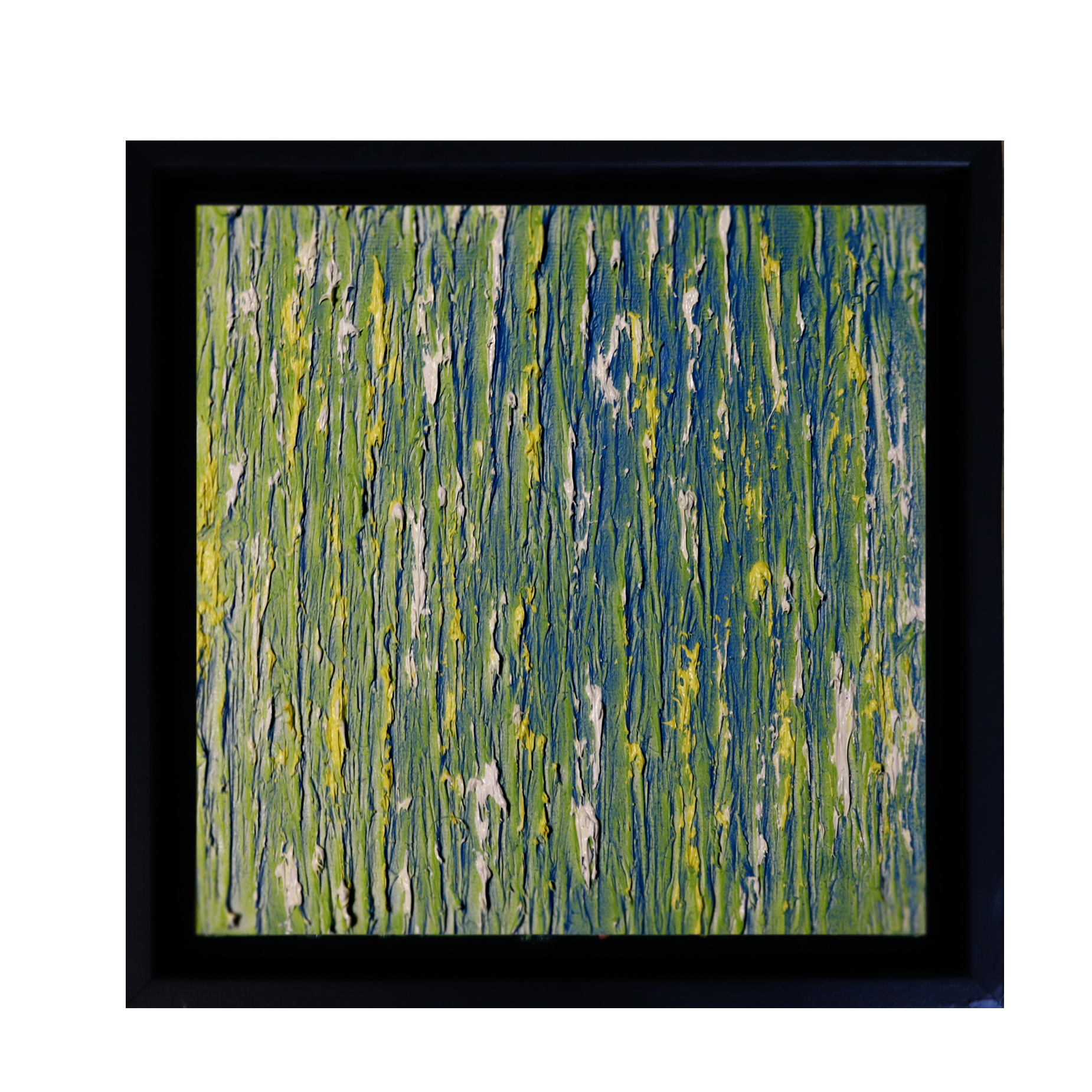
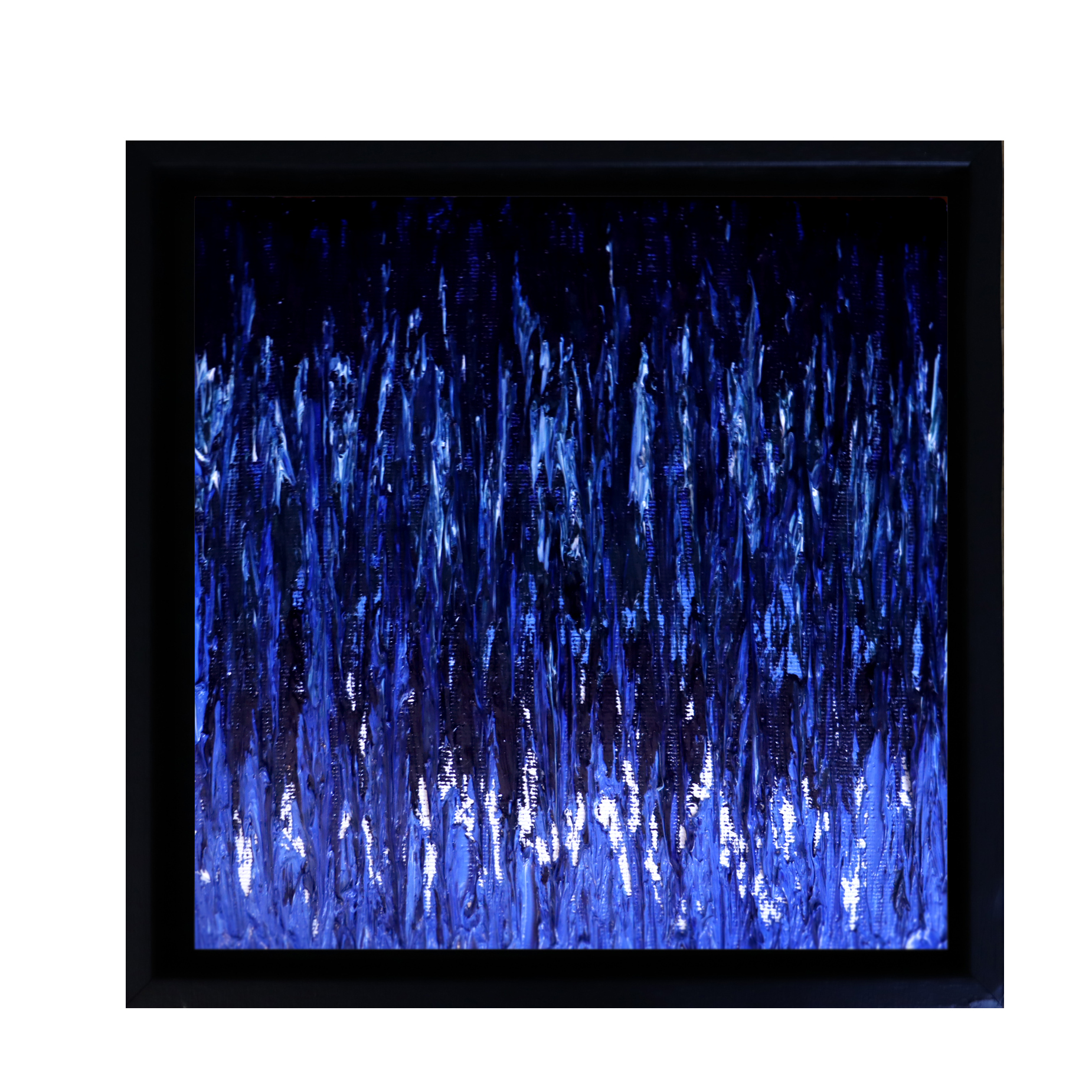
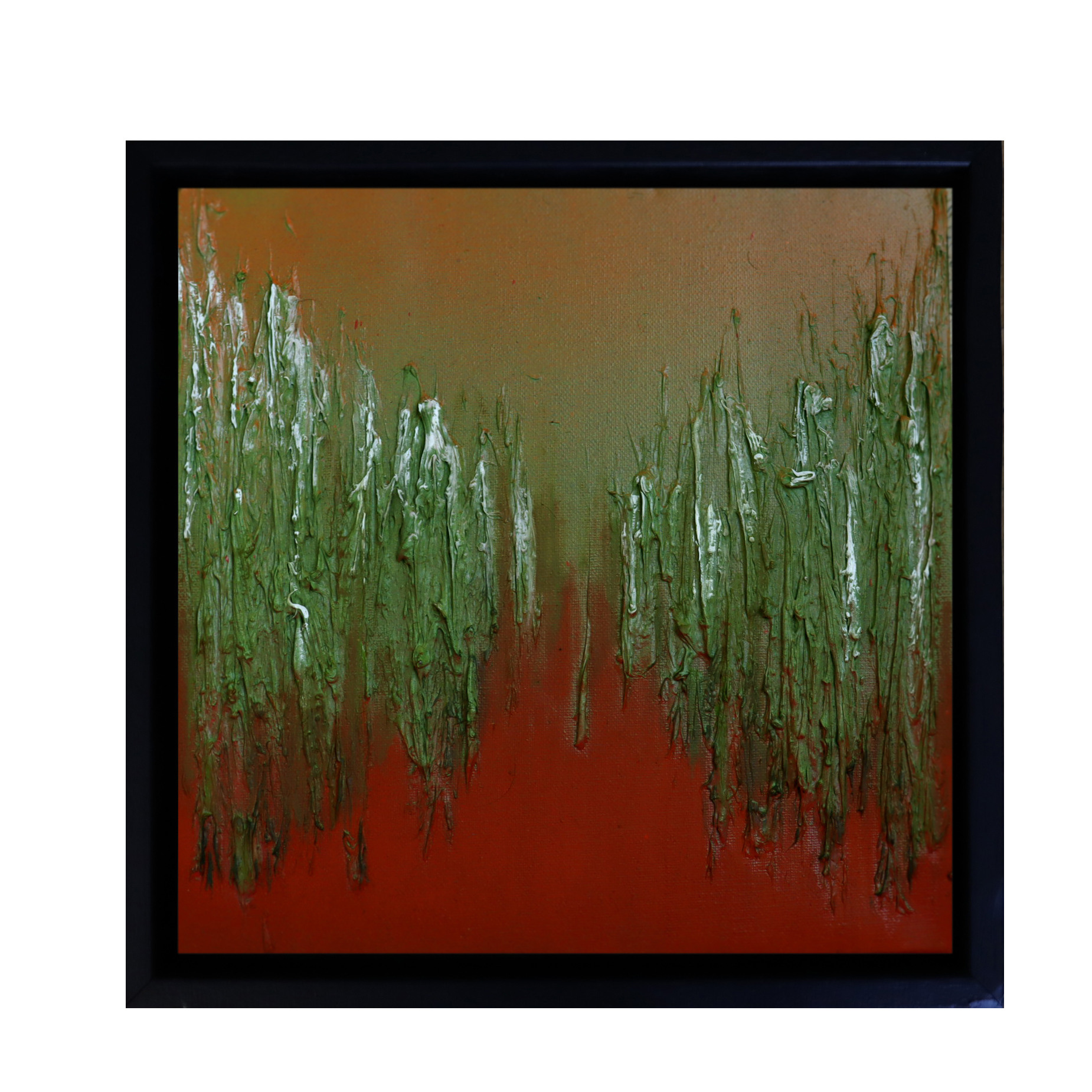
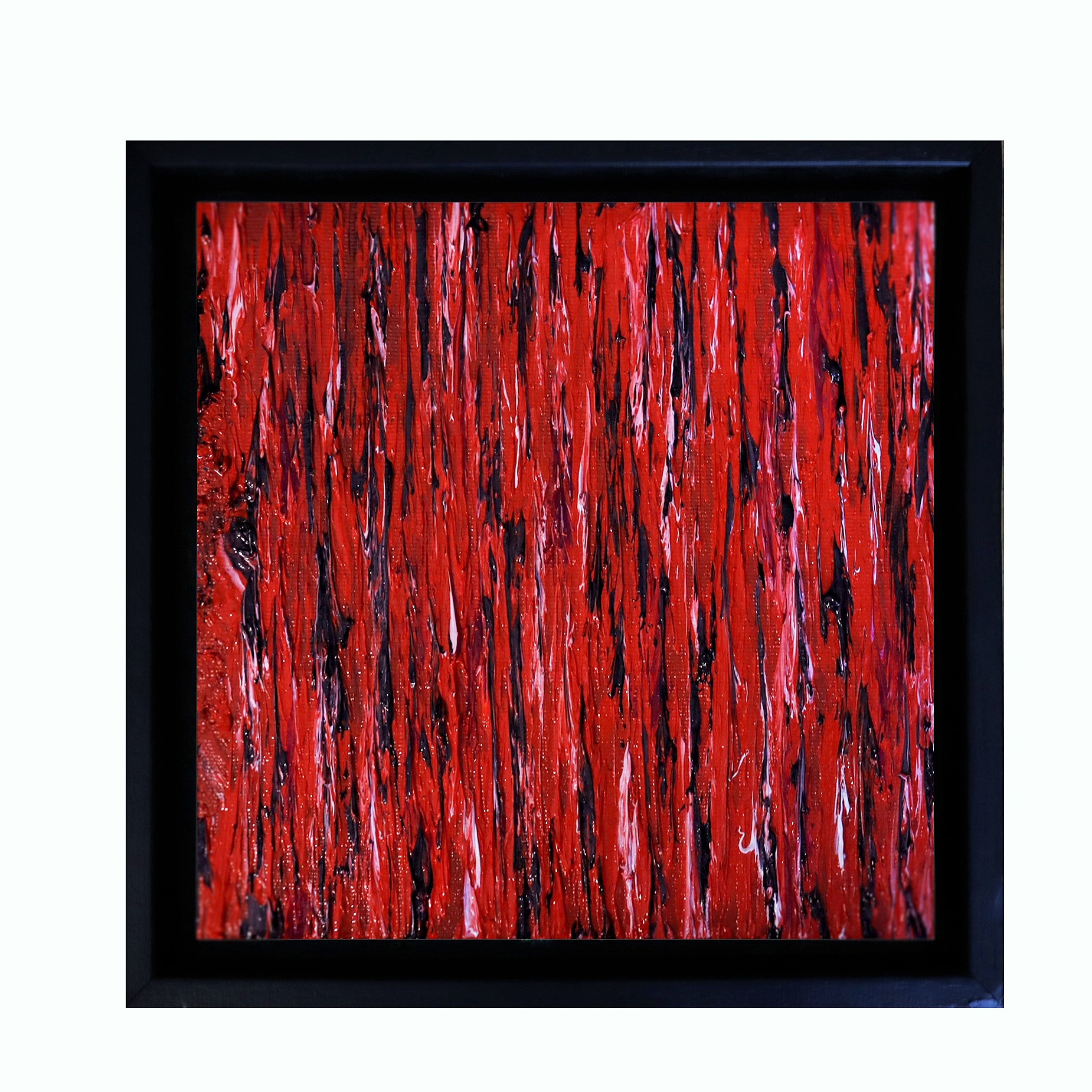
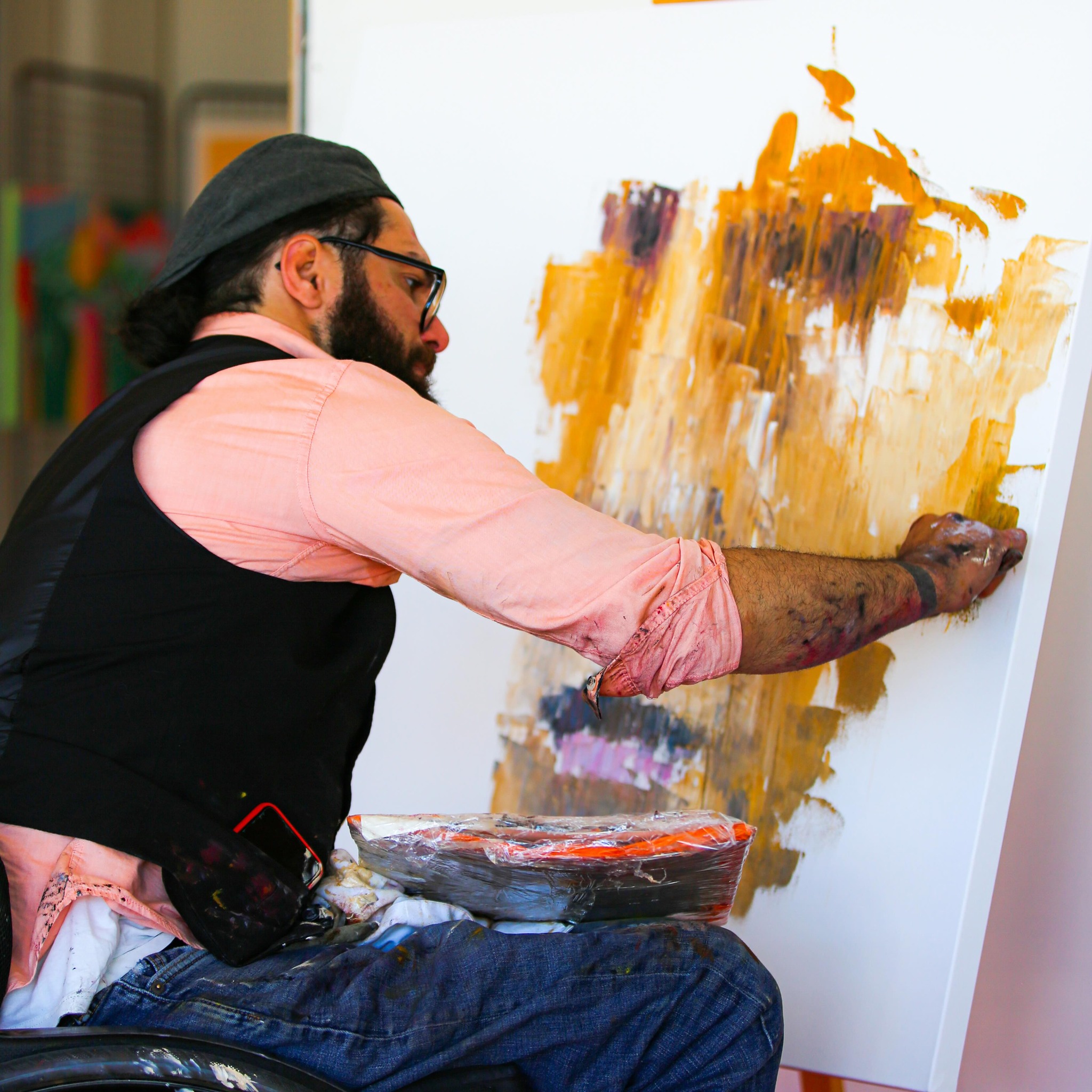
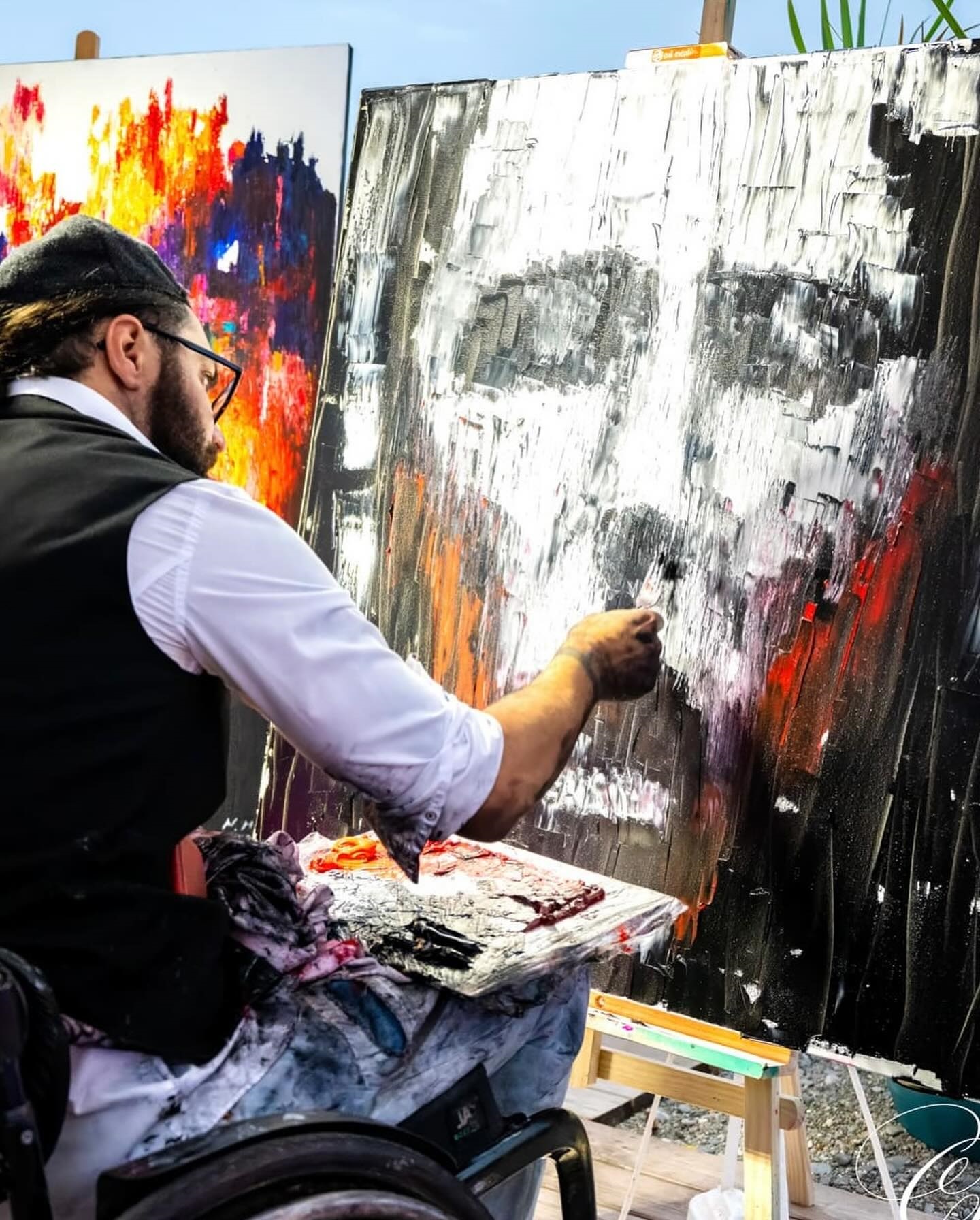
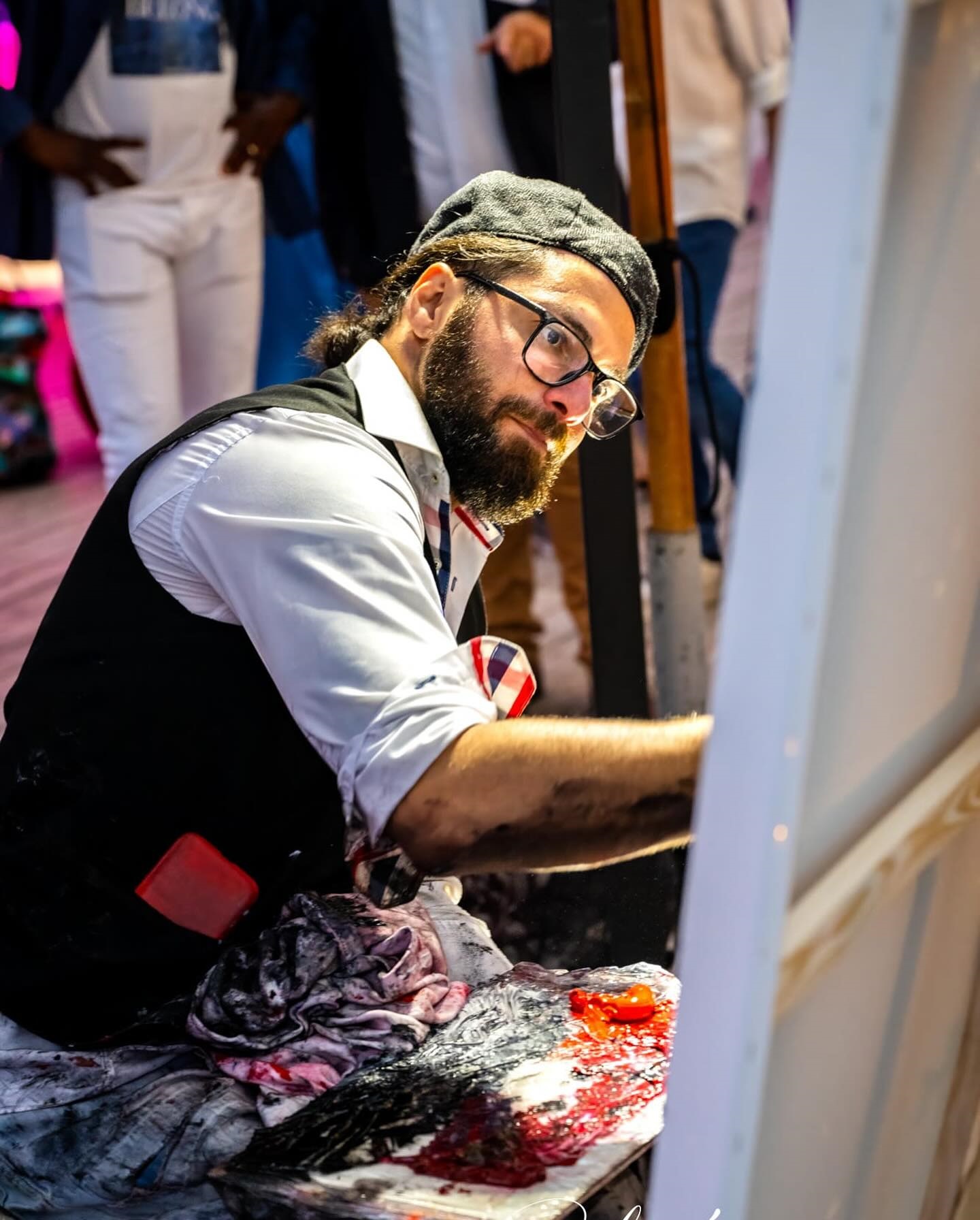
What particularly impressed me was the technique you use to create your paintings. You said that you create all your works with a fork. In other words, you apply paint with it and then paint or draw strokes with the fork, so to speak. Can you describe how you do this in more detail? And why a fork? And not a spoon or another instrument? Do you only use forks?
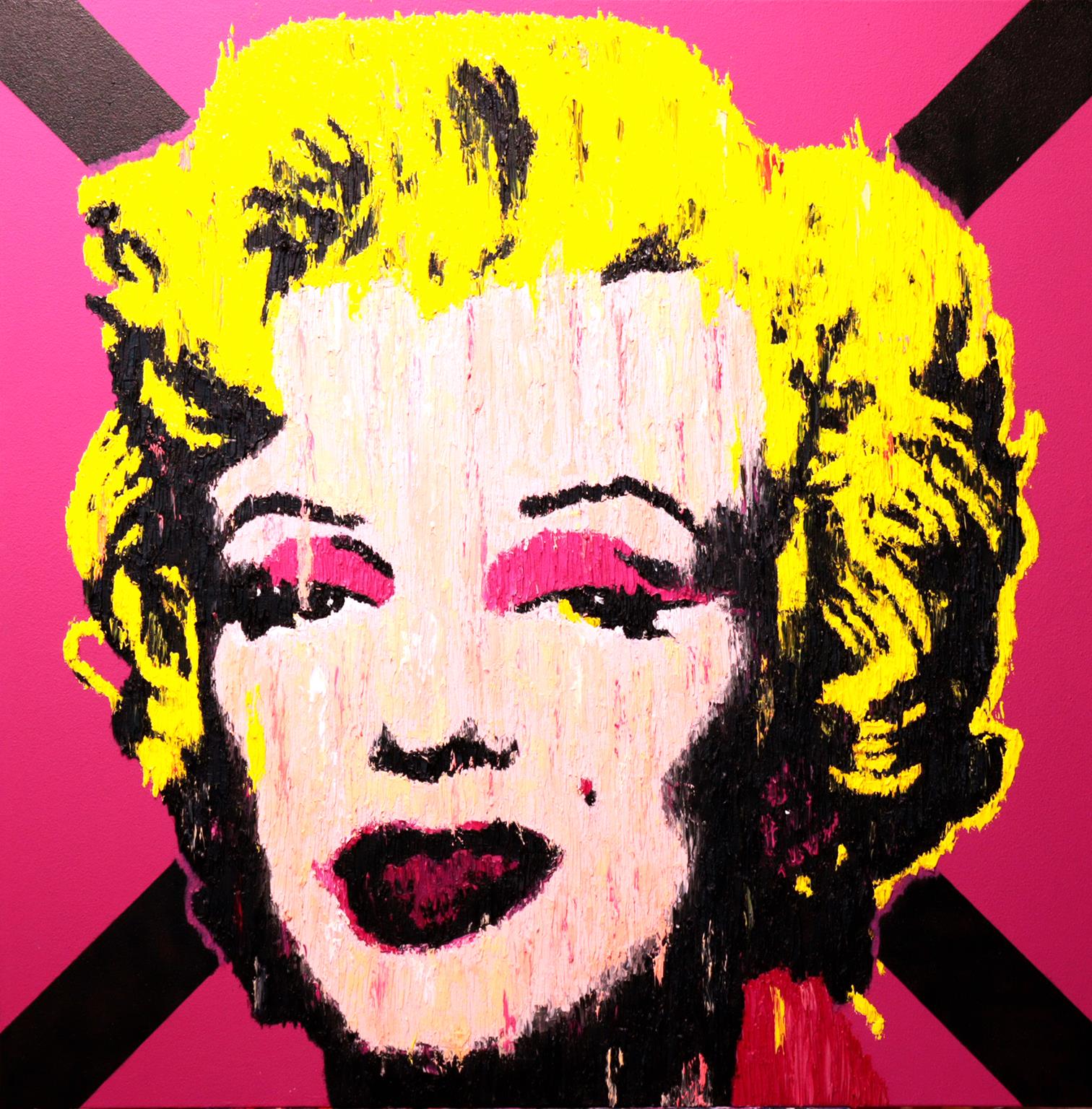
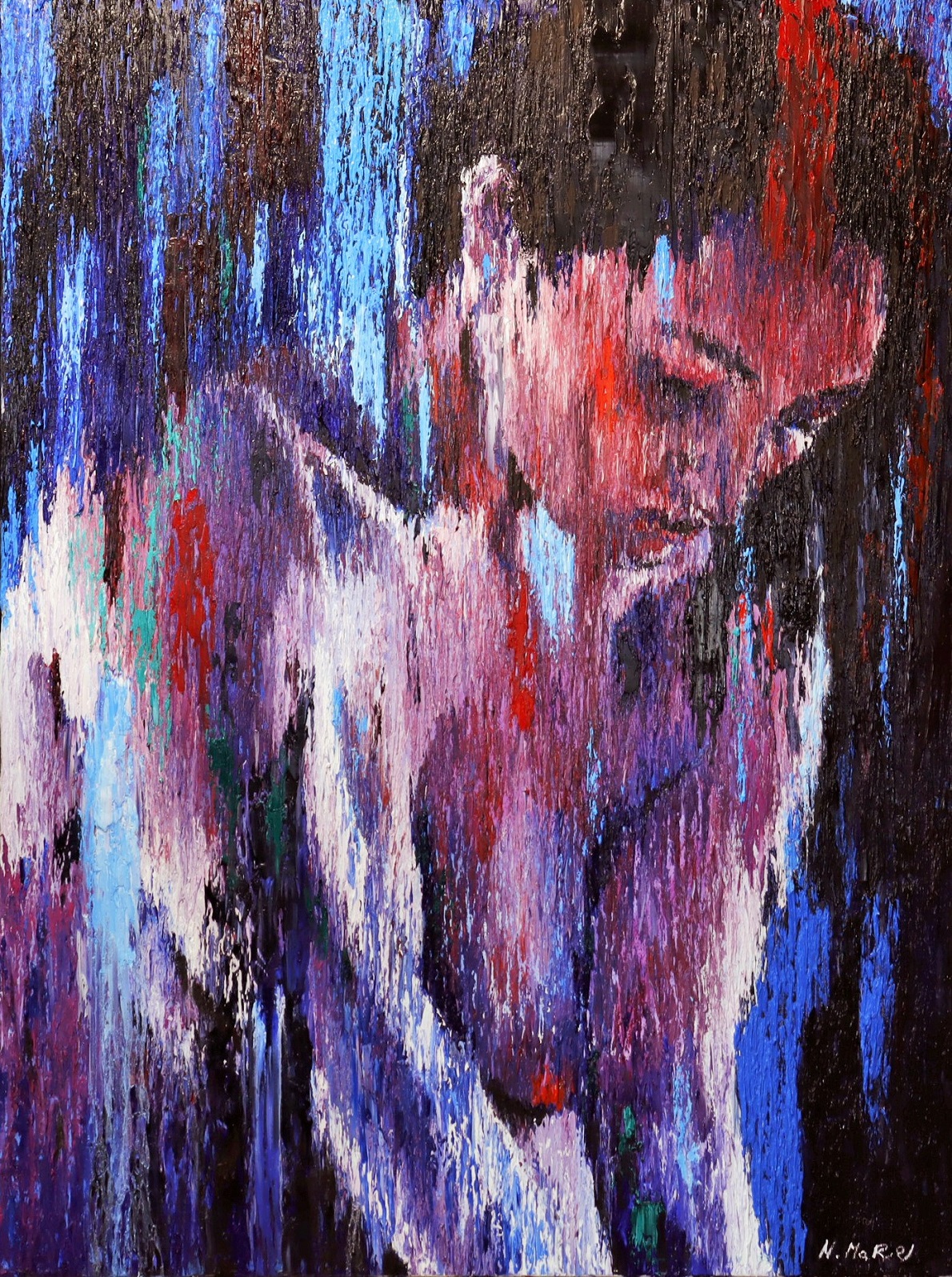
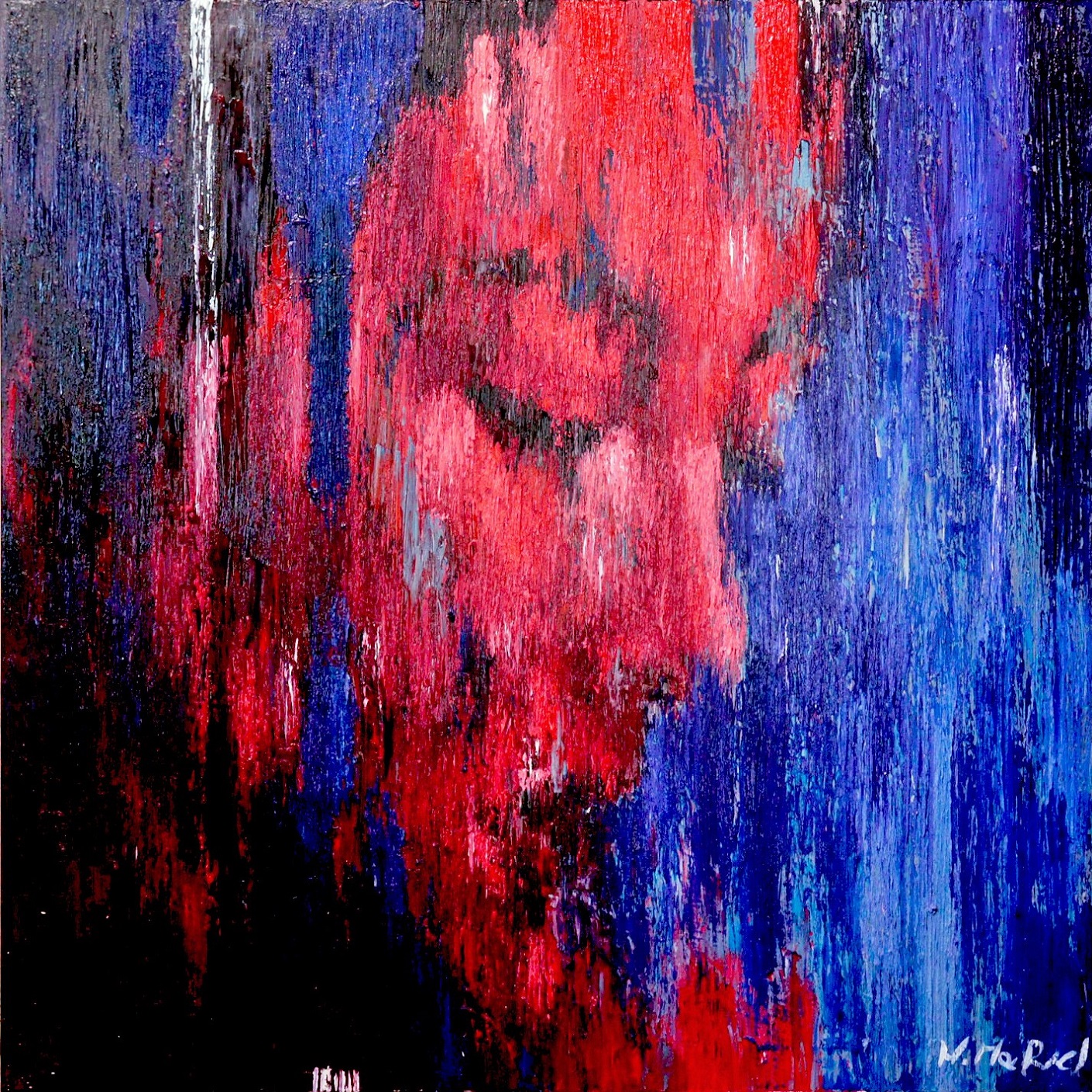
Before finding this technique, I tried everything. I was looking for a style that truly represented me — something that would become my signature. And eventually, I found it. My canvases are often built around horizontal or vertical lines. The movement comes from the gestures I used with a palette knife, but over time I reduced and simplified it. Now it feels quite natural for me to translate my vision onto the canvas. I use the fork a lot because it allows me to create exactly the lines I need. It’s direct, sometimes even rough — but also very precise. It has become my main tool.
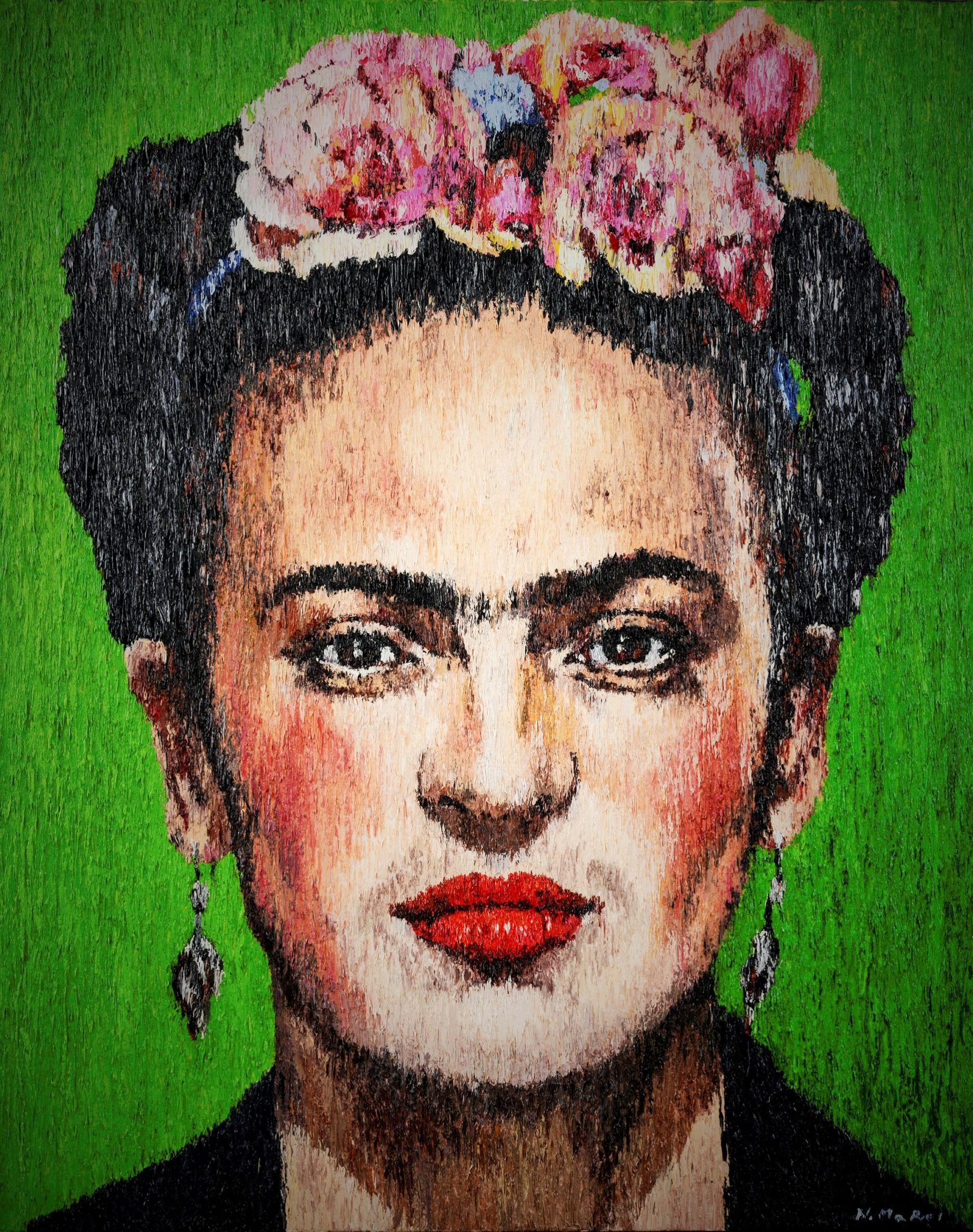
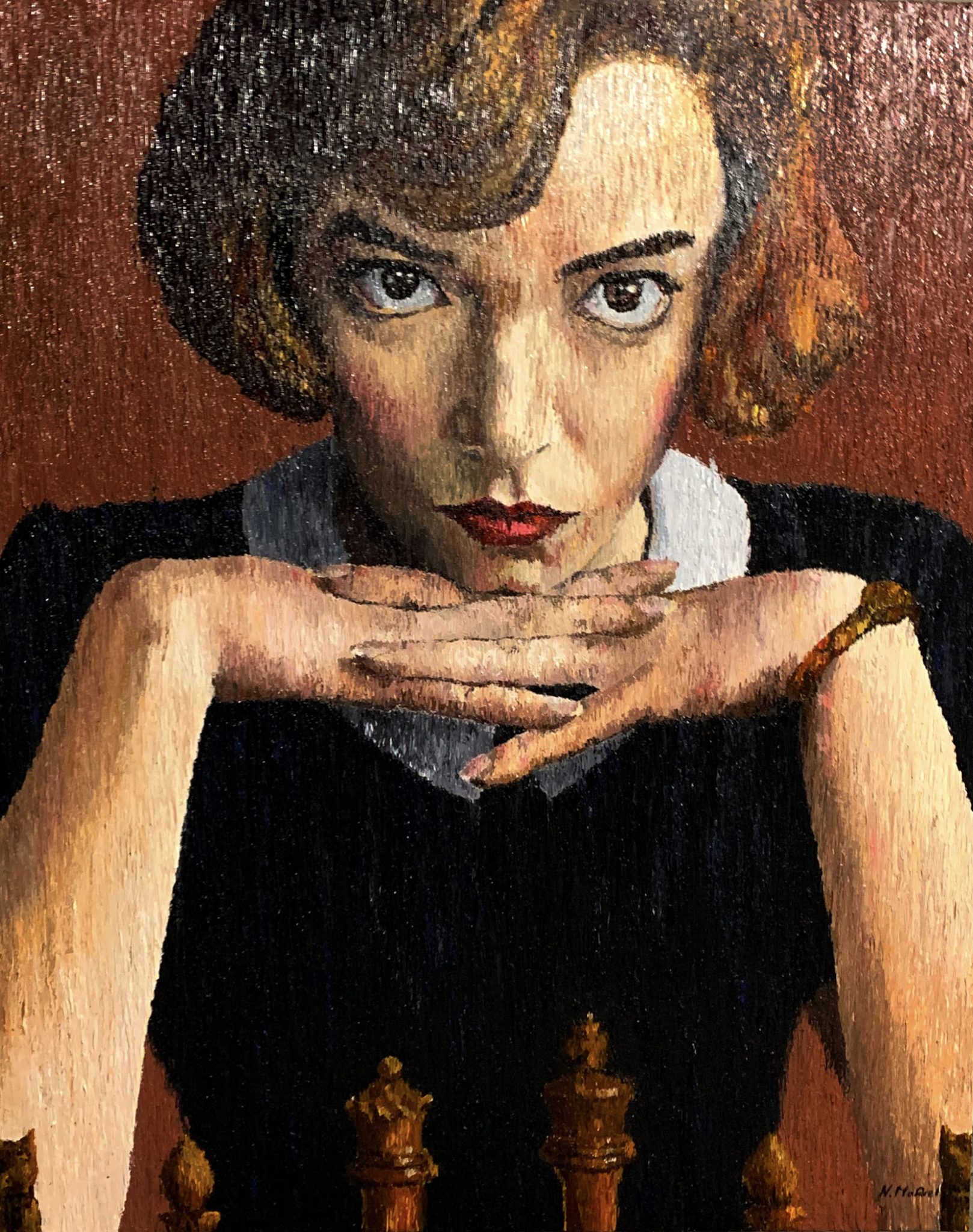
Tell us about the motifs you choose for your paintings. I was able to look at some of them and thought they were magnificent. Many canvases show portraits and faces, sometimes of famous people. Of thinkers, scientists and other artists. Including Louis de Funès, Frida Kahlo or Charlie Chaplin. Tell us a bit more about these works and what you like about painting faces.
My inspiration has always been the human being and their thoughts. I believe there’s nothing more interesting and inspiring than a portrait to express those thoughts through emotion.
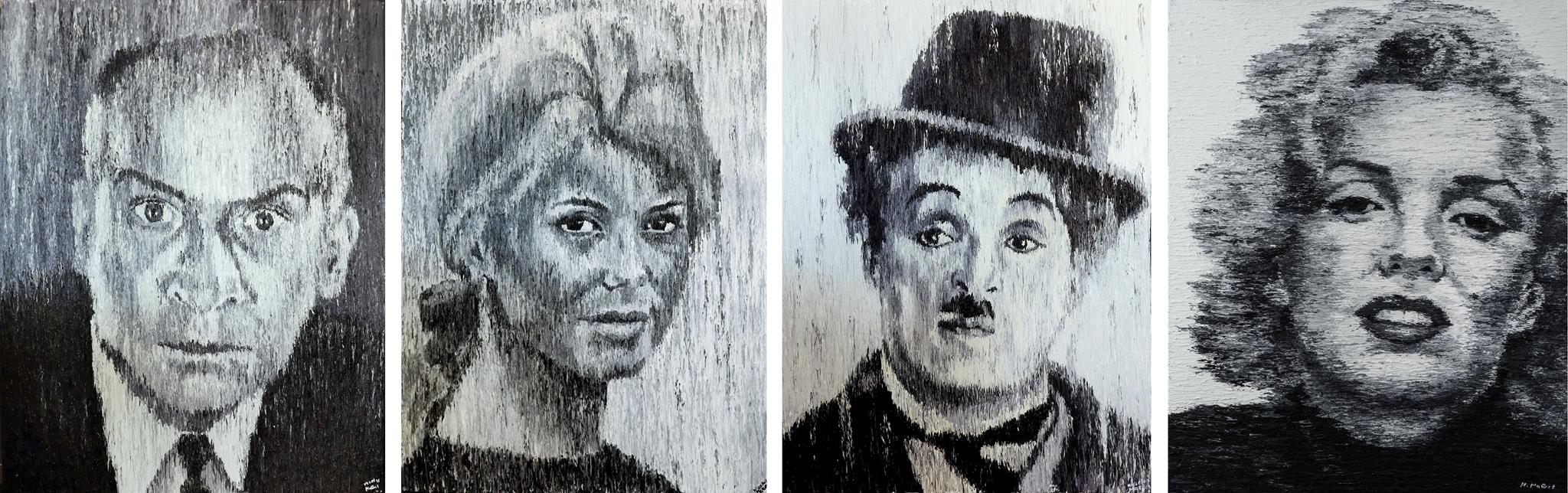
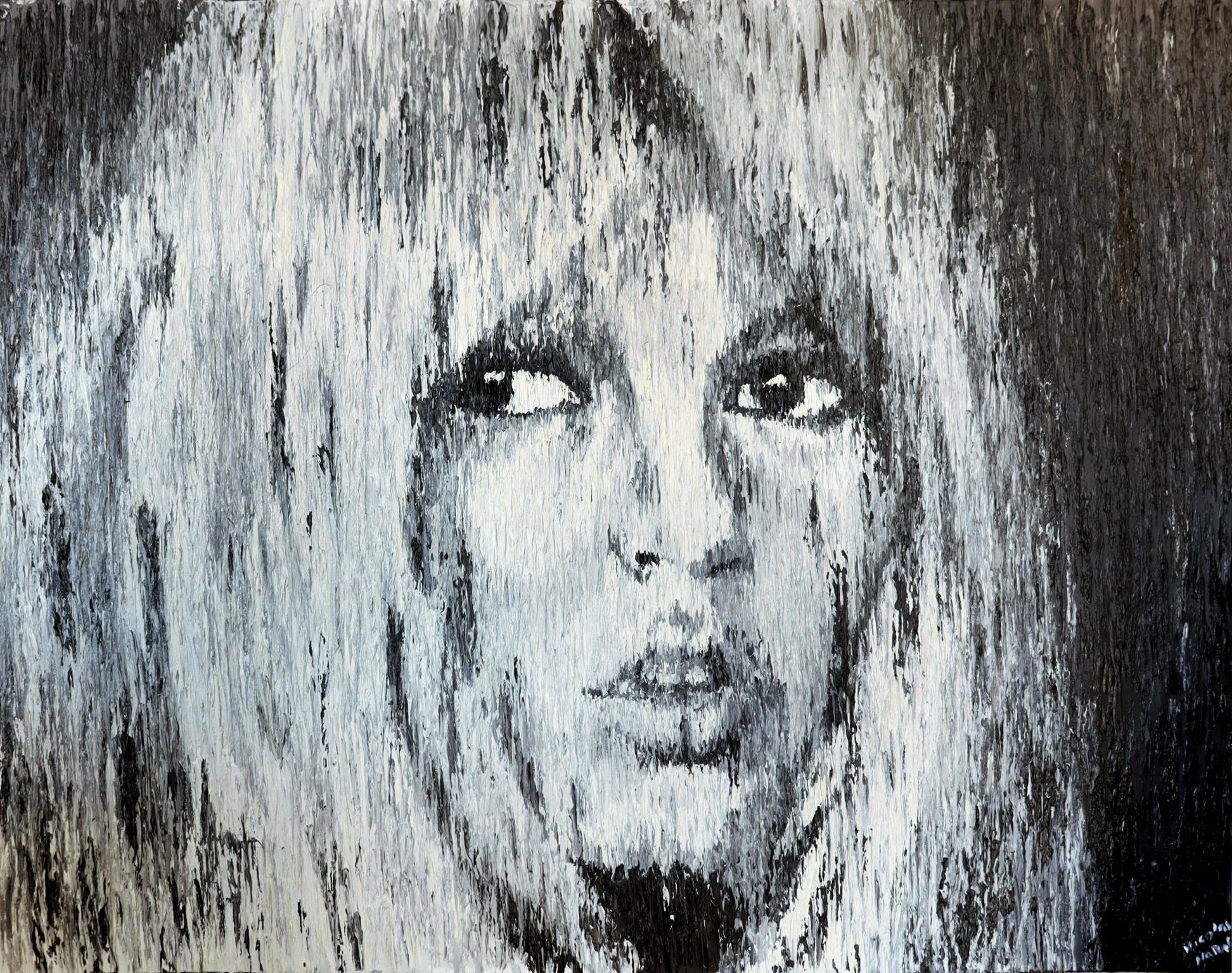
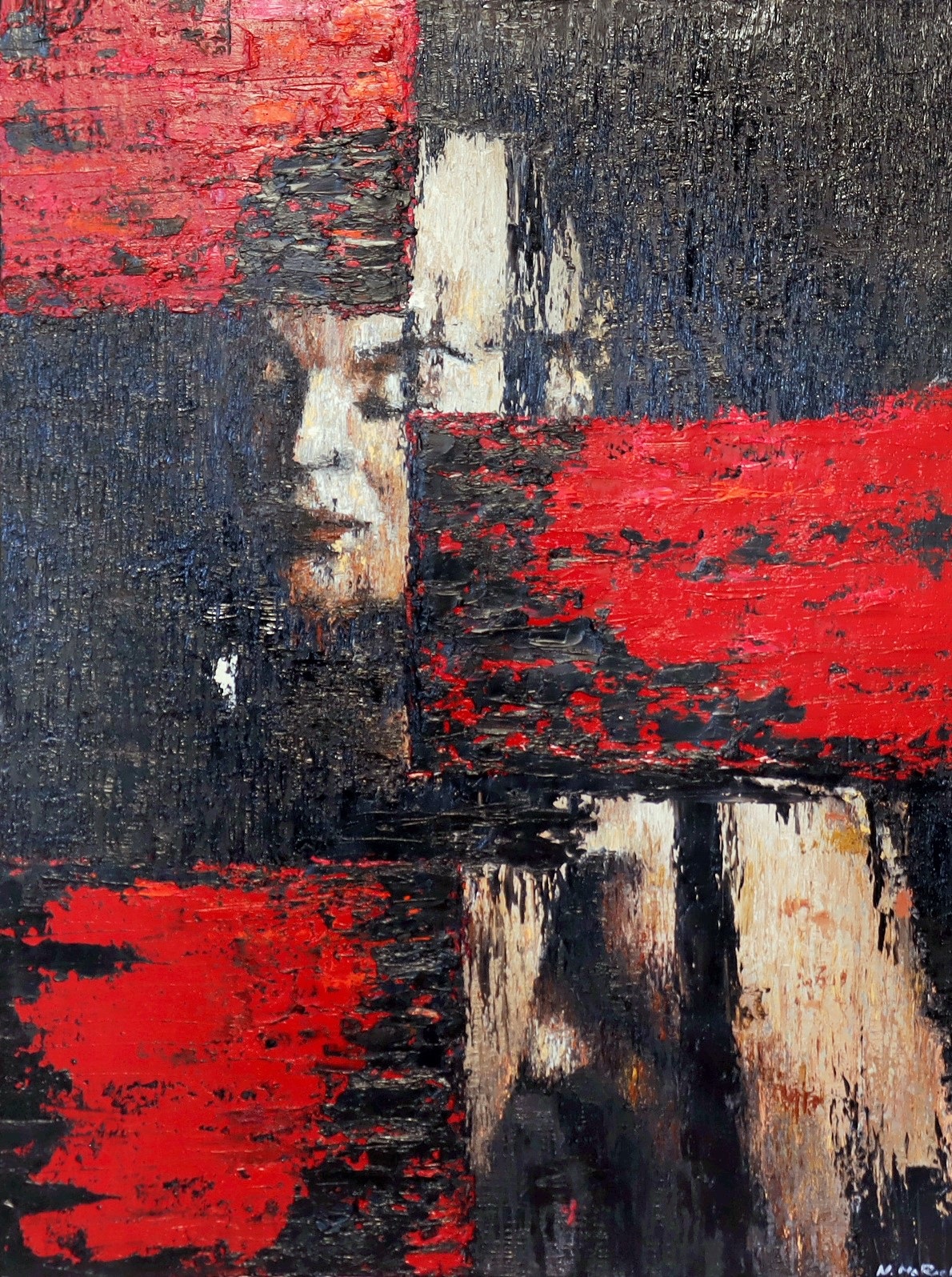
I also found the works in which you only painted parts of the canvas and only fragments of a face can be seen interesting. It gives the picture another mysterious but also curious impression. Overall, I think that many of your faces are depicted emotionally, but rather subtly. They are thoughtful, dreaming or frightened faces and sometimes also angry, sad or dismayed expressions. Often with a rather dark background and your painting technique makes it look like it’s behind a veil or in fog. Tell us a bit more about it.
When I look at you, I don’t know what you’re thinking — I have to guess. It’s the same with my paintings: I create characters who are reflecting on their lives. I give them a soul, a thought, an emotion. Then I bring them to life on the canvas and present them to the public, so that each viewer can try to guess what these characters might be feeling or thinking. I really enjoy that mystery.
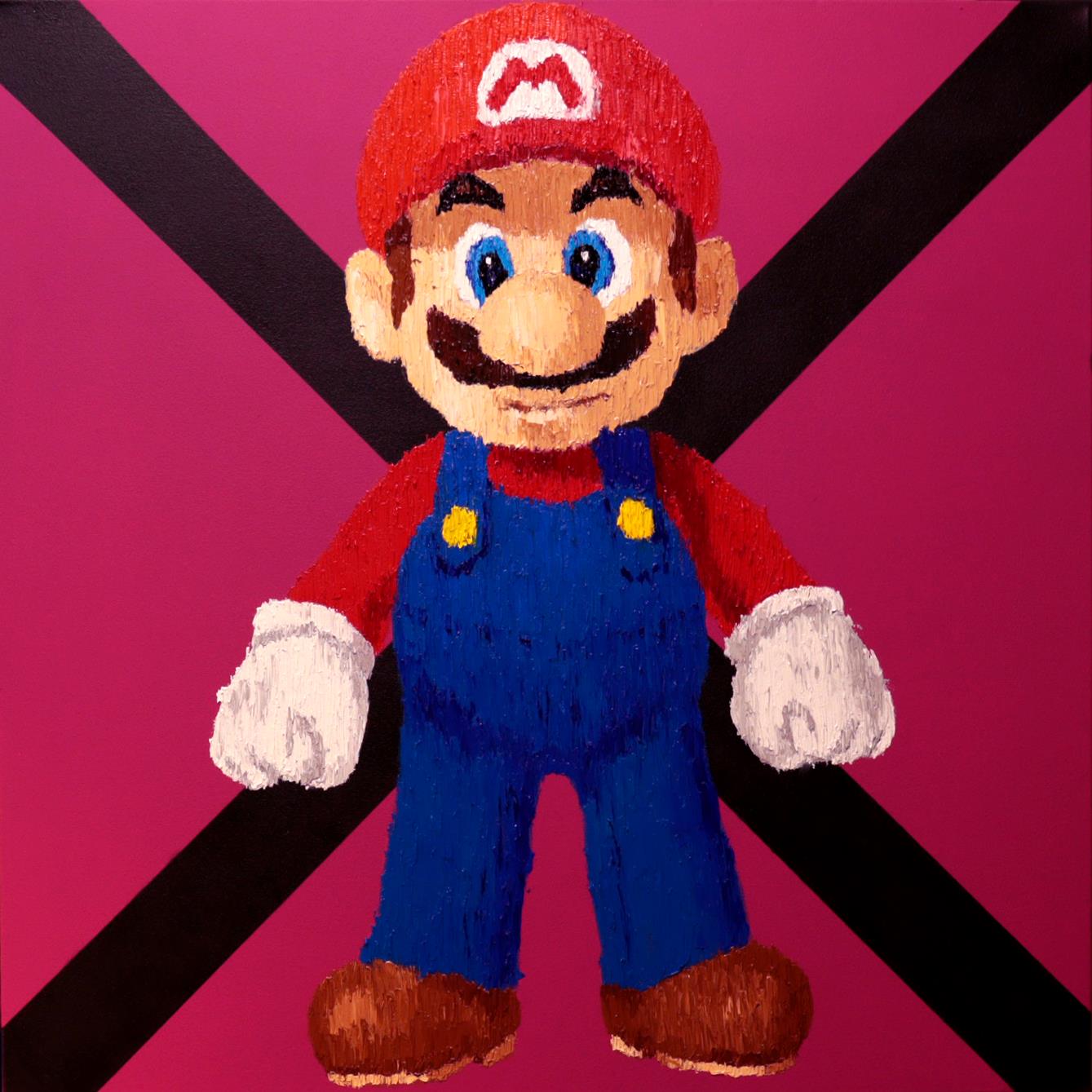
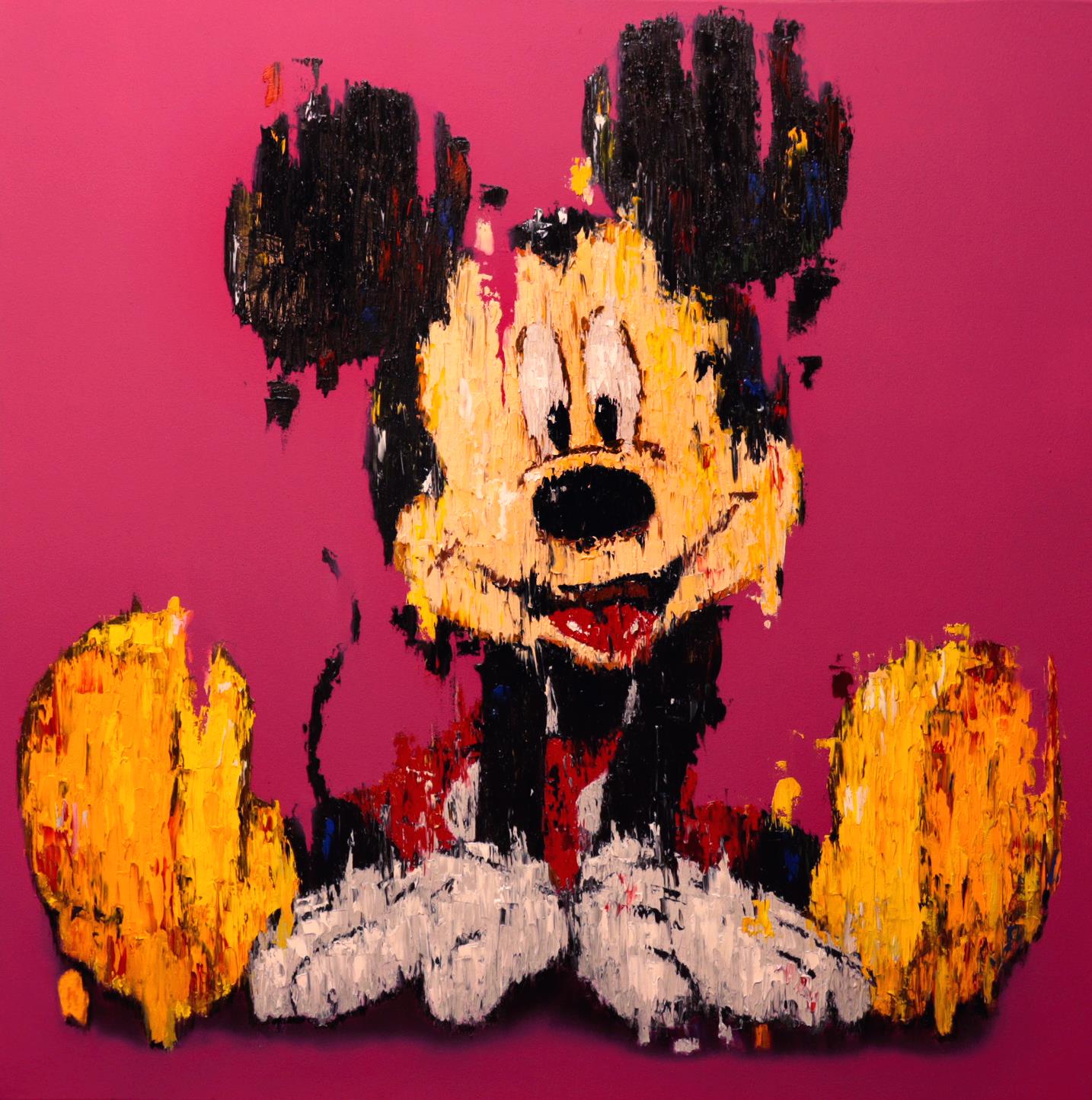
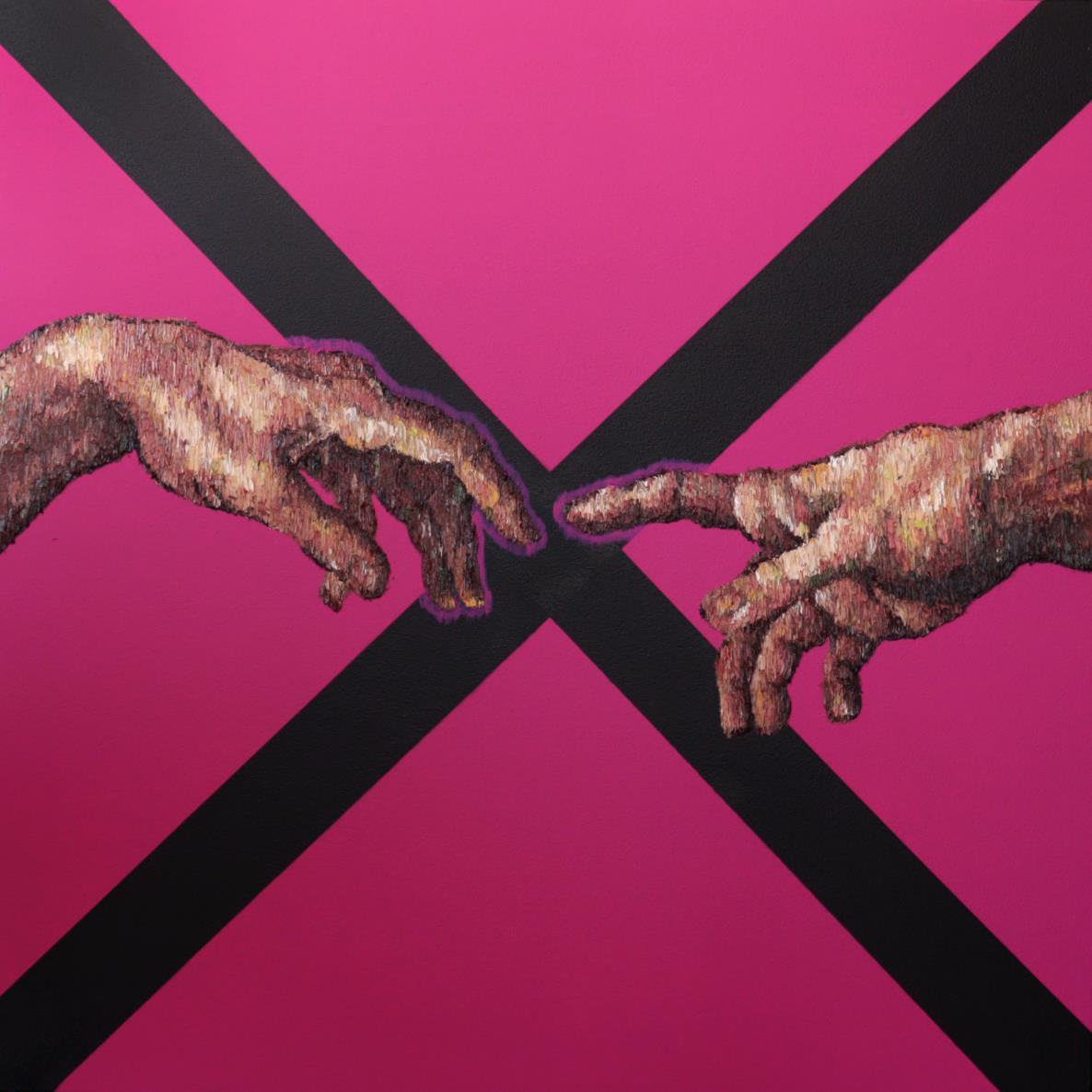
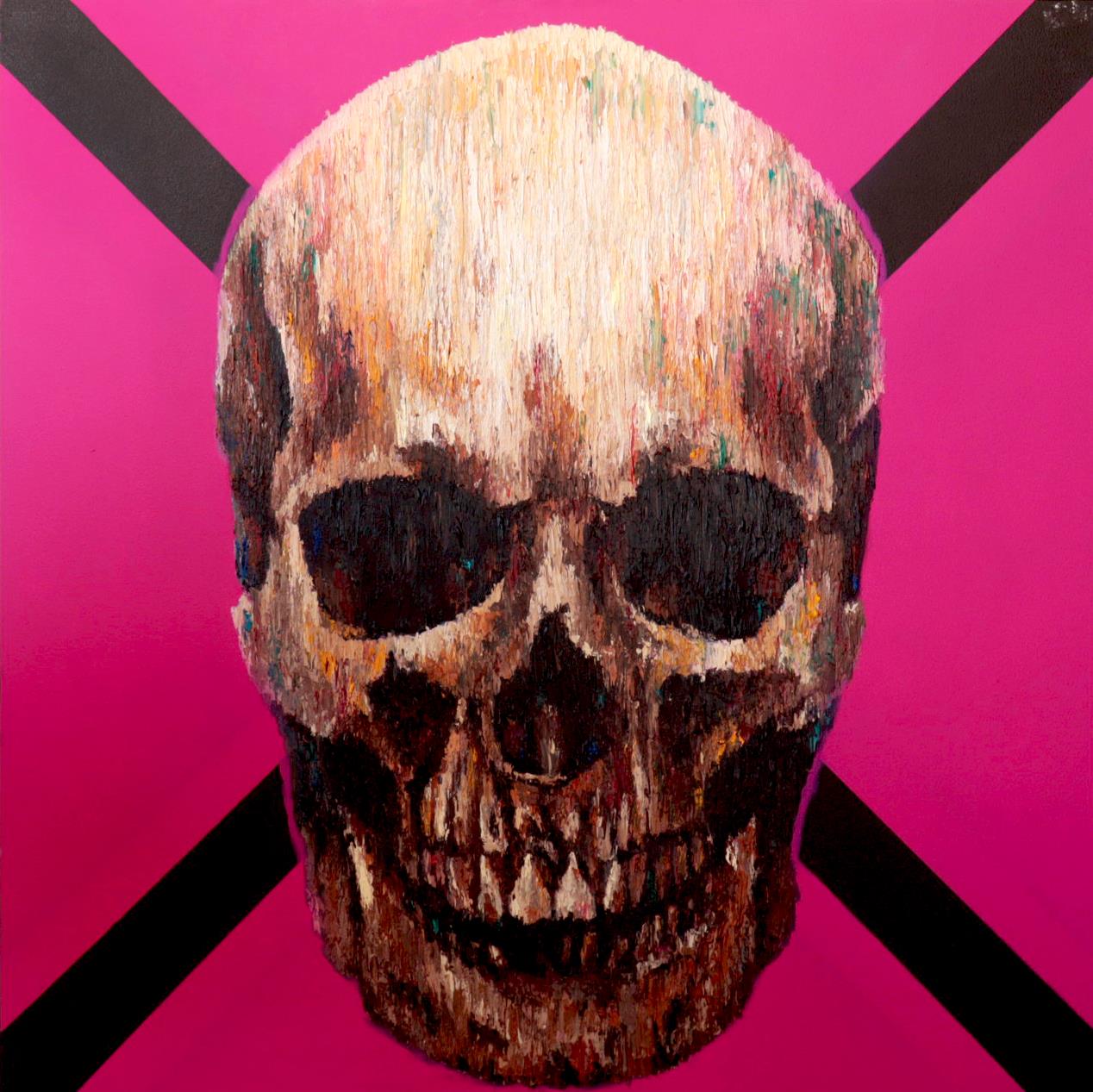
On your website you present the Pink Série, which reminds me of Pop Art. You have painted different objects from chess pieces to boxing gloves and crowns or figures like Marilyn Monroe or Super Mario on a pink background. Tell us a bit more about the idea and the concept to this project.
Over time, I realized that even playful or pop culture-based art can carry meaning — and challenge how we look at symbols and icons.
You have also had many exhibitions in galleries in Nice and France. Tell us something about them. Where have you exhibited and which events did you particularly like? Have you also exhibited outside of France? And where would you like to exhibit? Do you have any new exhibitions coming up?
I recently moved to a different region, so I’m discovering a completely new artistic environment. The gallery scene is very different, and so is the art market. It’s a fresh start, with new connections to build. Of course, I have upcoming exhibitions planned. The best way to keep up with my projects is through my social media — I regularly post updates, dates, locations, and behind-the-scenes from my work.
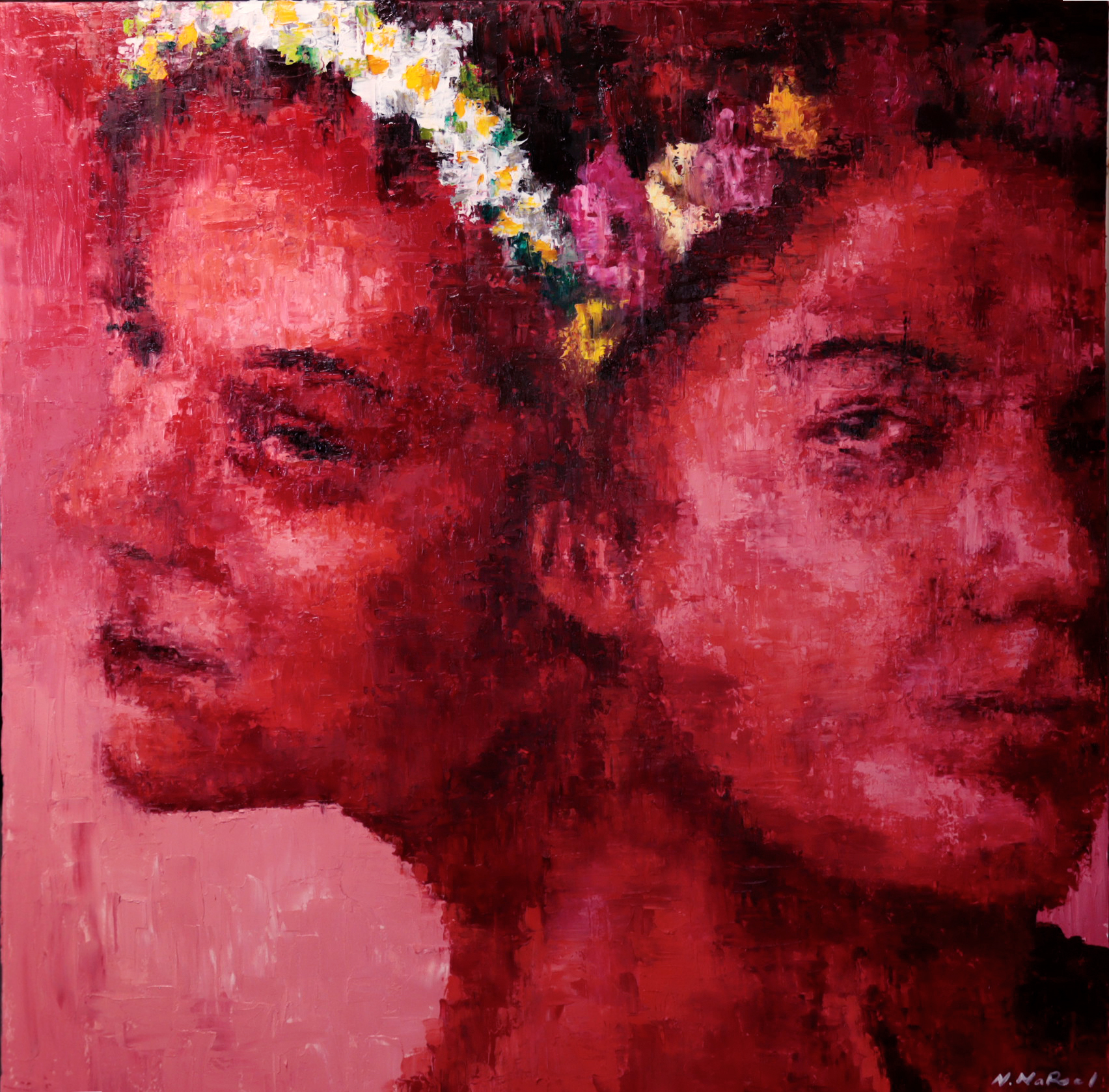
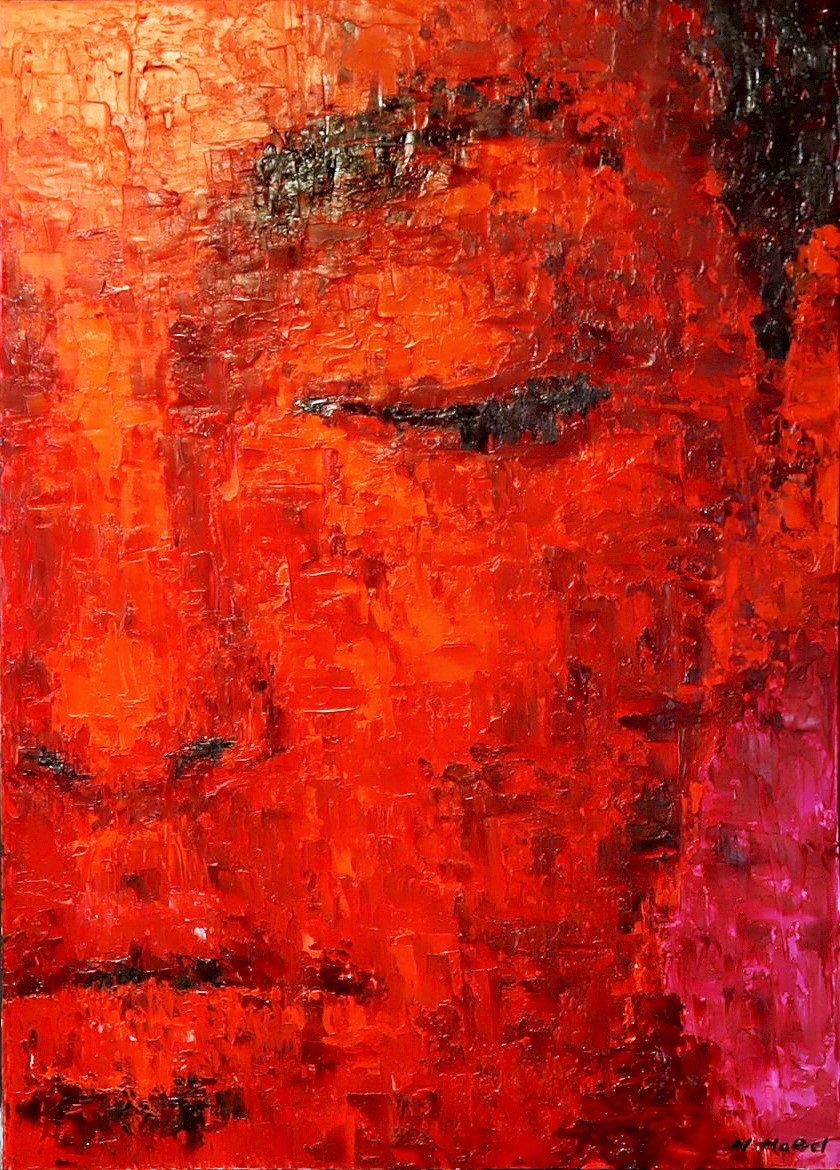
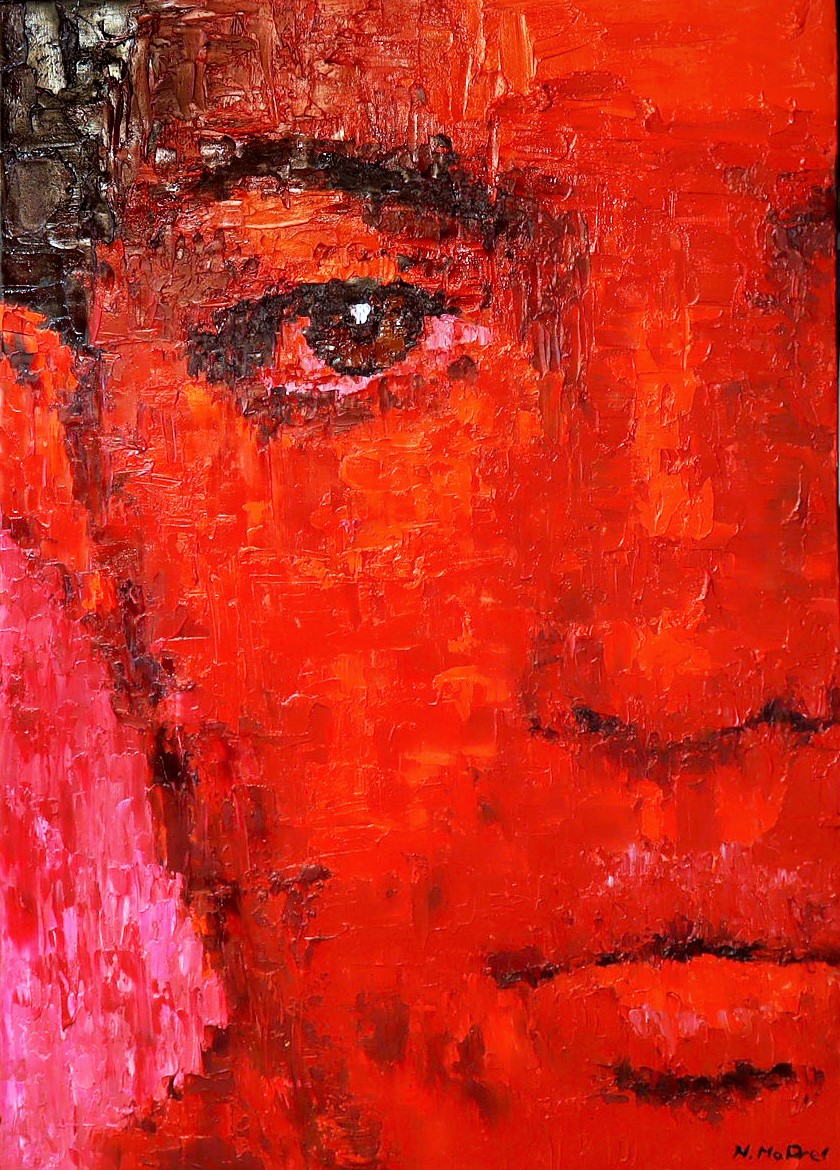
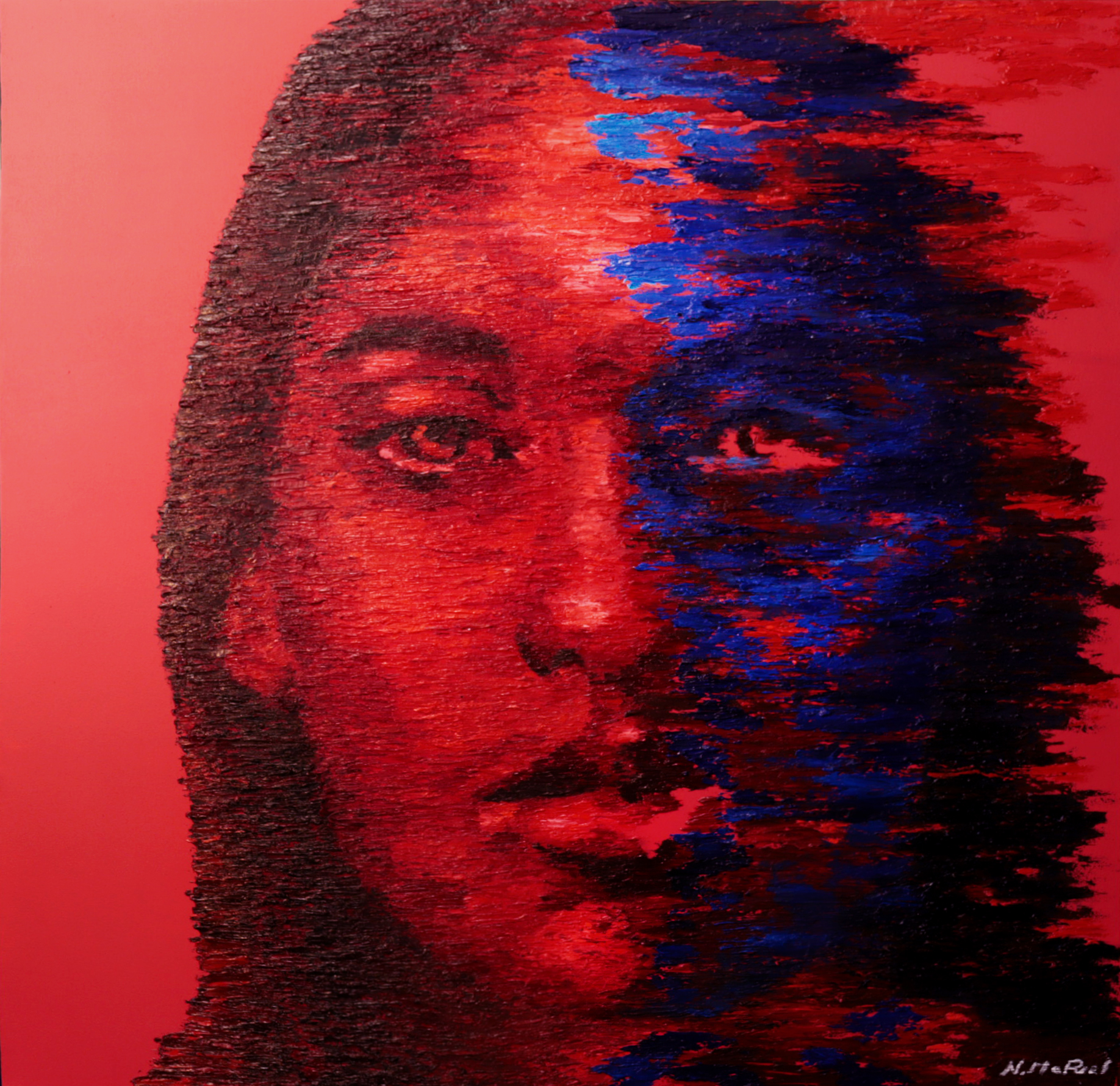
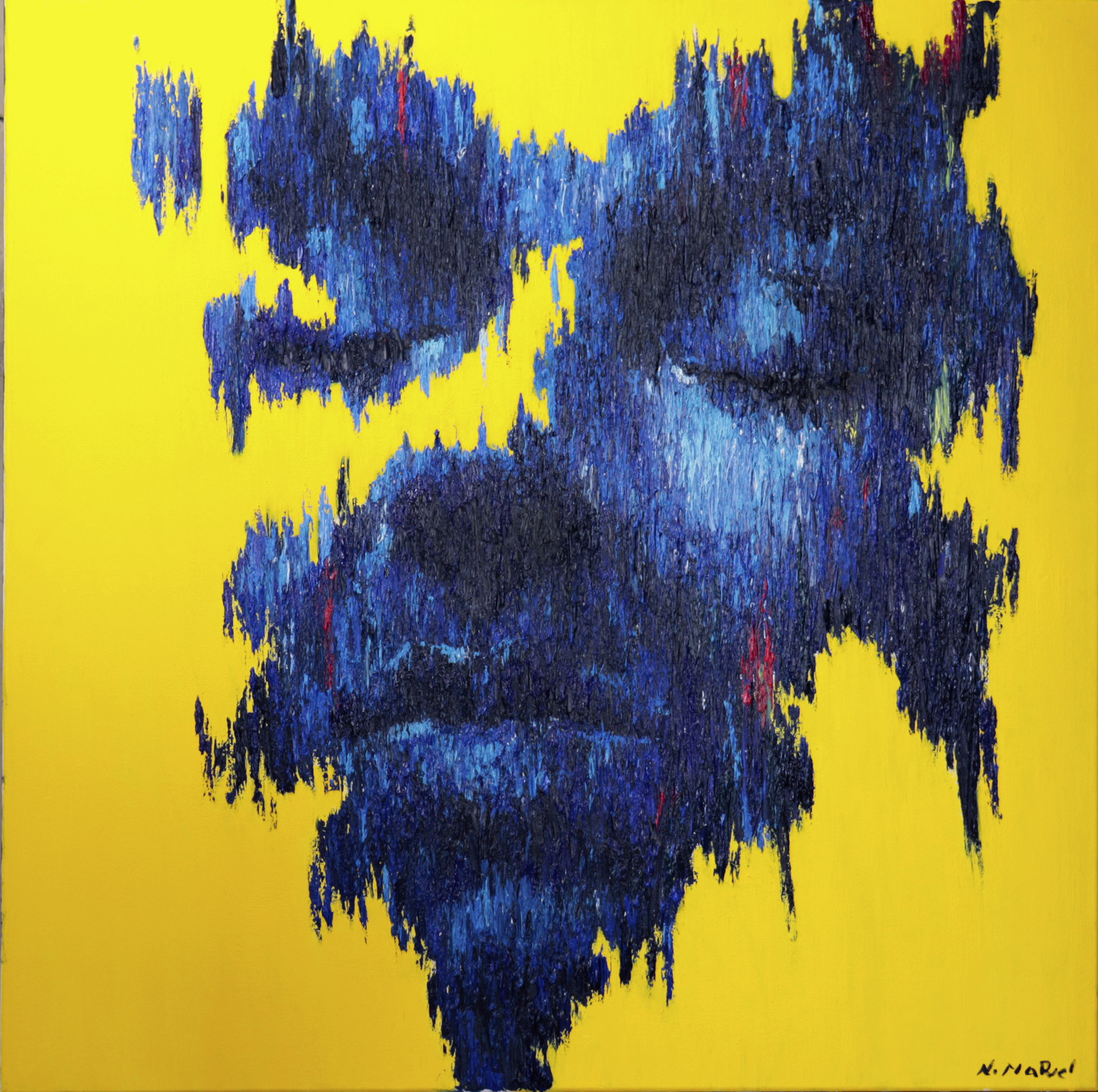
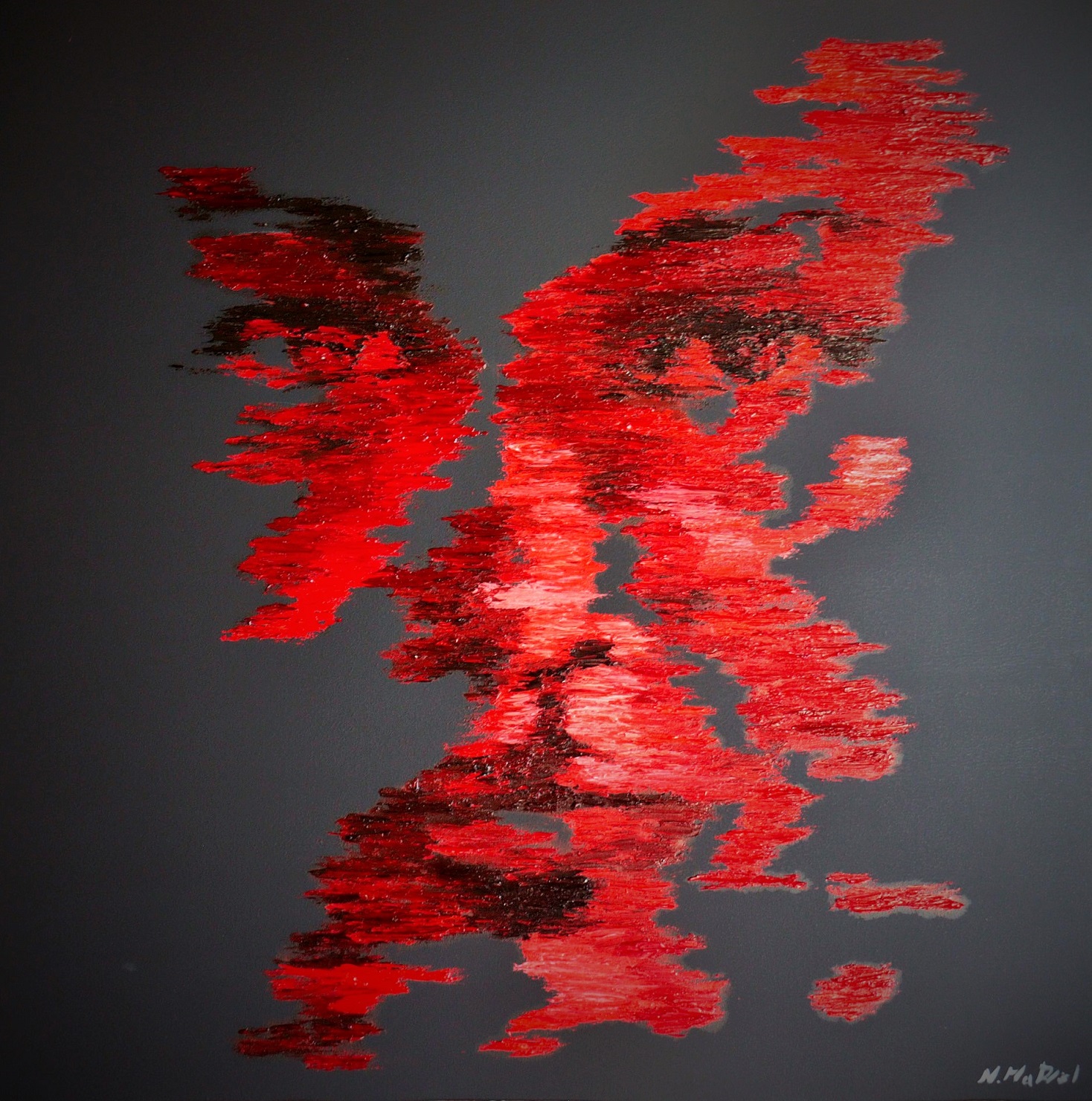
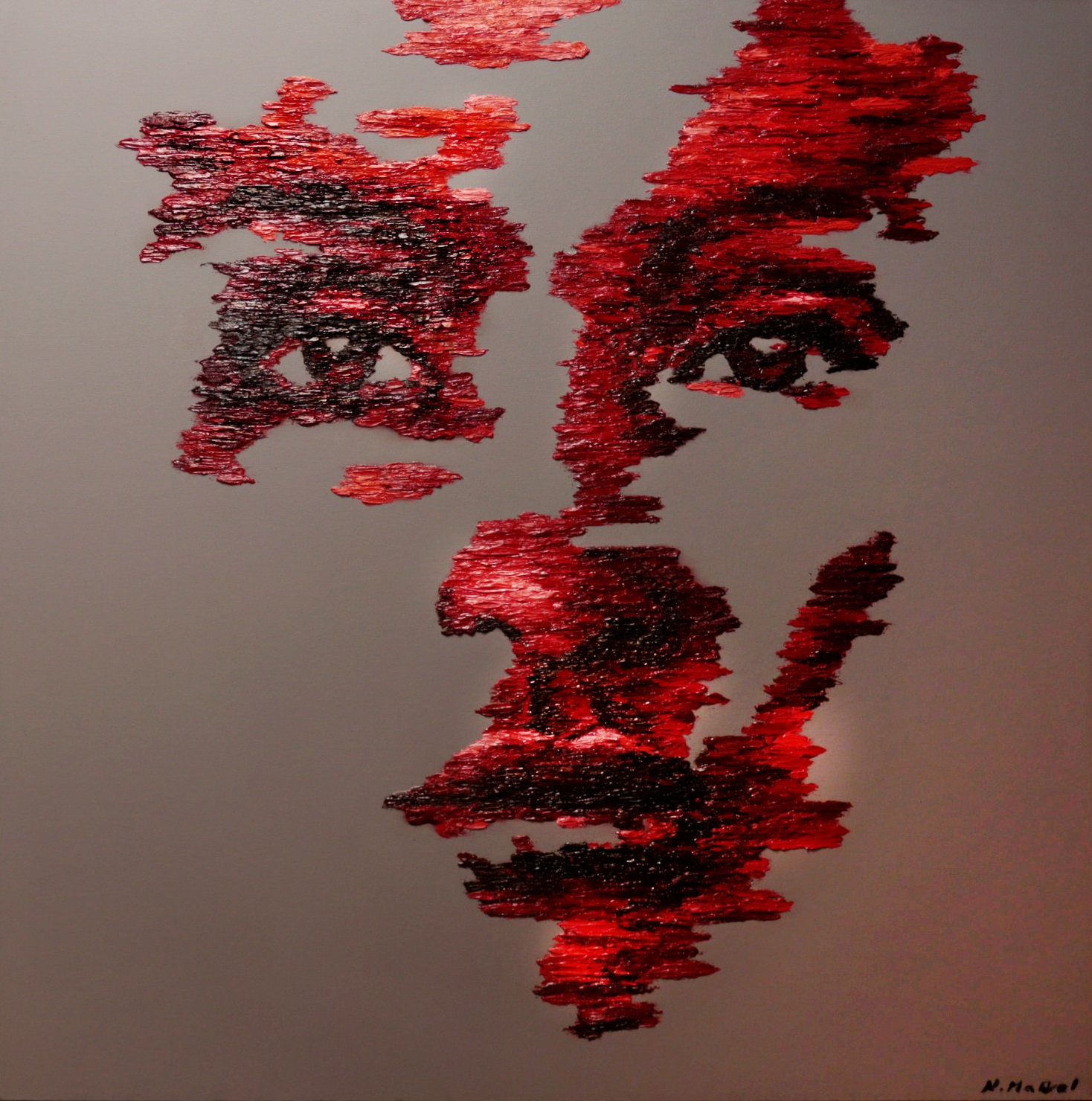
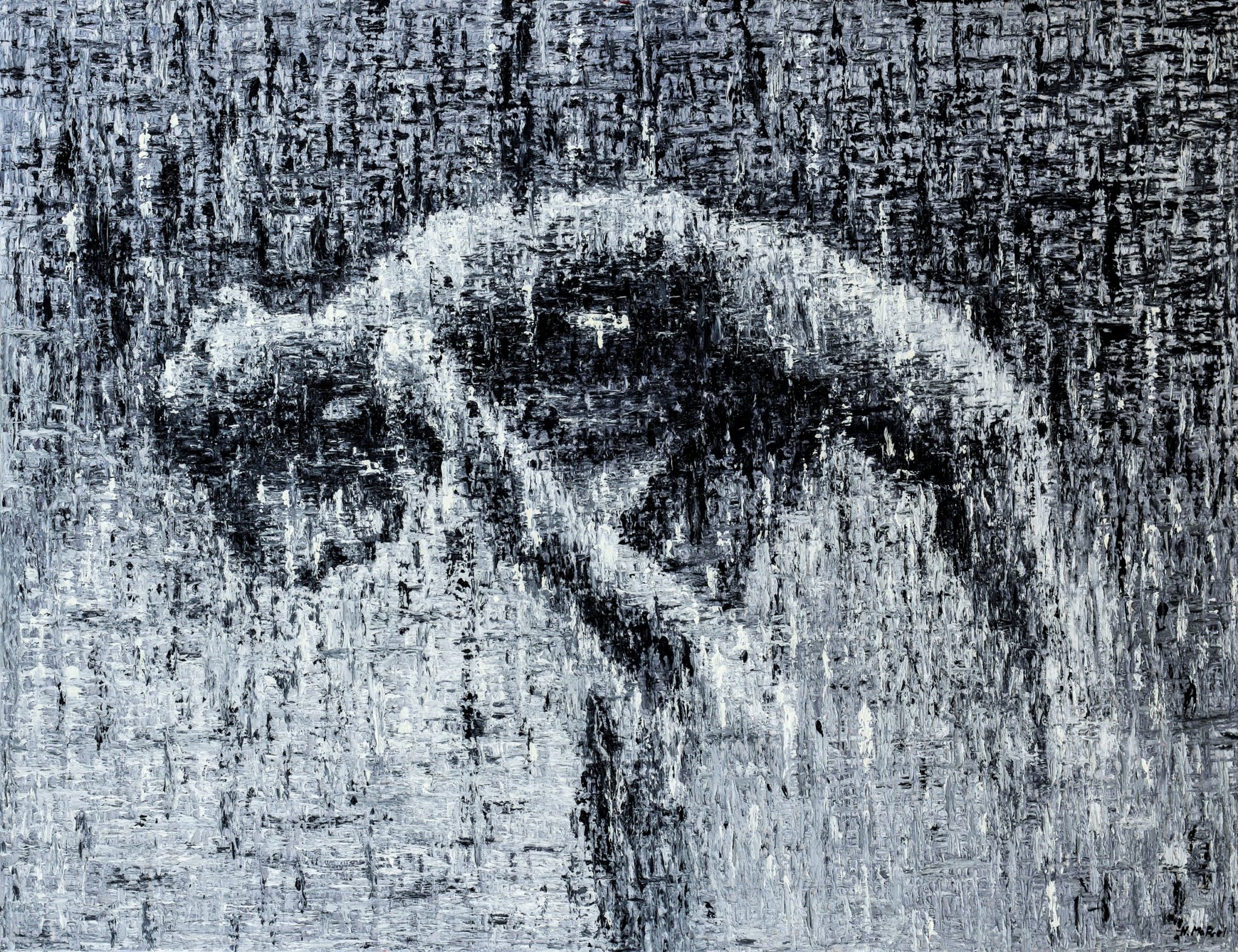
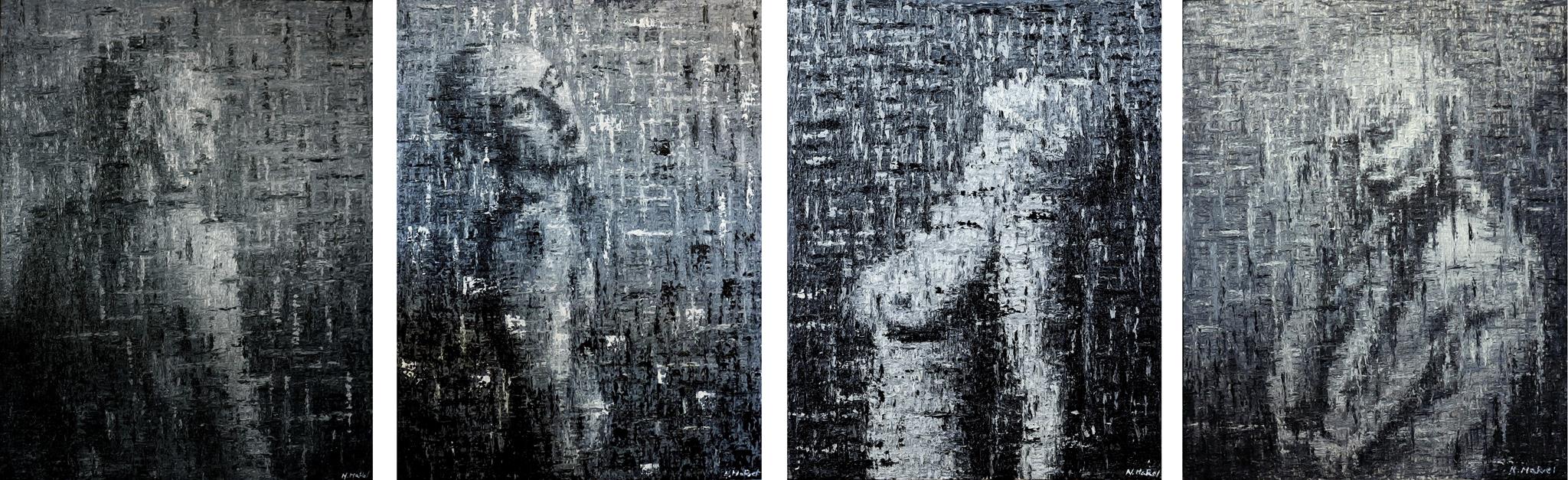
The event in Nice was a kind of conclusion to the portrait phase you described and you said that you are already in another phase in which you paint more abstractly. Tell us a bit more about what the new works look like and what you want to express with them. Do you also paint them with a fork?
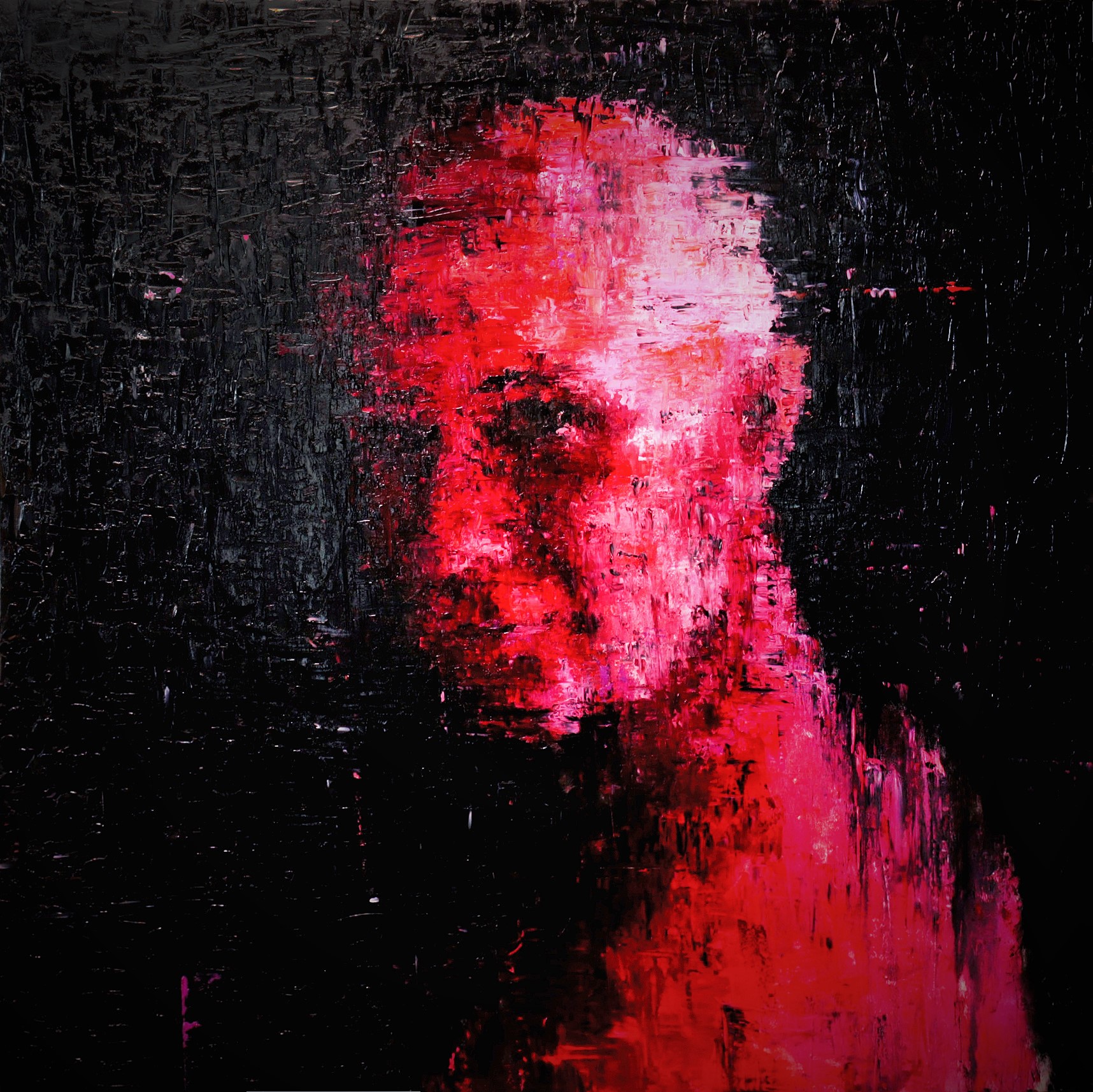
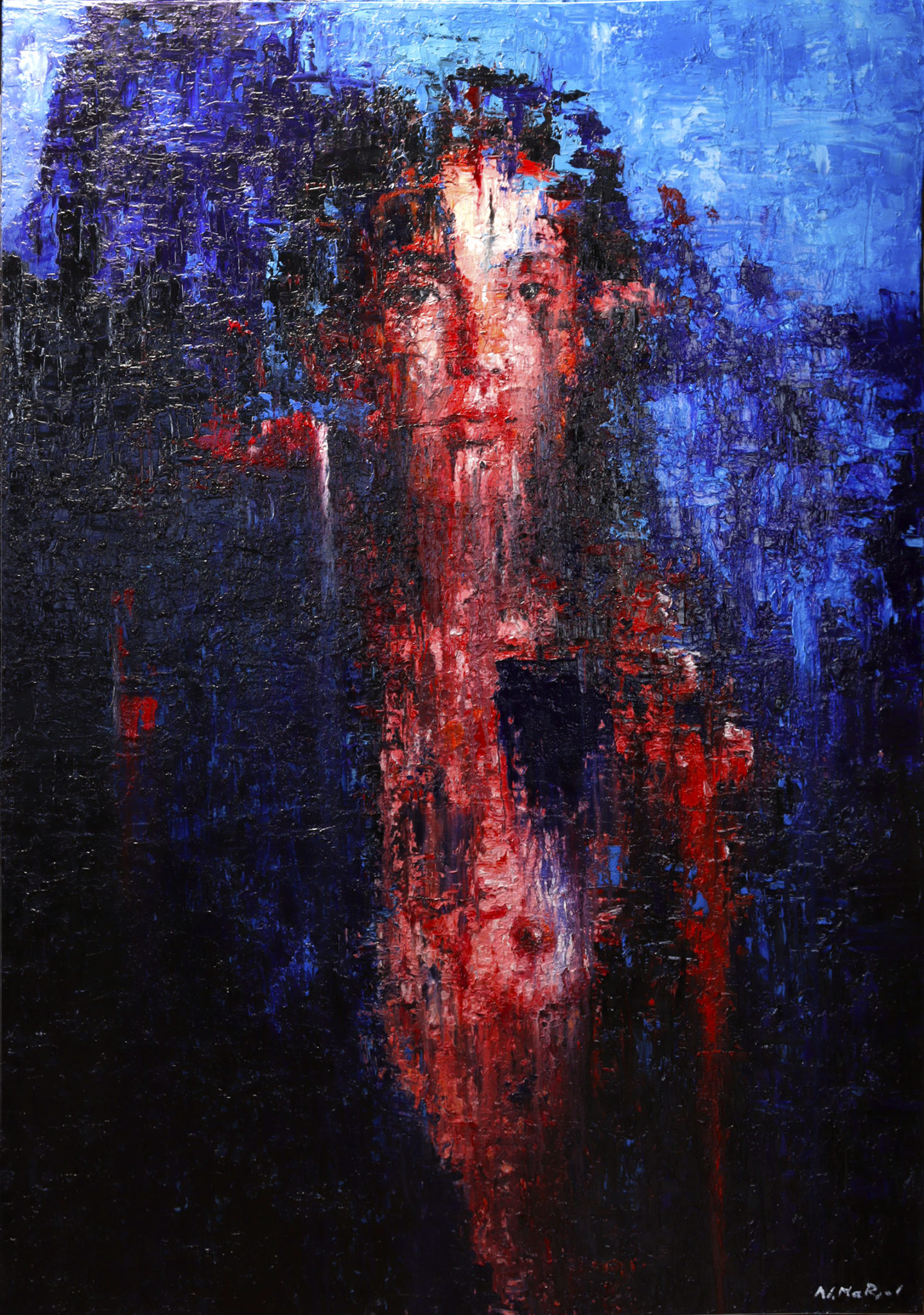
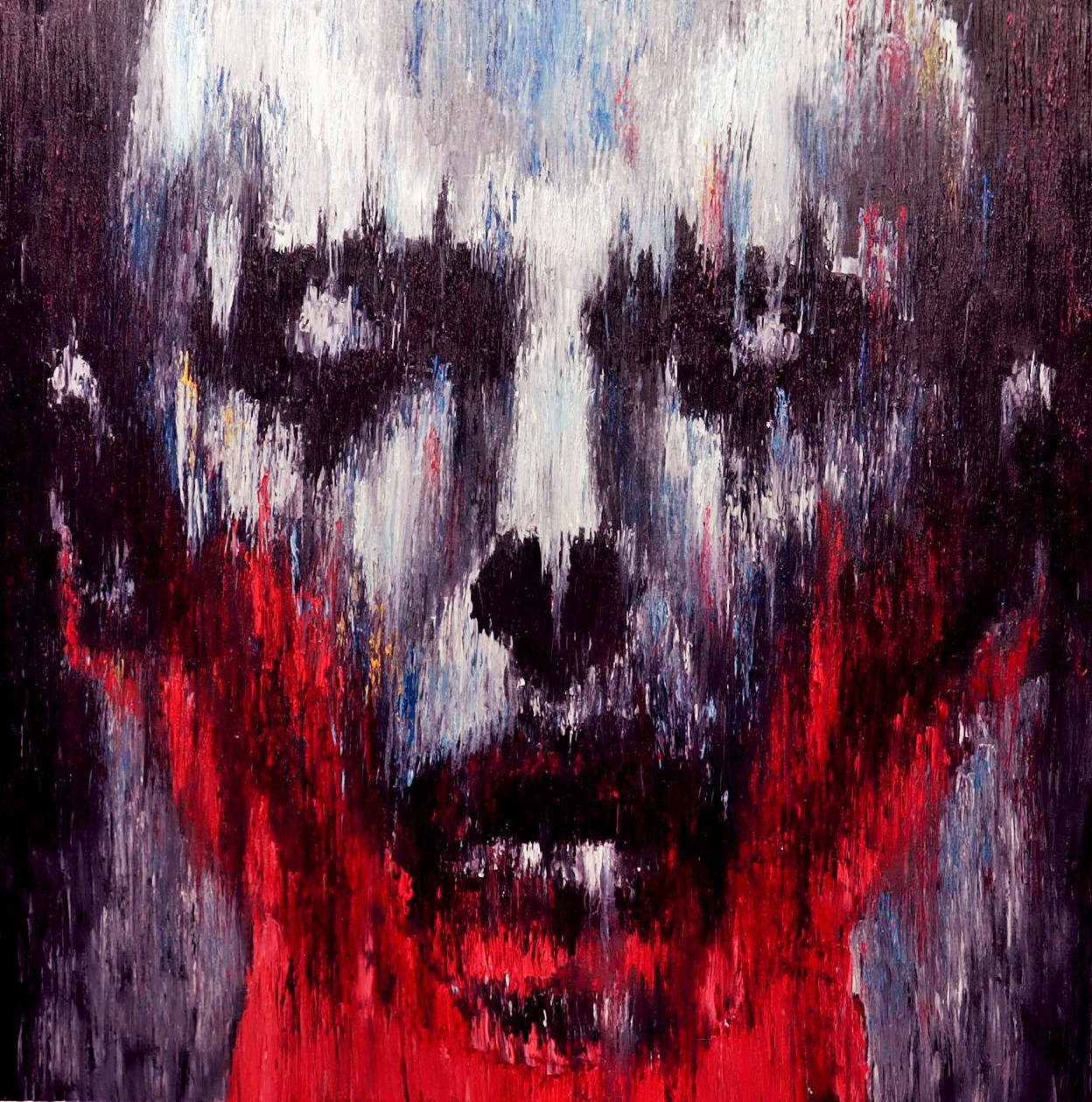
The more time goes by, the more I enjoy breaking down my portraits. I erase parts, fragment the faces, and deliberately leave some mystery. What interests me now is not showing everything, but suggesting something deeper. At the moment, I’m working on a new series built around two dominant colors: blue and red. For me, they represent a constant tension — cold and fire, distance and passion. Through them, I’m exploring something beyond the face — something more internal, emotional, and almost abstract. And yes, I still paint with the fork — but the movement has evolved. It’s more free now, more instinctive.
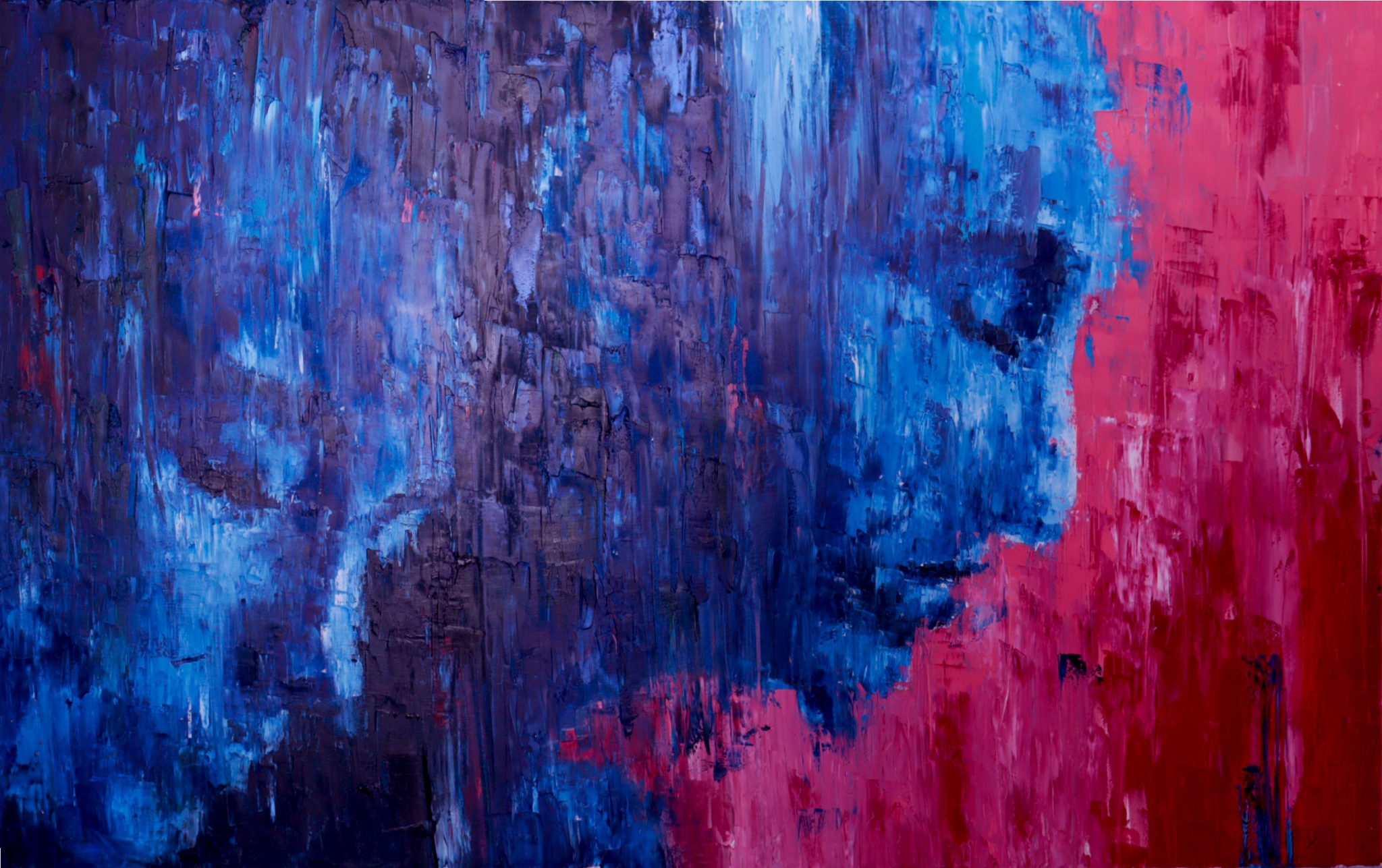
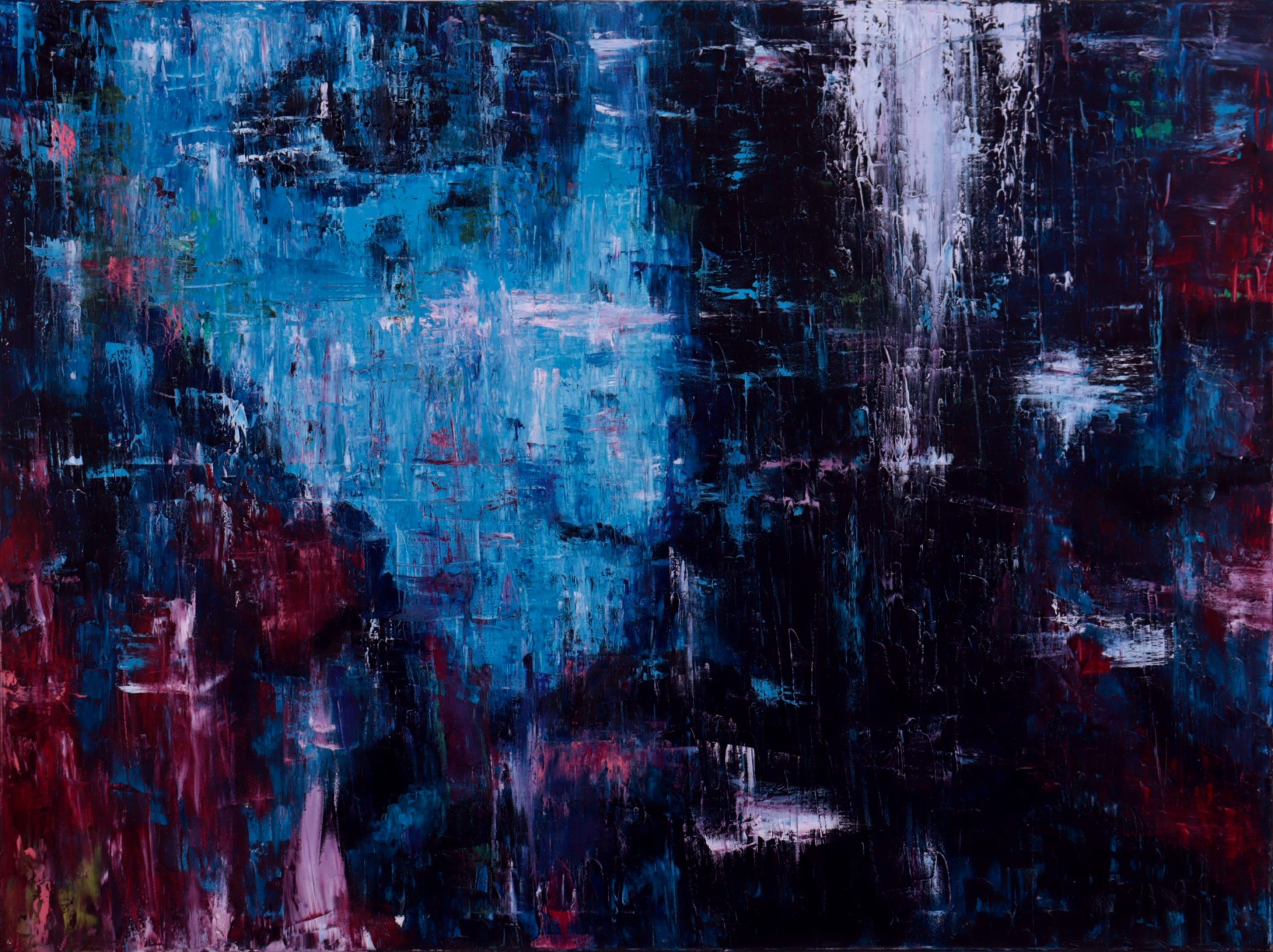
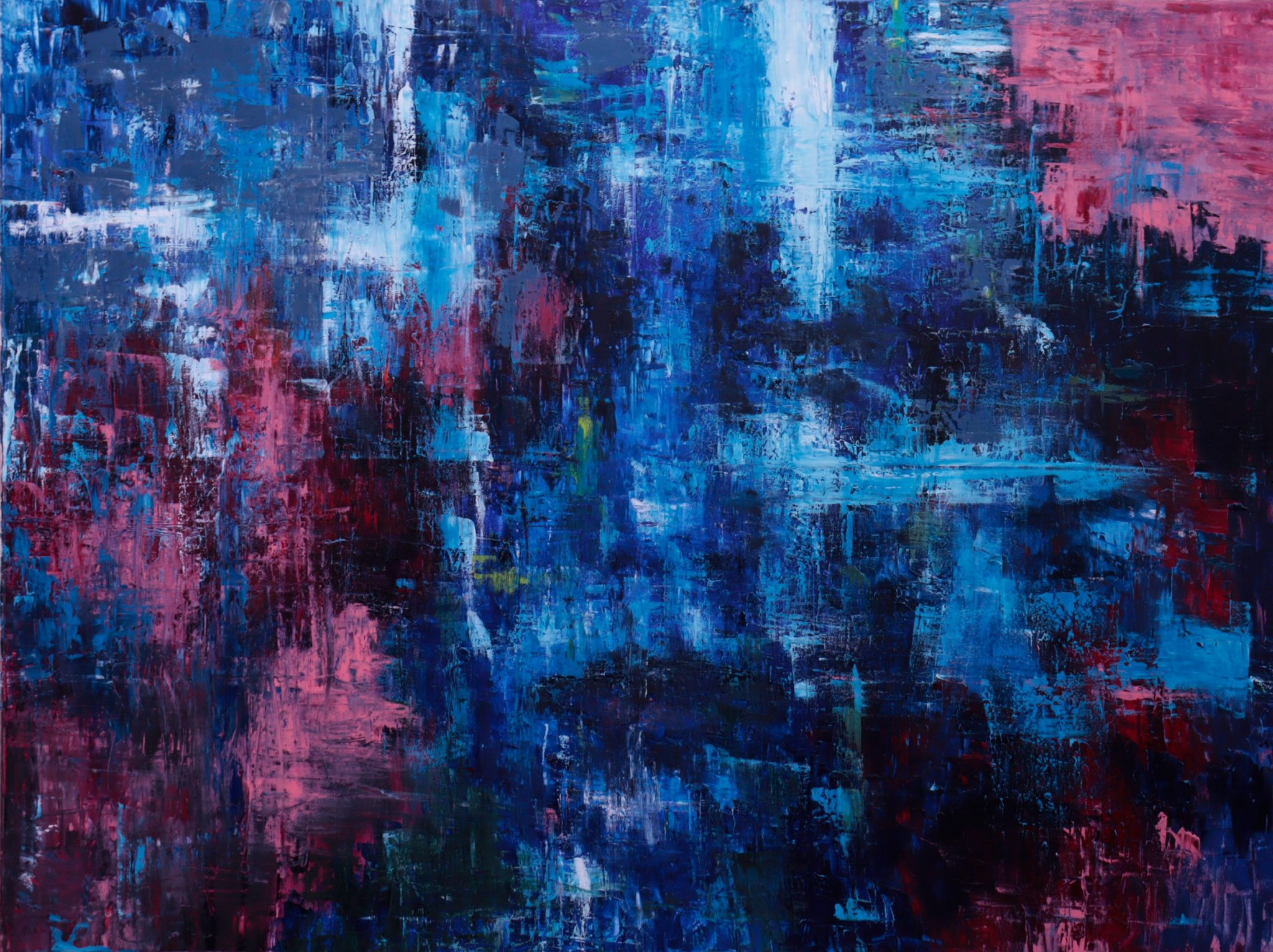
If you look at the progression of your works over the years, you can see this change in your style as you had described. The portraits become more blurred and the colors more fluent until the paintings have developed into abstract formations. This also gives them a completely different emotionality. Many artists develop over time and change styles and motifs, but it always happens differently. How did you come to want a change? And how important is it for you to be in a changing process?
Over the years, my work has changed a lot, and I think that evolution was very natural. In the beginning, my portraits were more figurative and precise because I needed that foundation – I needed to understand faces, expressions, and structure. But with time, I became more interested in the emotion behind the image rather than the image itself. The lines started to disappear, the colors became more fluid, and the faces slowly transformed into something more abstract. This change came from a personal need to explore deeper feelings. When you paint for many years, you also grow as a person, so your art has to follow. Staying in the same place would feel like repeating myself. For me, change is essential – it keeps the process exciting and alive. I don’t know exactly what comes next, but that’s what I love about being an artist: the journey is always moving.
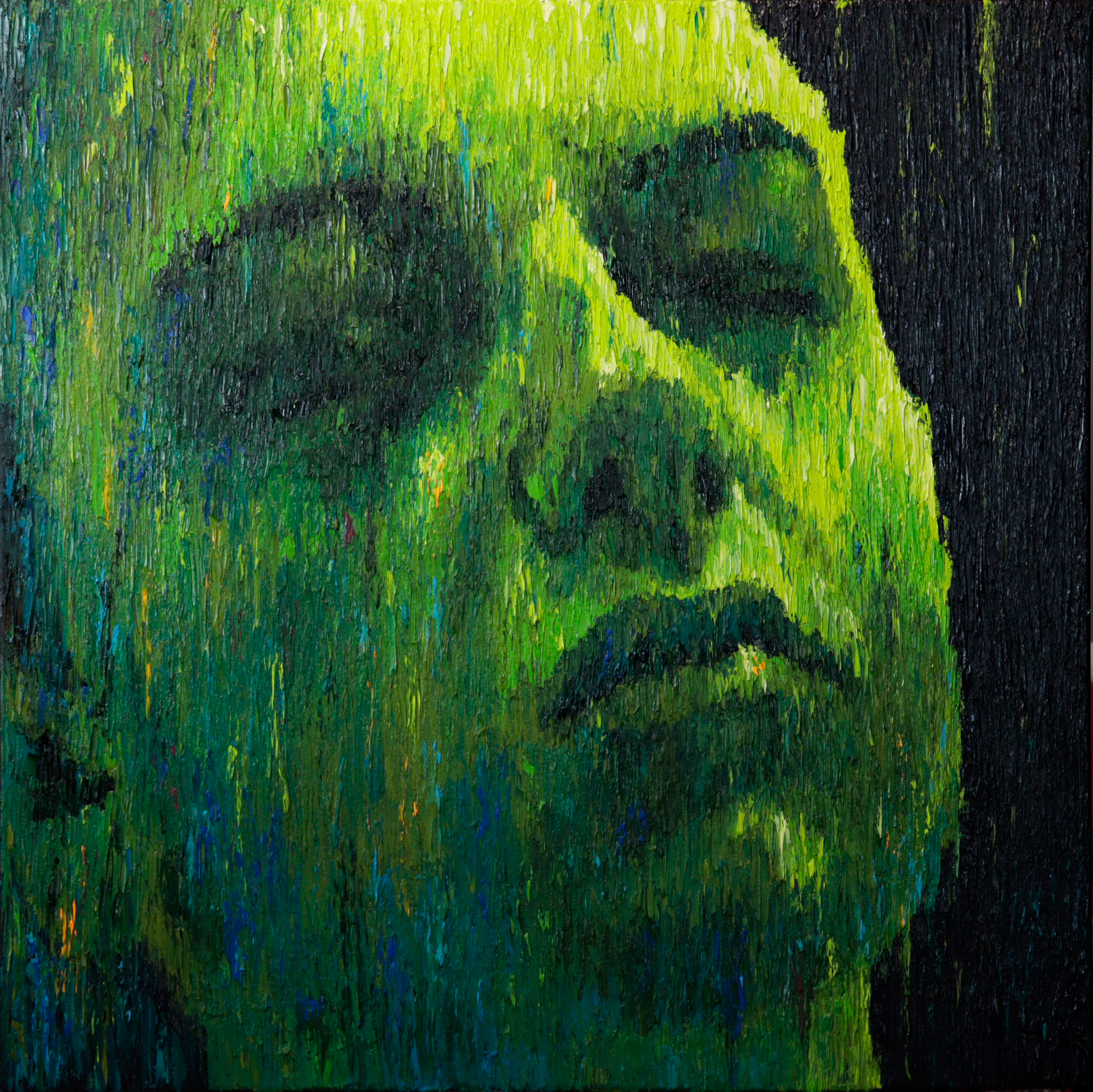
In your portraits, you also painted real models. Did you have to proceed differently?
Painting someone who is physically in front of me is completely different from working from a photo. When a person is present, you feel their energy, their mood, even their silence. It’s not just about capturing their features – it’s about translating who they are in that moment. When I work with a model, I spend more time observing, listening, and trying to understand their personality. I let their presence influence the brushstrokes. With a photo, the image is fixed, but with a real person, the moment is alive. So yes, the process is different, and I think the final artwork carries more soul when the person is there with me.
You sometimes did live painting in public events. What do you like about it?
Live painting is a completely different experience for me. To be honest, I don’t do it because it’s something I personally enjoy or because it was ever a dream of mine. Live shows were never really part of my artistic vision, and they still aren’t. When I do live painting, it’s mostly to share my process with people – to let them see how a painting comes to life. It becomes a moment to spend an evening with others and connect with them. I know that for some visitors, watching an artist paint live feels special, and that’s the part I appreciate. But for myself, the real creation happens in the studio, in silence or with music, without an audience. That’s where I feel free. So live painting is more of a public moment than a personal one for me.
Tell us some words about Heart Monaco and your involvement.
Heart Monaco is a beautiful organization that brings together artists from the region. I first got in touch with them through other artists, and very quickly I felt connected to their mission. It’s an honor to be part of such meaningful initiatives. At one of their events in Monte Carlo, I did a live painting session and created works on the spot.
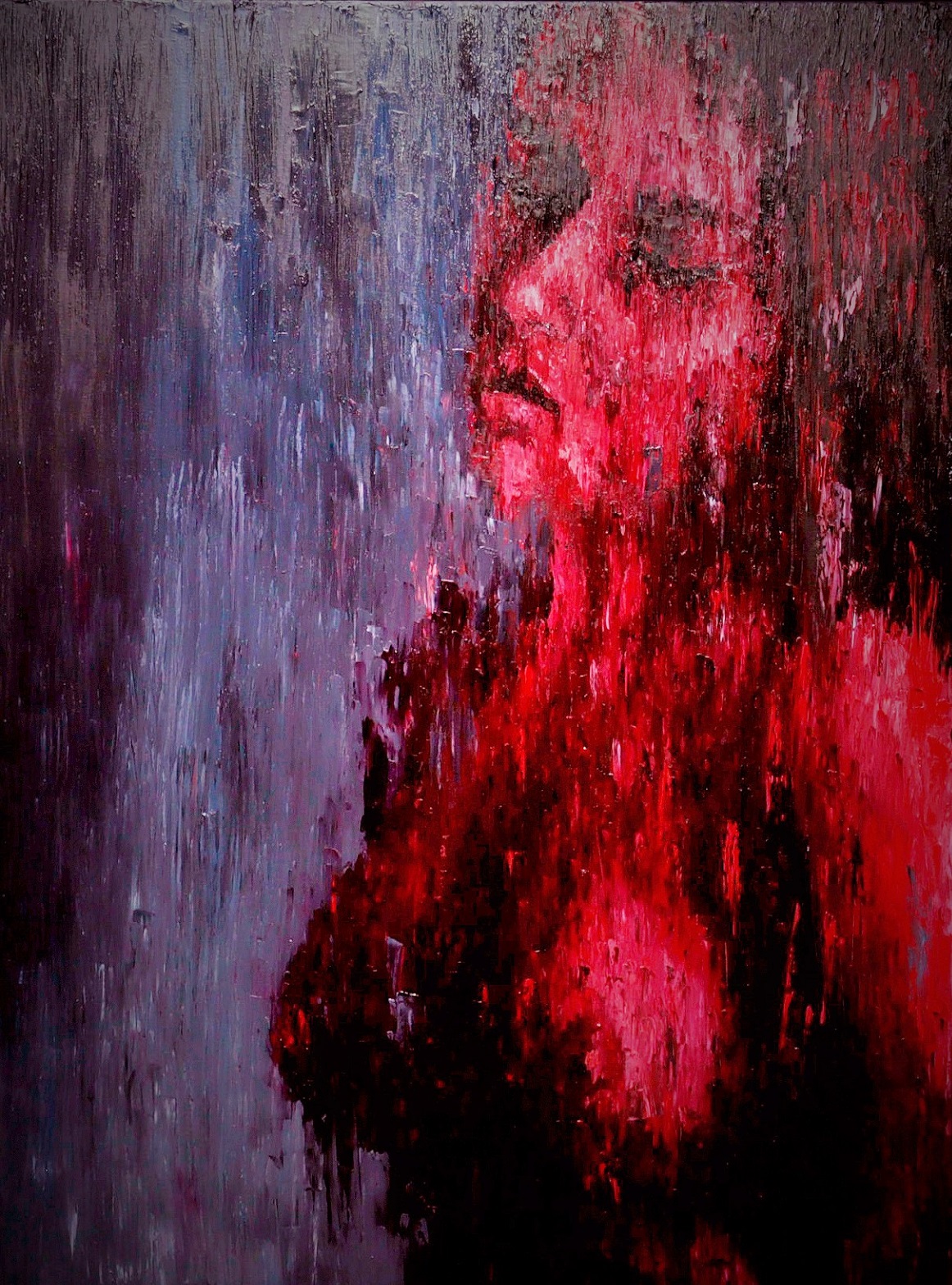
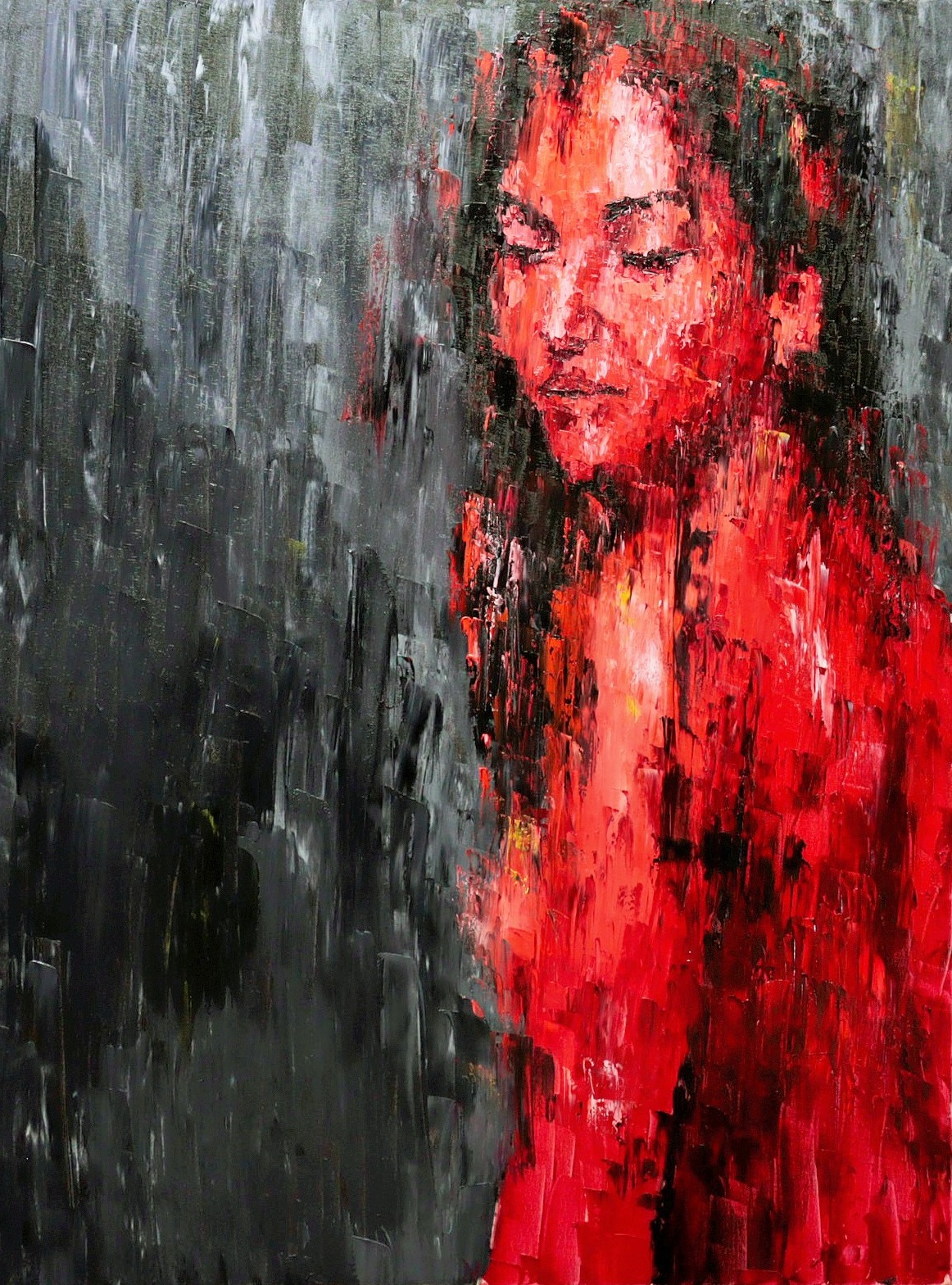
You were awarded the Boesner Prize by the Association des Peintres de Brignais. Tell us more about it.
Winning the Boesner Prize was something very special for me. It meant that my work touched the jury more than the fifty other artists who were presenting their paintings there. When you participate in this kind of event, you already believe in your work – you have to. But receiving a prize like this gives you a different feeling. It brings confidence, encouragement, and a sense that your artistic direction is understood and appreciated. It was a really meaningful moment for me.
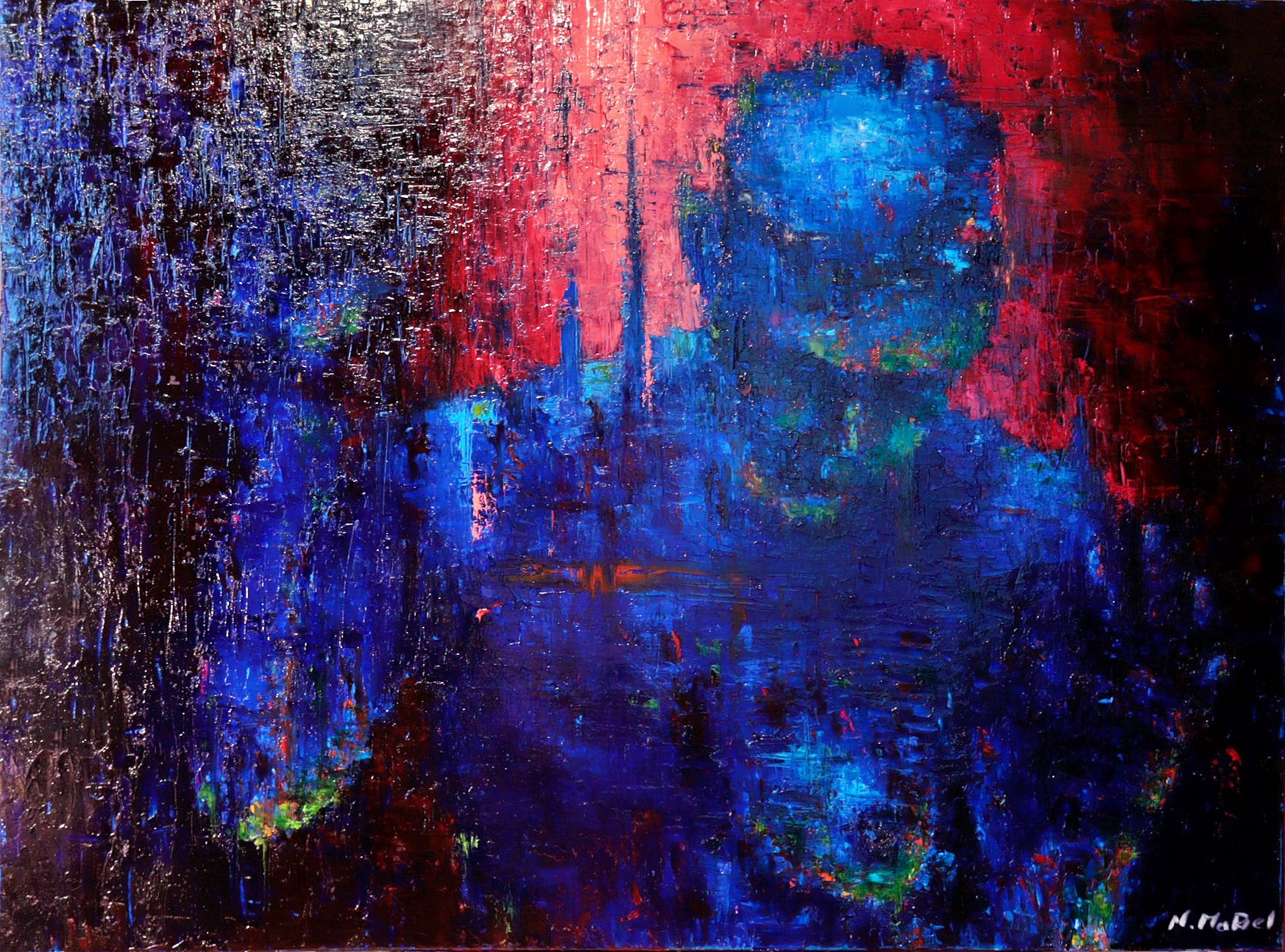
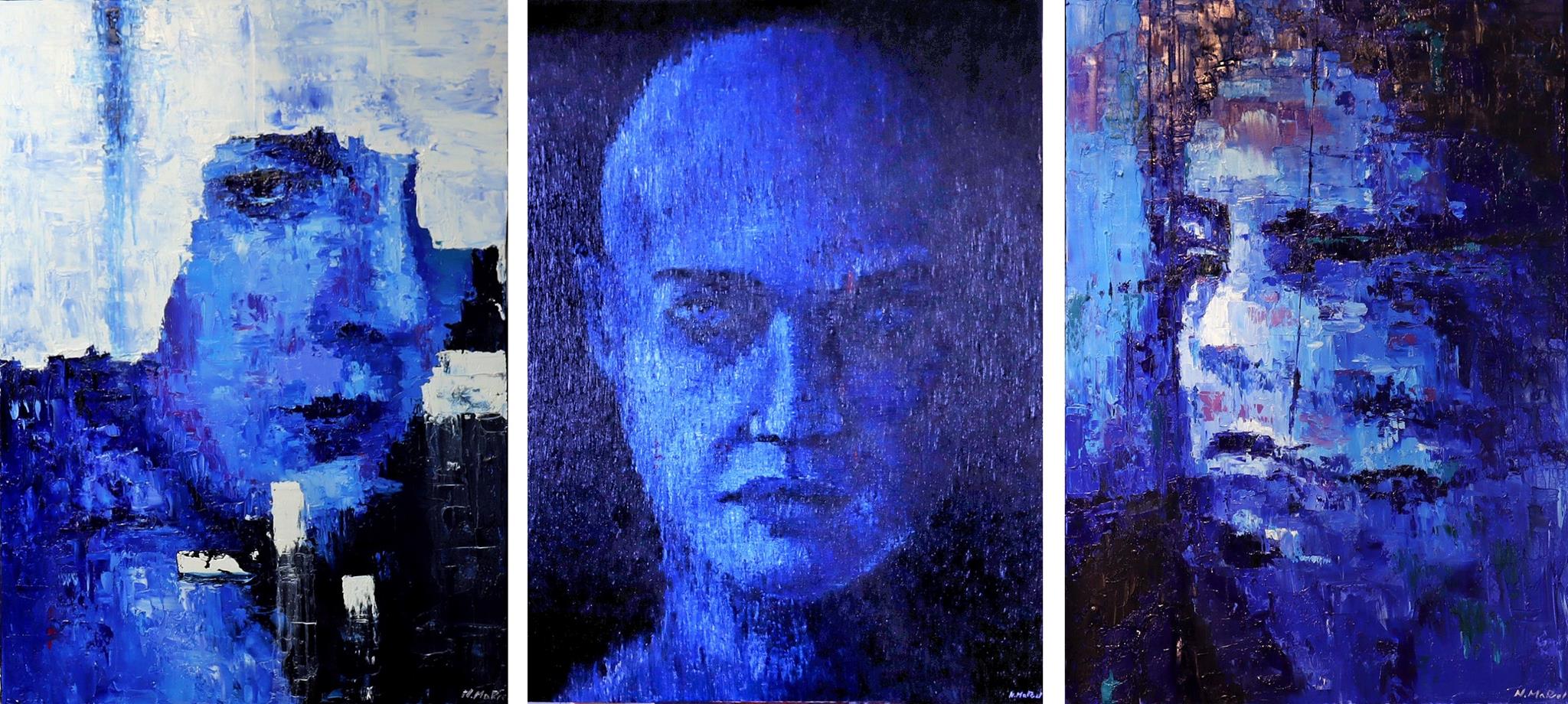
Where do you get your inspiration from, especially now that your work is more abstract?
My inspiration always comes from people. Watching and observing people is something very special for me. I love those silent moments when you try to guess what someone is thinking, what they might be worried about, or what they are carrying inside. Bus stations, for example, inspire me a lot – people waiting for their buses, lost in their thoughts, each one with a different story. Markets also inspire me, especially when older people walk around just to escape their loneliness for a moment, to talk to someone, to feel connected again. These everyday scenes, these small human moments, are where my inspiration truly begins.
How important is music in your creative process?
When I’m working, I never listen to music. To create, I need silence. But silence is never really silent – it has its own atmosphere. You start to hear the small noises of the workspace, the sounds of your brushes, the breath of the room. Those little things become part of the creation. For me, this quiet environment helps me focus, connect with the painting, and enter the emotion of the moment. Music would take me somewhere else, but silence keeps me inside the artwork.
What message would you give to other artists, especially those who doubt themselves?
One of the biggest pieces of advice I can give is this: if your father isn’t rich, you really need to think carefully before choosing this path as an artist! (laughs) Let’s finish this interview with a little joke, because sometimes humor is the best way to survive the artistic journey. But more seriously – if you feel that art is truly inside you, then don’t stop. And if you’re not ready to give all your time, your energy, and your heart to art, then don’t choose this path. I don’t really believe in “weekend artists”. Being an artist is not a hobby you pick up only when you have time. It’s a commitment, a way of living, and sometimes even a sacrifice. You have to be ready to wake up with art, to go to sleep with art, to doubt everything, and still continue. But if you’re willing to give everything, then this journey can give you so much in return – freedom, expression, and the chance to create something that didn’t exist before. And that makes all the challenges worth it.
INFOTHEK
 Artist: NICOLAS MARVEL
 Website: https://nicolasmarvel.com
 Facebook: https://www.facebook.com/p/Nicolas-Marvel-100068312512231
 Instagram: https://www.instagram.com/nicolas_marvel
ARTIST INTERVIEWS
>>> OTOM <<<
>>> FABEN <<<
>>> JENNIFER MILLER – PXL <<<
>>> YANNICK DAINELLI <<<
>>> ARTMOR1 <<<
>>> NICOLAS MARVEL <<<
RECOMMENDABLE GRAFFITI SPOTS IN NICE
>>> Le 109 – Creative Wonderland <<<
>>> Mariannes Mural Series <<<
>>> Fuon Santa Graffiti Channel <<<
>>> Bermont & Fils Art Space <<<
>>> Regards – Portrait Tunnel <<<
>>> XVème Corps Graffiti Hall <<<
>>> Ocean Electricity Series <<<
>>> Tour de France & OGC Tribute <<<
>>> Abandoned Health Center <<<
>>> Mind Art District – Flower Market <<<
>>> Garnison Ruins – Urbex Graffiti <<<
>>> Carros 14ème Graffiti Canal <<<
>>> Les Puces – Urban Art Space <<<
>>> Village Ségurane – Urban Art Space <<<
>>> Necropolis Graffiti Canal <<<
>>> Saint Charles Graffiti Wall <<<
>>> Abattoirs Riverbed Hall <<<
>>> Sticker Collection <<<
MORE ARTICLES ABOUT FRANCE
>>> Streetart Map Paris <<<
>>> Streetart Map Toulouse <<<
>>> Spot 13 – Paris Graffiti Hall <<<
>>> International Jam <<<
>>> Geraud Delteil – Spray Portraits <<<
>>> Milau K. Lutumba aka Delutu <<<
>>> The Eiffel Tower <<<
>>> MAUSA Vauban <<<
>>> Le Gurp – Bunker Graffiti <<<
>>> Rennes – Graffiti & Streetart <<<
>>> Streetart Fort-de-France – Martinique <<<
>>> Strasbourg – Graffiti & Streetart <<<
>>> Strasbourg – Stencil Collection <<<
>>> Bordeaux – Graffiti & Streetart <<<
>>> Montpellier – Graffiti & Streetart <<<
>>> Montpellier – Street Life <<<
>>> Cap Ferret – Graffiti & Streetart <<<
>>> Streetart Paris Central <<<
>>> Paris – Exquisit Car Parade <<<
>>> Paris – Monuments Visit <<<
>>> Les Orres – Hautes-Alpes <<<
>>> Les Sybelles – Snow Smurfs <<<