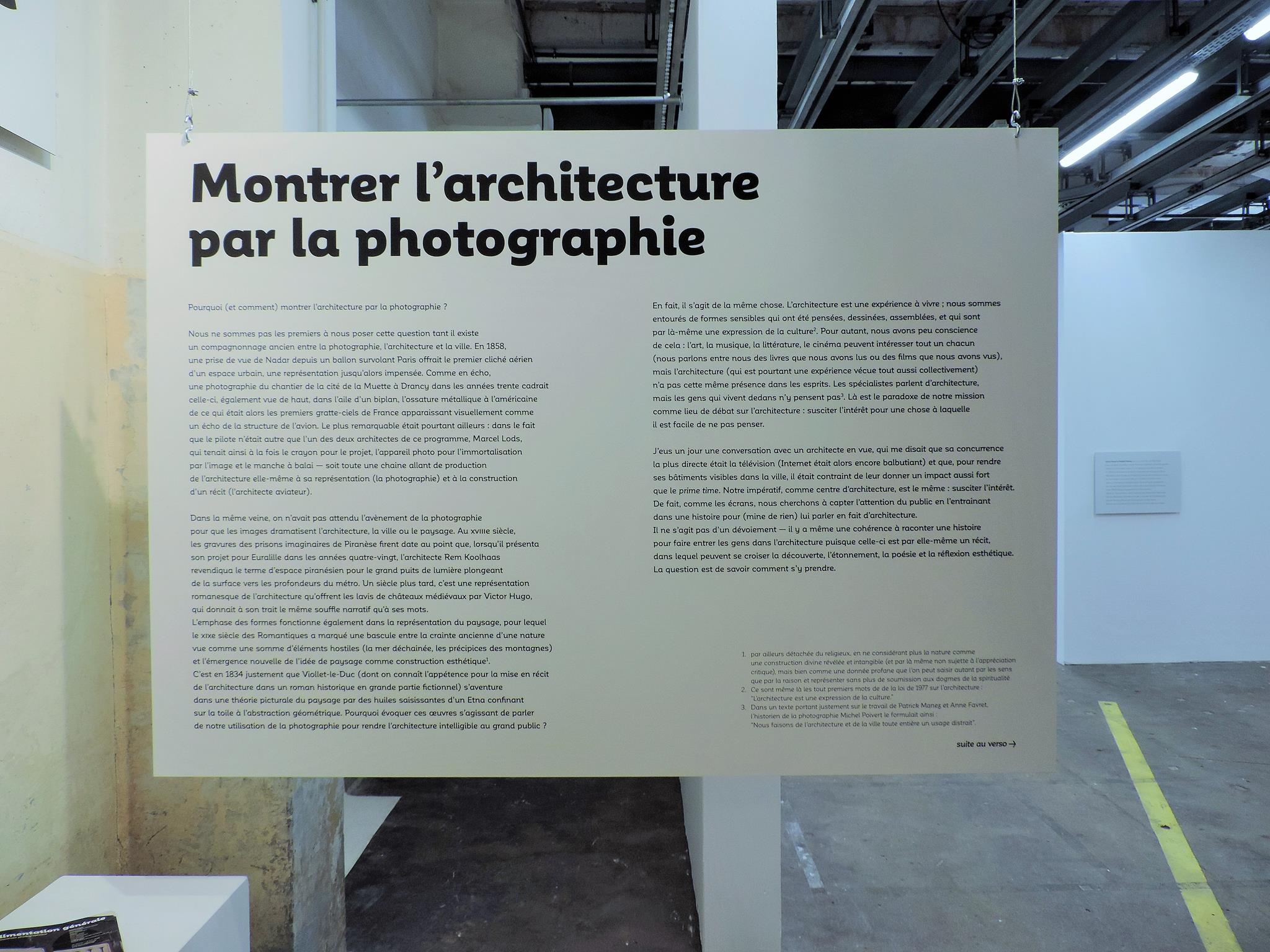
Showing architecture through photography
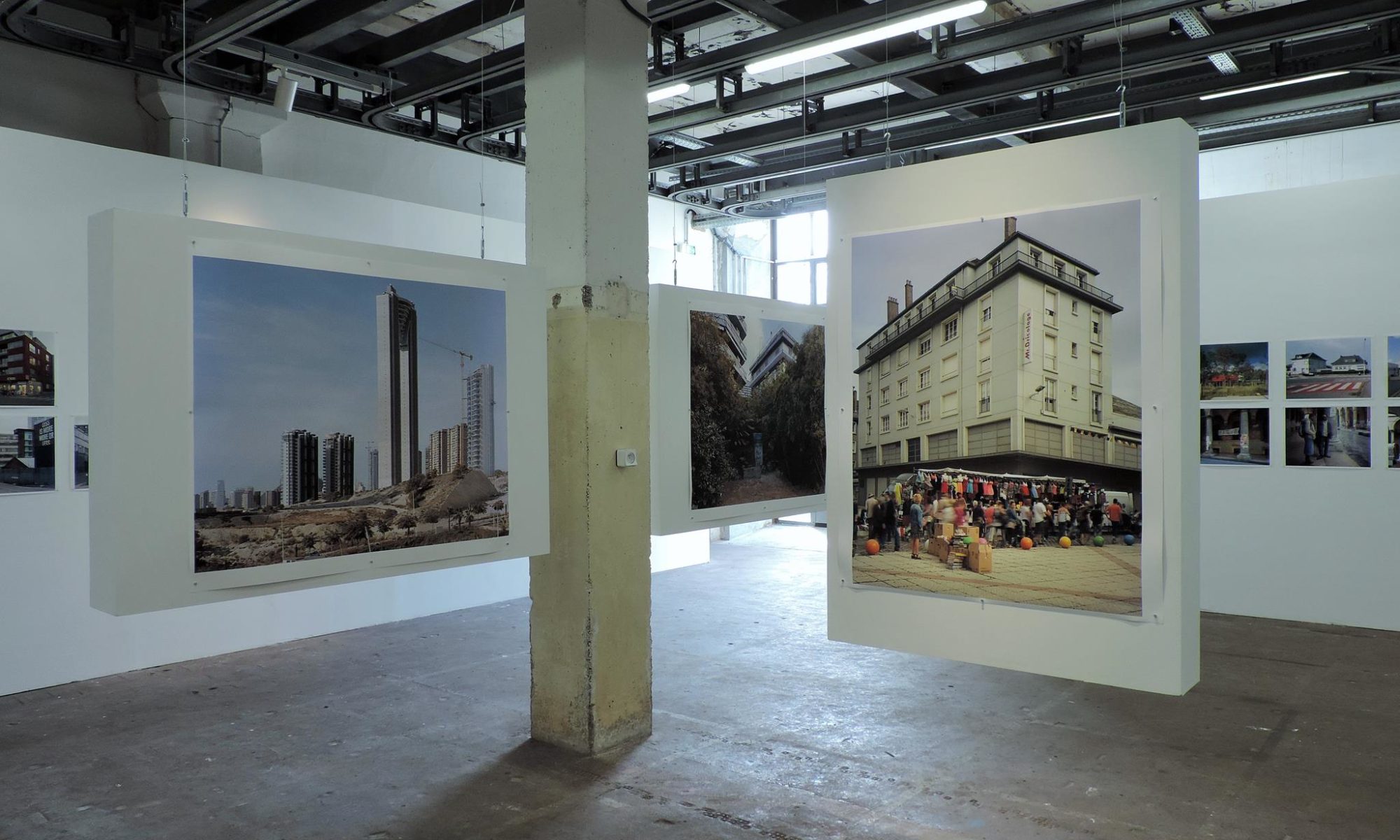
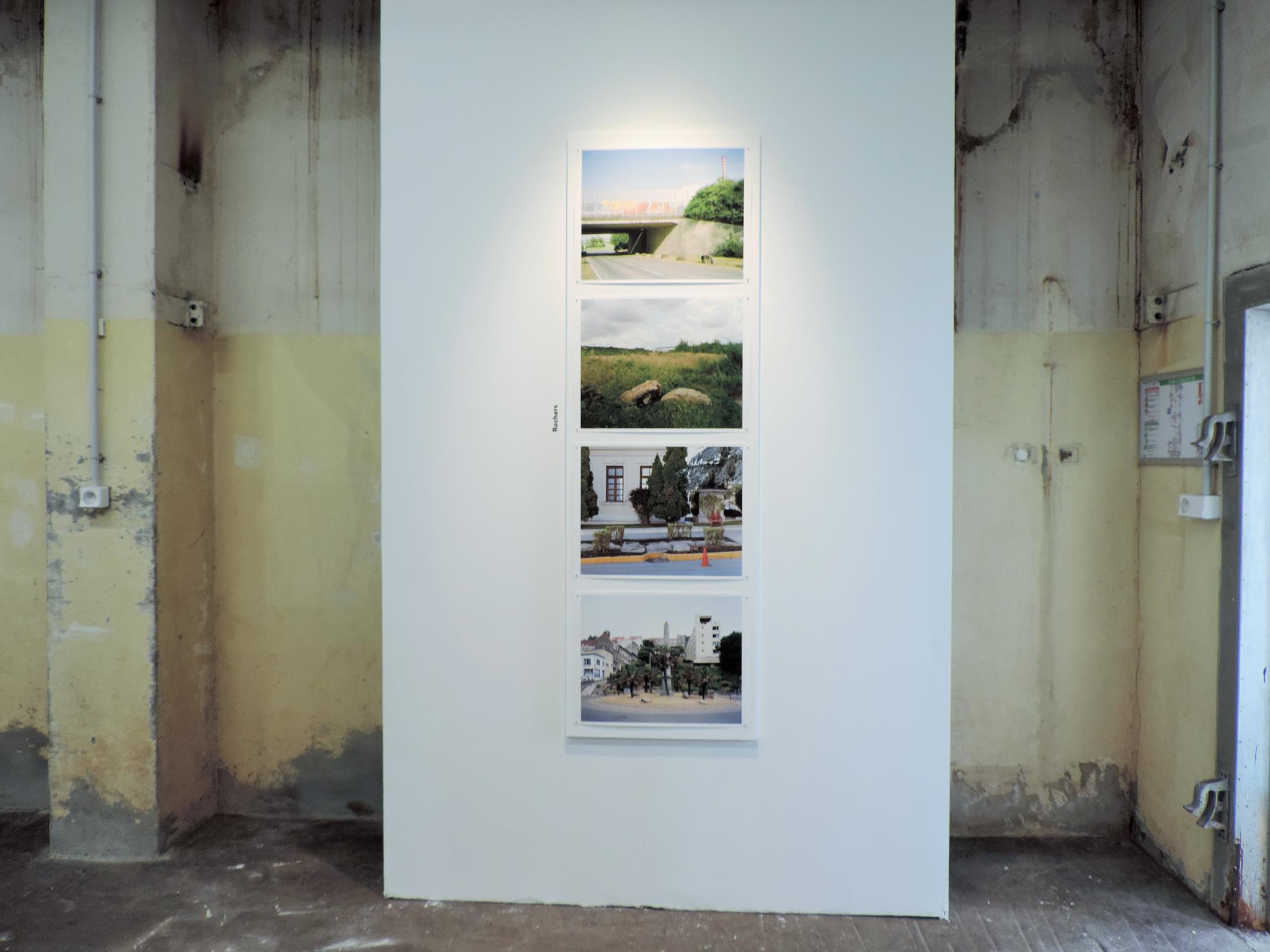
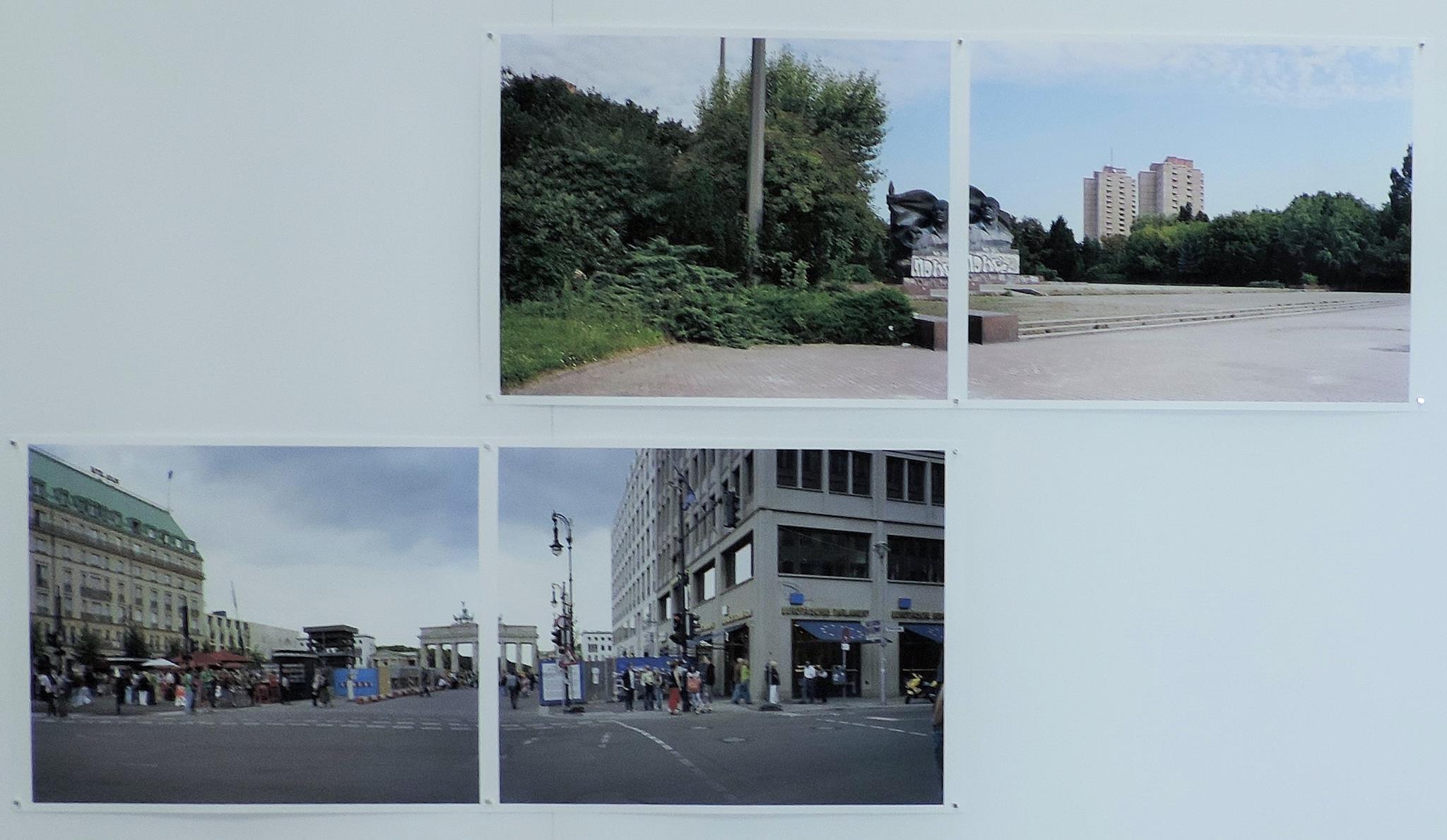
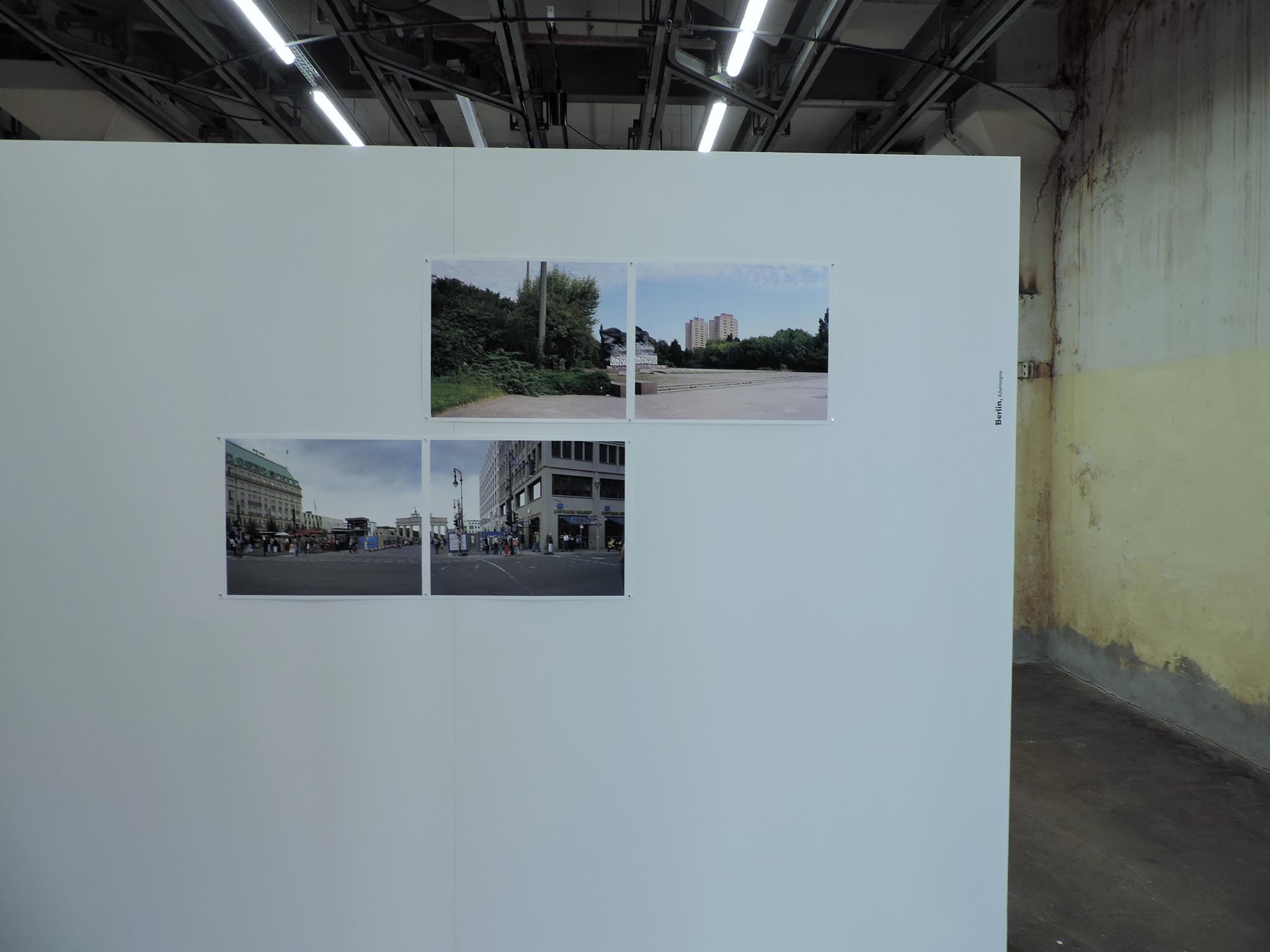
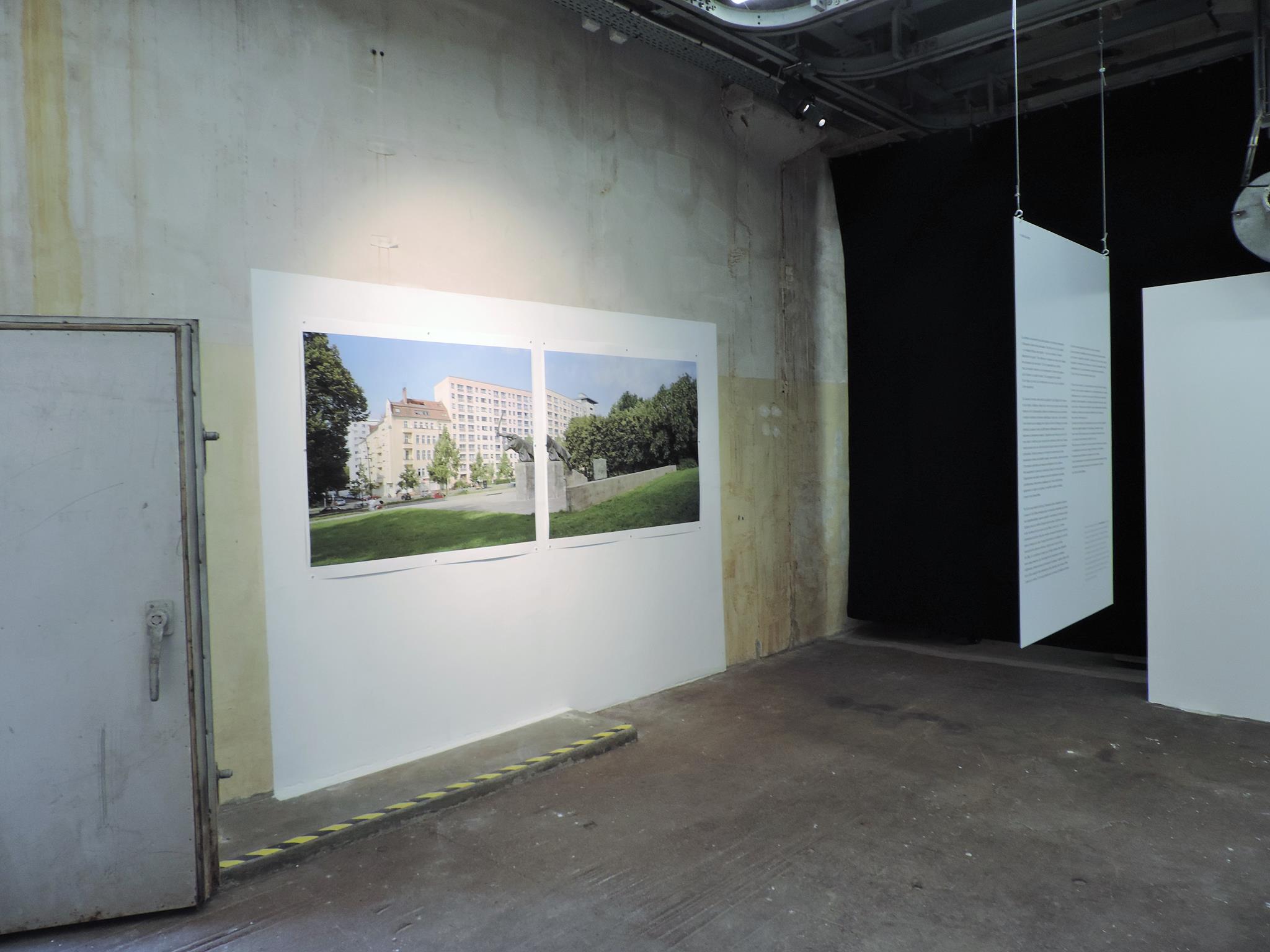
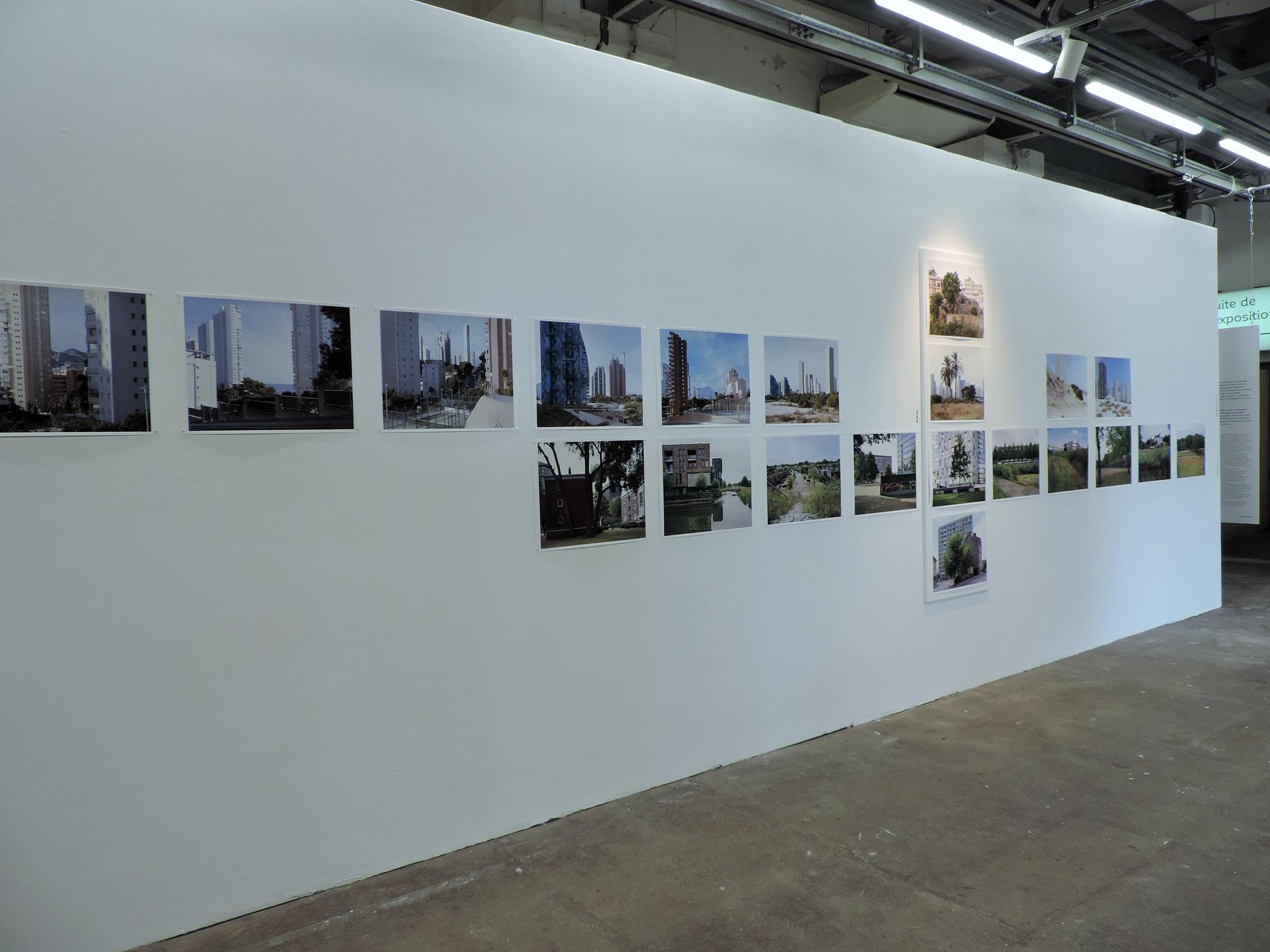
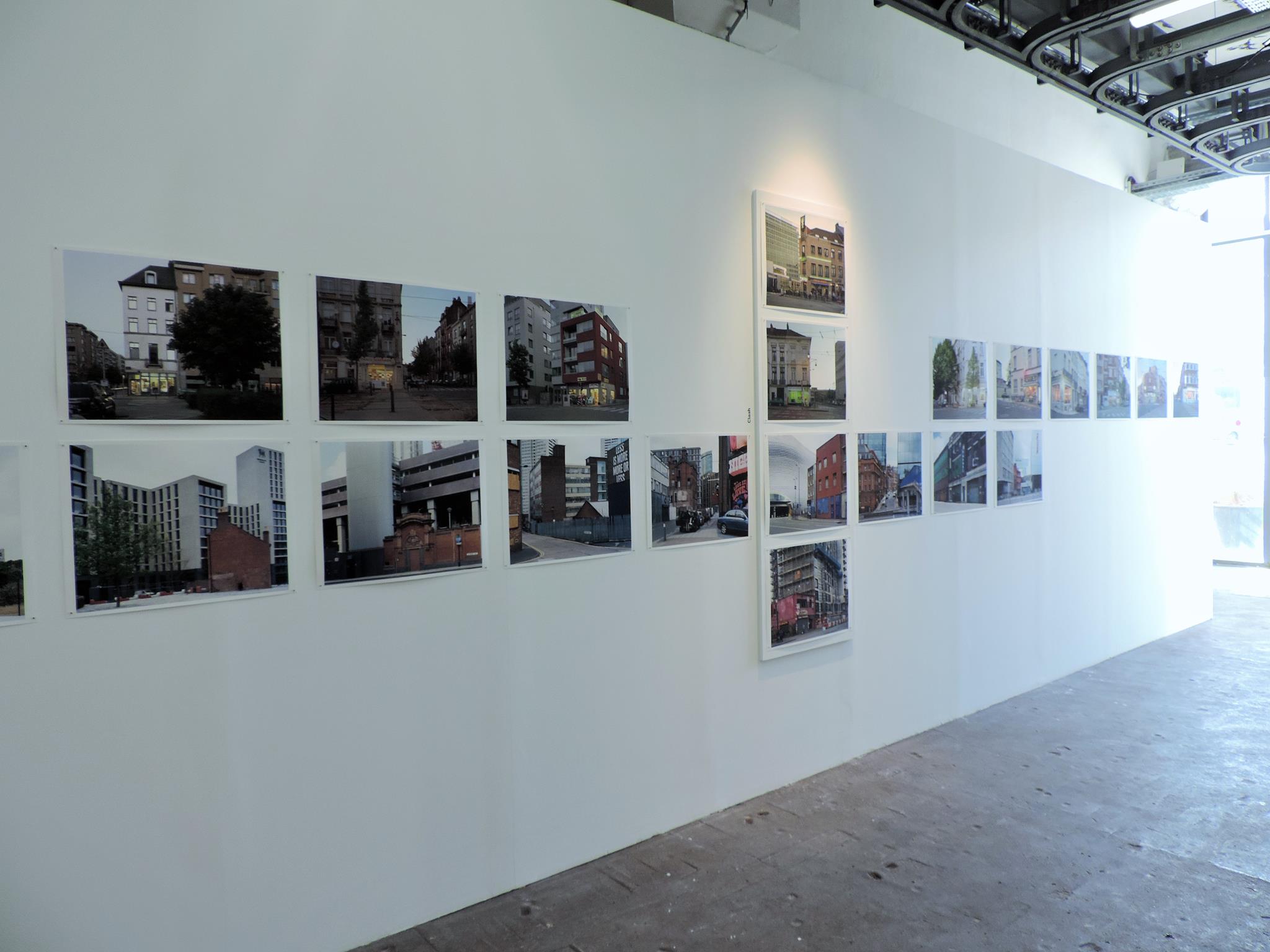
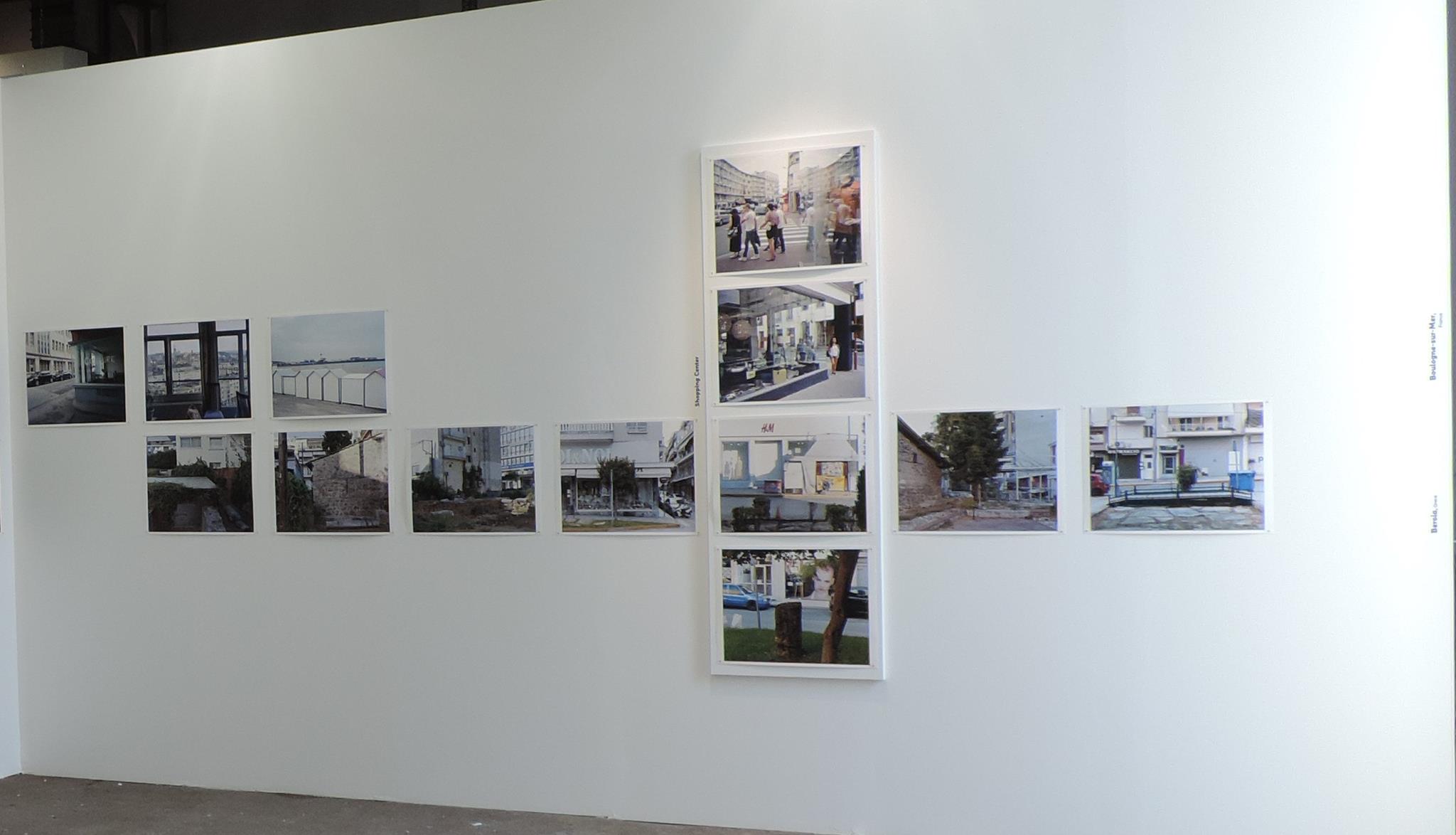
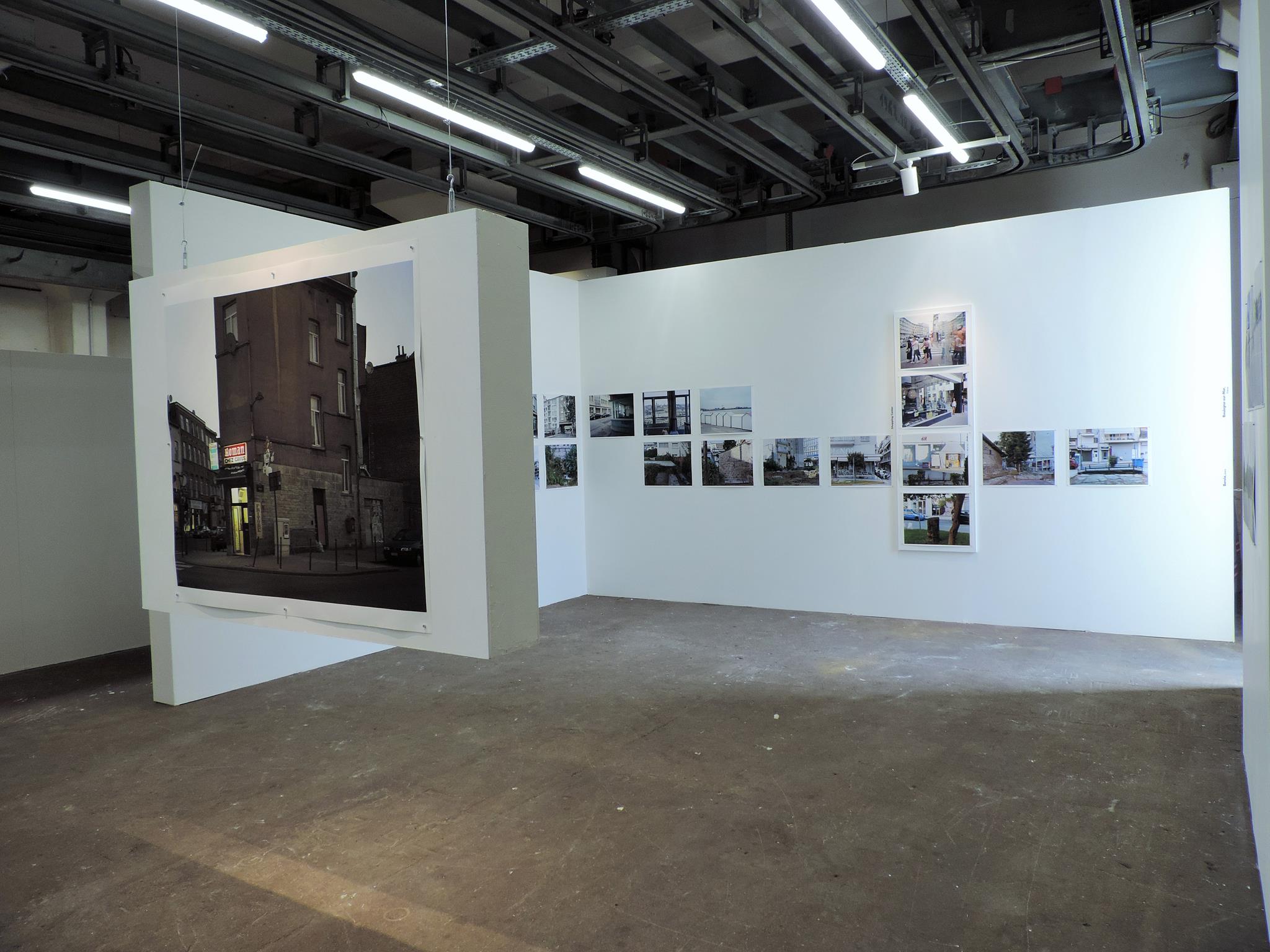
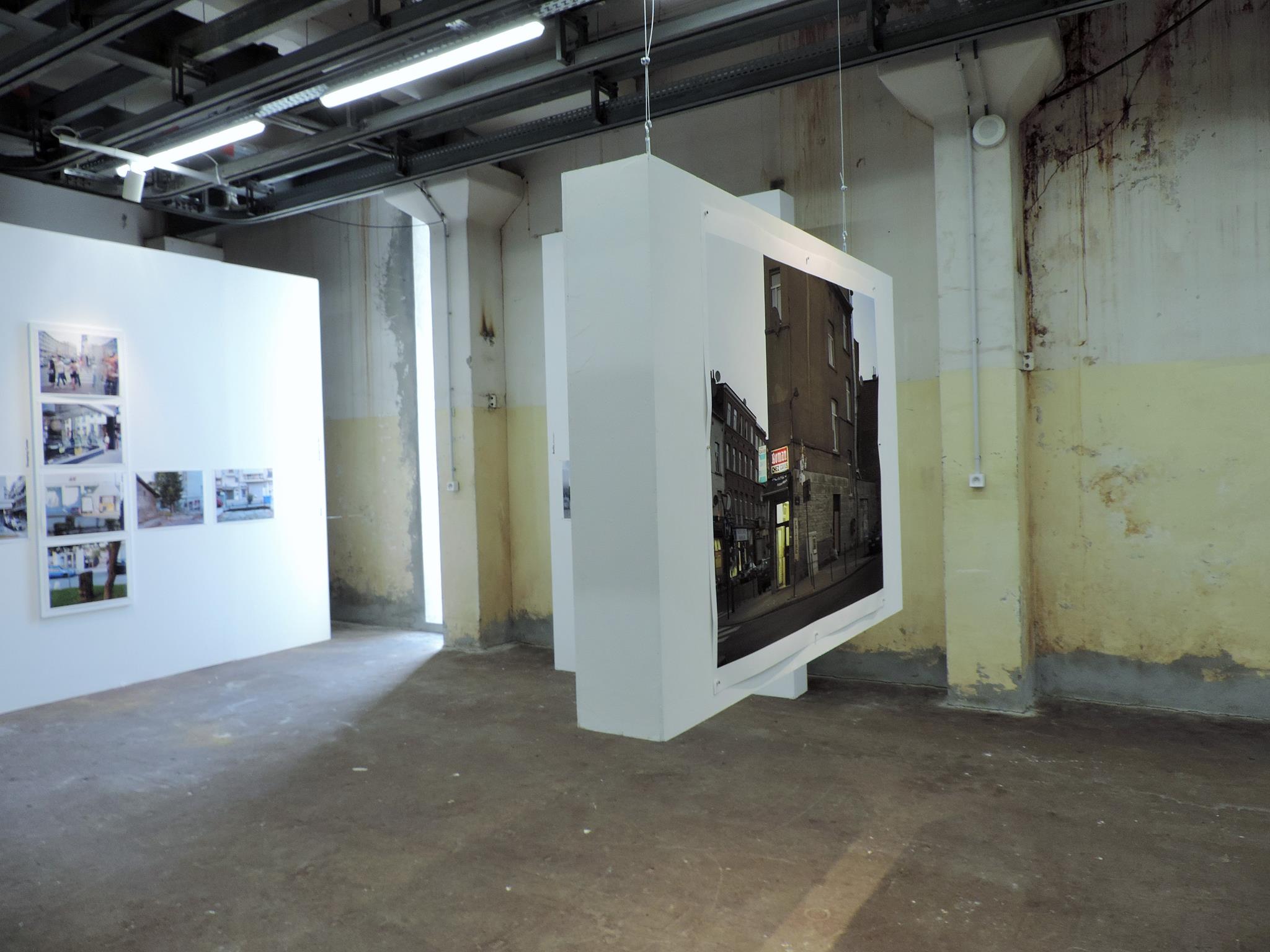
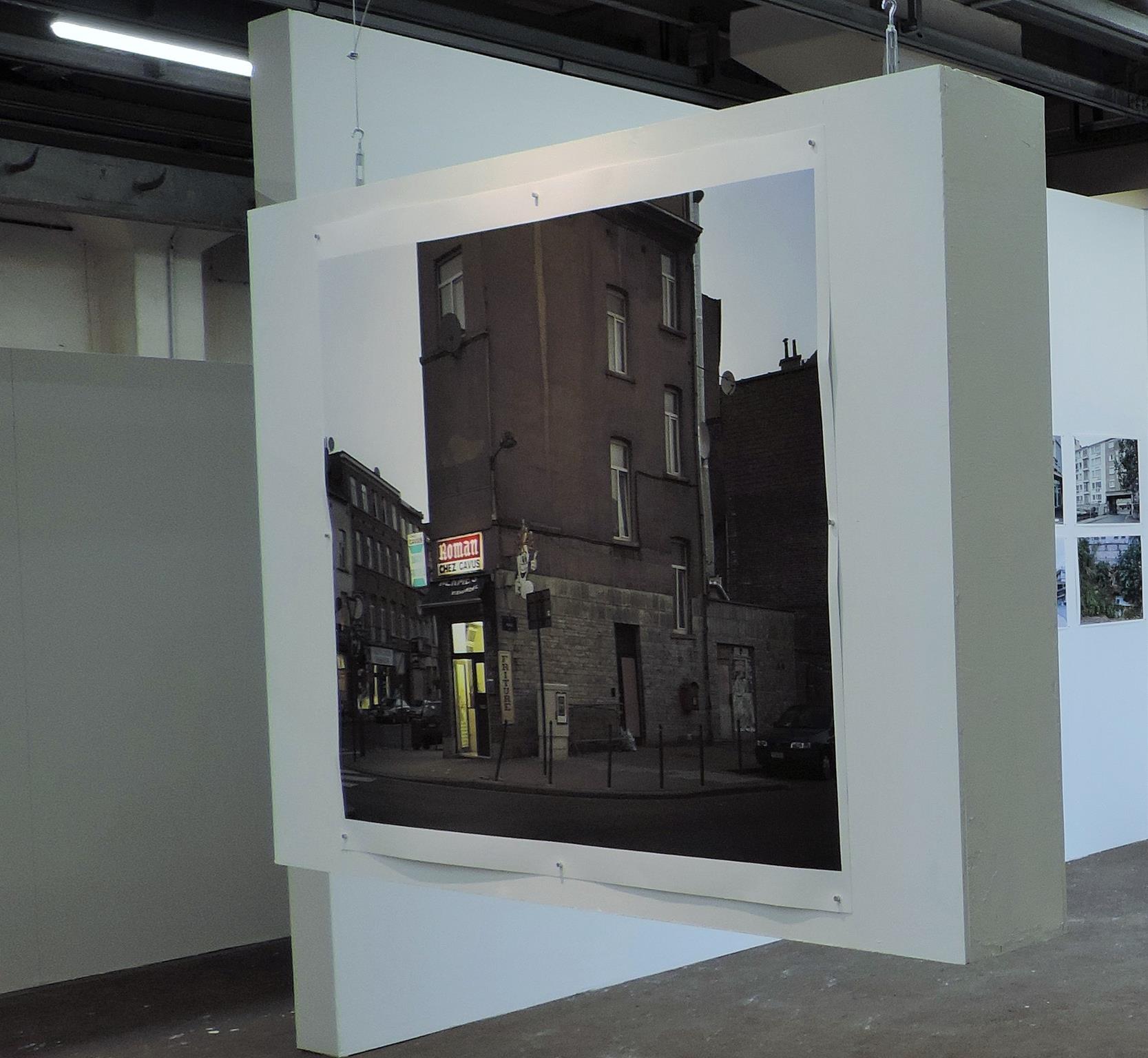
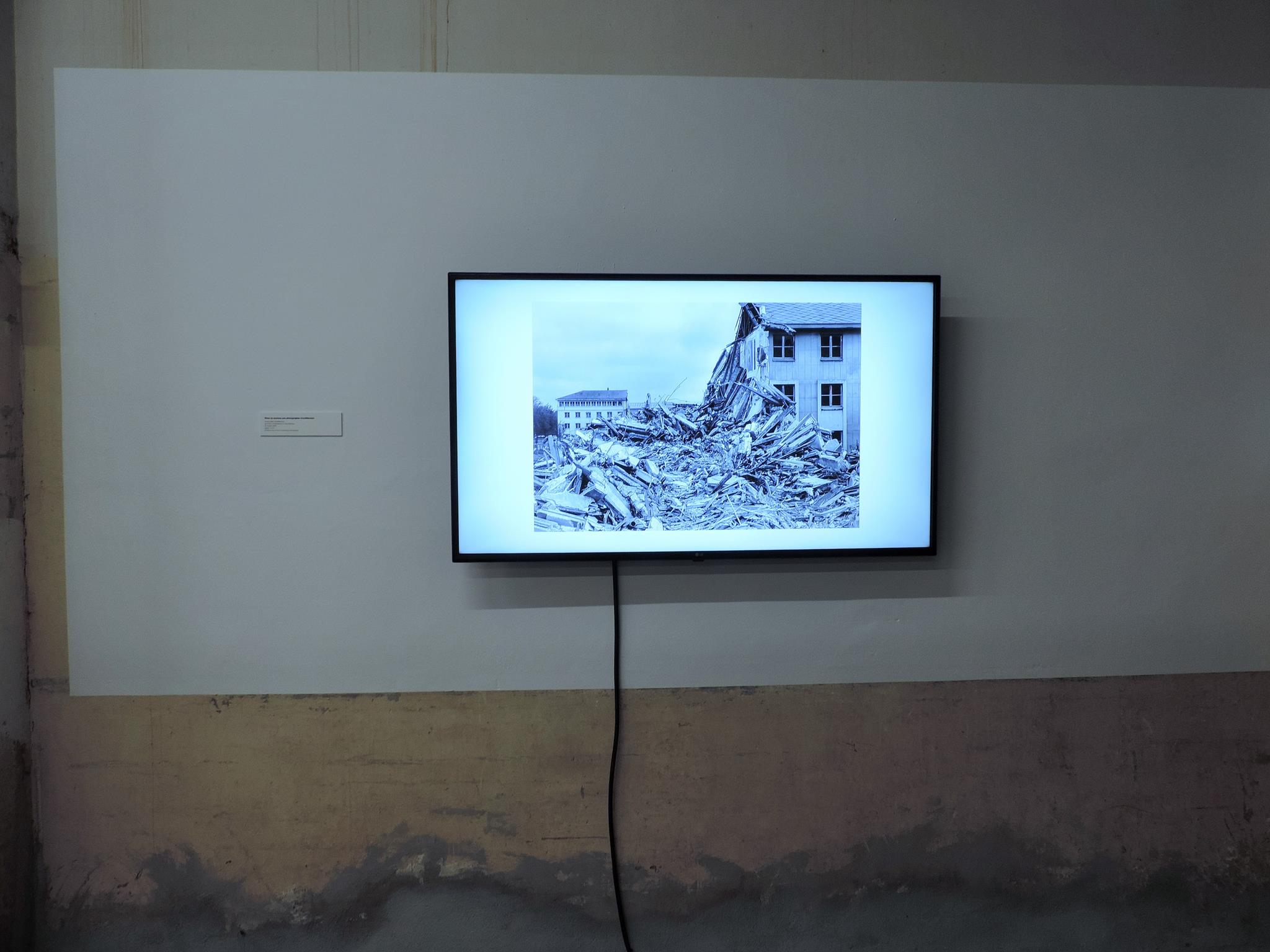
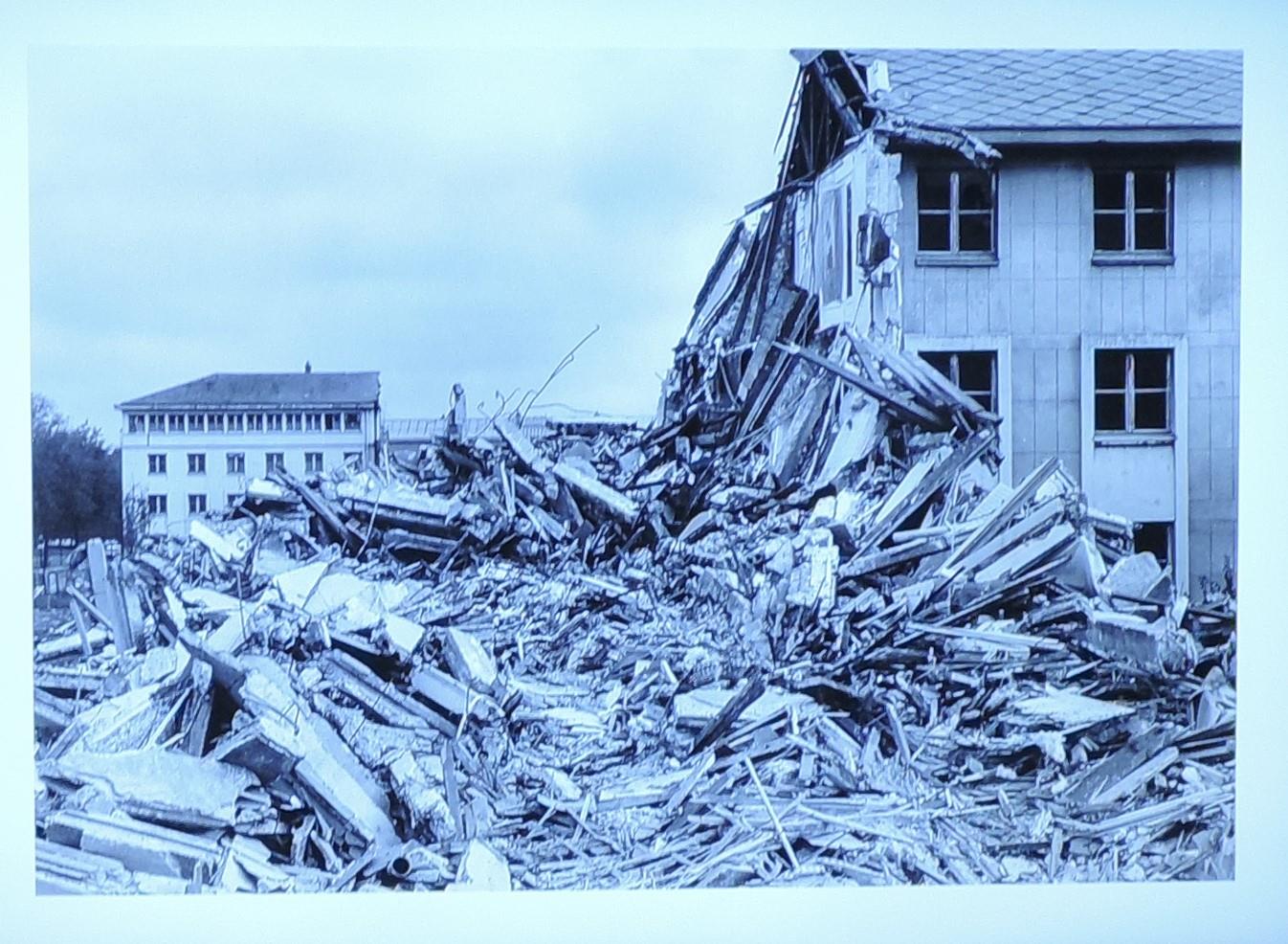
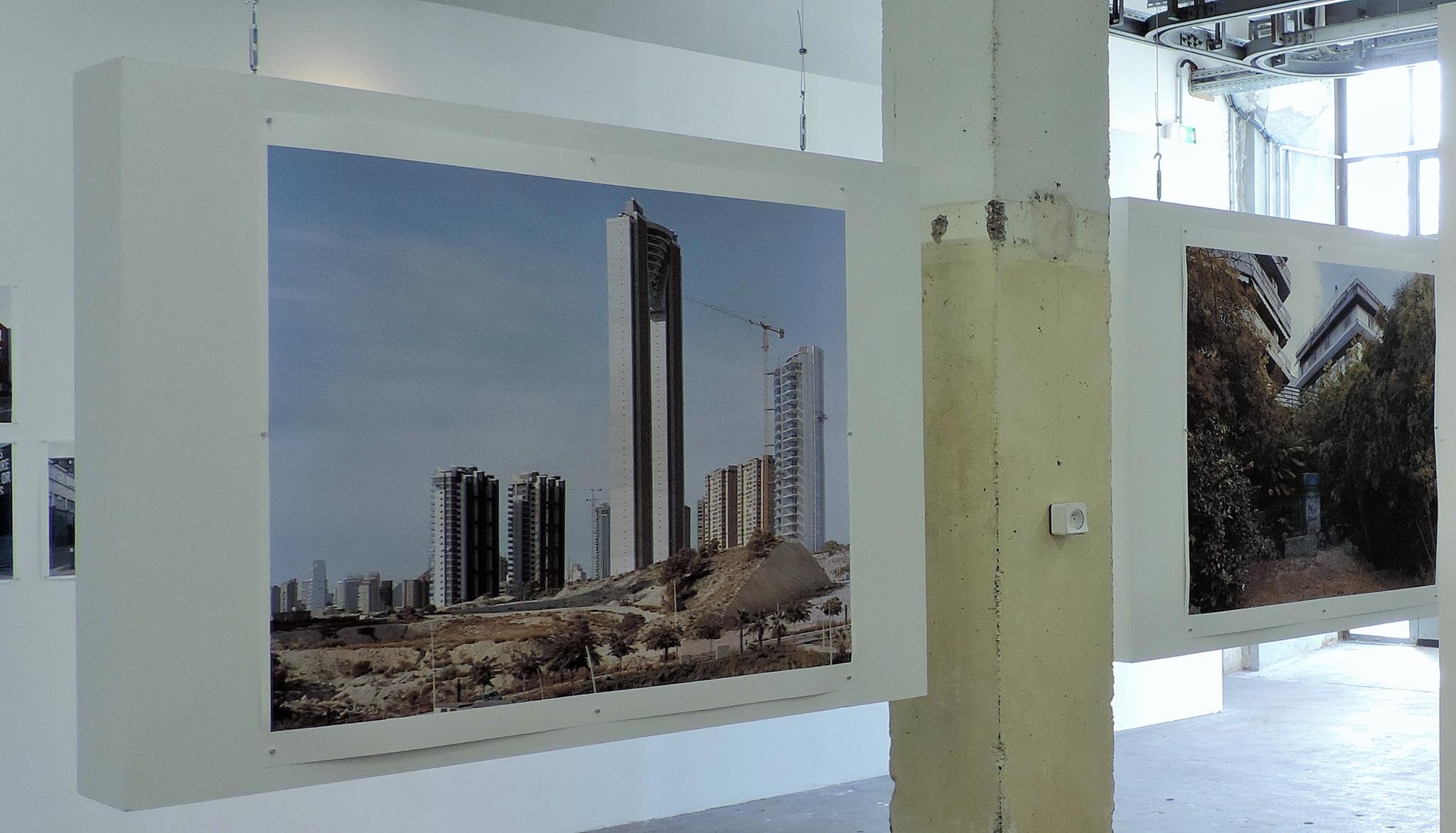
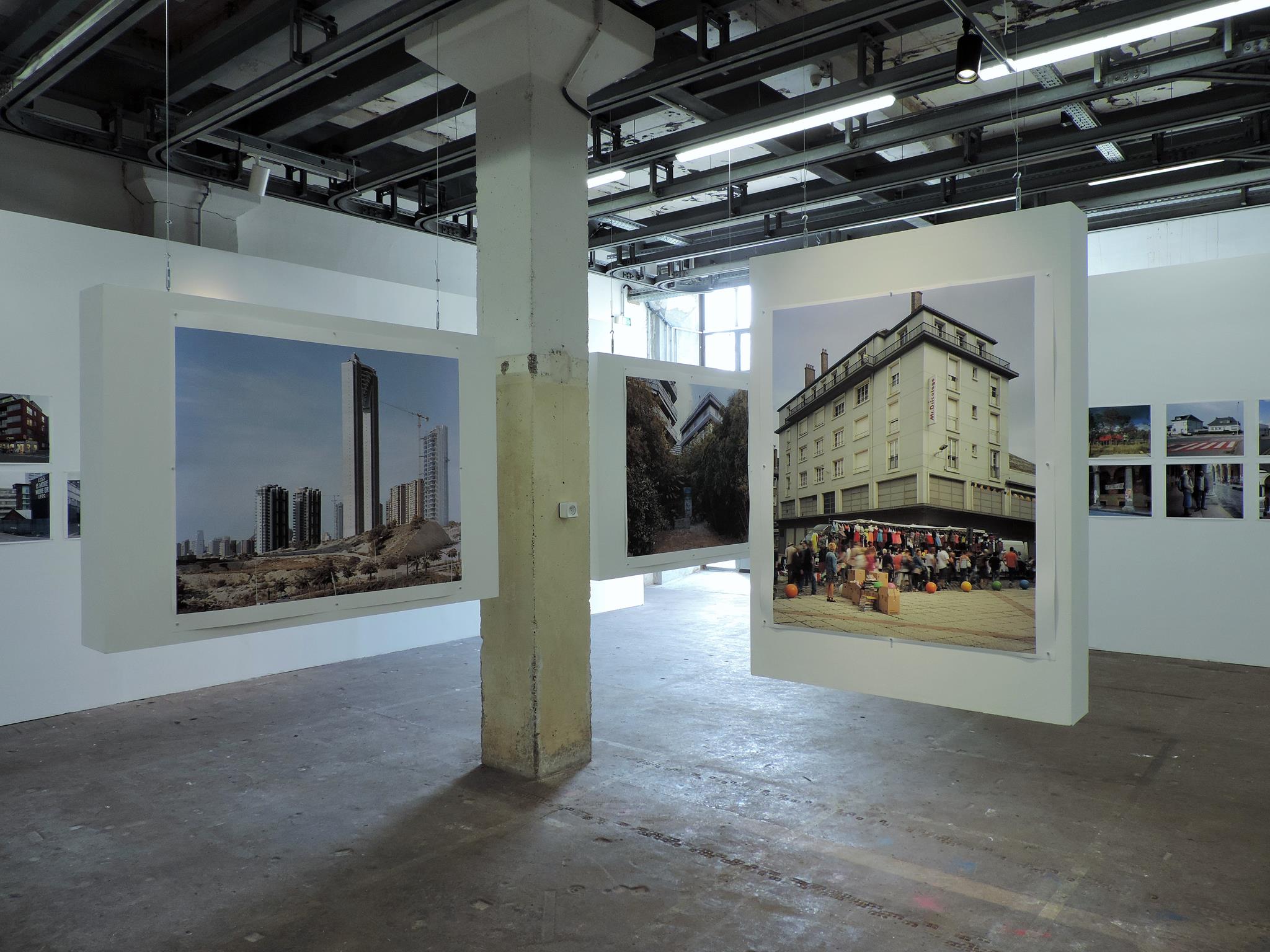
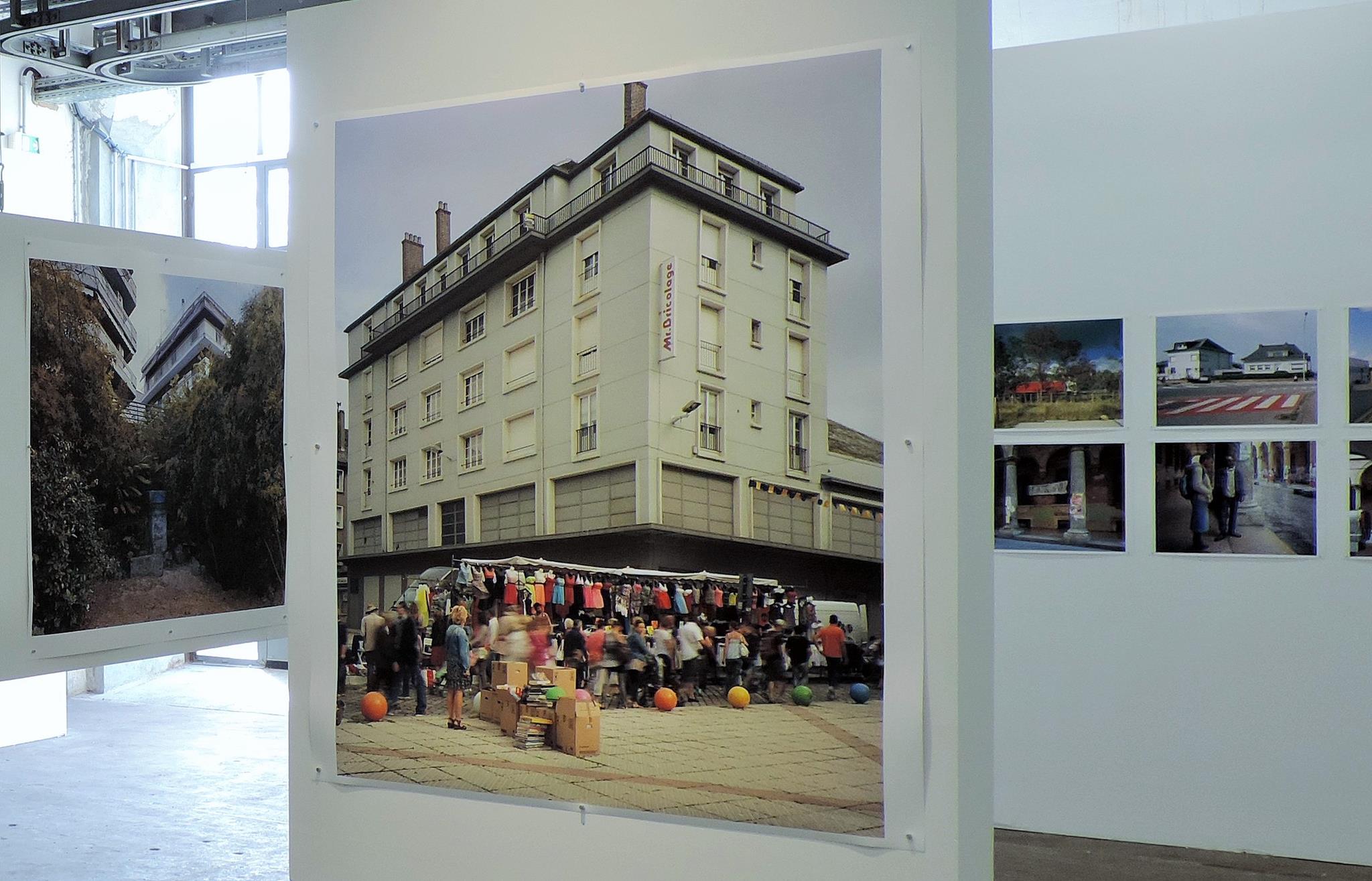
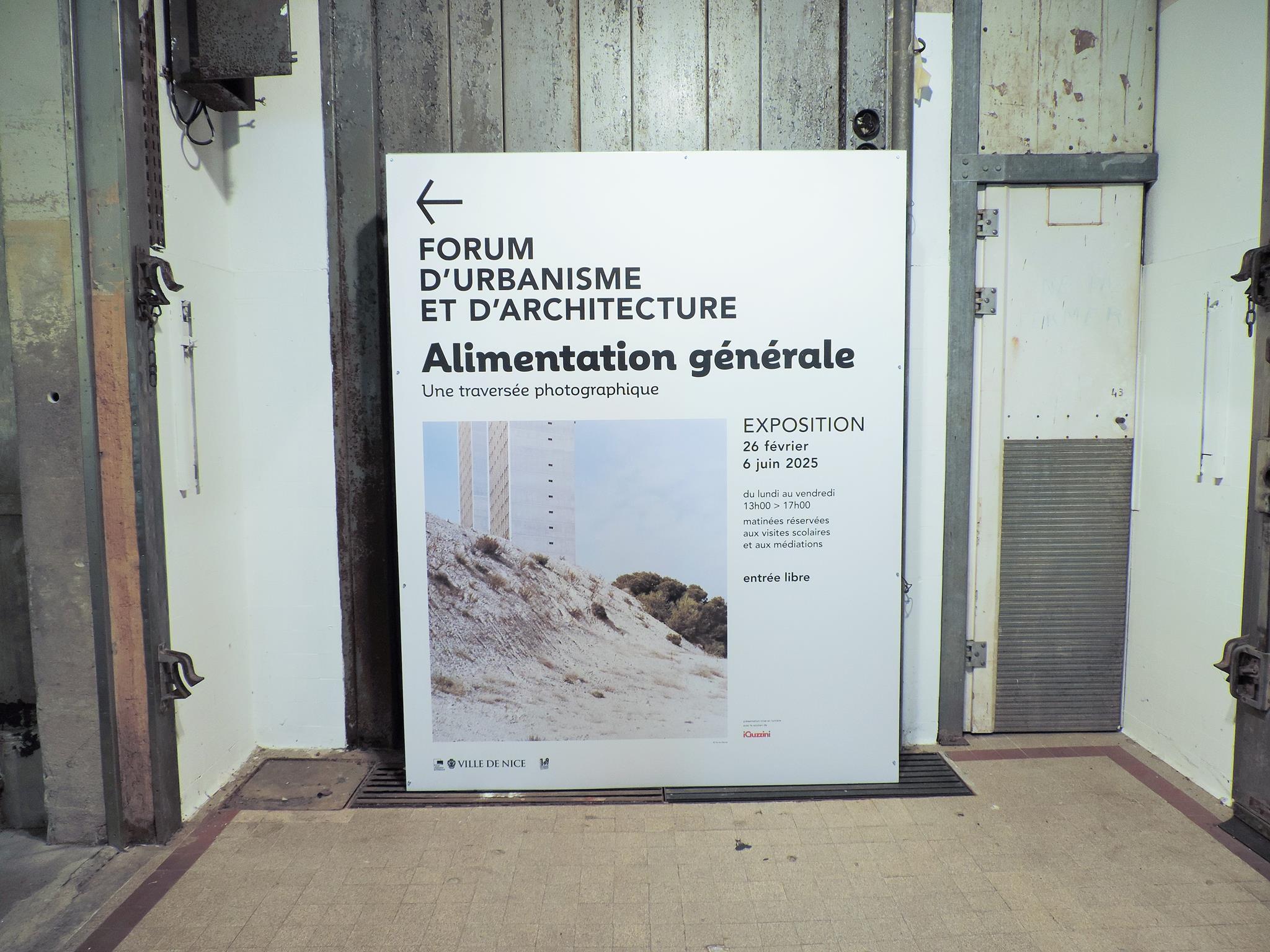
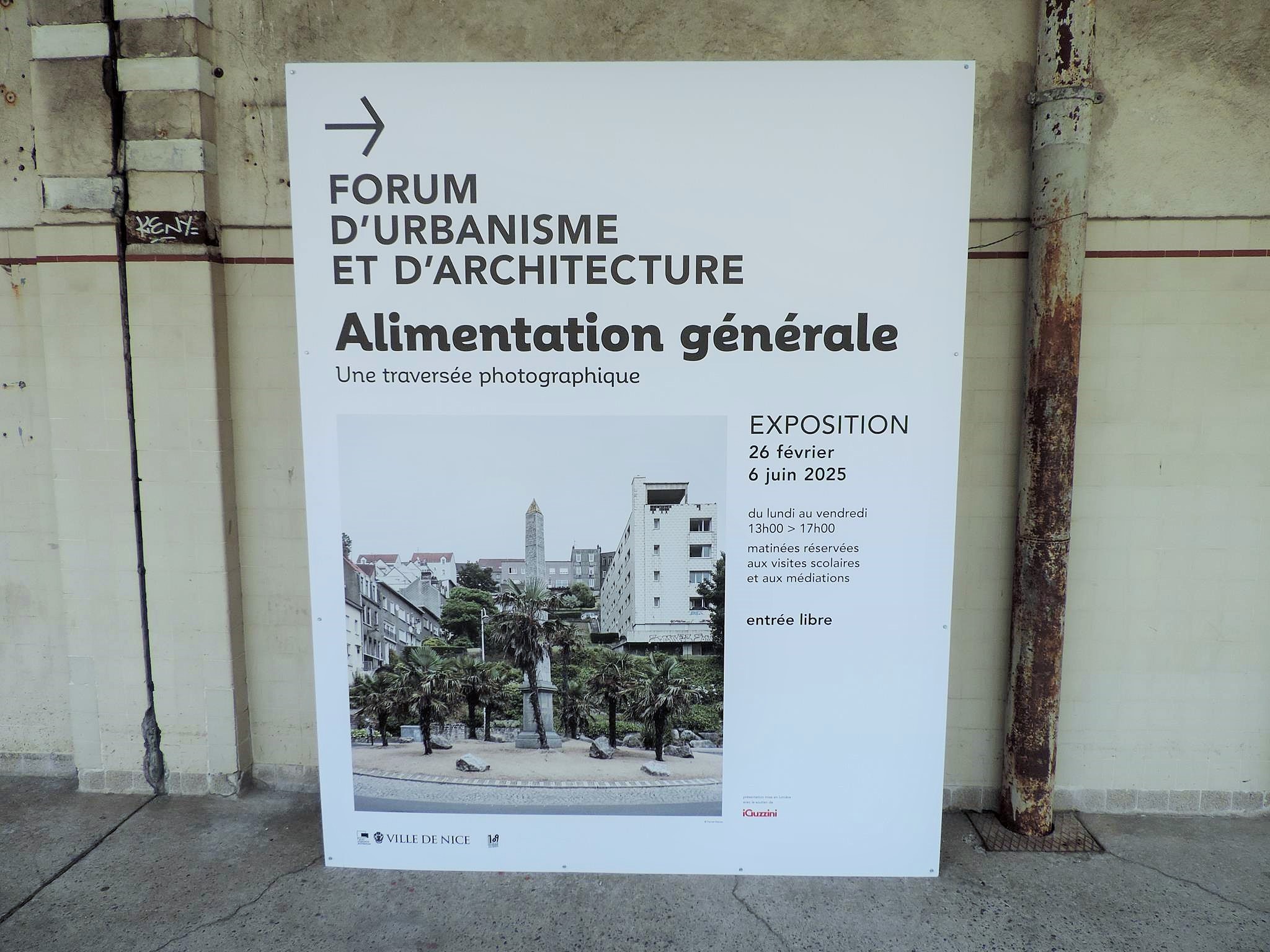
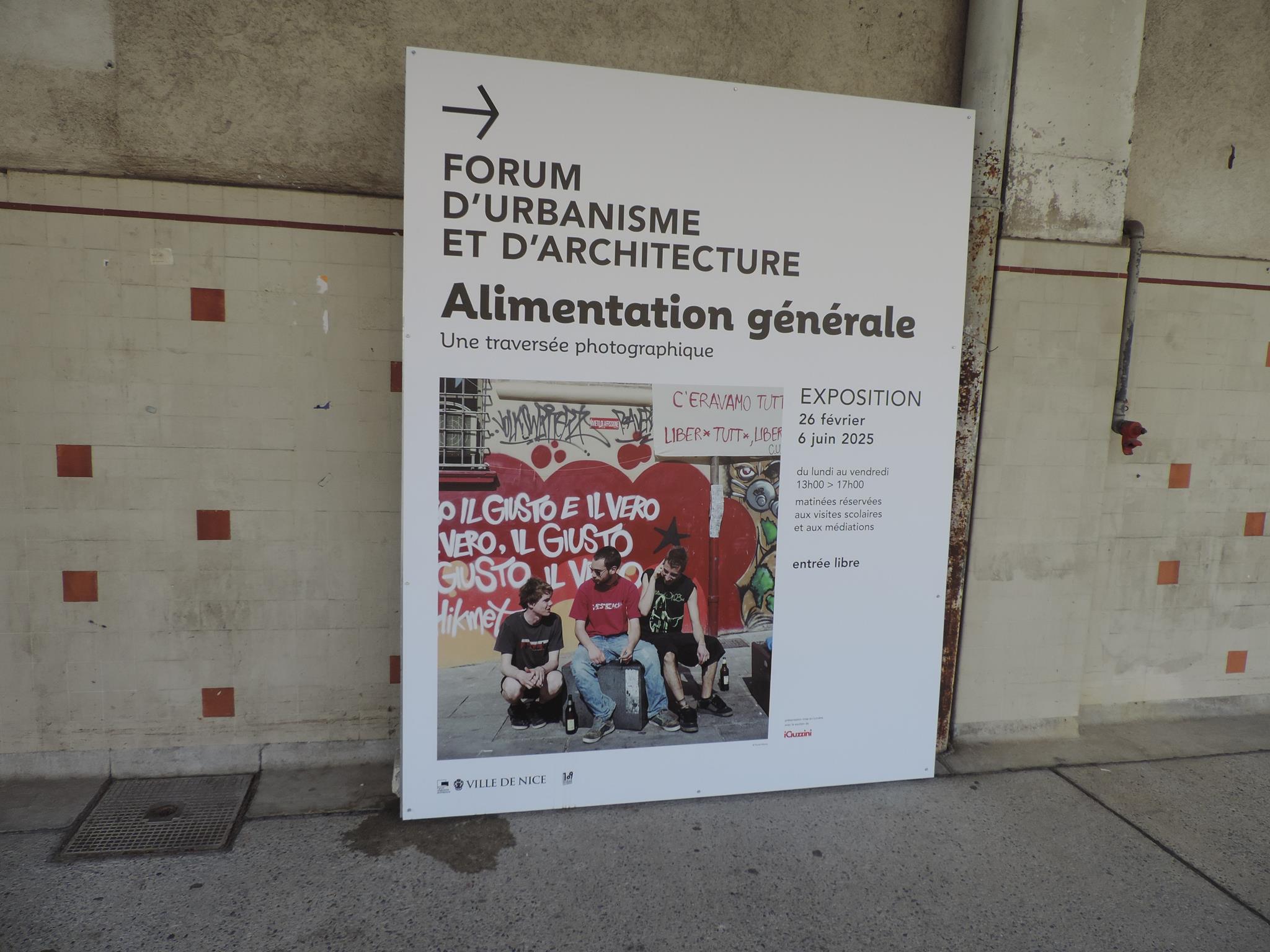
From February 26th to June 6th in 2025 the Forum d’Urbanisme et d’Architecture, located in the creative complex LE 109, is showing an exhibition of photographs by the artist duo ANNE FAVRET and PATRICK MANEZ in some of the rooms of the old industrial complex, in which they deal with the different individualities of urban architecture in various cities around the world.
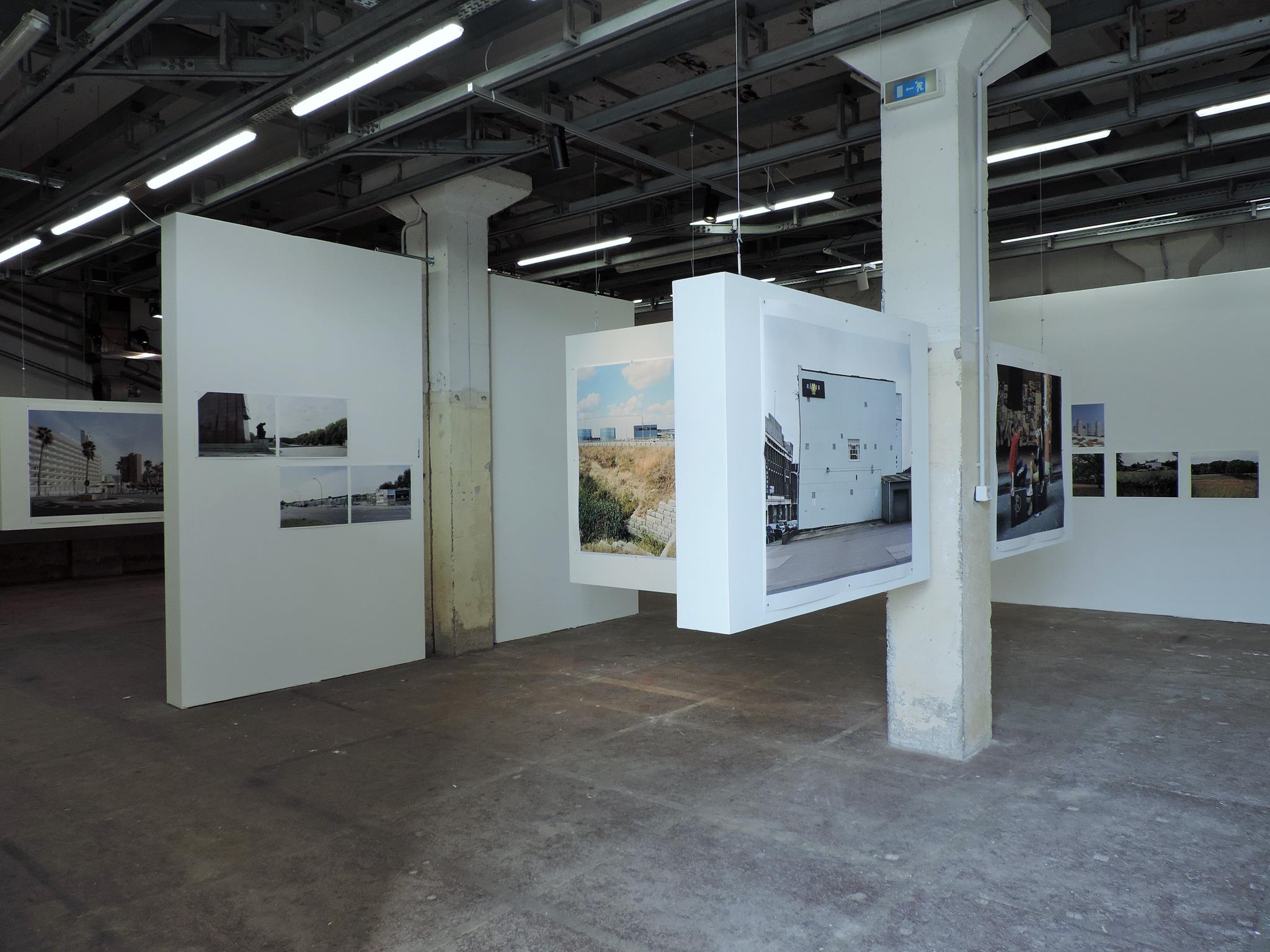
LE 109 about the event: The Forum d’Urbanisme et d’Architecture presents the first exhibition on this scale of the work of Nice-based photographers ANNE FAVRET and PATRICK MANEZ, built around an unprecedented synthesis of fifteen years of portraits of European cities and urban landscapes.
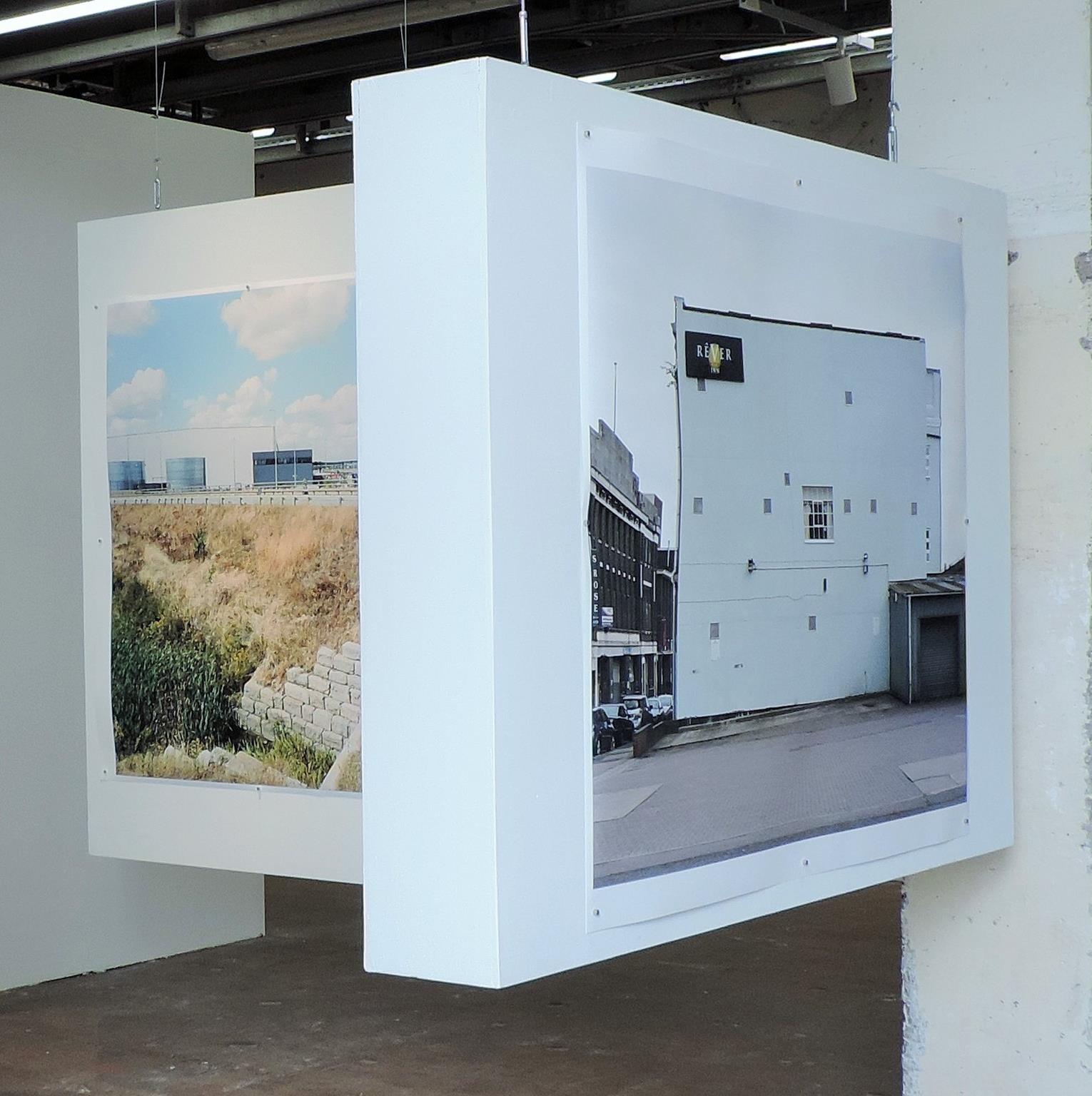
Featuring over one hundred and twenty photographs, the fact that it was created on the initiative of an architecture center places it in an entirely different context from that of a purely „photographic exhibition“. More than just an „object“ on show, this artistic medium is here a vehicle through which to develop an inquisitive and critical look at our European cities, at the ways in which we make them as well as live in them, and which invites us to think about our relationship to architecture and, more broadly, to our man-made environment.
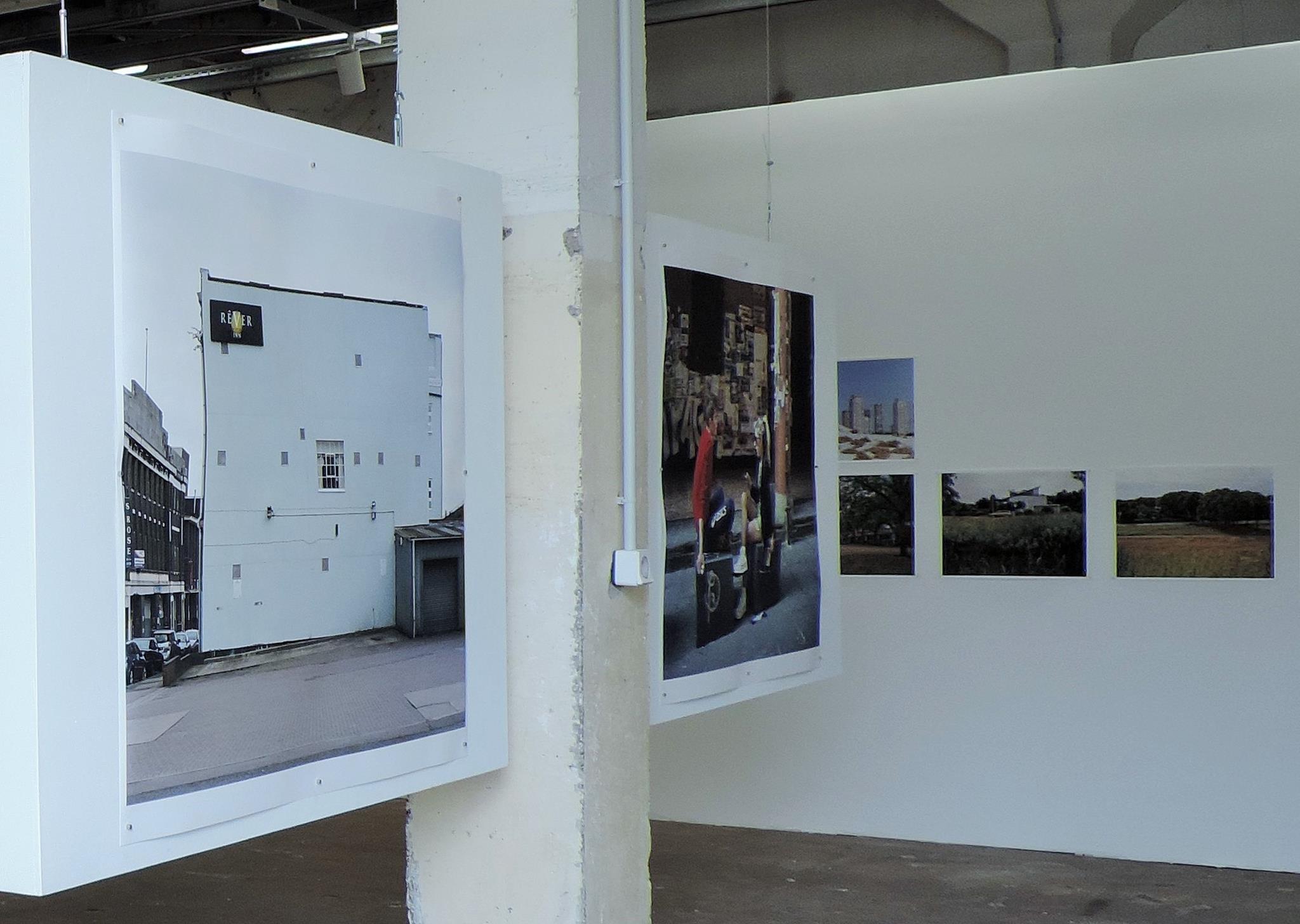
Incidentally, this exhibition also poses a clear question: why (and how) should we show architecture through photography, which – as a technique of representation familiar to us all – helps us to situate ourselves in time and in the world? – LE 109
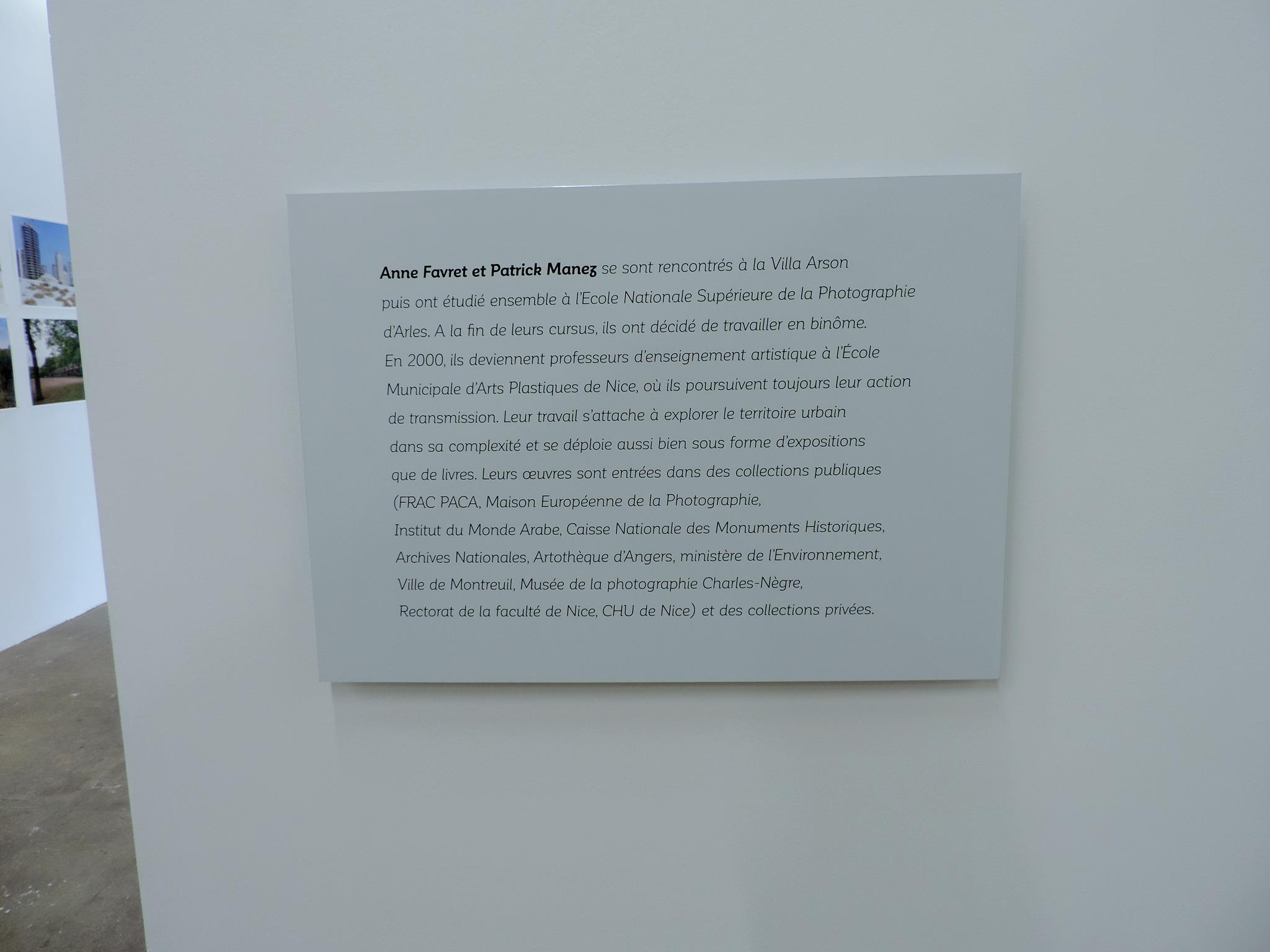
ANNE FAVRET and PATRICK MANEZ met at the Villa Arson and then studied together at the Ecole Nationale Supérieure de la Photographie d’Arles. At the end of their studies, they decided to work in pairs. In 2000, they became art teachers at the École Municipale d’Arts Plastiques de Nice, where they continue to pass on their expertise. Their work explores the complexity of the urban landscape, and takes the form of both exhibitions and books. Their work has entered public collections (FRAC PACA, Maison Européenne de la Photographie, Institut du Monde Arabe, Caisse Nationale des Monuments Historiques, Archives Nationales, Artothèque d’Angers, Ministère de l’Environnement, Ville de Montreuil, Musée de la photographie Charles-Nègre, Rectorat de la faculté de Nice, CHU de Nice) and private collections.
ANNE FAVRET and PATRICK MANEZ about the exhibition: Why (and how) show architecture through photography? We are not the first to ask this question, as there is a long-standing partnership between photography, architecture, and the city. In 1858, a shot by Nadar from a balloon flying over Paris offered the first aerial photograph of an urban space, a representation that had previously been unimagined. As if in echo, a photograph of the construction site of the Cité de la Muette in Drancy in the 1930s framed this, also seen from above, in the wing of a biplane, the American-style metal frame of what were then the first skyscrapers in France appearing visually as an echo of the structure of the plane. The most remarkable thing was elsewhere, however: in the fact that the pilot was none other than one of the two architects of this program, Marcel Lods, who thus held the pencil for the project, the camera for immortalizing it through the image and the joystick – a whole chain going from the production of the architecture itself to its representation (photography) and the construction of a story (the aviator architect).
In the same vein, we did not wait for the advent of photography for images to dramatize architecture, the city, or the landscape. In the 18th century, Piranesi’s engravings of imaginary prisons were so historic that, when he presented his project for Euralille in the 1980s, the architect Rem Koolhaas claimed the term Piranesian space for the great skylight plunging from the surface to the depths of the metro. A century later, it was a romantic representation of architecture offered by Victor Hugo’s washes of medieval castles, which gave his lines the same narrative breath as his words.
The emphasis of forms also functions in the representation of the landscape, for which the 19th century of the Romantics marked a shift between the old fear of nature seen as a sum of hostile elements (the raging sea, the precipices of the mountains) and the new emergence of the idea of ??landscape as an aesthetic construction. It was in 1834 that Viollet-le-Duc (whose appetite for the narrative of architecture in a largely fictional historical novel is well known) ventured into a pictorial theory of the landscape with striking oils of an Etna bordering on geometric abstraction on canvas. Why mention these works when discussing our use of photography to make architecture intelligible to the general public?
In fact, it’s the same thing. Architecture is an experience to be lived; we are surrounded by sensible forms that have been thought out, designed, assembled, and which are therefore an expression of culture. However, we are little aware of this: art, music, literature, cinema can interest everyone (we talk among ourselves about the books we have read or the films we have seen), but architecture (which is nevertheless an experience lived just as collectively) does not have this same presence in people’s minds. Specialists talk about architecture, but the people who live in it do not think about it. 3 This is the paradox of our mission as a place of debate on architecture: to arouse interest in something that is easy not to think about.
I once had a conversation with a prominent architect, who told me that his most direct competition was television (the internet was still in its infancy at the time) and that, to make his buildings visible in the city, he was forced to give them an impact as strong as prime time. Our imperative, as an architecture center, is the same: to generate interest. In fact, like screens, we seek to capture the public’s attention by drawing them into a story to (casually) actually talk to them about architecture. This is not a diversion – there is even a coherence in telling a story to bring people into architecture since it is itself a narrative, in which discovery, astonishment, poetry and aesthetic reflection can intersect. The question is how to go about it.
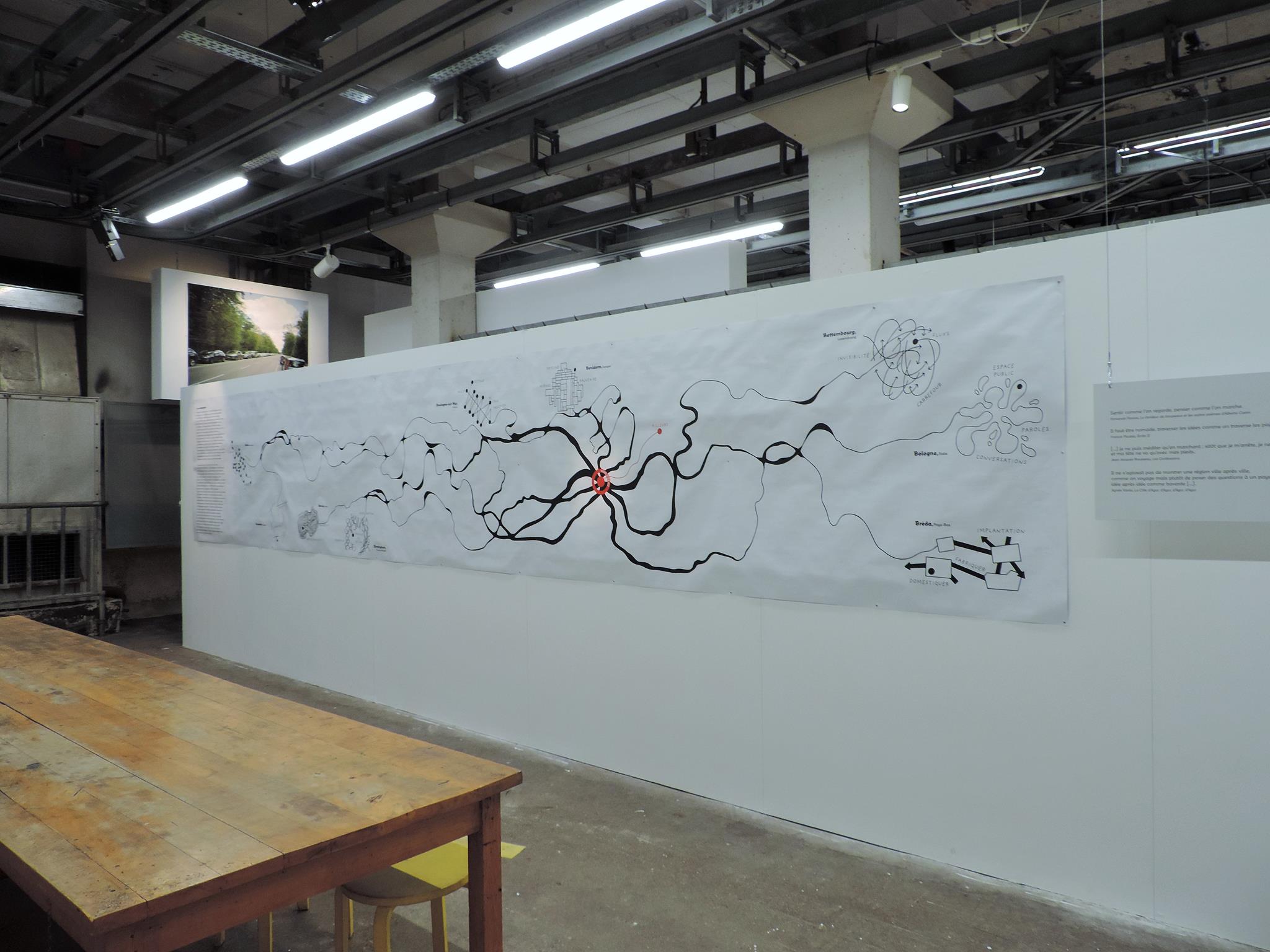
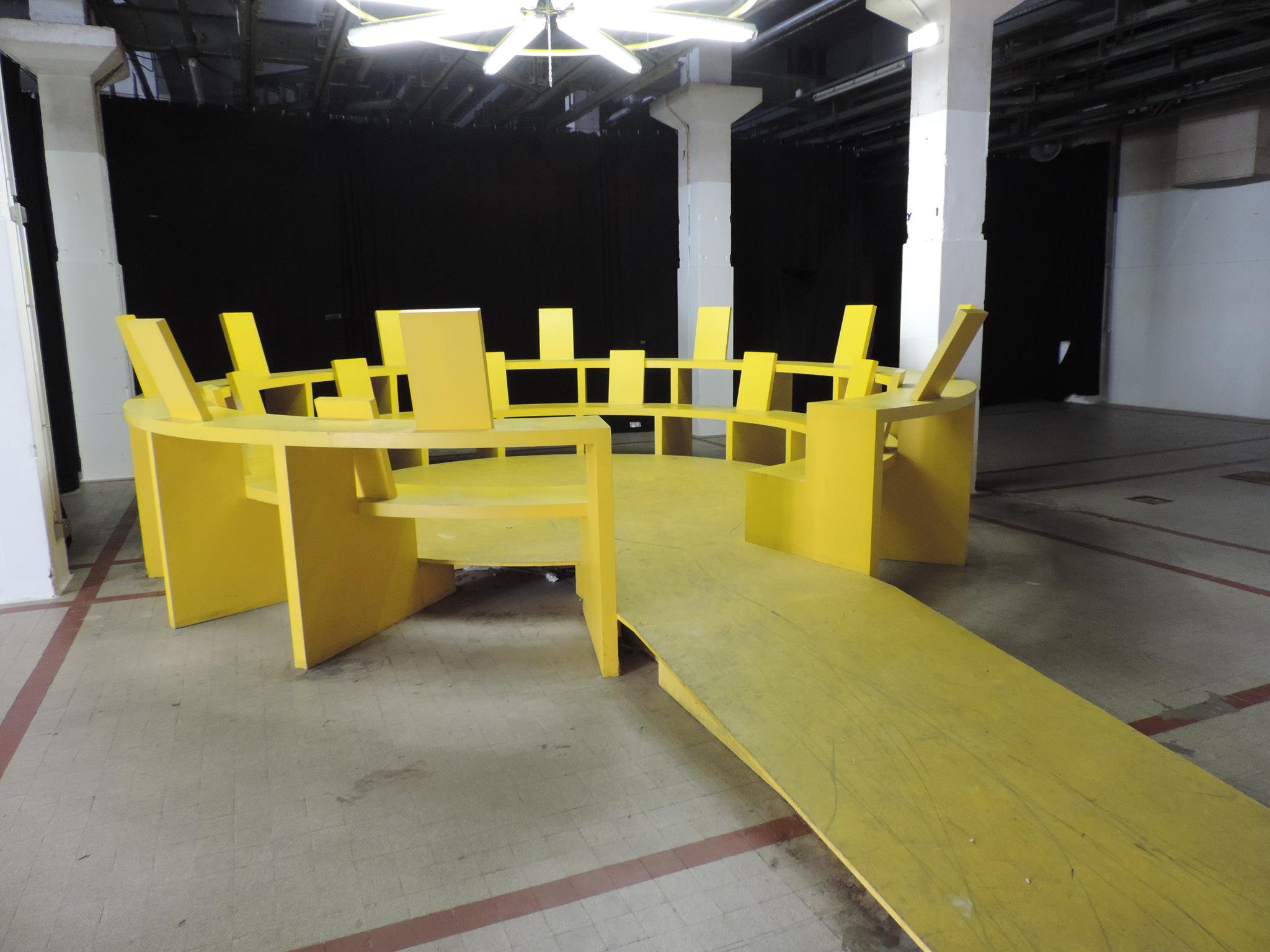
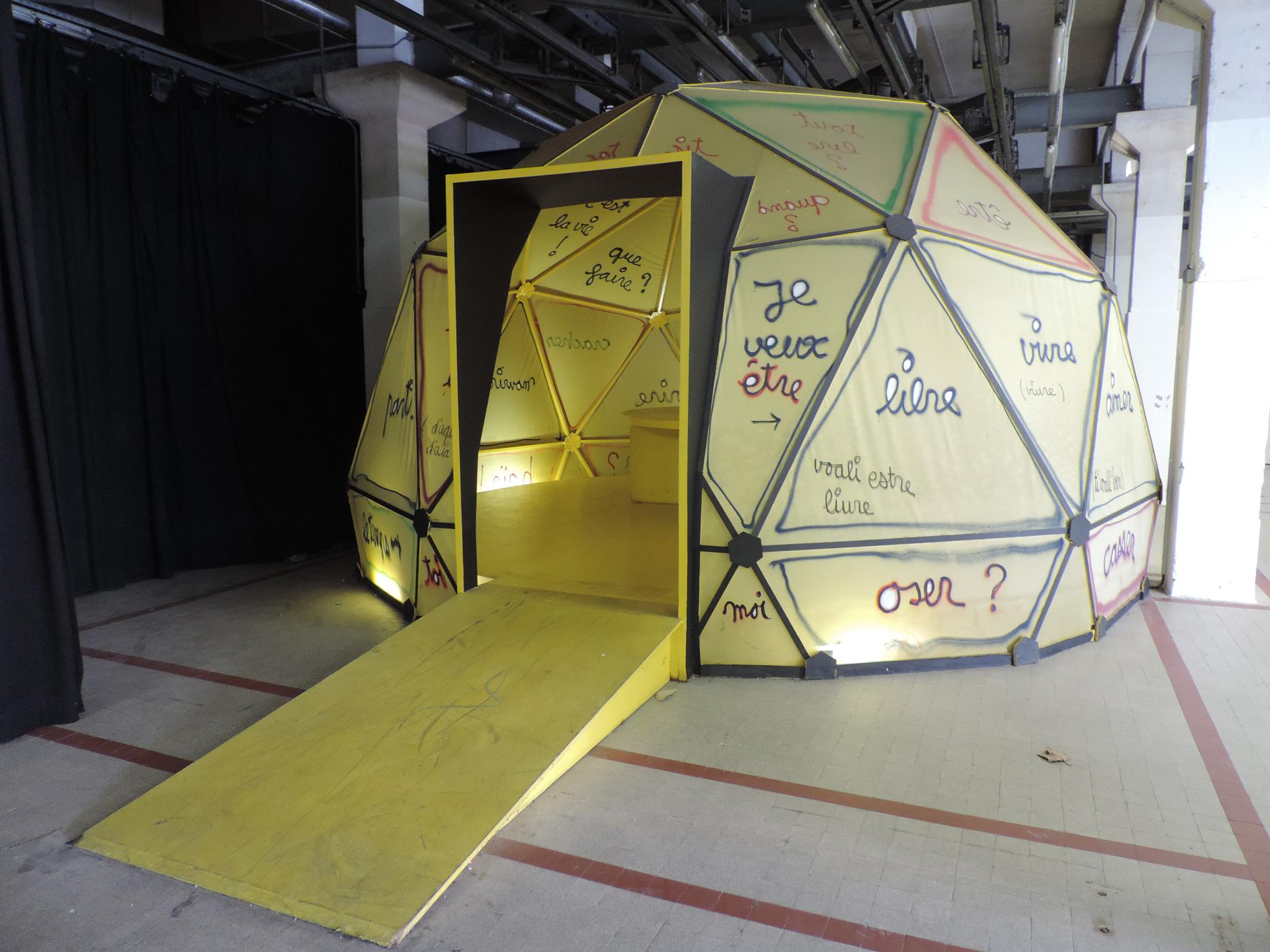
Information Boards
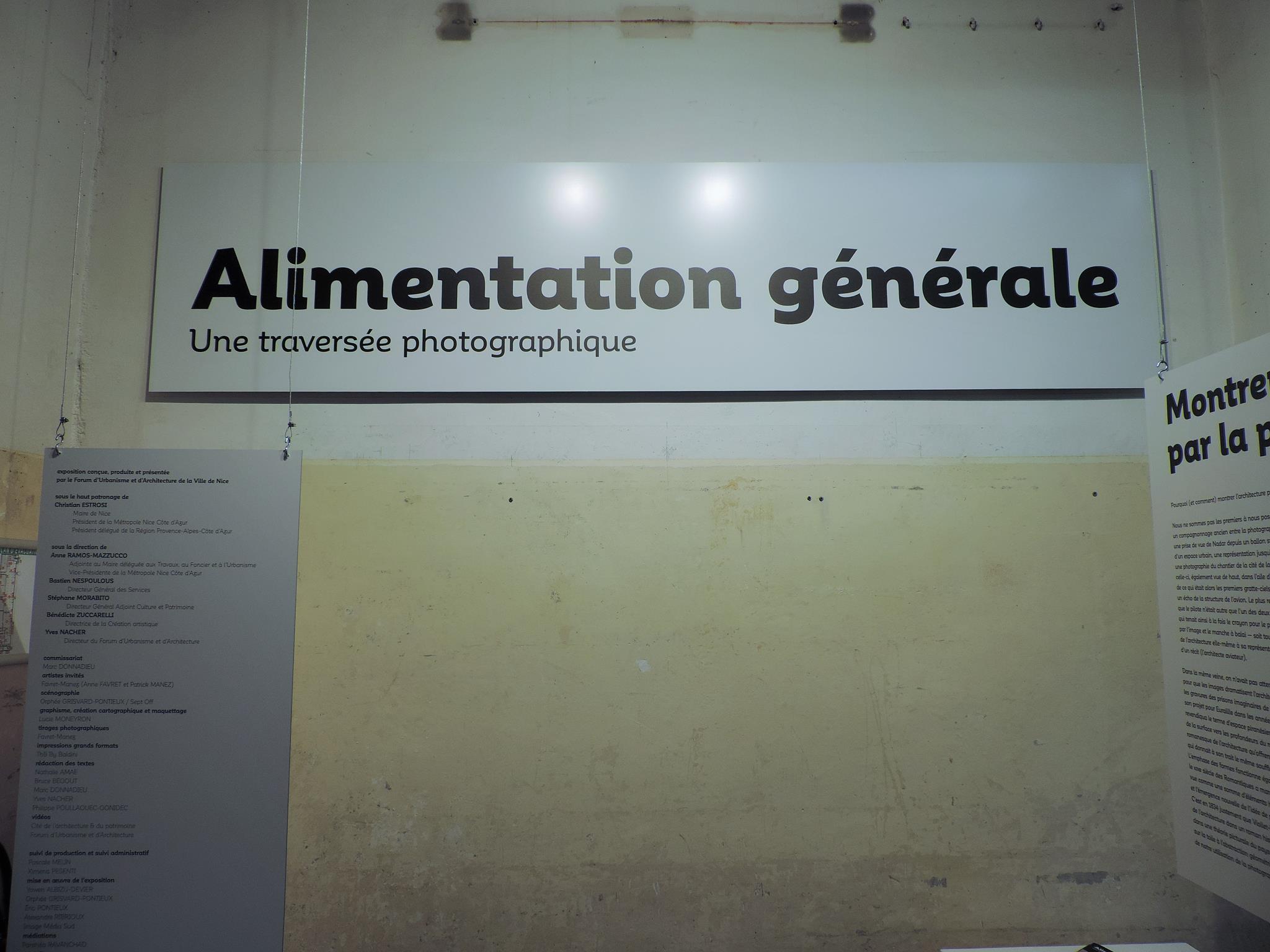
INFOTHEK
 Artist Duo: ANNE FAVRET & PATRICK MANEZ
 Webpage: https://reseau-dda.org/en/artists/anne-favret-patrick-manez
 Instagram: https://www.instagram.com/favretmanez
Exhibition: ALIMENTATION GÉNÉRALE
Event Page: https://le109.nice.fr/programmation/alimentation-generale
Curator: FORUM D’URBANISME ET D’ARCHITECTURE
Web Page: https://le109.nice.fr/structure/forum-d-urbanisme-et-d-architecture
 Le109 – Main Page: https://vagabundler.com/france/streetart-map-nice/le109-archive
Art Space, Culture Center & Graffiti Hall: LE 109
Website: https://le109.nice.fr
 Facebook: https://www.facebook.com/le109nice
Instagram: https://www.instagram.com/le109_officiel
ARTIST INTERVIEWS
>>> OTOM <<<
>>> FABEN <<<
>>> JENNIFER MILLER – PXL <<<
>>> YANNICK DAINELLI <<<
>>> ARTMOR1 <<<
>>> NICOLAS MARVEL <<<
RECOMMENDABLE GRAFFITI SPOTS IN NICE
>>> Le 109 – Creative Wonderland <<<
>>> Mariannes Mural Series <<<
>>> Fuon Santa Graffiti Channel <<<
>>> Bermont & Fils Art Space <<<
>>> Regards – Portrait Tunnel <<<
>>> XVème Corps Graffiti Hall <<<
>>> Ocean Electricity Series <<<
>>> Tour de France & OGC Tribute <<<
>>> Abandoned Health Center <<<
>>> Garnison Ruins – Urbex Graffiti <<<
>>> Carros 14ème Graffiti Canal <<<
>>> Les Puces – Urban Art Space <<<
>>> Village Ségurane – Urban Art Space <<<
>>> Necropolis Graffiti Canal <<<
>>> Saint Charles Graffiti Wall <<<
>>> Abattoirs Riverbed Hall <<<
>>> Sticker Collection <<<
MORE ARTICLES ABOUT FRANCE
>>> Streetart Map Paris <<<
>>> Streetart Map Toulouse <<<
>>> Spot 13 – Paris Graffiti Hall <<<
>>> International Jam <<<
>>> Geraud Delteil – Spray Portraits <<<
>>> Milau K. Lutumba aka Delutu <<<
>>> The Eiffel Tower <<<
>>> MAUSA Vauban <<<
>>> Le Gurp – Bunker Graffiti <<<
>>> Rennes – Graffiti & Streetart <<<
>>> Streetart Fort-de-France – Martinique <<<
>>> Strasbourg – Graffiti & Streetart <<<
>>> Strasbourg – Stencil Collection <<<
>>> Bordeaux – Graffiti & Streetart <<<
>>> Montpellier – Graffiti & Streetart <<<
>>> Montpellier – Street Life <<<
>>> Cap Ferret – Graffiti & Streetart <<<
>>> Streetart Paris Central <<<
>>> Paris – Exquisit Car Parade <<<
>>> Paris – Monuments Visit <<<
>>> Les Orres – Hautes-Alpes <<<
>>> Les Sybelles – Snow Smurfs <<<