Kampus Univerziteta u Sarajevu
The Kampus Univerziteta u Sarajevu, or in English „University of Sarajevo Campus“, is the academic heart of the largest and oldest university in Bosnia and Herzegovina. Covering approximately 33 hectares, the campus is located in the Novo Sarajevo district on the grounds of the former „Maršal Tito“ military barracks and is one of the largest university campuses in the Western Balkans. Today it combines education, scientific research, culture and student life in one location while symbolizing Sarajevo’s remarkable transformation from a military stronghold into an open European university city.
The history of the site dates back to 1878, when Bosnia and Herzegovina came under Austro-Hungarian administration. During the following decades, barracks, military headquarters and training facilities were constructed on the site as part of the new imperial military infrastructure. After the collapse of the Austro-Hungarian Empire, the complex continued to serve military purposes under the Kingdom of Yugoslavia and later the Yugoslav People’s Army (JNA).
During the Bosnian War (1992–1995), the area again became strategically important and was subsequently used for a period by international peacekeeping forces. In 2006, the military officially transferred the property to the City of Sarajevo and the University of Sarajevo, opening a completely new chapter in its history. Since then, the former barracks have gradually been transformed into a modern university campus, representing one of Southeast Europe’s most significant examples of converting military infrastructure into an educational and research center.
The University of Sarajevo (Univerzitet u Sarajevu – UNSA) was officially founded on 2nd December 1949 and has since developed into the country’s leading institution of higher education. Although higher learning in Sarajevo dates back centuries through Ottoman and Austro-Hungarian educational institutions, the establishment of the modern university after the Second World War marked the beginning of Bosnia and Herzegovina’s largest academic institution.
Today the university consists of 22 faculties, three academies of arts, five research institutes, numerous specialized centers and support facilities. It offers more than 550 study programs, including 185 master’s and 93 doctoral programs, covering virtually every academic discipline, from medicine, engineering, natural sciences and information technology to architecture, economics, law, humanities, social sciences and the performing and visual arts.
With more than 22,000 students and over 2,000 academic and administrative staff, the University of Sarajevo remains by far the largest university in Bosnia and Herzegovina. Thousands of students graduate every year, and in the 2024/2025 academic year alone, 3,547 graduates completed their degrees while 207 academic awards were presented for outstanding achievements. Since its establishment in 1949, well over 120,000 students have earned university degrees at Sarajevo, making the institution one of the principal educational and scientific centers of Southeast Europe.
Research has become one of the university’s defining characteristics. Scholars from the University of Sarajevo conduct research in medicine, biotechnology, engineering, environmental sciences, artificial intelligence, computer science, archaeology, history, economics, law, social sciences and peace studies.
Every year the university participates in more than 600 national and international research and development projects and maintains academic partnerships with universities in over 40 countries. More than 160 bilateral cooperation agreements and over 200 Erasmus+ partnerships provide extensive opportunities for student and staff mobility, joint research projects and academic exchange.
Internationalization has become one of the university’s strategic priorities. The University of Sarajevo holds the Erasmus Charter for Higher Education and is a member of EUPeace (European University for Peace, Justice and Inclusive Societies), a European university alliance bringing together institutions from Germany, France, Italy, Spain, the Czech Republic, Türkiye and Bosnia and Herzegovina.
Through this network, students and researchers collaborate on innovative teaching methods, interdisciplinary research and projects focusing on democracy, human rights, peacebuilding, social inclusion and sustainable development. Given Sarajevo’s own complex history, these themes have particular significance for the university’s academic mission.
The campus itself has become much more than a collection of university buildings. Historic military structures have been carefully restored and integrated with modern lecture halls, laboratories, libraries, research centers, student facilities and green public spaces.
The long-term development plan aims to relocate many university departments that are still dispersed throughout Sarajevo onto a single integrated campus, encouraging interdisciplinary cooperation while improving accessibility for students and researchers. Once completed, the campus will rank among the most comprehensive university complexes in Southeast Europe.
The University of Sarajevo also plays a central role in the cultural life of the Bosnian capital. Throughout the year, the campus hosts exhibitions, concerts, theatre performances, film screenings, literary events and public lectures. Students from the Academy of Fine Arts, the Academy of Music and the Academy of Performing Arts regularly present their work to the public, while internationally renowned scholars, artists and guest lecturers contribute to an active intellectual environment. The campus has therefore become not only a place of education but also one of Sarajevo’s most vibrant cultural venues.
Among the university’s best-known annual events is the UNSA Study Expo, the largest scholarship and international education fair in Bosnia and Herzegovina. Universities, embassies, educational organizations and international institutions present study opportunities, scholarships and exchange programs to thousands of prospective students.
Another important event is the International Staff Training Week, which welcomes university professionals from across Europe to discuss higher education policy, digital transformation, international cooperation and Erasmus+ initiatives. Throughout the year, the university also organizes numerous international conferences covering topics such as architecture, engineering, medicine, climate change, multilingualism, European integration, cultural heritage and peacebuilding, reinforcing its position as one of the leading academic meeting places in the Western Balkans.
The redevelopment of the campus has received international recognition from the very beginning. Its comprehensive urban master plan was honored with the prestigious Campus Planning Award in 2004 in Boston and has since been regarded as an exemplary model for transforming former military installations into modern educational environments. Development continues in carefully planned phases, combining the preservation of historic Austro-Hungarian military architecture with contemporary university facilities designed to meet international academic standards.
Today, the Kampus Univerziteta u Sarajevu represents far more than the physical center of Bosnia and Herzegovina’s largest university. It stands as a symbol of Sarajevo’s resilience, reconstruction and commitment to education, scientific excellence and international cooperation. Where soldiers once trained, thousands of students from Bosnia and Herzegovina and around the world now pursue knowledge, conduct research and exchange ideas.
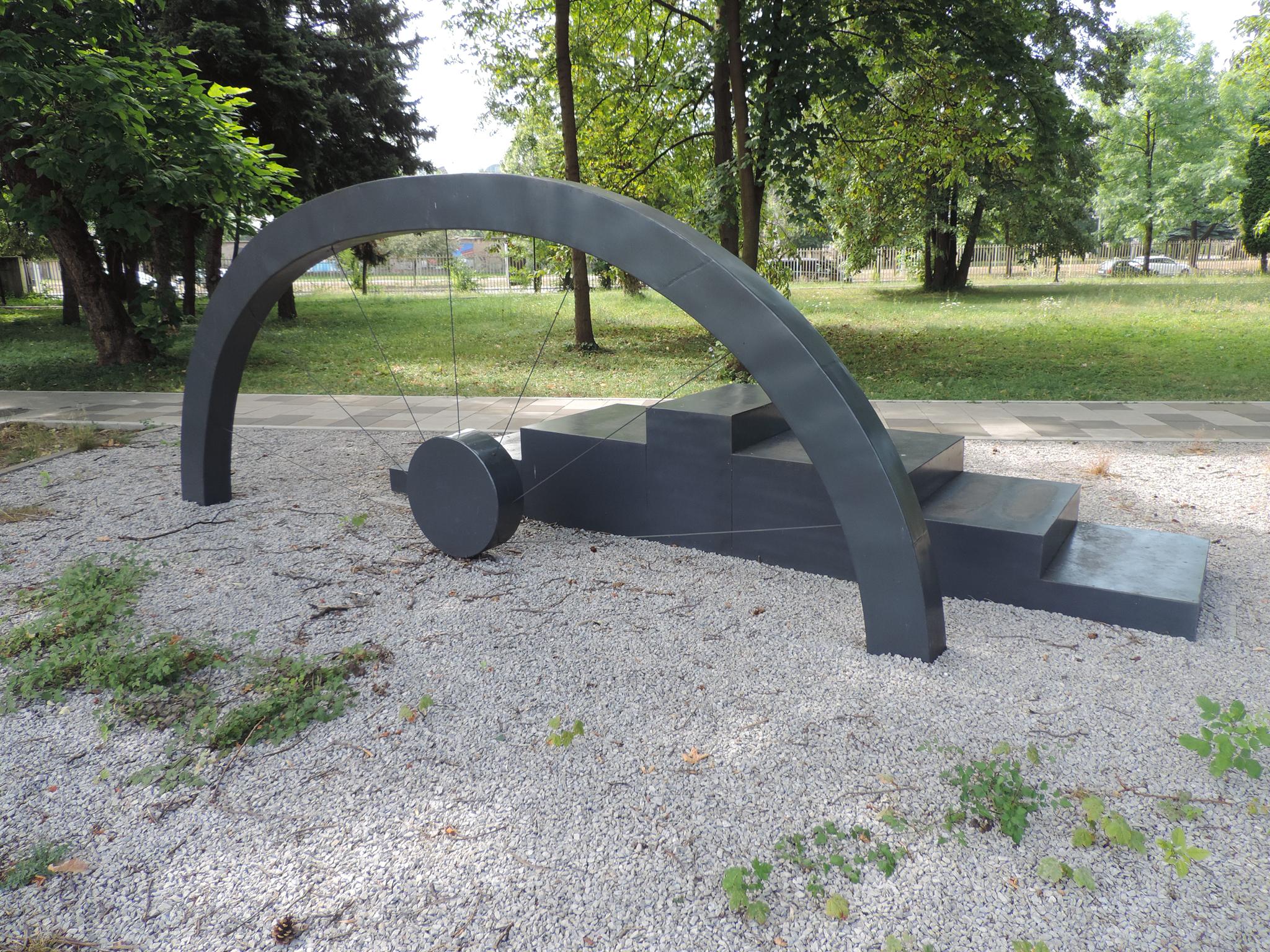
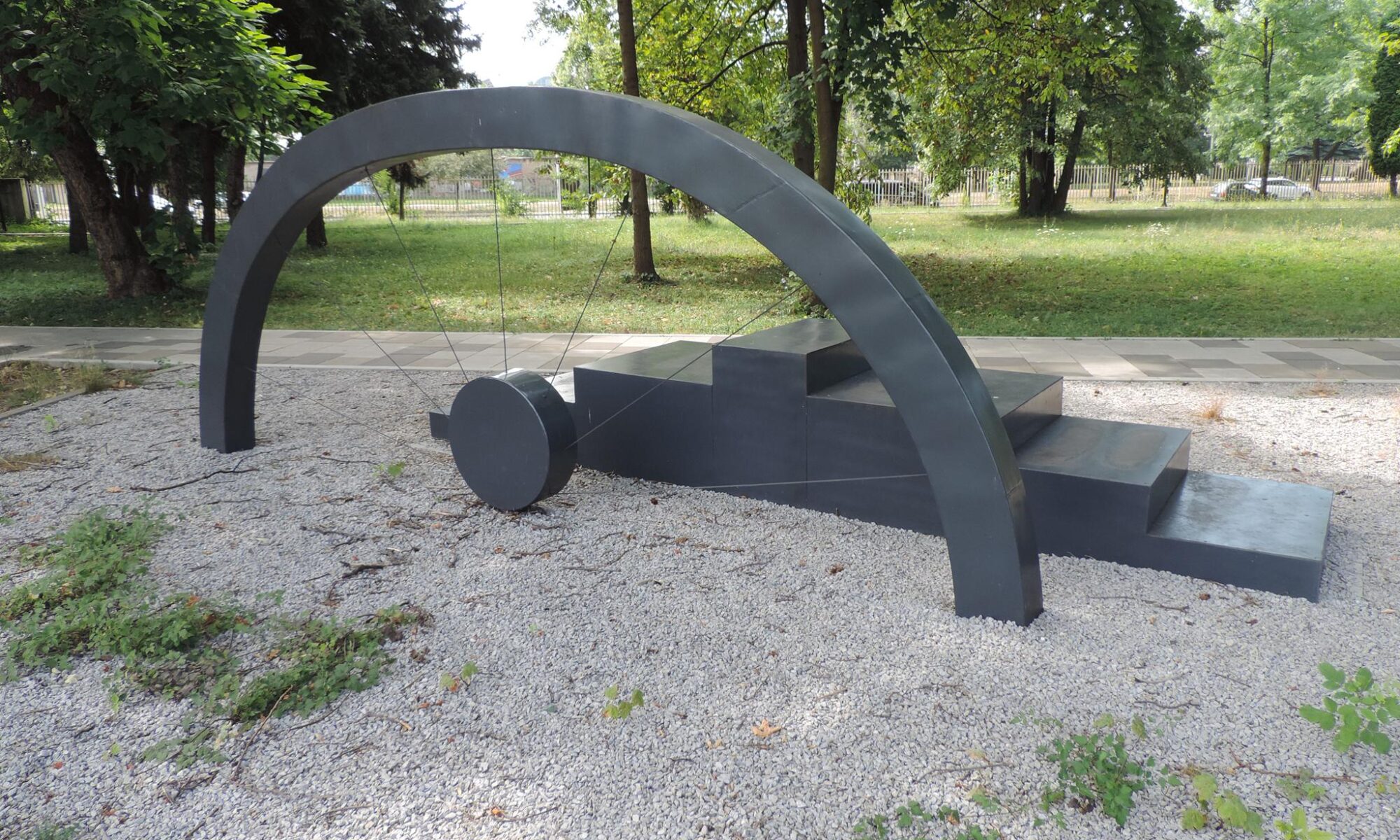
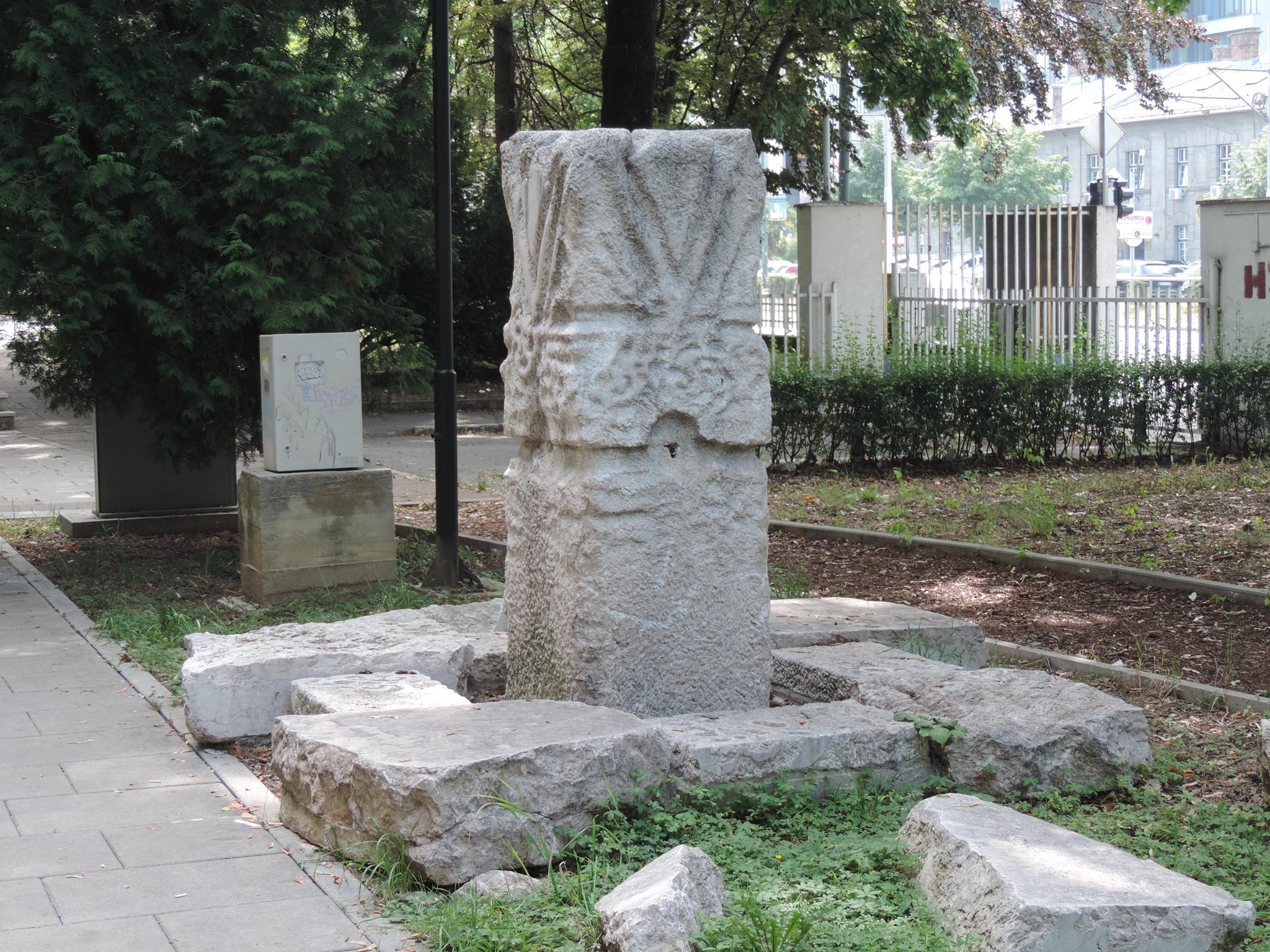
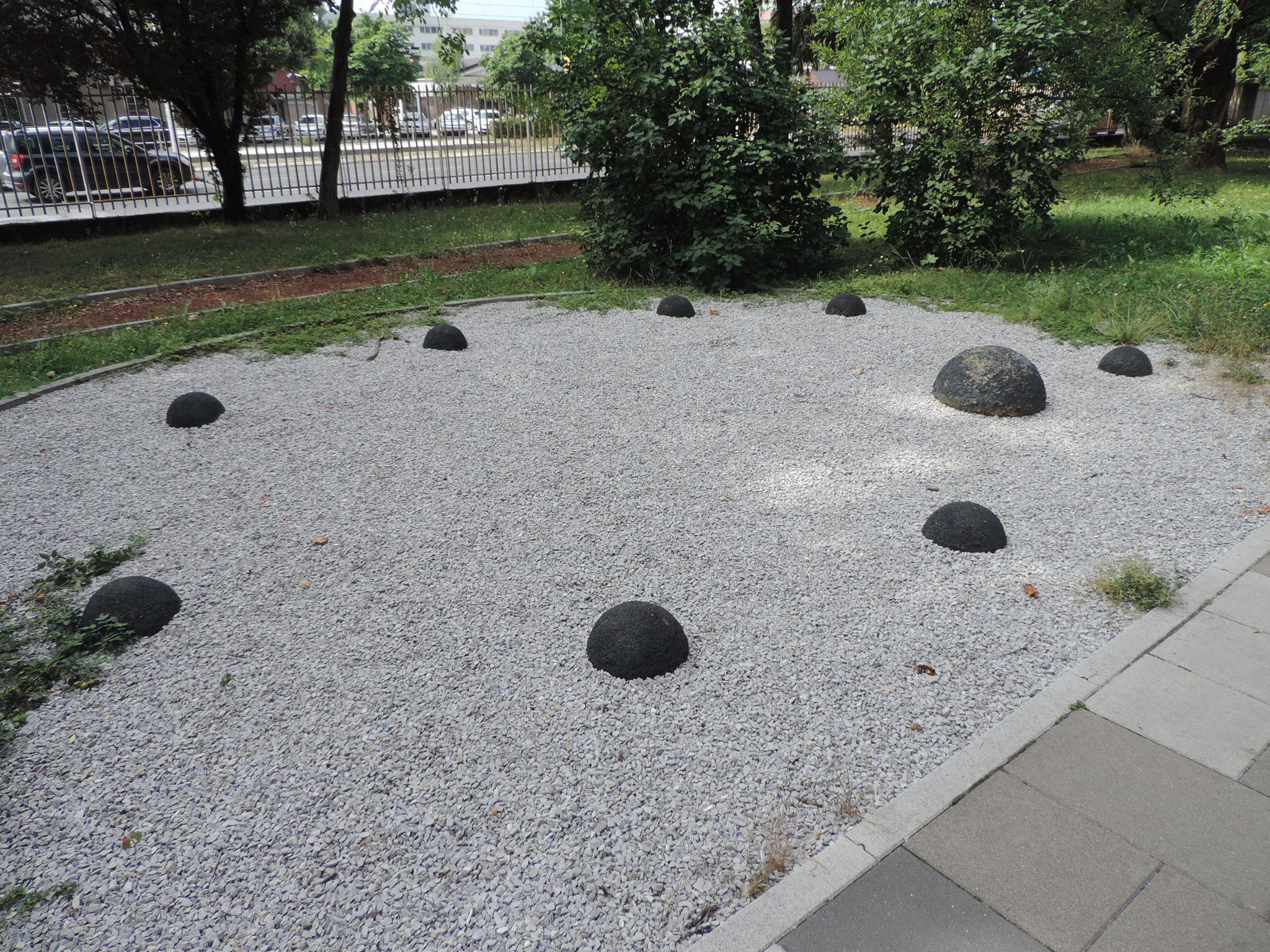
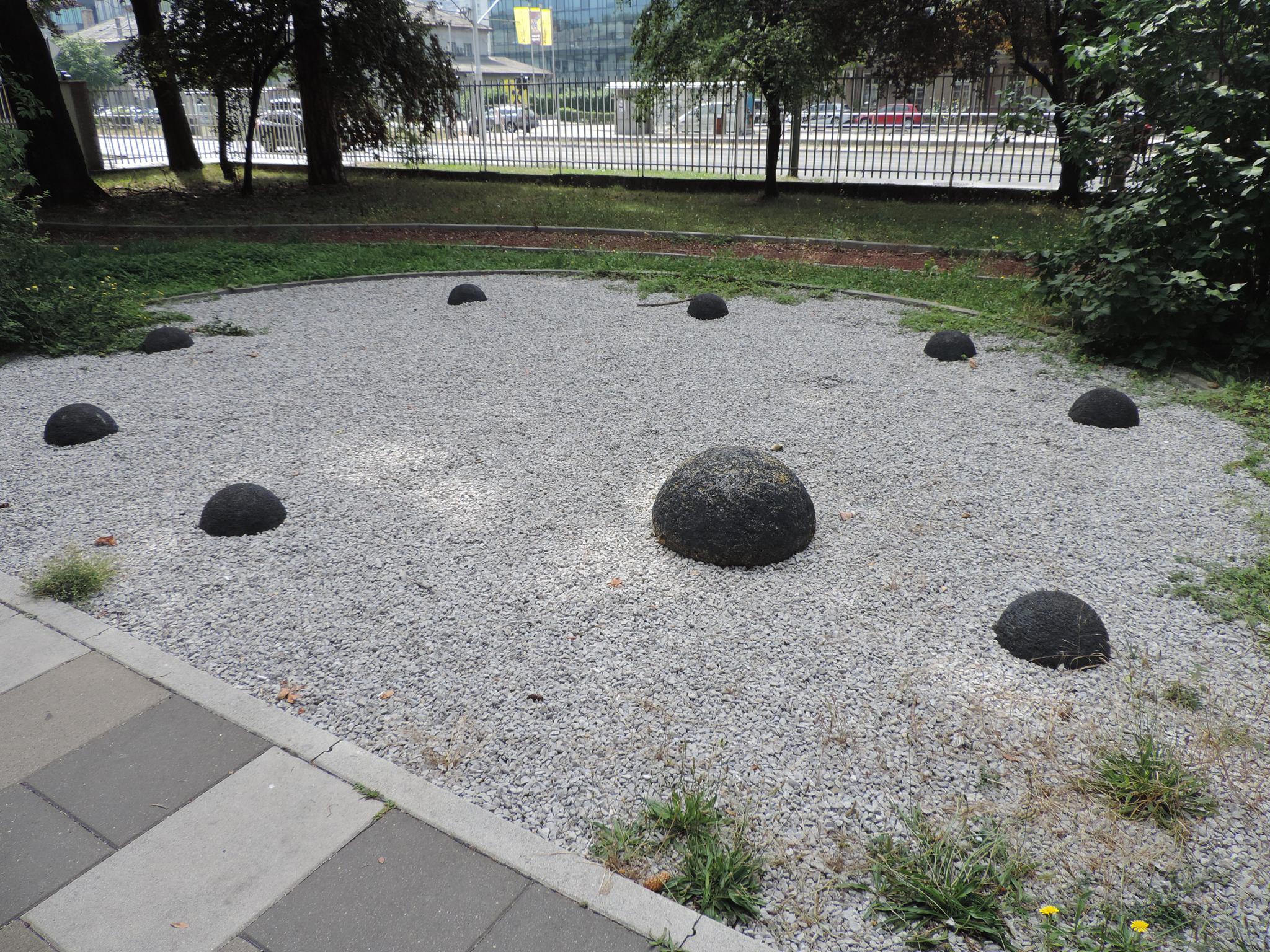
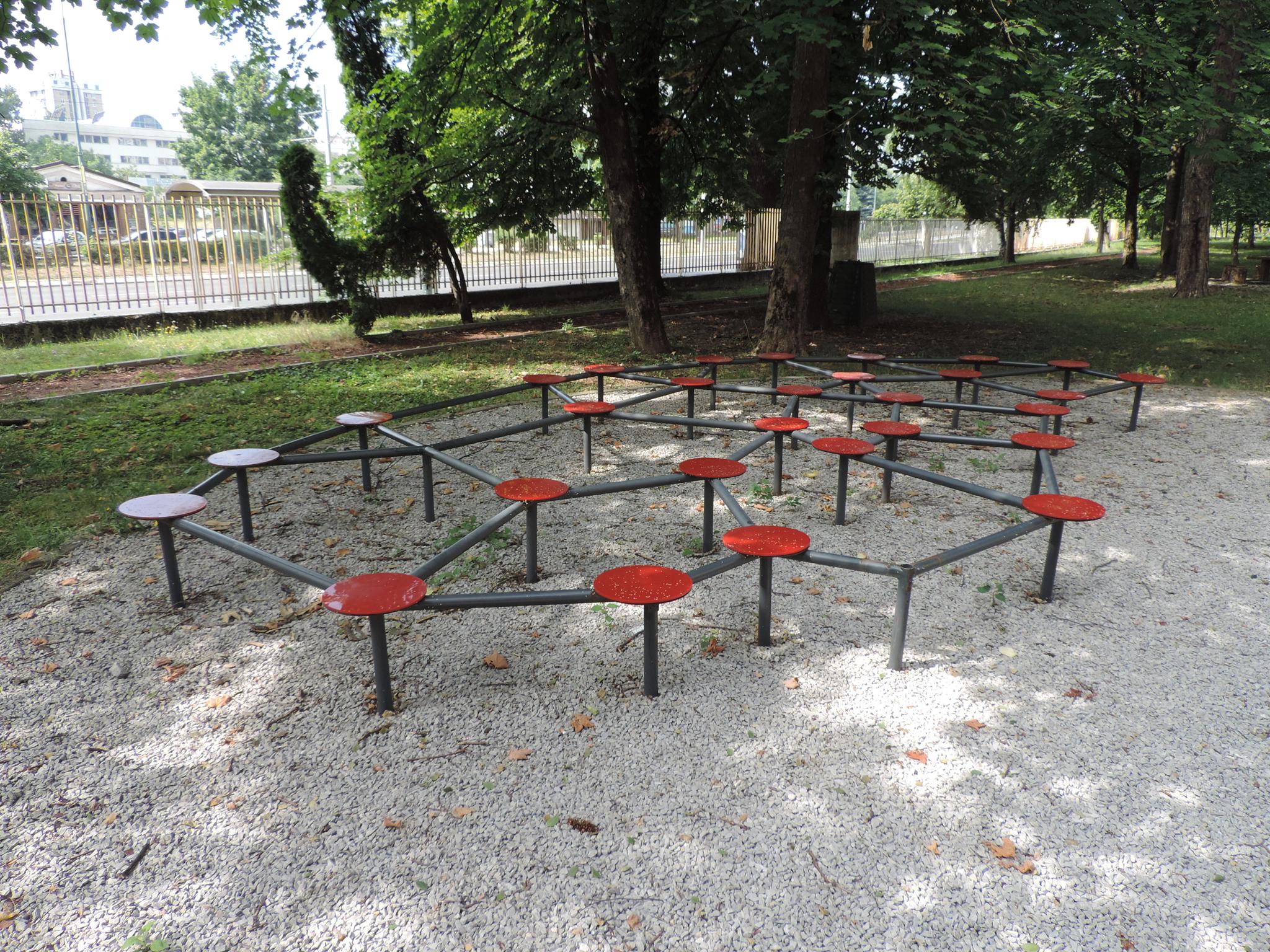
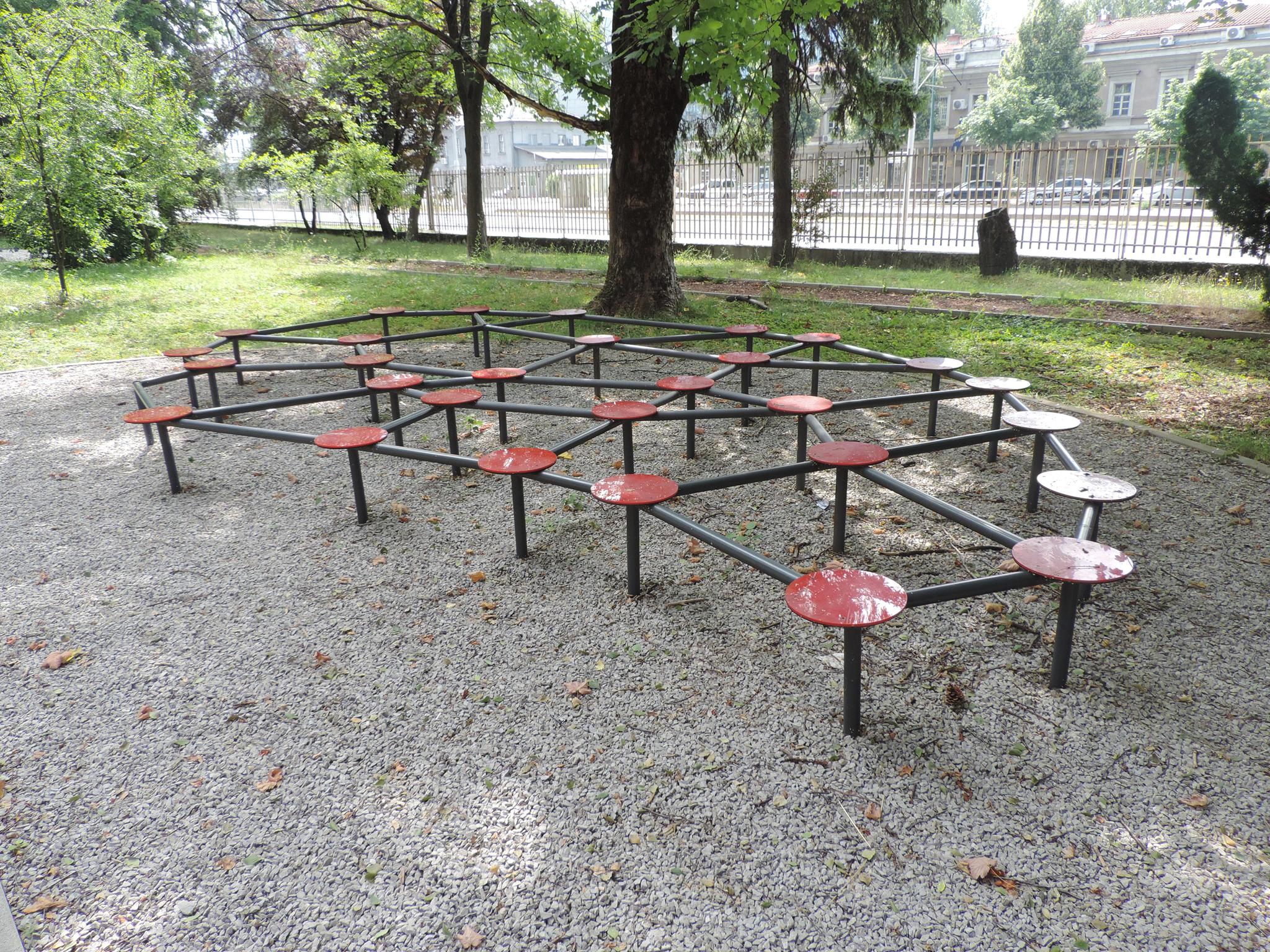
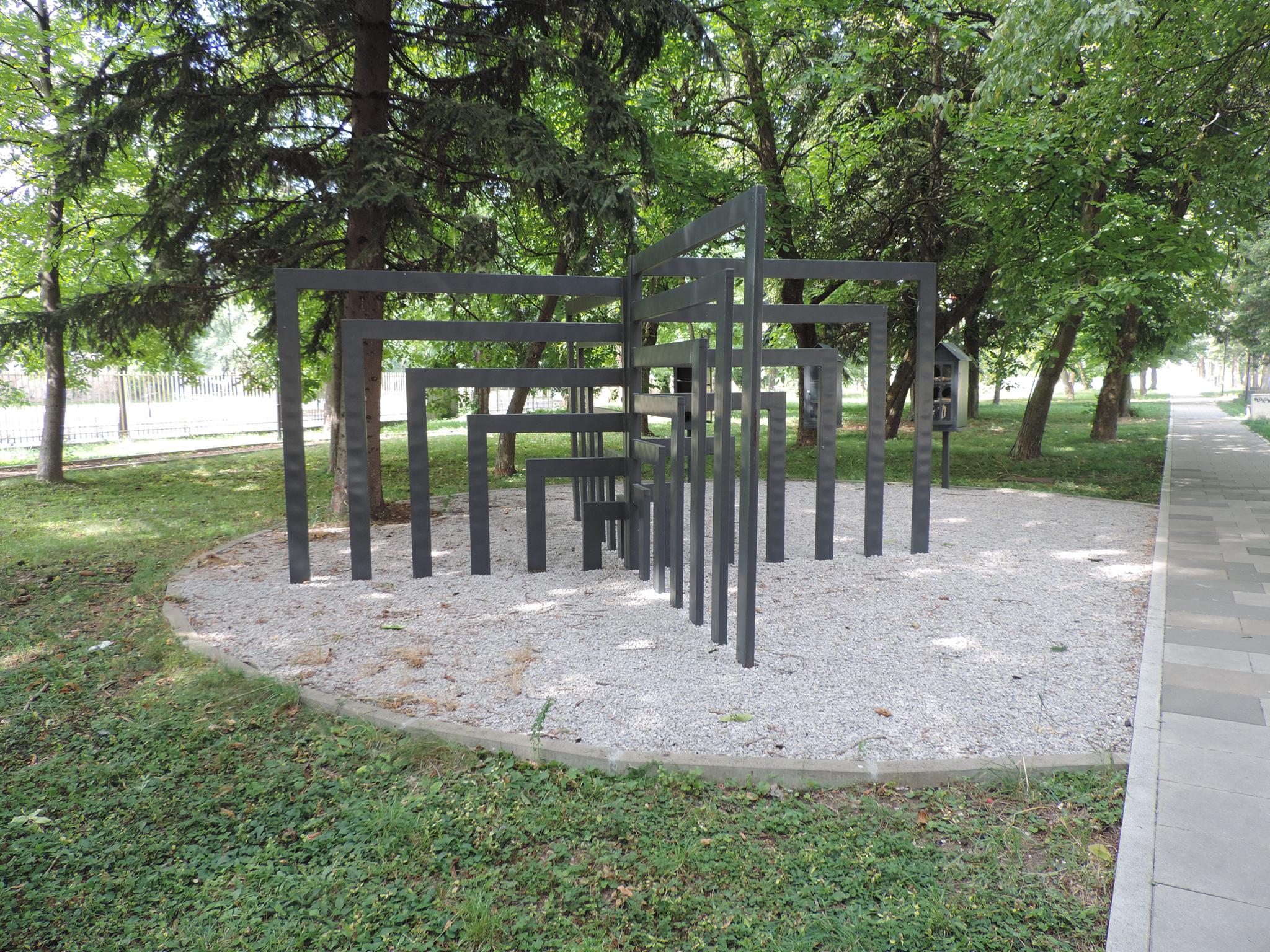
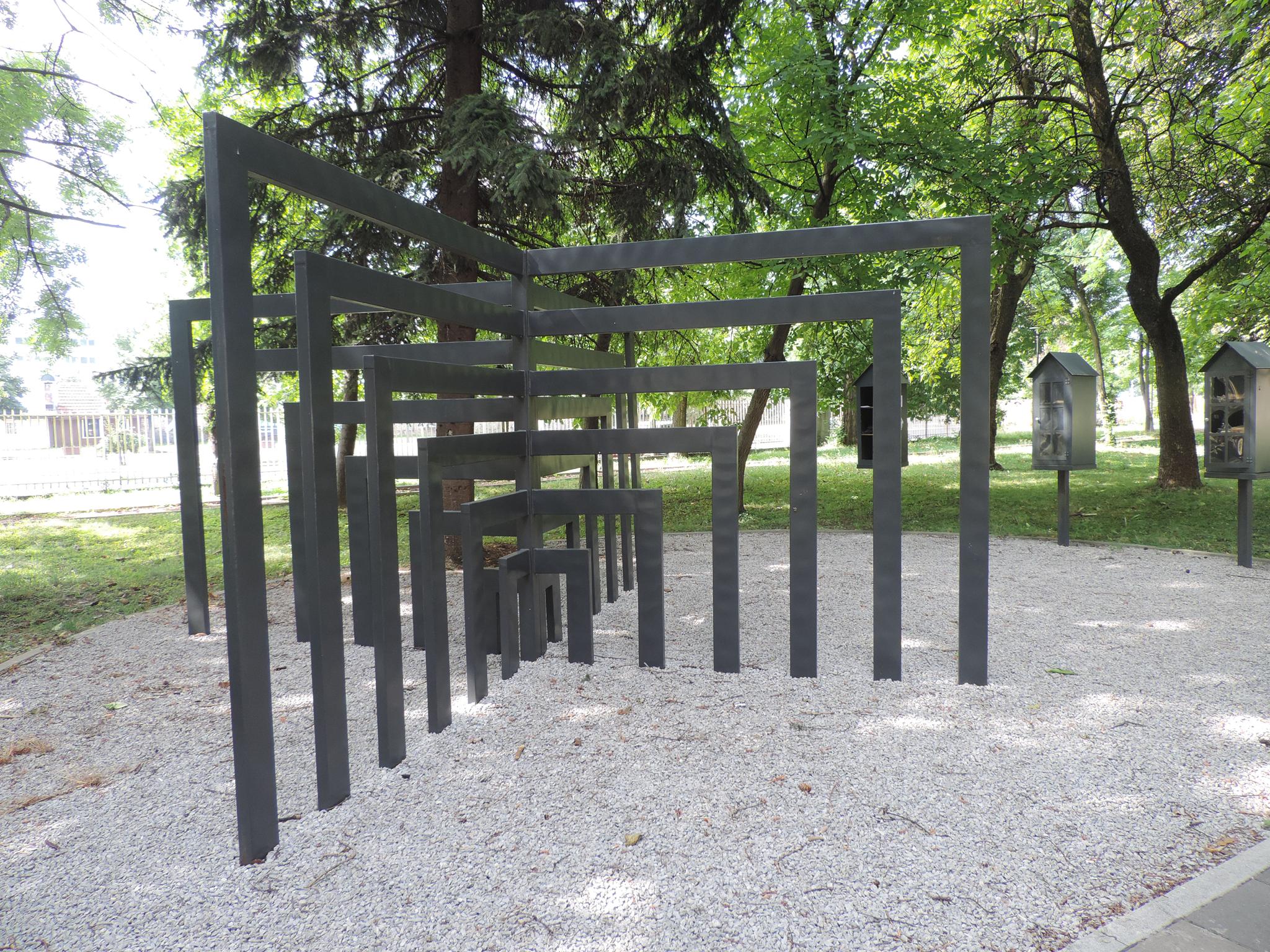
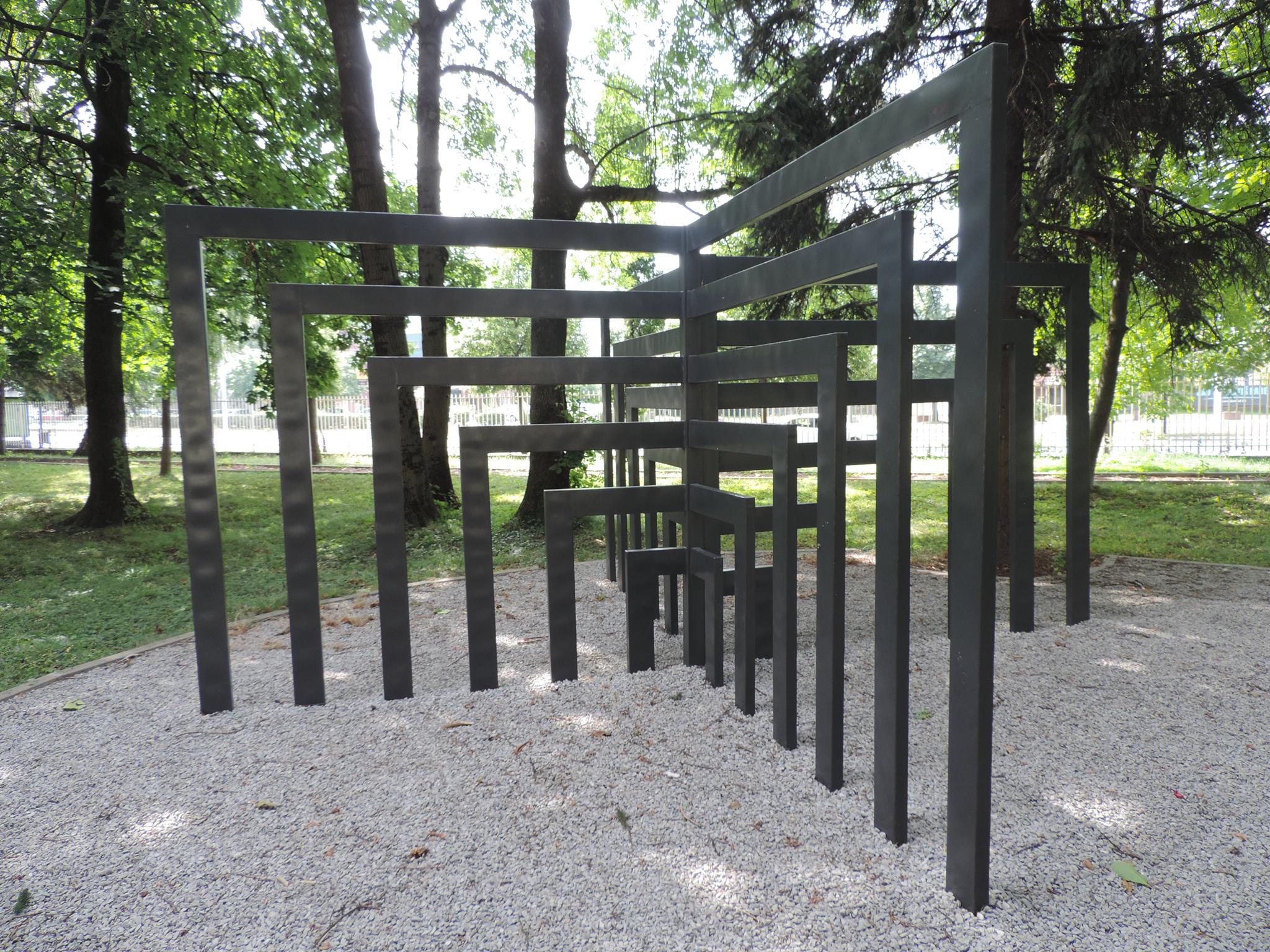
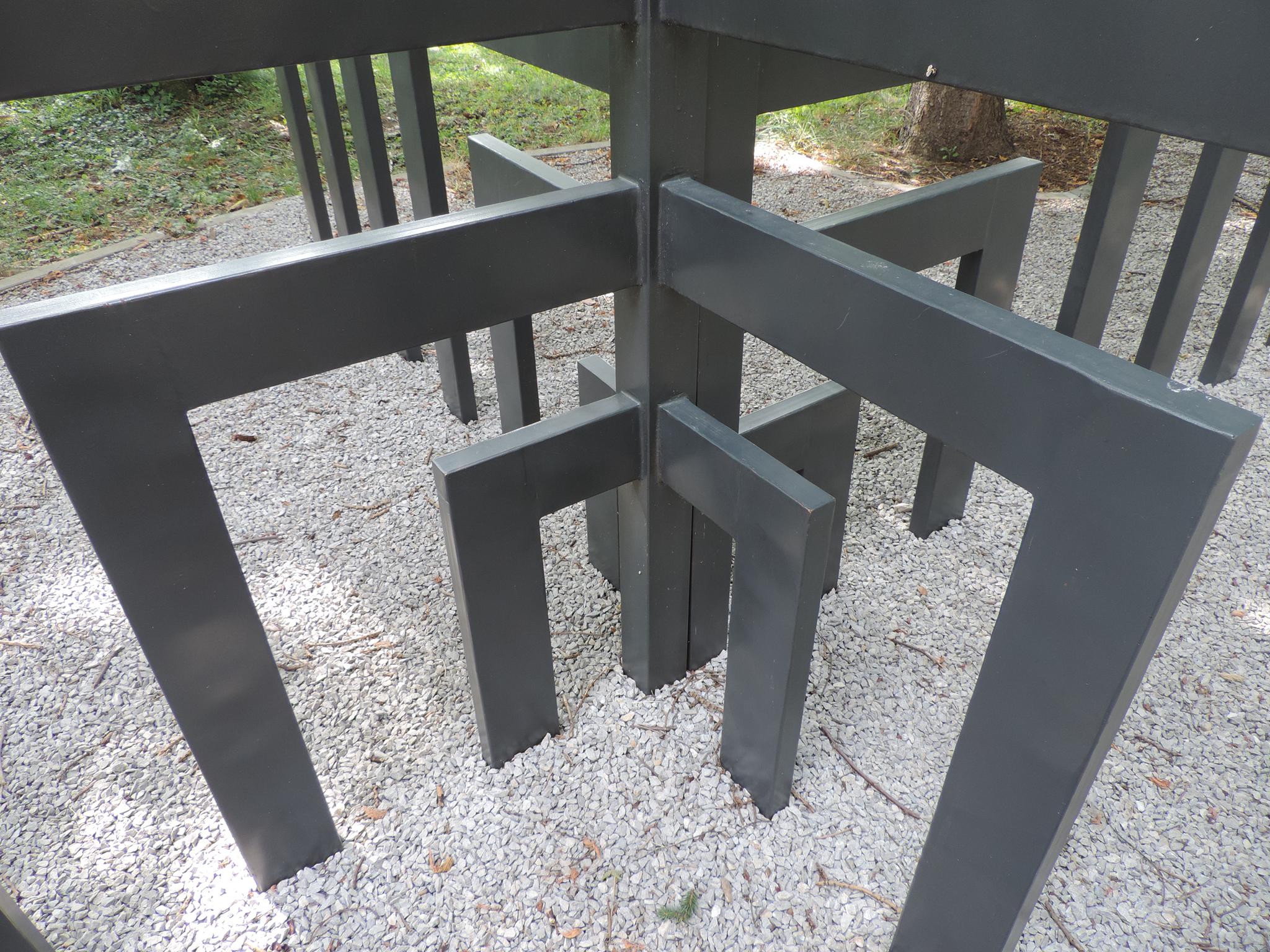
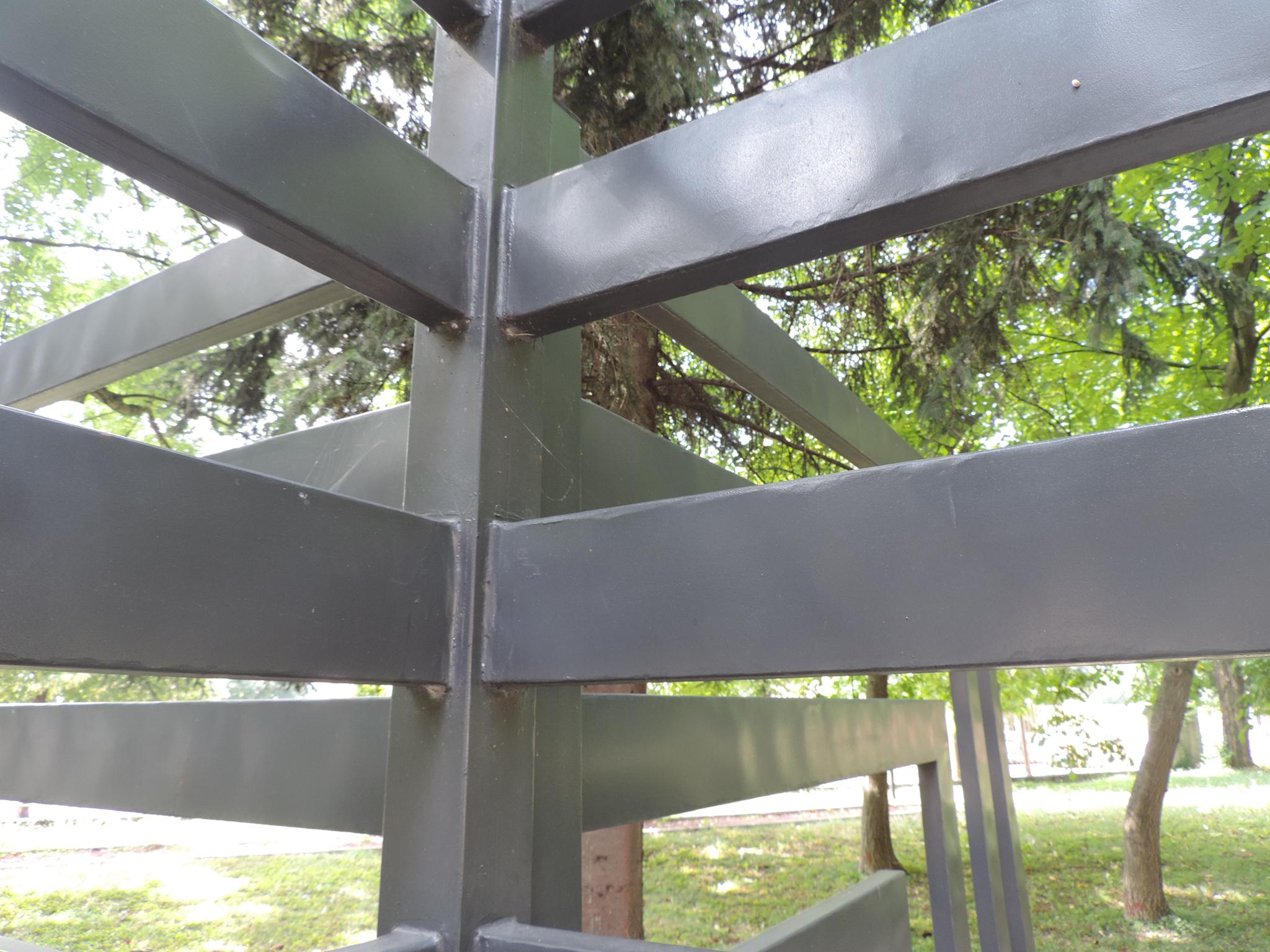
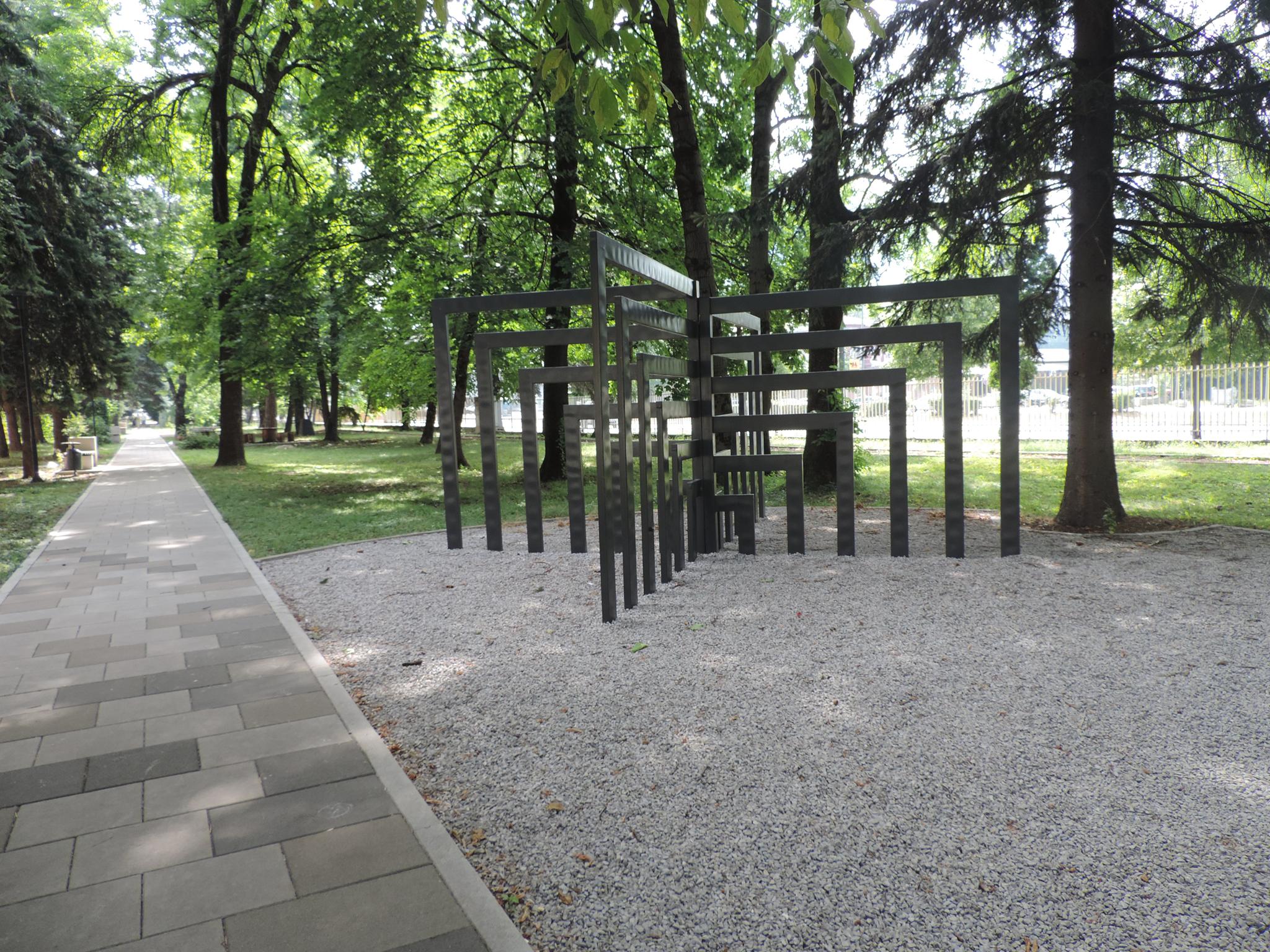
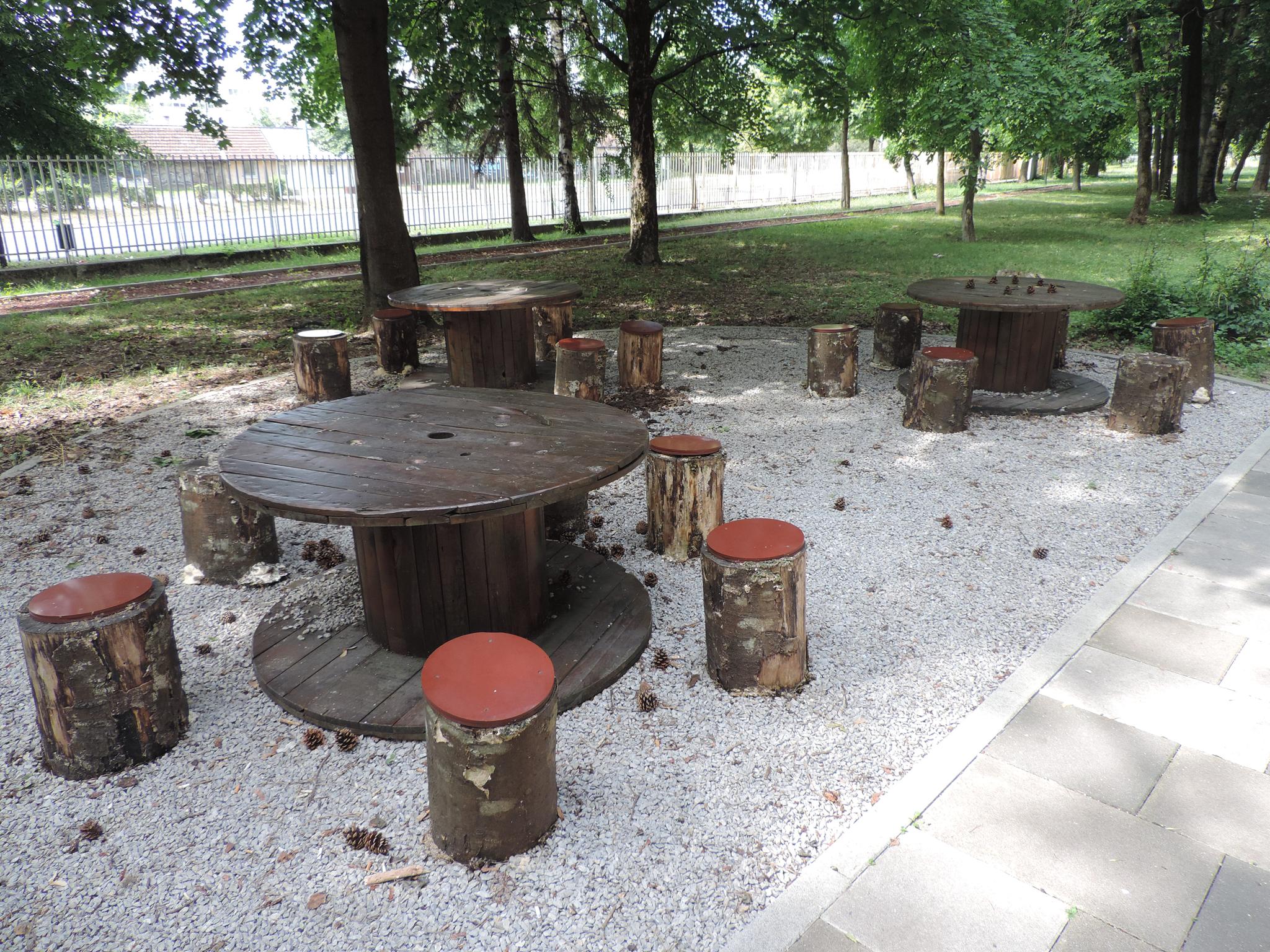
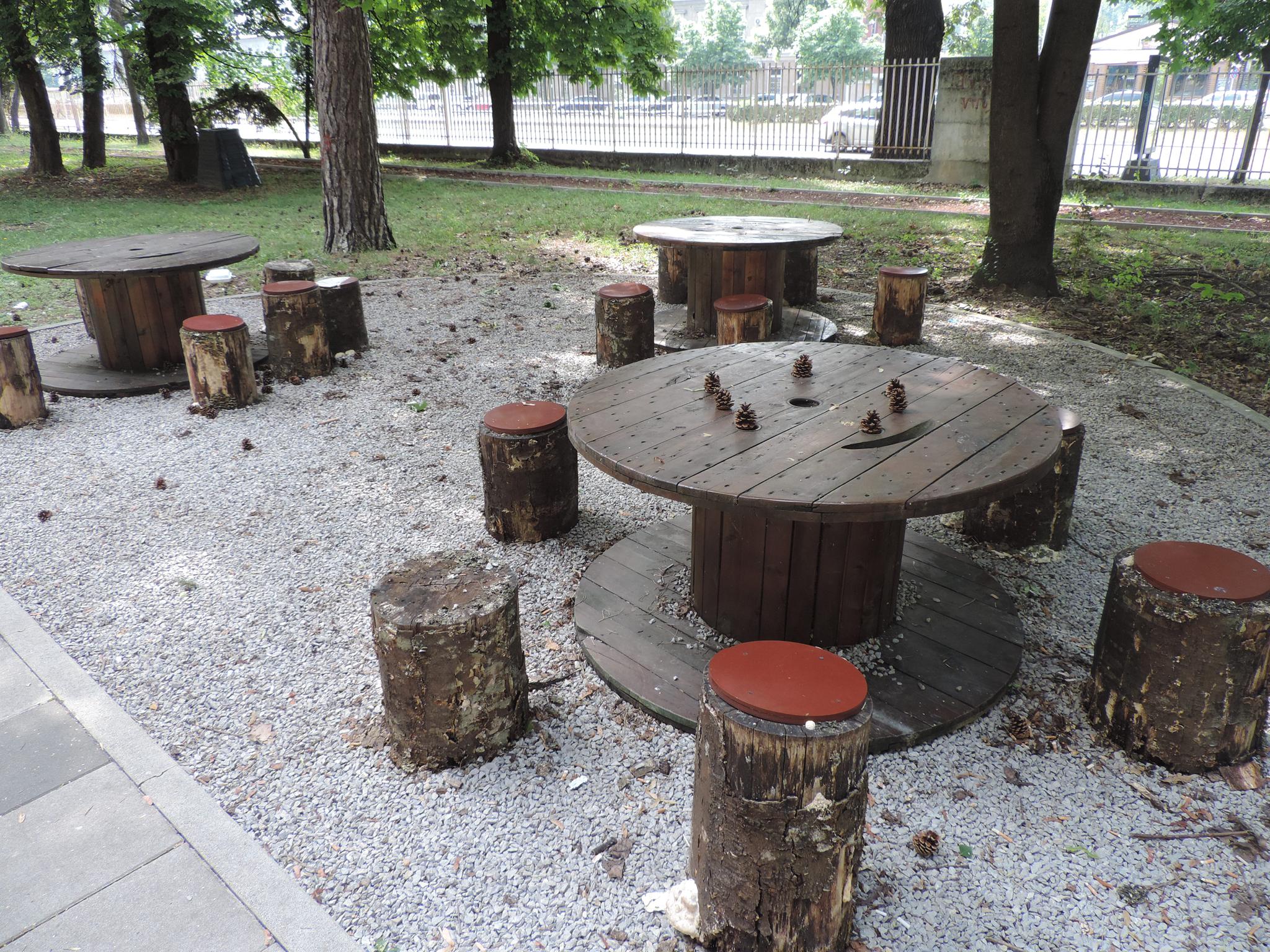
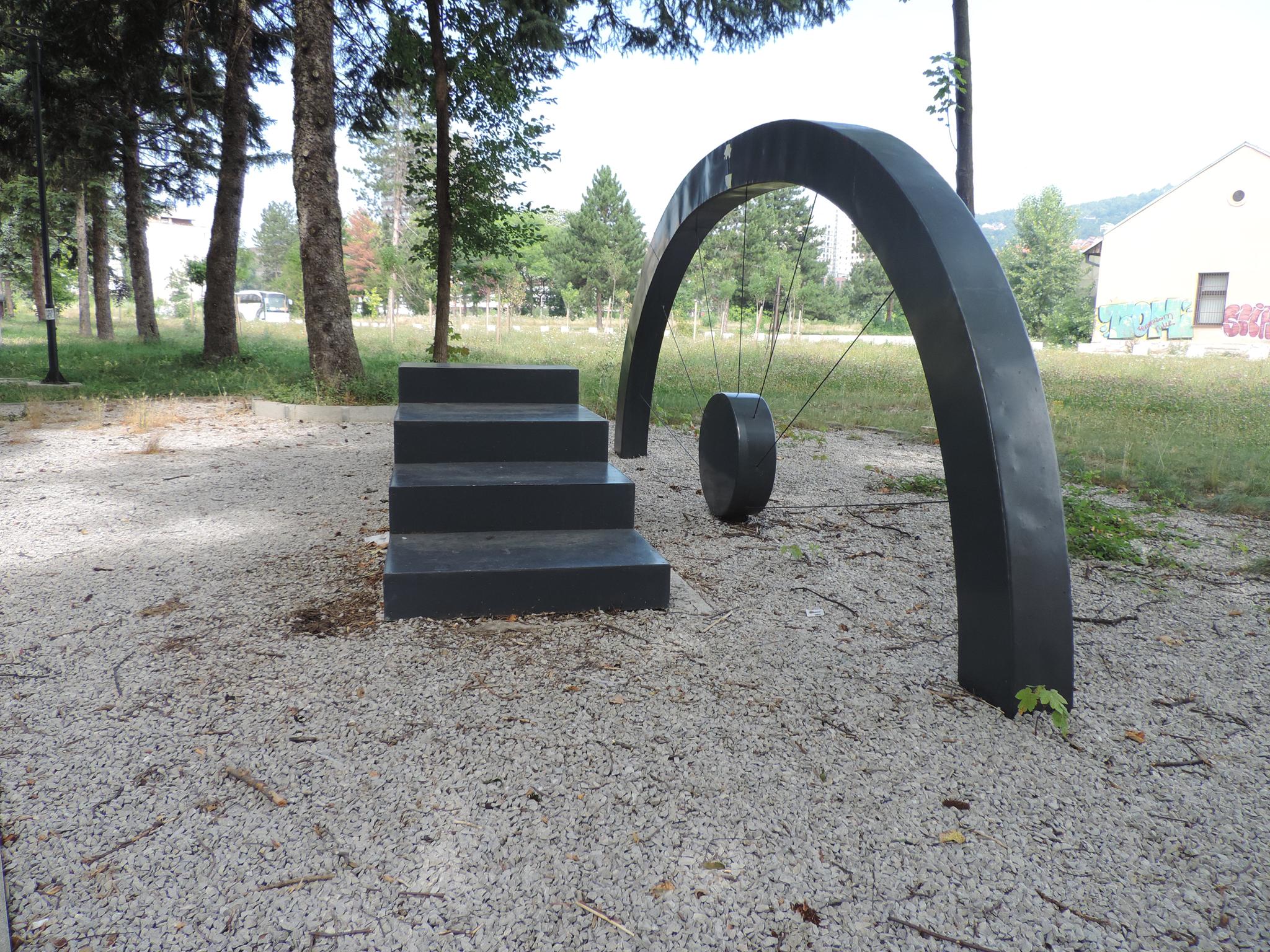
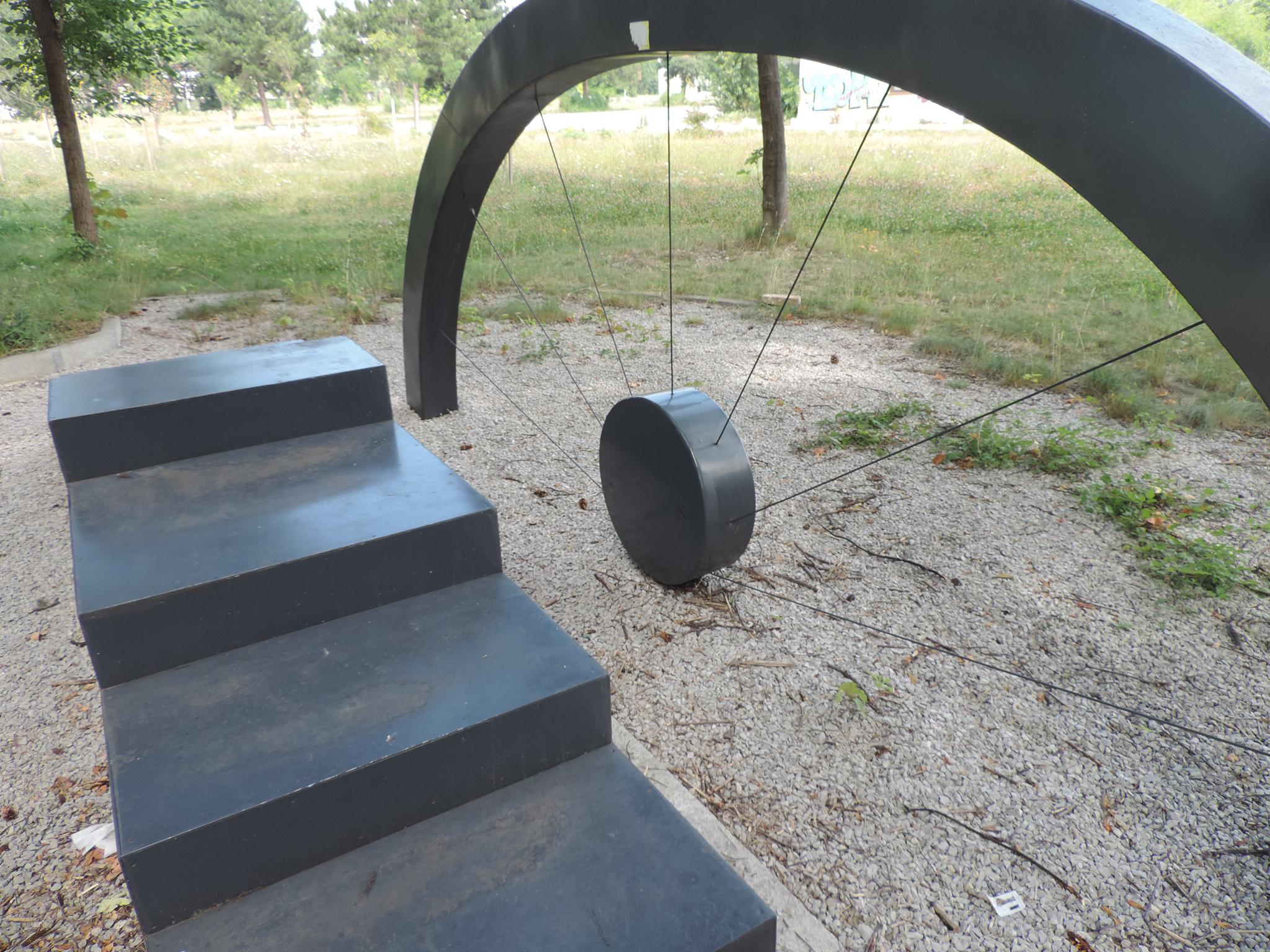
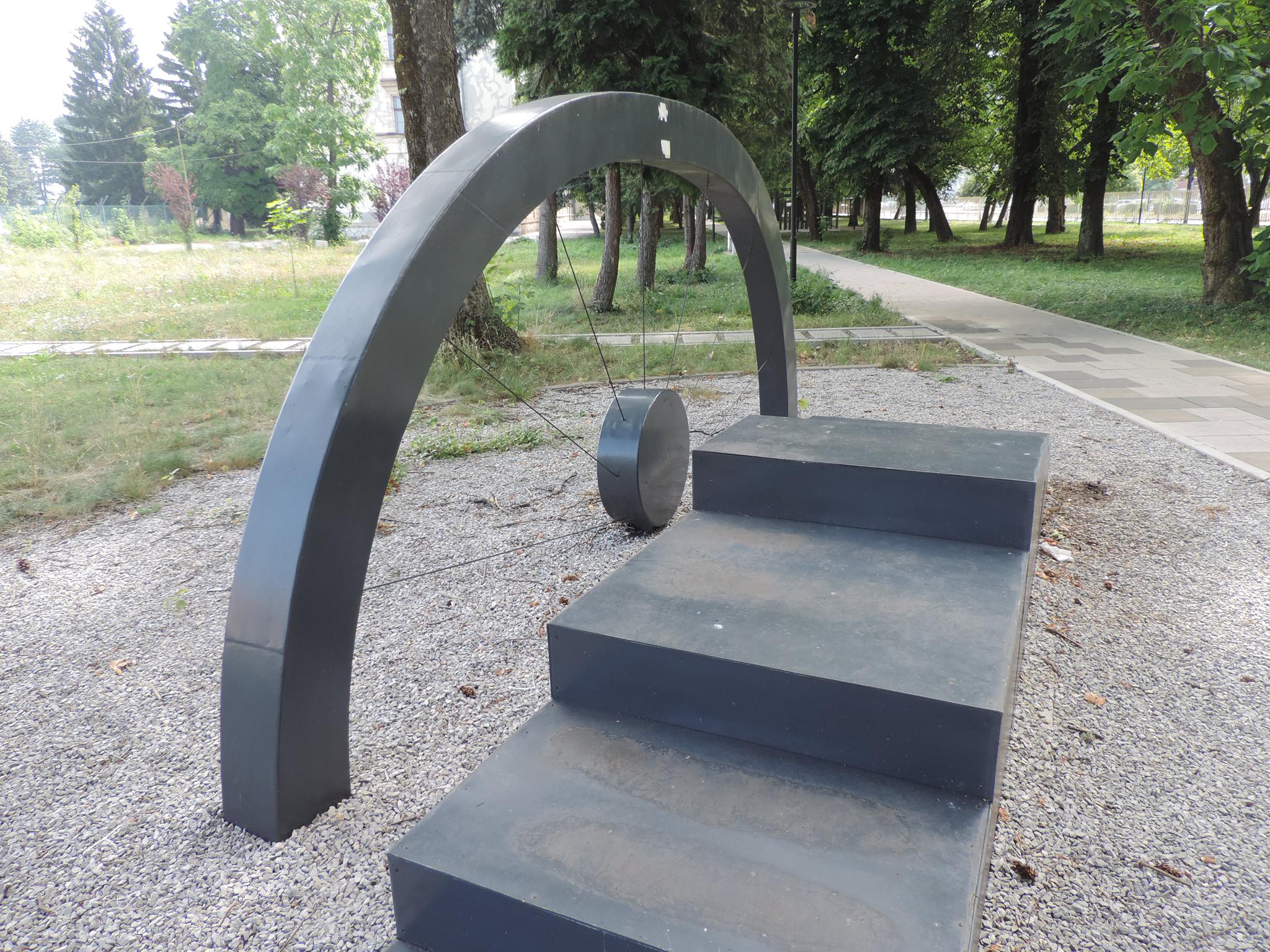
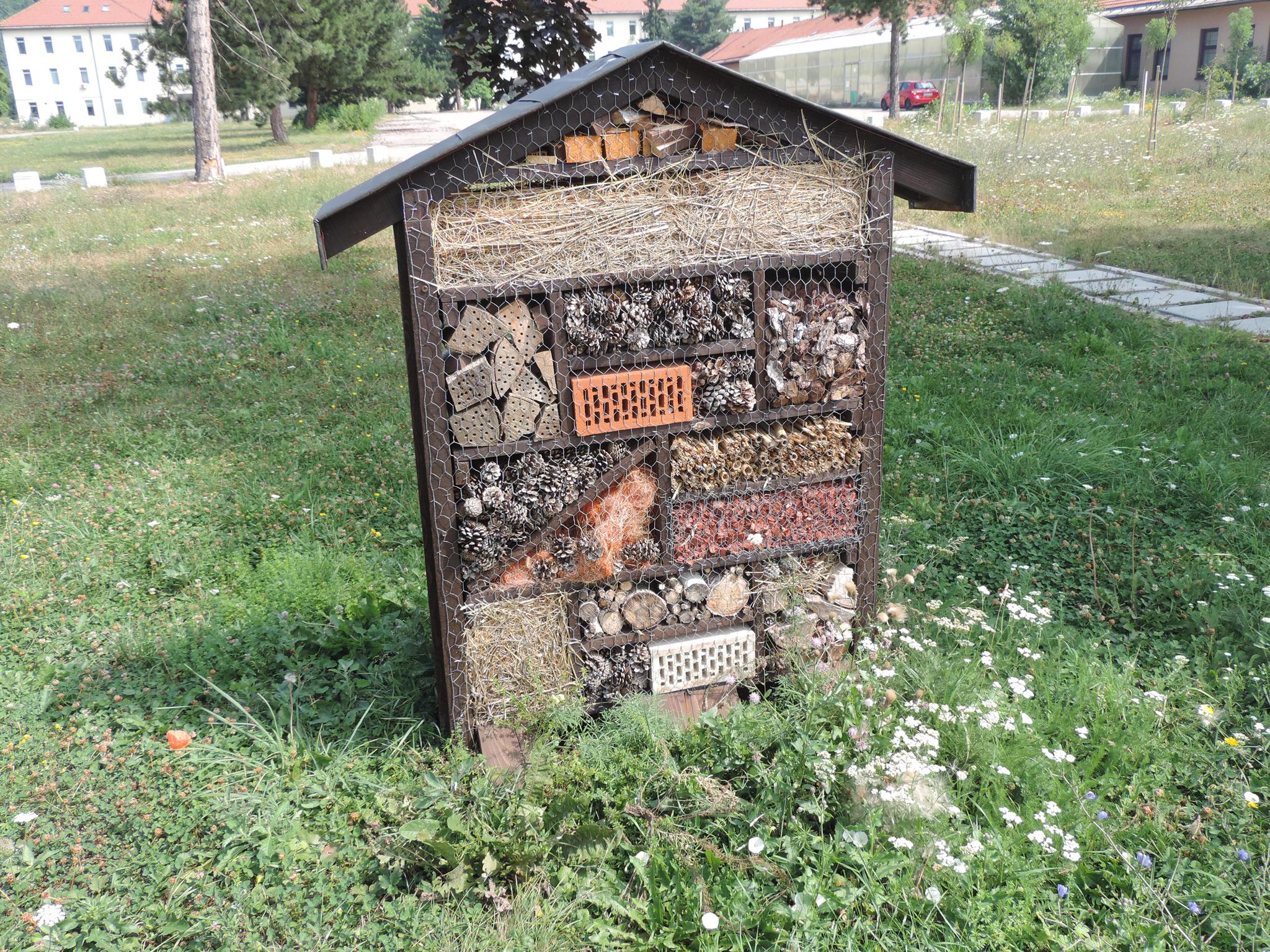
The campus has become a place where history and innovation coexist, reflecting both the city’s difficult past and its aspirations for an open, democratic and internationally connected future. The photos show several installations and scuptures around the campus, as well some graffiti and monuments. There has been a huge and awesome graffiti hall of fame around the campus, meanwhile it’s demolished. But we hope to get soon some more photos of that time by local artists and friends.
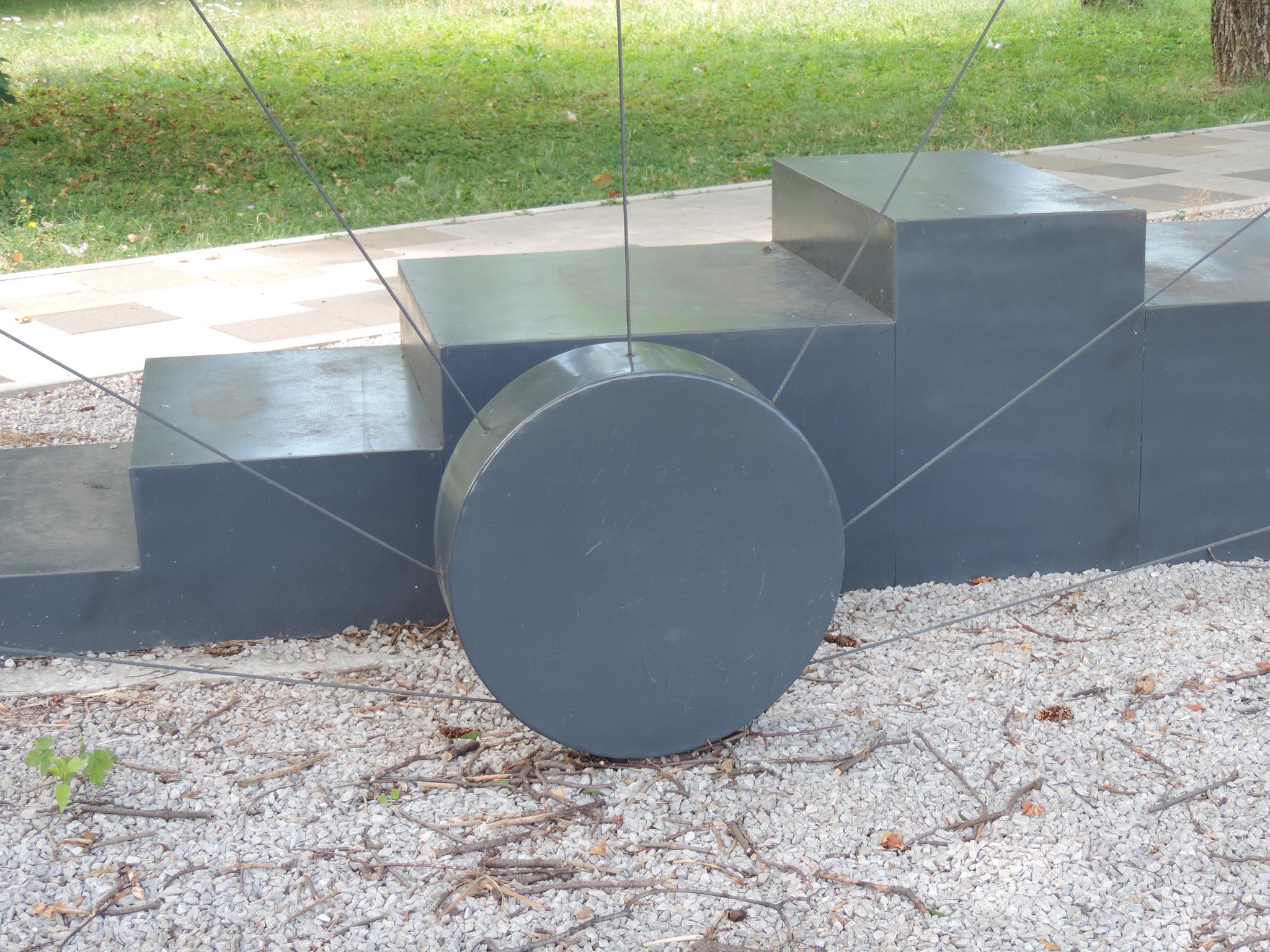
Famous Insect Hotel
RECOMMENDABLE SPOTS IN SARAJEVO
>>> Fasada Festival <<<
>>> Trebevic Bobsleigh <<<
>>> Manifesto Galerija <<<
>>> Zetra Hall of Fame <<<
>>> Ice Rink Walls <<<
>>> Skatepark Hall <<<
>>> Bačići Train Tunnel Hall <<<
>>> Bačići Ruins Spray Space <<<
>>> Asim Ferhatović Stadion <<<
>>> Davorin Popović Mural <<<
>>> Stencil Collection <<<
>>> Sticker Section <<<
MORE ARTICLES ABOUT BOSNIA-HERZEGOVINA
>>> Streetart Mostar <<<
>>> Streetart Prijedor <<<
>>> Trebevic Bobsleigh Graffiti <<<
>>> Streetart Banja Luka <<<
>>> Streetart Jezero Klinje <<<
>>> Streetart Višegrad <<<
>>> Streetart Novi Grad <<<