Budva Stari Grad – Montenegro’s Historic Old Town
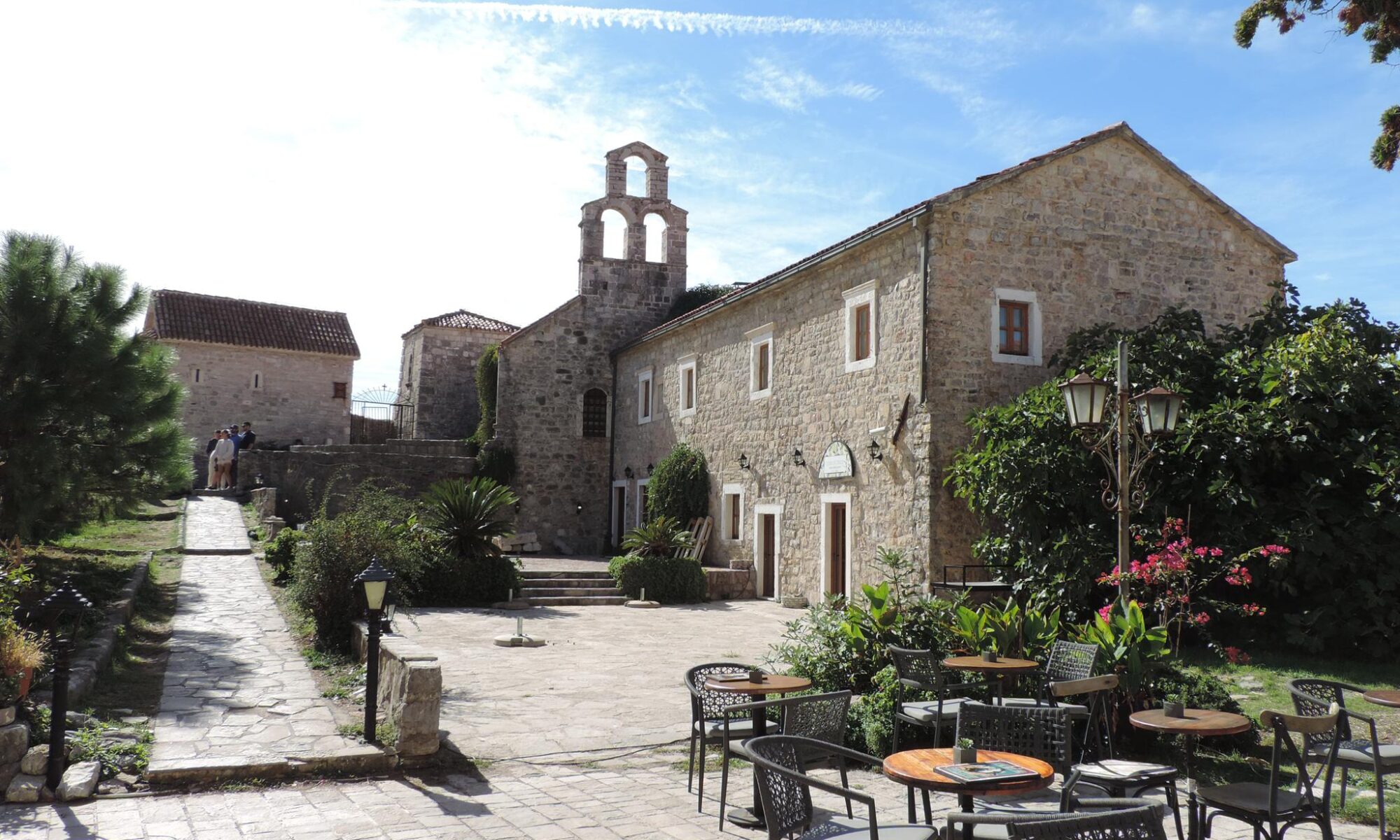
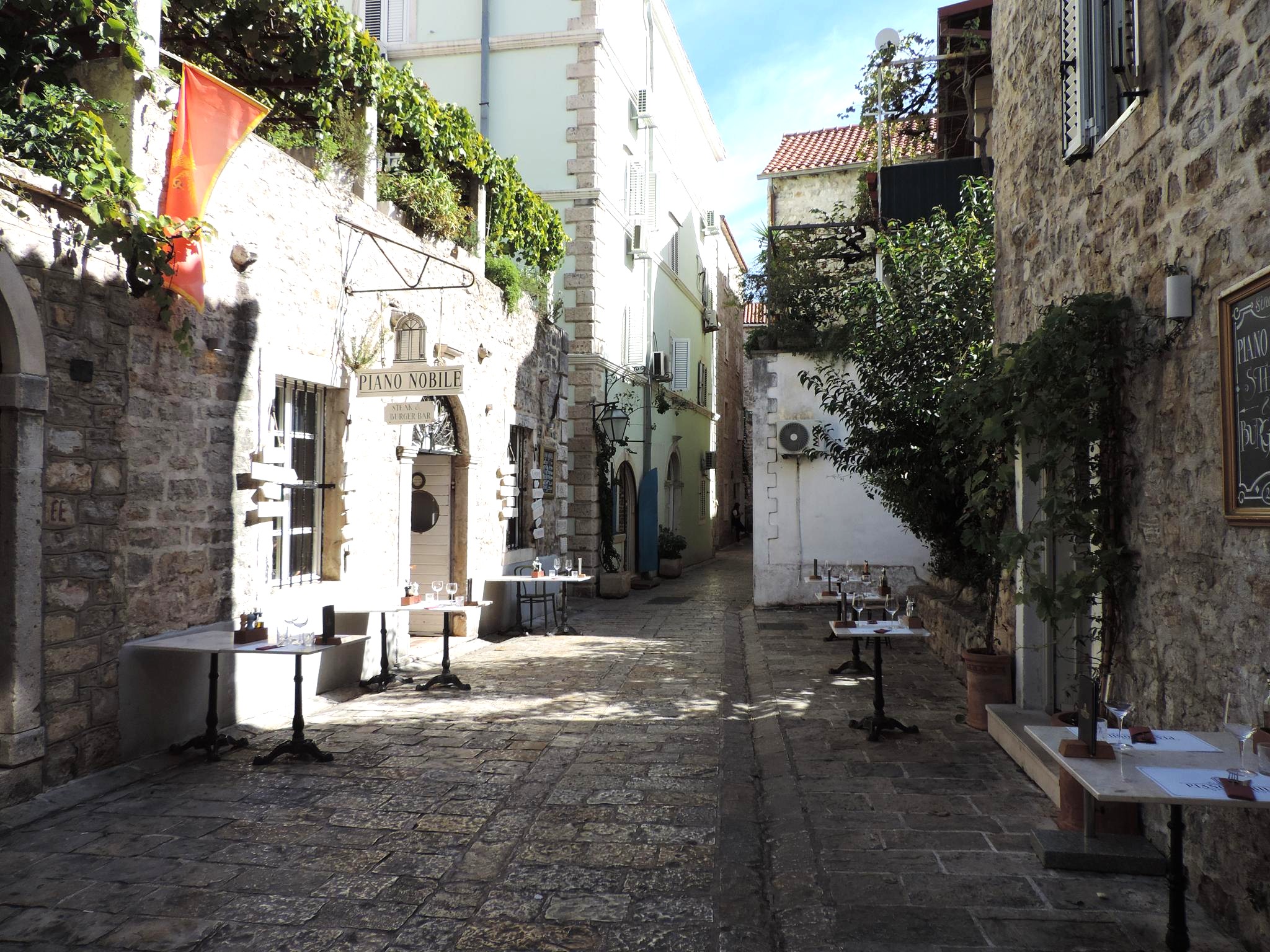
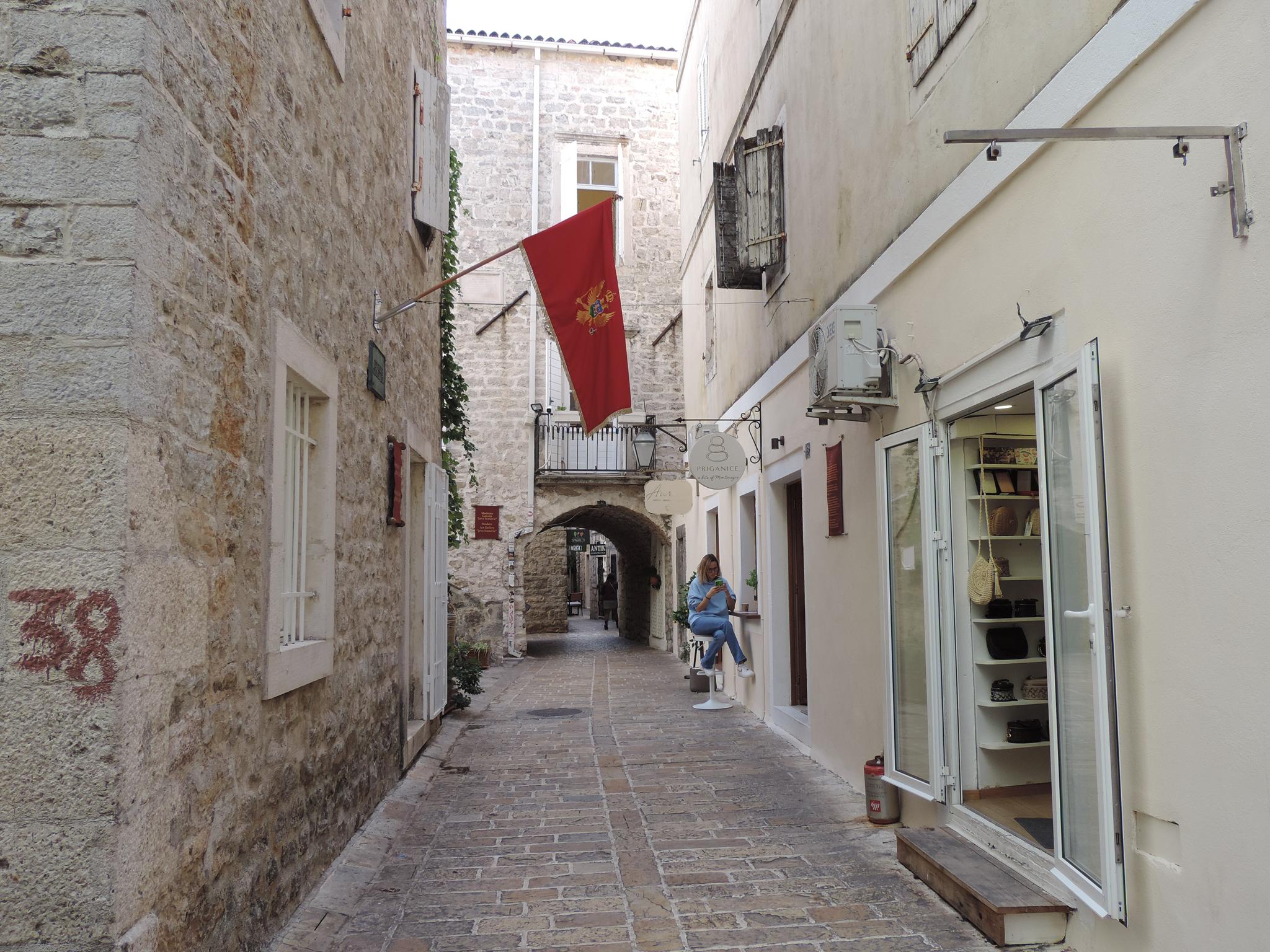
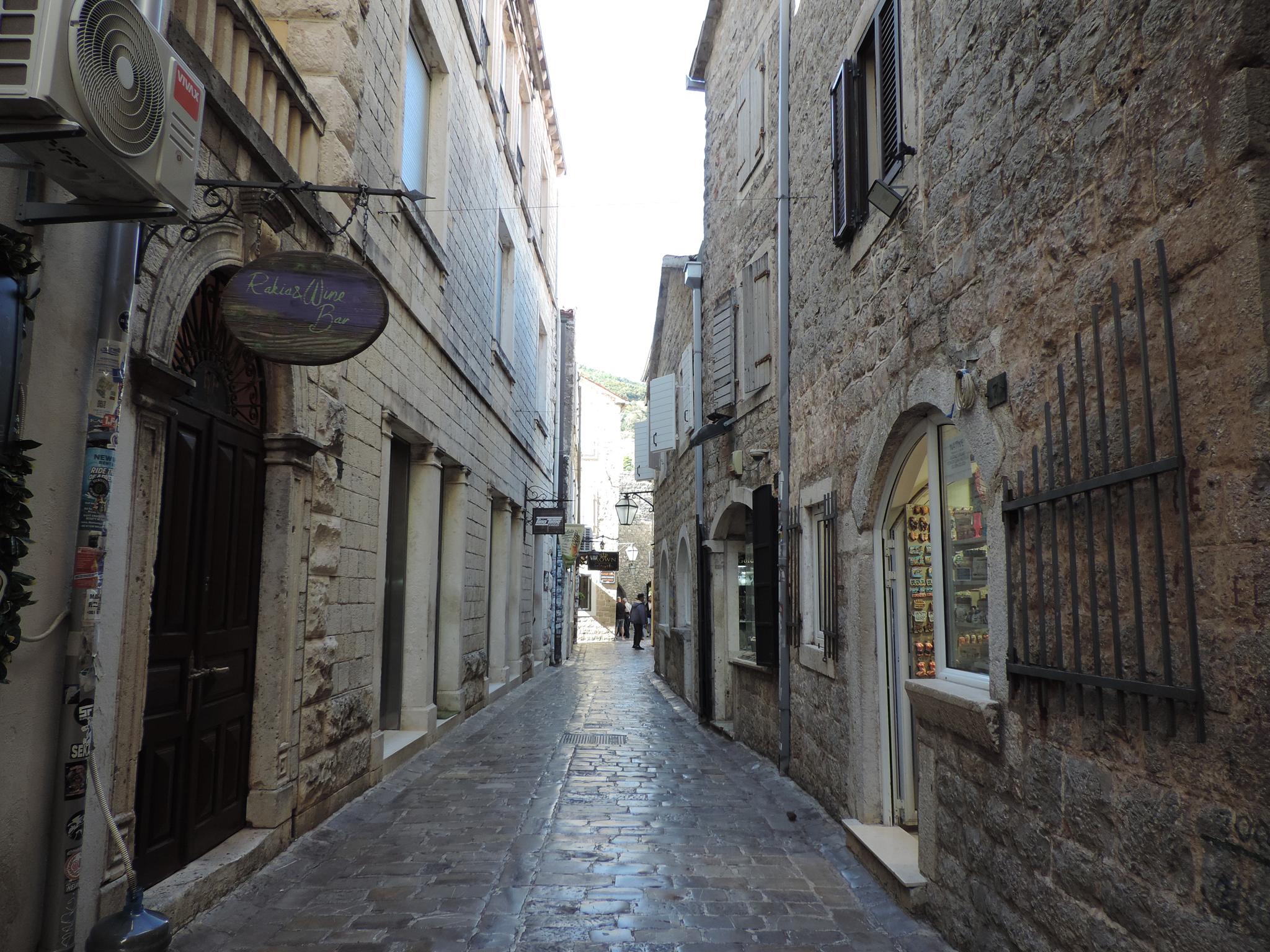
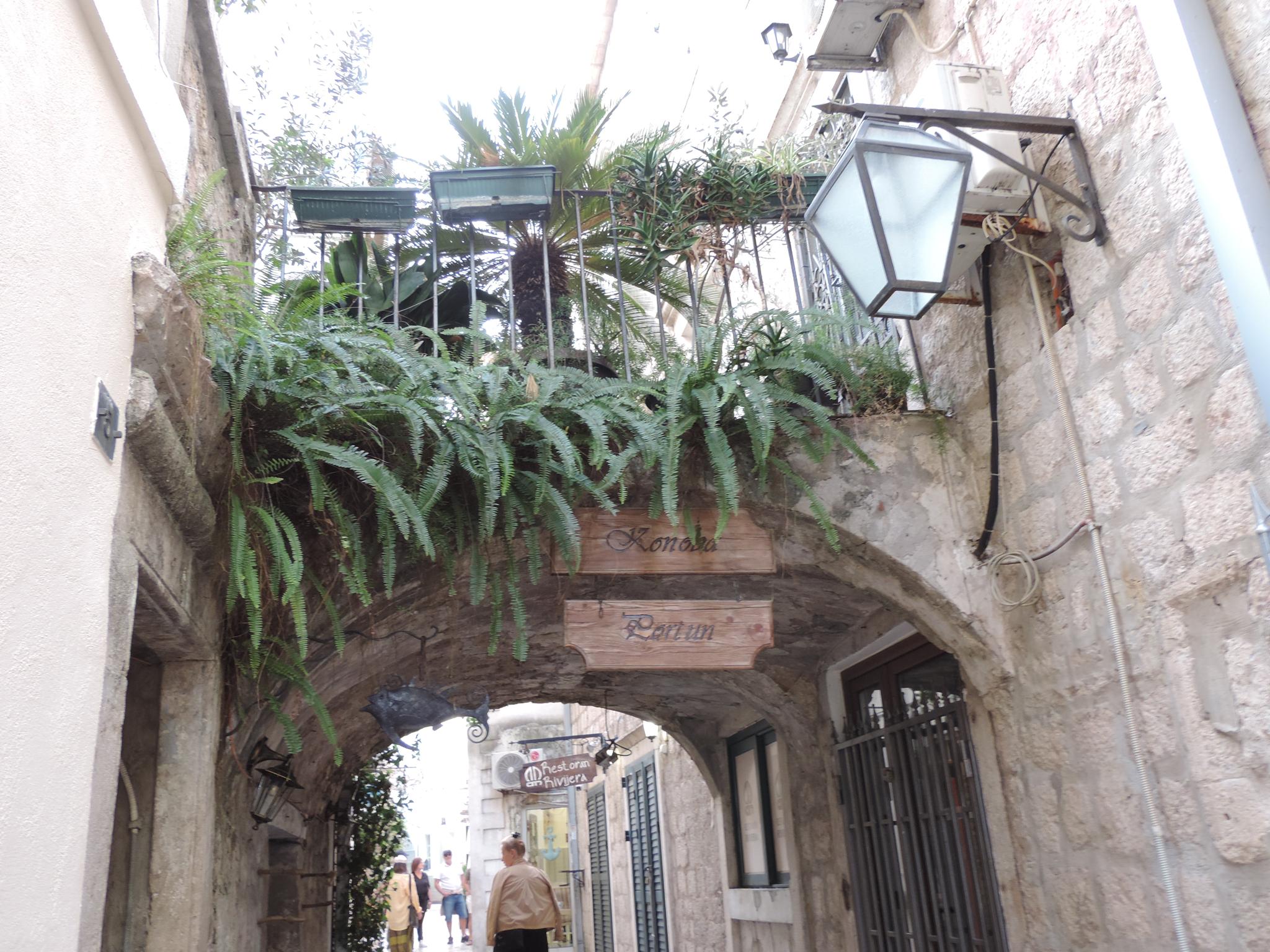
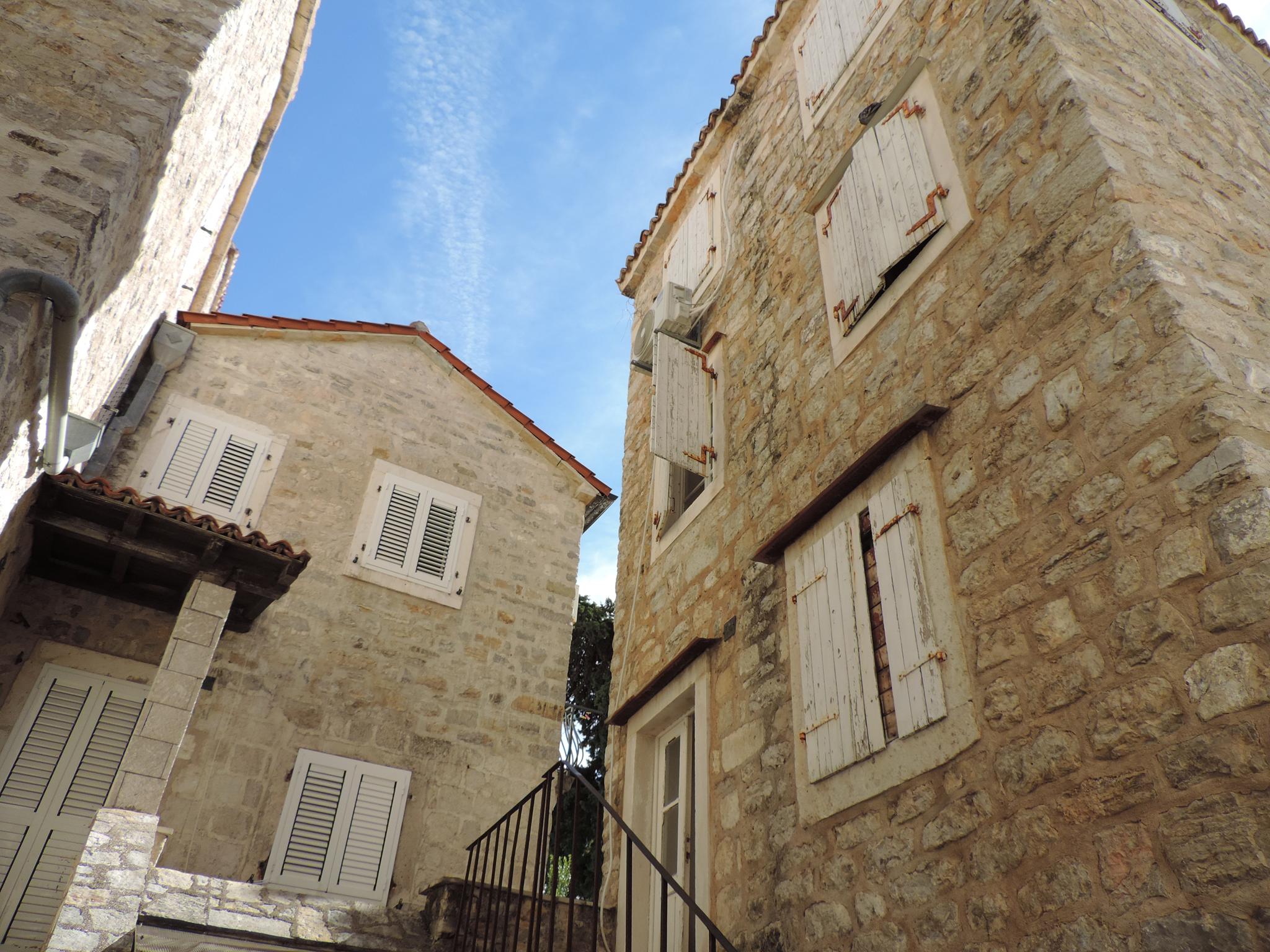
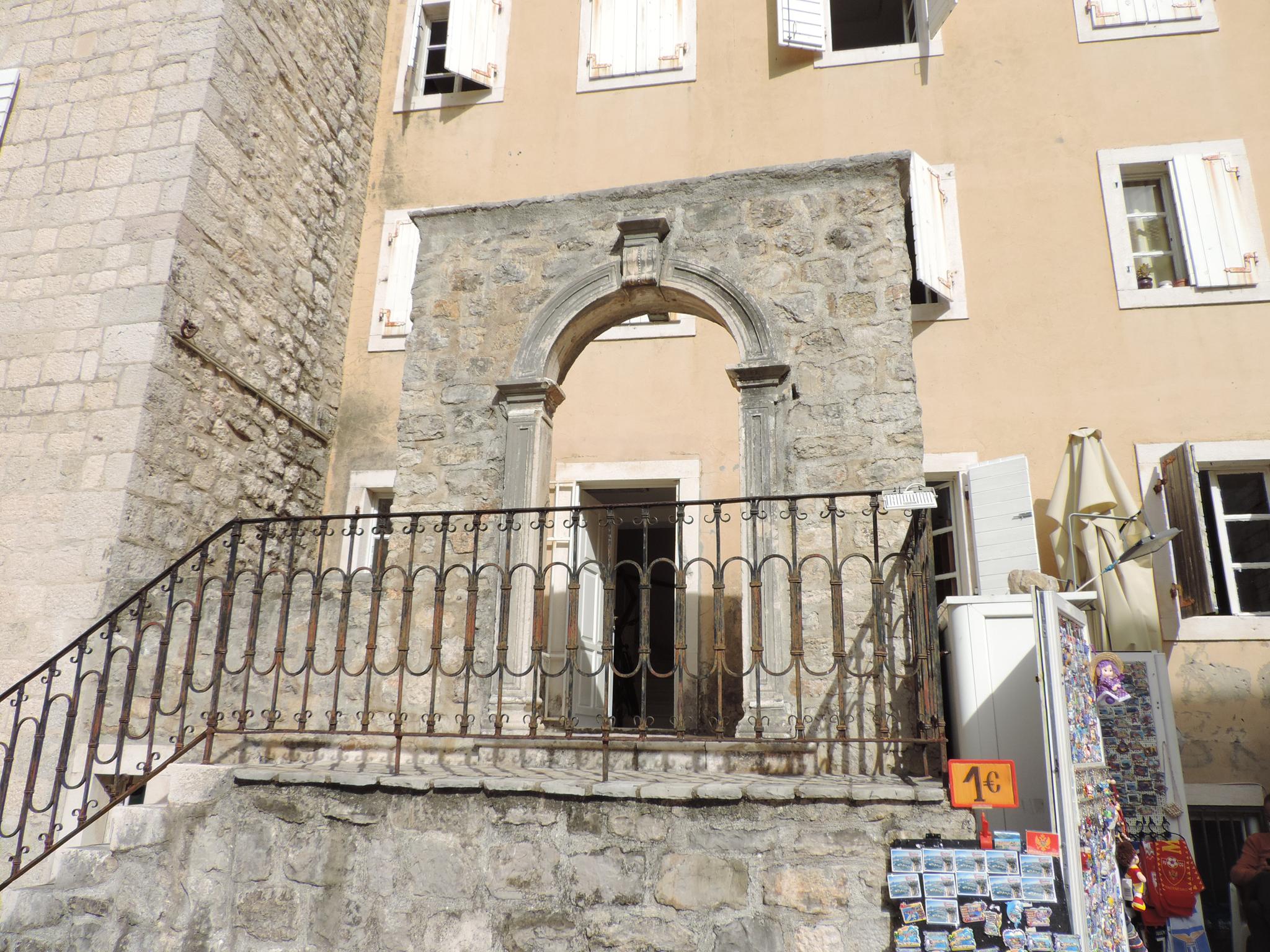
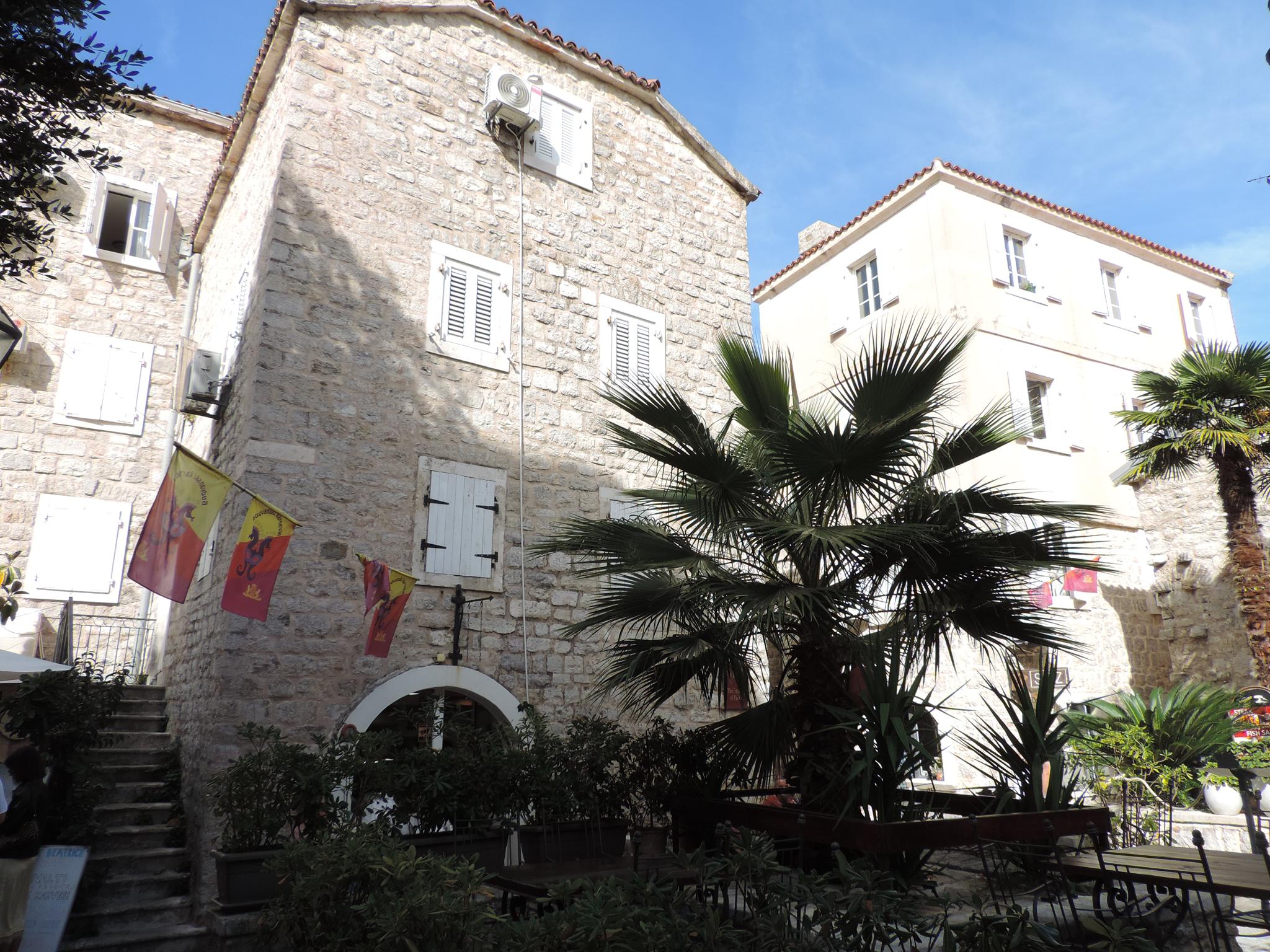
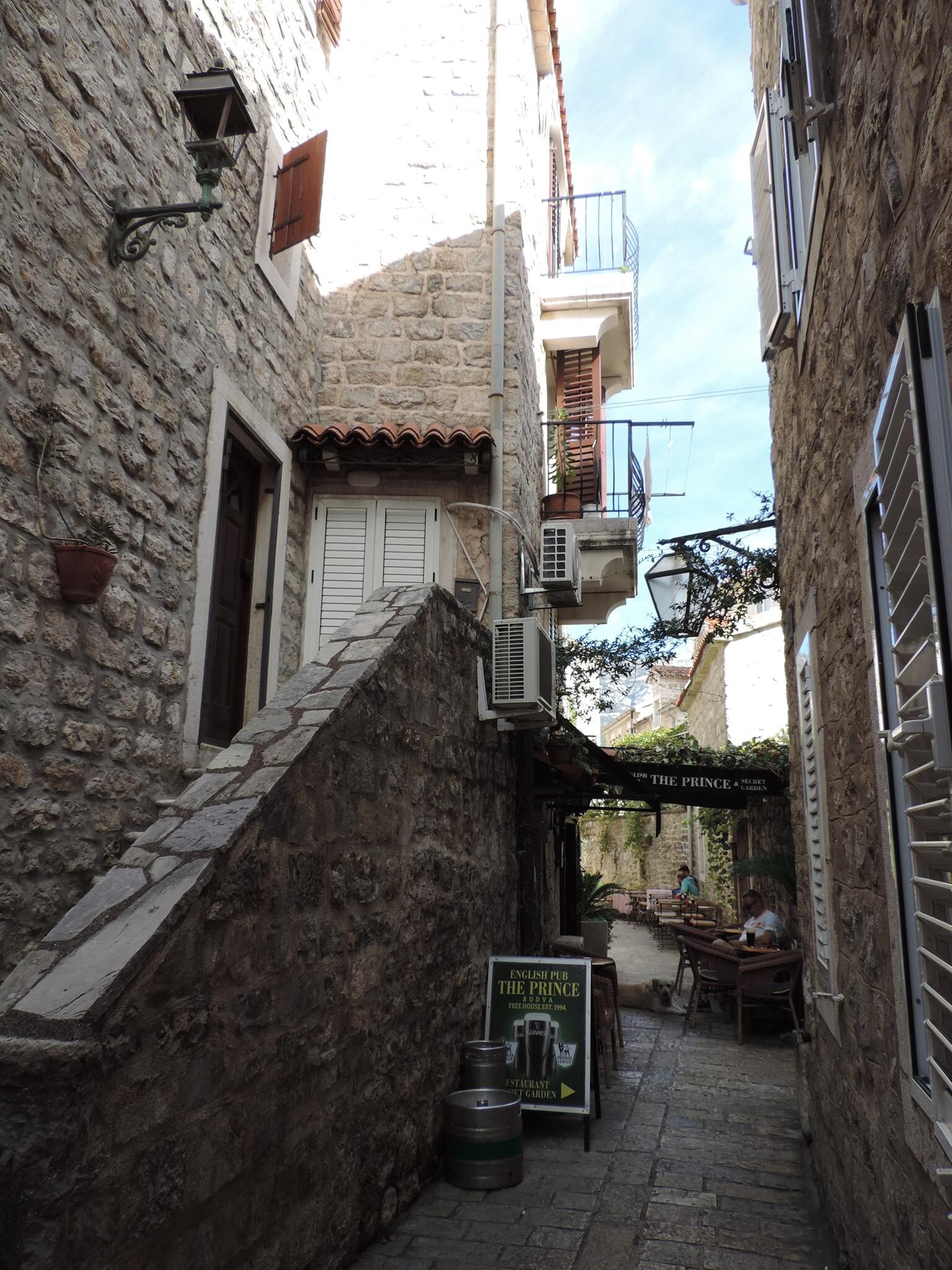
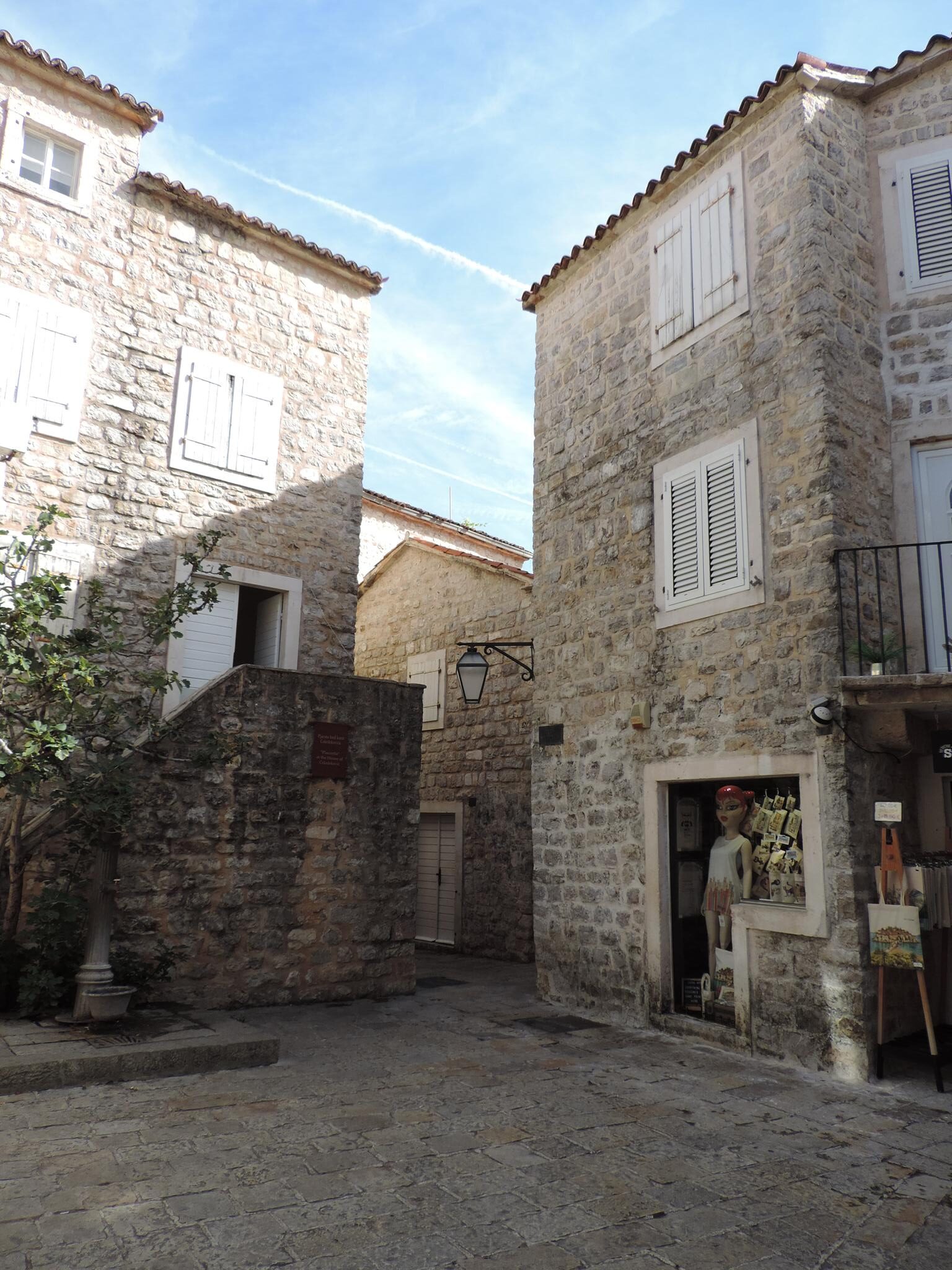
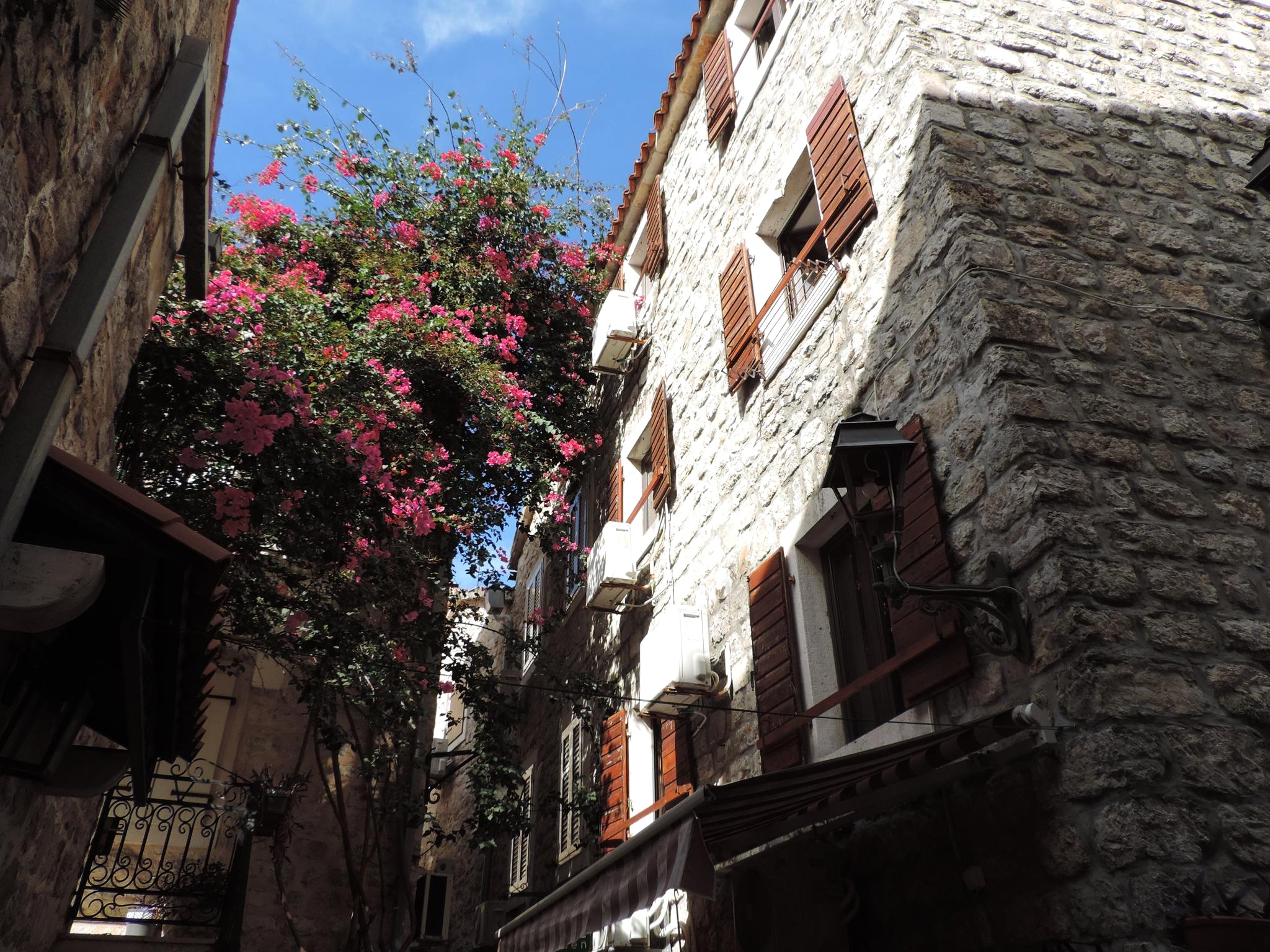
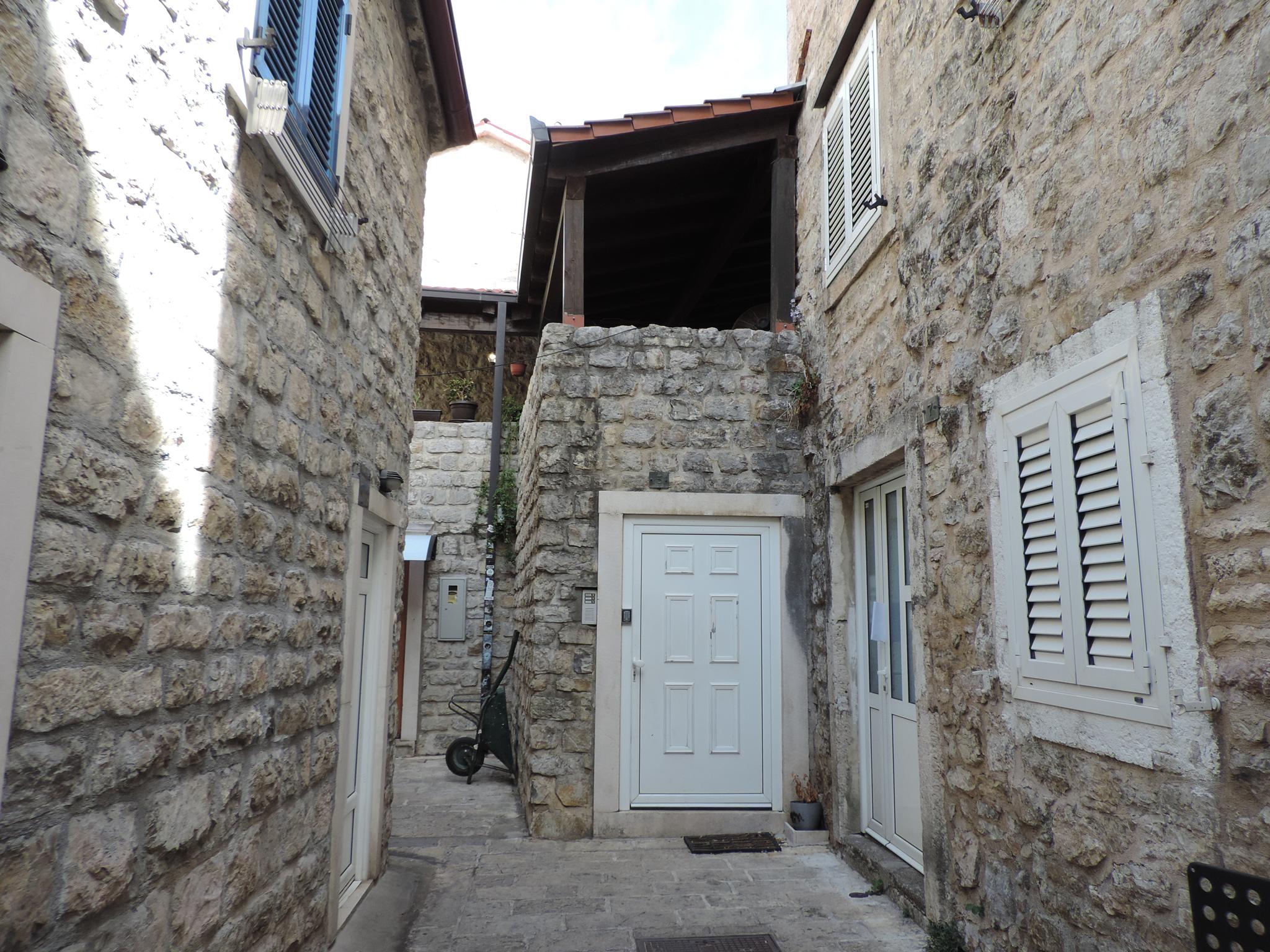
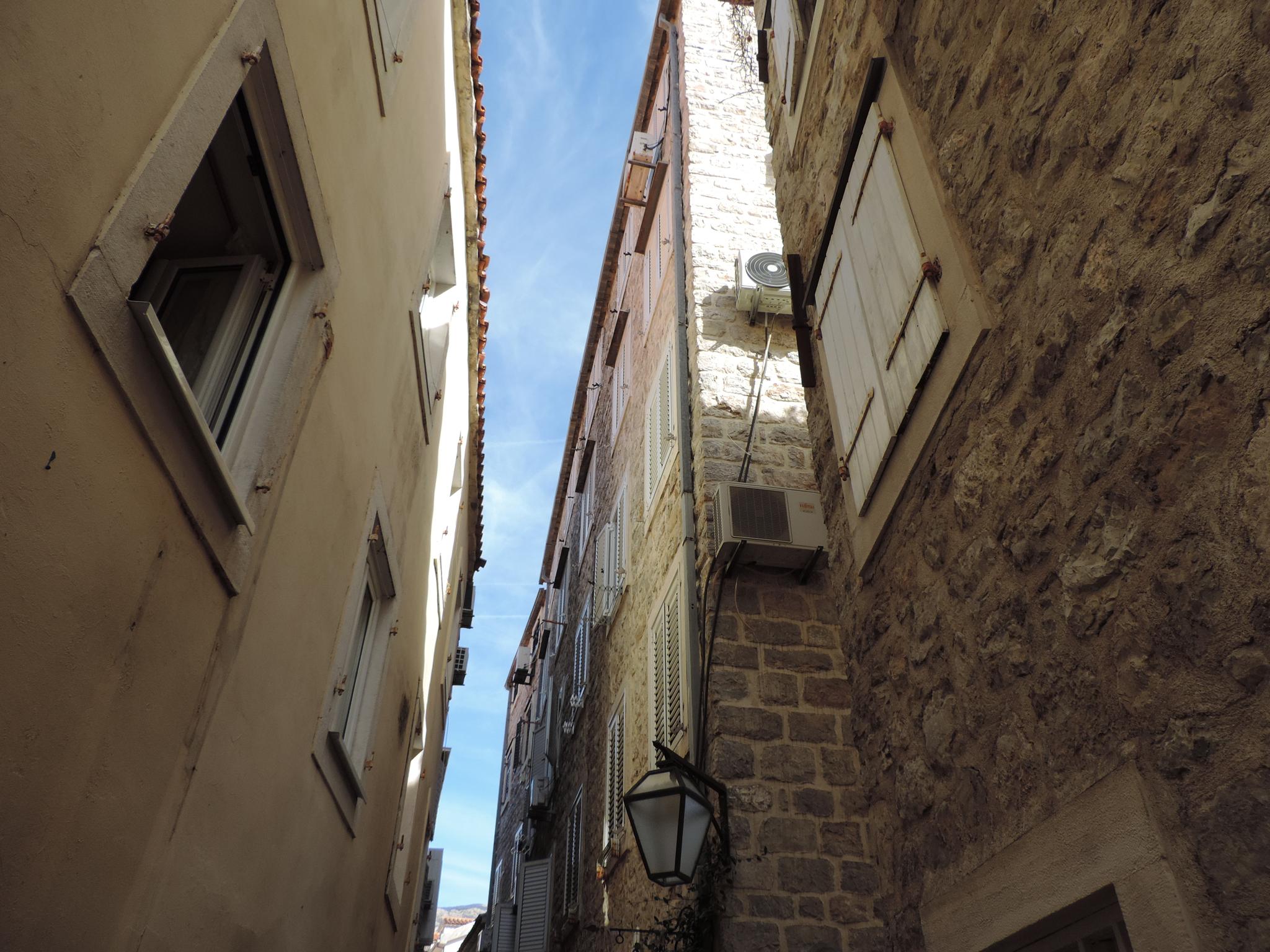
Budva’s Old Town, known locally as Stari Grad, is situated on a small peninsula along Montenegro’s Adriatic coast. Its history dates back more than 2.500 years. Archaeological findings indicate that an important settlement existed here as early as antiquity. Today, the townscape is characterised by narrow streets, stone houses, small squares and medieval defensive walls. Significant parts of the visible architecture date from the period of Venetian rule, which lasted from 1442 to 1797.
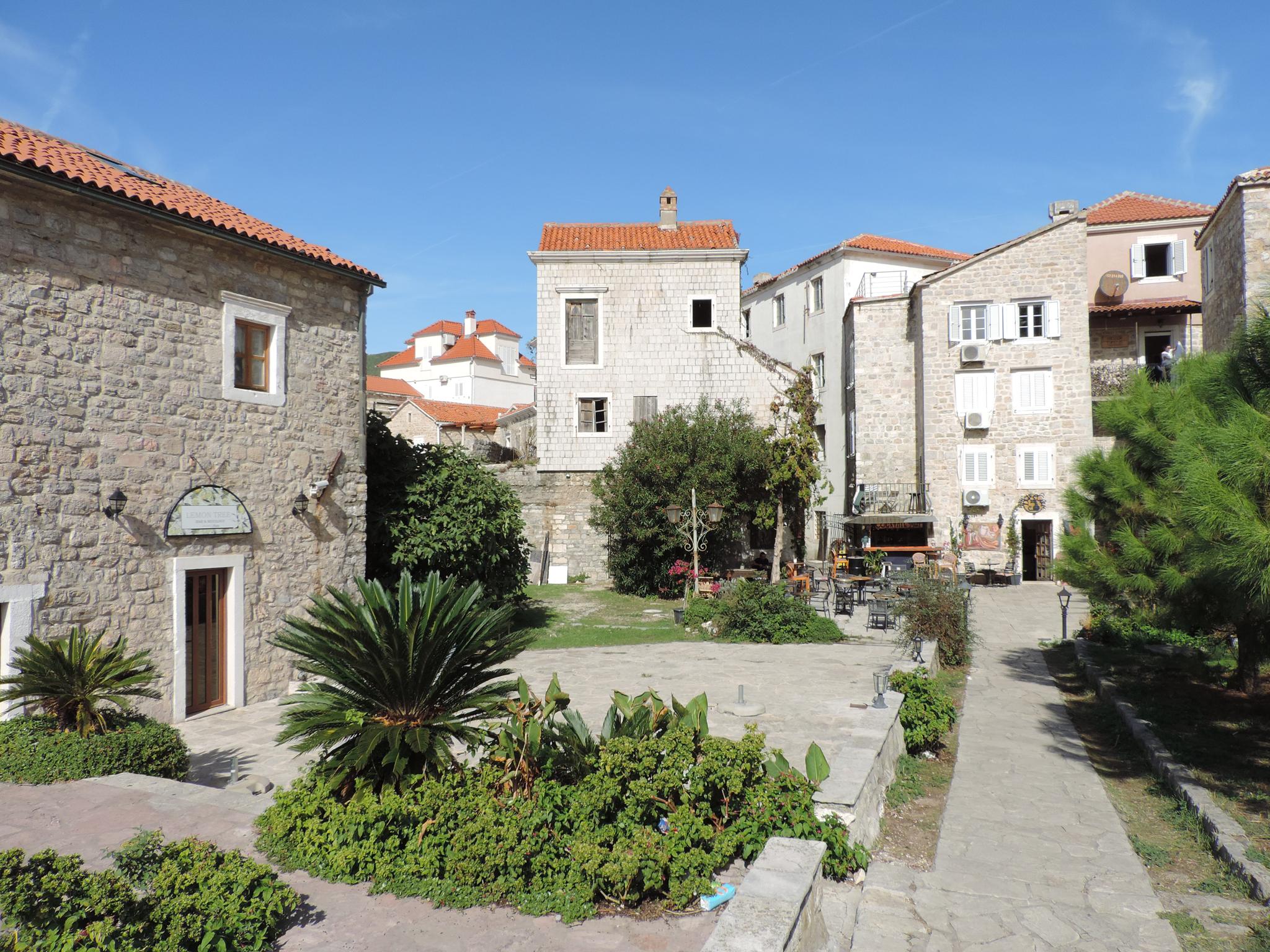
In antiquity, Budva was known as Butua. The region was influenced by Illyrian, Greek and later Roman cultures. Archaeological excavations have uncovered remains of ancient city walls and gates, Roman paving, baths, mosaics and a necropolis containing numerous burial objects. These findings provide insights into the settlement’s urban structure, burial practices and trade connections. A local foundation legend traces Budva’s origins to Cadmus and Harmonia from Greek mythology, although this account has not been historically verified.
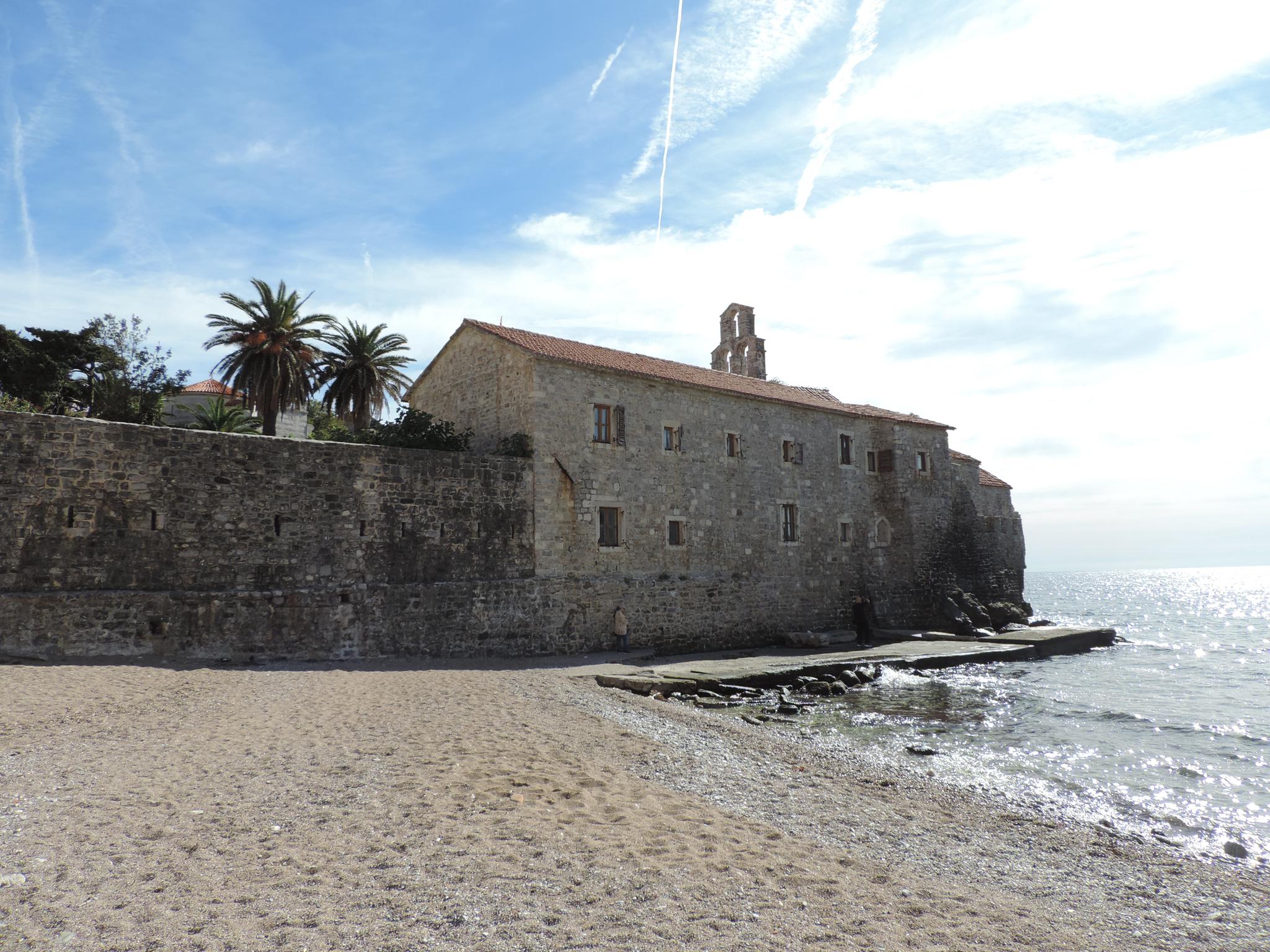
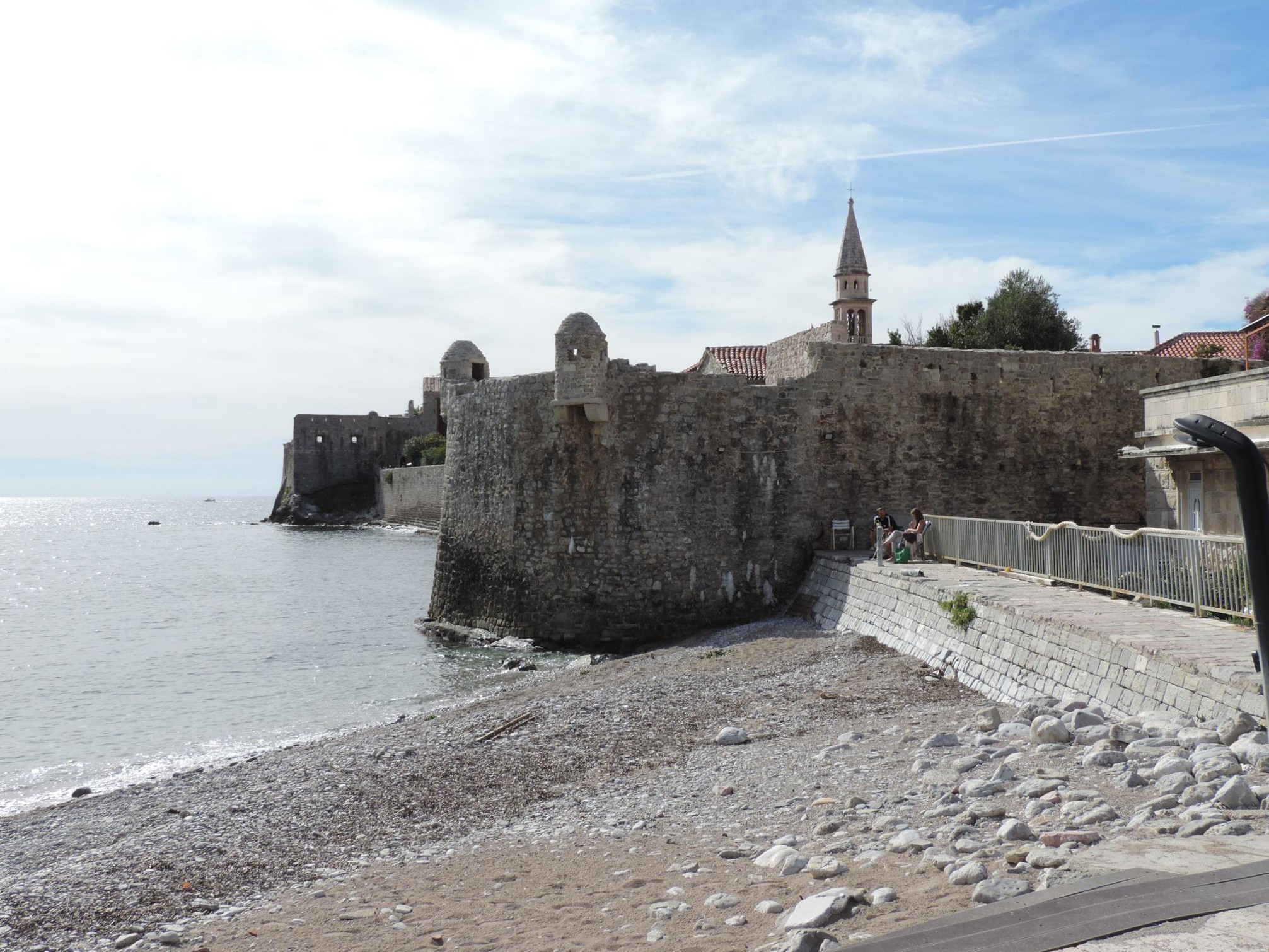
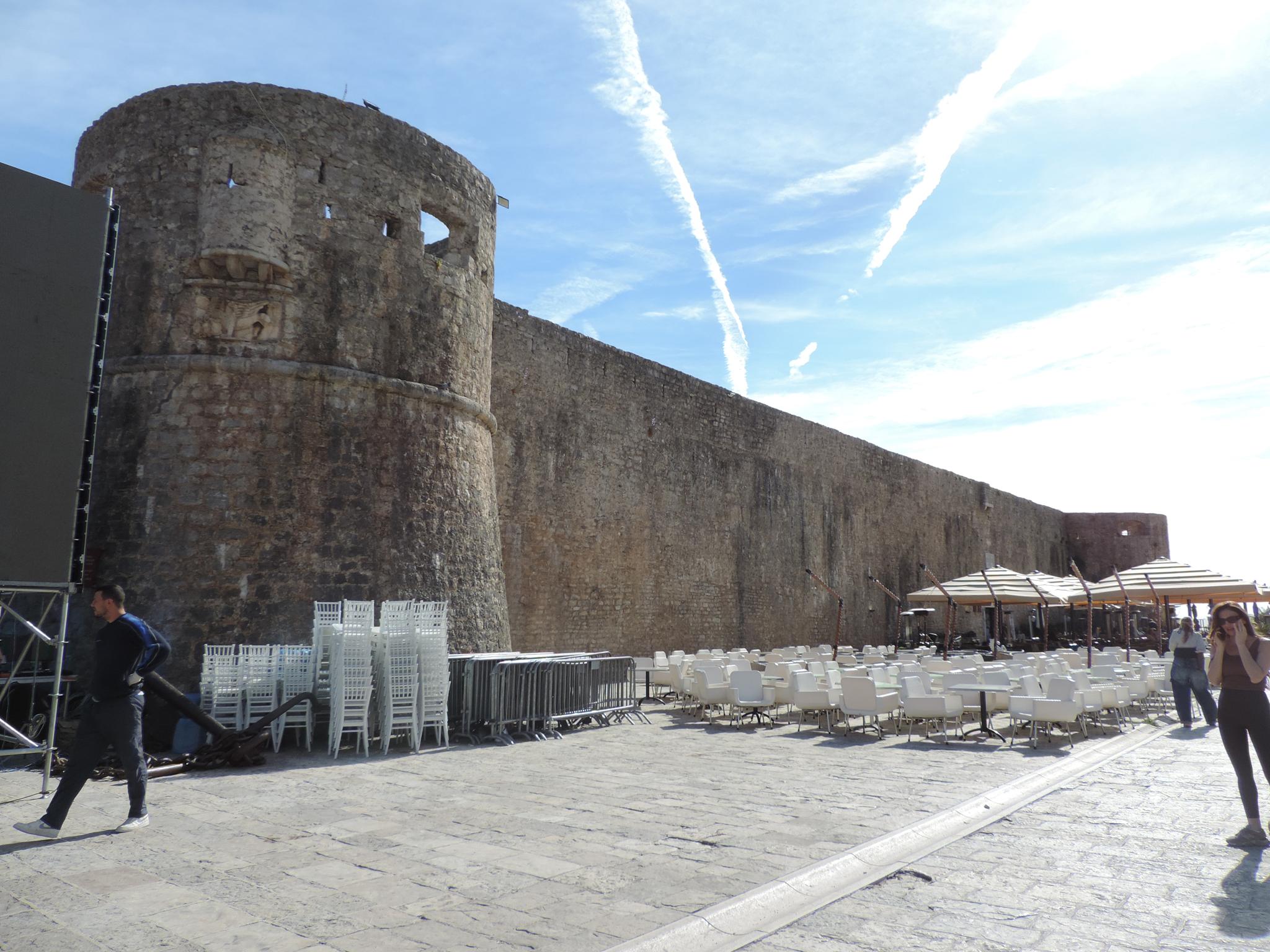
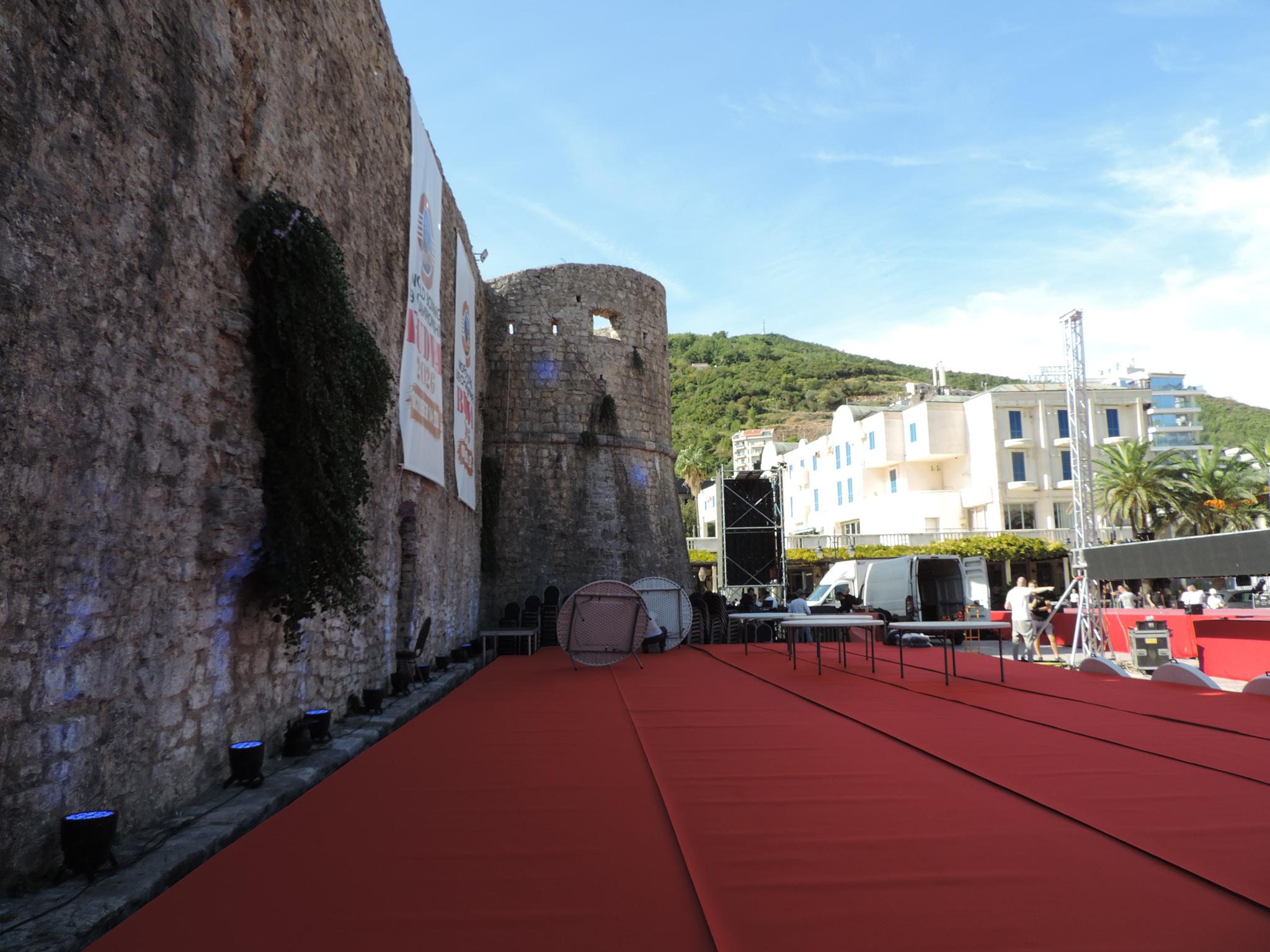
A decisive period in the town’s history began in the Middle Ages. In 1442, Budva came under Venetian rule. Its strategic position on the Adriatic coast made it an important location, and the town was fortified over several centuries. The defensive walls, towers and gates were designed to protect the settlement against military attacks. The Citadel, a fortress located at the seaward edge of the Old Town, formed part of this defensive system. The narrow streets and closely packed houses reflect the historic urban layout that developed within the fortifications.
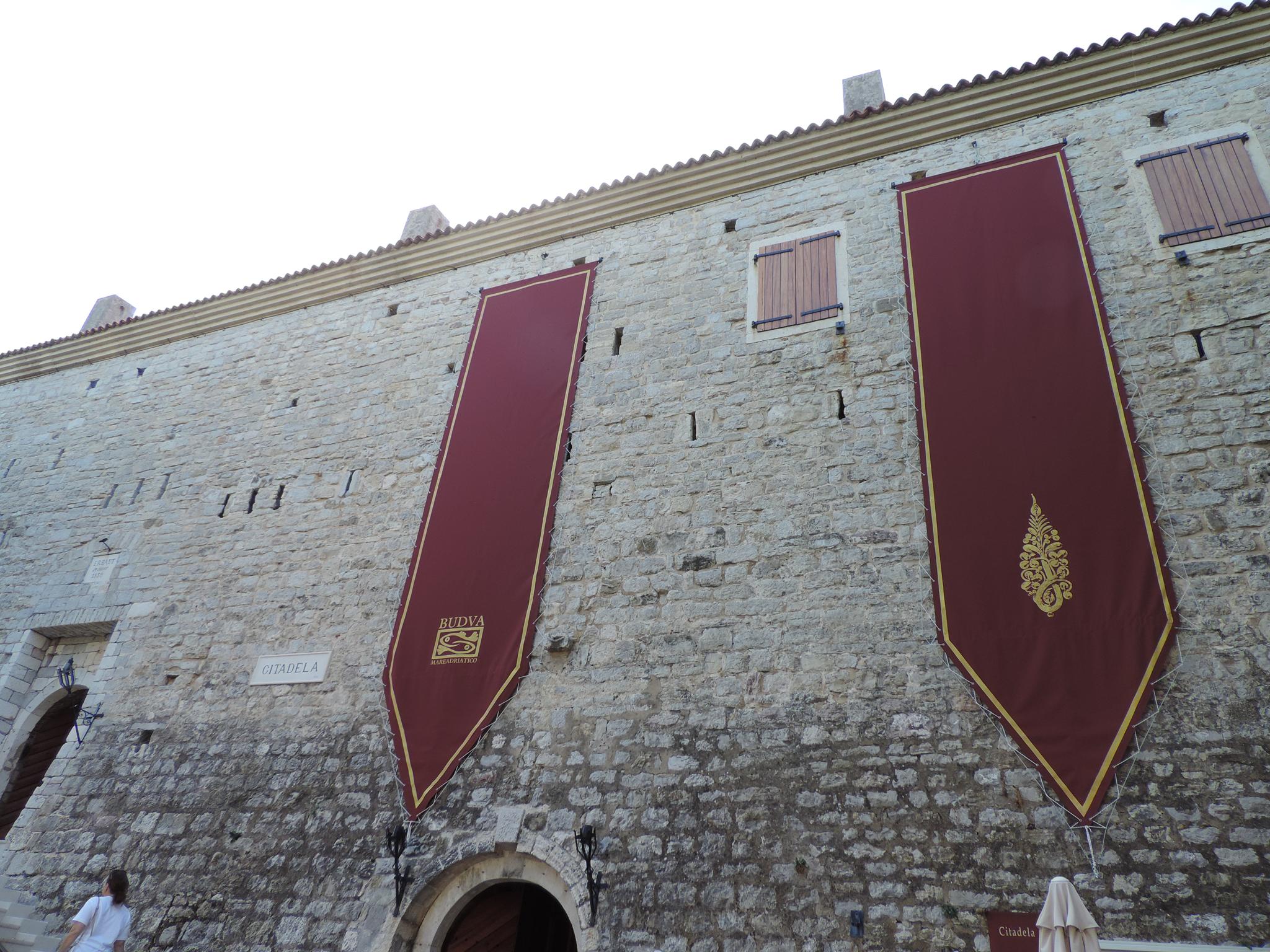
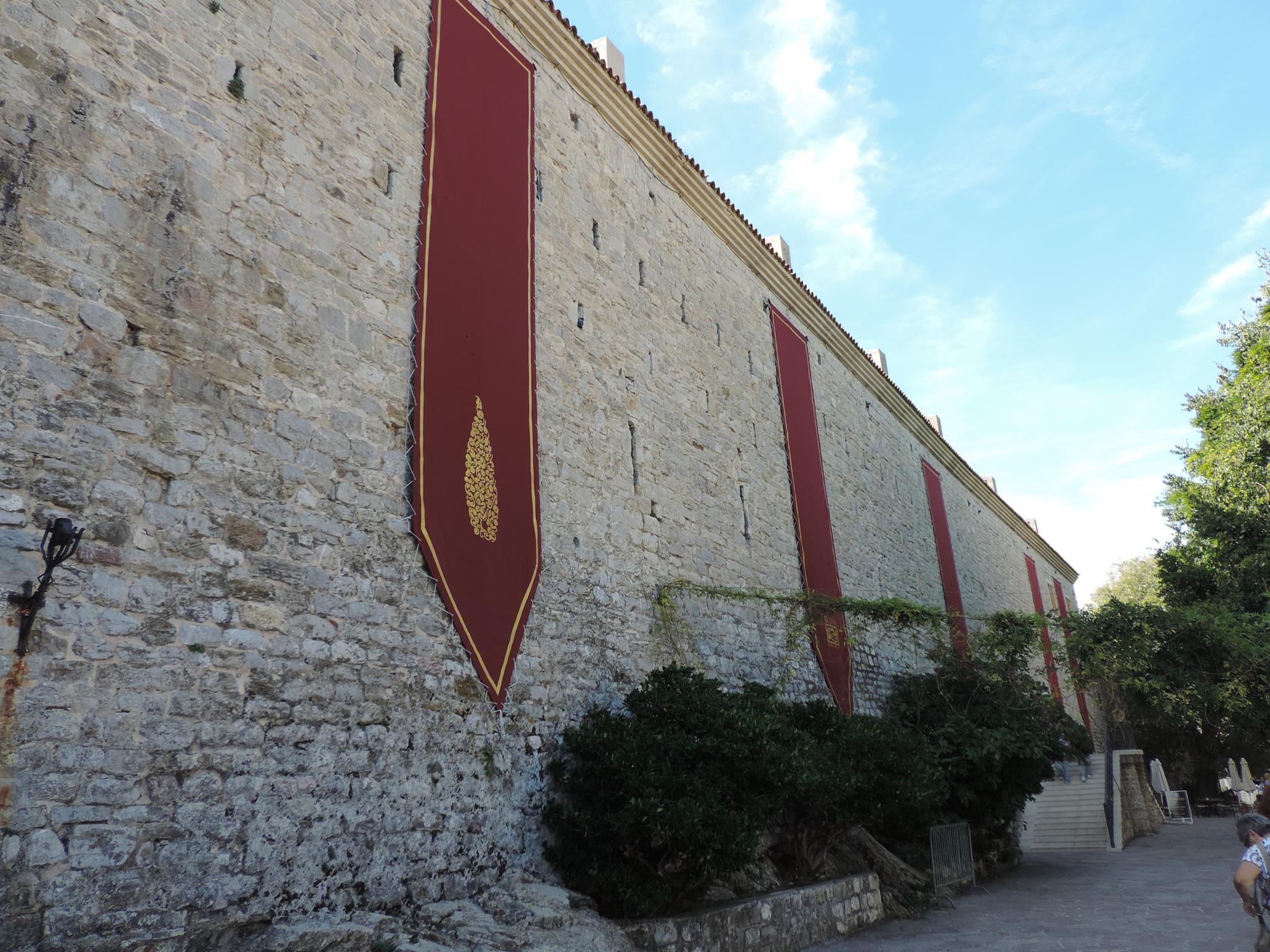
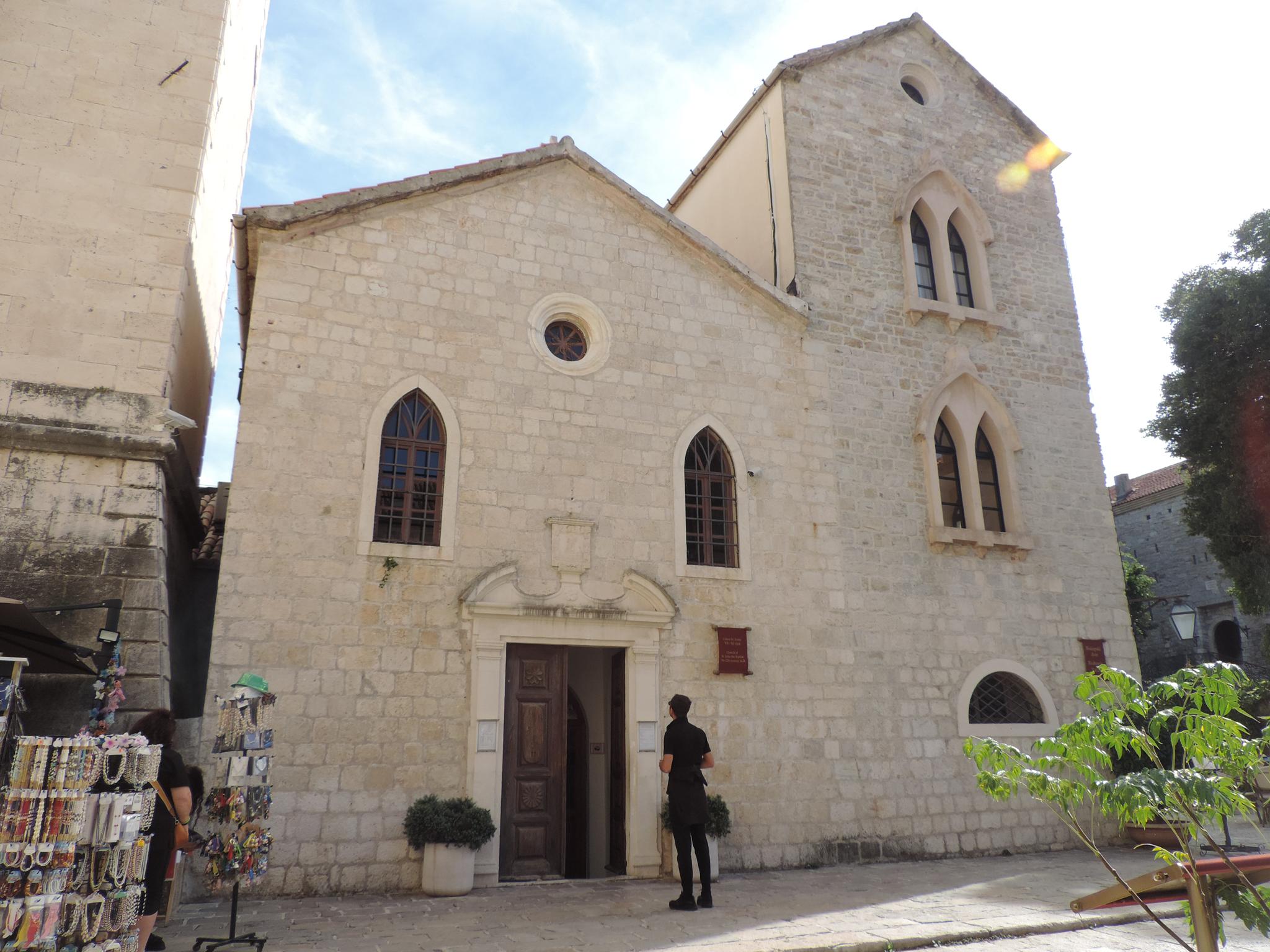
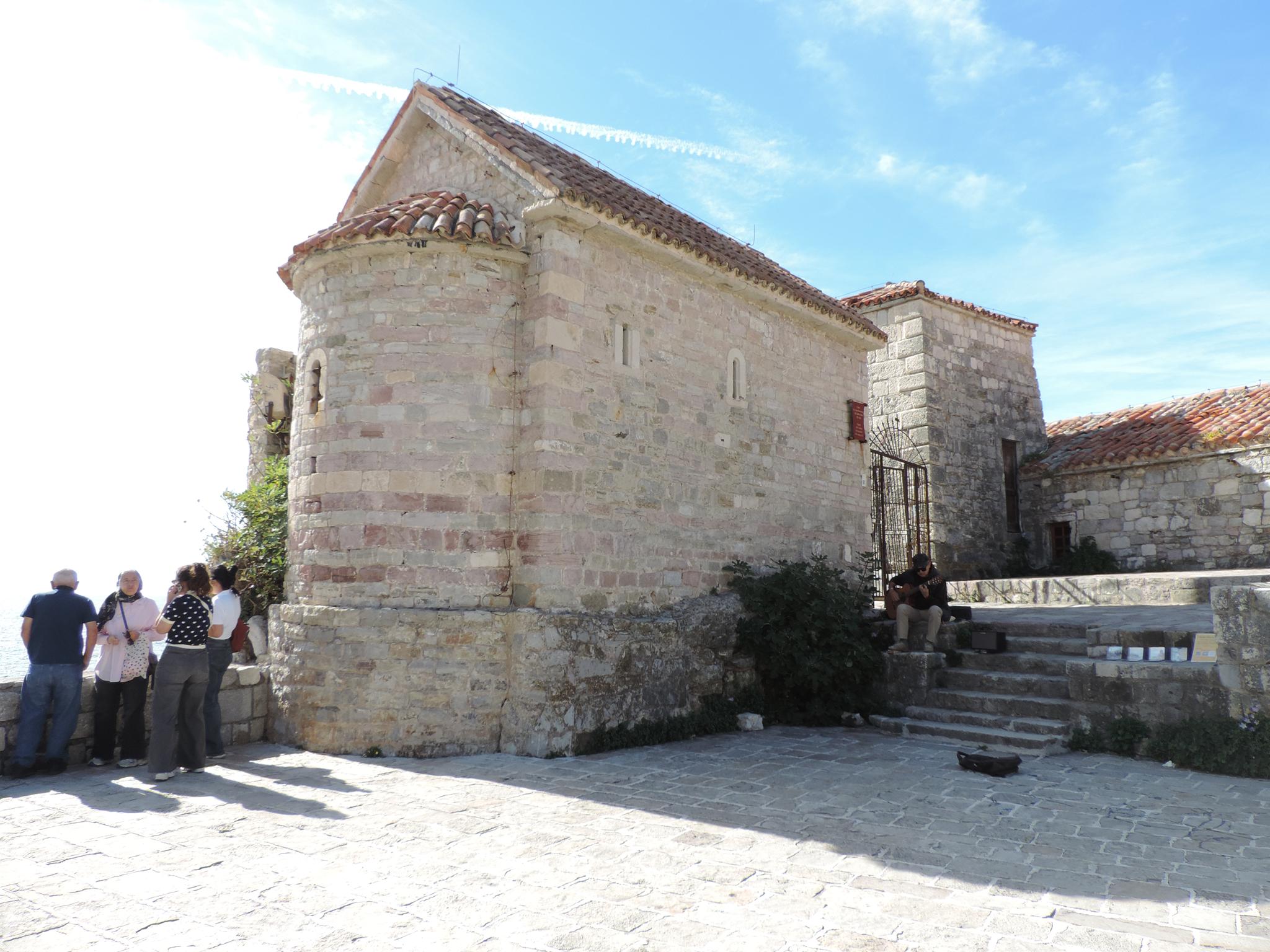
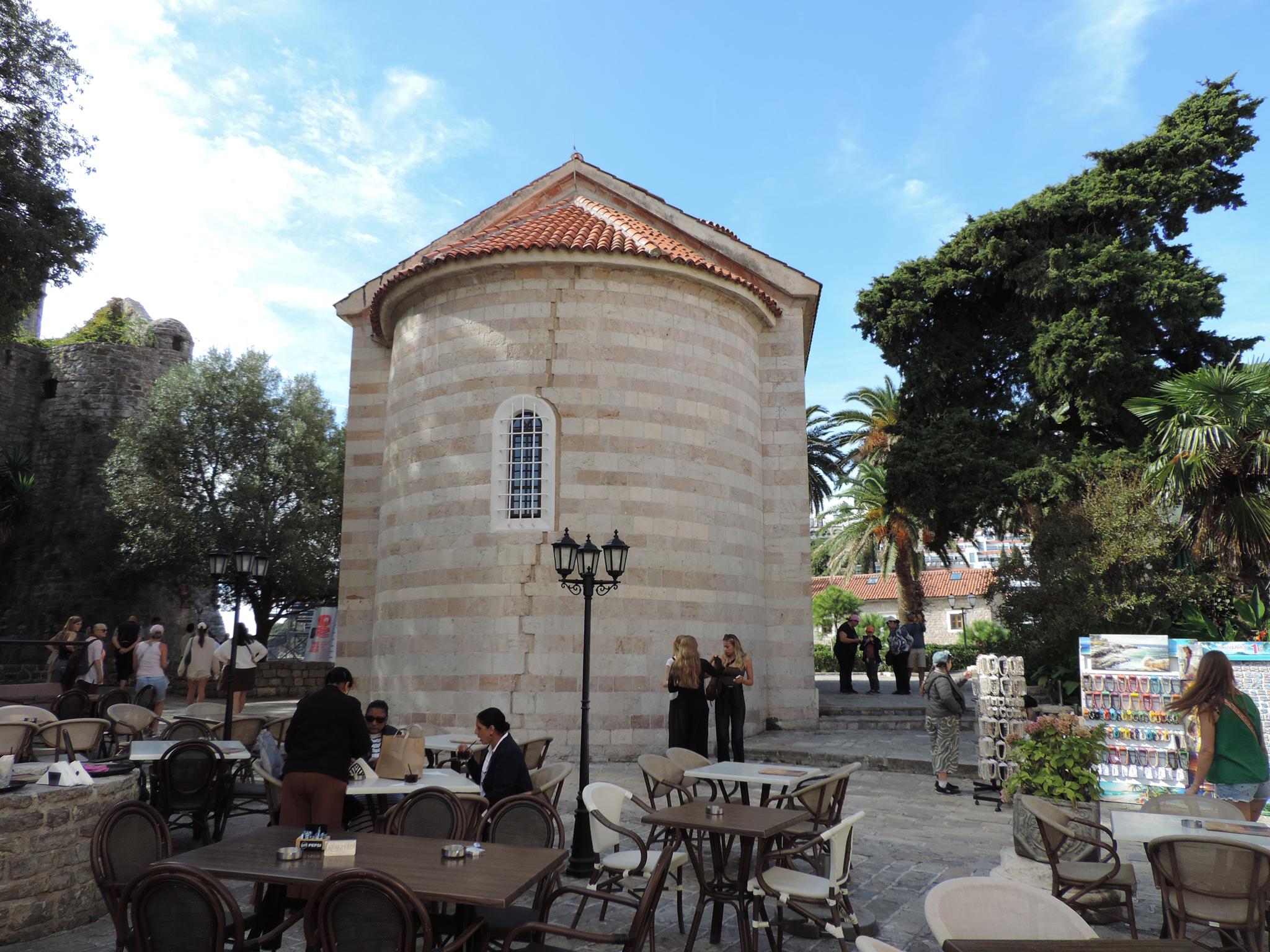
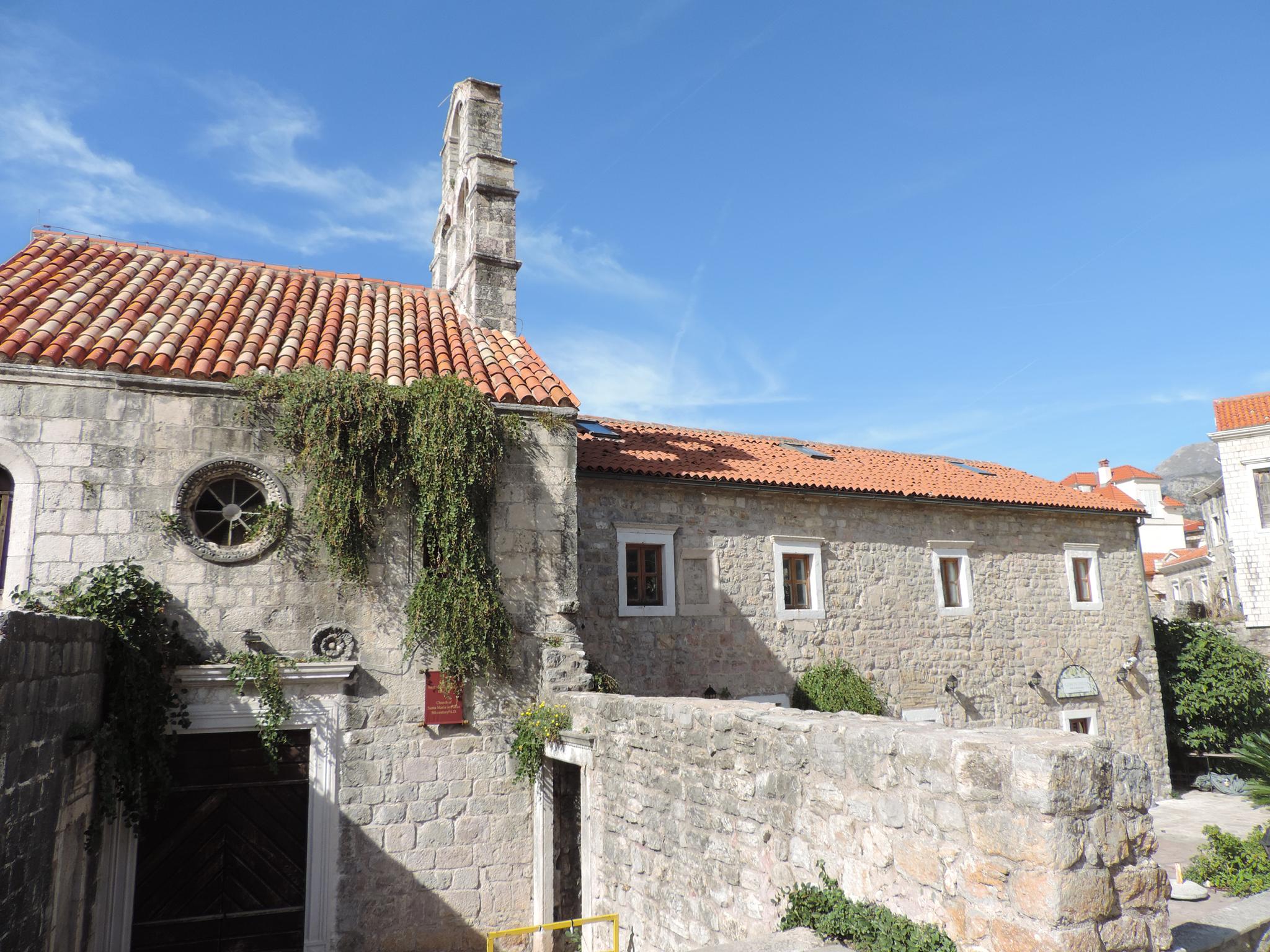
Among the most significant historic buildings are several churches dating from different centuries. The Church of Santa Maria in Punta dates back to 840 AD. St. John’s Church, known as Sveti Ivan, originated from an earlier structure dating to the 7th century and acquired much of its present form during the 15th century. The Church of the Holy Trinity, or Sveta Trojica, was built in 1804. Together, these buildings document the town’s religious development and bring early Christian, medieval and modern architectural elements together within a compact area.
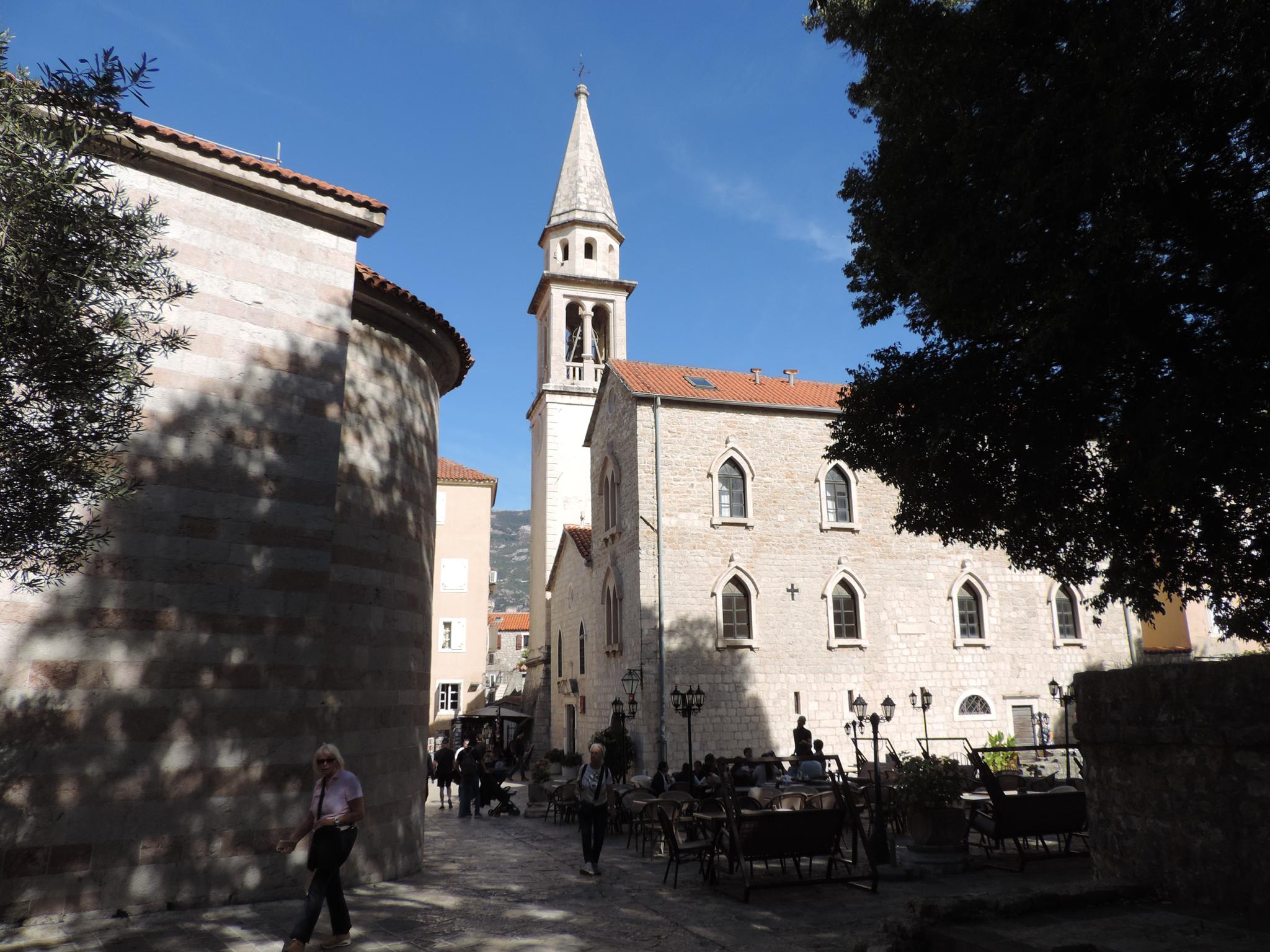
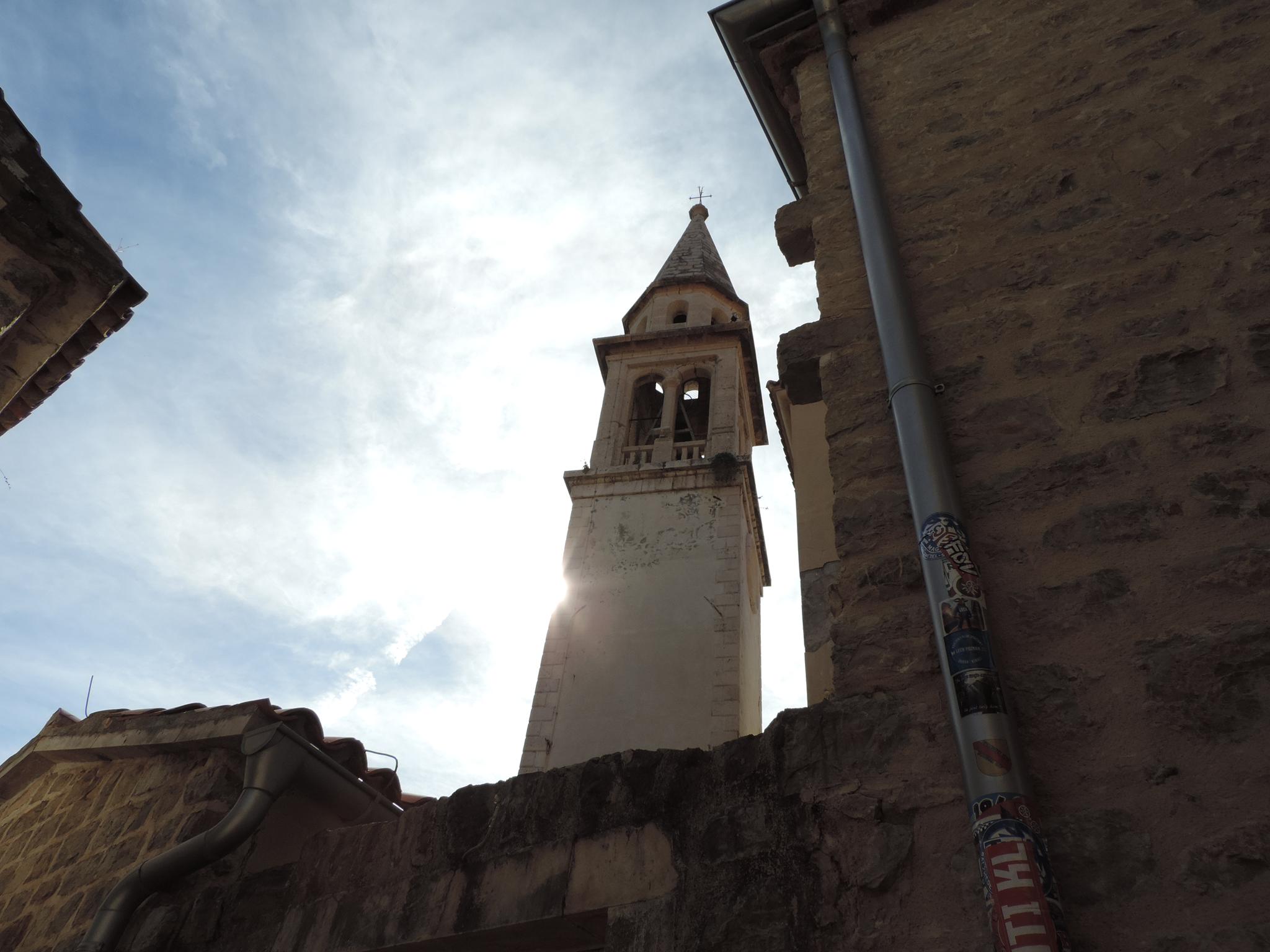
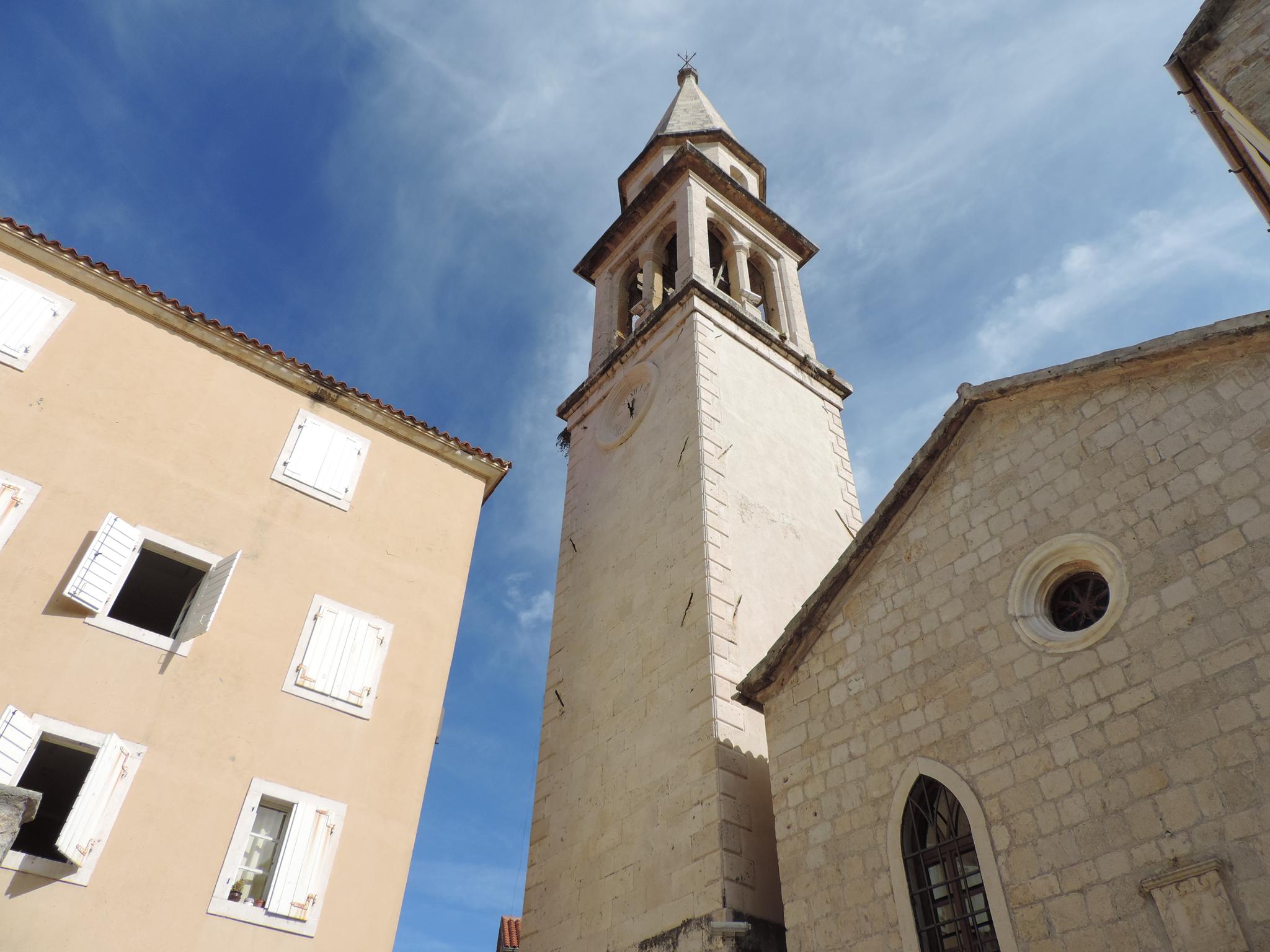
A major turning point came in 1667, when an earthquake caused considerable damage to Budva. Many sections of the fortifications subsequently had to be rebuilt. On 15th April 1979, another powerful earthquake struck the Old Town, damaging or destroying numerous buildings and historic structures. Extensive restoration work followed in the years after the disaster. The Old Town’s present appearance therefore reflects both its historic building fabric and the reconstruction carried out after the earthquake.
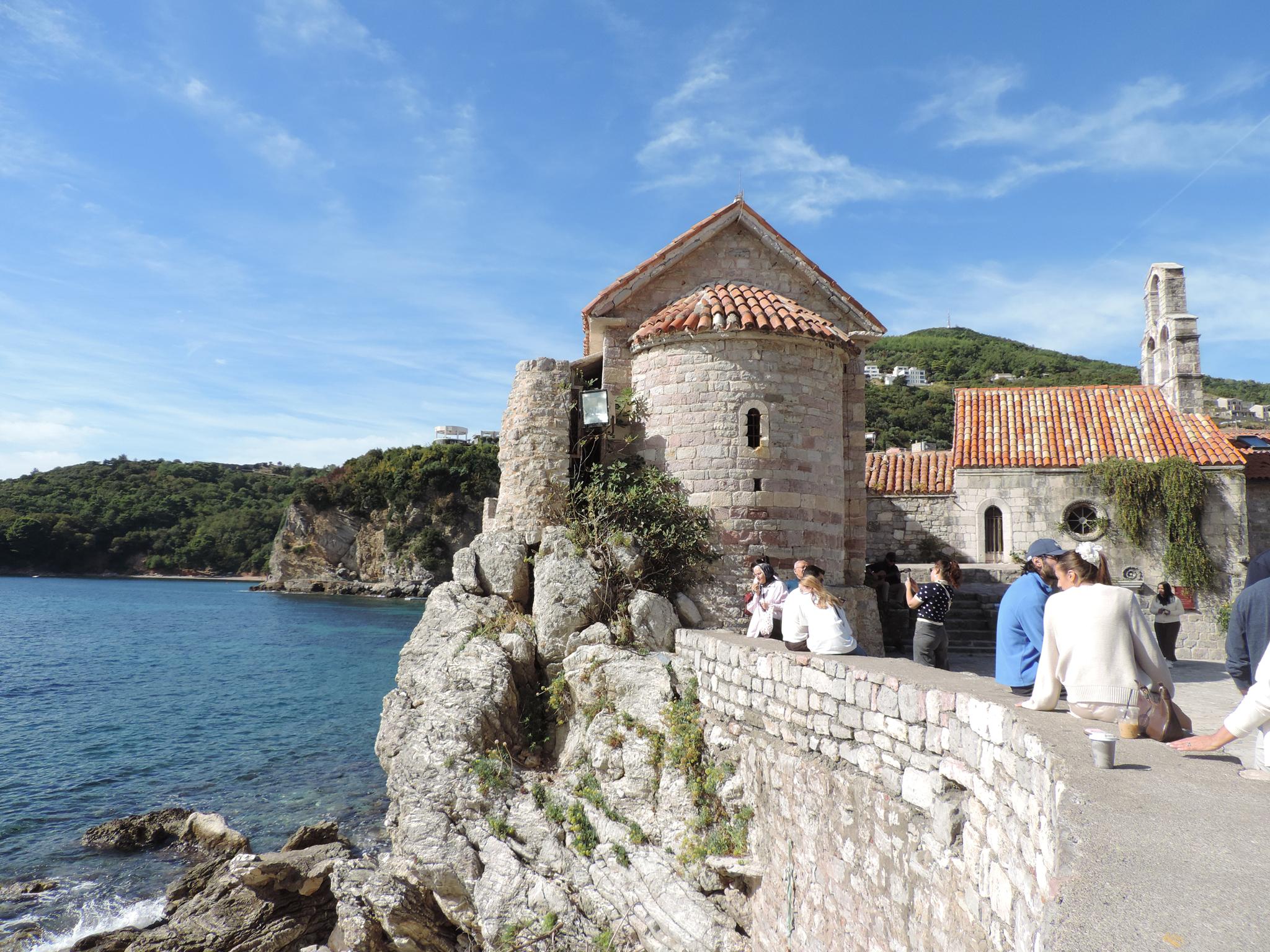
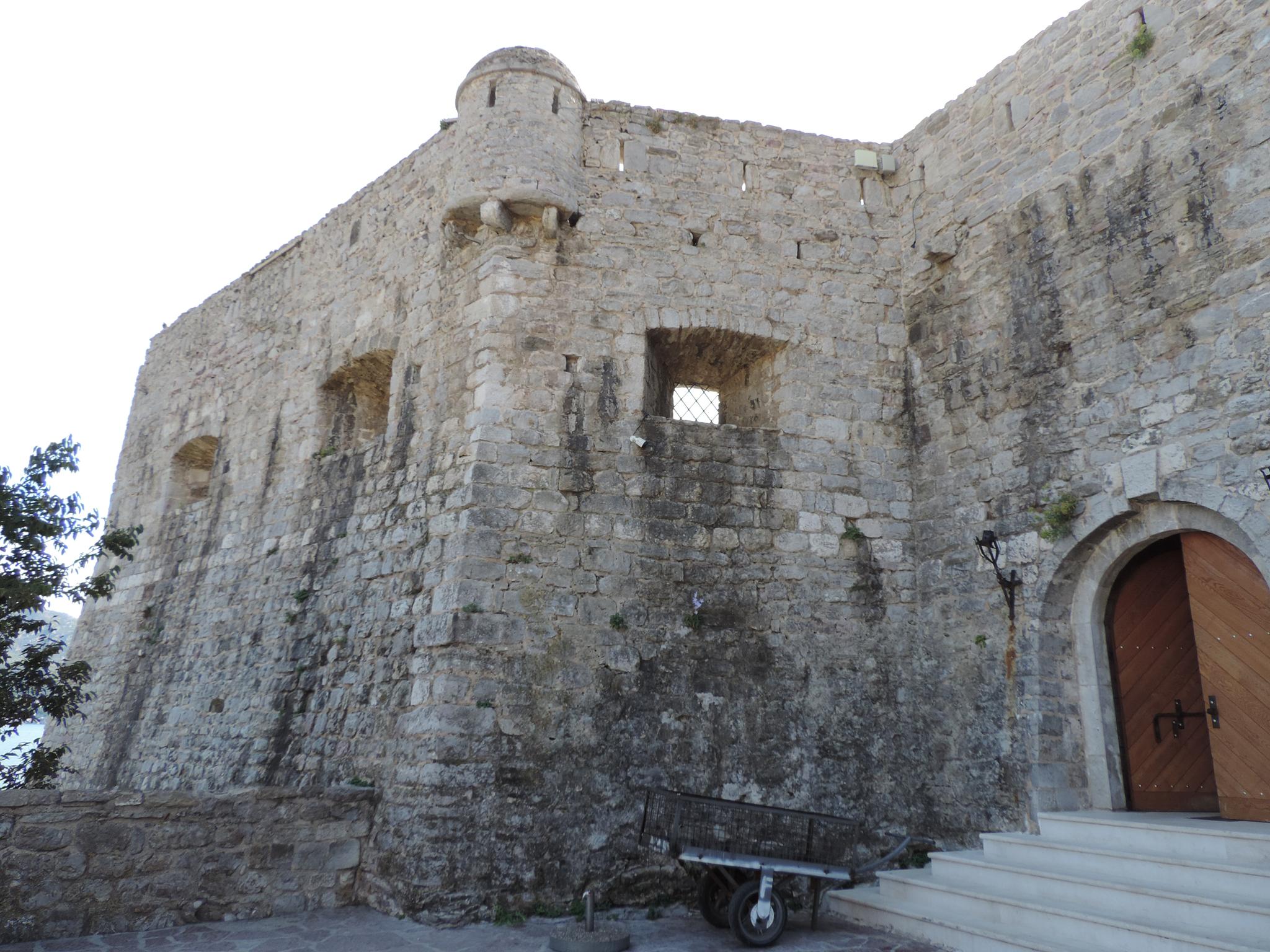
Another important part of Budva’s heritage is the archaeological necropolis in the area surrounding the ancient settlement. The excavated graves date from different periods and have yielded jewellery, pottery and other burial objects. These discoveries demonstrate that Budva was connected to cultural and economic networks throughout the Mediterranean for centuries. Some of the archaeological finds are displayed in the Budva City Museum, which documents the town’s development from antiquity to the recent past.
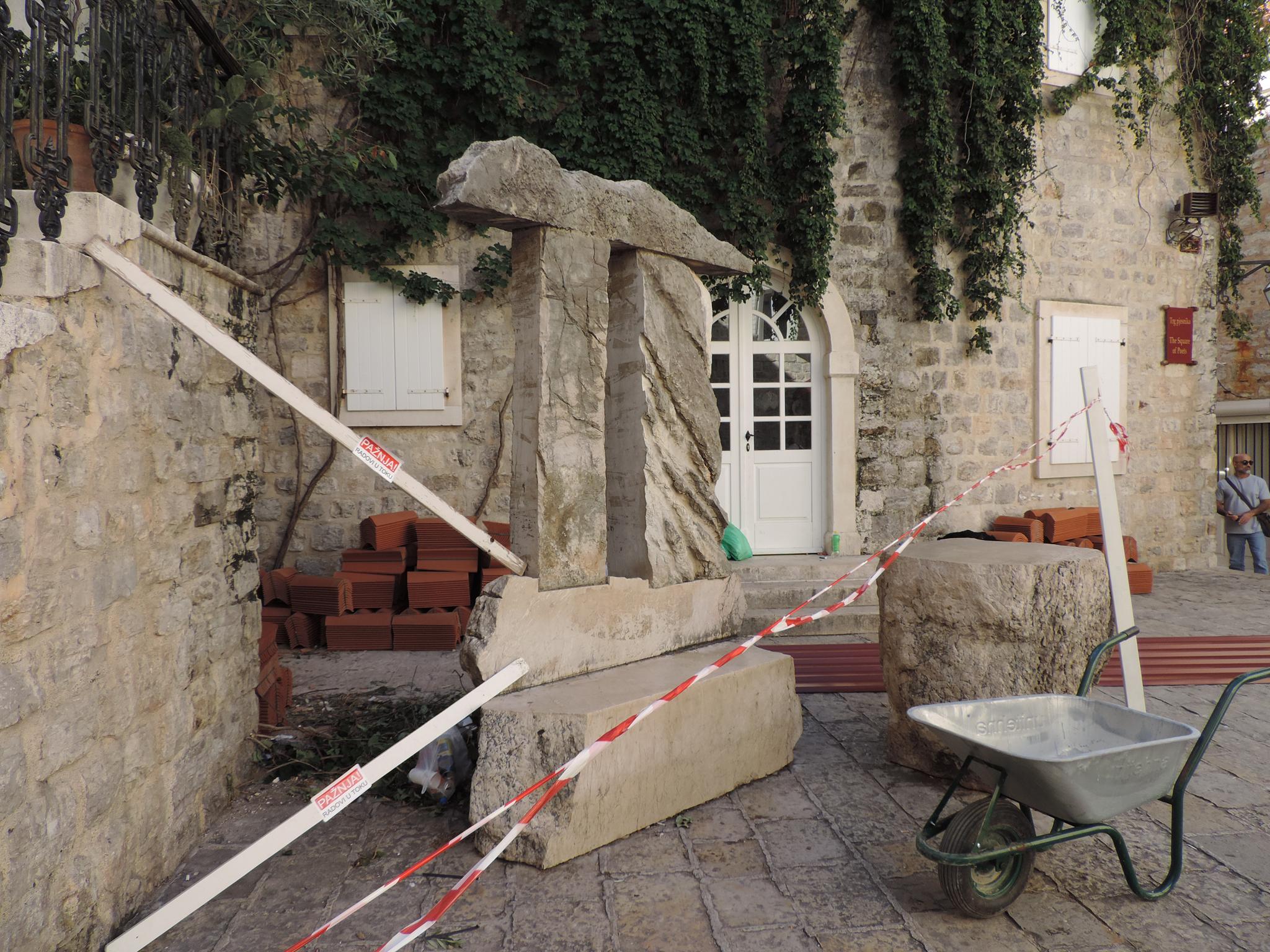
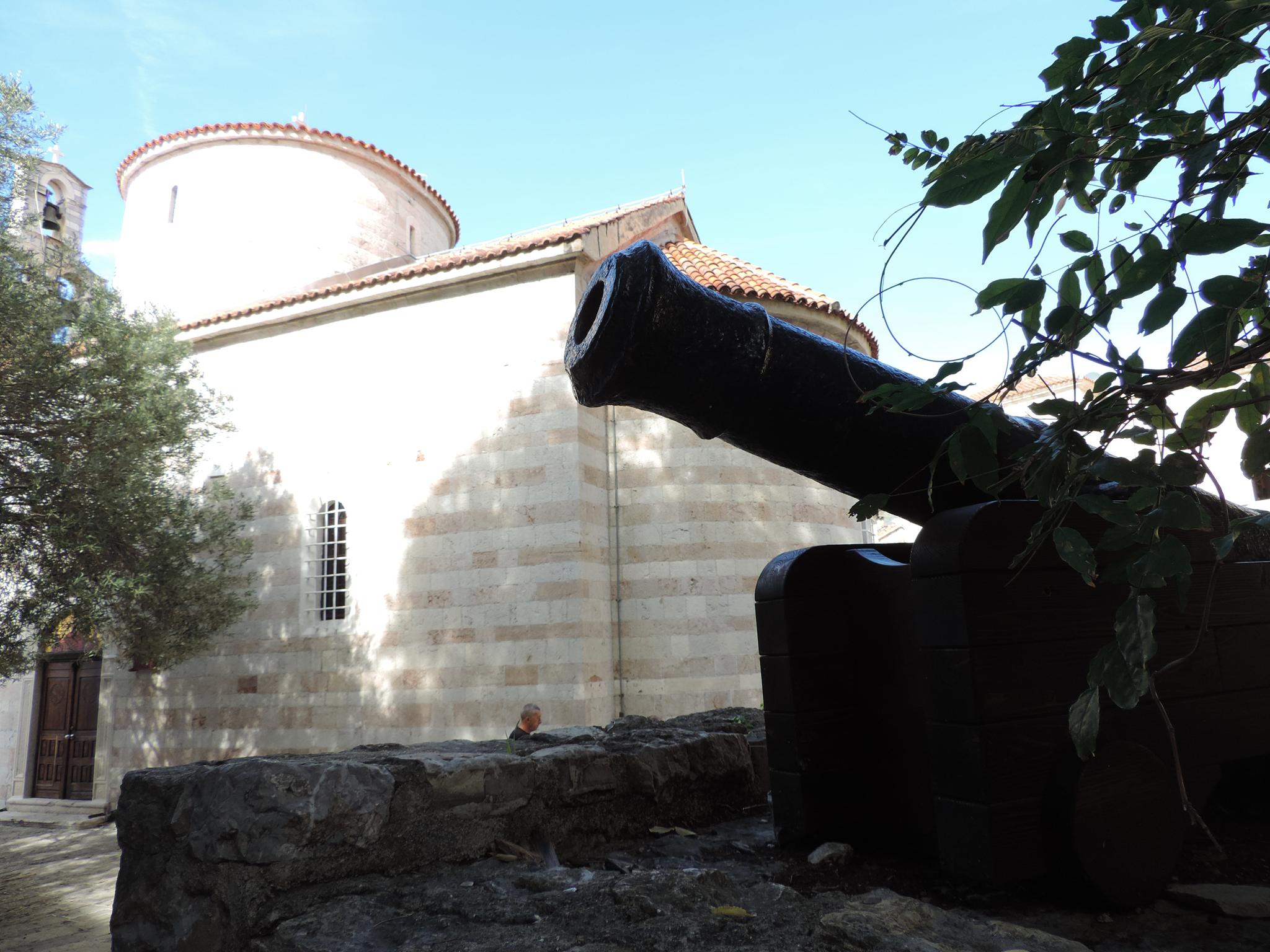
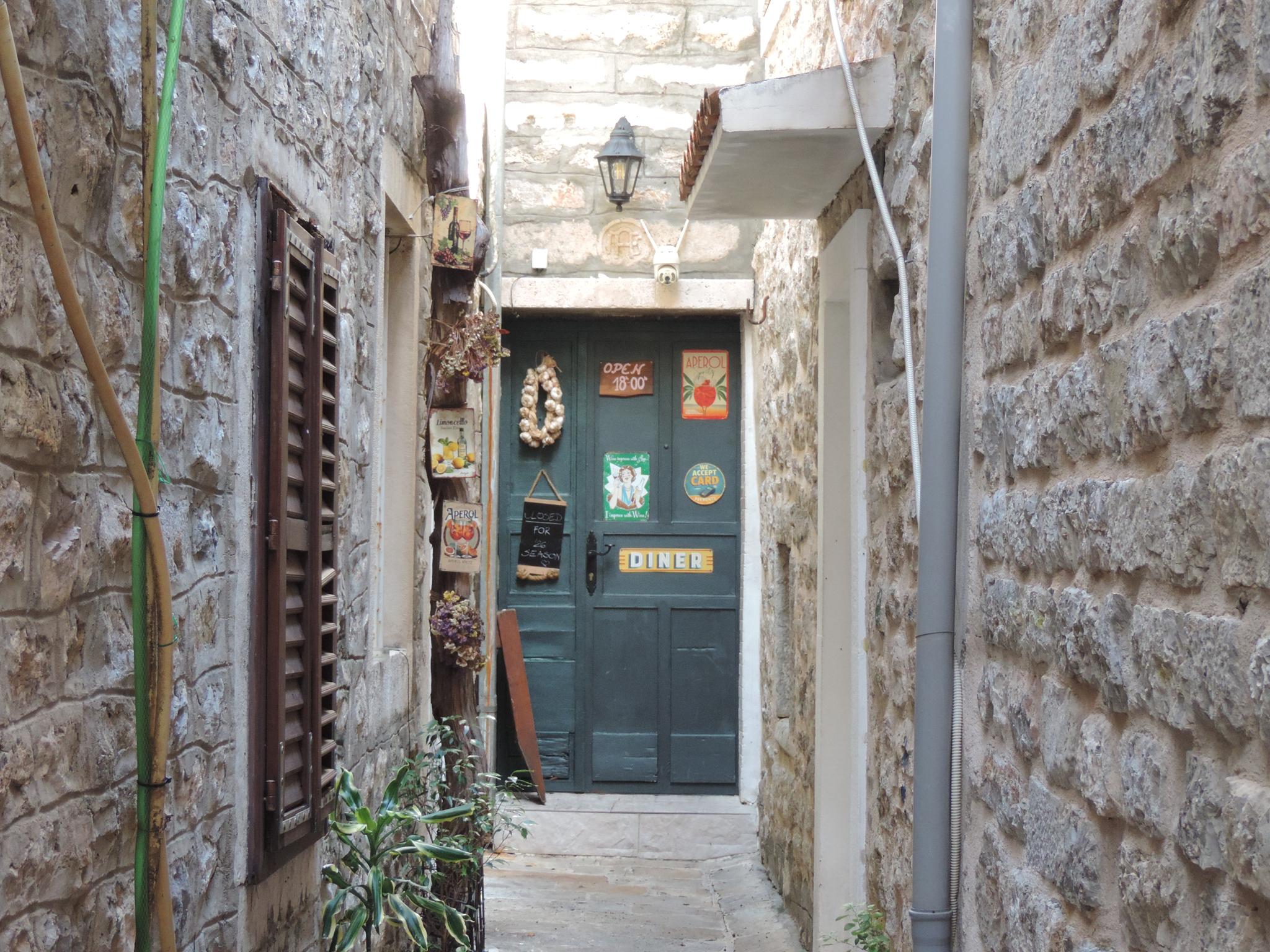
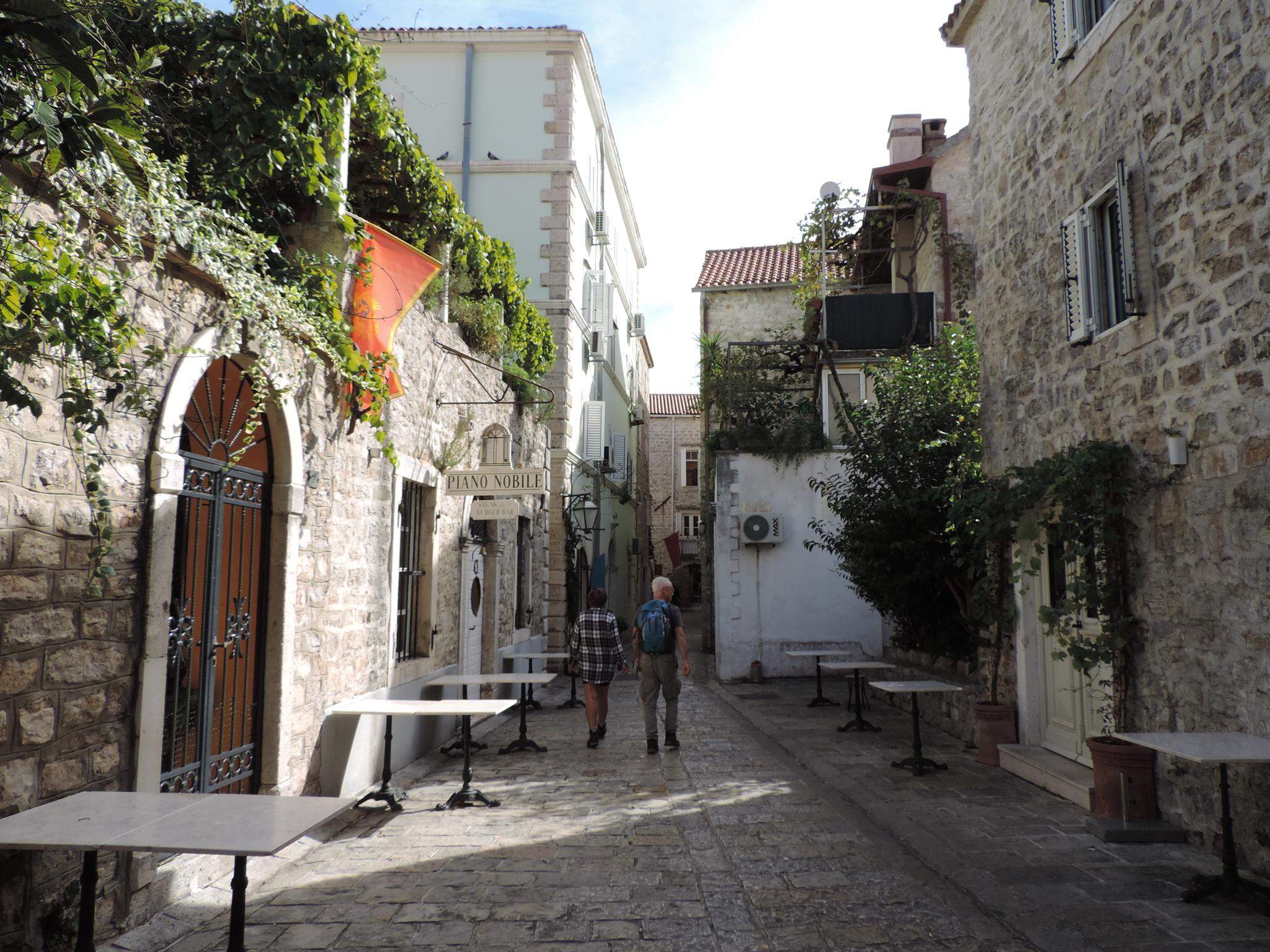
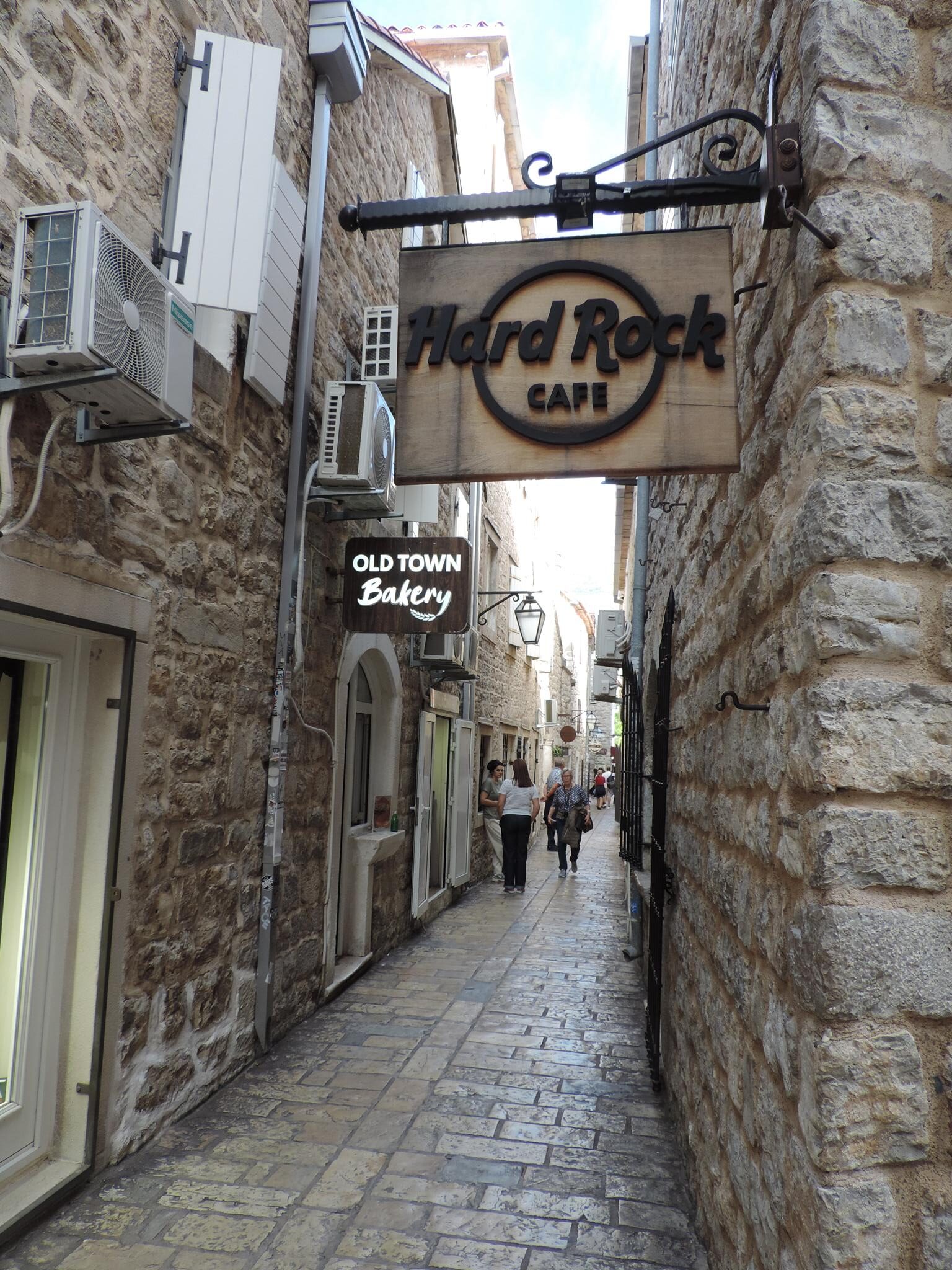
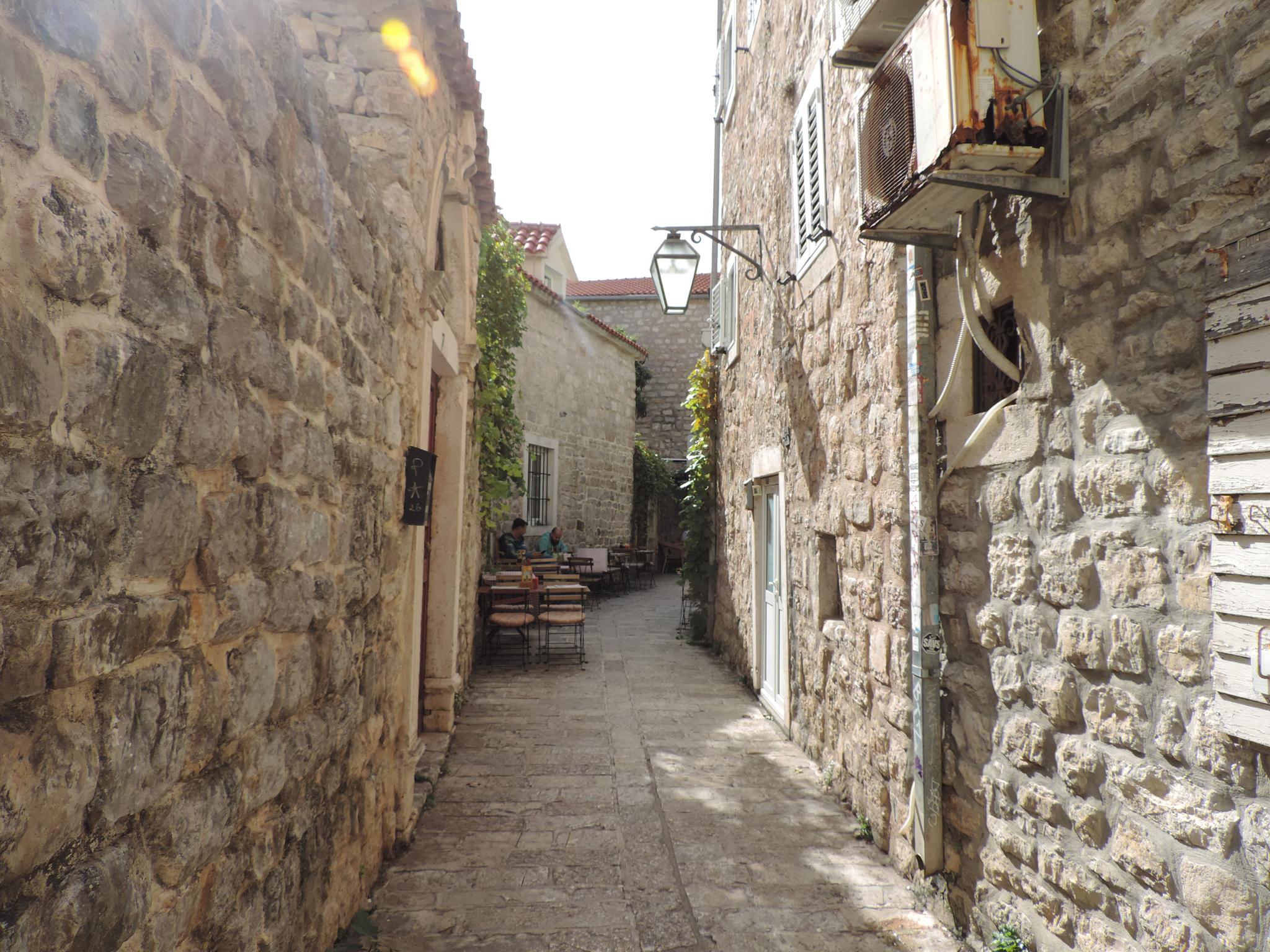
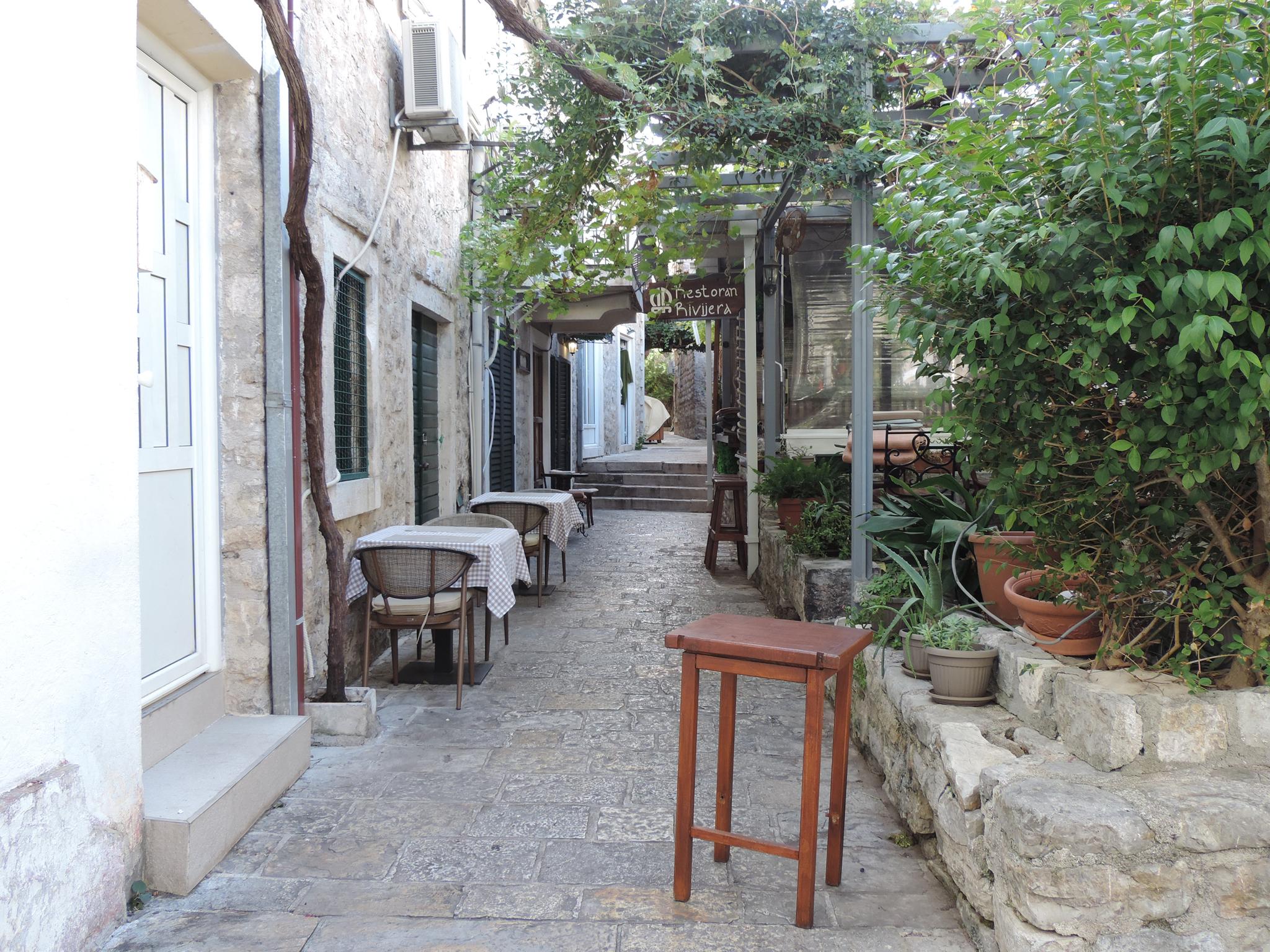
The location of the Old Town has also played a decisive role in its development. The peninsula offered natural defensive advantages and allowed the settlement to control an important stretch of coastline. At the same time, its proximity to the sea connected Budva to maritime trade routes and other settlements along the Adriatic. The compact layout within the city walls is typical of historic coastal towns, where limited space and security requirements shaped urban development. These structures remain visible today in the narrow passageways, small courtyards and closely spaced stone houses.
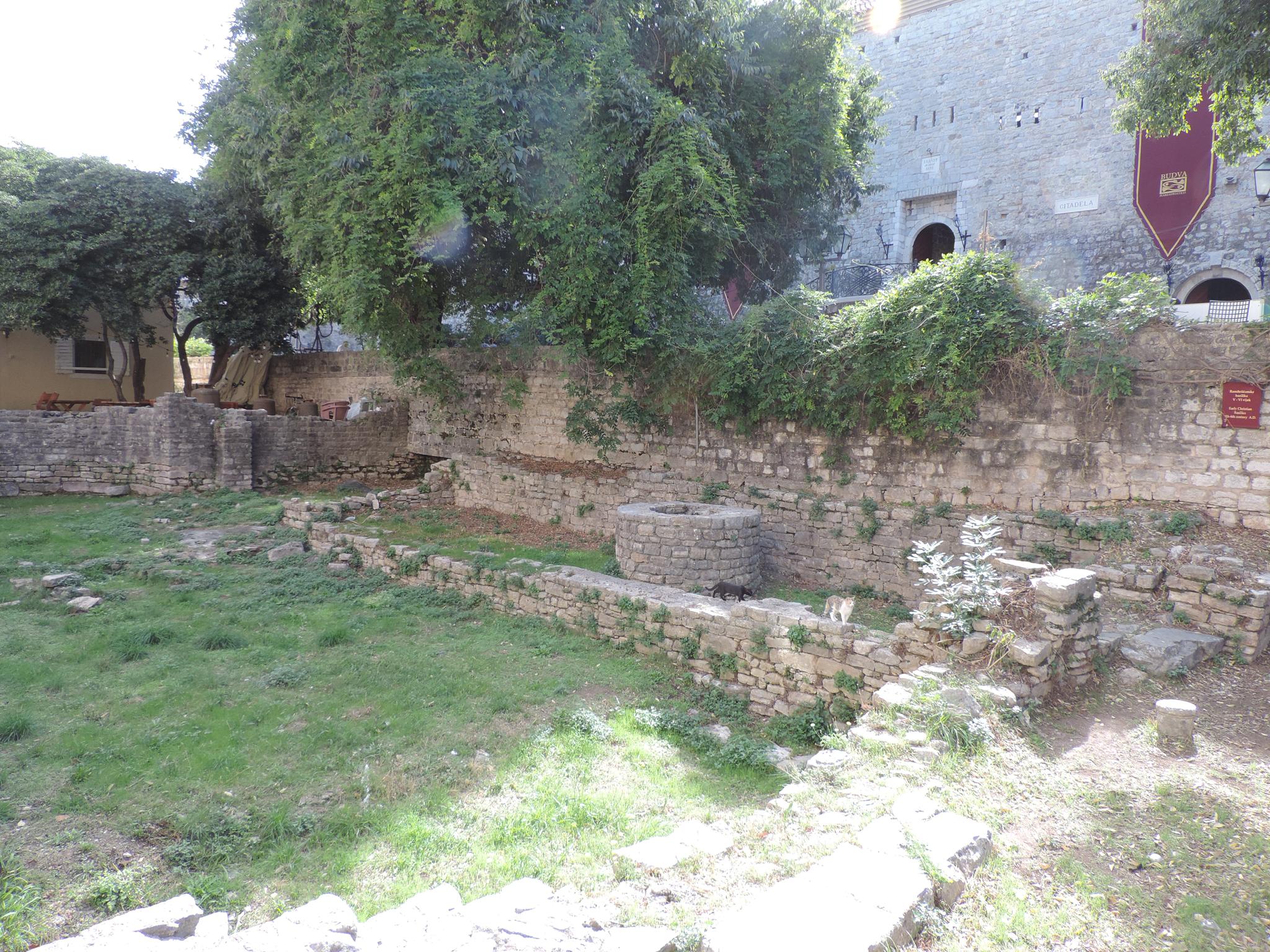
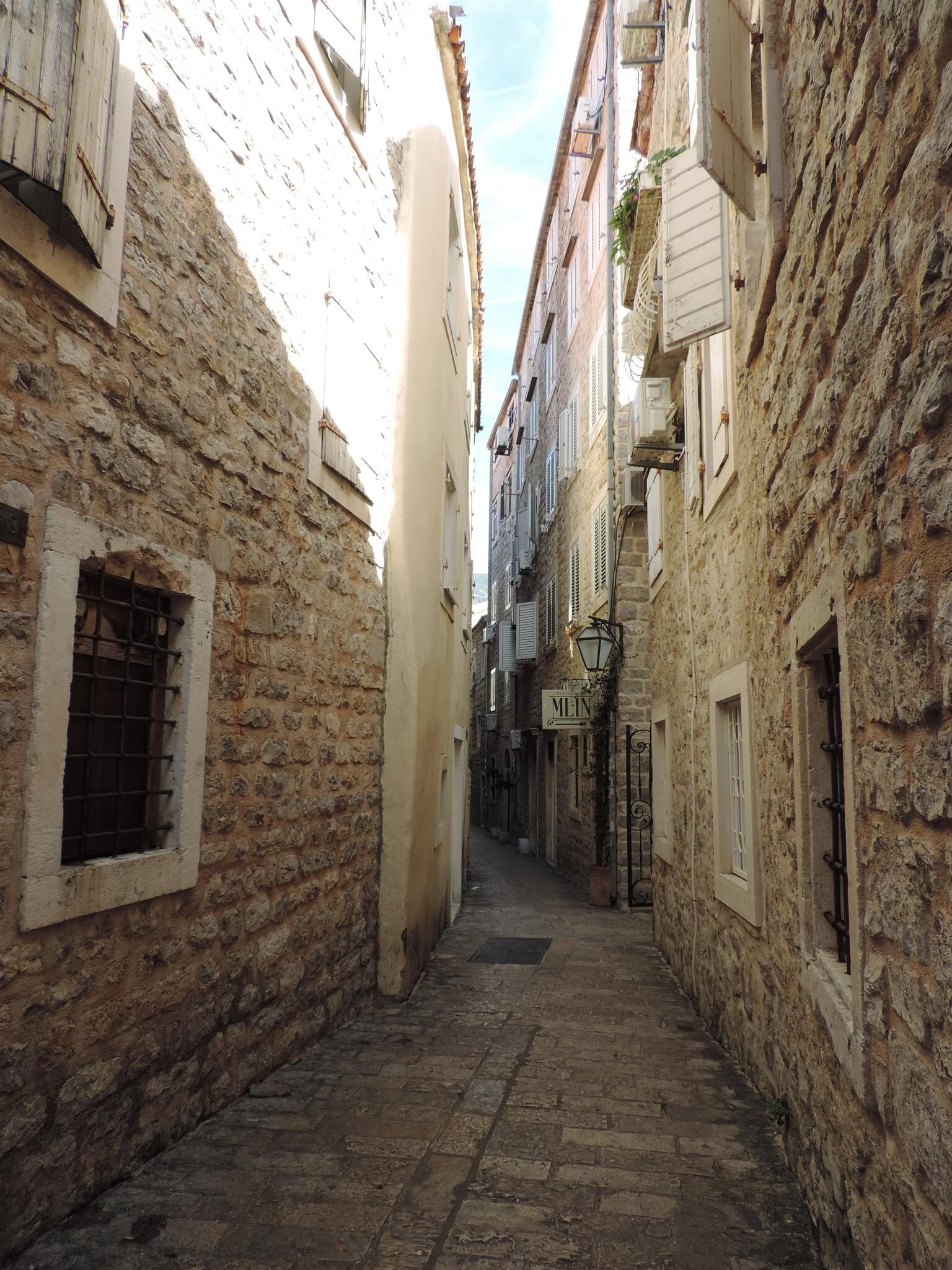
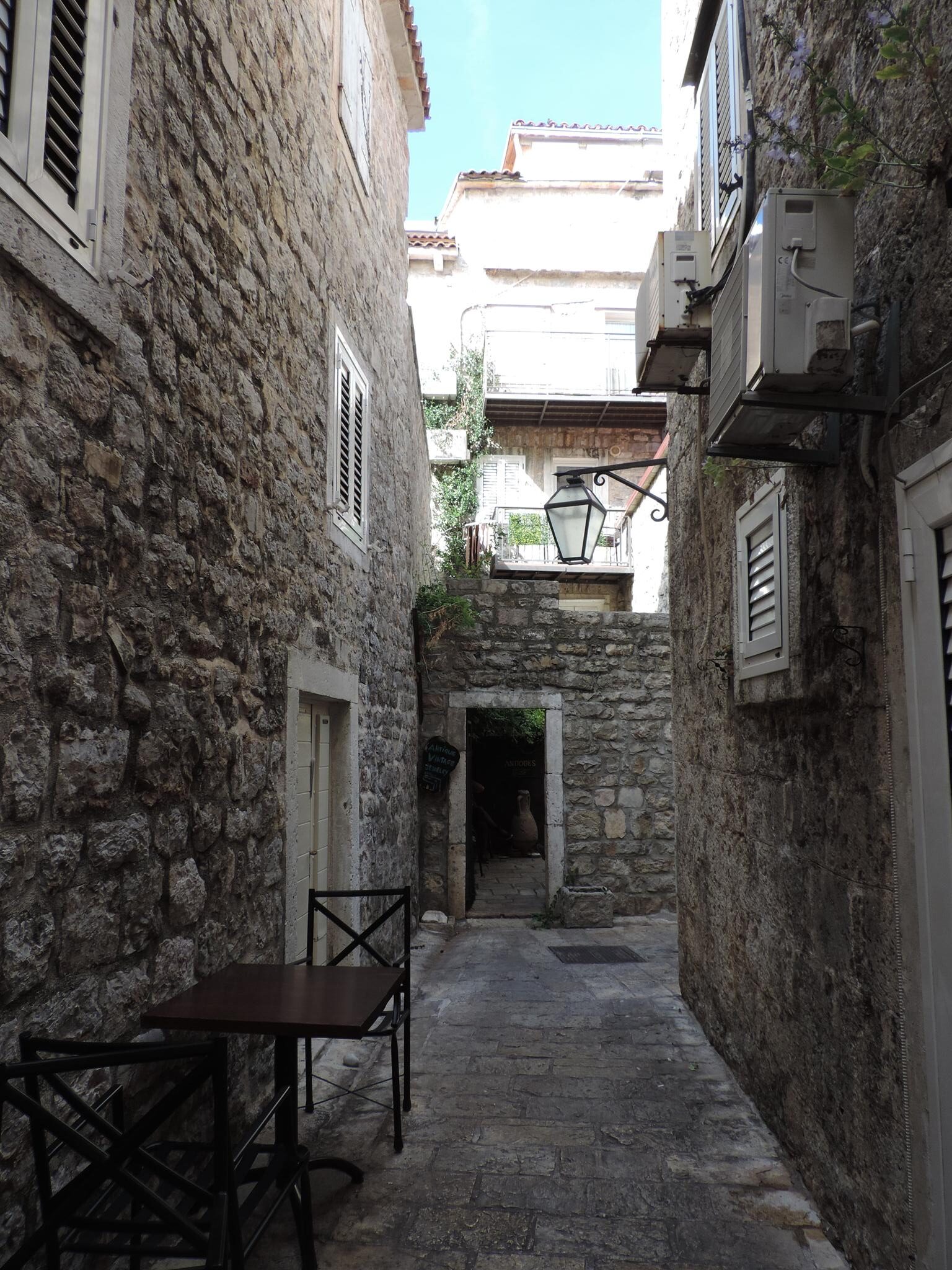
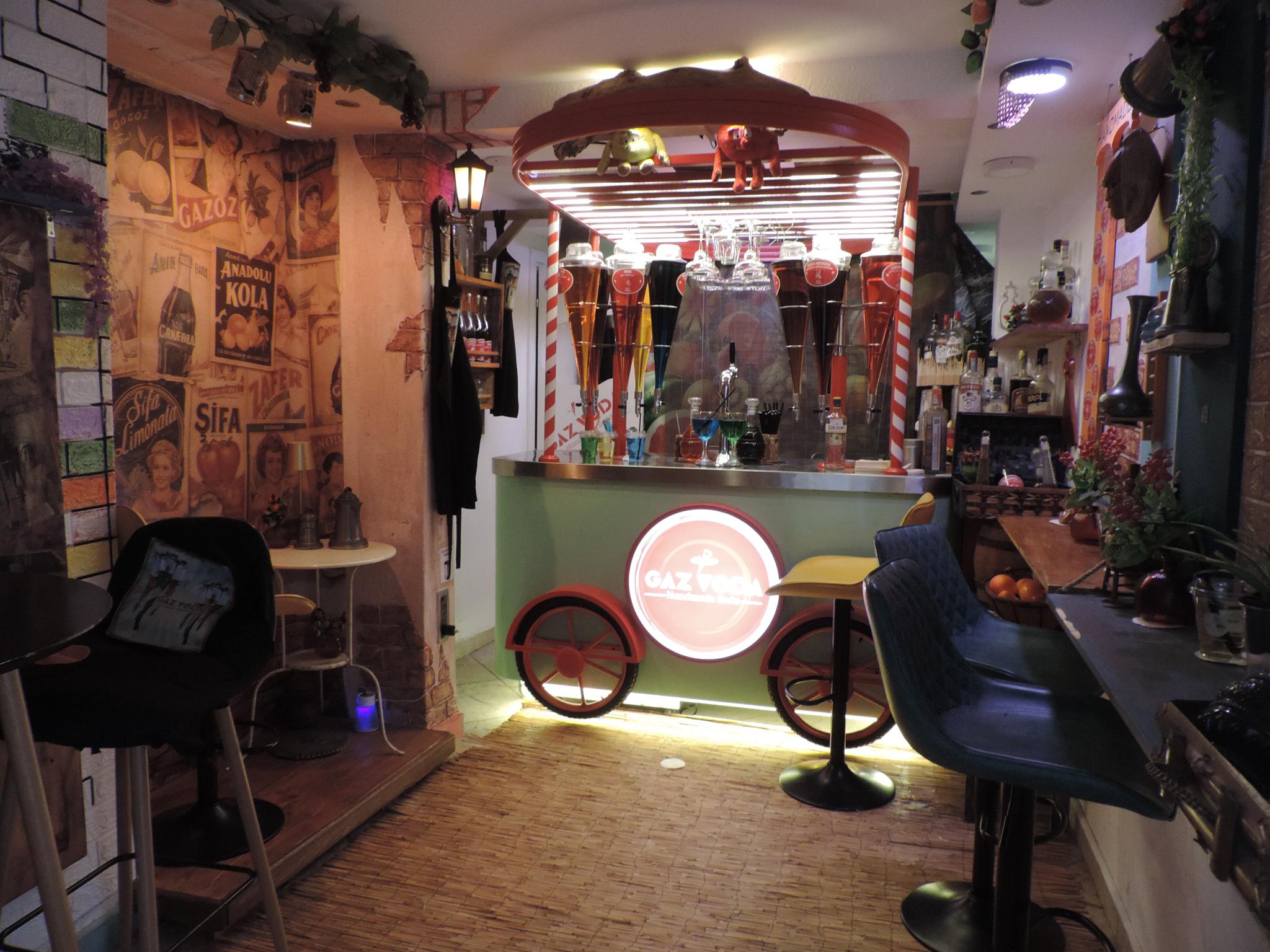
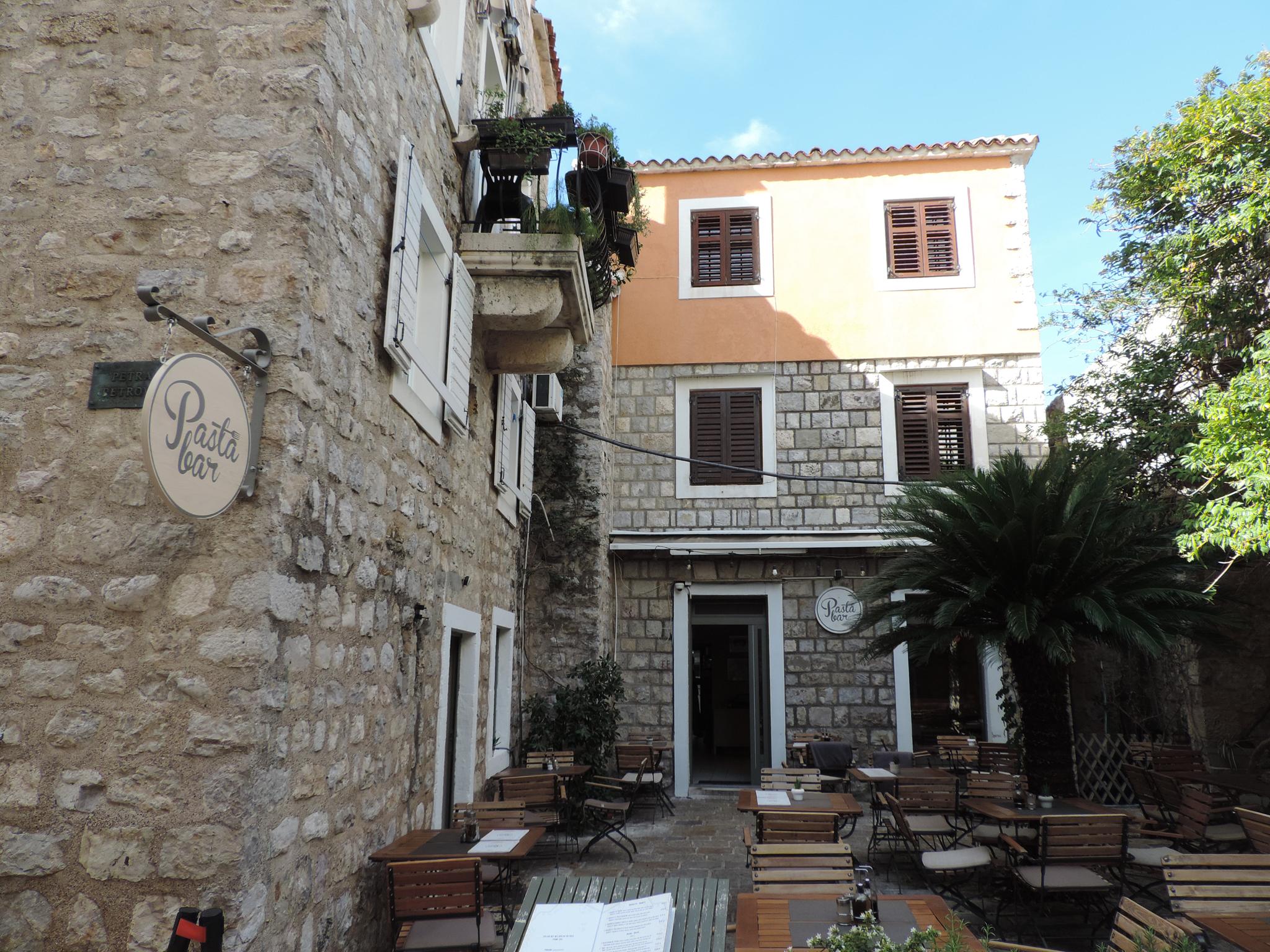
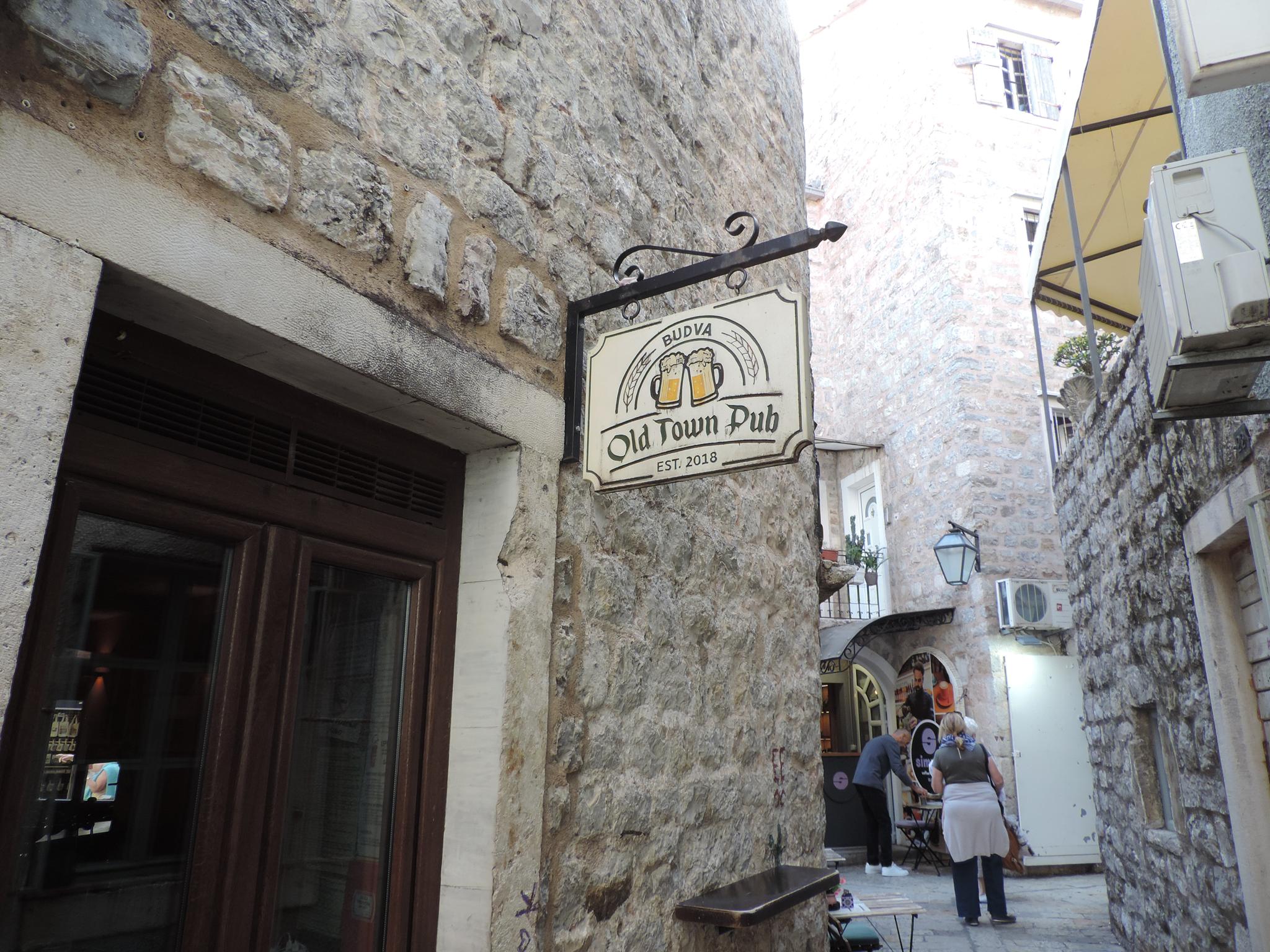
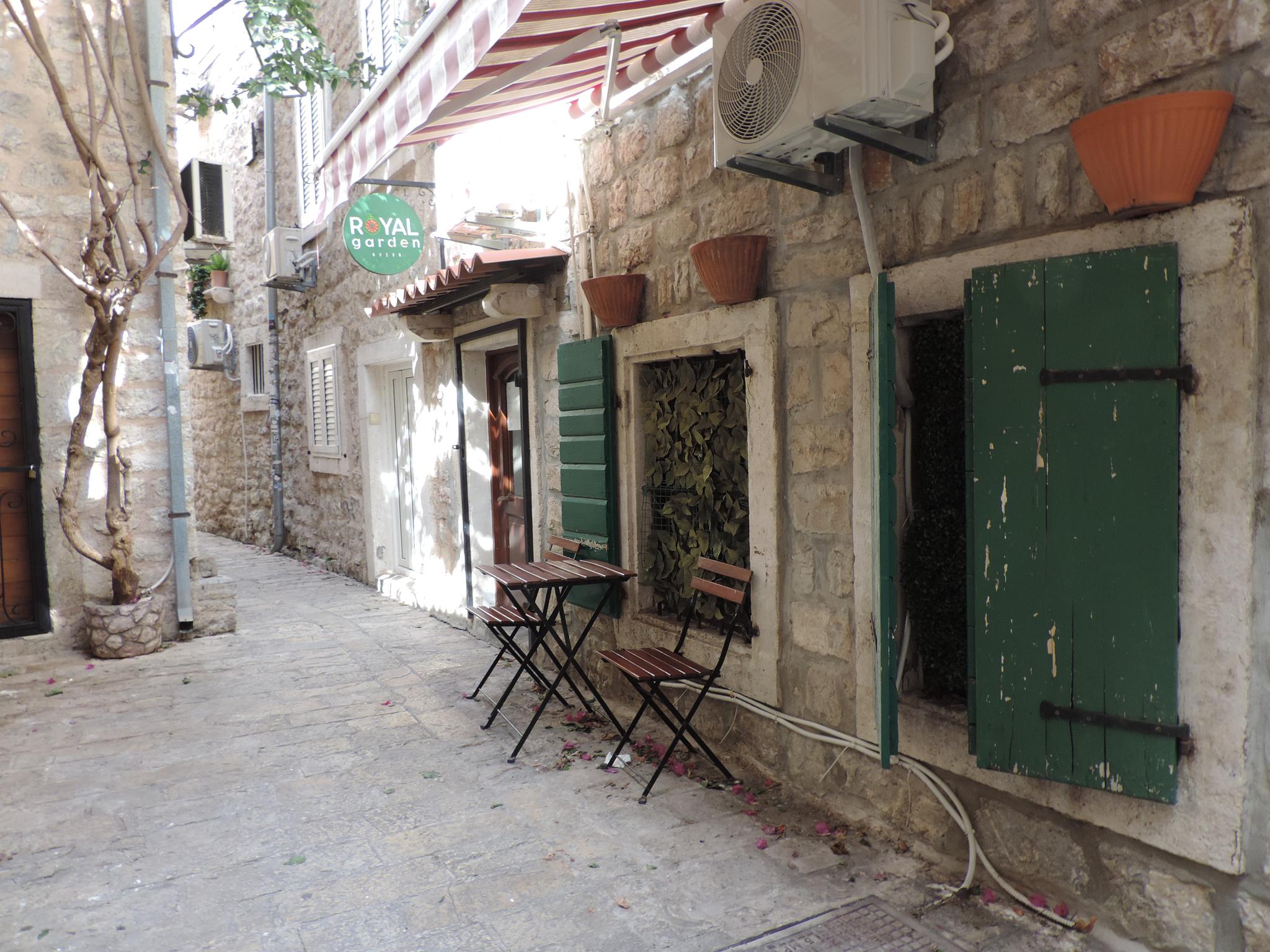
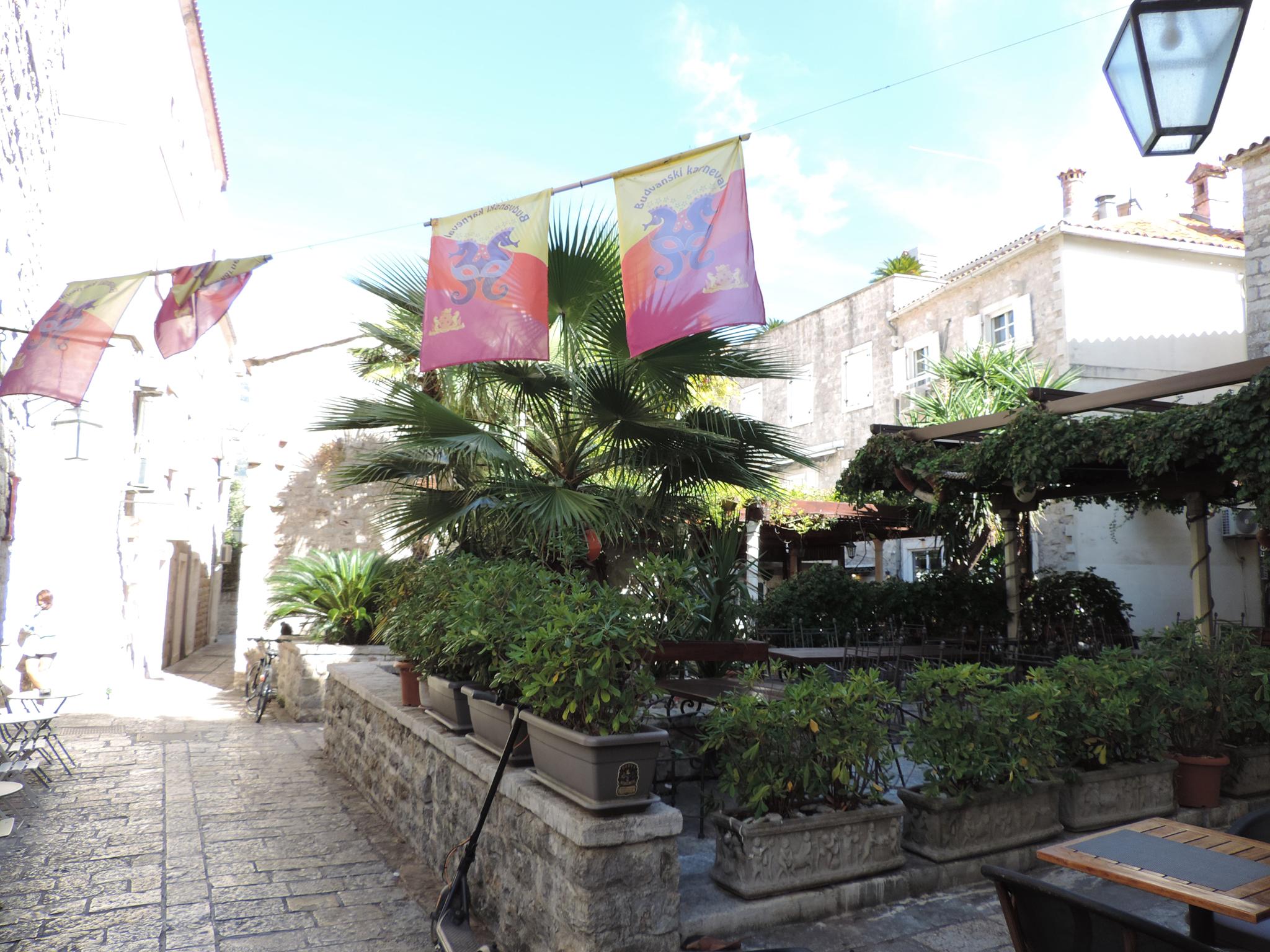
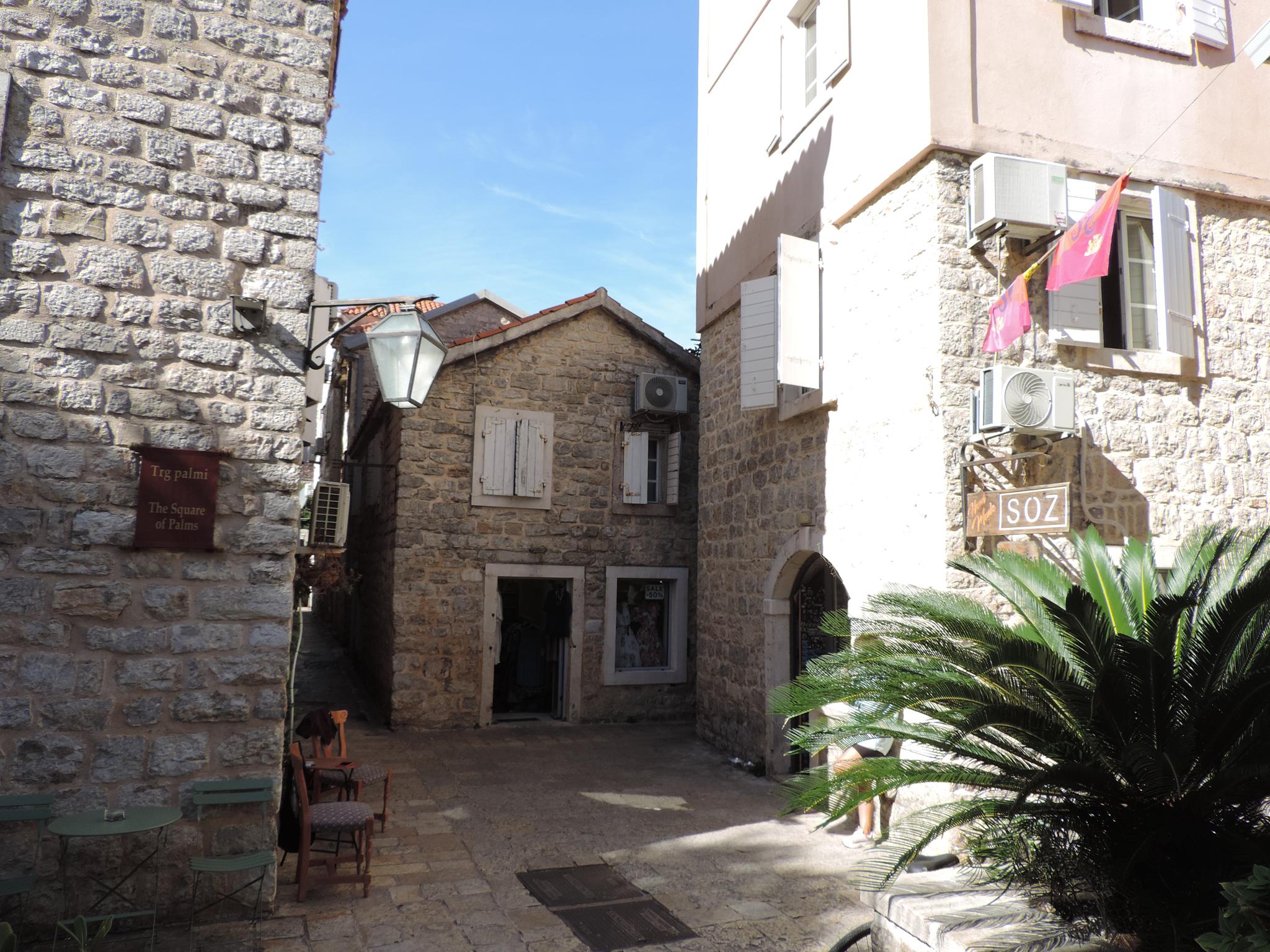
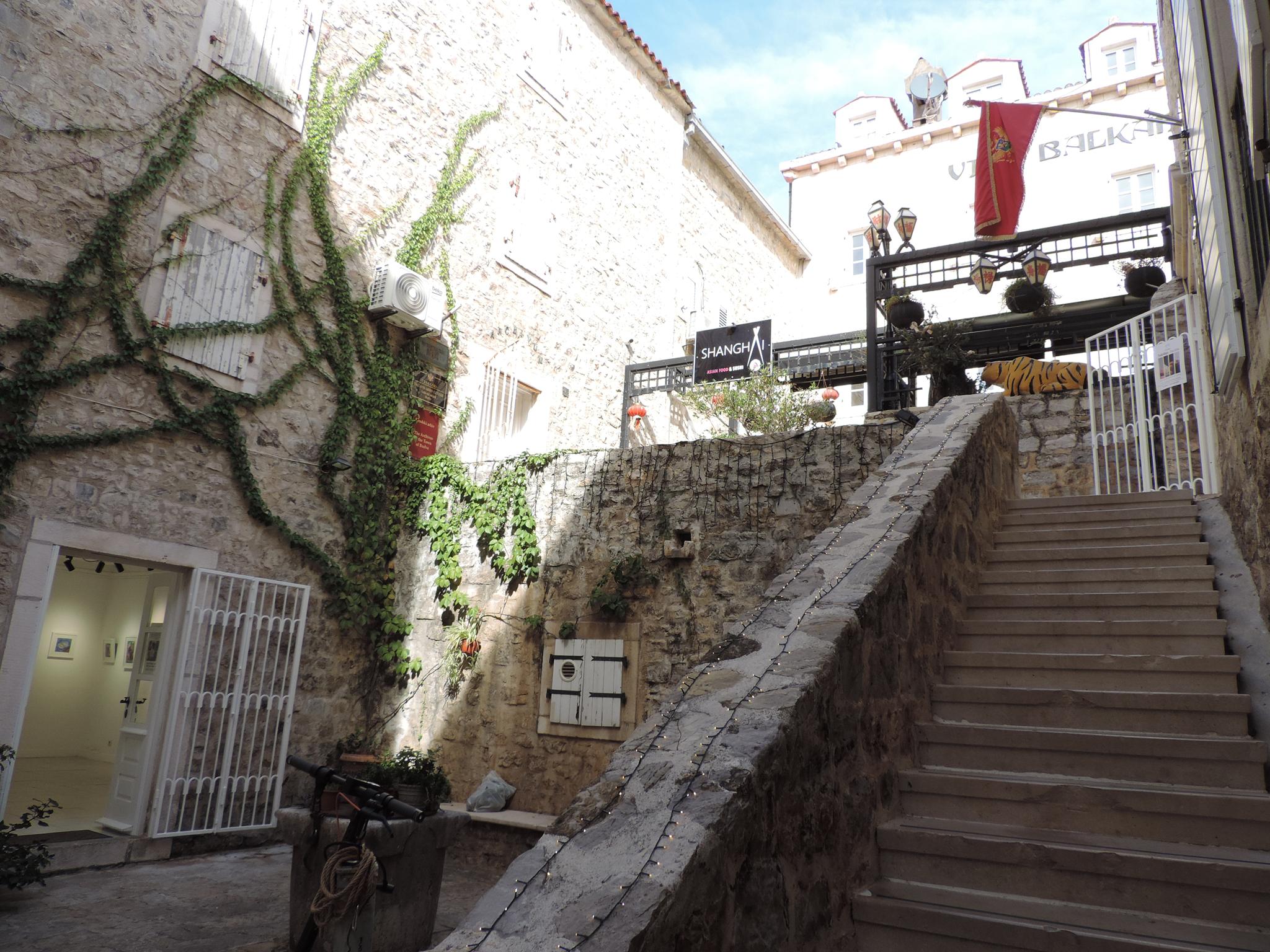
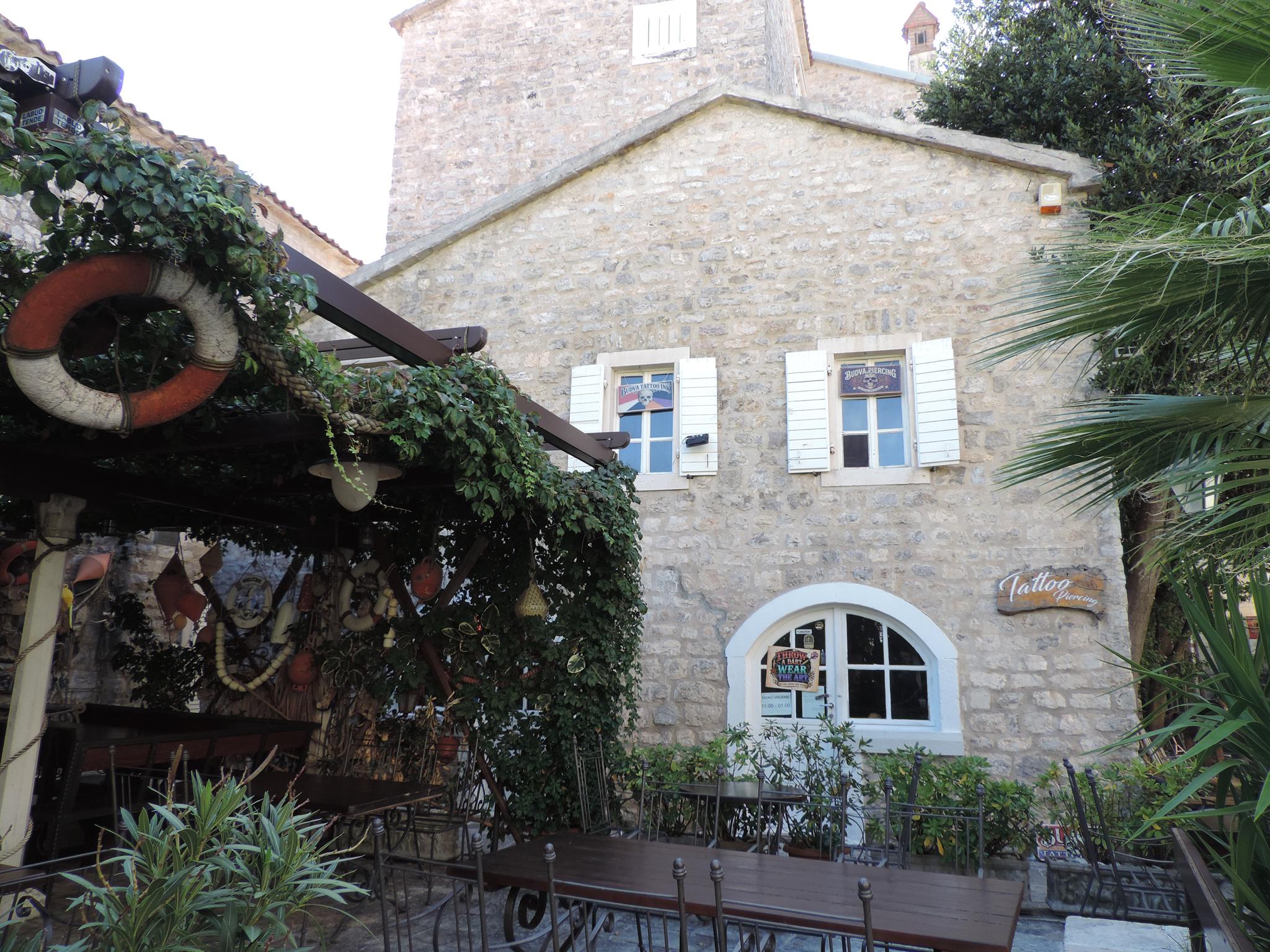
Alongside its historic architecture, Stari Grad is now a busy centre for restaurants, cafés and small shops. The squares between the churches and the surrounding streets are lined with restaurants and cafés, many of which extend their outdoor seating into the public spaces during the summer months. Recommendable restaurants in the Old Town include Restoran Mlin, known for fish and Mediterranean cuisine, Konoba Punta, which serves seafood and regional dishes, and Sambra, a pizzeria and restaurant near the Palm Square.
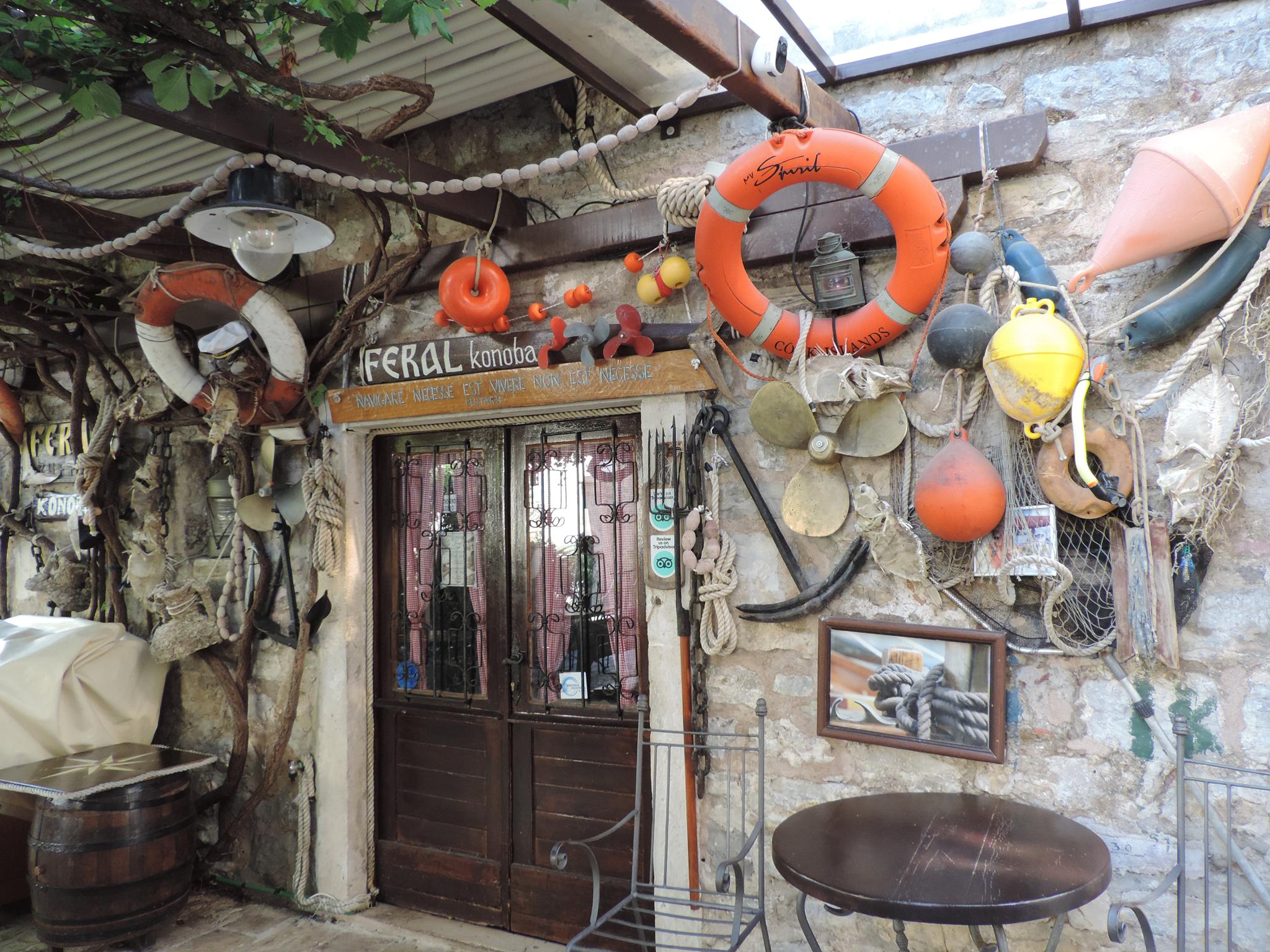
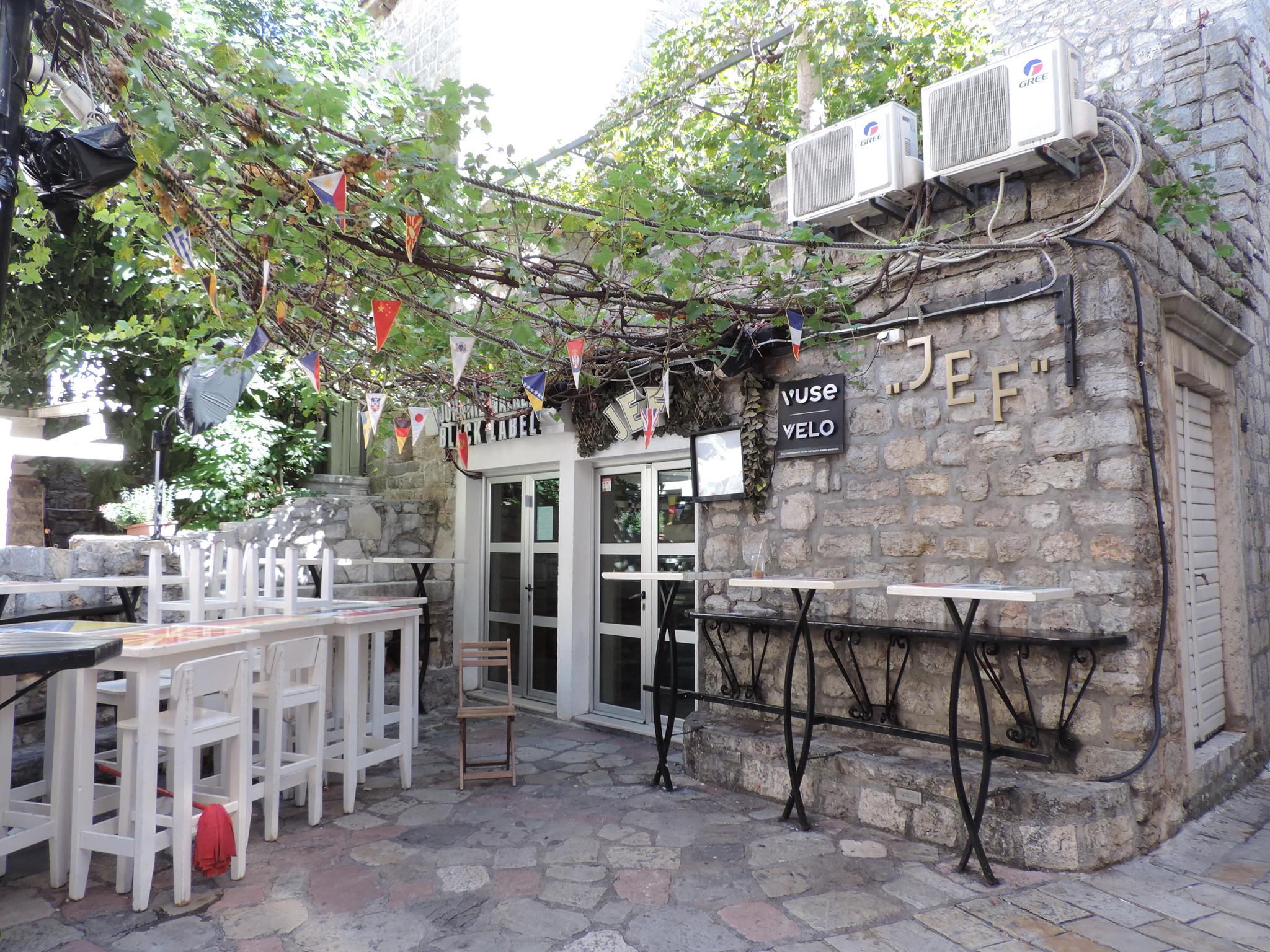
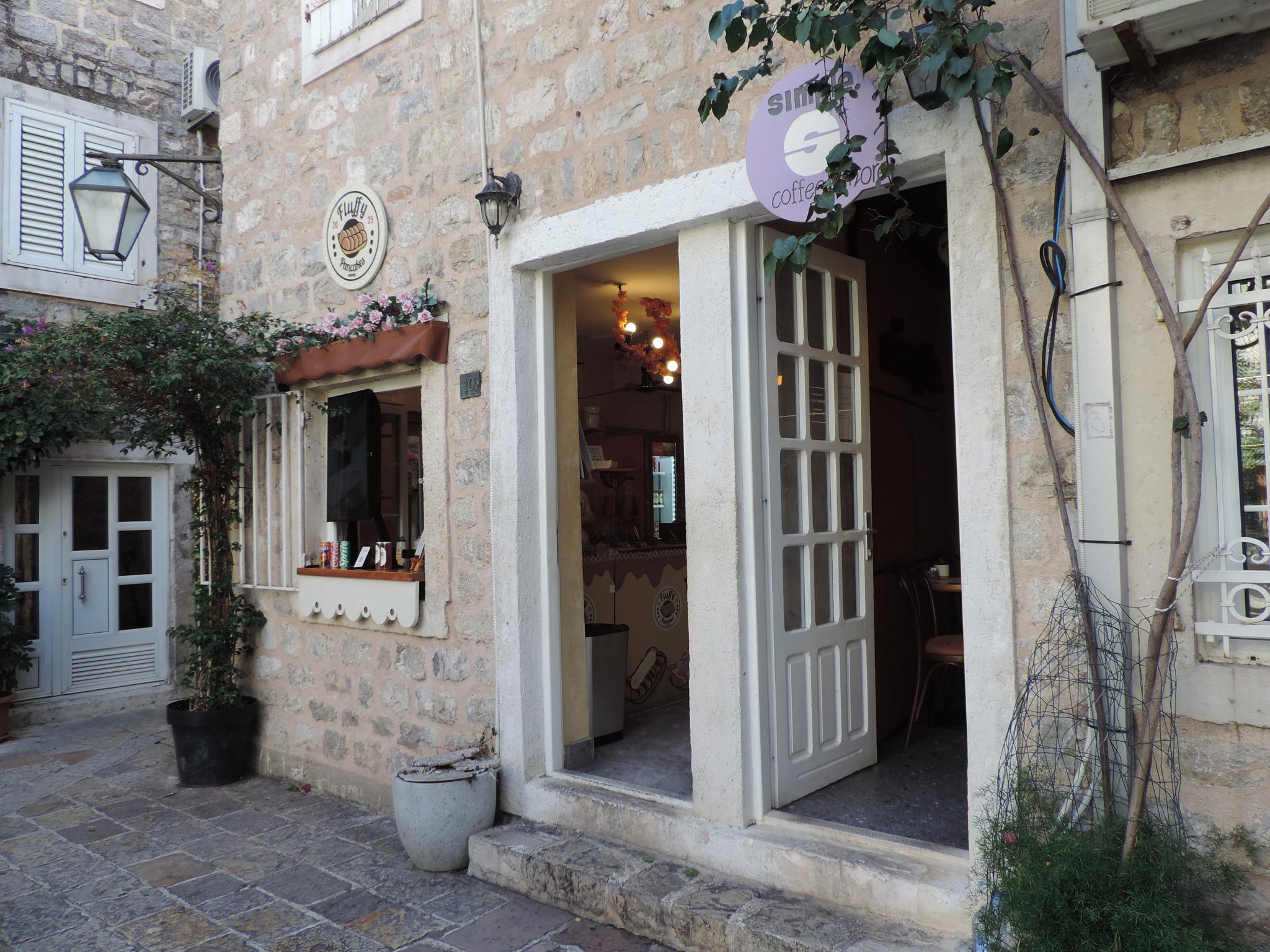
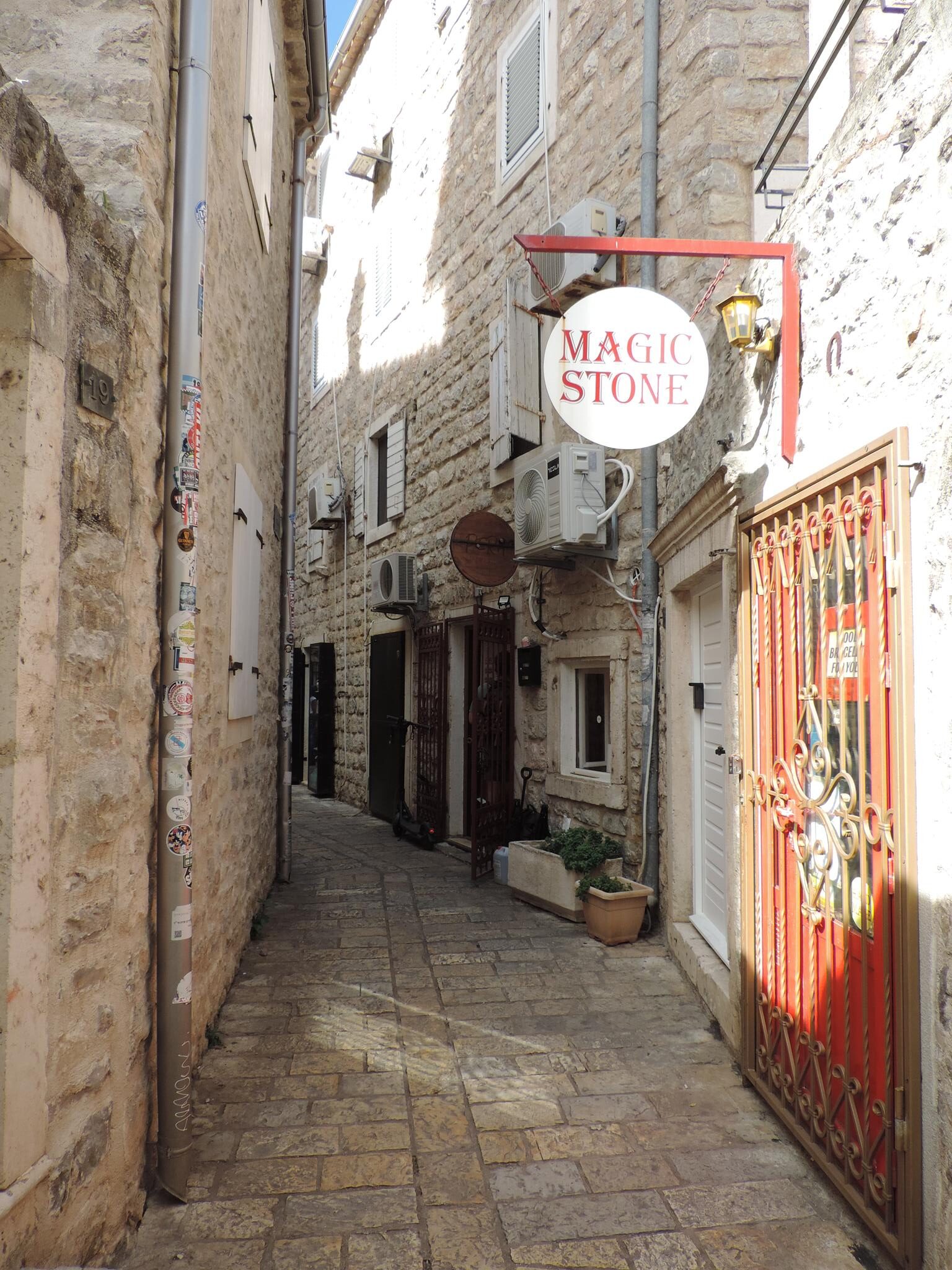
Small shops are another characteristic feature of the Old Town, a lot of times also covered up with creative installations. In addition to traditional souvenir stores, visitors will find jewellery shops, galleries and workshops selling handmade products. By The Sea Handmade offers handcrafted gifts and items, while Spin Lab Ceramics sells ceramic pieces and, at times, provides visitors with a glimpse into the production process. These businesses contrast with the historic stone buildings and demonstrate how the Old Town continues to function as a centre for tourism, retail and creative enterprises.
The Old Town can also be explored on foot along sections of its historic defensive walls. Access is possible at several points, offering views over the rooftops, the small harbour, the Adriatic Sea and the nearby island of Sveti Nikola. However, the accessible sections do not form a continuous walkway around the entire Old Town. Some surfaces are uneven, and stairways and exposed sections require careful footing.
Beyond the western fortifications, a coastal path leads towards Mogren Beach. The walk begins near the Citadel and takes approximately 15 to 25 minutes, depending on pace and conditions. The route follows the rocky coastline, passes several viewpoints and leads by the well-known bronze statue of the Dancing Girl. It connects the historic centre with one of Budva’s best-known beaches. Parts of the path are paved, while others follow more natural terrain. Extra caution is advisable when the ground is wet or waves are strong.
Visitors looking for a more elevated route can continue along paths climbing into the hills above Budva. These routes offer wider views of the Old Town, the bay and the surrounding Budva Riviera. The short walk along the city walls should be distinguished from longer walks on the surrounding hills, which can involve steeper climbs and uneven terrain. Sturdy footwear and sufficient drinking water are recommended, particularly in summer. The cooler morning and evening hours are generally more comfortable for tackling the uphill sections.
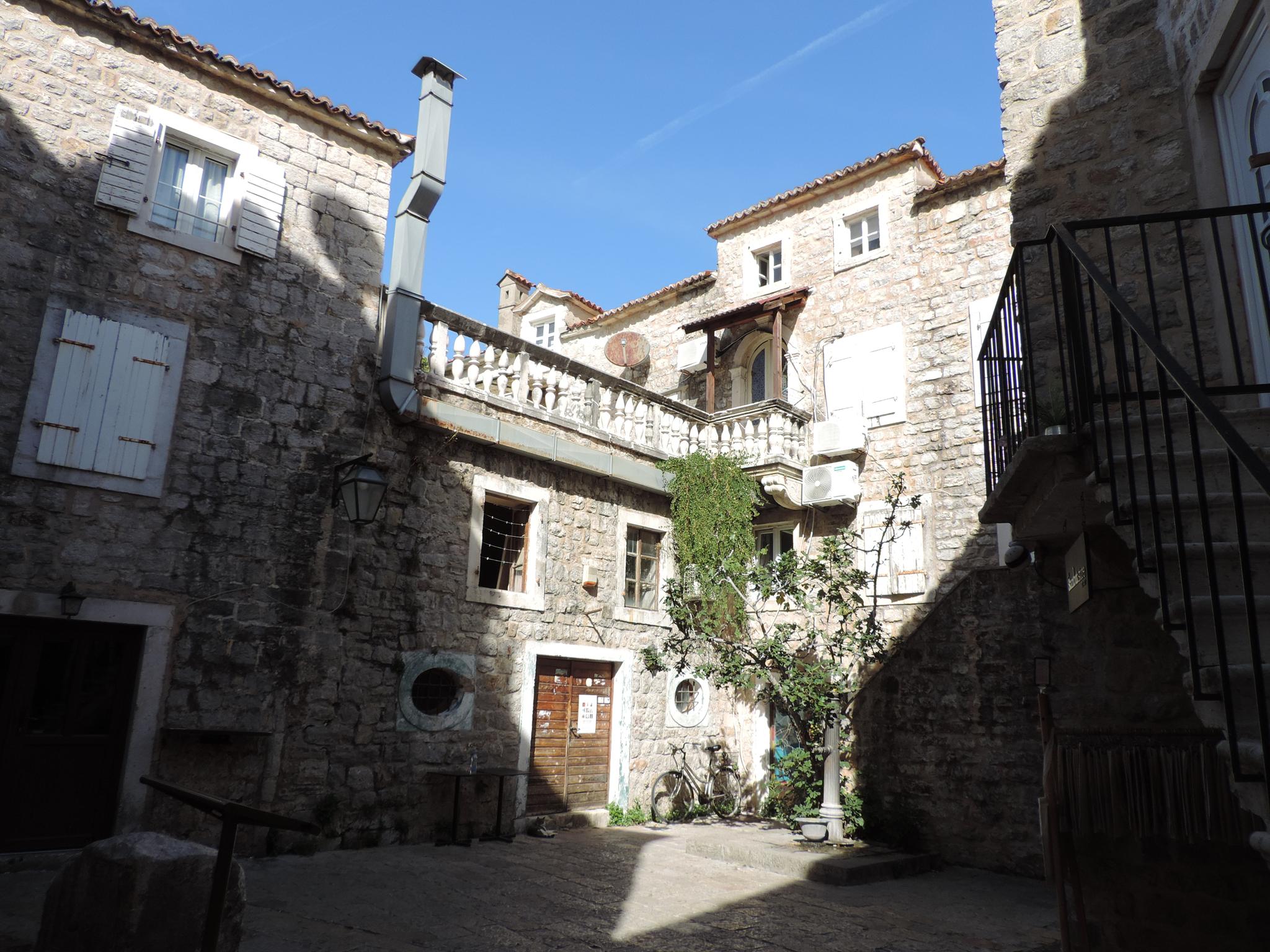
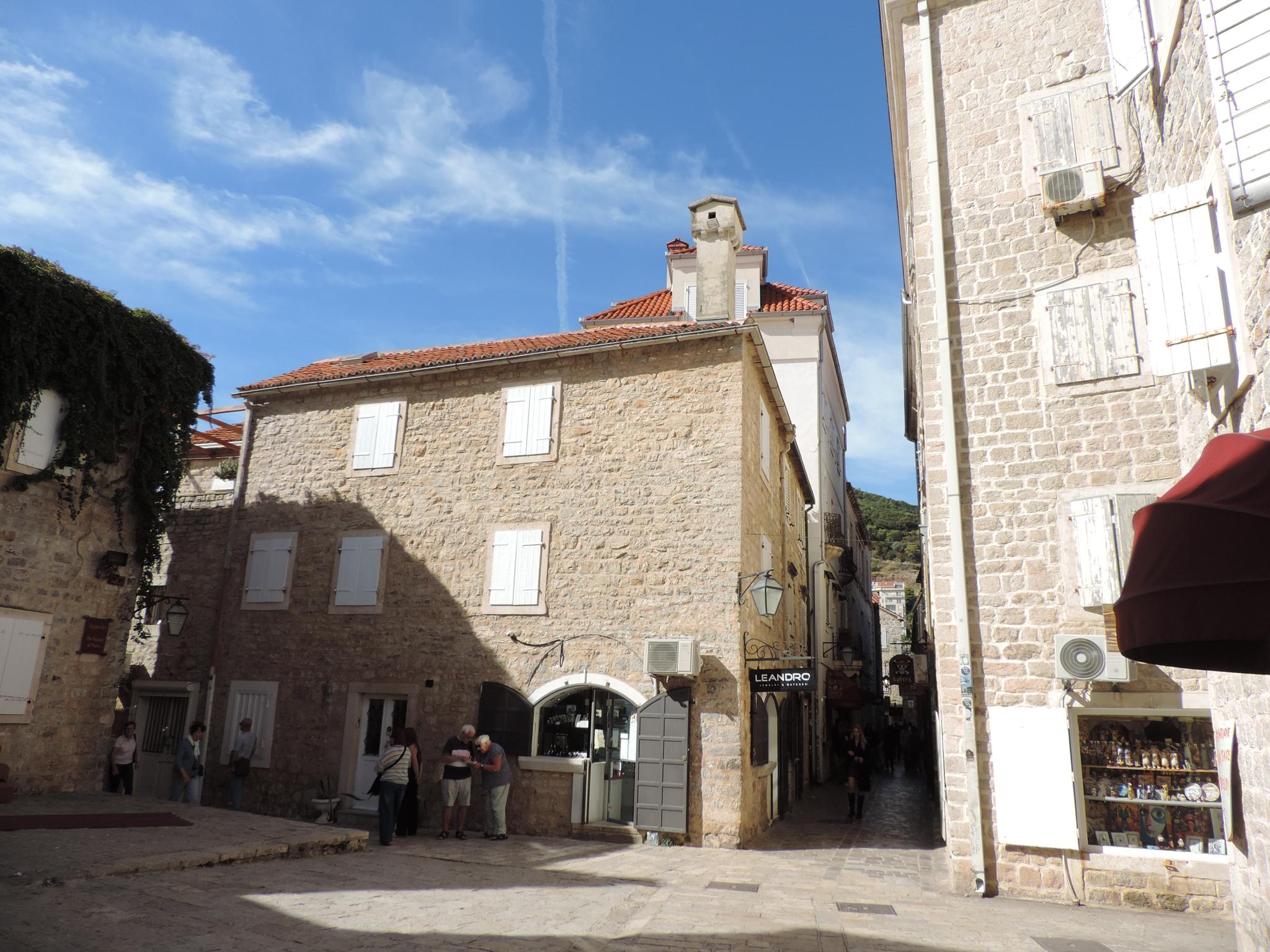
Today, Budva’s Old Town combines several functions within a compact area: it is a historic monument, an archaeological site, a commercial district and a starting point for coastal walks. The combination of ancient remains, Venetian-influenced fortifications, historic churches, restaurants, independent shops and paths along the rocky coastline makes Stari Grad an important part of Montenegro’s cultural heritage and tourism industry.

MORE ARTICLES ABOUT MONTENEGRO
>>> Streetart Map Podgorica <<<
>>> Grafiti Fest Nikšić <<<
>>> Šavnik – Mural Lab & Dva Sunca <<<
>>> Olivera Eraković – Out of Scale <<<
>>> Nikšić – Murals & Streetart <<<
>>> Nikšić – Sculptures & Statues <<<
>>> Budva – Graffiti & Writing <<<
>>> Budva – Hide Spray Wall <<<
>>> Budva – Murals & Streetart <<<
>>> Budva – Old Town Urban Art <<<
>>> Budva – Stari Grad History <<<
>>> Budva – Sculptures & Statues <<<
>>> Kotor – Graffiti & Writing <<<
>>> Kotor – Streetart & Characters <<<
>>> Kotor – Sculptures & Statues <<<
>>> Kotor – Stari Grad – Old Town <<<