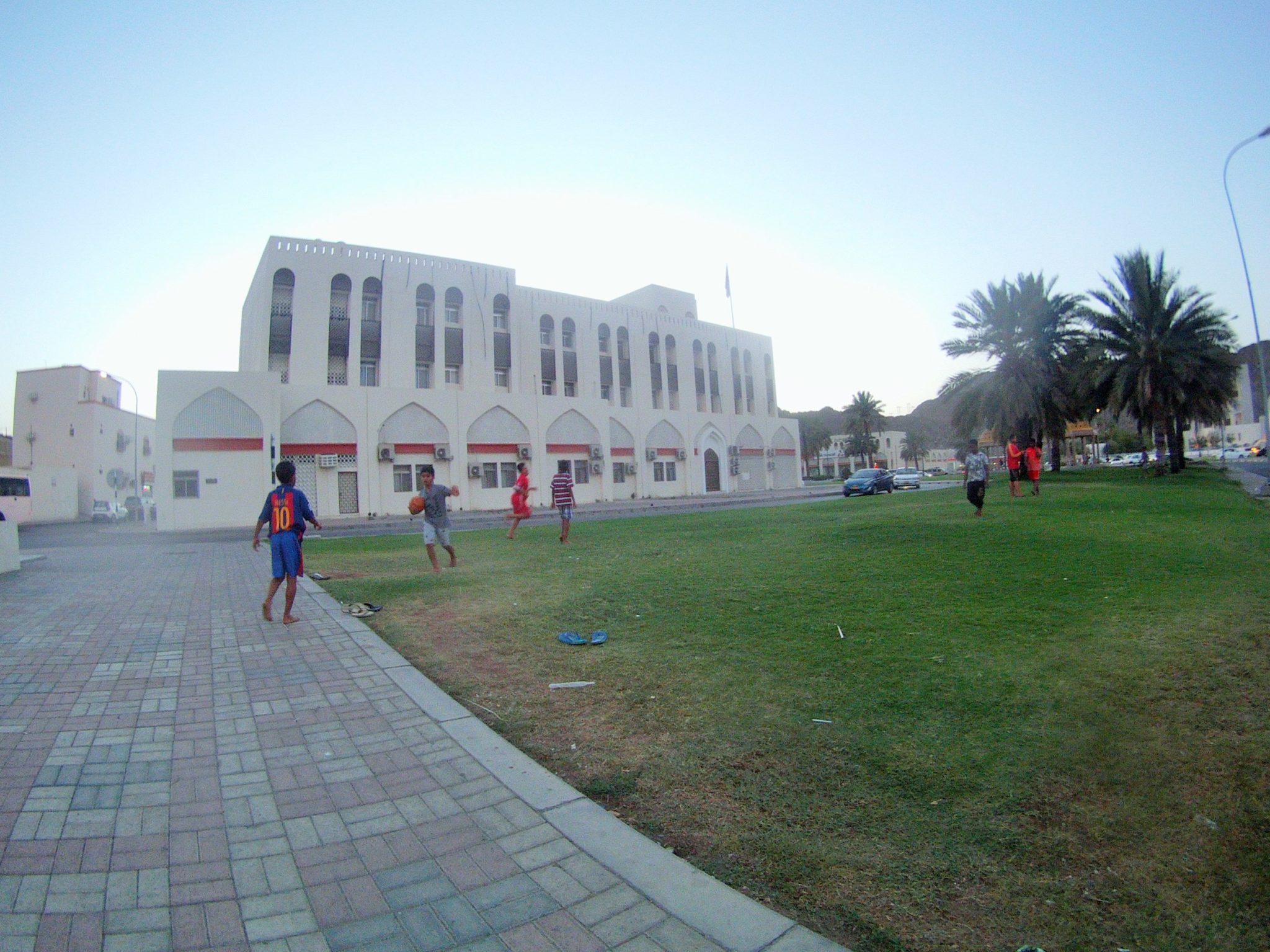
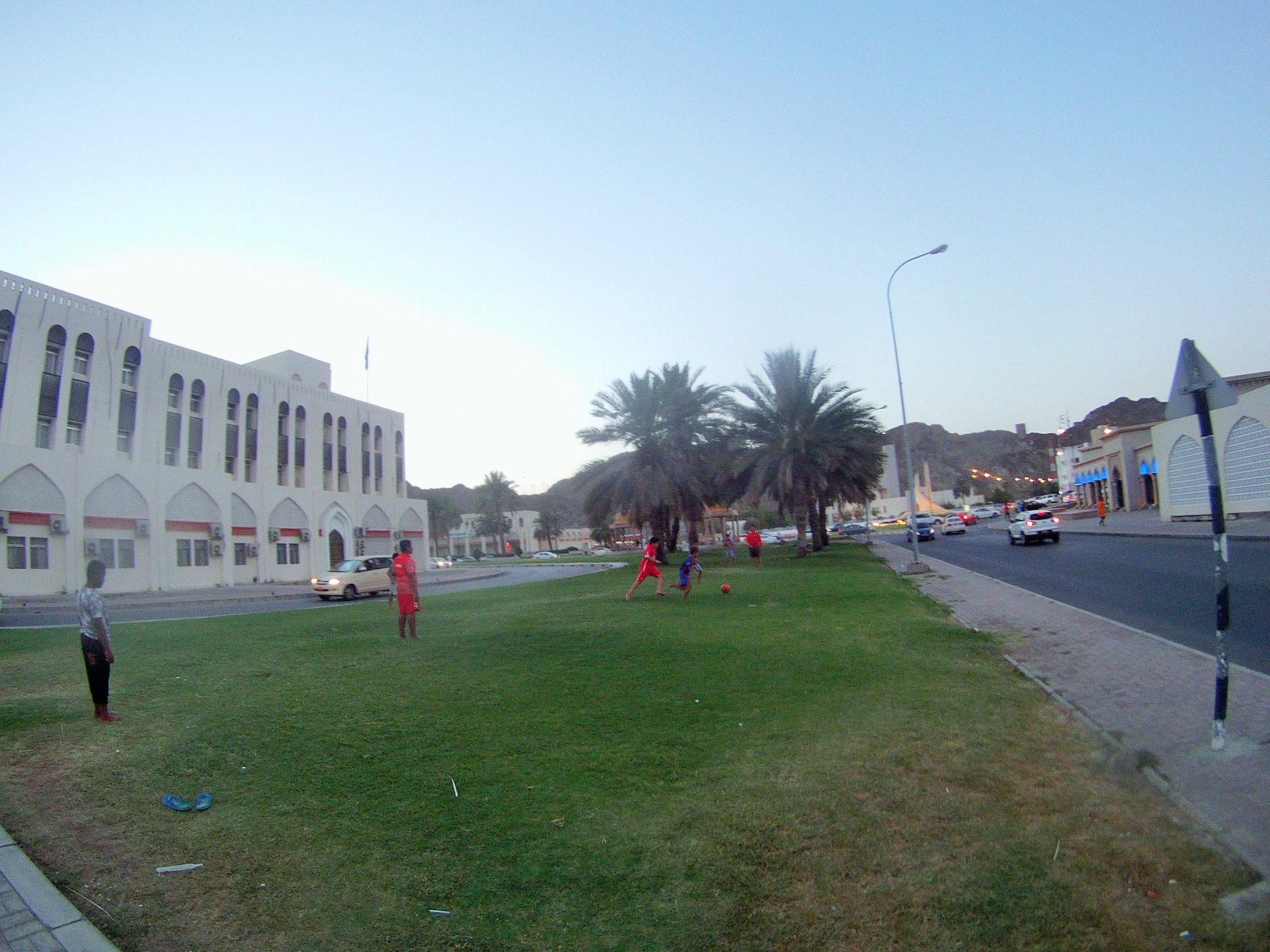
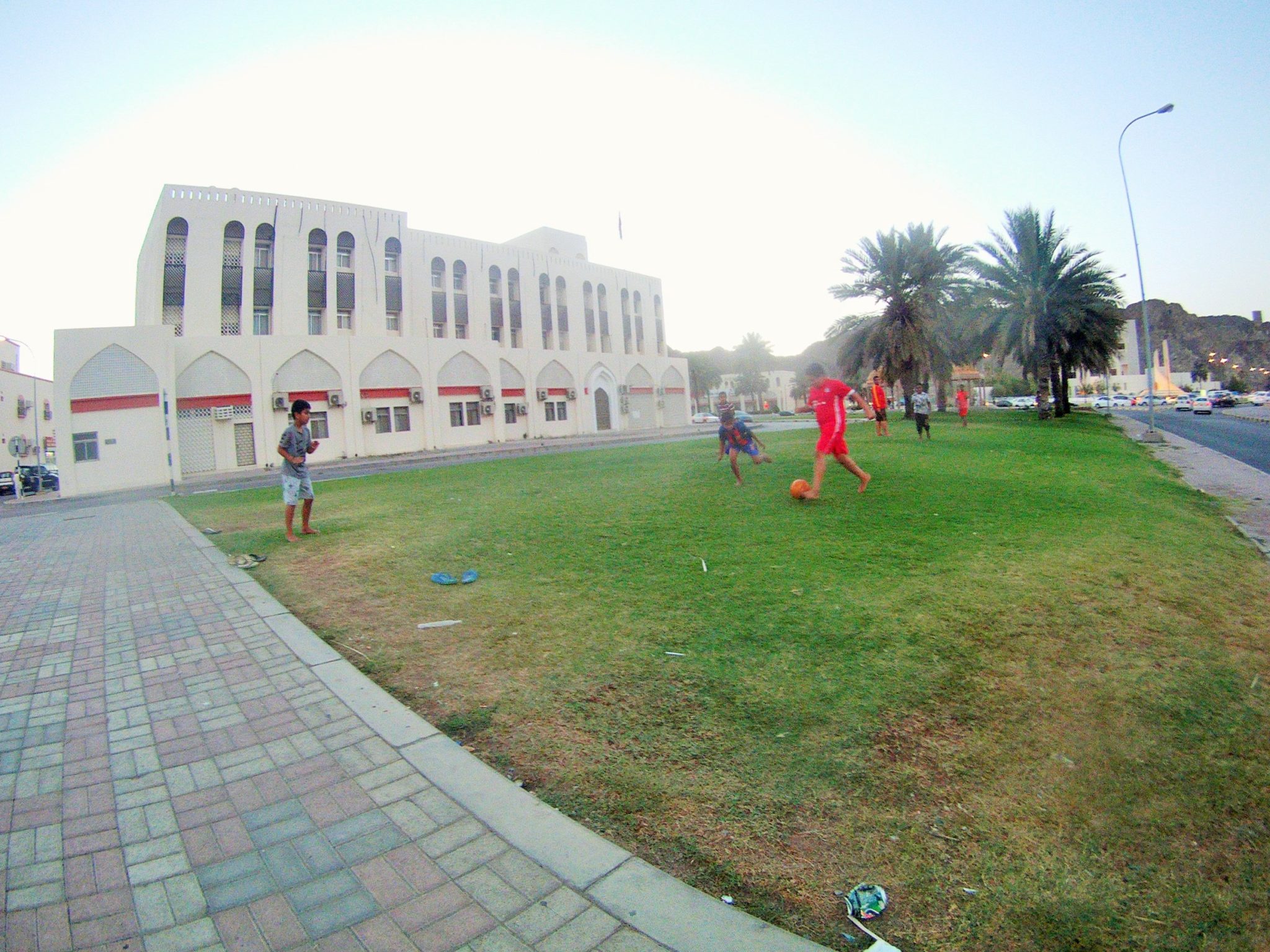
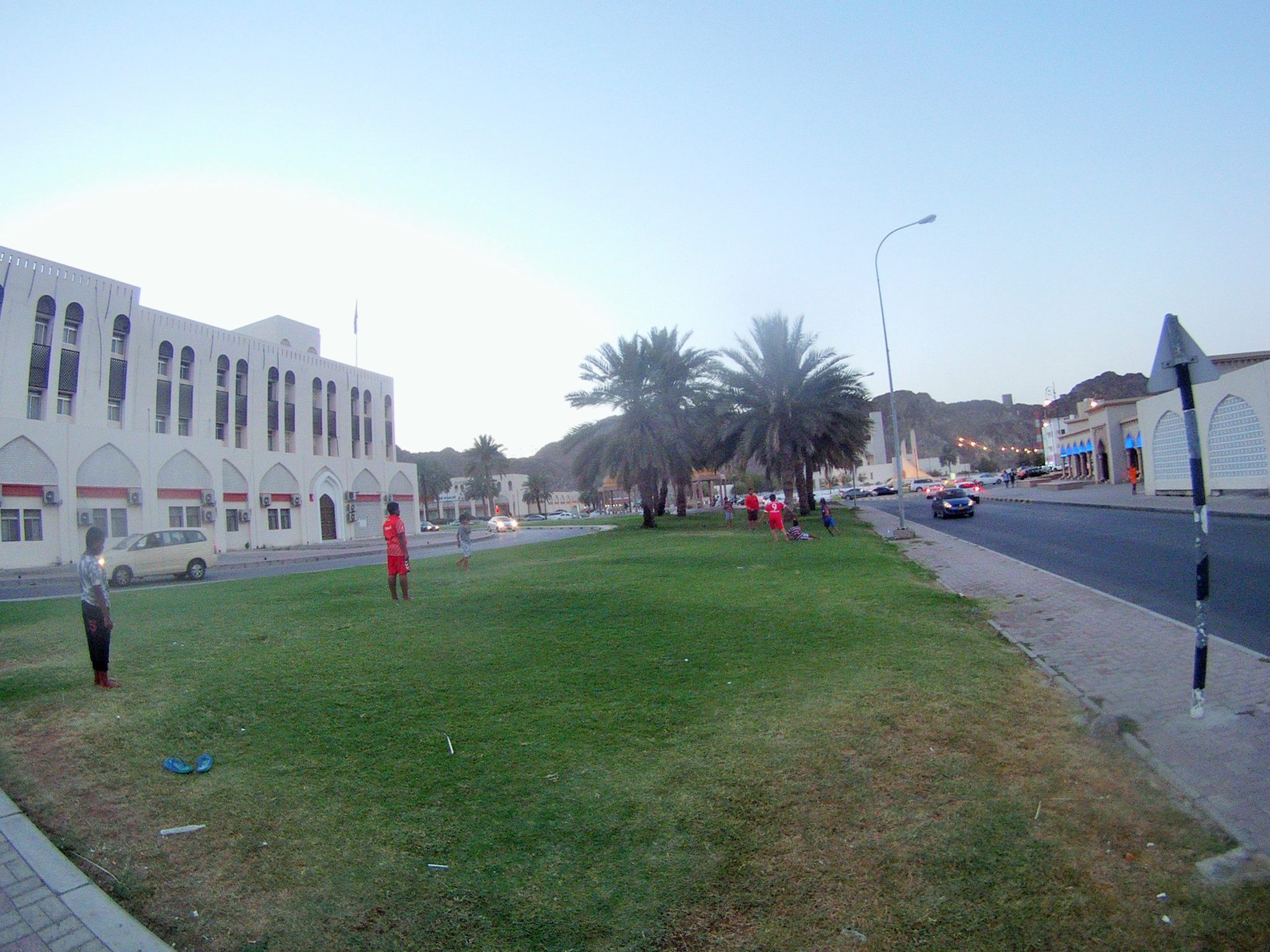
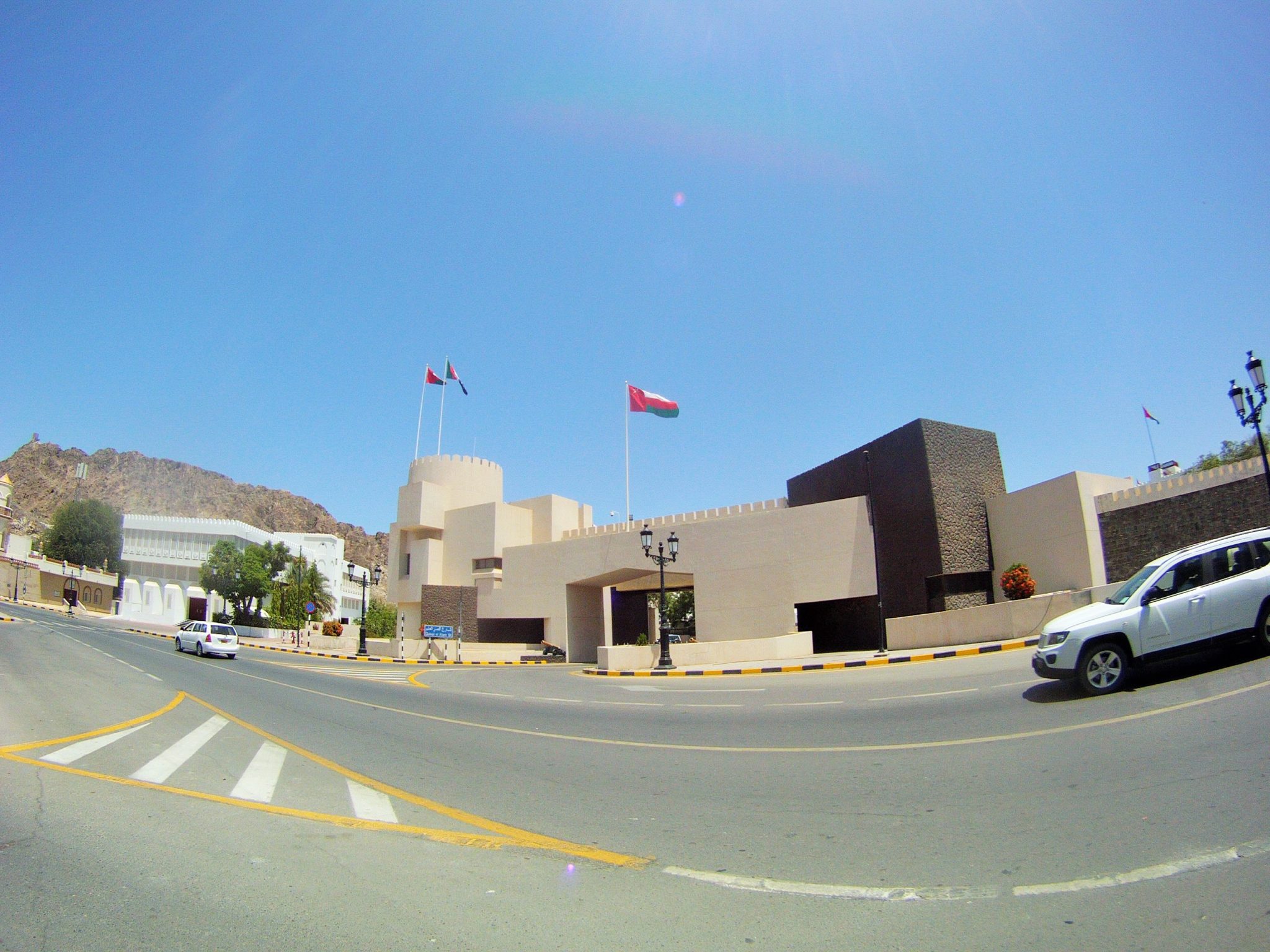
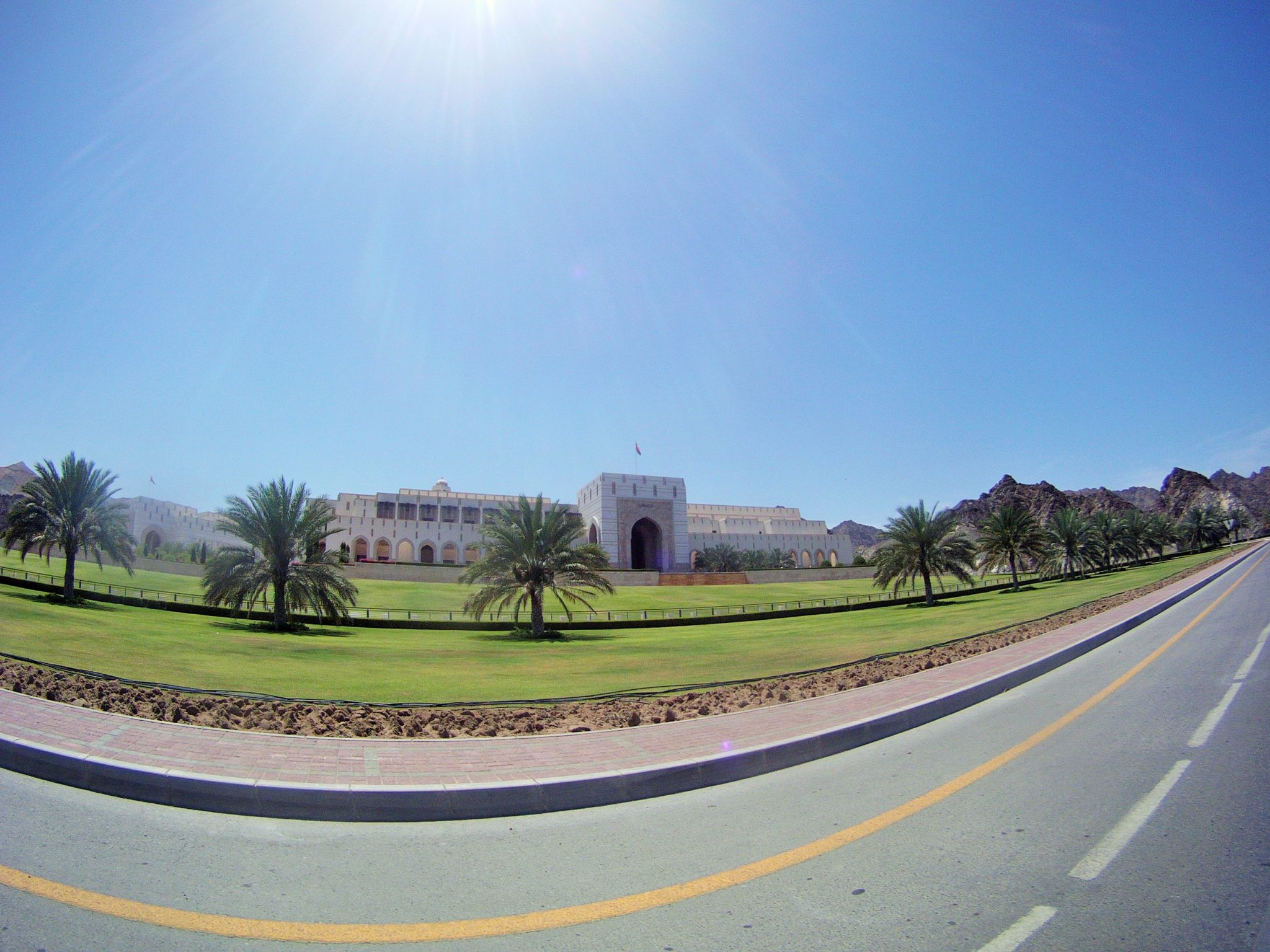
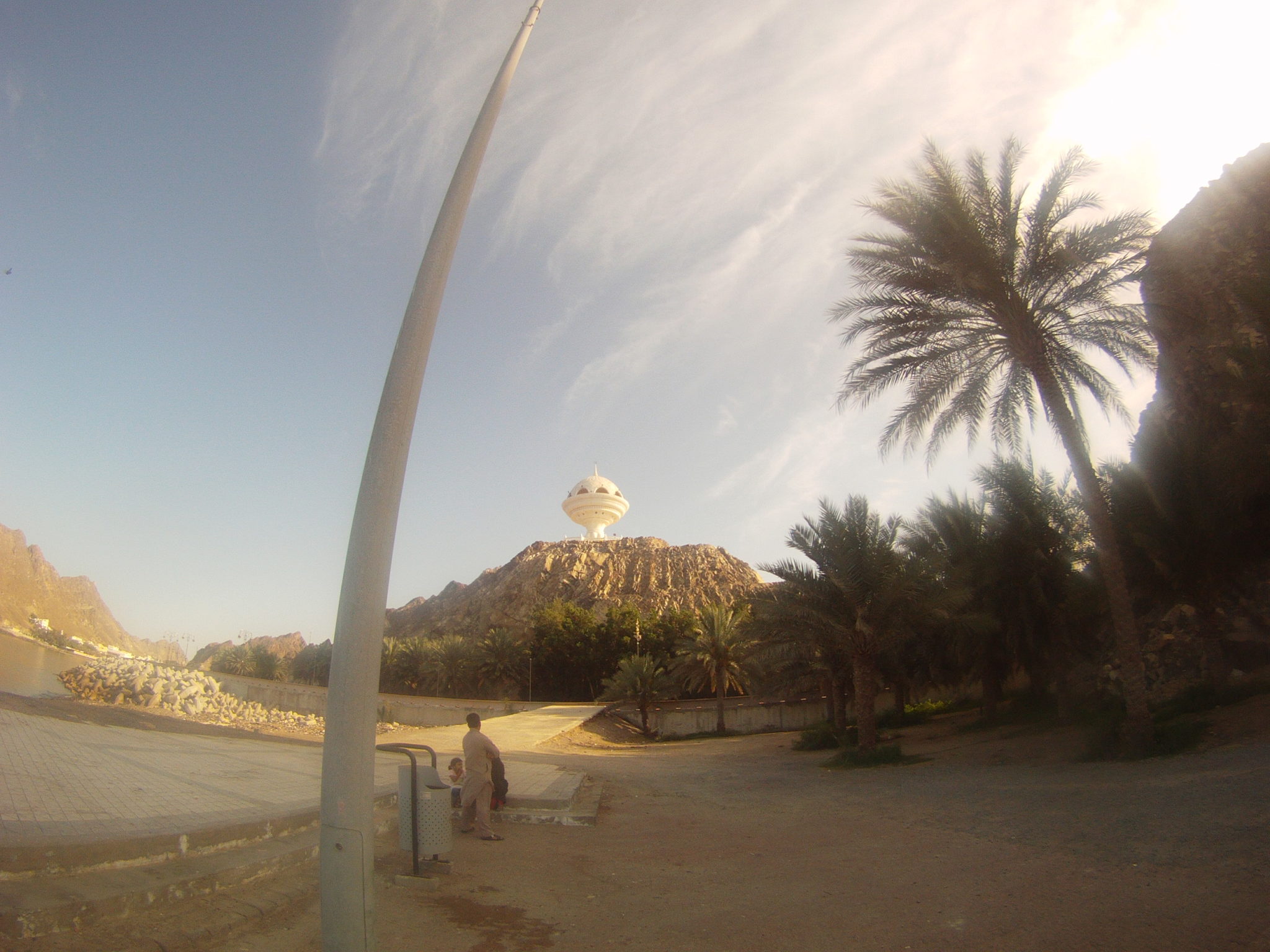
Muscat is the capital of the Sultanate of Oman and serves as the country’s political, economic, and cultural center. Located on the northeastern coast of the Arabian Peninsula along the Gulf of Oman, the city stretches between the sea and a dramatic backdrop of rugged mountains. The greater Muscat metropolitan area is home to approximately 1.5 million inhabitants, making it the largest urban region in Oman. Despite its rapid growth, Muscat has retained a distinctive character. Unlike many Gulf cities dominated by skyscrapers, its urban landscape is defined by low-rise buildings, traditional architectural elements, and a harmonious integration with the surrounding natural environment.

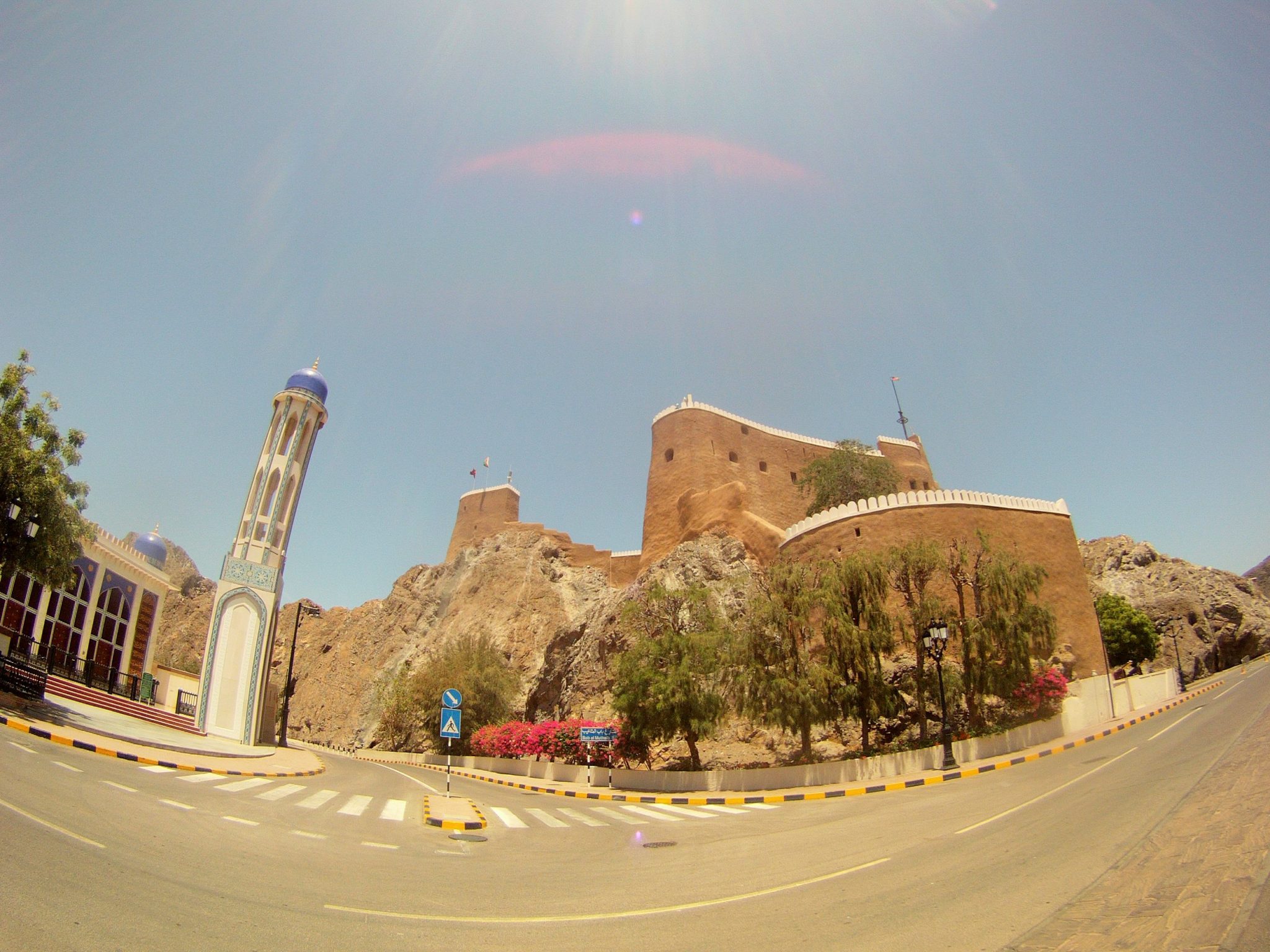
Muscat’s history spans more than two thousand years. Thanks to its strategic location on major maritime trade routes, the city developed early into an important port connecting Arabia, India, Persia, and East Africa. For centuries, merchants transported spices, frankincense, textiles, precious metals, and other goods through Muscat’s harbor. In 1508, the city was occupied by the Portuguese, who sought to strengthen their control over trade in the Indian Ocean. They constructed powerful fortifications, including the forts of Al Jalali and Al Mirani, which still overlook the harbor today. Following the expulsion of the Portuguese in 1650, Oman entered a period of maritime expansion. The Omani Empire established trade networks stretching to Zanzibar and the East African coast and became one of the most influential seafaring powers in the region.


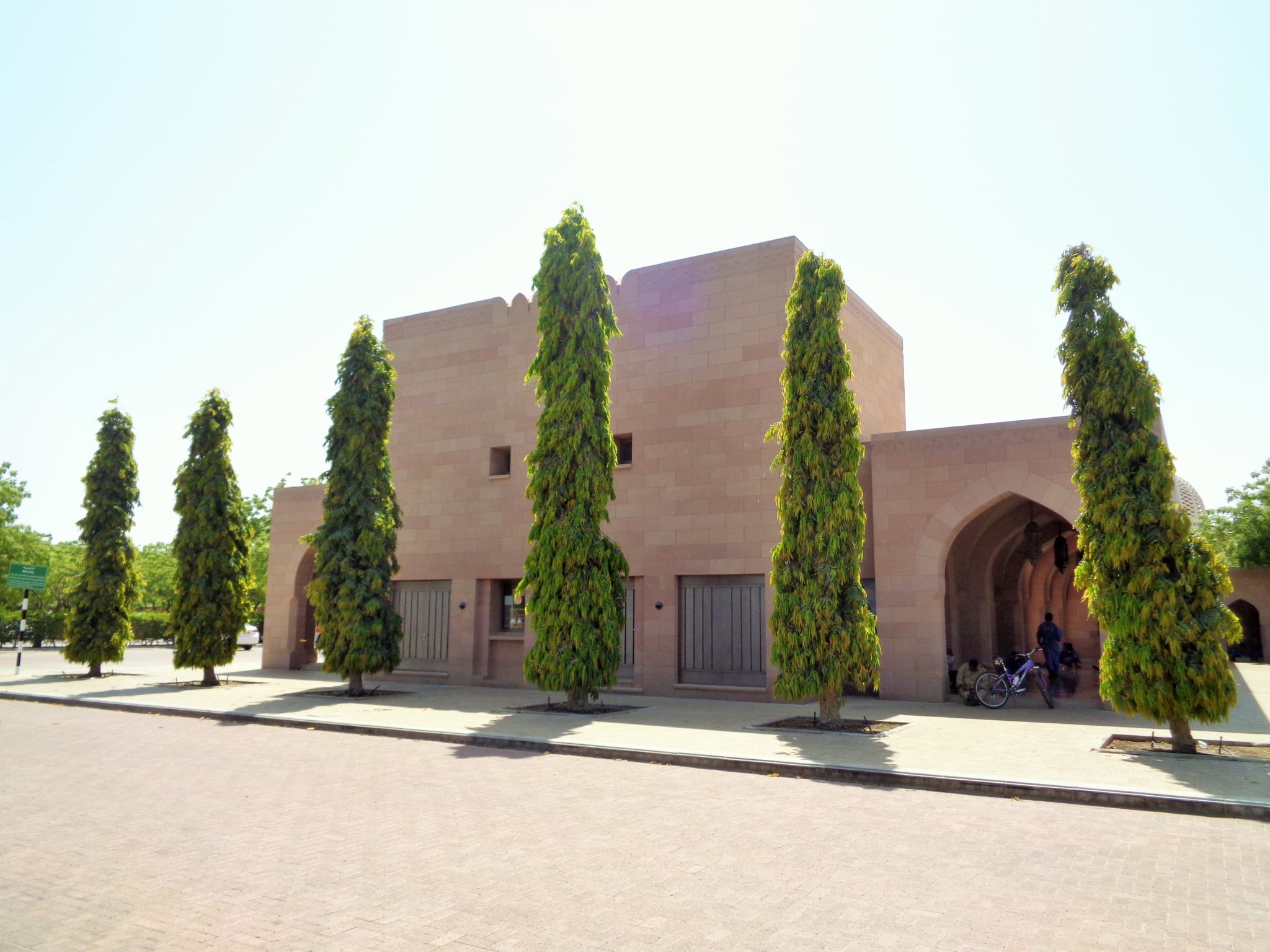
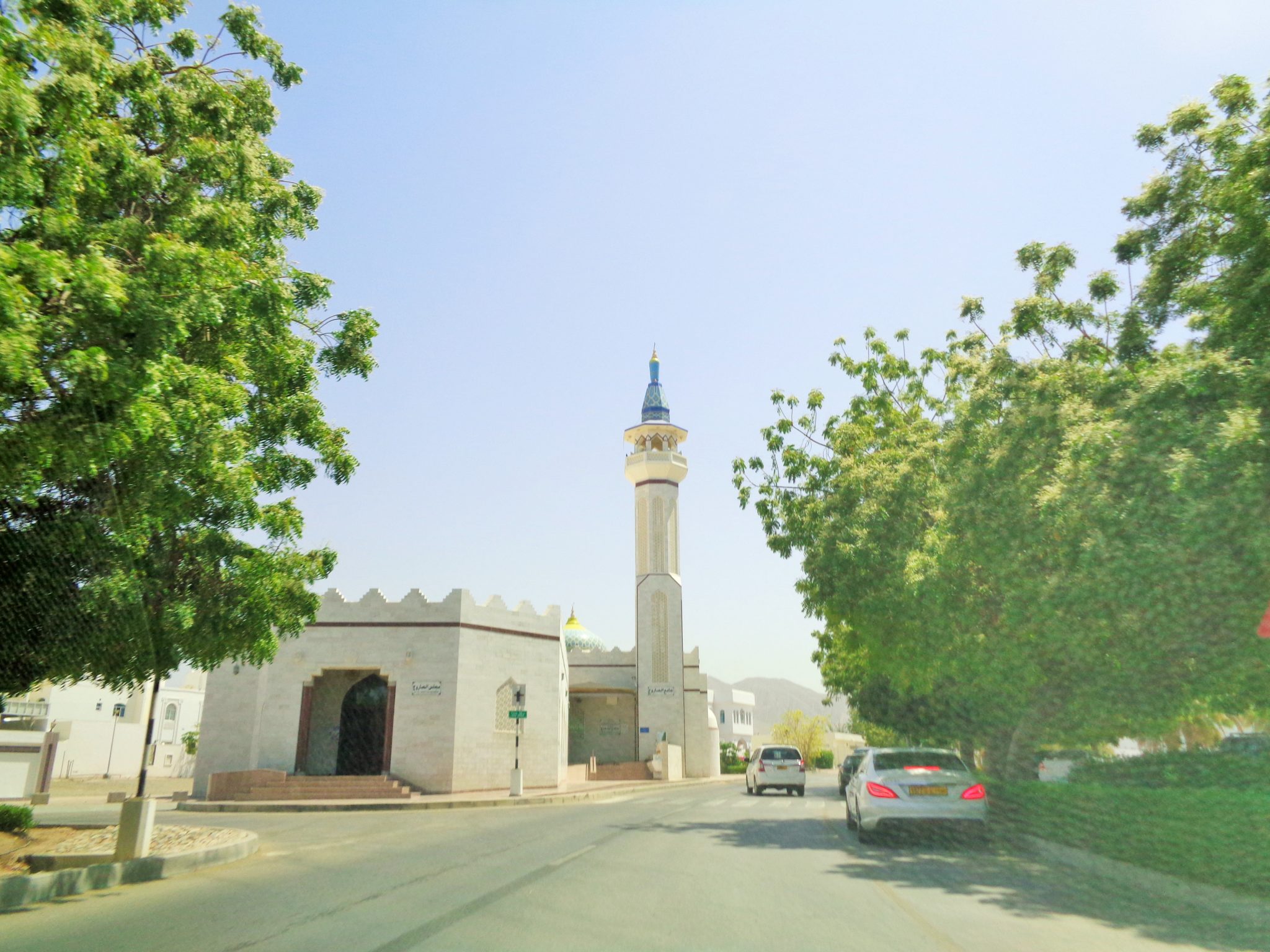
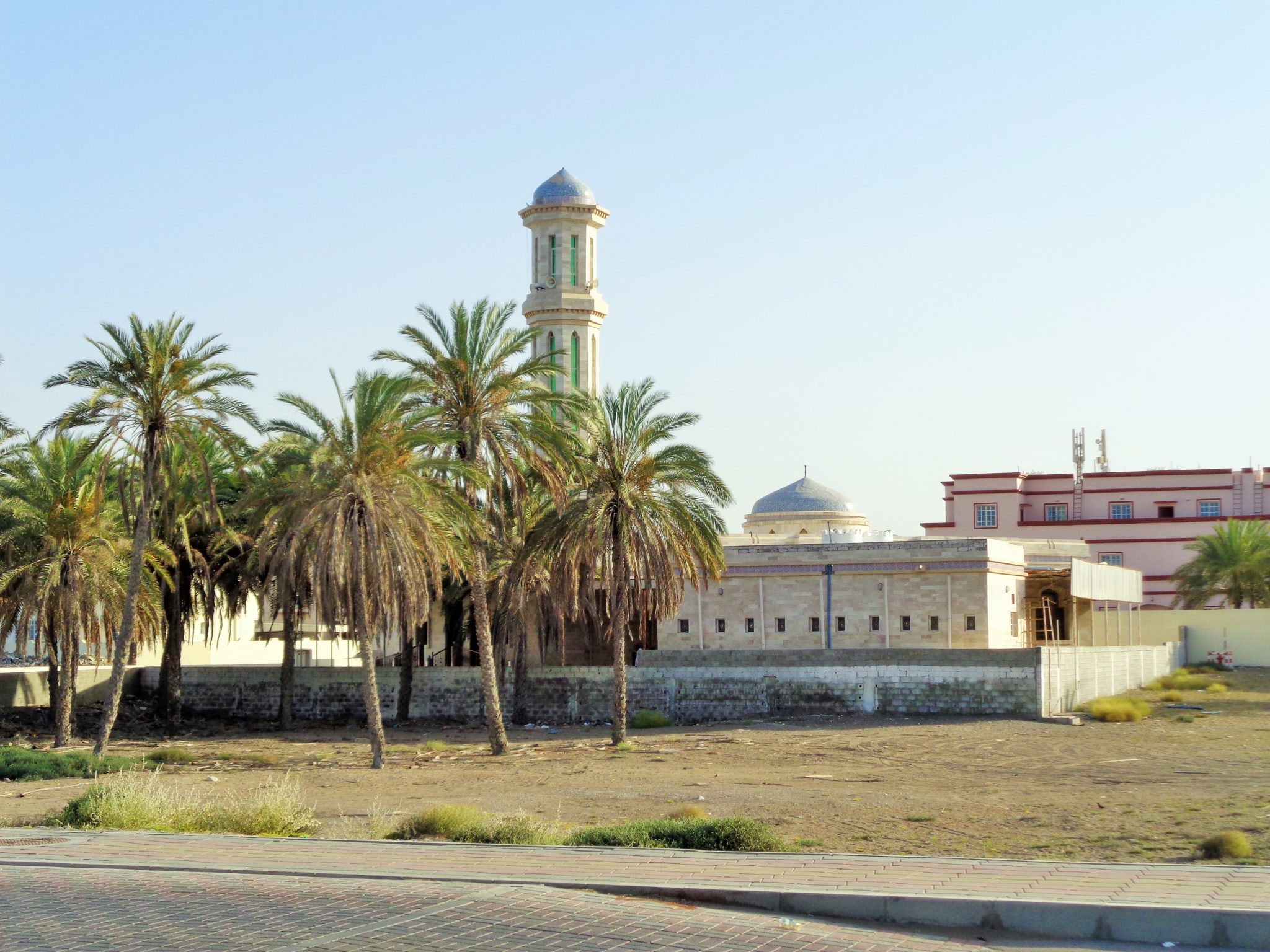
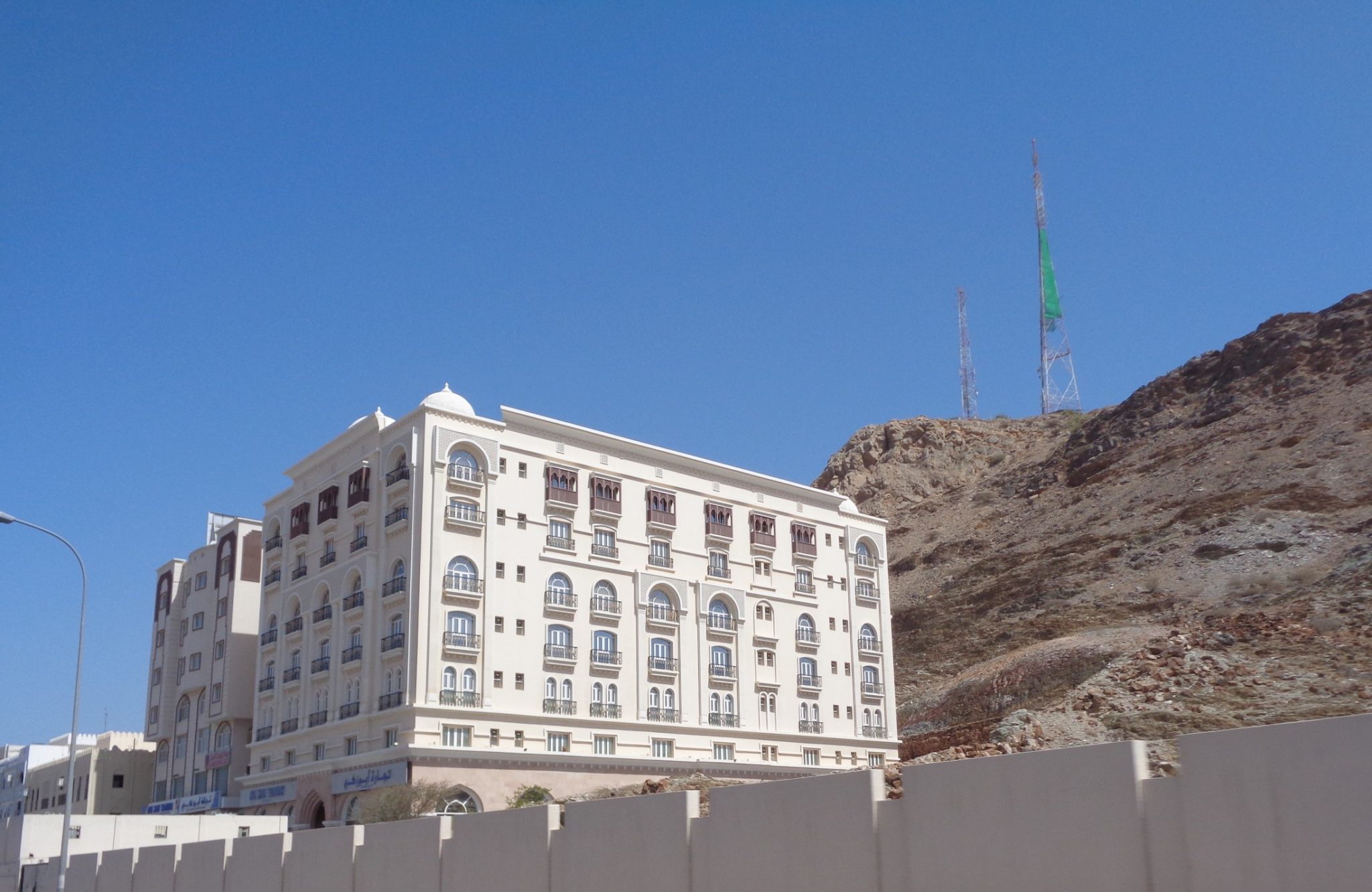
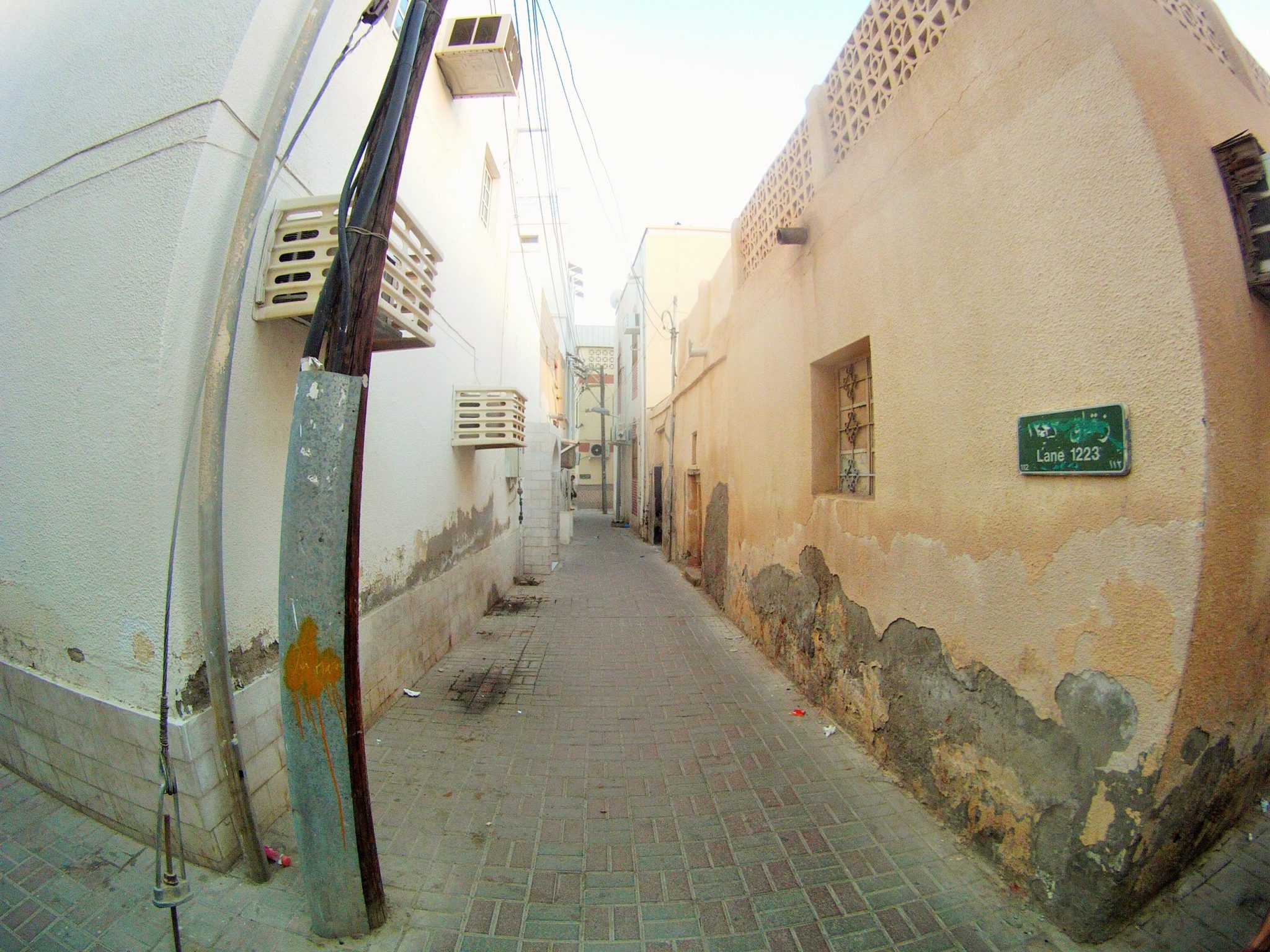
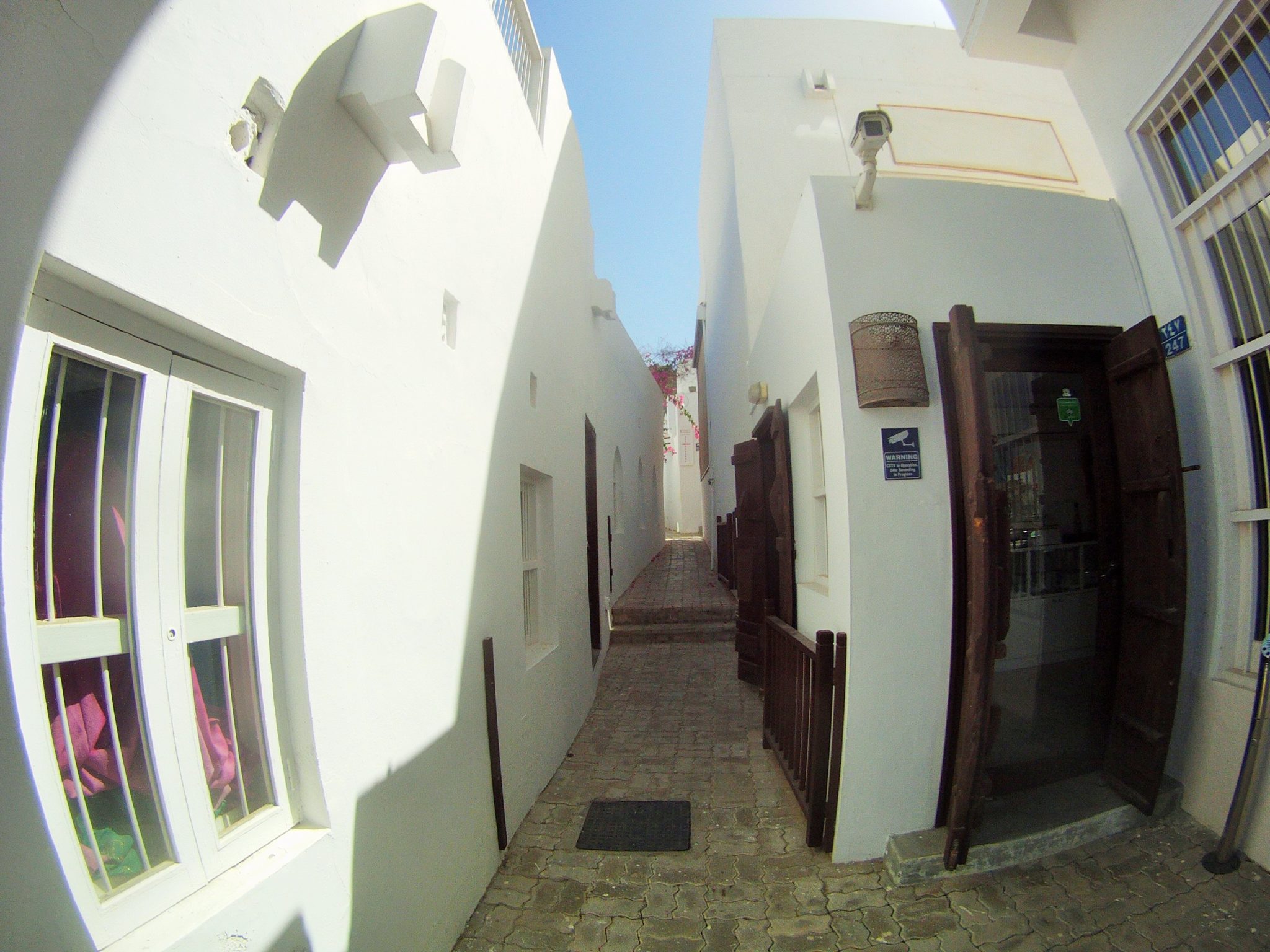
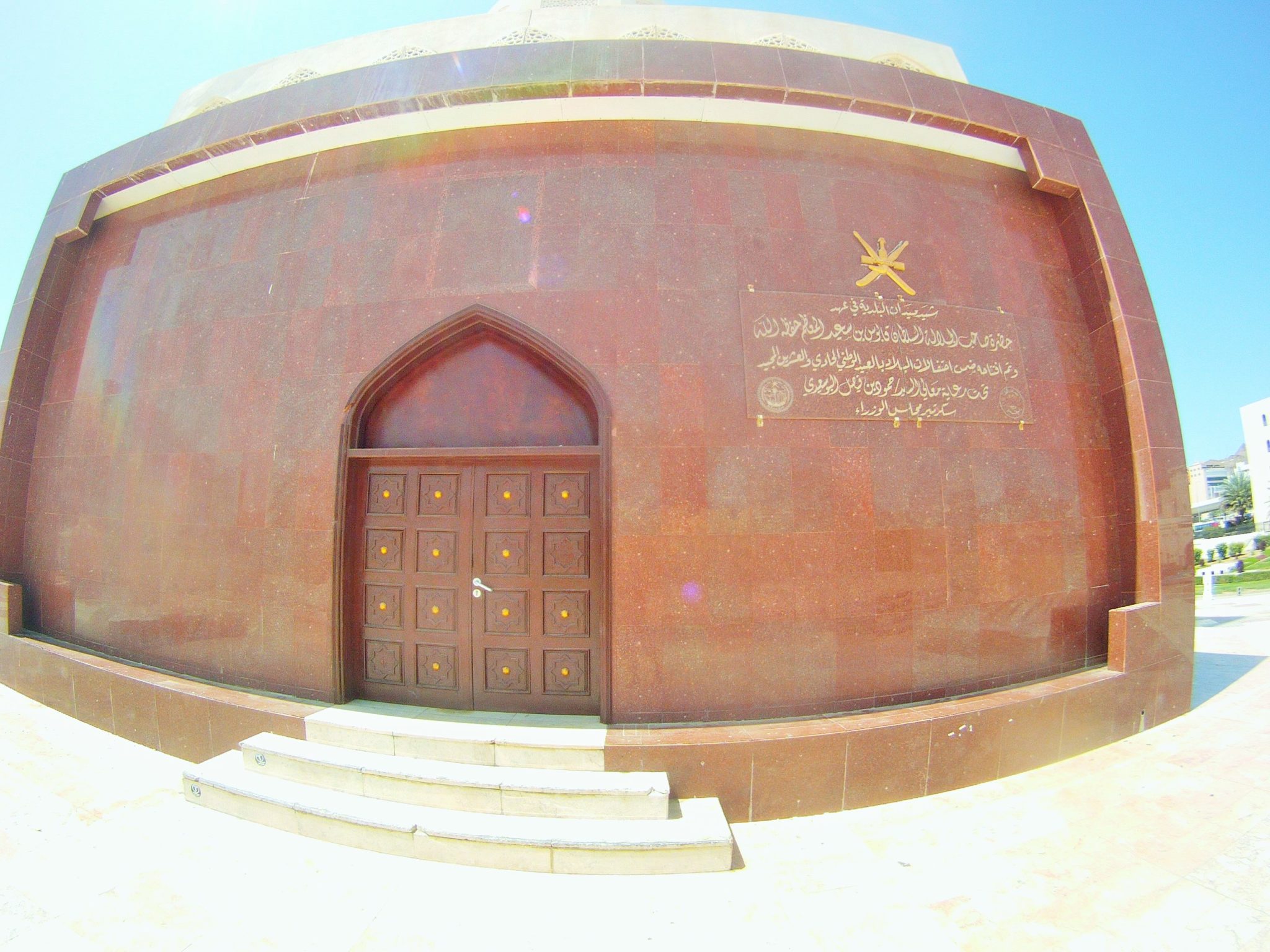
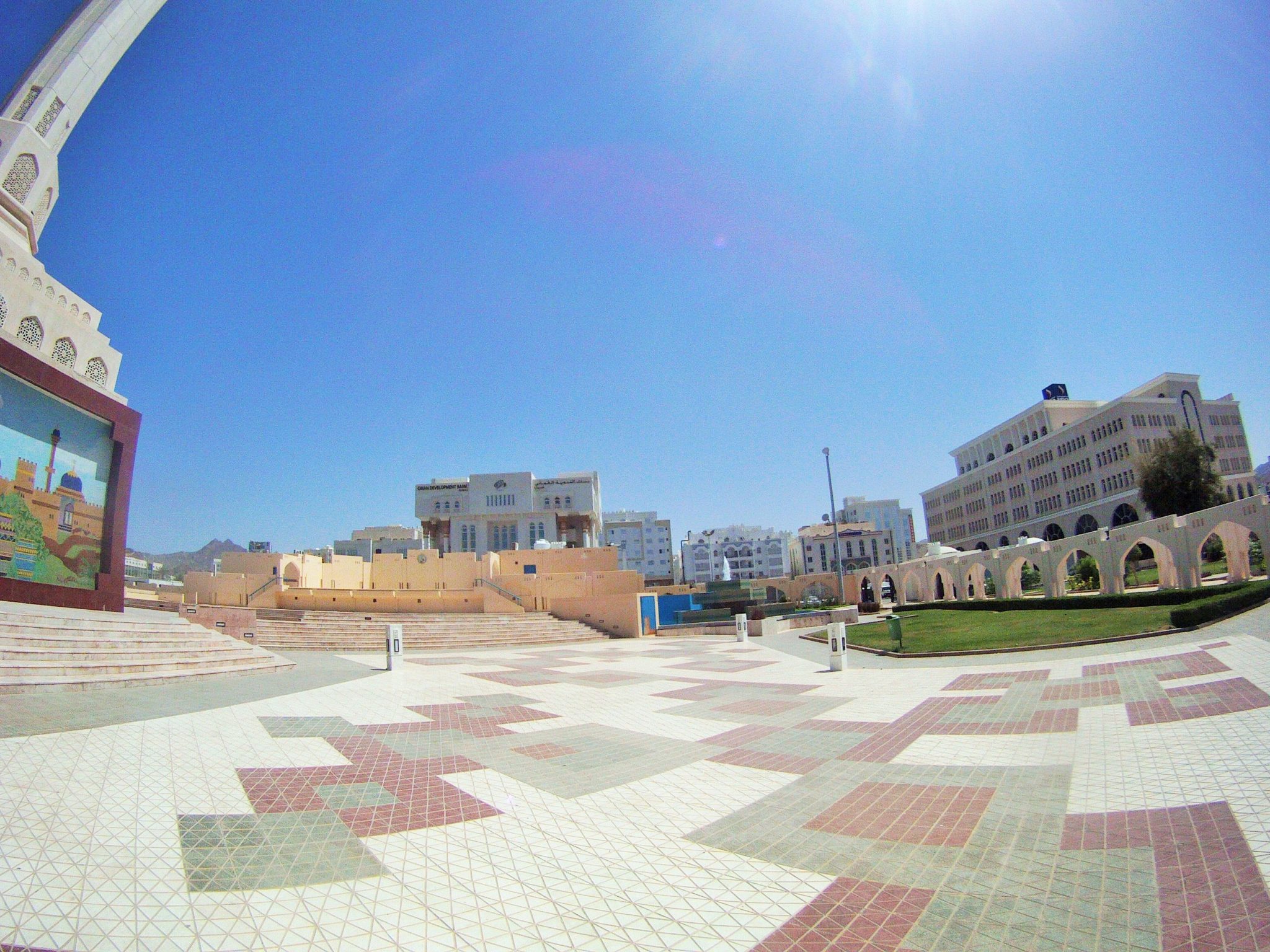
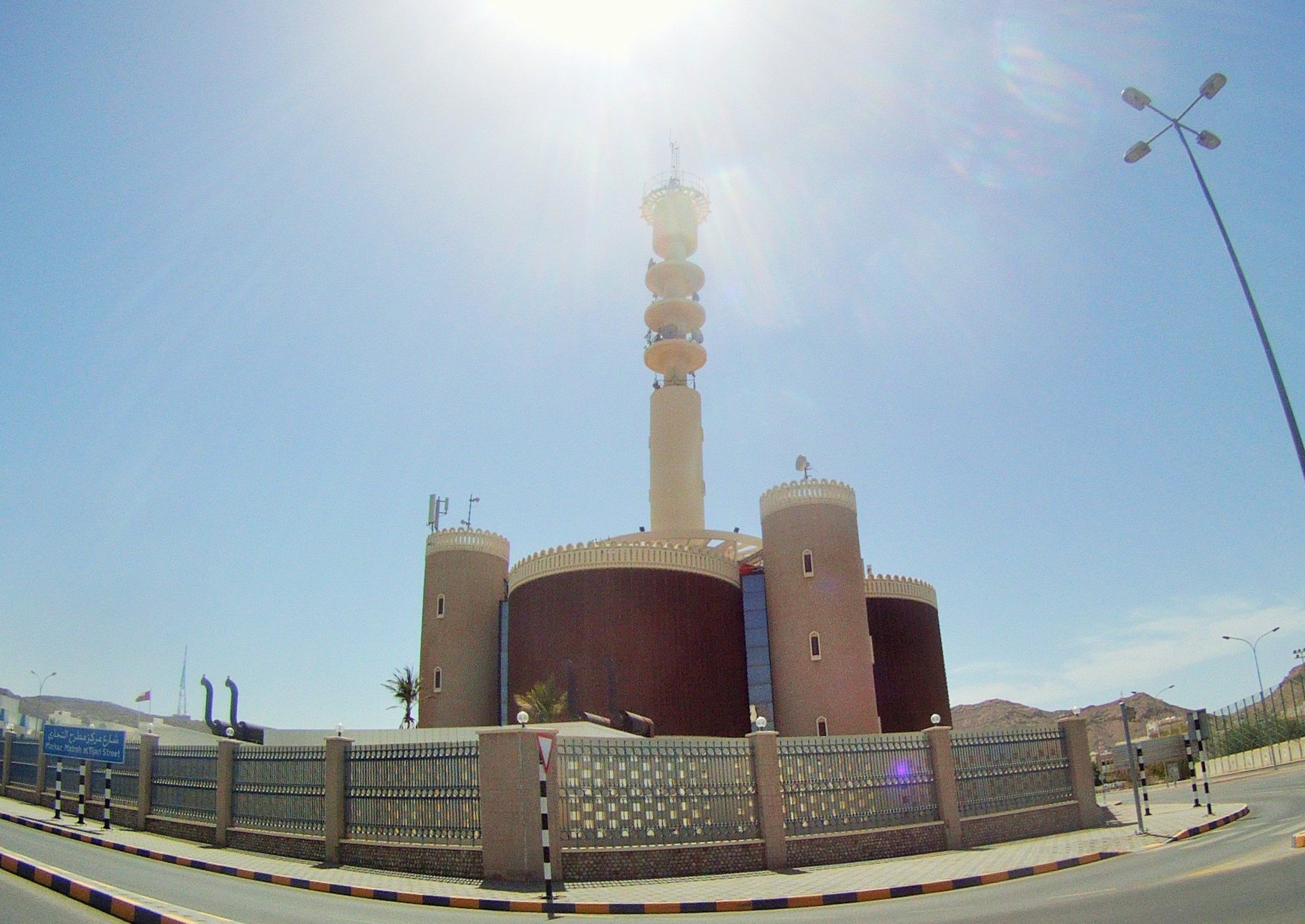
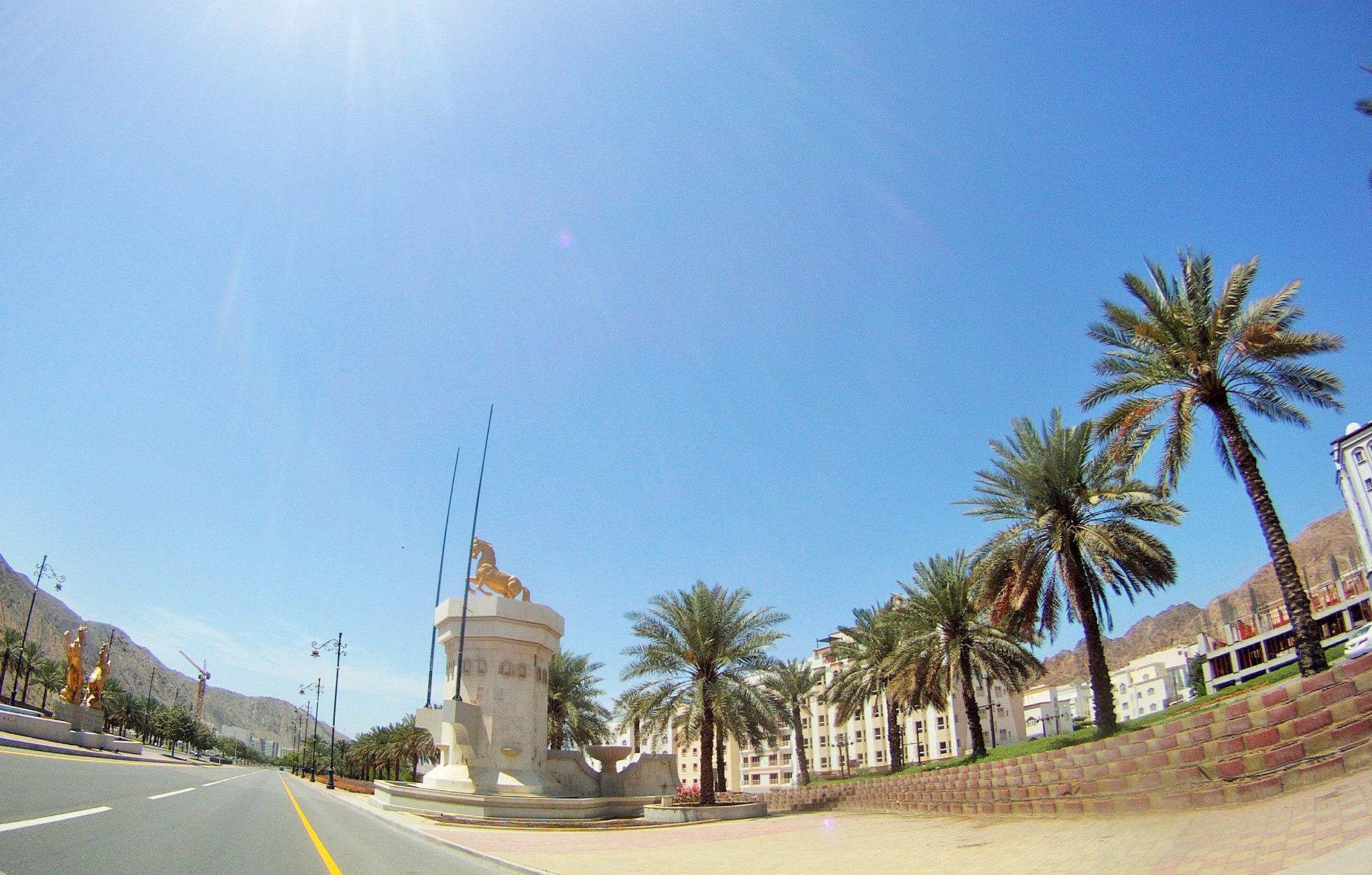
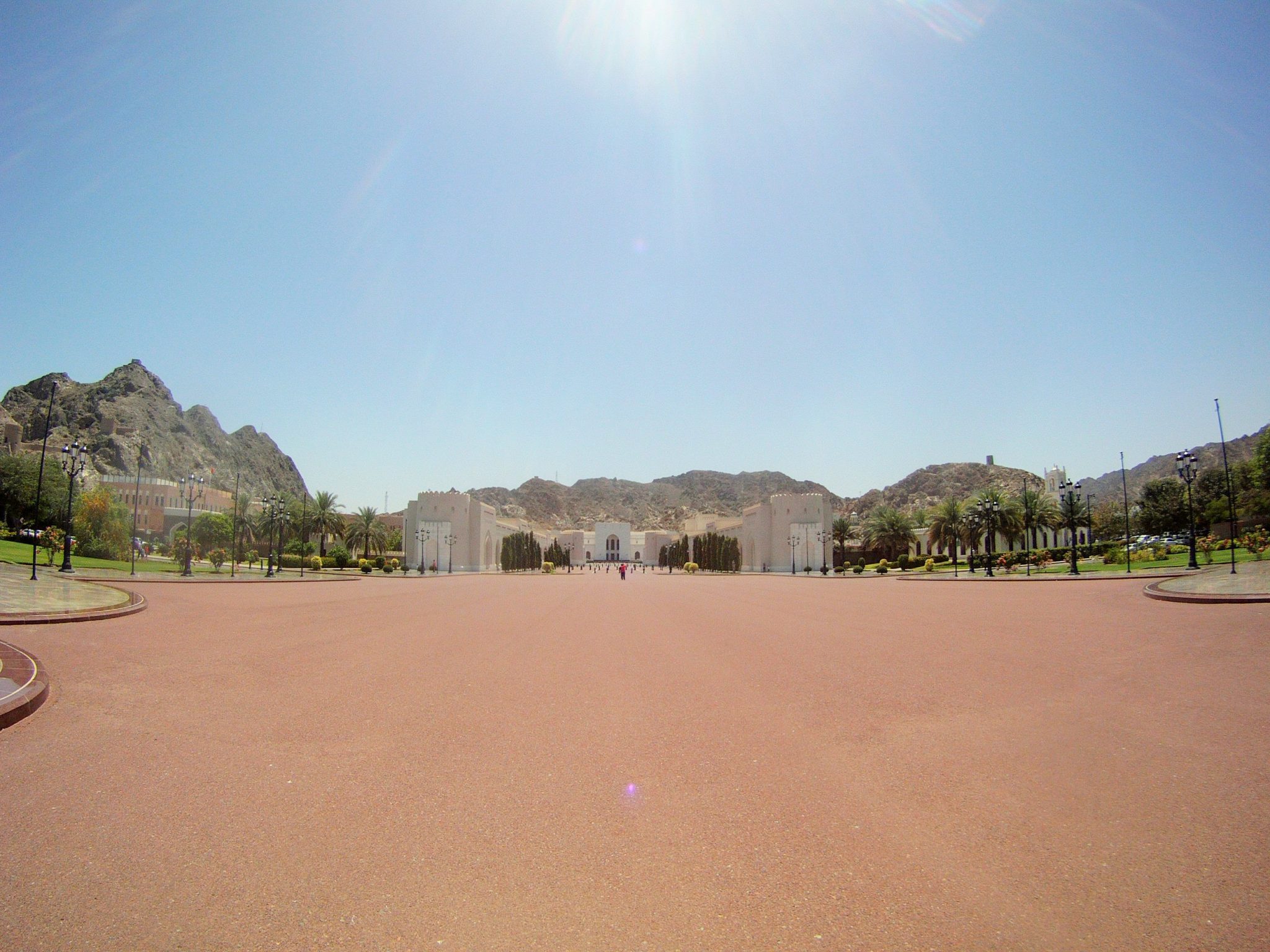
A major transformation began in 1970 with the accession of Sultan Qaboos bin Said. Under his leadership, Oman underwent extensive modernization, with investments in infrastructure, education, healthcare, and cultural institutions. Muscat expanded rapidly while maintaining a strong commitment to preserving its architectural heritage and cultural identity. To this day, building regulations limit excessive high-rise development, giving the city a cohesive and elegant appearance that reflects Omani traditions.


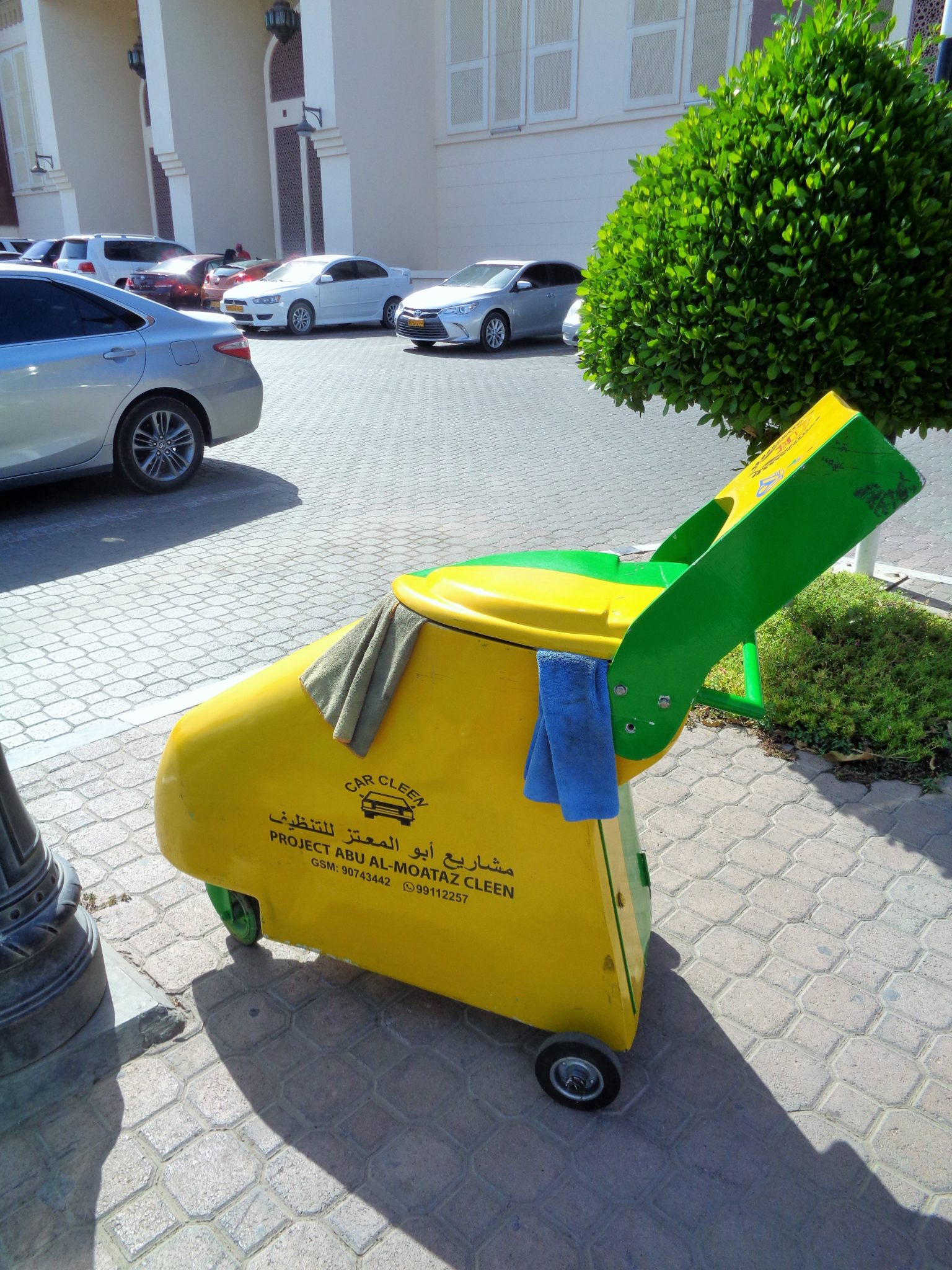
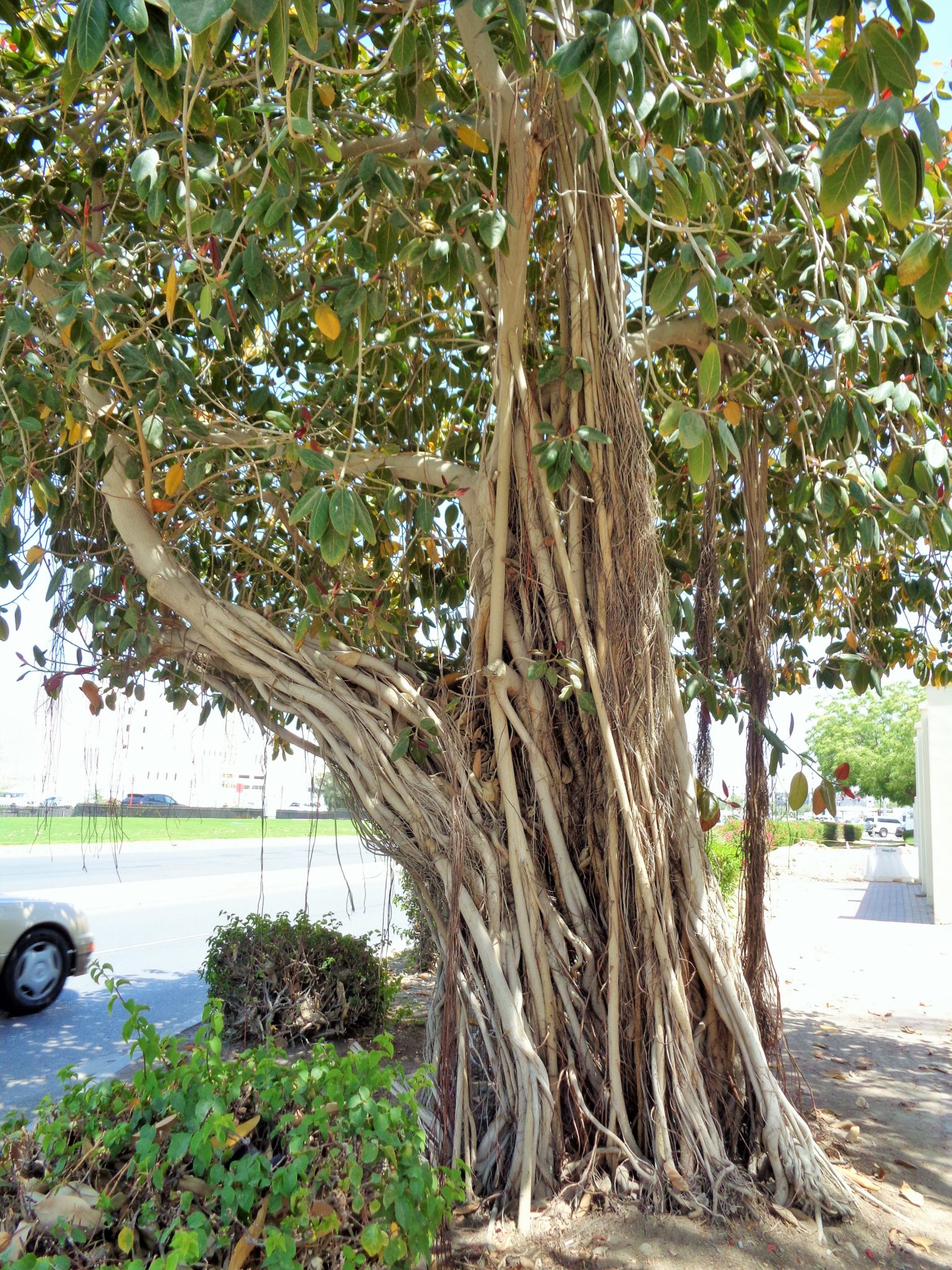

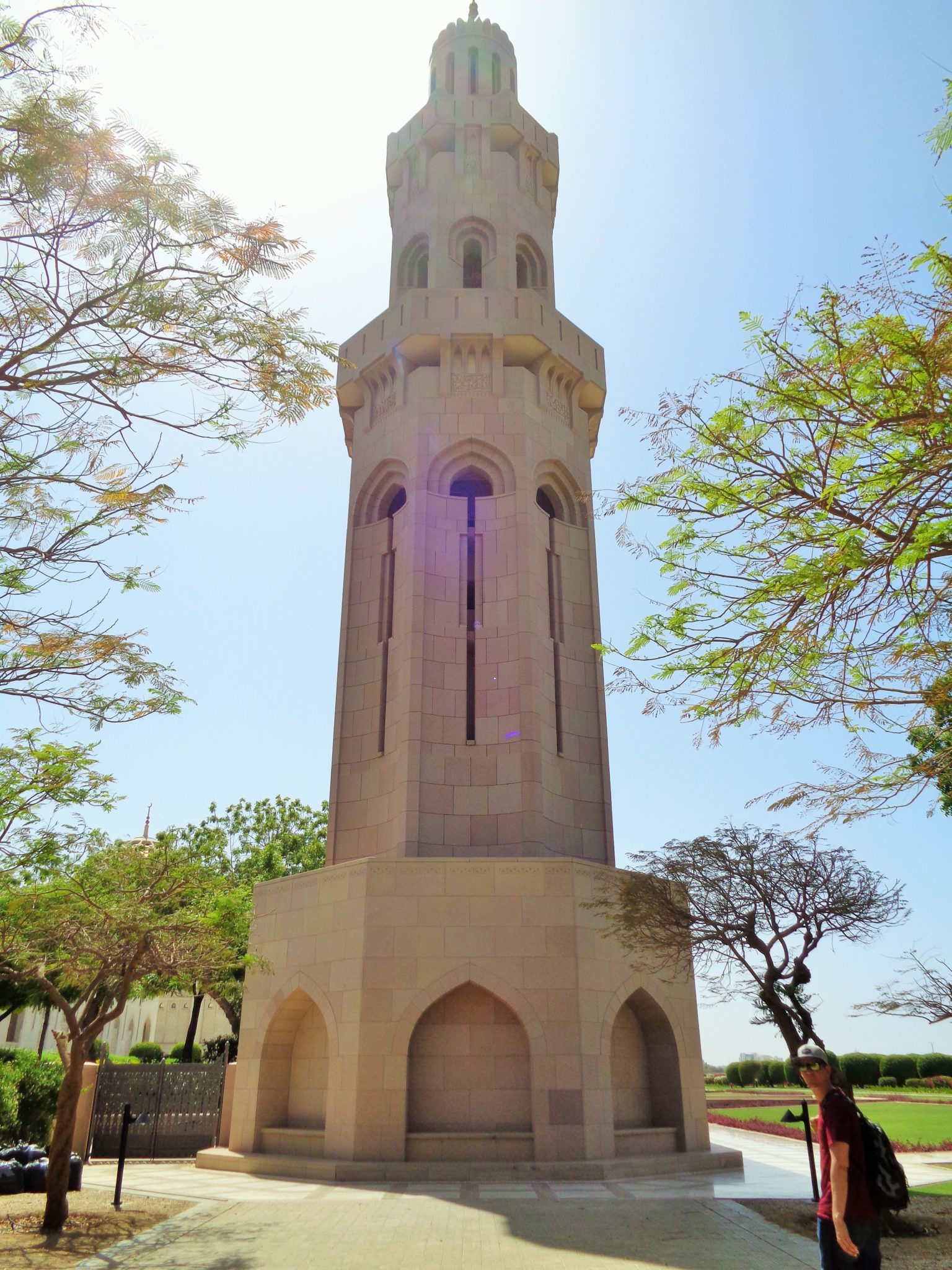
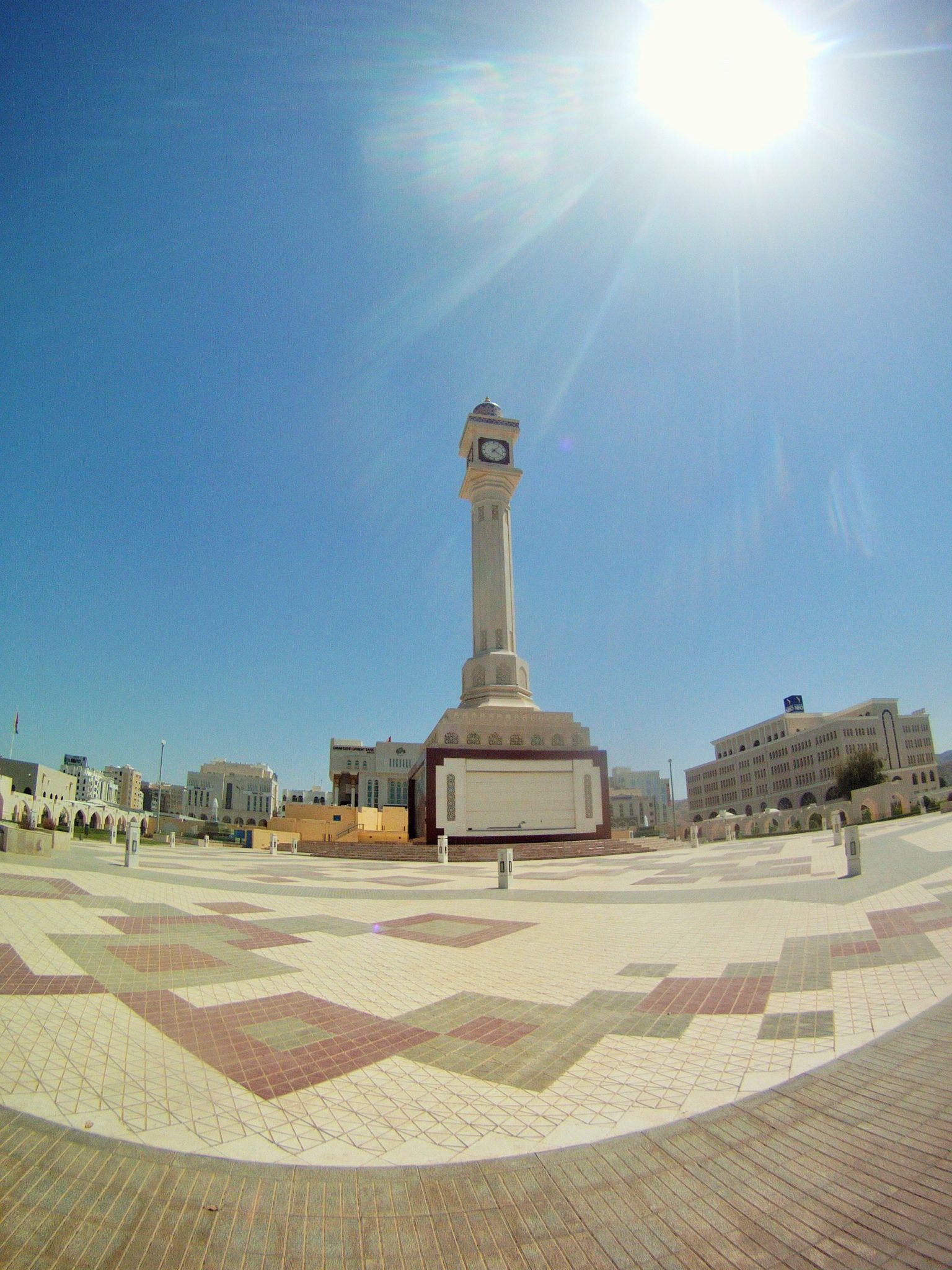
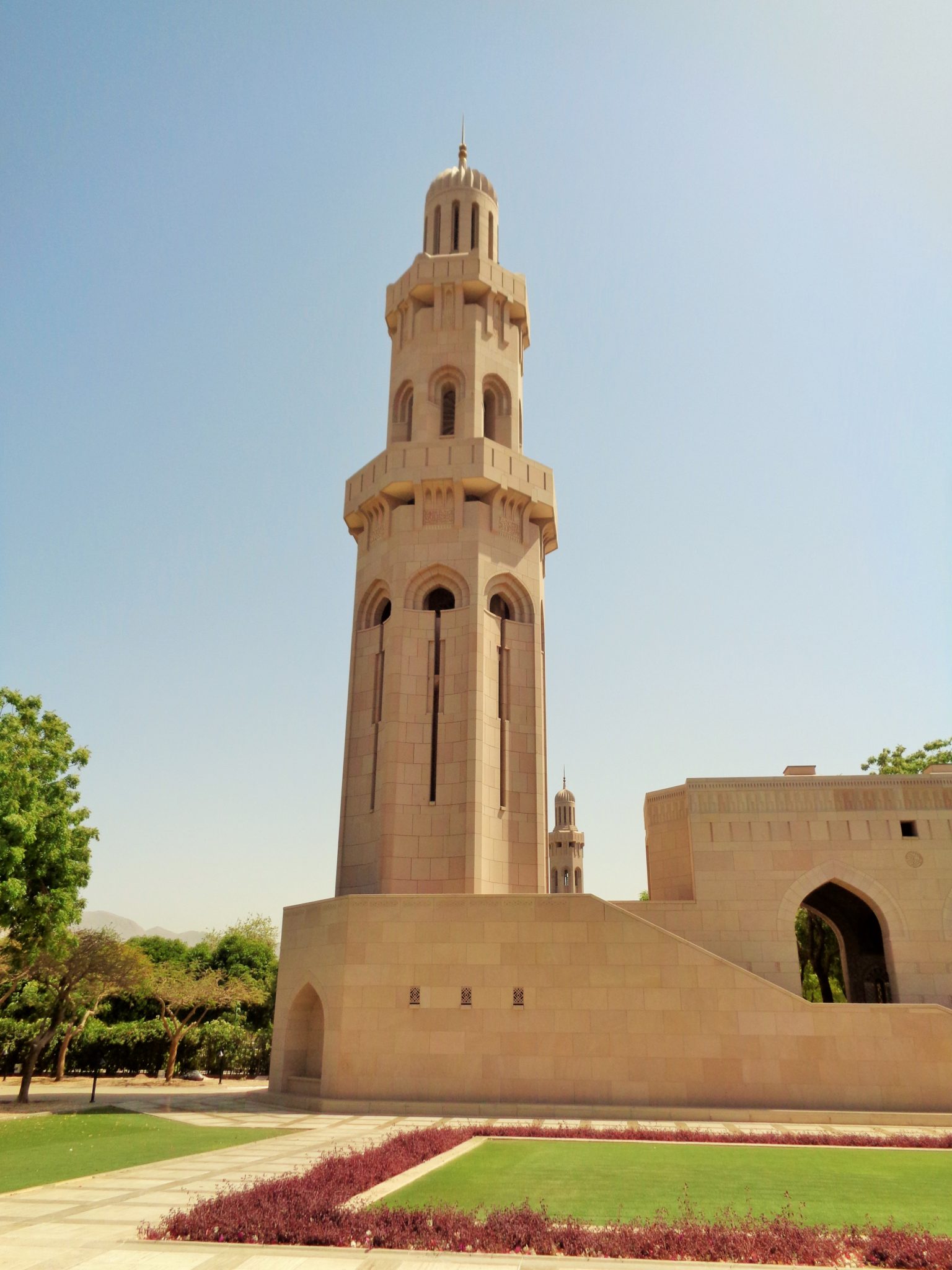
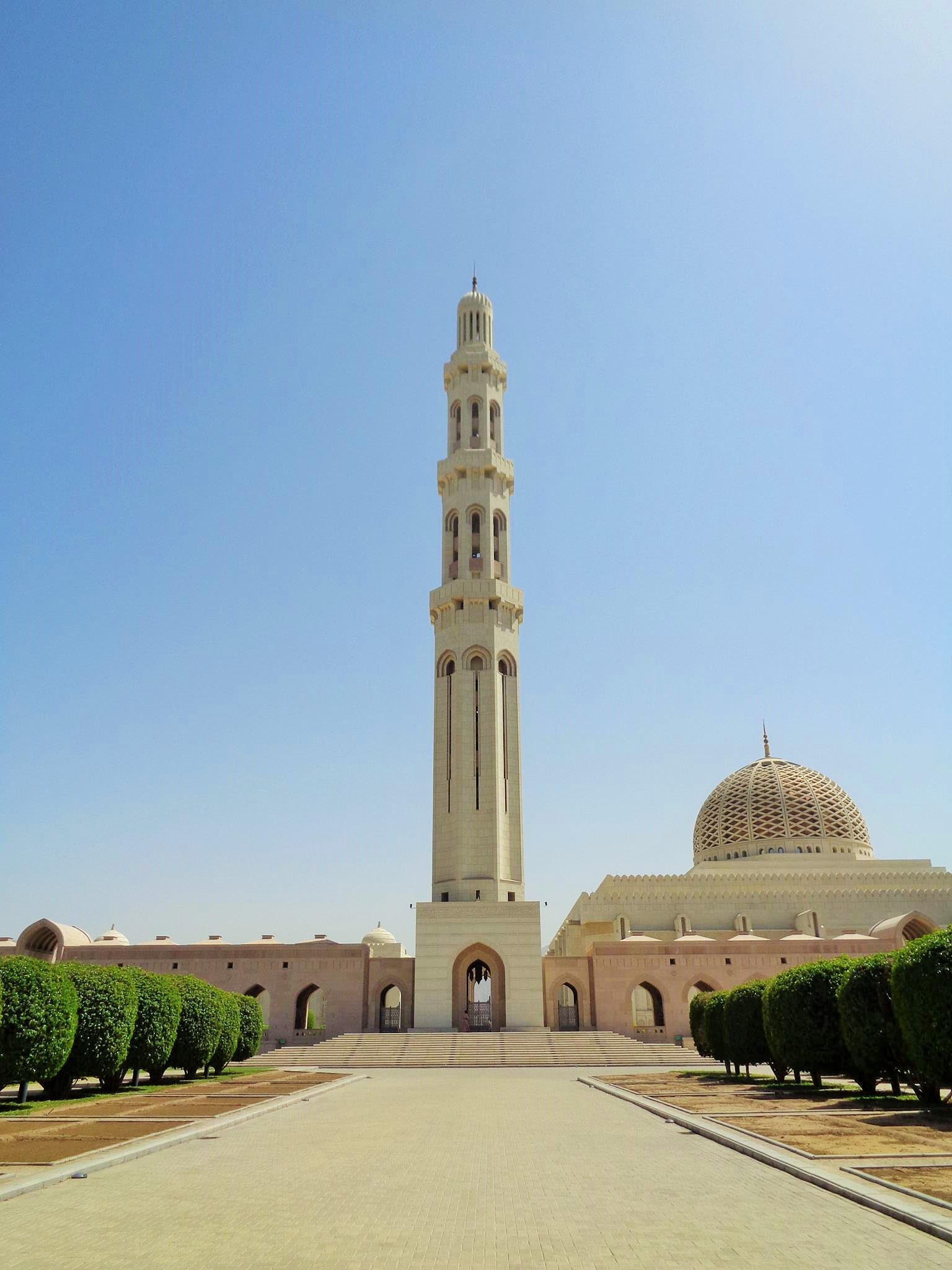
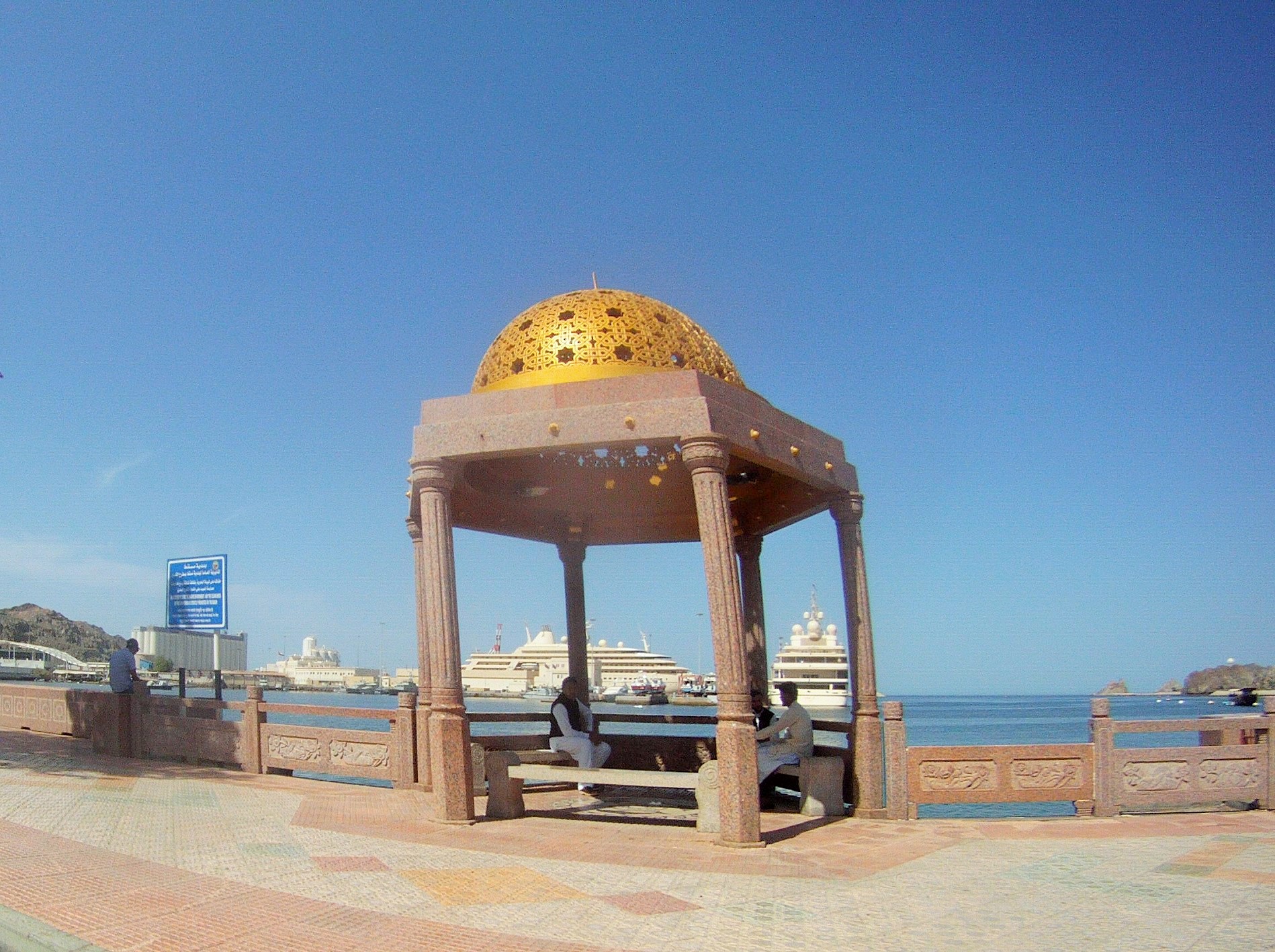
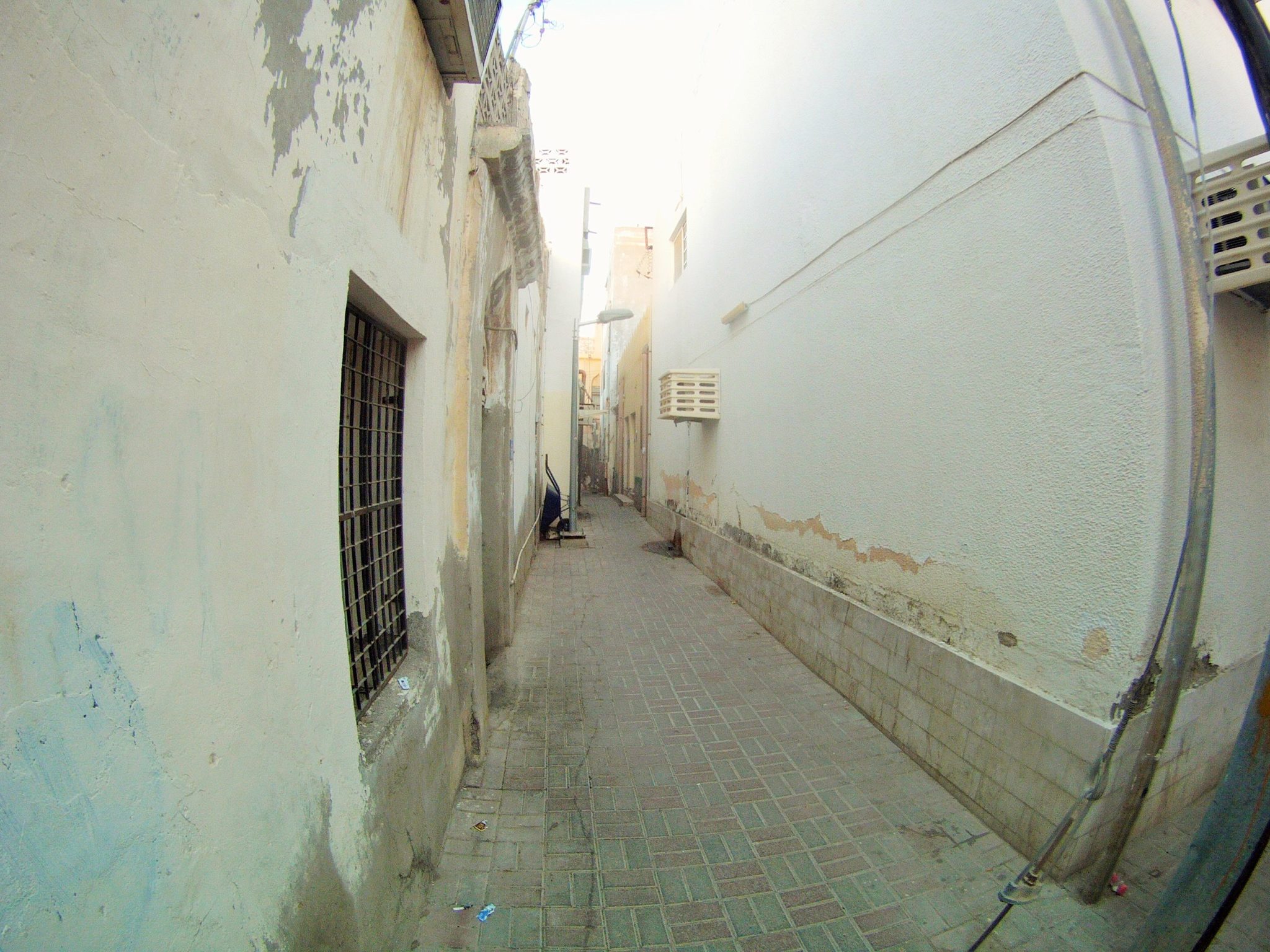
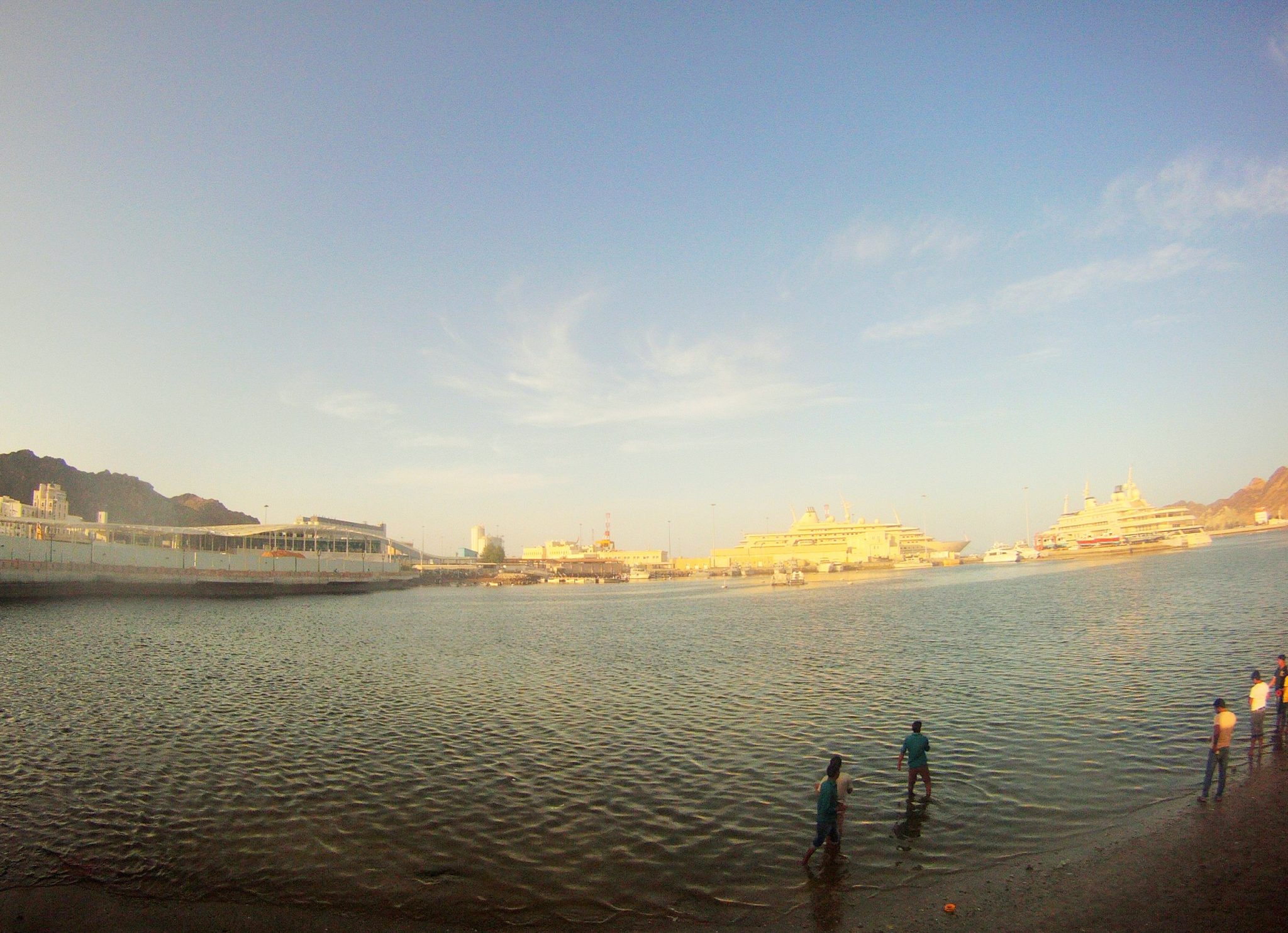
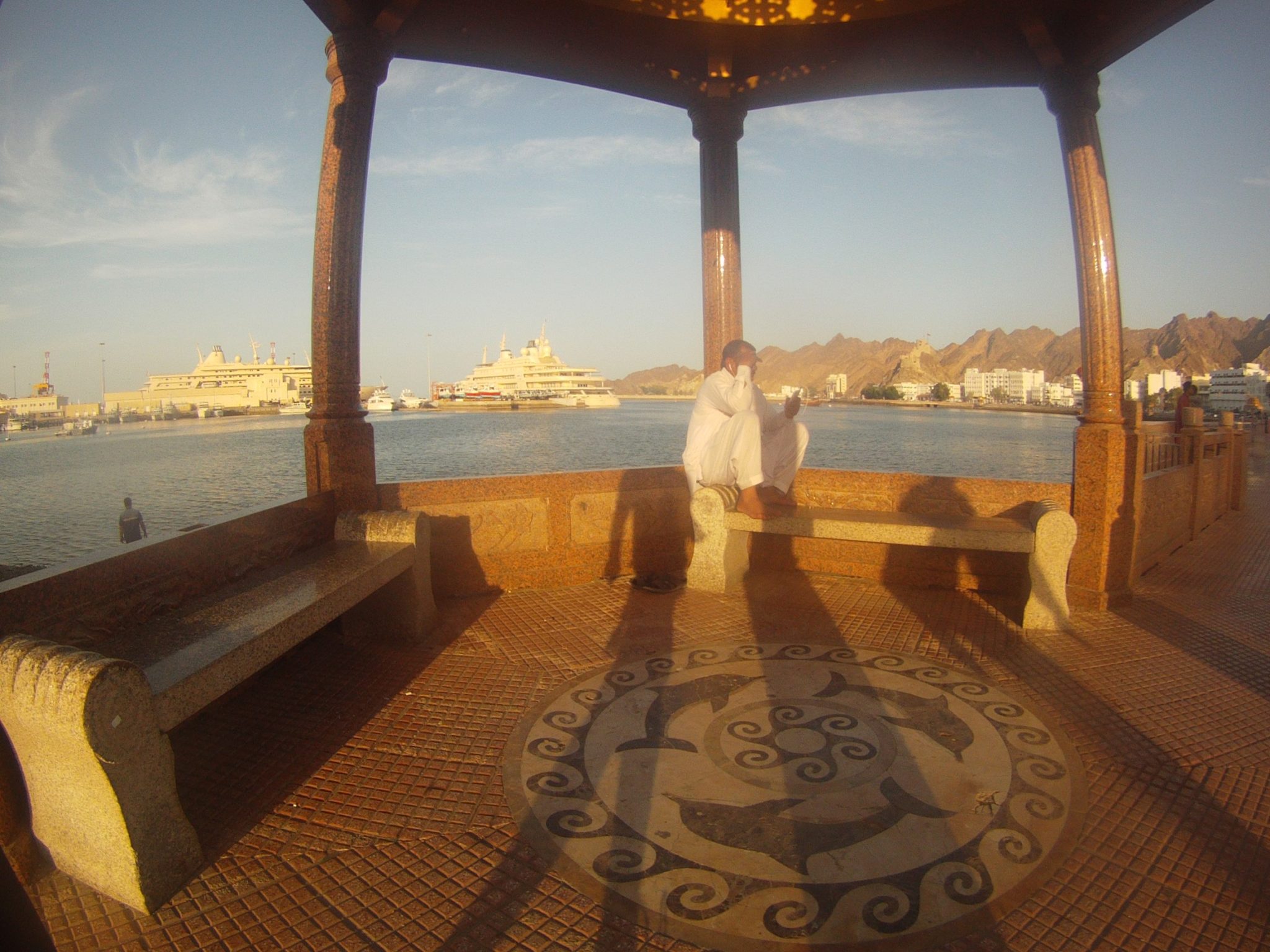
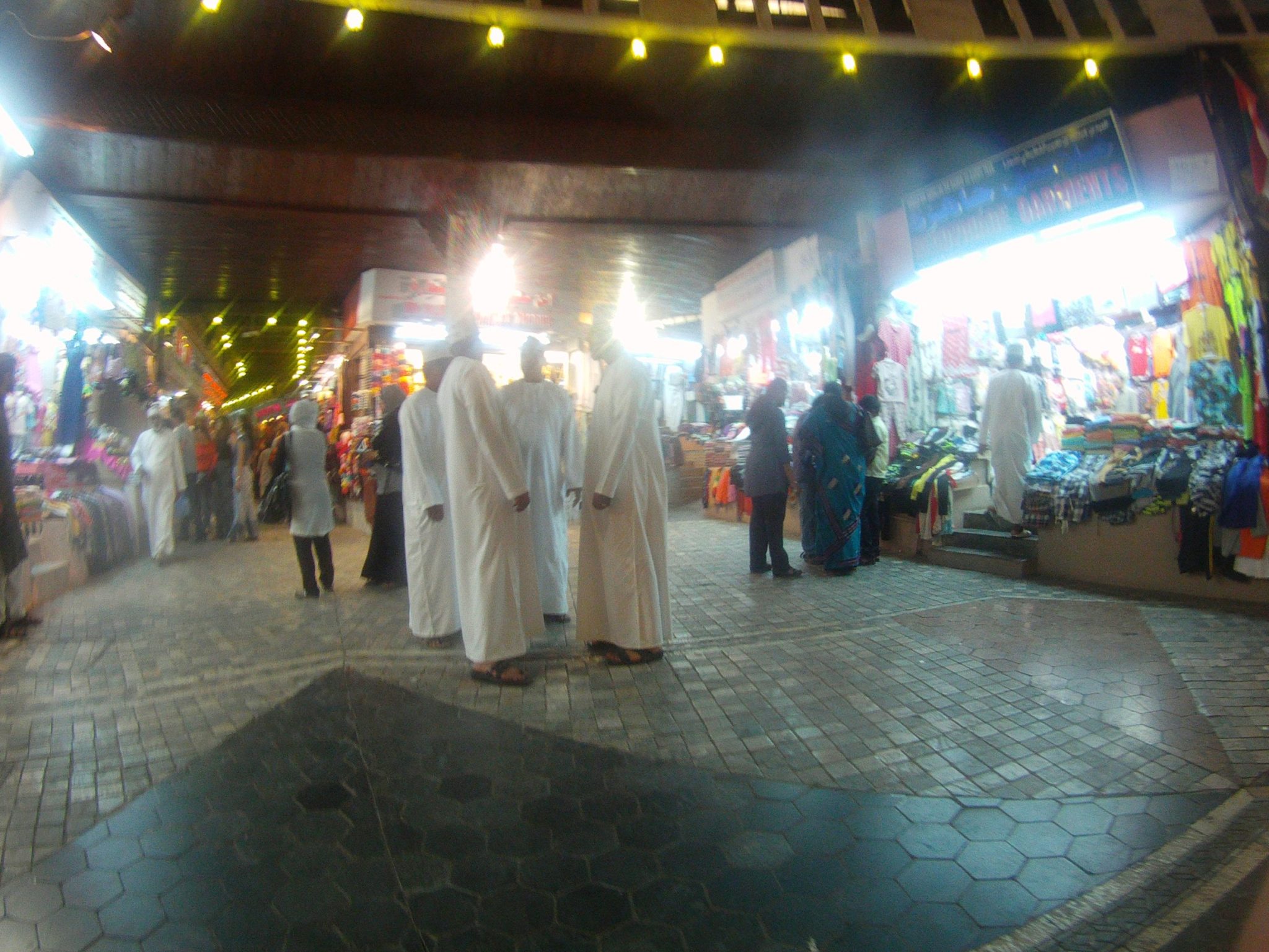
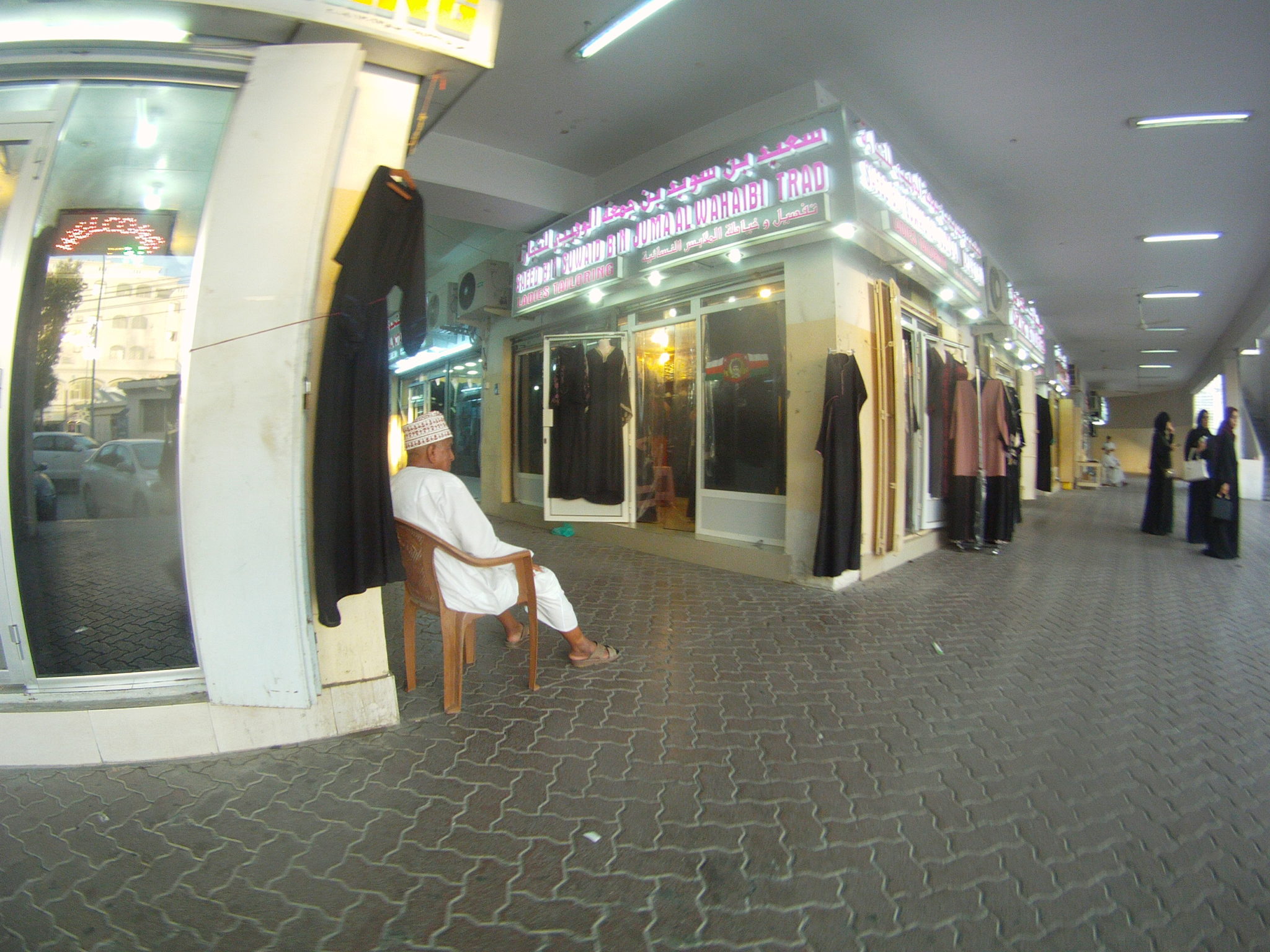
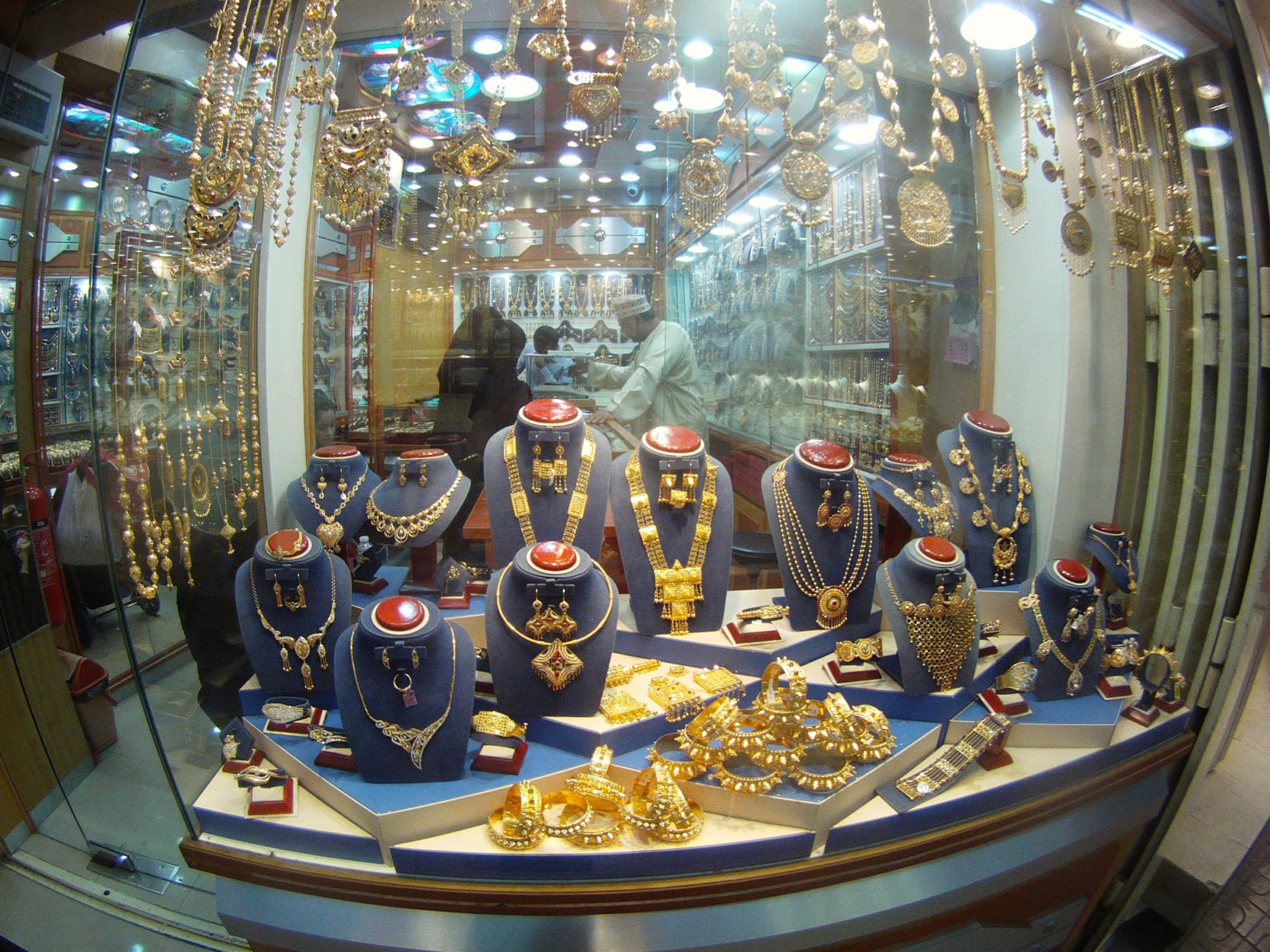
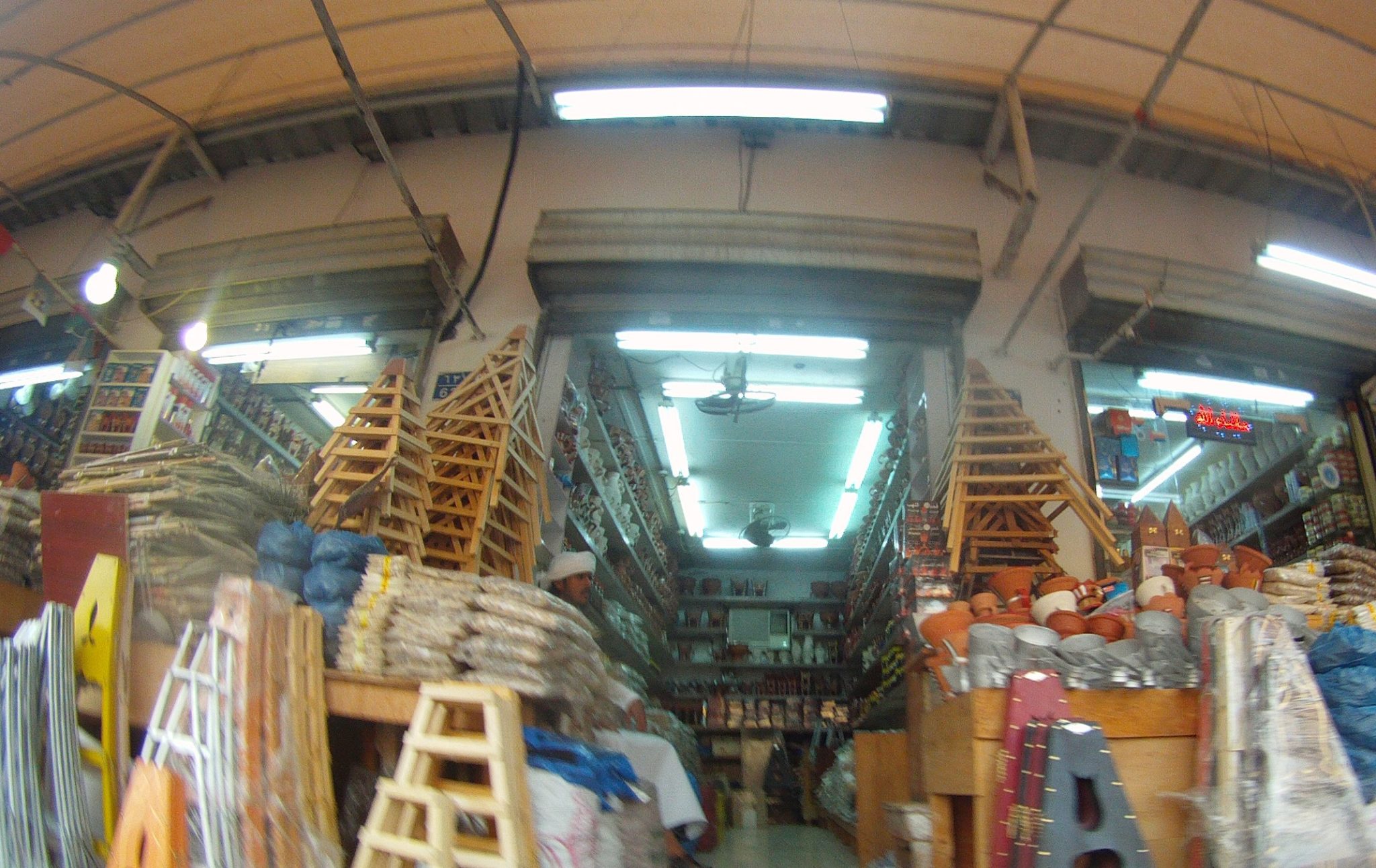
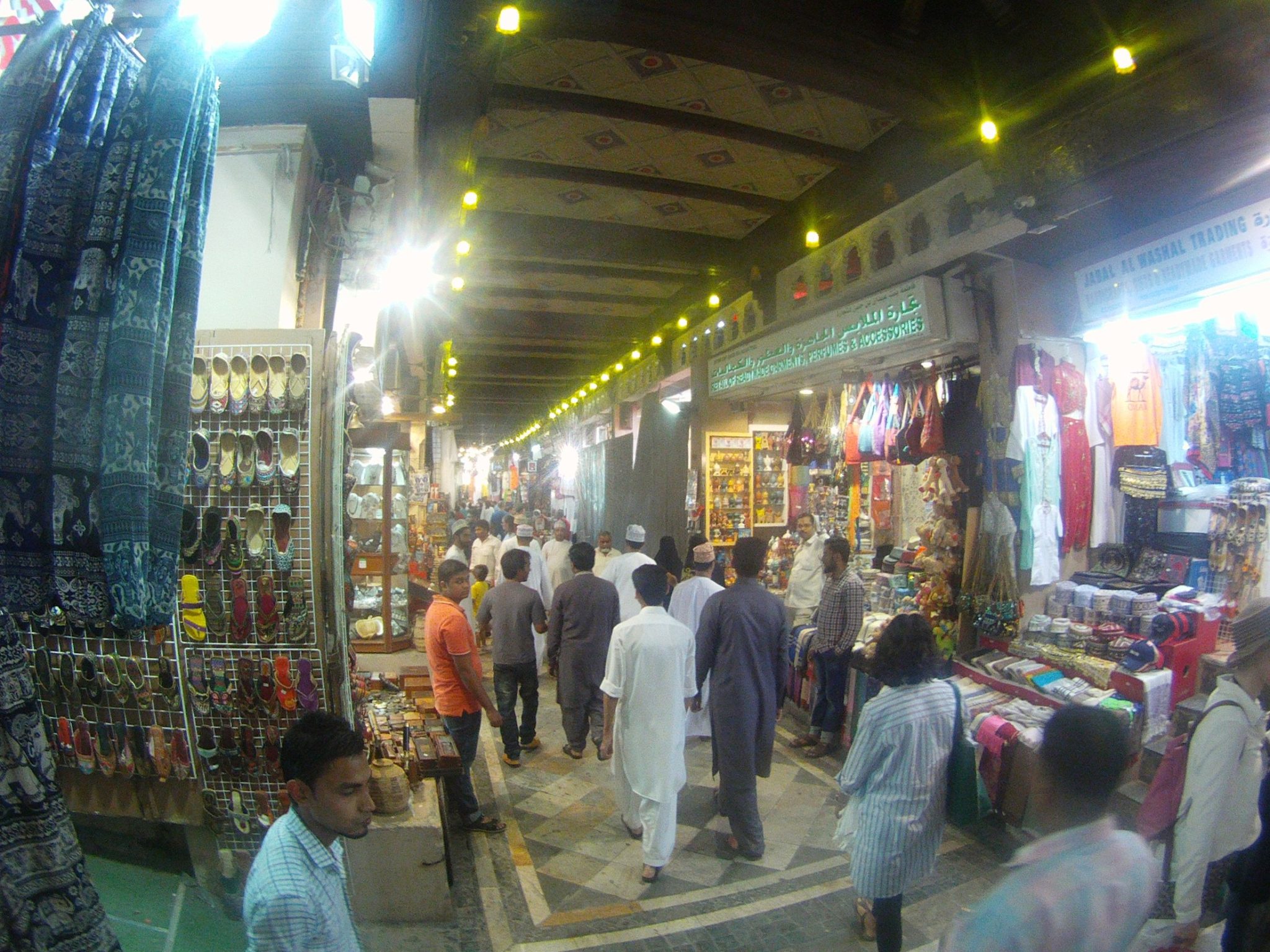
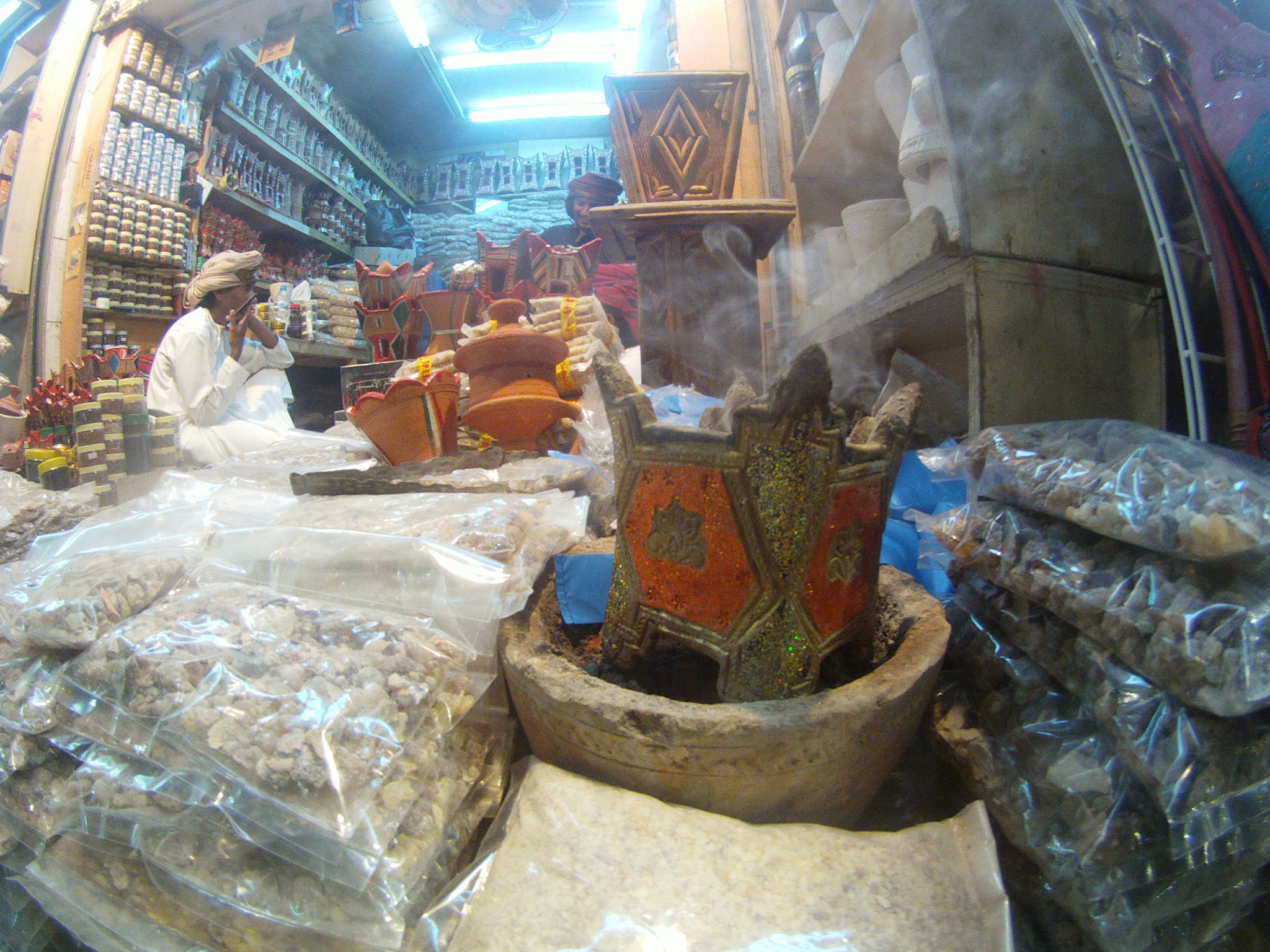
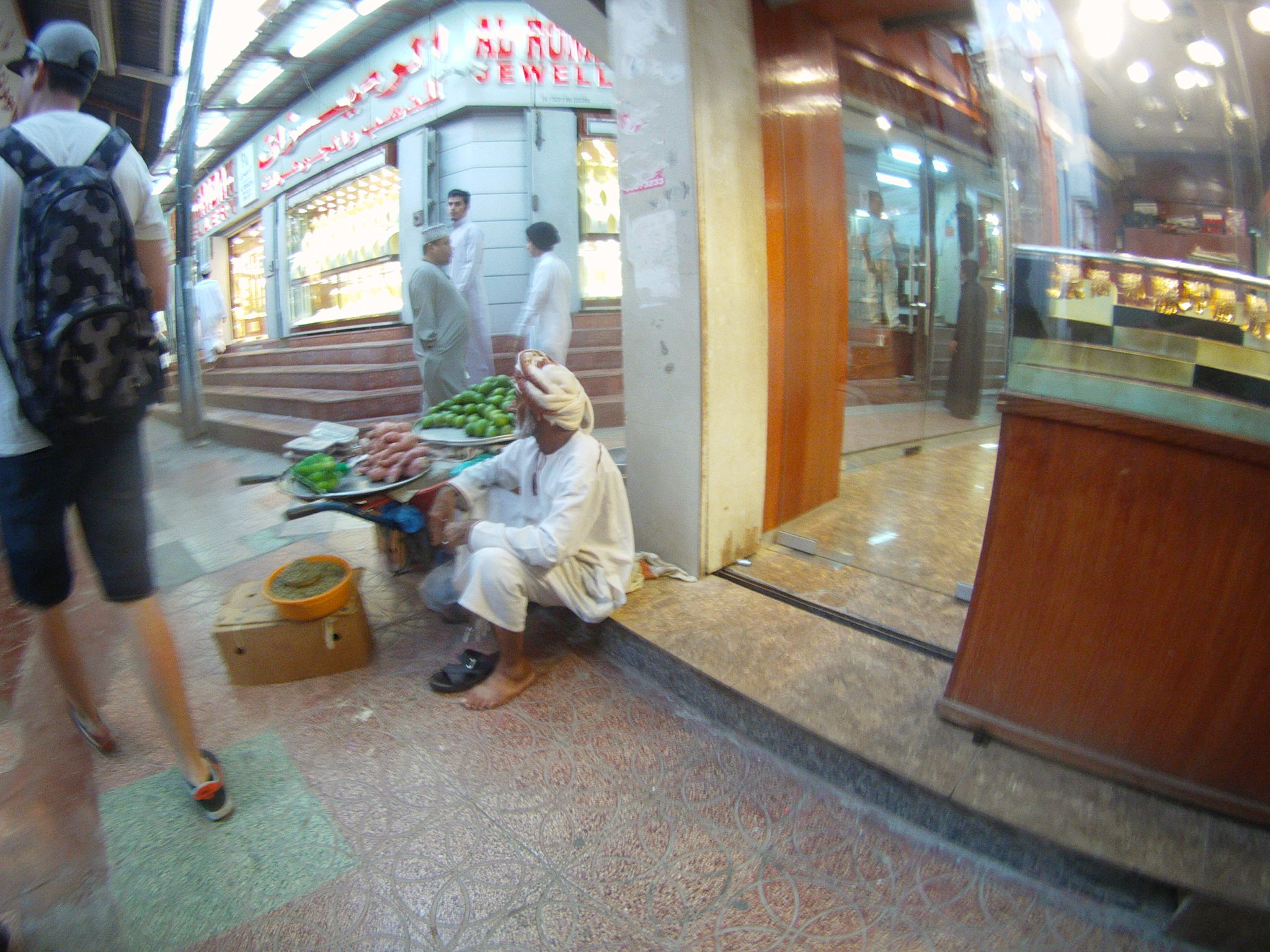
Visitors to Muscat encounter a fascinating blend of history and modernity. One of the city’s most iconic districts is Muttrah, known for its picturesque waterfront promenade, the Corniche. Traditional wooden dhows can still be seen alongside modern vessels in the harbor, reflecting Muscat’s long maritime history. The Muttrah Souq, one of the oldest marketplaces in the Arab world, offers a sensory experience filled with the aromas of frankincense, spices, and perfumes. Its winding alleys are lined with shops selling jewelry, handicrafts, textiles, and traditional Omani products, providing insight into the region’s rich commercial heritage.

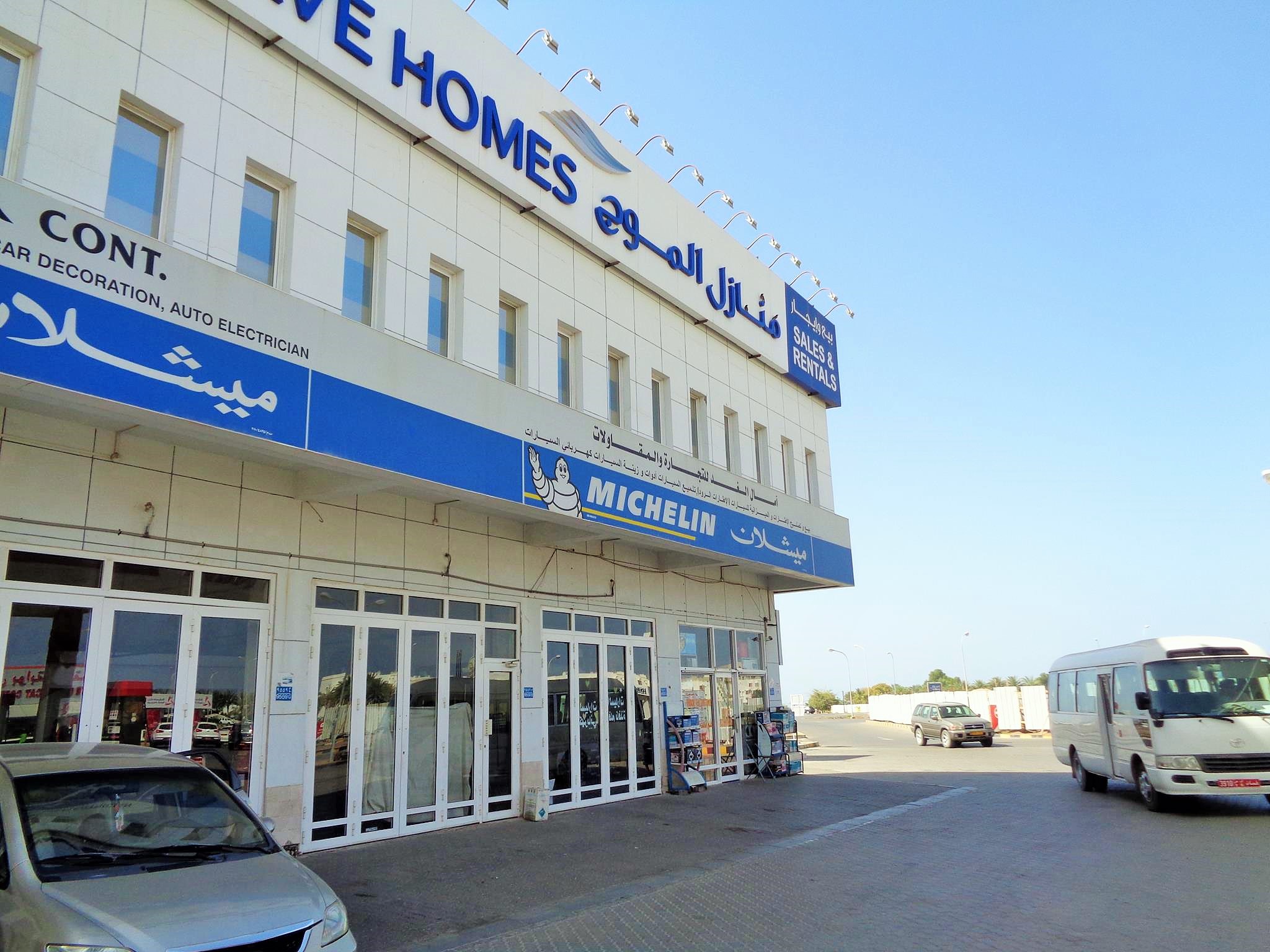

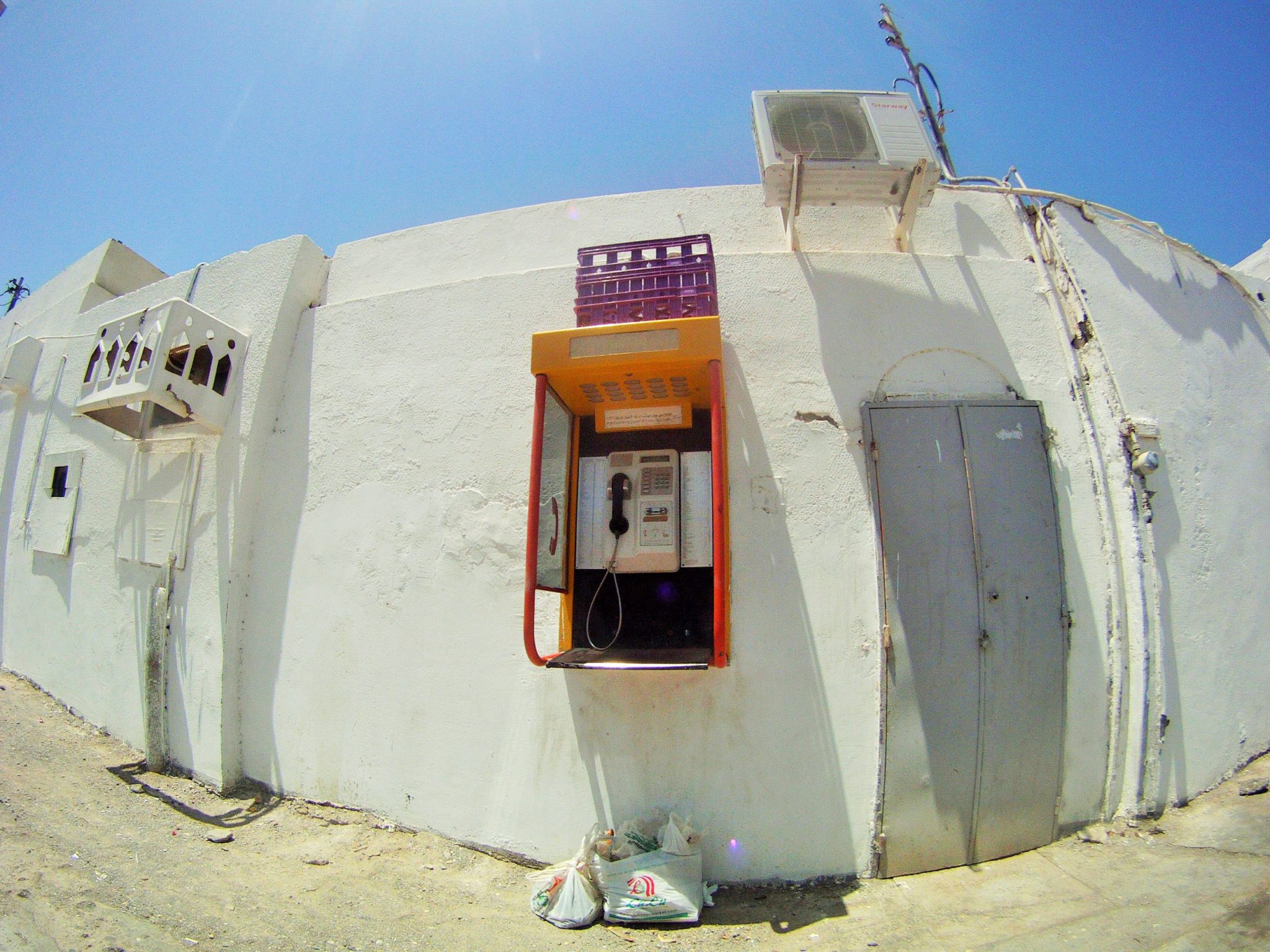

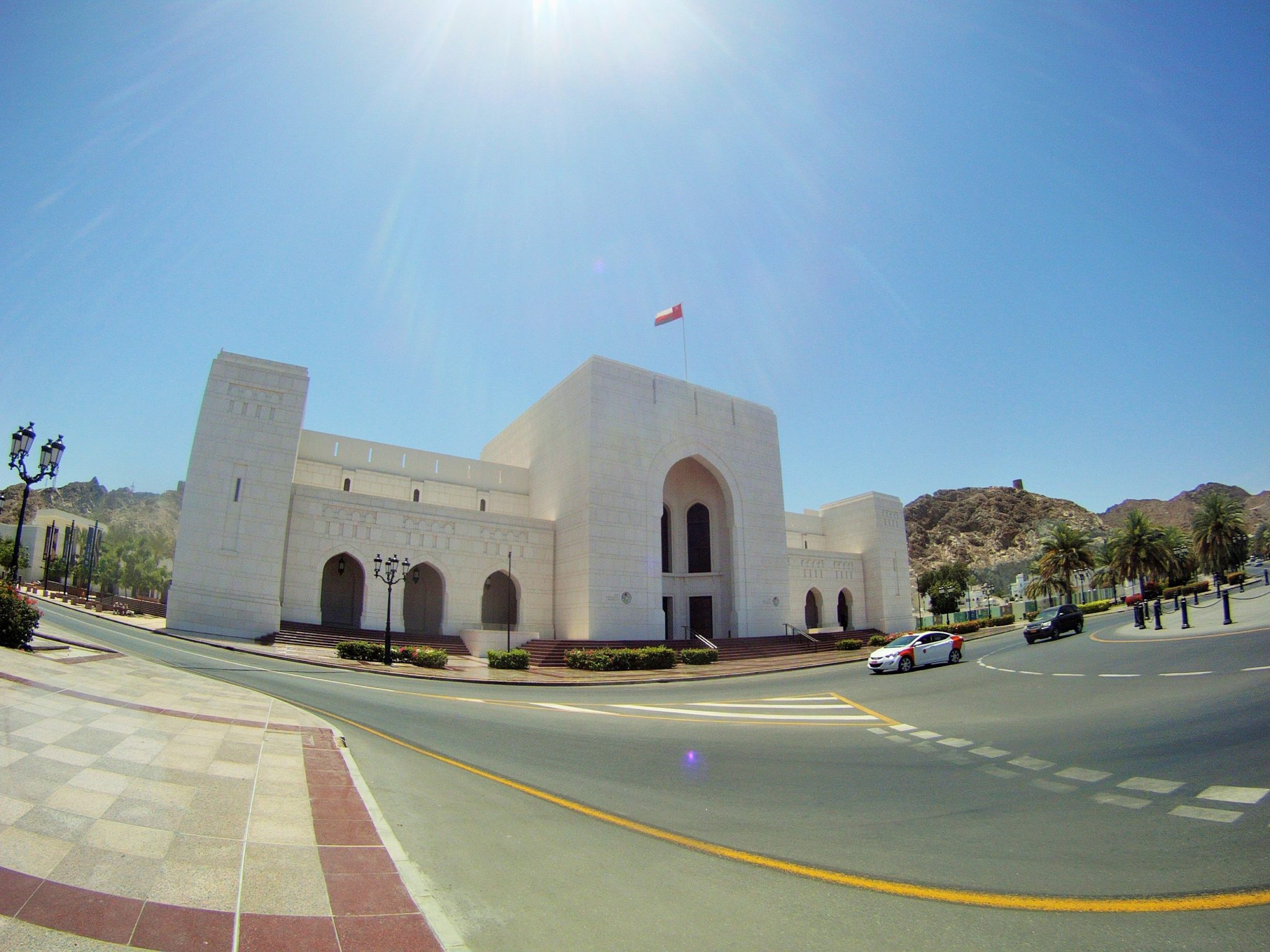
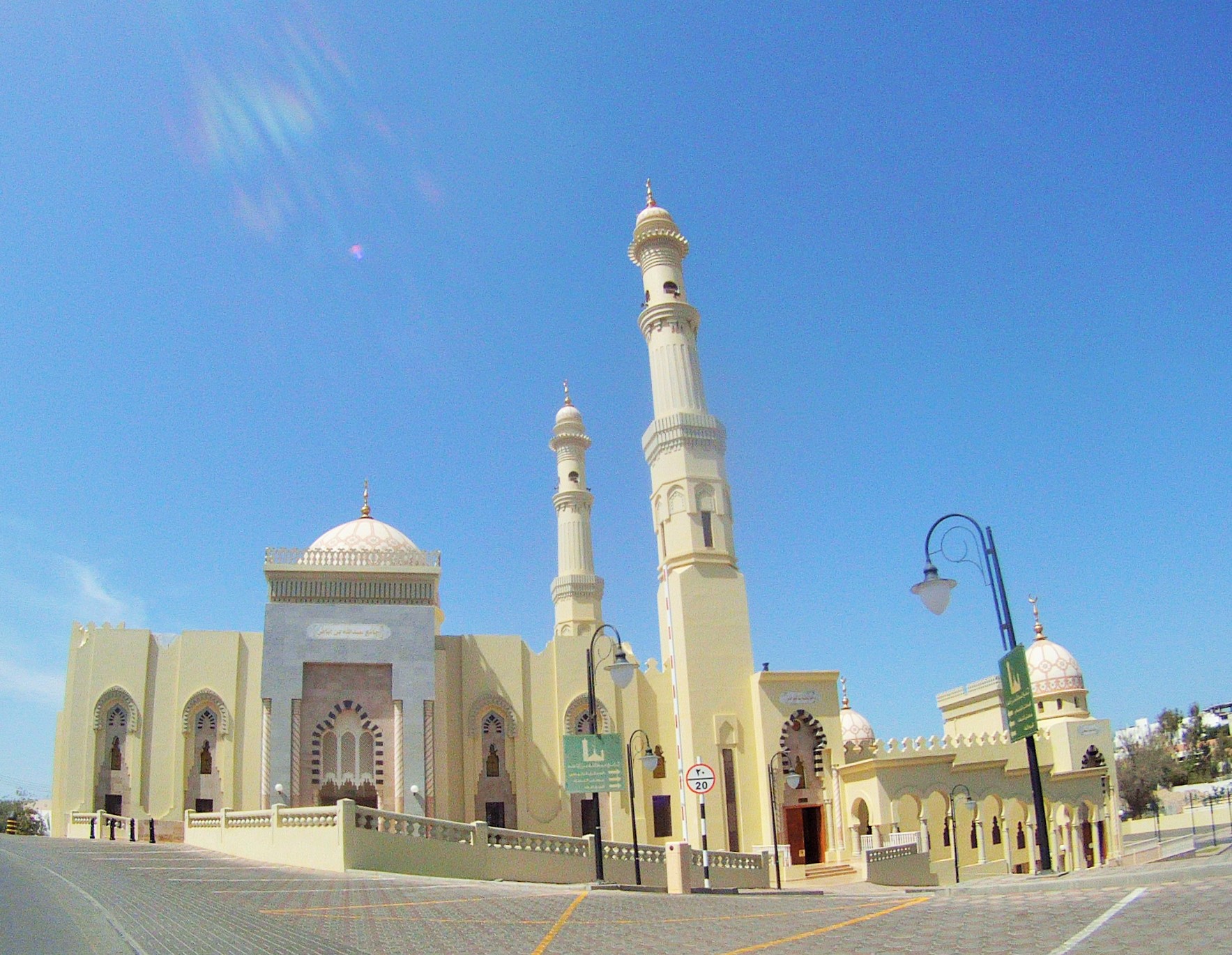
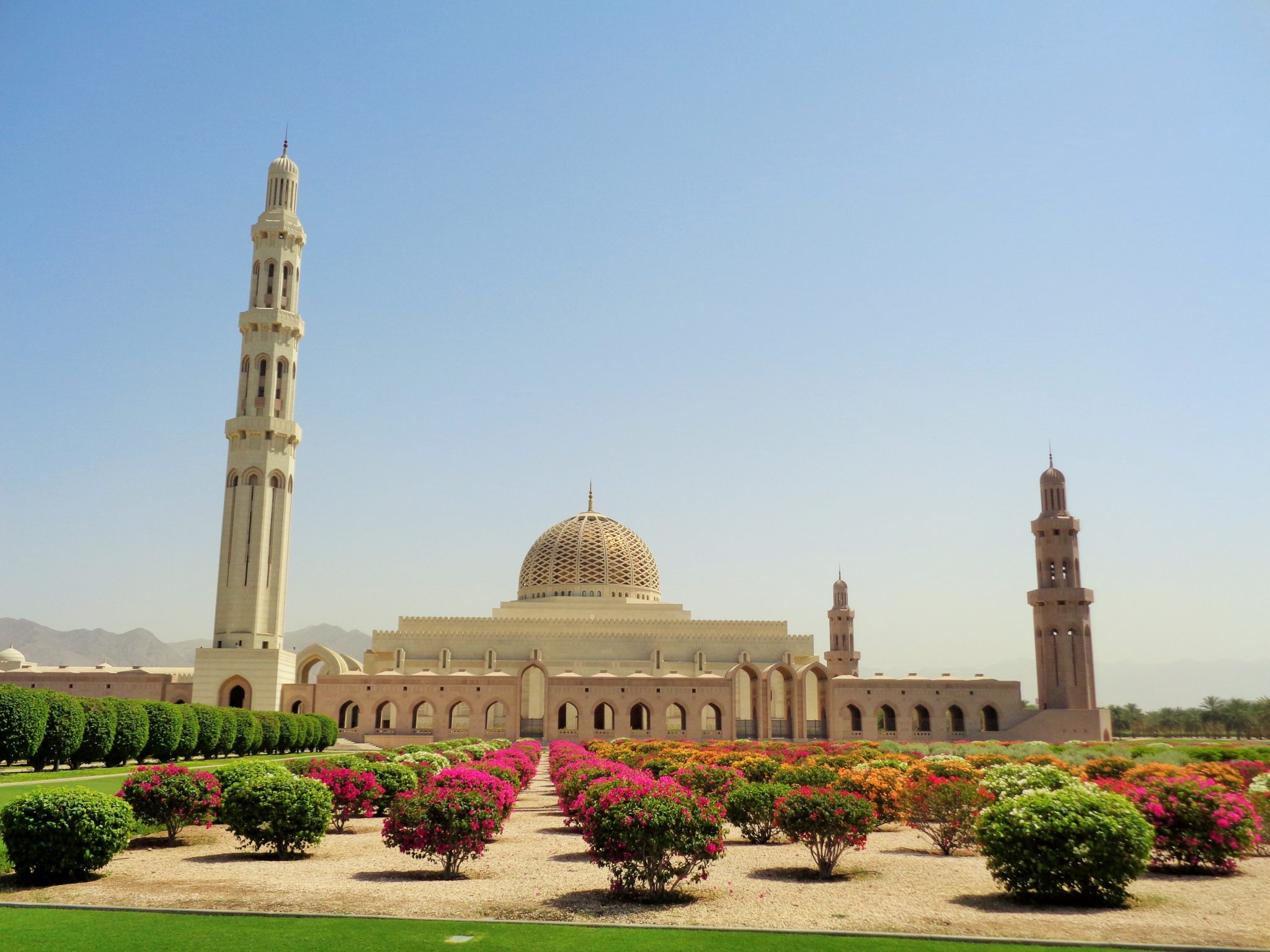
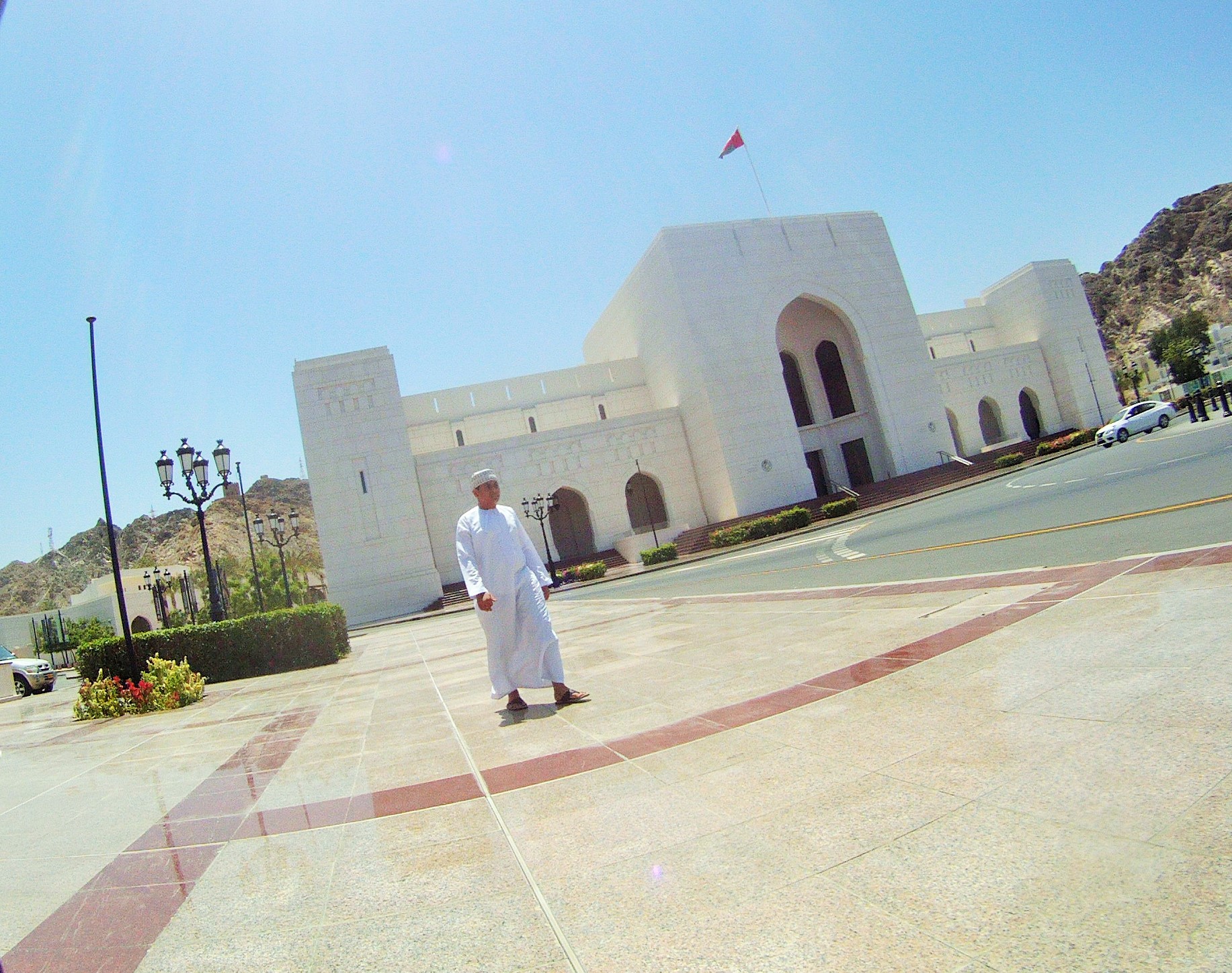
Muscat is also the cultural heart of Oman. The National Museum of Oman presents the country’s history from prehistoric times to the modern era and houses important archaeological and historical collections. The Bait Al Zubair Museum offers valuable insights into Omani traditions, customs, and craftsmanship. Another landmark is the Sultan Qaboos Grand Mosque, one of the most significant religious buildings in the country. Renowned for its elegant architecture, intricate mosaics, grand chandeliers, and vast prayer halls, it is widely regarded as one of the most beautiful mosques in the Islamic world.

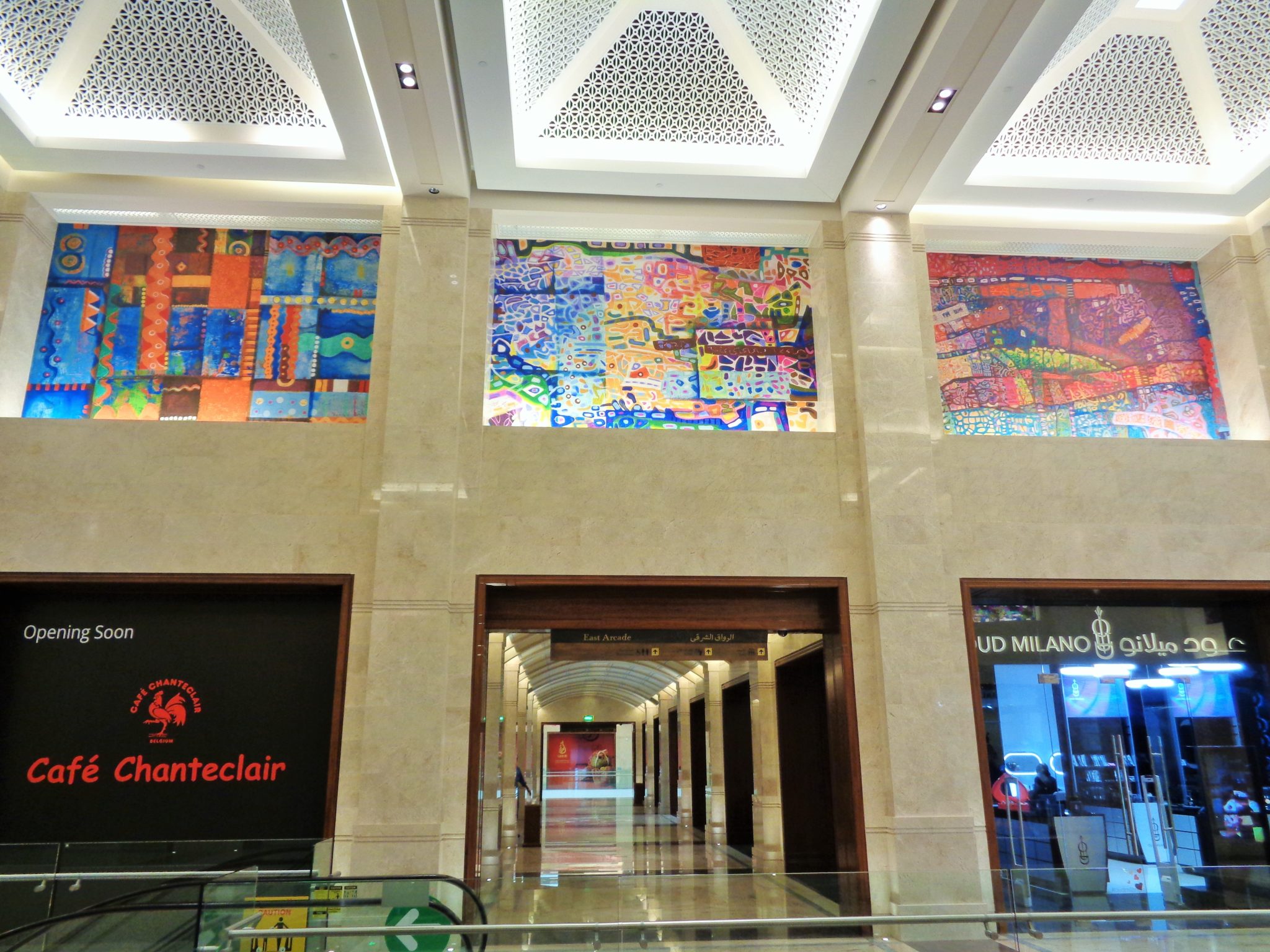
In recent years, Muscat has developed a vibrant contemporary art scene. Alongside established institutions, galleries such as Gallery Sarah and Stal Gallery showcase the work of both Omani and international artists. Themes of identity, heritage, landscape, and social change frequently appear in contemporary Omani art. Many artists combine traditional techniques with modern forms of expression, creating a unique artistic language that reflects the country’s evolving cultural landscape.


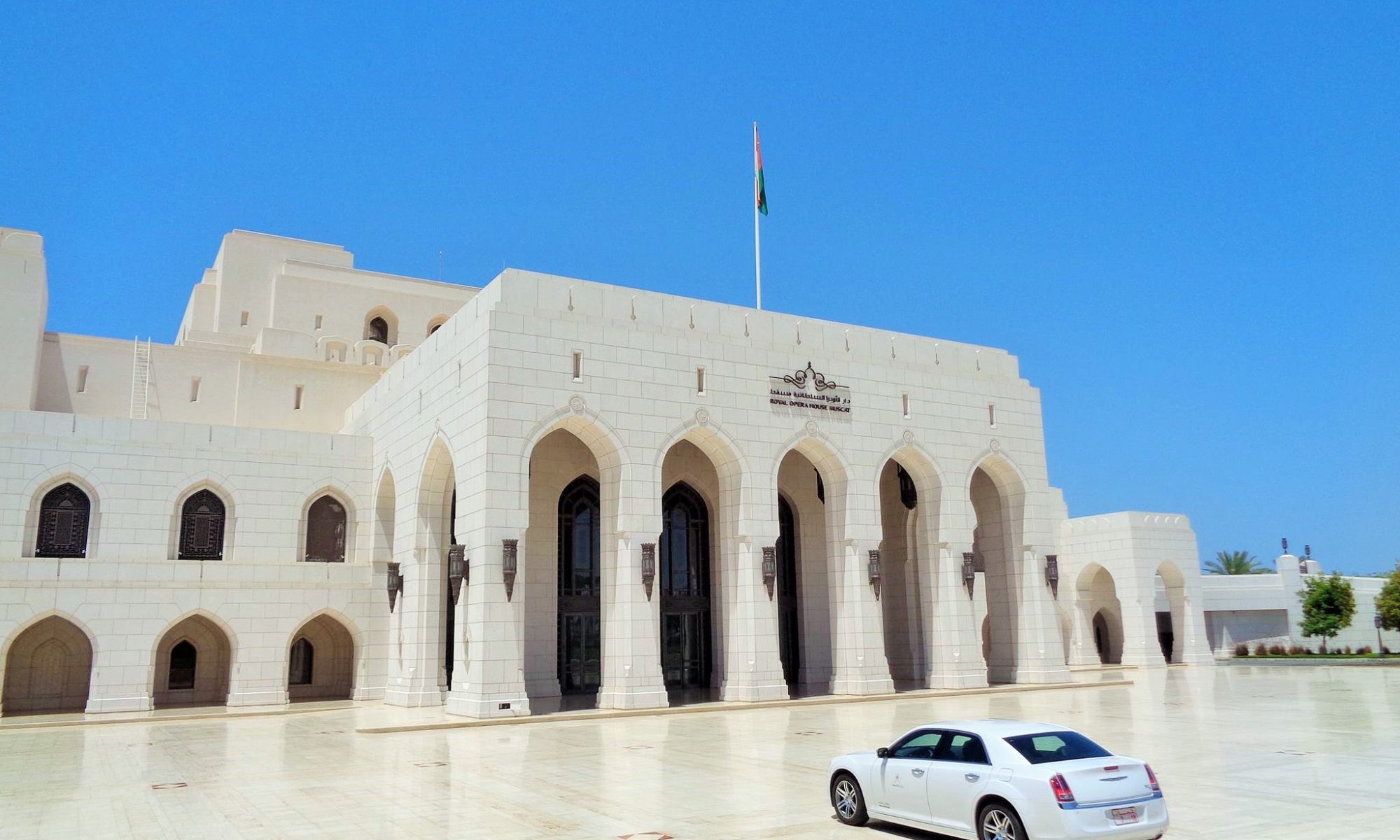
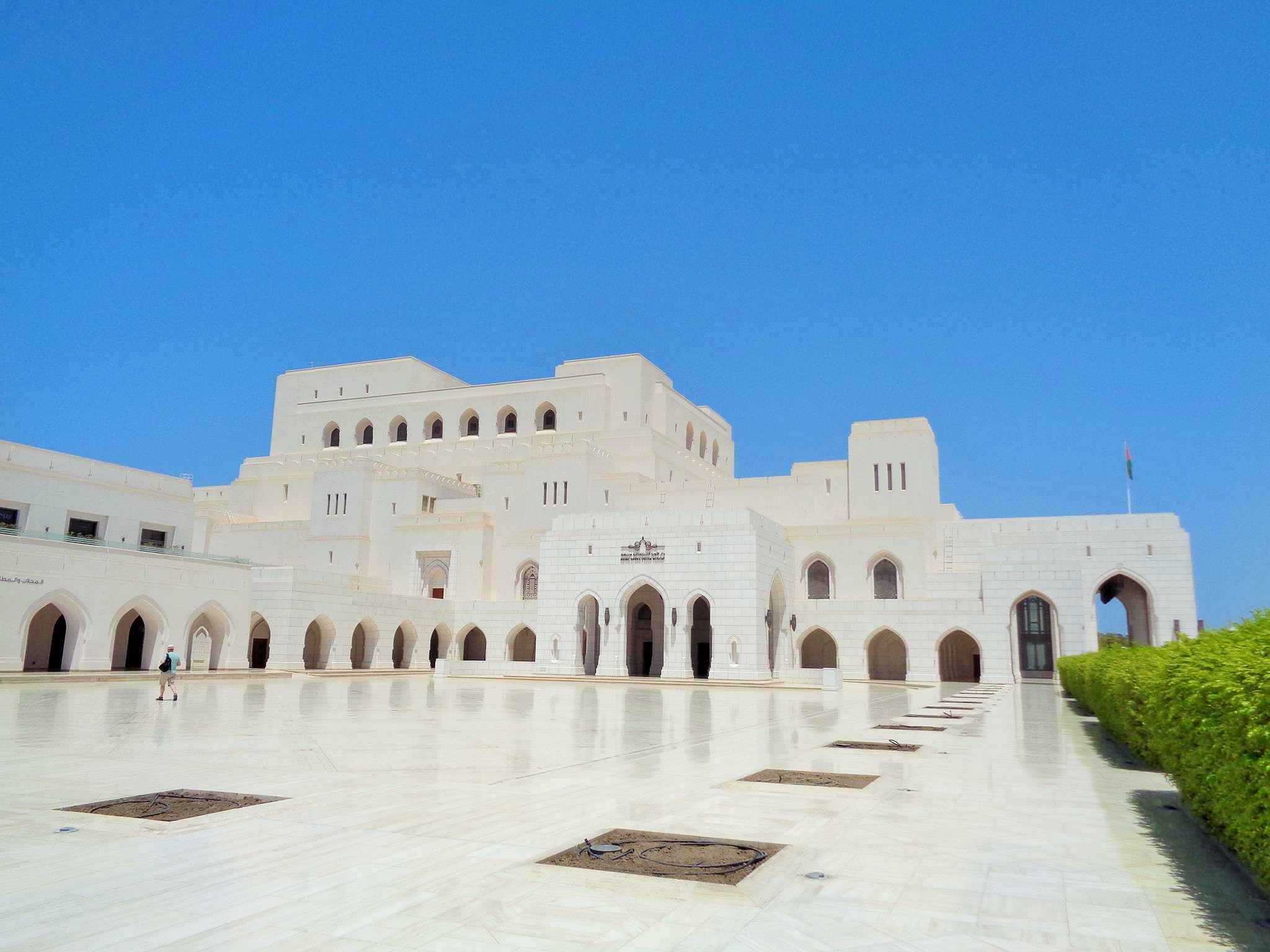
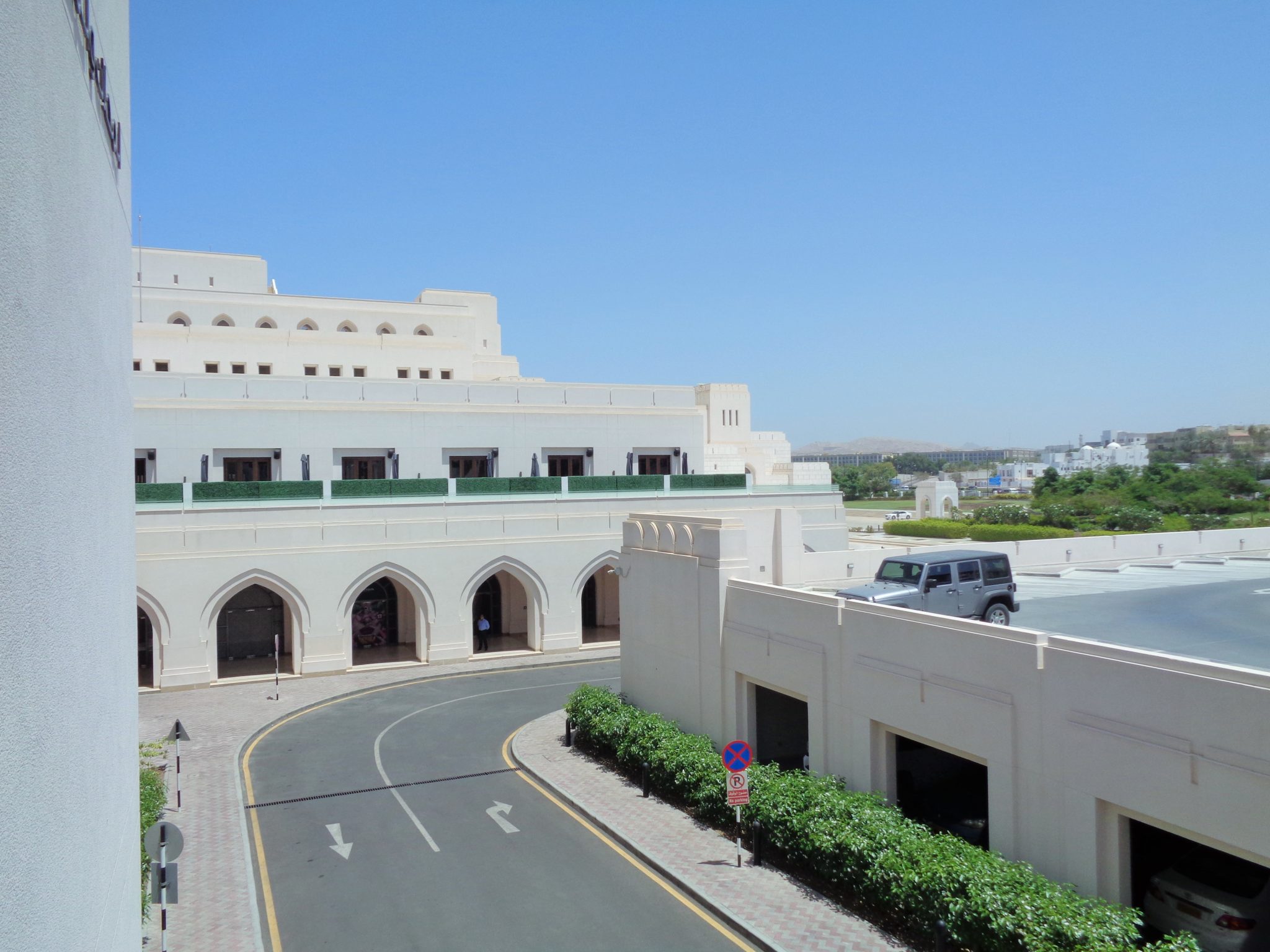
A major center for the performing arts is the Royal Opera House Muscat. Opened in 2011, it is considered one of the leading cultural venues in the Middle East. The opera house hosts a wide range of performances, including opera, classical music, ballet, theater productions, and concerts by internationally acclaimed artists and orchestras. In addition to its artistic program, the building itself is celebrated for its architecture, which combines traditional Omani design with state-of-the-art technology.


Muscat also hosts a variety of cultural and artistic events throughout the year. Among the most prominent is the Muscat Festival, which attracts visitors with music, dance performances, traditional crafts, culinary specialties, and cultural exhibitions from across Oman. The city regularly organizes art exhibitions, literary events, film screenings, and creative workshops, further strengthening its reputation as an emerging cultural hub in the Gulf region.

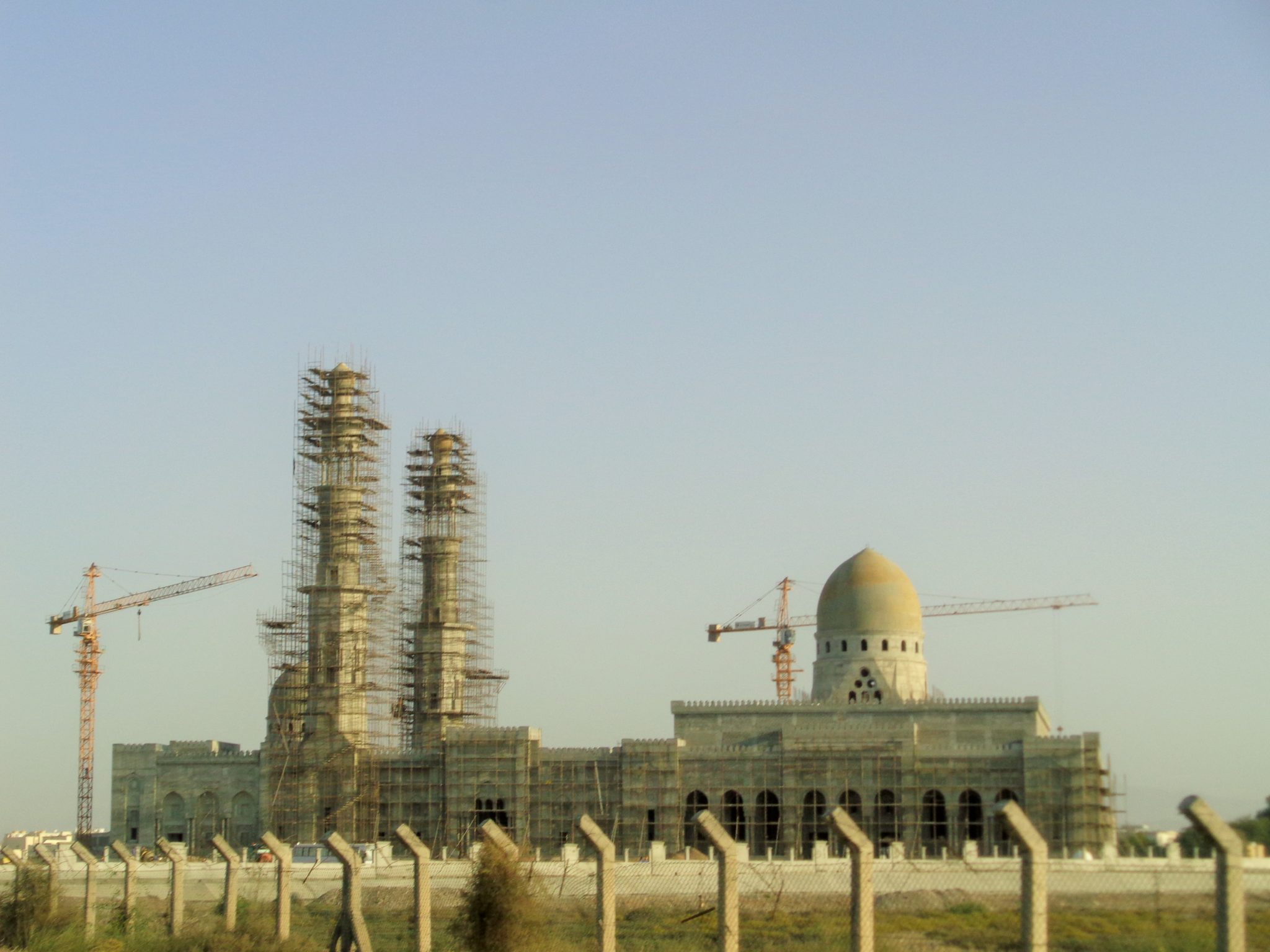
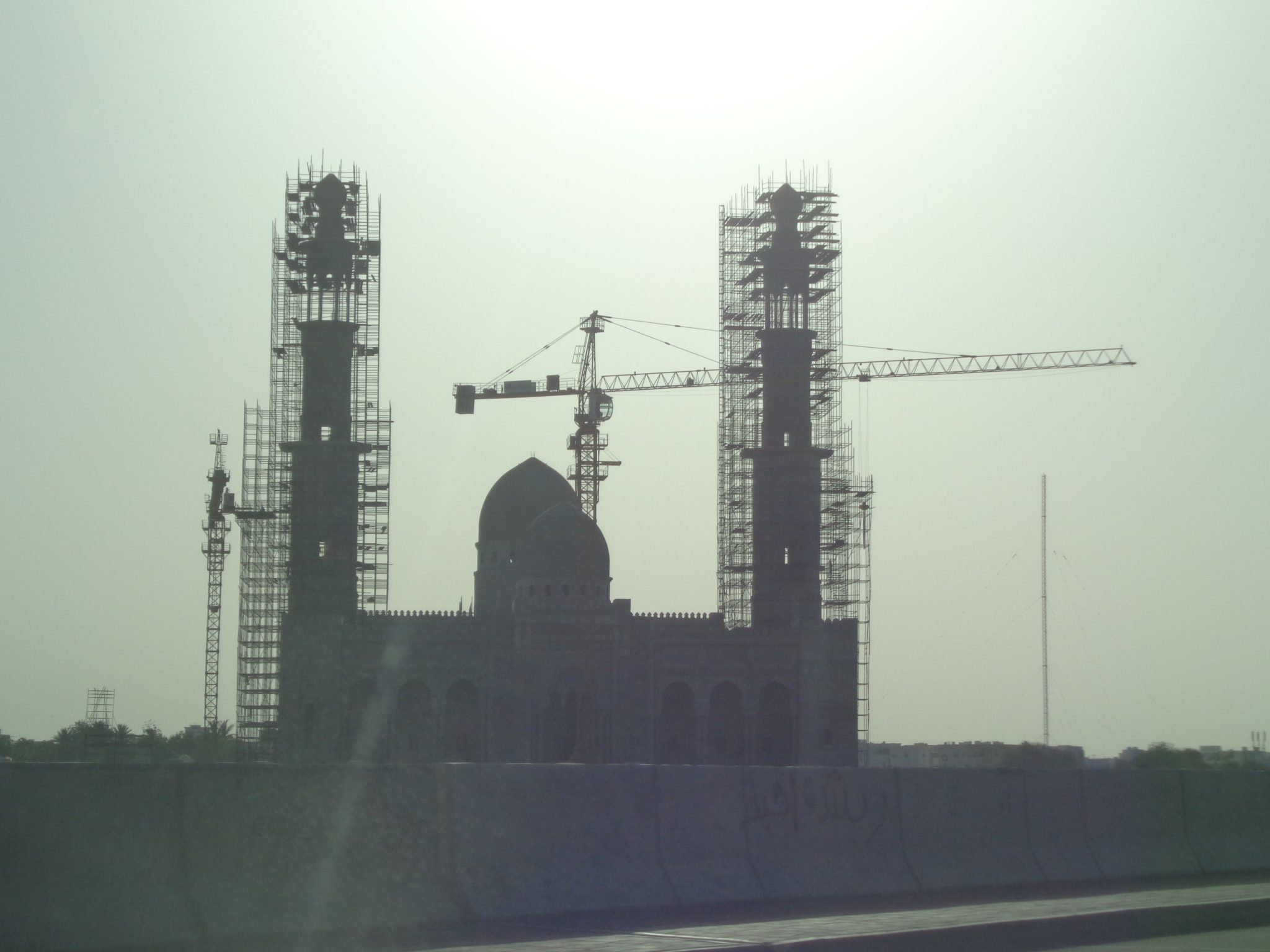
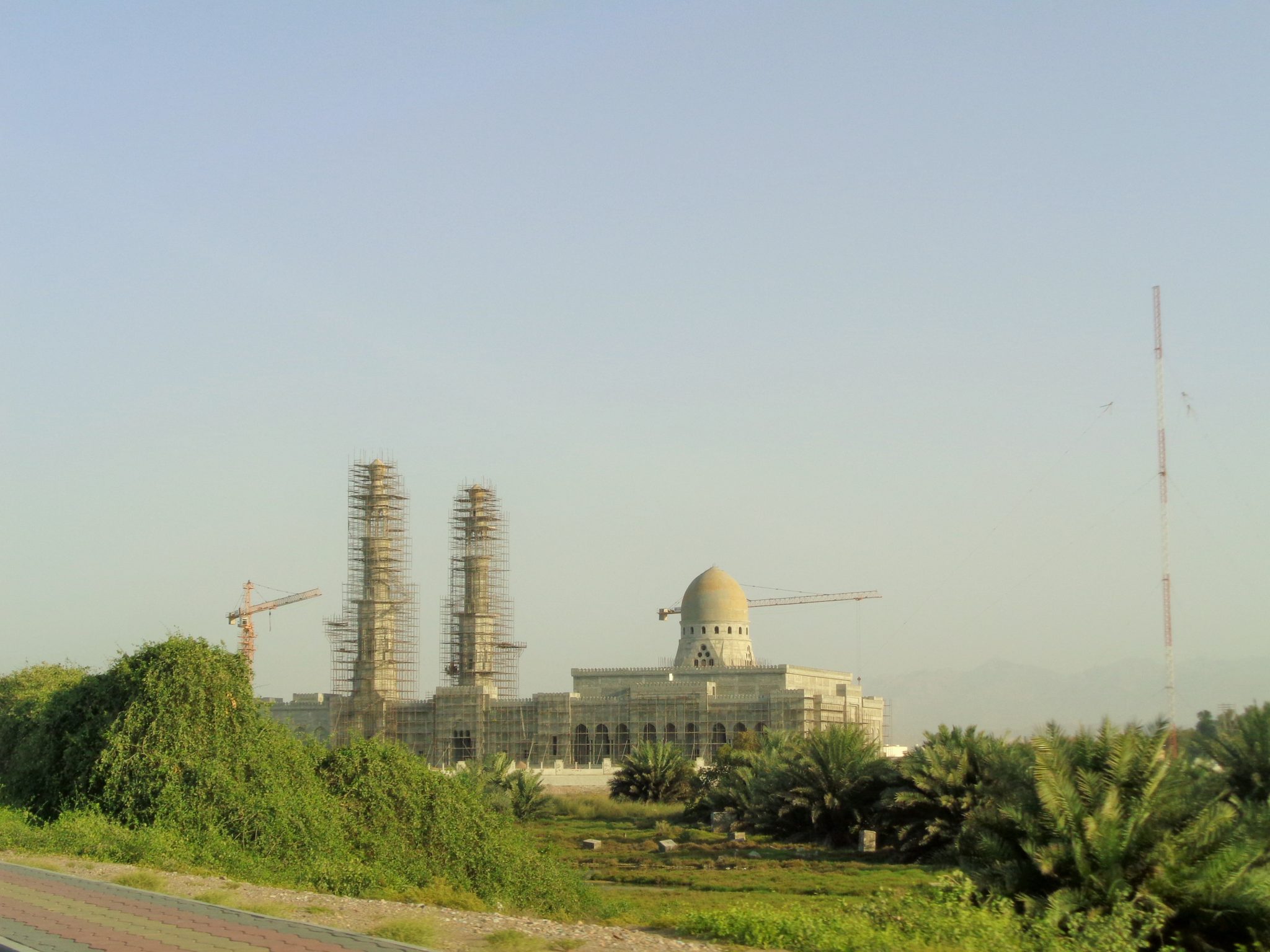
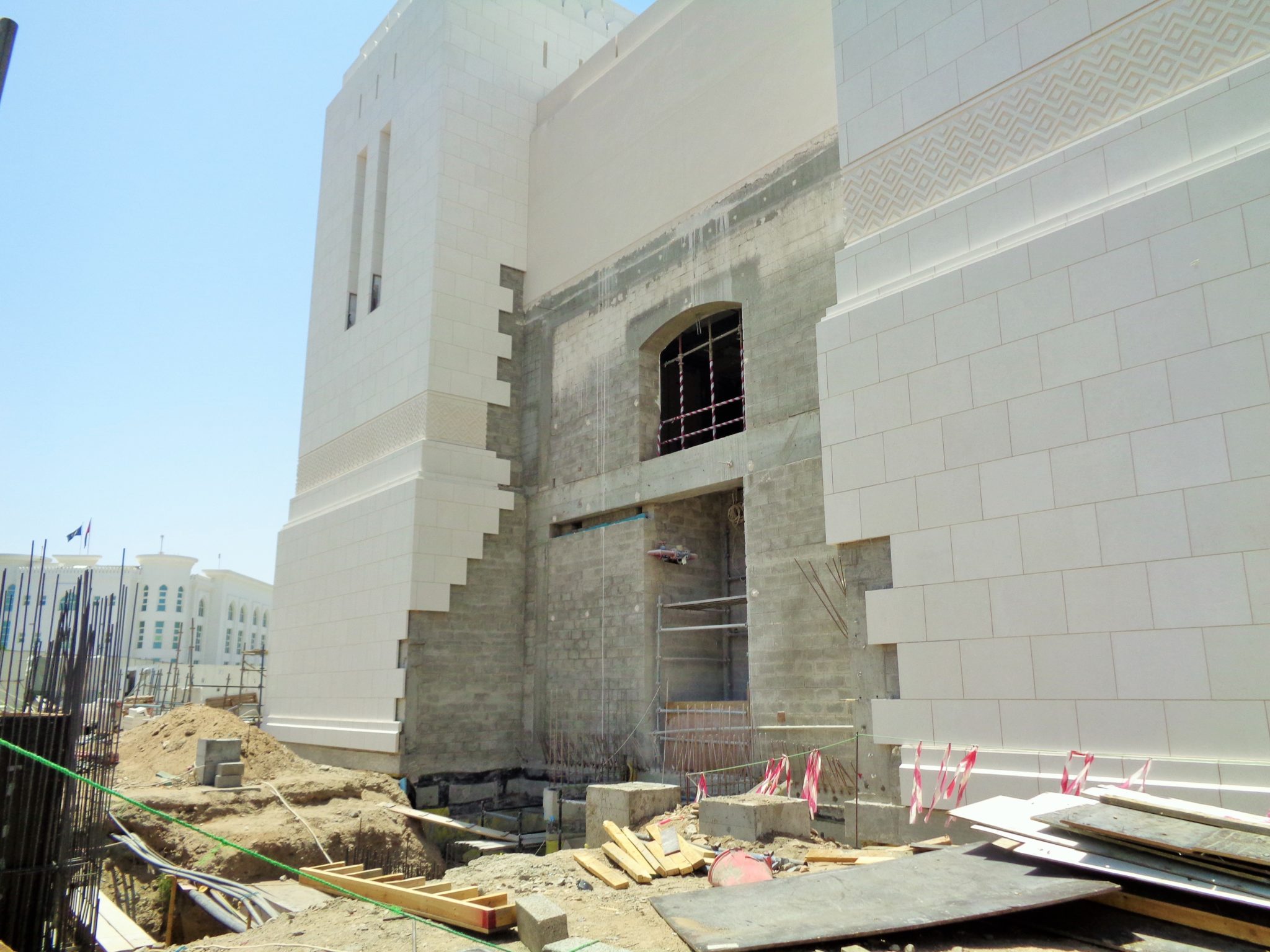
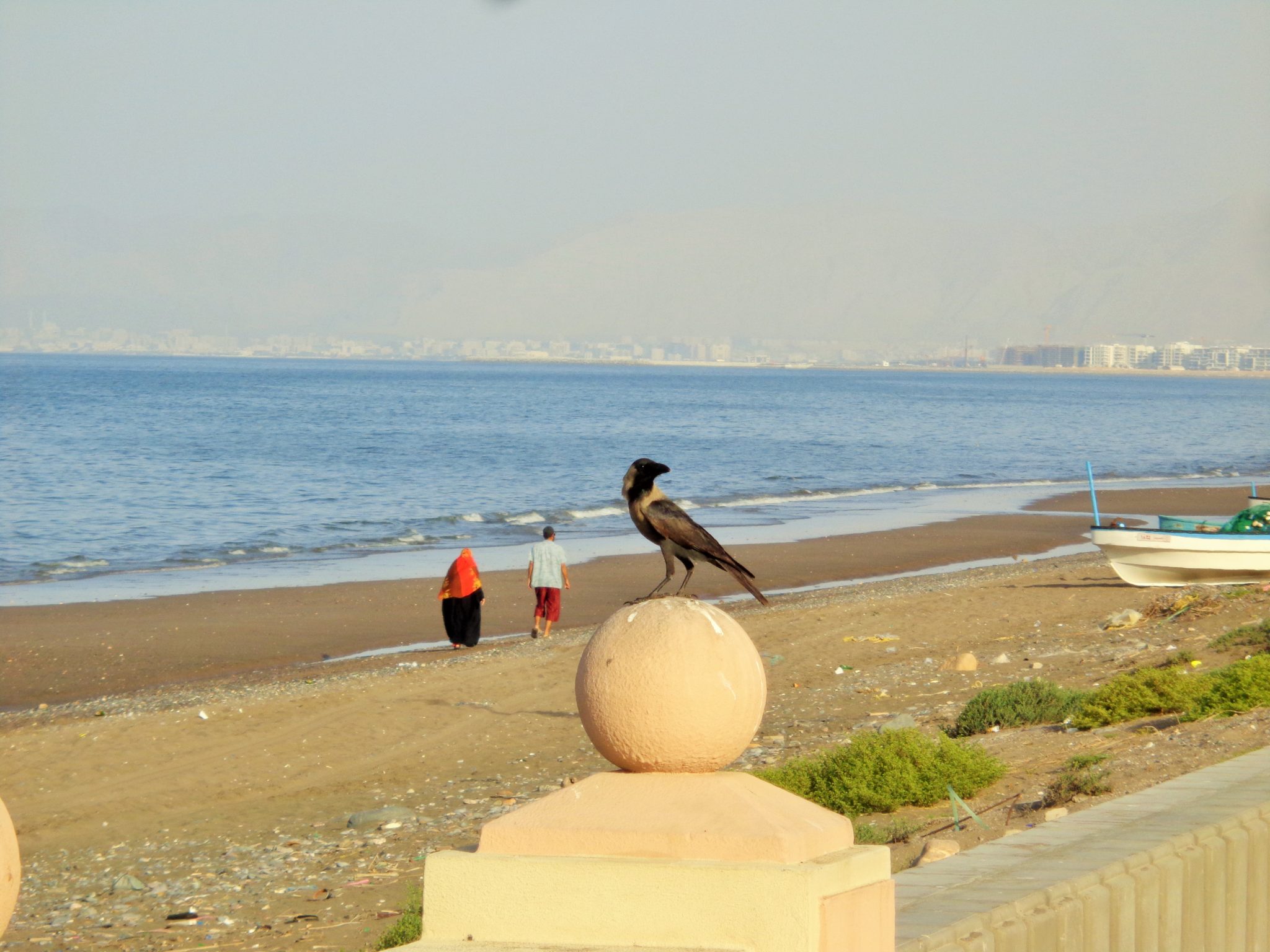
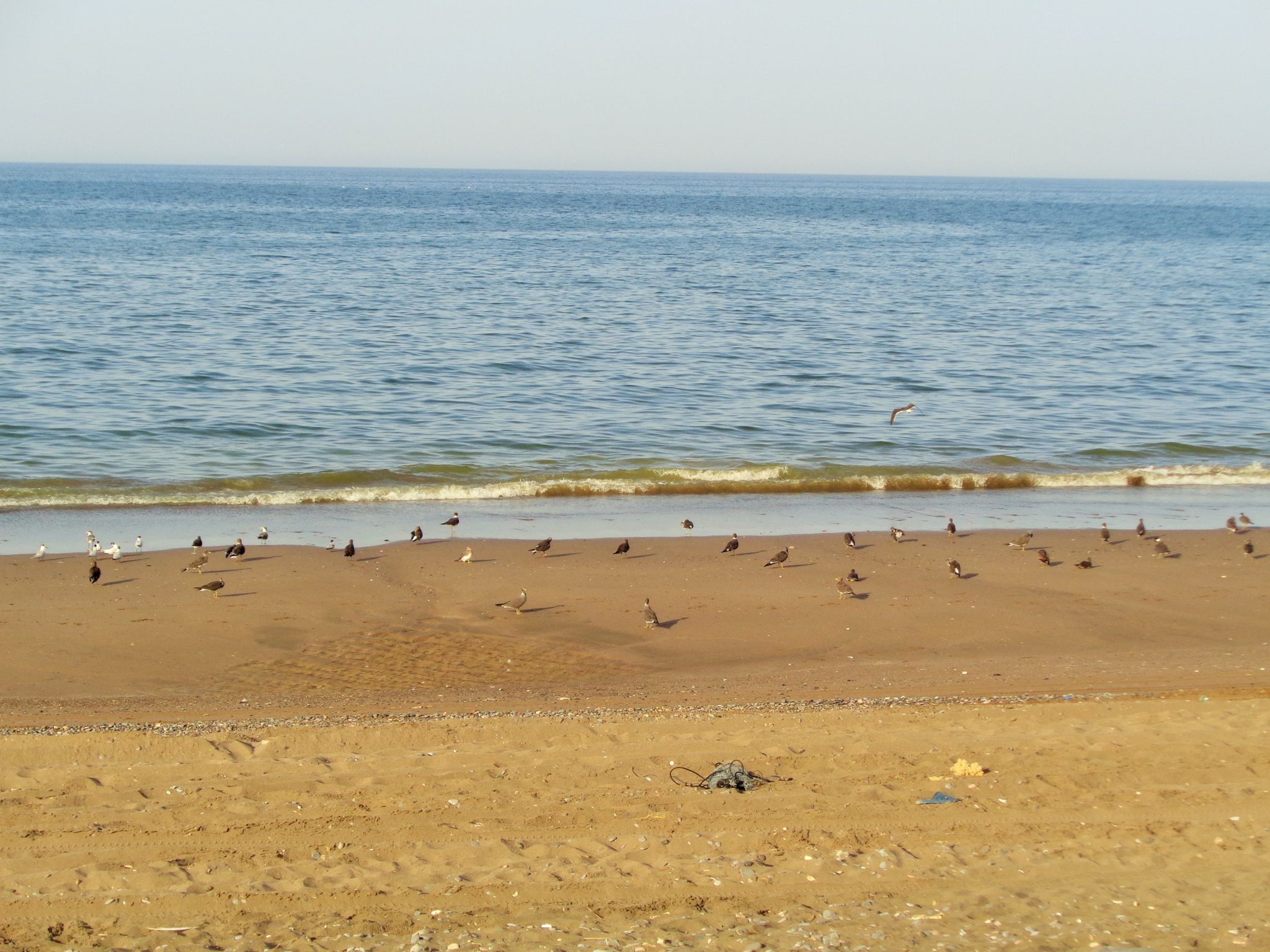
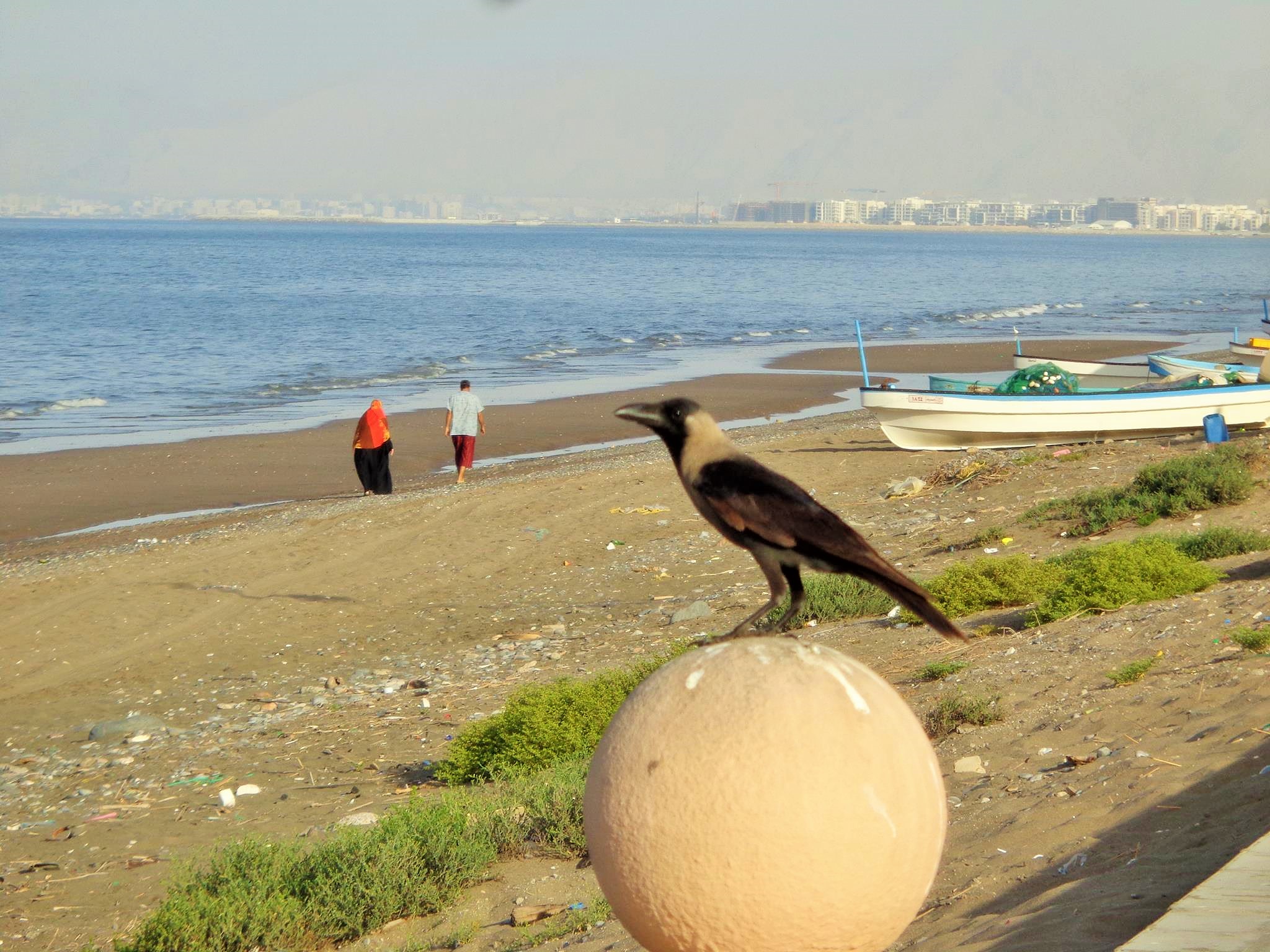
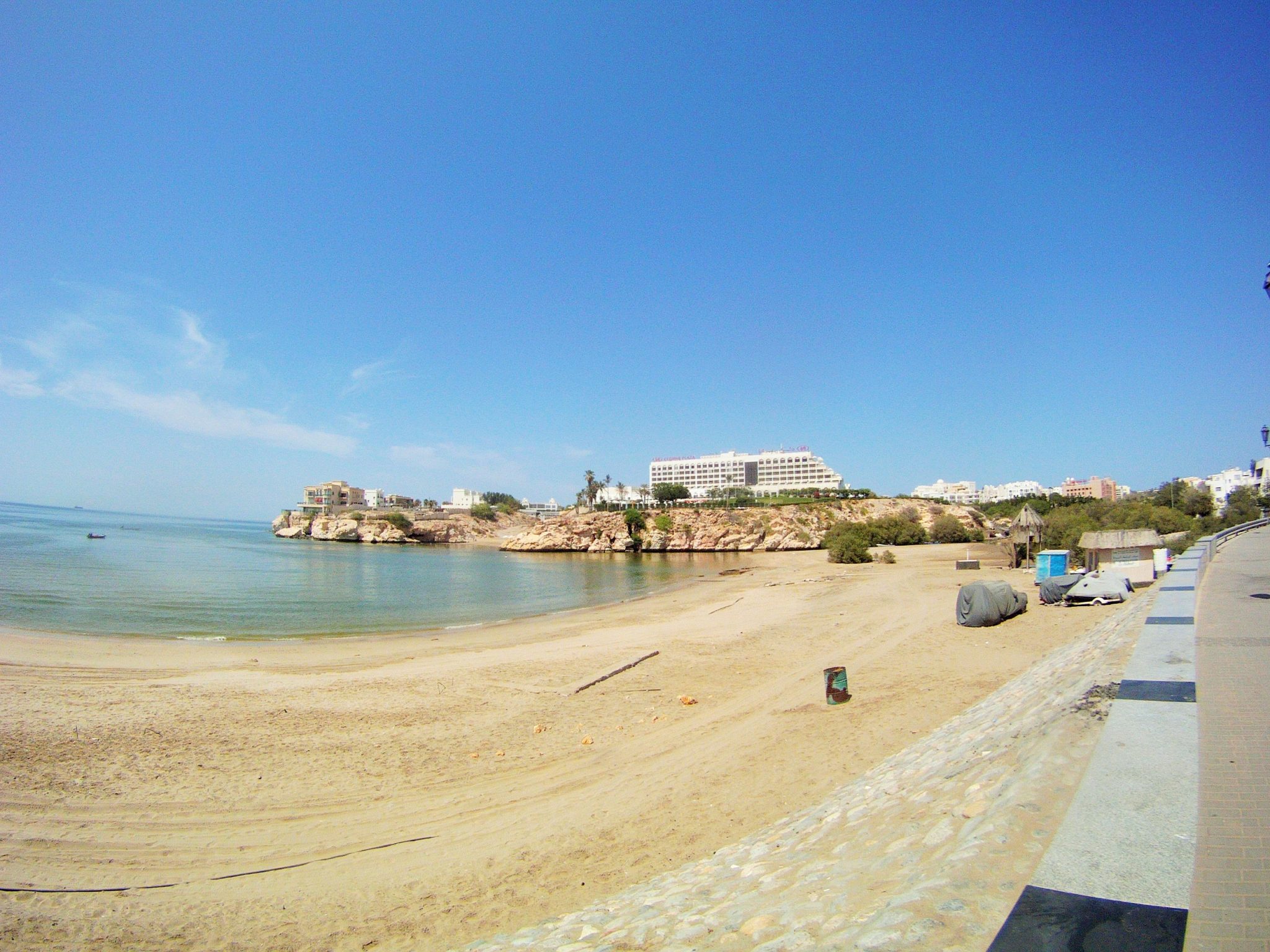
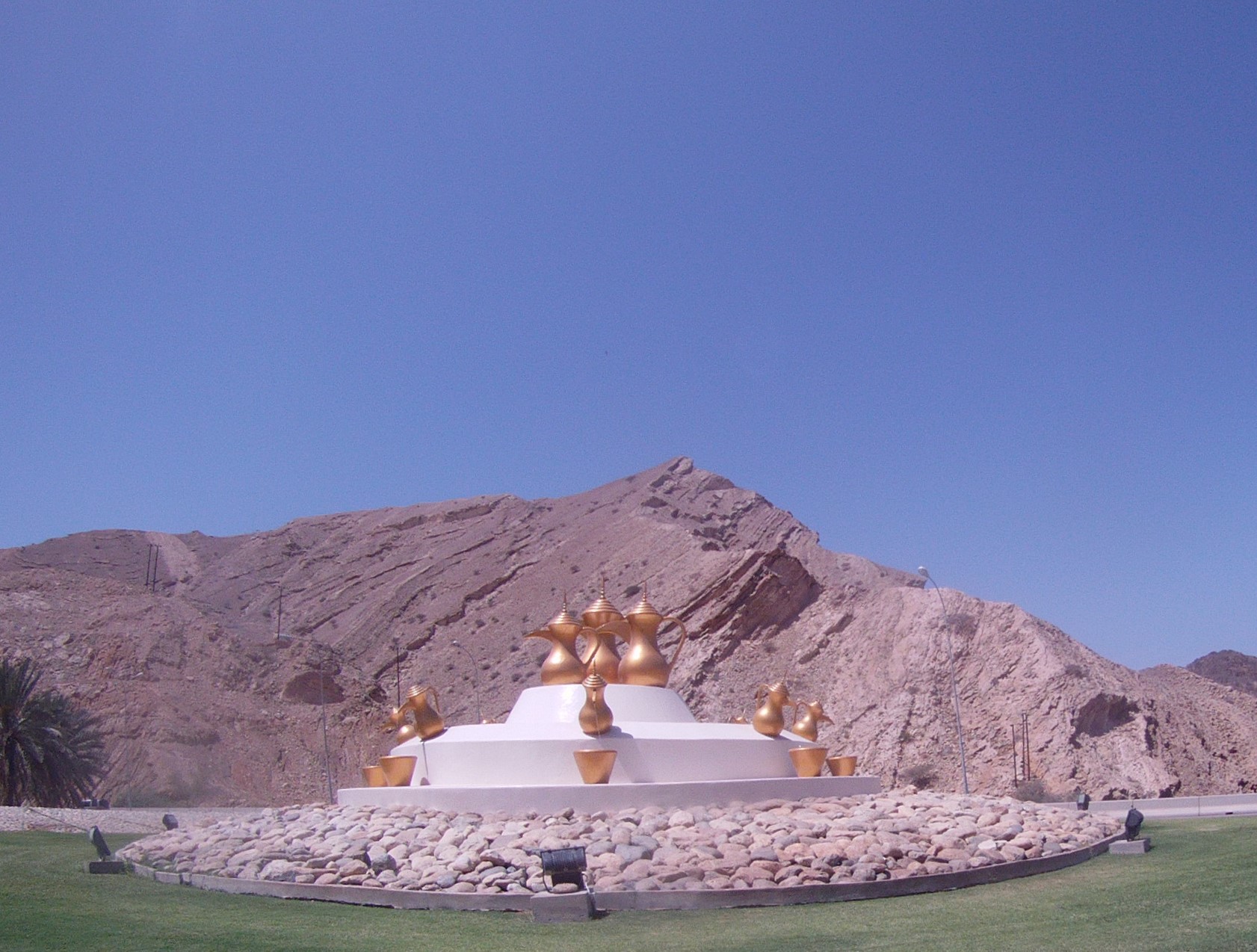
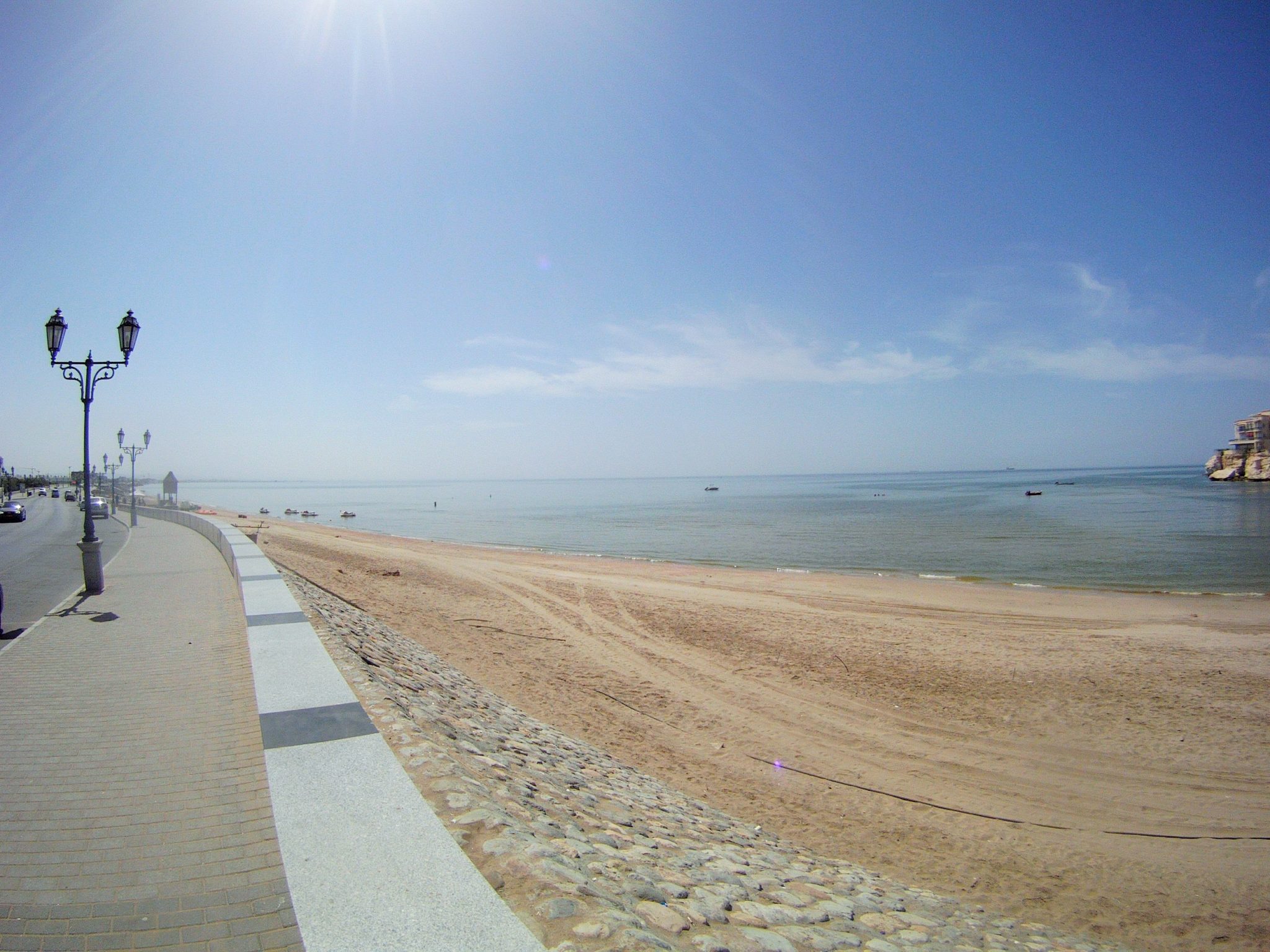
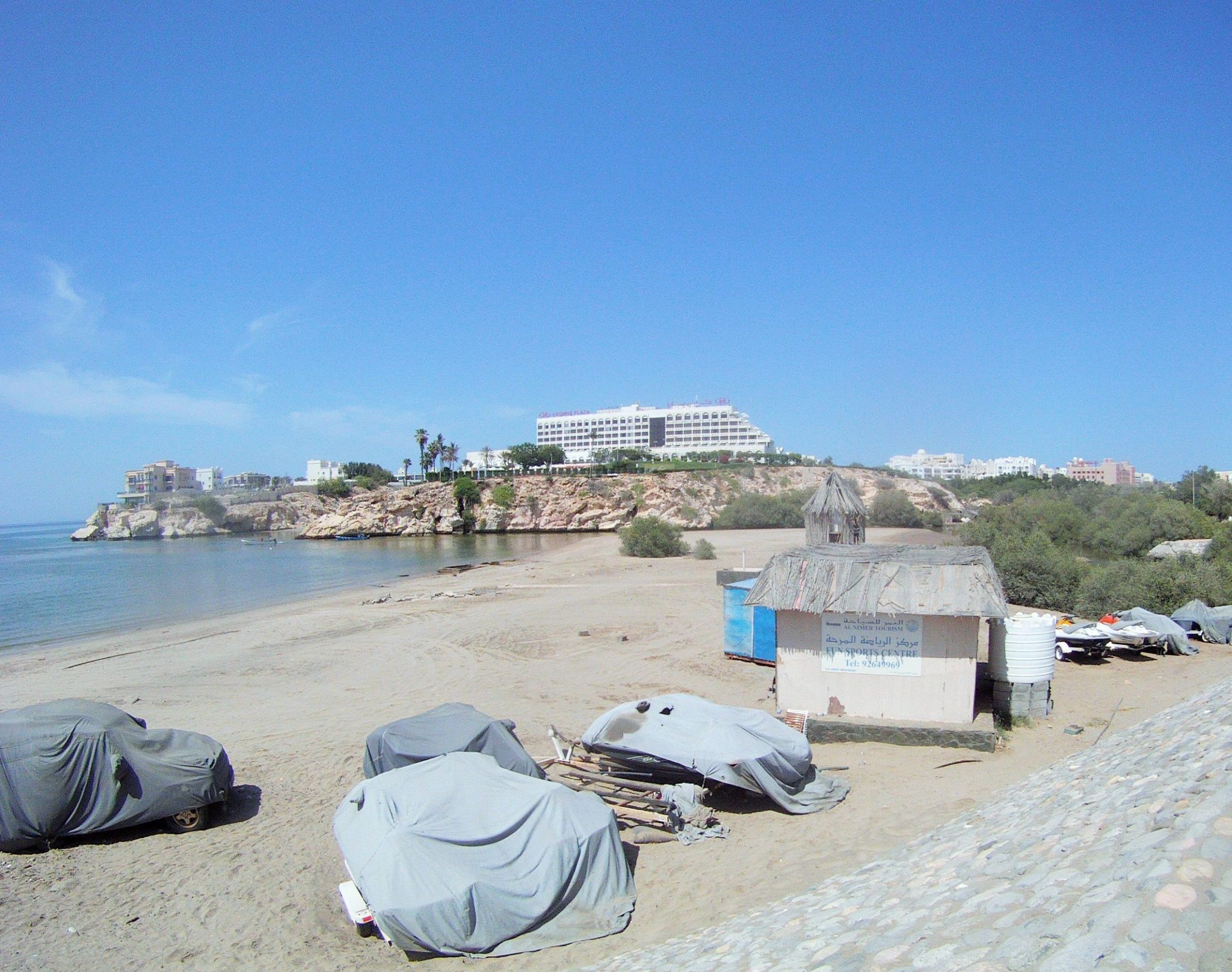
Beyond its cultural attractions, Muscat is distinguished by its remarkable natural setting. The coastline surrounding the city features beautiful beaches, hidden coves, and scenic viewpoints, while the nearby mountains offer spectacular panoramas over the sea and urban landscape. This close connection to nature contributes significantly to the city’s atmosphere and provides a contrast to the fast-paced environments often associated with other major cities in the region.


Today, Muscat successfully combines a rich historical legacy with cultural diversity and modern development. Its centuries-old role as a trading port, together with its museums, galleries, international cultural events, and breathtaking scenery, has made it one of the most fascinating destinations on the Arabian Peninsula. The city’s ability to balance tradition and progress continues to define its unique identity and appeal to visitors from around the world.































MORE ARTICLES ABOUT OMAN
>>> Streetart in the Sultanate <<<
>>> Adventurous Wadi Shab <<<
>>> The Bimmah Sinkhole <<<
>>> Through the villages – Maskat Region <<<
>>> Streetart Qurrayat <<<
>>> Graffiti at the Wadis <<<
>>> Ghalya´s Museum of Modern Art <<<